StudyKit Forge
Convert student notes into printable revision packs, flashcards, and digital study products, with editable designs ready to sell or share.
Why StudyKit Forge addresses a real study and creator workflow
Students often have plenty of study material but not enough time to turn it into useful revision resources. Notes may be scattered across documents, slides, handwritten pages, and course platforms. Converting them into clear flashcards, practice questions, and printable revision sheets takes additional effort—and the final materials still need editing before they are ready to study, share, or sell.
StudyKit Forge is an AI-powered study kit generator designed to close that gap. It converts student notes into editable revision packs, flashcards, and digital study products. Rather than treating AI-generated text as the finished product, the idea combines content transformation with a design and export workflow.
That distinction matters. A useful study resource needs more than a summary. It must be accurate, easy to review, organized around the learner’s goals, and formatted for the way it will be used. A student may want a printable pack for an exam, a set of flashcards for spaced repetition, or a polished digital resource to share with classmates. A tutor or education creator may want to turn their own teaching materials into a product.
The opportunity for StudyKit Forge is to make those outcomes easier to create from existing notes.
The core product promise
StudyKit Forge helps people transform study material into editable, attractive, and reusable learning assets, with less manual formatting and less time spent starting from a blank page.
Who StudyKit Forge should serve first
A broad audience can make a product sound promising, but it can also make the first version unfocused. StudyKit Forge should begin with one clearly defined customer segment, learn its workflow, and expand only after the core experience works reliably.
Students preparing for exams
Students are the most obvious audience. They already collect notes and need ways to review them efficiently. Common use cases include:
- Turning lecture notes into question-and-answer flashcards.
- Creating a concise topic-by-topic revision guide.
- Generating practice quizzes from a course outline.
- Formatting notes into printable pages for offline study.
- Reworking dense material into definitions, examples, and key concepts.
This audience is likely to care about speed, affordability, accessibility, and confidence in the generated content. Students may also have limited willingness to pay, particularly when they are already using free note-taking and flashcard tools.
Tutors and independent educators
Tutors can use StudyKit Forge to create practice materials, revision sheets, and homework resources from their own teaching content. Their needs differ from those of an individual student. They may care more about:
- Reusing templates across multiple learners.
- Editing and branding a pack before sharing it.
- Producing different difficulty levels.
- Keeping materials organized by subject, class, or student.
- Exporting professional-looking PDFs quickly.
This segment may have stronger willingness to pay if the product saves recurring preparation time or helps tutors deliver a more polished service.
Education creators and digital product sellers
Creators who sell educational downloads need more than study notes. They need a workflow for shaping, editing, designing, and packaging useful materials. StudyKit Forge could support creators who want to turn original lesson content into:
- Printable study planners and revision packs.
- Flashcard decks.
- Subject-specific worksheets.
- Digital study guides.
- Bundled learning resources.
This audience introduces additional needs around commercial rights, attribution, product quality, and export formats. It may be a strong expansion segment, but it should not be assumed that every student-generated pack is suitable for commercial sale.
Study groups and student organizations
Study groups may want to combine notes, share revision resources, or prepare for an exam together. A team-oriented workflow could include shared projects, comments, and permission controls. These features are less important for a solo MVP, but could become valuable if users regularly collaborate.
A practical initial customer profile
A useful first customer profile might be:
A university student who already has digital notes, needs to prepare for a near-term exam, and wants editable flashcards or a printable revision pack without manually rebuilding every resource.
This profile gives the product team a concrete workflow to test. It also helps focus product decisions. For example, importing common document formats and correcting generated answers may matter more at first than sophisticated storefront features.
The market opportunity and the gap StudyKit Forge can fill
StudyKit Forge sits at the intersection of AI-assisted learning, productivity software, digital design, and creator tools. Each area has established products, but a user can still face a fragmented process.
A typical workflow might involve copying notes into an AI assistant, asking for flashcards, pasting the results into a separate study app, and then using a design tool to make printable pages. The user must move content between services, resolve formatting problems, and check the output for mistakes.
StudyKit Forge can compete by consolidating that workflow:
- Import or paste source material.
- Select a learning or product format.
- Generate a structured first draft.
- Review and edit the content.
- Apply a design template.
- Export, study, share, or prepare the resource for sale.
The opportunity is not simply “AI can summarize notes.” That feature is easy to imitate and may not create long-term differentiation. The stronger opportunity is a reliable notes-to-learning-assets workflow that connects content generation to editing, design, and distribution.
The product gap is in the complete workflow
Existing tools tend to specialize in one part of the process. Some help users make flashcards, some support note-taking, some generate AI answers, and some provide design templates. Users may still need to bridge those tools themselves.
StudyKit Forge can address the handoff problem by supporting multiple outputs from the same source material. A student could create flashcards and a printable revision pack from one imported set of notes, then edit each output independently.
That approach creates practical value in several ways:
- Less repetitive work: Users do not need to reformat the same source content for every output.
- More consistent material: Key terms and explanations can remain aligned across formats.
- Greater control: Users can inspect and modify generated content before relying on it.
- Reusable design: Templates can make resources easier to print, share, or present professionally.
Validate demand before investing in a large feature set
The idea should be tested with real users before building advanced AI, collaboration, or seller tools. Validation should focus on behavior, not just enthusiasm.
Useful research questions include:
- What materials do users currently convert into revision resources?
- How long does their current process take?
- Which formats do they actually use: printable PDFs, flashcards, quizzes, or something else?
- How often do they distrust or edit AI-generated study material?
- Would they pay to save time, and what would they expect to receive at each price?
- Are they creating resources for personal use, sharing, tutoring, or commercial sale?
A lightweight pilot could ask users to provide a sample of their own notes, generate a pack with a human-assisted prototype, and then observe what they edit, discard, print, or share. This reveals whether the value lies in content transformation, visual polish, organization, or export convenience.
For market sizing, avoid unsupported headline numbers. Build a bottom-up estimate based on a defined geography and segment. For example, estimate the number of reachable students or tutors, the proportion likely to use paid study tools, and a realistic conversion rate. If publishing market statistics, cite the original source and include the publication date, population, and methodology.
Core features for an AI study kit generator
A strong MVP should provide a coherent end-to-end experience rather than a long list of disconnected AI features. The following capabilities form a useful foundation.
1. Flexible source material import
Users should be able to bring in content without worrying about perfect formatting. Start with a few high-value input methods:
- Paste text directly into the editor.
- Upload common document formats such as PDF or DOCX.
- Import plain text or Markdown.
- Add material topic by topic rather than requiring one large file.
If the product later supports images, scanned notes, or slide decks, it will need dependable text extraction and clear handling of extraction errors. Do not imply that every uploaded file can be processed perfectly. Show users what text was captured and give them a chance to correct it before generation.
2. Output selection with useful controls
The user should choose what they want to make, not simply submit notes to a generic prompt. Potential output types include:
- Flashcards.
- A structured revision guide.
- Short-answer questions.
- Multiple-choice quizzes.
- Key-term lists.
- Printable worksheets.
- A lesson or topic summary.
For each output, offer a small number of meaningful controls. Examples include audience level, desired length, question difficulty, and whether explanations should be included. Keep these settings understandable. Too many prompt-like controls can make a simple product feel technical.
3. An editor designed for review
AI-generated learning materials require human review. StudyKit Forge should make that review part of the core workflow, not an afterthought.
Useful editing tools include:
- Inline editing of questions, answers, definitions, and explanations.
- Regeneration of one card or section without replacing the whole pack.
- A visible link or reference to the source passage when available.
- Flags for content that may need verification.
- Undo and version history.
- A side-by-side view of source material and generated output.
The product should avoid presenting generated content as verified fact. A clear review step is more trustworthy and gives users a way to catch errors before they study or share the material.
4. Editable designs and templates
A design system can differentiate StudyKit Forge from tools that only generate text. Templates should support readable hierarchy and practical printing—not just decoration.
Useful template categories might include:
- Minimal black-and-white revision sheets.
- Color-coded subject guides.
- Flashcards with cut lines and print margins.
- Worksheet layouts with space for written answers.
- Creator templates with a title page and consistent footer styling.
Templates should support accessibility and legibility. Small text, low contrast, and backgrounds that consume excessive ink can make a “beautiful” pack less useful. Let users change fonts, colors, spacing, and page size where appropriate.
5. Export and sharing
Export is part of the product’s value, not a minor technical detail. A first release may support PDF export and a digital review mode. Additional formats can follow based on user demand.
Consider including:
- Printable PDFs with page size and margin options.
- A shareable read-only link.
- A private workspace for saved projects.
- Export to common flashcard formats, if users request them.
- A clear indication of whether a shared resource can be copied or downloaded.
If StudyKit Forge supports selling digital products, it will also need purchase delivery, licensing details, and reliable file updates. Those capabilities are better treated as a deliberate product line than as a small checkbox in the MVP.
6. A simple study mode
The product can go beyond creation by letting users review their flashcards. A lightweight study mode could include:
- Reveal-answer interactions.
- Marking a card as easy, difficult, or needs review.
- Shuffling cards.
- A simple review history.
- Reminders that users can control.
Avoid claiming that a basic flashcard feature improves academic outcomes unless that claim has been independently tested. The product can present study modes as useful workflows while being careful not to overstate their effectiveness.
Best MVP focus
Import notes, generate editable flashcards and revision sheets, review the content, and export a clean PDF.
Strong differentiator
Create several coordinated study formats from one source, with source-aware editing and print-ready design.
Later expansion
Add collaboration, tutor workspaces, commercial product workflows, and additional export integrations after demand is demonstrated.
Competitive advantage and positioning
StudyKit Forge will compete with more than direct AI study tools. Users may compare it with flashcard apps, general-purpose AI assistants, document editors, design platforms, and digital download tools.
The product should therefore position itself around a specific outcome rather than claiming to replace every tool.
A workflow advantage, not just a generation advantage
Many products can generate a summary or a set of questions. StudyKit Forge can stand out by connecting several steps that are often separated:
- Source material stays connected to the generated asset.
- Users can edit content without leaving the workspace.
- The same source can produce multiple learning formats.
- Designs are editable and made for print or digital use.
- Final materials can be saved, shared, or prepared for distribution.
The goal is to reduce the work between “I have notes” and “I have something useful to study.”
A clear USP
A concise positioning statement could be:
StudyKit Forge turns your notes into editable, print-ready study packs and flashcards, so you can spend less time formatting and more time reviewing.
This statement is specific enough to guide product and marketing decisions. It also avoids promising that AI will replace studying or guarantee better grades.
What could become defensible over time
AI text generation alone is not a durable moat. More defensible advantages may come from:
- High-quality templates designed for specific subjects and learning tasks.
- A trusted review workflow that makes generated content easy to inspect.
- Better handling of source material and clear connections between source and output.
- User preferences, saved workflows, and reusable project structures.
- Distribution among tutors, student organizations, and education creators.
- A growing library of proven templates and examples.
These advantages take time to earn. They depend on retention, user feedback, and reliable execution—not on adding AI features for their own sake.
Recommended technology stack for StudyKit Forge
The right stack should support rapid iteration while protecting user content and keeping AI costs observable. The team should choose tools based on its experience and product requirements rather than treating any stack as universally best.
Front end and application framework
A web application built with React and Next.js is a practical choice for a product that needs an interactive editor, project pages, and public marketing content.
Potential benefits include:
- A widely used component model for building an editor and template controls.
- Server-side capabilities for authentication and secure API routes.
- A path to combine product pages, documentation, and marketing pages.
- A large ecosystem of libraries and developer resources.
The trade-off is complexity. A rich editor, PDF export, and multiple responsive layouts can require careful engineering. The team should prioritize a reliable core workflow over an elaborate interface in the first release.
For styling, Tailwind CSS can help teams build consistent interfaces quickly. The trade-off is that utility-heavy markup can become harder to maintain without shared design tokens, reusable components, and clear conventions.
Database and file storage
A relational database such as PostgreSQL can store user accounts, projects, generated assets, template settings, and billing records. Relational structure is useful when project ownership, sharing permissions, and subscriptions need to remain consistent.
A managed platform such as Supabase can accelerate development by combining database, authentication, and storage services. The trade-off is platform dependency and the need to understand access policies carefully. File access rules should be tested so private notes do not become publicly accessible through misconfigured storage policies.
Store original uploads separately from generated content. Define retention rules and give users a way to delete their files and projects.
AI generation and evaluation
A model API can generate structured learning content from user-provided material. OpenAI’s platform documentation is one example of official documentation for building with a model API; the best provider should be chosen through testing rather than assumptions.
A robust generation pipeline should:
- Extract and normalize text from the source.
- Split long documents into useful sections.
- Ask for structured output that matches the selected asset type.
- Validate that the response follows the expected schema.
- Store source references alongside generated content.
- Present the result for user review before export.
The main trade-offs are cost, latency, model behavior, and accuracy. Smaller or faster models may reduce cost but may not perform as well on complex source material. Larger models may improve some tasks while increasing response time and expense. Measure these differences using representative notes, not a handful of carefully selected examples.
Do not treat a model’s confidence or fluent language as proof that its output is correct. Use test sets that include messy notes, conflicting explanations, long documents, and subject-specific terminology.
Payments and subscriptions
For payments, Stripe’s documentation provides an established starting point for subscriptions and one-time purchases. Payment processing introduces work beyond a checkout page, including tax considerations, refunds, failed renewals, invoices, and customer support.
Keep billing logic on trusted server-side systems. Never rely on the browser alone to determine whether a user has access to paid features.
Product foundation and launch speed
Teams that want to move quickly can evaluate TurboStarter as a SaaS foundation. A starter can reduce time spent on routine application infrastructure, but it does not replace product discovery, privacy review, AI evaluation, or testing the core study workflow. Review what is included and how it fits the team’s preferred architecture before committing.
Monetization strategies for StudyKit Forge
StudyKit Forge can test multiple revenue models, but it should not launch with a confusing set of overlapping plans. Pricing should reflect the value delivered, the cost of AI generation, and the audience’s willingness to pay.
Freemium subscription
A free tier can help students experience the product before upgrading. It might include a limited number of projects or generations, basic templates, and standard exports.
Paid plans could add:
- Higher usage limits.
- More template options.
- Larger projects.
- Saved versions and project organization.
- Premium export settings.
- Commercial use features, where permitted.
Freemium can increase adoption, but it also creates support and AI costs. Set limits based on measured usage and avoid giving away expensive generation without a clear conversion strategy.
Credit-based generation
A credit model charges users for generation volume rather than time. This can fit users who work in bursts, such as someone preparing for exams or a tutor creating materials before a new term.
The challenge is predictability. Users need to understand what a generation costs before starting, and the product should avoid surprising them with credits consumed by failed or repeated requests.
Creator or tutor plans
A separate plan may serve educators and creators who need recurring projects, branded templates, or client-ready exports. This segment may support higher pricing if StudyKit Forge saves meaningful preparation time.
Commercial features should be paired with clear terms explaining what content users may upload, edit, distribute, or sell. StudyKit Forge should not imply that users own copyrighted source material simply because they transformed it with AI.
One-time product purchases
If the product eventually offers premium templates, subject packs, or specialized workflows, one-time purchases may complement subscriptions. This model is easier to understand for users who do not want a recurring bill, but revenue may be less predictable.
Testing willingness to pay
Use evidence rather than assumptions. Ask users to complete a real task, then test pricing with a transparent offer. Track:
- Activation from sign-up to first completed study asset.
- The percentage of users who export or review a generated pack.
- Repeat use across a study period.
- Conversion by audience segment.
- AI cost per active user.
- Refunds, cancellations, and support requests.
A high number of generated packs does not necessarily indicate durable value. Retention and successful use of exported materials are stronger signals.
Risks and how to mitigate them
AI-generated errors
A wrong definition or misleading flashcard can damage trust and affect learning. StudyKit Forge should communicate that generated content needs review, preserve source context where possible, and make editing straightforward.
Mitigations include:
- Showing source passages alongside generated content.
- Flagging low-quality or incomplete source extraction.
- Testing output quality across subjects and input styles.
- Providing one-click editing and regeneration.
- Avoiding claims that the output is guaranteed to be correct.
Copyright and ownership
Users may upload course materials, textbooks, slides, or content they do not have permission to redistribute. The product should distinguish between personal study use and commercial distribution.
Mitigations include:
- Clear terms that explain user responsibilities.
- Guidance on uploading and sharing material.
- Reporting and removal procedures for disputed content.
- Product controls that discourage unauthorized redistribution.
- Legal review of commercial use policies in launch markets.
A transformation does not automatically make copyrighted source content free to sell. Users should be encouraged to create commercial products from content they own or have permission to use.
Privacy and sensitive student data
Study notes can contain names, academic records, personal reflections, or other sensitive information. A trustworthy product should collect only what it needs, explain how uploads are handled, and protect stored files.
Mitigations include:
- A clear privacy notice and retention policy.
- Encryption in transit and at rest where supported by the architecture.
- Access controls for projects and shared links.
- Deletion options that cover both files and derived assets.
- Careful vendor review for AI processing and storage.
Do not make broad promises about privacy or data use unless the system and provider agreements support them.
AI costs and abuse
Unlimited generation can make a freemium product financially risky. It can also attract automated abuse.
Mitigations include:
- Usage caps and sensible rate limits.
- Monitoring cost by feature and user cohort.
- Queueing or throttling unusually large requests.
- Requiring authentication for expensive operations.
- Offering clear usage visibility to customers.
Poor print results
A digital editor may look good on screen but produce awkward page breaks, tiny text, or excessive ink use when printed. This is a product-quality risk that can undermine the central promise.
Mitigations include testing on real printers, supporting common page sizes, providing print previews, and offering low-ink templates. Ask users to evaluate printed outputs, not just screen previews.
Seasonal usage and churn
Student demand may rise around exams and fall between terms. This can affect subscription retention.
Mitigations include serving adjacent recurring workflows—such as tutoring, weekly quizzes, or ongoing course organization—without losing focus. Consider seasonal or one-time purchase options if research shows that students prefer them.
Competition from larger platforms
A large AI or education platform could add similar generation features. StudyKit Forge should compete through workflow quality, design, trust, and audience-specific usefulness rather than relying on a single AI capability.
A focused go-to-market strategy
Marketing should show the transformation from source notes to finished study material. A product page that only says “AI study tools” is unlikely to explain why StudyKit Forge is different.
Build content around practical search intent
Useful educational content can target searches such as:
- How to turn lecture notes into flashcards.
- How to make a printable revision pack.
- How to create study materials from class notes.
- How to prepare flashcards from a PDF.
- How tutors can create revision worksheets efficiently.
Each page should offer genuinely useful instructions, examples, and limitations. It should not present AI-generated study resources as a substitute for learning or subject expertise.
Demonstrate the product visually
Short demonstrations can show the actual workflow:
- Add a section of notes.
- Choose a flashcard or revision pack format.
- Review and edit the generated content.
- Apply a template.
- Export the result.
Use real, permissioned sample material and clearly label demonstration content. A visible review step can help establish trust.
Partner with tutors and student communities
Tutors, education creators, and student organizations can provide valuable early feedback. Offer a pilot in which participants use the product for a real study or teaching task. Ask for specific feedback about content accuracy, editing time, and print quality rather than general impressions.
Actionable implementation steps
Interview users before building. Speak with students, tutors, and creators separately. Identify the segment with the most frequent and painful notes-to-resource workflow.
Choose one primary use case. Start with a focused outcome, such as converting lecture notes into editable flashcards and printable revision sheets. Do not begin with a full marketplace or every possible study format.
Create a concierge prototype. Manually assist a small group of users with imports, generation, editing, and exports. Record where they lose time and what they trust or reject.
Define quality standards. Create a test set of varied notes and evaluate extraction, structure, accuracy, editing effort, and PDF output. Include poor scans, incomplete notes, and subject-specific terminology where relevant.
Build the smallest complete workflow. Implement import, output selection, generation, editing, saving, and export. Make the user review stage clear and easy.
Add privacy and cost controls early. Establish file access rules, retention behavior, usage limits, and monitoring before inviting a large audience.
Run a paid pilot. Test whether a specific audience will pay for a defined benefit. Measure repeat usage and export behavior, not only sign-ups or generated content.
Expand based on observed demand. Add collaboration, tutor workspaces, commercial templates, or new output types only when users show a recurring need.
Do not skip the review experience
A polished design cannot compensate for inaccurate study material. Treat content review, source visibility, and user editing as essential product features from the first release.
The outlook for StudyKit Forge
StudyKit Forge has a credible opportunity because it focuses on a concrete job: turning existing notes into useful study and teaching assets. Its strongest potential advantage is not AI generation alone, but the combination of content transformation, human review, editable design, and practical export.
The idea is most likely to succeed if the team begins with a narrow audience, validates the full workflow, and measures whether users return to create or use more materials. Students may be the natural starting point, while tutors and education creators could provide stronger recurring use cases or higher-value plans later.
A successful product will need to earn trust. That means being transparent about AI limitations, protecting uploaded materials, supporting careful review, and producing files that work in the real world—especially when printed. Build those qualities into the core experience, and StudyKit Forge can offer more than another AI study tool: it can become a practical workspace for creating and using learning resources.
More 🤖 AI Startup SaaS ideas
Discover more innovative ai startup SaaS ideas that are trending in 2026. Each idea is AI-generated with market validation and growth potential to help you find your next profitable venture faster than competitors.
Your competitors are building with TurboStarter
Below are some of the SaaS ideas that have been generated and built with our starter kit.
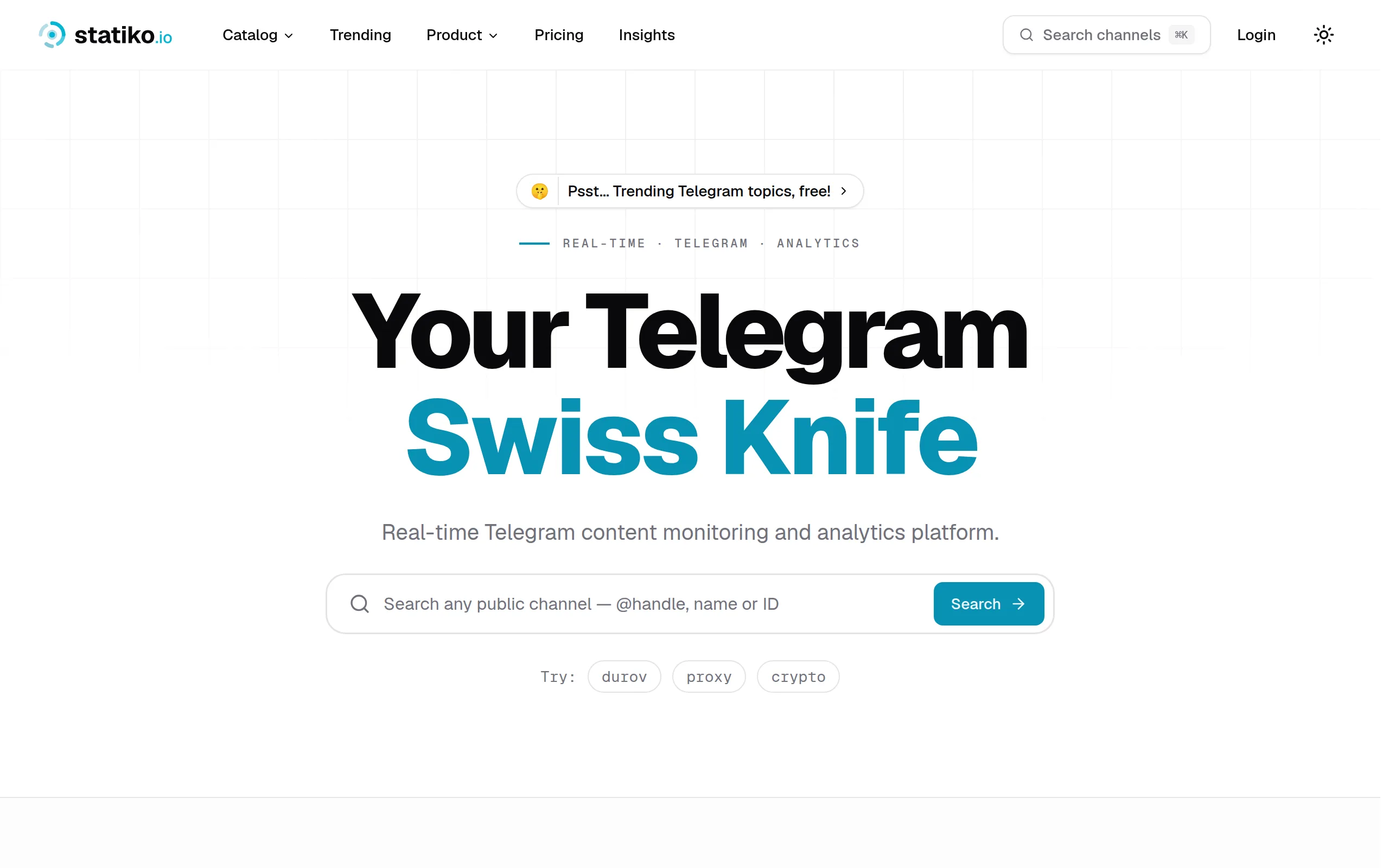
Statiko
Monitor any Telegram channel in real time - track posts, edits, deletions, and growth with AI recaps 📡

Shibui
AI website builder - describe your business, pick a niche template, edit by chatting, and publish instantly ✨

Pro Service
Find verified home service professionals, compare quotes, and pay securely through escrow - built for Brazilians across the US 🏠
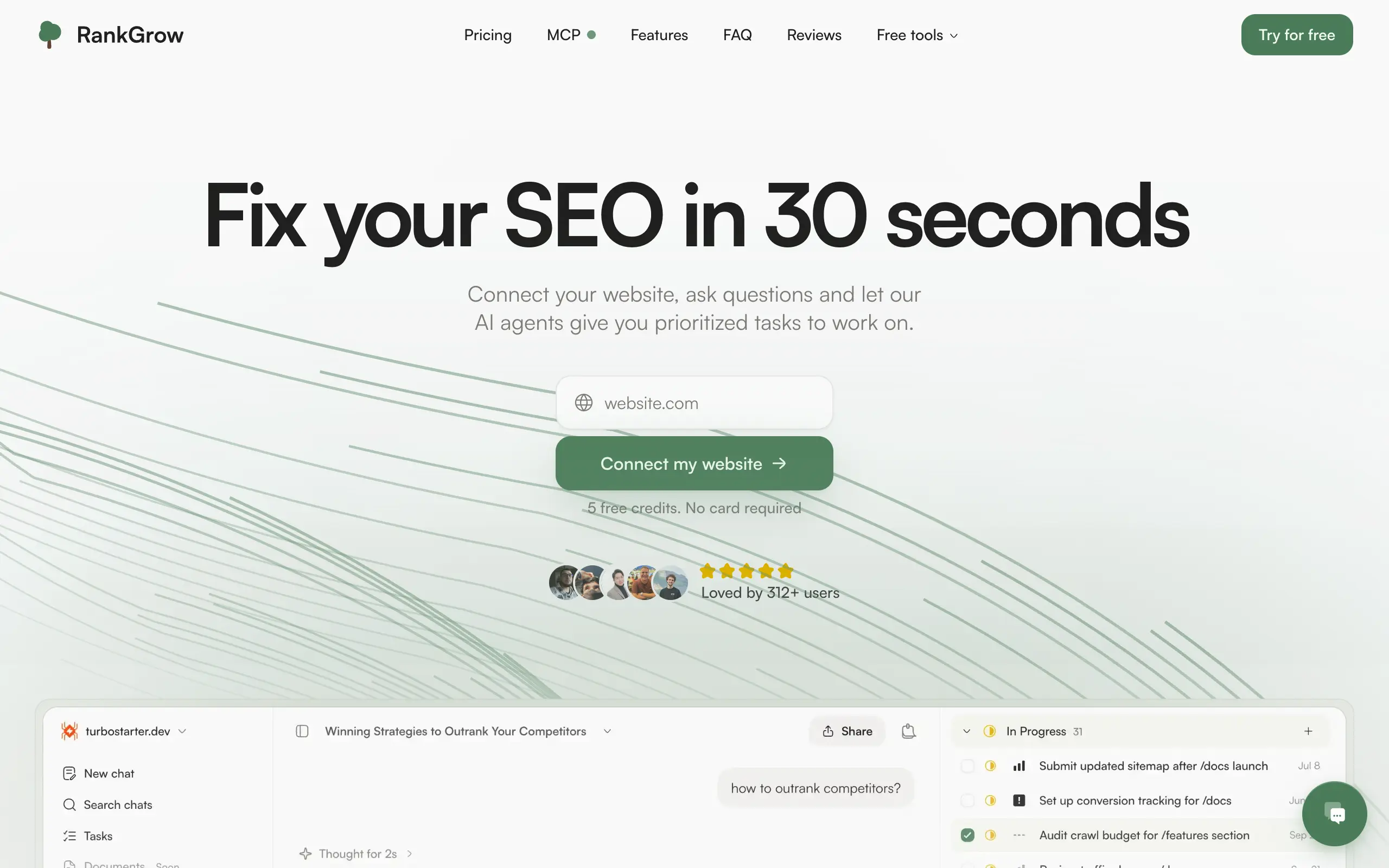
RankGrow
Fix your SEO with AI agents - connect Search Console, get prioritized tasks, and grow organic traffic 📈
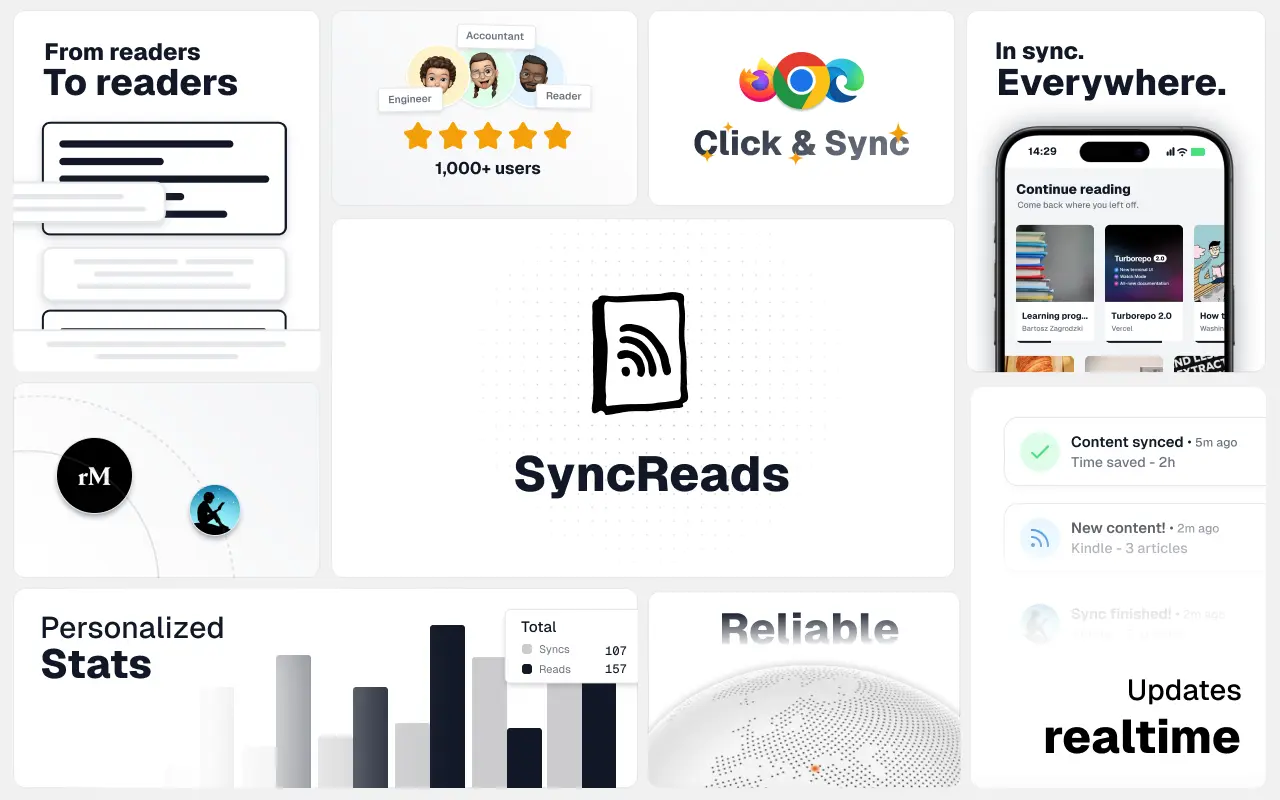
SyncReads
Sync your favorite content for distraction-free reading, save time and replace multiple apps. Anytime, anywhere 🔄
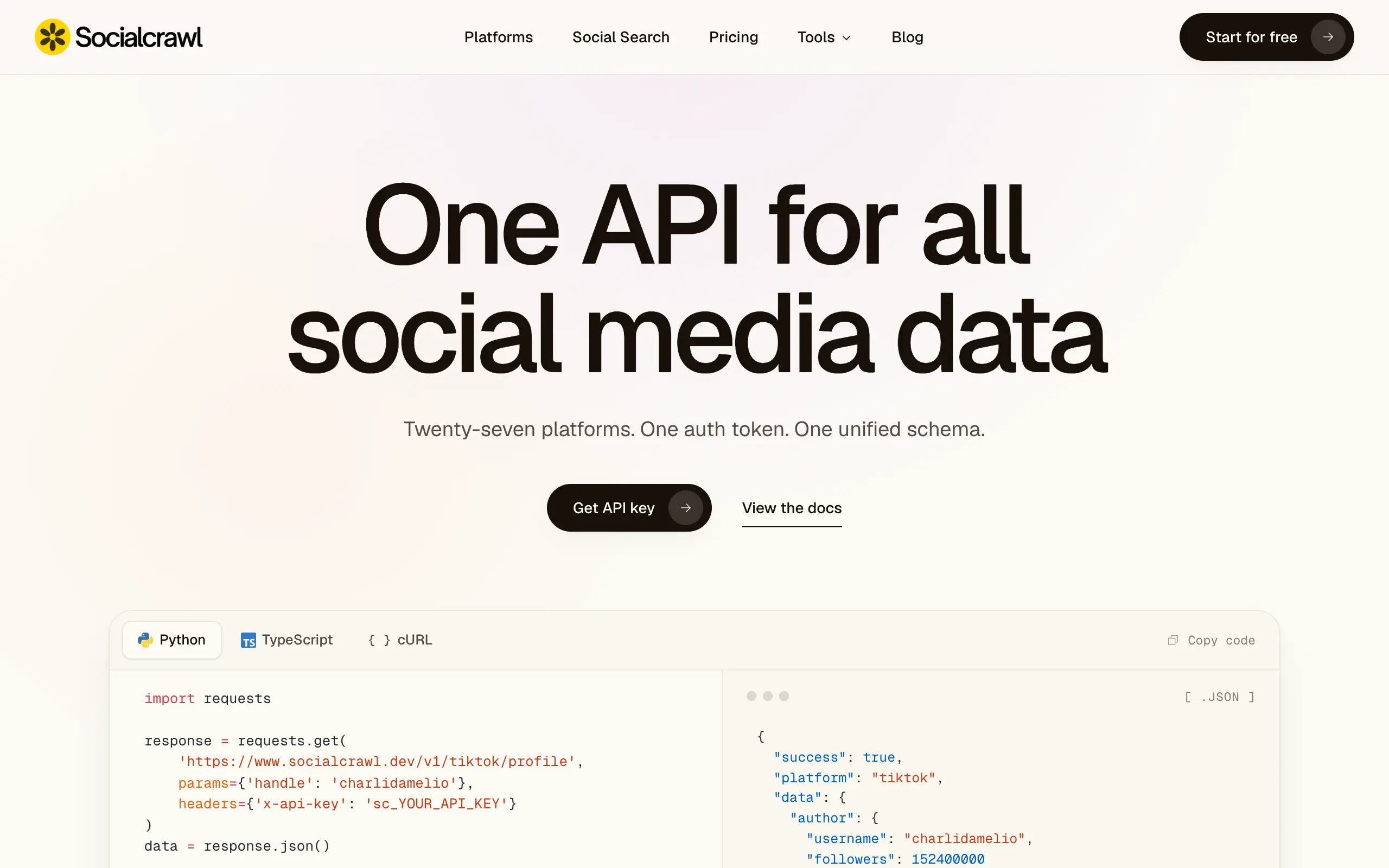
Socialcrawl
Get clean, structured data from 21 platforms like TikTok, Instagram, and YouTube with a single request 📊
Statiko
Monitor any Telegram channel in real time - track posts, edits, deletions, and growth with AI recaps 📡
Shibui
AI website builder - describe your business, pick a niche template, edit by chatting, and publish instantly ✨
Pro Service
Find verified home service professionals, compare quotes, and pay securely through escrow - built for Brazilians across the US 🏠
RankGrow
Fix your SEO with AI agents - connect Search Console, get prioritized tasks, and grow organic traffic 📈
SyncReads
Sync your favorite content for distraction-free reading, save time and replace multiple apps. Anytime, anywhere 🔄
Socialcrawl
Get clean, structured data from 21 platforms like TikTok, Instagram, and YouTube with a single request 📊
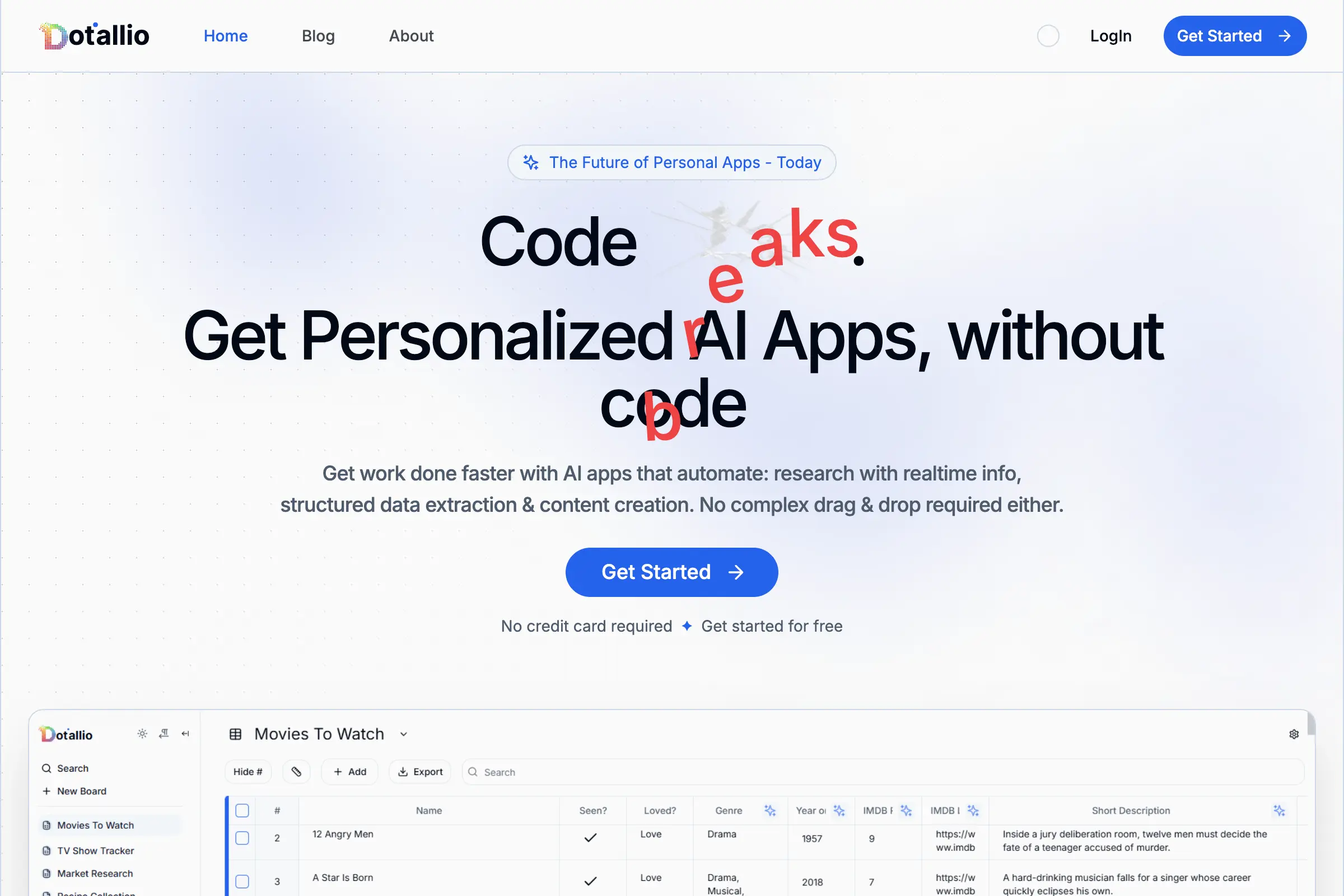
Dotallio
Personalized AI apps that automate research, data extraction, and content creation without code 🤖
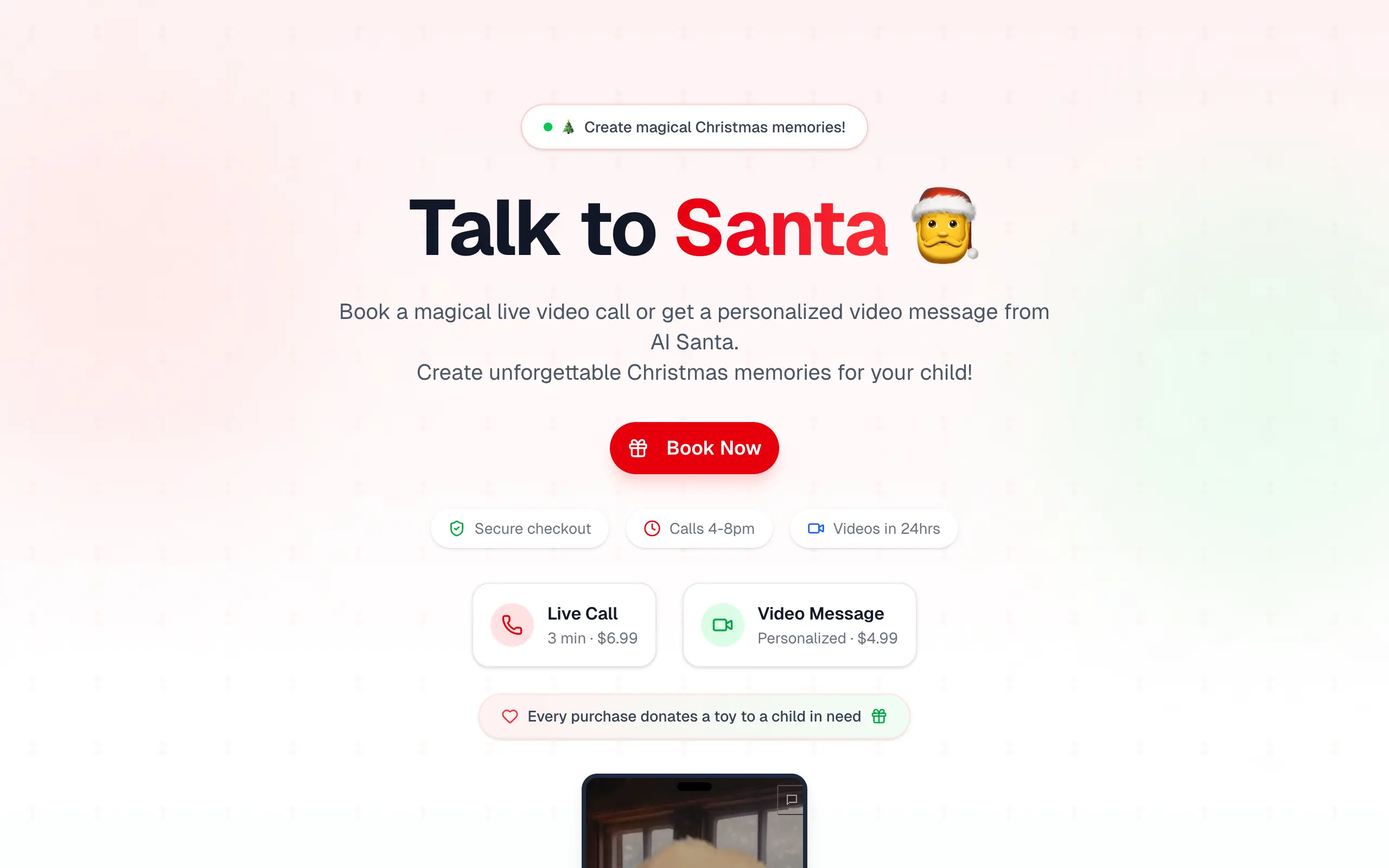
Talk to Santa
Enjoy a magical live video chat or receive a unique AI-generated video greeting from Santa Claus 🎅
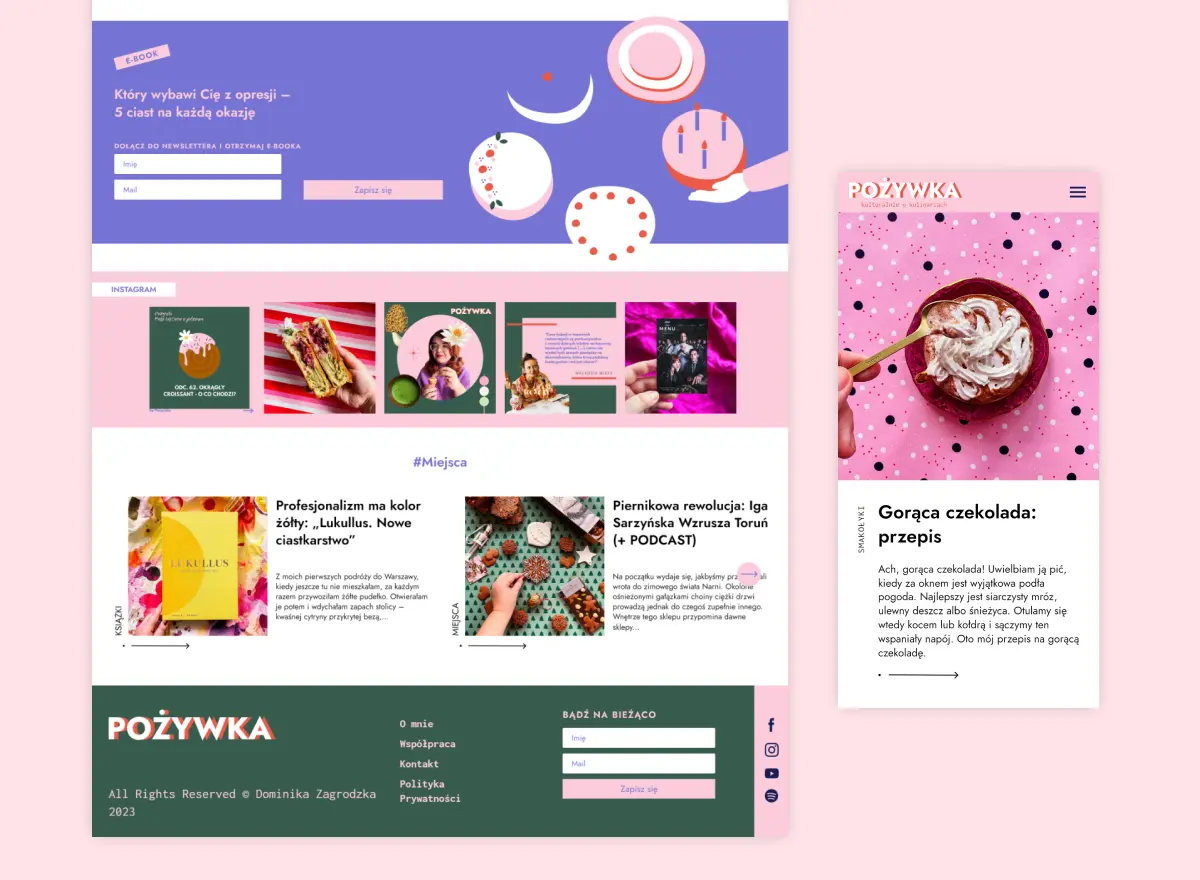
pozywka.pl
Scalable blog for food journalist, focused on performance and user experience 🌭
zagrodzki.me
Personal blog and portfolio of Bart Zagrodzki, where he shares his knowledge and work 💼
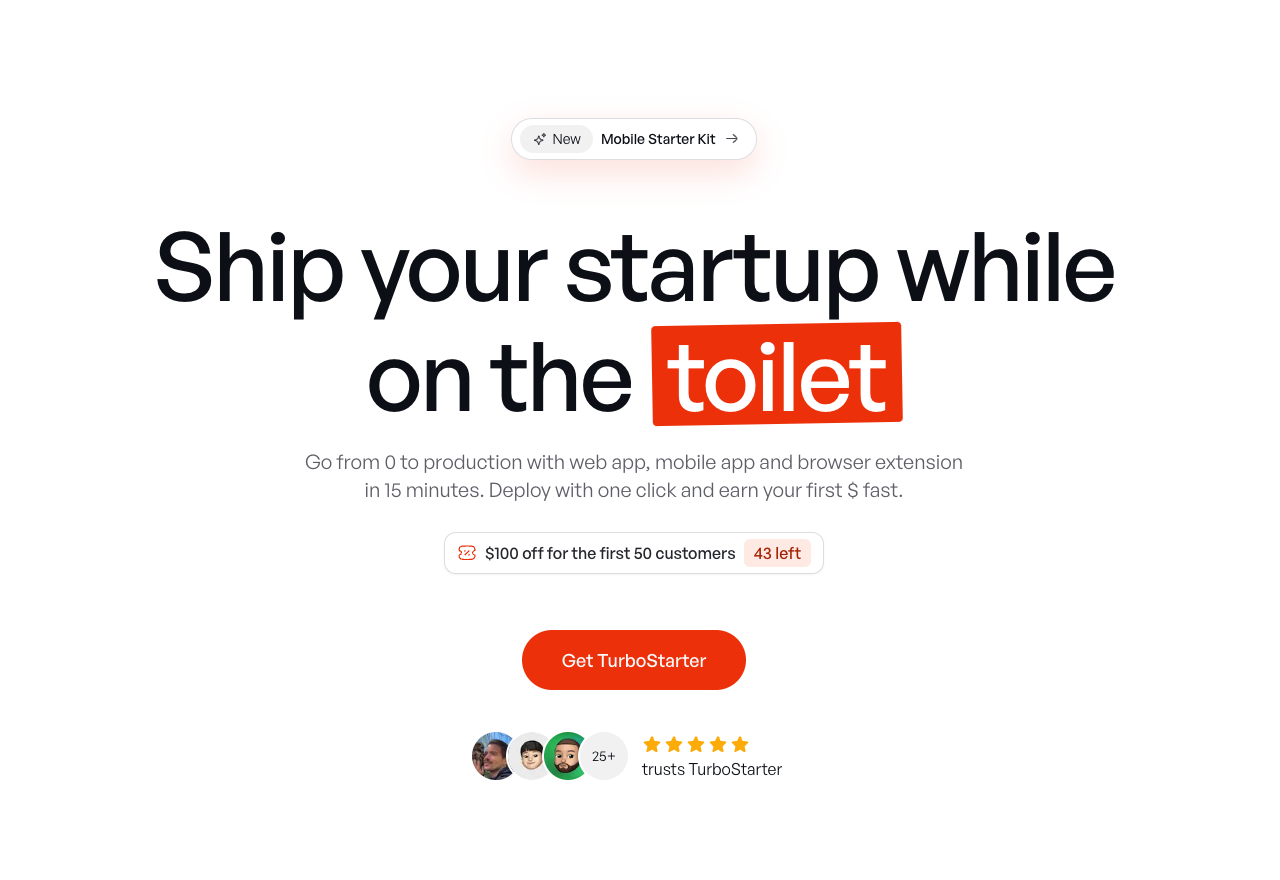
TurboStarter
Ship your startup everywhere. In minutes.
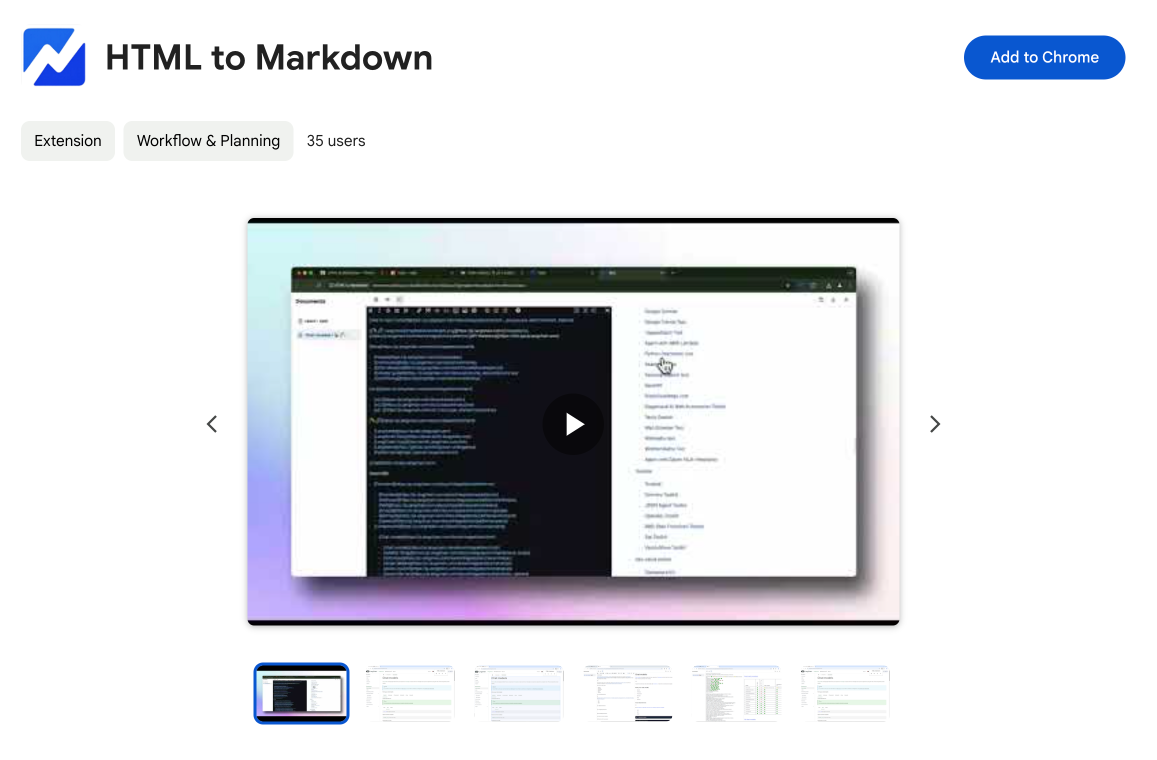
HTML to Markdown
Convert HTML to Markdown with ease, directly in your browser 📄
Dotallio
Personalized AI apps that automate research, data extraction, and content creation without code 🤖
Talk to Santa
Enjoy a magical live video chat or receive a unique AI-generated video greeting from Santa Claus 🎅
pozywka.pl
Scalable blog for food journalist, focused on performance and user experience 🌭
zagrodzki.me
Personal blog and portfolio of Bart Zagrodzki, where he shares his knowledge and work 💼
TurboStarter
Ship your startup everywhere. In minutes.
HTML to Markdown
Convert HTML to Markdown with ease, directly in your browser 📄
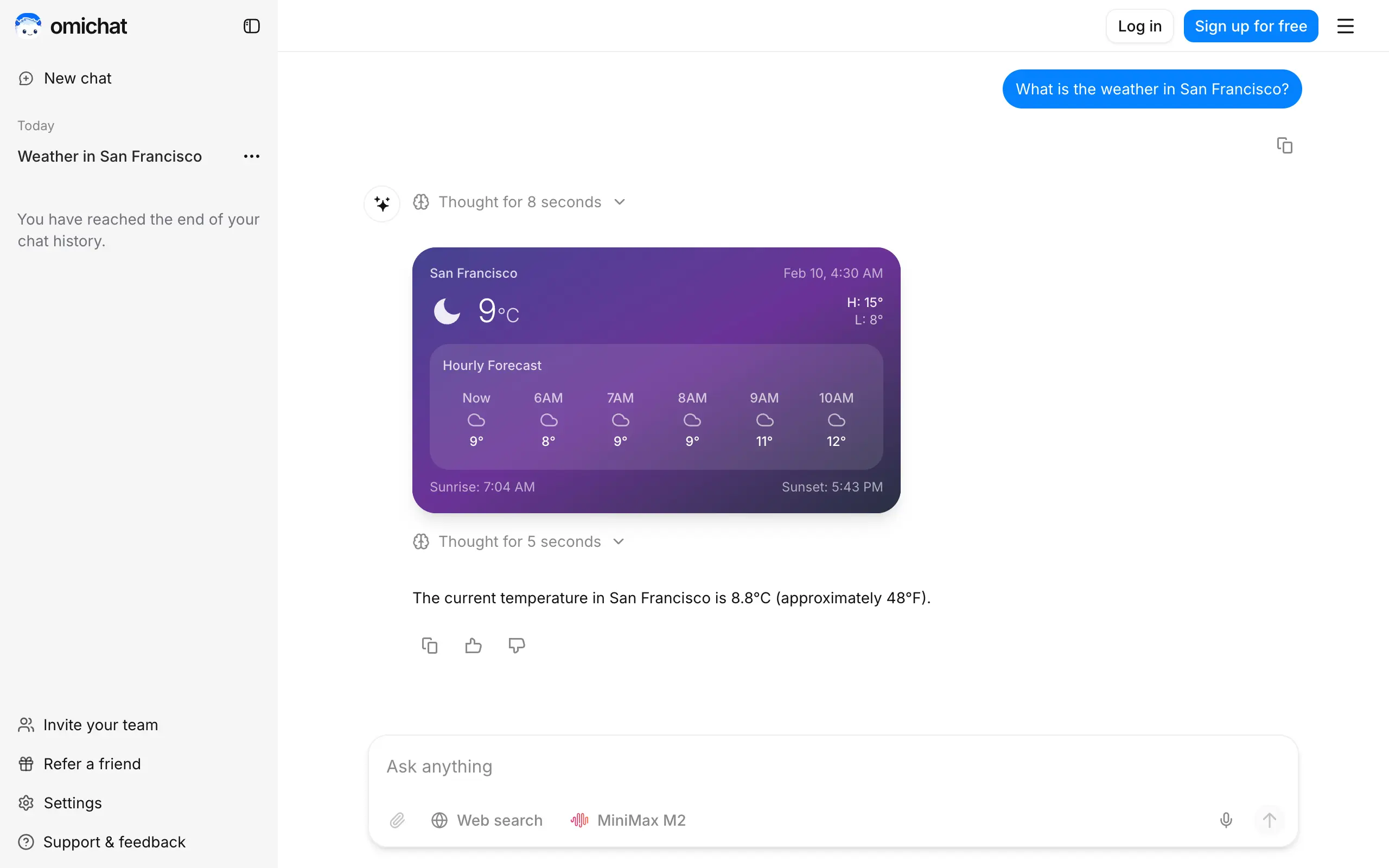
Omichat
Chat with 50+ AI models, including ChatGPT and Claude, in one place - switch models anytime without losing context 🤖
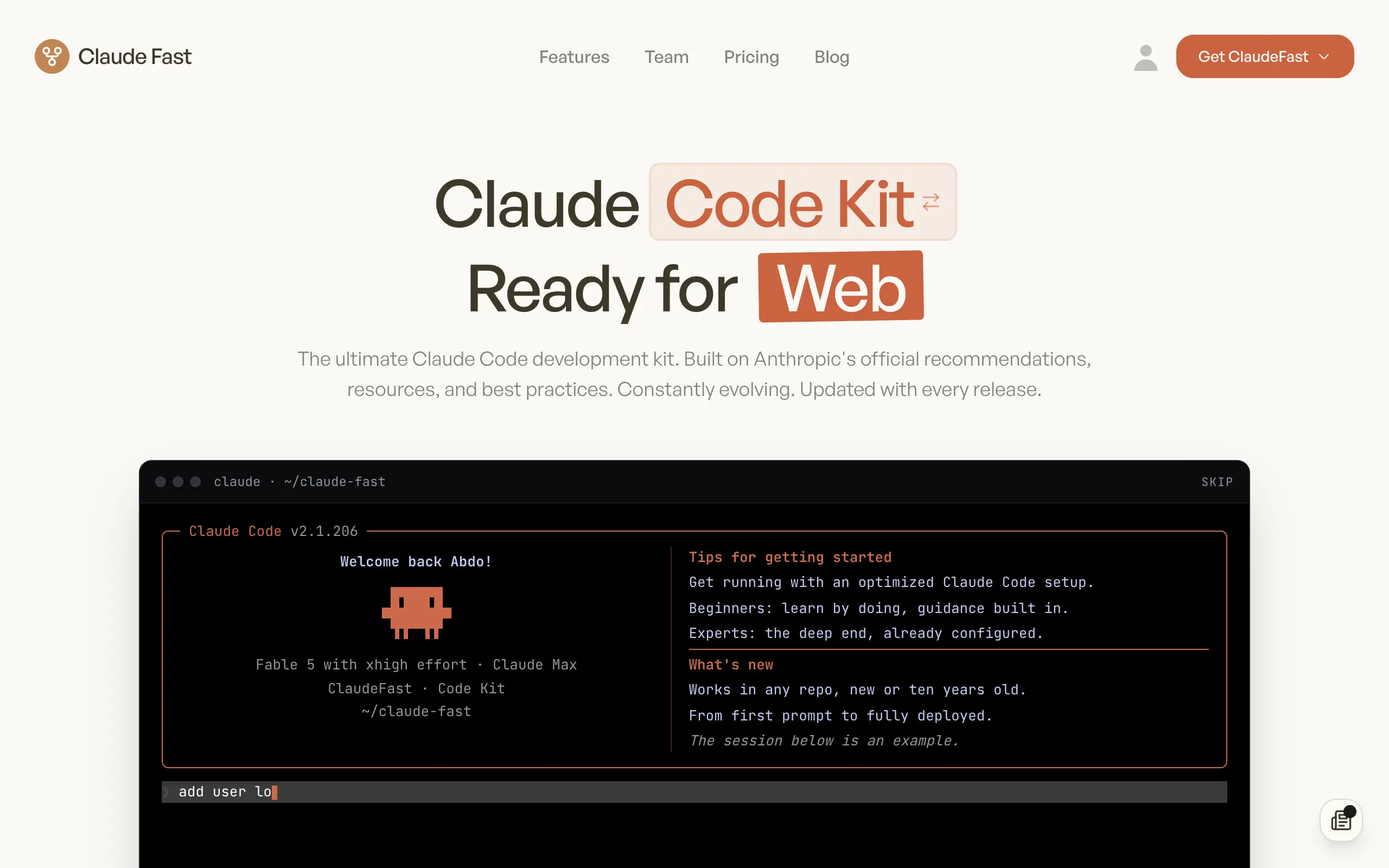
Claude Fast
Supercharge your Claude Code with 6x effective context window and specialized AI agents 🤖
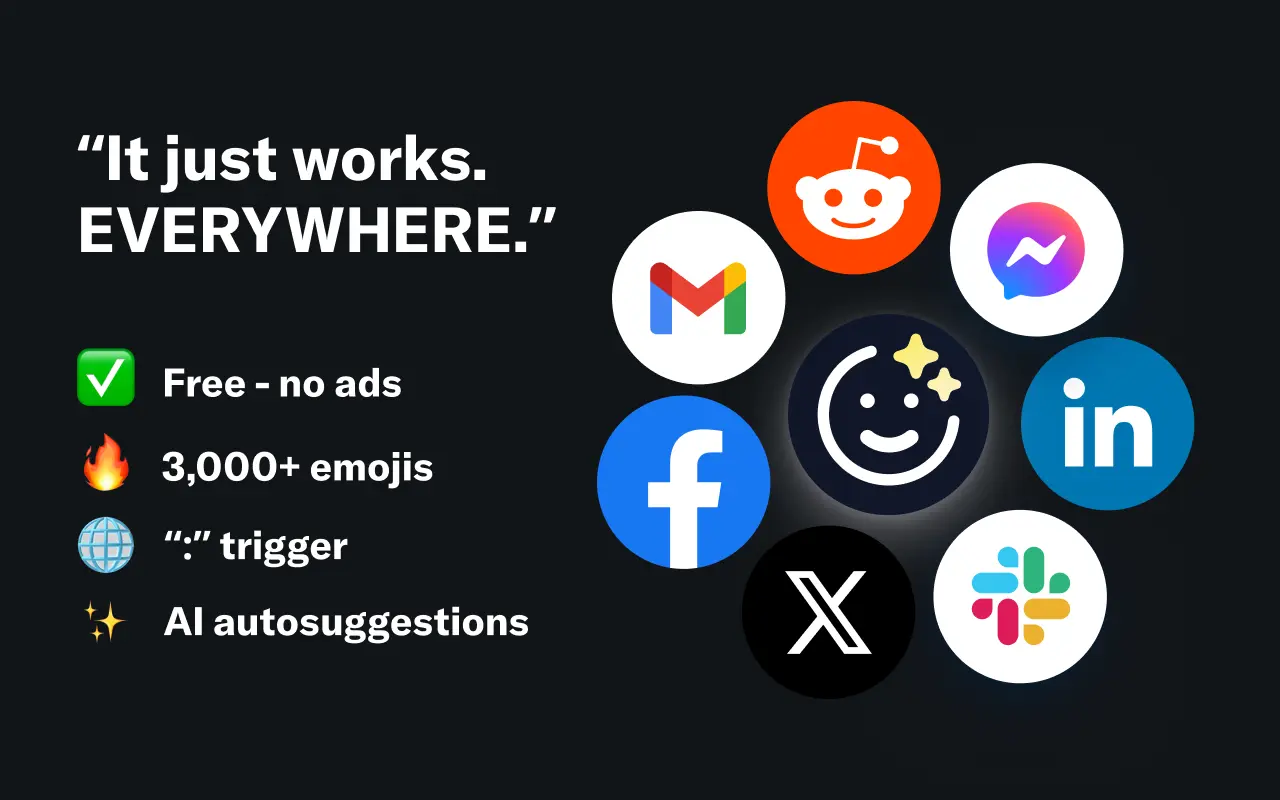
EmojAI
AI-powered emoji picker with smart, context-aware suggestions 🤖
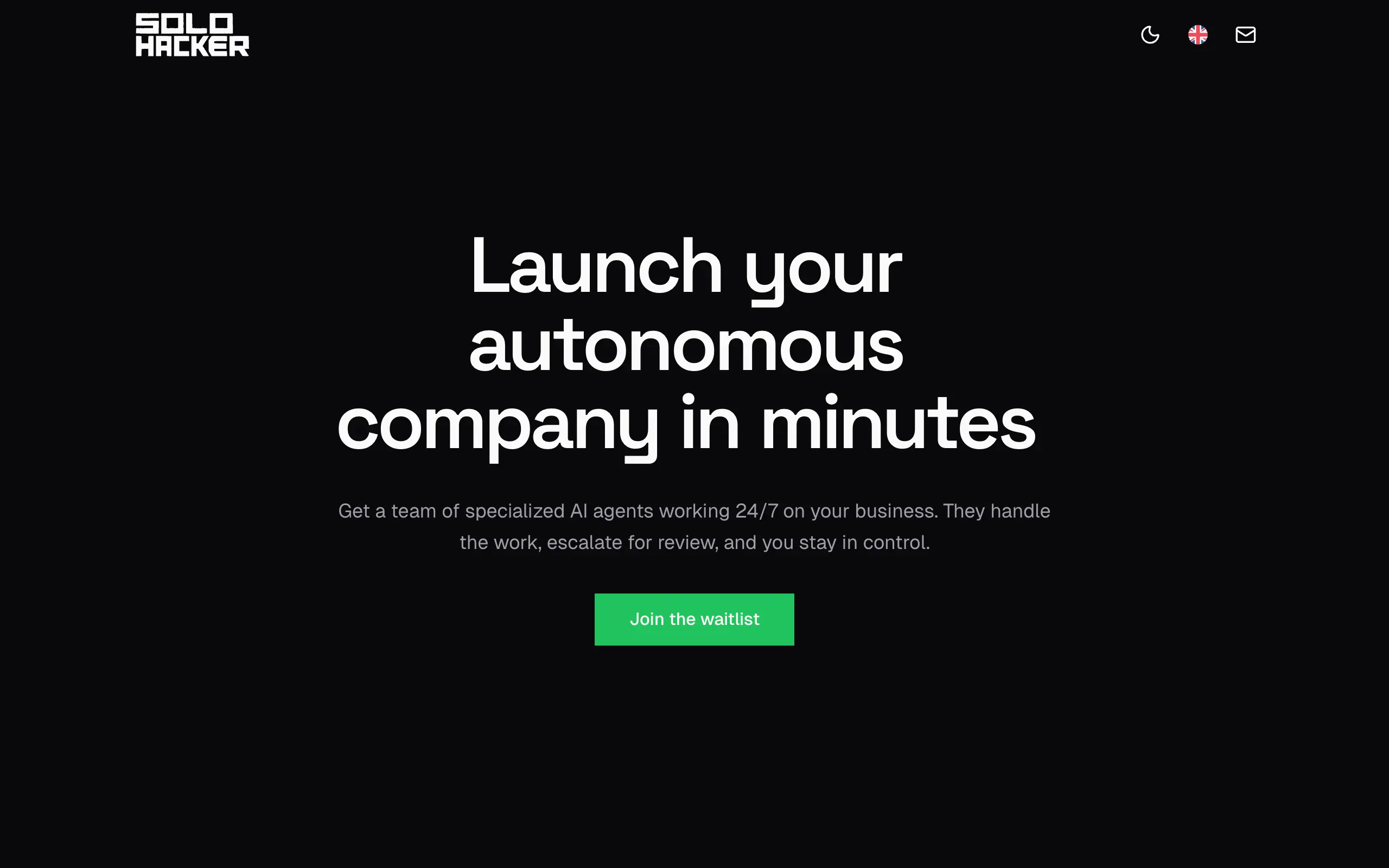
Solohacker
Autonomous company launcher - AI agents work 24/7, escalate what matters, and you stay in control 🤖
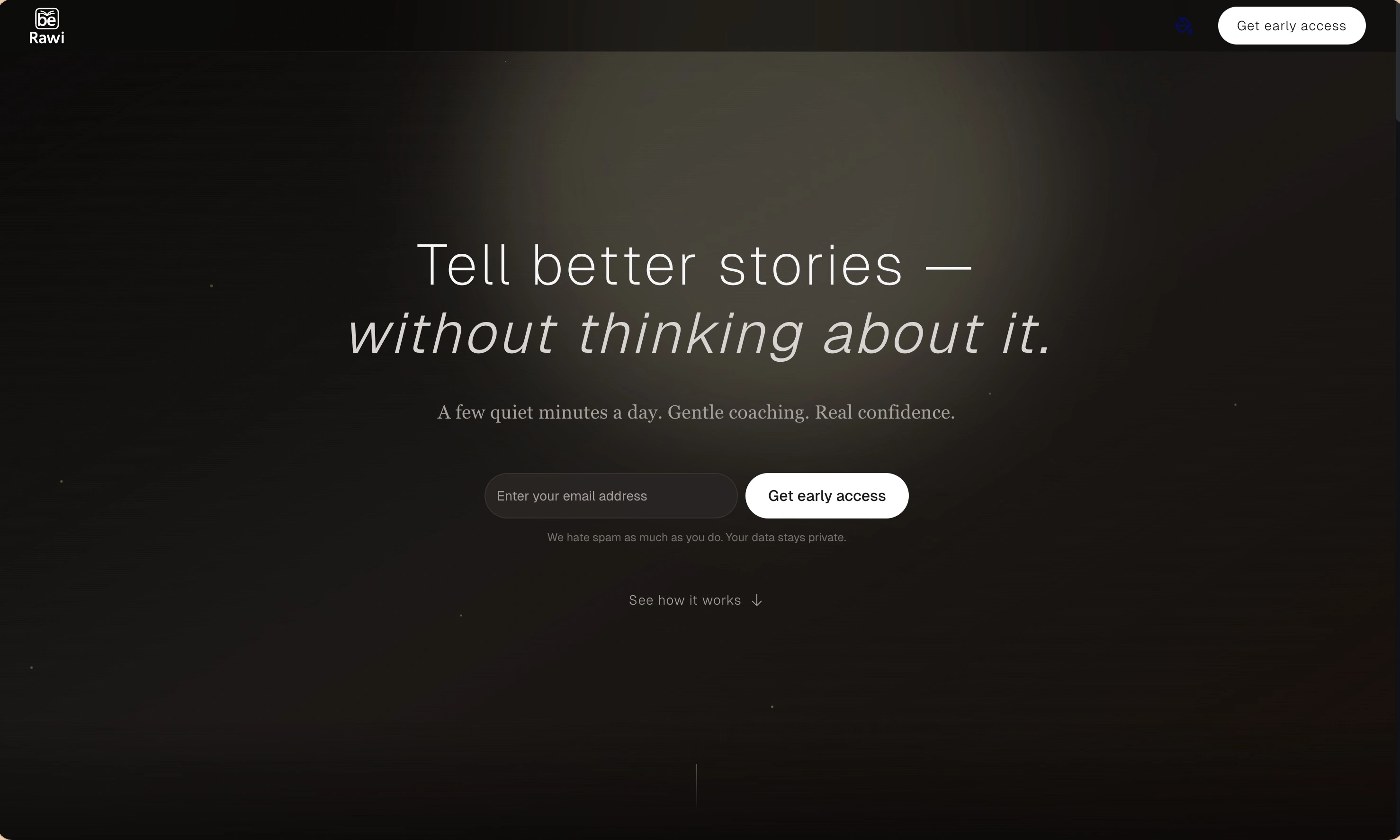
BeRawi: Storytelling Coach
Practice storytelling daily with instant feedback to sound clearer, more engaging, and confident 🎤
Omichat
Chat with 50+ AI models, including ChatGPT and Claude, in one place - switch models anytime without losing context 🤖
Claude Fast
Supercharge your Claude Code with 6x effective context window and specialized AI agents 🤖
EmojAI
AI-powered emoji picker with smart, context-aware suggestions 🤖
Solohacker
Autonomous company launcher - AI agents work 24/7, escalate what matters, and you stay in control 🤖
BeRawi: Storytelling Coach
Practice storytelling daily with instant feedback to sound clearer, more engaging, and confident 🎤

Connect with like-minded people
Join our community to get feedback, support, and grow together with 1,000+ builders on board, let's ship it!
Join usShip your startup everywhere. In minutes.
Don't burn tokens on setup and start building features on day one.