StudySprint
Builds adaptive study plans from deadlines, syllabi, and confidence levels, then delivers daily AI-powered practice sessions for students.
What StudySprint solves for students
StudySprint is an AI adaptive study planner that turns a student's real academic constraints into an achievable daily learning routine. A student provides upcoming deadlines, syllabus topics, available study time, and self-reported confidence levels. The platform then creates a dynamic study plan and delivers daily AI-powered practice sessions that change as the student improves, struggles, misses a session, or receives a new assignment.
The core value proposition is simple: students should not need to become productivity experts, curriculum designers, or flashcard power users to prepare effectively. They need a plan that answers four questions every day:
- What should I study today?
- How long should I spend on it?
- Which concepts deserve the most attention?
- How do I know whether I am actually ready?
Most students have access to calendars, notes, learning management systems, search engines, and generative AI tools. What they often lack is a coordinated system that converts all of that information into a prioritized, evidence-based study workflow. StudySprint can fill that gap by combining adaptive learning, retrieval practice, spacing, deadline planning, and progress analytics in a single student-friendly experience.
The strongest positioning
StudySprint should be positioned as an AI study coach that creates a realistic plan and proves what a learner knows, not as another generic chatbot or task list.
The primary keyword opportunity is AI adaptive study planner. Related semantic keywords include AI study plan generator, personalized learning platform, exam preparation app, adaptive learning software, student productivity app, spaced repetition study tool, AI tutor, practice quiz generator, homework planner, and academic planning software.
Why the AI adaptive study planner market has room for a better product
The student productivity market is crowded, but it remains fragmented. Calendar applications organize time. Learning management systems distribute course materials. Flashcard products support memorization. AI chatbots answer individual questions. StudySprint can win by connecting these disconnected workflows into one intelligent decision system.
A student typically starts with scattered inputs:
- A syllabus in PDF or document format
- Assignment due dates in a learning management system
- Exam dates in a calendar
- Lecture slides or notes
- A vague sense of confidence about each topic
- Limited time between work, classes, sports, family, and sleep
The student then has to manually decide what to study and when. This is cognitively expensive, especially during stressful exam periods. Students frequently create overly ambitious schedules, focus on topics they already know, delay difficult material, or spend excessive time passively rereading notes.
An adaptive study planning product has an opportunity because it shifts planning from a one-time setup task into a responsive learning loop.
| Student problem | Common workaround | Why it fails | StudySprint opportunity |
|---|---|---|---|
| Too many deadlines | Manual calendar entries | Does not account for topic difficulty or readiness | Automatically prioritize work by urgency and mastery |
| Unclear exam readiness | Rereading notes | Creates familiarity rather than reliable recall | Use adaptive quizzes and mastery signals |
| Missed study sessions | Abandon the original plan | Schedules become unrealistic after one disruption | Replan the remaining workload automatically |
| Weak study habits | Generic productivity advice | Advice is not tied to a specific course objective | Deliver contextual daily sessions |
The timing is favorable for an AI study planner because student expectations have changed. Learners increasingly expect software to personalize content, summarize information, and provide immediate support. However, many AI tools are still reactive. They wait for a student to ask a question.
StudySprint should be proactive. It should recognize that an exam is approaching, a learner has repeatedly missed a concept, or an assignment deadline has moved. Then it should recommend the next best learning action without making the student build the plan from scratch.
The gap between planning tools and learning tools
Traditional planning tools are good at answering, “What is due?” They are not designed to answer, “What knowledge should I practice right now to maximize my chance of succeeding?”
Traditional study tools are good at answering, “What material can I review?” They are not designed to answer, “Which material is most important given my next exam, current mastery, and remaining time?”
That distinction is the central market gap. StudySprint becomes more defensible when it owns the decision layer between academic obligations and learning activity.
The trust gap in AI education products
Students are interested in AI support, but they are also rightly cautious. A system that confidently generates inaccurate explanations, creates misleading quiz questions, or encourages academic dishonesty can lose trust quickly.
StudySprint should compete on reliable study guidance, not merely impressive AI output. This means showing source context, allowing students to correct imported content, labeling AI-generated material clearly, and separating tutoring from answer generation for graded work.
For market research and content credibility, publish claims with references to authoritative sources such as learning science journals, institutional education research centers, and government education datasets. Avoid unsupported claims that AI alone improves grades. The stronger claim is that StudySprint operationalizes established study behaviors, including retrieval practice, distributed practice, feedback, and planned review.
Who will use StudySprint
A broad “students” target audience is too vague for an effective launch. StudySprint should start with a focused segment where planning pain is high, deadlines are predictable, and willingness to use digital tools is already strong.
Primary audience: university and college students
College students are an excellent initial audience for an AI adaptive study planner because they often manage multiple courses with different assessments, incomplete structure outside class hours, and intense exam periods.
Their main needs include:
- Consolidating coursework from several classes
- Breaking large exams into manageable study tasks
- Identifying weak concepts before an exam
- Recovering after missed study sessions
- Staying motivated without receiving generic advice
- Balancing study with jobs, commuting, and personal commitments
The ideal early adopter is not necessarily the top-performing student. It is the motivated but overloaded learner who understands that planning matters but cannot sustain a complex productivity system.
Secondary audience: high school students and families
High school students preparing for standardized tests, final exams, advanced placement courses, or university entrance exams have clear deadlines and significant planning needs. Parents may also be willing to pay for a product that helps a learner build independent study habits.
This segment requires extra care. If StudySprint serves minors, product design, consent processes, data retention, marketing language, and safety controls must reflect applicable child privacy requirements. Build age-aware onboarding and avoid collecting more personal information than necessary.
Secondary audience: professional certification learners
Certification candidates for technical, healthcare, finance, language, or trade qualifications offer a promising expansion path. They often have a defined exam date, a known body of knowledge, and a direct financial reason to prepare well.
This audience may be more willing to pay for premium planning and analytics. It also creates opportunities for specialized learning templates, question banks, and partnerships with training providers.
Best launch niche
University students managing midterms and finals across multiple courses, especially learners already using digital notes and calendars.
Best expansion niche
Certification learners who need a deadline-driven, measurable exam preparation workflow.
High-care niche
Teen learners and families, where privacy, parental consent, and age-appropriate experiences are essential.
How StudySprint should work
The best StudySprint experience is not a static schedule generator. It is a continuous loop that captures academic inputs, proposes a plan, measures learning, and updates the plan as conditions change.
1. Build a course and deadline map
Onboarding should let students create courses in minutes. They can add an exam date, assignment deadline, course goals, estimated weekly study time, and syllabus topics.
A practical import flow could support:
- Manual course creation for fast onboarding
- Calendar connection for existing events
- PDF or document upload for syllabi and revision guides
- Copy-and-paste course outlines
- Photo upload for paper schedules, with user confirmation
- Learning management system integrations where technically and contractually feasible
AI extraction can identify dates, assessments, modules, reading lists, and topic names, but it should never silently treat extracted information as correct. Present a review screen that asks students to confirm high-impact details, especially exam dates and grading requirements.
2. Capture confidence and diagnostic signals
Self-reported confidence is useful, but it is incomplete. A student may feel confident because a topic looks familiar while still being unable to recall or apply it. StudySprint should combine self-assessment with lightweight diagnostics.
For each topic, ask a student to choose a confidence level such as:
- Not started
- Need to learn
- Somewhat confident
- Ready to practice
- Exam ready
Then use a short diagnostic quiz, prior practice accuracy, response time, skipped questions, and recurring error patterns to update the system's view of mastery.
A transparent model is better than a mysterious score. Instead of telling a learner they are “62 percent ready,” show why the platform recommended a topic:
Review cellular respiration today because your biology exam is in 12 days, you rated this topic as low confidence, and your last practice session showed difficulty with ATP yield questions.
That explanation transforms automation into guidance.
3. Create an adaptive daily study plan
The planning engine should account for at least five variables:
- Urgency based on time until an exam or deadline
- Importance based on exam weighting, syllabus emphasis, or student priorities
- Mastery gap based on confidence and practice performance
- Study effort based on estimated topic complexity and required review time
- Available capacity based on the learner's real schedule
A useful prioritization framework can be represented as:
type TopicPriorityInput = {
  daysUntilDeadline: number;
  assessmentWeight: number;
  masteryScore: number;
  estimatedMinutes: number;
  isOverdueForReview: boolean;
};

export function calculatePriority(input: TopicPriorityInput) {
  const urgency = 1 / Math.max(input.daysUntilDeadline, 1);
  const masteryGap = 1 - input.masteryScore;
  const reviewBoost = input.isOverdueForReview ? 0.2 : 0;

  return (
    urgency * 0.4 +
    input.assessmentWeight * 0.25 +
    masteryGap * 0.25 +
    reviewBoost -
    Math.min(input.estimatedMinutes / 1000, 0.1)
  );
}
This is not a complete learning algorithm, but it illustrates an important product principle. The system should make understandable trade-offs rather than optimizing only for deadlines or only for weak topics.
If a student misses a scheduled session, the platform should not shame them or leave the task overdue indefinitely. It should recalculate the plan, protect time for high-priority topics, and present a smaller recovery action. A good AI study planner adapts to real life.
4. Deliver focused AI-powered practice sessions
The daily session is StudySprint's habit-forming core. It should feel like a focused sprint, not an endless feed of generated content.
Each session can include:
- A clear goal for the session
- A short retrieval-practice warm-up
- Adaptive multiple-choice, short-answer, or worked-problem questions
- Immediate feedback tied to the student's course materials
- A concise explanation of mistakes
- A confidence check after the session
- A recommended next action
Question quality matters more than question volume. AI-generated practice should test the appropriate cognitive level. Definitions may require recall, while quantitative courses may need problem solving, and humanities courses may need argument construction or evidence analysis.
The platform should also vary question formats. Repeated multiple-choice quizzes can create an inflated sense of readiness because recognition is easier than recall. Blend recall prompts, short explanations, problem steps, scenario application, and cumulative review.
5. Show meaningful progress and readiness
Progress dashboards should reduce anxiety rather than add another score to worry about. Focus the interface on decisions and actions.
Useful progress views include:
- Upcoming assessments and days remaining
- Topics that need attention this week
- Study time completed versus a realistic target
- Topic mastery trends over time
- Common mistake categories
- Readiness by course or assessment
- Planned review sessions that protect long-term retention
Avoid treating time spent as the primary success metric. Thirty minutes of focused retrieval practice can be more valuable than several hours of passive review. StudySprint should reward completion of high-value actions, not just activity volume.
The learning science behind an adaptive study planner
StudySprint should use evidence-informed methods as product mechanics, not as decorative marketing language.
Retrieval practice
Retrieval practice requires learners to pull information from memory rather than simply reread it. Practice questions, free recall prompts, teaching-back activities, and short-answer explanations are all useful retrieval methods.
Within StudySprint, retrieval practice should appear early and often. Before showing a summary, ask the learner to explain the idea. Before revealing a solution, ask them to attempt a step. When they answer incorrectly, provide feedback and schedule a follow-up review.
Spaced repetition and distributed practice
Learners retain information more reliably when review is distributed across time. An AI adaptive study planner can schedule review intelligently because it knows an exam date, the learner's performance, and the time since the last successful recall.
The goal is not rigid flashcard scheduling. Some topics need a quick review tomorrow, while others may need practice next week. The scheduling model should account for forgetting risk, academic priority, and the student's available study capacity.
Interleaving
Students often block study sessions by completing one topic repeatedly. That can feel productive but may not prepare them to choose the correct method during an exam. Interleaving mixes related problem types or concepts to help learners discriminate between them.
StudySprint can use interleaving carefully. Early learning may require focused practice, while later sessions should blend old and new topics. Explain the reason for the mix so students understand why the session contains more than one concept.
Metacognition
Students need to assess what they know accurately. Confidence ratings, prediction questions, and post-session reflections make metacognition measurable. StudySprint can compare predicted performance with actual results and gently identify overconfidence or underconfidence.
This creates a competitive advantage over static study planners. The product does not merely assign time. It helps students learn how to make better decisions about their own learning.
Core features for a high-retention StudySprint MVP
A strong minimum viable product should solve one workflow exceptionally well before expanding into a broad education platform.
The student-facing MVP should include course setup, deadline entry, syllabus topic creation, a daily plan, adaptive practice, feedback, streak-safe rescheduling, and a simple readiness dashboard.
The first planning engine should prioritize urgency, mastery gaps, available study time, and missed sessions. Begin with transparent rules before introducing complex machine learning models.
Every AI-generated question should allow reporting, editing, regeneration, and source review where course materials are available. Students should always be able to override the plan.
MVP features worth building first
- Course, exam, and assignment setup
- Manual and AI-assisted syllabus parsing
- Topic confidence check-in
- Daily personalized study recommendations
- Timed practice sessions
- AI-generated practice from approved course context
- Topic-level performance tracking
- Automatic schedule adjustment after missed work
- Calendar sync or calendar export
- Notifications that are actionable and limited
Features to delay until product-market fit
- Social feeds and broad student communities
- Large public content marketplaces
- Complex school-wide administration tooling
- Fully autonomous learning management system imports
- Gamification that prioritizes streaks over learning outcomes
- Multi-subject tutoring without verified source grounding
The temptation with an AI education startup is to build a chatbot, note summarizer, flashcard generator, calendar, and social community simultaneously. That creates a confusing product. StudySprint should initially own one promise: give me the best study task for today and adapt when my situation changes.
Recommended technology stack for StudySprint
StudySprint needs a fast product development stack, secure data handling, reliable background processing, and an architecture that can support personalized recommendations.
Frontend and application layer
A practical web-first stack could include:
- Next.js for the full-stack React application
- React for interactive user interfaces
- TypeScript for safer application logic
- Tailwind CSS for rapid and consistent design implementation
- PostgreSQL for relational academic, user, and event data
- Prisma for database access and schema management
Next.js is a strong choice because StudySprint needs marketing pages, authenticated dashboards, server-side workflows, APIs, and performance-conscious rendering in one ecosystem. TypeScript is especially valuable for academic workflows because incorrect date handling, course permissions, or status transitions can quickly degrade trust.
AI and retrieval architecture
The AI layer should be grounded in user-approved learning materials whenever possible. Generic model knowledge is useful for explanation and question design, but it is not a dependable source of truth for a specific class syllabus.
A robust workflow includes:
- Extract text from uploaded documents.
- Split content into meaningful sections by heading, week, topic, or page.
- Store embeddings for approved learning content.
- Retrieve relevant content for a practice-generation request.
- Ask the model to produce questions constrained by that context.
- Save prompts, sources, output metadata, and quality signals for review.
For vector search, pgvector can be a practical early choice because it keeps embeddings near relational course data in PostgreSQL. A dedicated vector database may become attractive later for very large retrieval workloads, but an additional service creates operational complexity.
Background jobs and event processing
Study plans change when due dates move, students finish practice, or a scheduled review becomes overdue. These are asynchronous events and should not depend on a browser remaining open.
Use a job queue for:
- Syllabus parsing
- AI content generation
- Daily schedule generation
- Reminder delivery
- Calendar synchronization
- Analytics aggregation
- Content safety review workflows
The trade-off is clear. A simpler cron-based system can work at a small scale, but it becomes difficult to monitor, retry, and deduplicate as activity grows. A proper job system improves reliability for a product whose core promise depends on timely recommendations.
Authentication, privacy, and observability
Student data deserves a conservative approach. Build security and privacy requirements into the architecture from the beginning.
Key safeguards include:
- Encrypting sensitive data in transit and at rest
- Applying row-level authorization to course and student records
- Minimizing uploaded data retention
- Giving users clear deletion and export controls
- Separating production data from development environments
- Logging access to sensitive resources
- Redacting personal data from AI logs where possible
- Monitoring failed jobs, hallucination reports, and scheduling errors
For authentication, use an established provider or a carefully implemented session system. The decision should prioritize secure account recovery, support for student email patterns, parental requirements where relevant, and organizational access for future institutional customers.
Monetization options for StudySprint
StudySprint should align pricing with outcomes students can understand. The free experience must be useful enough to establish trust, while the paid tier should unlock the planning depth and practice volume that serious learners need.
Freemium subscription model
A freemium model is likely the best initial approach.
The free tier can include:
- A limited number of active courses
- Basic deadline planning
- A daily recommended task
- Limited AI practice sessions each week
- Basic progress tracking
The premium tier can include:
- Unlimited courses and assessments
- Full adaptive study plans
- More AI practice and feedback
- Syllabus imports and document-grounded study material
- Advanced exam readiness analytics
- Calendar integration
- Recovery plans after missed study time
- Priority support
Monthly and annual pricing can work, but students are price-sensitive. Consider exam-season passes, semester plans, and discounted annual plans. The billing page should make usage limits easy to understand, particularly if AI generation has meaningful variable costs.
Institution and tutoring partnerships
After proving consumer retention, StudySprint can explore business-to-business offerings for:
- Colleges and academic support centers
- Tutoring organizations
- Test preparation providers
- Bootcamps and certification programs
- Student success teams
Institutional plans require stronger privacy controls, administrative reporting, procurement readiness, and clear boundaries around student data. Do not build this path prematurely. Consumer behavior should first validate whether the adaptive planning loop improves engagement and perceived preparedness.
Premium content and specialized plans
A later revenue stream can include structured plans for specific exams or certifications. This strategy works best when content is created or licensed with subject experts and is clearly differentiated from generic AI-generated material.
The key is to avoid becoming dependent on unverified question banks. High-stakes exam content should receive expert review, version control, and clear provenance.
Competitive advantage and differentiation
StudySprint will compete indirectly with calendars, note-taking applications, flashcard tools, AI chatbots, tutoring products, and learning management systems. Its advantage is not simply that it uses AI. Nearly every education product can add an AI interface.
The durable advantage is the quality of its adaptive loop.
StudySprint transforms deadlines, topic scope, and available time into a realistic sequence of study actions. Most study tools require students to decide the sequence themselves.
The product measures performance through practice and uses those signals to adjust recommendations. A conventional to-do list cannot distinguish between checking off a task and mastering a concept.
Source-grounded questions, transparent recommendations, user corrections, and privacy-first controls can differentiate StudySprint from broad AI chat experiences.
A daily session that is short, specific, and responsive creates a repeatable habit loop. The student returns because tomorrow's recommendation is meaningfully different from today's.
To make this advantage real, StudySprint must collect the right product signals. Important internal metrics include weekly active learners, daily study plan completion, practice completion, recovery after missed sessions, time to first value, course setup completion, premium conversion, and retention through exam periods.
The most valuable metric is not raw session count. It is whether students repeatedly return to follow the next recommended learning action.
Risks and mitigation strategies
AI education products have meaningful risks. Addressing them directly strengthens both the product and the brand.
Inaccurate or low-quality AI content
Generated questions may be ambiguous, factually wrong, too easy, or misaligned with a course. Mitigate this with retrieval-grounded generation, output validation, user reporting, quality sampling, prompt versioning, and clear labels that indicate when content was AI-generated.
For high-stakes content, introduce expert review rather than treating model output as final.
Student overreliance and academic integrity
A study assistant should support learning, not complete graded work for the student. Product policies and interface design should distinguish between practice, explanation, brainstorming, and direct answer generation.
For assignments, StudySprint can guide students through concepts, suggest study steps, and ask reflective questions. It should avoid presenting unverified work as ready for submission.
Privacy and compliance exposure
Academic schedules, uploaded documents, performance data, and student identities are sensitive. Collect only data needed to provide the service. Maintain clear user controls, document data practices, and obtain legal guidance before serving regulated education markets or minors.
Unrealistic schedules and student burnout
An algorithm can create a technically optimal but emotionally impossible schedule. Build flexibility into capacity settings, include rest days, enable a “minimum viable session” option, and reward re-engagement after a lapse.
The platform should be supportive, not punitive. A student who missed three days needs a recovery plan, not a guilt-inducing backlog.
AI infrastructure costs
Practice generation, document processing, and retrieval can create variable costs. Control margins through caching, batching, model routing, quotas, reusable question sets, and premium limits. Measure cost per active learner and cost per completed practice session from the beginning.
A practical implementation roadmap
The fastest path is to validate the core behavior before investing in advanced integrations or institutional features.
Define the initial user segment, such as university students preparing for midterms, and conduct interviews focused on current planning behavior, missed sessions, and exam-preparation anxiety.
Prototype the onboarding flow for courses, deadlines, topics, confidence levels, and available study hours. Test whether students can reach a useful first plan in under ten minutes.
Build a rules-based planning engine that prioritizes deadlines, weak topics, and available capacity. Keep every recommendation explainable.
Launch daily practice sessions with a small set of high-quality question formats, source-grounded AI generation, feedback, and topic mastery tracking.
Add automatic replanning after missed sessions, then measure whether it improves weekly retention and plan completion.
Run a private beta during a real exam period. Review qualitative feedback alongside activation, completion, practice accuracy, and retention data.
Refine pricing, quality assurance, privacy controls, and AI cost management before expanding into integrations, specialized content, or institutional sales.
For a fast but production-minded launch, TurboStarter can help reduce the time spent assembling common SaaS foundations so the team can focus on the planning logic, learning experience, and trust layer that make StudySprint distinct.
Final takeaways for building StudySprint
StudySprint has a strong SaaS opportunity because it solves a recurring and emotionally important problem: students do not just need more educational content, they need help deciding what to do next.
The winning version of this AI adaptive study planner will not try to replace teachers or promise effortless academic success. It will help learners build a realistic plan, practice actively, see where they stand, and recover when life disrupts the schedule.
The most important product decisions are clear:
- Start with a narrow student segment and a concrete exam-preparation workflow.
- Make daily recommendations transparent, adjustable, and grounded in real course material.
- Treat practice quality and learner trust as core product features.
- Use adaptive scheduling to respond to missed sessions and changing deadlines.
- Build privacy, academic integrity, and AI quality controls into the product from the first release.
- Measure whether learners return for the next best action, not simply whether they open the app.
A well-executed StudySprint can become more than an AI study plan generator. It can become the reliable academic operating system students use to convert overwhelming coursework into consistent, confident progress.
More 🤖 AI Startup SaaS ideas
Discover more innovative ai startup SaaS ideas that are trending in 2026. Each idea is AI-generated with market validation and growth potential to help you find your next profitable venture faster than competitors.
Your competitors are building with TurboStarter
Below are some of the SaaS ideas that have been generated and built with our starter kit.

Statiko
Monitor any Telegram channel in real time - track posts, edits, deletions, and growth with AI recaps 📡

Shibui
AI website builder - describe your business, pick a niche template, edit by chatting, and publish instantly ✨

Pro Service
Find verified home service professionals, compare quotes, and pay securely through escrow - built for Brazilians across the US 🏠
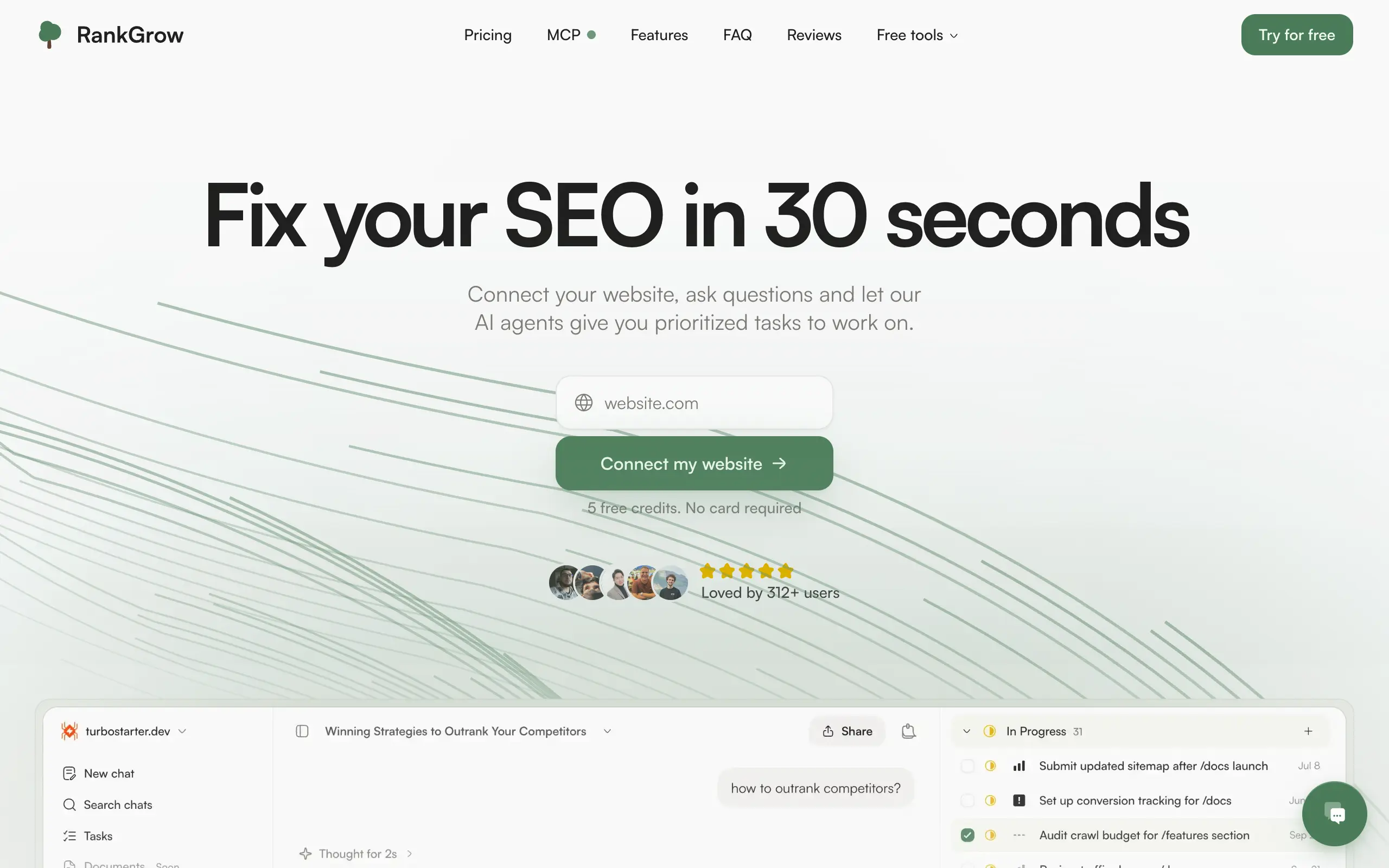
RankGrow
Fix your SEO with AI agents - connect Search Console, get prioritized tasks, and grow organic traffic 📈
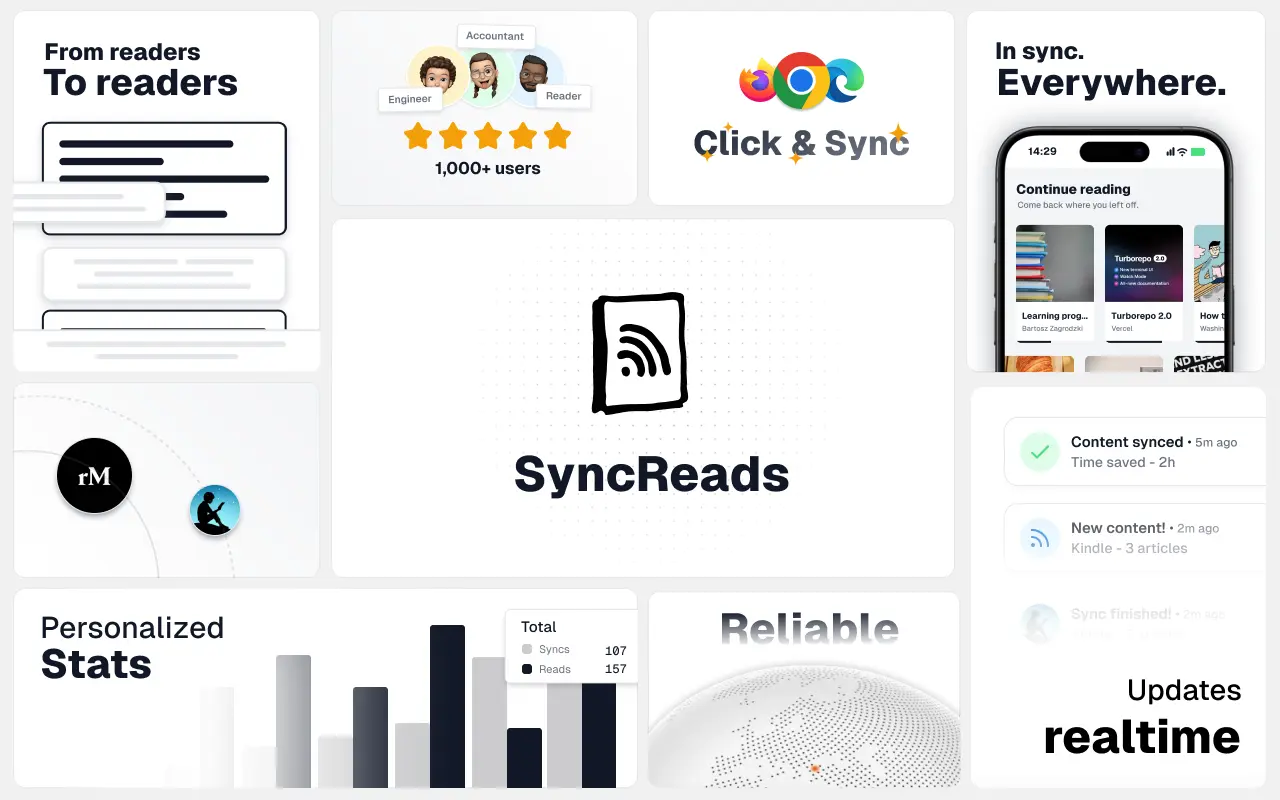
SyncReads
Sync your favorite content for distraction-free reading, save time and replace multiple apps. Anytime, anywhere 🔄
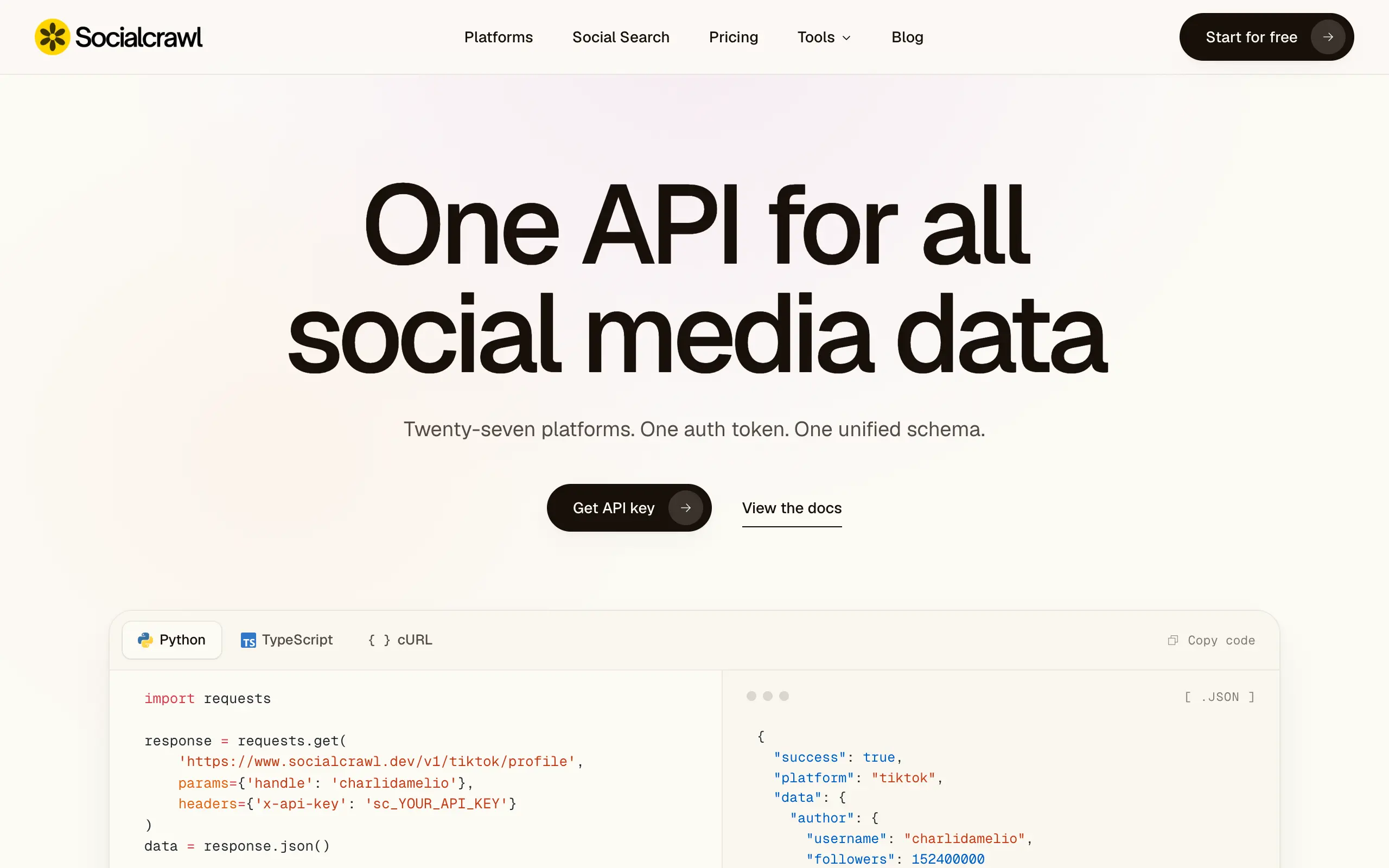
Socialcrawl
Get clean, structured data from 21 platforms like TikTok, Instagram, and YouTube with a single request 📊
Statiko
Monitor any Telegram channel in real time - track posts, edits, deletions, and growth with AI recaps 📡
Shibui
AI website builder - describe your business, pick a niche template, edit by chatting, and publish instantly ✨
Pro Service
Find verified home service professionals, compare quotes, and pay securely through escrow - built for Brazilians across the US 🏠
RankGrow
Fix your SEO with AI agents - connect Search Console, get prioritized tasks, and grow organic traffic 📈
SyncReads
Sync your favorite content for distraction-free reading, save time and replace multiple apps. Anytime, anywhere 🔄
Socialcrawl
Get clean, structured data from 21 platforms like TikTok, Instagram, and YouTube with a single request 📊
Statiko
Monitor any Telegram channel in real time - track posts, edits, deletions, and growth with AI recaps 📡
Shibui
AI website builder - describe your business, pick a niche template, edit by chatting, and publish instantly ✨
Pro Service
Find verified home service professionals, compare quotes, and pay securely through escrow - built for Brazilians across the US 🏠
RankGrow
Fix your SEO with AI agents - connect Search Console, get prioritized tasks, and grow organic traffic 📈
SyncReads
Sync your favorite content for distraction-free reading, save time and replace multiple apps. Anytime, anywhere 🔄
Socialcrawl
Get clean, structured data from 21 platforms like TikTok, Instagram, and YouTube with a single request 📊
Statiko
Monitor any Telegram channel in real time - track posts, edits, deletions, and growth with AI recaps 📡
Shibui
AI website builder - describe your business, pick a niche template, edit by chatting, and publish instantly ✨
Pro Service
Find verified home service professionals, compare quotes, and pay securely through escrow - built for Brazilians across the US 🏠
RankGrow
Fix your SEO with AI agents - connect Search Console, get prioritized tasks, and grow organic traffic 📈
SyncReads
Sync your favorite content for distraction-free reading, save time and replace multiple apps. Anytime, anywhere 🔄
Socialcrawl
Get clean, structured data from 21 platforms like TikTok, Instagram, and YouTube with a single request 📊
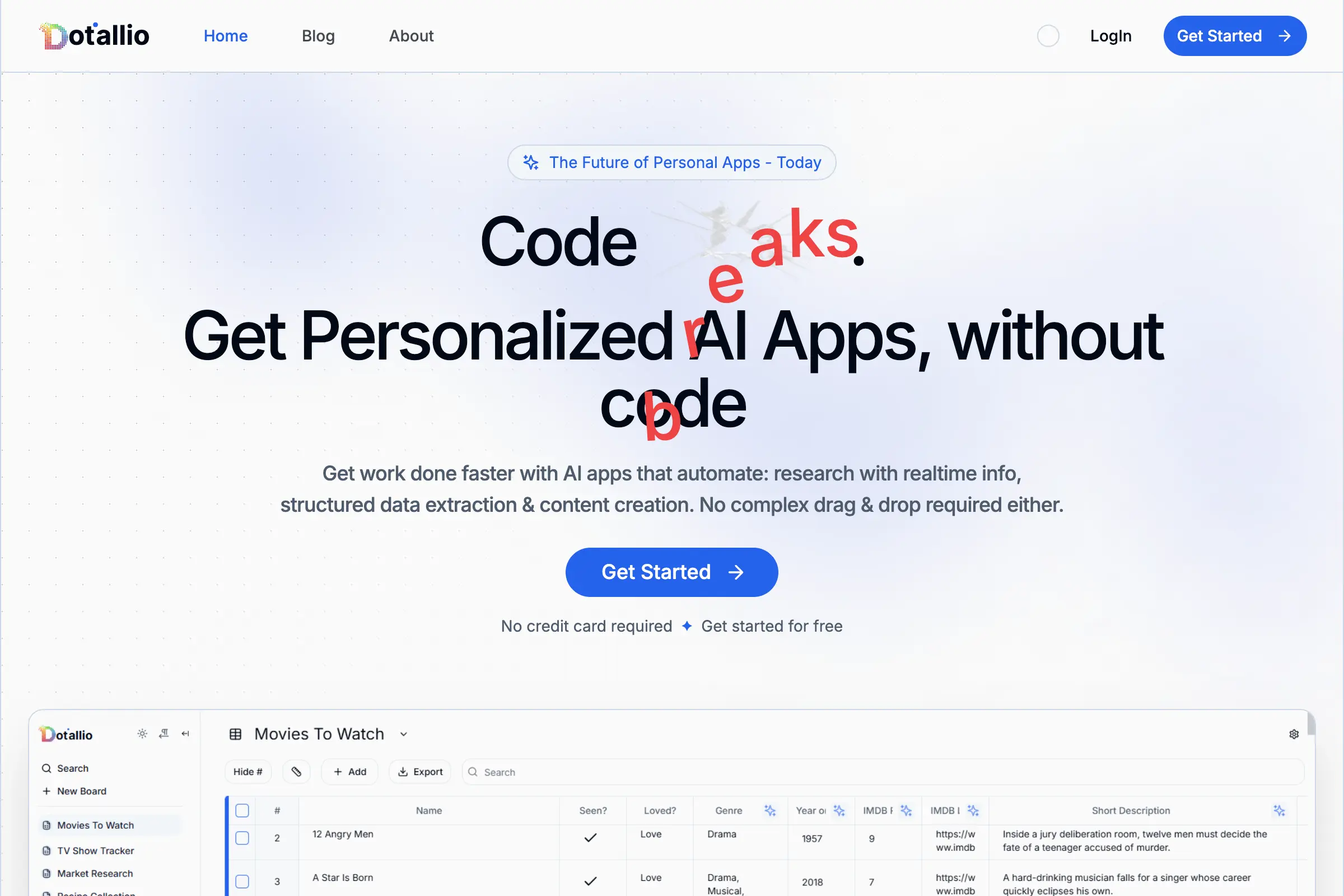
Dotallio
Personalized AI apps that automate research, data extraction, and content creation without code 🤖

Talk to Santa
Enjoy a magical live video chat or receive a unique AI-generated video greeting from Santa Claus 🎅

pozywka.pl
Scalable blog for food journalist, focused on performance and user experience 🌭
zagrodzki.me
Personal blog and portfolio of Bart Zagrodzki, where he shares his knowledge and work 💼
TurboStarter
Ship your startup everywhere. In minutes.
HTML to Markdown
Convert HTML to Markdown with ease, directly in your browser 📄
Dotallio
Personalized AI apps that automate research, data extraction, and content creation without code 🤖
Talk to Santa
Enjoy a magical live video chat or receive a unique AI-generated video greeting from Santa Claus 🎅
pozywka.pl
Scalable blog for food journalist, focused on performance and user experience 🌭
zagrodzki.me
Personal blog and portfolio of Bart Zagrodzki, where he shares his knowledge and work 💼
TurboStarter
Ship your startup everywhere. In minutes.
HTML to Markdown
Convert HTML to Markdown with ease, directly in your browser 📄
Dotallio
Personalized AI apps that automate research, data extraction, and content creation without code 🤖
Talk to Santa
Enjoy a magical live video chat or receive a unique AI-generated video greeting from Santa Claus 🎅
pozywka.pl
Scalable blog for food journalist, focused on performance and user experience 🌭
zagrodzki.me
Personal blog and portfolio of Bart Zagrodzki, where he shares his knowledge and work 💼
TurboStarter
Ship your startup everywhere. In minutes.
HTML to Markdown
Convert HTML to Markdown with ease, directly in your browser 📄
Dotallio
Personalized AI apps that automate research, data extraction, and content creation without code 🤖
Talk to Santa
Enjoy a magical live video chat or receive a unique AI-generated video greeting from Santa Claus 🎅
pozywka.pl
Scalable blog for food journalist, focused on performance and user experience 🌭
zagrodzki.me
Personal blog and portfolio of Bart Zagrodzki, where he shares his knowledge and work 💼
TurboStarter
Ship your startup everywhere. In minutes.
HTML to Markdown
Convert HTML to Markdown with ease, directly in your browser 📄
Omichat
Chat with 50+ AI models, including ChatGPT and Claude, in one place - switch models anytime without losing context 🤖
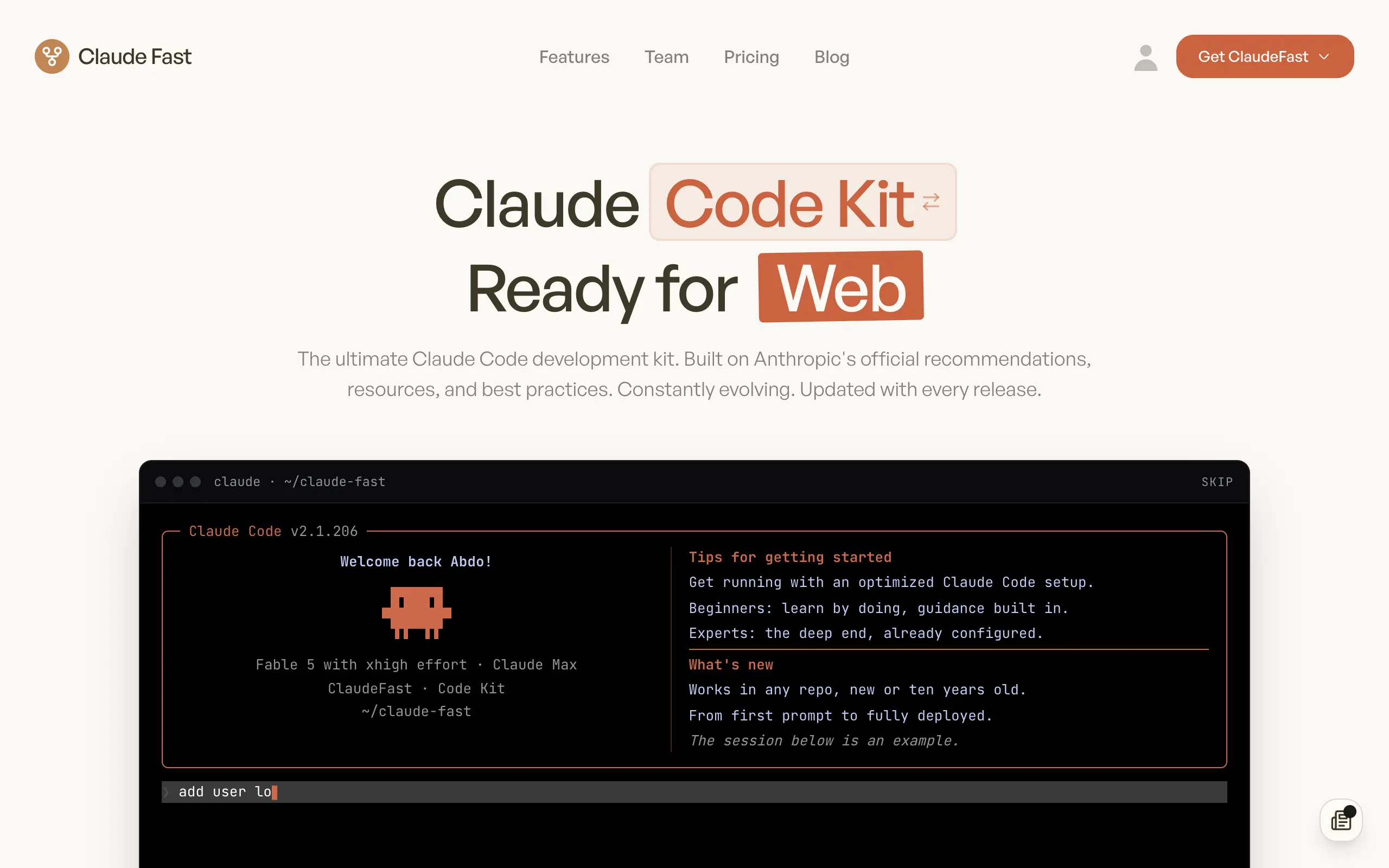
Claude Fast
Supercharge your Claude Code with 6x effective context window and specialized AI agents 🤖
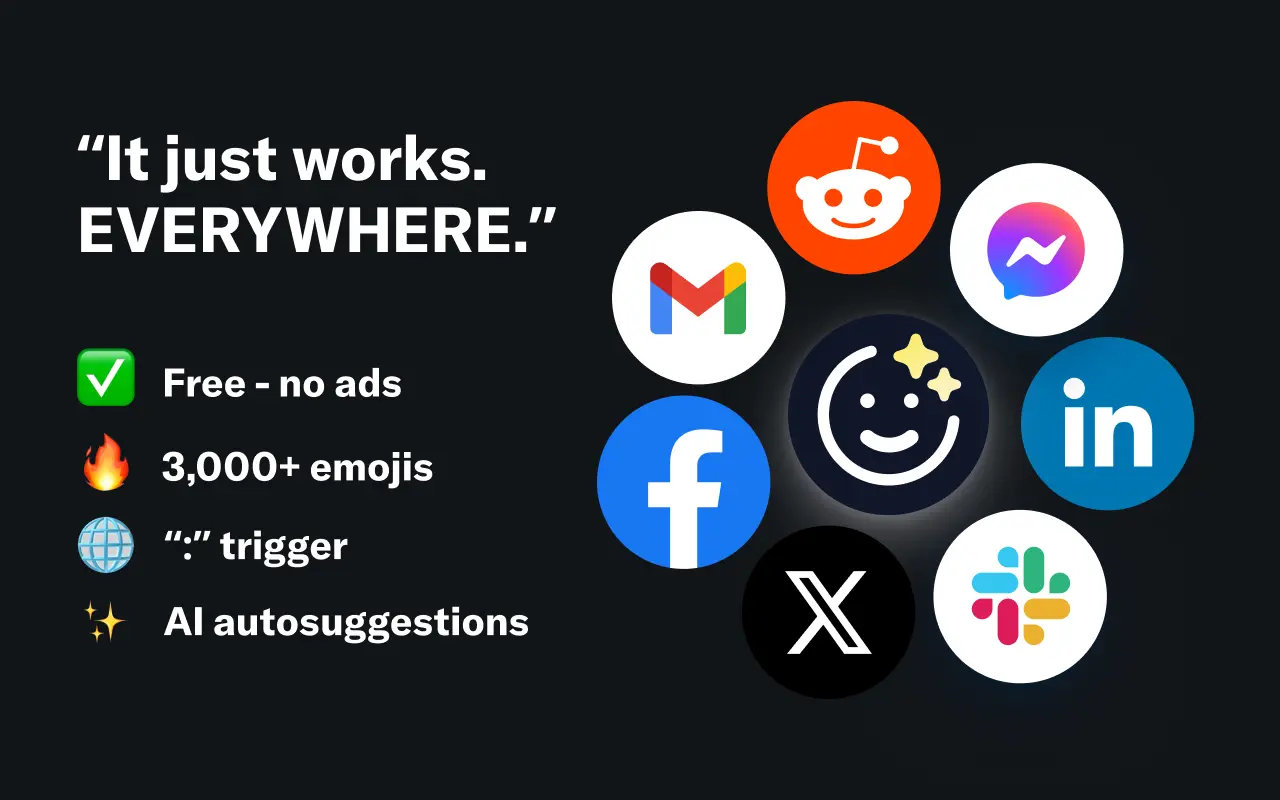
EmojAI
AI-powered emoji picker with smart, context-aware suggestions 🤖
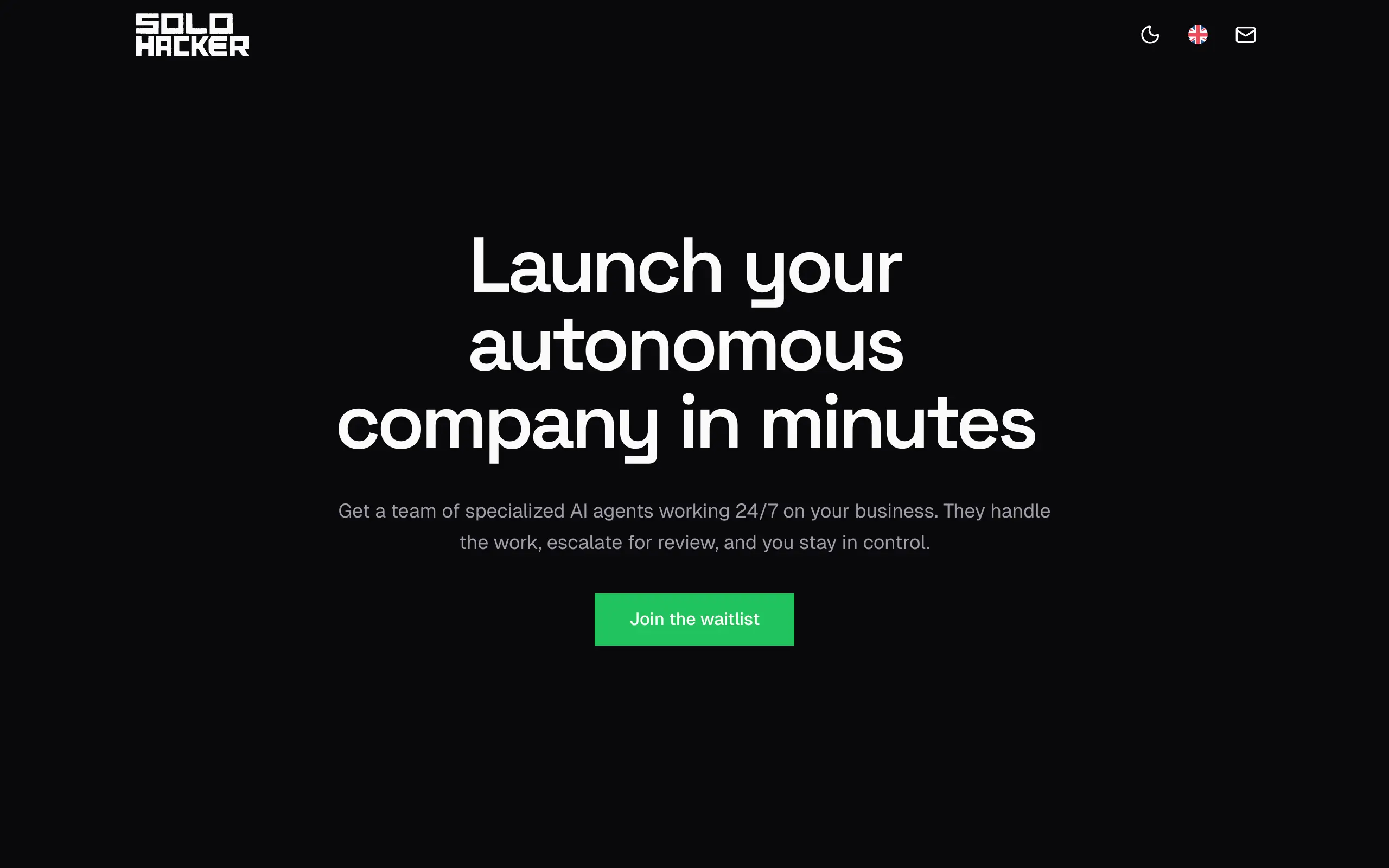
Solohacker
Autonomous company launcher - AI agents work 24/7, escalate what matters, and you stay in control 🤖
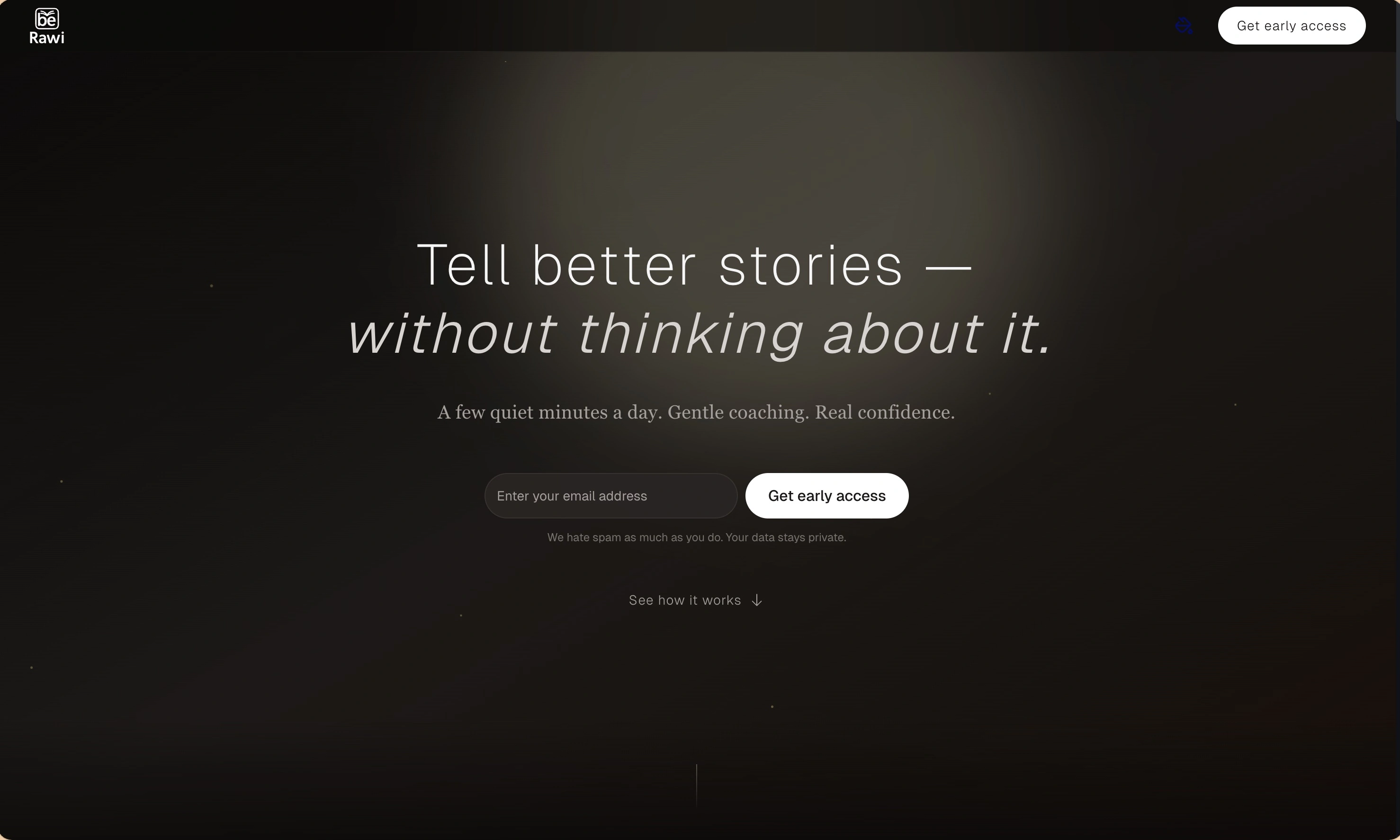
BeRawi: Storytelling Coach
Practice storytelling daily with instant feedback to sound clearer, more engaging, and confident 🎤
Omichat
Chat with 50+ AI models, including ChatGPT and Claude, in one place - switch models anytime without losing context 🤖
Claude Fast
Supercharge your Claude Code with 6x effective context window and specialized AI agents 🤖
EmojAI
AI-powered emoji picker with smart, context-aware suggestions 🤖
Solohacker
Autonomous company launcher - AI agents work 24/7, escalate what matters, and you stay in control 🤖
BeRawi: Storytelling Coach
Practice storytelling daily with instant feedback to sound clearer, more engaging, and confident 🎤
Omichat
Chat with 50+ AI models, including ChatGPT and Claude, in one place - switch models anytime without losing context 🤖
Claude Fast
Supercharge your Claude Code with 6x effective context window and specialized AI agents 🤖
EmojAI
AI-powered emoji picker with smart, context-aware suggestions 🤖
Solohacker
Autonomous company launcher - AI agents work 24/7, escalate what matters, and you stay in control 🤖
BeRawi: Storytelling Coach
Practice storytelling daily with instant feedback to sound clearer, more engaging, and confident 🎤
Omichat
Chat with 50+ AI models, including ChatGPT and Claude, in one place - switch models anytime without losing context 🤖
Claude Fast
Supercharge your Claude Code with 6x effective context window and specialized AI agents 🤖
EmojAI
AI-powered emoji picker with smart, context-aware suggestions 🤖
Solohacker
Autonomous company launcher - AI agents work 24/7, escalate what matters, and you stay in control 🤖
BeRawi: Storytelling Coach
Practice storytelling daily with instant feedback to sound clearer, more engaging, and confident 🎤

Connect with like-minded people
Join our community to get feedback, support, and grow together with 1,000+ builders on board, let's ship it!
Join usShip your startup everywhere. In minutes.
Don't burn tokens on setup and start building features on day one.