StudySprint AI
An AI study planner that turns syllabi into daily tasks, tracks focus sessions, and adapts to deadlines to boost student productivity and grades.
The opportunity behind an AI study planner like StudySprint AI
Students today are drowning in information but starving for structure. Between university lectures, online courses, certifications, side projects, and part-time jobs, managing study time effectively has become one of the biggest hidden challenges in education.
An AI study planner like StudySprint AI addresses a clear and growing pain point: students don’t just need reminders — they need intelligent planning that adapts to their workload, energy levels, and performance.
StudySprint AI is positioned as:
An AI study planner that turns your syllabus, deadlines, and habits into adaptive daily study sprints with smart revision timing and burnout prevention.
This article explores the full strategic, technical, and business potential of building and launching StudySprint AI — from target audience and market opportunity to monetization, tech stack, and competitive differentiation.
Why the AI study planner market is growing fast
The problem: traditional study planning is broken
Most students rely on:
- Static calendars (Google Calendar, Notion, paper planners)
- To-do lists without priority intelligence
- Last-minute cramming
- Generic Pomodoro timers
- Habit trackers disconnected from academic goals
These tools don’t account for:
- Cognitive load
- Energy fluctuations
- Spaced repetition timing
- Real-time progress
- Deadline pressure
- Burnout risk
As a result, students:
- Overestimate how much they can do in one day
- Underestimate revision needs
- Cram before exams
- Burn out mid-semester
- Feel constant guilt and stress
An AI-powered study planner that dynamically adapts to changing constraints solves a deeply emotional and productivity-related problem.
Target audience analysis
Understanding user intent is critical. People searching for an "AI study planner" are usually looking for:
- A smarter alternative to manual scheduling
- Help with exam preparation
- Burnout prevention
- Better focus and time management
- Personalized study recommendations
Primary audience segments
University students
Undergraduate and postgraduate students juggling multiple modules, assignments, and exams.
High school students
Students preparing for board exams, SATs, A-levels, or competitive tests.
Professional learners
People preparing for certifications like CFA, CPA, coding bootcamps, or language exams.
Secondary audience
- ADHD students seeking structured daily planning
- Remote learners in online courses
- Study-with-me content creators
- Parents managing their children’s academic schedule
Key pain points
- “I don’t know what to study today.”
- “I always procrastinate until it’s too late.”
- “I feel overwhelmed by everything I have to do.”
- “I burn out before exams.”
- “I revise too late or forget to revise entirely.”
StudySprint AI should directly address these search and emotional intents.
Market gap and opportunity
Existing solutions
Let’s evaluate current tools in the productivity and education space:
| Feature | Google Calendar | Notion | Todoist | StudySprint AI |
|---|---|---|---|---|
| AI scheduling | ❌ | ❌ | ❌ | ✅ |
| Adaptive revision timing | ❌ | ❌ | ❌ | ✅ |
| Burnout detection | ❌ | ❌ | ❌ | ✅ |
| Daily study sprints | ❌ | Manual | Manual | ✅ |
The gap is clear:
- Tools help you organize tasks.
- None intelligently decide when and how much to study.
- Almost none integrate cognitive science principles like spaced repetition into planning.
StudySprint AI sits at the intersection of:
- AI productivity tools
- EdTech
- Behavioral science
- Mental health-aware planning
That positioning is powerful.
Core value proposition of StudySprint AI
The primary keyword here is AI study planner, but the real differentiation lies in:
- Adaptive study scheduling
- Intelligent revision timing
- Burnout prevention
- Sprint-based focus sessions
How it works conceptually
- User uploads syllabus or course outline.
- User enters deadlines and exam dates.
- User defines availability and preferred study times.
- AI generates structured daily “study sprints.”
- System adapts based on:
- Completed sessions
- Missed sessions
- Self-reported energy
- Performance feedback
Core features and solution architecture
1. Syllabus ingestion engine
Users can:
- Upload PDF syllabus
- Paste module outlines
- Connect LMS (future)
- Manually input topics
AI extracts:
- Topics
- Subtopics
- Weightage (if available)
- Suggested difficulty
- Exam date relevance
2. Adaptive study sprint generator
Instead of vague study blocks, StudySprint AI creates:
- 25–50 minute focused sprints
- Clearly defined micro-goals
- Built-in short breaks
- Balanced cognitive load per day
Example sprint plan:
- Sprint 1: Chapter 2 – Concept summary
- Sprint 2: Practice problems (Level 1)
- Sprint 3: Flashcard review (Spaced repetition)
- Sprint 4: Weak area reinforcement
3. Smart revision timing (spaced repetition integration)
The AI study planner integrates:
- First review: 24 hours
- Second review: 3–5 days
- Third review: 7–14 days
- Adaptive rescheduling if performance is low
This differentiates StudySprint AI from generic planners.
4. Burnout prevention system
Using:
- Daily workload thresholds
- Maximum cognitive hours
- Streak intensity detection
- Missed-task patterns
The system can:
- Suggest light days
- Insert recovery blocks
- Recommend reflection sprints
- Prevent over-scheduling
Why this matters
Burnout prevention is a major differentiator. Many students overwork early and crash before exams. Intelligent pacing builds trust and long-term retention.
5. Progress intelligence dashboard
Metrics include:
- Completion rate
- Consistency score
- Focus score
- Revision strength index
- Burnout risk meter
This gives emotional feedback — not just task tracking.
User journey: from onboarding to exam success
The magic lies in continuous adaptation.
Recommended tech stack for building StudySprint AI
Building a scalable AI study planner requires thoughtful architecture.
Frontend
- React – flexible, scalable UI
- Next.js – SSR + API routes
- TailwindCSS – rapid UI styling
Why this stack?
- Fast iteration
- Strong ecosystem
- SEO-friendly (important for organic growth)
Backend
- Node.js (with Next.js API routes)
- PostgreSQL (structured syllabus data)
- Redis (session + schedule caching)
- Background job queue (BullMQ or similar)
AI layer
- LLM APIs for:
- Syllabus parsing
- Sprint generation
- Revision optimization
- Custom scheduling logic for:
- Load balancing
- Spaced repetition
- Burnout prediction
Example sprint generation endpoint
// /api/generate-sprints.ts

export async function generateSprints(userProfile, syllabus, deadlines) {
  const workload = calculateWorkload(syllabus, deadlines);
  const energyProfile = userProfile.energyPattern;

  const adaptivePlan = optimizeDailyLoad(workload, energyProfile);

  return adaptivePlan;
}
In production, this would integrate LLM calls and heuristic algorithms.
Trade-offs in technical decisions
Using pure LLM vs hybrid model
Pure LLM approach
- ✅ Faster MVP
- ❌ Less predictable scheduling
- ❌ Higher token costs
Hybrid AI + deterministic logic
- ✅ Cost control
- ✅ Predictable spacing rules
- ✅ Easier explainability
- ❌ Slightly more complex engineering
A hybrid model is strongly recommended.
Monetization strategy for StudySprint AI
An AI study planner fits extremely well with subscription pricing.
Option 1: Freemium model
Free:
- 1 active subject
- Basic sprint planning
- Limited revisions
Pro ($8–15/month):
- Unlimited subjects
- Advanced revision AI
- Burnout monitoring
- Exam simulation planning
Option 2: Student lifetime pass
- $49–79 one-time payment
- Attractive for budget-conscious users
Option 3: Institutional licensing
- Schools pay per student
- Dashboard for teachers
- Cohort performance insights
Additional revenue streams
- Affiliate partnerships (textbooks, study tools)
- AI-powered tutoring upsell
- Premium exam templates
- Mobile app subscription add-on
Competitive advantage analysis
The unique selling proposition (USP) of StudySprint AI:
It doesn’t just track tasks — it intelligently engineers your study rhythm.
Key differentiators:
- Sprint-based micro-planning
- Burnout-aware scheduling
- Smart revision timing
- Cognitive-load balancing
- Continuous adaptive feedback
Most productivity tools optimize time. StudySprint AI optimizes learning effectiveness.
That’s a critical strategic difference.
Potential risks and mitigation strategies
1. Over-reliance on AI
Risk: Users blindly follow AI suggestions without reflection.
Mitigation:
- Explain reasoning behind schedule
- Allow manual overrides
- Provide “Why this sprint?” transparency
2. Inaccurate workload estimation
Risk: AI misjudges difficulty.
Mitigation:
- Add difficulty adjustment slider
- Ask user feedback after each sprint
- Train adaptation over time
3. Student churn
Risk: Students use it only before exams.
Mitigation:
- Habit streak gamification
- Weekly progress reports
- Emotional reinforcement notifications
4. Data privacy concerns
Mitigation:
- Transparent privacy policy
- No selling data
- Strong encryption practices
- Optional local-only scheduling mode
Trust is critical in an AI study planner handling academic data.
SEO growth strategy for StudySprint AI
To rank for “AI study planner,” “smart study planner,” and “adaptive study schedule,” content marketing is essential.
Content clusters:
- How to build a study schedule with AI
- Best AI tools for students
- Spaced repetition explained
- How to avoid burnout during exams
- Sprint study method guide
Create pillar + cluster structure.
Internal linking is crucial.
Implementation roadmap
Phase 1 – MVP (8–10 weeks)
- Basic syllabus ingestion
- Simple sprint generation
- Calendar integration
- Manual revision scheduling
Phase 2 – Intelligent adaptation
- Burnout detection
- Performance-based adjustment
- Smart revision engine
Phase 3 – Growth & polish
- Mobile app
- Institutional dashboard
- Social study groups
- Gamification layer
Building StudySprint AI faster
If you're launching this as a SaaS product, starting from scratch slows momentum.
Using a prebuilt SaaS foundation like TurboStarter can dramatically reduce time-to-market by providing:
- Authentication
- Payments integration
- SaaS boilerplate
- Dashboard foundation
- Scalable architecture
This lets you focus on what truly differentiates StudySprint AI — the AI planning engine.
Example feature expansion roadmap
Generate mock exam weeks with increased sprint intensity and timed practice blocks.
Shorter sprints, dopamine reward system, visual progress tracking.
Allow parents to track consistency without micromanaging.
Why StudySprint AI can become a category leader
The AI study planner space is still early-stage. Most tools:
- Are glorified to-do lists
- Don’t integrate learning science
- Don’t adapt in real time
StudySprint AI can own the niche of:
Adaptive cognitive scheduling for students.
This is defensible through:
- Proprietary scheduling models
- Performance-based adaptation data
- Behavioral analytics
- Burnout prediction engine
Over time, data becomes a moat.
Final actionable steps to launch
- Validate with 50–100 students.
- Build MVP with sprint + syllabus ingestion.
- Charge early (even discounted).
- Collect feedback weekly.
- Improve revision engine.
- Add burnout detection.
- Launch content-driven SEO funnel.
- Expand to mobile.
Conclusion
StudySprint AI is more than an AI study planner. It’s a behavioral intelligence system designed to:
- Structure daily learning
- Optimize revision timing
- Prevent burnout
- Increase academic performance
In a world overloaded with information but lacking structure, intelligent planning is the next frontier.
If executed properly — with strong E-E-A-T, ethical AI design, and student-centered UX — StudySprint AI has the potential to redefine how students prepare for exams in the AI era.
The opportunity is real. The need is urgent. The differentiation is clear.
Now it’s time to build.
More 🤖 AI Startup SaaS ideas
Discover more innovative ai startup SaaS ideas that are trending in 2026. Each idea is AI-generated with market validation and growth potential to help you find your next profitable venture faster than competitors.
Your competitors are building with TurboStarter
Below are some of the SaaS ideas that have been generated and built with our starter kit.

Statiko
Monitor any Telegram channel in real time - track posts, edits, deletions, and growth with AI recaps 📡

Shibui
AI website builder - describe your business, pick a niche template, edit by chatting, and publish instantly ✨

Pro Service
Find verified home service professionals, compare quotes, and pay securely through escrow - built for Brazilians across the US 🏠
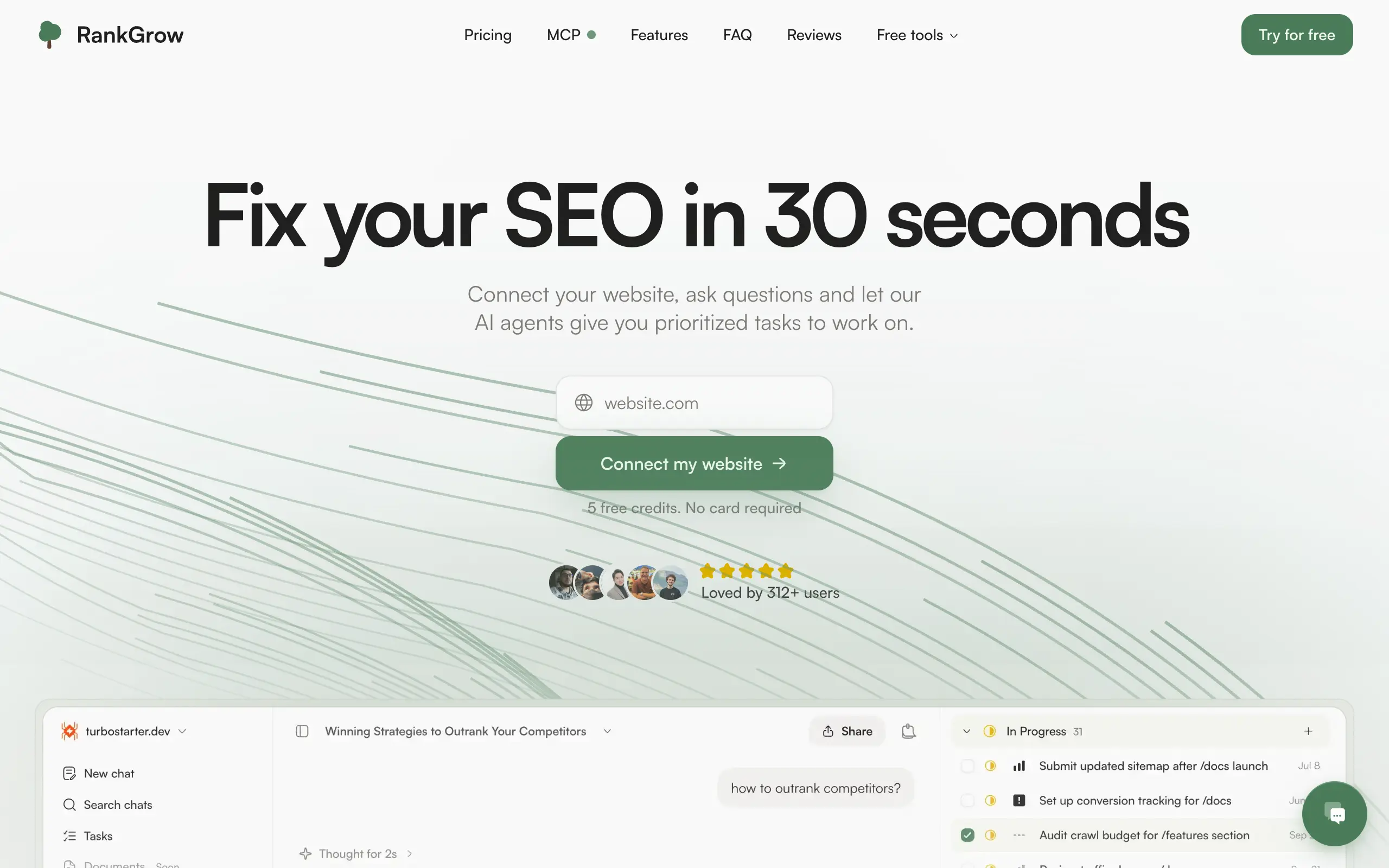
RankGrow
Fix your SEO with AI agents - connect Search Console, get prioritized tasks, and grow organic traffic 📈
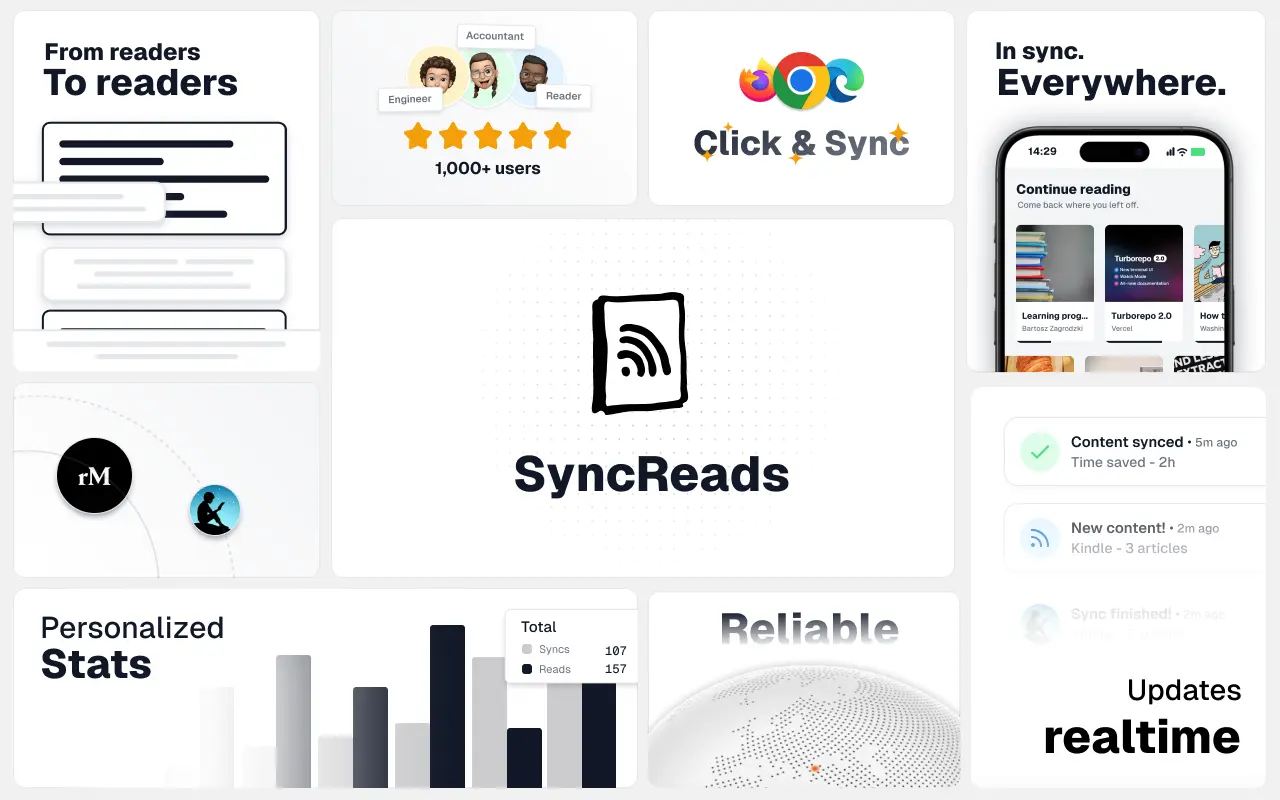
SyncReads
Sync your favorite content for distraction-free reading, save time and replace multiple apps. Anytime, anywhere 🔄
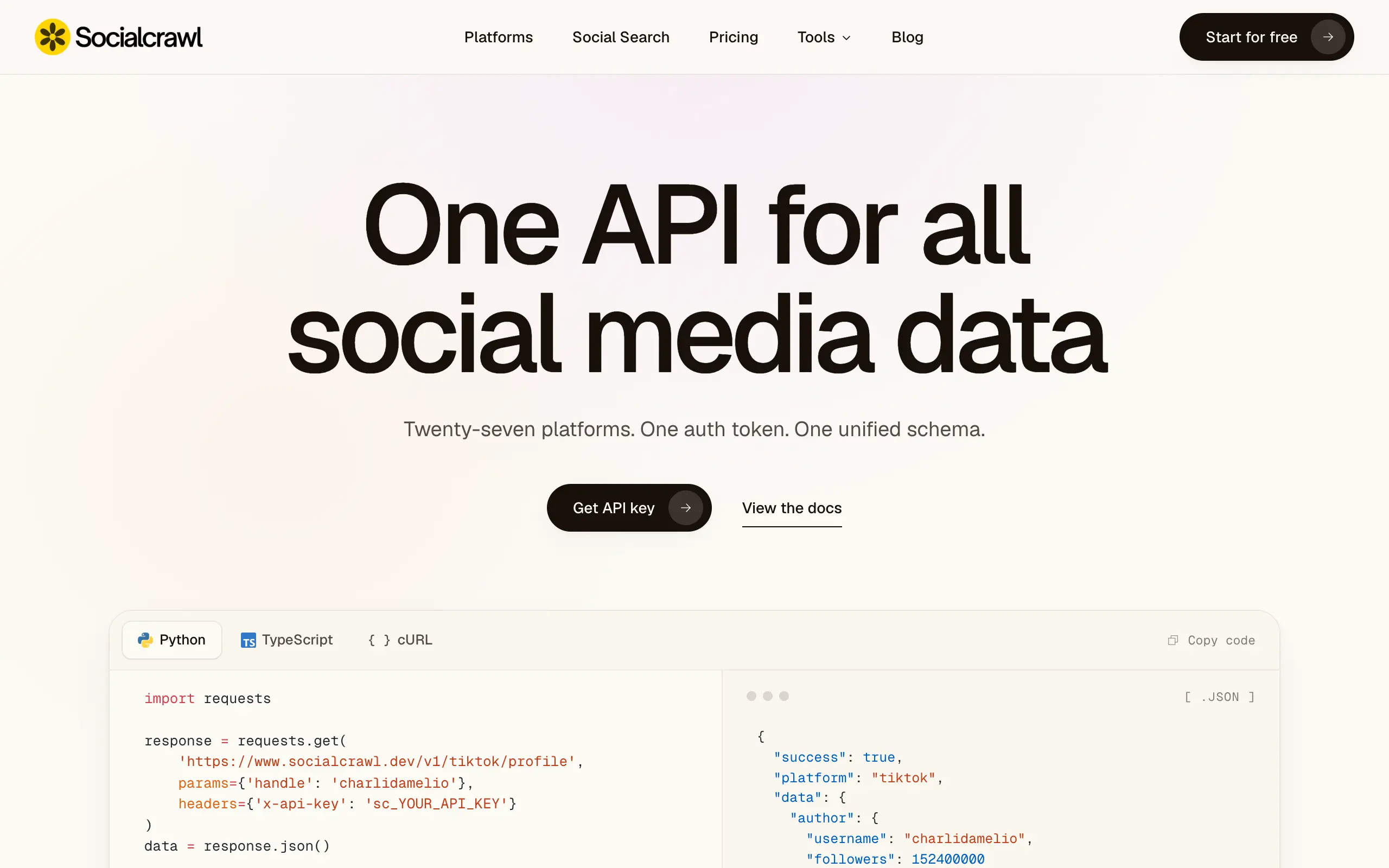
Socialcrawl
Get clean, structured data from 21 platforms like TikTok, Instagram, and YouTube with a single request 📊
Statiko
Monitor any Telegram channel in real time - track posts, edits, deletions, and growth with AI recaps 📡
Shibui
AI website builder - describe your business, pick a niche template, edit by chatting, and publish instantly ✨
Pro Service
Find verified home service professionals, compare quotes, and pay securely through escrow - built for Brazilians across the US 🏠
RankGrow
Fix your SEO with AI agents - connect Search Console, get prioritized tasks, and grow organic traffic 📈
SyncReads
Sync your favorite content for distraction-free reading, save time and replace multiple apps. Anytime, anywhere 🔄
Socialcrawl
Get clean, structured data from 21 platforms like TikTok, Instagram, and YouTube with a single request 📊
Statiko
Monitor any Telegram channel in real time - track posts, edits, deletions, and growth with AI recaps 📡
Shibui
AI website builder - describe your business, pick a niche template, edit by chatting, and publish instantly ✨
Pro Service
Find verified home service professionals, compare quotes, and pay securely through escrow - built for Brazilians across the US 🏠
RankGrow
Fix your SEO with AI agents - connect Search Console, get prioritized tasks, and grow organic traffic 📈
SyncReads
Sync your favorite content for distraction-free reading, save time and replace multiple apps. Anytime, anywhere 🔄
Socialcrawl
Get clean, structured data from 21 platforms like TikTok, Instagram, and YouTube with a single request 📊
Statiko
Monitor any Telegram channel in real time - track posts, edits, deletions, and growth with AI recaps 📡
Shibui
AI website builder - describe your business, pick a niche template, edit by chatting, and publish instantly ✨
Pro Service
Find verified home service professionals, compare quotes, and pay securely through escrow - built for Brazilians across the US 🏠
RankGrow
Fix your SEO with AI agents - connect Search Console, get prioritized tasks, and grow organic traffic 📈
SyncReads
Sync your favorite content for distraction-free reading, save time and replace multiple apps. Anytime, anywhere 🔄
Socialcrawl
Get clean, structured data from 21 platforms like TikTok, Instagram, and YouTube with a single request 📊
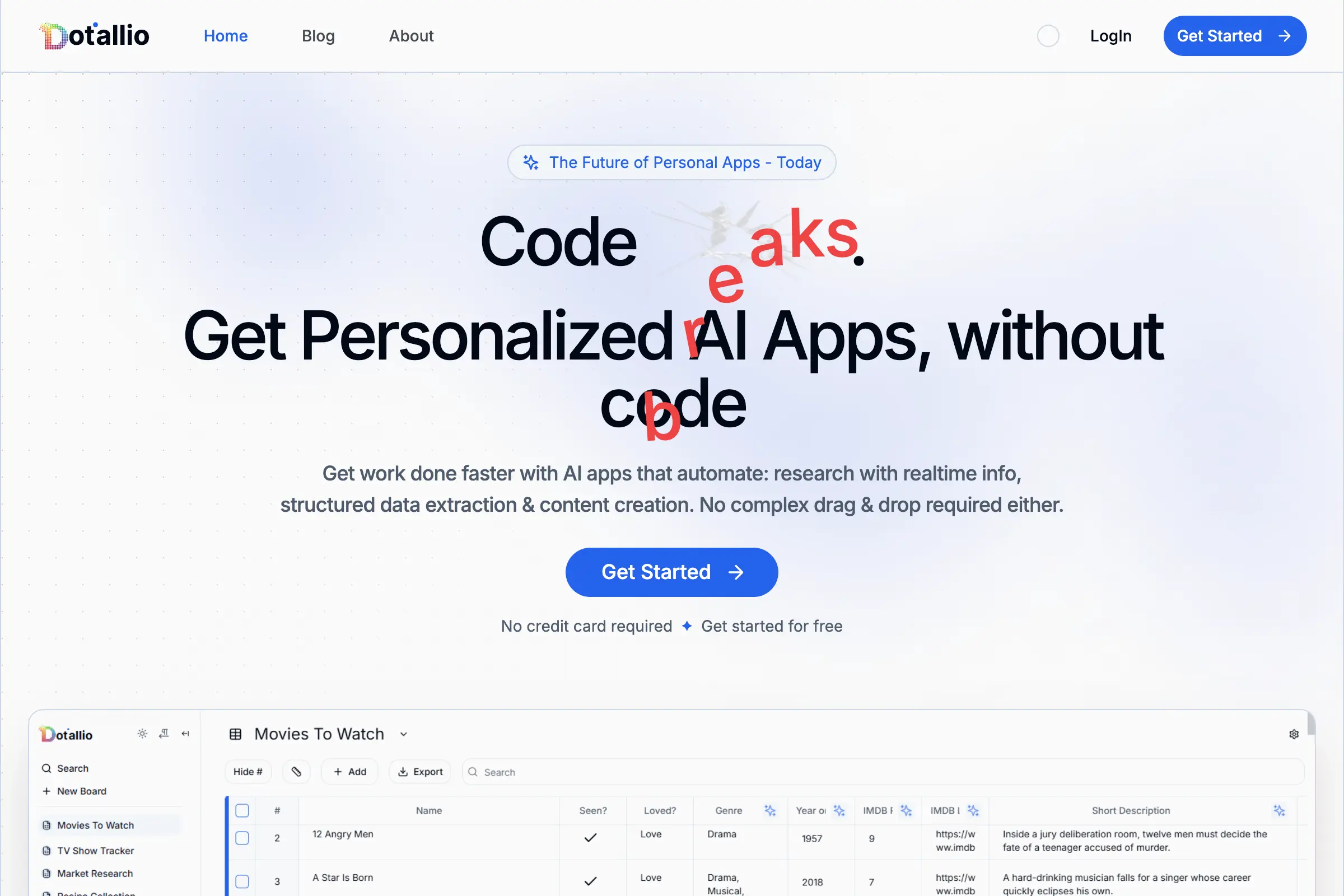
Dotallio
Personalized AI apps that automate research, data extraction, and content creation without code 🤖

Talk to Santa
Enjoy a magical live video chat or receive a unique AI-generated video greeting from Santa Claus 🎅

pozywka.pl
Scalable blog for food journalist, focused on performance and user experience 🌭
zagrodzki.me
Personal blog and portfolio of Bart Zagrodzki, where he shares his knowledge and work 💼
TurboStarter
Ship your startup everywhere. In minutes.
HTML to Markdown
Convert HTML to Markdown with ease, directly in your browser 📄
Dotallio
Personalized AI apps that automate research, data extraction, and content creation without code 🤖
Talk to Santa
Enjoy a magical live video chat or receive a unique AI-generated video greeting from Santa Claus 🎅
pozywka.pl
Scalable blog for food journalist, focused on performance and user experience 🌭
zagrodzki.me
Personal blog and portfolio of Bart Zagrodzki, where he shares his knowledge and work 💼
TurboStarter
Ship your startup everywhere. In minutes.
HTML to Markdown
Convert HTML to Markdown with ease, directly in your browser 📄
Dotallio
Personalized AI apps that automate research, data extraction, and content creation without code 🤖
Talk to Santa
Enjoy a magical live video chat or receive a unique AI-generated video greeting from Santa Claus 🎅
pozywka.pl
Scalable blog for food journalist, focused on performance and user experience 🌭
zagrodzki.me
Personal blog and portfolio of Bart Zagrodzki, where he shares his knowledge and work 💼
TurboStarter
Ship your startup everywhere. In minutes.
HTML to Markdown
Convert HTML to Markdown with ease, directly in your browser 📄
Dotallio
Personalized AI apps that automate research, data extraction, and content creation without code 🤖
Talk to Santa
Enjoy a magical live video chat or receive a unique AI-generated video greeting from Santa Claus 🎅
pozywka.pl
Scalable blog for food journalist, focused on performance and user experience 🌭
zagrodzki.me
Personal blog and portfolio of Bart Zagrodzki, where he shares his knowledge and work 💼
TurboStarter
Ship your startup everywhere. In minutes.
HTML to Markdown
Convert HTML to Markdown with ease, directly in your browser 📄
Omichat
Chat with 50+ AI models, including ChatGPT and Claude, in one place - switch models anytime without losing context 🤖
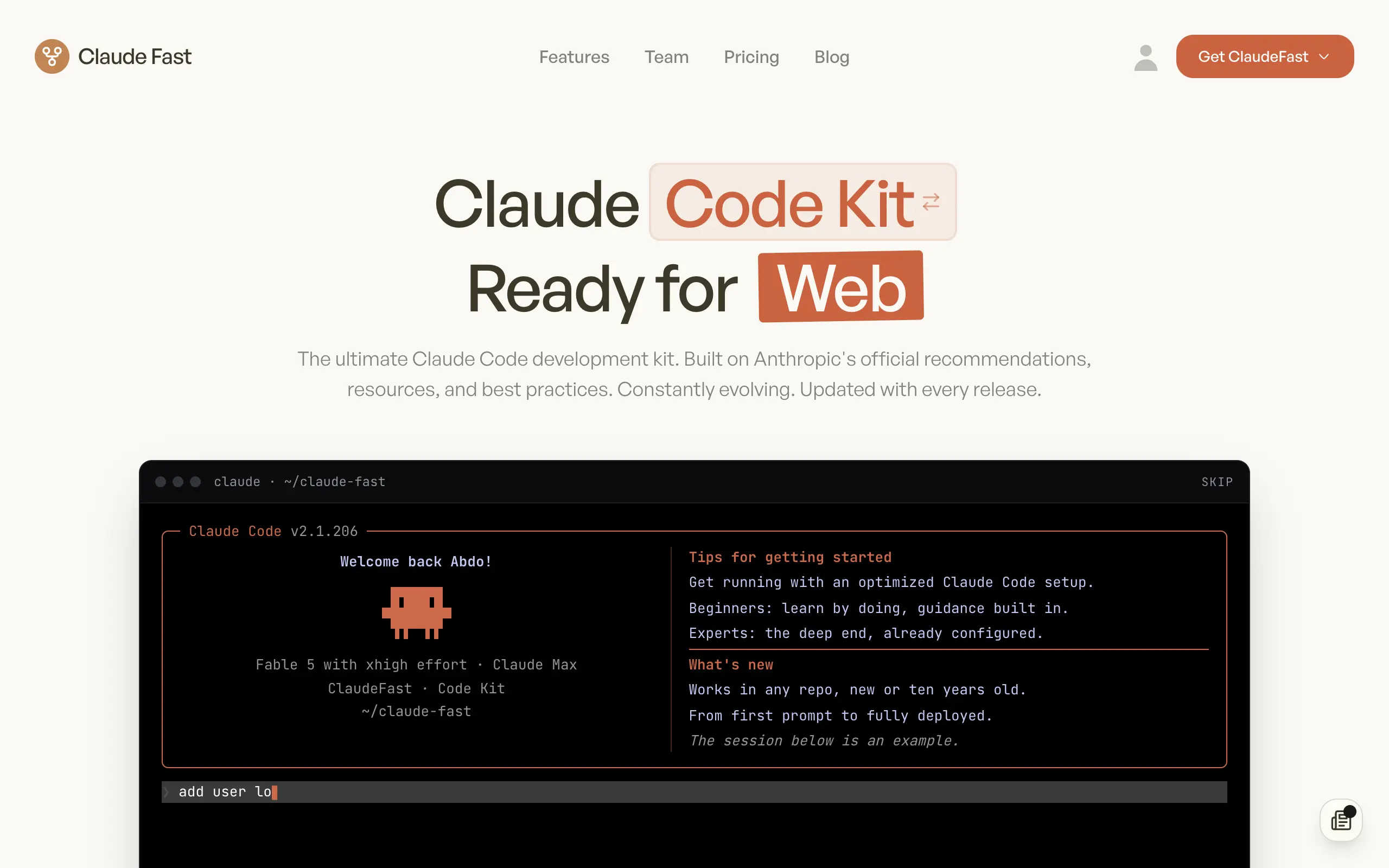
Claude Fast
Supercharge your Claude Code with 6x effective context window and specialized AI agents 🤖
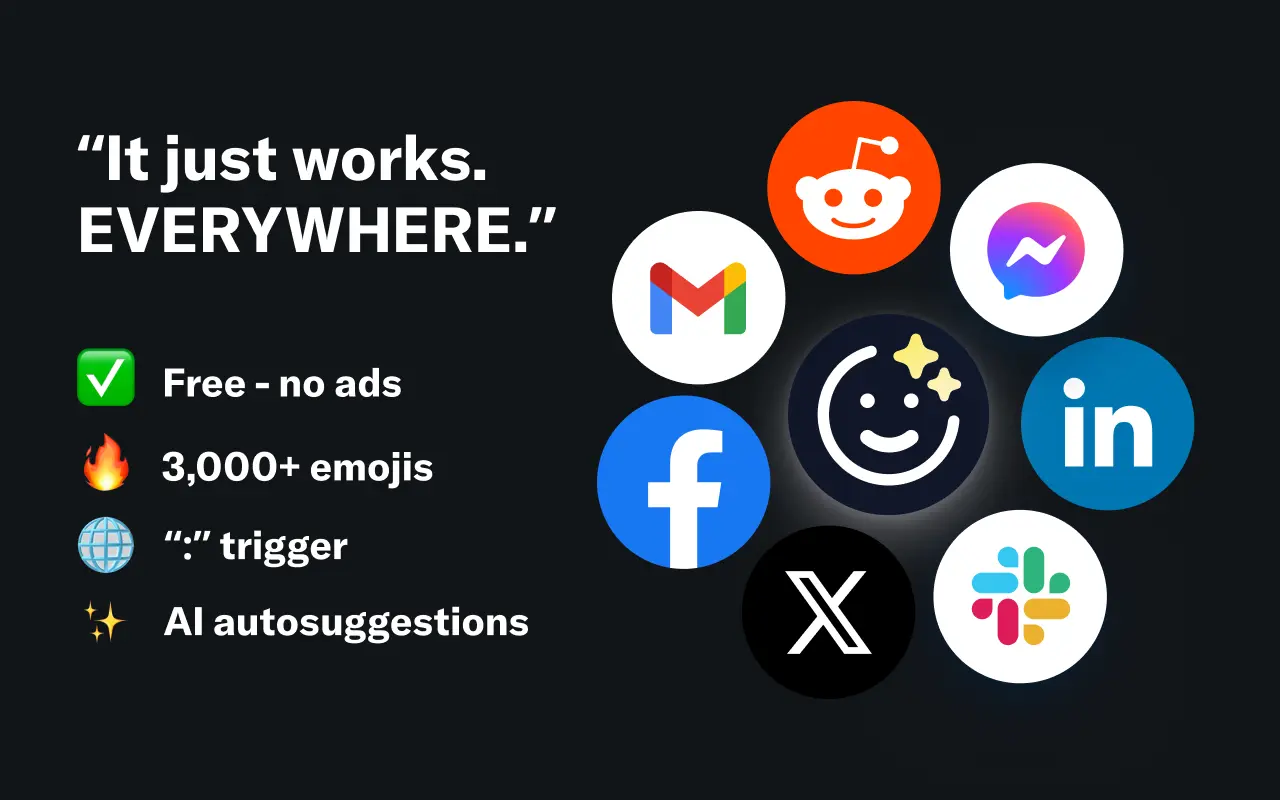
EmojAI
AI-powered emoji picker with smart, context-aware suggestions 🤖
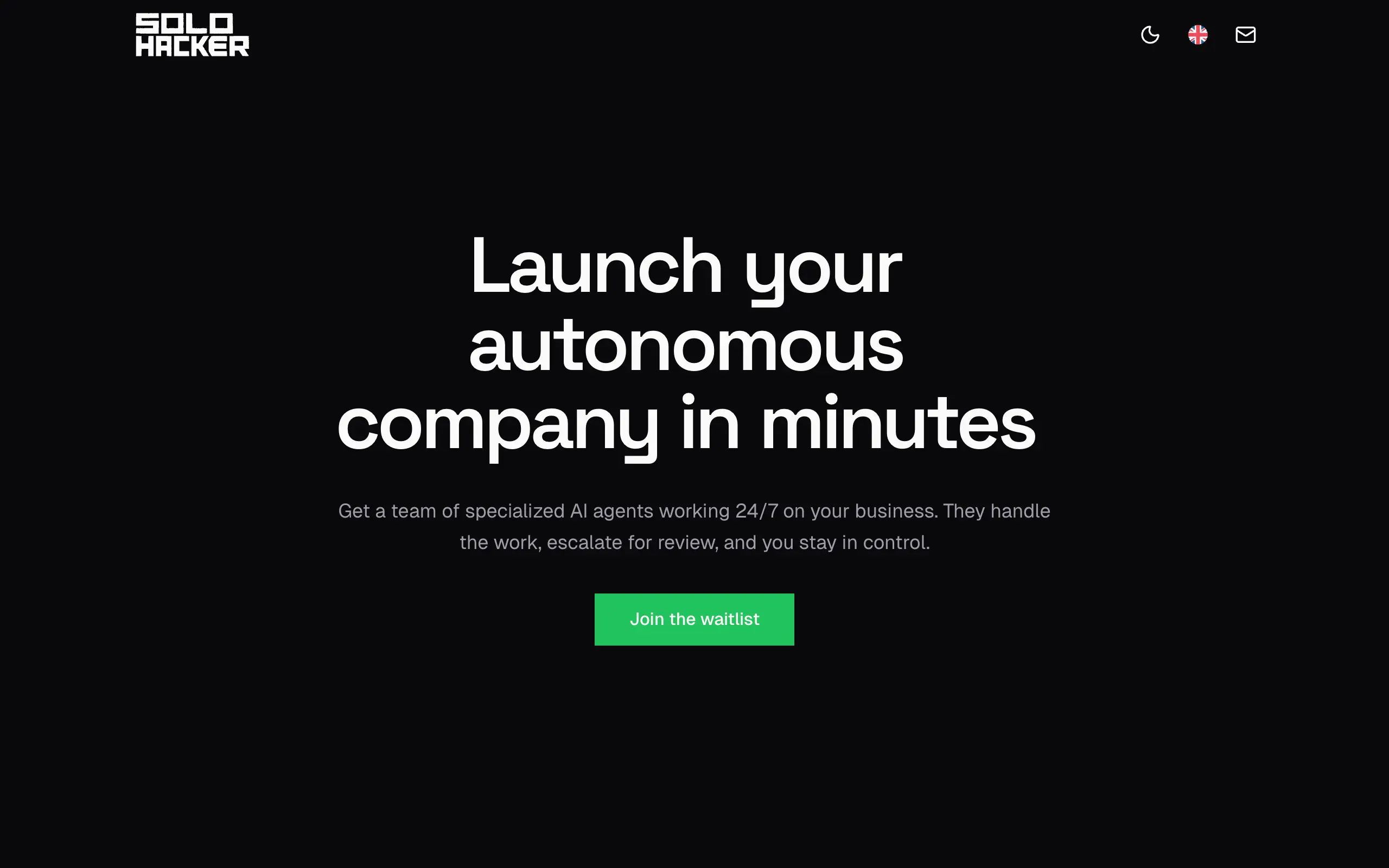
Solohacker
Autonomous company launcher - AI agents work 24/7, escalate what matters, and you stay in control 🤖
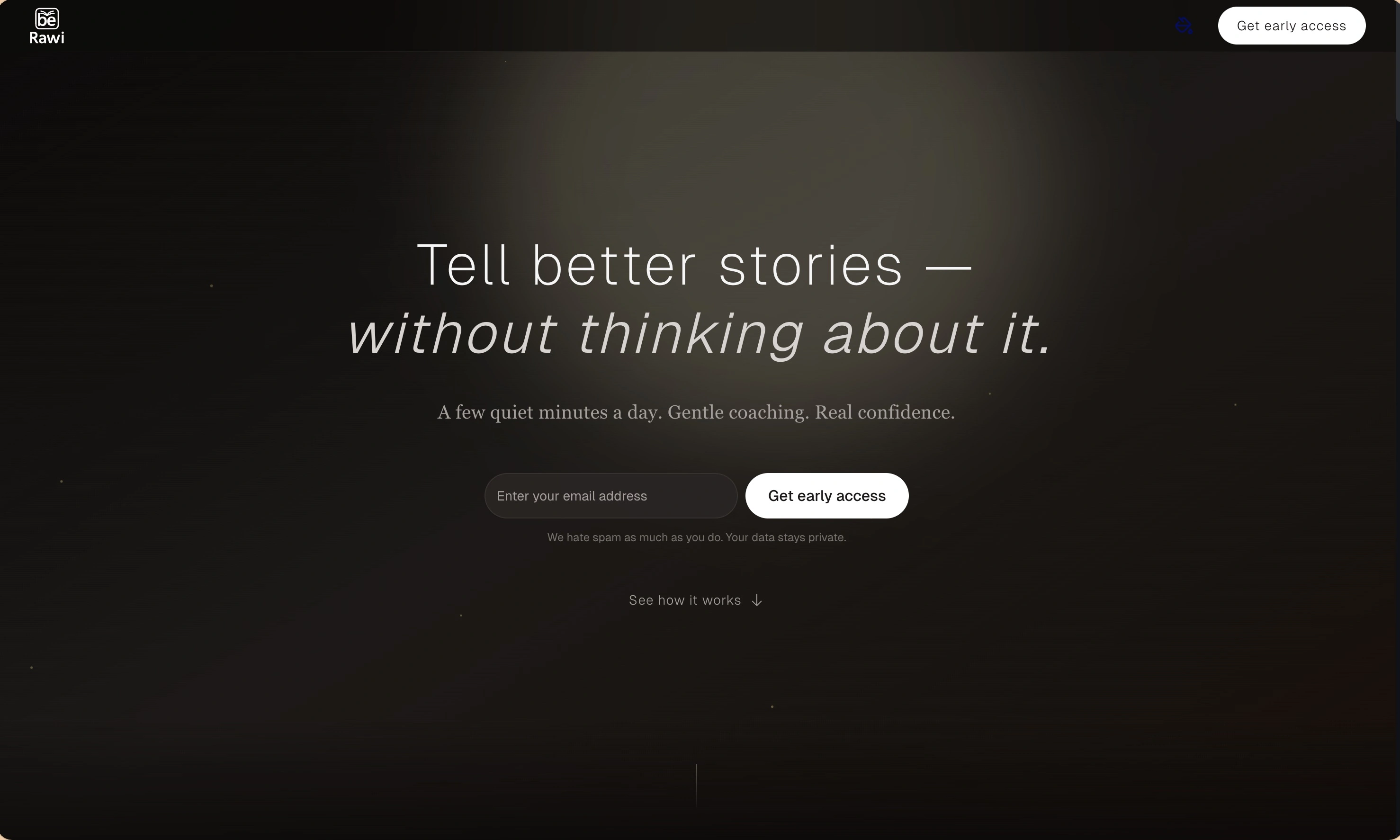
BeRawi: Storytelling Coach
Practice storytelling daily with instant feedback to sound clearer, more engaging, and confident 🎤
Omichat
Chat with 50+ AI models, including ChatGPT and Claude, in one place - switch models anytime without losing context 🤖
Claude Fast
Supercharge your Claude Code with 6x effective context window and specialized AI agents 🤖
EmojAI
AI-powered emoji picker with smart, context-aware suggestions 🤖
Solohacker
Autonomous company launcher - AI agents work 24/7, escalate what matters, and you stay in control 🤖
BeRawi: Storytelling Coach
Practice storytelling daily with instant feedback to sound clearer, more engaging, and confident 🎤
Omichat
Chat with 50+ AI models, including ChatGPT and Claude, in one place - switch models anytime without losing context 🤖
Claude Fast
Supercharge your Claude Code with 6x effective context window and specialized AI agents 🤖
EmojAI
AI-powered emoji picker with smart, context-aware suggestions 🤖
Solohacker
Autonomous company launcher - AI agents work 24/7, escalate what matters, and you stay in control 🤖
BeRawi: Storytelling Coach
Practice storytelling daily with instant feedback to sound clearer, more engaging, and confident 🎤
Omichat
Chat with 50+ AI models, including ChatGPT and Claude, in one place - switch models anytime without losing context 🤖
Claude Fast
Supercharge your Claude Code with 6x effective context window and specialized AI agents 🤖
EmojAI
AI-powered emoji picker with smart, context-aware suggestions 🤖
Solohacker
Autonomous company launcher - AI agents work 24/7, escalate what matters, and you stay in control 🤖
BeRawi: Storytelling Coach
Practice storytelling daily with instant feedback to sound clearer, more engaging, and confident 🎤

Connect with like-minded people
Join our community to get feedback, support, and grow together with 1,000+ builders on board, let's ship it!
Join usShip your startup everywhere. In minutes.
Don't burn tokens on setup and start building features on day one.