StudySprint OS
Turns studying into structured cognitive sprints with AI-generated recall drills, distraction blocking, and performance analytics for measurable improvement.
Why the market needs an AI-powered study sprint platform
Students today face an attention economy designed to fragment focus. Between social media, push notifications, and multitasking culture, deep work has become rare. At the same time, academic competition is increasing globally. Standardized tests, university admissions, professional certifications, and continuous learning demands require efficient, measurable study systems.
This is where StudySprint OS, an AI-powered study sprint platform, positions itself strategically. Instead of being just another flashcard app or Pomodoro timer, it combines:
- Structured cognitive sprints
- AI-generated recall drills
- Real-time distraction blocking
- Performance analytics for measurable improvement
The primary keyword focus here is AI study sprint platform, supported by related terms such as:
- AI study assistant
- cognitive sprint learning system
- AI recall drills
- distraction blocking app for students
- study performance analytics software
Search intent around this idea typically includes:
- “How to study more effectively with AI”
- “Best AI tools for students”
- “How to measure study progress”
- “Apps that block distractions while studying”
- “How to improve recall and retention”
This article explores the complete business, product, and technical strategy behind launching StudySprint OS as a scalable SaaS solution.
Understanding the target audience
A strong SaaS product begins with precise audience segmentation. StudySprint OS addresses multiple high-value user segments.
1. High school and university students
Pain points:
- Difficulty maintaining focus
- Inefficient passive studying (re-reading, highlighting)
- Poor recall during exams
- Lack of measurable feedback
Desired outcomes:
- Improved grades
- Better retention
- Structured study sessions
- Reduced procrastination
2. Competitive exam candidates
Includes SAT, GRE, GMAT, MCAT, UPSC, bar exams, CPA, and other certification students.
Pain points:
- Massive syllabus
- Burnout
- Inconsistent performance tracking
- Inefficient revision cycles
Desired outcomes:
- Performance insights
- Data-driven revision planning
- Stronger recall under pressure
3. Lifelong learners & professionals
Includes developers learning new frameworks, marketers mastering analytics, and executives studying for certifications.
Pain points:
- Limited time
- Fragmented attention
- Difficulty retaining technical knowledge
Desired outcomes:
- High-intensity focused learning blocks
- Efficient knowledge encoding
- Clear productivity metrics
The market opportunity for AI-driven cognitive learning systems
The global e-learning market continues to grow rapidly (industry reports from sources like Statista and HolonIQ consistently project strong CAGR through 2030). However, most tools focus on content delivery, not cognitive performance optimization.
There is a gap between:
- Content platforms (Udemy, Coursera)
- Note-taking tools (Notion, Evernote)
- Flashcard systems (Anki)
- Timer apps (Pomodoro apps)
- Focus apps (Freedom, Cold Turkey)
StudySprint OS sits at the intersection of:
- Cognitive science
- AI personalization
- Focus management
- Performance analytics
The gap in the current ecosystem
Most study tools are fragmented:
- One app for flashcards
- One app for blocking distractions
- One timer for focus
- No unified performance dashboard
StudySprint OS becomes an operating system for structured learning, integrating all components into a cohesive AI-powered workflow.
Core product vision: what makes StudySprint OS different
The unique selling proposition (USP) is simple:
StudySprint OS turns studying into measurable cognitive sprints powered by AI.
Instead of passive learning, it forces:
- Active recall
- Time-bound focus
- Immediate feedback
- Data-driven improvement
Core feature pillars
AI-generated recall drills
Transforms notes and materials into active recall quizzes and spaced retrieval prompts automatically.
Structured cognitive sprints
Time-boxed study sessions designed around cognitive load theory and spaced repetition.
Distraction blocking engine
Intelligent blocking of distracting websites and apps during active sprints.
Performance analytics dashboard
Tracks recall accuracy, sprint consistency, focus score, and improvement trends.
Deep dive: AI-generated recall drills
Active recall is one of the most evidence-backed learning techniques in cognitive science. However, manually creating recall prompts is time-consuming.
StudySprint OS solves this by:
- Parsing uploaded notes (PDF, DOCX, Markdown)
- Generating question-answer pairs
- Creating fill-in-the-blank prompts
- Producing scenario-based conceptual questions
- Adapting difficulty dynamically
AI system architecture (conceptual)
// Simplified recall generation flow

async function generateRecallDrills(content: string) {
  const summary = await ai.summarize(content);
  const keyConcepts = await ai.extractConcepts(summary);
  const recallQuestions = await ai.generateQuestions(keyConcepts, {
    difficulty: "adaptive",
    format: ["short-answer", "mcq", "fill-in-blank"]
  });

  return recallQuestions;
}
Adaptive intelligence
The system adjusts based on:
- Recall accuracy
- Response time
- Repetition patterns
- Error categories
This creates a personalized cognitive load curve per user.
Structured cognitive sprints: beyond the Pomodoro method
The Pomodoro technique is widely known, but it lacks:
- AI optimization
- Performance tracking
- Contextual recall integration
StudySprint OS improves this with:
- Sprint types (Deep Learn, Recall Mode, Mixed Mode)
- Adaptive duration (25–50 minutes based on fatigue signals)
- Built-in recall intervals inside sprints
- Post-sprint performance scoring
Example sprint structure
Each sprint generates:
- Focus score
- Recall accuracy score
- Cognitive fatigue index
- Improvement trendline
Distraction blocking engine
One major differentiator is native distraction blocking integrated with cognitive analytics.
Instead of generic blocking:
- Blocking activates only during active sprints.
- It adapts based on user distraction patterns.
- It records interruption attempts.
Key features
- Custom blocklists (e.g., Instagram, YouTube)
- App-level blocking (desktop + mobile)
- Emergency override with penalty scoring
- “Focus integrity” score
Behavioral design insight
By adding a measurable “focus integrity” score, StudySprint OS gamifies discipline without being gimmicky.
Performance analytics for measurable improvement
Traditional study tools rarely answer:
- “Am I actually improving?”
- “Which subjects drain my cognitive energy?”
- “When is my peak focus time?”
StudySprint OS answers these through a unified dashboard.
Analytics dimensions
- Recall accuracy over time
- Sprint completion rate
- Distraction attempts per sprint
- Subject-level performance heatmaps
- Time-of-day effectiveness
Competitive comparison
| Feature | StudySprint OS | Anki | Pomodoro Apps | Focus Apps | Note Apps |
|---|---|---|---|---|---|
| AI recall generation | ✅ | ❌ | ❌ | ❌ | ❌ |
| Distraction blocking | ✅ | ❌ | ❌ | ✅ | ❌ |
This positioning clearly shows how StudySprint OS combines multiple fragmented tools into one intelligent platform.
Recommended tech stack for building StudySprint OS
To build a scalable AI study sprint platform, technical decisions matter.
Frontend
- React for dynamic UI
- Next.js for SSR and SEO
- TailwindCSS for rapid styling
Trade-off:
Next.js increases complexity but significantly improves performance and SEO for public pages.
Backend
- Node.js with TypeScript
- REST or GraphQL API
- Background workers for AI processing
AI layer
- LLM APIs for recall generation
- Embeddings for concept clustering
- Reinforcement-style logic for adaptation
Database
- PostgreSQL for structured data
- Redis for sprint session state
- Vector database for semantic search (optional)
Focus blocking integration
- Browser extensions (Chrome/Firefox)
- Native desktop app (Electron or Tauri)
Trade-off:
Electron speeds development but increases bundle size. Tauri is lighter but less mature.
Monetization strategy for AI study SaaS
A freemium model is optimal.
Tiered pricing structure
-
Free Tier
- Limited daily sprints
- Basic recall generation
- Basic analytics
-
Pro Tier ($12–$20/month)
- Unlimited sprints
- Advanced AI drills
- Full analytics dashboard
- Distraction blocking
-
Elite Tier ($29–$49/month)
- Competitive exam mode
- Advanced analytics
- Priority AI processing
- Custom study planning
B2B opportunities
- University licensing
- Coaching centers
- Corporate learning programs
Risks and mitigation strategies
1. AI inaccuracy
Risk: Poor recall question quality.
Mitigation:
- Human-in-the-loop feedback
- Continuous model tuning
- User rating system for questions
2. User churn
Students often abandon apps quickly.
Mitigation:
- Habit streak tracking
- Weekly performance reports
- Goal-based milestones
- Behavioral nudges
3. Competition from AI note apps
Mitigation: Focus messaging on:
- Performance improvement
- Measurable cognitive growth
- Integrated distraction blocking
Not just AI note generation.
Competitive advantage analysis
The core competitive edge of StudySprint OS:
- Integrated system (not fragmented tools)
- AI-driven personalization
- Cognitive science-backed design
- Quantified performance tracking
- Behavioral focus reinforcement
Most competitors solve one piece of the puzzle. StudySprint OS solves the entire workflow.
Go-to-market strategy
Phase 1: Niche dominance
Target:
- Competitive exam students
- Medical and law students
Messaging:
- “Increase recall accuracy by X%”
- “Turn studying into measurable performance”
Phase 2: Influencer and creator partnerships
- Study YouTubers
- Productivity influencers
- Academic coaches
Offer affiliate incentives and early access.
Phase 3: Campus ambassadors
- University ambassador programs
- Free premium access for student leaders
Actionable implementation roadmap
For faster SaaS deployment, consider starting with a robust production-ready foundation like TurboStarter to accelerate authentication, billing, and infrastructure setup.
Long-term vision
StudySprint OS can evolve into:
- AI study coach
- Neuro-adaptive learning engine
- Institutional performance dashboard
- API for education platforms
Eventually, it becomes:
The operating system for high-performance learning.
Final thoughts: building a measurable learning revolution
The education market doesn’t need another note-taking app. It needs:
- Structured learning
- Measurable performance
- AI-enhanced recall
- Integrated focus protection
StudySprint OS aligns with powerful trends:
- AI personalization
- Productivity optimization
- Cognitive science adoption
- Quantified self movement
By combining these into a unified AI study sprint platform, you create not just another SaaS product — but a performance infrastructure for learning.
If executed correctly with strong UX, validated cognitive science principles, and a disciplined go-to-market strategy, StudySprint OS can dominate a high-growth, high-retention segment of the AI education market.
The opportunity is not just helping students study.
It’s helping them think better, remember longer, and perform at their peak.
More 🤖 AI Startup SaaS ideas
Discover more innovative ai startup SaaS ideas that are trending in 2026. Each idea is AI-generated with market validation and growth potential to help you find your next profitable venture faster than competitors.
Your competitors are building with TurboStarter
Below are some of the SaaS ideas that have been generated and built with our starter kit.
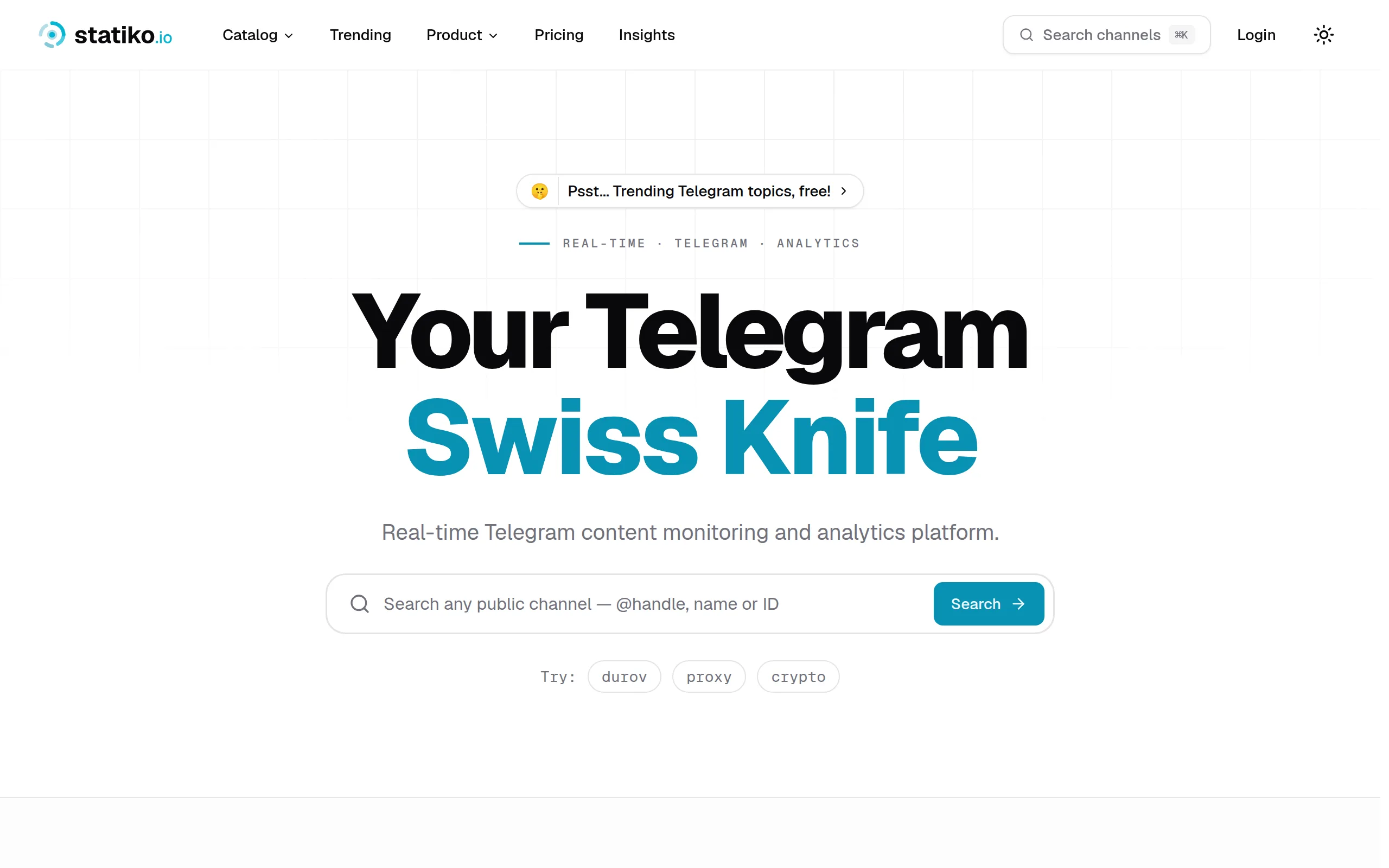
Statiko
Monitor any Telegram channel in real time - track posts, edits, deletions, and growth with AI recaps 📡
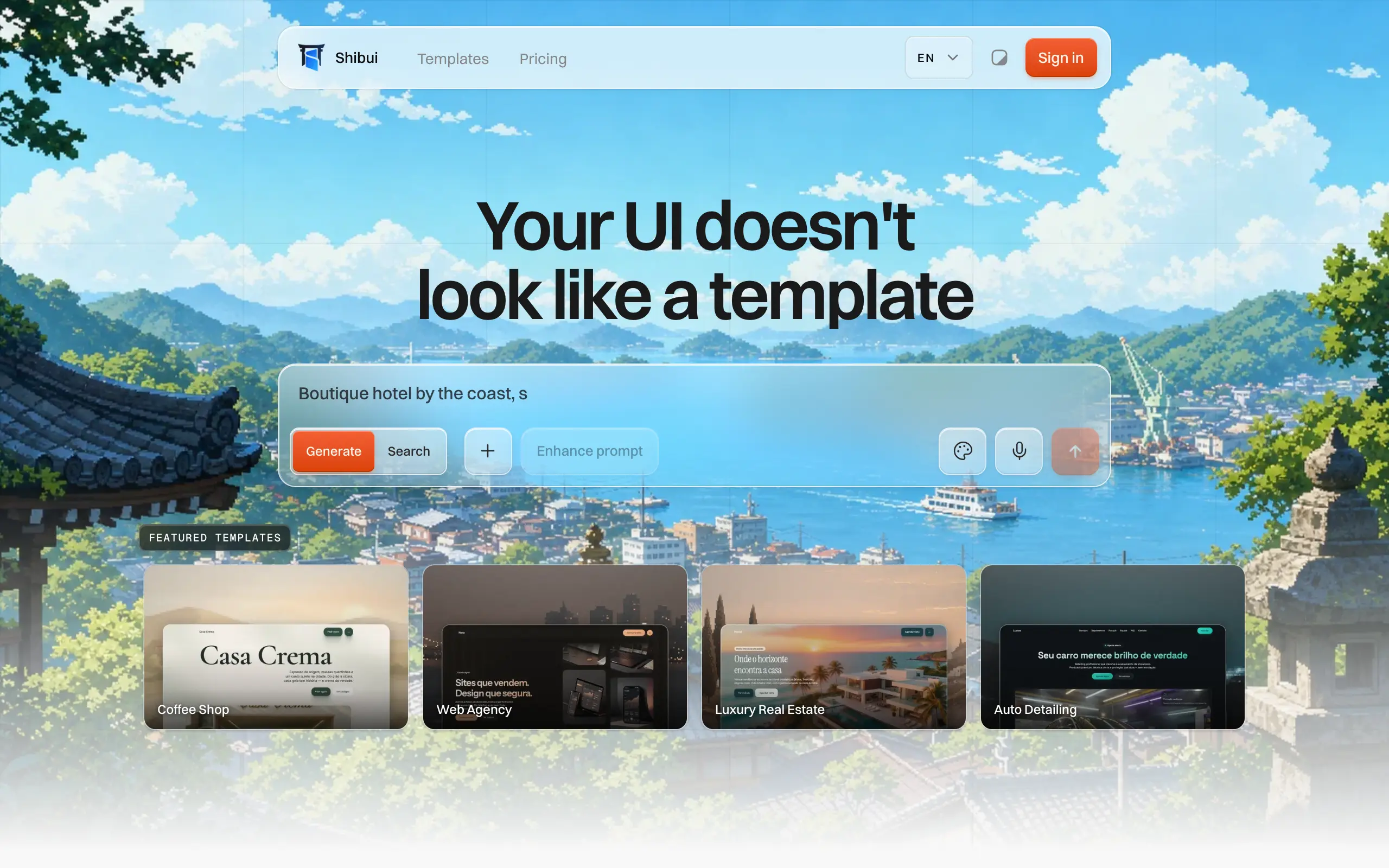
Shibui
AI website builder - describe your business, pick a niche template, edit by chatting, and publish instantly ✨

Pro Service
Find verified home service professionals, compare quotes, and pay securely through escrow - built for Brazilians across the US 🏠
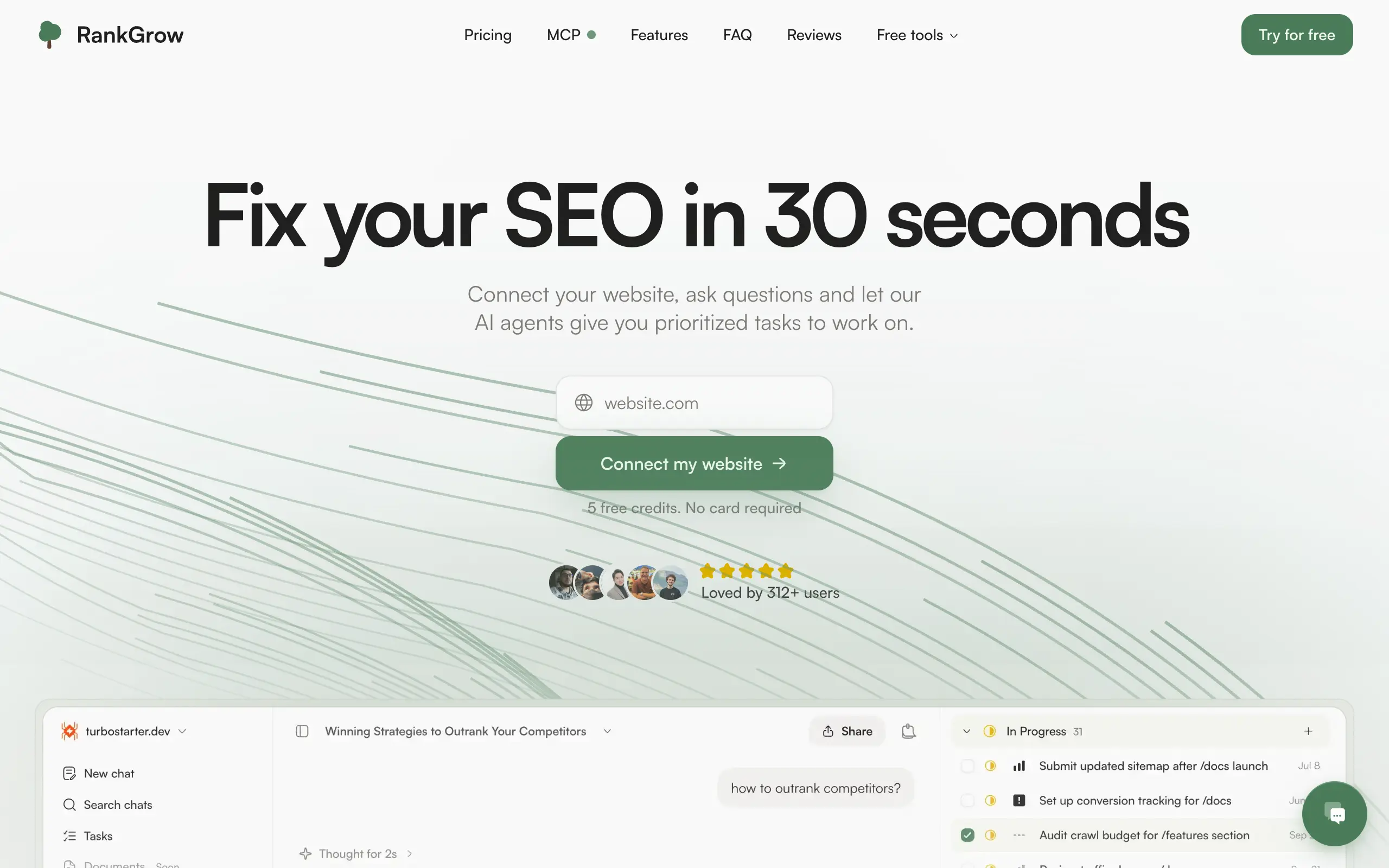
RankGrow
Fix your SEO with AI agents - connect Search Console, get prioritized tasks, and grow organic traffic 📈
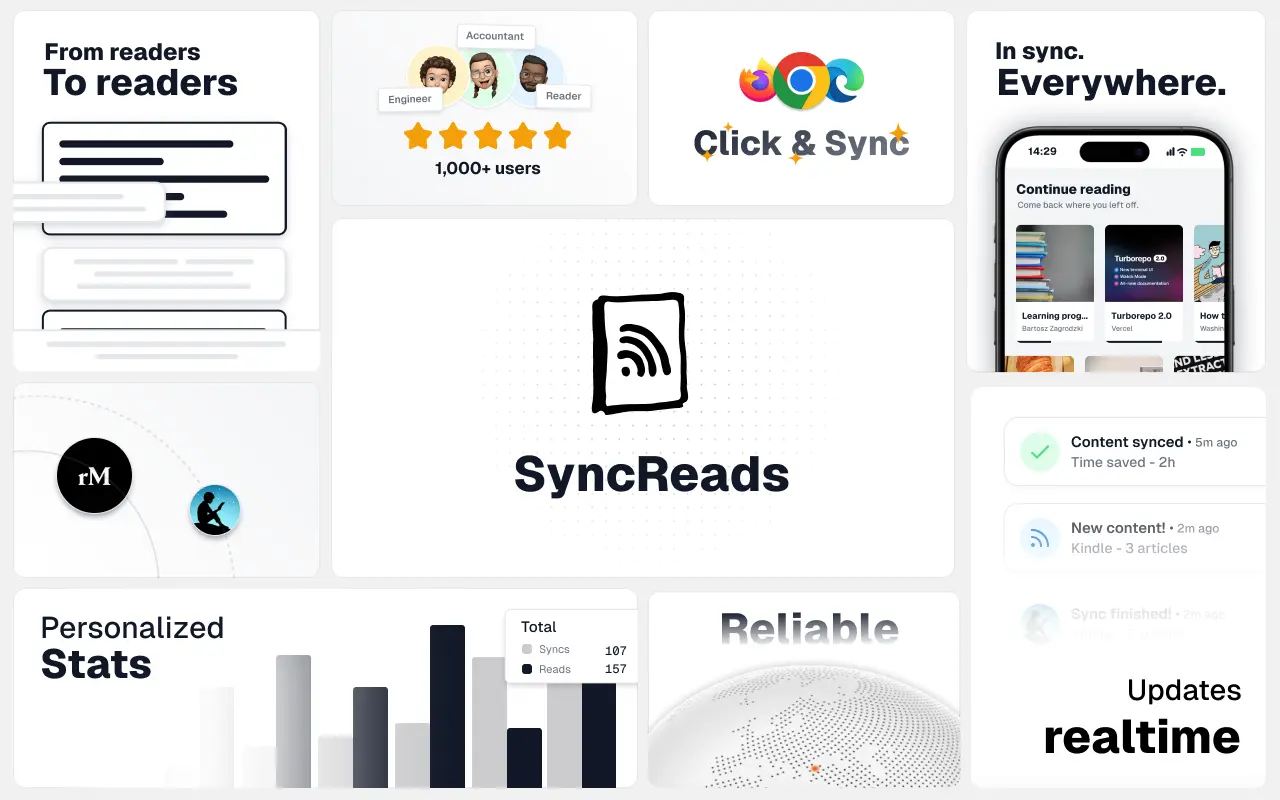
SyncReads
Sync your favorite content for distraction-free reading, save time and replace multiple apps. Anytime, anywhere 🔄
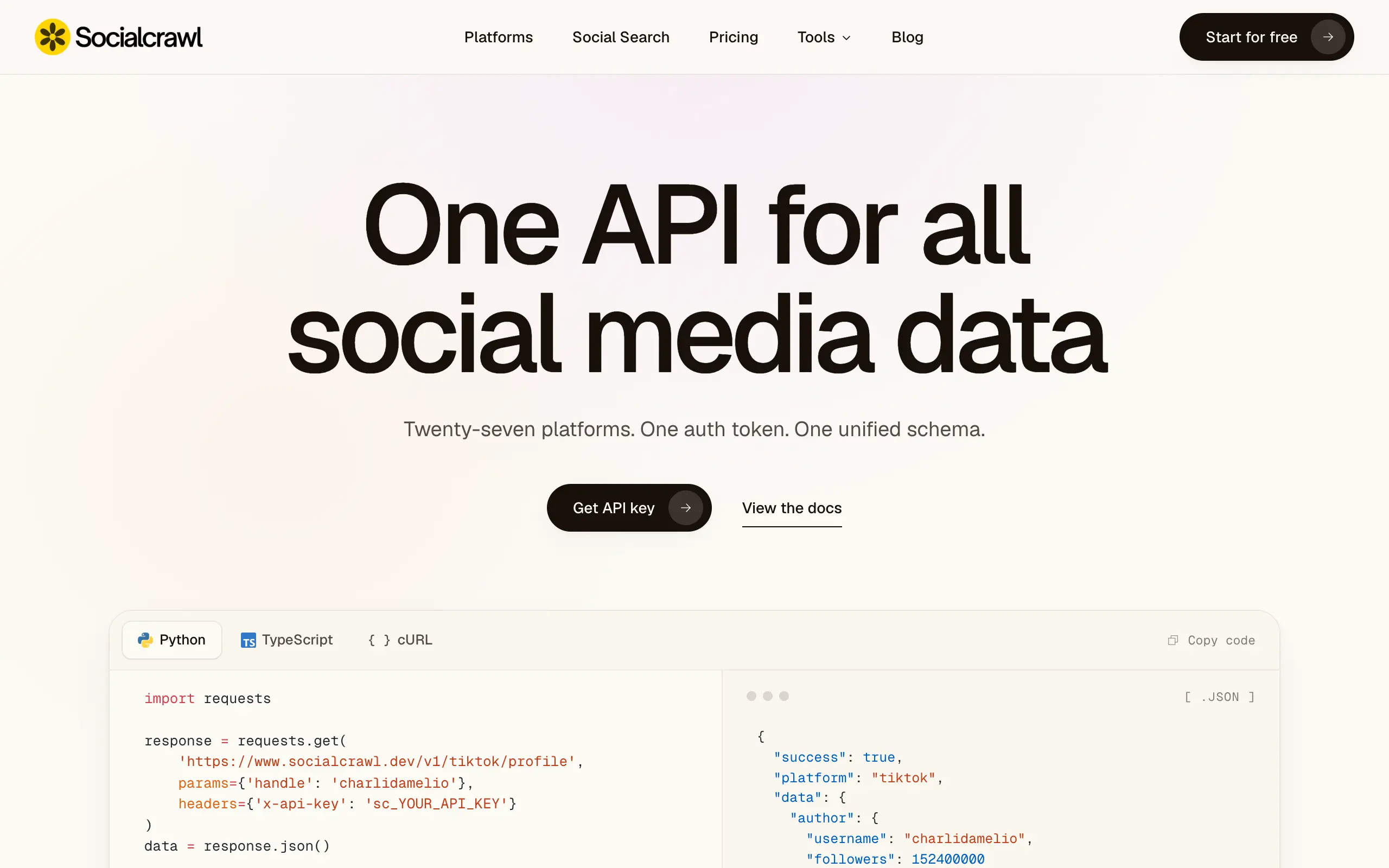
Socialcrawl
Get clean, structured data from 21 platforms like TikTok, Instagram, and YouTube with a single request 📊
Statiko
Monitor any Telegram channel in real time - track posts, edits, deletions, and growth with AI recaps 📡
Shibui
AI website builder - describe your business, pick a niche template, edit by chatting, and publish instantly ✨
Pro Service
Find verified home service professionals, compare quotes, and pay securely through escrow - built for Brazilians across the US 🏠
RankGrow
Fix your SEO with AI agents - connect Search Console, get prioritized tasks, and grow organic traffic 📈
SyncReads
Sync your favorite content for distraction-free reading, save time and replace multiple apps. Anytime, anywhere 🔄
Socialcrawl
Get clean, structured data from 21 platforms like TikTok, Instagram, and YouTube with a single request 📊
Statiko
Monitor any Telegram channel in real time - track posts, edits, deletions, and growth with AI recaps 📡
Shibui
AI website builder - describe your business, pick a niche template, edit by chatting, and publish instantly ✨
Pro Service
Find verified home service professionals, compare quotes, and pay securely through escrow - built for Brazilians across the US 🏠
RankGrow
Fix your SEO with AI agents - connect Search Console, get prioritized tasks, and grow organic traffic 📈
SyncReads
Sync your favorite content for distraction-free reading, save time and replace multiple apps. Anytime, anywhere 🔄
Socialcrawl
Get clean, structured data from 21 platforms like TikTok, Instagram, and YouTube with a single request 📊
Statiko
Monitor any Telegram channel in real time - track posts, edits, deletions, and growth with AI recaps 📡
Shibui
AI website builder - describe your business, pick a niche template, edit by chatting, and publish instantly ✨
Pro Service
Find verified home service professionals, compare quotes, and pay securely through escrow - built for Brazilians across the US 🏠
RankGrow
Fix your SEO with AI agents - connect Search Console, get prioritized tasks, and grow organic traffic 📈
SyncReads
Sync your favorite content for distraction-free reading, save time and replace multiple apps. Anytime, anywhere 🔄
Socialcrawl
Get clean, structured data from 21 platforms like TikTok, Instagram, and YouTube with a single request 📊
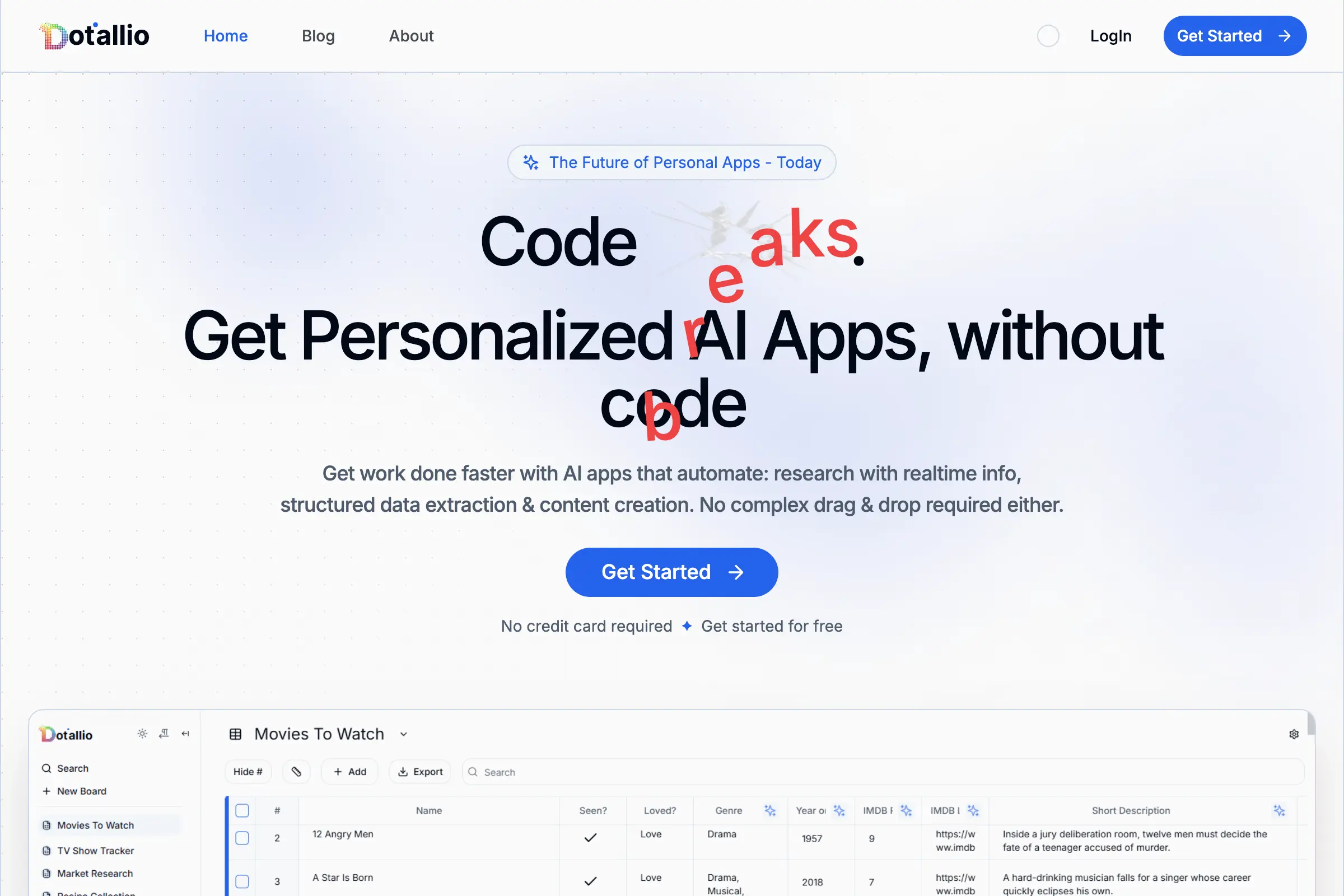
Dotallio
Personalized AI apps that automate research, data extraction, and content creation without code 🤖
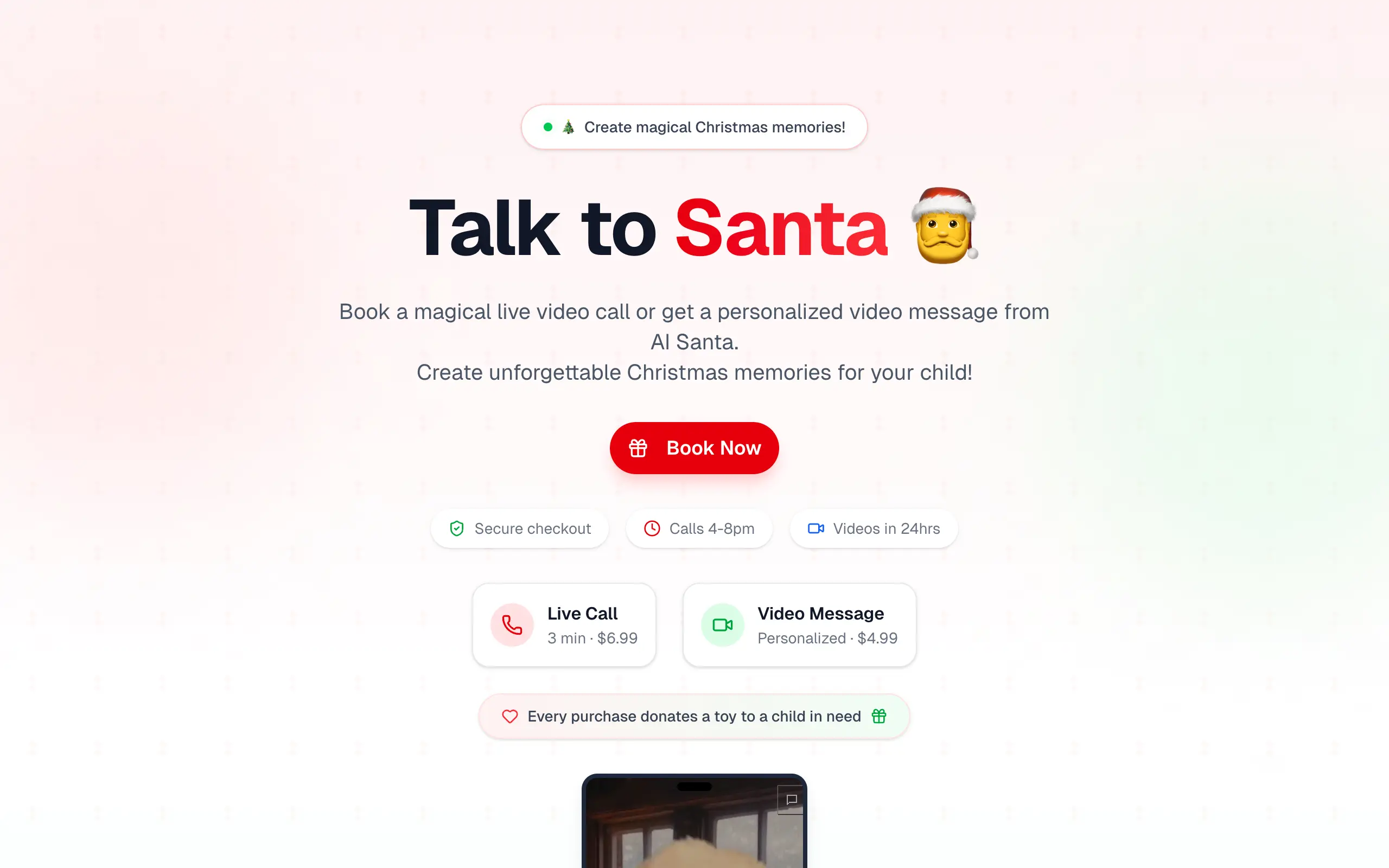
Talk to Santa
Enjoy a magical live video chat or receive a unique AI-generated video greeting from Santa Claus 🎅
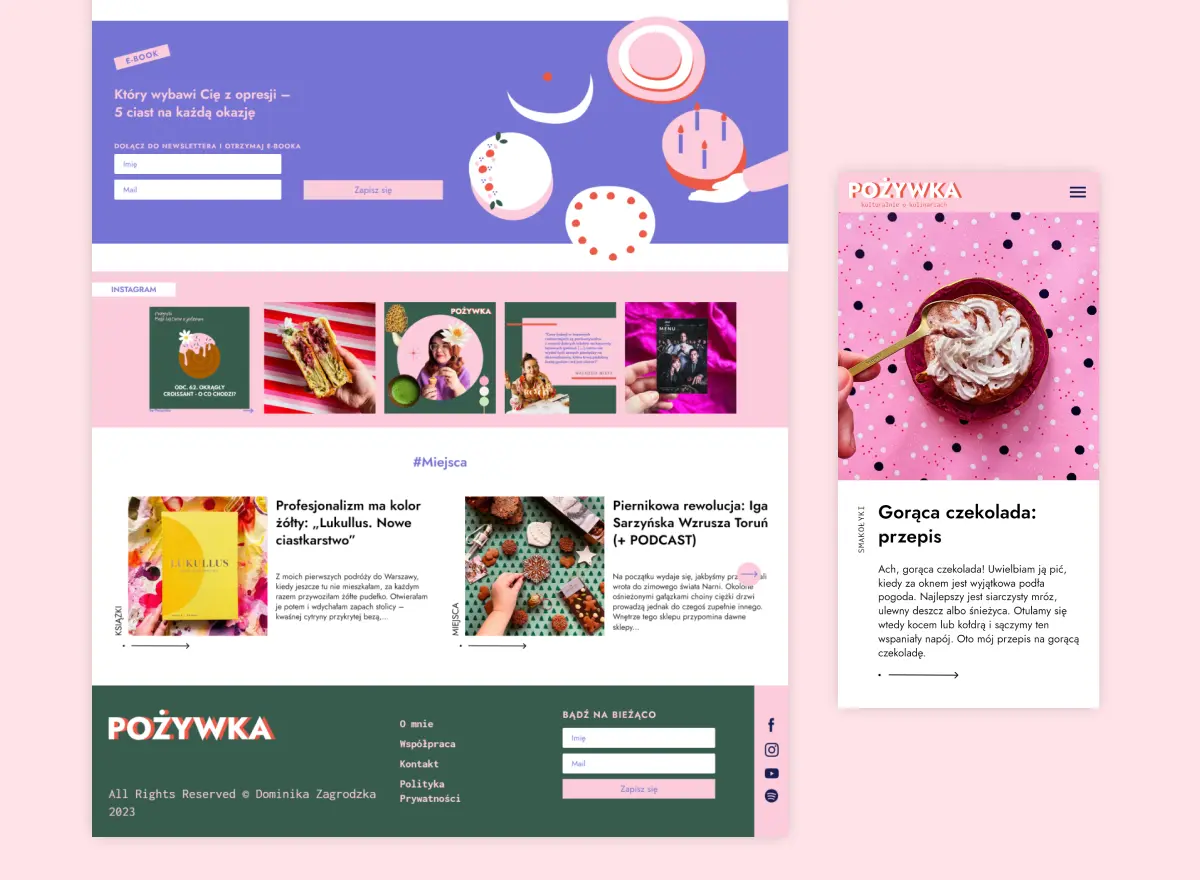
pozywka.pl
Scalable blog for food journalist, focused on performance and user experience 🌭
zagrodzki.me
Personal blog and portfolio of Bart Zagrodzki, where he shares his knowledge and work 💼
TurboStarter
Ship your startup everywhere. In minutes.
HTML to Markdown
Convert HTML to Markdown with ease, directly in your browser 📄
Dotallio
Personalized AI apps that automate research, data extraction, and content creation without code 🤖
Talk to Santa
Enjoy a magical live video chat or receive a unique AI-generated video greeting from Santa Claus 🎅
pozywka.pl
Scalable blog for food journalist, focused on performance and user experience 🌭
zagrodzki.me
Personal blog and portfolio of Bart Zagrodzki, where he shares his knowledge and work 💼
TurboStarter
Ship your startup everywhere. In minutes.
HTML to Markdown
Convert HTML to Markdown with ease, directly in your browser 📄
Dotallio
Personalized AI apps that automate research, data extraction, and content creation without code 🤖
Talk to Santa
Enjoy a magical live video chat or receive a unique AI-generated video greeting from Santa Claus 🎅
pozywka.pl
Scalable blog for food journalist, focused on performance and user experience 🌭
zagrodzki.me
Personal blog and portfolio of Bart Zagrodzki, where he shares his knowledge and work 💼
TurboStarter
Ship your startup everywhere. In minutes.
HTML to Markdown
Convert HTML to Markdown with ease, directly in your browser 📄
Dotallio
Personalized AI apps that automate research, data extraction, and content creation without code 🤖
Talk to Santa
Enjoy a magical live video chat or receive a unique AI-generated video greeting from Santa Claus 🎅
pozywka.pl
Scalable blog for food journalist, focused on performance and user experience 🌭
zagrodzki.me
Personal blog and portfolio of Bart Zagrodzki, where he shares his knowledge and work 💼
TurboStarter
Ship your startup everywhere. In minutes.
HTML to Markdown
Convert HTML to Markdown with ease, directly in your browser 📄
Omichat
Chat with 50+ AI models, including ChatGPT and Claude, in one place - switch models anytime without losing context 🤖
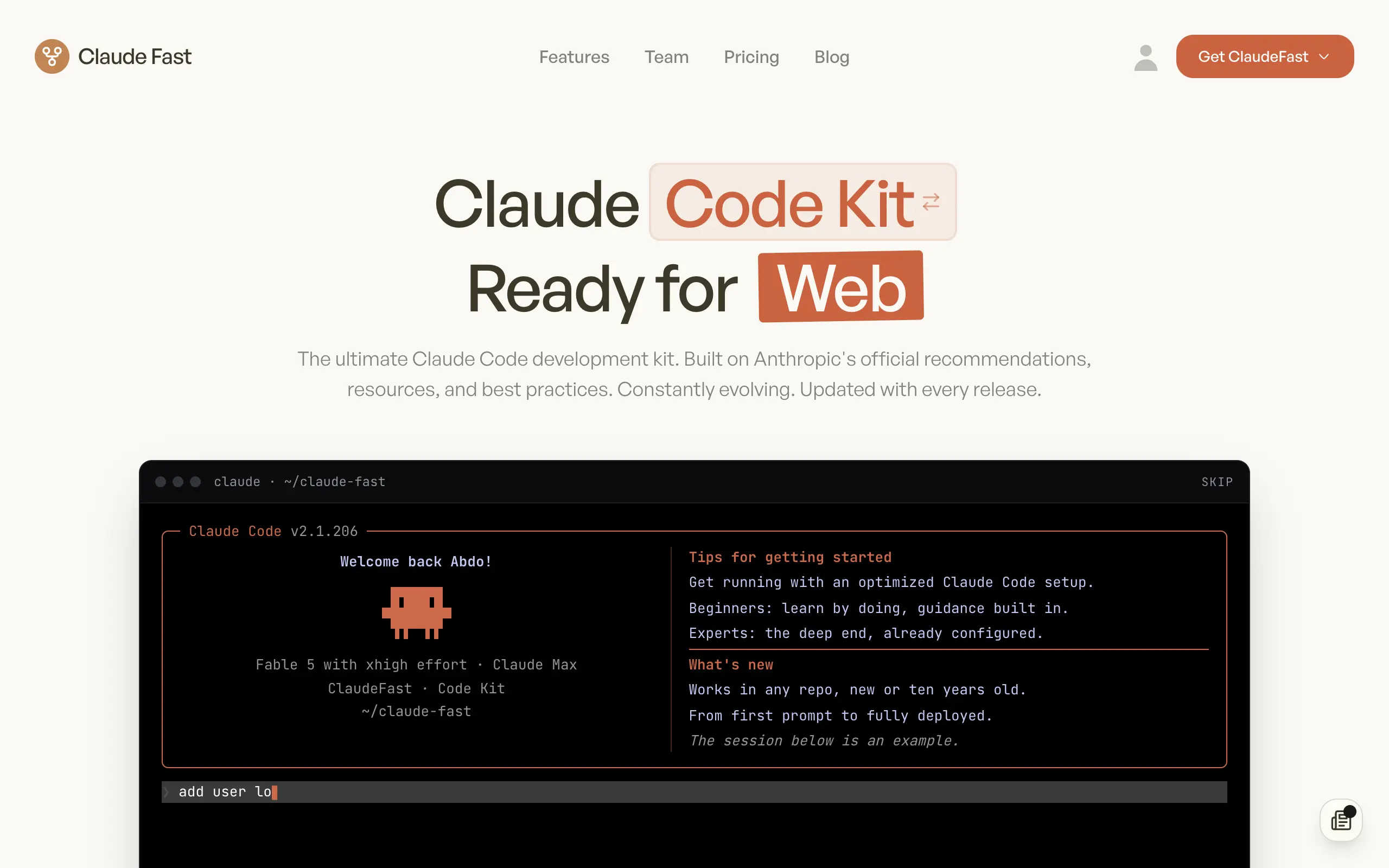
Claude Fast
Supercharge your Claude Code with 6x effective context window and specialized AI agents 🤖
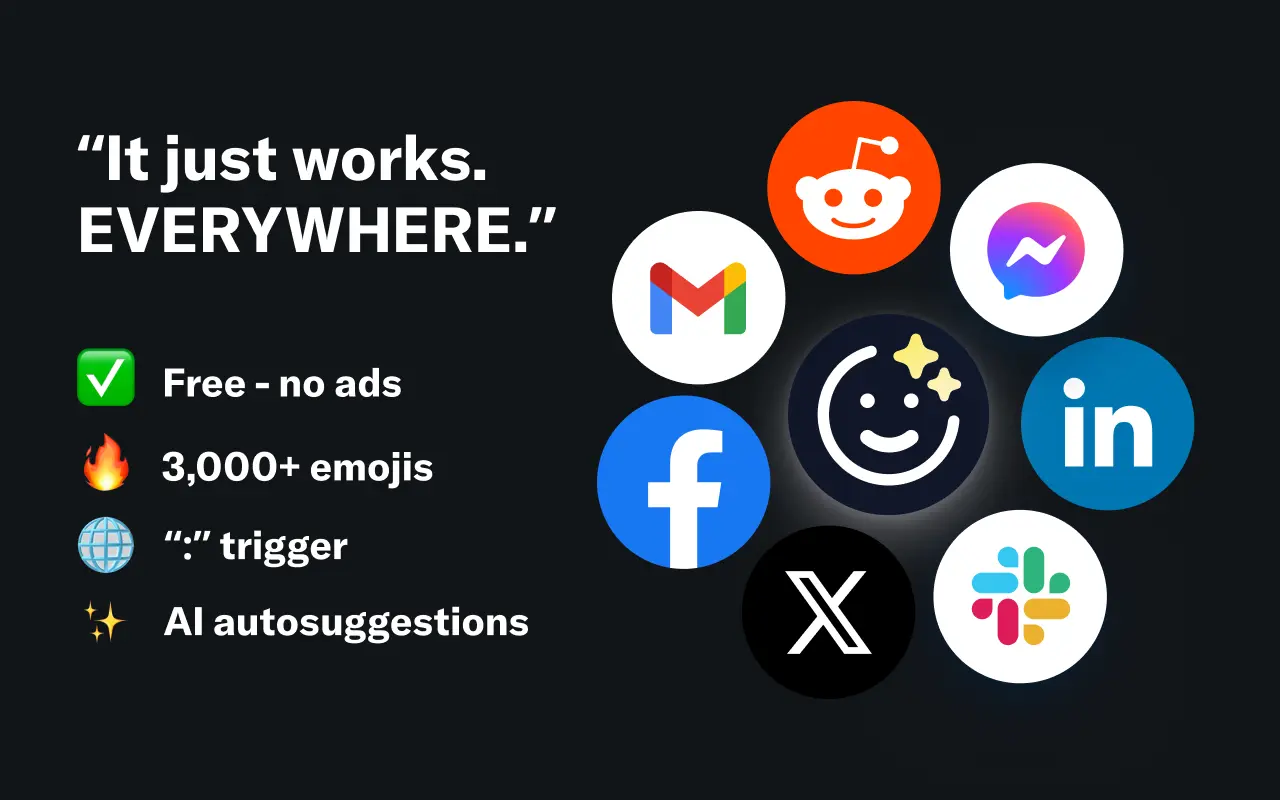
EmojAI
AI-powered emoji picker with smart, context-aware suggestions 🤖
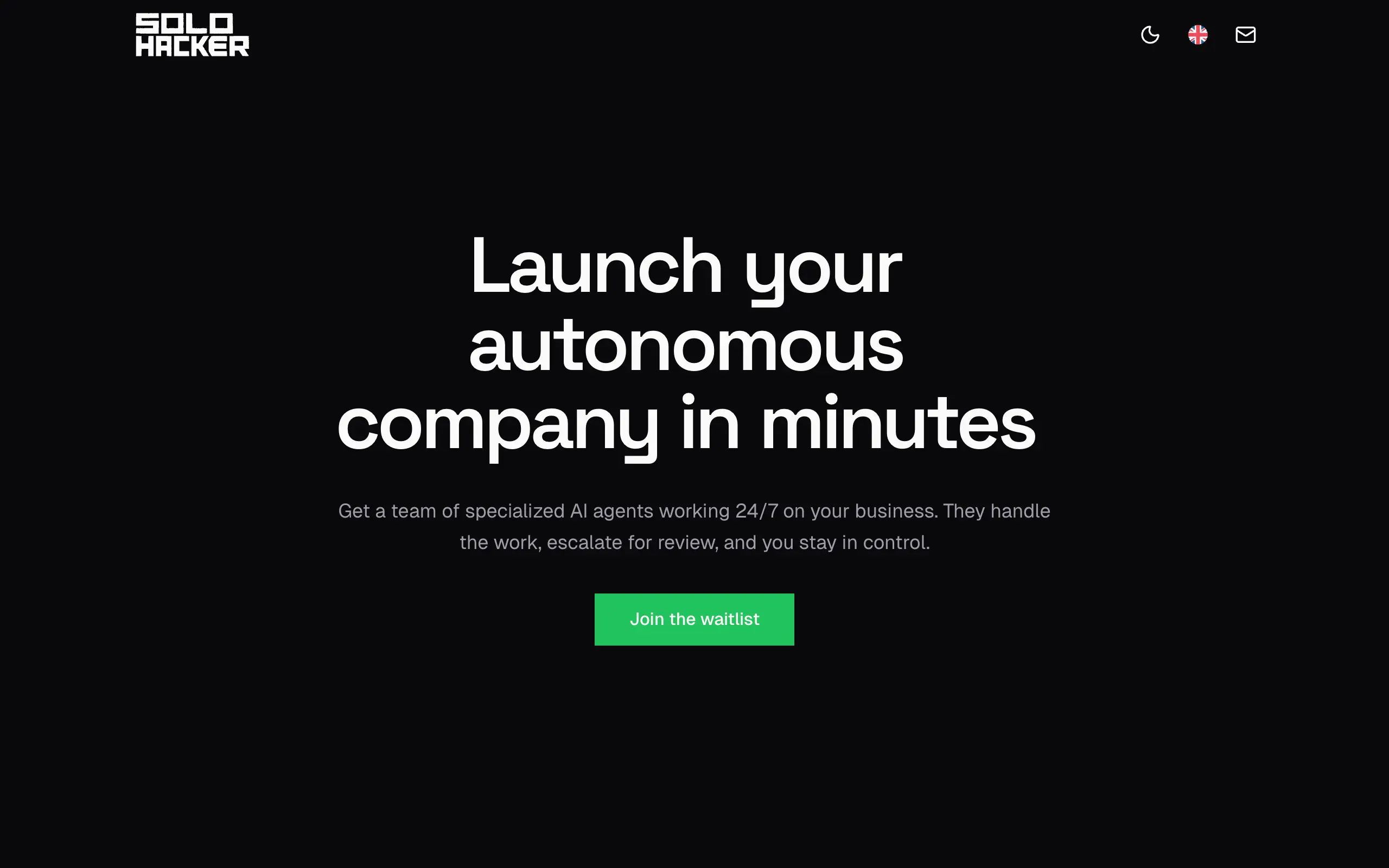
Solohacker
Autonomous company launcher - AI agents work 24/7, escalate what matters, and you stay in control 🤖
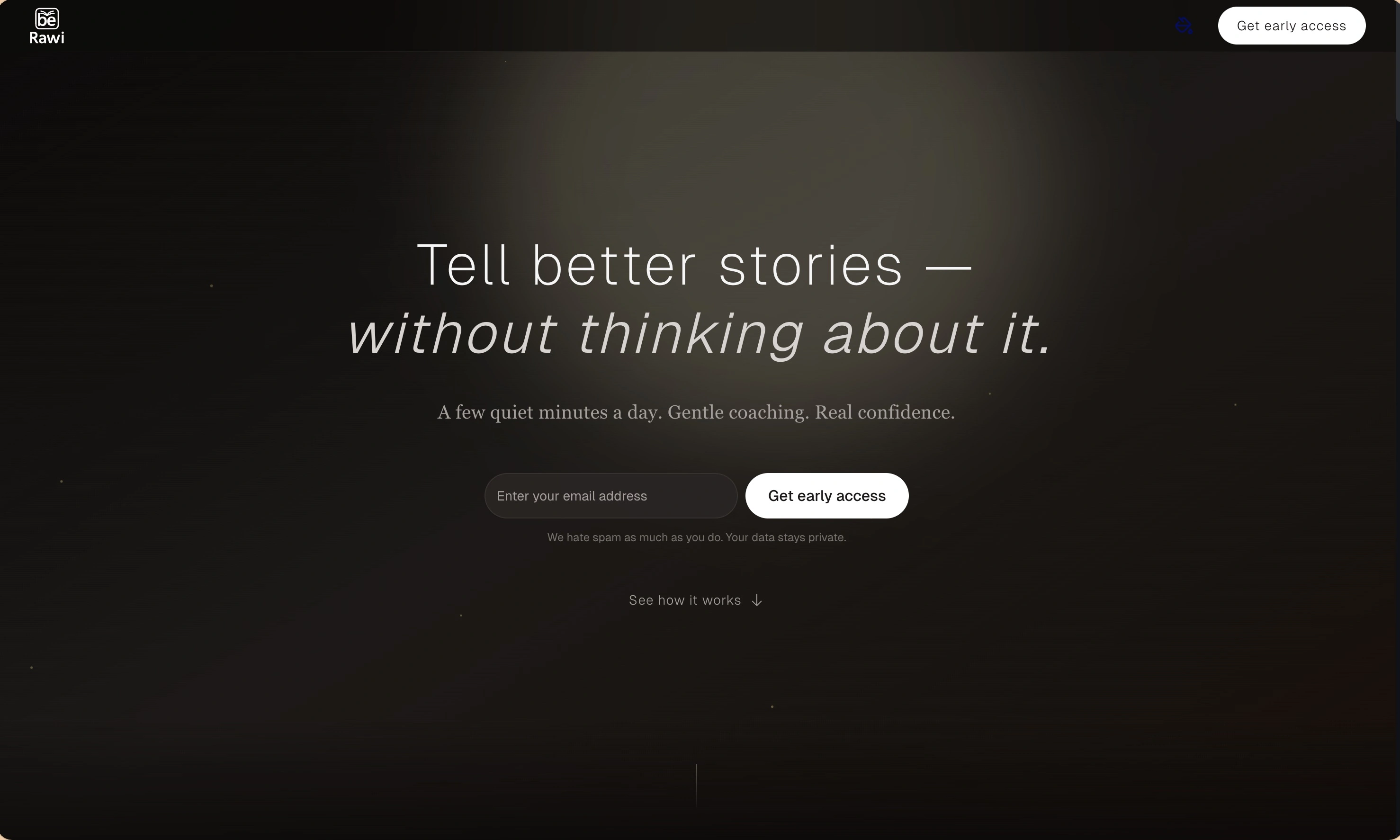
BeRawi: Storytelling Coach
Practice storytelling daily with instant feedback to sound clearer, more engaging, and confident 🎤
Omichat
Chat with 50+ AI models, including ChatGPT and Claude, in one place - switch models anytime without losing context 🤖
Claude Fast
Supercharge your Claude Code with 6x effective context window and specialized AI agents 🤖
EmojAI
AI-powered emoji picker with smart, context-aware suggestions 🤖
Solohacker
Autonomous company launcher - AI agents work 24/7, escalate what matters, and you stay in control 🤖
BeRawi: Storytelling Coach
Practice storytelling daily with instant feedback to sound clearer, more engaging, and confident 🎤
Omichat
Chat with 50+ AI models, including ChatGPT and Claude, in one place - switch models anytime without losing context 🤖
Claude Fast
Supercharge your Claude Code with 6x effective context window and specialized AI agents 🤖
EmojAI
AI-powered emoji picker with smart, context-aware suggestions 🤖
Solohacker
Autonomous company launcher - AI agents work 24/7, escalate what matters, and you stay in control 🤖
BeRawi: Storytelling Coach
Practice storytelling daily with instant feedback to sound clearer, more engaging, and confident 🎤
Omichat
Chat with 50+ AI models, including ChatGPT and Claude, in one place - switch models anytime without losing context 🤖
Claude Fast
Supercharge your Claude Code with 6x effective context window and specialized AI agents 🤖
EmojAI
AI-powered emoji picker with smart, context-aware suggestions 🤖
Solohacker
Autonomous company launcher - AI agents work 24/7, escalate what matters, and you stay in control 🤖
BeRawi: Storytelling Coach
Practice storytelling daily with instant feedback to sound clearer, more engaging, and confident 🎤

Connect with like-minded people
Join our community to get feedback, support, and grow together with 1,000+ builders on board, let's ship it!
Join usShip your startup everywhere. In minutes.
Don't burn tokens on setup and start building features on day one.