SubGuard Intelligence
An AI financial watchdog that detects wasteful subscriptions, negotiates bills automatically, and forecasts recurring expense creep before it happens.
The future of AI subscription management: why SubGuard Intelligence matters now
The average household and small business now runs on subscriptions. Streaming platforms, SaaS tools, cloud services, productivity apps, marketing tools, and niche memberships silently stack up month after month. While each subscription might seem affordable in isolation, the cumulative effect often leads to subscription creep—a slow, almost invisible erosion of cash flow.
SubGuard Intelligence is an AI financial watchdog designed to detect wasteful subscriptions, negotiate bills automatically, and forecast recurring expense creep before it happens. At its core, it’s an AI-powered subscription management and bill negotiation platform that moves beyond simple tracking into proactive financial protection.
This article explores:
- The target audience and pain points
- The market opportunity in AI financial watchdog software
- Core features and AI architecture
- Recommended tech stack and trade-offs
- Monetization strategies
- Risks and mitigation
- Competitive advantage
- Actionable implementation steps
If you're evaluating this SaaS idea for validation, investment, or development, this guide gives you a complete, strategic breakdown.
Understanding the user intent behind subscription management searches
Users searching for terms like:
- “How to cancel unused subscriptions”
- “Best subscription tracker app”
- “AI bill negotiation tool”
- “Reduce monthly recurring expenses”
- “Stop subscription creep”
- “Automatic subscription cancellation software”
…are typically looking for one of three outcomes:
- Cost savings (reduce monthly expenses immediately)
- Visibility (know what they’re paying for)
- Automation (avoid manually managing recurring charges)
SubGuard Intelligence must directly satisfy all three.
Instead of acting as a passive tracker, it becomes an active financial defense system that:
- Detects waste
- Negotiates pricing
- Predicts future overspending
- Recommends action before problems escalate
That predictive layer is the unique differentiator.
Target audience analysis
1. Digital-native consumers (ages 22–45)
These users:
- Subscribe to 10–30 digital services
- Use multiple payment methods (cards, PayPal, Apple/Google Pay)
- Forget trial conversions
- Value automation
Pain points:
- Hidden renewals
- Price increases without notice
- Difficulty canceling services
- Uncertainty about annual spending totals
They are highly receptive to AI-powered financial assistants.
2. Freelancers and solopreneurs
Freelancers often use:
- Design tools
- SaaS marketing software
- Cloud storage
- Analytics tools
- CRM systems
Their subscription stack evolves rapidly.
Problem: Subscriptions accumulate faster than revenue grows.
SubGuard Intelligence can:
- Categorize business vs. personal expenses
- Detect underused tools
- Compare pricing tiers
- Suggest downgrades
3. Small businesses (1–50 employees)
Small businesses are especially vulnerable to SaaS sprawl.
Typical issues:
- Multiple overlapping tools
- Redundant software licenses
- Auto-renewing annual contracts
- Price hikes on legacy accounts
AI subscription management in this context becomes financial operations automation.
4. Finance-conscious households
Families juggling:
- Streaming services
- Fitness apps
- News subscriptions
- Kids’ education tools
- Insurance premiums
For them, SubGuard Intelligence acts as a household CFO assistant.
Market opportunity and gap analysis
The rise of subscription economy
The global subscription economy has expanded rapidly across:
- SaaS
- Media
- Fintech
- Telecom
- Insurance
- Fitness
- E-commerce
Industry reports (e.g., from Zuora or McKinsey — cite official reports when publishing) consistently show subscription-based revenue models outpacing traditional models.
Yet subscription management remains fragmented.
Existing players and limitations
Some current solutions:
- Basic subscription trackers
- Banking apps with recurring payment detection
- Bill negotiation services
- Expense management software
But most fall into one of three categories:
- Passive trackers – show you what you’re spending.
- Manual negotiators – require user action.
- Single-purpose tools – focus only on telecom or utilities.
Very few combine:
- AI anomaly detection
- Automated negotiation
- Forecast modeling
- Predictive “subscription creep” alerts
That predictive intelligence layer is the open gap.
Core features of SubGuard Intelligence
1. AI-powered subscription detection
Using transaction pattern recognition, the system:
- Identifies recurring charges
- Detects irregular billing cycles
- Flags suspicious subscription behavior
Instead of rule-based detection alone, machine learning models analyze:
- Frequency
- Merchant name variation
- Charge consistency
- Category similarity
2. Waste detection engine
The AI evaluates:
- Frequency of app usage (via integrations)
- Email engagement with service providers
- Payment tier vs. utilization metrics
Example logic:
if (monthlyCost > threshold && usage < utilizationLimit) {
  flagAs("High Waste Probability");
}
It assigns a waste score from 1–100 per subscription.
3. Automatic bill negotiation
SubGuard Intelligence can:
- Initiate negotiation emails
- Trigger cancellation flows
- Offer downgrade requests
- Compare competitor pricing
Negotiation strategies include:
- Loyalty retention requests
- Competitive price match citing
- Bundling alternatives
This automation reduces friction dramatically.
4. Recurring expense creep forecasting
This is the most innovative feature.
The AI analyzes:
- Historical growth of subscriptions
- Annual renewal patterns
- Known industry pricing inflation
- Trial-to-paid conversion trends
Then it predicts:
- Your expected subscription cost in 6–12 months
- Probability of new subscriptions being added
- Upcoming renewal spikes
It alerts users before financial drift happens.
5. Unified financial dashboard
Includes:
- Monthly subscription burn rate
- Category breakdown
- Predicted annual total
- Negotiation savings tracker
Competitive feature comparison
| Feature | Basic Tracker | Bank App | Bill Negotiator | SubGuard Intelligence |
|---|---|---|---|---|
| Recurring detection | ✅ | ✅ | ❌ | ✅ |
| Waste scoring AI | ❌ | ❌ | ❌ | ✅ |
| Automatic negotiation | ❌ | ❌ | ✅ | ✅ |
| Expense creep forecasting | ❌ | ❌ | ❌ | ✅ |
SubGuard Intelligence clearly occupies a differentiated category: AI-powered proactive financial defense.
Recommended tech stack for building SubGuard Intelligence
Frontend
Why:
- Fast development
- SEO optimization
- Excellent ecosystem
- Ideal for SaaS dashboards
Backend
- Node.js with TypeScript
- PostgreSQL
- Redis (caching)
Alternative: Python (for AI-heavy backend services)
Trade-offs:
- Node is ideal for real-time interactions.
- Python excels in ML-heavy pipelines.
Hybrid architecture is often optimal.
AI layer
- Transaction classification models
- Anomaly detection (Isolation Forest, etc.)
- Time-series forecasting (ARIMA or LSTM models)
- LLM-powered negotiation agent
Open banking integration
Depending on geography:
- Plaid
- TrueLayer
- Open Banking APIs
Security and compliance must be top priority.
Security stack
- End-to-end encryption
- SOC 2 compliance roadmap
- Role-based access control
- Audit logging
Critical trust factor
Financial AI products must prioritize transparency, encryption, and compliance from day one. Trust is your primary competitive moat.
Monetization strategy options
1. Percentage-based savings model
Take 20–30% of negotiated savings.
Pros:
- Performance-based
- High conversion
Cons:
- Revenue unpredictability
2. Tiered subscription pricing
Example:
- Free: Basic tracking
- Pro ($12/month): AI waste detection
- Premium ($29/month): Automatic negotiation + forecasting
Predictable recurring revenue.
3. B2B SaaS model
Offer:
- Team subscription auditing
- SaaS sprawl reduction
- CFO dashboard
Pricing: $49–$299/month depending on company size.
4. Hybrid model
Subscription fee + performance commission.
This balances stability and upside.
Potential risks and mitigation
Risk 1: Security concerns
Mitigation:
- Transparent data policies
- SOC 2 compliance
- Third-party audits
Risk 2: Banking integration friction
Mitigation:
- Gradual onboarding
- Read-only permissions
- Manual CSV upload fallback
Risk 3: AI false positives
Mitigation:
- User confirmation loop
- Adjustable sensitivity thresholds
- Continuous model training
Risk 4: Legal implications of negotiation automation
Mitigation:
- Legal review of automation scripts
- Clear user authorization terms
Unique selling proposition (USP)
SubGuard Intelligence is not just a subscription tracker.
It is:
An AI-powered financial watchdog that predicts and prevents subscription creep before it impacts your budget.
Three pillars define its uniqueness:
- Predictive expense modeling
- Automated negotiation engine
- Waste scoring intelligence
No mainstream competitor fully combines these.
UX strategy for maximum trust and retention
Trust-first onboarding
Use progressive disclosure:
Immediate value builds retention.
Growth strategy
SEO strategy
Target keywords:
- AI subscription management
- Subscription creep prevention
- Bill negotiation software
- Reduce recurring expenses
- SaaS subscription audit tool
Create long-form guides around:
- “How to reduce monthly subscription costs”
- “AI financial assistant for recurring expenses”
- “How to forecast subscription spending”
Partnerships
- Fintech influencers
- Personal finance YouTubers
- CFO communities
- Startup accelerators
Implementation roadmap
MVP:
- Recurring detection
- Dashboard
- Manual negotiation templates
AI layer:
- Waste scoring
- Basic forecasting
- Smart alerts
Advanced:
- Fully automated negotiation
- B2B version
- API integrations
Step-by-step launch plan
Final thoughts
The subscription economy is not slowing down. As more services adopt recurring billing models, financial complexity increases.
SubGuard Intelligence positions itself at the intersection of:
- AI financial automation
- Subscription management software
- Predictive expense forecasting
- Bill negotiation automation
Its strength lies in proactive intelligence—not reactive tracking.
For founders, this represents a strong opportunity in fintech AI SaaS. For users, it offers something increasingly valuable: financial clarity and control in a subscription-saturated world.
If executed with strong security, intelligent forecasting, and seamless UX, SubGuard Intelligence can become the default AI watchdog for recurring expenses—before the creep happens.
More 🤖 AI Startup SaaS ideas
Discover more innovative ai startup SaaS ideas that are trending in 2026. Each idea is AI-generated with market validation and growth potential to help you find your next profitable venture faster than competitors.
Your competitors are building with TurboStarter
Below are some of the SaaS ideas that have been generated and built with our starter kit.
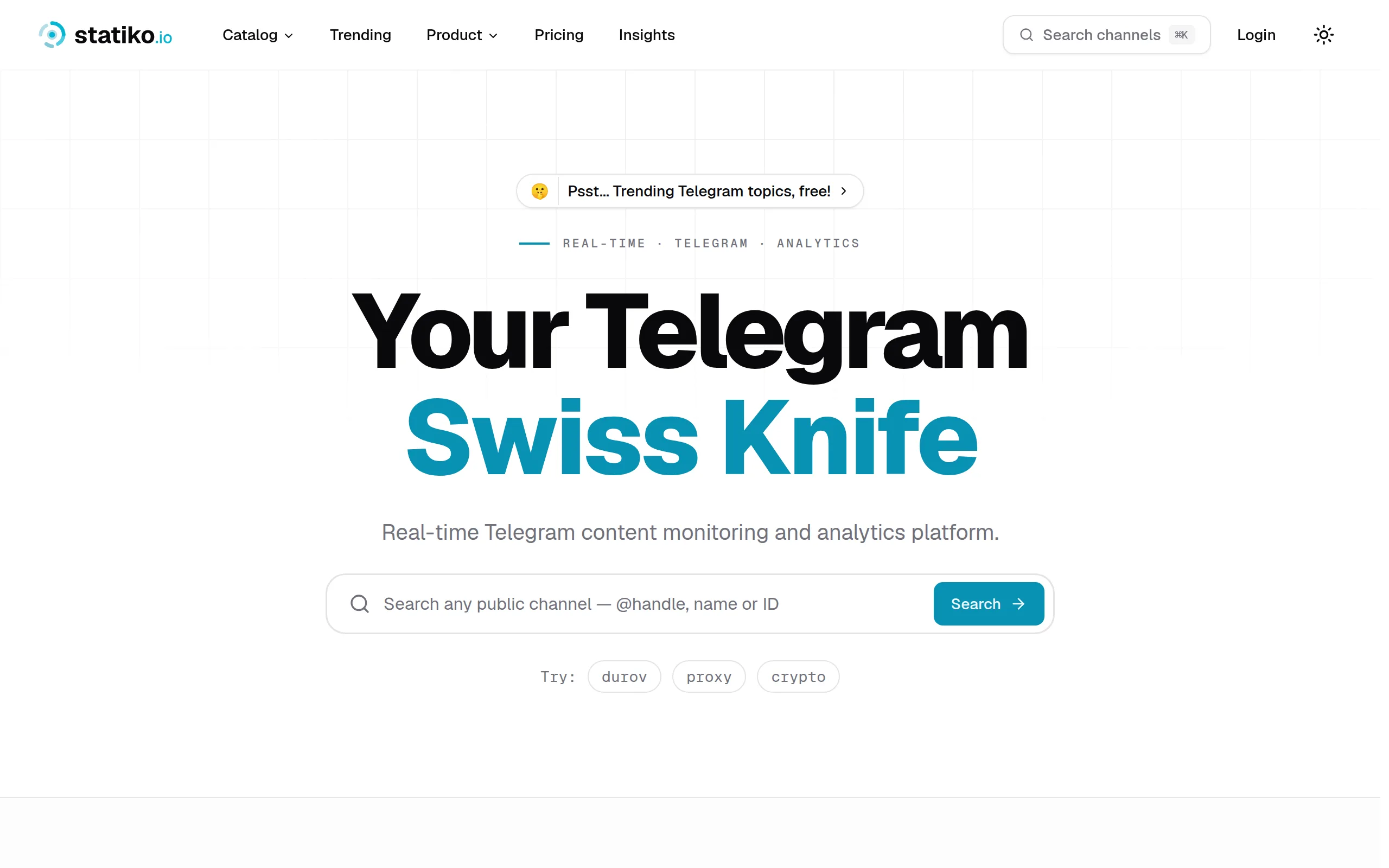
Statiko
Monitor any Telegram channel in real time - track posts, edits, deletions, and growth with AI recaps 📡

Shibui
AI website builder - describe your business, pick a niche template, edit by chatting, and publish instantly ✨

Pro Service
Find verified home service professionals, compare quotes, and pay securely through escrow - built for Brazilians across the US 🏠
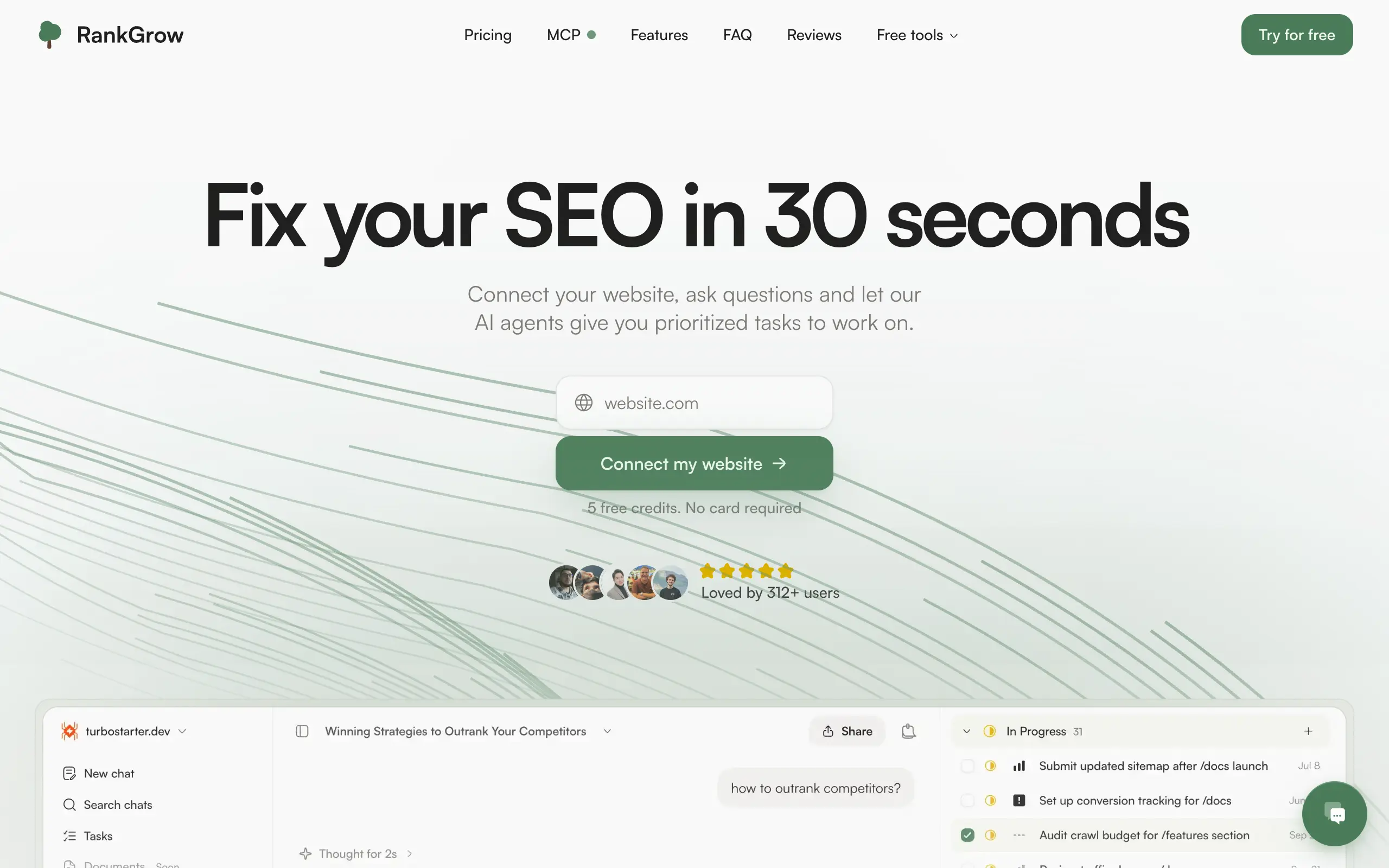
RankGrow
Fix your SEO with AI agents - connect Search Console, get prioritized tasks, and grow organic traffic 📈
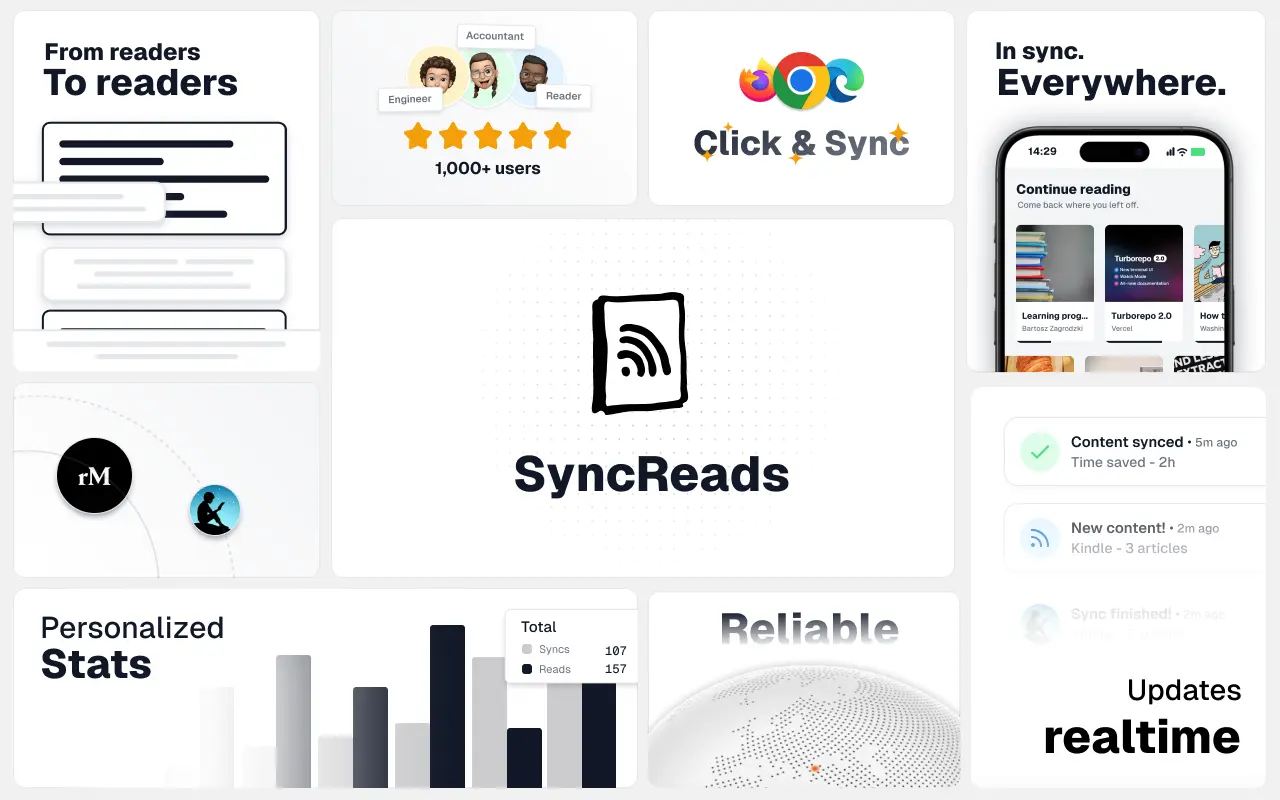
SyncReads
Sync your favorite content for distraction-free reading, save time and replace multiple apps. Anytime, anywhere 🔄
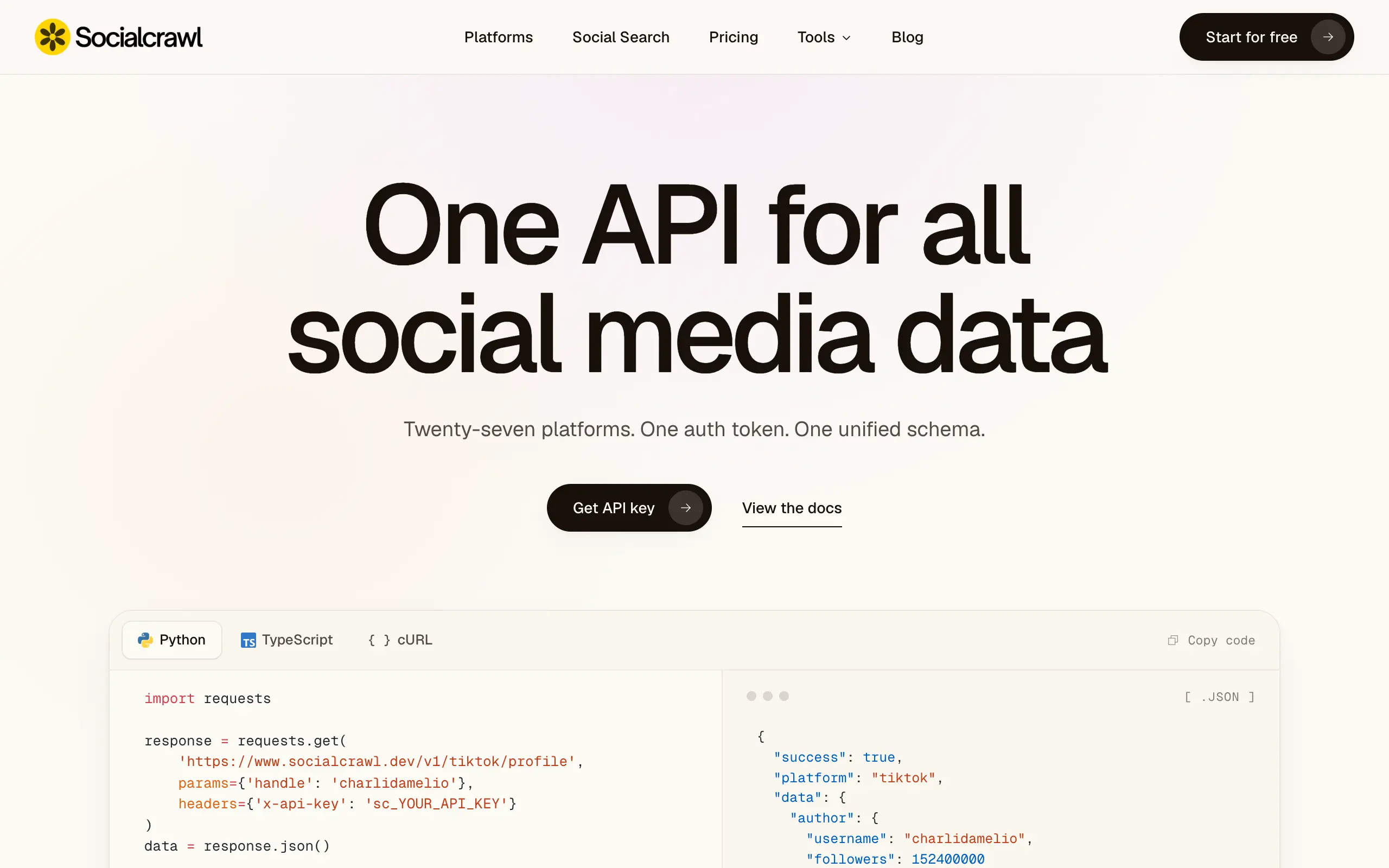
Socialcrawl
Get clean, structured data from 21 platforms like TikTok, Instagram, and YouTube with a single request 📊
Statiko
Monitor any Telegram channel in real time - track posts, edits, deletions, and growth with AI recaps 📡
Shibui
AI website builder - describe your business, pick a niche template, edit by chatting, and publish instantly ✨
Pro Service
Find verified home service professionals, compare quotes, and pay securely through escrow - built for Brazilians across the US 🏠
RankGrow
Fix your SEO with AI agents - connect Search Console, get prioritized tasks, and grow organic traffic 📈
SyncReads
Sync your favorite content for distraction-free reading, save time and replace multiple apps. Anytime, anywhere 🔄
Socialcrawl
Get clean, structured data from 21 platforms like TikTok, Instagram, and YouTube with a single request 📊
Statiko
Monitor any Telegram channel in real time - track posts, edits, deletions, and growth with AI recaps 📡
Shibui
AI website builder - describe your business, pick a niche template, edit by chatting, and publish instantly ✨
Pro Service
Find verified home service professionals, compare quotes, and pay securely through escrow - built for Brazilians across the US 🏠
RankGrow
Fix your SEO with AI agents - connect Search Console, get prioritized tasks, and grow organic traffic 📈
SyncReads
Sync your favorite content for distraction-free reading, save time and replace multiple apps. Anytime, anywhere 🔄
Socialcrawl
Get clean, structured data from 21 platforms like TikTok, Instagram, and YouTube with a single request 📊
Statiko
Monitor any Telegram channel in real time - track posts, edits, deletions, and growth with AI recaps 📡
Shibui
AI website builder - describe your business, pick a niche template, edit by chatting, and publish instantly ✨
Pro Service
Find verified home service professionals, compare quotes, and pay securely through escrow - built for Brazilians across the US 🏠
RankGrow
Fix your SEO with AI agents - connect Search Console, get prioritized tasks, and grow organic traffic 📈
SyncReads
Sync your favorite content for distraction-free reading, save time and replace multiple apps. Anytime, anywhere 🔄
Socialcrawl
Get clean, structured data from 21 platforms like TikTok, Instagram, and YouTube with a single request 📊
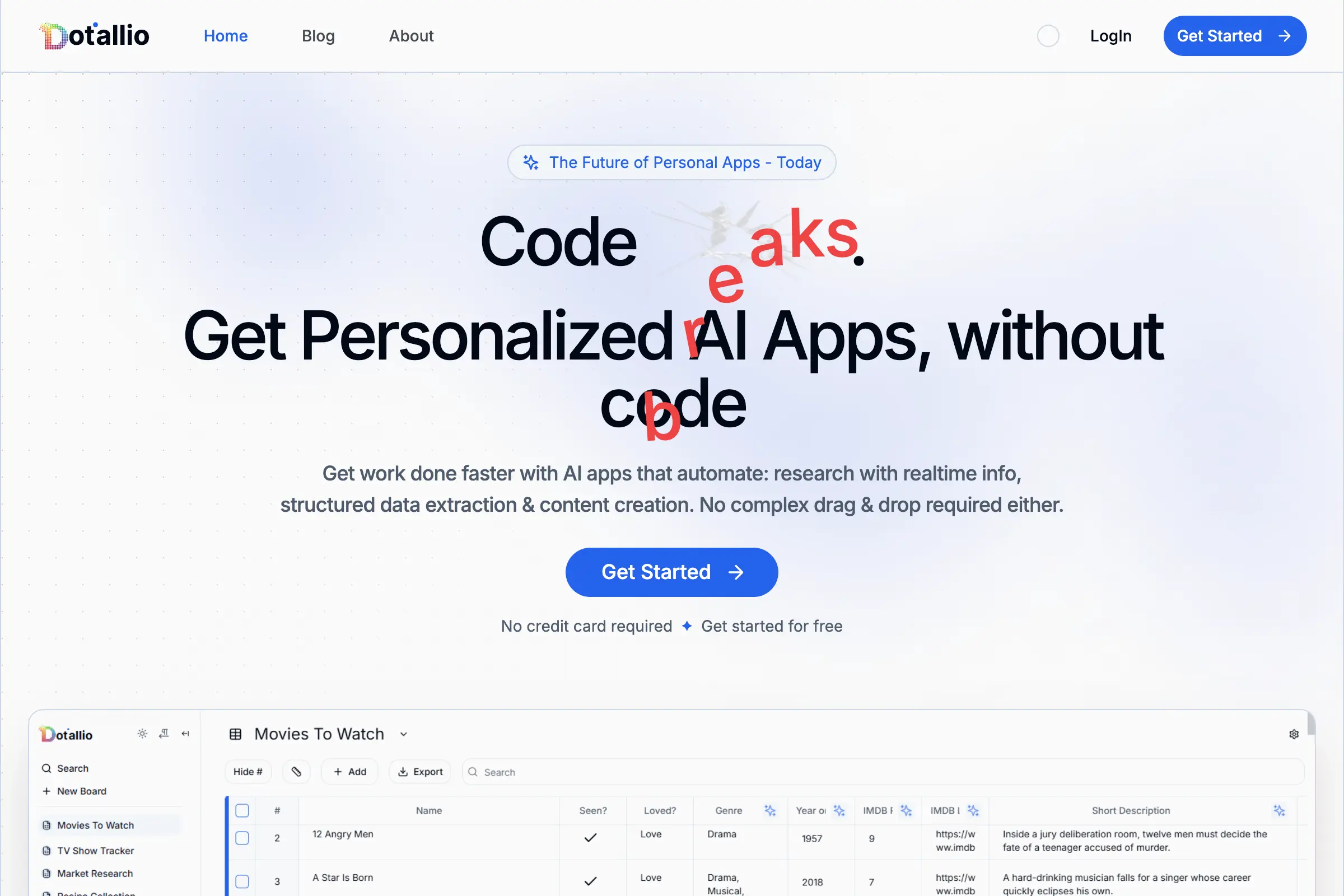
Dotallio
Personalized AI apps that automate research, data extraction, and content creation without code 🤖
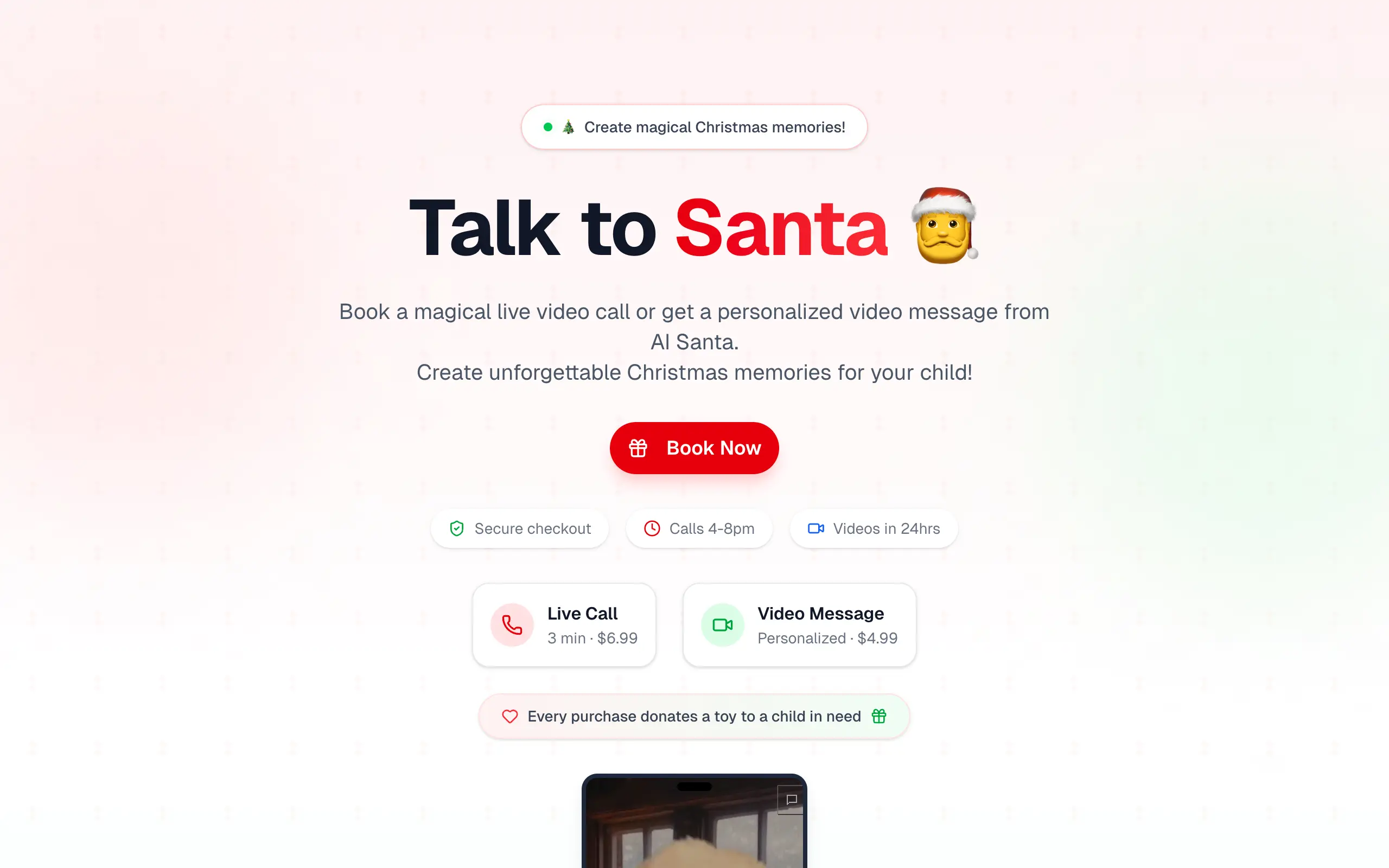
Talk to Santa
Enjoy a magical live video chat or receive a unique AI-generated video greeting from Santa Claus 🎅

pozywka.pl
Scalable blog for food journalist, focused on performance and user experience 🌭
zagrodzki.me
Personal blog and portfolio of Bart Zagrodzki, where he shares his knowledge and work 💼
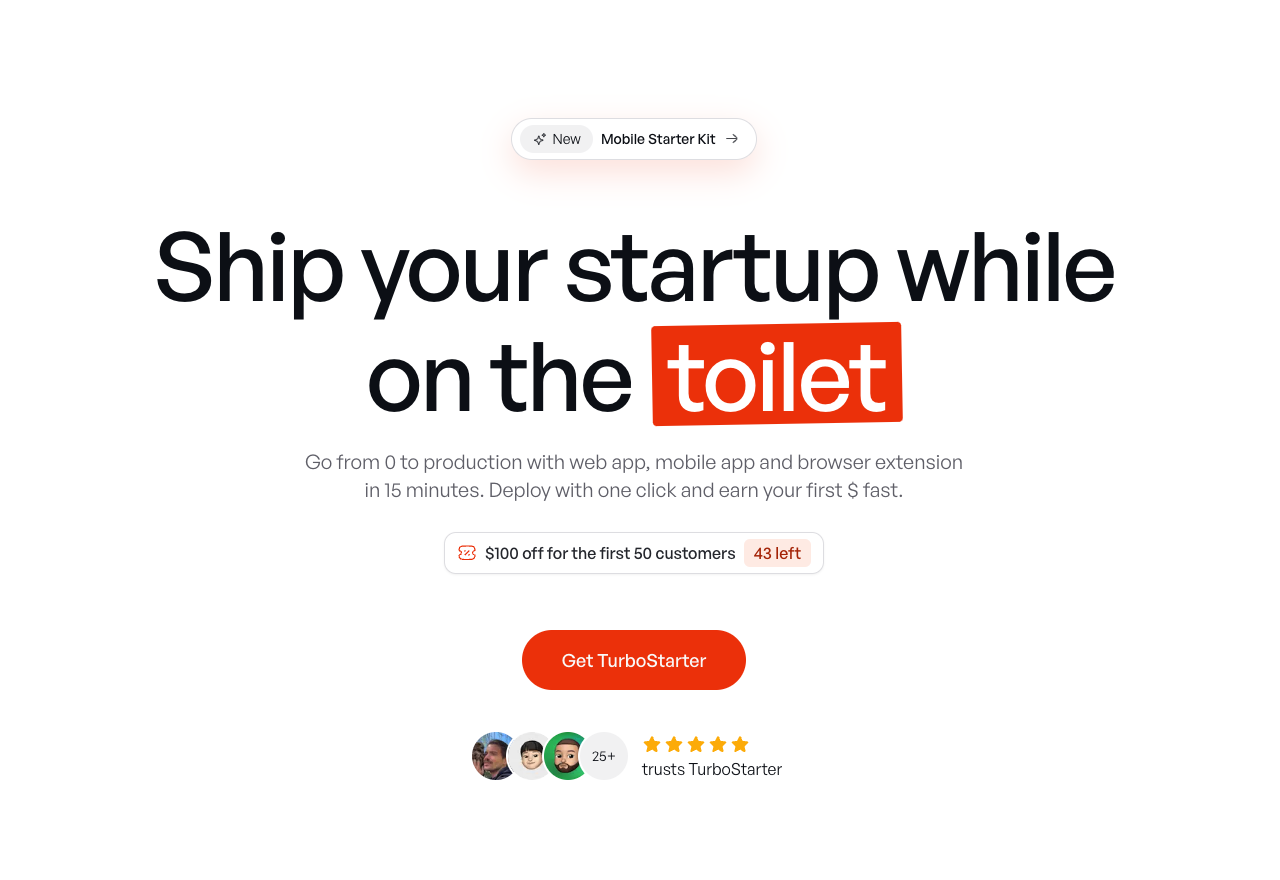
TurboStarter
Ship your startup everywhere. In minutes.
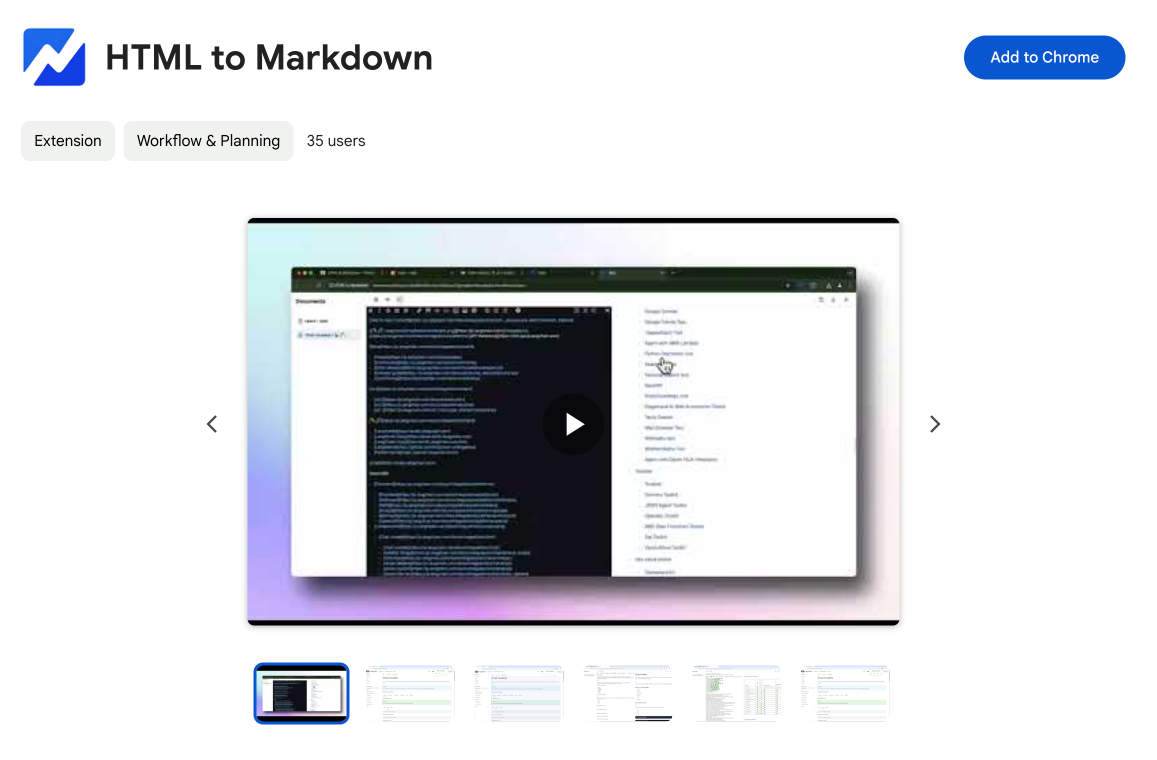
HTML to Markdown
Convert HTML to Markdown with ease, directly in your browser 📄
Dotallio
Personalized AI apps that automate research, data extraction, and content creation without code 🤖
Talk to Santa
Enjoy a magical live video chat or receive a unique AI-generated video greeting from Santa Claus 🎅
pozywka.pl
Scalable blog for food journalist, focused on performance and user experience 🌭
zagrodzki.me
Personal blog and portfolio of Bart Zagrodzki, where he shares his knowledge and work 💼
TurboStarter
Ship your startup everywhere. In minutes.
HTML to Markdown
Convert HTML to Markdown with ease, directly in your browser 📄
Dotallio
Personalized AI apps that automate research, data extraction, and content creation without code 🤖
Talk to Santa
Enjoy a magical live video chat or receive a unique AI-generated video greeting from Santa Claus 🎅
pozywka.pl
Scalable blog for food journalist, focused on performance and user experience 🌭
zagrodzki.me
Personal blog and portfolio of Bart Zagrodzki, where he shares his knowledge and work 💼
TurboStarter
Ship your startup everywhere. In minutes.
HTML to Markdown
Convert HTML to Markdown with ease, directly in your browser 📄
Dotallio
Personalized AI apps that automate research, data extraction, and content creation without code 🤖
Talk to Santa
Enjoy a magical live video chat or receive a unique AI-generated video greeting from Santa Claus 🎅
pozywka.pl
Scalable blog for food journalist, focused on performance and user experience 🌭
zagrodzki.me
Personal blog and portfolio of Bart Zagrodzki, where he shares his knowledge and work 💼
TurboStarter
Ship your startup everywhere. In minutes.
HTML to Markdown
Convert HTML to Markdown with ease, directly in your browser 📄
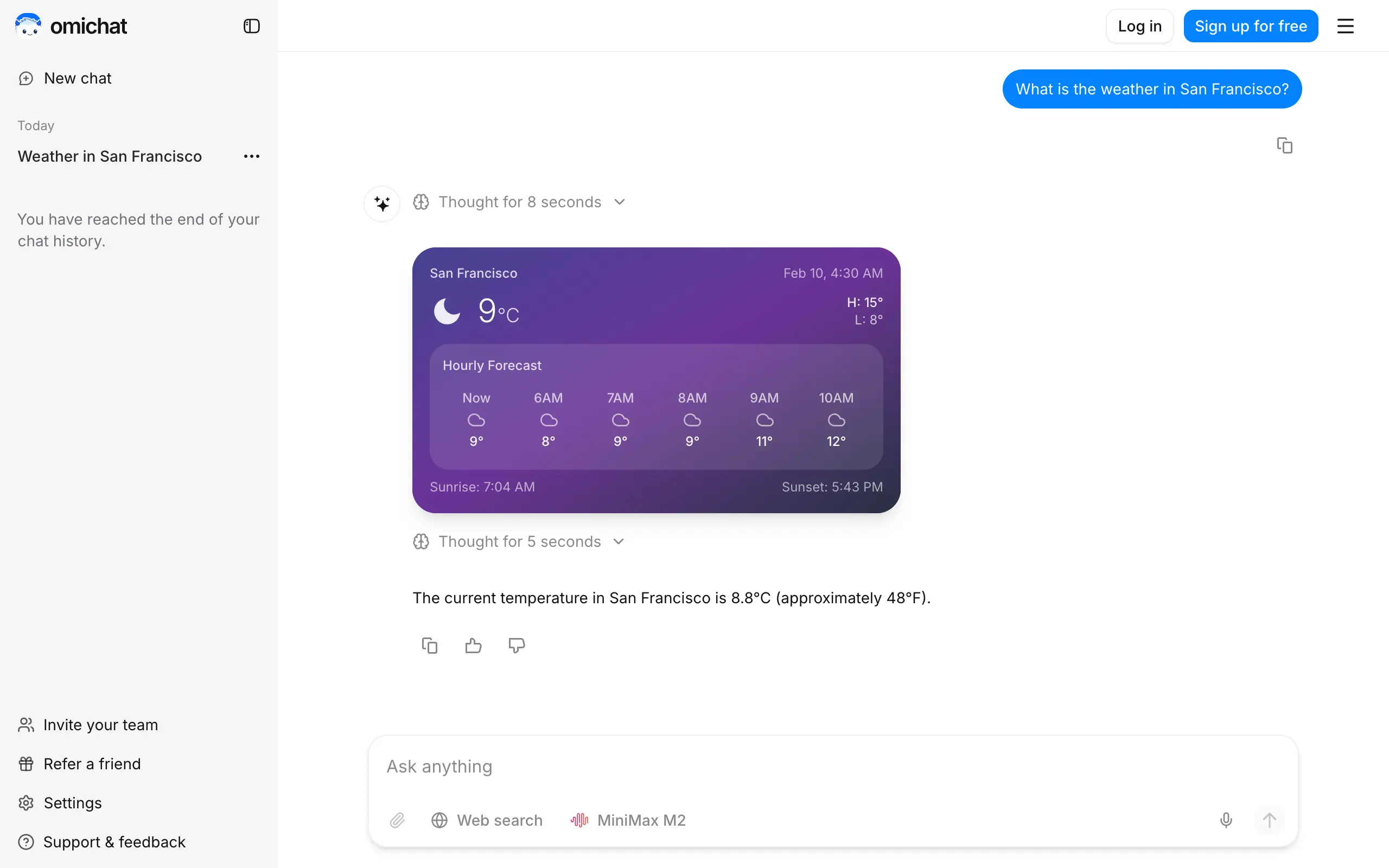
Omichat
Chat with 50+ AI models, including ChatGPT and Claude, in one place - switch models anytime without losing context 🤖
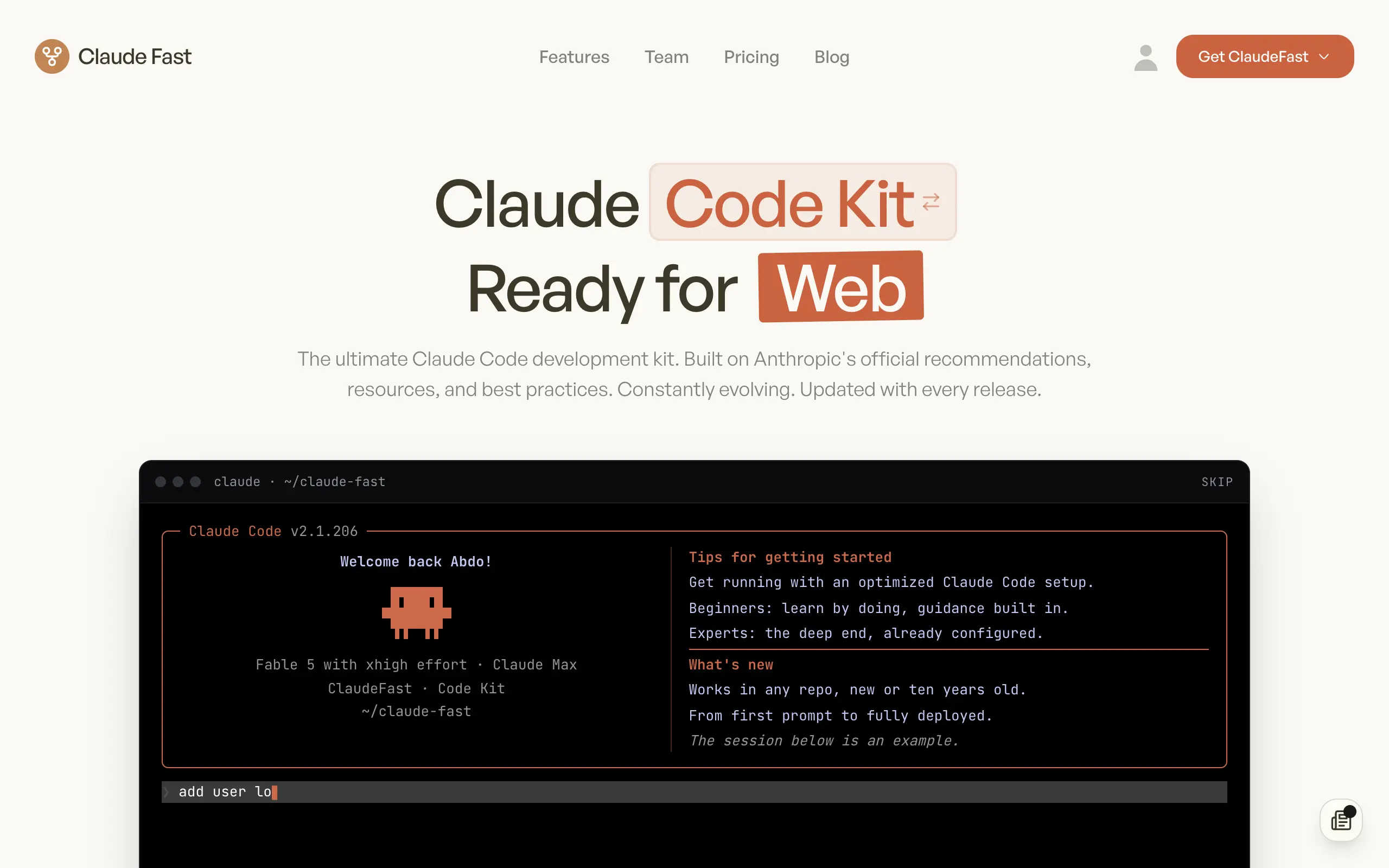
Claude Fast
Supercharge your Claude Code with 6x effective context window and specialized AI agents 🤖
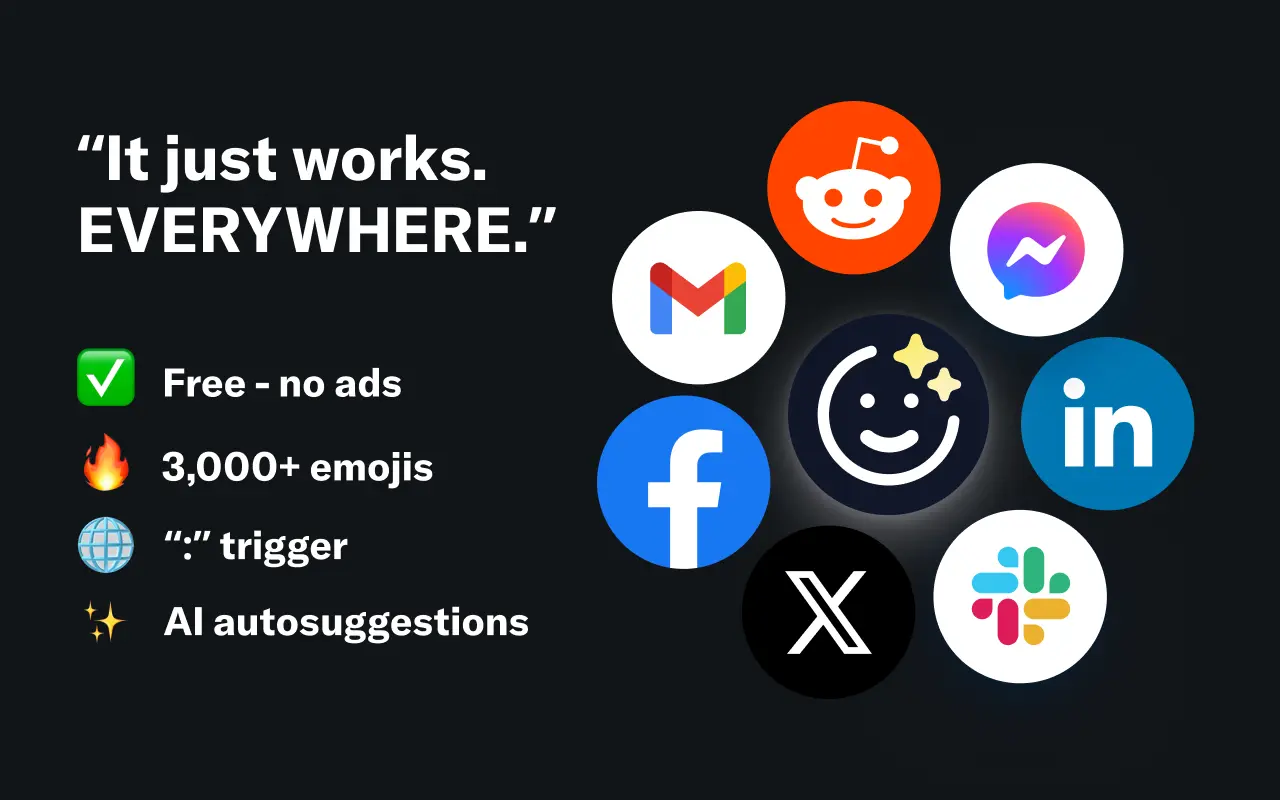
EmojAI
AI-powered emoji picker with smart, context-aware suggestions 🤖
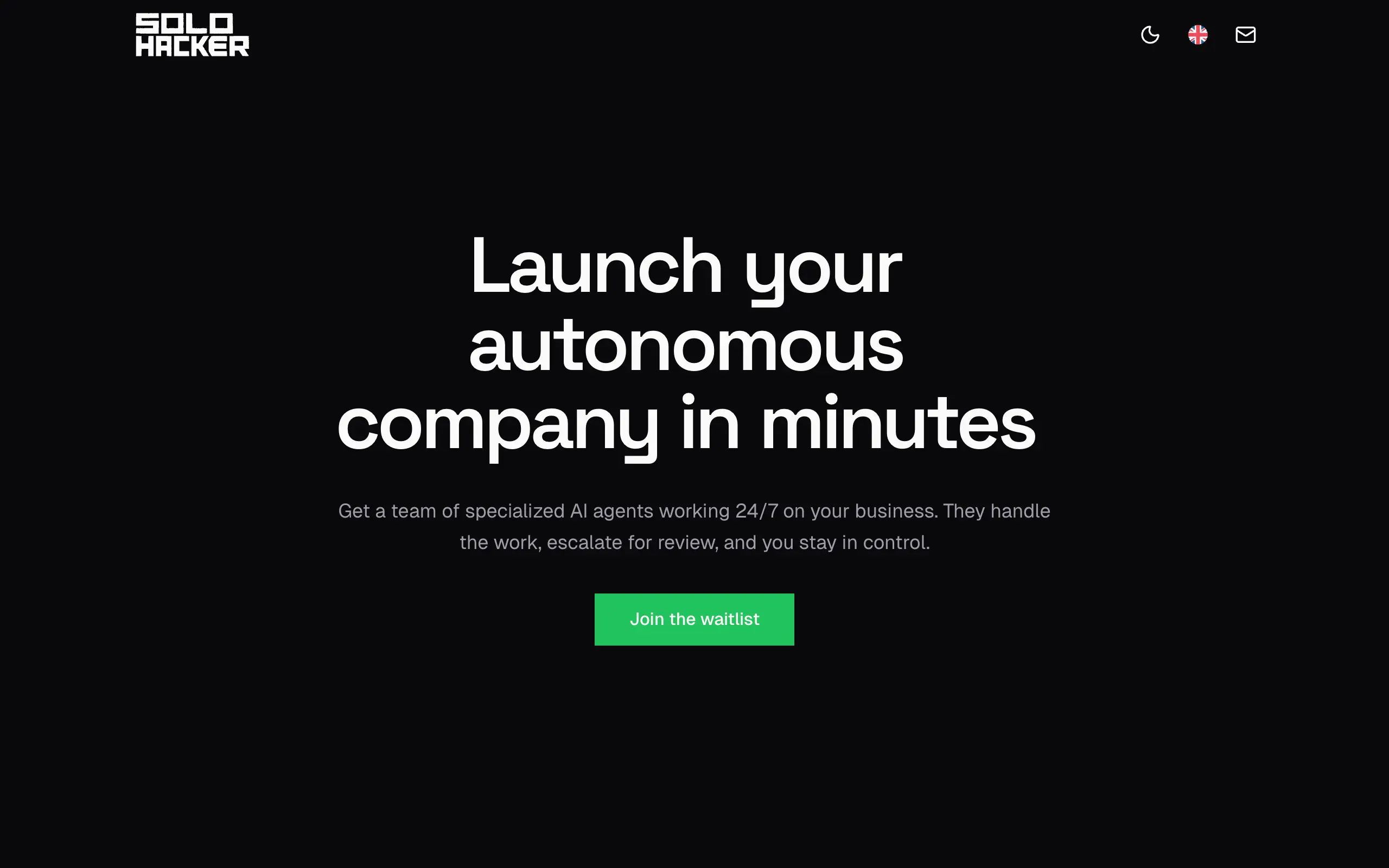
Solohacker
Autonomous company launcher - AI agents work 24/7, escalate what matters, and you stay in control 🤖
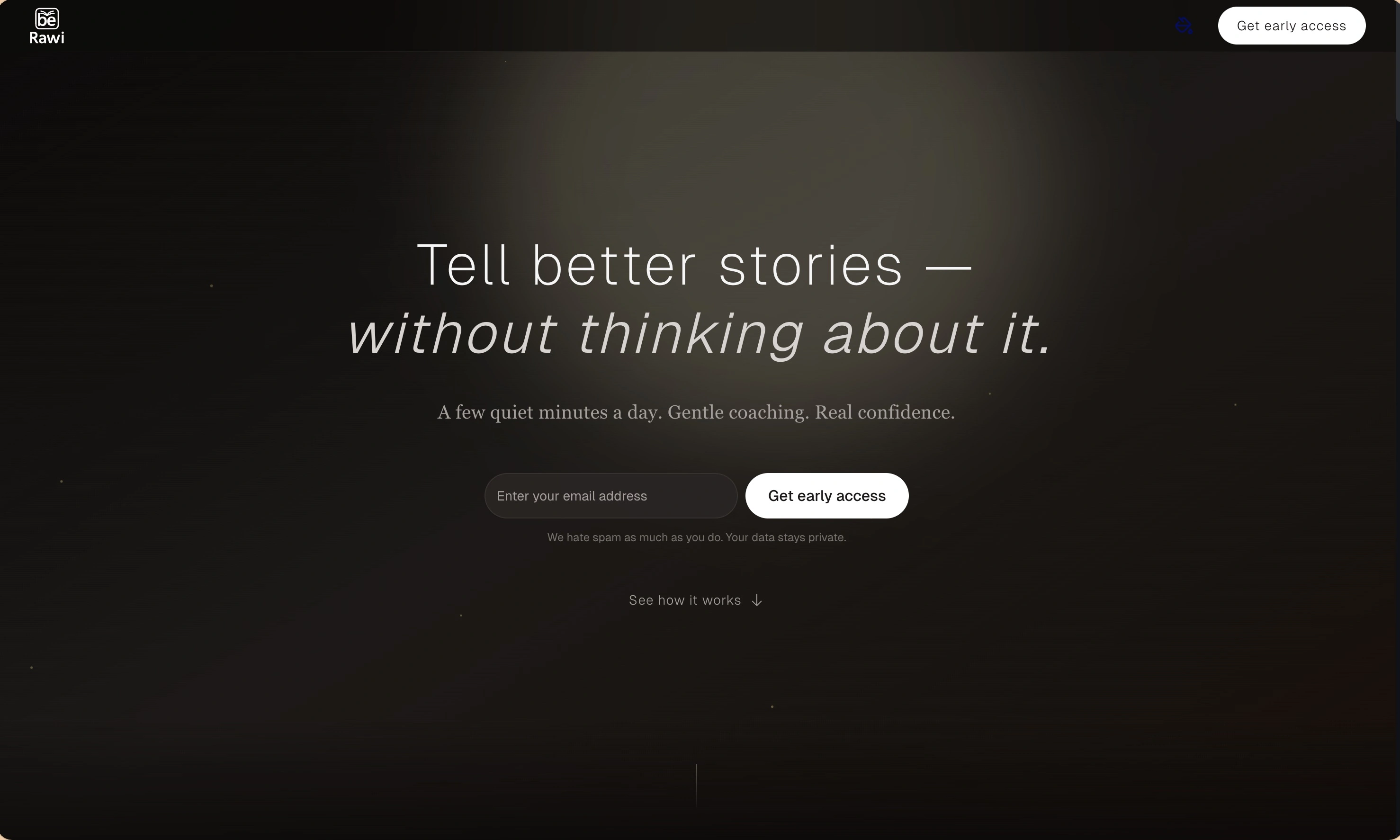
BeRawi: Storytelling Coach
Practice storytelling daily with instant feedback to sound clearer, more engaging, and confident 🎤
Omichat
Chat with 50+ AI models, including ChatGPT and Claude, in one place - switch models anytime without losing context 🤖
Claude Fast
Supercharge your Claude Code with 6x effective context window and specialized AI agents 🤖
EmojAI
AI-powered emoji picker with smart, context-aware suggestions 🤖
Solohacker
Autonomous company launcher - AI agents work 24/7, escalate what matters, and you stay in control 🤖
BeRawi: Storytelling Coach
Practice storytelling daily with instant feedback to sound clearer, more engaging, and confident 🎤
Omichat
Chat with 50+ AI models, including ChatGPT and Claude, in one place - switch models anytime without losing context 🤖
Claude Fast
Supercharge your Claude Code with 6x effective context window and specialized AI agents 🤖
EmojAI
AI-powered emoji picker with smart, context-aware suggestions 🤖
Solohacker
Autonomous company launcher - AI agents work 24/7, escalate what matters, and you stay in control 🤖
BeRawi: Storytelling Coach
Practice storytelling daily with instant feedback to sound clearer, more engaging, and confident 🎤
Omichat
Chat with 50+ AI models, including ChatGPT and Claude, in one place - switch models anytime without losing context 🤖
Claude Fast
Supercharge your Claude Code with 6x effective context window and specialized AI agents 🤖
EmojAI
AI-powered emoji picker with smart, context-aware suggestions 🤖
Solohacker
Autonomous company launcher - AI agents work 24/7, escalate what matters, and you stay in control 🤖
BeRawi: Storytelling Coach
Practice storytelling daily with instant feedback to sound clearer, more engaging, and confident 🎤

Connect with like-minded people
Join our community to get feedback, support, and grow together with 1,000+ builders on board, let's ship it!
Join usShip your startup everywhere. In minutes.
Don't burn tokens on setup and start building features on day one.