Sunlytics AI
AI-powered platform for solar companies to optimize panel placement, predict energy output, and automate maintenance scheduling using satellite and IoT data.
Solar energy is rapidly transforming the global energy landscape, but maximizing its potential requires more than just installing panels. Solar companies face complex challenges: where to place panels for optimal yield, how to accurately predict energy output, and how to maintain systems efficiently. Sunlytics AI is an AI-powered SaaS platform designed to address these pain points by leveraging satellite imagery, IoT sensor data, and advanced machine learning.
This comprehensive guide explores the Sunlytics AI platform, its market fit, technical underpinnings, and actionable steps for implementation. Whether you're a solar entrepreneur, a technical founder, or an investor, this article will help you understand the unique value and market opportunity of Sunlytics AI.
Understanding the target audience for Sunlytics AI
A successful SaaS product starts with a deep understanding of its users. Sunlytics AI targets a specific, high-value segment within the renewable energy sector.
Who are the primary users?
- Solar installation companies: From small local installers to large EPC (Engineering, Procurement, Construction) firms, these businesses need to optimize panel placement and streamline operations.
- Solar farm operators: Utility-scale solar farms require predictive analytics for energy output and proactive maintenance to maximize ROI.
- Renewable energy consultants: Professionals advising on solar projects need accurate, data-driven insights for site selection and performance forecasting.
- Asset managers and investors: Those managing solar portfolios seek tools to monitor performance, reduce downtime, and improve financial returns.
What are their core needs and pain points?
- Maximizing energy yield: Incorrect panel placement or suboptimal orientation can reduce output by 10-25% (see NREL studies for reference).
- Accurate forecasting: Energy output predictions are critical for grid integration, financial modeling, and contract obligations.
- Reducing operational costs: Manual maintenance scheduling is inefficient and reactive, leading to unnecessary downtime.
- Data overload: The proliferation of IoT sensors and satellite data creates a challenge in extracting actionable insights.
User intent and search behavior
Potential users are searching for:
- "AI for solar panel optimization"
- "Solar energy output prediction software"
- "Automated solar maintenance scheduling"
- "Satellite data for solar site analysis"
Sunlytics AI directly addresses these queries, positioning itself as a comprehensive, AI-driven solution.
Identifying the market opportunity and gaps
The solar industry is booming, but operational efficiency remains a bottleneck. Let's analyze the market landscape and where Sunlytics AI fits in.
Market trends and growth
- Global solar capacity is expected to surpass 2,000 GW by 2030 (source: IEA).
- AI in energy management is projected to grow at a CAGR of 20%+ through 2028.
- IoT adoption in solar is accelerating, with sensors now standard in new installations.
Key market gaps
- Fragmented tools: Most solutions focus on a single aspect (e.g., placement OR maintenance), not the full lifecycle.
- Manual processes: Many companies still rely on spreadsheets or basic monitoring, missing out on predictive analytics.
- Limited integration: Existing platforms often lack seamless integration of satellite, IoT, and weather data.
Competitive landscape
While there are established players in solar analytics, few offer an end-to-end, AI-powered platform that combines all relevant data sources. This is where Sunlytics AI stands out.
Fragmented analytics tools
Most competitors offer only site analysis or basic monitoring, not a unified AI-driven platform.
Manual scheduling
Traditional maintenance relies on fixed schedules, not predictive insights from real-time data.
Data silos
Competitors often lack integration between satellite, IoT, and weather data streams.
Core features and solution details of Sunlytics AI
Sunlytics AI is designed as a modular, scalable platform. Here’s a breakdown of its core features and how they solve real-world problems.
1. AI-powered panel placement optimization
- Satellite imagery analysis: Uses high-resolution satellite data to assess shading, terrain, and solar exposure.
- Machine learning models: Predicts optimal panel orientation and spacing for maximum yield.
- Custom site reports: Generates actionable recommendations for installers and consultants.
2. Energy output prediction
- Historical and real-time data fusion: Combines weather forecasts, IoT sensor data, and historical performance.
- Advanced forecasting algorithms: Delivers accurate, site-specific energy output predictions.
- Scenario modeling: Allows users to simulate changes (e.g., panel upgrades, cleaning schedules) and see projected impacts.
3. Automated maintenance scheduling
- IoT-driven monitoring: Continuously tracks panel health, inverter status, and environmental conditions.
- Predictive maintenance: AI models identify potential failures before they occur, reducing downtime.
- Automated work orders: Integrates with field service tools to schedule and dispatch maintenance teams.
4. Unified dashboard and reporting
- Customizable dashboards: Visualize key metrics, alerts, and trends.
- Automated reporting: Generate performance and compliance reports for stakeholders.
- API access: Integrate Sunlytics AI insights into existing workflows or third-party platforms.
Sunlytics AI leverages up-to-date satellite imagery to analyze site-specific factors such as shading from nearby structures, terrain slope, and solar irradiance. This data feeds into AI models that recommend the best panel placement for each unique location.
The platform is designed to be hardware-agnostic, supporting a wide range of IoT sensors and inverters via standard protocols (e.g., Modbus, MQTT). This ensures compatibility with most modern solar installations.
Yes, Sunlytics AI offers robust API endpoints and webhooks, making it easy to connect with popular asset management and field service platforms.
Recommended tech stack for Sunlytics AI
Building a robust, scalable AI SaaS platform requires careful selection of technologies. Here’s a recommended stack, with trade-offs considered.
Frontend
- React: Modern, component-based UI development.
- TailwindCSS: Utility-first CSS for rapid, consistent styling.
- Mapbox or Leaflet: Interactive mapping and geospatial visualization.
Backend
- Node.js with Express: Scalable API development.
- Python (for AI/ML): Rich ecosystem for machine learning (TensorFlow, PyTorch, scikit-learn).
- PostgreSQL with PostGIS: Advanced geospatial queries and data storage.
- Redis: Real-time data caching and pub/sub for IoT streams.
Data ingestion and processing
- Apache Kafka: High-throughput, fault-tolerant data streaming from IoT devices.
- AWS Lambda or Google Cloud Functions: Serverless processing for scalability.
AI/ML infrastructure
- TensorFlow or PyTorch: Deep learning frameworks for predictive models.
- DVC: Version control for datasets and models.
Trade-offs and considerations
- Python vs. Node.js for backend: Python excels at AI/ML, but Node.js offers superior real-time performance for APIs. A hybrid approach is recommended.
- Cloud vs. on-premises: Cloud-native deployment (AWS, GCP, Azure) offers scalability, but some clients may require on-premises options for data privacy.
Monetization strategy options
A SaaS platform like Sunlytics AI can adopt several revenue models. The optimal choice depends on target customer segments and market positioning.
1. Subscription-based pricing
- Tiered plans: Offer basic, professional, and enterprise tiers based on features, number of sites, or data volume.
- Per-site or per-MW pricing: Scale pricing with the size of the solar installation.
2. Usage-based pricing
- API call volume: Charge based on the number of API requests or data processed.
- Premium analytics: Offer advanced forecasting or custom reports as add-ons.
3. White-label and enterprise licensing
- Custom deployments: License the platform to large EPCs or asset managers for integration into their own systems.
- Branded solutions: Allow partners to offer Sunlytics AI under their own brand.
4. Professional services
- Consulting and onboarding: Charge for site analysis, custom integrations, or training.
| Subscription | Usage-based | White-label | Professional Services | Freemium |
|---|---|---|---|---|
| ✅ | ❌ | ❌ | ✅ | ❌ |
| ✅ | ❌ | ✅ | ✅ | ❌ |
Potential risks and mitigation strategies
Launching and scaling an AI-powered SaaS in the solar sector comes with unique challenges. Here’s how to anticipate and address them.
1. Data quality and availability
- Risk: Inaccurate or incomplete satellite/IoT data can degrade model performance.
- Mitigation: Partner with reputable data providers; implement data validation and anomaly detection pipelines.
2. Model accuracy and explainability
- Risk: Black-box AI models may erode user trust if predictions are not transparent.
- Mitigation: Use interpretable models where possible; provide confidence intervals and feature importance metrics.
3. Integration complexity
- Risk: Clients may have diverse hardware and software environments.
- Mitigation: Build hardware-agnostic connectors and robust APIs; offer professional integration support.
4. Regulatory and privacy concerns
- Risk: Handling sensitive site or performance data may trigger compliance requirements (GDPR, CCPA).
- Mitigation: Implement strong data encryption, access controls, and compliance certifications.
AI model drift
Over time, changes in hardware, environment, or data sources can cause AI models to become less accurate. Regular retraining and monitoring are essential to maintain performance.
Competitive advantage analysis: Why Sunlytics AI stands out
Sunlytics AI’s unique selling proposition is its end-to-end, AI-driven approach that unifies all critical data streams for solar optimization. Here’s how it outpaces the competition:
- Comprehensive data integration: Combines satellite, IoT, and weather data for holistic insights.
- Predictive, not just reactive: Moves beyond monitoring to proactive optimization and maintenance.
- Scalable and modular: Suitable for both small installers and large-scale operators.
- User-centric design: Intuitive dashboards, actionable reports, and seamless integrations.
Unified platform
No more juggling multiple tools—Sunlytics AI covers the full solar project lifecycle.
AI-powered insights
Leverages the latest in machine learning for accurate predictions and recommendations.
Hardware-agnostic
Works with any modern IoT sensors and inverters, reducing vendor lock-in.
Actionable implementation steps
Ready to bring Sunlytics AI to market? Here’s a step-by-step roadmap for founders and product teams.
Conclusion: The future of solar optimization with Sunlytics AI
The solar industry is at a tipping point, where operational efficiency and data-driven decision-making will separate the leaders from the laggards. Sunlytics AI is uniquely positioned to empower solar companies with the tools they need to maximize energy yield, reduce costs, and stay ahead of the competition.
By unifying satellite, IoT, and AI technologies in a single, user-friendly platform, Sunlytics AI delivers actionable insights that drive real business value. For founders and teams looking to build or adopt next-generation solar SaaS, the opportunity is clear—and the time is now.
Frequently asked questions
Yes, while the platform is optimized for commercial and utility-scale projects, its modular design allows residential installers to benefit from site analysis and predictive maintenance features.
The platform employs industry-standard encryption, strict access controls, and complies with major data privacy regulations.
A free trial or demo is typically available for qualified customers. Contact the Sunlytics AI team for details.
For more resources on SaaS development and go-to-market strategies, check out TurboStarter.
Note: For the latest industry statistics and AI advancements in solar, refer to reputable sources such as the International Energy Agency (IEA), National Renewable Energy Laboratory (NREL), and leading AI research publications.
More 🤖 AI Startup SaaS ideas
Discover more innovative ai startup SaaS ideas that are trending in 2026. Each idea is AI-generated with market validation and growth potential to help you find your next profitable venture faster than competitors.
Your competitors are building with TurboStarter
Below are some of the SaaS ideas that have been generated and built with our starter kit.
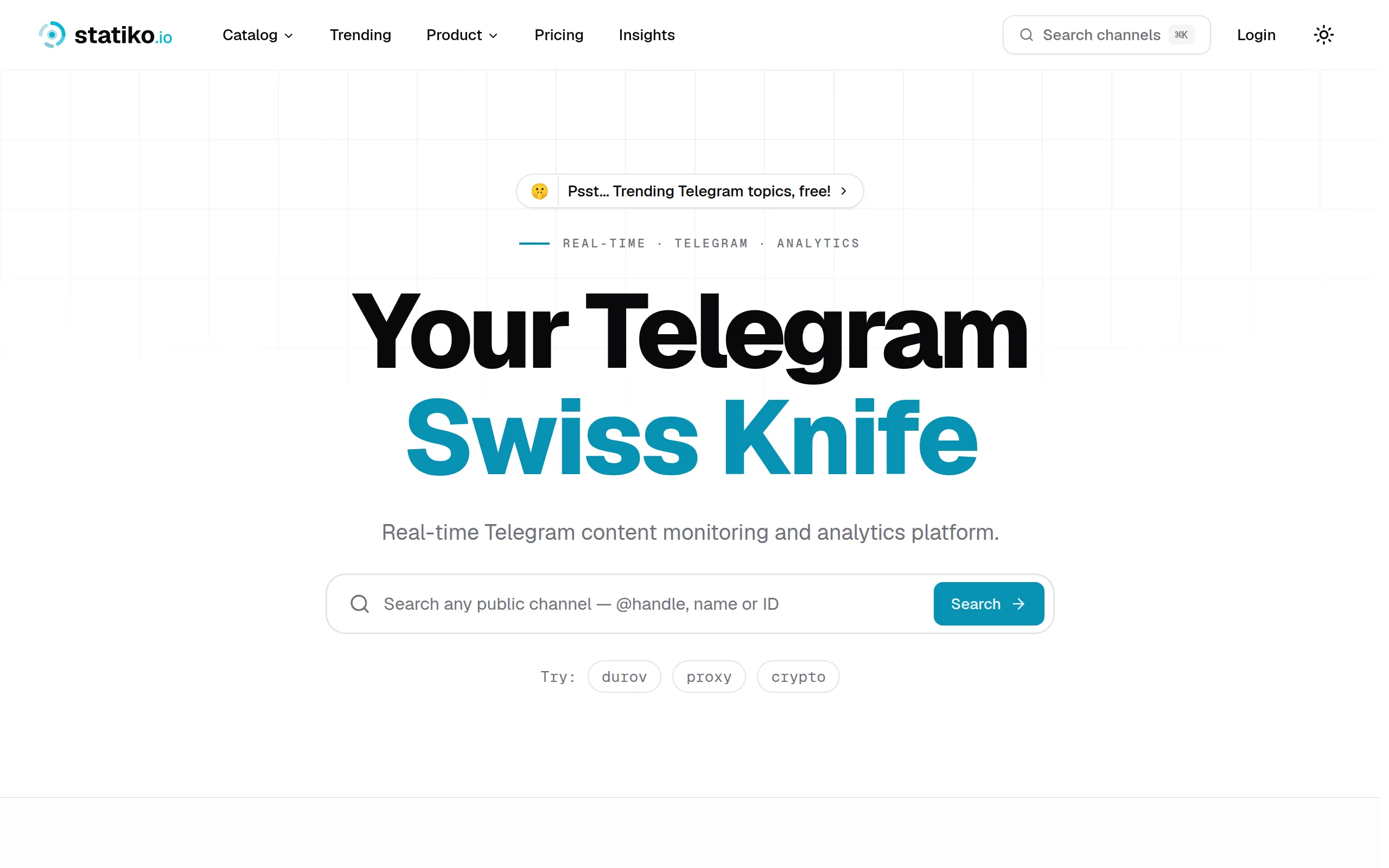
Statiko
Monitor any Telegram channel in real time - track posts, edits, deletions, and growth with AI recaps 📡
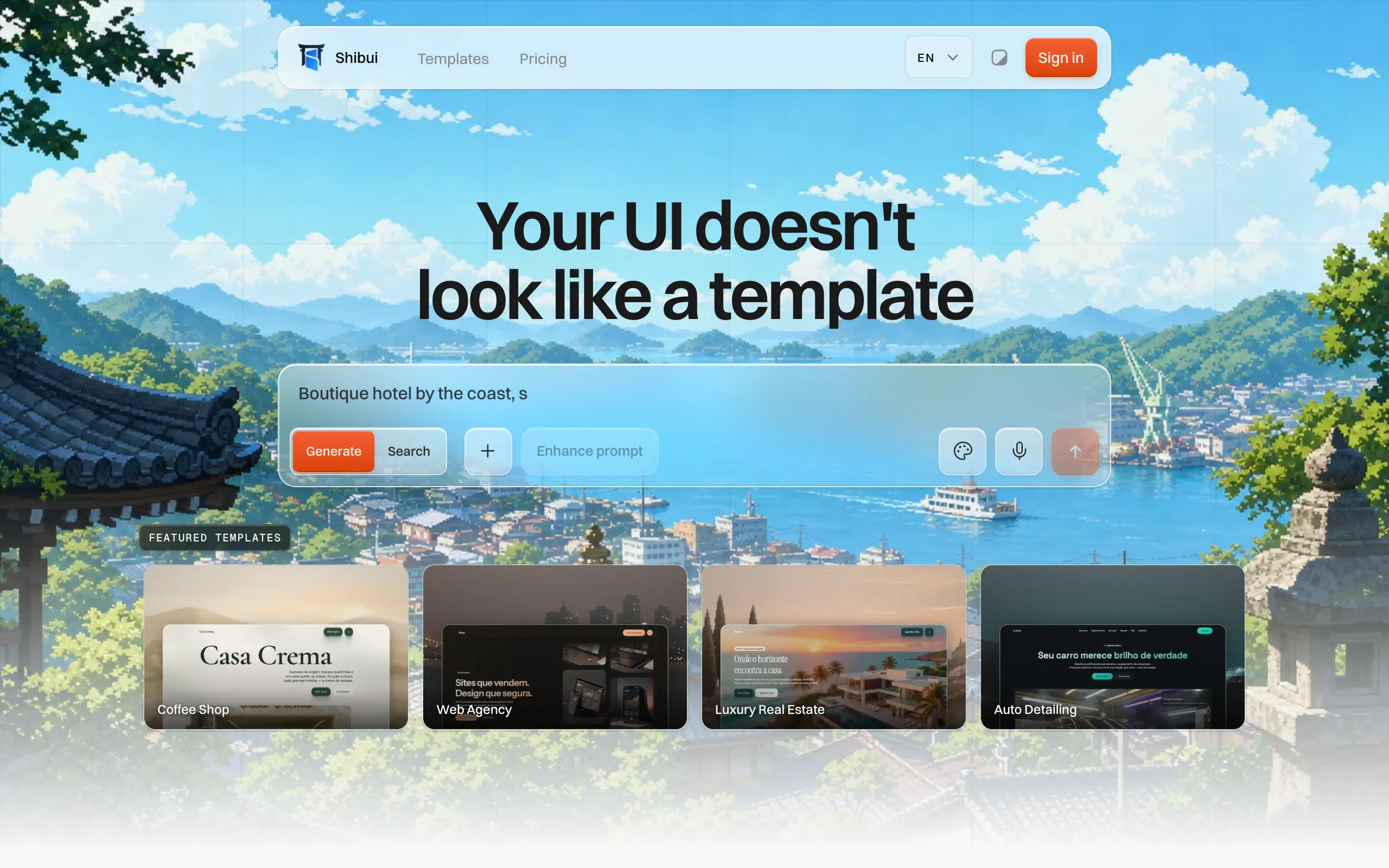
Shibui
AI website builder - describe your business, pick a niche template, edit by chatting, and publish instantly ✨

Pro Service
Find verified home service professionals, compare quotes, and pay securely through escrow - built for Brazilians across the US 🏠
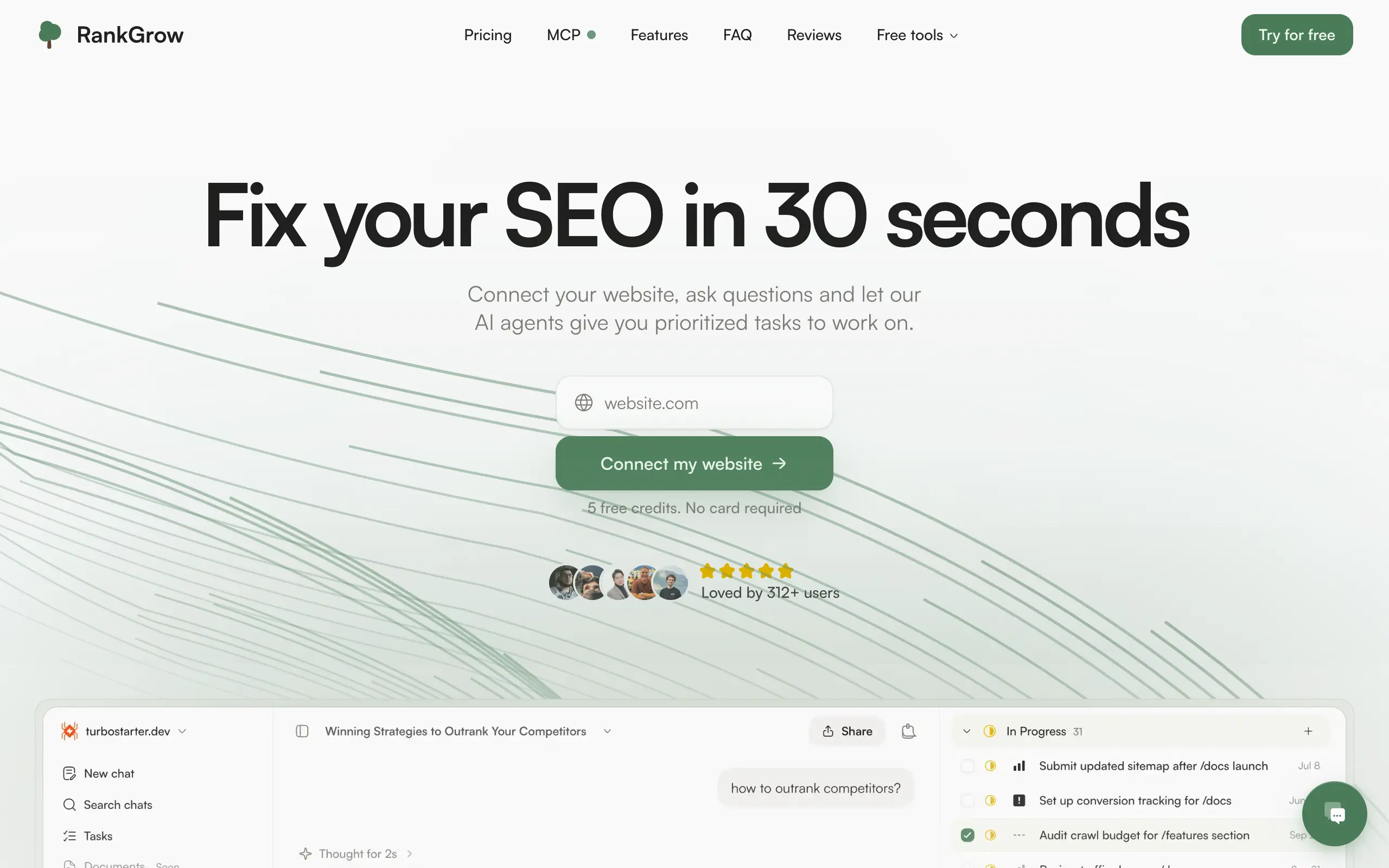
RankGrow
Fix your SEO with AI agents - connect Search Console, get prioritized tasks, and grow organic traffic 📈
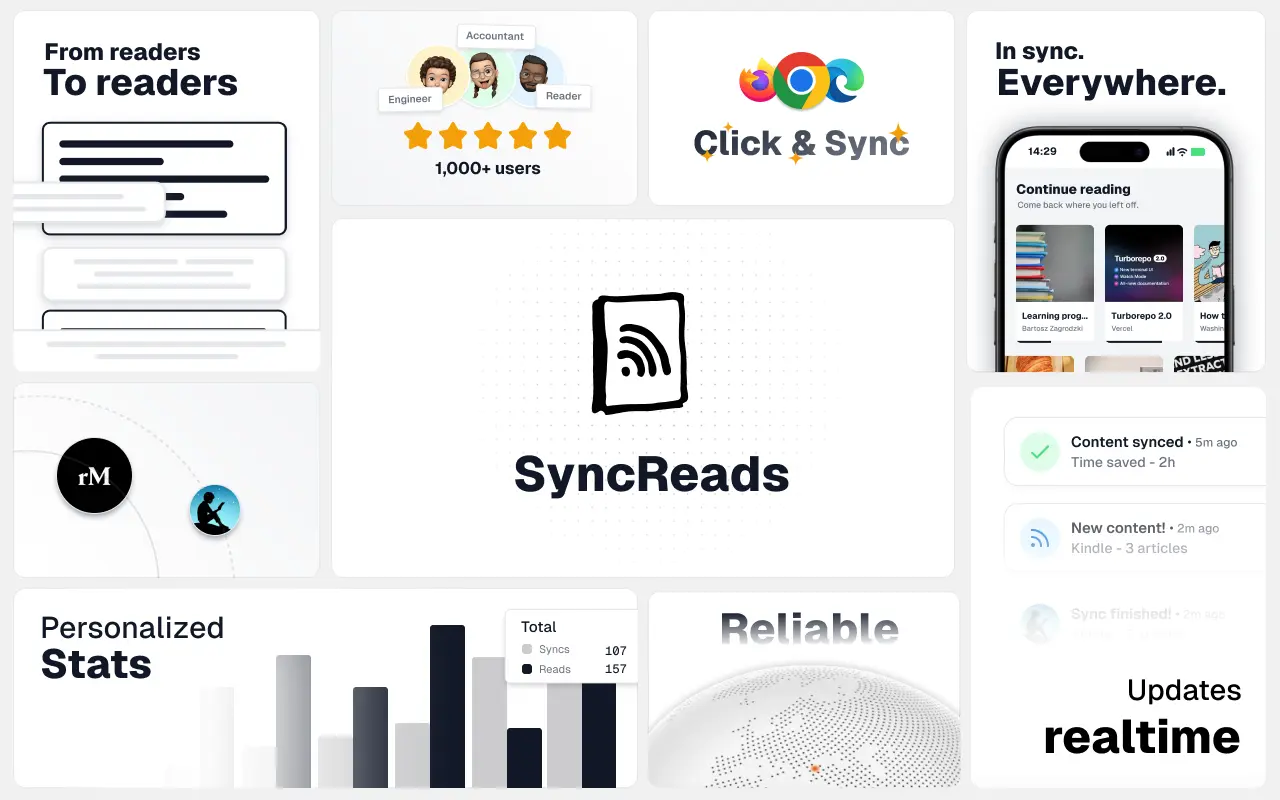
SyncReads
Sync your favorite content for distraction-free reading, save time and replace multiple apps. Anytime, anywhere 🔄
Socialcrawl
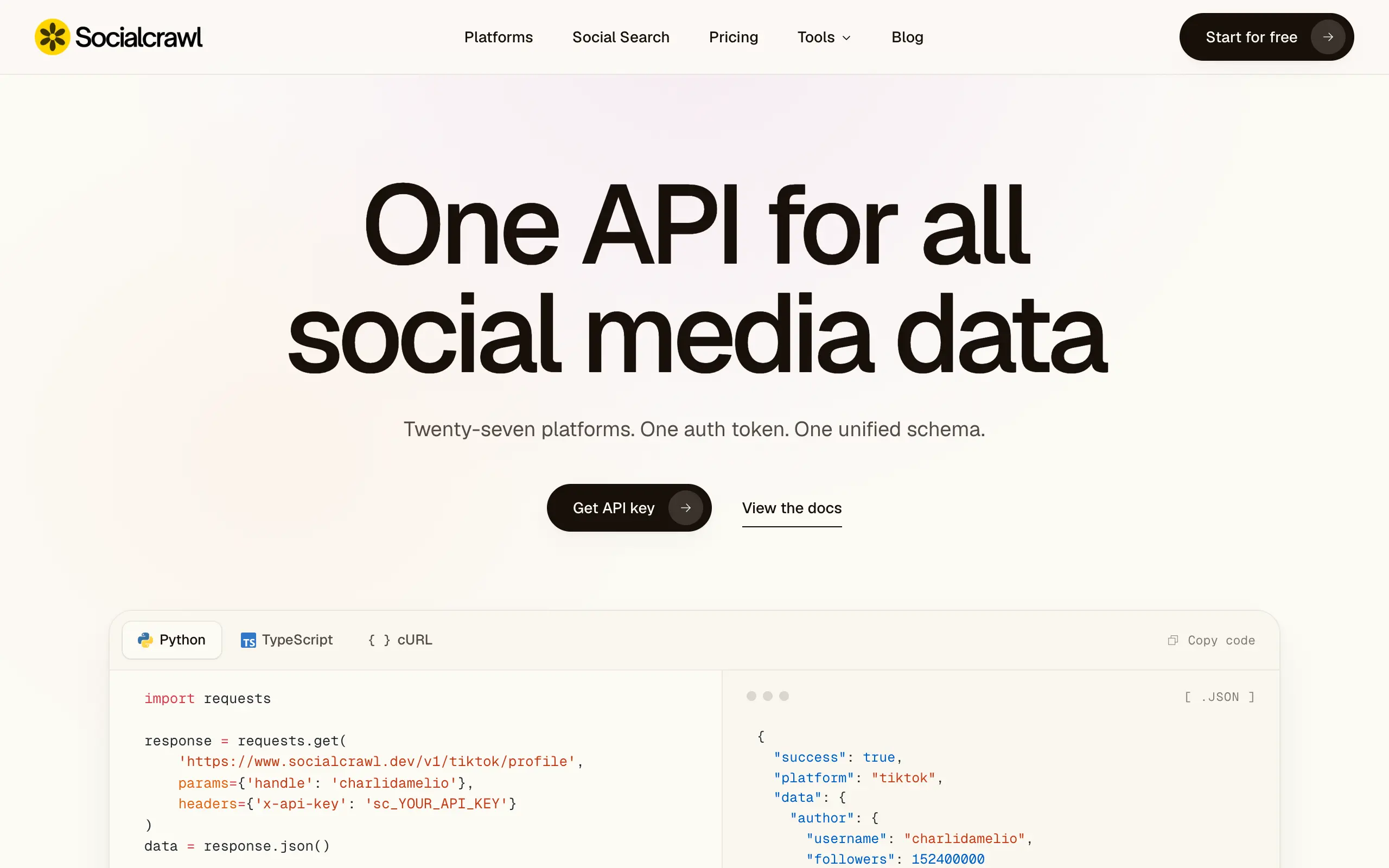
Get clean, structured data from 21 platforms like TikTok, Instagram, and YouTube with a single request 📊
Statiko
Monitor any Telegram channel in real time - track posts, edits, deletions, and growth with AI recaps 📡
Shibui
AI website builder - describe your business, pick a niche template, edit by chatting, and publish instantly ✨
Pro Service
Find verified home service professionals, compare quotes, and pay securely through escrow - built for Brazilians across the US 🏠
RankGrow
Fix your SEO with AI agents - connect Search Console, get prioritized tasks, and grow organic traffic 📈
SyncReads
Sync your favorite content for distraction-free reading, save time and replace multiple apps. Anytime, anywhere 🔄
Socialcrawl
Get clean, structured data from 21 platforms like TikTok, Instagram, and YouTube with a single request 📊
Statiko
Monitor any Telegram channel in real time - track posts, edits, deletions, and growth with AI recaps 📡
Shibui
AI website builder - describe your business, pick a niche template, edit by chatting, and publish instantly ✨
Pro Service
Find verified home service professionals, compare quotes, and pay securely through escrow - built for Brazilians across the US 🏠
RankGrow
Fix your SEO with AI agents - connect Search Console, get prioritized tasks, and grow organic traffic 📈
SyncReads
Sync your favorite content for distraction-free reading, save time and replace multiple apps. Anytime, anywhere 🔄
Socialcrawl
Get clean, structured data from 21 platforms like TikTok, Instagram, and YouTube with a single request 📊
Statiko
Monitor any Telegram channel in real time - track posts, edits, deletions, and growth with AI recaps 📡
Shibui
AI website builder - describe your business, pick a niche template, edit by chatting, and publish instantly ✨
Pro Service
Find verified home service professionals, compare quotes, and pay securely through escrow - built for Brazilians across the US 🏠
RankGrow
Fix your SEO with AI agents - connect Search Console, get prioritized tasks, and grow organic traffic 📈
SyncReads
Sync your favorite content for distraction-free reading, save time and replace multiple apps. Anytime, anywhere 🔄
Socialcrawl
Get clean, structured data from 21 platforms like TikTok, Instagram, and YouTube with a single request 📊
Dotallio
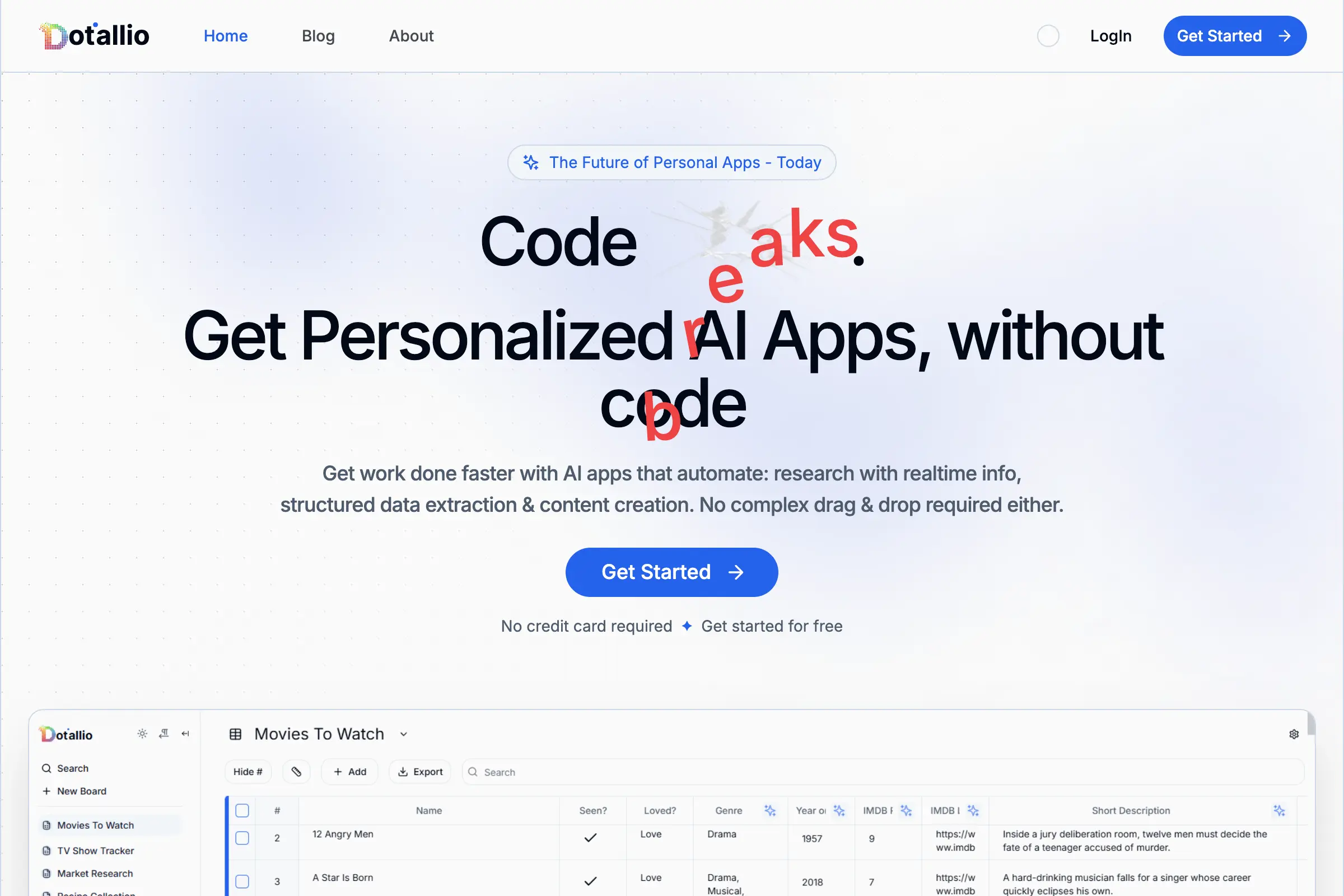
Personalized AI apps that automate research, data extraction, and content creation without code 🤖

Talk to Santa
Enjoy a magical live video chat or receive a unique AI-generated video greeting from Santa Claus 🎅

pozywka.pl
Scalable blog for food journalist, focused on performance and user experience 🌭
zagrodzki.me
Personal blog and portfolio of Bart Zagrodzki, where he shares his knowledge and work 💼
TurboStarter
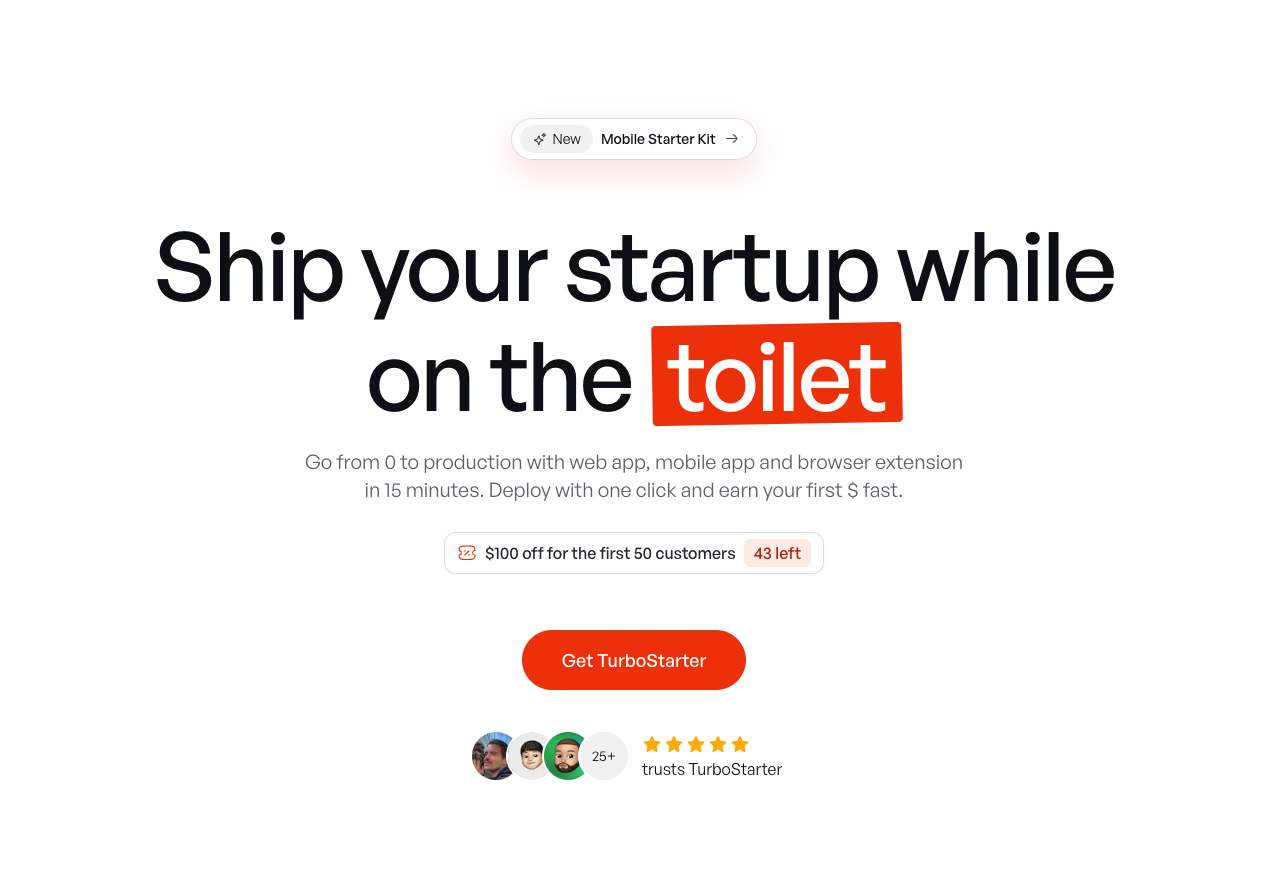
Ship your startup everywhere. In minutes.
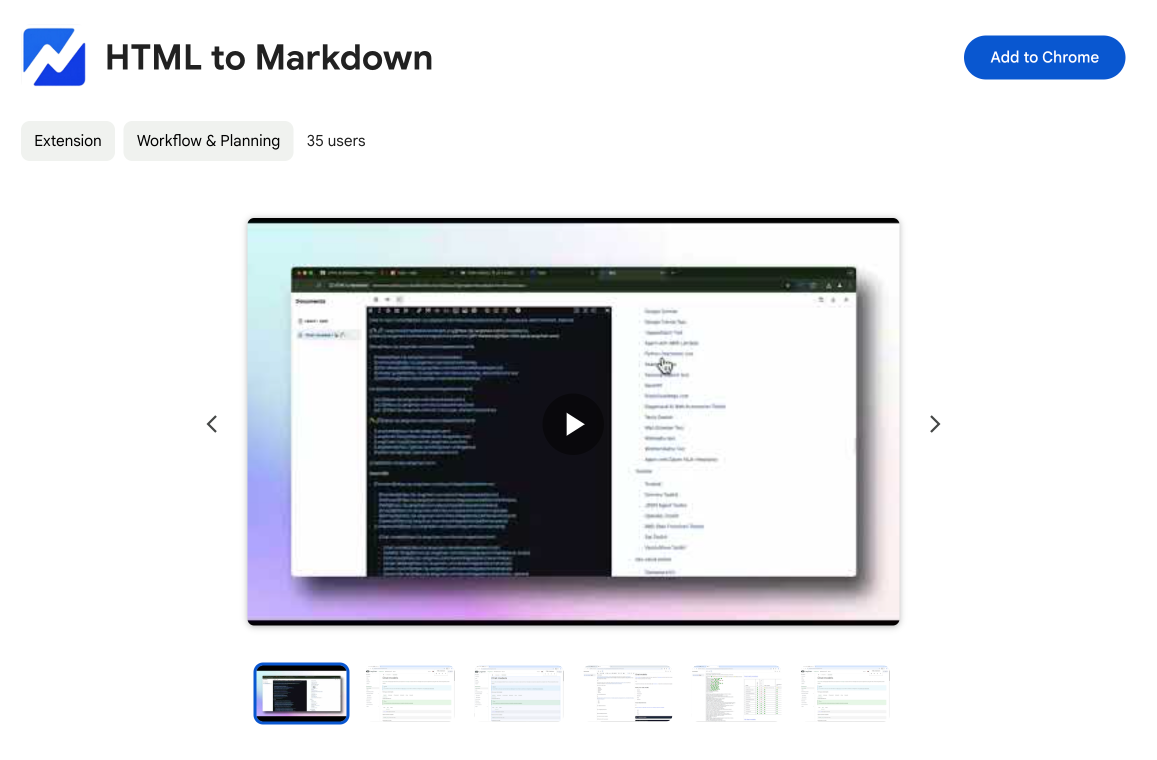
HTML to Markdown
Convert HTML to Markdown with ease, directly in your browser 📄
Dotallio
Personalized AI apps that automate research, data extraction, and content creation without code 🤖
Talk to Santa
Enjoy a magical live video chat or receive a unique AI-generated video greeting from Santa Claus 🎅
pozywka.pl
Scalable blog for food journalist, focused on performance and user experience 🌭
zagrodzki.me
Personal blog and portfolio of Bart Zagrodzki, where he shares his knowledge and work 💼
TurboStarter
Ship your startup everywhere. In minutes.
HTML to Markdown
Convert HTML to Markdown with ease, directly in your browser 📄
Dotallio
Personalized AI apps that automate research, data extraction, and content creation without code 🤖
Talk to Santa
Enjoy a magical live video chat or receive a unique AI-generated video greeting from Santa Claus 🎅
pozywka.pl
Scalable blog for food journalist, focused on performance and user experience 🌭
zagrodzki.me
Personal blog and portfolio of Bart Zagrodzki, where he shares his knowledge and work 💼
TurboStarter
Ship your startup everywhere. In minutes.
HTML to Markdown
Convert HTML to Markdown with ease, directly in your browser 📄
Dotallio
Personalized AI apps that automate research, data extraction, and content creation without code 🤖
Talk to Santa
Enjoy a magical live video chat or receive a unique AI-generated video greeting from Santa Claus 🎅
pozywka.pl
Scalable blog for food journalist, focused on performance and user experience 🌭
zagrodzki.me
Personal blog and portfolio of Bart Zagrodzki, where he shares his knowledge and work 💼
TurboStarter
Ship your startup everywhere. In minutes.
HTML to Markdown
Convert HTML to Markdown with ease, directly in your browser 📄
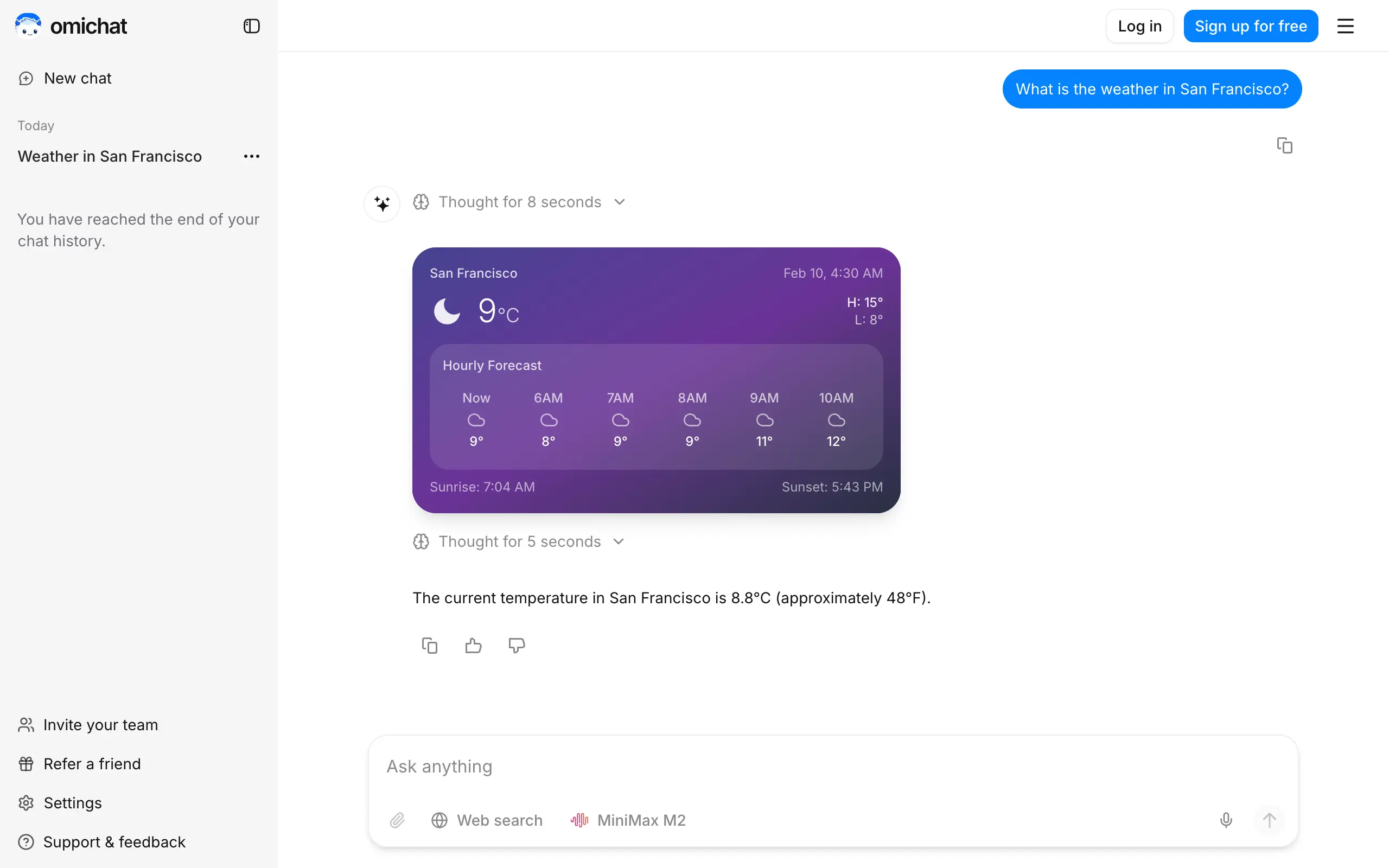
Omichat
Chat with 50+ AI models, including ChatGPT and Claude, in one place - switch models anytime without losing context 🤖
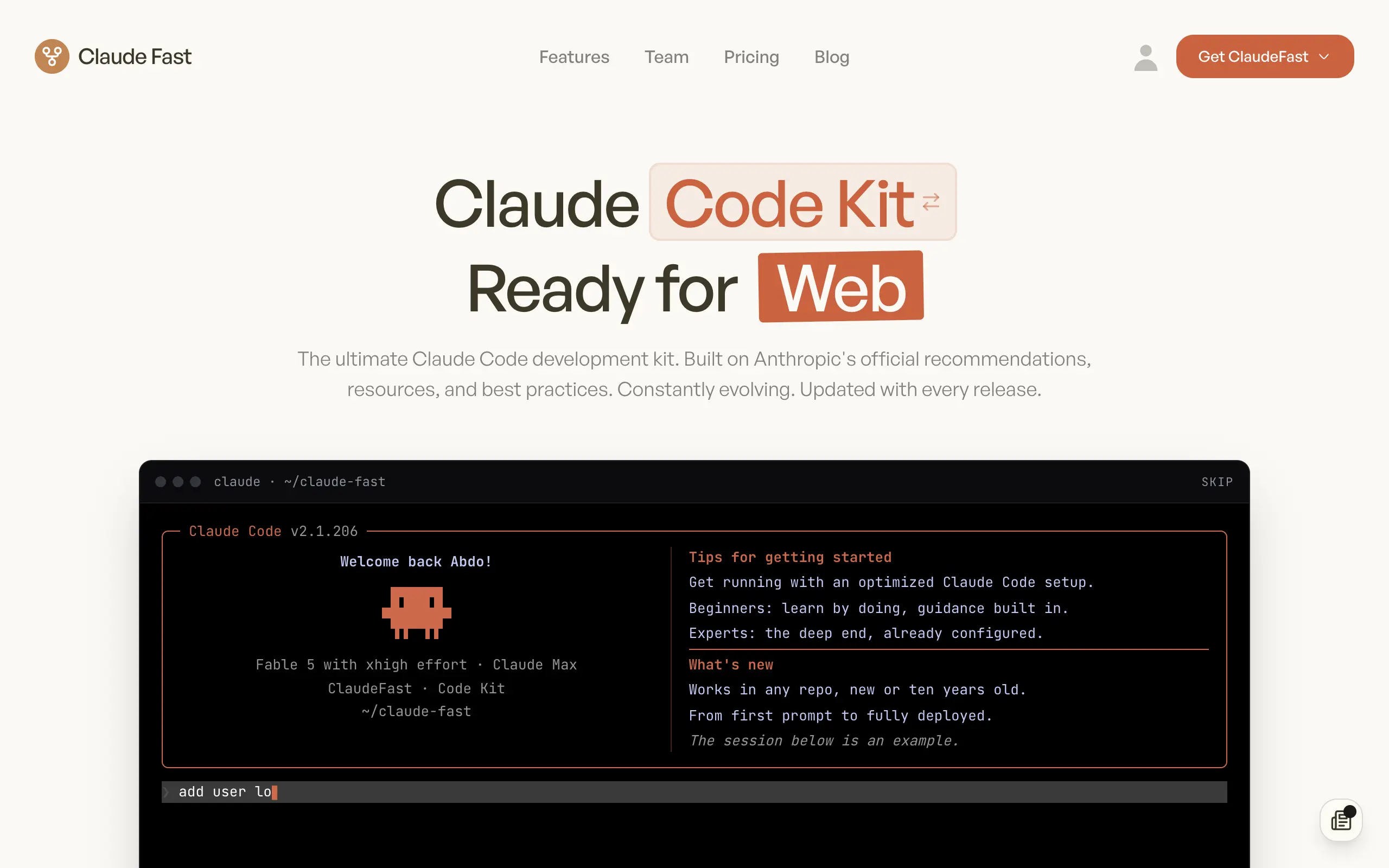
Claude Fast
Supercharge your Claude Code with 6x effective context window and specialized AI agents 🤖
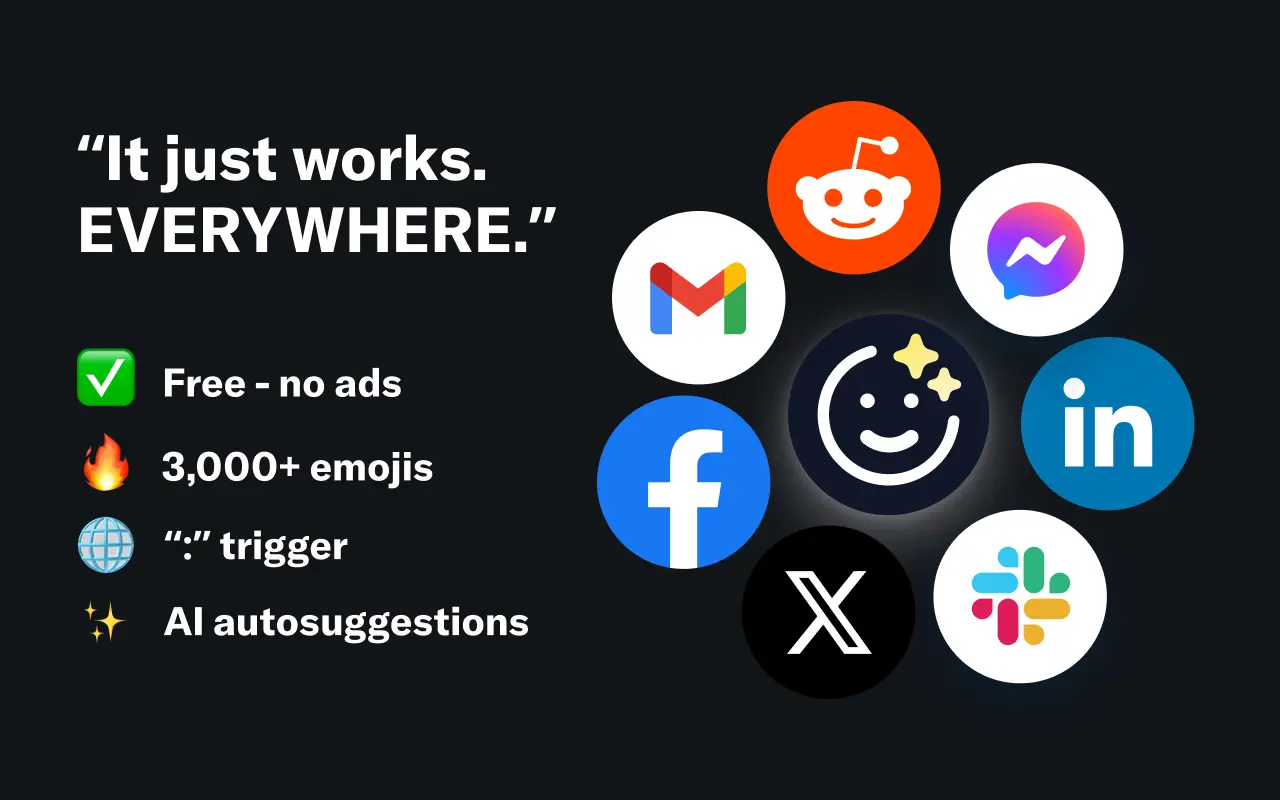
EmojAI
AI-powered emoji picker with smart, context-aware suggestions 🤖
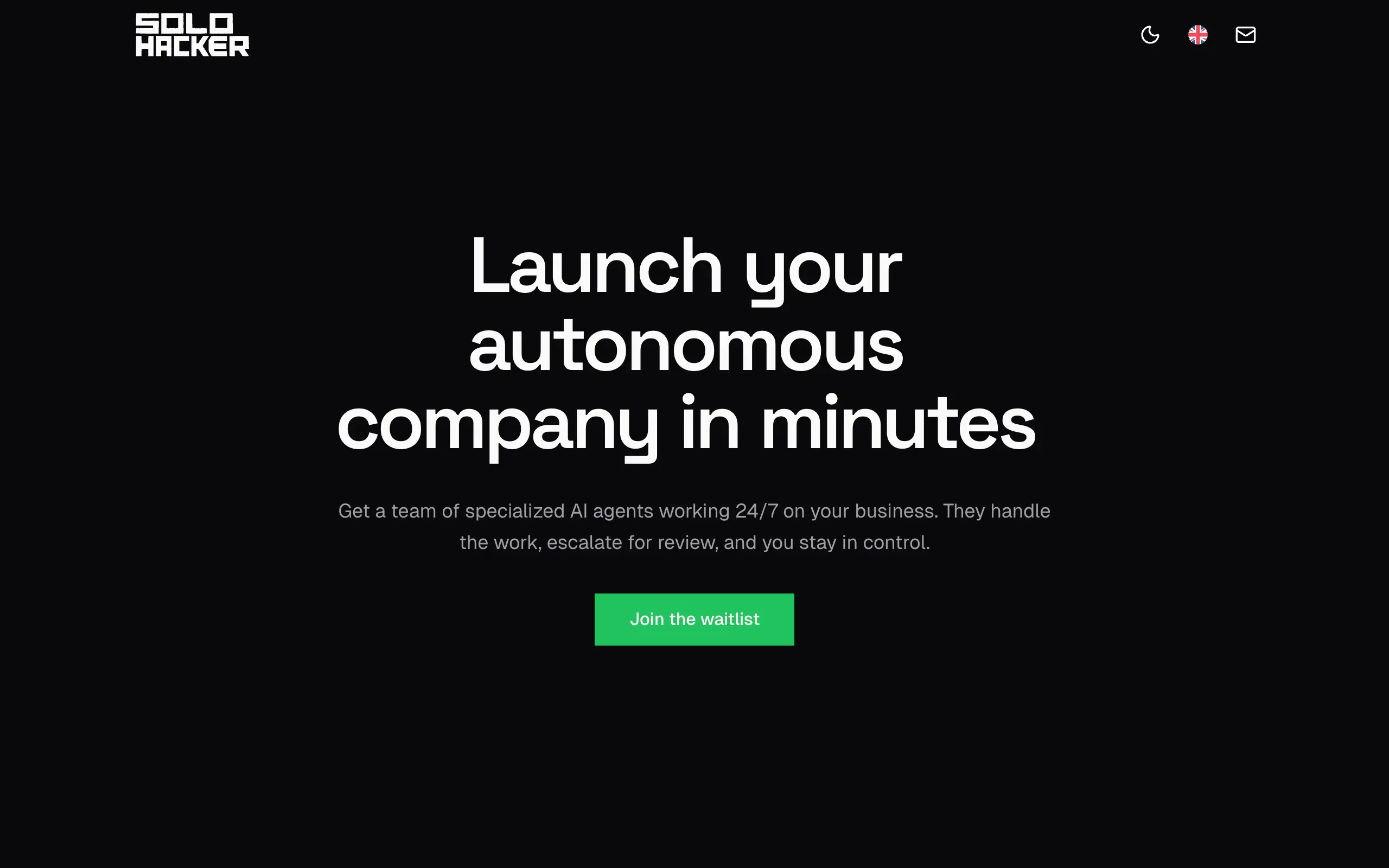
Solohacker
Autonomous company launcher - AI agents work 24/7, escalate what matters, and you stay in control 🤖
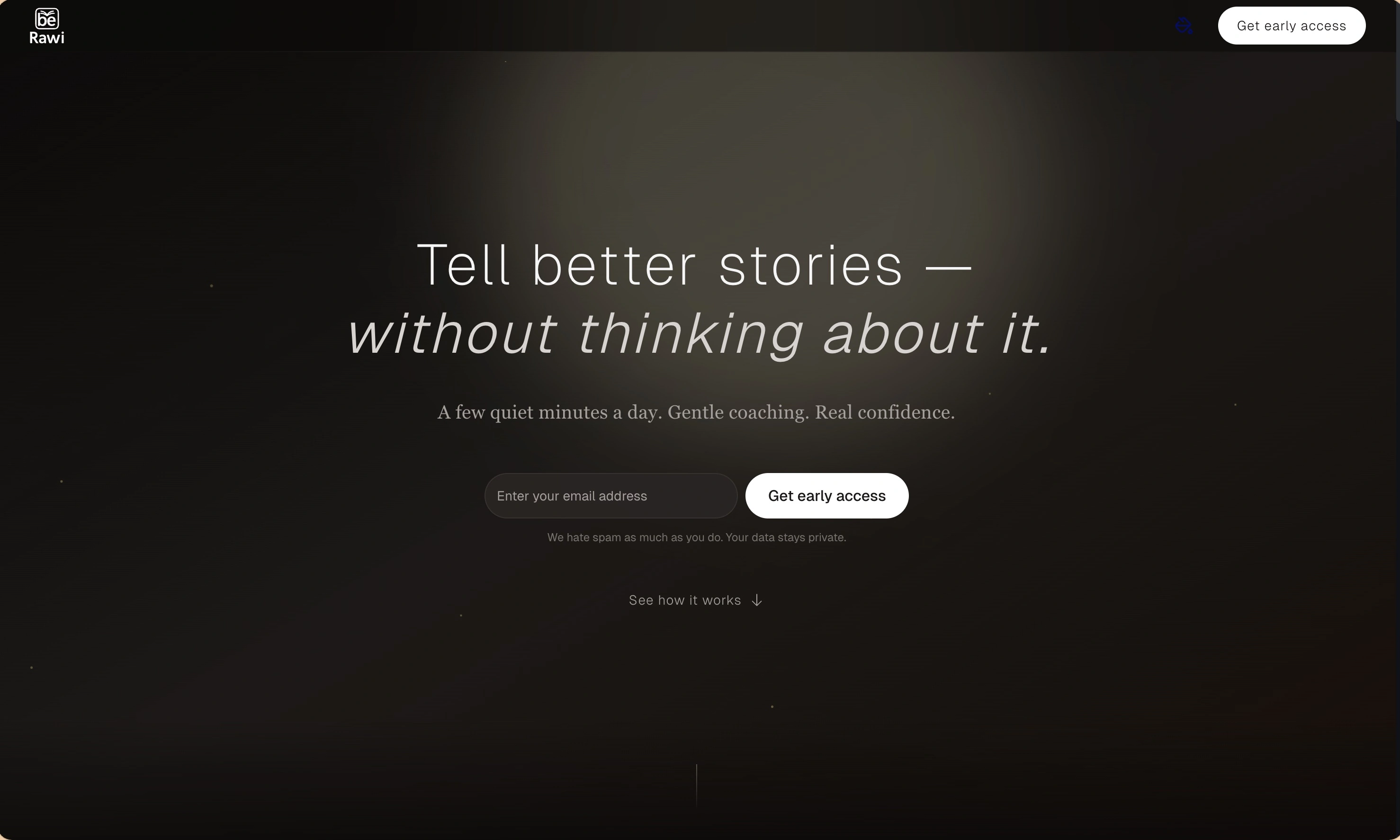
BeRawi: Storytelling Coach
Practice storytelling daily with instant feedback to sound clearer, more engaging, and confident 🎤
Omichat
Chat with 50+ AI models, including ChatGPT and Claude, in one place - switch models anytime without losing context 🤖
Claude Fast
Supercharge your Claude Code with 6x effective context window and specialized AI agents 🤖
EmojAI
AI-powered emoji picker with smart, context-aware suggestions 🤖
Solohacker
Autonomous company launcher - AI agents work 24/7, escalate what matters, and you stay in control 🤖
BeRawi: Storytelling Coach
Practice storytelling daily with instant feedback to sound clearer, more engaging, and confident 🎤
Omichat
Chat with 50+ AI models, including ChatGPT and Claude, in one place - switch models anytime without losing context 🤖
Claude Fast
Supercharge your Claude Code with 6x effective context window and specialized AI agents 🤖
EmojAI
AI-powered emoji picker with smart, context-aware suggestions 🤖
Solohacker
Autonomous company launcher - AI agents work 24/7, escalate what matters, and you stay in control 🤖
BeRawi: Storytelling Coach
Practice storytelling daily with instant feedback to sound clearer, more engaging, and confident 🎤
Omichat
Chat with 50+ AI models, including ChatGPT and Claude, in one place - switch models anytime without losing context 🤖
Claude Fast
Supercharge your Claude Code with 6x effective context window and specialized AI agents 🤖
EmojAI
AI-powered emoji picker with smart, context-aware suggestions 🤖
Solohacker
Autonomous company launcher - AI agents work 24/7, escalate what matters, and you stay in control 🤖
BeRawi: Storytelling Coach
Practice storytelling daily with instant feedback to sound clearer, more engaging, and confident 🎤

Connect with like-minded people
Join our community to get feedback, support, and grow together with 1,000+ builders on board, let's ship it!
Join usShip your startup everywhere. In minutes.
Don't burn tokens on setup and start building features on day one.