SupplySync AI
AI-driven broker platform that connects retailers with surplus inventory suppliers, predicts demand, and negotiates bulk deals in real time.
The rise of AI-driven inventory brokerage in retail
Retailers and wholesalers have always struggled with one core challenge: matching supply with real demand at the right time and price. Overstock leads to markdowns and write-offs. Understock leads to missed revenue and dissatisfied customers. Meanwhile, surplus inventory sits idle in warehouses worldwide.
An AI-driven broker platform like SupplySync AI directly addresses this imbalance by connecting retailers with surplus inventory suppliers, predicting demand patterns, and negotiating bulk deals in real time.
This article provides a deep, expert-level breakdown of how SupplySync AI works, the market opportunity behind it, the ideal target audience, core features, recommended tech stack, monetization strategies, competitive positioning, risks, and actionable implementation steps.
If you're exploring the idea of launching an AI supply chain platform, validating this SaaS concept, or building in the retail tech space, this guide is designed to satisfy that intent.
Understanding the core problem in retail supply chains
Modern retail supply chains are fragmented and inefficient. Key pain points include:
- Excess inventory tied up in working capital
- Lack of real-time visibility into surplus supply across suppliers
- Manual negotiation processes for bulk procurement
- Inaccurate demand forecasting at SKU and regional levels
- Disconnected systems between retailers, wholesalers, and brokers
Traditional brokers rely on relationships and phone/email negotiations. Marketplaces focus on listings rather than predictive intelligence. Enterprise tools often lack real-time deal automation.
SupplySync AI introduces a smarter layer:
A real-time AI broker that predicts demand, identifies surplus opportunities, and negotiates optimized bulk pricing automatically.
Market opportunity: why this timing is ideal
1. Retail inventory volatility is increasing
Global supply chains remain volatile due to geopolitical shifts, e-commerce acceleration, and changing consumer demand patterns. Retailers need more adaptive systems.
Industry reports from organizations like McKinsey and Gartner consistently highlight:
- Rising inventory holding costs
- Increased SKU complexity
- Demand unpredictability across channels
This creates strong demand for predictive and automated solutions.
2. The secondary inventory market is fragmented
Surplus inventory is often sold via:
- Liquidation channels
- B2B marketplaces
- Offline brokers
- Closed distributor networks
There is no dominant AI-powered real-time broker focused specifically on:
- Demand matching
- Predictive purchasing
- Automated negotiation logic
That gap represents a high-value opportunity.
3. AI adoption in supply chain is accelerating
Retailers are increasingly investing in:
- AI demand forecasting
- Automated procurement
- Dynamic pricing engines
- Predictive analytics
SupplySync AI aligns perfectly with this macro trend.
Target audience analysis
To build and position SupplySync AI correctly, we must clearly define primary and secondary users.
Primary audience: mid-sized retailers
Profile:
- 5–200 store locations or large e-commerce operations
- Annual revenue: $5M–$250M
- Dedicated operations or procurement teams
Pain points:
- Excess seasonal inventory
- Limited access to alternative suppliers
- High procurement costs
- Manual deal negotiation
Search intent examples:
- “How to reduce retail inventory waste”
- “AI inventory forecasting software”
- “Bulk surplus inventory suppliers”
SupplySync AI directly satisfies this intent.
Secondary audience: surplus inventory suppliers
Profile:
- Manufacturers with excess production
- Distributors with slow-moving SKUs
- Wholesalers with seasonal overstock
Pain points:
- Capital locked in surplus goods
- Lack of direct retailer connections
- Heavy discounting via liquidation channels
SupplySync AI becomes a higher-margin alternative to liquidation.
Tertiary audience: procurement teams and supply chain directors
These decision-makers are:
- ROI-driven
- Risk-sensitive
- Focused on measurable impact
They need:
- Data transparency
- Forecast accuracy metrics
- Negotiation visibility
- Audit trails
The platform must reflect enterprise-grade reliability.
Core value proposition of SupplySync AI
SupplySync AI is not just a marketplace. Its differentiation lies in combining:
Predictive demand matching
AI models forecast retailer demand at SKU, region, and seasonal levels.
Real-time surplus discovery
Suppliers upload or integrate inventory feeds, enabling live availability tracking.
Automated negotiation engine
Algorithmic pricing logic negotiates bulk deals based on margin thresholds and elasticity.
This transforms the platform from a passive listing marketplace into an intelligent inventory broker.
How SupplySync AI works
Step 1: data ingestion
- Retail POS data
- Historical sales trends
- Seasonality metrics
- Supplier inventory feeds
- Pricing constraints
Step 2: AI demand forecasting
Machine learning models analyze:
- SKU-level trends
- Regional demand variance
- External signals (holidays, weather, events)
- Promotional uplift patterns
Step 3: surplus-demand matching
The system identifies:
- Surplus SKUs from suppliers
- Retailers with predicted upcoming demand
- Margin optimization opportunities
Step 4: automated negotiation
The negotiation engine considers:
- Retailer maximum acceptable purchase price
- Supplier minimum viable margin
- Volume discounts
- Urgency weighting (aging inventory)
Then generates optimized deal proposals.
Feature breakdown
1. AI demand forecasting dashboard
- SKU-level projections
- Confidence intervals
- Recommended reorder windows
- Margin impact simulation
2. Surplus inventory exchange
- Real-time availability
- Bulk volume tiers
- Quality grading metadata
- Expiration risk indicators
3. Smart negotiation engine
- Rule-based negotiation thresholds
- Dynamic counteroffer logic
- Automated bulk bundling
- Time-bound offers
4. Supplier scoring system
- Delivery reliability
- Quality compliance
- Historical fulfillment rate
- Price competitiveness
5. Retailer savings analytics
- Cost savings dashboard
- Waste reduction metrics
- Turnover improvements
- Capital efficiency reports
Competitive landscape analysis
Existing alternatives
- Traditional brokers
- B2B marketplaces (e.g., Alibaba-style models)
- Enterprise ERP systems
- Liquidation platforms
However, most do not integrate AI-powered predictive matching and automated negotiation.
| Feature | Traditional Brokers | B2B Marketplace | ERP Systems | SupplySync AI | Liquidators |
|---|---|---|---|---|---|
| AI demand forecasting | ❌ | ❌ | ✅ (limited) | ✅ | ❌ |
| Automated negotiation | ❌ | ❌ | ❌ | ✅ | ❌ |
The competitive advantage lies in combining predictive intelligence with brokerage automation.
Recommended tech stack for building SupplySync AI
Frontend
Backend
- Node.js with NestJS or Express
- Python microservices for ML modeling
- GraphQL or REST APIs
AI & ML
- Python
- TensorFlow or PyTorch
- XGBoost for demand forecasting
- Reinforcement learning for negotiation logic
Database
- PostgreSQL for relational data
- Redis for real-time matching
- Snowflake or BigQuery for analytics
Infrastructure
- AWS or GCP
- Kubernetes for scaling
- Event-driven architecture (Kafka or Pub/Sub)
Example AI negotiation pseudocode
function generateOffer(supplierMinPrice, retailerMaxPrice, urgencyScore) {
  const marginSpread = retailerMaxPrice - supplierMinPrice;

  const urgencyAdjustment = urgencyScore * 0.05;
  const proposedPrice = supplierMinPrice + (marginSpread * 0.6) - urgencyAdjustment;

  return Math.max(proposedPrice, supplierMinPrice);
}
This simplified logic shows how urgency and margin spread can influence automated deal structuring.
Monetization strategy options
SupplySync AI can leverage multiple revenue streams:
1. Transaction fee model
- 1–5% per completed deal
- Scales with volume
2. Subscription tiers
- Basic: forecasting access
- Pro: automated negotiation
- Enterprise: API integration & custom AI models
3. Data insights monetization
- Market demand reports
- Trend forecasting reports
- Industry benchmarking
4. Supplier premium placement
- Boosted visibility
- Priority matching
A hybrid model (subscription + transaction fee) maximizes predictable revenue.
Pricing structure example
Suggested pricing strategy
Start with transaction-based pricing to reduce adoption friction, then upsell predictive analytics subscriptions once ROI is proven.
Example tiers:
- Starter: 2% per transaction
- Growth: $999/month + 1% transaction
- Enterprise: Custom pricing
Risks and mitigation strategies
Risk 1: data reliability issues
Mitigation:
- API-based integrations instead of manual uploads
- Data validation layers
- Supplier scoring
Risk 2: supplier reluctance
Mitigation:
- Transparent pricing logic
- Faster payment cycles
- Guaranteed buyer network
Risk 3: AI forecasting errors
Mitigation:
- Confidence scoring
- Human override capability
- Continuous retraining loops
Risk 4: liquidity problem (two-sided marketplace issue)
Mitigation:
- Start with one vertical (e.g., consumer electronics or apparel)
- Focus geographically first
- Offer incentives to anchor suppliers
Go-to-market strategy
Phase 1: vertical focus
Choose a high-margin, high-volatility category:
- Fashion
- Consumer electronics
- Seasonal goods
Phase 2: acquire anchor suppliers
Secure 10–20 suppliers with:
- Consistent surplus volume
- API integration capability
Phase 3: onboard mid-sized retailers
Offer:
- Free AI forecasting trial
- Savings simulation report
Implementation roadmap
Building faster with a modern SaaS foundation
To accelerate development, consider starting with a robust SaaS starter kit like TurboStarter.
This reduces time spent on:
- Authentication
- Billing integration
- Multi-tenant architecture
- Dashboard scaffolding
Allowing you to focus entirely on:
- AI modeling
- Matching engine logic
- Supply chain optimization algorithms
Why SupplySync AI has strong competitive advantage
- AI-first brokerage model
- Real-time surplus visibility
- Automated negotiation logic
- Data-driven procurement optimization
- Strong network effects
Once retailer and supplier data accumulate, the AI becomes increasingly powerful — creating defensibility through data network effects.
Long-term vision
SupplySync AI can evolve into:
- Global surplus clearinghouse
- Predictive procurement OS
- Embedded financing layer (inventory credit)
- Dynamic bulk pricing exchange
This positions the company not just as a broker, but as a retail supply chain intelligence platform.
Final actionable next steps
If you're building SupplySync AI:
- Validate pain points with live retailer interviews.
- Narrow to one high-margin inventory category.
- Build forecasting MVP before negotiation automation.
- Secure anchor suppliers early.
- Measure ROI aggressively and publish case studies.
Then scale vertically and geographically.
Conclusion
SupplySync AI addresses a multi-billion-dollar inefficiency in retail: surplus inventory misalignment and procurement friction.
By combining:
- AI demand forecasting
- Real-time surplus discovery
- Automated negotiation engines
It creates a differentiated SaaS platform positioned at the intersection of AI, supply chain optimization, and B2B marketplace innovation.
For founders and operators exploring AI-driven retail solutions, this concept has:
- Clear user pain
- Strong monetization pathways
- Scalable network effects
- Data-driven defensibility
The opportunity lies not just in connecting supply and demand — but in intelligently orchestrating it.
More 🤖 AI Startup SaaS ideas
Discover more innovative ai startup SaaS ideas that are trending in 2026. Each idea is AI-generated with market validation and growth potential to help you find your next profitable venture faster than competitors.
Your competitors are building with TurboStarter
Below are some of the SaaS ideas that have been generated and built with our starter kit.

Statiko
Monitor any Telegram channel in real time - track posts, edits, deletions, and growth with AI recaps 📡

Shibui
AI website builder - describe your business, pick a niche template, edit by chatting, and publish instantly ✨

Pro Service
Find verified home service professionals, compare quotes, and pay securely through escrow - built for Brazilians across the US 🏠
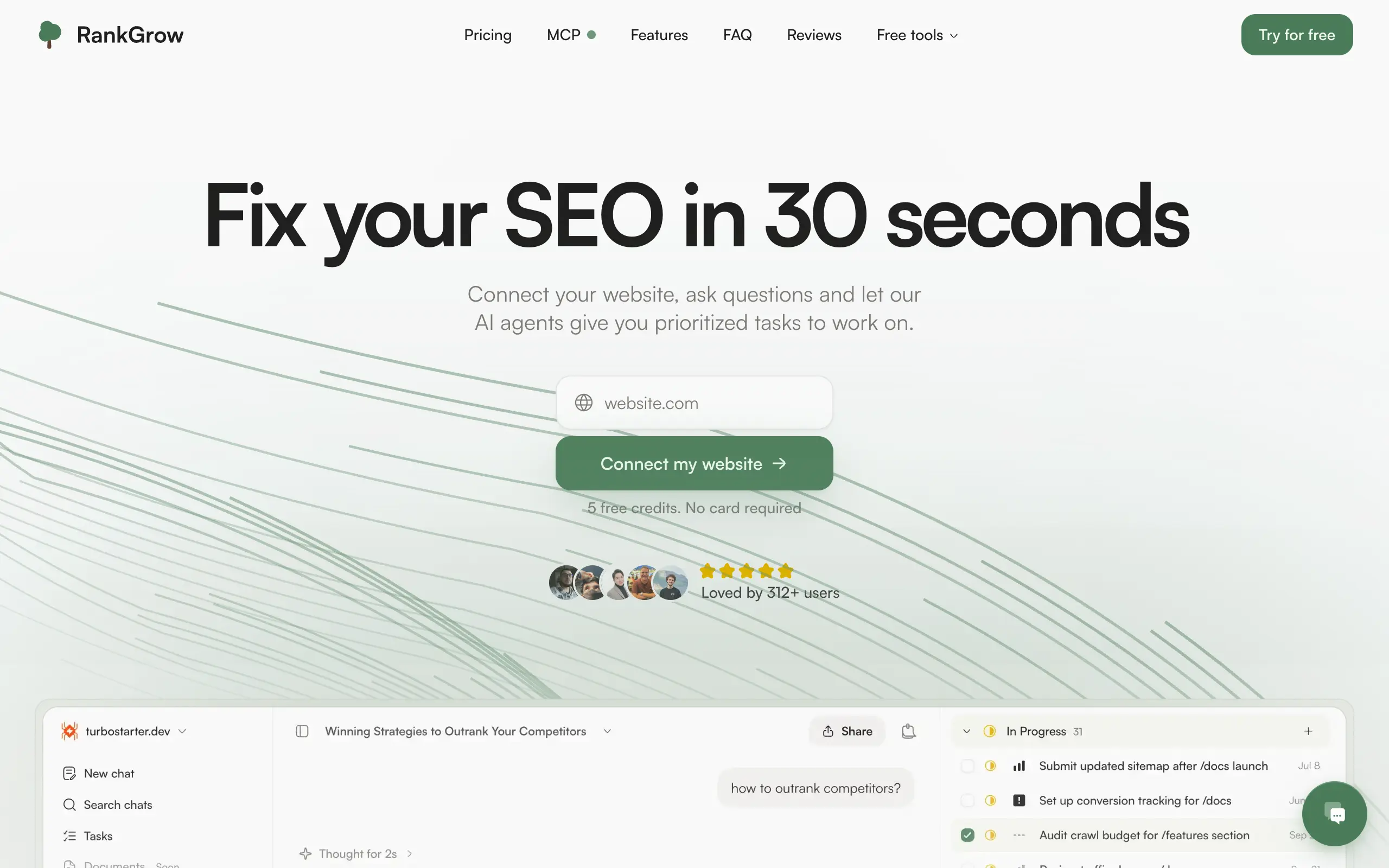
RankGrow
Fix your SEO with AI agents - connect Search Console, get prioritized tasks, and grow organic traffic 📈
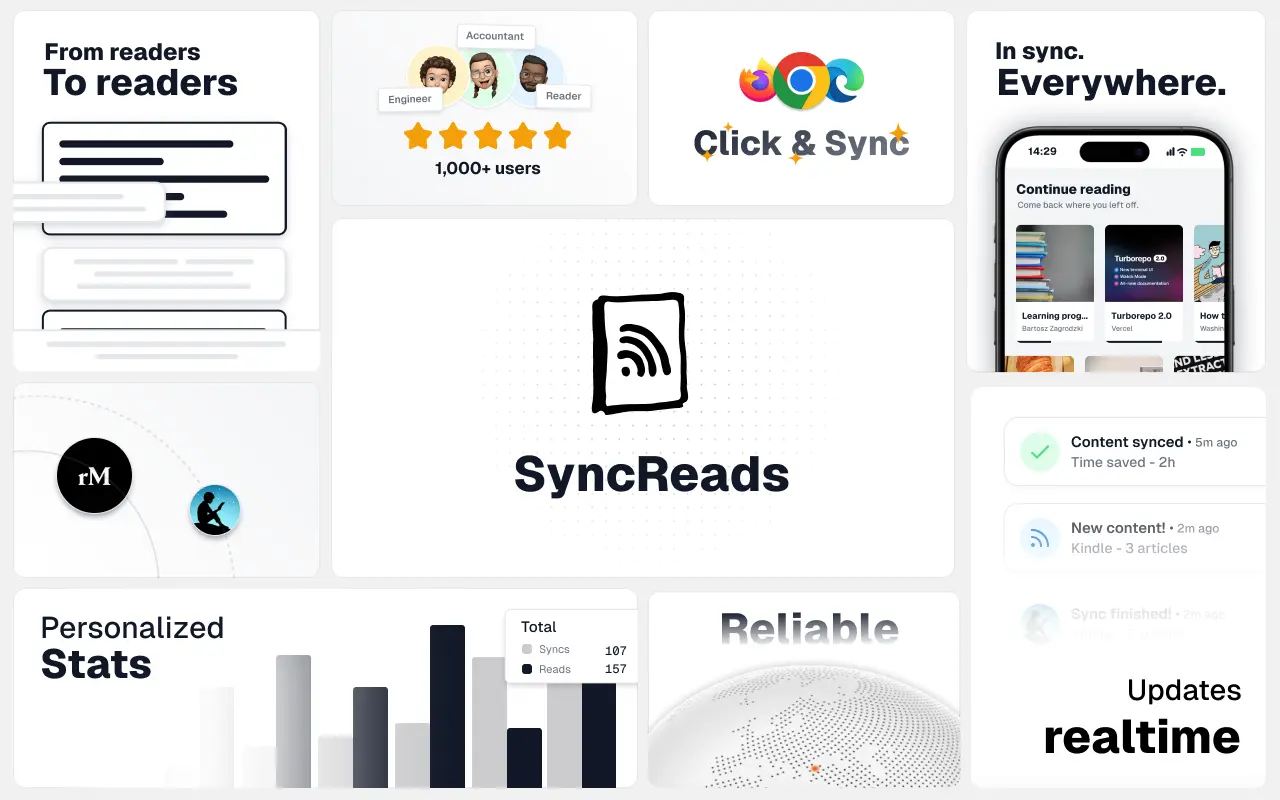
SyncReads
Sync your favorite content for distraction-free reading, save time and replace multiple apps. Anytime, anywhere 🔄
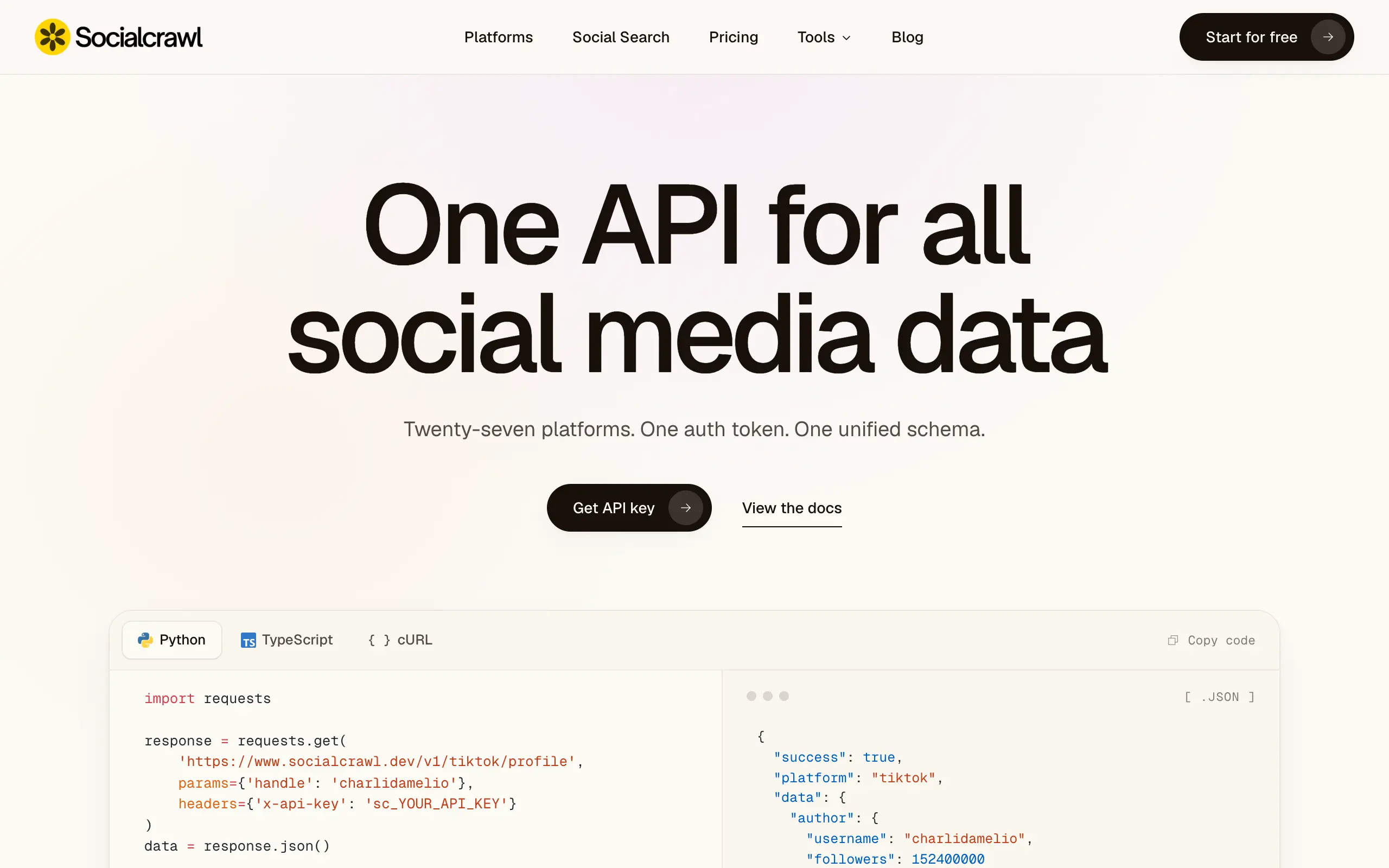
Socialcrawl
Get clean, structured data from 21 platforms like TikTok, Instagram, and YouTube with a single request 📊
Statiko
Monitor any Telegram channel in real time - track posts, edits, deletions, and growth with AI recaps 📡
Shibui
AI website builder - describe your business, pick a niche template, edit by chatting, and publish instantly ✨
Pro Service
Find verified home service professionals, compare quotes, and pay securely through escrow - built for Brazilians across the US 🏠
RankGrow
Fix your SEO with AI agents - connect Search Console, get prioritized tasks, and grow organic traffic 📈
SyncReads
Sync your favorite content for distraction-free reading, save time and replace multiple apps. Anytime, anywhere 🔄
Socialcrawl
Get clean, structured data from 21 platforms like TikTok, Instagram, and YouTube with a single request 📊
Statiko
Monitor any Telegram channel in real time - track posts, edits, deletions, and growth with AI recaps 📡
Shibui
AI website builder - describe your business, pick a niche template, edit by chatting, and publish instantly ✨
Pro Service
Find verified home service professionals, compare quotes, and pay securely through escrow - built for Brazilians across the US 🏠
RankGrow
Fix your SEO with AI agents - connect Search Console, get prioritized tasks, and grow organic traffic 📈
SyncReads
Sync your favorite content for distraction-free reading, save time and replace multiple apps. Anytime, anywhere 🔄
Socialcrawl
Get clean, structured data from 21 platforms like TikTok, Instagram, and YouTube with a single request 📊
Statiko
Monitor any Telegram channel in real time - track posts, edits, deletions, and growth with AI recaps 📡
Shibui
AI website builder - describe your business, pick a niche template, edit by chatting, and publish instantly ✨
Pro Service
Find verified home service professionals, compare quotes, and pay securely through escrow - built for Brazilians across the US 🏠
RankGrow
Fix your SEO with AI agents - connect Search Console, get prioritized tasks, and grow organic traffic 📈
SyncReads
Sync your favorite content for distraction-free reading, save time and replace multiple apps. Anytime, anywhere 🔄
Socialcrawl
Get clean, structured data from 21 platforms like TikTok, Instagram, and YouTube with a single request 📊
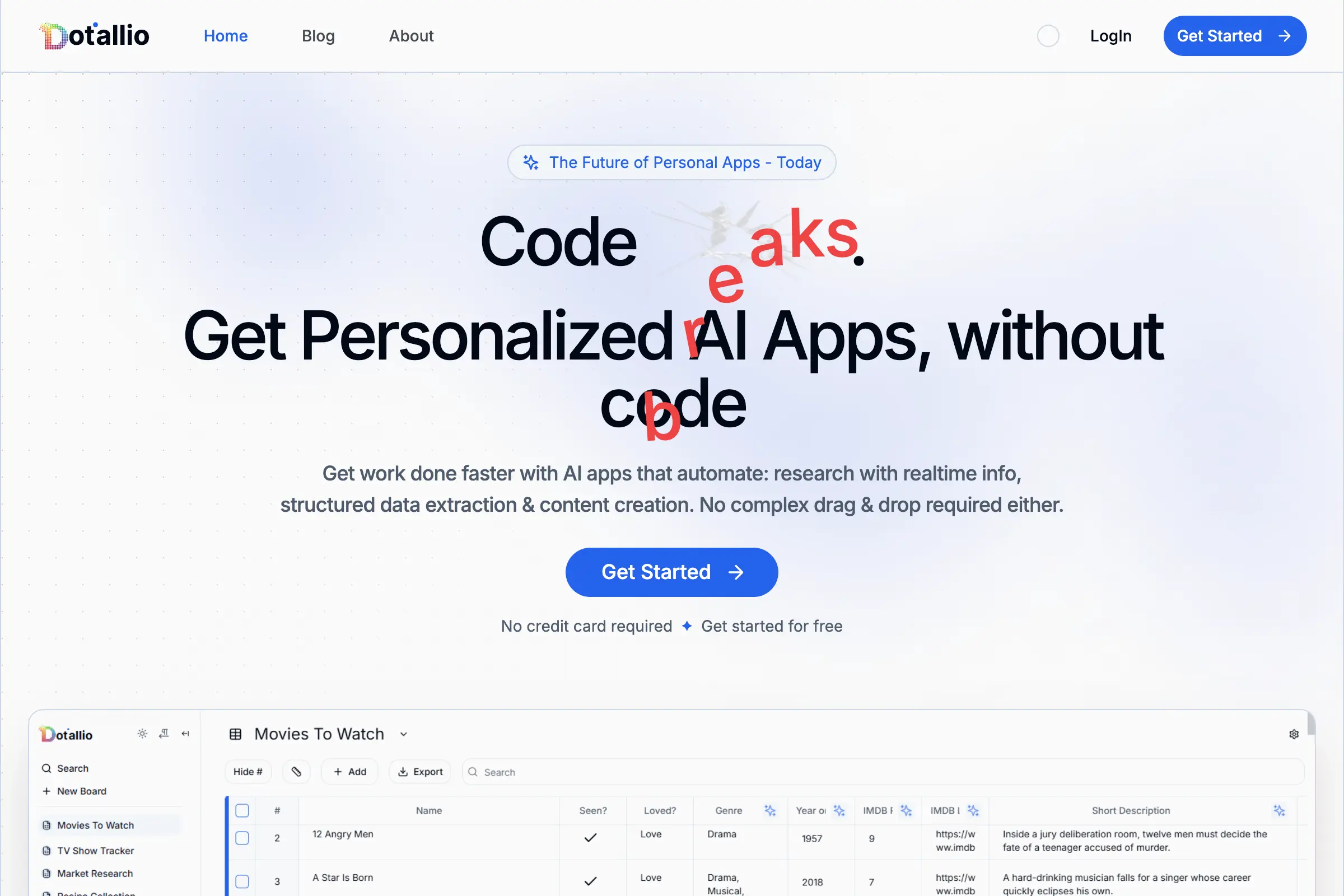
Dotallio
Personalized AI apps that automate research, data extraction, and content creation without code 🤖

Talk to Santa
Enjoy a magical live video chat or receive a unique AI-generated video greeting from Santa Claus 🎅

pozywka.pl
Scalable blog for food journalist, focused on performance and user experience 🌭
zagrodzki.me
Personal blog and portfolio of Bart Zagrodzki, where he shares his knowledge and work 💼
TurboStarter
Ship your startup everywhere. In minutes.
HTML to Markdown
Convert HTML to Markdown with ease, directly in your browser 📄
Dotallio
Personalized AI apps that automate research, data extraction, and content creation without code 🤖
Talk to Santa
Enjoy a magical live video chat or receive a unique AI-generated video greeting from Santa Claus 🎅
pozywka.pl
Scalable blog for food journalist, focused on performance and user experience 🌭
zagrodzki.me
Personal blog and portfolio of Bart Zagrodzki, where he shares his knowledge and work 💼
TurboStarter
Ship your startup everywhere. In minutes.
HTML to Markdown
Convert HTML to Markdown with ease, directly in your browser 📄
Dotallio
Personalized AI apps that automate research, data extraction, and content creation without code 🤖
Talk to Santa
Enjoy a magical live video chat or receive a unique AI-generated video greeting from Santa Claus 🎅
pozywka.pl
Scalable blog for food journalist, focused on performance and user experience 🌭
zagrodzki.me
Personal blog and portfolio of Bart Zagrodzki, where he shares his knowledge and work 💼
TurboStarter
Ship your startup everywhere. In minutes.
HTML to Markdown
Convert HTML to Markdown with ease, directly in your browser 📄
Dotallio
Personalized AI apps that automate research, data extraction, and content creation without code 🤖
Talk to Santa
Enjoy a magical live video chat or receive a unique AI-generated video greeting from Santa Claus 🎅
pozywka.pl
Scalable blog for food journalist, focused on performance and user experience 🌭
zagrodzki.me
Personal blog and portfolio of Bart Zagrodzki, where he shares his knowledge and work 💼
TurboStarter
Ship your startup everywhere. In minutes.
HTML to Markdown
Convert HTML to Markdown with ease, directly in your browser 📄
Omichat
Chat with 50+ AI models, including ChatGPT and Claude, in one place - switch models anytime without losing context 🤖
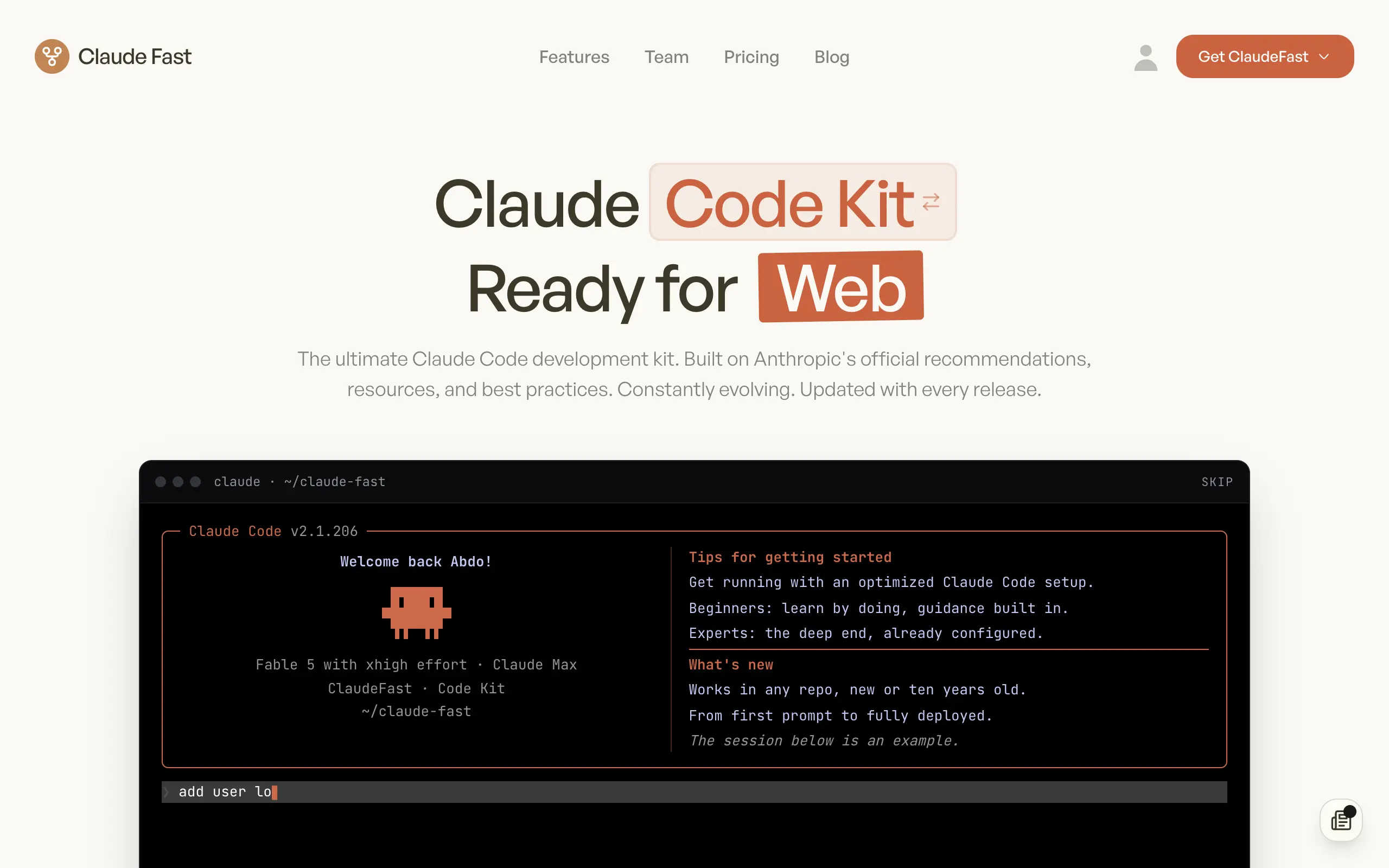
Claude Fast
Supercharge your Claude Code with 6x effective context window and specialized AI agents 🤖
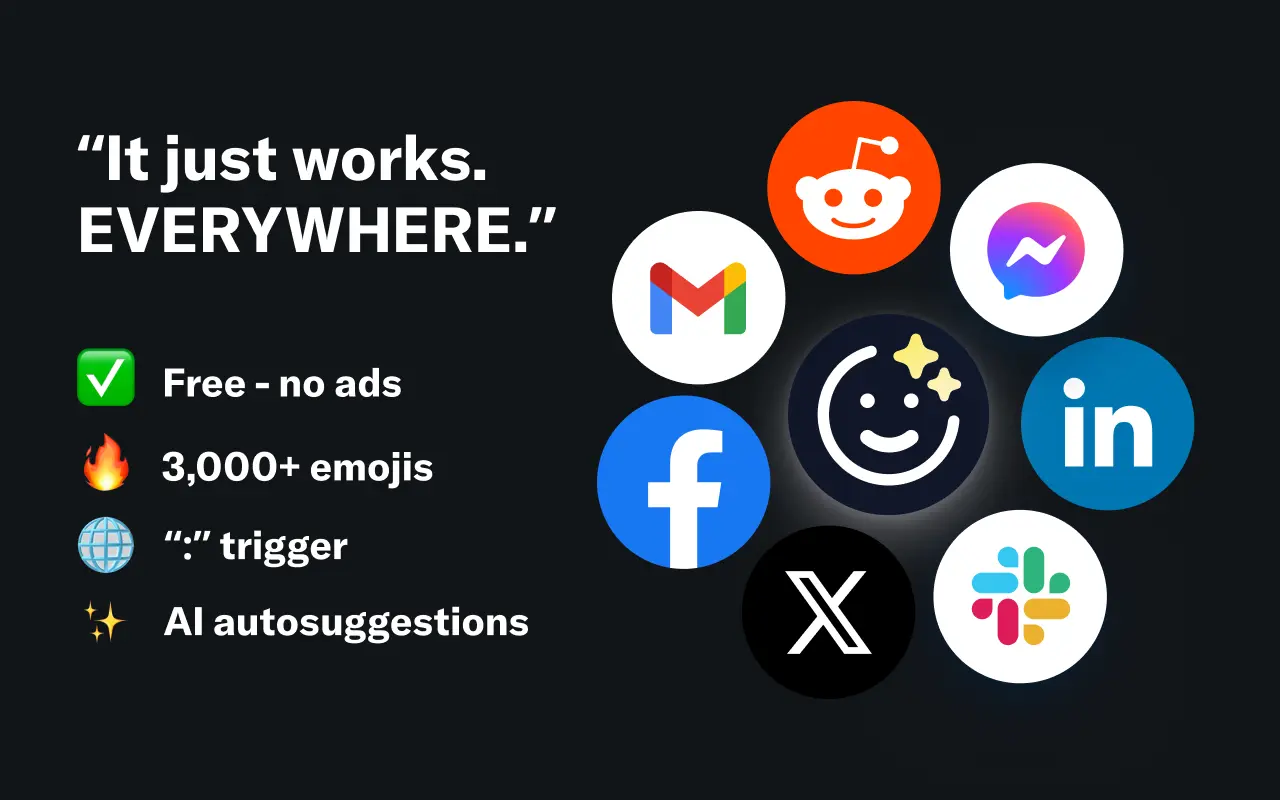
EmojAI
AI-powered emoji picker with smart, context-aware suggestions 🤖

Solohacker
Autonomous company launcher - AI agents work 24/7, escalate what matters, and you stay in control 🤖

BeRawi: Storytelling Coach
Practice storytelling daily with instant feedback to sound clearer, more engaging, and confident 🎤
Omichat
Chat with 50+ AI models, including ChatGPT and Claude, in one place - switch models anytime without losing context 🤖
Claude Fast
Supercharge your Claude Code with 6x effective context window and specialized AI agents 🤖
EmojAI
AI-powered emoji picker with smart, context-aware suggestions 🤖
Solohacker
Autonomous company launcher - AI agents work 24/7, escalate what matters, and you stay in control 🤖
BeRawi: Storytelling Coach
Practice storytelling daily with instant feedback to sound clearer, more engaging, and confident 🎤
Omichat
Chat with 50+ AI models, including ChatGPT and Claude, in one place - switch models anytime without losing context 🤖
Claude Fast
Supercharge your Claude Code with 6x effective context window and specialized AI agents 🤖
EmojAI
AI-powered emoji picker with smart, context-aware suggestions 🤖
Solohacker
Autonomous company launcher - AI agents work 24/7, escalate what matters, and you stay in control 🤖
BeRawi: Storytelling Coach
Practice storytelling daily with instant feedback to sound clearer, more engaging, and confident 🎤
Omichat
Chat with 50+ AI models, including ChatGPT and Claude, in one place - switch models anytime without losing context 🤖
Claude Fast
Supercharge your Claude Code with 6x effective context window and specialized AI agents 🤖
EmojAI
AI-powered emoji picker with smart, context-aware suggestions 🤖
Solohacker
Autonomous company launcher - AI agents work 24/7, escalate what matters, and you stay in control 🤖
BeRawi: Storytelling Coach
Practice storytelling daily with instant feedback to sound clearer, more engaging, and confident 🎤

Connect with like-minded people
Join our community to get feedback, support, and grow together with 1,000+ builders on board, let's ship it!
Join usShip your startup everywhere. In minutes.
Don't burn tokens on setup and start building features on day one.