SupportGPT Manager
A platform for customer support teams that centralizes AI-powered ticket triage, response drafting, sentiment analysis, and FAQ generation. Managers oversee team efficiency via the dashboard, track trends, and optimize workflows. Supports OAuth login, role-based access, and subscription billing for varying support ticket volumes.
slug: supportgpt-manager description: >- SupportGPT Manager is an AI platform tailored for customer support teams—centralizing ticket triage, response drafting, sentiment analysis, FAQ generation, team analytics, and workflow optimization. This in-depth guide covers its core features, market potential, target users, technical stack, business model, and actionable steps to build a leading AI customer support SaaS.
Understanding user intent for SupportGPT Manager
Before diving into the technical and market intricacies of SupportGPT Manager, it's crucial to address why you're likely searching for this information. Most readers interested in this concept seek:
- Inspiration for building a next-gen SaaS product in the customer support AI space.
- Validation of the idea's market need, competitive differentiators, and monetization potential.
- Insights into technical implementation, architecture, and integration with modern tools.
- Guidance on go-to-market strategy, risks, and execution steps.
- Expert perspective and up-to-date context in AI-driven customer support workflow optimization.
This comprehensive guide is crafted with these user intents in mind, providing a deep dive into every major success factor for SupportGPT Manager.
Target audience analysis: Who benefits most from SupportGPT Manager?
A fundamental step in validating and designing an AI-powered support platform is identifying and understanding the target users and their specific pain points.
Primary user personas
1. Customer Support Managers & Team Leads
- Oversee daily operations and team performance.
- Seek actionable insights into support volume, agent efficiency, and trends.
- Responsible for improving customer satisfaction scores and reducing response times.
2. Support Agents & Representatives
- Handle incoming queries/tickets via email, chat, or phone.
- Need quick access to accurate, consistent response templates.
- Desire automation for routine tasks and fewer manual ticket triaging steps.
3. Operations & Quality Assurance Teams
- Monitor metrics such as ticket backlog, sentiment changes, and escalations.
- Analyze team workload distribution and root causes for spikes/dips in support demand.
4. SaaS Businesses, E-commerce, and Enterprises
- Rely on timely, effective customer service to boost retention.
- Require scalable, secure solutions as volume grows.
Secondary and extended audiences
- Startups scaling their support function rapidly.
- BPO & outsourcing firms serving multiple clients.
- Integrators and solution consultants seeking best-in-class AI support systems.
Core pain points addressed
- Manual ticket triage is slow and error-prone.
- Responses can be inconsistent across agents.
- Lack of actionable analytics on performance and sentiment.
- Difficulty maintaining/updating accurate FAQs.
- Need for granular access control and secure authentication (e.g., OAuth, role-based permissions).
- Flexible billing aligned to fluctuating ticket volumes.
Identifying the market opportunity & gap
The customer support SaaS market is crowded... but rapidly evolving:
Industry trends & statistics
- AI in customer service is projected to reach $11 billion+ by 2027 ([source suggestion: Gartner, 2023]).
- 89% of businesses compete primarily on the basis of customer experience ([source suggestion: Forbes, 2022]).
- GenAI (e.g., GPT-4) is revolutionizing response generation, summarization, and intent detection.
Where existing support platforms fall short
Many established platforms offer some degree of automation (Zendesk, Freshdesk, Intercom), but most:
- Focus on ticket management rather than holistic AI-driven workflow optimization.
- Require heavy manual configuration for triage rules and FAQ updates.
- Lack robust sentiment analytics, making CX trend tracking difficult.
- Provide limited transparency for managers into team performance metrics.
- Offer rigid pricing models not tailored for scaling support teams.
The unique gap SupportGPT Manager fills
- Deep, integrated AI: Multi-layered AI features (triage, drafting, sentiment, FAQ) within a single UX—reducing the tool sprawl.
- Manager-centric analytics: Real-time dashboards surface agent efficiency, backlog health, and workflow bottlenecks.
- Adaptive automation: Learns and optimizes across both agent behaviors and customer sentiment.
- Flexible access and billing: OAuth, robust RBAC, usage-based subscription—fit for teams of any size.
Core features and solution details
SupportGPT Manager stands apart by orchestrating several high-value AI solutions into a seamless platform.
AI-powered ticket triage
Automated categorization, routing, and prioritization of incoming tickets using LLM-based intent detection and sentiment analysis.
Response drafting
One-click suggested replies powered by contextual AI, tailored to company knowledge base and recent ticket history.
Sentiment analysis
Automatic classification of customer mood, urgency, and escalation risk for every interaction—enabling early intervention.
FAQ generation
Continuous mining of ticket logs for common questions and patterns to auto-build and refine self-serve content.
Role-based dashboard
Granular insights into agent workloads, ticket backlog, SLA compliance, and trending issues, with exportable reports.
OAuth & secure access
Easy, secure login with Google, Microsoft, and SSO options; fully customizable role/permission settings.
Subscription billing
Tiered and usage-based pricing aligned to support ticket volume—integrated with Stripe or similar provider.
Feature deep-dive
AI ticket triage
- Employs LLMs to parse and route tickets by topic, intent, urgency.
- Integrates with existing ticket streams (e.g., Zendesk, Intercom APIs).
- Reduces manual sorting and ensures faster routing to the right agent/pod.
Response drafting
- Leverages company documentation and prior ticket resolutions.
- Suggests personalized responses, editable before sending.
- Supports multi-language output for global teams.
Sentiment analysis
- Detects nuanced emotions in customer communication (frustration, confusion, appreciation).
- Flags high-risk tickets for escalation pathways.
FAQ automation
- Extracts key question-answer pairs using NLP.
- Surfaces new/unknown questions to managers for approval.
- Publishes to internal/external knowledge base automatically.
Manager dashboard
- Visualizes agent efficiency, SLA adherence, and sentiment trends.
- Pinpoints root causes of recurring issues.
- Enables CSV/Excel export and integration with BI tools.
Recommended tech stack: Modern, scalable, and secure
Selecting the right stack is crucial for both performance and developer velocity.
Core application framework
- Frontend: React (for interactive UI), TailwindCSS (rapid, responsive design).
- Backend: Node.js or Python FastAPI (performance, async processing, LLM API integration).
- Database: PostgreSQL (robust RDBMS, complex queries), Redis (caching, real-time queues).
AI and machine learning
- LLM API providers: OpenAI, Cohere, or self-hosted Hugging Face models (trade-off: cost vs. control).
- Sentiment & FAQ extraction: Custom transformers or fine-tuned BERT models (Hugging Face).
- Ticket intent models: Pre-trained intent detection pipelines.
Authentication and access
- OAuth providers: Google, Microsoft, generic OAuth2.
- RBAC: Node/Express middleware, or Python libraries like Casbin.
Billing & payments
- Stripe Billing: Usage/tier-based subscriptions, proration, invoice automation.
Observability & deployment
- Logging/monitoring: Datadog, Sentry.
- Cloud deployment: AWS, Vercel, or DigitalOcean.
Tech stack trade-offs
- OpenAI API for LLM = Lower maintenance, but recurring cost and SaaS data privacy concerns.
- Self-hosting Hugging Face models = More control, but higher upfront ML engineering/setup costs.
- Stripe for billing = Fastest to launch, versus building a custom billing engine.
Monetization strategy: Unlocking business value
SupportGPT Manager's greatest asset is its clear, scalable value proposition for customer-centric businesses. Multiple pricing strategies can blend for maximum reach and revenue.
Recommended pricing models
-
Tiered subscription (per ticket/month):
- Starter (e.g., 2,000 tickets/month)
- Growth (e.g., 10,000 tickets/month)
- Pro/Enterprise (custom volume + advanced features)
-
Usage-based billing:
- Pay-as-you-go for seasonal spikes.
- Ideal for BPOs or variable-volume teams.
-
Add-on upsells:
- Premium integrations (e.g., custom CRM sync)
- Advanced analytics & SLA enforcement
- Concierge onboarding or custom AI tuning
-
Free trial/freemium:
- Limited volume or features to drive adoption and demonstrate ROI
-
Annual contracts & volume discounts:
- Lower churn, more predictable revenue for established teams
Differentiators in monetization strategy
- Usage-based options set SupportGPT Manager apart from most rigid-seat SaaS models.
- Automated proration and easy upgrades/downgrades reduce friction and increase average contract value (ACV).
Potential risks and mitigation strategies
Building any sophisticated AI SaaS brings challenges—especially one trusted with sensitive customer data.
- Regular human-in-the-loop QA for AI-generated responses before sending.
- Allow agents/managers to override and flag problematic outputs.
- Continuous fine-tuning and prompt optimization based on feedback.
- Store PII/PHI securely (encrypt at rest/in transit).
- Offer clear data retention and audit features.
- Comply with GDPR, SOC2, and relevant local laws.
- Pre-built connectors for major platforms (Zendesk, Intercom, Salesforce).
- Robust API documentation and sandbox environment.
- Concierge onboarding for high-value clients.
- Strong email/identity verification on OAuth.
- Usage alerts, anti-abuse logic, auto-throttling of suspicious activity.
Competitive advantage analysis
Stacking up against established giants and nimble upstarts is essential. Here’s how SupportGPT Manager distinguishes itself in the fiercely contested customer support AI landscape.
| Feature | SupportGPT Manager | Zendesk | Freshdesk | Intercom |
|---|---|---|---|---|
| Multi-layered AI triage | ✅ | ❌ | ❌ | ✅ |
| Integrated FAQ automation | ✅ | ❌ | ✅ | ✅ |
| Sentiment analytics dashboard | ✅ | ❌ | ❌ | ✅ |
| Flexible usage-based billing | ✅ | ❌ | ❌ | ❌ |
| Custom role-based RBAC | ✅ | ❌ | ❌ | ❌ |
Unique selling proposition (USP)
SupportGPT Manager delivers unrivaled speed-to-value by combining multi-layered AI (triage, response, sentiment, FAQs) with a manager-focused, data-driven dashboard and bulletproof access controls—in a single seamless suite.
Actionable implementation steps: Go from concept to launch
Creating a robust AI SaaS platform like SupportGPT Manager requires thoughtful planning and staged development.
Frequently asked questions (FAQ)
All customer data is encrypted both in transit and at rest. The platform is designed with GDPR compliance in mind. Customers can configure data retention and audit logs, with options for EU-only hosting.
Yes, the system is built to be LLM provider-agnostic. Enterprises can configure connections to self-hosted Hugging Face endpoints or other private models.
Out-of-the-box connectors for Zendesk, Intercom, and most standard email APIs are included. More integrations are continually added.
Usage-based subscriptions allow accounts to handle variable support volumes without penalty—ideal for fast-growing SaaS or high-season e-commerce.
Conclusion: Bring AI-powered customer support to your team
SupportGPT Manager answers today's customer experience and operational efficiency challenges with a unified, AI-enhanced approach. It centralizes the power of LLMs for triage, drafting, sentiment analysis, and content automation, wrapped in a manager-first dashboard that empowers growth-focused support teams.
Ready to supercharge your support workflows with AI? Leverage rapid prototyping, modern open-source tools, and the latest LLM technology—don't start from scratch when you can accelerate from day one with TurboStarter.
Key resources
- React for front-end development
- TailwindCSS for styling
- OpenAI, Hugging Face for AI/ML integration
- Stripe for subscription billing
- TurboStarter for rapid SaaS boilerplate and deployment
For stats and research claims in this article, refer to leading sources such as Gartner for industry forecasts, Statista and Forbes for customer experience data, and OpenAI for LLM best practices.
SupportGPT Manager isn't just another customer support tool—it's your bridge to the future of operational excellence and customer loyalty. Start building, innovating, and scaling today.
More 🤖 AI Startup SaaS ideas
Discover more innovative ai startup SaaS ideas that are trending in 2026. Each idea is AI-generated with market validation and growth potential to help you find your next profitable venture faster than competitors.
Your competitors are building with TurboStarter
Below are some of the SaaS ideas that have been generated and built with our starter kit.
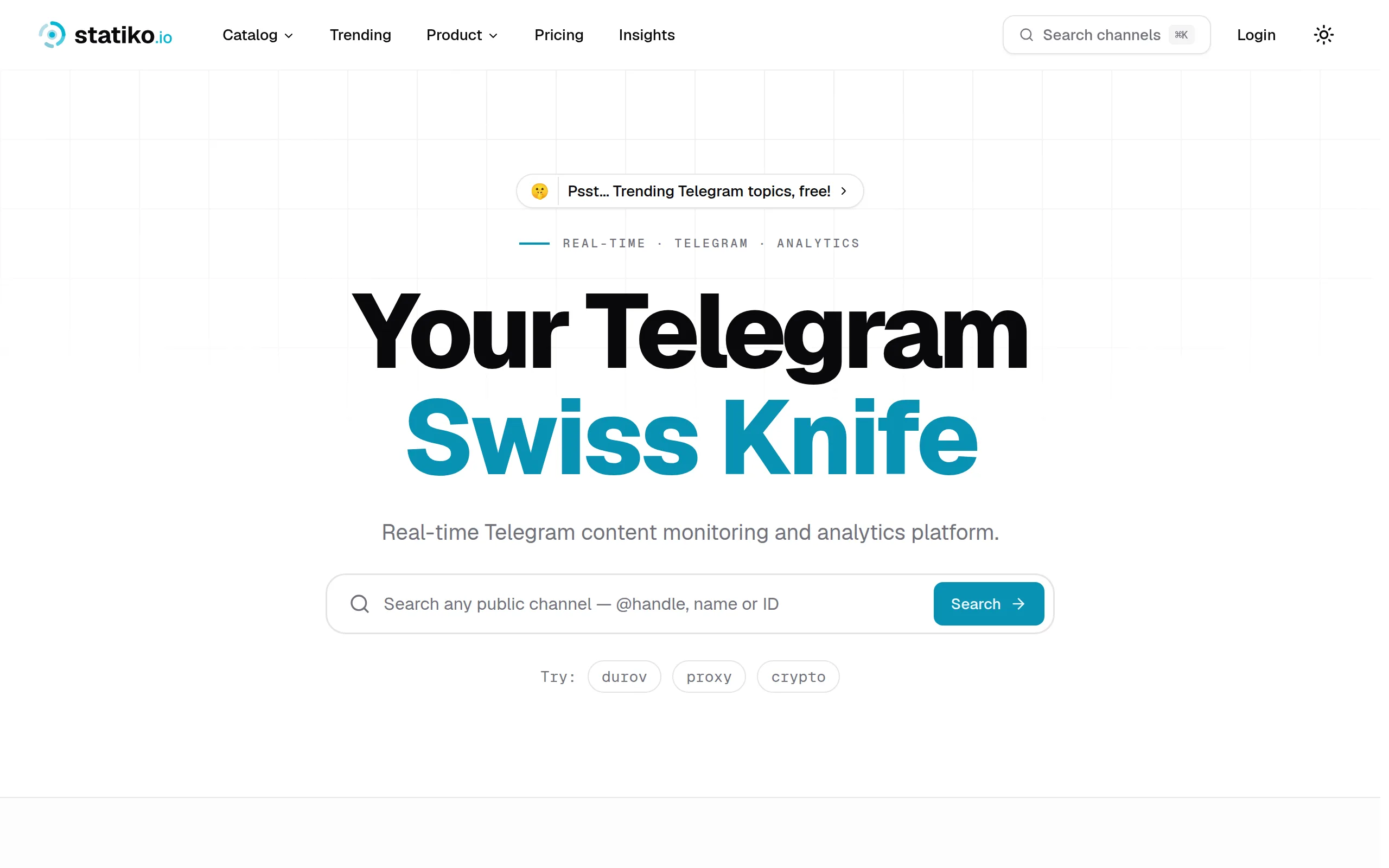
Statiko
Monitor any Telegram channel in real time - track posts, edits, deletions, and growth with AI recaps 📡

Shibui
AI website builder - describe your business, pick a niche template, edit by chatting, and publish instantly ✨

Pro Service
Find verified home service professionals, compare quotes, and pay securely through escrow - built for Brazilians across the US 🏠
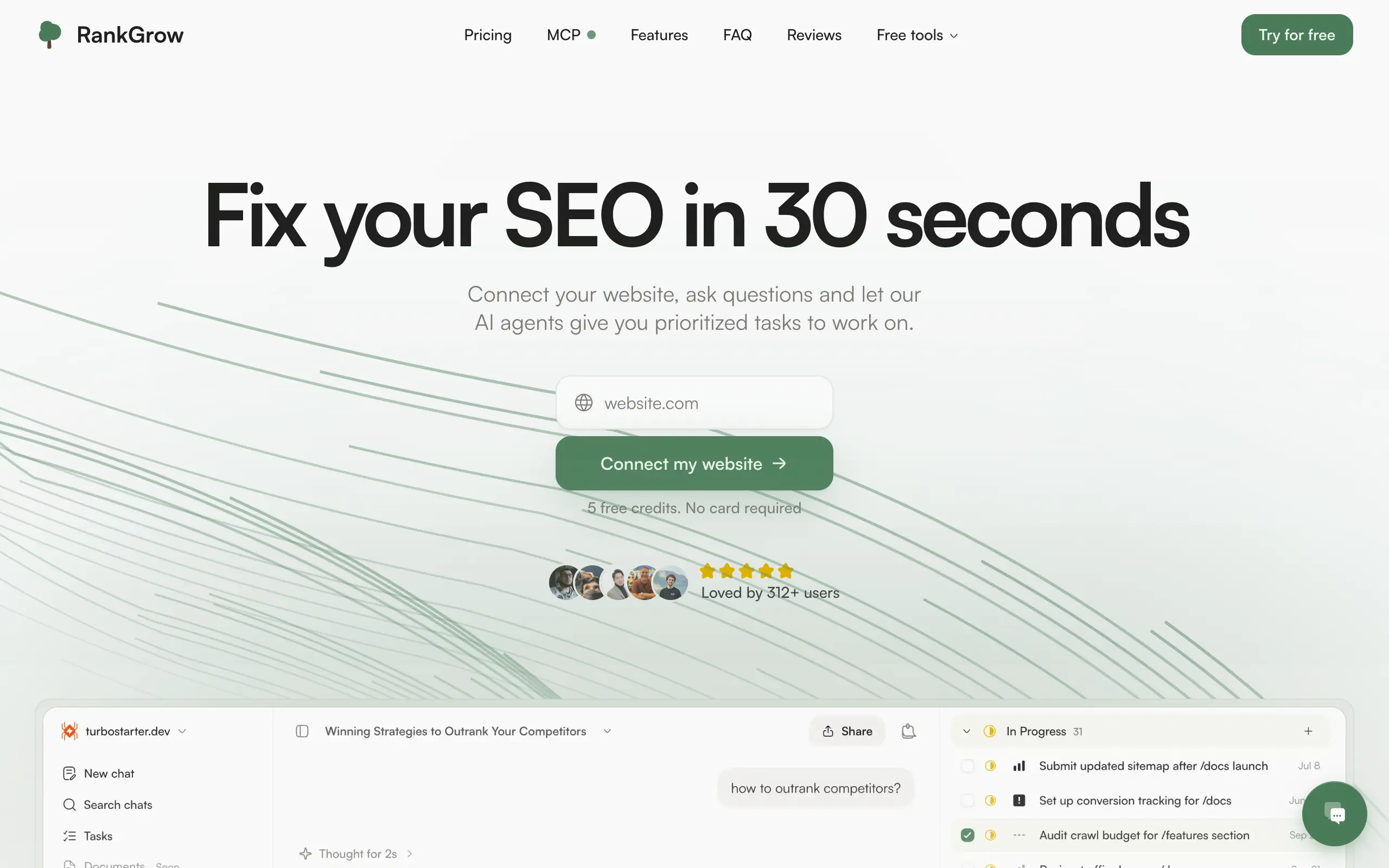
RankGrow
Fix your SEO with AI agents - connect Search Console, get prioritized tasks, and grow organic traffic 📈
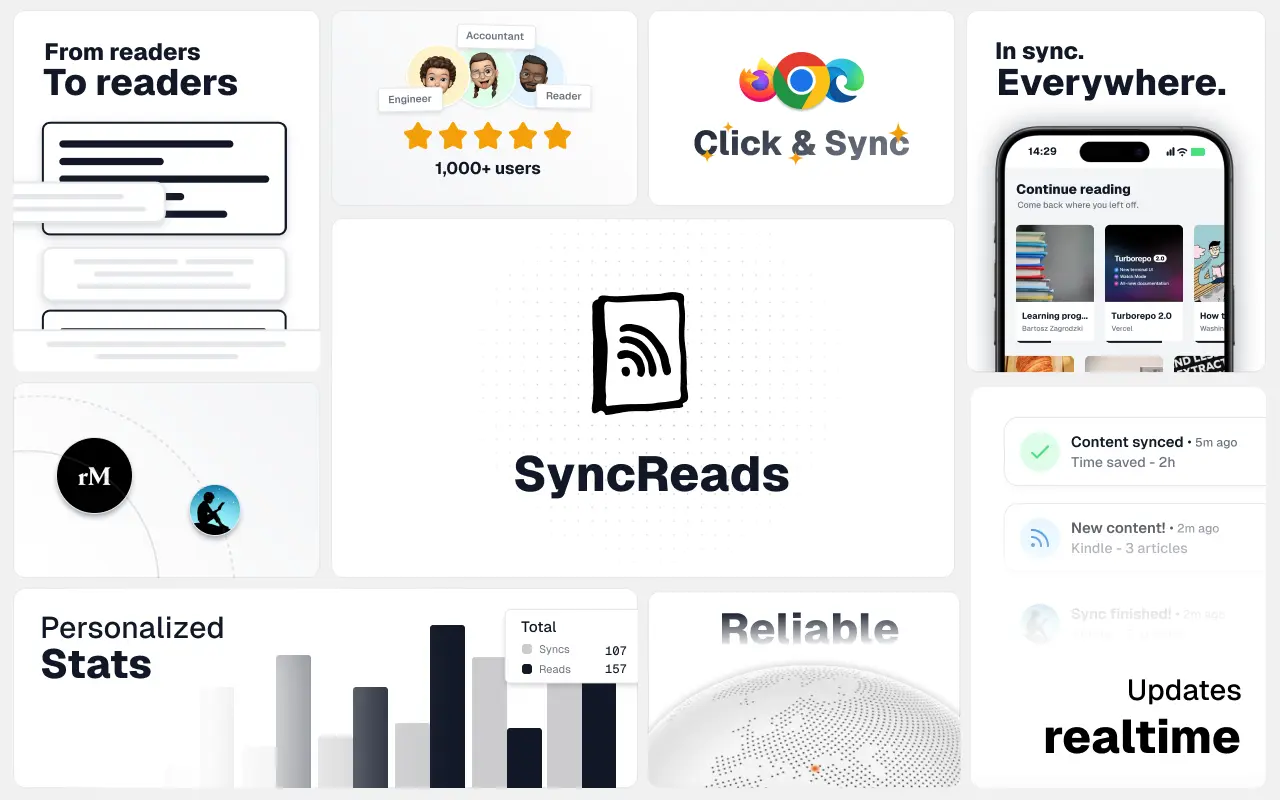
SyncReads
Sync your favorite content for distraction-free reading, save time and replace multiple apps. Anytime, anywhere 🔄
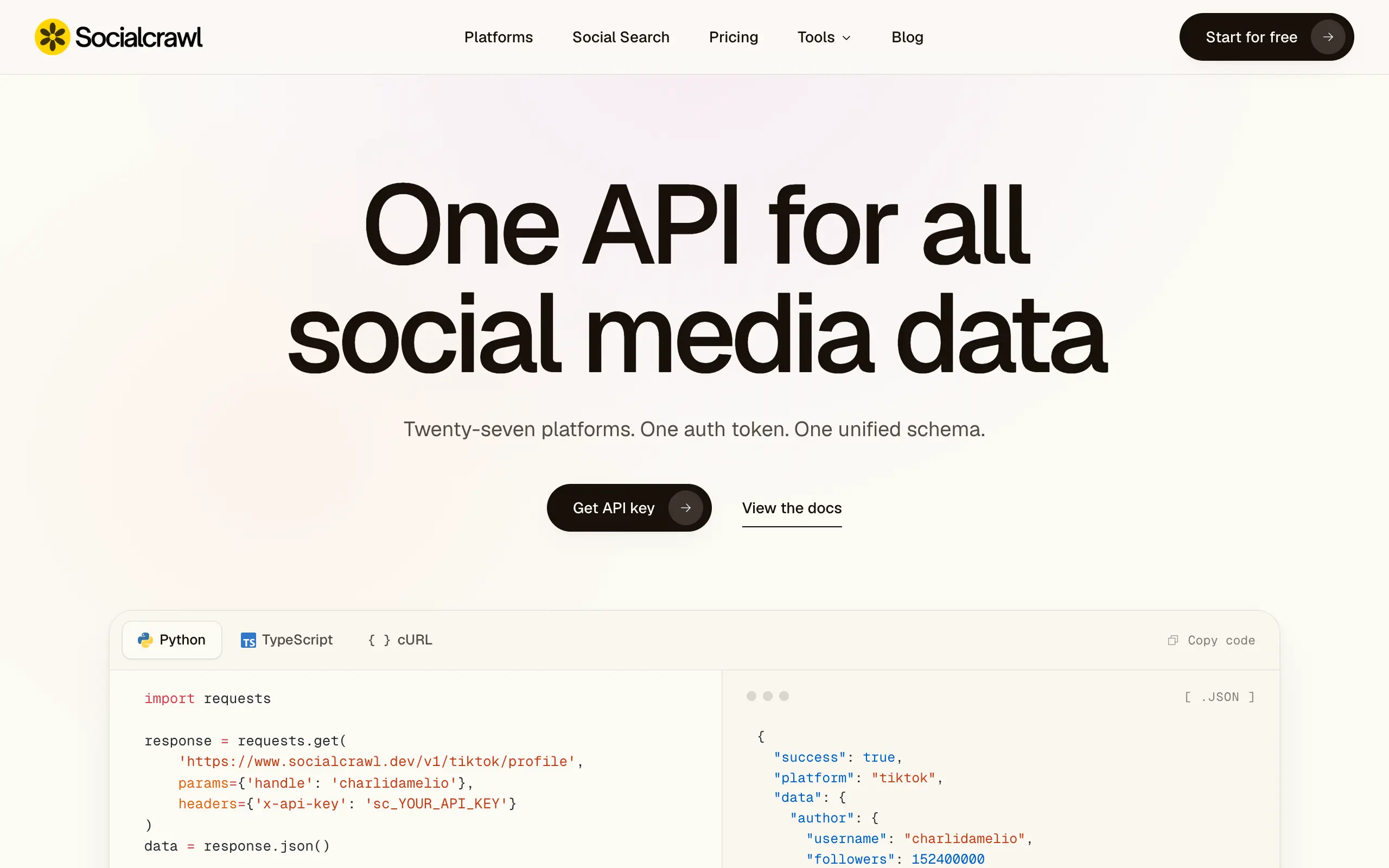
Socialcrawl
Get clean, structured data from 21 platforms like TikTok, Instagram, and YouTube with a single request 📊
Statiko
Monitor any Telegram channel in real time - track posts, edits, deletions, and growth with AI recaps 📡
Shibui
AI website builder - describe your business, pick a niche template, edit by chatting, and publish instantly ✨
Pro Service
Find verified home service professionals, compare quotes, and pay securely through escrow - built for Brazilians across the US 🏠
RankGrow
Fix your SEO with AI agents - connect Search Console, get prioritized tasks, and grow organic traffic 📈
SyncReads
Sync your favorite content for distraction-free reading, save time and replace multiple apps. Anytime, anywhere 🔄
Socialcrawl
Get clean, structured data from 21 platforms like TikTok, Instagram, and YouTube with a single request 📊
Statiko
Monitor any Telegram channel in real time - track posts, edits, deletions, and growth with AI recaps 📡
Shibui
AI website builder - describe your business, pick a niche template, edit by chatting, and publish instantly ✨
Pro Service
Find verified home service professionals, compare quotes, and pay securely through escrow - built for Brazilians across the US 🏠
RankGrow
Fix your SEO with AI agents - connect Search Console, get prioritized tasks, and grow organic traffic 📈
SyncReads
Sync your favorite content for distraction-free reading, save time and replace multiple apps. Anytime, anywhere 🔄
Socialcrawl
Get clean, structured data from 21 platforms like TikTok, Instagram, and YouTube with a single request 📊
Statiko
Monitor any Telegram channel in real time - track posts, edits, deletions, and growth with AI recaps 📡
Shibui
AI website builder - describe your business, pick a niche template, edit by chatting, and publish instantly ✨
Pro Service
Find verified home service professionals, compare quotes, and pay securely through escrow - built for Brazilians across the US 🏠
RankGrow
Fix your SEO with AI agents - connect Search Console, get prioritized tasks, and grow organic traffic 📈
SyncReads
Sync your favorite content for distraction-free reading, save time and replace multiple apps. Anytime, anywhere 🔄
Socialcrawl
Get clean, structured data from 21 platforms like TikTok, Instagram, and YouTube with a single request 📊
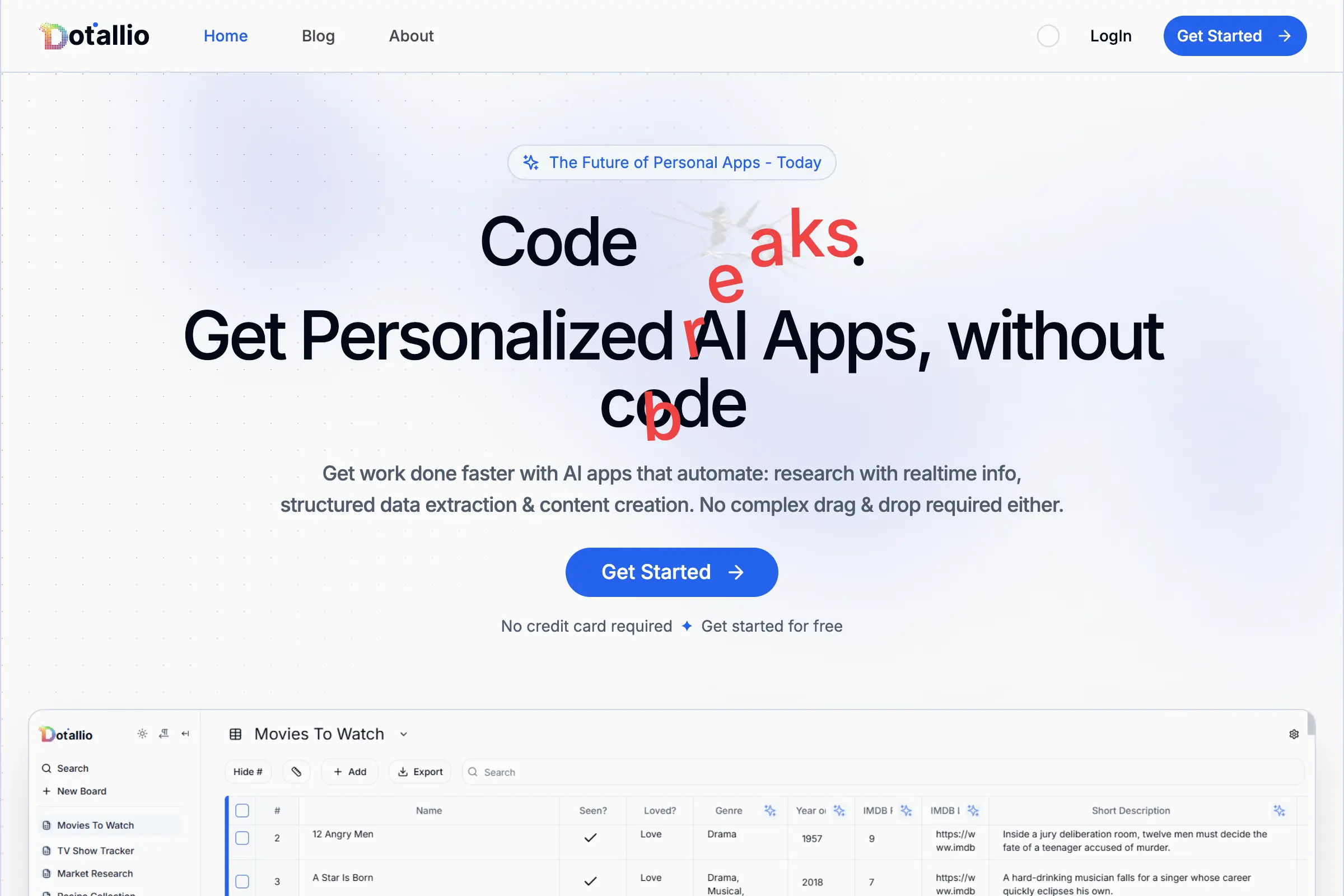
Dotallio
Personalized AI apps that automate research, data extraction, and content creation without code 🤖

Talk to Santa
Enjoy a magical live video chat or receive a unique AI-generated video greeting from Santa Claus 🎅
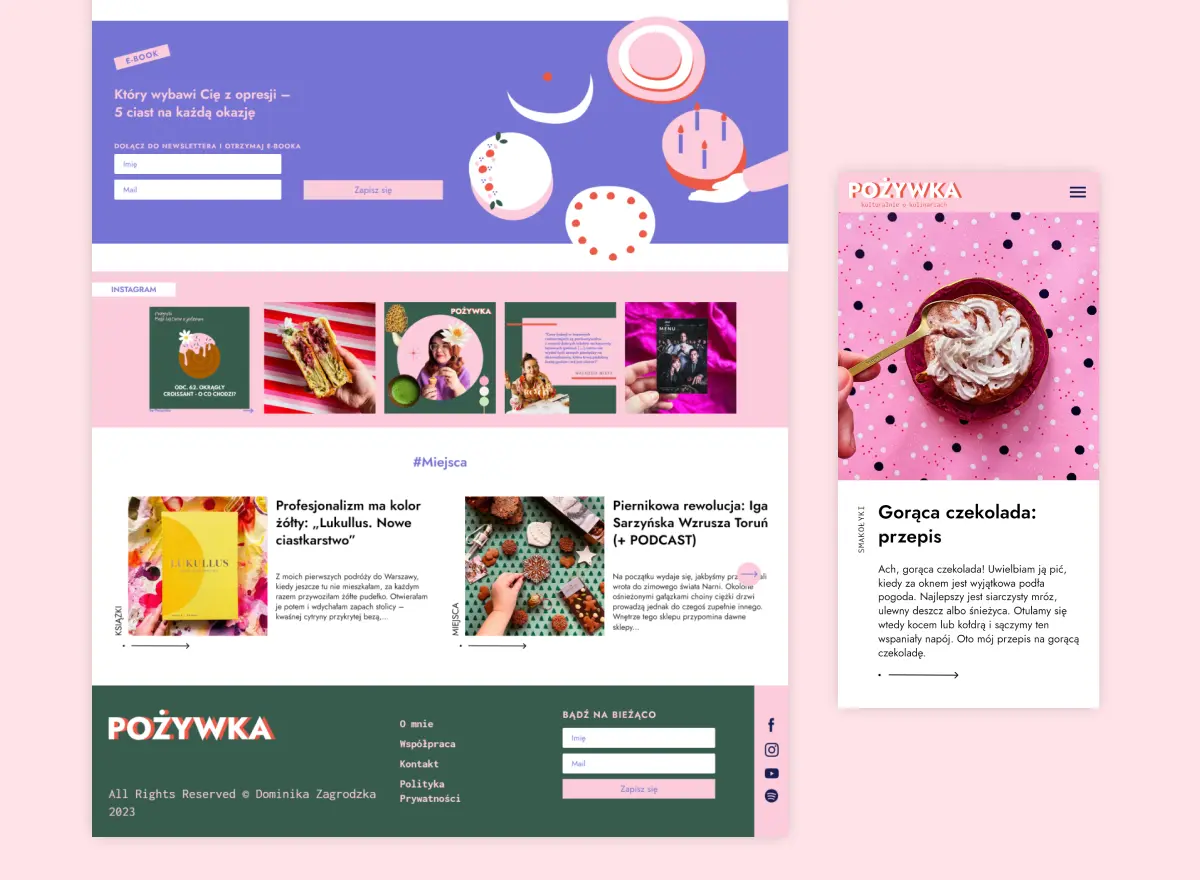
pozywka.pl
Scalable blog for food journalist, focused on performance and user experience 🌭
zagrodzki.me
Personal blog and portfolio of Bart Zagrodzki, where he shares his knowledge and work 💼
TurboStarter
Ship your startup everywhere. In minutes.
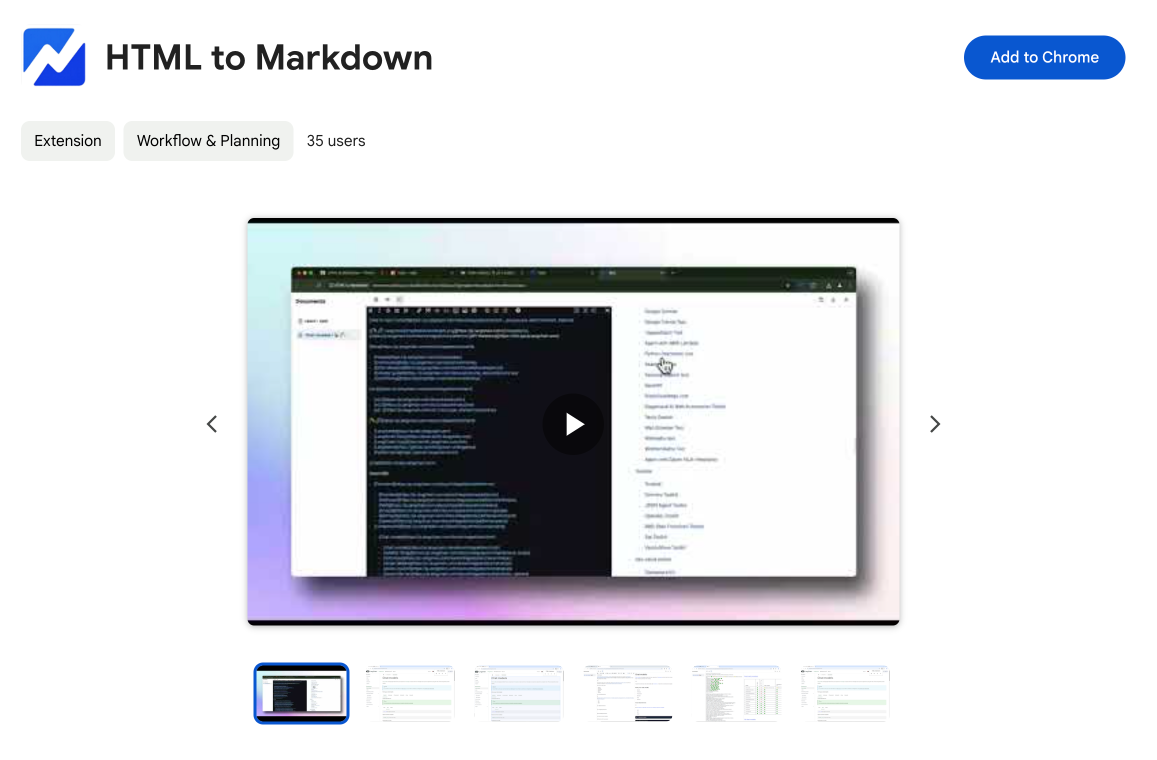
HTML to Markdown
Convert HTML to Markdown with ease, directly in your browser 📄
Dotallio
Personalized AI apps that automate research, data extraction, and content creation without code 🤖
Talk to Santa
Enjoy a magical live video chat or receive a unique AI-generated video greeting from Santa Claus 🎅
pozywka.pl
Scalable blog for food journalist, focused on performance and user experience 🌭
zagrodzki.me
Personal blog and portfolio of Bart Zagrodzki, where he shares his knowledge and work 💼
TurboStarter
Ship your startup everywhere. In minutes.
HTML to Markdown
Convert HTML to Markdown with ease, directly in your browser 📄
Dotallio
Personalized AI apps that automate research, data extraction, and content creation without code 🤖
Talk to Santa
Enjoy a magical live video chat or receive a unique AI-generated video greeting from Santa Claus 🎅
pozywka.pl
Scalable blog for food journalist, focused on performance and user experience 🌭
zagrodzki.me
Personal blog and portfolio of Bart Zagrodzki, where he shares his knowledge and work 💼
TurboStarter
Ship your startup everywhere. In minutes.
HTML to Markdown
Convert HTML to Markdown with ease, directly in your browser 📄
Dotallio
Personalized AI apps that automate research, data extraction, and content creation without code 🤖
Talk to Santa
Enjoy a magical live video chat or receive a unique AI-generated video greeting from Santa Claus 🎅
pozywka.pl
Scalable blog for food journalist, focused on performance and user experience 🌭
zagrodzki.me
Personal blog and portfolio of Bart Zagrodzki, where he shares his knowledge and work 💼
TurboStarter
Ship your startup everywhere. In minutes.
HTML to Markdown
Convert HTML to Markdown with ease, directly in your browser 📄
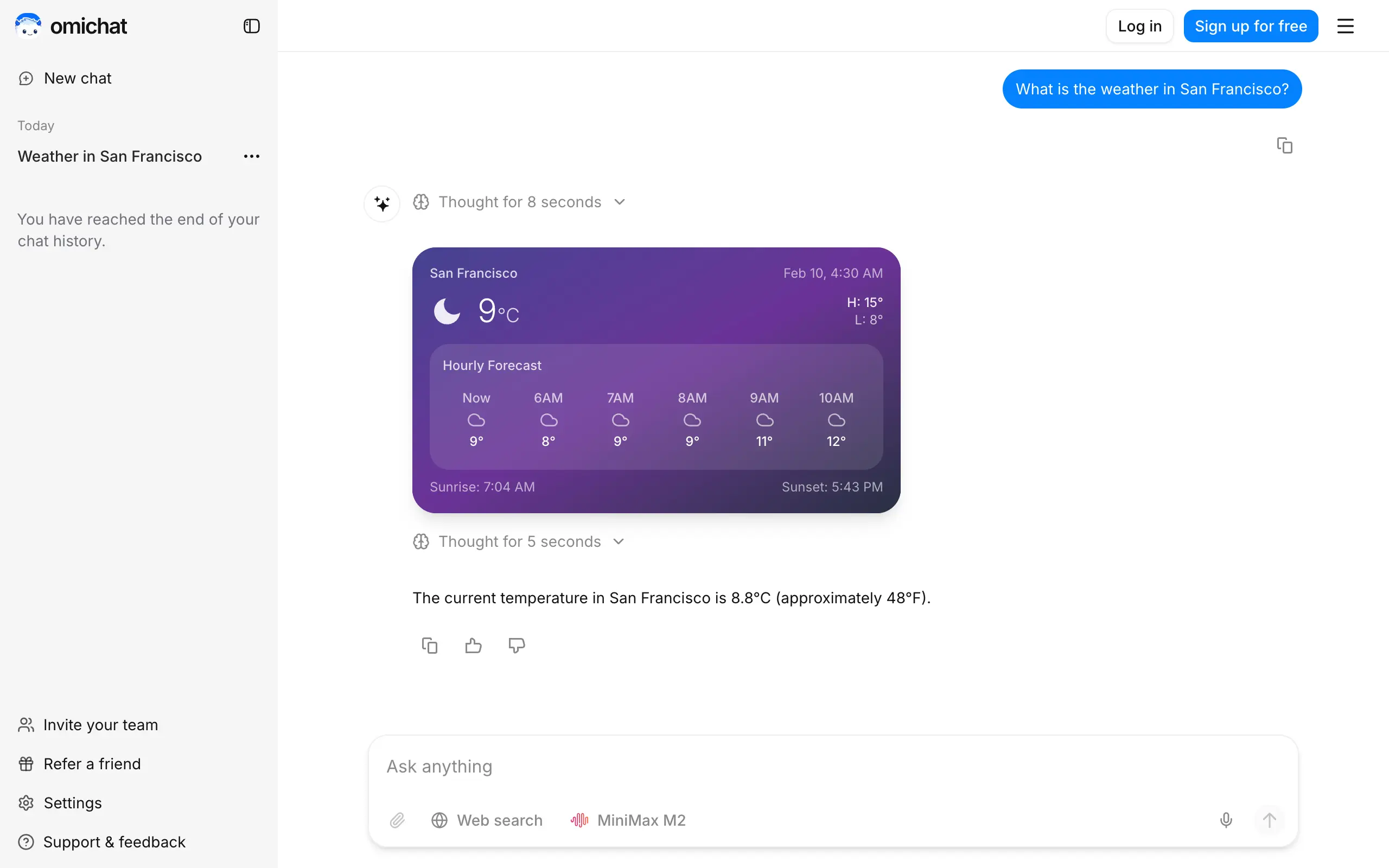
Omichat
Chat with 50+ AI models, including ChatGPT and Claude, in one place - switch models anytime without losing context 🤖
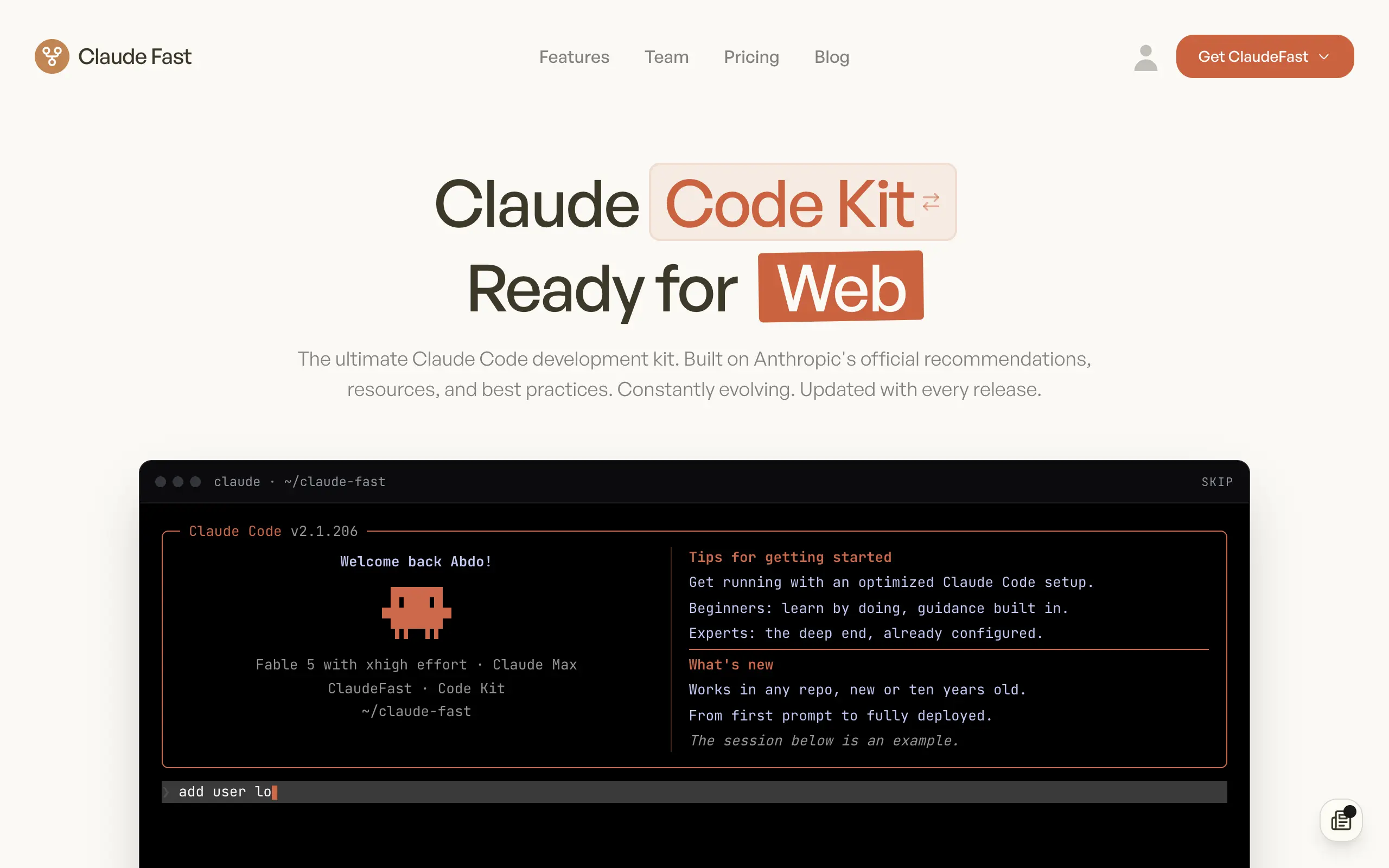
Claude Fast
Supercharge your Claude Code with 6x effective context window and specialized AI agents 🤖
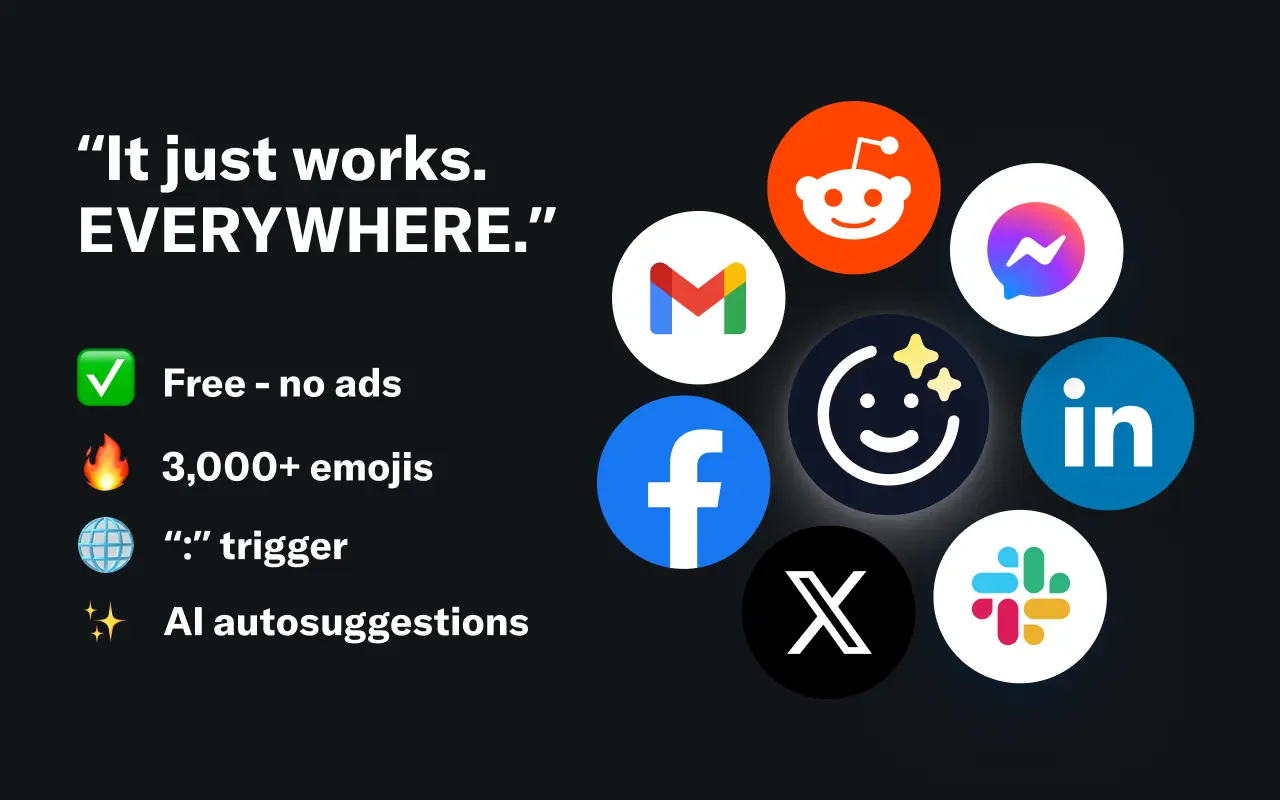
EmojAI
AI-powered emoji picker with smart, context-aware suggestions 🤖
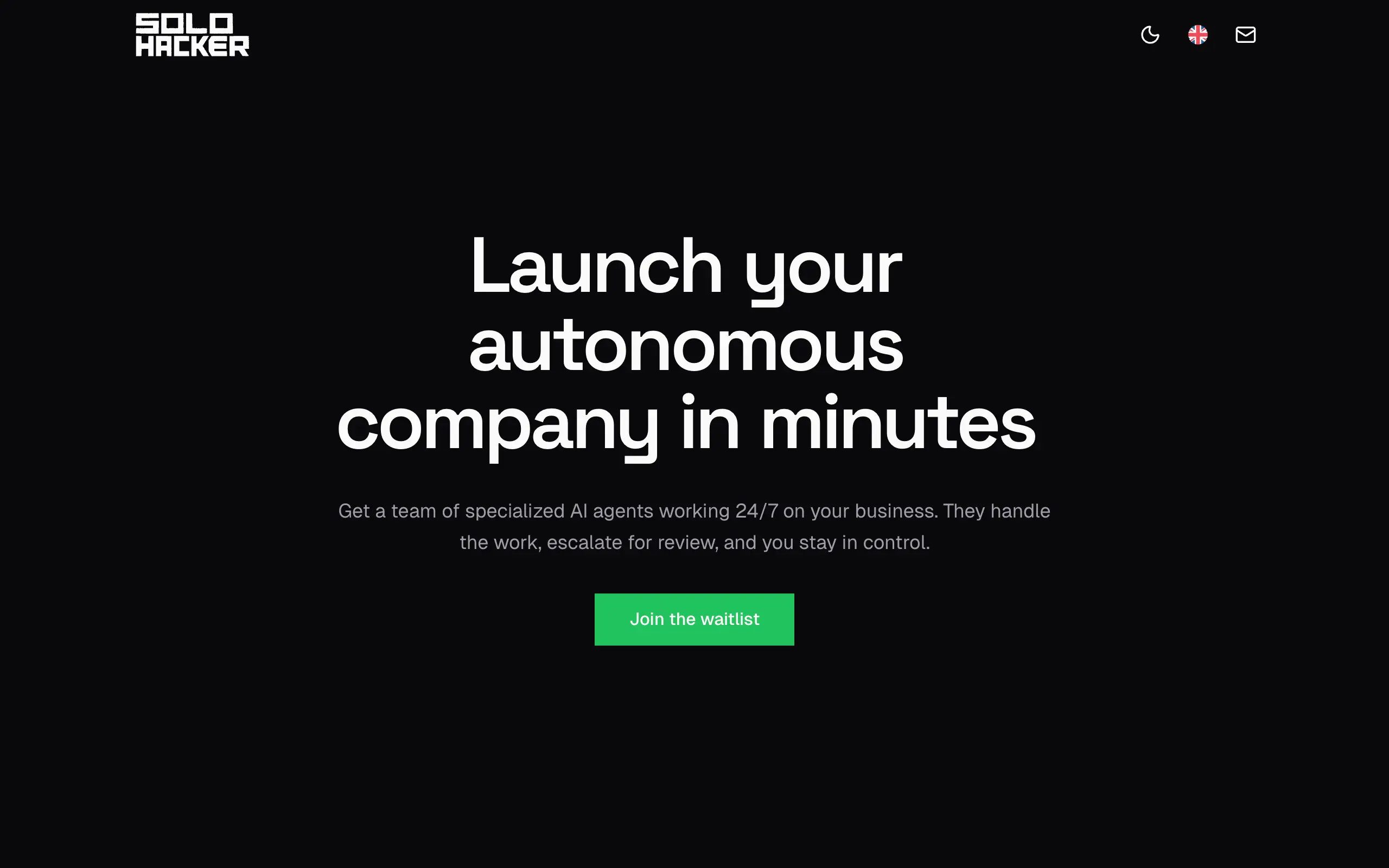
Solohacker
Autonomous company launcher - AI agents work 24/7, escalate what matters, and you stay in control 🤖
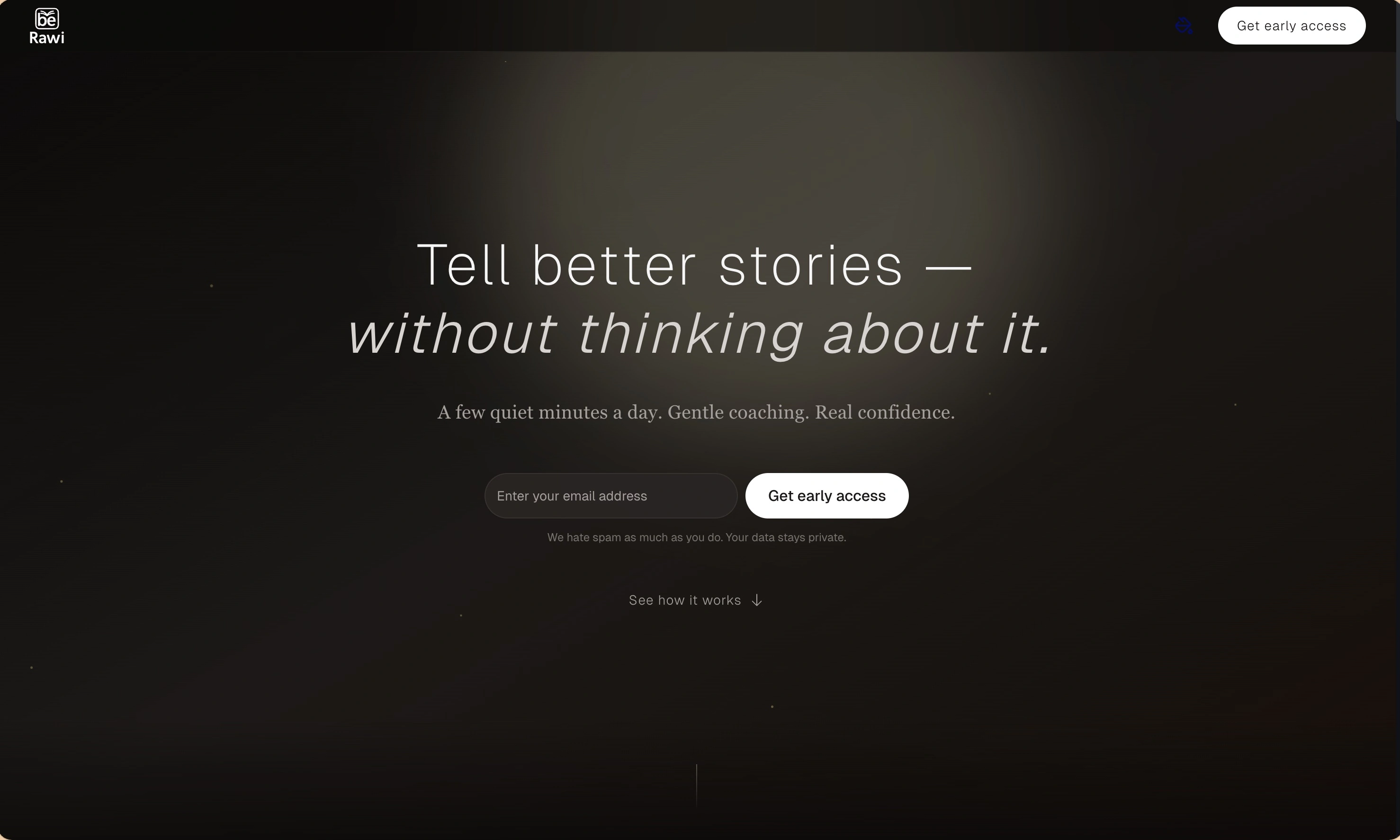
BeRawi: Storytelling Coach
Practice storytelling daily with instant feedback to sound clearer, more engaging, and confident 🎤
Omichat
Chat with 50+ AI models, including ChatGPT and Claude, in one place - switch models anytime without losing context 🤖
Claude Fast
Supercharge your Claude Code with 6x effective context window and specialized AI agents 🤖
EmojAI
AI-powered emoji picker with smart, context-aware suggestions 🤖
Solohacker
Autonomous company launcher - AI agents work 24/7, escalate what matters, and you stay in control 🤖
BeRawi: Storytelling Coach
Practice storytelling daily with instant feedback to sound clearer, more engaging, and confident 🎤
Omichat
Chat with 50+ AI models, including ChatGPT and Claude, in one place - switch models anytime without losing context 🤖
Claude Fast
Supercharge your Claude Code with 6x effective context window and specialized AI agents 🤖
EmojAI
AI-powered emoji picker with smart, context-aware suggestions 🤖
Solohacker
Autonomous company launcher - AI agents work 24/7, escalate what matters, and you stay in control 🤖
BeRawi: Storytelling Coach
Practice storytelling daily with instant feedback to sound clearer, more engaging, and confident 🎤
Omichat
Chat with 50+ AI models, including ChatGPT and Claude, in one place - switch models anytime without losing context 🤖
Claude Fast
Supercharge your Claude Code with 6x effective context window and specialized AI agents 🤖
EmojAI
AI-powered emoji picker with smart, context-aware suggestions 🤖
Solohacker
Autonomous company launcher - AI agents work 24/7, escalate what matters, and you stay in control 🤖
BeRawi: Storytelling Coach
Practice storytelling daily with instant feedback to sound clearer, more engaging, and confident 🎤

Connect with like-minded people
Join our community to get feedback, support, and grow together with 1,000+ builders on board, let's ship it!
Join usShip your startup everywhere. In minutes.
Don't burn tokens on setup and start building features on day one.