SvelteStyle
A comprehensive UI kit for Svelte, featuring customizable components and themes. AI integration provides real-time design feedback and accessibility enhancements.
Understanding the Target Audience
When creating innovative tools for the modern web developer, it is essential to start by understanding who stands to benefit the most. In this case, the comprehensive UI kit is designed for a diverse group of skilled professionals:
- Frontend Developers working with modern web frameworks who need quick and reliable UI solutions.
- UI/UX Designers looking for customizable components and themes that can be tailored to specific brand identities.
- Product Managers seeking efficient ways to ensure that design and accessibility are top priorities in digital products.
- Accessibility Advocates who demand that every element not only looks good but also meets accessibility standards.
By focusing on these audiences, the project addresses the core needs of individuals and teams who value speed, efficiency, and adaptability in their development processes. The solution supports an agile development environment, ensuring that teams can achieve consistent results without sacrificing quality or accessibility.
The comprehensive nature of the UI kit makes it an invaluable asset for startups as well as established companies. In agile work environments, fast prototyping and rapid iteration are crucial. This UI kit meets that demand by offering pre-designed, easily customizable components, all while ensuring that the final product adheres to modern accessibility guidelines.
Audience Insight
Understanding the target audience deeply enables a product to not only solve problems but also anticipate future challenges in design and functionality.
Uncovering the Market Opportunity
The market for UI kits and design tools has experienced explosive growth over the past few years. With businesses investing more in user experience and rapid development, there’s a significant gap in the market for versatile, design-focused, and developer-friendly solutions. The opportunity stands out among:
- Small and Medium-sized Enterprises (SMEs): Looking for cost-effective, scalable UI solutions that can be implemented quickly.
- Large Corporations: In need of a robust set of design tools to maintain brand consistency across multiple platforms.
- Freelance Developers and Designers: Who require professional-quality assets that don’t come with the steep learning curve or high price point.
Statistical insights suggest that developers are increasingly favoring tools that integrate well with modern frameworks, such as Svelte. The ability to rapidly prototype and adjust designs in real time is a key driver for adoption. Moreover, the integration of AI for real-time design feedback and accessibility enhancements not only helps streamline development but also reduces the iteration cycle significantly.
- Emerging Trends: AI-driven design tools, real-time feedback mechanisms, and automated accessibility testing are revolutionizing how software products are developed.
- Market Projections: With digital transformation accelerating across industries, the demand for such UI kits is expected to multiply, tapping into multi-billion-dollar software markets worldwide.
Investing in such a solution now, while aligning with future technology trends, creates significant long-term growth potential. The convergence of accessibility, real-time AI feedback, and customizable design makes the offering well-positioned to dominate a niche that connects both creative and technical audiences.
Cutting-Edge Tech Stack for a Modern UI Kit
A state-of-the-art tech stack is the backbone of any high-performing UI kit, and this solution leverages the strengths of Svelte as its underlying framework. Svelte is known for its innovative approach to building user interfaces by compiling components at build time rather than at runtime. This results in faster load times and a more efficient final application.
Here are some key highlights of the technical implementation:
- Svelte as the Core Framework: Svelte’s reactivity model and compile-time optimizations enable developers to create highly responsive and efficient applications.
- Customizable Themes and Components: The kit offers a wide range of themes that can be easily adapted according to design needs. Developers can modify components without delving into deep, complex logic.
- Integrated AI Feedback Mechanism: Real-time suggestions allow developers and designers to optimize their UI elements on the fly. This ensures that best practices in design and accessibility are met consistently.
- Rapid Development with TurboStarter: For those who are looking to accelerate the development process, consider leveraging a starter kit like TurboStarter. This solution is designed for web, mobile, and browser extension projects and can significantly speed up your work.
Below is a sample code snippet demonstrating how a basic component might be set up:
const test = () => {
  console.log("this is a code snippet!");
}
The tech stack has been chosen not only for performance but also for its ease of use and extensibility. The integration of AI elements into the development flow brings a layer of sophistication that makes the entire kit more than just a collection of static components. Instead, it evolves into a smart assistant, suggesting improvements, ensuring consistency, and laying the groundwork for future innovations in UI design.
Rapid Implementation
Reduce development time by leveraging pre-built, customizable components that integrate seamlessly with your projects.
AI-Enhanced Design
Utilize AI to get real-time design feedback, ensuring that your UI not only meets but exceeds modern usability standards.
Furthermore, open-source principles guide much of the technology adoption. Emphasizing community-driven improvements and frequent updates ensures that the tech stack remains secure and in tune with industry standards.
Monetization Strategy: Driving Revenue with Flexibility
Turning innovation into profit is a critical challenge for any viable tech solution. A well-thought-out monetization strategy is essential to ensure sustained growth and profitability without compromising on quality or accessibility. Here are several strategies that could be implemented:
- Subscription-Based Licensing: Offer tiered subscription plans that cater to different types of users. For instance, a basic free version might suffice for hobbyists, while enterprise-level subscriptions could provide additional features like advanced AI analytics, priority support, and exclusive themes.
- One-Time Licensing Fees: Allow organizations that prefer a one-and-done payment model to purchase licenses outright. This is especially attractive for companies not inclined towards recurring costs.
- Premium Add-Ons and Extensions: Develop premium add-ons that enhance base functionality. These could include additional libraries, specialized components, or industry-specific templates that offer even greater customization.
- Partnerships and Collaborations: Team up with web development agencies or educational platforms to include the UI kit as part of their development packages. This creates a steady, authoritative revenue stream through integrated projects.
- Freemium Model: Adopt a freemium approach by offering core features for free while charging for high-value capabilities. This strategy not only widens user adoption but also creates a natural funnel for upselling premium features.
The monetization strategies provide flexibility and ensure that the tool remains accessible to a wide range of users, from individual developers to large-scale enterprises. Balancing free and premium features is pivotal; it encourages exploration while offering tangible incentives for upgrading to paid tiers.
Developers and teams benefit from ongoing updates and improvements, making the subscription model ideal for those who require the latest features.
Organizations with stable needs might prefer a one-time licensing fee, allowing them to integrate the UI kit without recurrent operational expenses.
Utilizing a combination of these revenue channels helps minimize risk while also allowing for diverse streams of income. Such versatility is critical in today’s competitive SaaS market, where flexibility and adaptability define long-term success.
Identifying Risks and Mitigation Strategies
With any innovative venture, understanding and managing potential risks is non-negotiable. This UI kit, while highly promising, faces several risks that need detailed attention:
-
Dependency on Framework Updates: Relying on Svelte or any single framework means that major updates or changes in framework conventions could impact overall functionality.
• Staying proactive with community updates and establishing a direct feedback channel with the framework creators can help mitigate this risk. -
AI Integration Challenges: Implementing real-time design feedback requires a matured AI system.
• Building redundancies, testing thoroughly, and gradually rolling out AI features help alleviate potential discrepancies or unforeseen issues. -
User Adoption and Learning Curve: While the kit is built with ease of use in mind, new users might face a learning curve when diving into a multifunctional tool, especially one that extends beyond basic components.
• Creating detailed documentation, tutorials, and an active community forum can serve as the perfect remedy to ease onboarding. -
Competitive Landscape: The market is not static—competing products are constantly evolving.
• Continuous innovation and regular feature updates will be crucial in maintaining a competitive edge. -
Scalability Issues: As demand increases, the product must be built to scale efficiently.
• Regular performance audits and the adoption of scalable cloud infrastructure ensure that the system remains robust and responsive.
A dual-layered approach focusing on rapid bug fixes coupled with long-term architecture improvements is recommended to address any emergent risks.
Mitigation strategies include fostering strong communication channels with early adopters, investing in a dedicated technical support team, and maintaining adaptability in the development process. These steps will help ensure that the UI kit not only survives market challenges but thrives amidst evolving user demands.
Outshining Competitors with Competitive Advantages
In a crowded market, having clear competitive advantages can spell the difference between being another tool and becoming the industry standard. Below are some key differentiators:
- AI-Driven Design Feedback: The built-in AI engine offers real-time insights. This feature alone provides developers with immediate suggestions on layout, color contrasts, and accessibility improvements.
- Customizable and Adaptable Components: Unlike many other kits that enforce rigid design patterns, the components here are designed to be easily adjusted to fit any brand identity or functional requirement.
- Ease of Integration with Svelte: The tech stack leverages Svelte's unique approach to UI development, enabling a smoother integration process with modern web applications. This leads to faster loading times and improved performance for applications built using the kit.
- Comprehensive Documentation and Community Support: Extensive resources, detailed guides, and community forums empower users to leverage the tool fully. The community is encouraged to contribute, share their customizations, and collaborate on further improvements.
- Accessibility First Approach: Emphasizing accessibility from the ground up not only differentiates the product but sets a higher standard that others in the market need to follow.
- Rapid Development Launch: The inclusion of starter kits like TurboStarter ensures that development teams can hit the ground running, rapidly deploying high-quality applications without reinventing the wheel.
These advantages position the UI kit as an indispensable resource for both seasoned developers and fresh talent. The combination of AI integration with an intuitive design platform creates an ecosystem where creativity and functionality come together seamlessly. The result is a product that not only meets market demands but also sets new standards in design excellence and user satisfaction.
Conclusion: Implementation Steps to Realize the Vision
Turning a visionary product into a market reality involves a well-planned implementation strategy. Here’s a step-by-step guide to get started:
By following these steps, development teams can ensure that the project evolves from a promising idea to a flourishing product in the dynamic SaaS ecosystem. Incorporating agile methodologies and ongoing user feedback will be key to long-term success.
For teams eager to accelerate their development process, consider leveraging solutions like
In summary, the combination of industry-leading AI, modern UI design standards, and an efficient implementation strategy paves the way for success. Embracing innovation while staying grounded with solid technical foundations allows for the creation of a robust, market-responsive tool. With continuous improvements, the product will not only meet current market demands but will also adapt to future trends, keeping the competitive advantage for years to come.
More 🤖 AI Startup SaaS ideas
Discover more innovative ai startup SaaS ideas that are trending in 2026. Each idea is AI-generated with market validation and growth potential to help you find your next profitable venture faster than competitors.
Your competitors are building with TurboStarter
Below are some of the SaaS ideas that have been generated and built with our starter kit.
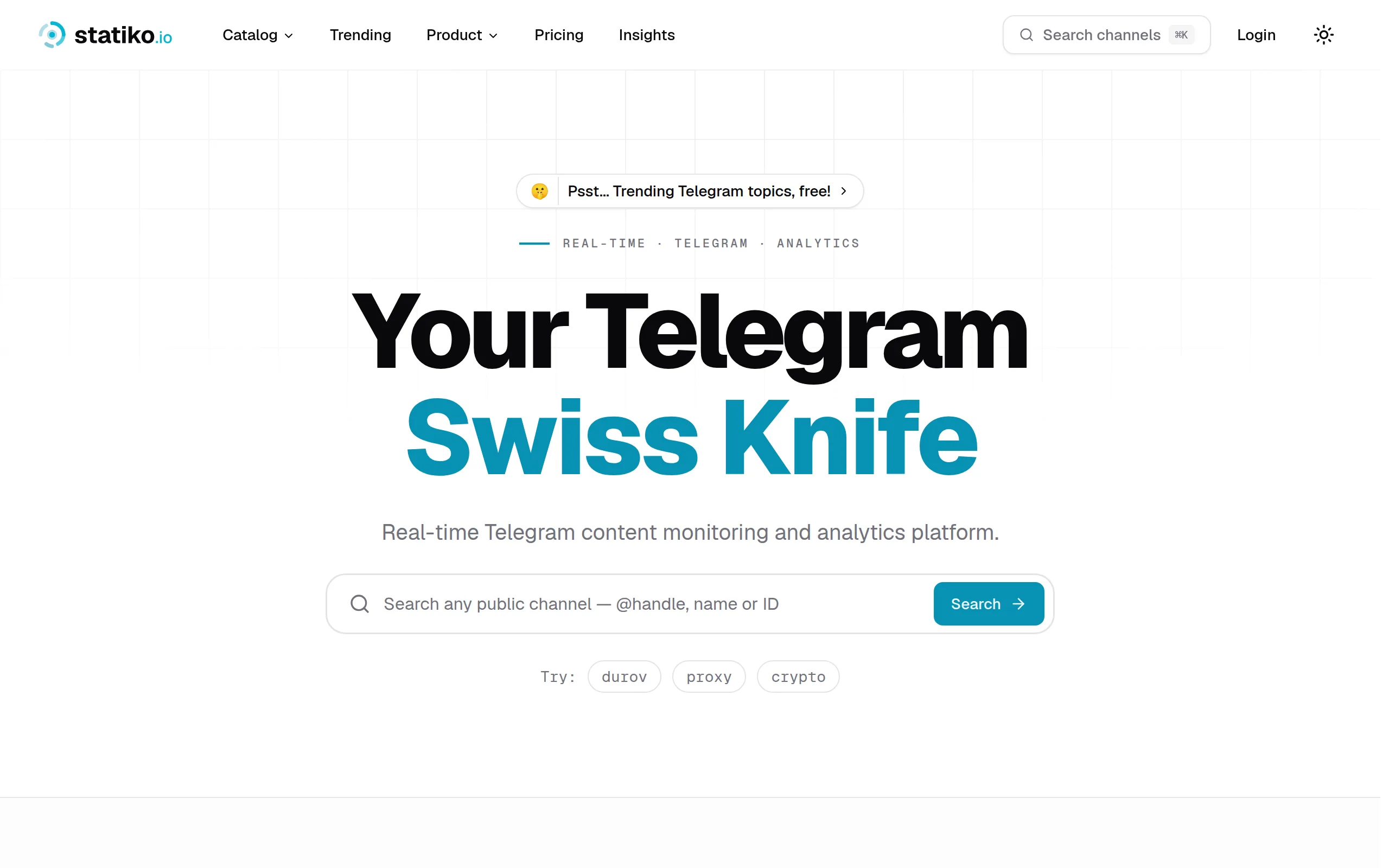
Statiko
Monitor any Telegram channel in real time - track posts, edits, deletions, and growth with AI recaps 📡
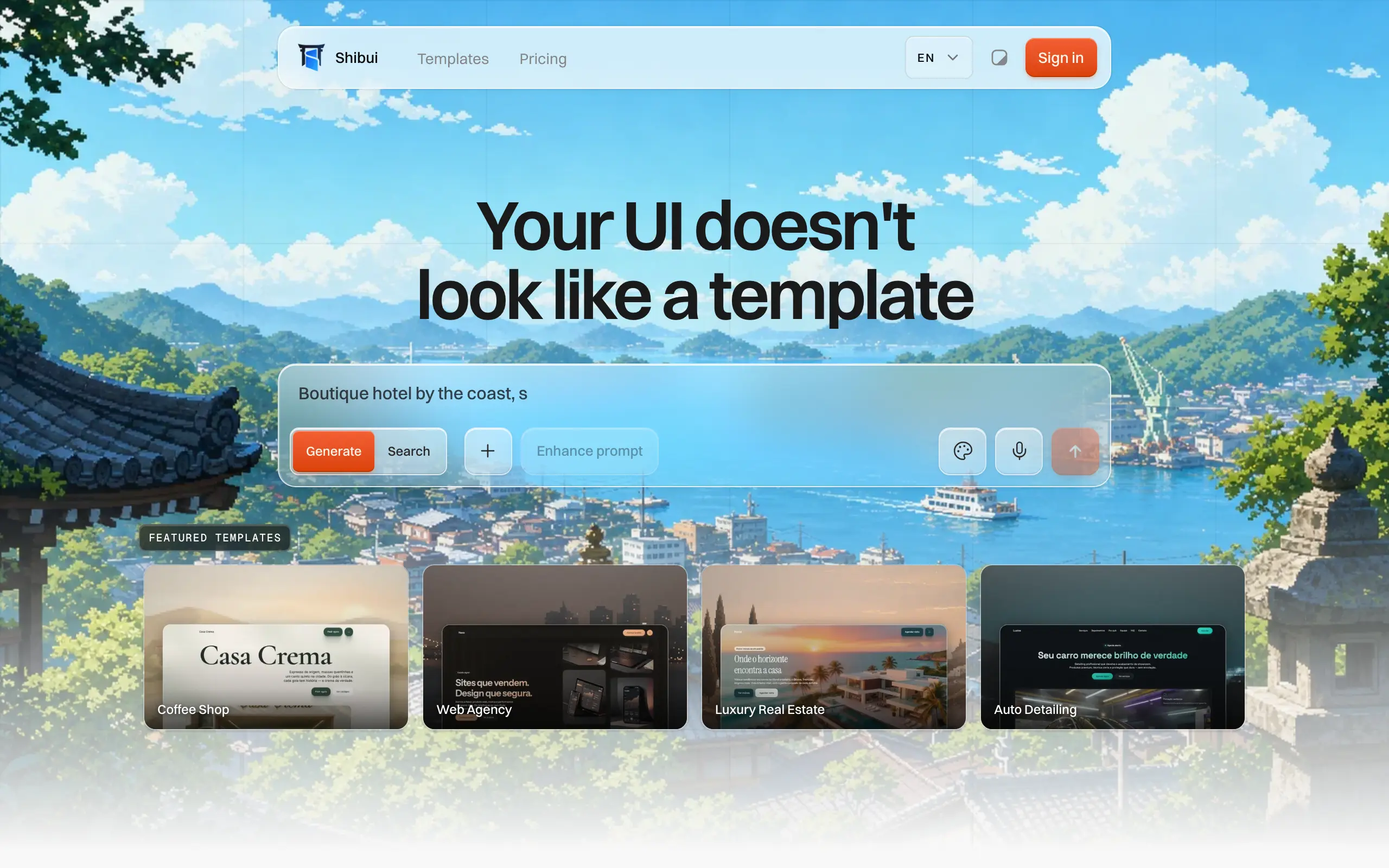
Shibui
AI website builder - describe your business, pick a niche template, edit by chatting, and publish instantly ✨

Pro Service
Find verified home service professionals, compare quotes, and pay securely through escrow - built for Brazilians across the US 🏠
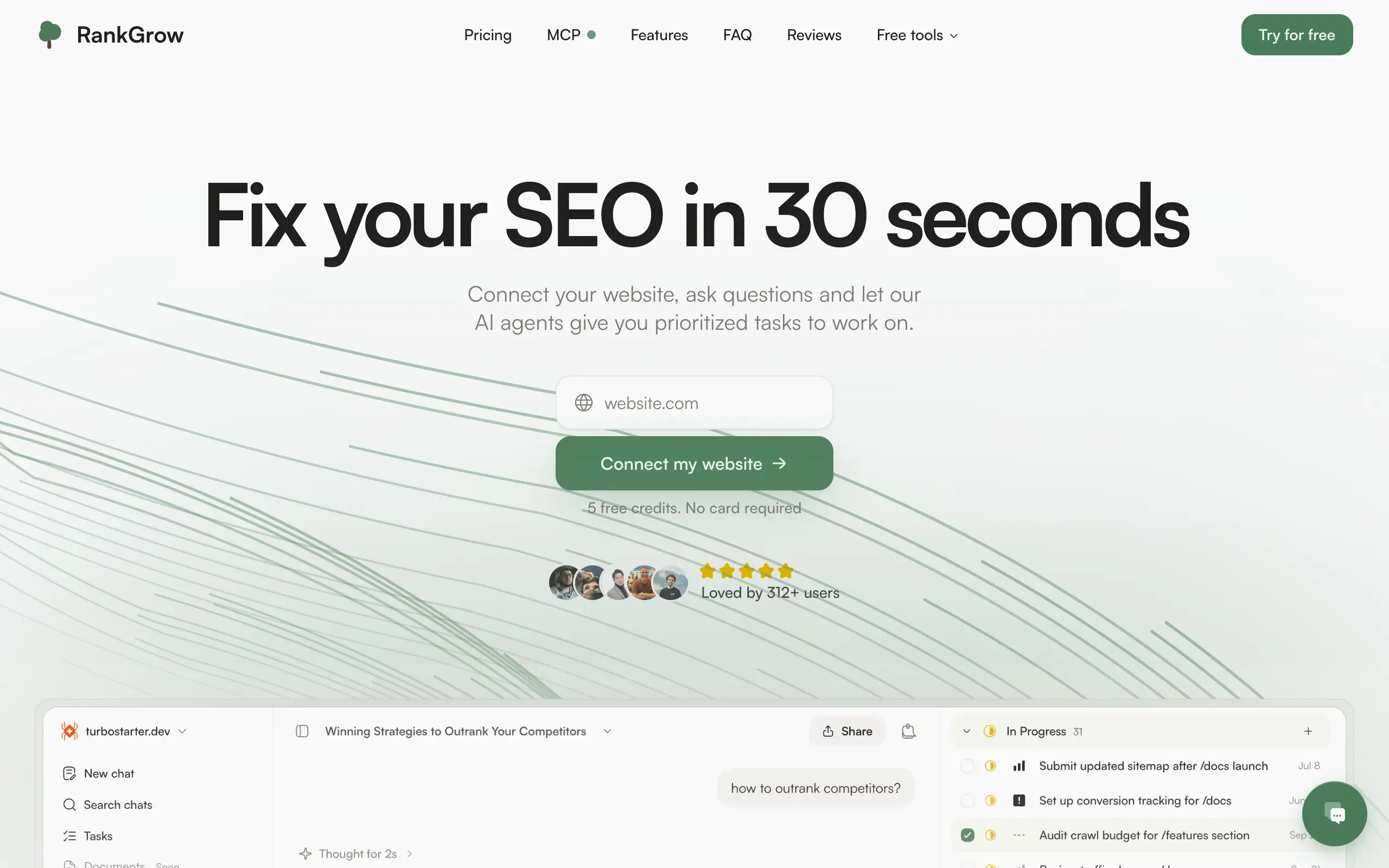
RankGrow
Fix your SEO with AI agents - connect Search Console, get prioritized tasks, and grow organic traffic 📈
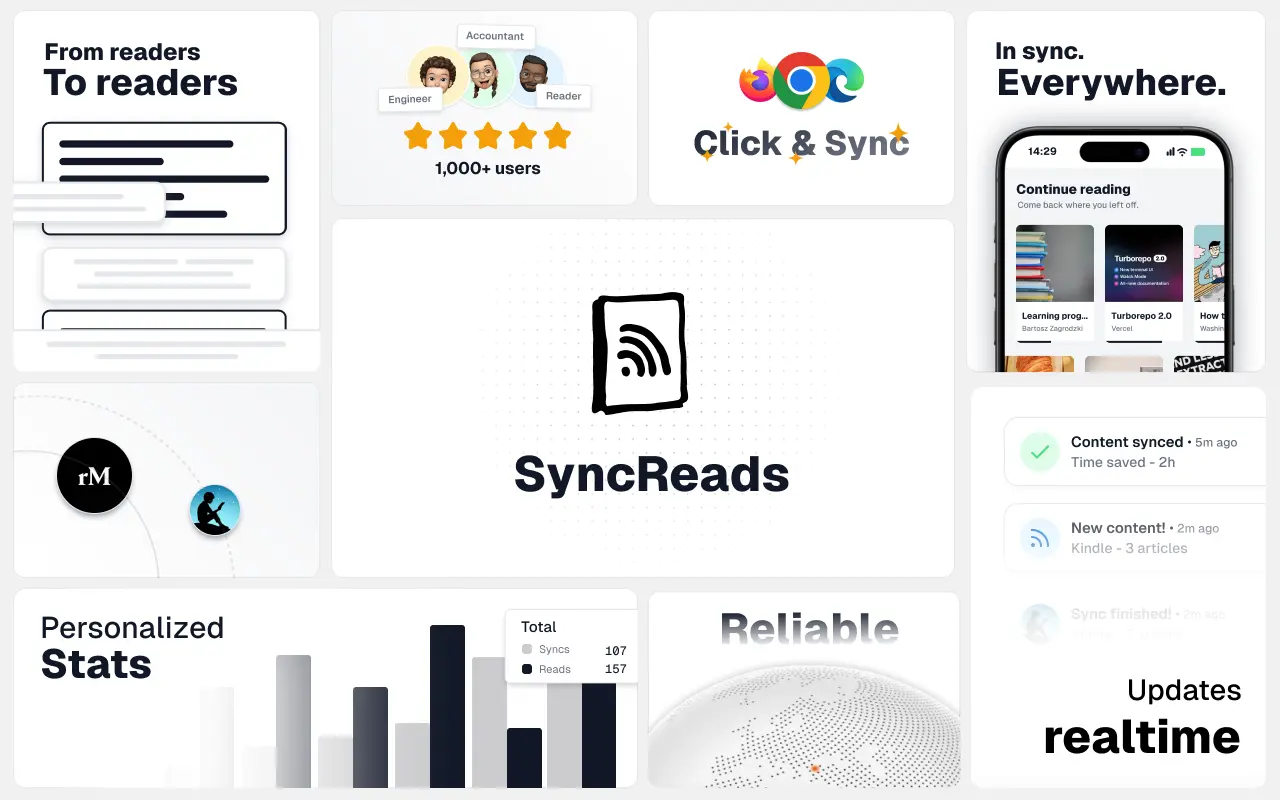
SyncReads
Sync your favorite content for distraction-free reading, save time and replace multiple apps. Anytime, anywhere 🔄
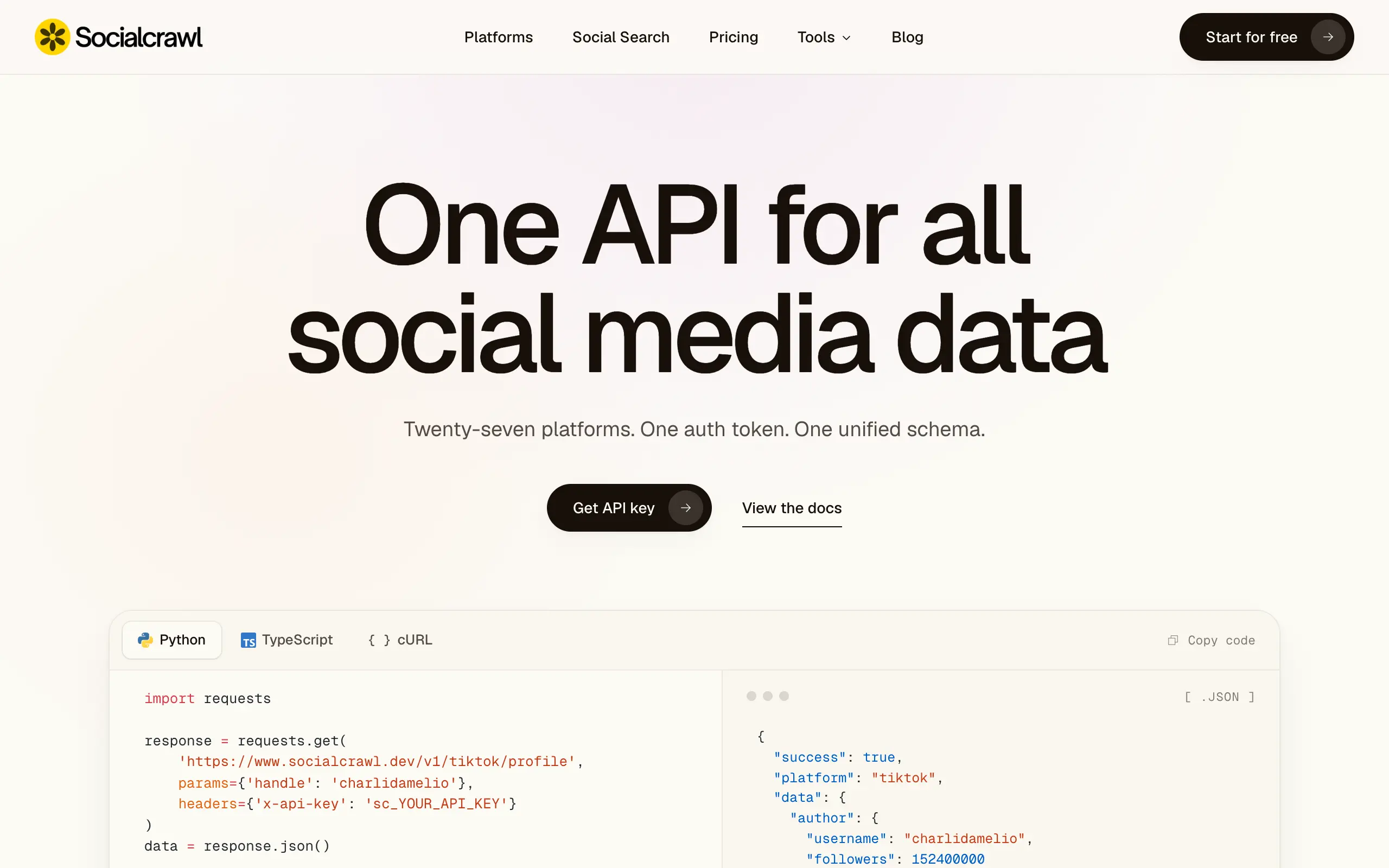
Socialcrawl
Get clean, structured data from 21 platforms like TikTok, Instagram, and YouTube with a single request 📊
Statiko
Monitor any Telegram channel in real time - track posts, edits, deletions, and growth with AI recaps 📡
Shibui
AI website builder - describe your business, pick a niche template, edit by chatting, and publish instantly ✨
Pro Service
Find verified home service professionals, compare quotes, and pay securely through escrow - built for Brazilians across the US 🏠
RankGrow
Fix your SEO with AI agents - connect Search Console, get prioritized tasks, and grow organic traffic 📈
SyncReads
Sync your favorite content for distraction-free reading, save time and replace multiple apps. Anytime, anywhere 🔄
Socialcrawl
Get clean, structured data from 21 platforms like TikTok, Instagram, and YouTube with a single request 📊
Statiko
Monitor any Telegram channel in real time - track posts, edits, deletions, and growth with AI recaps 📡
Shibui
AI website builder - describe your business, pick a niche template, edit by chatting, and publish instantly ✨
Pro Service
Find verified home service professionals, compare quotes, and pay securely through escrow - built for Brazilians across the US 🏠
RankGrow
Fix your SEO with AI agents - connect Search Console, get prioritized tasks, and grow organic traffic 📈
SyncReads
Sync your favorite content for distraction-free reading, save time and replace multiple apps. Anytime, anywhere 🔄
Socialcrawl
Get clean, structured data from 21 platforms like TikTok, Instagram, and YouTube with a single request 📊
Statiko
Monitor any Telegram channel in real time - track posts, edits, deletions, and growth with AI recaps 📡
Shibui
AI website builder - describe your business, pick a niche template, edit by chatting, and publish instantly ✨
Pro Service
Find verified home service professionals, compare quotes, and pay securely through escrow - built for Brazilians across the US 🏠
RankGrow
Fix your SEO with AI agents - connect Search Console, get prioritized tasks, and grow organic traffic 📈
SyncReads
Sync your favorite content for distraction-free reading, save time and replace multiple apps. Anytime, anywhere 🔄
Socialcrawl
Get clean, structured data from 21 platforms like TikTok, Instagram, and YouTube with a single request 📊
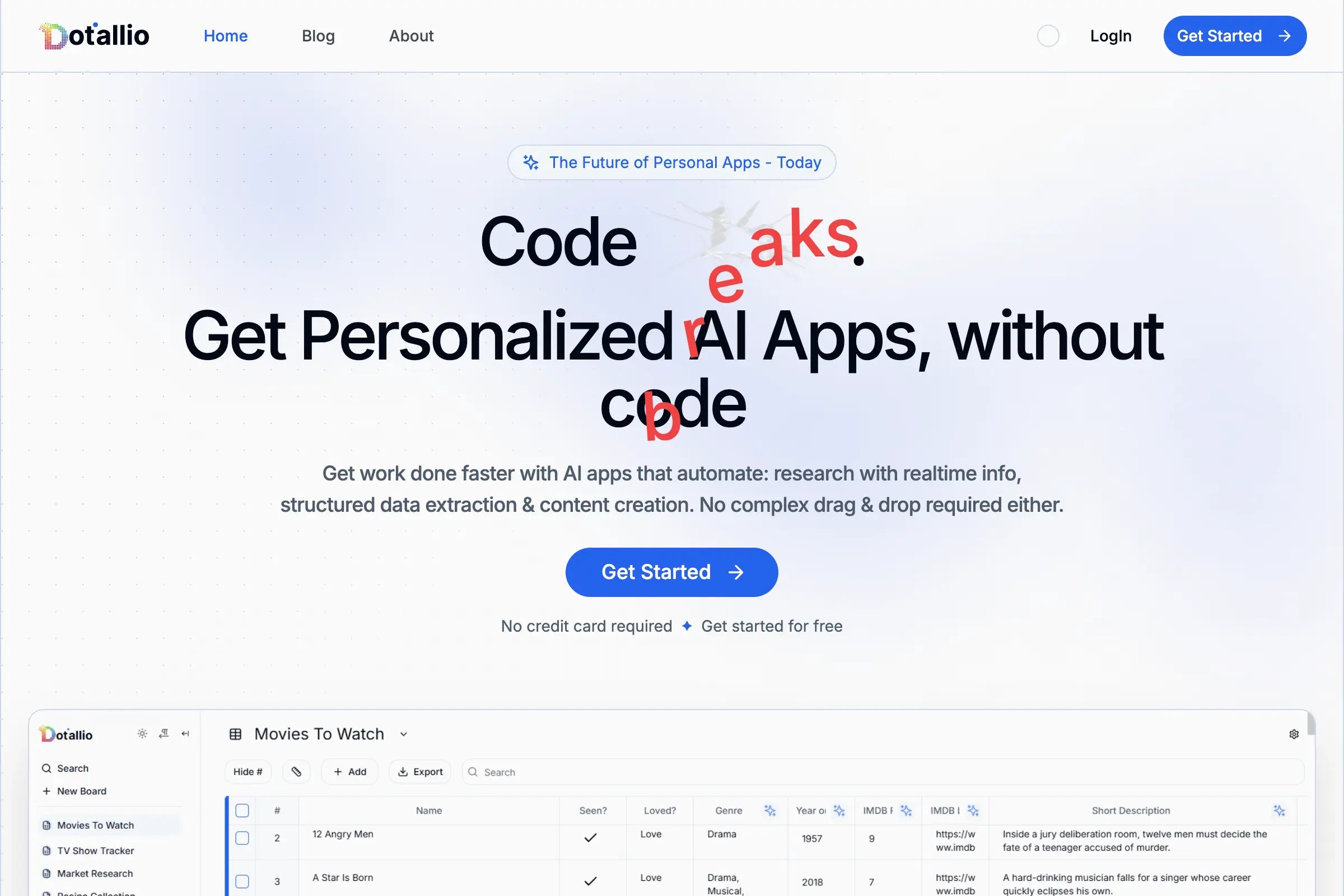
Dotallio
Personalized AI apps that automate research, data extraction, and content creation without code 🤖
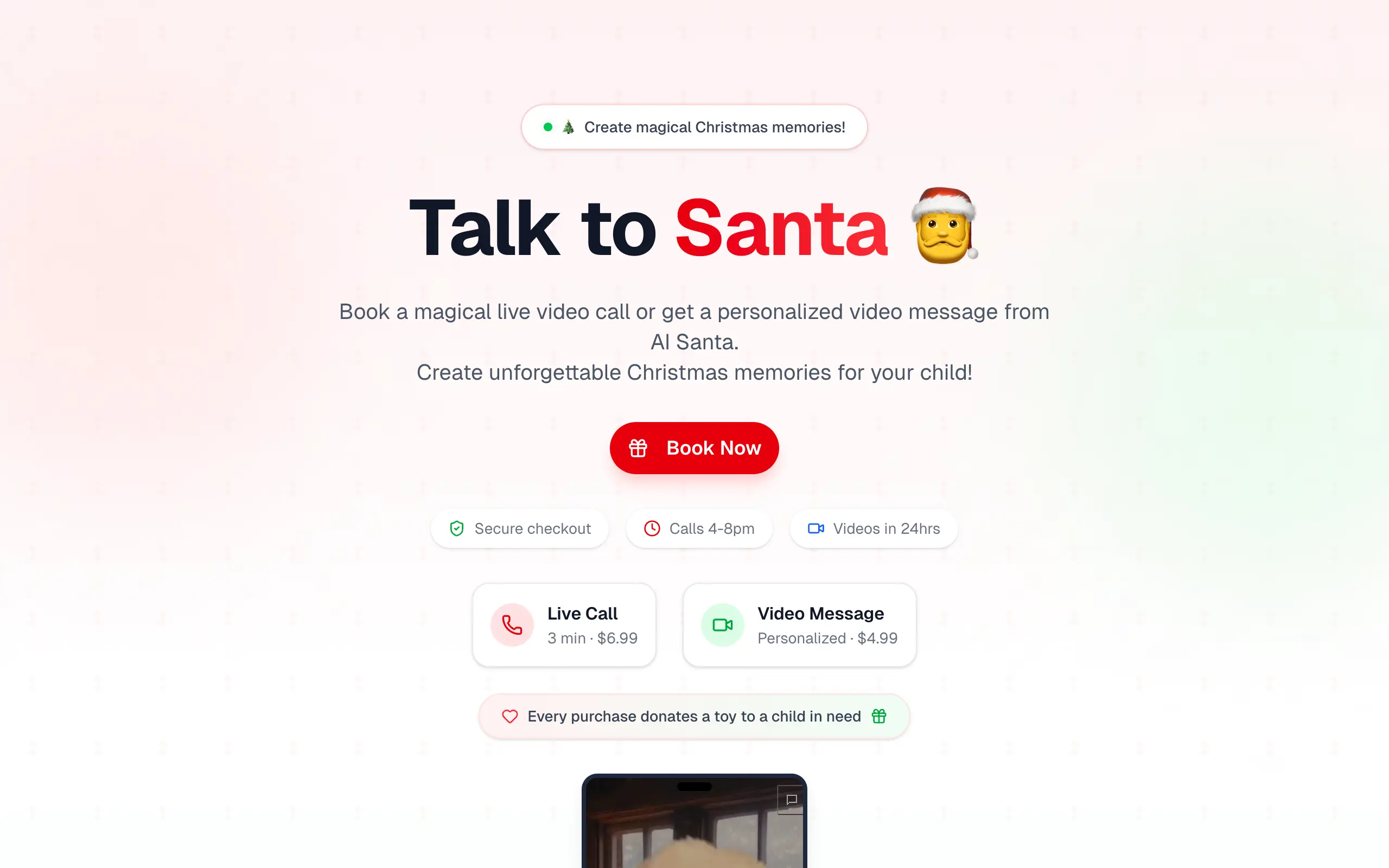
Talk to Santa
Enjoy a magical live video chat or receive a unique AI-generated video greeting from Santa Claus 🎅
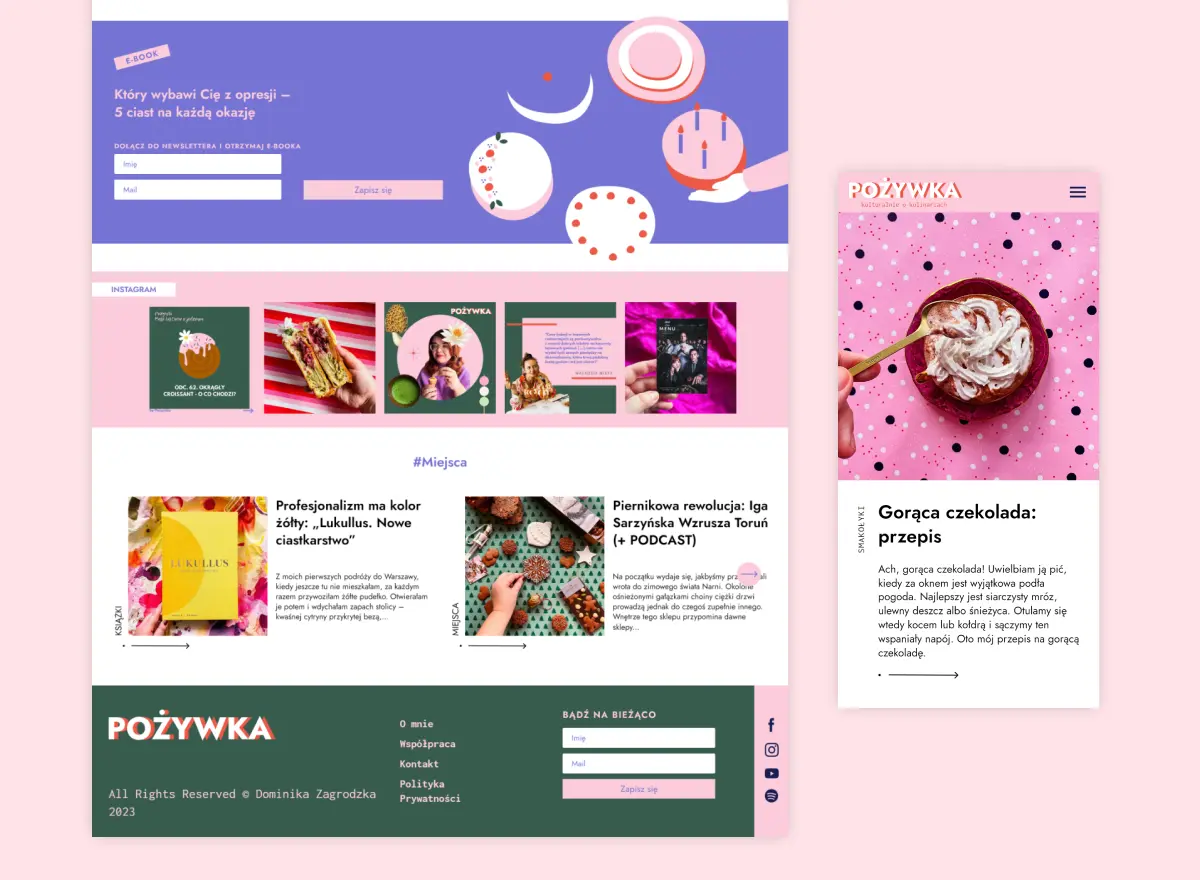
pozywka.pl
Scalable blog for food journalist, focused on performance and user experience 🌭
zagrodzki.me
Personal blog and portfolio of Bart Zagrodzki, where he shares his knowledge and work 💼
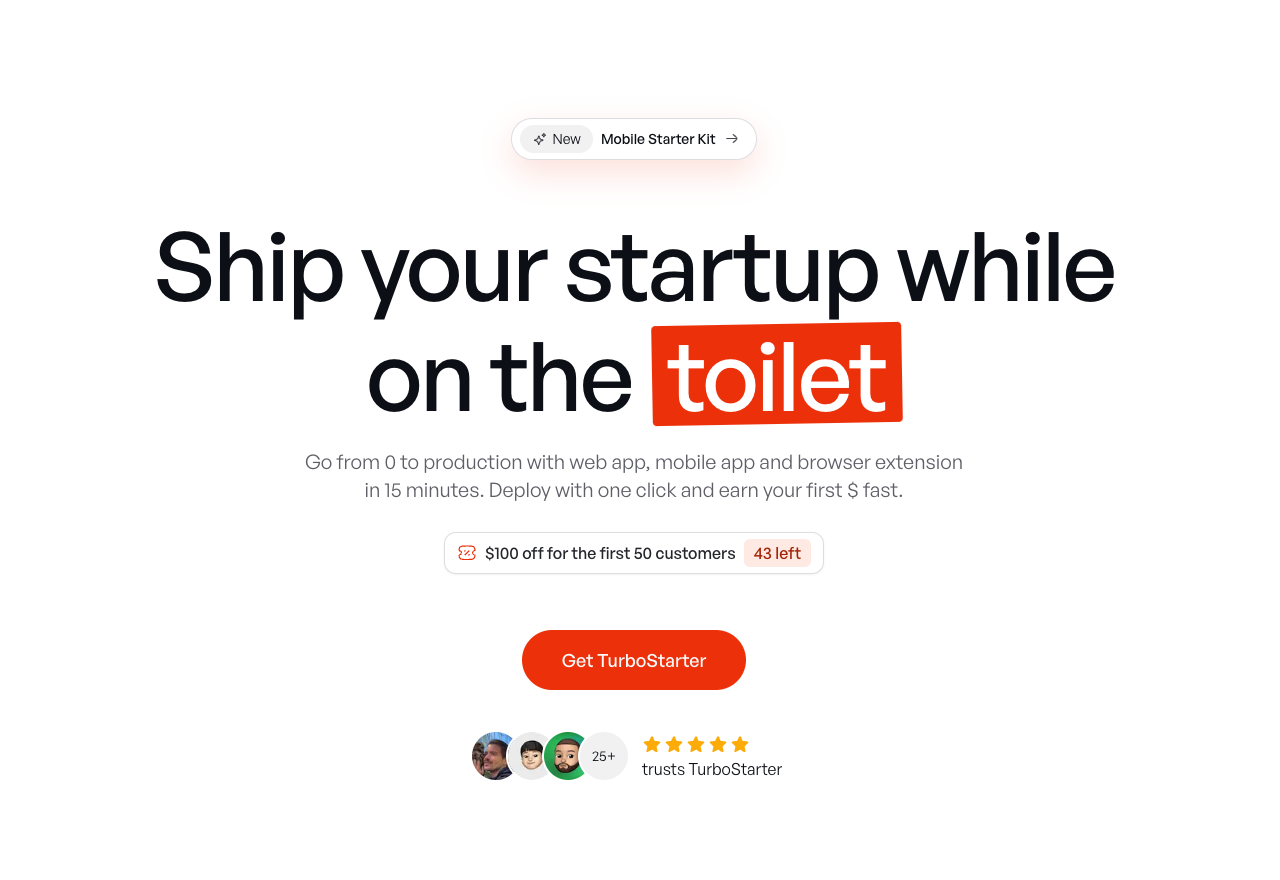
TurboStarter
Ship your startup everywhere. In minutes.
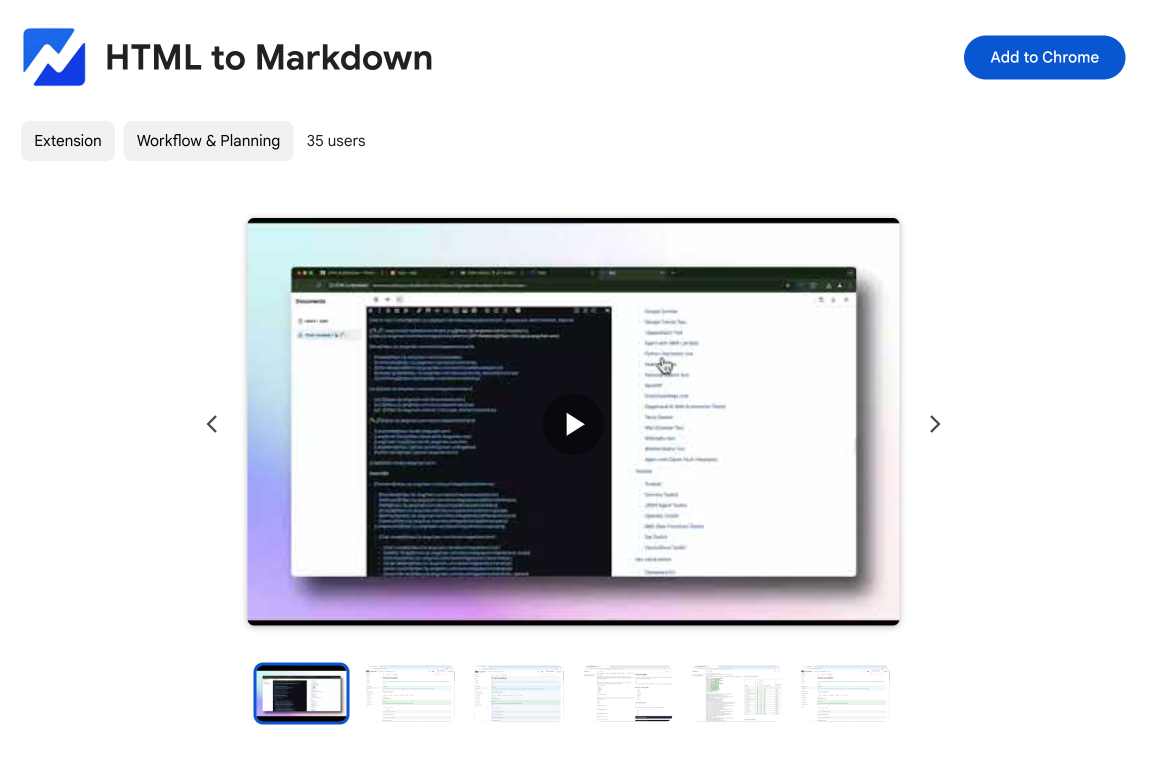
HTML to Markdown
Convert HTML to Markdown with ease, directly in your browser 📄
Dotallio
Personalized AI apps that automate research, data extraction, and content creation without code 🤖
Talk to Santa
Enjoy a magical live video chat or receive a unique AI-generated video greeting from Santa Claus 🎅
pozywka.pl
Scalable blog for food journalist, focused on performance and user experience 🌭
zagrodzki.me
Personal blog and portfolio of Bart Zagrodzki, where he shares his knowledge and work 💼
TurboStarter
Ship your startup everywhere. In minutes.
HTML to Markdown
Convert HTML to Markdown with ease, directly in your browser 📄
Dotallio
Personalized AI apps that automate research, data extraction, and content creation without code 🤖
Talk to Santa
Enjoy a magical live video chat or receive a unique AI-generated video greeting from Santa Claus 🎅
pozywka.pl
Scalable blog for food journalist, focused on performance and user experience 🌭
zagrodzki.me
Personal blog and portfolio of Bart Zagrodzki, where he shares his knowledge and work 💼
TurboStarter
Ship your startup everywhere. In minutes.
HTML to Markdown
Convert HTML to Markdown with ease, directly in your browser 📄
Dotallio
Personalized AI apps that automate research, data extraction, and content creation without code 🤖
Talk to Santa
Enjoy a magical live video chat or receive a unique AI-generated video greeting from Santa Claus 🎅
pozywka.pl
Scalable blog for food journalist, focused on performance and user experience 🌭
zagrodzki.me
Personal blog and portfolio of Bart Zagrodzki, where he shares his knowledge and work 💼
TurboStarter
Ship your startup everywhere. In minutes.
HTML to Markdown
Convert HTML to Markdown with ease, directly in your browser 📄
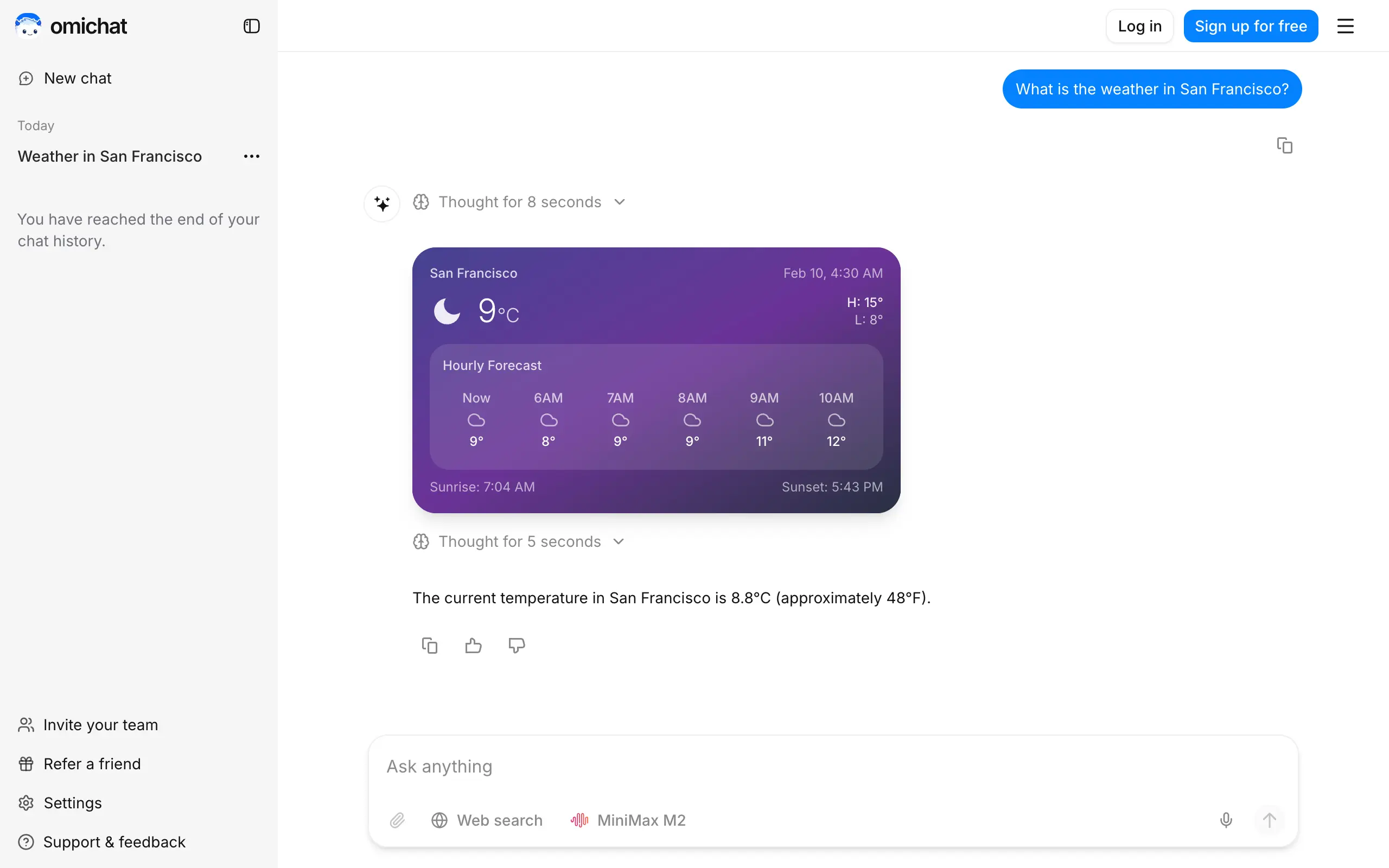
Omichat
Chat with 50+ AI models, including ChatGPT and Claude, in one place - switch models anytime without losing context 🤖
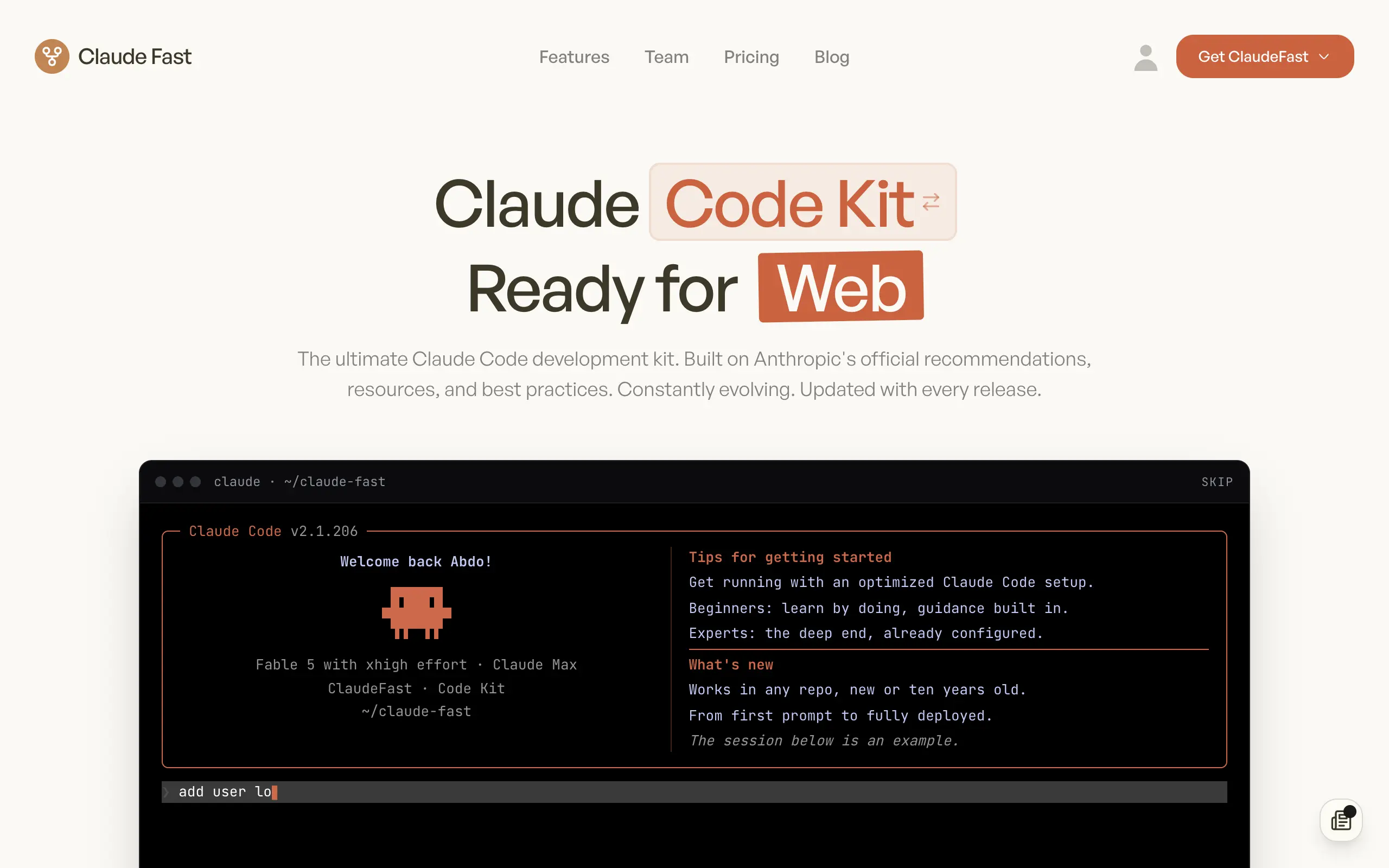
Claude Fast
Supercharge your Claude Code with 6x effective context window and specialized AI agents 🤖
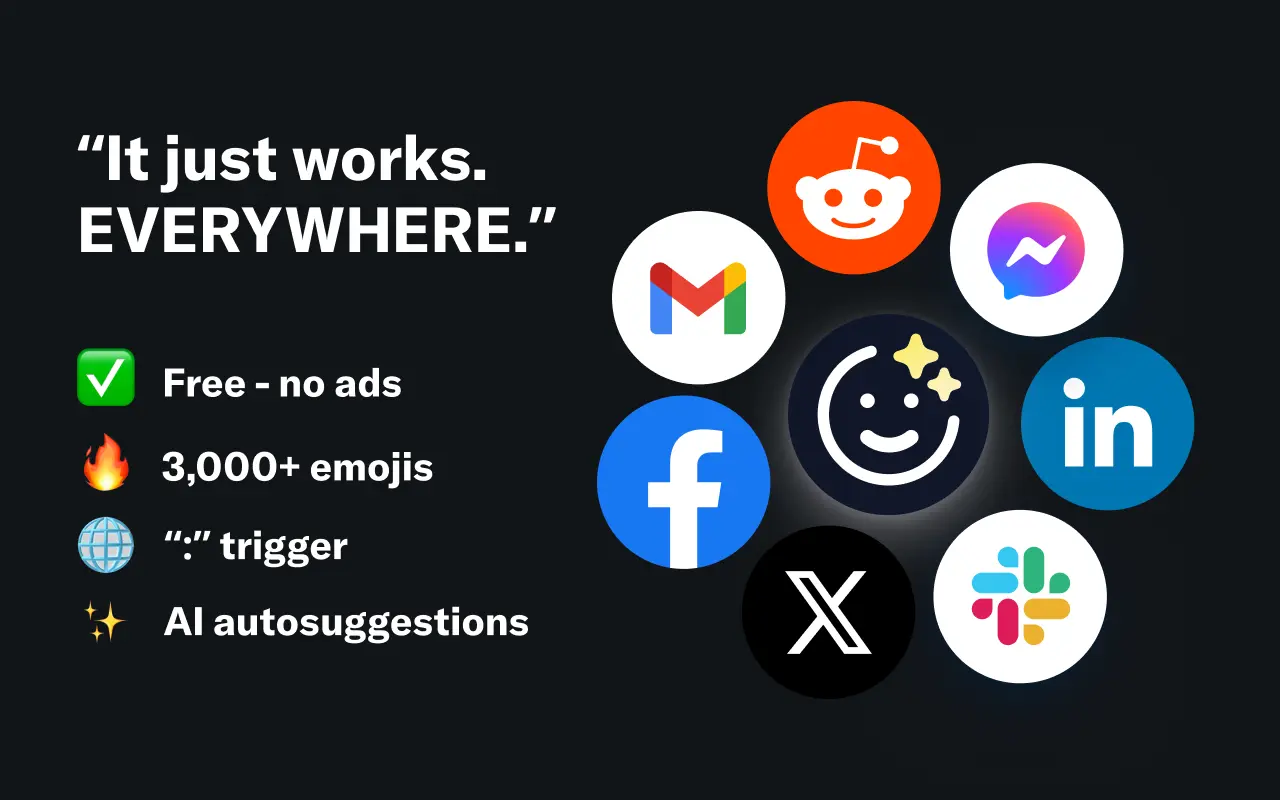
EmojAI
AI-powered emoji picker with smart, context-aware suggestions 🤖
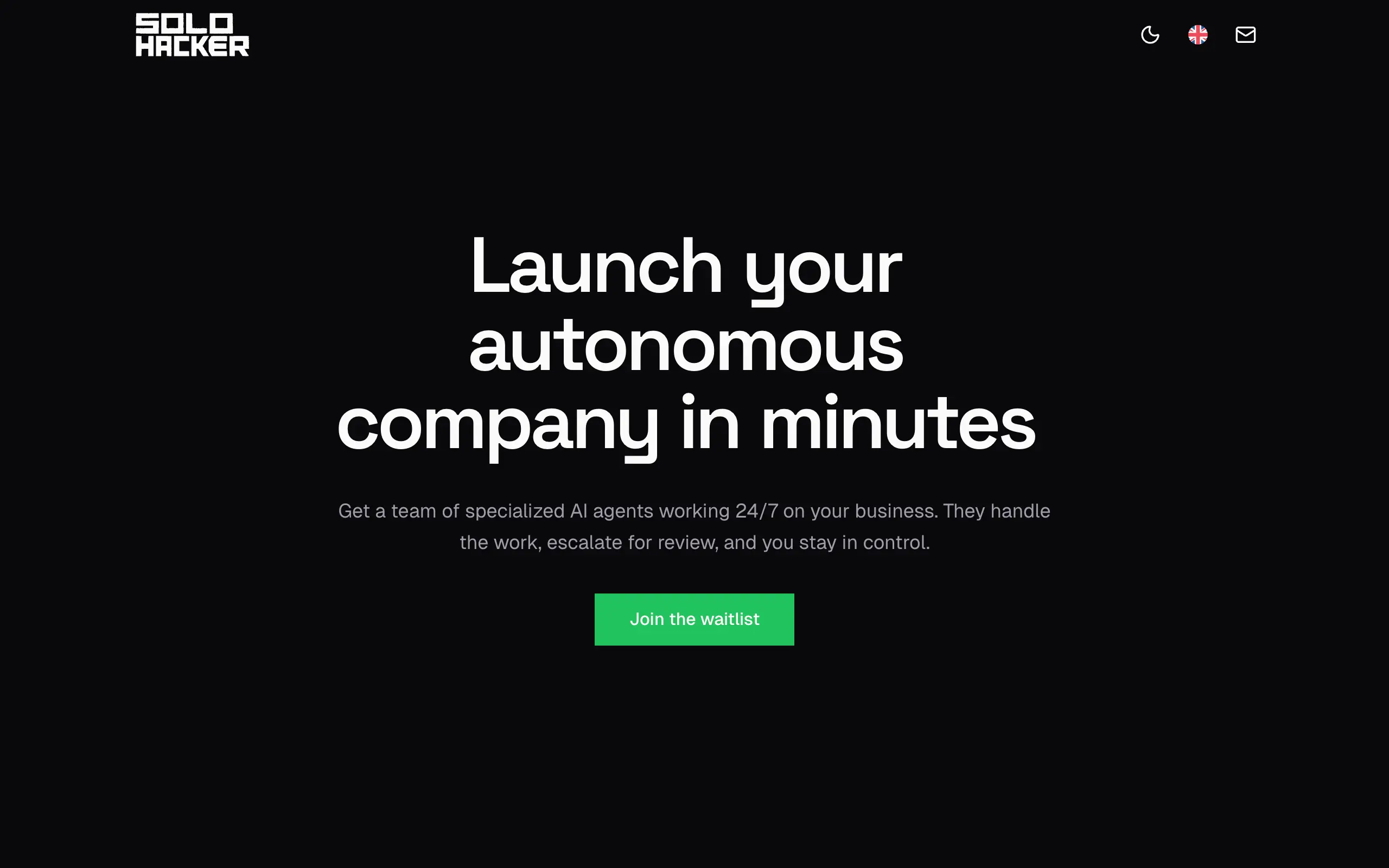
Solohacker
Autonomous company launcher - AI agents work 24/7, escalate what matters, and you stay in control 🤖
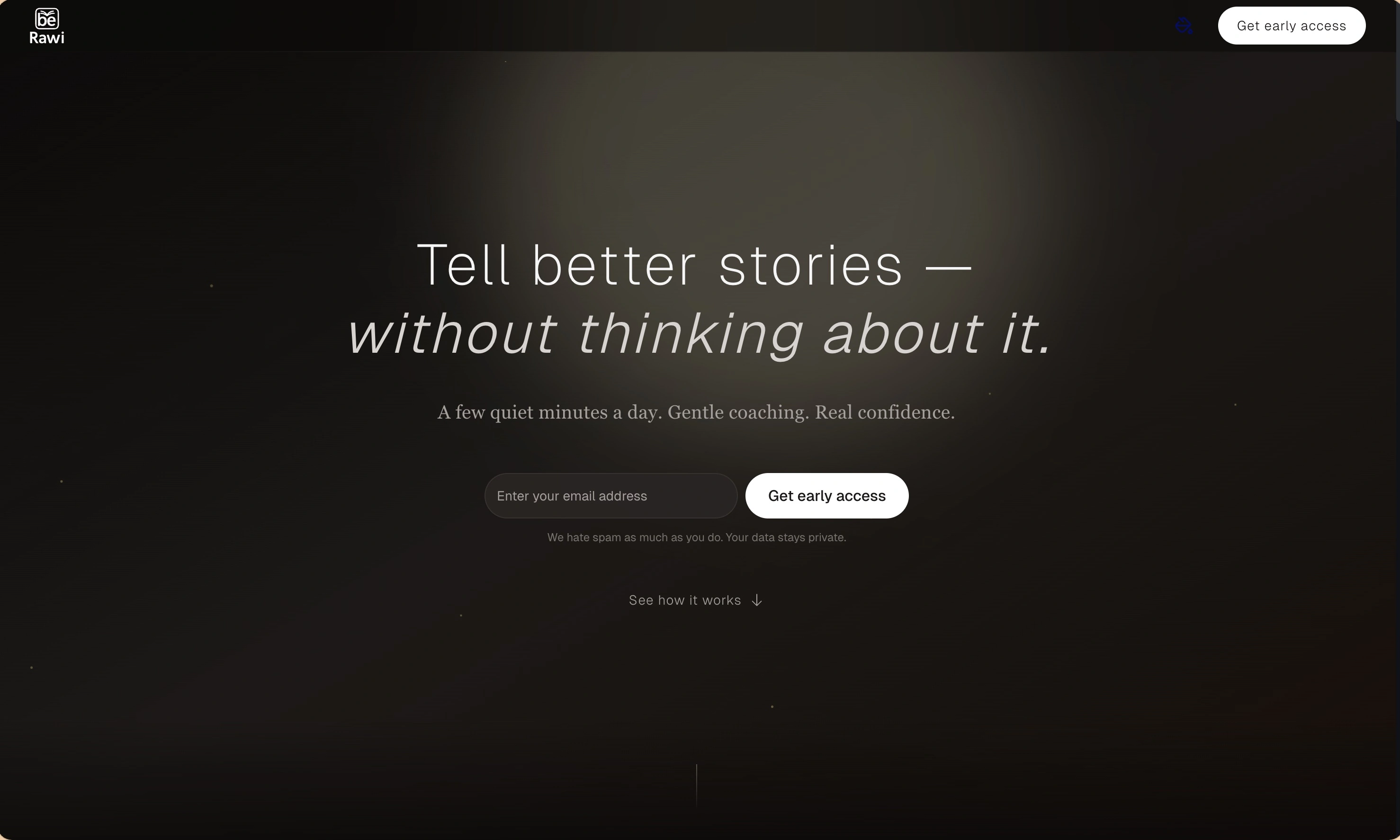
BeRawi: Storytelling Coach
Practice storytelling daily with instant feedback to sound clearer, more engaging, and confident 🎤
Omichat
Chat with 50+ AI models, including ChatGPT and Claude, in one place - switch models anytime without losing context 🤖
Claude Fast
Supercharge your Claude Code with 6x effective context window and specialized AI agents 🤖
EmojAI
AI-powered emoji picker with smart, context-aware suggestions 🤖
Solohacker
Autonomous company launcher - AI agents work 24/7, escalate what matters, and you stay in control 🤖
BeRawi: Storytelling Coach
Practice storytelling daily with instant feedback to sound clearer, more engaging, and confident 🎤
Omichat
Chat with 50+ AI models, including ChatGPT and Claude, in one place - switch models anytime without losing context 🤖
Claude Fast
Supercharge your Claude Code with 6x effective context window and specialized AI agents 🤖
EmojAI
AI-powered emoji picker with smart, context-aware suggestions 🤖
Solohacker
Autonomous company launcher - AI agents work 24/7, escalate what matters, and you stay in control 🤖
BeRawi: Storytelling Coach
Practice storytelling daily with instant feedback to sound clearer, more engaging, and confident 🎤
Omichat
Chat with 50+ AI models, including ChatGPT and Claude, in one place - switch models anytime without losing context 🤖
Claude Fast
Supercharge your Claude Code with 6x effective context window and specialized AI agents 🤖
EmojAI
AI-powered emoji picker with smart, context-aware suggestions 🤖
Solohacker
Autonomous company launcher - AI agents work 24/7, escalate what matters, and you stay in control 🤖
BeRawi: Storytelling Coach
Practice storytelling daily with instant feedback to sound clearer, more engaging, and confident 🎤

Connect with like-minded people
Join our community to get feedback, support, and grow together with 1,000+ builders on board, let's ship it!
Join usShip your startup everywhere. In minutes.
Don't burn tokens on setup and start building features on day one.