SwiftCareAI
AI-driven platform that predicts discharge and referral times, optimizing patient flow and reducing hospital wait times for healthcare systems worldwide.
SwiftCareAI is an innovative AI-driven SaaS solution designed for healthcare providers aiming to solve one of the most persistent challenges in hospitals: optimizing patient flow by accurately predicting discharge and referral times. This article offers a comprehensive deep dive into the platform opportunity, explores its market relevance, features, and technology choices, and provides strategic implementation steps. Whether you’re a healthcare technology decision-maker, hospital administrator, or product innovator, you’ll find actionable insights tailored to real-world needs.
Understanding the problem: why optimizing patient flow matters
Efficient patient flow is critical to healthcare operations worldwide. Overcrowded wards, prolonged wait times, and bottlenecks in discharge contribute to patient dissatisfaction, resource strain, and increased costs. With global health systems under unprecedented pressure—exacerbated by staff shortages and rising demand—optimizing these processes has never been more urgent.
Hospitals routinely struggle to predict discharge and referral times due to the complexity of care pathways, fluctuating patient needs, and unpredictable administrative delays. Manual processes, siloed data, and lack of real-time insights further compound these issues, often resulting in extended hospital stays, delayed admissions, and poor utilization of clinical resources.
SwiftCareAI targets this pain point by leveraging advanced AI to deliver reliable, data-driven predictions that empower hospitals to take proactive action.
Target audience analysis: who benefits from SwiftCareAI?
Understanding the end-user is key to SaaS success. SwiftCareAI is purpose-built for healthcare environments but addresses multiple user segments:
- Hospital administrators – Seeking ways to optimize occupancy, reduce wait times, and improve operational KPIs.
- Care coordinators & discharge planners – Needing accurate, up-to-the-minute intel to manage patient transitions smoothly.
- Clinical staff (nurses, physicians) – Wanting greater visibility into anticipated discharge dates to enable more efficient rounds and resource allocation.
- Health IT managers – Focused on integrating solutions that respect data privacy, are interoperable, and bring clear ROI.
- Healthcare networks/groups – Looking to standardize practices and scale efficiencies across multiple facilities.
- Patients and families – Benefiting from better communication and reduced uncertainty during their hospital stay.
Key user needs addressed
- Predictability: Reliable, real-time predictions on discharge and referral timings.
- Actionability: Insights presented in ways that enable operational action—e.g. flagging delays or recommending interventions.
- Integration: Seamless interoperability with hospital EHR/EMR and scheduling systems.
- Compliance: Ensuring data privacy, security, and regulatory compliance at every step.
Market opportunity and gap analysis: why now?
The scale of the problem
According to the World Health Organization, hospital congestion is a global issue with tangible impacts:
- In the US, preventable delays in discharge and referral account for significant healthcare spend annually—one estimate places cost at over $4 billion per year.
- In the UK and Europe, “bed blocking” (delayed transfers of care) leads to thousands of lost bed days every month.
- Globally, the COVID-19 pandemic exposed further strains and made efficient patient flow a top-hospital strategy.
SaaS and AI: the rising tide
Digital transformation in healthcare is accelerating, with hospitals increasingly open to trusted SaaS partners that can demonstrate measurable improvements. AI/ML adoption for operations and clinical workflow optimization is trending sharply upward, yet most solutions focus on predictive diagnostics, not patient logistics.
Gap Identified: A robust, AI-powered platform specifically designed to predict discharge and referral times—integrating with existing hospital data while remaining intuitive and compliant—remains noticeably underserved globally.
Core features and solution architecture: how SwiftCareAI delivers value
Key features at a glance
AI-driven discharge prediction
Processes diverse EHR/EMR data to accurately forecast when patients are likely to be ready for discharge, unlocking better planning.
Smart referral time estimation
Predicts when patients will be ready for specialist or follow-up referrals, equipping coordinators with real-time insights.
Real-time dashboards
Visualizes current and forecasted ward occupancy, bottlenecks, and trends, tailored for administrators and care teams.
Seamless EHR integration
Offers secure APIs and connectors for leading health record systems, reducing adoption hurdles and supporting data interoperability.
Proactive alerts and recommendations
Automatic, actionable notifications flag impending delays or suggest interventions—improving responsiveness.
Solution architecture overview
The efficacy of SwiftCareAI lies in its ability to ingest real-time hospital data, apply machine learning models, and output actionable predictions securely.
Major solution components:
- Data ingestion layer: Connects to EHR/EMR, ADT (admission-discharge-transfer), and ancillary hospital data systems using secure, HIPAA-compliant APIs.
- AI/ML engine: Leverages supervised learning on historical and real-time data to predict discharge and referral times.
- Presentation & workflow: Offers intuitive dashboards, role-based views, and integration endpoints for care coordination software.
- Security & compliance: Implements robust access controls, encryption (in transit/at rest), audit logs, and conforms to healthcare regulations (HIPAA, GDPR, etc).
Sample data flow
// Example: Streaming patient record for discharge prediction
const patientData = {
  demographics: { age: 72, gender: 'F' },
  admittingDiagnosis: 'Pneumonia',
  comorbidities: ['hypertension', 'diabetes'],
  treatmentTimeline: [/* ... */],
  clinicalProgress: { mobility: 'improving', labs: {/* ... */} },
};

const dischargePrediction = await swiftCareApi.predictDischarge(patientData);
console.log(`Estimated discharge: ${dischargePrediction.date} (${dischargePrediction.confidence} confidence)`);
Recommended tech stack for SwiftCareAI (with trade-offs)
SwiftCareAI’s platform needs to balance advanced AI capabilities, robust security, and smooth integration with healthcare systems.
| Layer | Recommended Tech(s) | Reasoning & Trade-offs |
|---|---|---|
| Frontend | React, TypeScript, TailwindCSS | React/TS foster maintainability and rich UX. Tailwind enables fast UI prototyping. (Trade-off: Slight learning curve but strong community support.) |
| Backend/API | Python (FastAPI), Node.js | Python’s ecosystem excels for ML/AI; FastAPI is efficient for high-performance APIs. (Trade-off: Performance for critical real-time may need tuning.) |
| Machine Learning | TensorFlow / PyTorch | Both are proven for healthcare ML at scale. (Trade-off: PyTorch for research speed, TensorFlow for deployment.) |
| Data & Integration | PostgreSQL, HL7/FHIR adapters | PostgreSQL is reliable for transactional health data. HL7/FHIR ensure EHR interoperability. (Trade-off: EHR integration can be complex/region-specific.) |
| Cloud/Infra | AWS, GCP | HIPAA/GDPR-compliant options, scalability. (Trade-off: Cost structure; locking to one cloud can limit flexibility.) |
Choosing the right stack: key considerations
- Interoperability with hospital systems
- Security and compliance capabilities
- Availability of developer talent for ongoing maintenance
- Scalability to support hospitals of different sizes
Monetization strategies for an AI-driven patient flow optimization SaaS
Healthcare SaaS monetization should balance value, affordability, and predictable growth.
Common models:
- Subscription-based tiering:
- Per-facility or per-bed: Standard in healthcare, aligns cost with usage/scale.
- Annual contracts with volume discounts for health groups or networks.
- Pay-per-insight/plugin:
- Hospitals pay a lower base fee plus an amount for each high-value prediction or integration.
- Outcome-based pricing:
- Premium model where SaaS charges a percentage of cost savings (e.g., reduced average length of stay).
- Integration/implementation fees:
- One-time fees for assistance with onboarding, custom data connectors, or training.
- Premium support & analytics:
- Upsell in-depth analytics, benchmarking, and regulatory audit-ready reports.
Tip for early-stage go-to-market
Hospitals are risk-averse and budget-constrained; starting with pilot programs or ROI-backed trials can accelerate adoption. Build strong business cases with data from early adopters.
Potential risks and robust mitigation strategies
1. Data privacy & regulatory non-compliance
- Risk: Mishandling patient data could have legal consequences and damage trust.
- Mitigation:
- Encrypt all data at rest and in transit.
- Employ fine-grained access control, audit logs.
- Architect for compliance with HIPAA, GDPR, and local laws.
- Regularly undergo security audits and penetration testing.
2. Integration barriers
- Risk: Hospitals may have legacy or non-standardized EHRs, making data integration challenging.
- Mitigation:
- Invest in HL7/FHIR adapters and flexible integration APIs.
- Offer expert onboarding/support for custom integrations.
3. Model accuracy and explainability
- Risk: Inaccurate or “black-box” AI can undermine confidence.
- Mitigation:
- Continuous model retraining with new data.
- Provide confidence scores, rationale behind predictions.
- Incorporate explainable AI (XAI) techniques.
4. Change management/user adoption
- Risk: Staff may resist new digital tools or revert to manual processes.
- Mitigation:
- Design role-specific experiences.
- Provide in-depth training, support, and in-app help.
- Show early wins with data—publicize ROI within facilities.
5. Vendor lock-in fears
- Risk: Hospitals worry about being dependent on a single SaaS provider.
- Mitigation:
- Ensure data portability, open APIs, and well-documented export features.
SwiftCareAI's models are designed to avoid bias by using representative training data, ongoing bias audits, and offering transparent prediction rationale.
With robust EHR adapters and modular deployment, most hospitals can achieve initial implementation in weeks, with pilot results visible within a single quarter.
Competitive advantage: what makes SwiftCareAI unique?
SwiftCareAI stands out through several key differentiators:
- Laser focus on operational AI – While many healthcare AI tools focus on diagnostics, SwiftCareAI is purpose-built for patient flow logistics—directly impacting day-to-day hospital operations.
- Explainable, actionable insights – Every prediction is coupled with a confidence score and reasoning, bridging the “trust gap” that inhibits AI in care settings.
- Deep interoperability – Out-of-the-box integration with most leading EHRs and scheduling systems, via HL7/FHIR standards, so hospitals avoid the “rip and replace” trap.
- Privacy-first engineering – End-to-end encryption, strong compliance posture, and rigorous auditing.
- Global readiness – Designed for easy localization and adaptation across different healthcare systems and regulations.
Tabular comparison with typical alternatives
| SwiftCareAI | Manual discharge planning | Generic workflow SaaS | In-house ML attempts | Other AI tools |
|---|---|---|---|---|
| ✅ AI/ML-based, healthcare-specific | ❌ | ❌ | ✅ (but limited breadth) | ❌ (often focus on diagnostics) |
| ✅ EHR integration | ❌ | ✅ (partial) | ✅ | ❌ |
Actionable steps to launch SwiftCareAI in your healthcare system
Future trends and evolving industry context
Remote care, healthcare consumerization, and mounting cost pressures will only heighten the need to streamline patient journeys. As hospitals worldwide adopt digital logistics tools, AI-driven platforms like SwiftCareAI are positioned to:
- Integrate with predictive staffing and scheduling solutions for holistic operational optimization.
- Collaborate with virtual care providers for seamless outpatient transition planning.
- Leverage real-time location and sensor data (“hospital IoT”) to enhance accuracy.
- Expand models to predict resource demand (imaging, beds, therapy sessions) across hospital networks.
Insisting on robust, explainable, and privacy-focused solutions will remain key for trust and uptake, especially as health data regulations evolve.
Conclusion: why SwiftCareAI is the right solution for future-forward healthcare
SwiftCareAI delivers precisely what modern hospitals need: an operational AI SaaS that demystifies and optimizes patient flow, reducing discharge delays, wait times, and resource strain. Its explainable machine learning models, deep interoperability, and privacy-first foundation set it apart—enabling healthcare organizations to capture rapid ROI while preparing for the digital demands of tomorrow.
For hospitals and administrators ready to lead, adopting TurboStarter-supported solutions like SwiftCareAI can drive immediate operational wins—and pave the way toward smarter, safer patient care worldwide.
For further details or a tailored demonstration, connect with the SwiftCareAI team to see how AI-powered discharge and referral prediction can transform your hospital’s efficiency and patient satisfaction.
More 🤖 AI Startup SaaS ideas
Discover more innovative ai startup SaaS ideas that are trending in 2026. Each idea is AI-generated with market validation and growth potential to help you find your next profitable venture faster than competitors.
Your competitors are building with TurboStarter
Below are some of the SaaS ideas that have been generated and built with our starter kit.
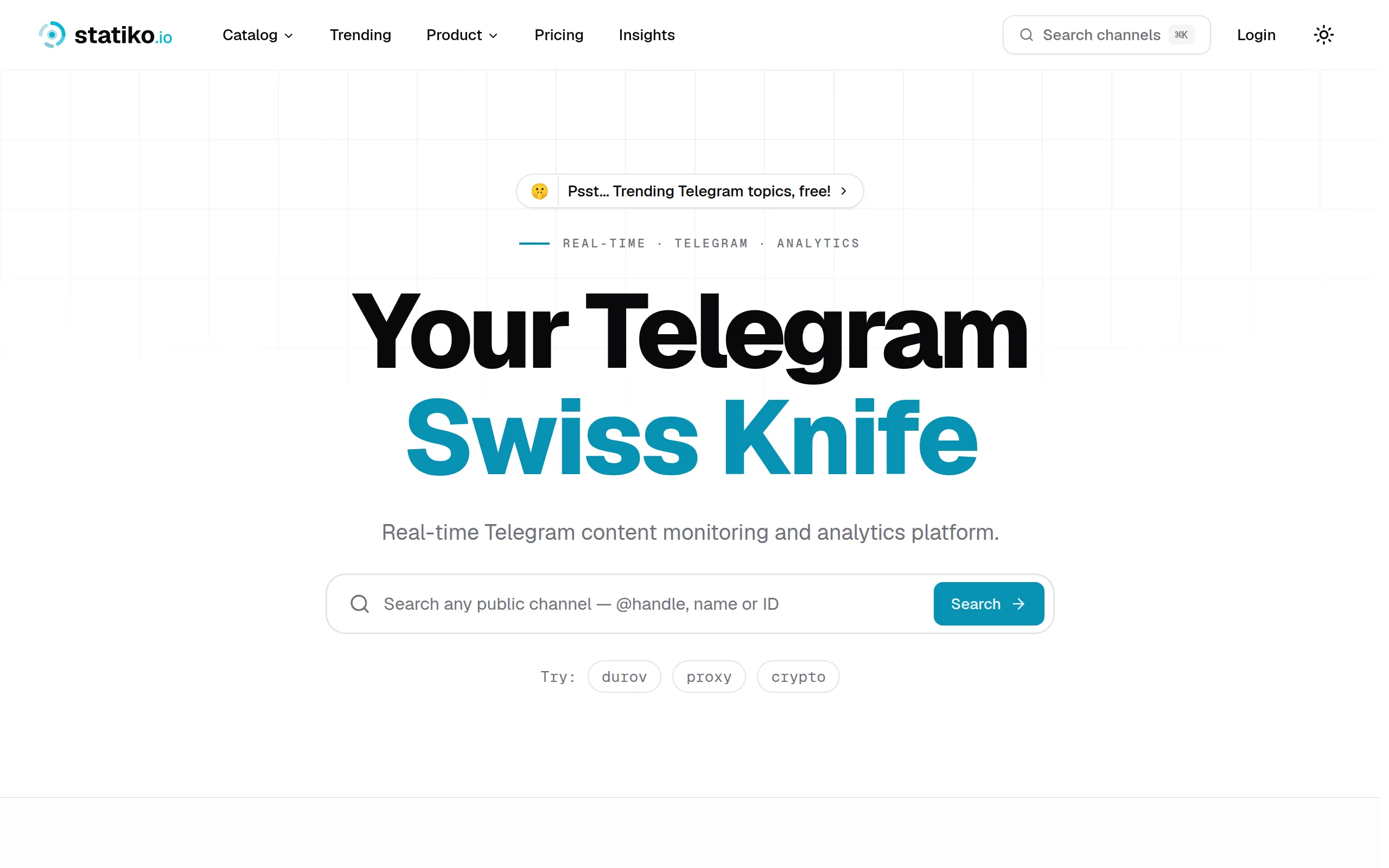
Statiko
Monitor any Telegram channel in real time - track posts, edits, deletions, and growth with AI recaps 📡

Shibui
AI website builder - describe your business, pick a niche template, edit by chatting, and publish instantly ✨

Pro Service
Find verified home service professionals, compare quotes, and pay securely through escrow - built for Brazilians across the US 🏠
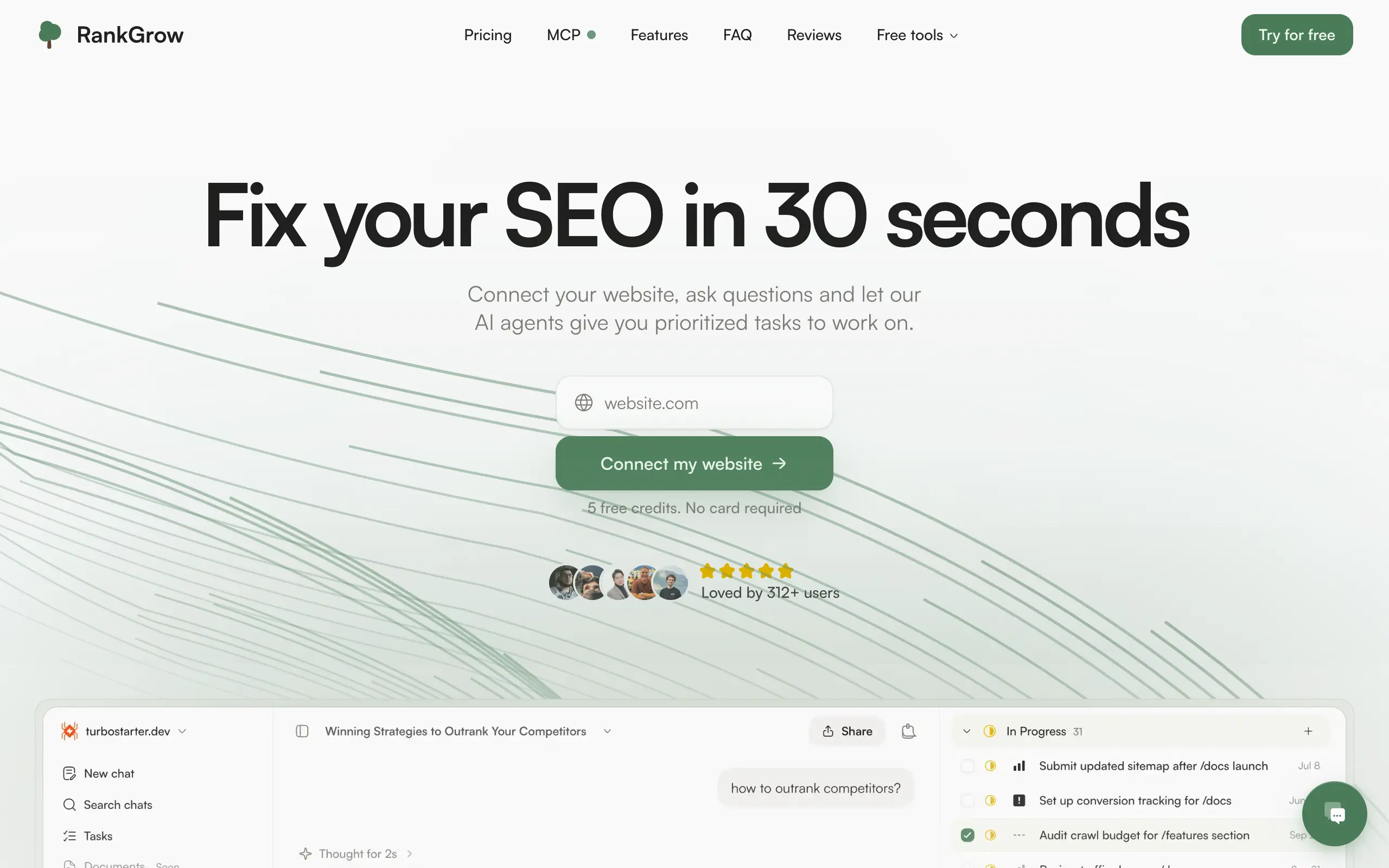
RankGrow
Fix your SEO with AI agents - connect Search Console, get prioritized tasks, and grow organic traffic 📈
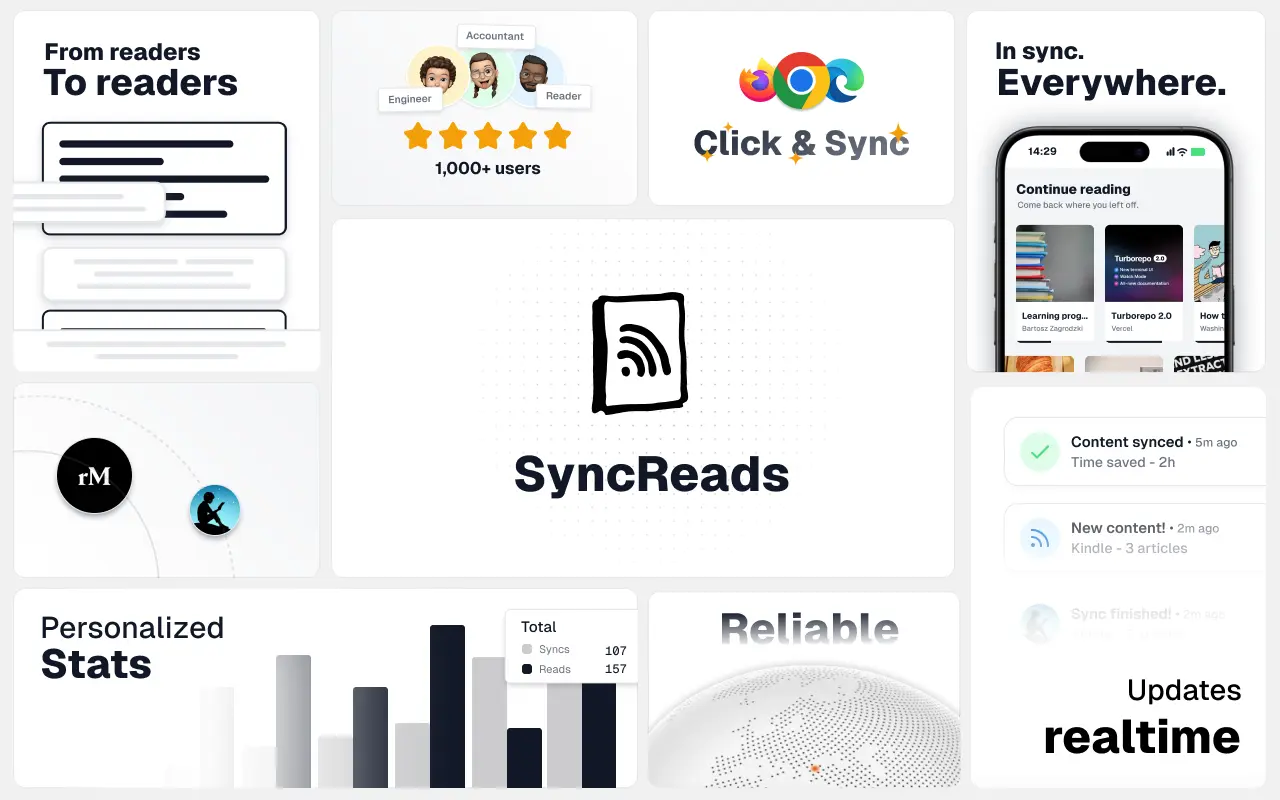
SyncReads
Sync your favorite content for distraction-free reading, save time and replace multiple apps. Anytime, anywhere 🔄
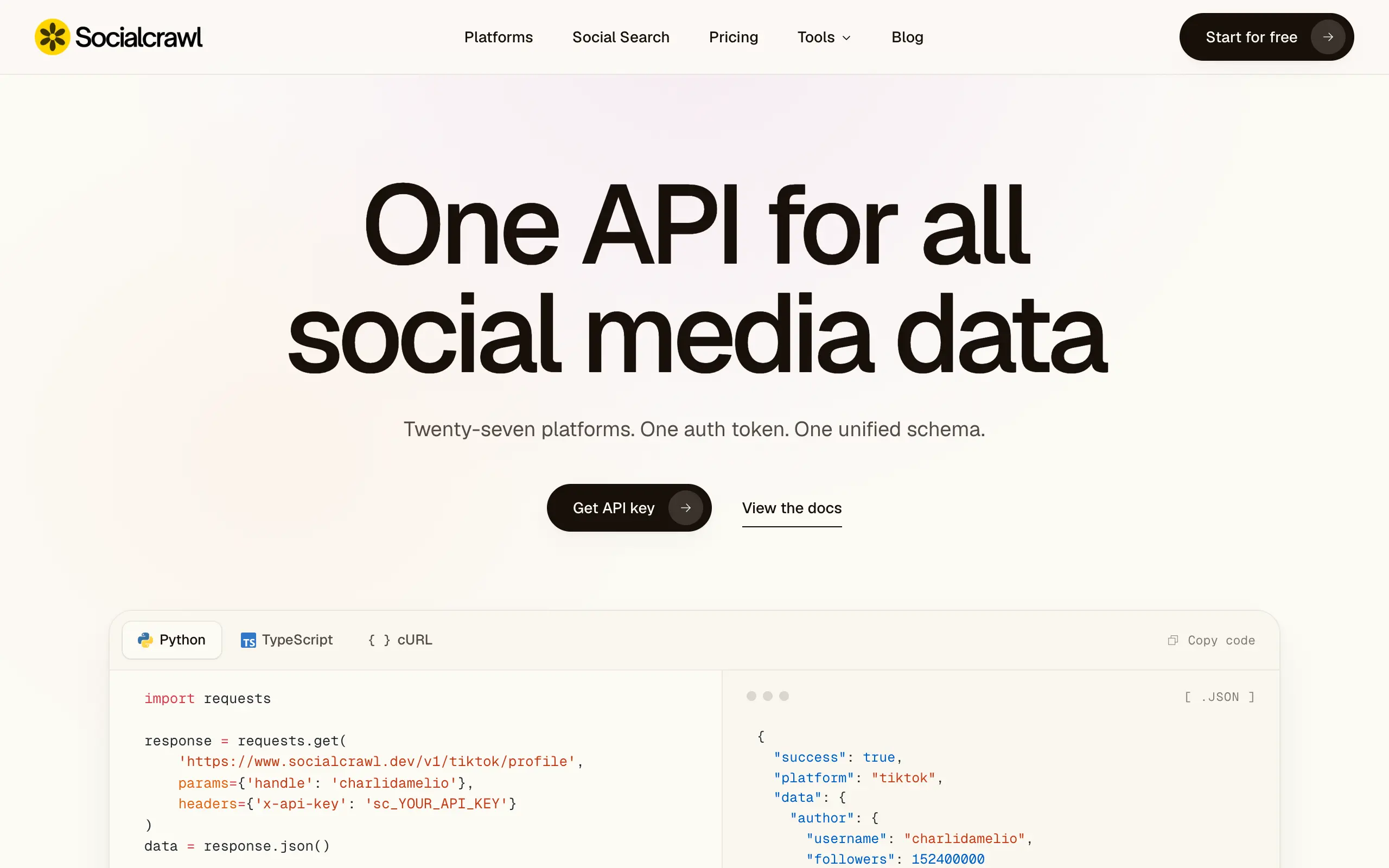
Socialcrawl
Get clean, structured data from 21 platforms like TikTok, Instagram, and YouTube with a single request 📊
Statiko
Monitor any Telegram channel in real time - track posts, edits, deletions, and growth with AI recaps 📡
Shibui
AI website builder - describe your business, pick a niche template, edit by chatting, and publish instantly ✨
Pro Service
Find verified home service professionals, compare quotes, and pay securely through escrow - built for Brazilians across the US 🏠
RankGrow
Fix your SEO with AI agents - connect Search Console, get prioritized tasks, and grow organic traffic 📈
SyncReads
Sync your favorite content for distraction-free reading, save time and replace multiple apps. Anytime, anywhere 🔄
Socialcrawl
Get clean, structured data from 21 platforms like TikTok, Instagram, and YouTube with a single request 📊
Statiko
Monitor any Telegram channel in real time - track posts, edits, deletions, and growth with AI recaps 📡
Shibui
AI website builder - describe your business, pick a niche template, edit by chatting, and publish instantly ✨
Pro Service
Find verified home service professionals, compare quotes, and pay securely through escrow - built for Brazilians across the US 🏠
RankGrow
Fix your SEO with AI agents - connect Search Console, get prioritized tasks, and grow organic traffic 📈
SyncReads
Sync your favorite content for distraction-free reading, save time and replace multiple apps. Anytime, anywhere 🔄
Socialcrawl
Get clean, structured data from 21 platforms like TikTok, Instagram, and YouTube with a single request 📊
Statiko
Monitor any Telegram channel in real time - track posts, edits, deletions, and growth with AI recaps 📡
Shibui
AI website builder - describe your business, pick a niche template, edit by chatting, and publish instantly ✨
Pro Service
Find verified home service professionals, compare quotes, and pay securely through escrow - built for Brazilians across the US 🏠
RankGrow
Fix your SEO with AI agents - connect Search Console, get prioritized tasks, and grow organic traffic 📈
SyncReads
Sync your favorite content for distraction-free reading, save time and replace multiple apps. Anytime, anywhere 🔄
Socialcrawl
Get clean, structured data from 21 platforms like TikTok, Instagram, and YouTube with a single request 📊
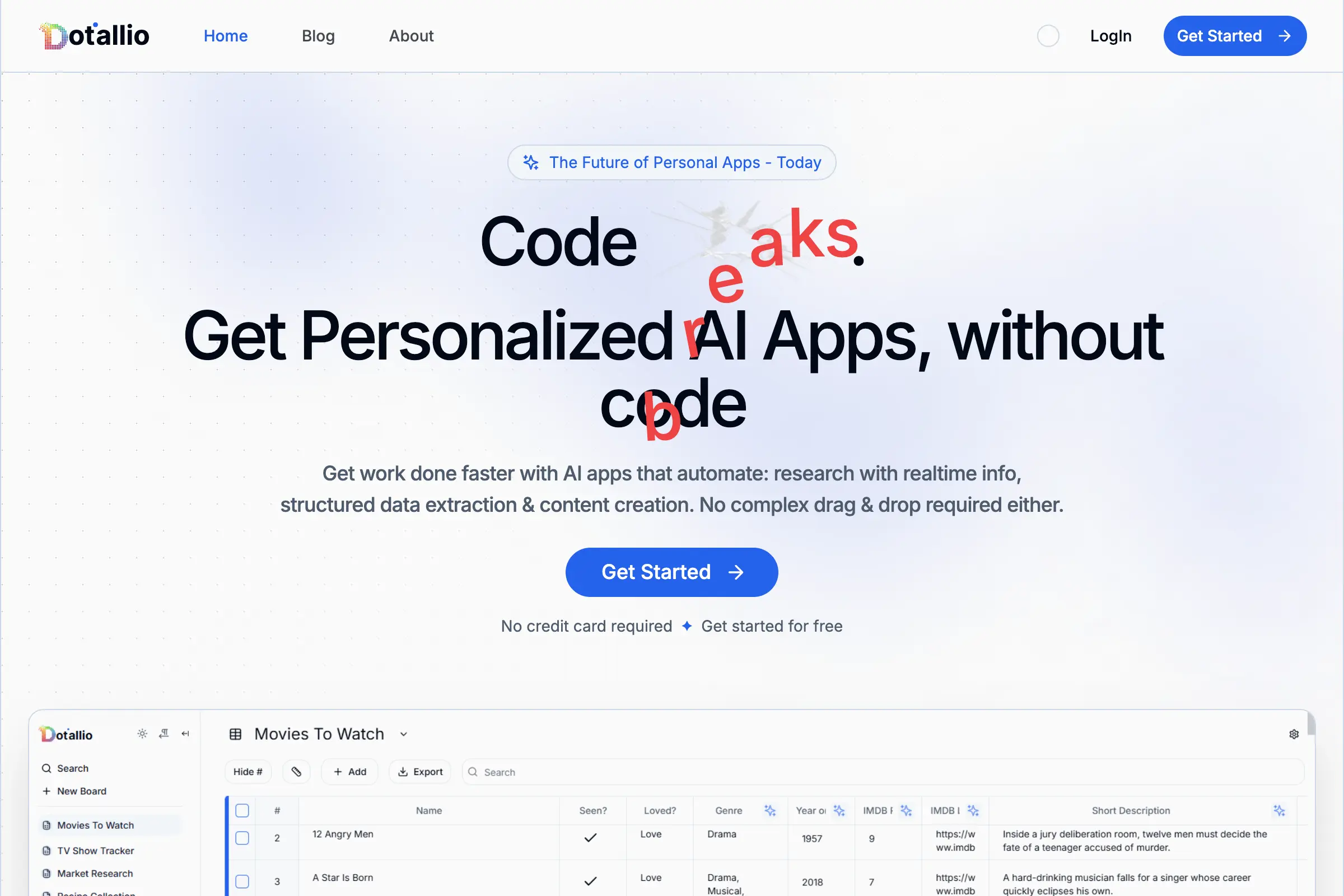
Dotallio
Personalized AI apps that automate research, data extraction, and content creation without code 🤖

Talk to Santa
Enjoy a magical live video chat or receive a unique AI-generated video greeting from Santa Claus 🎅
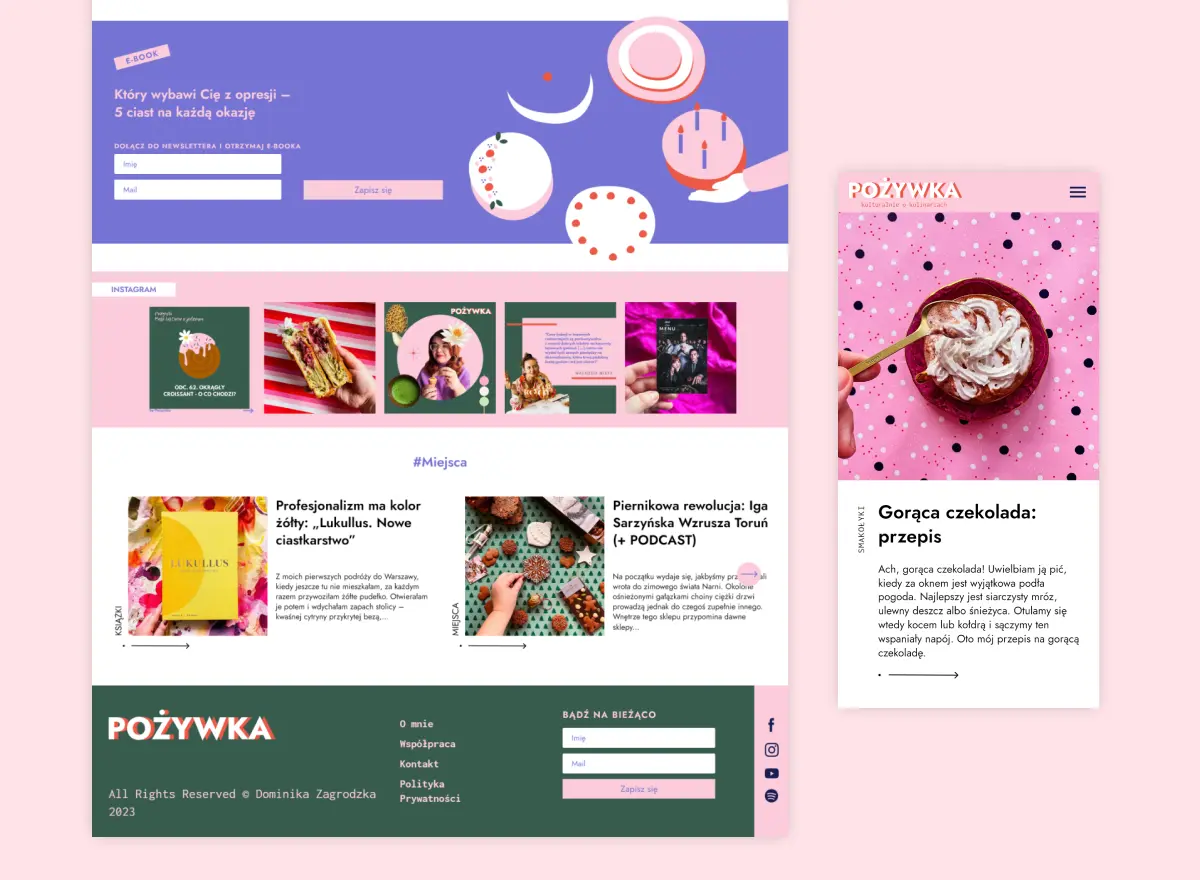
pozywka.pl
Scalable blog for food journalist, focused on performance and user experience 🌭
zagrodzki.me
Personal blog and portfolio of Bart Zagrodzki, where he shares his knowledge and work 💼
TurboStarter
Ship your startup everywhere. In minutes.
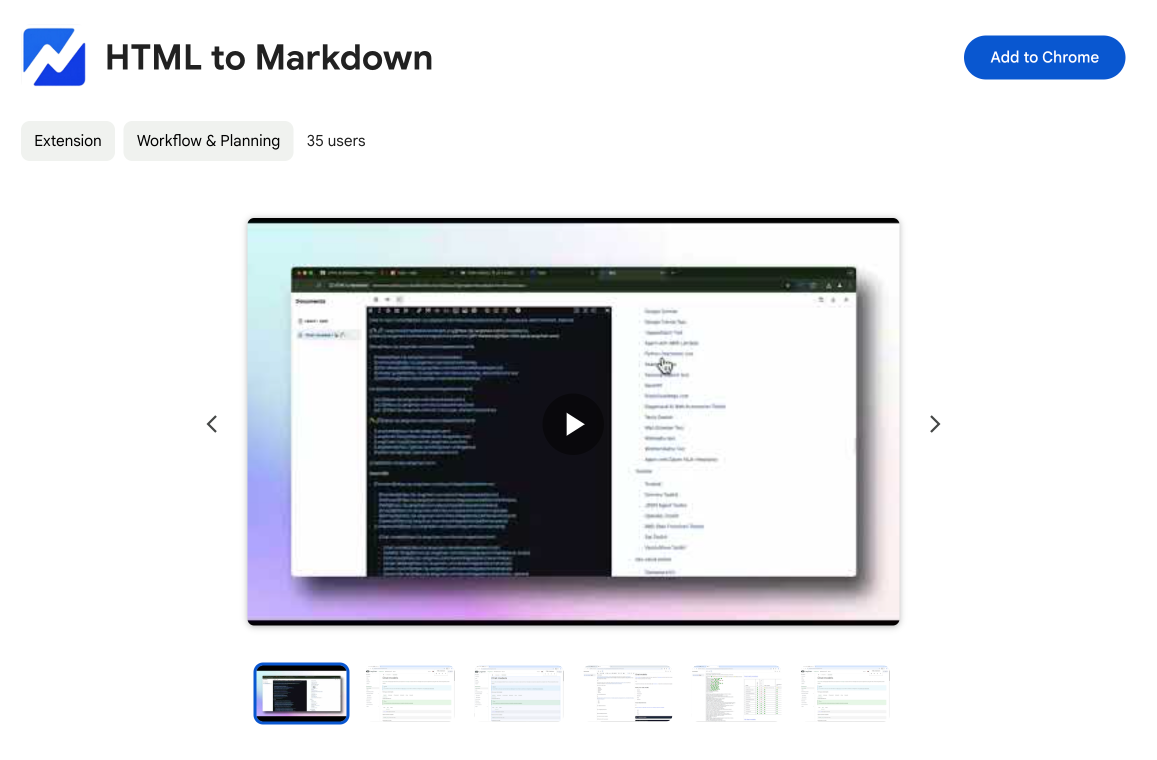
HTML to Markdown
Convert HTML to Markdown with ease, directly in your browser 📄
Dotallio
Personalized AI apps that automate research, data extraction, and content creation without code 🤖
Talk to Santa
Enjoy a magical live video chat or receive a unique AI-generated video greeting from Santa Claus 🎅
pozywka.pl
Scalable blog for food journalist, focused on performance and user experience 🌭
zagrodzki.me
Personal blog and portfolio of Bart Zagrodzki, where he shares his knowledge and work 💼
TurboStarter
Ship your startup everywhere. In minutes.
HTML to Markdown
Convert HTML to Markdown with ease, directly in your browser 📄
Dotallio
Personalized AI apps that automate research, data extraction, and content creation without code 🤖
Talk to Santa
Enjoy a magical live video chat or receive a unique AI-generated video greeting from Santa Claus 🎅
pozywka.pl
Scalable blog for food journalist, focused on performance and user experience 🌭
zagrodzki.me
Personal blog and portfolio of Bart Zagrodzki, where he shares his knowledge and work 💼
TurboStarter
Ship your startup everywhere. In minutes.
HTML to Markdown
Convert HTML to Markdown with ease, directly in your browser 📄
Dotallio
Personalized AI apps that automate research, data extraction, and content creation without code 🤖
Talk to Santa
Enjoy a magical live video chat or receive a unique AI-generated video greeting from Santa Claus 🎅
pozywka.pl
Scalable blog for food journalist, focused on performance and user experience 🌭
zagrodzki.me
Personal blog and portfolio of Bart Zagrodzki, where he shares his knowledge and work 💼
TurboStarter
Ship your startup everywhere. In minutes.
HTML to Markdown
Convert HTML to Markdown with ease, directly in your browser 📄
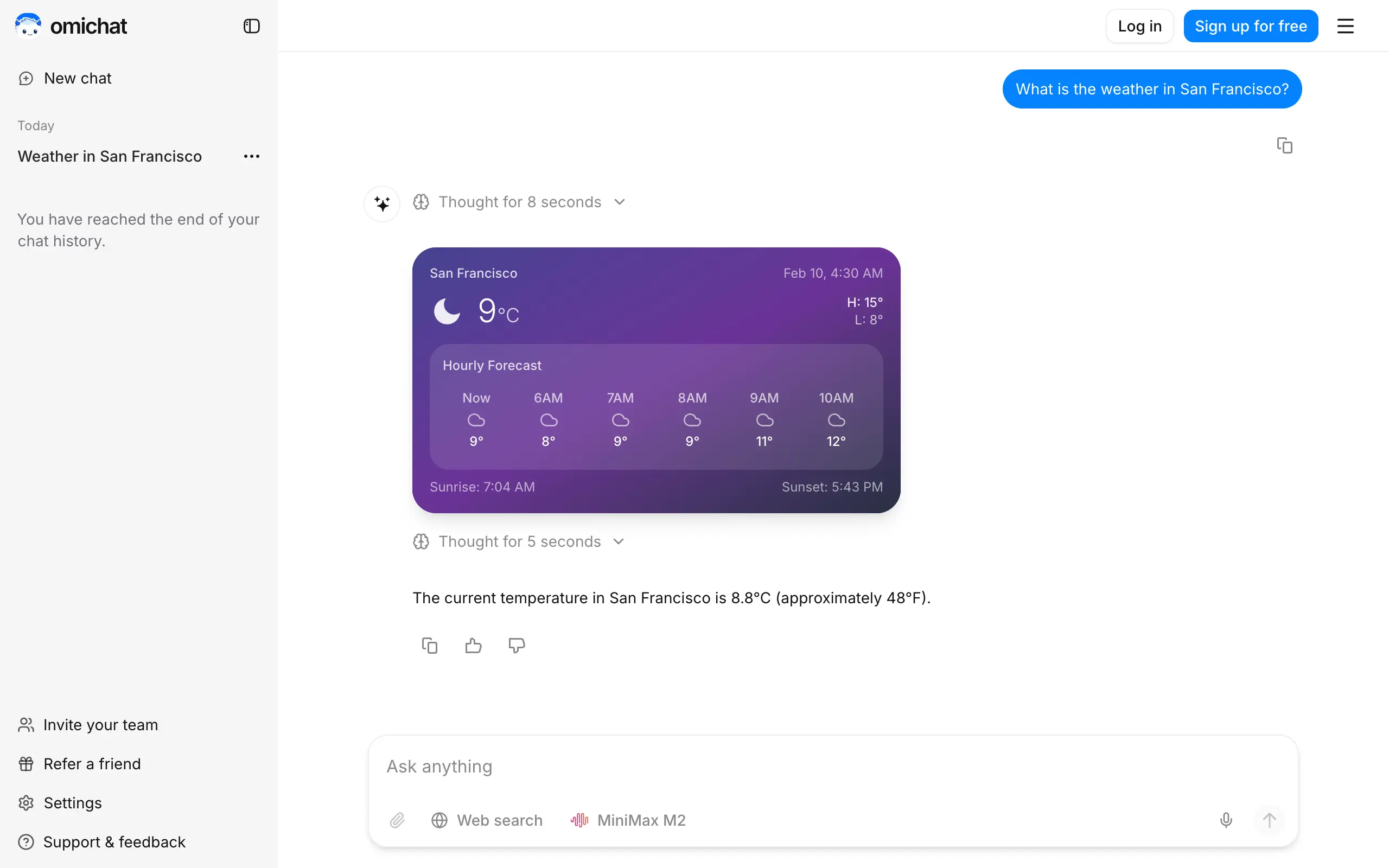
Omichat
Chat with 50+ AI models, including ChatGPT and Claude, in one place - switch models anytime without losing context 🤖
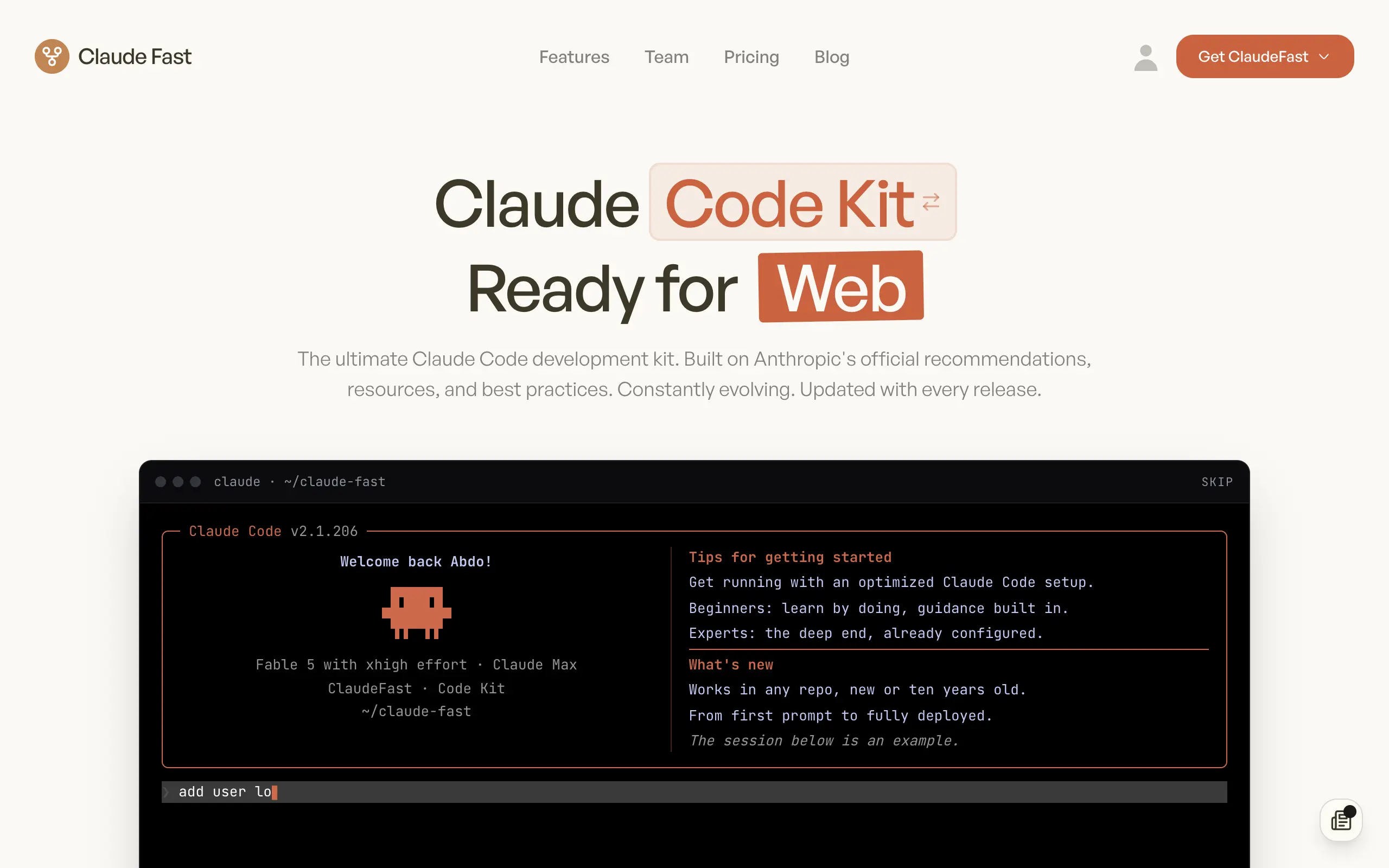
Claude Fast
Supercharge your Claude Code with 6x effective context window and specialized AI agents 🤖
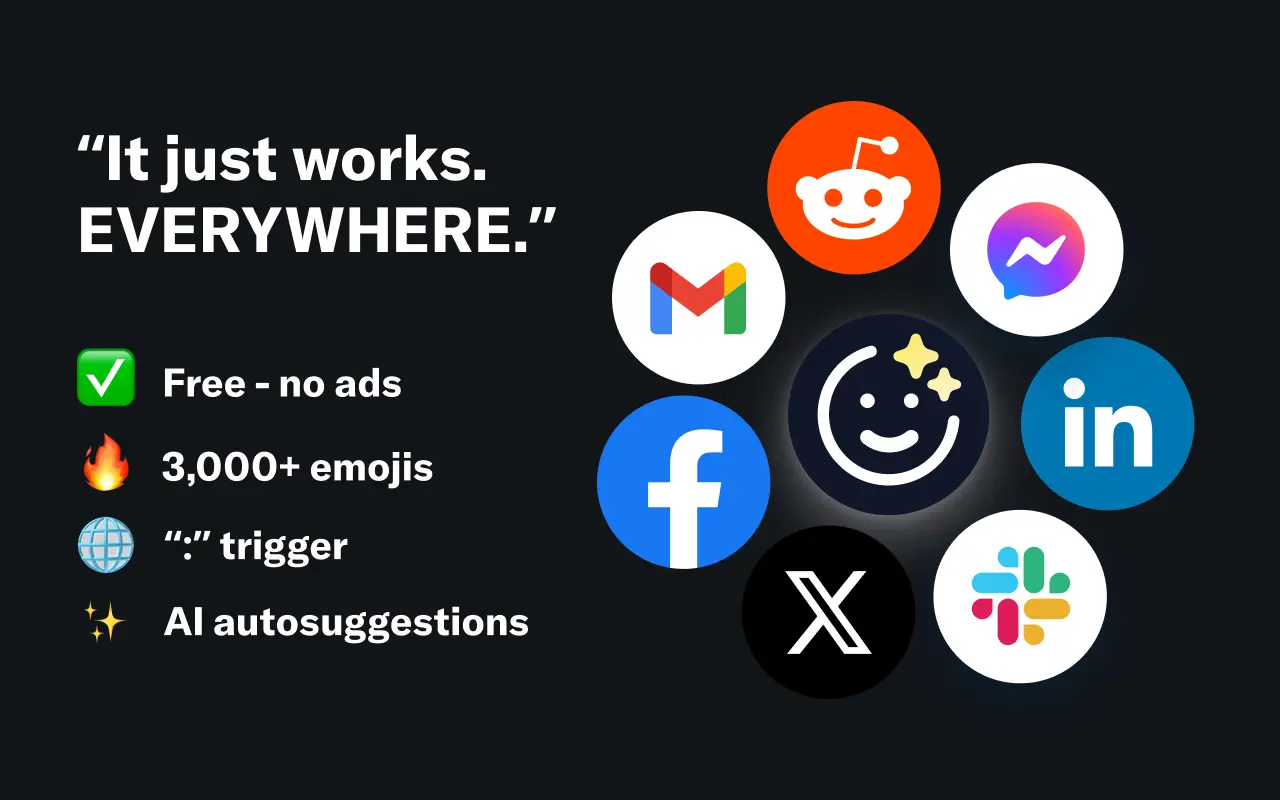
EmojAI
AI-powered emoji picker with smart, context-aware suggestions 🤖
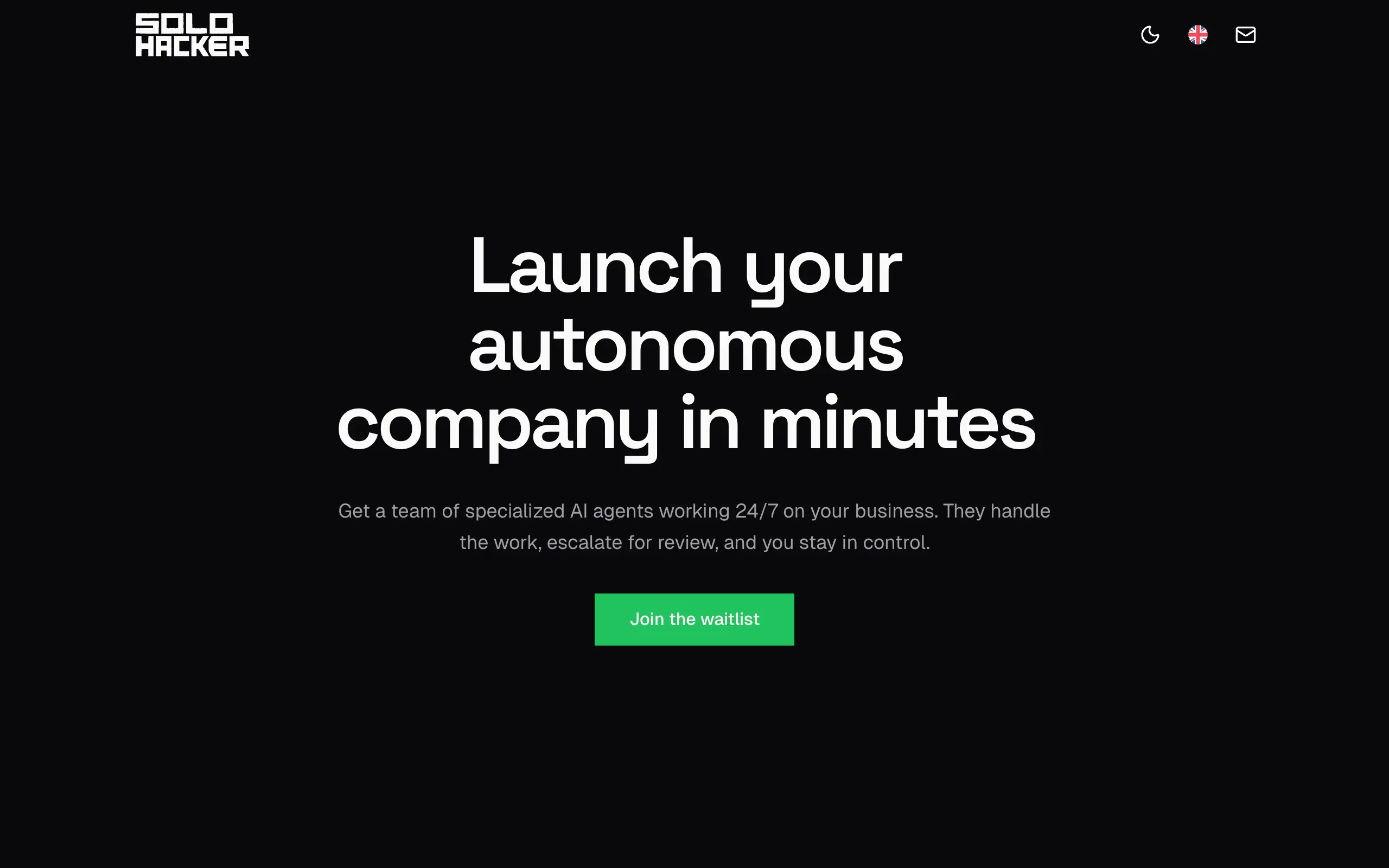
Solohacker
Autonomous company launcher - AI agents work 24/7, escalate what matters, and you stay in control 🤖

BeRawi: Storytelling Coach
Practice storytelling daily with instant feedback to sound clearer, more engaging, and confident 🎤
Omichat
Chat with 50+ AI models, including ChatGPT and Claude, in one place - switch models anytime without losing context 🤖
Claude Fast
Supercharge your Claude Code with 6x effective context window and specialized AI agents 🤖
EmojAI
AI-powered emoji picker with smart, context-aware suggestions 🤖
Solohacker
Autonomous company launcher - AI agents work 24/7, escalate what matters, and you stay in control 🤖
BeRawi: Storytelling Coach
Practice storytelling daily with instant feedback to sound clearer, more engaging, and confident 🎤
Omichat
Chat with 50+ AI models, including ChatGPT and Claude, in one place - switch models anytime without losing context 🤖
Claude Fast
Supercharge your Claude Code with 6x effective context window and specialized AI agents 🤖
EmojAI
AI-powered emoji picker with smart, context-aware suggestions 🤖
Solohacker
Autonomous company launcher - AI agents work 24/7, escalate what matters, and you stay in control 🤖
BeRawi: Storytelling Coach
Practice storytelling daily with instant feedback to sound clearer, more engaging, and confident 🎤
Omichat
Chat with 50+ AI models, including ChatGPT and Claude, in one place - switch models anytime without losing context 🤖
Claude Fast
Supercharge your Claude Code with 6x effective context window and specialized AI agents 🤖
EmojAI
AI-powered emoji picker with smart, context-aware suggestions 🤖
Solohacker
Autonomous company launcher - AI agents work 24/7, escalate what matters, and you stay in control 🤖
BeRawi: Storytelling Coach
Practice storytelling daily with instant feedback to sound clearer, more engaging, and confident 🎤

Connect with like-minded people
Join our community to get feedback, support, and grow together with 1,000+ builders on board, let's ship it!
Join usShip your startup everywhere. In minutes.
Don't burn tokens on setup and start building features on day one.