SymptomSync
AI-powered journal and analytics tool that correlates lifestyle, weather, and medication data to predict pain flare-ups and suggest preventative actions for chronic pain users.
Understanding the chronic pain management landscape
Chronic pain affects over 1.5 billion people worldwide, making it one of the most prevalent and challenging health issues today. For many, pain is not just a symptom—it’s a daily reality that impacts work, relationships, and overall quality of life. Traditional pain management often relies on medication and sporadic self-reporting, which can miss critical patterns and triggers.
SymptomSync enters this landscape as an AI-powered journal and analytics tool, designed to empower chronic pain sufferers by correlating lifestyle, weather, and medication data. Its goal: to predict pain flare-ups and suggest preventative actions, offering a proactive approach to pain management.
In this article, we’ll explore the target audience, market opportunity, core features, technology stack, monetization strategies, risks, competitive advantages, and actionable steps to bring SymptomSync to life.
Who is SymptomSync for? Target audience analysis
Understanding the user is crucial for any SaaS product, especially in health tech. SymptomSync’s primary audience includes:
- Individuals with chronic pain conditions: This includes those with fibromyalgia, arthritis, migraines, endometriosis, and other long-term pain disorders.
- Caregivers and family members: People supporting loved ones with chronic pain, seeking better ways to track and understand symptoms.
- Healthcare professionals: Doctors, pain specialists, and therapists who want richer patient data to inform treatment plans.
- Researchers: Academics and organizations studying pain patterns and interventions.
User pain points
- Lack of pattern recognition: Manual journaling is tedious and often fails to reveal correlations between pain and lifestyle factors.
- Reactive, not proactive care: Most tools only track symptoms after they occur, missing opportunities for prevention.
- Fragmented data: Medication logs, weather changes, and lifestyle habits are rarely integrated in one place.
- Limited actionable insights: Existing apps often stop at tracking, without offering personalized suggestions.
User intent and search behavior
Potential users are searching for:
- “Best chronic pain tracking app”
- “How to predict pain flare-ups”
- “AI for pain management”
- “Weather and pain correlation tool”
- “Preventative actions for chronic pain”
SymptomSync’s value proposition aligns directly with these intents, offering a comprehensive, AI-driven solution.
Identifying the market opportunity and gaps
The digital health market is booming, with the global pain management devices market expected to reach $8.5 billion by 2027 (source: suggest referencing a recent market research report). However, most solutions focus on treatment rather than prediction and prevention.
Key market gaps
- Lack of predictive analytics: Few tools leverage AI to forecast pain based on multi-factor data.
- Siloed data sources: Most apps track either symptoms, medication, or weather—but rarely all three.
- Generic recommendations: Existing solutions often provide one-size-fits-all advice, lacking personalization.
Why now?
- Advances in AI and machine learning: Modern algorithms can process complex, multi-dimensional data to uncover hidden patterns.
- Wearable and IoT integration: More users have access to health data from smartwatches, fitness trackers, and connected devices.
- Growing demand for self-management: Patients are increasingly seeking tools that empower them to take control of their health.
Core features and solution details
SymptomSync’s strength lies in its holistic, AI-powered approach. Here’s a breakdown of its core features:
1. Intelligent symptom journaling
- Easy daily logging: Users can quickly record pain levels, locations, and descriptions.
- Voice and photo input: For accessibility and richer data capture.
- Automated reminders: Encourages consistent tracking.
2. Lifestyle and medication tracking
- Activity and sleep monitoring: Integrates with wearables (e.g., Fitbit, Apple Health) to import exercise, sleep, and heart rate data.
- Medication logs: Tracks dosages, timing, and adherence.
- Diet and hydration: Optional modules for food and water intake.
3. Weather and environmental data integration
- Real-time weather sync: Pulls local weather data (temperature, humidity, barometric pressure) to correlate with pain episodes.
- Allergen and pollution tracking: Adds another layer for users sensitive to environmental triggers.
4. AI-powered analytics and predictions
- Pattern recognition: Machine learning models identify correlations between pain, lifestyle, medication, and weather.
- Flare-up forecasting: Predicts high-risk days or periods for pain based on historical and real-time data.
- Personalized preventative suggestions: Recommends actions (e.g., adjust medication, rest, hydration) tailored to the user’s unique patterns.
5. Actionable reports and sharing
- Visual dashboards: Easy-to-understand charts and timelines.
- Exportable reports: For sharing with healthcare providers.
- Privacy-first data controls: Users own their data and can control sharing settings.
6. Community and support (optional)
- Peer support forums: Connect with others managing similar conditions.
- Expert Q&A: Access to pain specialists for advice.
AI-powered predictions
Leverage machine learning to forecast pain flare-ups and suggest preventative actions.
Integrated data sources
Combine lifestyle, medication, and weather data for holistic insights.
Personalized recommendations
Receive tailored advice based on your unique pain patterns.
Recommended tech stack for SymptomSync
Choosing the right technology stack is critical for scalability, security, and user experience. Here’s a recommended approach:
Frontend
- React: For building a responsive, interactive user interface.
- TailwindCSS: Enables rapid, consistent styling.
- Redux or Context API: For state management, especially for user data and preferences.
- PWA support: Ensures mobile accessibility without requiring a native app.
Backend
- Node.js: Scalable, event-driven backend.
- Express: Lightweight API framework.
- Python (for AI/ML): Leverage libraries like scikit-learn, TensorFlow, or PyTorch for analytics and prediction models.
Database
- PostgreSQL: Robust, relational database for structured data.
- MongoDB: Optionally, for flexible storage of unstructured logs or journal entries.
Integrations
- Apple HealthKit, Google Fit: For importing wearable and health data.
- Weather APIs: Such as OpenWeatherMap for real-time environmental data.
Security and privacy
- OAuth 2.0: Secure authentication.
- End-to-end encryption: Protects sensitive health data.
- HIPAA/GDPR compliance: Essential for user trust and legal requirements.
Trade-offs
- Python for AI vs. JavaScript: Python offers richer ML libraries, but requires careful orchestration with a Node.js backend.
- Relational vs. NoSQL databases: PostgreSQL is ideal for structured, query-heavy data; MongoDB offers flexibility for evolving schemas.
Pro tip
Consider using a microservices architecture to separate the AI/ML engine from the main application, improving scalability and maintainability.
Monetization strategy options
A sustainable SaaS business needs a clear path to revenue. Here are proven models for SymptomSync:
1. Freemium with premium upgrades
- Free tier: Basic journaling, limited analytics, and standard reports.
- Premium tier: Advanced AI predictions, personalized recommendations, exportable reports, and priority support.
2. Subscription-based pricing
- Monthly/annual plans: Recurring revenue with discounts for longer commitments.
- Family/caregiver plans: Allow multiple users to manage and view data collaboratively.
3. B2B partnerships
- Healthcare providers: Offer SymptomSync as a value-add for clinics or pain management centers.
- Research institutions: License anonymized, aggregated data (with user consent) for academic studies.
4. In-app purchases
- Expert consultations: Book sessions with pain specialists.
- Custom reports: One-time fees for detailed analytics.
5. White-label solutions
- Custom branding: License the platform to clinics or wellness brands.
All monetization strategies prioritize user privacy. Data is never sold or shared without explicit, informed consent, and all analytics for research are fully anonymized.
Potential risks and mitigation strategies
Building a health-focused AI SaaS comes with unique challenges. Here’s how to address them:
1. Data privacy and security
- Risk: Breach of sensitive health data.
- Mitigation: Implement end-to-end encryption, regular security audits, and strict access controls. Ensure compliance with HIPAA and GDPR.
2. AI prediction accuracy
- Risk: Inaccurate or misleading predictions could harm user trust or health.
- Mitigation: Use transparent, explainable AI models. Regularly validate predictions with real-world data and user feedback.
3. Regulatory compliance
- Risk: Non-compliance with health data regulations.
- Mitigation: Consult legal experts, maintain clear privacy policies, and stay updated on evolving regulations.
4. User engagement and retention
- Risk: Users may stop logging data if the process is tedious or insights are unclear.
- Mitigation: Focus on intuitive UX, gamification, and actionable, personalized feedback.
5. Integration challenges
- Risk: Difficulty syncing with third-party devices or APIs.
- Mitigation: Prioritize popular platforms, offer manual entry as a fallback, and maintain robust API documentation.
Competitive advantage analysis
SymptomSync stands out in a crowded market by combining several unique strengths:
| AI-powered predictions | Weather integration | Personalized actions | Multi-source data | Community support |
|---|---|---|---|---|
| ✅ | ❌ | ❌ | ✅ | ❌ |
| ✅ | ❌ | ✅ | ✅ | ❌ |
Unique selling proposition (USP)
- Holistic data correlation: Unlike most apps, SymptomSync integrates lifestyle, medication, and environmental data for a 360-degree view.
- Proactive, not just reactive: AI-driven predictions and preventative suggestions empower users to act before pain escalates.
- User-centric privacy: Data ownership and privacy controls are built-in, not an afterthought.
- Actionable insights: Goes beyond tracking to deliver clear, personalized recommendations.
Implementation steps: Bringing SymptomSync to life
Launching a successful SaaS like SymptomSync requires a structured, iterative approach. Here’s a step-by-step roadmap:
Staying ahead: Industry trends and future opportunities
To ensure long-term relevance, SymptomSync should stay attuned to these trends:
- Personalized medicine: Increasing demand for tailored health interventions.
- Wearable tech adoption: More users are tracking health metrics daily.
- Explainable AI: Users and regulators expect transparency in health predictions.
- Telehealth integration: Opportunity to connect users with remote care providers.
- Data interoperability: Growing emphasis on seamless data exchange between platforms.
Did you know?
Recent studies suggest that weather changes can trigger pain flare-ups in up to 70% of people with chronic pain conditions (reference: suggest linking to a reputable medical journal).
Conclusion: Why SymptomSync is the future of chronic pain management
Chronic pain is complex, but managing it shouldn’t be. SymptomSync’s AI-powered journal and analytics platform offers a unique, holistic solution—empowering users to understand, predict, and prevent pain flare-ups. By integrating lifestyle, medication, and environmental data, and delivering actionable, personalized insights, SymptomSync stands out as a leader in digital pain management.
Whether you’re a patient, caregiver, or healthcare professional, SymptomSync provides the tools to move from reactive tracking to proactive prevention—improving quality of life, one insight at a time.
Next steps: How to get started
- Validate your idea: Talk to real users and healthcare professionals.
- Leverage TurboStarter: Accelerate your SaaS development with proven templates and best practices.
- Prioritize privacy and compliance: Build trust from day one.
- Iterate and improve: Use feedback and data to refine your product and AI models.
By following this roadmap, you can turn SymptomSync from concept to a transformative tool in the fight against chronic pain.
More 🤖 AI Startup SaaS ideas
Discover more innovative ai startup SaaS ideas that are trending in 2026. Each idea is AI-generated with market validation and growth potential to help you find your next profitable venture faster than competitors.
Your competitors are building with TurboStarter
Below are some of the SaaS ideas that have been generated and built with our starter kit.

Statiko
Monitor any Telegram channel in real time - track posts, edits, deletions, and growth with AI recaps 📡

Shibui
AI website builder - describe your business, pick a niche template, edit by chatting, and publish instantly ✨

Pro Service
Find verified home service professionals, compare quotes, and pay securely through escrow - built for Brazilians across the US 🏠
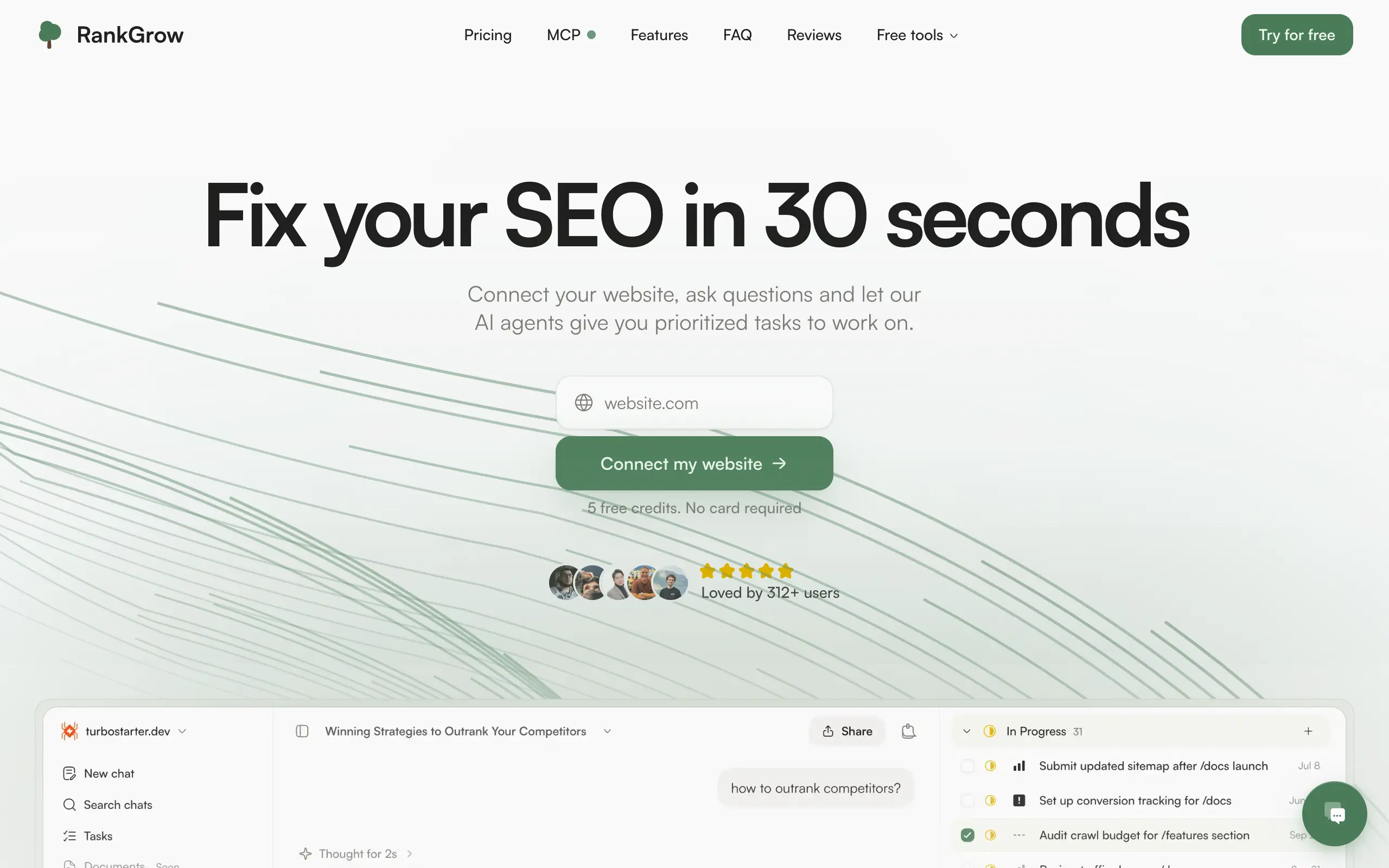
RankGrow
Fix your SEO with AI agents - connect Search Console, get prioritized tasks, and grow organic traffic 📈
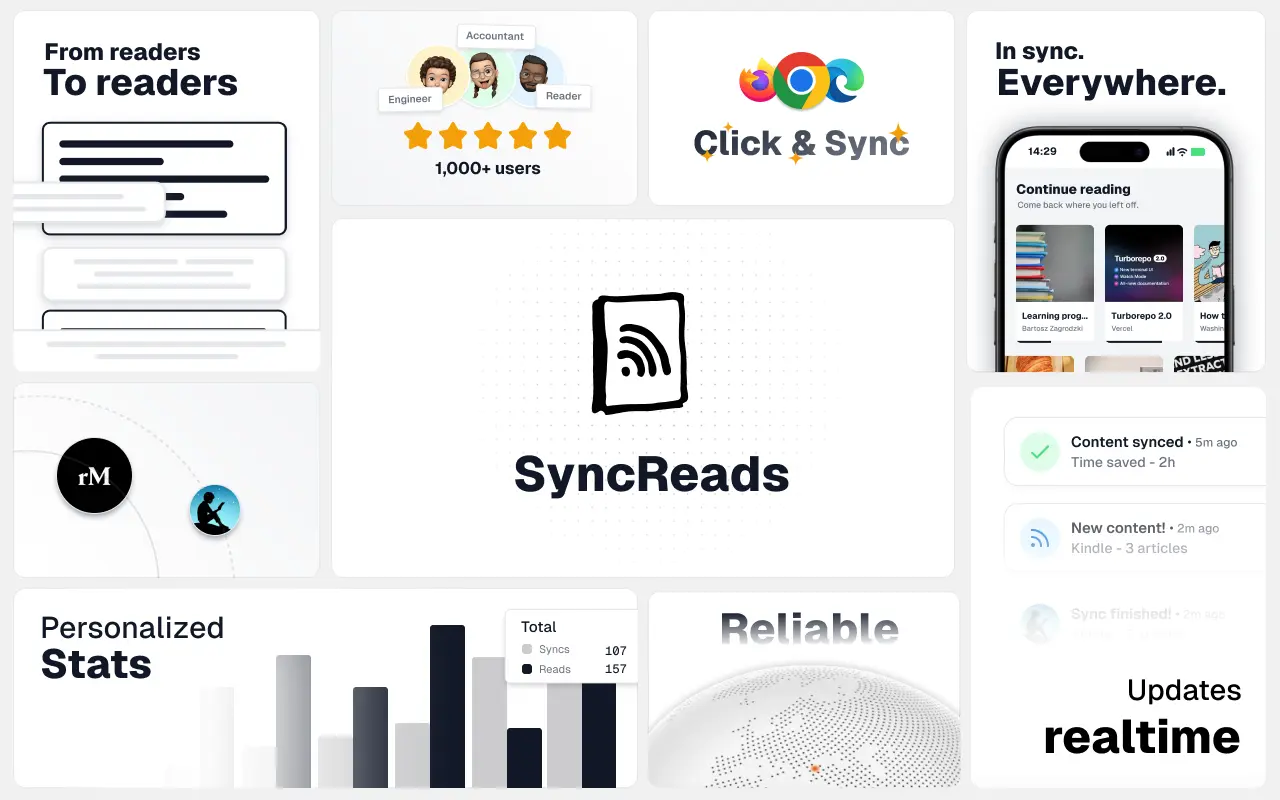
SyncReads
Sync your favorite content for distraction-free reading, save time and replace multiple apps. Anytime, anywhere 🔄
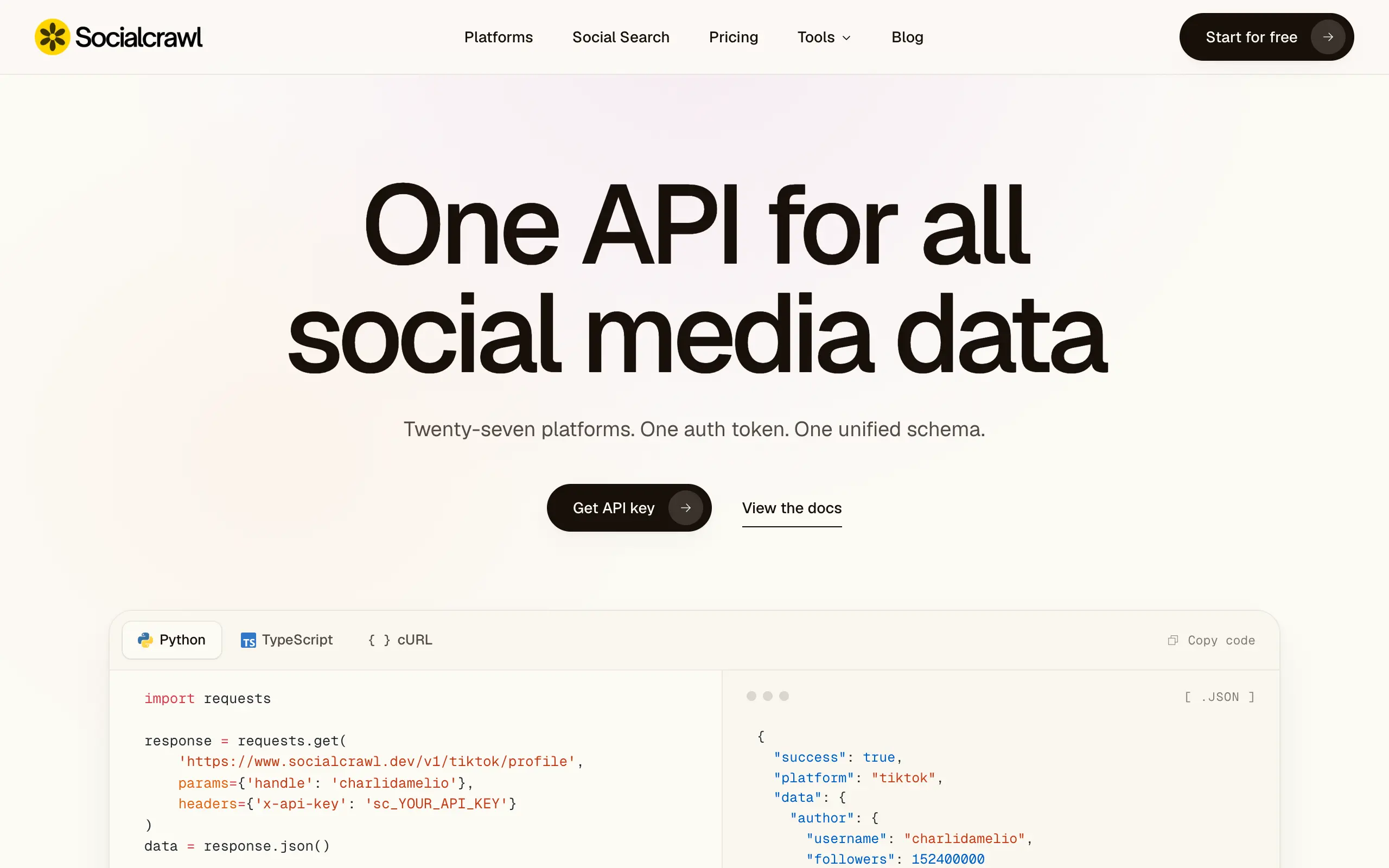
Socialcrawl
Get clean, structured data from 21 platforms like TikTok, Instagram, and YouTube with a single request 📊
Statiko
Monitor any Telegram channel in real time - track posts, edits, deletions, and growth with AI recaps 📡
Shibui
AI website builder - describe your business, pick a niche template, edit by chatting, and publish instantly ✨
Pro Service
Find verified home service professionals, compare quotes, and pay securely through escrow - built for Brazilians across the US 🏠
RankGrow
Fix your SEO with AI agents - connect Search Console, get prioritized tasks, and grow organic traffic 📈
SyncReads
Sync your favorite content for distraction-free reading, save time and replace multiple apps. Anytime, anywhere 🔄
Socialcrawl
Get clean, structured data from 21 platforms like TikTok, Instagram, and YouTube with a single request 📊
Statiko
Monitor any Telegram channel in real time - track posts, edits, deletions, and growth with AI recaps 📡
Shibui
AI website builder - describe your business, pick a niche template, edit by chatting, and publish instantly ✨
Pro Service
Find verified home service professionals, compare quotes, and pay securely through escrow - built for Brazilians across the US 🏠
RankGrow
Fix your SEO with AI agents - connect Search Console, get prioritized tasks, and grow organic traffic 📈
SyncReads
Sync your favorite content for distraction-free reading, save time and replace multiple apps. Anytime, anywhere 🔄
Socialcrawl
Get clean, structured data from 21 platforms like TikTok, Instagram, and YouTube with a single request 📊
Statiko
Monitor any Telegram channel in real time - track posts, edits, deletions, and growth with AI recaps 📡
Shibui
AI website builder - describe your business, pick a niche template, edit by chatting, and publish instantly ✨
Pro Service
Find verified home service professionals, compare quotes, and pay securely through escrow - built for Brazilians across the US 🏠
RankGrow
Fix your SEO with AI agents - connect Search Console, get prioritized tasks, and grow organic traffic 📈
SyncReads
Sync your favorite content for distraction-free reading, save time and replace multiple apps. Anytime, anywhere 🔄
Socialcrawl
Get clean, structured data from 21 platforms like TikTok, Instagram, and YouTube with a single request 📊
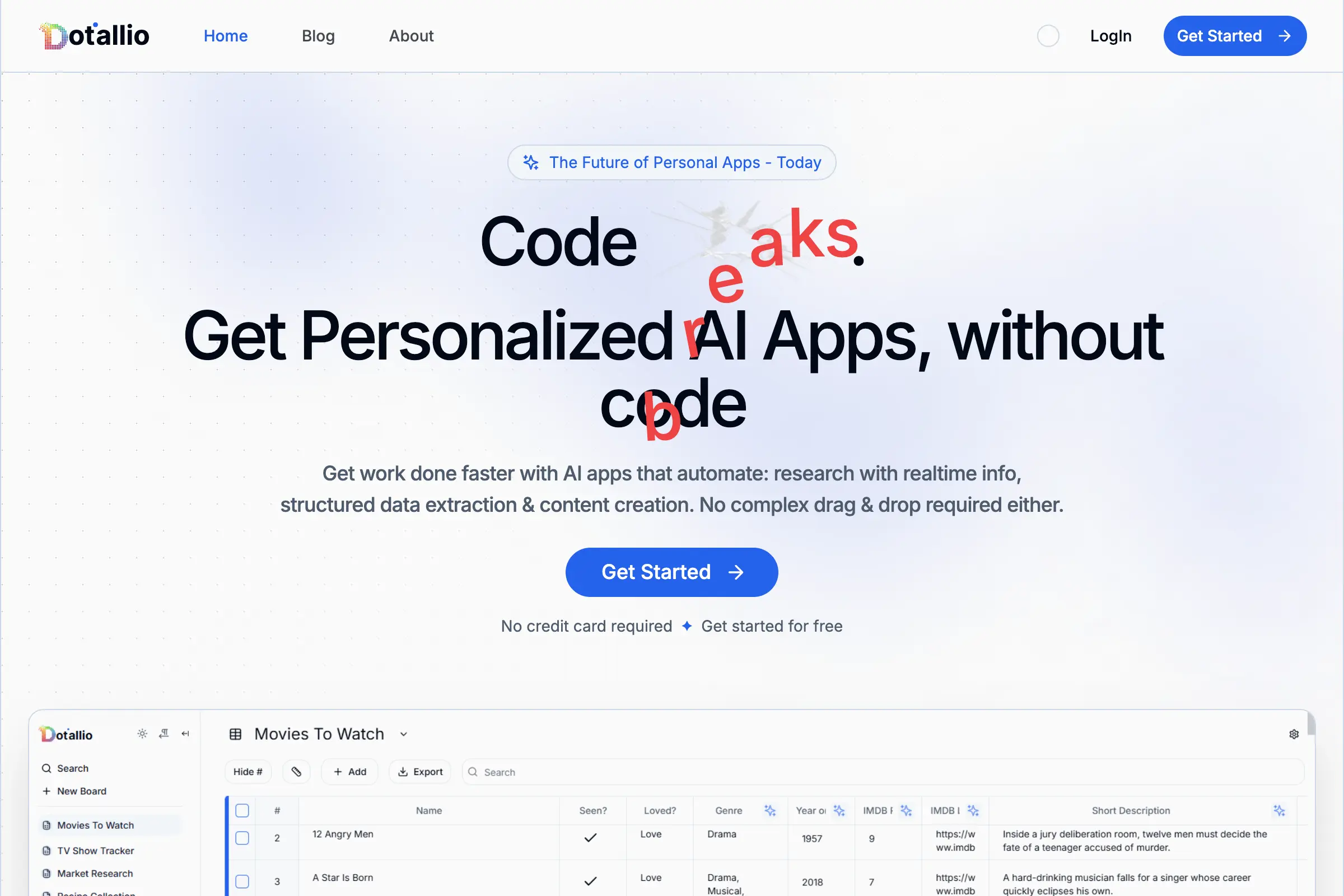
Dotallio
Personalized AI apps that automate research, data extraction, and content creation without code 🤖

Talk to Santa
Enjoy a magical live video chat or receive a unique AI-generated video greeting from Santa Claus 🎅

pozywka.pl
Scalable blog for food journalist, focused on performance and user experience 🌭
zagrodzki.me
Personal blog and portfolio of Bart Zagrodzki, where he shares his knowledge and work 💼
TurboStarter
Ship your startup everywhere. In minutes.
HTML to Markdown
Convert HTML to Markdown with ease, directly in your browser 📄
Dotallio
Personalized AI apps that automate research, data extraction, and content creation without code 🤖
Talk to Santa
Enjoy a magical live video chat or receive a unique AI-generated video greeting from Santa Claus 🎅
pozywka.pl
Scalable blog for food journalist, focused on performance and user experience 🌭
zagrodzki.me
Personal blog and portfolio of Bart Zagrodzki, where he shares his knowledge and work 💼
TurboStarter
Ship your startup everywhere. In minutes.
HTML to Markdown
Convert HTML to Markdown with ease, directly in your browser 📄
Dotallio
Personalized AI apps that automate research, data extraction, and content creation without code 🤖
Talk to Santa
Enjoy a magical live video chat or receive a unique AI-generated video greeting from Santa Claus 🎅
pozywka.pl
Scalable blog for food journalist, focused on performance and user experience 🌭
zagrodzki.me
Personal blog and portfolio of Bart Zagrodzki, where he shares his knowledge and work 💼
TurboStarter
Ship your startup everywhere. In minutes.
HTML to Markdown
Convert HTML to Markdown with ease, directly in your browser 📄
Dotallio
Personalized AI apps that automate research, data extraction, and content creation without code 🤖
Talk to Santa
Enjoy a magical live video chat or receive a unique AI-generated video greeting from Santa Claus 🎅
pozywka.pl
Scalable blog for food journalist, focused on performance and user experience 🌭
zagrodzki.me
Personal blog and portfolio of Bart Zagrodzki, where he shares his knowledge and work 💼
TurboStarter
Ship your startup everywhere. In minutes.
HTML to Markdown
Convert HTML to Markdown with ease, directly in your browser 📄
Omichat
Chat with 50+ AI models, including ChatGPT and Claude, in one place - switch models anytime without losing context 🤖
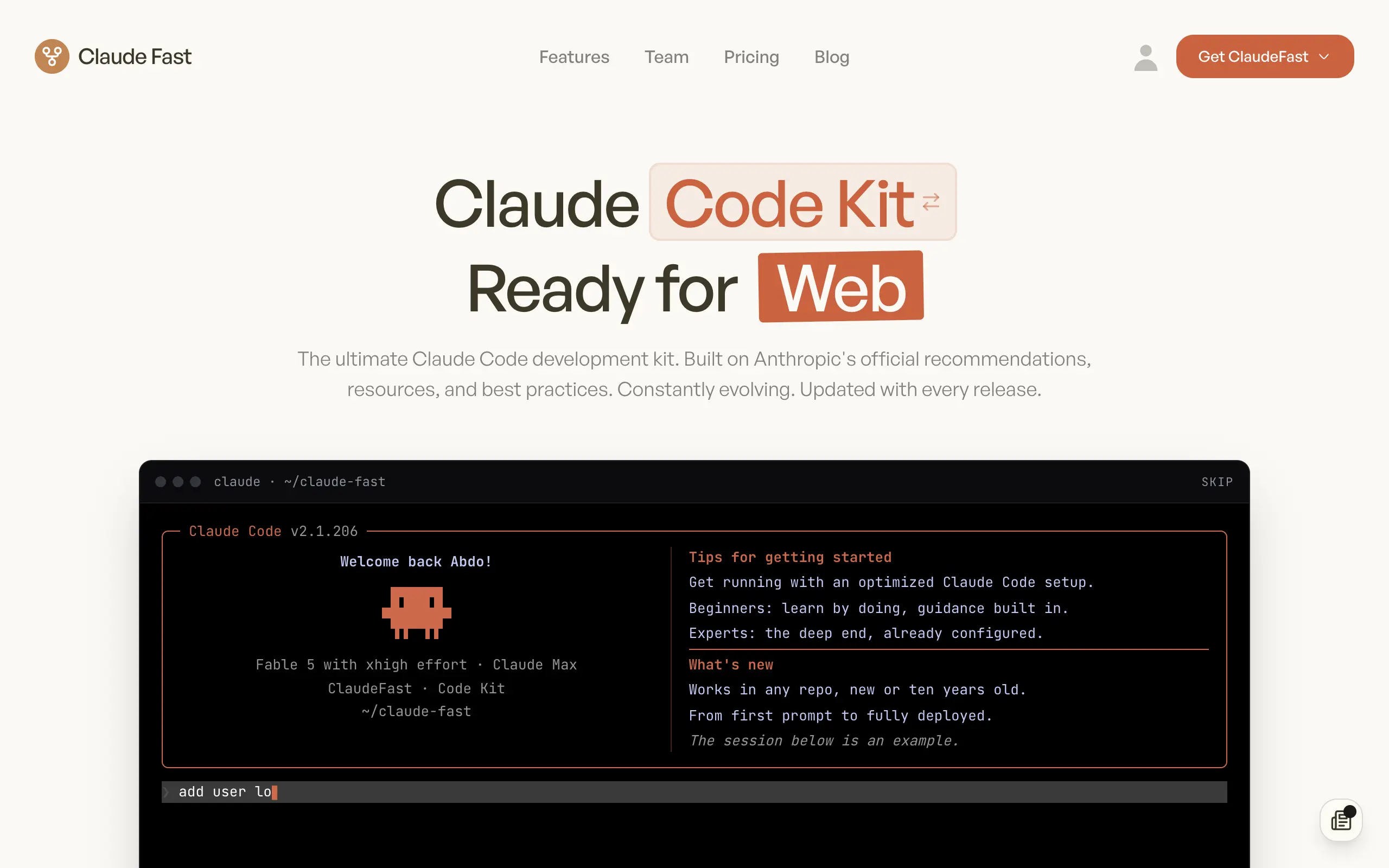
Claude Fast
Supercharge your Claude Code with 6x effective context window and specialized AI agents 🤖
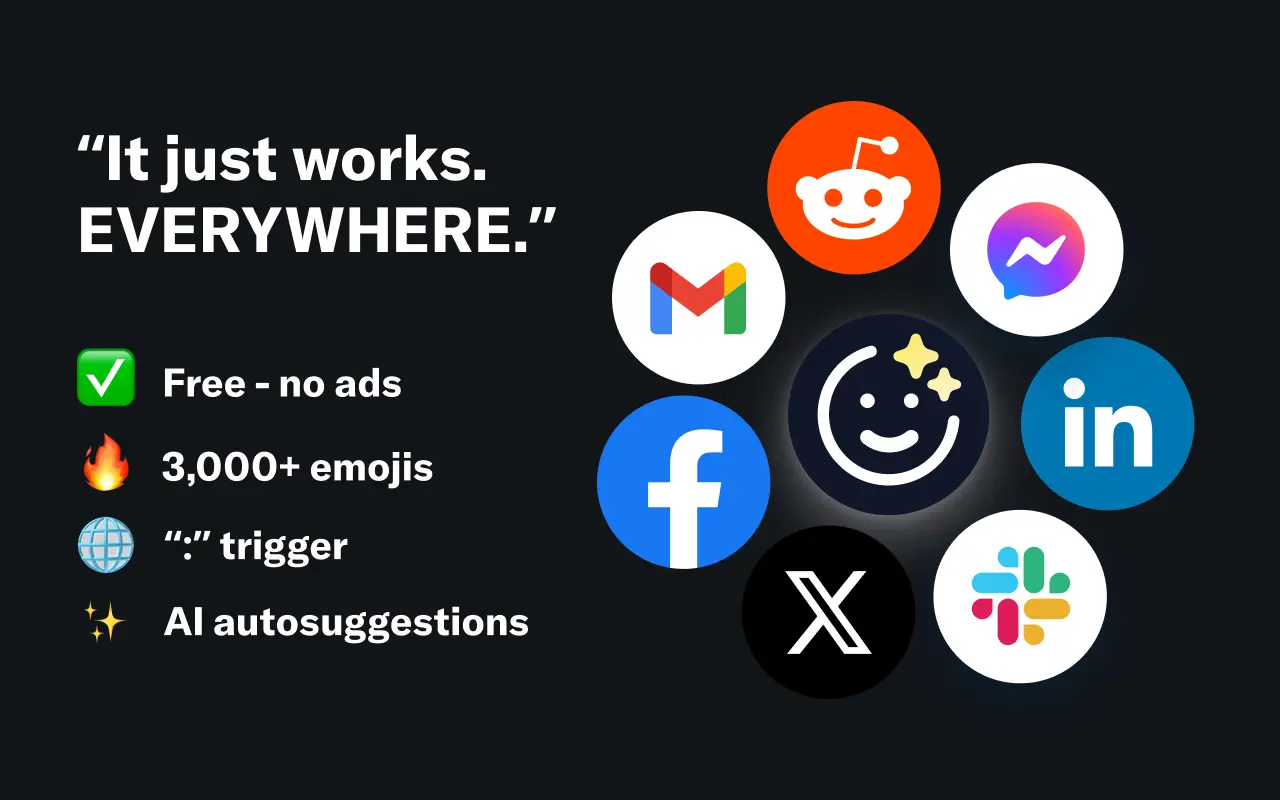
EmojAI
AI-powered emoji picker with smart, context-aware suggestions 🤖
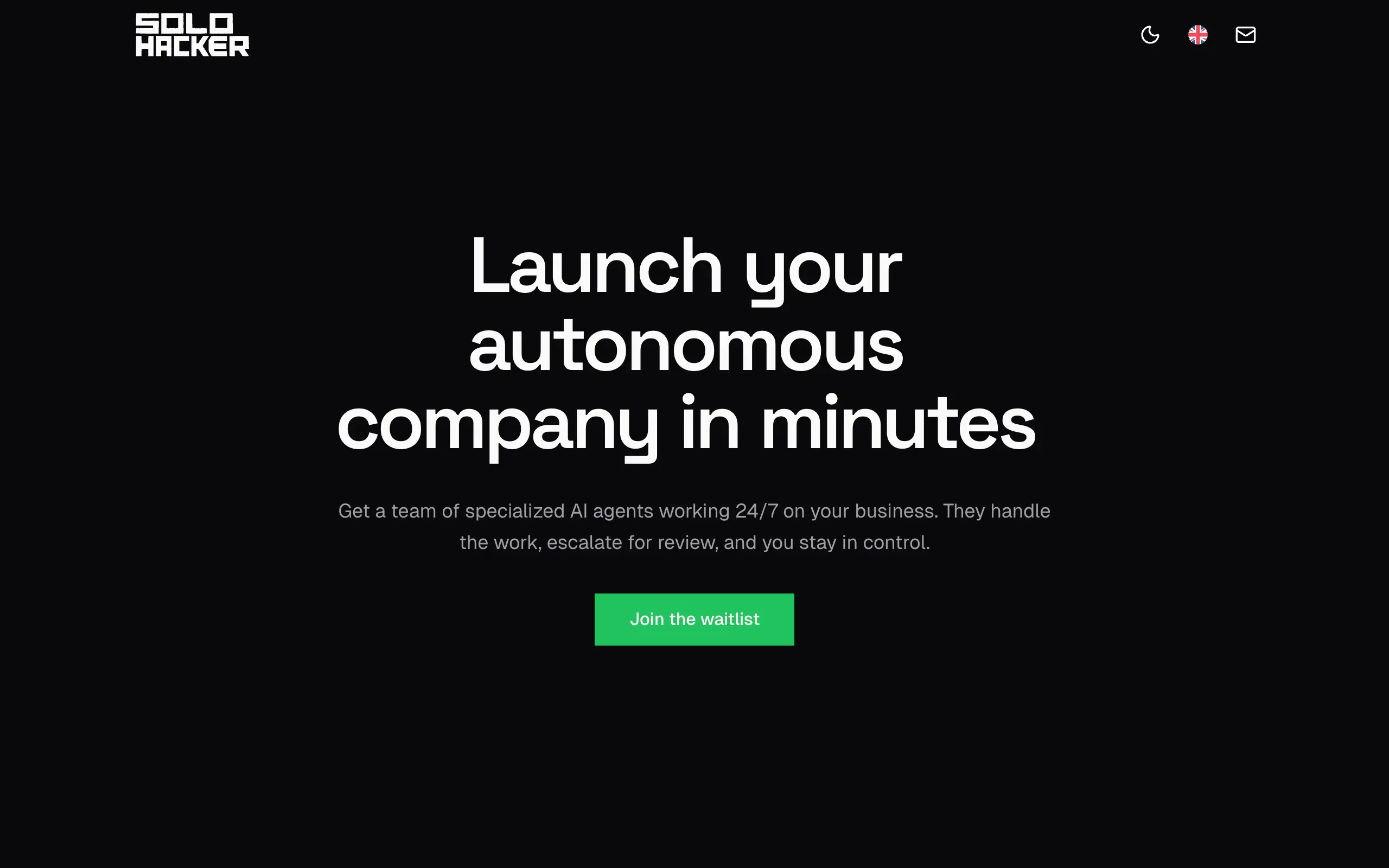
Solohacker
Autonomous company launcher - AI agents work 24/7, escalate what matters, and you stay in control 🤖
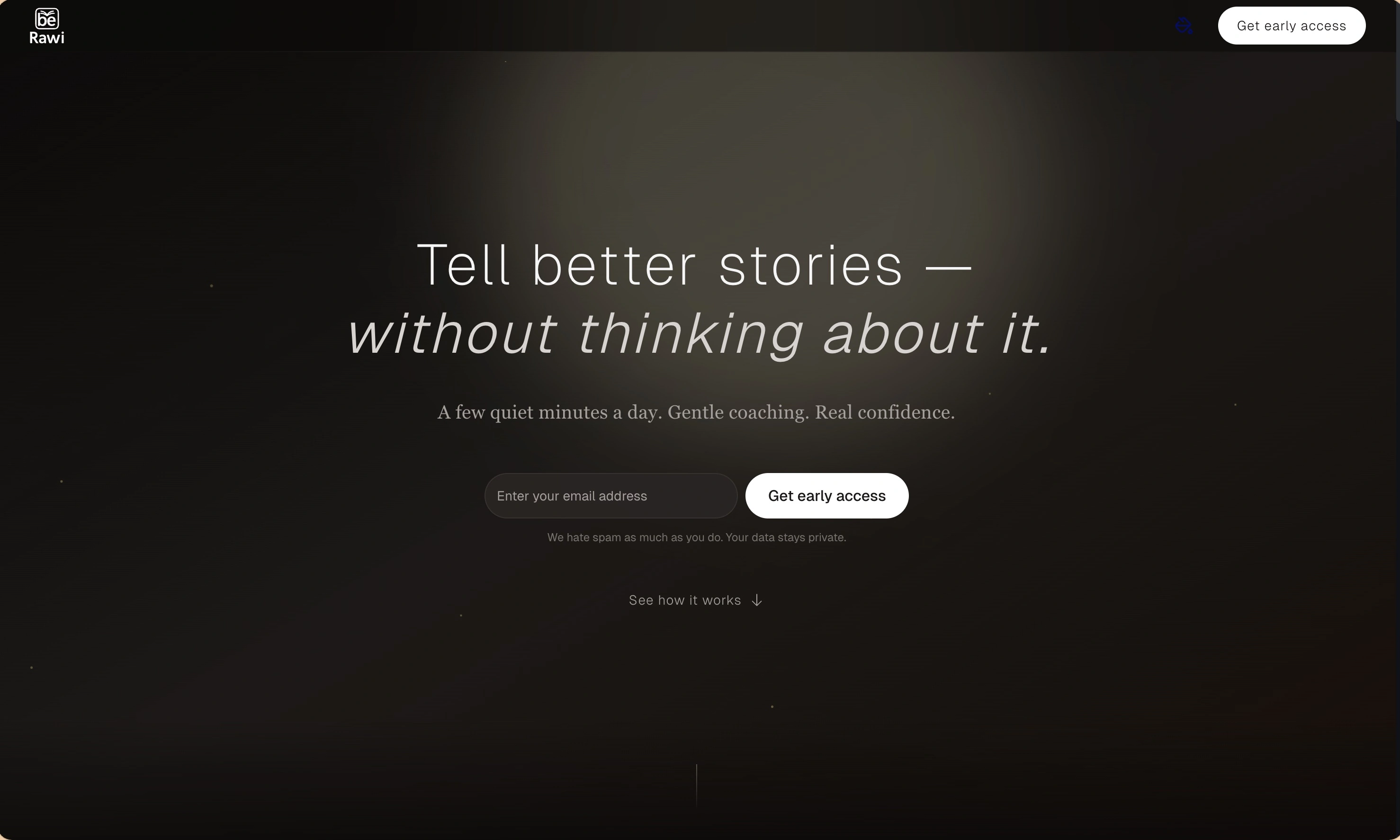
BeRawi: Storytelling Coach
Practice storytelling daily with instant feedback to sound clearer, more engaging, and confident 🎤
Omichat
Chat with 50+ AI models, including ChatGPT and Claude, in one place - switch models anytime without losing context 🤖
Claude Fast
Supercharge your Claude Code with 6x effective context window and specialized AI agents 🤖
EmojAI
AI-powered emoji picker with smart, context-aware suggestions 🤖
Solohacker
Autonomous company launcher - AI agents work 24/7, escalate what matters, and you stay in control 🤖
BeRawi: Storytelling Coach
Practice storytelling daily with instant feedback to sound clearer, more engaging, and confident 🎤
Omichat
Chat with 50+ AI models, including ChatGPT and Claude, in one place - switch models anytime without losing context 🤖
Claude Fast
Supercharge your Claude Code with 6x effective context window and specialized AI agents 🤖
EmojAI
AI-powered emoji picker with smart, context-aware suggestions 🤖
Solohacker
Autonomous company launcher - AI agents work 24/7, escalate what matters, and you stay in control 🤖
BeRawi: Storytelling Coach
Practice storytelling daily with instant feedback to sound clearer, more engaging, and confident 🎤
Omichat
Chat with 50+ AI models, including ChatGPT and Claude, in one place - switch models anytime without losing context 🤖
Claude Fast
Supercharge your Claude Code with 6x effective context window and specialized AI agents 🤖
EmojAI
AI-powered emoji picker with smart, context-aware suggestions 🤖
Solohacker
Autonomous company launcher - AI agents work 24/7, escalate what matters, and you stay in control 🤖
BeRawi: Storytelling Coach
Practice storytelling daily with instant feedback to sound clearer, more engaging, and confident 🎤

Connect with like-minded people
Join our community to get feedback, support, and grow together with 1,000+ builders on board, let's ship it!
Join usShip your startup everywhere. In minutes.
Don't burn tokens on setup and start building features on day one.