TangentFlow
An AI thinking canvas that transforms rambling notes and voice memos into connected insights, summaries, and clear next steps.
The rise of AI thinking canvases: why the world needs structured thinking tools
In an era of constant notifications, voice notes, Slack threads, meeting recordings, and scattered documents, our thinking has become fragmented. Founders capture ideas in Apple Notes. Product managers drop voice memos during their commute. Researchers highlight PDFs. Teams brainstorm in Miro, Notion, Google Docs, and WhatsApp—often within the same week.
The result? Insight overload without clarity.
This is where an AI thinking canvas like TangentFlow changes the game. Instead of being another note-taking app, TangentFlow is designed to transform rambling notes and voice memos into:
- Connected insights
- Structured summaries
- Clear next steps
- Actionable knowledge graphs
This article explores the strategic opportunity behind TangentFlow, its target market, core features, tech architecture, monetization strategy, competitive advantage, and step-by-step implementation plan. If you're evaluating this SaaS idea for validation, funding, or building, this guide gives you a deep, expert-level breakdown.
Understanding the user intent behind AI thinking canvas tools
When users search for:
- “AI note summarizer”
- “Turn voice memos into action items”
- “AI thinking tool”
- “Organize messy notes with AI”
- “AI second brain app”
- “Connected notes AI”
They are typically trying to:
- Reduce cognitive overload
- Extract value from messy thoughts
- Turn ideas into execution
- Build a second brain that actually thinks back
The core intent is not just storage. It’s sense-making.
Traditional note-taking tools are passive. An AI thinking canvas must be:
- Proactive
- Context-aware
- Insight-generating
- Action-oriented
TangentFlow’s opportunity lies in bridging the gap between capturing thoughts and transforming them into structured, usable intelligence.
Market opportunity: the exploding AI productivity space
The AI productivity software market is growing rapidly, driven by advances in large language models (LLMs) and voice transcription. According to industry research (e.g., Gartner and McKinsey reports on generative AI adoption), knowledge workers spend a significant portion of their time organizing information and summarizing content.
Key trends driving demand:
- Remote and hybrid work increasing documentation needs
- Founder and creator economy growth
- AI-native workflows becoming mainstream
- Increased adoption of tools like Notion AI, ChatGPT, and AI transcription apps
However, there is still a clear market gap.
The gap: thinking vs storing
Most tools focus on:
- Transcribing (e.g., Otter)
- Summarizing (e.g., built-in AI assistants)
- Storing notes (e.g., Notion, Obsidian)
Few focus on:
- Connecting ideas across time
- Detecting themes and contradictions
- Highlighting emerging patterns
- Suggesting concrete next steps
That’s where TangentFlow positions itself as an AI-powered thinking partner, not just a note processor.
Target audience analysis
TangentFlow should not target “everyone.” Instead, it should focus on high-value, high-pain user segments.
1. Startup founders & solo entrepreneurs
Pain points:
- Dozens of ideas scattered across tools
- Voice memos recorded on the go
- Strategic thinking buried in Slack and Notion
- Difficulty prioritizing next steps
What they need:
- Insight clustering
- Roadmap extraction
- Automatic task suggestion
- Strategy refinement
2. Product managers
Pain points:
- Meeting overload
- User interview transcripts
- Feature brainstorming chaos
- Hard-to-track product insights
What they need:
- Theme detection from conversations
- Feature opportunity clustering
- Clear next-step recommendations
3. Researchers and knowledge workers
Pain points:
- Large volumes of text
- Fragmented notes
- Difficulty synthesizing findings
What they need:
- Insight graphs
- Summary layering
- Cross-document linking
4. Creators and writers
Pain points:
- Idea capture everywhere
- Half-finished outlines
- Creative tangents
What they need:
- Narrative clustering
- Outline generation
- Structured idea trees
Core value proposition of TangentFlow
TangentFlow is not just an AI note summarizer. It is an:
AI thinking canvas that transforms unstructured input into structured intelligence and clear action.
The transformation pipeline
Raw Input → Structured Summary → Connected Insights → Suggested Actions → Visual Thinking Canvas
This multi-layer approach differentiates TangentFlow from basic AI summarizers.
Core features and solution architecture
Below is a breakdown of essential features for version 1 and beyond.
1. Multimodal input ingestion
Users should be able to input:
- Text notes
- Voice memos
- Meeting transcripts
- Document uploads
- Web clipping
Voice transcription can be powered by APIs such as OpenAI Whisper (refer to official OpenAI documentation for implementation details).
2. AI-powered summarization engine
Every note should automatically generate:
- Short summary
- Detailed structured summary
- Key insights
- Action items
Example output structure:
{
  "summary": "User exploring SaaS launch strategy.",
  "insights": [
    "Strong focus on AI productivity niche",
    "Needs clearer ICP definition"
  ],
  "nextSteps": [
    "Define primary target segment",
    "Validate pricing with interviews"
  ]
}
3. Insight clustering and graph visualization
This is where TangentFlow becomes a true AI thinking canvas.
Features:
- Auto-detected themes
- Topic grouping
- Visual node graph
- Relationship mapping
For example:
- “Pricing” connects to 12 notes
- “MVP features” connects to 7 voice memos
- “Customer interviews” links to feature decisions
This creates a living knowledge graph.
4. Action-oriented recommendations
Beyond summarizing, TangentFlow should:
- Detect repeated ideas
- Identify contradictions
- Suggest priorities
- Recommend next steps
Example:
“You’ve mentioned launching in 3 different timelines. Would you like to clarify your launch milestone?”
This turns the AI into a cognitive assistant.
5. Flow mode (deep thinking workspace)
A distraction-free interface that:
- Displays connected insights
- Allows manual rearranging
- Enables visual prioritization
- Exports structured plans
Competitive analysis
Let’s compare TangentFlow with adjacent tools.
| Feature | Notion AI | Obsidian | Otter | TangentFlow |
|---|---|---|---|---|
| Voice memos → structured insights | ❌ | ❌ | ✅ (transcript only) | ✅ |
| Auto insight clustering | Limited | Manual | ❌ | ✅ |
| Suggested next steps | Basic | ❌ | ❌ | ✅ |
| Visual thinking canvas | ❌ | Plugin-based | ❌ | ✅ |
TangentFlow’s competitive advantage
- Action-first AI
- Insight clustering across time
- Voice-to-knowledge pipeline
- Cognitive graph layer
It sits between note-taking and strategy execution.
Recommended tech stack for building TangentFlow
Frontend
- React for UI
- Next.js for SSR and routing
- TailwindCSS for styling
- Graph visualization library (e.g., React Flow)
Trade-offs:
- React Flow enables flexibility but requires performance optimization for large graphs.
Backend
- Node.js or serverless architecture
- PostgreSQL for structured data
- Vector database (e.g., pgvector extension) for semantic search
- AI model integration via OpenAI API
AI architecture layers
- Transcription layer
- Summarization layer
- Insight extraction layer
- Relationship detection layer
- Recommendation engine
This layered system ensures scalability and explainability.
Monetization strategy
1. Freemium model
Free tier:
- Limited notes
- Basic summaries
- No advanced clustering
Paid tier:
- Unlimited notes
- Advanced insight graph
- Priority AI processing
- Export to Notion/ClickUp
2. Pro plan ($15–$29/month)
Target:
- Founders
- Product managers
- Creators
3. Team plan
- Shared thinking canvases
- Collaborative insight mapping
- Role-based permissions
4. Enterprise plan
- Private model hosting
- SOC 2 compliance
- Custom AI tuning
Potential risks and mitigation strategies
Risk 1: AI hallucinations
Mitigation:
- Show source-linked reasoning
- Allow users to verify connections
- Provide transparency on confidence level
Critical trust factor
In thinking tools, incorrect connections can damage user trust. TangentFlow must prioritize explainability over flashy AI output.
Risk 2: Feature overlap with large players
Mitigation:
- Focus on action-oriented intelligence
- Develop strong UX differentiation
- Target niche high-value users first
Risk 3: Overcomplex UX
Mitigation:
- Progressive disclosure
- Beginner mode
- Templates for common use cases
Implementation roadmap
Go-to-market strategy
1. Founder communities
- Indie Hacker communities
- Product Hunt launch
- Startup newsletters
2. Content marketing
SEO strategy targeting:
- “AI thinking tool”
- “Organize messy notes with AI”
- “AI second brain for founders”
- “Turn voice memos into tasks”
3. Thought leadership
Publish case studies:
- “How a founder turned 200 voice memos into a roadmap”
- “Using AI to think clearer, not just faster”
Long-term vision for TangentFlow
TangentFlow can evolve into:
- AI strategy co-pilot
- Decision-support system
- Executive intelligence layer
- Personal knowledge operating system
Future features:
- Predictive roadmap suggestions
- Contradiction detection
- Goal alignment scoring
- Cross-project synthesis
Why TangentFlow stands out in the AI productivity space
Most tools help you write faster.
TangentFlow helps you think better.
That is a fundamentally different category.
It bridges:
- Capture
- Understanding
- Connection
- Action
This makes it more than an AI note app. It becomes a cognitive infrastructure tool for modern knowledge workers.
Actionable next steps to build TangentFlow
- Define primary ICP (founders recommended).
- Design MVP transformation pipeline.
- Build structured summary engine first.
- Add insight graph.
- Focus obsessively on clarity and action.
If you're serious about launching quickly and efficiently, consider using a production-ready SaaS foundation like TurboStarter to accelerate authentication, billing, and core infrastructure setup.
Final thoughts
The AI thinking canvas category is still early. While AI summarization is becoming commoditized, AI-powered sense-making and action extraction remains largely unsolved.
TangentFlow has the opportunity to define a new category:
The AI that organizes your thoughts into execution.
If built with a focus on trust, clarity, and real-world utility, TangentFlow can become an indispensable tool for founders, product leaders, researchers, and creators who don’t just want to capture ideas—but turn them into results.
More 🤖 AI Startup SaaS ideas
Discover more innovative ai startup SaaS ideas that are trending in 2026. Each idea is AI-generated with market validation and growth potential to help you find your next profitable venture faster than competitors.
Your competitors are building with TurboStarter
Below are some of the SaaS ideas that have been generated and built with our starter kit.
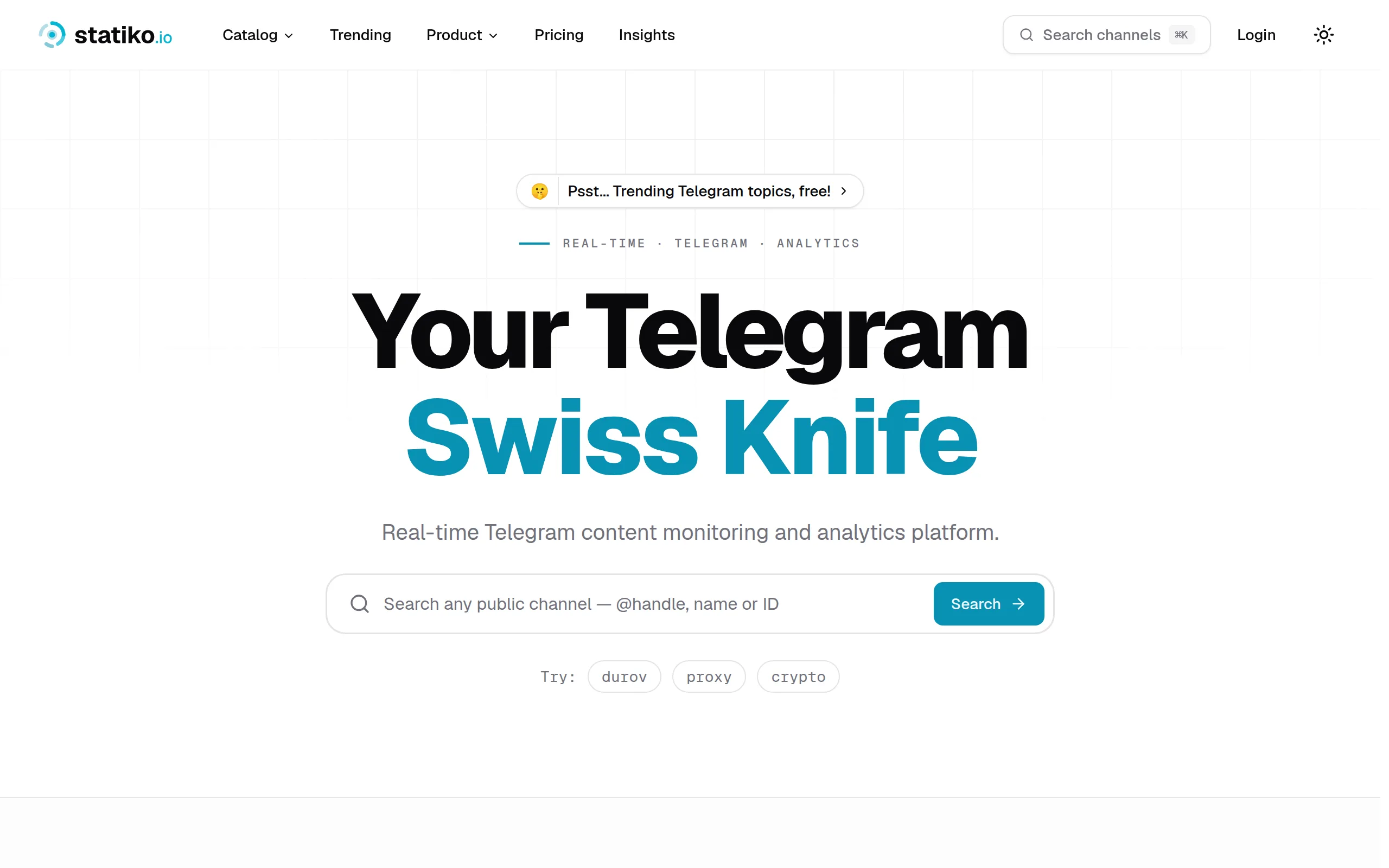
Statiko
Monitor any Telegram channel in real time - track posts, edits, deletions, and growth with AI recaps 📡

Shibui
AI website builder - describe your business, pick a niche template, edit by chatting, and publish instantly ✨

Pro Service
Find verified home service professionals, compare quotes, and pay securely through escrow - built for Brazilians across the US 🏠
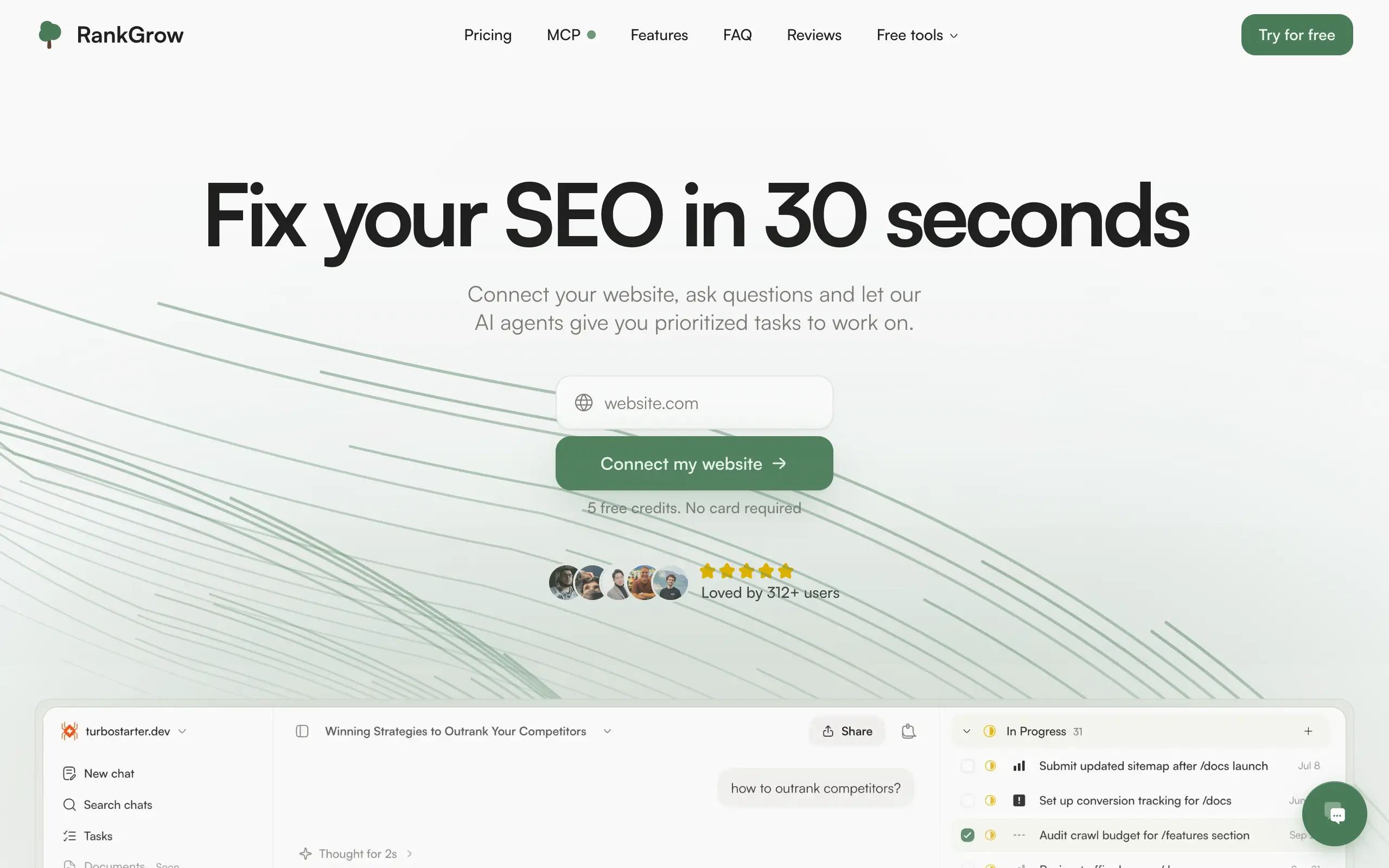
RankGrow
Fix your SEO with AI agents - connect Search Console, get prioritized tasks, and grow organic traffic 📈
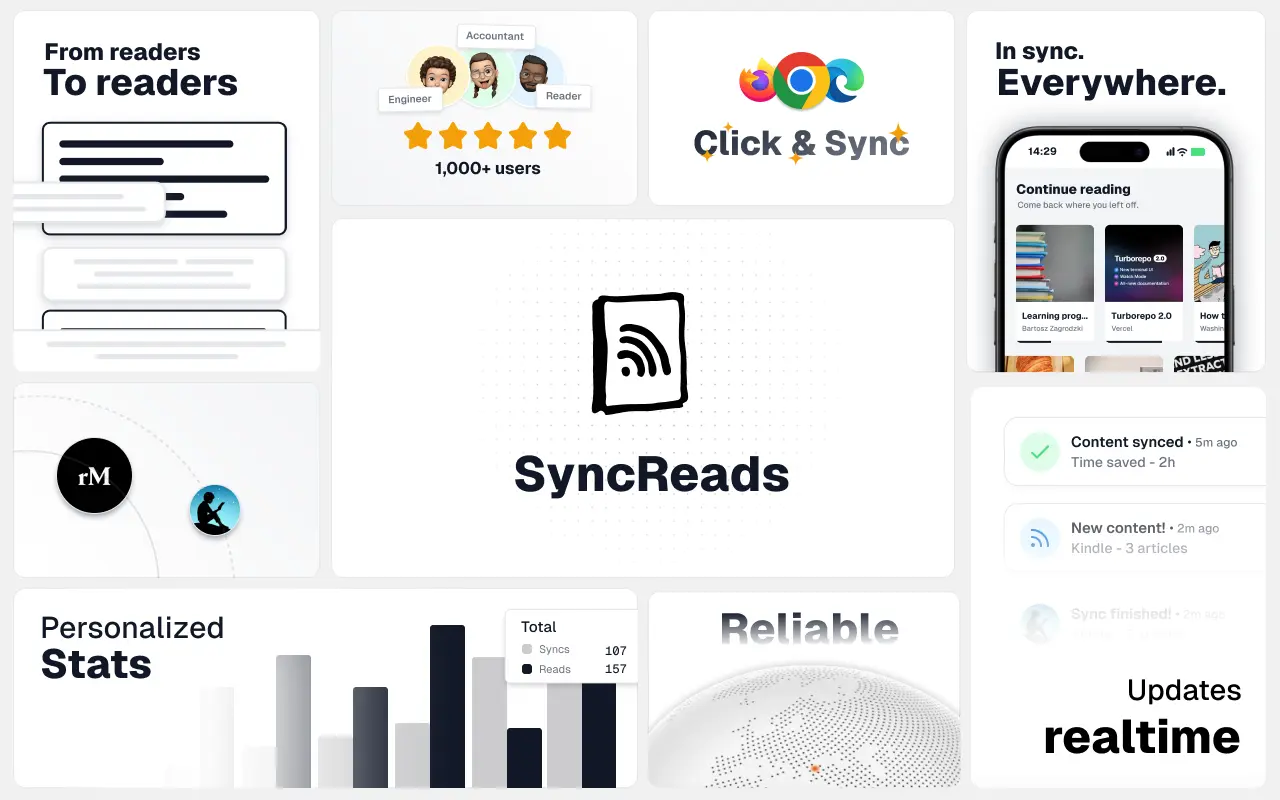
SyncReads
Sync your favorite content for distraction-free reading, save time and replace multiple apps. Anytime, anywhere 🔄
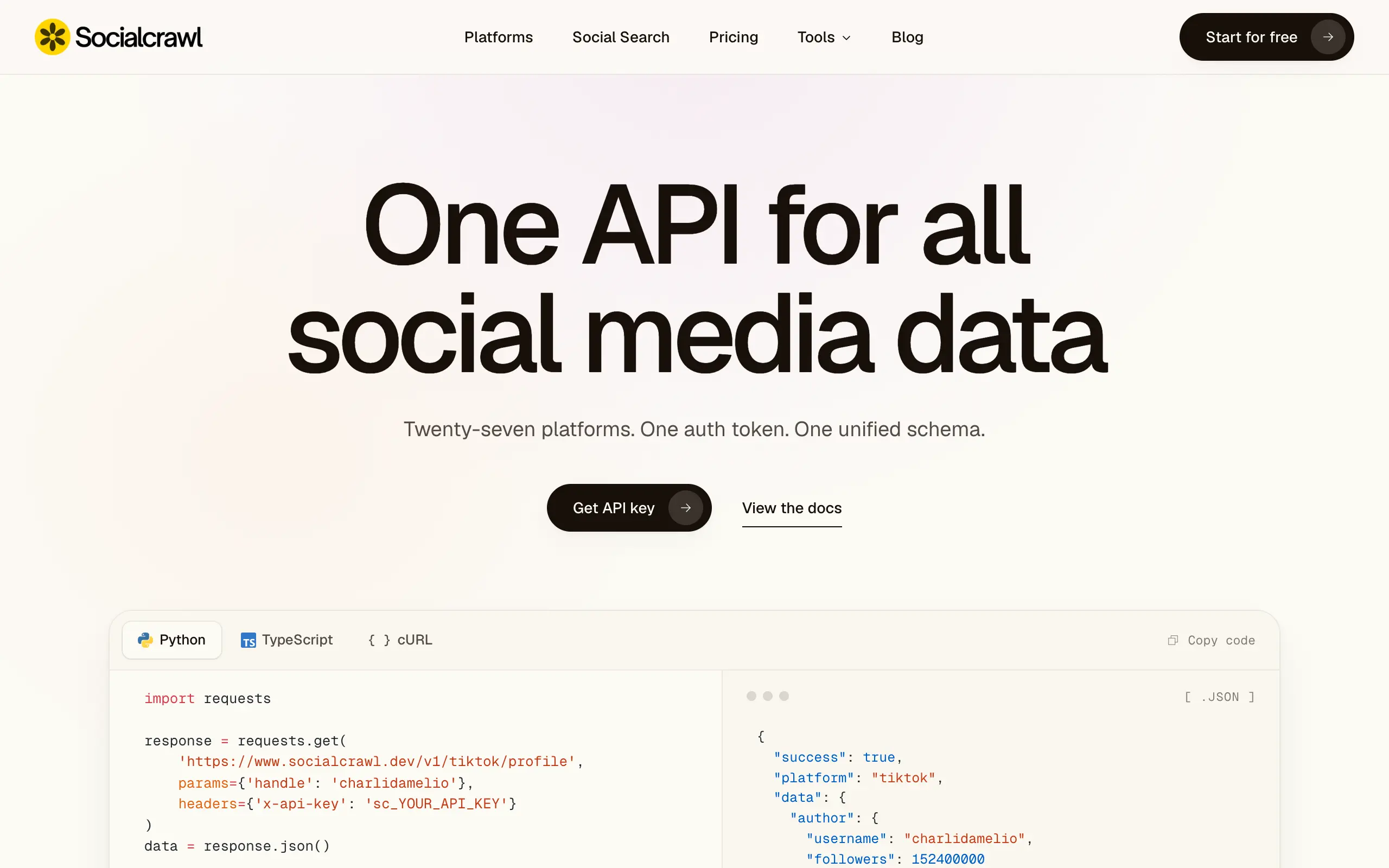
Socialcrawl
Get clean, structured data from 21 platforms like TikTok, Instagram, and YouTube with a single request 📊
Statiko
Monitor any Telegram channel in real time - track posts, edits, deletions, and growth with AI recaps 📡
Shibui
AI website builder - describe your business, pick a niche template, edit by chatting, and publish instantly ✨
Pro Service
Find verified home service professionals, compare quotes, and pay securely through escrow - built for Brazilians across the US 🏠
RankGrow
Fix your SEO with AI agents - connect Search Console, get prioritized tasks, and grow organic traffic 📈
SyncReads
Sync your favorite content for distraction-free reading, save time and replace multiple apps. Anytime, anywhere 🔄
Socialcrawl
Get clean, structured data from 21 platforms like TikTok, Instagram, and YouTube with a single request 📊
Statiko
Monitor any Telegram channel in real time - track posts, edits, deletions, and growth with AI recaps 📡
Shibui
AI website builder - describe your business, pick a niche template, edit by chatting, and publish instantly ✨
Pro Service
Find verified home service professionals, compare quotes, and pay securely through escrow - built for Brazilians across the US 🏠
RankGrow
Fix your SEO with AI agents - connect Search Console, get prioritized tasks, and grow organic traffic 📈
SyncReads
Sync your favorite content for distraction-free reading, save time and replace multiple apps. Anytime, anywhere 🔄
Socialcrawl
Get clean, structured data from 21 platforms like TikTok, Instagram, and YouTube with a single request 📊
Statiko
Monitor any Telegram channel in real time - track posts, edits, deletions, and growth with AI recaps 📡
Shibui
AI website builder - describe your business, pick a niche template, edit by chatting, and publish instantly ✨
Pro Service
Find verified home service professionals, compare quotes, and pay securely through escrow - built for Brazilians across the US 🏠
RankGrow
Fix your SEO with AI agents - connect Search Console, get prioritized tasks, and grow organic traffic 📈
SyncReads
Sync your favorite content for distraction-free reading, save time and replace multiple apps. Anytime, anywhere 🔄
Socialcrawl
Get clean, structured data from 21 platforms like TikTok, Instagram, and YouTube with a single request 📊
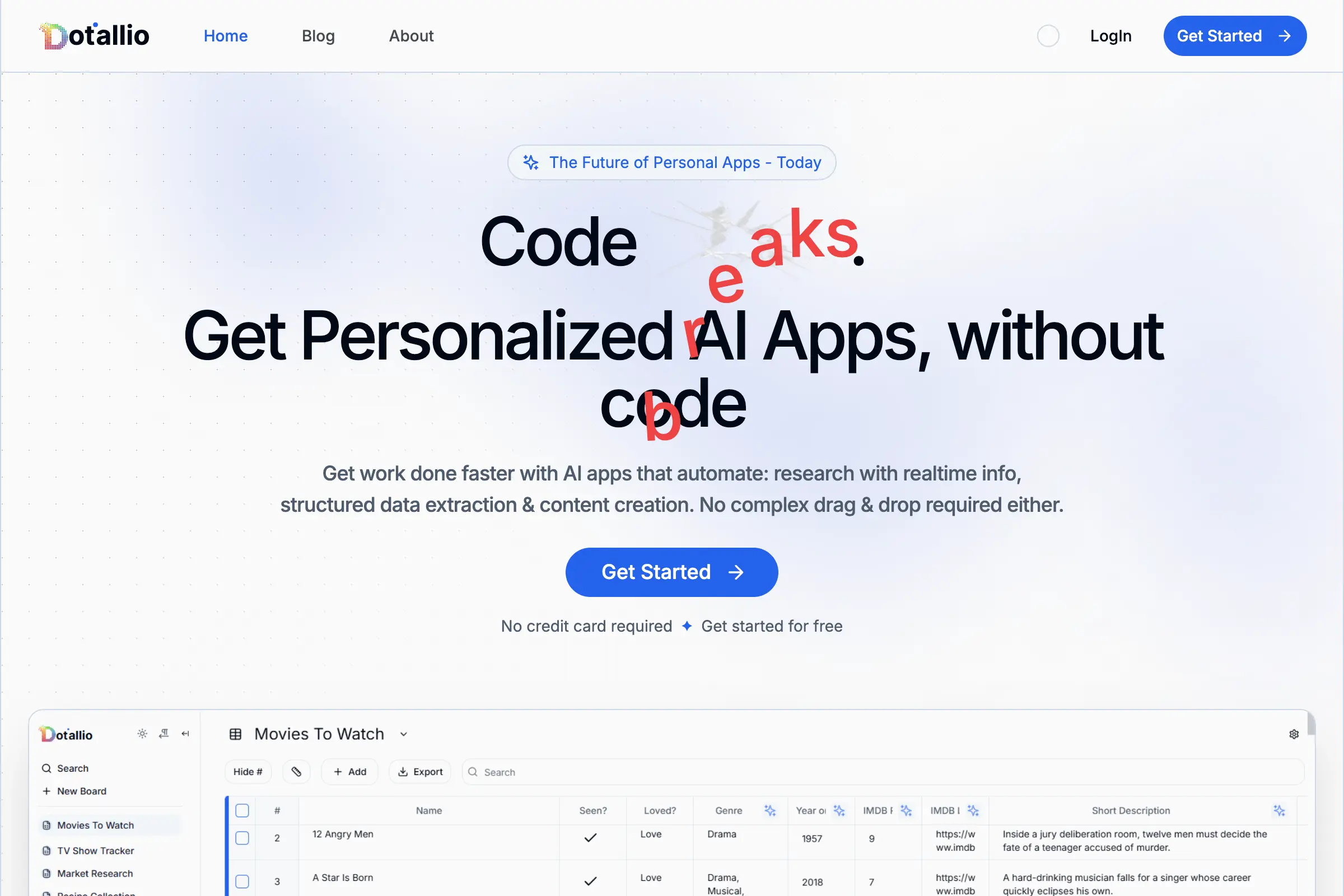
Dotallio
Personalized AI apps that automate research, data extraction, and content creation without code 🤖

Talk to Santa
Enjoy a magical live video chat or receive a unique AI-generated video greeting from Santa Claus 🎅

pozywka.pl
Scalable blog for food journalist, focused on performance and user experience 🌭
zagrodzki.me
Personal blog and portfolio of Bart Zagrodzki, where he shares his knowledge and work 💼
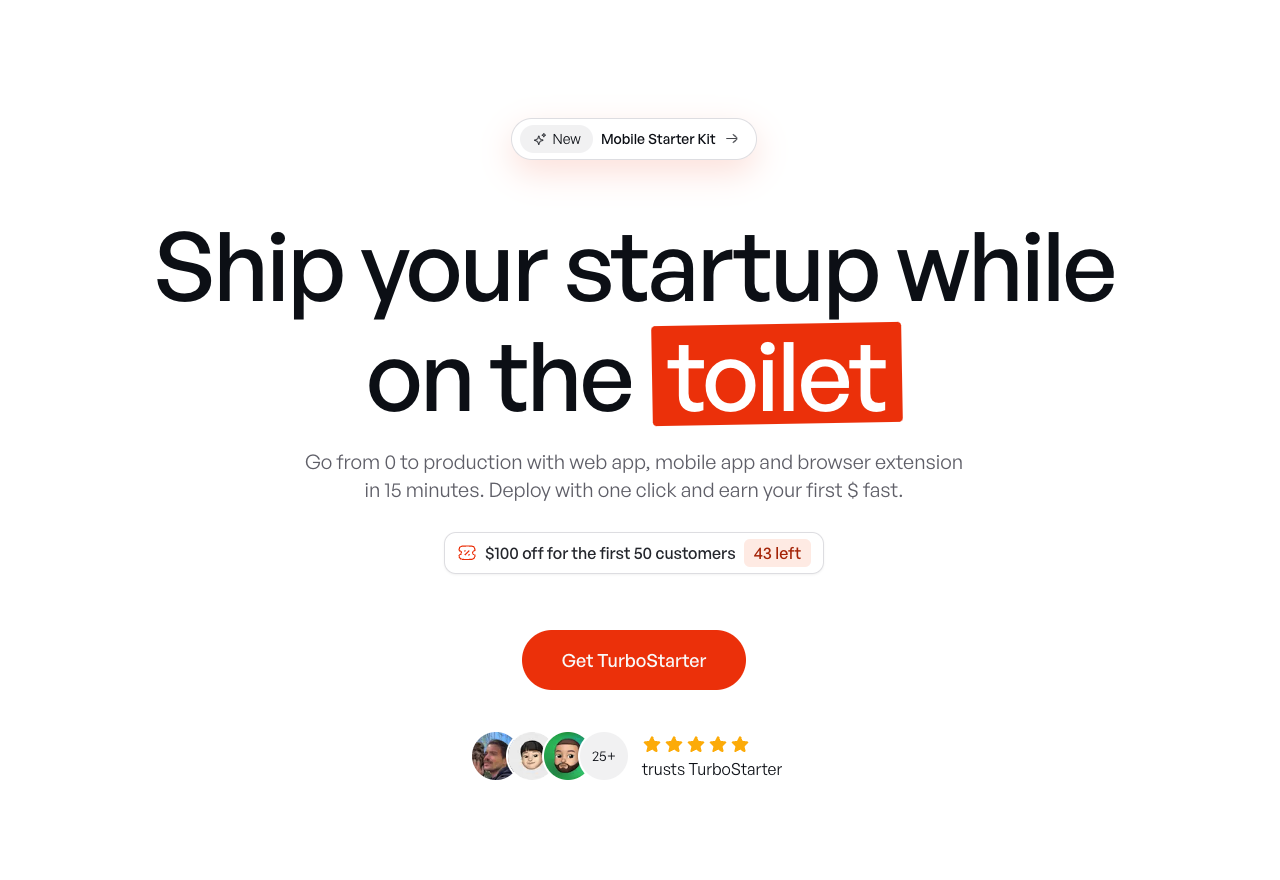
TurboStarter
Ship your startup everywhere. In minutes.
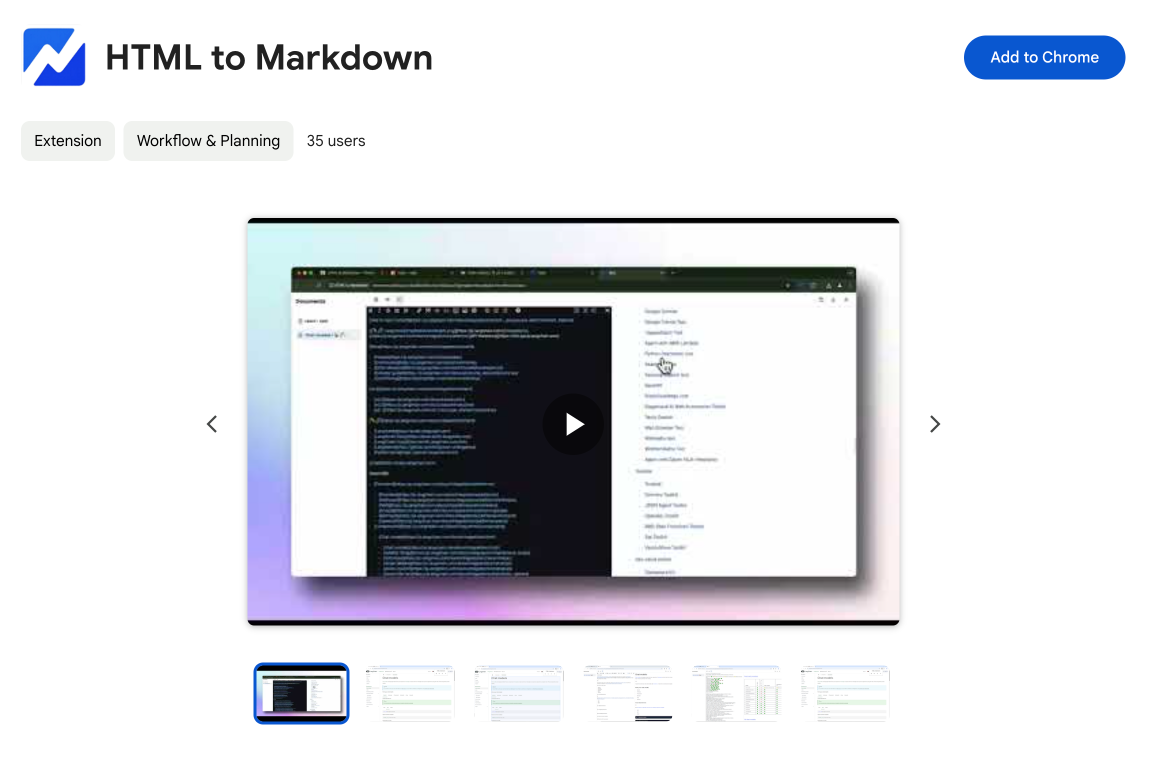
HTML to Markdown
Convert HTML to Markdown with ease, directly in your browser 📄
Dotallio
Personalized AI apps that automate research, data extraction, and content creation without code 🤖
Talk to Santa
Enjoy a magical live video chat or receive a unique AI-generated video greeting from Santa Claus 🎅
pozywka.pl
Scalable blog for food journalist, focused on performance and user experience 🌭
zagrodzki.me
Personal blog and portfolio of Bart Zagrodzki, where he shares his knowledge and work 💼
TurboStarter
Ship your startup everywhere. In minutes.
HTML to Markdown
Convert HTML to Markdown with ease, directly in your browser 📄
Dotallio
Personalized AI apps that automate research, data extraction, and content creation without code 🤖
Talk to Santa
Enjoy a magical live video chat or receive a unique AI-generated video greeting from Santa Claus 🎅
pozywka.pl
Scalable blog for food journalist, focused on performance and user experience 🌭
zagrodzki.me
Personal blog and portfolio of Bart Zagrodzki, where he shares his knowledge and work 💼
TurboStarter
Ship your startup everywhere. In minutes.
HTML to Markdown
Convert HTML to Markdown with ease, directly in your browser 📄
Dotallio
Personalized AI apps that automate research, data extraction, and content creation without code 🤖
Talk to Santa
Enjoy a magical live video chat or receive a unique AI-generated video greeting from Santa Claus 🎅
pozywka.pl
Scalable blog for food journalist, focused on performance and user experience 🌭
zagrodzki.me
Personal blog and portfolio of Bart Zagrodzki, where he shares his knowledge and work 💼
TurboStarter
Ship your startup everywhere. In minutes.
HTML to Markdown
Convert HTML to Markdown with ease, directly in your browser 📄
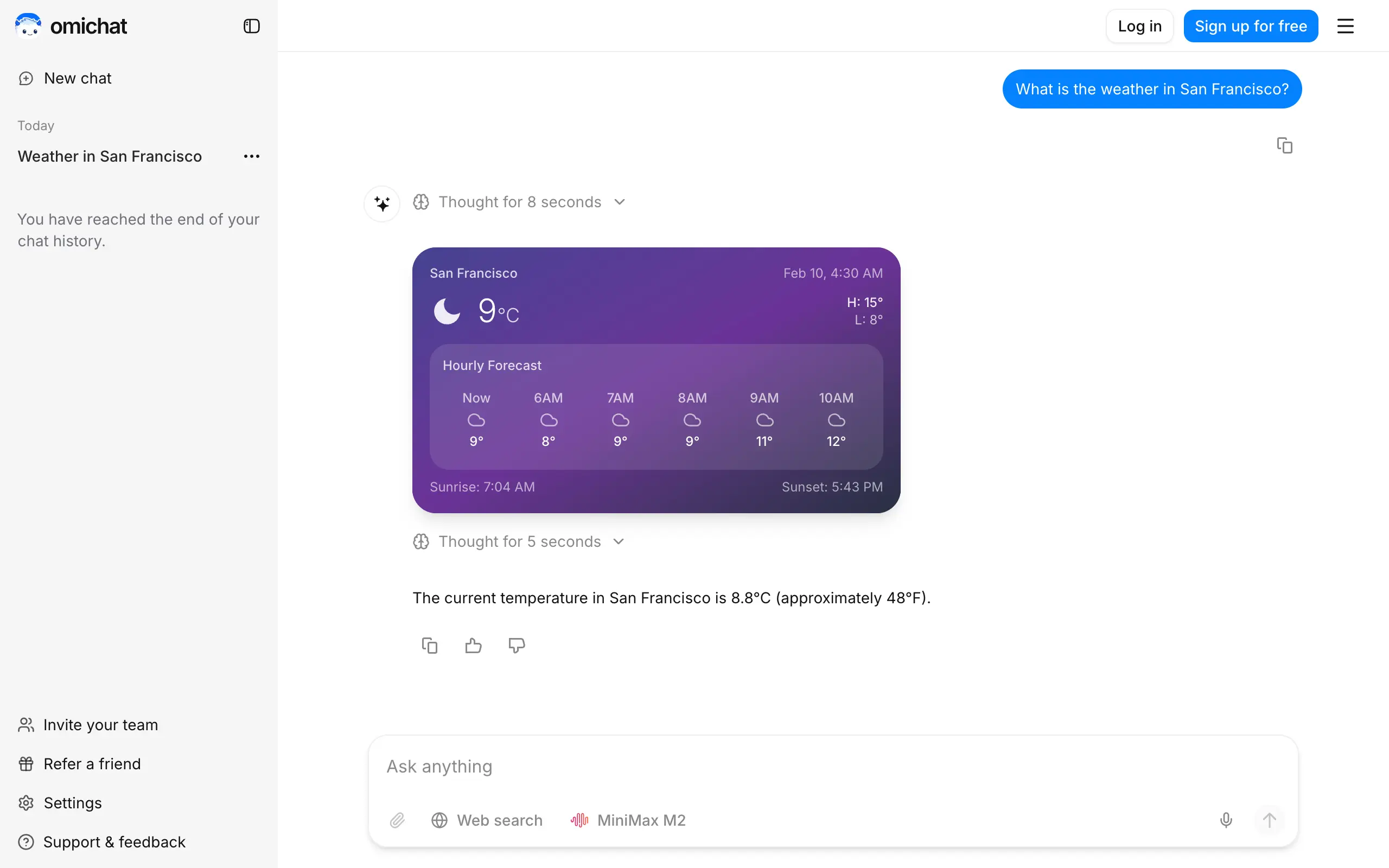
Omichat
Chat with 50+ AI models, including ChatGPT and Claude, in one place - switch models anytime without losing context 🤖
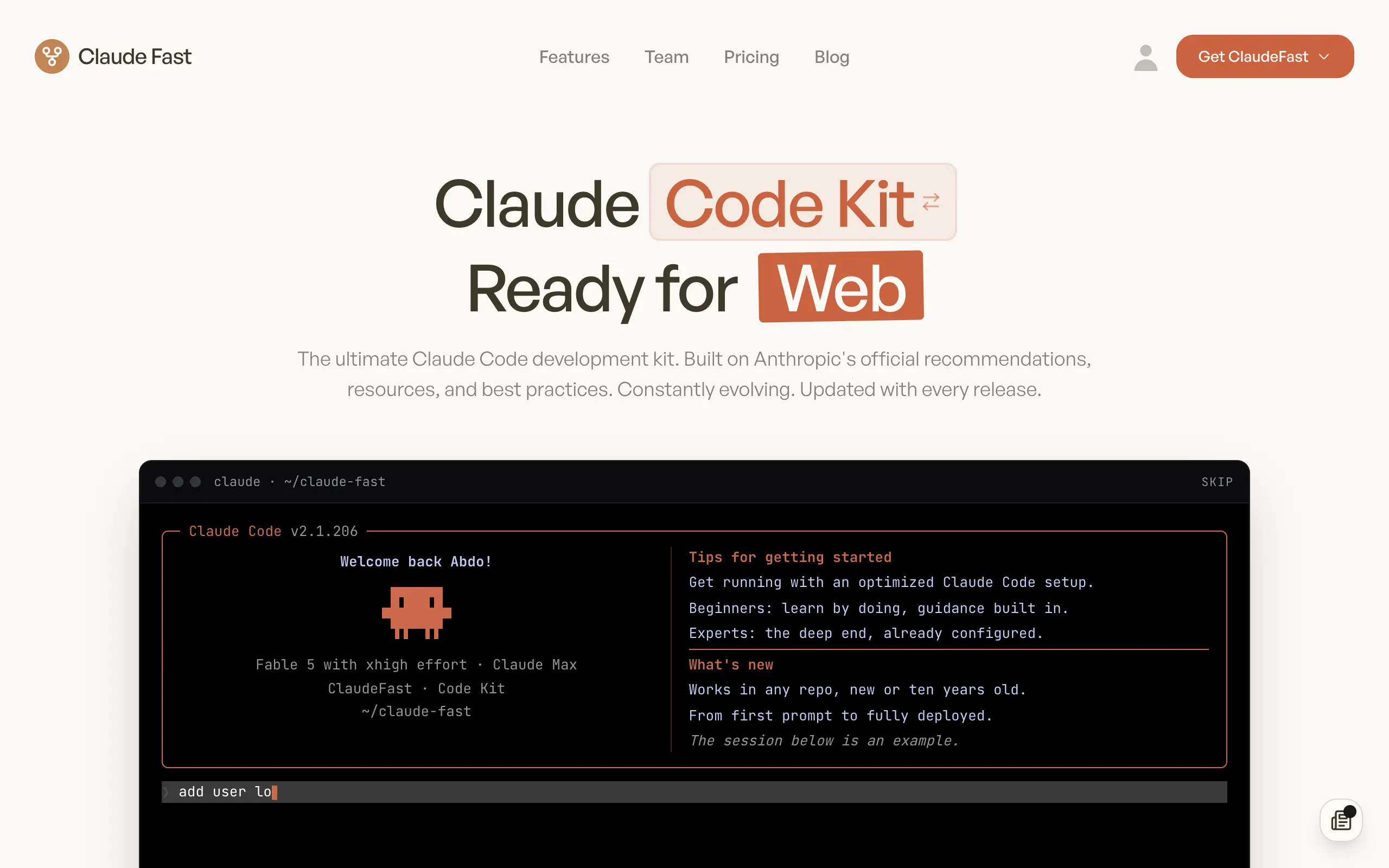
Claude Fast
Supercharge your Claude Code with 6x effective context window and specialized AI agents 🤖
EmojAI
AI-powered emoji picker with smart, context-aware suggestions 🤖
Solohacker
Autonomous company launcher - AI agents work 24/7, escalate what matters, and you stay in control 🤖
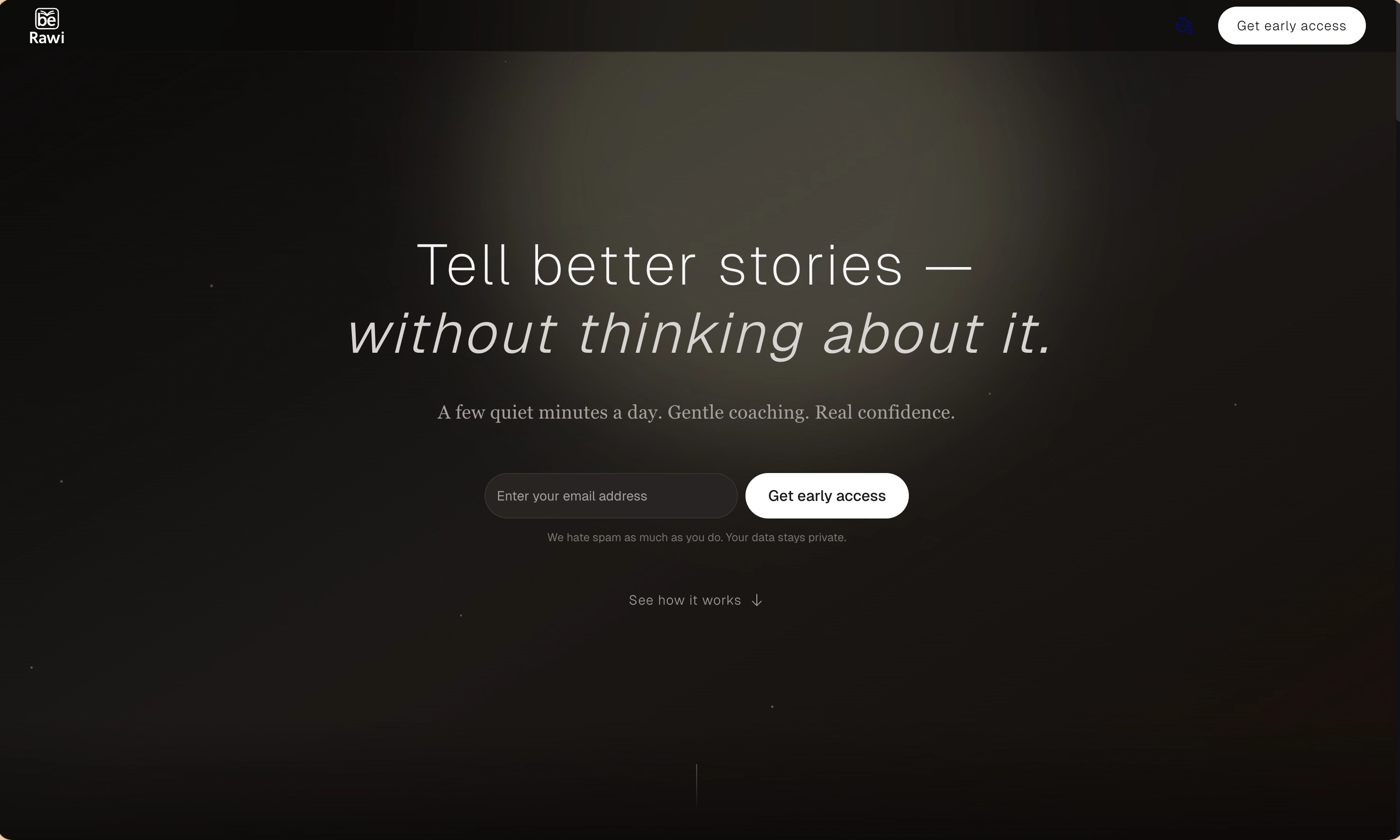
BeRawi: Storytelling Coach
Practice storytelling daily with instant feedback to sound clearer, more engaging, and confident 🎤
Omichat
Chat with 50+ AI models, including ChatGPT and Claude, in one place - switch models anytime without losing context 🤖
Claude Fast
Supercharge your Claude Code with 6x effective context window and specialized AI agents 🤖
EmojAI
AI-powered emoji picker with smart, context-aware suggestions 🤖
Solohacker
Autonomous company launcher - AI agents work 24/7, escalate what matters, and you stay in control 🤖
BeRawi: Storytelling Coach
Practice storytelling daily with instant feedback to sound clearer, more engaging, and confident 🎤
Omichat
Chat with 50+ AI models, including ChatGPT and Claude, in one place - switch models anytime without losing context 🤖
Claude Fast
Supercharge your Claude Code with 6x effective context window and specialized AI agents 🤖
EmojAI
AI-powered emoji picker with smart, context-aware suggestions 🤖
Solohacker
Autonomous company launcher - AI agents work 24/7, escalate what matters, and you stay in control 🤖
BeRawi: Storytelling Coach
Practice storytelling daily with instant feedback to sound clearer, more engaging, and confident 🎤
Omichat
Chat with 50+ AI models, including ChatGPT and Claude, in one place - switch models anytime without losing context 🤖
Claude Fast
Supercharge your Claude Code with 6x effective context window and specialized AI agents 🤖
EmojAI
AI-powered emoji picker with smart, context-aware suggestions 🤖
Solohacker
Autonomous company launcher - AI agents work 24/7, escalate what matters, and you stay in control 🤖
BeRawi: Storytelling Coach
Practice storytelling daily with instant feedback to sound clearer, more engaging, and confident 🎤

Connect with like-minded people
Join our community to get feedback, support, and grow together with 1,000+ builders on board, let's ship it!
Join usShip your startup everywhere. In minutes.
Don't burn tokens on setup and start building features on day one.