TaskMaster AI
An AI-powered task management tool that prioritizes your to-do list based on urgency and importance, helping you tackle tasks efficiently and reduce procrastination.
Target Audience Analysis
The solution is designed for professionals who juggle demanding schedules and need an intelligent way to manage their daily workload. Busy managers, freelancers, entrepreneurs, and team leaders can all benefit from an intuitive system that uses artificial intelligence to prioritize tasks based on urgency and importance. By streamlining task management, the tool empowers its users to focus on what truly matters.
Key characteristics of the target audience:
- Time-conscious professionals: Individuals always on the move seeking efficient task handling.
- Tech-savvy decision-makers: Users with an appreciation for analytics and automation.
- Creative freelancers: Professionals who need to balance artistic work with administrative tasks.
- Remote teams: Organizations operating in distributed environments requiring synchronous task updates.
This intelligent approach helps not just individual productivity but also improves team collaboration through a shared, dynamically updated prioritization system.
Market Opportunity Outlook
In today's fast-paced digital landscape, the need for effective task management tools is greater than ever. Many users experience information overload, and manual to-do lists simply don't cut it anymore. The increasing adoption of AI in business automation reveals a significant market opportunity for systems that can help reduce procrastination and ensure that users work on the right tasks at the right time.
Some of the key factors driving market opportunity include:
- Growing remote workforce: With teams working from various locations, the demand for online collaboration tools is skyrocketing.
- Digital transformation: Businesses are leveraging automation and artificial intelligence to optimize operations and reduce manual errors.
- Behavioral shifts: Increased awareness of mental health and productivity is pushing users to adopt solutions that reduce stress and help manage time more effectively.
- Competitive landscape: Even though existing project management apps are popular, they often lack a strong AI component that dynamically adjusts task priorities based on predefined urgency criteria.
With the right strategy and innovative features, this tool can capture a sizable segment of the productivity and project management market. According to industry research, the global market for AI-powered productivity tools is growing rapidly, which further reinforces the potential for expansion.
Tech Stack for Innovative Solutions
The backbone of this intelligent task management tool is a robust and scalable tech stack that ensures speed, security, and seamless user experiences.
When developing modern web applications, it is essential to adopt technologies that not only support rapid development but can also be easily scaled. Here are some key components of a potential tech stack:
- Frontend: Modern JavaScript frameworks like React or Vue.js can offer dynamic, responsive interfaces. By using frameworks that support component-based architecture, development becomes modular and easier to maintain.
- Backend: Node.js or Python (Django/Flask) provide the flexibility and power required for AI integration and real-time processing. Serverless architectures on cloud platforms such as AWS or Azure can also be considered for enhanced scalability.
- Database: A combination of SQL and NoSQL databases can cater to various data storage needs. SQL databases handle transactional tasks while NoSQL databases can manage rapidly changing data.
- Artificial Intelligence Services: Integration with AI libraries and frameworks like TensorFlow, PyTorch, or even pre-built models can accelerate the implementation of task prioritization algorithms.
- Rapid Implementation Tools: For projects requiring fast time-to-market, a starter kit like TurboStarter can provide a solid foundation. TurboStarter is excellent for accelerating development across web, mobile, and browser extensions.
Below is an example of a simple code snippet that demonstrates the integration of a basic priority sorting function using modern JavaScript:
const prioritizeTasks = (tasks) => {
  return tasks.sort((a, b) => a.urgency - b.urgency);
}

const tasks = [
  { title: "Email follow-up", urgency: 2 },
  { title: "Project deadline", urgency: 1 },
  { title: "Team meeting", urgency: 3 }
];

console.log(prioritizeTasks(tasks));
Adopting a flexible tech stack not only accelerates development but also ensures that the application remains adaptable and responsive as user demands evolve.
Monetization Strategy and Revenue Streams
A critical aspect of the business model is determining how to monetize a sophisticated task management solution with deep AI integration. Several monetization strategies can be adopted to generate sustainable revenue streams while keeping user needs at the forefront.
Subscription Models:
- Monthly or yearly premiums for full access to advanced features.
- Freemium models where basic task management features are free, and advanced AI-powered functionalities require a premium subscription.
In-App Purchases:
- Offering enhancement packs that add customization options, additional analytics, or integrations with other popular productivity tools.
- Feature enhancements that allow teams to tailor the tool according to their workflow, such as automation rules or custom notifications.
Enterprise Solutions:
- Custom packages or dedicated enterprise-grade solutions with priority support and bespoke feature integrations.
- Volume licensing for teams, organizations, or companies that benefit greatly from streamlined task management in complex workflows.
Advertising and Partnerships:
- Incorporating subtle in-app partner offers from productivity tools that can integrate seamlessly into the tool.
- Strategic partnerships with service providers in the productivity and collaboration space can also lead to bundled offers.
Ultimately, ensuring that the monetization strategy is flexible and scalable will be vital to attracting a diverse user base ranging from individual professionals to large enterprises. Transparent pricing and value-driven features can encourage long-term subscriptions and recurring revenue.
Potential Risks and Mitigation Strategies
Any advanced application, particularly one leveraging AI for critical everyday tasks, must consider a range of inherent risks. Being proactive about these challenges can help safeguard user trust and ensure long-term viability:
- Data Security: With sensitive user data at stake, ensuring robust encryption, secure authentication, and regular security audits is essential.
- Utilize multi-factor authentication.
- Adopt industry-standard encryption protocols.
- Algorithmic Bias: AI algorithms can sometimes reflect inherent biases based on training data. Regular audits and updates to the model can help mitigate this risk.
- Integrate feedback mechanisms so users can report discrepancies.
- Employ diverse datasets during training.
- User Adoption: The transition from traditional task management methods to an AI-based system might face challenges, such as resistance to change and learning curves.
- Offer comprehensive onboarding and in-app guidance.
- Include user feedback sessions to continually refine the interface.
- Reliability: Over-dependence on automation can result in hesitation during unexpected technical downtime.
- Implement robust fallback procedures.
- Regularly test the system under stress to ensure high availability.
- Scalability: As user numbers increase, ensuring that the application scales without performance lags is critical.
- Opt for a microservices architecture.
- Use cloud-native solutions that support auto-scaling.
Security Tip:
Ensure regular updates and vulnerability assessments to protect your system and user data from emerging threats.
The key to mitigating these risks is thorough planning, continuous monitoring, and an agile development process that anticipates issues before they impact the user experience.
Competitive Advantages and Differentiation
Differentiation in a crowded market is critical, especially when competitors offer similar task management tools. Leveraging artificial intelligence for dynamic task prioritization sets this solution apart and adds tangible benefits to the end user. Let’s explore some of the competitive advantages and differentiators:
- AI-Driven Prioritization:
Unlike static lists, this tool uses AI algorithms to analyze urgency, deadlines, and user behavior to generate a tailored to-do list each day. - User-Centric Design:
The interface is designed with simplicity and clarity in mind. It emphasizes an intuitive user experience that reduces clutter, making it easier for anyone to get started. - Customizability:
Users can adjust parameters based on context, enabling personalized workflows that adapt to both professional and personal tasks. - Cross-Platform Integration:
Seamless connectivity across web, mobile, and browser extensions ensures that users can manage tasks on the go. - Data Analytics and Reporting:
Detailed insights allow users to track productivity trends and identify areas for improvement. - Rapid Implementation:
For businesses that need to deploy quickly, integrating a starter kit like TurboStarter can dramatically reduce development time without sacrificing performance.
Below is a quick look at a snippet that showcases how an AI-driven approach can help categorize tasks:
const categorizeTask = (task) => {
  if (task.urgency < 2) {
    return "High Priority";
  } else if (task.urgency < 4) {
    return "Medium Priority";
  } else {
    return "Low Priority";
  }
}

const taskCategory = categorizeTask({ title: "Prepare report", urgency: 1 });
console.log(taskCategory); // "High Priority"
Feature highlight
Intelligent task reordering ensures that the most critical tasks are always at the top, helping users tackle their workloads efficiently.
Emphasizing these competitive advantages, the solution positions itself not just as another task management tool but as a strategic productivity partner that understands and adapts to the complexities of a modern work environment.
Implementation Steps: From Concept to Launch
Building an AI-powered task management solution is an ambitious project that comes with its own set of exciting challenges. The following steps outline a practical roadmap for taking this innovative idea from concept to launch:
In the early stages, focus on building a seamless user experience. Use A/B testing to refine the UI and ensure the AI algorithms provide meaningful and actionable insights. Furthermore, keeping the system modular will allow seamless addition of new features and integrations in the future.
Future Enhancements and Community Involvement
Innovation doesn’t stop at launch. Building a vibrant community around the tool is crucial. Here are some ideas to keep the tool relevant and continuously improving:
- User Forums and Feedback Channels:
Create an interactive platform where users can share their experiences, suggest features, and report issues. - Regular Feature Updates:
Plan iterative releases that improve AI accuracy, integrate third-party tools, and add customization options. - Developer API:
Offer an API so developers can build custom integrations, enhancing the tool’s ecosystem. - Training Workshops:
Host webinars and live training sessions to help users understand how to maximize productivity with the tool. - Incentivized Beta Programs:
Provide early adopters with incentives for participating in beta programs, ensuring a continuous loop of feedback and improvement.
Leveraging Modern Tools for Accelerated Development
Using modern starter kits like TurboStarter in the development process offers a significant advantage. These starter kits come with pre-configured modules and best practices for building modern web and mobile applications, which can be invaluable in reducing time-to-market. They also provide a scalable structure that is adaptable to rapid updates and integrations as the solution evolves.
Rapid prototyping tools and frameworks can help you test your ideas quickly with real users. This phase is crucial to validate assumptions and adjust priorities before full-scale development.
Emphasizing a scalable architecture from the outset ensures that as user demand grows, the platform can handle increased loads without compromising on performance.
Conclusion
This comprehensive guide outlines an ambitious yet highly feasible roadmap for an AI-powered task management solution. From identifying the target audience and understanding market needs to outlining a robust tech stack and proactive risk mitigation, every aspect is designed with efficiency and user satisfaction in mind.
Key implementation steps include:
- Conducting targeted market research.
- Rapid prototyping with modern tools like TurboStarter to accelerate development.
- Iterative testing and user feedback integration.
- Establishing secure and scalable systems.
- Implementing a flexible monetization strategy that caters to diverse user segments.
By following these steps, you can effortlessly transition from a conceptual idea to a fully functional application that redefines productivity. Each phase of the project, from brainstorming to launch, benefits from a clear focus on user-centric design, rigorous AI integration, and modern development practices that future-proof the solution.
Embarking on this journey not only opens up significant market opportunities but also offers a transformative way to tackle daily challenges. Taking action today will pave the way for a smarter, more productive tomorrow.
Embrace the evolution of task management—a dynamic blend of cutting-edge AI, thoughtful design, and a commitment to empowering users every step of the way. Whether you are a solo entrepreneur or a large enterprise, the roadmap provided here gives you the foundation and clarity needed to drive the project forward. With comprehensive planning, agile development, and continuous user engagement, this initiative is poised to become an essential part of today’s productivity toolkit.
More 🤖 AI Startup SaaS ideas
Discover more innovative ai startup SaaS ideas that are trending in 2026. Each idea is AI-generated with market validation and growth potential to help you find your next profitable venture faster than competitors.
Your competitors are building with TurboStarter
Below are some of the SaaS ideas that have been generated and built with our starter kit.
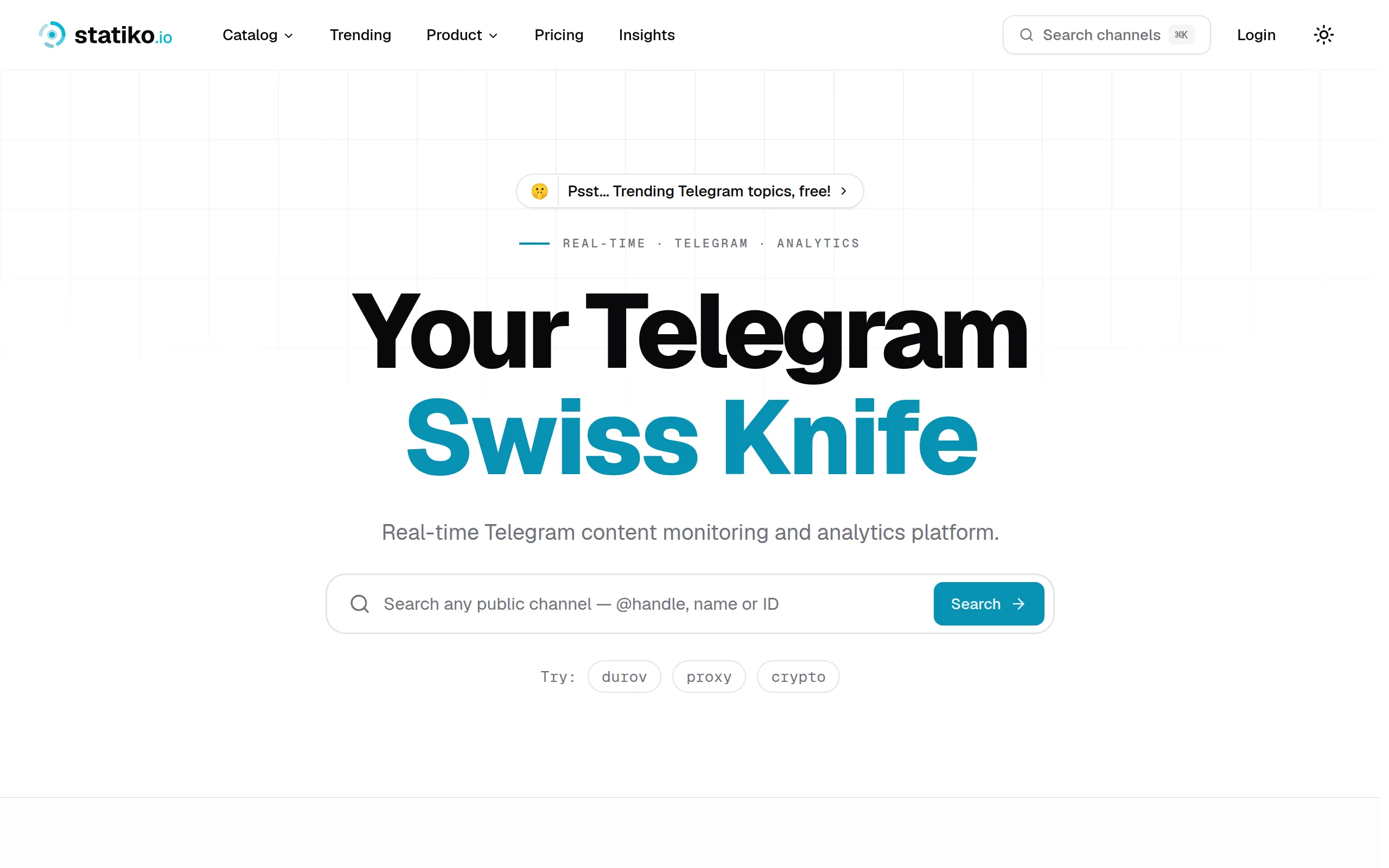
Statiko
Monitor any Telegram channel in real time - track posts, edits, deletions, and growth with AI recaps 📡

Shibui
AI website builder - describe your business, pick a niche template, edit by chatting, and publish instantly ✨

Pro Service
Find verified home service professionals, compare quotes, and pay securely through escrow - built for Brazilians across the US 🏠
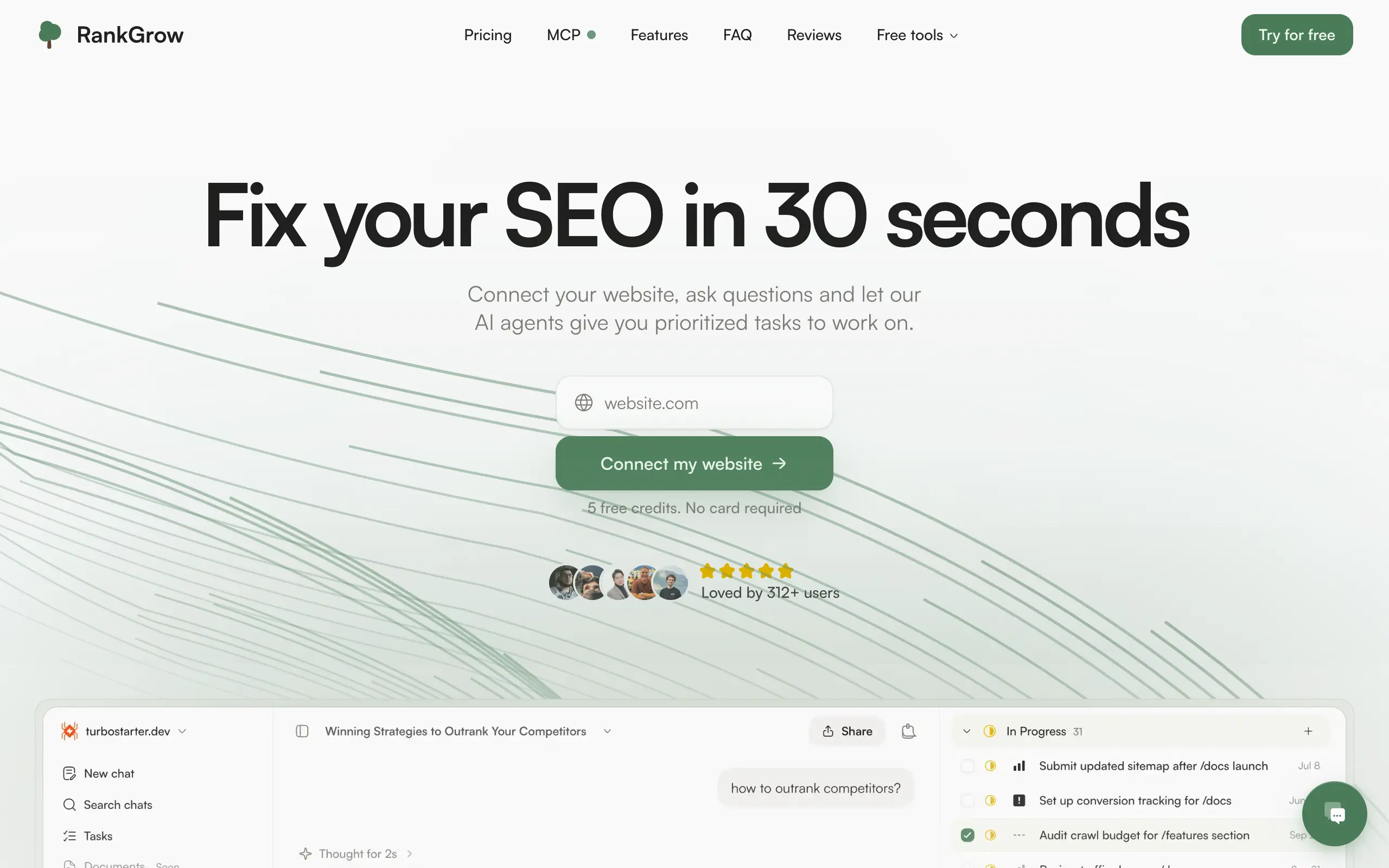
RankGrow
Fix your SEO with AI agents - connect Search Console, get prioritized tasks, and grow organic traffic 📈
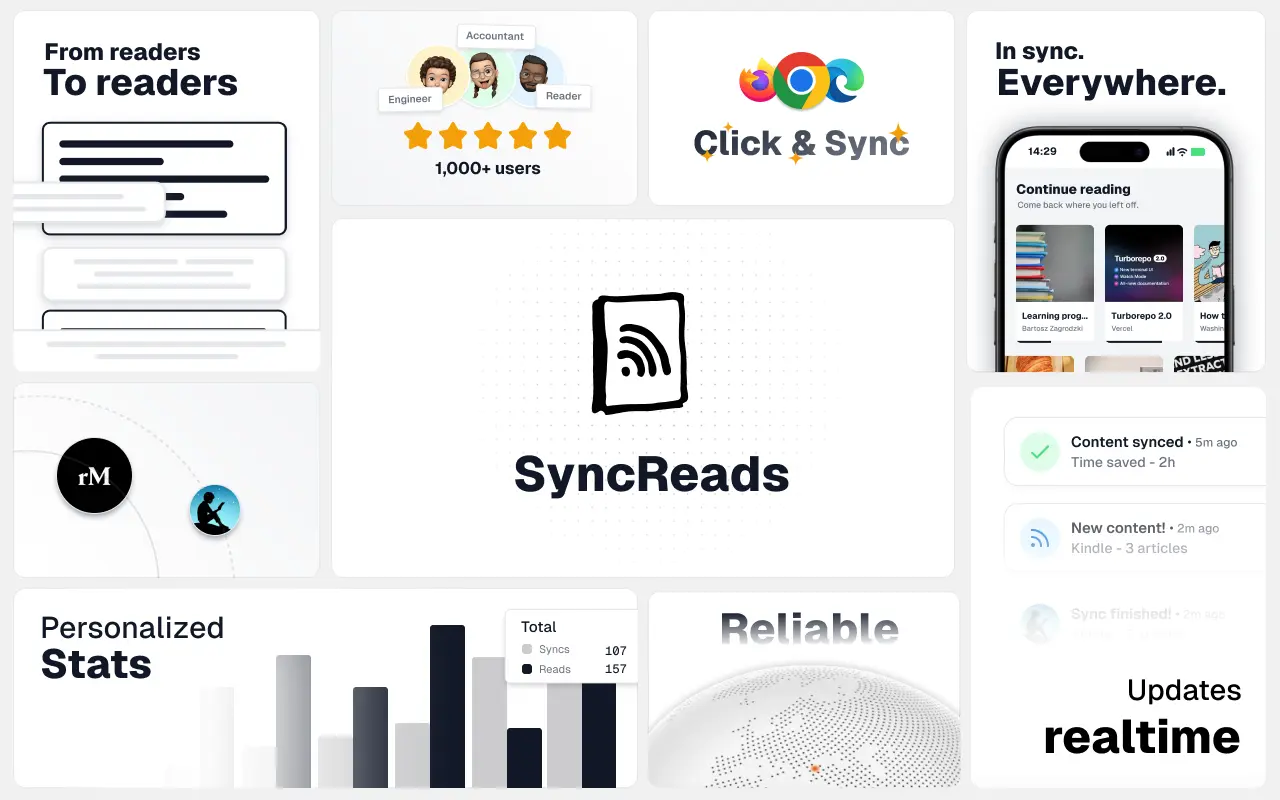
SyncReads
Sync your favorite content for distraction-free reading, save time and replace multiple apps. Anytime, anywhere 🔄
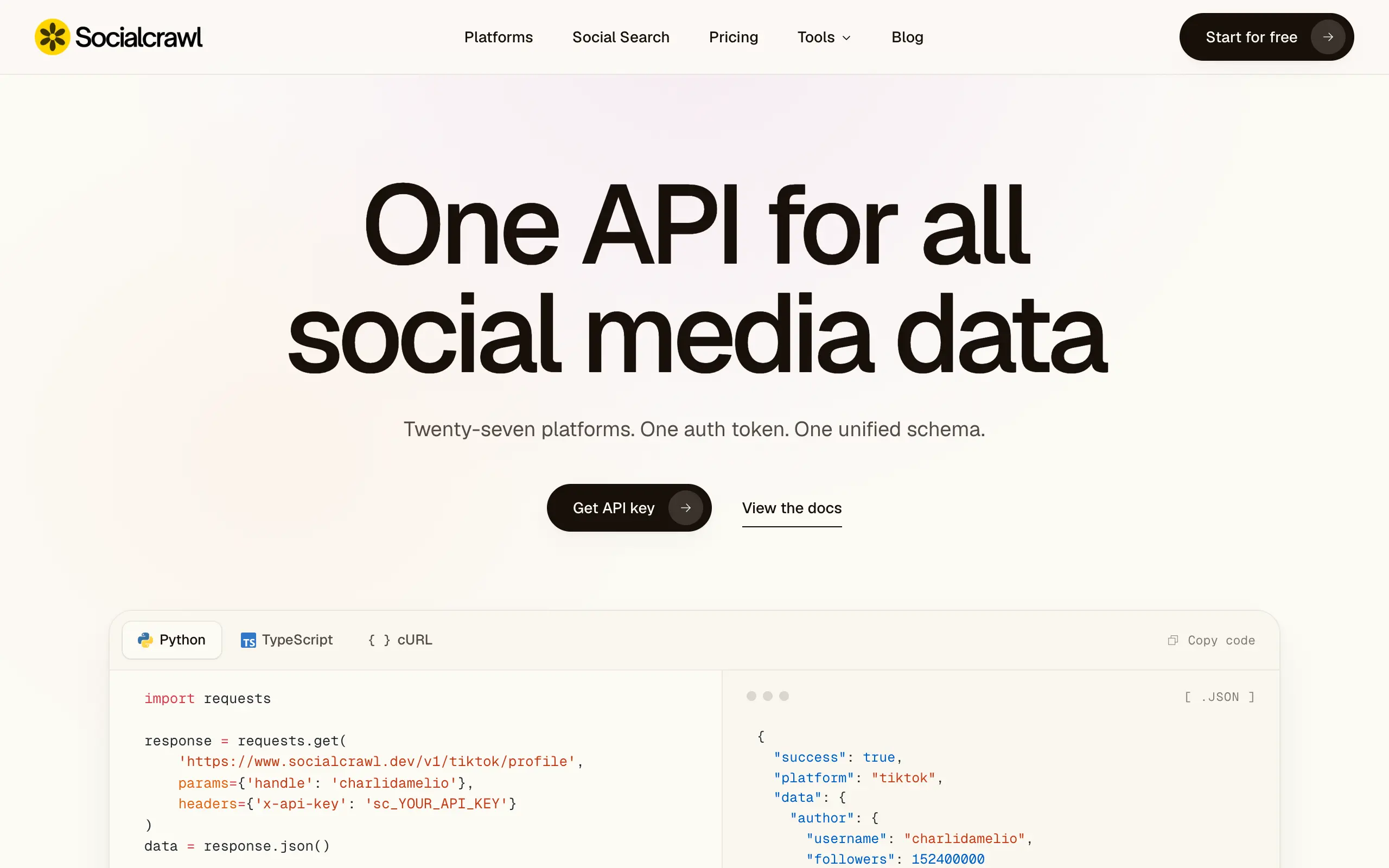
Socialcrawl
Get clean, structured data from 21 platforms like TikTok, Instagram, and YouTube with a single request 📊
Statiko
Monitor any Telegram channel in real time - track posts, edits, deletions, and growth with AI recaps 📡
Shibui
AI website builder - describe your business, pick a niche template, edit by chatting, and publish instantly ✨
Pro Service
Find verified home service professionals, compare quotes, and pay securely through escrow - built for Brazilians across the US 🏠
RankGrow
Fix your SEO with AI agents - connect Search Console, get prioritized tasks, and grow organic traffic 📈
SyncReads
Sync your favorite content for distraction-free reading, save time and replace multiple apps. Anytime, anywhere 🔄
Socialcrawl
Get clean, structured data from 21 platforms like TikTok, Instagram, and YouTube with a single request 📊
Statiko
Monitor any Telegram channel in real time - track posts, edits, deletions, and growth with AI recaps 📡
Shibui
AI website builder - describe your business, pick a niche template, edit by chatting, and publish instantly ✨
Pro Service
Find verified home service professionals, compare quotes, and pay securely through escrow - built for Brazilians across the US 🏠
RankGrow
Fix your SEO with AI agents - connect Search Console, get prioritized tasks, and grow organic traffic 📈
SyncReads
Sync your favorite content for distraction-free reading, save time and replace multiple apps. Anytime, anywhere 🔄
Socialcrawl
Get clean, structured data from 21 platforms like TikTok, Instagram, and YouTube with a single request 📊
Statiko
Monitor any Telegram channel in real time - track posts, edits, deletions, and growth with AI recaps 📡
Shibui
AI website builder - describe your business, pick a niche template, edit by chatting, and publish instantly ✨
Pro Service
Find verified home service professionals, compare quotes, and pay securely through escrow - built for Brazilians across the US 🏠
RankGrow
Fix your SEO with AI agents - connect Search Console, get prioritized tasks, and grow organic traffic 📈
SyncReads
Sync your favorite content for distraction-free reading, save time and replace multiple apps. Anytime, anywhere 🔄
Socialcrawl
Get clean, structured data from 21 platforms like TikTok, Instagram, and YouTube with a single request 📊
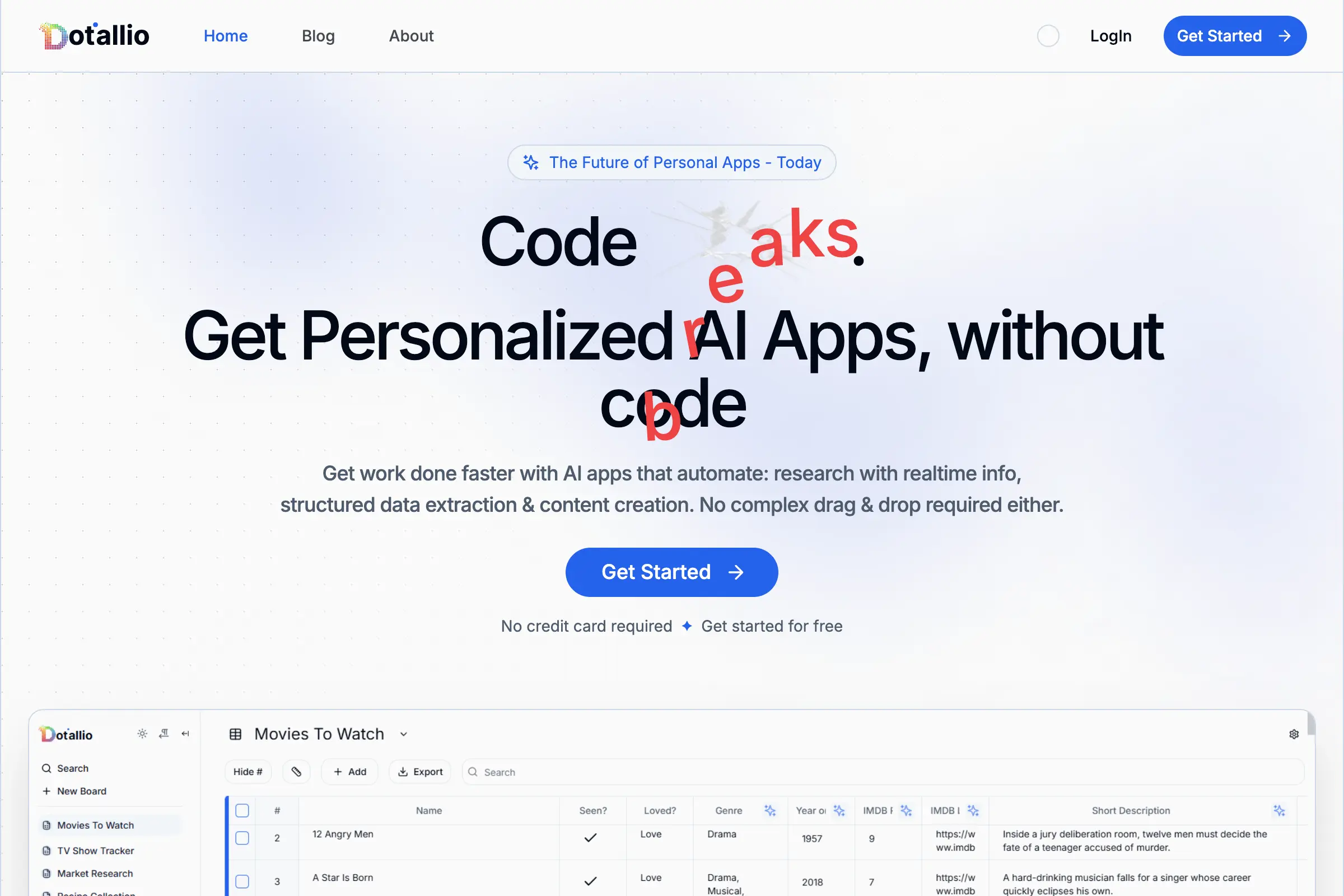
Dotallio
Personalized AI apps that automate research, data extraction, and content creation without code 🤖

Talk to Santa
Enjoy a magical live video chat or receive a unique AI-generated video greeting from Santa Claus 🎅

pozywka.pl
Scalable blog for food journalist, focused on performance and user experience 🌭
zagrodzki.me
Personal blog and portfolio of Bart Zagrodzki, where he shares his knowledge and work 💼
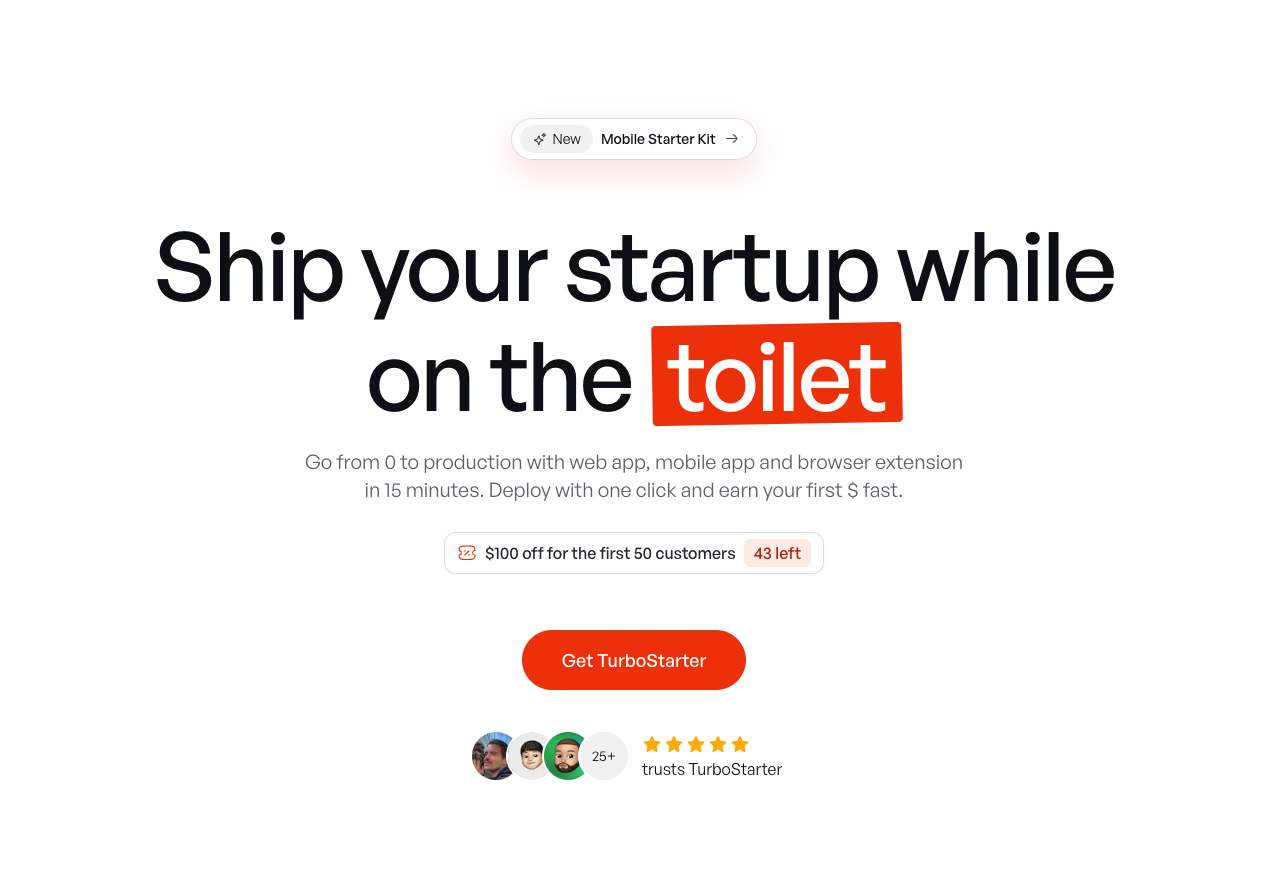
TurboStarter
Ship your startup everywhere. In minutes.
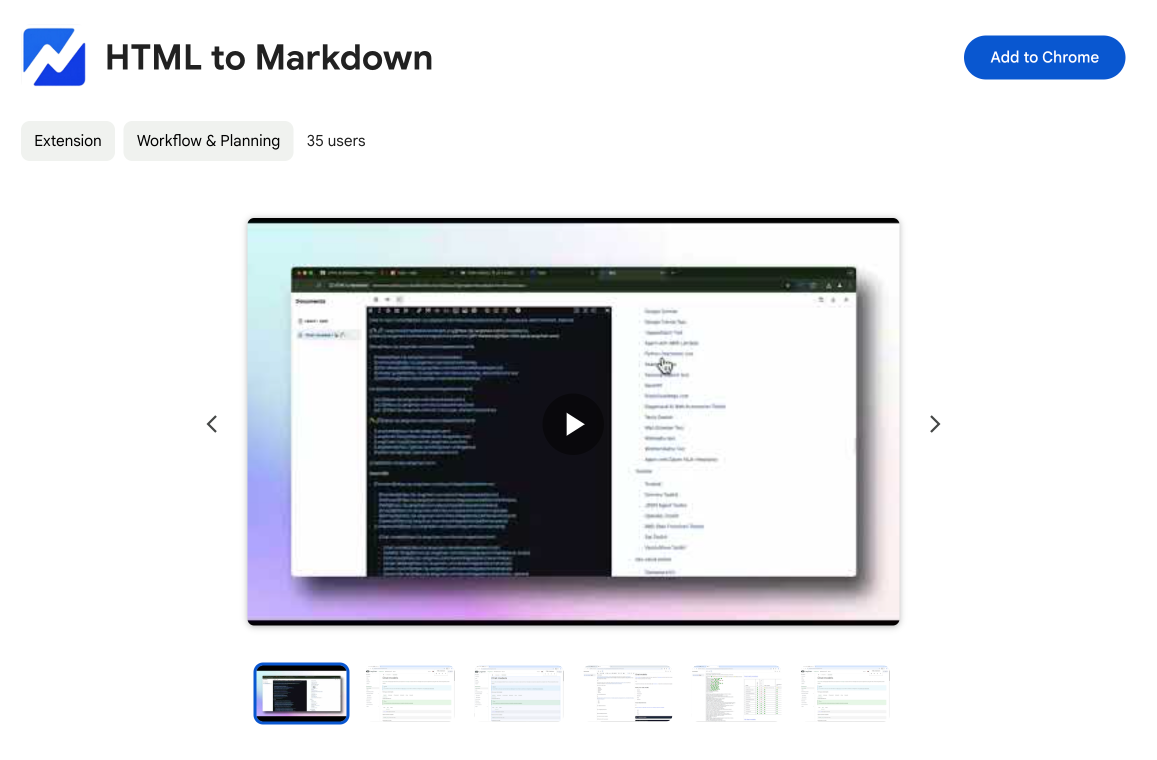
HTML to Markdown
Convert HTML to Markdown with ease, directly in your browser 📄
Dotallio
Personalized AI apps that automate research, data extraction, and content creation without code 🤖
Talk to Santa
Enjoy a magical live video chat or receive a unique AI-generated video greeting from Santa Claus 🎅
pozywka.pl
Scalable blog for food journalist, focused on performance and user experience 🌭
zagrodzki.me
Personal blog and portfolio of Bart Zagrodzki, where he shares his knowledge and work 💼
TurboStarter
Ship your startup everywhere. In minutes.
HTML to Markdown
Convert HTML to Markdown with ease, directly in your browser 📄
Dotallio
Personalized AI apps that automate research, data extraction, and content creation without code 🤖
Talk to Santa
Enjoy a magical live video chat or receive a unique AI-generated video greeting from Santa Claus 🎅
pozywka.pl
Scalable blog for food journalist, focused on performance and user experience 🌭
zagrodzki.me
Personal blog and portfolio of Bart Zagrodzki, where he shares his knowledge and work 💼
TurboStarter
Ship your startup everywhere. In minutes.
HTML to Markdown
Convert HTML to Markdown with ease, directly in your browser 📄
Dotallio
Personalized AI apps that automate research, data extraction, and content creation without code 🤖
Talk to Santa
Enjoy a magical live video chat or receive a unique AI-generated video greeting from Santa Claus 🎅
pozywka.pl
Scalable blog for food journalist, focused on performance and user experience 🌭
zagrodzki.me
Personal blog and portfolio of Bart Zagrodzki, where he shares his knowledge and work 💼
TurboStarter
Ship your startup everywhere. In minutes.
HTML to Markdown
Convert HTML to Markdown with ease, directly in your browser 📄
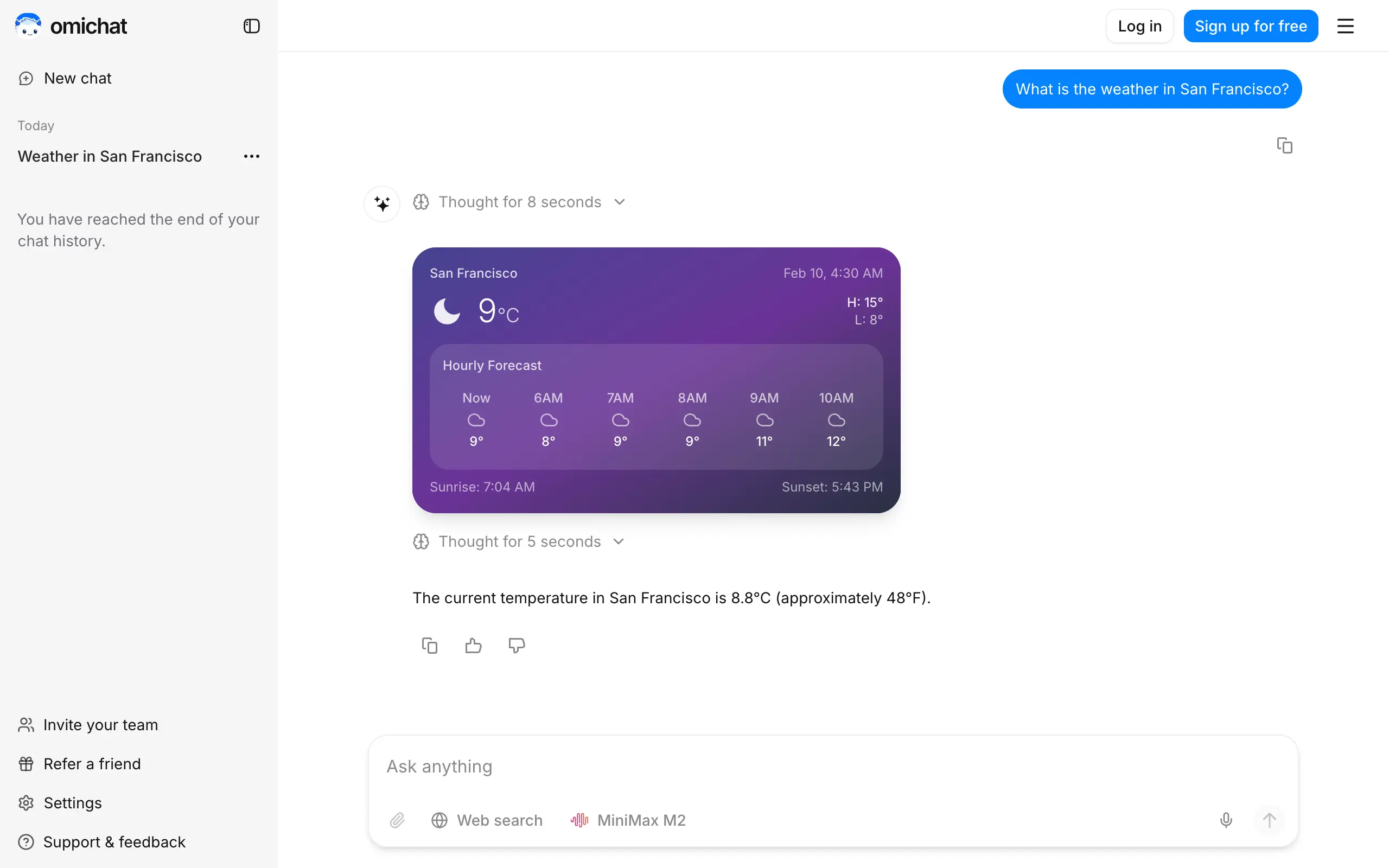
Omichat
Chat with 50+ AI models, including ChatGPT and Claude, in one place - switch models anytime without losing context 🤖
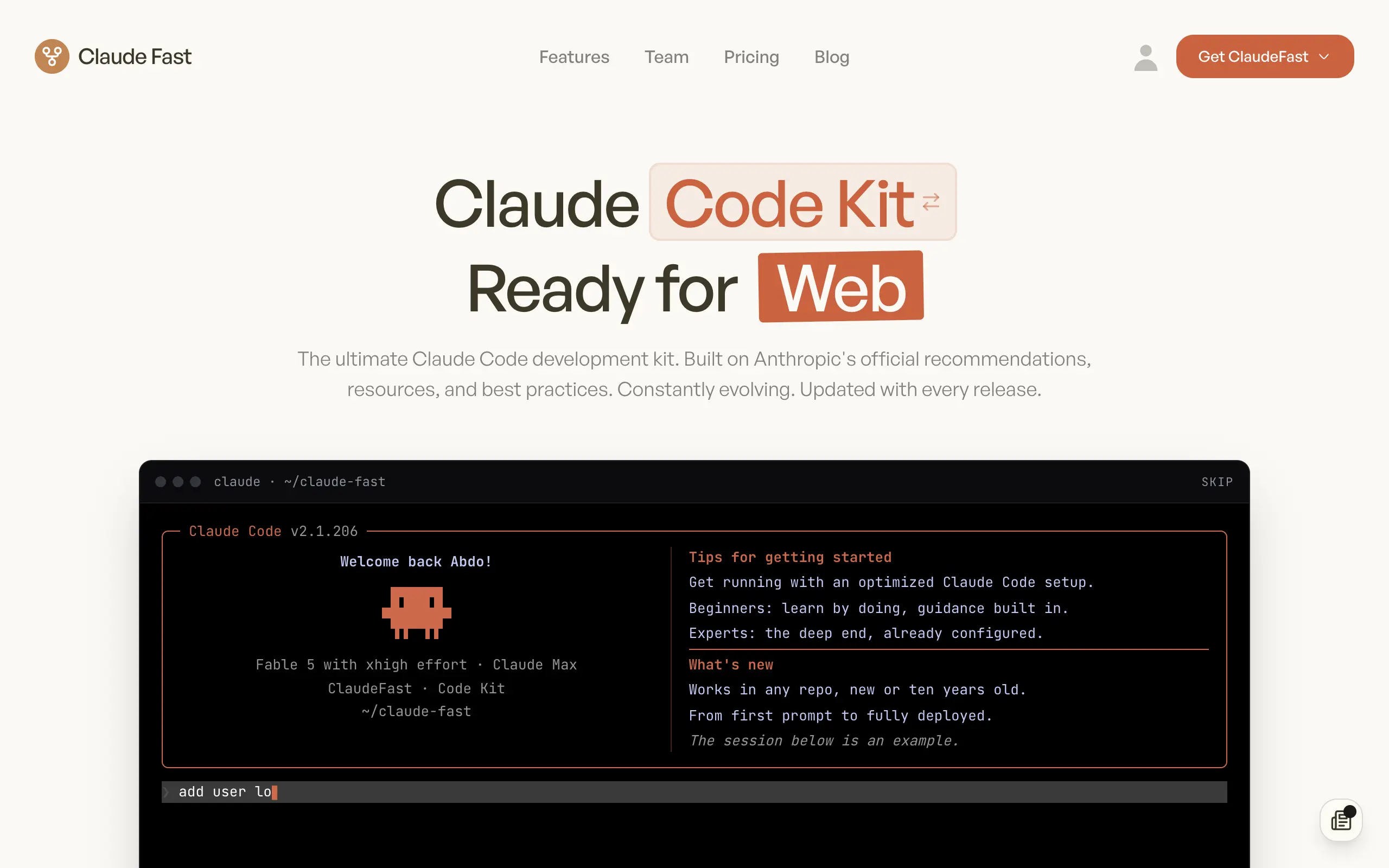
Claude Fast
Supercharge your Claude Code with 6x effective context window and specialized AI agents 🤖
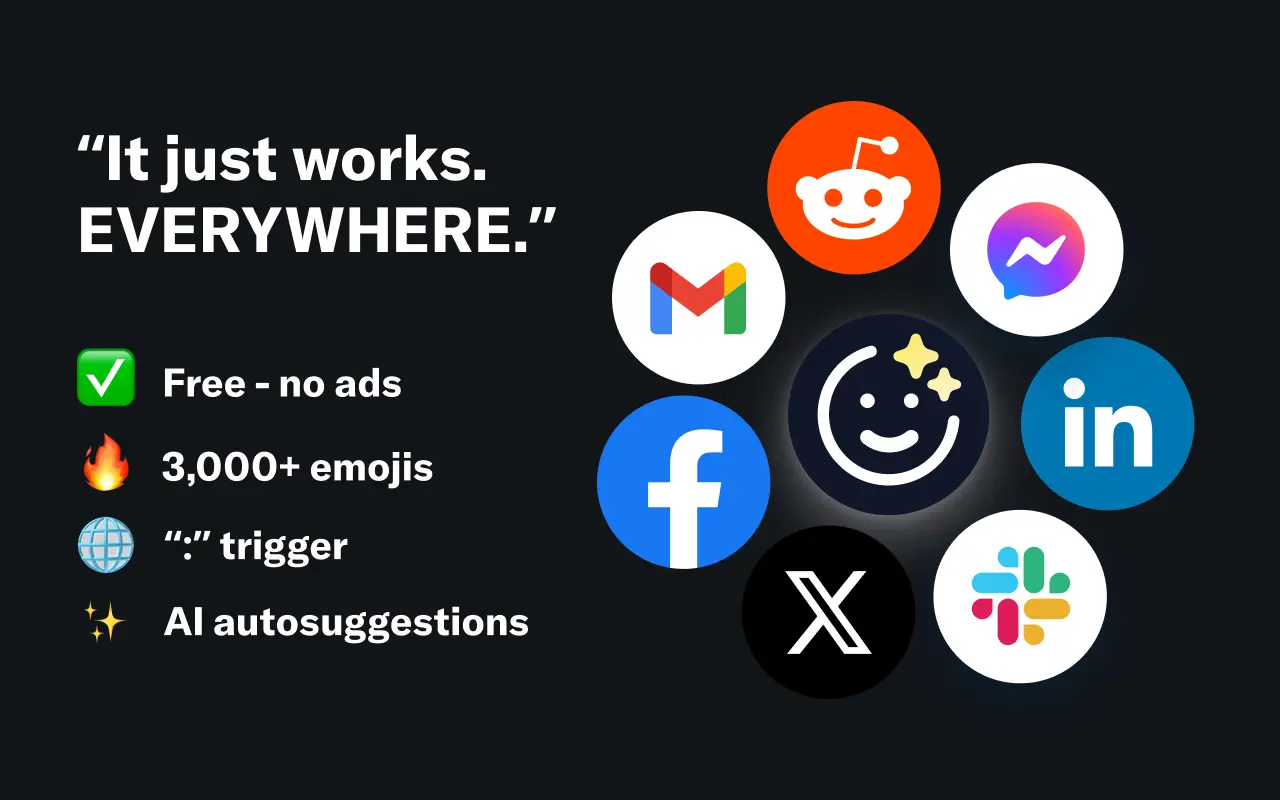
EmojAI
AI-powered emoji picker with smart, context-aware suggestions 🤖
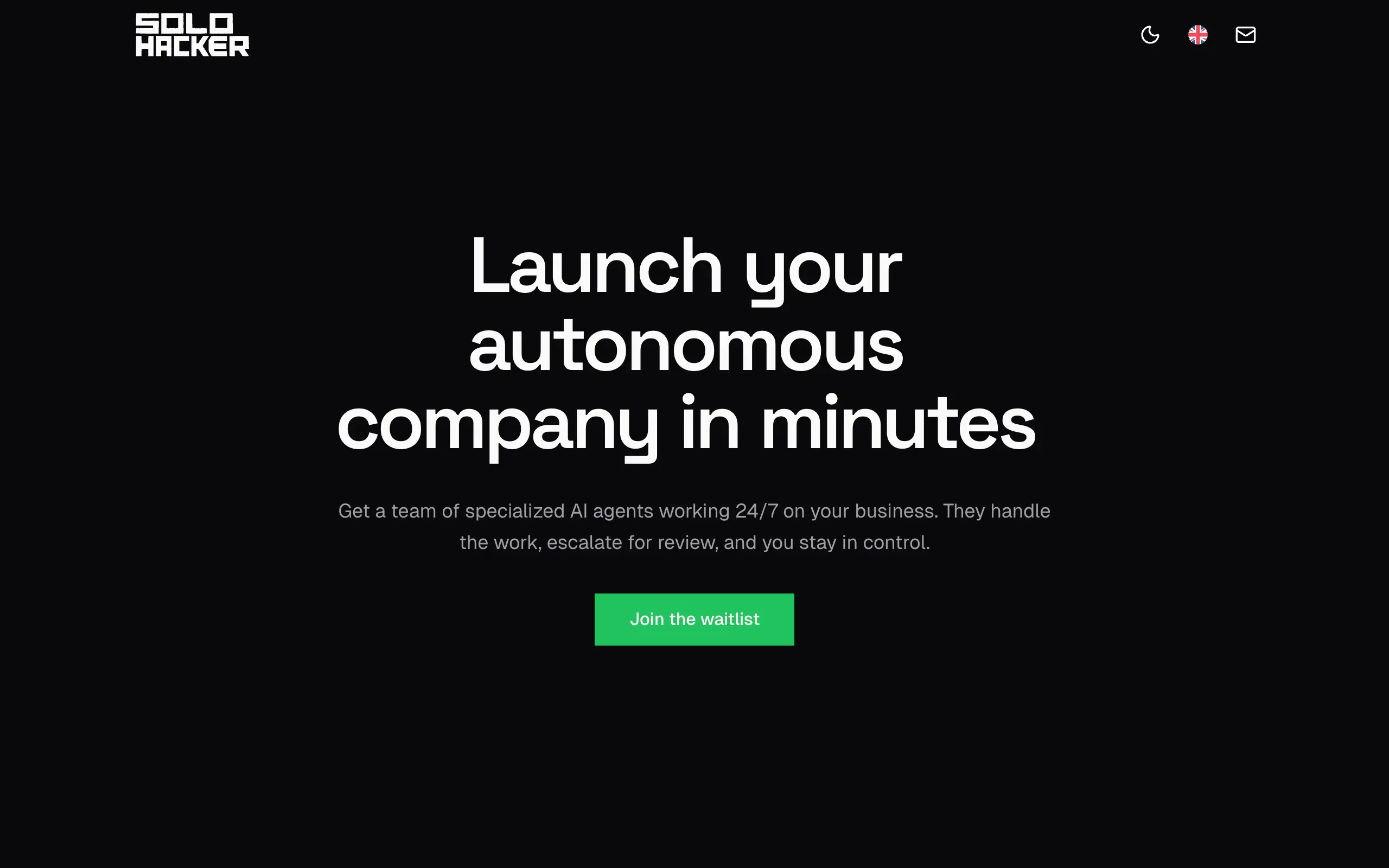
Solohacker
Autonomous company launcher - AI agents work 24/7, escalate what matters, and you stay in control 🤖

BeRawi: Storytelling Coach
Practice storytelling daily with instant feedback to sound clearer, more engaging, and confident 🎤
Omichat
Chat with 50+ AI models, including ChatGPT and Claude, in one place - switch models anytime without losing context 🤖
Claude Fast
Supercharge your Claude Code with 6x effective context window and specialized AI agents 🤖
EmojAI
AI-powered emoji picker with smart, context-aware suggestions 🤖
Solohacker
Autonomous company launcher - AI agents work 24/7, escalate what matters, and you stay in control 🤖
BeRawi: Storytelling Coach
Practice storytelling daily with instant feedback to sound clearer, more engaging, and confident 🎤
Omichat
Chat with 50+ AI models, including ChatGPT and Claude, in one place - switch models anytime without losing context 🤖
Claude Fast
Supercharge your Claude Code with 6x effective context window and specialized AI agents 🤖
EmojAI
AI-powered emoji picker with smart, context-aware suggestions 🤖
Solohacker
Autonomous company launcher - AI agents work 24/7, escalate what matters, and you stay in control 🤖
BeRawi: Storytelling Coach
Practice storytelling daily with instant feedback to sound clearer, more engaging, and confident 🎤
Omichat
Chat with 50+ AI models, including ChatGPT and Claude, in one place - switch models anytime without losing context 🤖
Claude Fast
Supercharge your Claude Code with 6x effective context window and specialized AI agents 🤖
EmojAI
AI-powered emoji picker with smart, context-aware suggestions 🤖
Solohacker
Autonomous company launcher - AI agents work 24/7, escalate what matters, and you stay in control 🤖
BeRawi: Storytelling Coach
Practice storytelling daily with instant feedback to sound clearer, more engaging, and confident 🎤

Connect with like-minded people
Join our community to get feedback, support, and grow together with 1,000+ builders on board, let's ship it!
Join usShip your startup everywhere. In minutes.
Don't burn tokens on setup and start building features on day one.