TaskTamer
Smart extension that breaks down web tasks into bite-sized steps, using AI to guide ADHD users through complex workflows and reduce overwhelm.
Understanding the need for TaskTamer: Why AI-powered task breakdown matters
For millions of people with ADHD and executive function challenges, the web can be both a gateway to productivity and a source of overwhelming complexity. Everyday online tasks—like booking travel, applying for jobs, or managing digital paperwork—often involve multi-step workflows, ambiguous instructions, and distracting interfaces. This can lead to frustration, procrastination, and incomplete tasks.
TaskTamer is an AI-powered browser extension designed to break down complex web tasks into manageable, bite-sized steps. By providing real-time, adaptive guidance, TaskTamer helps ADHD users (and anyone who feels overwhelmed online) navigate digital workflows with confidence and clarity.
In this article, we’ll explore the market need, target audience, core features, technical considerations, monetization strategies, and competitive landscape for TaskTamer. We’ll also provide actionable steps for building and launching this innovative SaaS solution.
Who is TaskTamer for? Target audience analysis
Understanding the core user base is essential for any SaaS product, especially one focused on accessibility and neurodiversity.
Primary audience: Adults and students with ADHD
- ADHD prevalence: According to the CDC, about 4.4% of adults in the US have ADHD, and the global prevalence is estimated at 2.5%–5% (CDC).
- Pain points: Difficulty with task initiation, organization, and follow-through—especially for multi-step or ambiguous online tasks.
- Needs: Clear, step-by-step guidance, reduced cognitive load, and tools that minimize distractions.
Secondary audiences
- Neurodivergent users: Individuals with autism, dyslexia, or executive function challenges who benefit from structured workflows.
- Productivity seekers: Anyone who feels overwhelmed by complex web tasks, including busy professionals and students.
- Accessibility advocates: Organizations and educators seeking to make digital experiences more inclusive.
User personas
Alex, 28, Remote Worker with ADHD
Struggles to complete online HR forms and onboarding tasks. Needs clear, actionable steps and reminders.
Jamie, 19, College Student
Gets lost in multi-tab research projects. Needs help breaking assignments into manageable chunks.
Morgan, 35, Parent & Freelancer
Juggles multiple online accounts and deadlines. Wants a tool to reduce digital overwhelm.
Identifying the market opportunity and gap
The growing demand for neuroinclusive productivity tools
- Rising ADHD diagnoses: Awareness and diagnosis rates are increasing, especially among adults and women (CHADD).
- Remote work and digital complexity: The shift to remote work and online services has amplified the need for digital accessibility and workflow support.
- Lack of tailored solutions: Most productivity tools (e.g., to-do lists, project managers) are not designed with neurodivergent users in mind. They often assume a high level of executive function and self-direction.
What’s missing in the current market?
- Contextual, real-time guidance: Existing tools rarely adapt to the specific web page or workflow the user is facing.
- AI-driven task breakdown: Manual checklists and static templates don’t address the dynamic nature of web tasks.
- Accessibility-first design: Many extensions and SaaS products overlook the unique needs of ADHD and neurodivergent users.
Market insight
The global ADHD therapeutics market is projected to reach $29.5 billion by 2028 (Fortune Business Insights), reflecting both medical and non-medical (digital) interventions.
Core features and solution details: How TaskTamer works
TaskTamer’s value lies in its ability to transform overwhelming web tasks into clear, actionable steps—right where users need them.
Key features
- AI-powered task analysis: Uses natural language processing (NLP) and computer vision to understand the structure and intent of web pages.
- Step-by-step breakdown: Automatically generates a sequence of bite-sized steps tailored to the current task (e.g., “Fill out your name,” “Upload your resume,” “Click ‘Submit’”).
- Adaptive guidance: Adjusts instructions based on user progress, detected errors, or changes in the web page.
- Distraction reduction: Offers focus modes, hides irrelevant elements, and provides gentle reminders to stay on track.
- Progress tracking: Visual indicators show completed and remaining steps, reducing anxiety and boosting motivation.
- Customizable support: Users can adjust the level of detail, set reminders, or request additional explanations.
- Accessibility compliance: Follows WCAG guidelines for color contrast, keyboard navigation, and screen reader compatibility.
Example user flow
Semantic keywords and LSI phrases
- ADHD productivity extension
- AI task breakdown tool
- Neurodivergent workflow assistant
- Step-by-step web guidance
- Digital accessibility for ADHD
- Focus and anti-distraction browser tool
Recommended tech stack for building TaskTamer
Choosing the right technology stack is crucial for delivering a seamless, responsive, and secure user experience.
Frontend
- Browser extension framework: Manifest V3 (for Chrome, Edge, and other Chromium-based browsers)
- UI library: React (for dynamic overlays and interactive components)
- Styling: TailwindCSS (for rapid, accessible UI development)
- Accessibility tools: axe-core (for automated accessibility testing)
Backend & AI
- AI/NLP engine: OpenAI GPT-4 or Google Cloud Natural Language (for task analysis and step generation)
- Serverless backend: Firebase or AWS Lambda (for scalability and real-time updates)
- Database: Firestore or MongoDB Atlas (for user data and workflow storage)
Integration and rapid prototyping
- TurboStarter: TurboStarter can accelerate the initial build, offering boilerplate code, authentication, and deployment pipelines tailored for SaaS and browser extension projects.
Trade-offs and considerations
- AI model choice: OpenAI offers state-of-the-art NLP but may have higher costs and privacy considerations. Google Cloud provides robust enterprise support.
- Browser compatibility: Manifest V3 is the new standard but may require polyfills for Firefox or Safari.
- Data privacy: Handling sensitive user data (e.g., form inputs) requires strict adherence to privacy best practices and possibly GDPR/CCPA compliance.
React enables modular, maintainable UI components and state management, making it easier to build interactive overlays and tooltips that adapt to different web pages.
TurboStarter provides pre-built SaaS scaffolding, authentication, and deployment tools, reducing time-to-market and technical debt for early-stage teams.
Monetization strategy options
TaskTamer’s business model should balance accessibility with sustainable growth. Here are several monetization approaches:
1. Freemium model
- Free tier: Basic task breakdown and step-by-step guidance for a limited number of workflows per month.
- Premium tier: Unlimited workflows, advanced customization, priority support, and integrations with productivity tools (e.g., Google Calendar, Notion).
2. B2B and institutional licensing
- Educational institutions: Offer site licenses to universities and schools supporting neurodivergent students.
- Enterprise: Sell to HR departments, remote work platforms, or accessibility-focused organizations.
3. Affiliate partnerships
- Productivity tools: Integrate with or recommend third-party tools (e.g., password managers, note-taking apps) and earn referral fees.
4. White-label solutions
- Custom branding: Allow organizations to deploy TaskTamer under their own brand, tailored to specific workflows or compliance needs.
| Model | Pros | Cons | Best For | Revenue Potential |
|---|---|---|---|---|
| Freemium | ✅ | ❌ | Individuals | Medium |
| B2B Licensing | ✅ | ❌ | Institutions | High |
Potential risks and mitigation strategies
Launching an AI-powered ADHD productivity extension comes with unique challenges. Here’s how to address them:
1. Privacy and data security
- Risk: Handling sensitive user data (e.g., form inputs, browsing activity) could raise privacy concerns.
- Mitigation:
- Use on-device processing where possible.
- Anonymize and encrypt all data.
- Be transparent about data usage and comply with GDPR/CCPA.
2. AI accuracy and reliability
- Risk: Incorrect task breakdowns or misleading guidance could frustrate users.
- Mitigation:
- Allow users to edit or override steps.
- Continuously train and update AI models with user feedback.
- Provide clear disclaimers and support channels.
3. Accessibility compliance
- Risk: Failing to meet accessibility standards could exclude the very users TaskTamer aims to help.
- Mitigation:
- Conduct regular accessibility audits.
- Involve neurodivergent users in usability testing.
- Follow WCAG and ARIA guidelines.
4. Market adoption
- Risk: Users may be hesitant to install browser extensions or pay for premium features.
- Mitigation:
- Offer a generous free tier and clear value proposition.
- Partner with advocacy groups and educational institutions for credibility.
Pro tip
Building trust is essential. Prioritize transparency, user control, and community engagement from day one.
Competitive advantage analysis: What makes TaskTamer unique?
While there are many productivity tools and browser extensions, TaskTamer stands out in several key ways:
1. ADHD-first, accessibility-driven design
Most task management tools are generic. TaskTamer is built from the ground up for neurodivergent users, with input from the ADHD community.
2. Real-time, contextual AI guidance
Unlike static checklists or templates, TaskTamer adapts to the specific web page and workflow in real time, providing personalized, actionable steps.
3. Seamless browser integration
TaskTamer works directly within the user’s browser, overlaying guidance on any website—no need to switch tabs or copy-paste information.
4. Customization and user empowerment
Users can adjust the level of detail, request clarifications, and save or share workflows, making the tool flexible for diverse needs.
5. Community and feedback loop
TaskTamer can incorporate user-submitted workflows and feedback, continuously improving its AI and expanding its library of supported tasks.
Actionable steps to build and launch TaskTamer
Ready to bring TaskTamer to life? Here’s a step-by-step roadmap:
Accelerate your build
Consider using TurboStarter to jumpstart your SaaS infrastructure, authentication, and deployment pipelines—so you can focus on what makes TaskTamer unique.
Conclusion: Empowering neurodivergent users with AI-driven task guidance
TaskTamer addresses a real and growing need: helping ADHD and neurodivergent users navigate the complexity of the modern web. By combining AI-powered task breakdown, accessibility-first design, and seamless browser integration, TaskTamer stands to make a meaningful impact on digital productivity and inclusion.
Whether you’re an entrepreneur, developer, or advocate, now is the time to build tools that empower everyone to thrive online. With the right strategy, technology, and community focus, TaskTamer can lead the way in neuroinclusive SaaS innovation.
More 🤖 AI Startup SaaS ideas
Discover more innovative ai startup SaaS ideas that are trending in 2026. Each idea is AI-generated with market validation and growth potential to help you find your next profitable venture faster than competitors.
Your competitors are building with TurboStarter
Below are some of the SaaS ideas that have been generated and built with our starter kit.
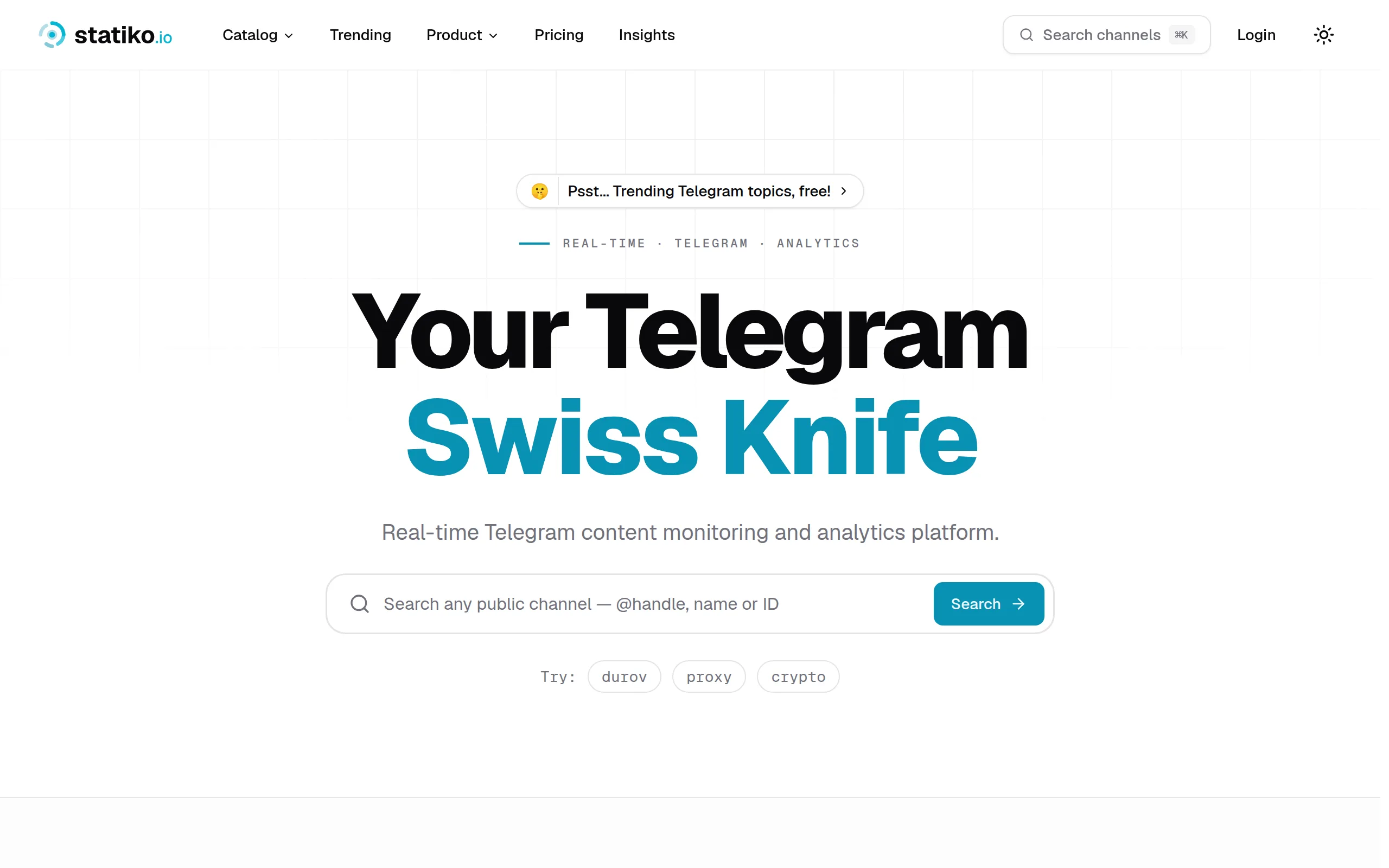
Statiko
Monitor any Telegram channel in real time - track posts, edits, deletions, and growth with AI recaps 📡

Shibui
AI website builder - describe your business, pick a niche template, edit by chatting, and publish instantly ✨

Pro Service
Find verified home service professionals, compare quotes, and pay securely through escrow - built for Brazilians across the US 🏠
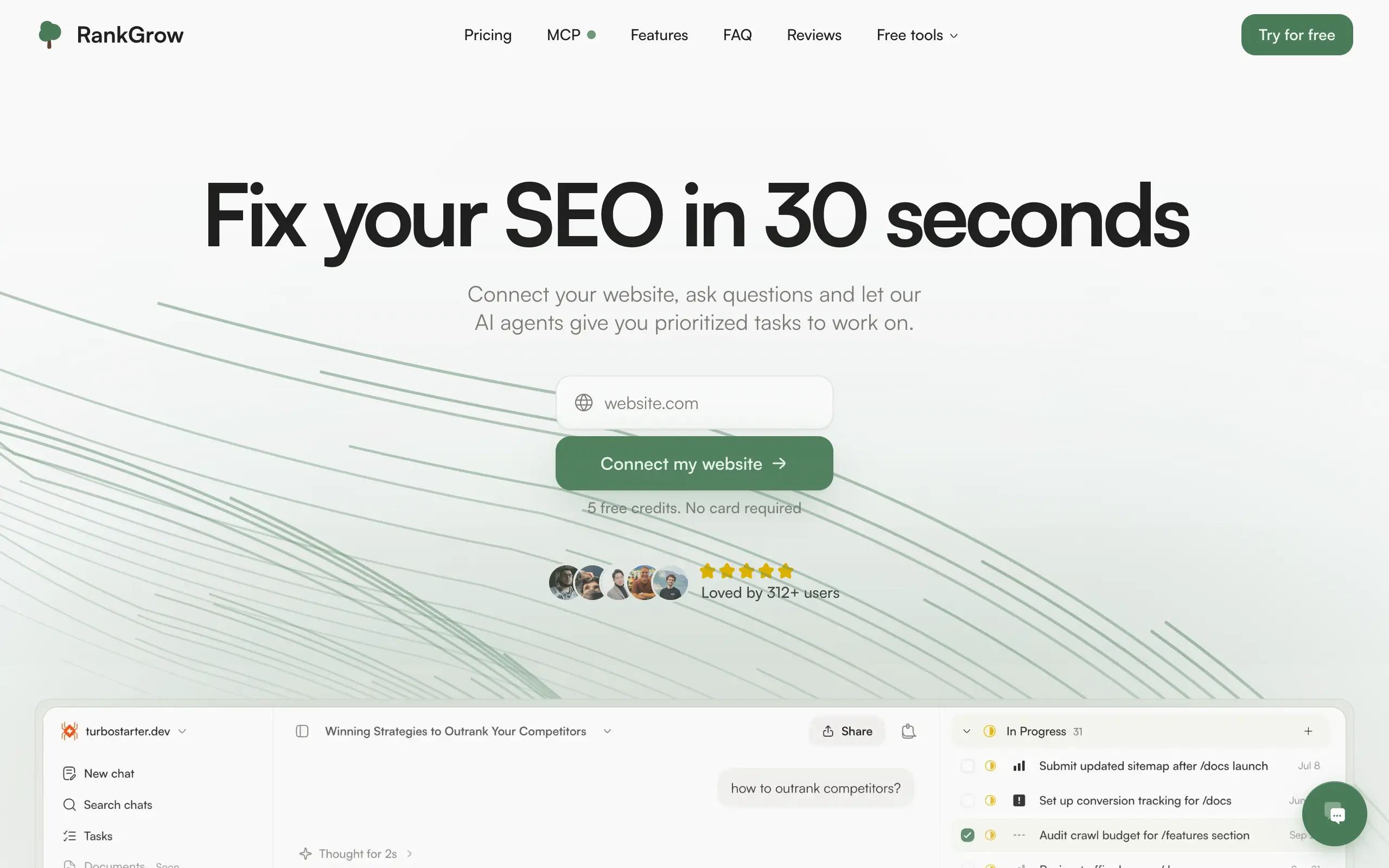
RankGrow
Fix your SEO with AI agents - connect Search Console, get prioritized tasks, and grow organic traffic 📈
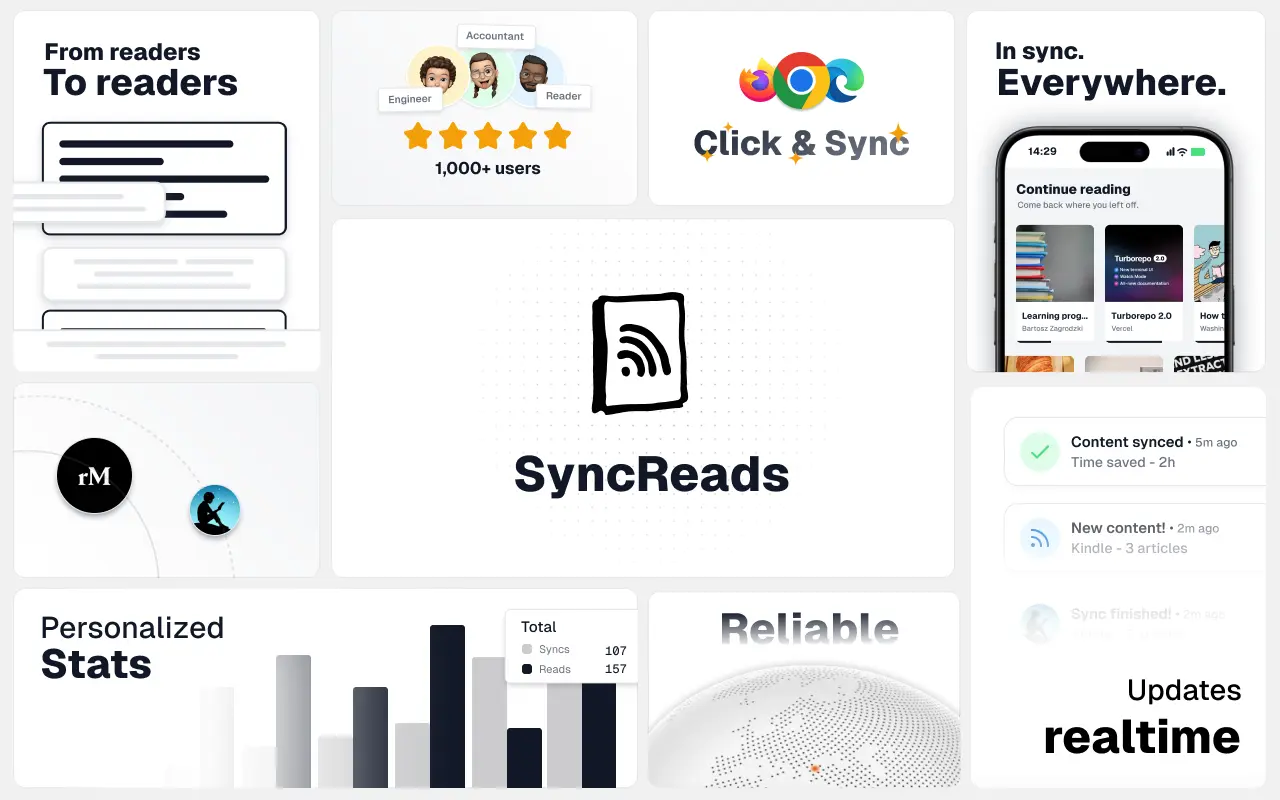
SyncReads
Sync your favorite content for distraction-free reading, save time and replace multiple apps. Anytime, anywhere 🔄
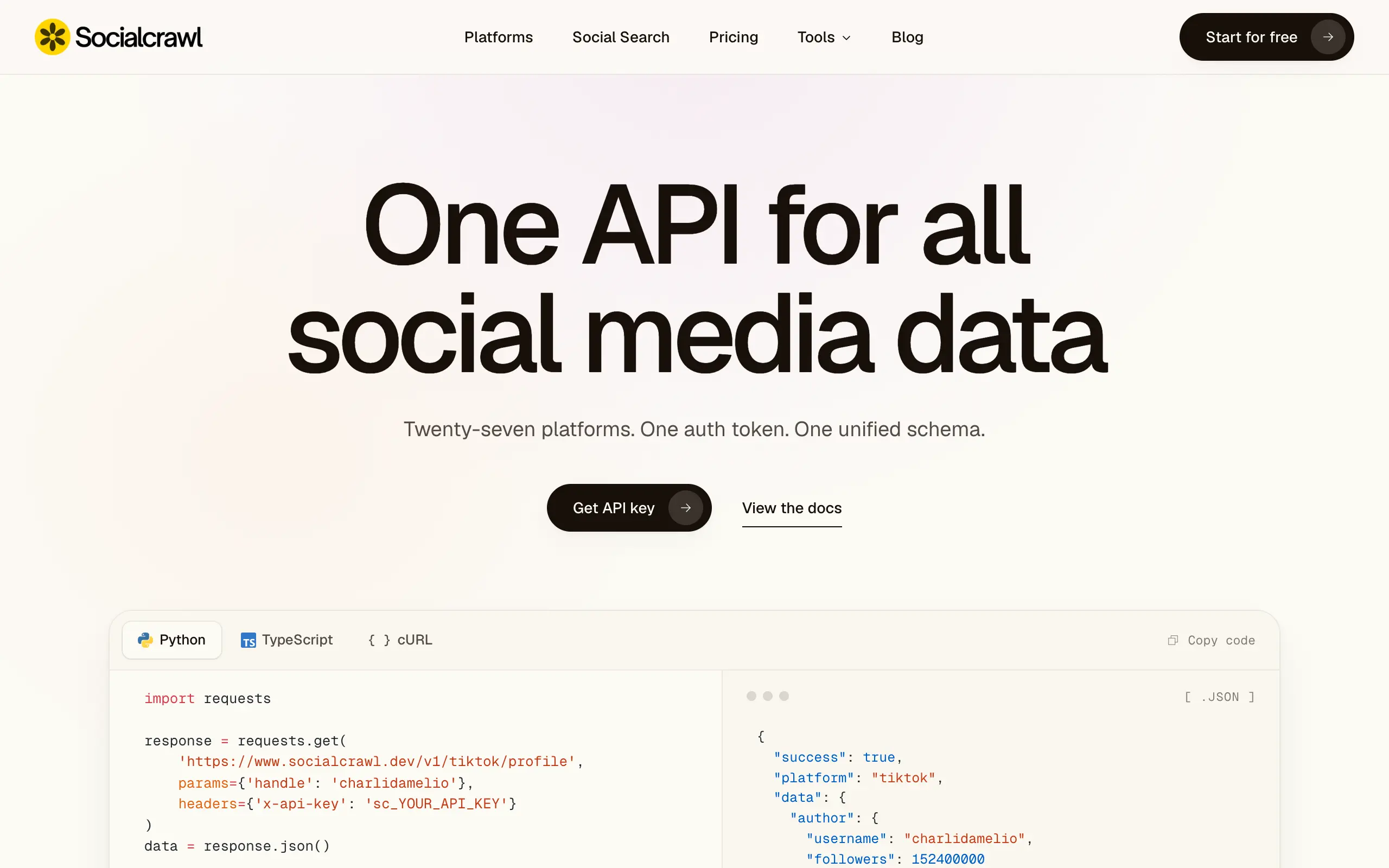
Socialcrawl
Get clean, structured data from 21 platforms like TikTok, Instagram, and YouTube with a single request 📊
Statiko
Monitor any Telegram channel in real time - track posts, edits, deletions, and growth with AI recaps 📡
Shibui
AI website builder - describe your business, pick a niche template, edit by chatting, and publish instantly ✨
Pro Service
Find verified home service professionals, compare quotes, and pay securely through escrow - built for Brazilians across the US 🏠
RankGrow
Fix your SEO with AI agents - connect Search Console, get prioritized tasks, and grow organic traffic 📈
SyncReads
Sync your favorite content for distraction-free reading, save time and replace multiple apps. Anytime, anywhere 🔄
Socialcrawl
Get clean, structured data from 21 platforms like TikTok, Instagram, and YouTube with a single request 📊
Statiko
Monitor any Telegram channel in real time - track posts, edits, deletions, and growth with AI recaps 📡
Shibui
AI website builder - describe your business, pick a niche template, edit by chatting, and publish instantly ✨
Pro Service
Find verified home service professionals, compare quotes, and pay securely through escrow - built for Brazilians across the US 🏠
RankGrow
Fix your SEO with AI agents - connect Search Console, get prioritized tasks, and grow organic traffic 📈
SyncReads
Sync your favorite content for distraction-free reading, save time and replace multiple apps. Anytime, anywhere 🔄
Socialcrawl
Get clean, structured data from 21 platforms like TikTok, Instagram, and YouTube with a single request 📊
Statiko
Monitor any Telegram channel in real time - track posts, edits, deletions, and growth with AI recaps 📡
Shibui
AI website builder - describe your business, pick a niche template, edit by chatting, and publish instantly ✨
Pro Service
Find verified home service professionals, compare quotes, and pay securely through escrow - built for Brazilians across the US 🏠
RankGrow
Fix your SEO with AI agents - connect Search Console, get prioritized tasks, and grow organic traffic 📈
SyncReads
Sync your favorite content for distraction-free reading, save time and replace multiple apps. Anytime, anywhere 🔄
Socialcrawl
Get clean, structured data from 21 platforms like TikTok, Instagram, and YouTube with a single request 📊
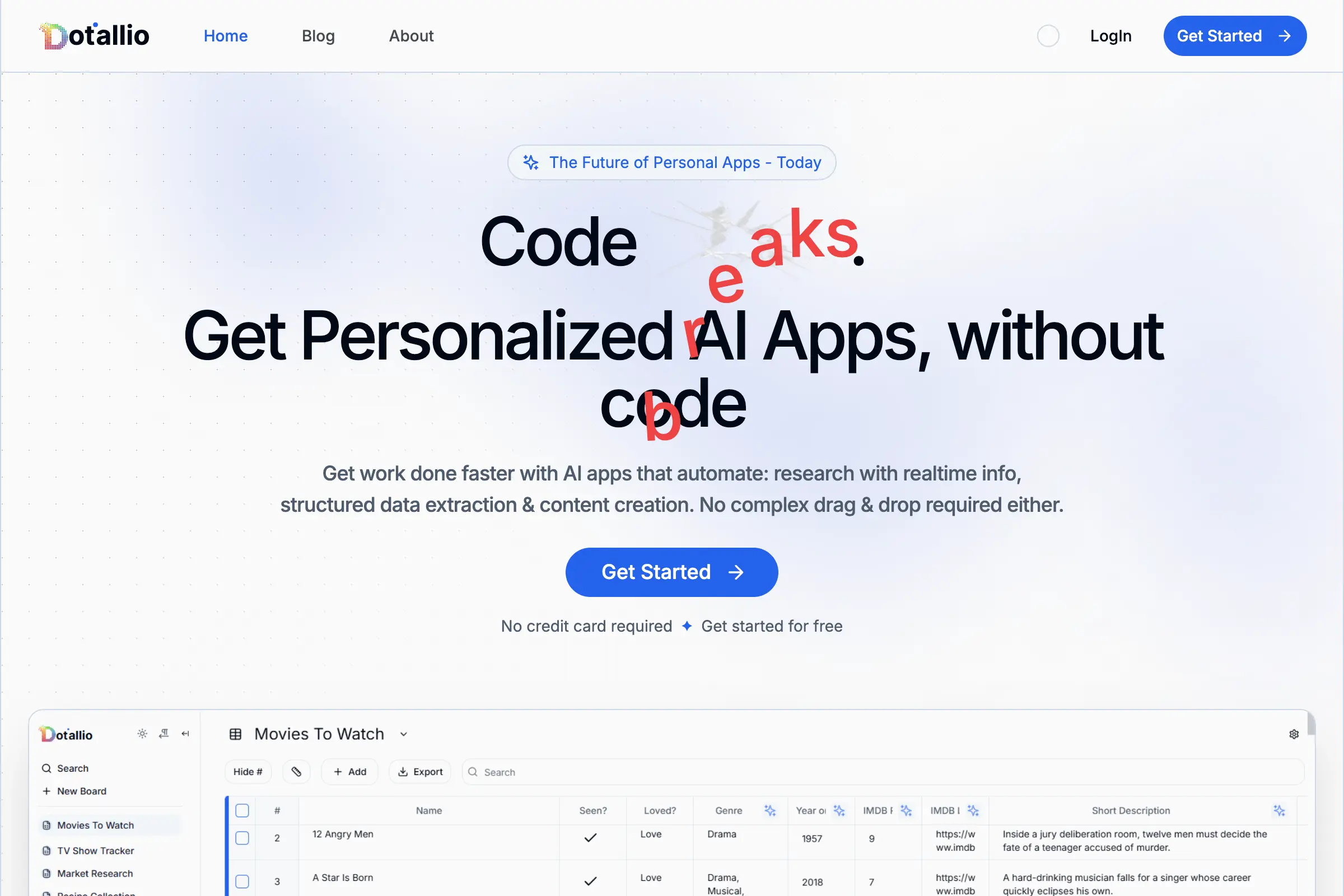
Dotallio
Personalized AI apps that automate research, data extraction, and content creation without code 🤖

Talk to Santa
Enjoy a magical live video chat or receive a unique AI-generated video greeting from Santa Claus 🎅

pozywka.pl
Scalable blog for food journalist, focused on performance and user experience 🌭
zagrodzki.me
Personal blog and portfolio of Bart Zagrodzki, where he shares his knowledge and work 💼
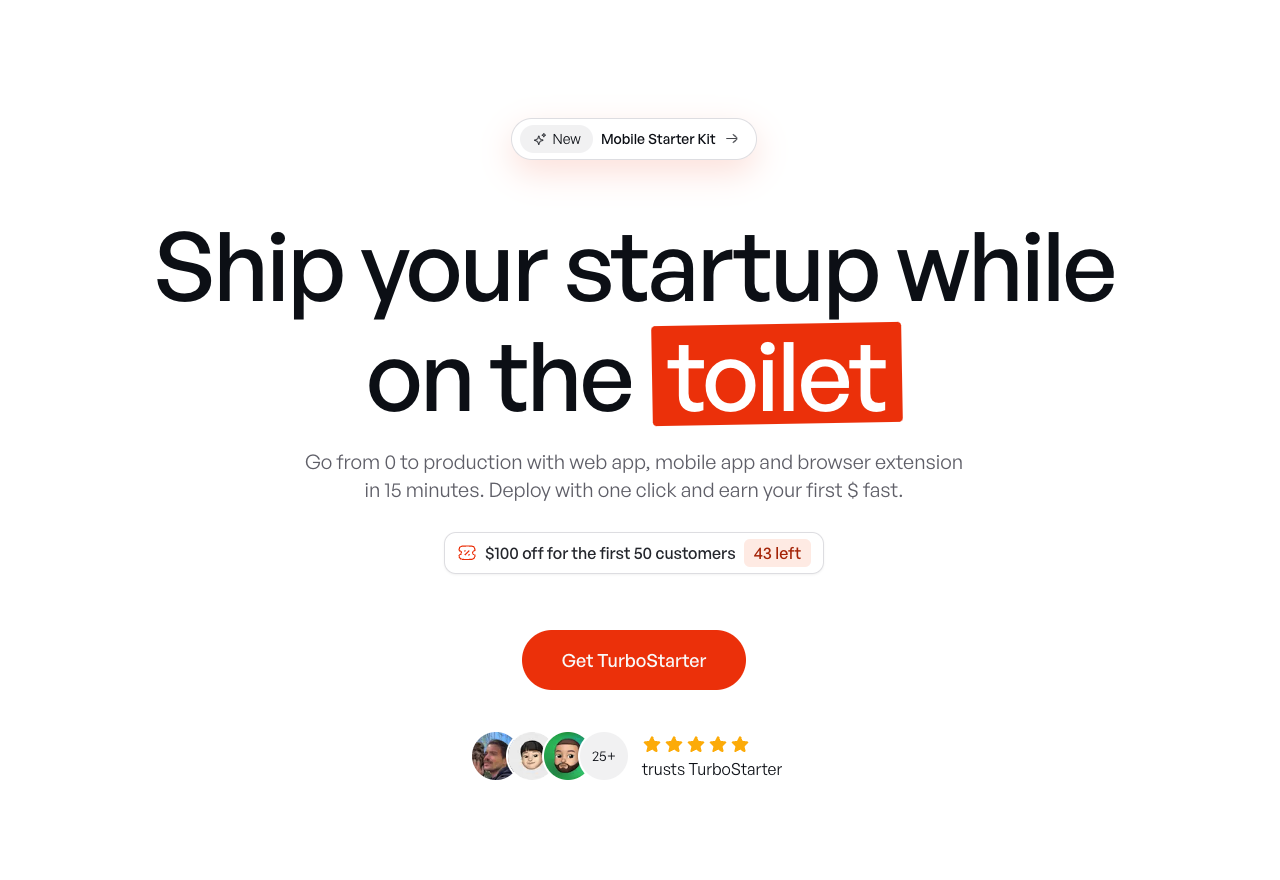
TurboStarter
Ship your startup everywhere. In minutes.
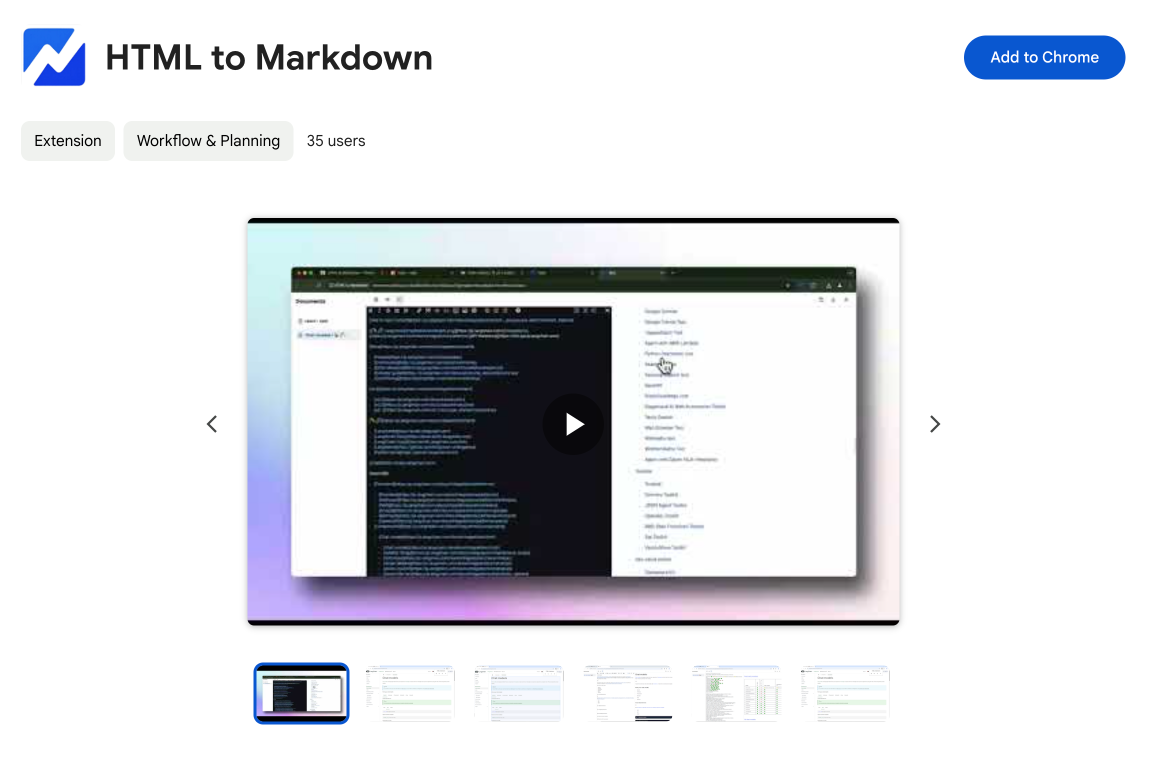
HTML to Markdown
Convert HTML to Markdown with ease, directly in your browser 📄
Dotallio
Personalized AI apps that automate research, data extraction, and content creation without code 🤖
Talk to Santa
Enjoy a magical live video chat or receive a unique AI-generated video greeting from Santa Claus 🎅
pozywka.pl
Scalable blog for food journalist, focused on performance and user experience 🌭
zagrodzki.me
Personal blog and portfolio of Bart Zagrodzki, where he shares his knowledge and work 💼
TurboStarter
Ship your startup everywhere. In minutes.
HTML to Markdown
Convert HTML to Markdown with ease, directly in your browser 📄
Dotallio
Personalized AI apps that automate research, data extraction, and content creation without code 🤖
Talk to Santa
Enjoy a magical live video chat or receive a unique AI-generated video greeting from Santa Claus 🎅
pozywka.pl
Scalable blog for food journalist, focused on performance and user experience 🌭
zagrodzki.me
Personal blog and portfolio of Bart Zagrodzki, where he shares his knowledge and work 💼
TurboStarter
Ship your startup everywhere. In minutes.
HTML to Markdown
Convert HTML to Markdown with ease, directly in your browser 📄
Dotallio
Personalized AI apps that automate research, data extraction, and content creation without code 🤖
Talk to Santa
Enjoy a magical live video chat or receive a unique AI-generated video greeting from Santa Claus 🎅
pozywka.pl
Scalable blog for food journalist, focused on performance and user experience 🌭
zagrodzki.me
Personal blog and portfolio of Bart Zagrodzki, where he shares his knowledge and work 💼
TurboStarter
Ship your startup everywhere. In minutes.
HTML to Markdown
Convert HTML to Markdown with ease, directly in your browser 📄
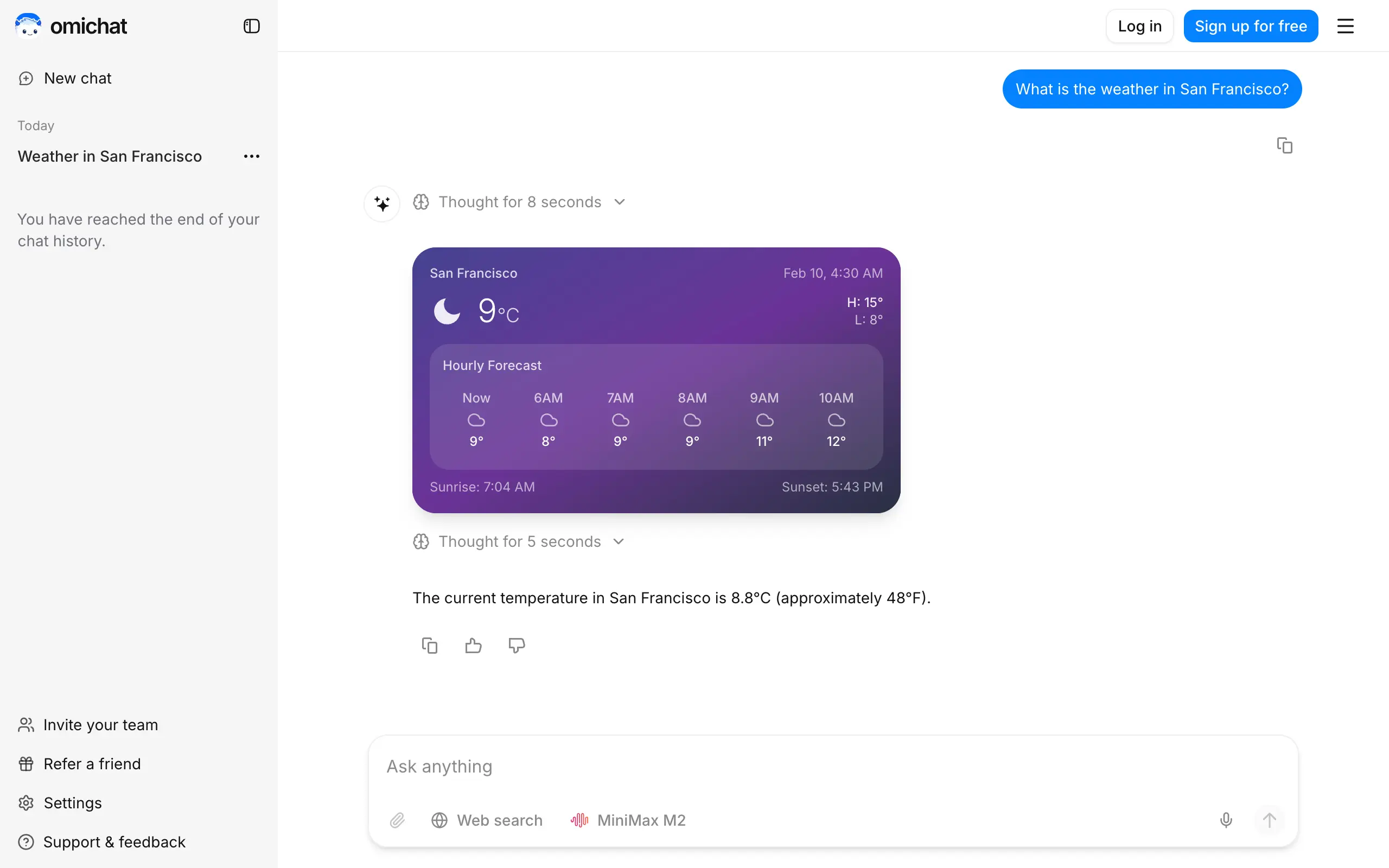
Omichat
Chat with 50+ AI models, including ChatGPT and Claude, in one place - switch models anytime without losing context 🤖
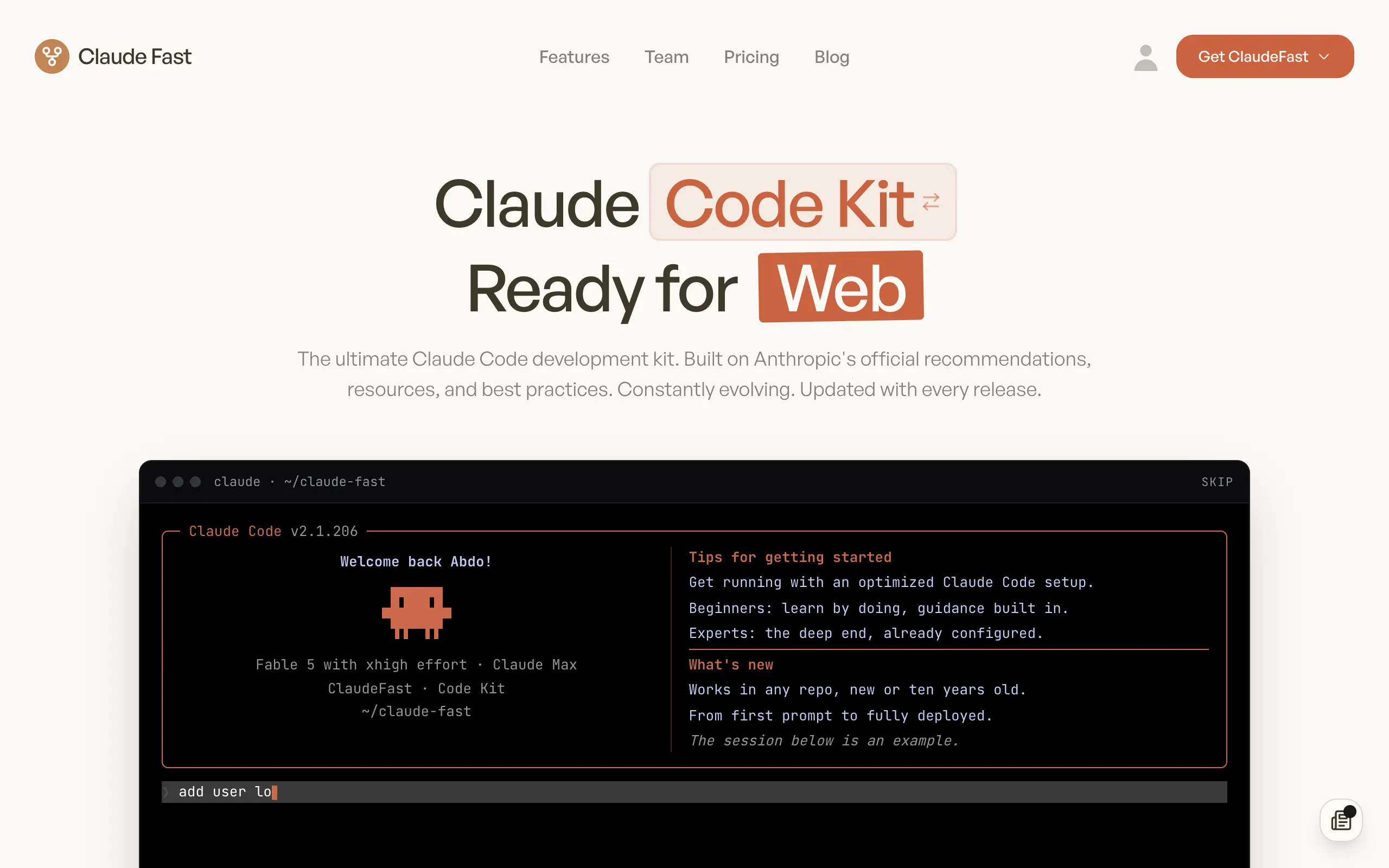
Claude Fast
Supercharge your Claude Code with 6x effective context window and specialized AI agents 🤖
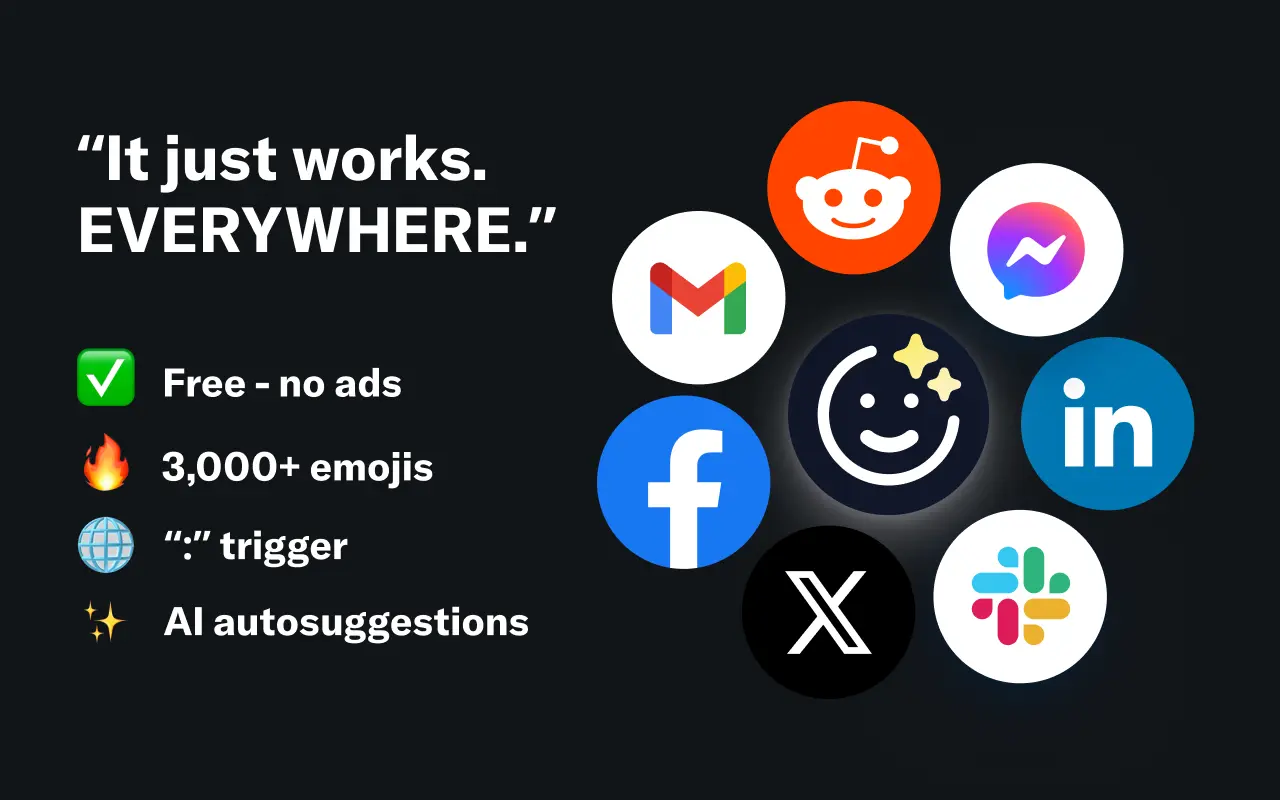
EmojAI
AI-powered emoji picker with smart, context-aware suggestions 🤖
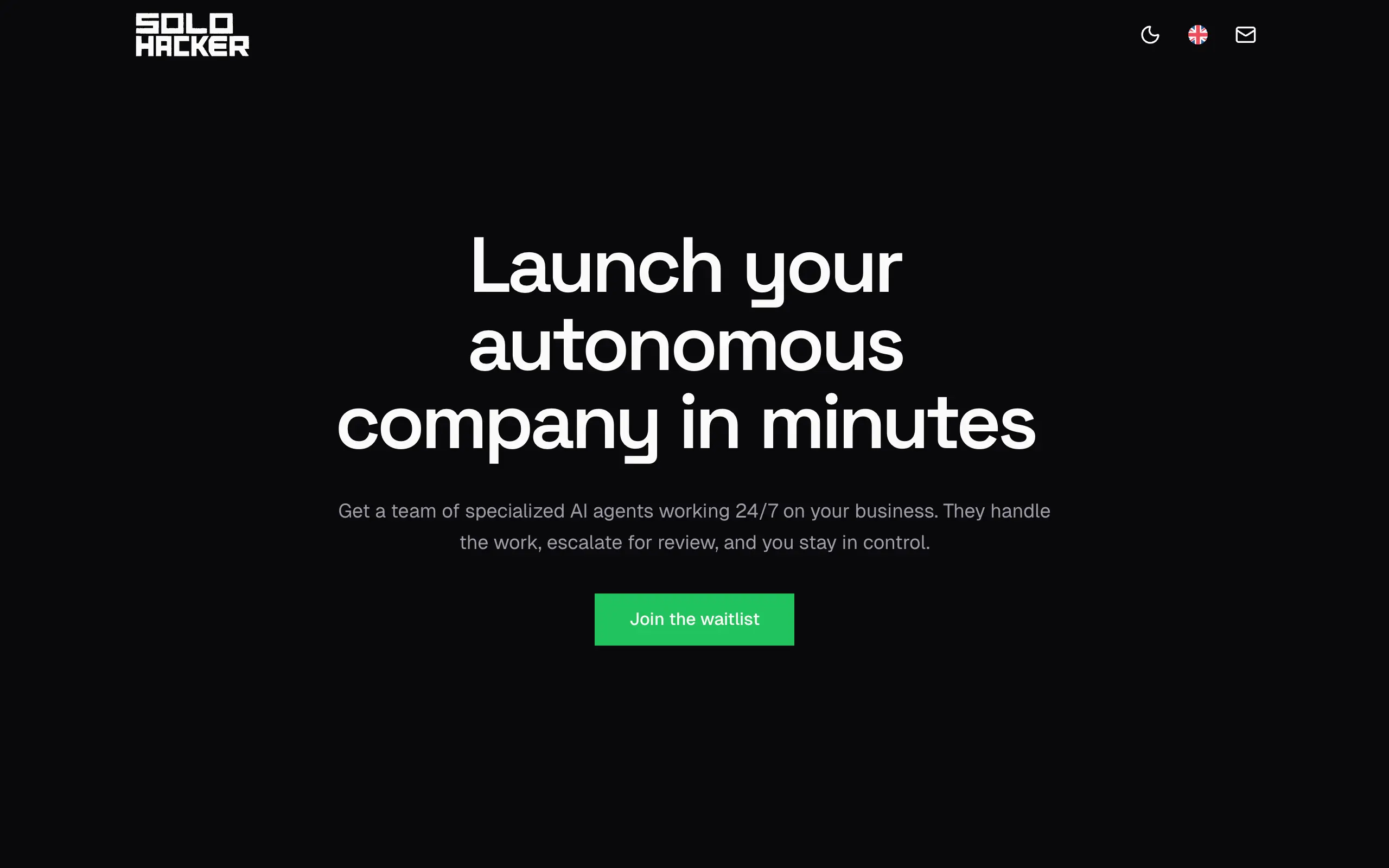
Solohacker
Autonomous company launcher - AI agents work 24/7, escalate what matters, and you stay in control 🤖
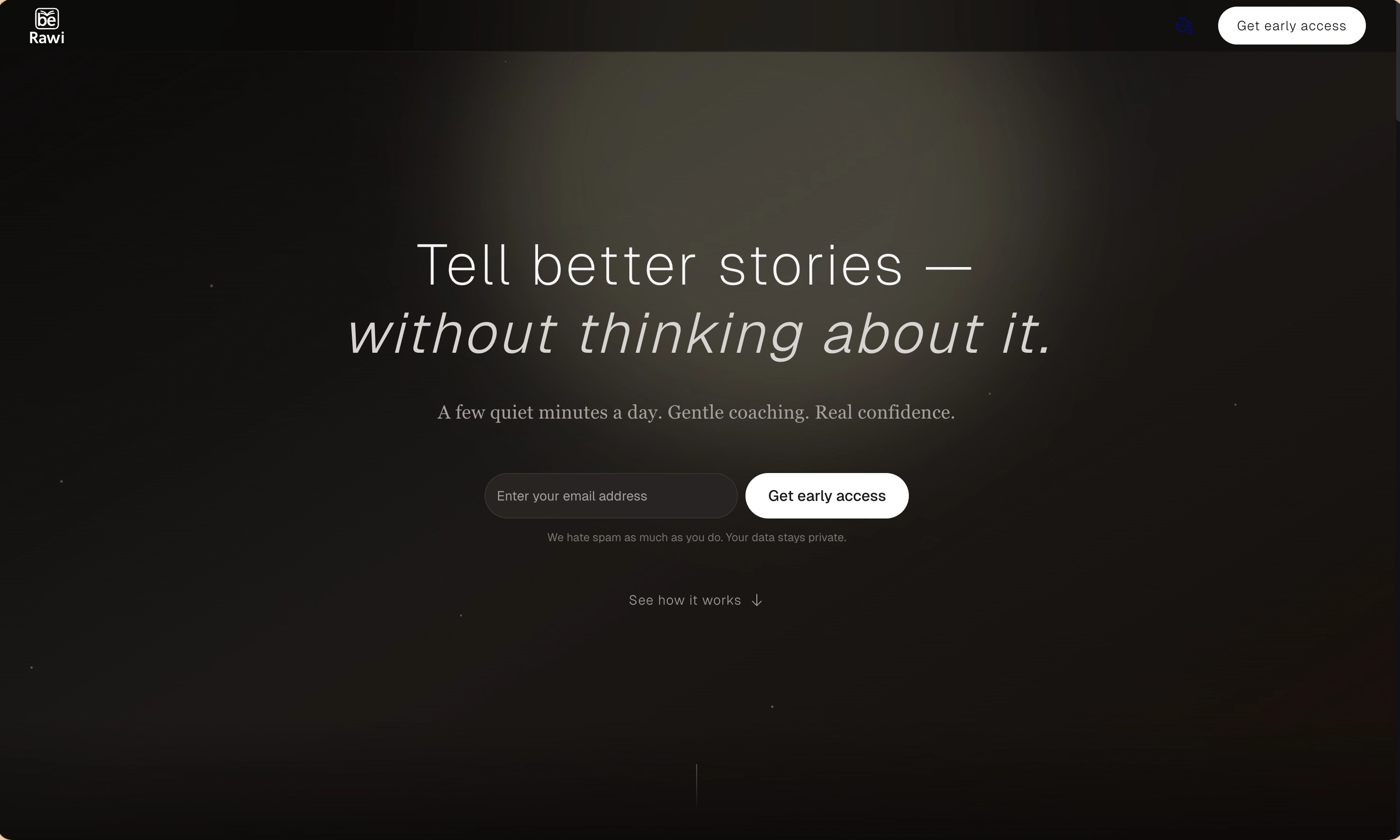
BeRawi: Storytelling Coach
Practice storytelling daily with instant feedback to sound clearer, more engaging, and confident 🎤
Omichat
Chat with 50+ AI models, including ChatGPT and Claude, in one place - switch models anytime without losing context 🤖
Claude Fast
Supercharge your Claude Code with 6x effective context window and specialized AI agents 🤖
EmojAI
AI-powered emoji picker with smart, context-aware suggestions 🤖
Solohacker
Autonomous company launcher - AI agents work 24/7, escalate what matters, and you stay in control 🤖
BeRawi: Storytelling Coach
Practice storytelling daily with instant feedback to sound clearer, more engaging, and confident 🎤
Omichat
Chat with 50+ AI models, including ChatGPT and Claude, in one place - switch models anytime without losing context 🤖
Claude Fast
Supercharge your Claude Code with 6x effective context window and specialized AI agents 🤖
EmojAI
AI-powered emoji picker with smart, context-aware suggestions 🤖
Solohacker
Autonomous company launcher - AI agents work 24/7, escalate what matters, and you stay in control 🤖
BeRawi: Storytelling Coach
Practice storytelling daily with instant feedback to sound clearer, more engaging, and confident 🎤
Omichat
Chat with 50+ AI models, including ChatGPT and Claude, in one place - switch models anytime without losing context 🤖
Claude Fast
Supercharge your Claude Code with 6x effective context window and specialized AI agents 🤖
EmojAI
AI-powered emoji picker with smart, context-aware suggestions 🤖
Solohacker
Autonomous company launcher - AI agents work 24/7, escalate what matters, and you stay in control 🤖
BeRawi: Storytelling Coach
Practice storytelling daily with instant feedback to sound clearer, more engaging, and confident 🎤

Connect with like-minded people
Join our community to get feedback, support, and grow together with 1,000+ builders on board, let's ship it!
Join usShip your startup everywhere. In minutes.
Don't burn tokens on setup and start building features on day one.