TaxPilot AI
Advanced AI that scans financials to uncover missed UK tax reliefs, VAT inefficiencies, and claimable expenses, maximizing savings for local companies.
The rise of AI tax copilots for freelancers and solopreneurs
Freelancers and solopreneurs face a persistent, high-stress problem: uncertain tax liabilities and missed deductions. Unlike salaried employees with withholding and predictable income, independent workers deal with variable revenue, quarterly estimated taxes, multi-state rules, self-employment taxes, and ever-changing regulations.
An AI tax copilot like TaxPilot AI addresses this head-on by predicting tax liabilities in real time and automatically optimizing deductions throughout the year — not just during tax season.
This article explores:
- The real market need behind AI-powered tax software for freelancers
- Target audience segments and behavioral insights
- Core product features and differentiators
- Recommended tech stack (with trade-offs)
- Monetization models
- Risks and regulatory considerations
- Competitive positioning
- Actionable implementation roadmap
If you're validating or building an AI tax SaaS, this is your strategic blueprint.
Why freelancers urgently need real-time tax prediction
The core pain points
Freelancers and solopreneurs struggle with:
- ❌ Unpredictable income → Hard to estimate quarterly taxes
- ❌ Underpayment penalties from IRS or local authorities
- ❌ Missed deductions due to poor expense tracking
- ❌ Overpaying taxes because they don’t proactively optimize
- ❌ High CPA fees (often $500–$2,500 annually)
Traditional accounting tools like QuickBooks or Xero focus on bookkeeping. Tax software like TurboTax focuses on filing. But there’s a massive gap:
There is no intelligent, proactive, year-round AI tax optimization copilot built specifically for freelancers.
This is where TaxPilot AI creates a defensible position.
Target audience analysis
Understanding user personas is critical for product-market fit and SEO positioning around “AI tax software for freelancers” and related keywords.
Primary segment: Full-time freelancers
Profile:
- Income: $50k–$250k annually
- Professions: Designers, developers, writers, consultants, marketers
- Structure: Sole proprietor or single-member LLC
Pain triggers:
- Quarterly estimated tax stress
- Surprise tax bills
- Difficulty categorizing expenses
- Confusion around deductions (home office, mileage, equipment)
Search intent examples:
- “How much tax should I set aside as a freelancer?”
- “Best tax software for self-employed”
- “AI tax calculator for freelancers”
TaxPilot AI directly satisfies these high-intent queries.
Secondary segment: Creator economy professionals
YouTubers, TikTok creators, online course sellers, affiliate marketers.
Unique tax complexity:
- Multiple income streams (ads, sponsorships, affiliate, digital products)
- International payments
- Platform fees and expenses
- Equipment-heavy deductions
They need real-time tax visibility across platforms, not just bookkeeping.
Tertiary segment: New solopreneurs
Recently left employment.
Biggest issue?
They underestimate:
- Self-employment tax (15.3% in the U.S.)
- Quarterly estimated payments
- State-level obligations
An AI tax copilot becomes both a tool and an educator.
Market opportunity and gap analysis
Market size
- Freelancers make up a significant and growing portion of the workforce (see reports by Upwork’s Freelance Forward and similar workforce studies).
- The creator economy is projected in the hundreds of billions globally (source: various market analyses such as Goldman Sachs reports).
- SMB accounting software is a multi-billion dollar industry.
Yet most tax tools are:
- Reactive (file once per year)
- Complex
- Not predictive
- Not personalized
The opportunity gap
There’s no dominant player combining:
- ✅ Real-time income syncing
- ✅ AI deduction optimization
- ✅ Dynamic tax forecasting
- ✅ Quarterly payment planning
- ✅ Behavioral nudges
That positioning — “AI tax copilot for freelancers” — is powerful for both SEO and brand differentiation.
What makes an AI tax copilot different?
Traditional tools are calculators.
An AI tax copilot is:
- Predictive
- Context-aware
- Proactive
- Personalized
- Continuous
Instead of asking:
“What did you earn last year?”
It asks:
“Given your current income trajectory, spending patterns, and deductions, here’s your projected liability — and here’s how to optimize it.”
Core features of TaxPilot AI
Below is a strategic breakdown of the most important feature pillars.
1. Real-time tax liability prediction
How it works:
- Sync bank accounts via Plaid
- Sync payment platforms (Stripe, PayPal)
- Classify income and expenses
- Continuously compute projected:
- Federal income tax
- Self-employment tax
- State tax (where applicable)
Output:
- Live dashboard showing:
- Estimated tax owed
- Recommended quarterly payment
- Safe-harbor threshold status
2. AI-powered deduction optimization
This is the core USP.
Instead of just tracking expenses, the AI:
- Identifies deductible categories automatically
- Suggests missing deductions
- Recommends strategic purchases (e.g., equipment timing)
- Evaluates home office qualification
- Suggests retirement contribution strategies (e.g., SEP IRA)
Strategic differentiator
Most accounting software categorizes expenses. TaxPilot AI optimizes deductions proactively based on tax law logic and user income trajectory.
3. Quarterly tax planner
Features:
- Estimated tax payment reminders
- Scenario simulation:
- “What if I earn $20k more this quarter?”
- “What if I buy $5k equipment?”
- Underpayment risk alerts
This reduces penalties and builds trust.
4. AI conversational tax assistant
Chat-style interface trained on:
- IRS publications
- Self-employment tax rules
- Deduction guidelines
Example prompts:
- “Can I deduct my coworking space?”
- “Should I elect S-corp status?”
- “How much should I save this month?”
You must implement guardrails to avoid unauthorized legal advice.
5. Behavioral nudging system
Smart notifications:
- “You’re trending 18% above last quarter — adjust savings.”
- “You haven’t categorized 12 transactions.”
- “You may qualify for a QBI deduction.”
This turns tax compliance into an ongoing optimization loop.
Feature comparison with traditional solutions
| Feature | TaxPilot AI | TurboTax | QuickBooks | CPA |
|---|---|---|---|---|
| Real-time tax forecast | ✅ | ❌ | ❌ | ❌ |
| AI deduction optimization | ✅ | ❌ | ❌ | ✅ (manual) |
| Quarterly planning | ✅ | ❌ | Limited | ✅ |
| Cost-effective | ✅ | ✅ | ✅ | ❌ |
Recommended tech stack (with trade-offs)
Choosing the right stack is critical for scalability and compliance.
Frontend
Why:
- Component-driven architecture
- Fast iteration
- Excellent developer ecosystem
- SEO-friendly SSR
Backend
Option A: Node.js + TypeScript
Option B: Python (FastAPI)
Trade-offs:
| Node.js | Python |
|---|---|
| Strong JS ecosystem | Better for data & ML |
| Shared language full-stack | Easier AI experimentation |
| High performance | Mature tax calculation libraries |
If heavy AI modeling is required, Python may provide long-term flexibility.
AI Layer
- LLM API integration
- RAG (Retrieval-Augmented Generation)
- Fine-tuned tax-specific prompts
Critical considerations:
- Hallucination prevention
- Citation-backed responses
- Legal disclaimers
Financial integrations
- Plaid (bank data)
- Stripe API
- PayPal API
Security is non-negotiable:
- SOC 2 readiness
- Encryption at rest
- Secure token storage
Example architecture flow
// Simplified tax prediction pipeline

async function calculateProjectedTax(userId: string) {
  const transactions = await fetchTransactions(userId);
  const categorized = await categorizeExpenses(transactions);
  const income = calculateIncome(categorized);
  const deductions = optimizeDeductions(categorized);
  const liability = computeTax(income, deductions);

  return {
    projectedTax: liability.total,
    quarterlyEstimate: liability.quarterly,
    optimizationTips: deductions.suggestions
  };
}
Monetization strategy options
A sustainable AI tax SaaS needs clear revenue mechanics.
1. Subscription model (recommended)
- Starter: $19/month (basic tracking)
- Pro: $39–$59/month (AI optimization + forecasting)
- Premium: $79/month (advanced strategy + priority support)
Recurring revenue = valuation leverage.
2. Filing add-on
Charge extra during tax season:
- $99–$199 per filing
3. CPA partnership model
Referral revenue or upsell to vetted professionals.
4. Financial product affiliate revenue
- Business banking
- Retirement accounts
- Insurance products
Must remain transparent to maintain trust.
Key risks and mitigation strategies
1. Regulatory risk
Tax law changes annually.
Mitigation:
- Modular tax rule engine
- Dedicated compliance review
- Update schedule per IRS release
2. AI hallucination risk
Incorrect tax advice can be dangerous.
Critical
Never present AI output as definitive legal advice. Always include verification and disclaimers.
3. Data security risk
Financial data is sensitive.
Mitigation:
- SOC 2 roadmap
- Encryption
- Strict access controls
4. Competitive pressure
Large incumbents may integrate AI.
Defense strategy:
- Niche focus (freelancers only)
- Superior UX
- Strong brand identity
- Community building
Unique competitive advantage (USP)
TaxPilot AI is:
A proactive AI tax copilot — not just a filing tool.
Differentiators:
- Real-time predictive tax modeling
- Behavioral optimization engine
- Freelancer-first UX
- Continuous guidance, not annual interaction
Positioning statement:
“Your always-on AI tax strategist.”
Go-to-market strategy
SEO strategy
Target high-intent keywords:
- AI tax software for freelancers
- Self-employed tax calculator
- Real-time tax estimator
- Quarterly tax planner tool
- Deduction optimization tool
Content cluster strategy:
- Pillar: “Freelancer tax guide”
- Supporting:
- Home office deduction guide
- Self-employment tax breakdown
- How to estimate quarterly taxes
Creator partnerships
Partner with:
- YouTube finance educators
- Freelance influencers
- Digital nomad communities
Offer affiliate programs.
Community strategy
Build:
- Freelancer tax newsletter
- Private Slack or Discord
- Educational webinars
Trust compounds over time.
Implementation roadmap
MVP scope recommendation
Keep initial release focused:
Must-have:
- Bank sync
- Income detection
- Basic tax calculation
- Quarterly estimate
- Simple dashboard
Phase 2:
- AI deduction recommendations
- Chat assistant
- Advanced forecasting
Building faster with the right foundation
Instead of building auth, billing, and infrastructure from scratch, you can accelerate development using a production-ready SaaS foundation like TurboStarter.
This allows you to focus on:
- AI modeling
- Tax engine logic
- Product differentiation
Rather than rebuilding commodity infrastructure.
Final strategic insight
The future of tax software isn’t compliance.
It’s continuous optimization.
Freelancers don’t just want to file taxes. They want:
- Predictability
- Confidence
- Savings
- Strategic guidance
An AI tax copilot like TaxPilot AI positions itself at the intersection of:
- Fintech
- AI automation
- Creator economy infrastructure
- Behavioral finance
If executed with strong compliance, airtight security, and a freelancer-first experience, it has the potential to redefine how independent workers manage taxes.
The biggest opportunity isn’t building another tax tool.
It’s building the default financial brain for the modern solopreneur.
More 🤖 AI Startup SaaS ideas
Discover more innovative ai startup SaaS ideas that are trending in 2026. Each idea is AI-generated with market validation and growth potential to help you find your next profitable venture faster than competitors.
Your competitors are building with TurboStarter
Below are some of the SaaS ideas that have been generated and built with our starter kit.

Statiko
Monitor any Telegram channel in real time - track posts, edits, deletions, and growth with AI recaps 📡

Shibui
AI website builder - describe your business, pick a niche template, edit by chatting, and publish instantly ✨

Pro Service
Find verified home service professionals, compare quotes, and pay securely through escrow - built for Brazilians across the US 🏠
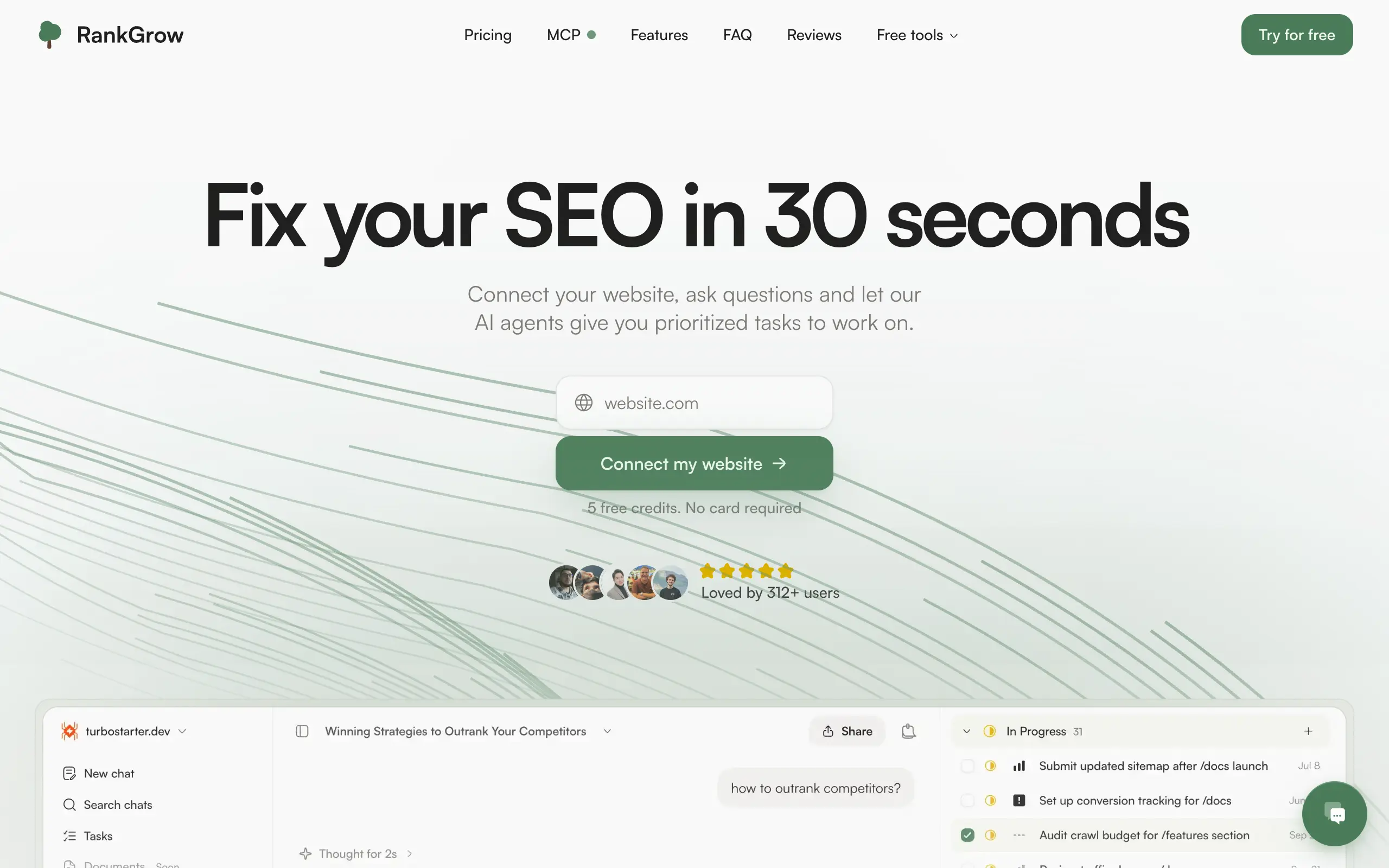
RankGrow
Fix your SEO with AI agents - connect Search Console, get prioritized tasks, and grow organic traffic 📈
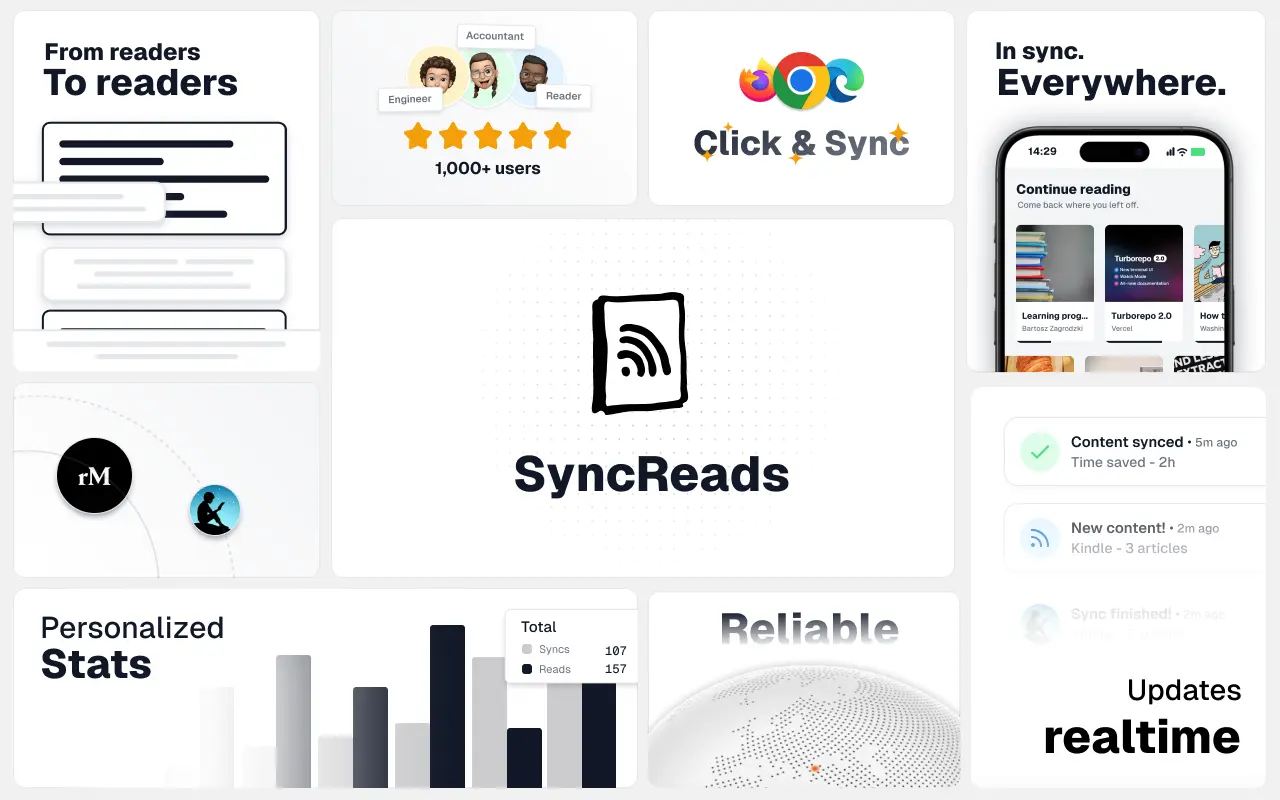
SyncReads
Sync your favorite content for distraction-free reading, save time and replace multiple apps. Anytime, anywhere 🔄
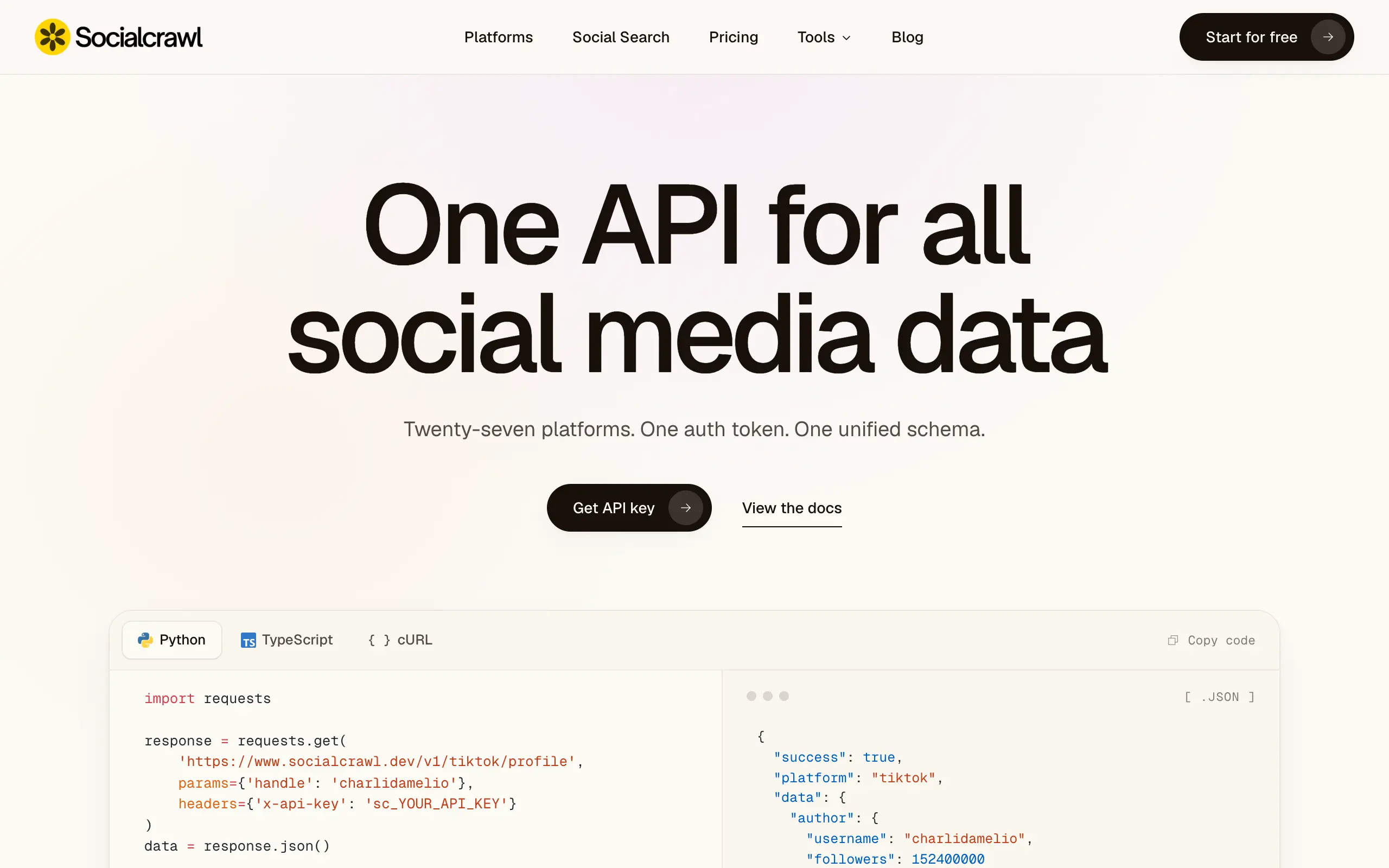
Socialcrawl
Get clean, structured data from 21 platforms like TikTok, Instagram, and YouTube with a single request 📊
Statiko
Monitor any Telegram channel in real time - track posts, edits, deletions, and growth with AI recaps 📡
Shibui
AI website builder - describe your business, pick a niche template, edit by chatting, and publish instantly ✨
Pro Service
Find verified home service professionals, compare quotes, and pay securely through escrow - built for Brazilians across the US 🏠
RankGrow
Fix your SEO with AI agents - connect Search Console, get prioritized tasks, and grow organic traffic 📈
SyncReads
Sync your favorite content for distraction-free reading, save time and replace multiple apps. Anytime, anywhere 🔄
Socialcrawl
Get clean, structured data from 21 platforms like TikTok, Instagram, and YouTube with a single request 📊
Statiko
Monitor any Telegram channel in real time - track posts, edits, deletions, and growth with AI recaps 📡
Shibui
AI website builder - describe your business, pick a niche template, edit by chatting, and publish instantly ✨
Pro Service
Find verified home service professionals, compare quotes, and pay securely through escrow - built for Brazilians across the US 🏠
RankGrow
Fix your SEO with AI agents - connect Search Console, get prioritized tasks, and grow organic traffic 📈
SyncReads
Sync your favorite content for distraction-free reading, save time and replace multiple apps. Anytime, anywhere 🔄
Socialcrawl
Get clean, structured data from 21 platforms like TikTok, Instagram, and YouTube with a single request 📊
Statiko
Monitor any Telegram channel in real time - track posts, edits, deletions, and growth with AI recaps 📡
Shibui
AI website builder - describe your business, pick a niche template, edit by chatting, and publish instantly ✨
Pro Service
Find verified home service professionals, compare quotes, and pay securely through escrow - built for Brazilians across the US 🏠
RankGrow
Fix your SEO with AI agents - connect Search Console, get prioritized tasks, and grow organic traffic 📈
SyncReads
Sync your favorite content for distraction-free reading, save time and replace multiple apps. Anytime, anywhere 🔄
Socialcrawl
Get clean, structured data from 21 platforms like TikTok, Instagram, and YouTube with a single request 📊
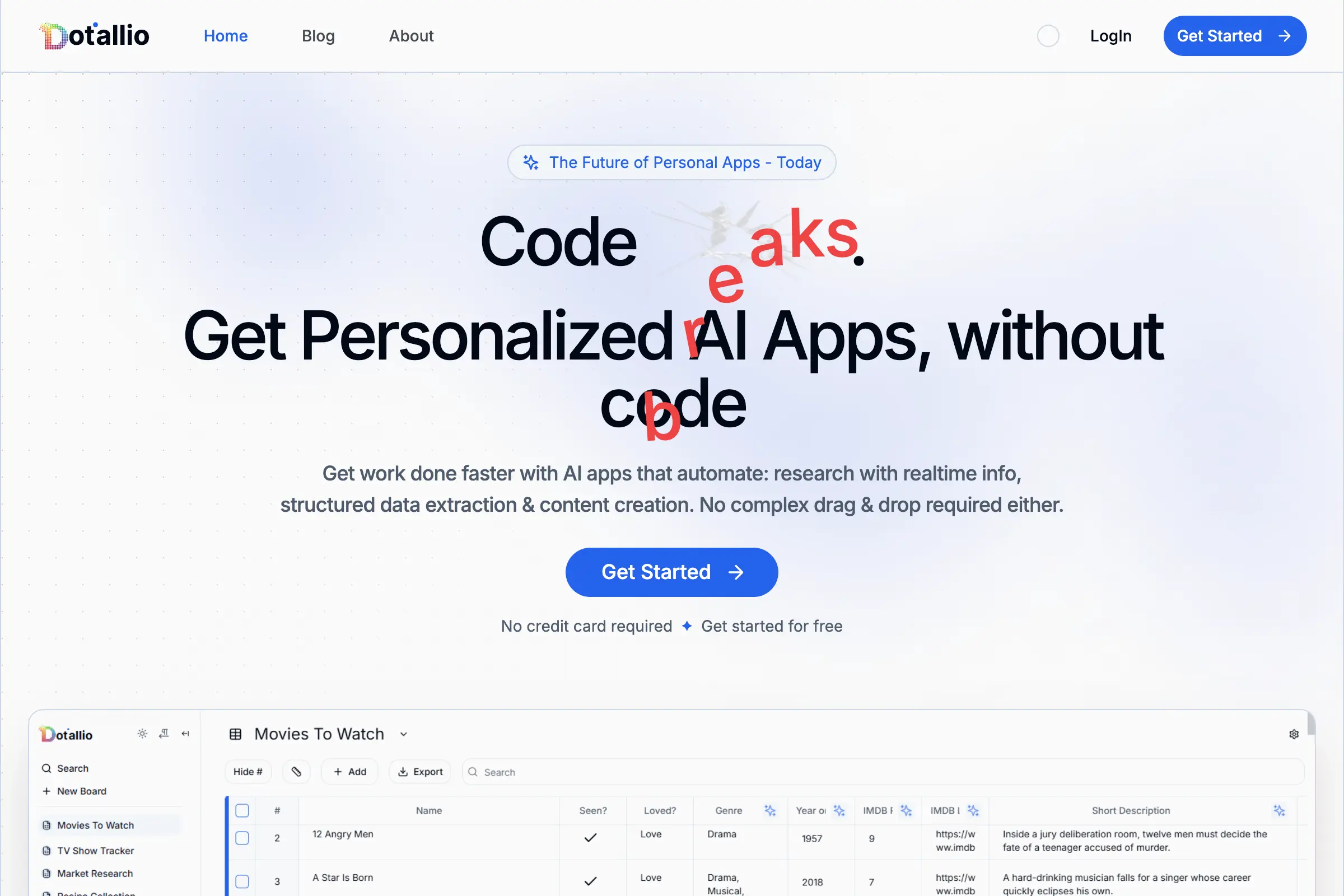
Dotallio
Personalized AI apps that automate research, data extraction, and content creation without code 🤖

Talk to Santa
Enjoy a magical live video chat or receive a unique AI-generated video greeting from Santa Claus 🎅

pozywka.pl
Scalable blog for food journalist, focused on performance and user experience 🌭
zagrodzki.me
Personal blog and portfolio of Bart Zagrodzki, where he shares his knowledge and work 💼
TurboStarter
Ship your startup everywhere. In minutes.
HTML to Markdown
Convert HTML to Markdown with ease, directly in your browser 📄
Dotallio
Personalized AI apps that automate research, data extraction, and content creation without code 🤖
Talk to Santa
Enjoy a magical live video chat or receive a unique AI-generated video greeting from Santa Claus 🎅
pozywka.pl
Scalable blog for food journalist, focused on performance and user experience 🌭
zagrodzki.me
Personal blog and portfolio of Bart Zagrodzki, where he shares his knowledge and work 💼
TurboStarter
Ship your startup everywhere. In minutes.
HTML to Markdown
Convert HTML to Markdown with ease, directly in your browser 📄
Dotallio
Personalized AI apps that automate research, data extraction, and content creation without code 🤖
Talk to Santa
Enjoy a magical live video chat or receive a unique AI-generated video greeting from Santa Claus 🎅
pozywka.pl
Scalable blog for food journalist, focused on performance and user experience 🌭
zagrodzki.me
Personal blog and portfolio of Bart Zagrodzki, where he shares his knowledge and work 💼
TurboStarter
Ship your startup everywhere. In minutes.
HTML to Markdown
Convert HTML to Markdown with ease, directly in your browser 📄
Dotallio
Personalized AI apps that automate research, data extraction, and content creation without code 🤖
Talk to Santa
Enjoy a magical live video chat or receive a unique AI-generated video greeting from Santa Claus 🎅
pozywka.pl
Scalable blog for food journalist, focused on performance and user experience 🌭
zagrodzki.me
Personal blog and portfolio of Bart Zagrodzki, where he shares his knowledge and work 💼
TurboStarter
Ship your startup everywhere. In minutes.
HTML to Markdown
Convert HTML to Markdown with ease, directly in your browser 📄
Omichat
Chat with 50+ AI models, including ChatGPT and Claude, in one place - switch models anytime without losing context 🤖
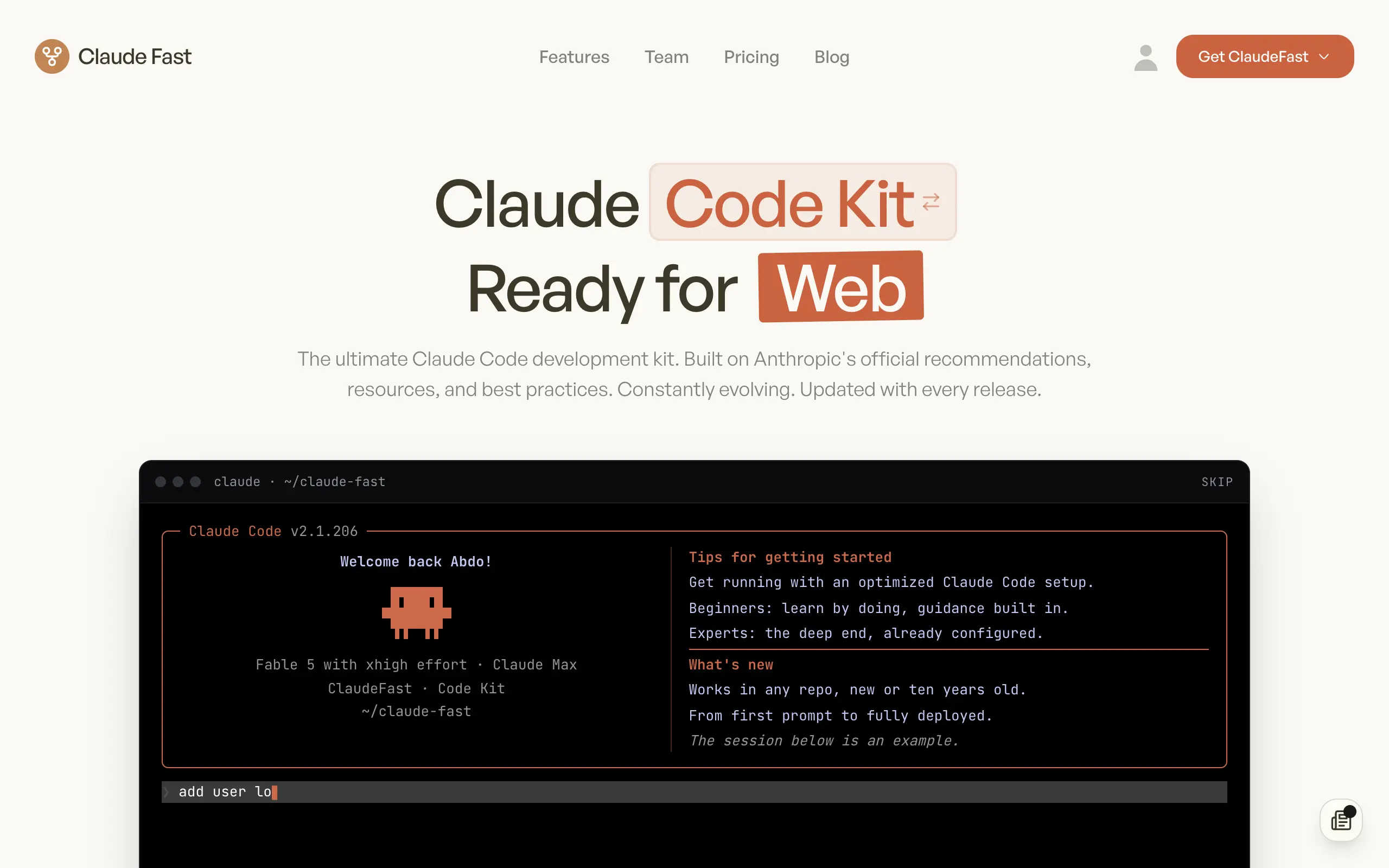
Claude Fast
Supercharge your Claude Code with 6x effective context window and specialized AI agents 🤖
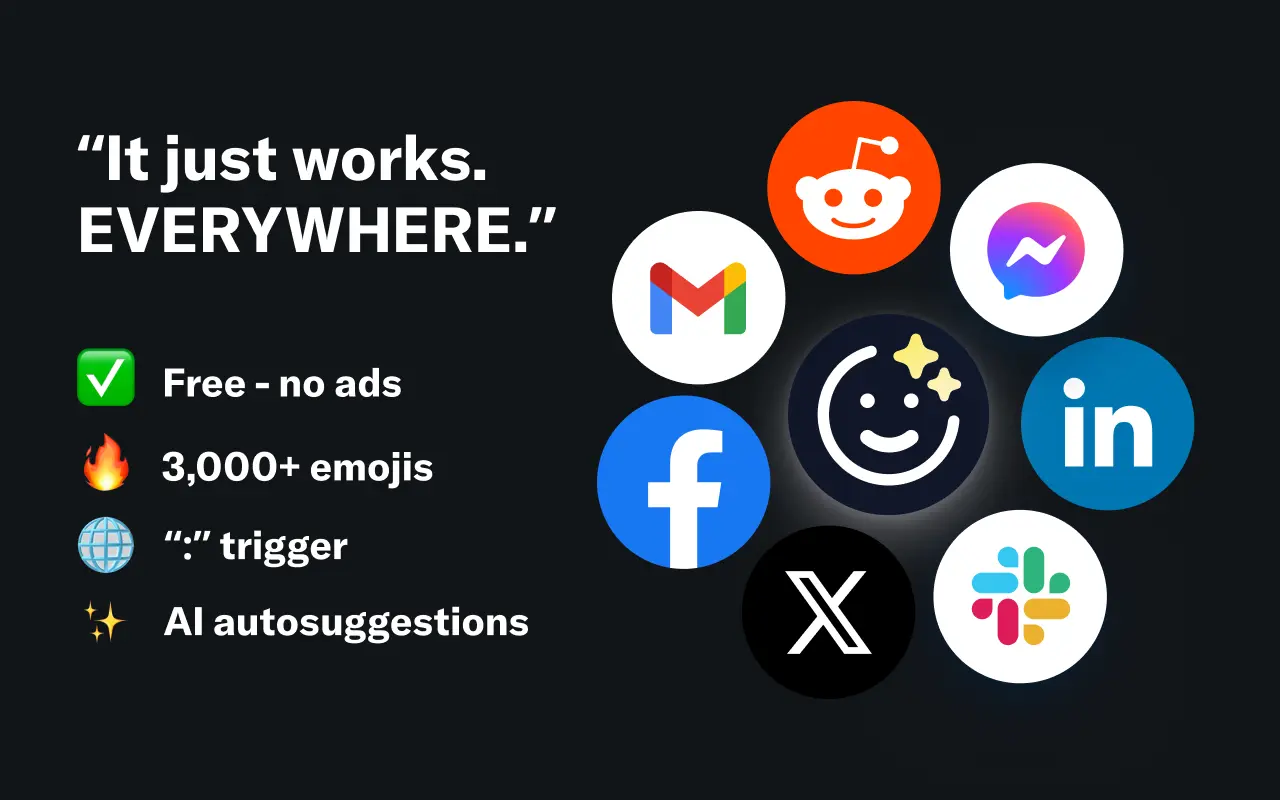
EmojAI
AI-powered emoji picker with smart, context-aware suggestions 🤖

Solohacker
Autonomous company launcher - AI agents work 24/7, escalate what matters, and you stay in control 🤖
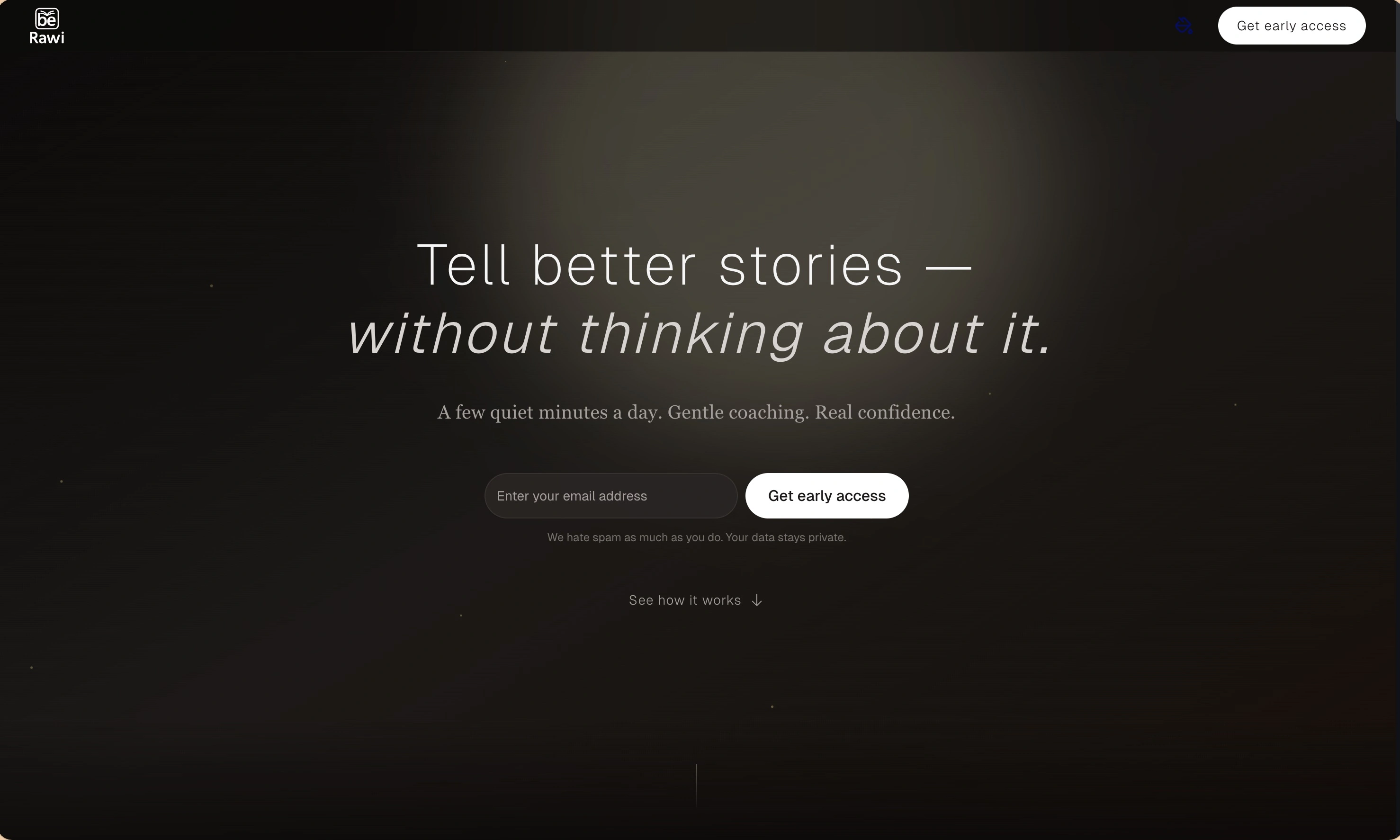
BeRawi: Storytelling Coach
Practice storytelling daily with instant feedback to sound clearer, more engaging, and confident 🎤
Omichat
Chat with 50+ AI models, including ChatGPT and Claude, in one place - switch models anytime without losing context 🤖
Claude Fast
Supercharge your Claude Code with 6x effective context window and specialized AI agents 🤖
EmojAI
AI-powered emoji picker with smart, context-aware suggestions 🤖
Solohacker
Autonomous company launcher - AI agents work 24/7, escalate what matters, and you stay in control 🤖
BeRawi: Storytelling Coach
Practice storytelling daily with instant feedback to sound clearer, more engaging, and confident 🎤
Omichat
Chat with 50+ AI models, including ChatGPT and Claude, in one place - switch models anytime without losing context 🤖
Claude Fast
Supercharge your Claude Code with 6x effective context window and specialized AI agents 🤖
EmojAI
AI-powered emoji picker with smart, context-aware suggestions 🤖
Solohacker
Autonomous company launcher - AI agents work 24/7, escalate what matters, and you stay in control 🤖
BeRawi: Storytelling Coach
Practice storytelling daily with instant feedback to sound clearer, more engaging, and confident 🎤
Omichat
Chat with 50+ AI models, including ChatGPT and Claude, in one place - switch models anytime without losing context 🤖
Claude Fast
Supercharge your Claude Code with 6x effective context window and specialized AI agents 🤖
EmojAI
AI-powered emoji picker with smart, context-aware suggestions 🤖
Solohacker
Autonomous company launcher - AI agents work 24/7, escalate what matters, and you stay in control 🤖
BeRawi: Storytelling Coach
Practice storytelling daily with instant feedback to sound clearer, more engaging, and confident 🎤

Connect with like-minded people
Join our community to get feedback, support, and grow together with 1,000+ builders on board, let's ship it!
Join usShip your startup everywhere. In minutes.
Don't burn tokens on setup and start building features on day one.