TeamFinder AI
TeamFinder AI matches gamers to optimal teammates by skill, personality, and playstyle, improving your squad's synergy using real-time analysis.
Understanding the TeamFinder AI opportunity
Gamers know: the difference between victory and defeat often hangs on teamwork, synergy, and communication. Yet, finding the right teammates—people who align not just by skill, but also by compatible playstyles and personalities—remains a persistent challenge in both casual and competitive gaming. This is the core gap TeamFinder AI seeks to address.
TeamFinder AI leverages advanced artificial intelligence to match gamers with optimal teammates, analyzing real-time data on skill, in-game behavior, personality, and playstyle. The result? Squads that "click"—raising win rates, engagement, and sheer enjoyment.
In this in-depth analysis, we'll explore the TeamFinder AI SaaS idea through the lenses of market need, audience, technology, and monetization—always with a focus on user intent and best SEO practices. Whether you're a developer, investor, or gaming industry strategist, you'll find the expert perspective and actionable detail needed to capitalize on this opportunity.
Who needs TeamFinder AI? Target audience analysis
TeamFinder AI's value proposition is broad, but effective market targeting is critical. The primary audiences include:
- Competitive gamers: Solo players or duos seeking reliably high-performance teammates for ranked or tournament play.
- Esports organizations & teams: Managers and coaches searching for optimal team compositions based on real data.
- Casual/social gamers: Players looking for enjoyable, positive experiences with like-minded individuals.
- Gaming community platforms: Discord servers, forums, and matchmaking sites aiming to enhance their user engagement.
- Game developers/publishers: Integrators seeking solutions to improve player satisfaction and retention.
Let's break down their pain points and the "jobs to be done" that TeamFinder AI directly addresses:
| Segment | User Goal | Pain Point | How TeamFinder AI Helps | Market Size Potential |
|---|---|---|---|---|
| Competitive Gamer | Win More Games | Low-quality, random teammates | Precision skill & synergy matching | High |
| Esports Org | Build winning rosters | Ineffective scouting, mis-alignments | Data-driven role & fit analysis | Medium |
| Casual Gamer | Fun, friendly games | Toxic partners, lack of rapport | Personality and playstyle factors | Very high |
| Community Platform | Boost user retention | Boring, impersonal tools | Embed AI matchmaking | High |
Bottom line: Anyone frustrated by bad teammates or mismatched squads is a potential user—and the global player base for multiplayer titles is enormous. TeamFinder AI is highly relevant for today’s social and competitive gaming behaviors.
Gaming market opportunity: Why now?
The gaming market is massive and accelerating:
- Over 3 billion gamers worldwide in 2023 ([source suggestion: Newzoo Global Games Market Report]).
- Esports viewership and participation is expected to top 640 million by 2025 ([source suggestion: Statista Esports Report]).
- Matchmaking dissatisfaction: A top complaint among players across major platforms and titles.
Industry trends amplifying TeamFinder AI’s opportunity:
- AI-powered match optimization is now feasible thanks to improved ML/NLP toolkits and in-game data APIs.
- Increased focus on player retention: Publishers see social connectivity and positive teammate experiences as critical to keeping players engaged.
- Toxicity and team dynamics: Modern matchmaking algorithms often ignore psychological and behavioral fit; this is a clear gap.
- Rise of cross-platform, cross-region gaming: More diversity means higher stakes for optimal matching.
Market gap
Virtually all in-game matchmaking focuses only on ranking or rating systems (ELO, MMR, etc.). Personality, communication style, and synergy data are overlooked.
TeamFinder AI directly addresses these recurring pain points with a solution both timely and differentiated.
Core features and solution overview
At the heart of TeamFinder AI is its blend of advanced algorithms, psychological modeling, and real-time game data ingestion.
Let's break down the product into its core features and unique strengths:
1. AI-powered teammate matching
- Real-time analysis of skill (rank, stats, win rates)
- Personality profiling via psychometric models (optional opt-in survey, social/voice data)
- Playstyle mapping: aggression, support tendencies, preferred roles, time commitment
- Proprietary synergy score combining technical and behavioral factors for optimal matches
2. Cross-game, cross-platform support
- Integrations with major multiplayer titles' APIs (e.g., Riot Games, Valve)
- Universal profiles aggregating stats across games, platforms, and devices
3. Dynamic team builder + LFG (Looking for Group) interface
- Advanced filters—role, preferred time zones, languages, casual/competitive intent
- "Quick match" for instant squad assembly, or "curated group" for longer-term team formation
4. Real-time compatibility analysis
- Machine learning evaluates communication styles and behavioral patterns
- Feedback loop—users rate synergy and outcomes to iteratively improve match quality
5. Trust, privacy, and safety features
- Robust data privacy, opt-in controls, and anti-toxicity screening
- Community reporting, moderation, and "block list" functionality
6. API & embeddable widget
- White-label API: Community platforms, Discord servers, and third-party apps can offer instant TeamFinder AI-powered matching
Recent advancements: AI, gaming, and synergy analysis
TeamFinder AI rides the wave of several transformative trends:
- Natural Language Processing (NLP) can now analyze chat/voice comms for toxicity, teamwork cues, and personality signatures. OpenAI, Google Cloud AI
- Real-time analytics pipelines enable live stat ingestion at scale with services like AWS Lambda and Firebase.
- Personality-matching goes mainstream, already used by leading dating and recruiting apps.
AI model improvement
New transformer models provide richer, actionable personality assessments.
APIs unlock live data
Gaming APIs allow granular, real-time access to match and performance data.
User demand shift
Players increasingly seek better social and collaborative experiences.
Recommended tech stack for TeamFinder AI
Choosing the right stack is critical for scalability, performance, and developer velocity. Below is a best-of-breed recommendation with trade-offs highlighted for transparency.
Frontend:
- React for dynamic web interfaces and responsive client experiences
- TailwindCSS for rapid UI development
Backend:
- Node.js with Express for flexibility and real-time APIs
- Python (microservices) for advanced ML/NLP tasks
AI & Data pipeline:
- TensorFlow or PyTorch for machine learning models
- PostgreSQL or MongoDB for structured/unstructured user data
- Redis for caching real-time match recommendations
Cloud/Infra:
API Integrations:
- REST/GraphQL endpoints
- Game-specific APIs and Discord bot integration for community distribution
- Node.js is ideal for I/O-heavy real-time APIs, but Python is unmatched for ML/AI—hybrid microservices model requires extra DevOps.
- React/TailwindCSS offers best DX but requires performance tuning for large game data visualizations.
- AWS vs GCP: GCP may offer better AI/ML services (Vertex AI), AWS wins on overall cloud maturity.
- NoSQL (MongoDB) great for heterogenous user data, but SQL (PostgreSQL) is more robust for analytics/reporting.
Conclusion: The above stack is modular, developer-friendly, and scales from MVP to massive user bases.
Monetization strategies for TeamFinder AI
There are multiple viable paths to monetize the platform, each with different pros and cons:
- Freemium model
- Core matching free; premium features (advanced analytics, competitive/team dashboards, priority matchmaking) paywalled.
- Upsell cosmetic profiles or “boost” options to increase squad visibility.
- B2B licensing
- Sell API/widget to Discord communities, esports orgs, gaming platforms, and even game publishers.
- Subscription pricing based on usage, seats, or game integrations.
- Advertising (ethical, non-intrusive)
- Targeted sponsorships or promotions within the matchmaking interface (e.g., gear, tournaments).
- Essential: Avoid anything that degrades user trust or experience.
- Affiliate & partnerships
- Revenue-share with tournament hosts or gaming gear brands.
Gamers expect zero-barrier onboarding. Premium "power user" tiers convert best after winning initial trust.
Potential risks, challenges, and mitigation strategies
Creating an AI-powered matchmaking platform presents unique risks that must be addressed directly:
- Data privacy & user trust
Mitigation: Transparent privacy policy, granular opt-ins, minimal data storage by default, anonymization. - Toxicity and abuse
Mitigation: Best-in-class AI-driven moderation (see OpenAI Moderation API), fast human review for edge cases. - Overfitting to "hard" stats (ignoring soft skills, creating mismatched expectations)
Mitigation: Iteratively balance algorithm for non-technical attributes (personality, communication). - Gaming the system & smurfing
Mitigation: Continual behavioral monitoring, flagging suspicious activity, requiring linked main accounts. - Scaling and performance
Mitigation: Use managed cloud services, elastic compute, sharding for heavy matchmaking times.
Competitive analysis and unique value propositions
The gaming world has several LFG (Looking for Group) and matchmaking tools, but very few combine all the key aspects TeamFinder AI does:
| Skill Matching | Personality/Playstyle | Real-time AI | Cross-platform | API/Widget |
|---|---|---|---|---|
| ✅ | ❌ | ❌ | ✅ | ❌ |
| ✅ | ❌ | ✅ | ✅ | ❌ |
| ✅ | ✅ | ✅ | ✅ | ✅ |
TeamFinder AI's USPs:
- Synthesizes skill, personality, and playstyle for holistic matches.
- Continuously learns and adapts from user outcomes and feedback.
- Available as both a direct platform and embeddable widget/API.
- Positions itself as the player- and privacy-first solution in the ecosystem.
Implementation steps: From MVP to market leadership
Ready to turn TeamFinder AI into a thriving SaaS business? Here’s a step-by-step roadmap:
Market validation & user research
- Survey target users (Discord, subreddits, forums) to validate demand, desired features, and friction points.
- Collect early adopter beta signups.
Build MVP
Pilot & iterate
- Launch a closed beta, collect rich user feedback on match quality and onboarding flow.
- Refine AI models and feedback loop.
Community & partnership growth
- Integrate embeddable widgets into Discord servers and gaming forums.
- Target influential streamers/influencer campaigns for viral visibility.
Scale up
- Add support for more games and deeper analytics/personalization.
- Pursue B2B partnerships with orgs, platforms, and publishers.
- Launch premium pricing and B2B API monetization.
Expert tip
Platforms like TurboStarter can accelerate SaaS launches with prebuilt authentication, payment, and analytics modules.
Conclusion: Why TeamFinder AI is poised for breakout success
The multiplayer revolution in gaming is here to stay—and so is the demand for smarter, more enjoyable cooperative play. TeamFinder AI stands out by intelligently matching not just by rank, but factoring in the crucial human element of teamwork and personality.
By blending state-of-the-art AI, live game data, and truly player-centric design, TeamFinder AI has the potential to become the new standard in digital team matchmaking. Whether you’re a developer, founder, or investor, the next step is clear: move fast, focus on user trust and delight, and build alliances across the thriving gaming ecosystem.
More 🤖 AI Startup SaaS ideas
Discover more innovative ai startup SaaS ideas that are trending in 2026. Each idea is AI-generated with market validation and growth potential to help you find your next profitable venture faster than competitors.
Your competitors are building with TurboStarter
Below are some of the SaaS ideas that have been generated and built with our starter kit.
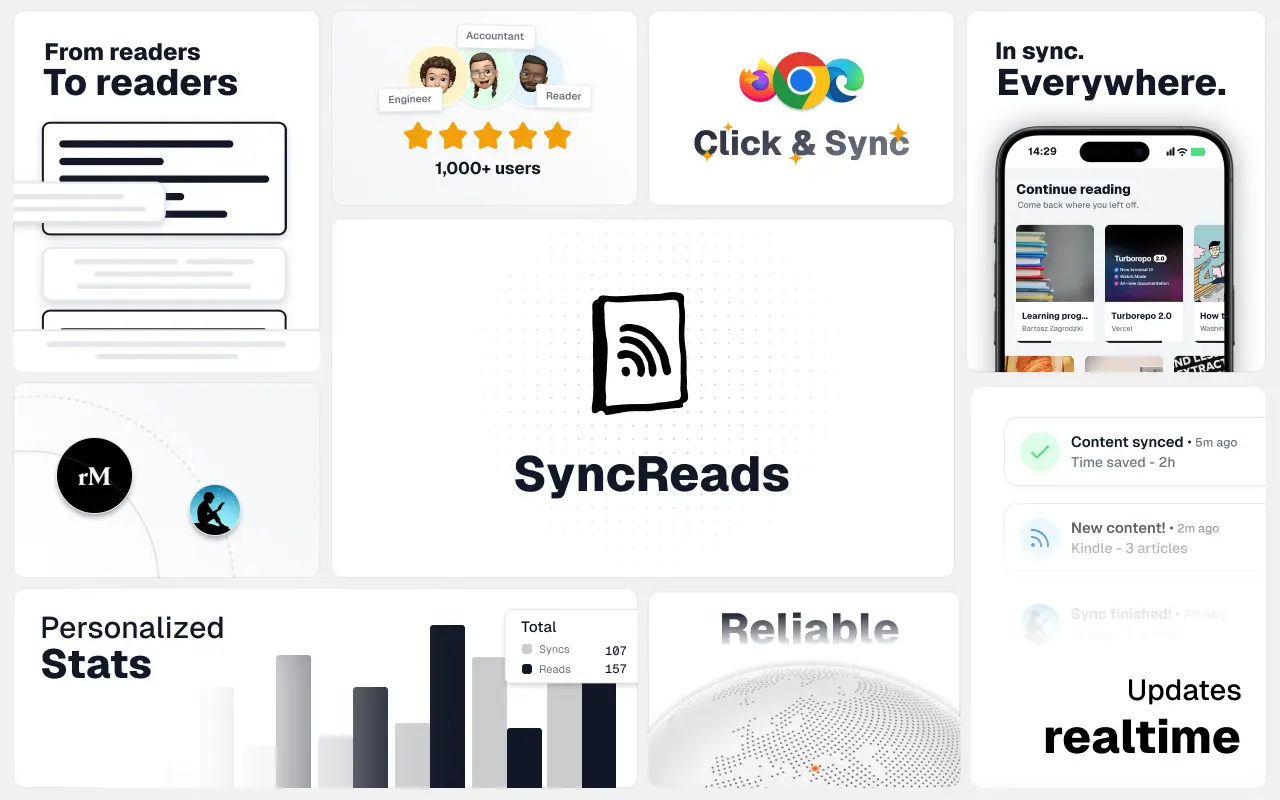
SyncReads
Sync your favorite content for distraction-free reading, save time and replace multiple apps. Anytime, anywhere 🔄
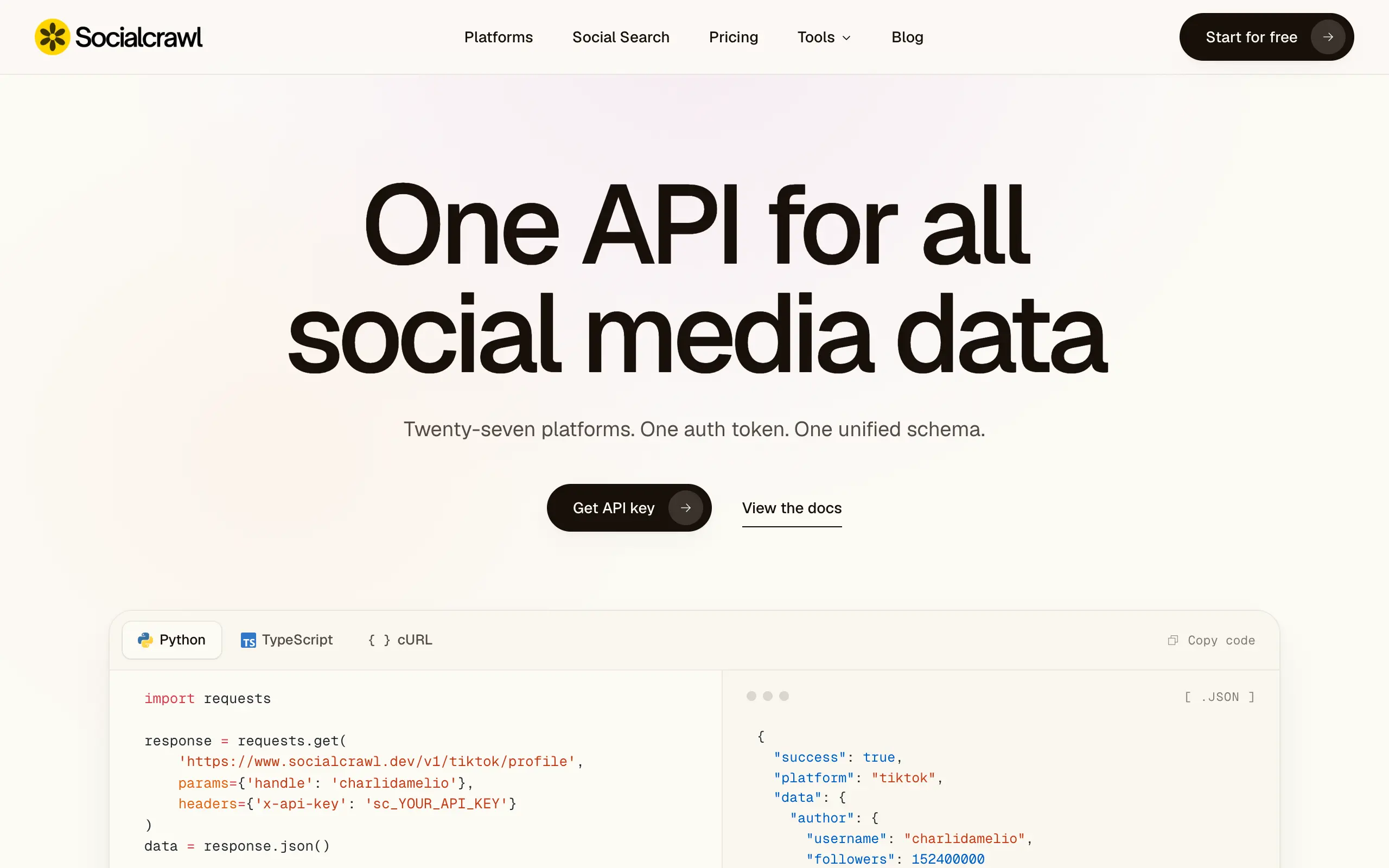
Socialcrawl
Get clean, structured data from 21 platforms like TikTok, Instagram, and YouTube with a single request 📊
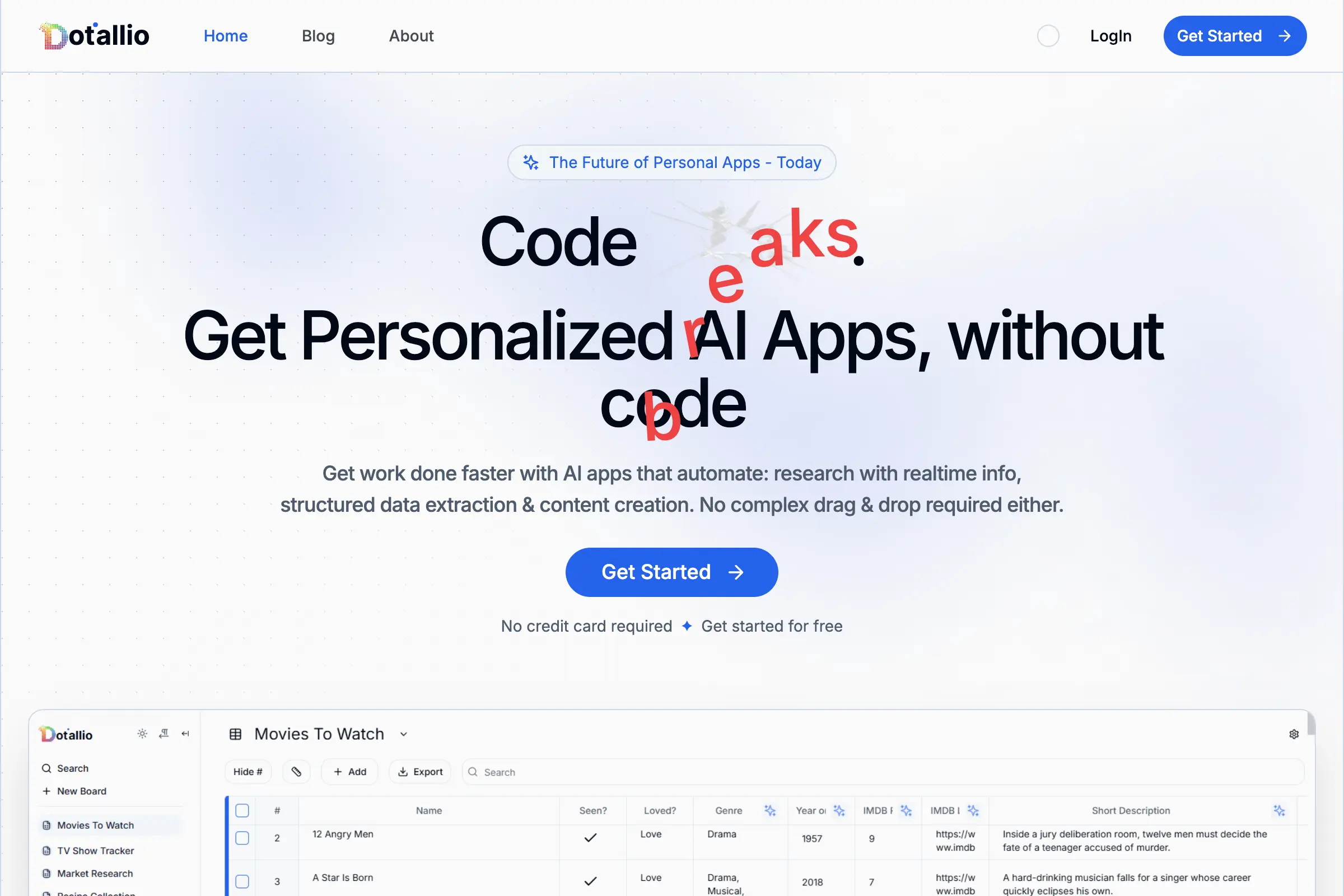
Dotallio
Personalized AI apps that automate research, data extraction, and content creation without code 🤖

Talk to Santa
Enjoy a magical live video chat or receive a unique AI-generated video greeting from Santa Claus 🎅
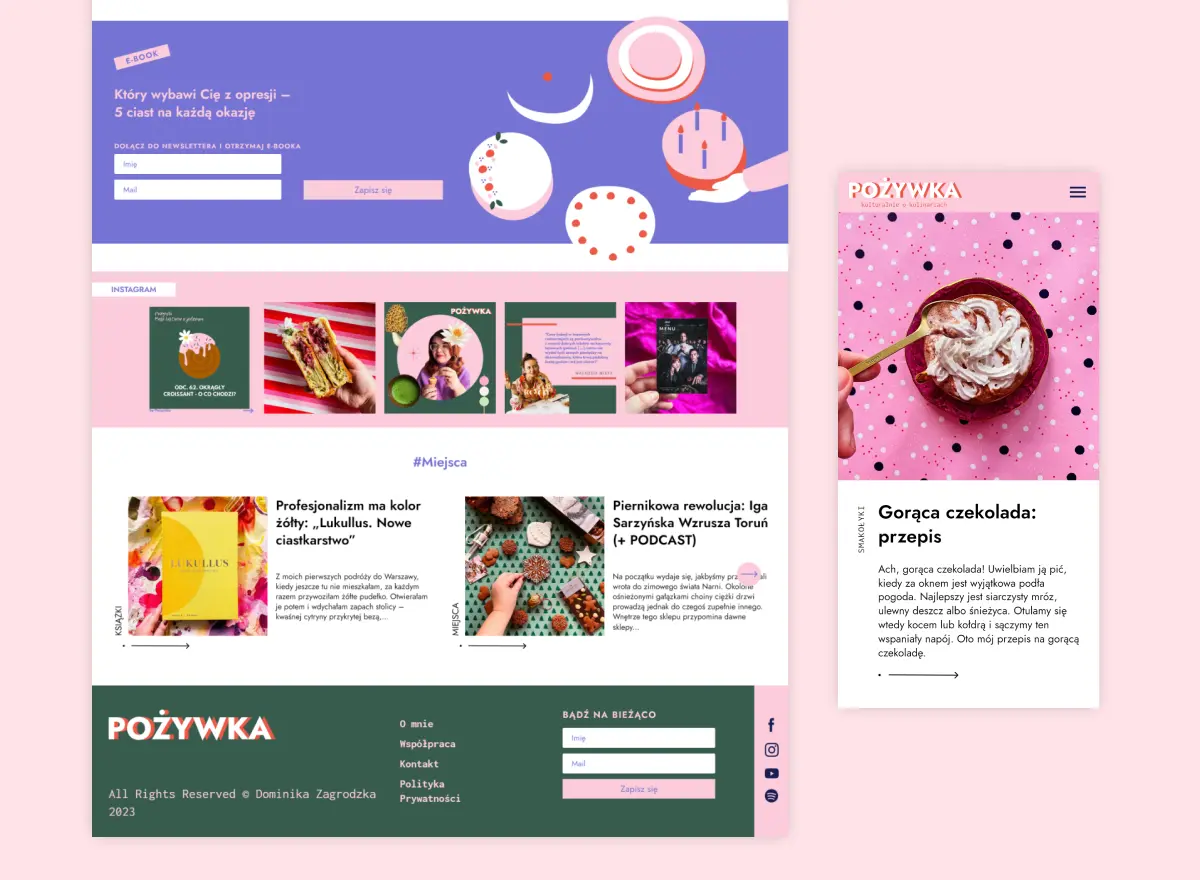
pozywka.pl
Scalable blog for food journalist, focused on performance and user experience 🌭
SyncReads
Sync your favorite content for distraction-free reading, save time and replace multiple apps. Anytime, anywhere 🔄
Socialcrawl
Get clean, structured data from 21 platforms like TikTok, Instagram, and YouTube with a single request 📊
Dotallio
Personalized AI apps that automate research, data extraction, and content creation without code 🤖
Talk to Santa
Enjoy a magical live video chat or receive a unique AI-generated video greeting from Santa Claus 🎅
pozywka.pl
Scalable blog for food journalist, focused on performance and user experience 🌭
SyncReads
Sync your favorite content for distraction-free reading, save time and replace multiple apps. Anytime, anywhere 🔄
Socialcrawl
Get clean, structured data from 21 platforms like TikTok, Instagram, and YouTube with a single request 📊
Dotallio
Personalized AI apps that automate research, data extraction, and content creation without code 🤖
Talk to Santa
Enjoy a magical live video chat or receive a unique AI-generated video greeting from Santa Claus 🎅
pozywka.pl
Scalable blog for food journalist, focused on performance and user experience 🌭
SyncReads
Sync your favorite content for distraction-free reading, save time and replace multiple apps. Anytime, anywhere 🔄
Socialcrawl
Get clean, structured data from 21 platforms like TikTok, Instagram, and YouTube with a single request 📊
Dotallio
Personalized AI apps that automate research, data extraction, and content creation without code 🤖
Talk to Santa
Enjoy a magical live video chat or receive a unique AI-generated video greeting from Santa Claus 🎅
pozywka.pl
Scalable blog for food journalist, focused on performance and user experience 🌭
zagrodzki.me
Personal blog and portfolio of Bart Zagrodzki, where he share his knowledge and work 💼
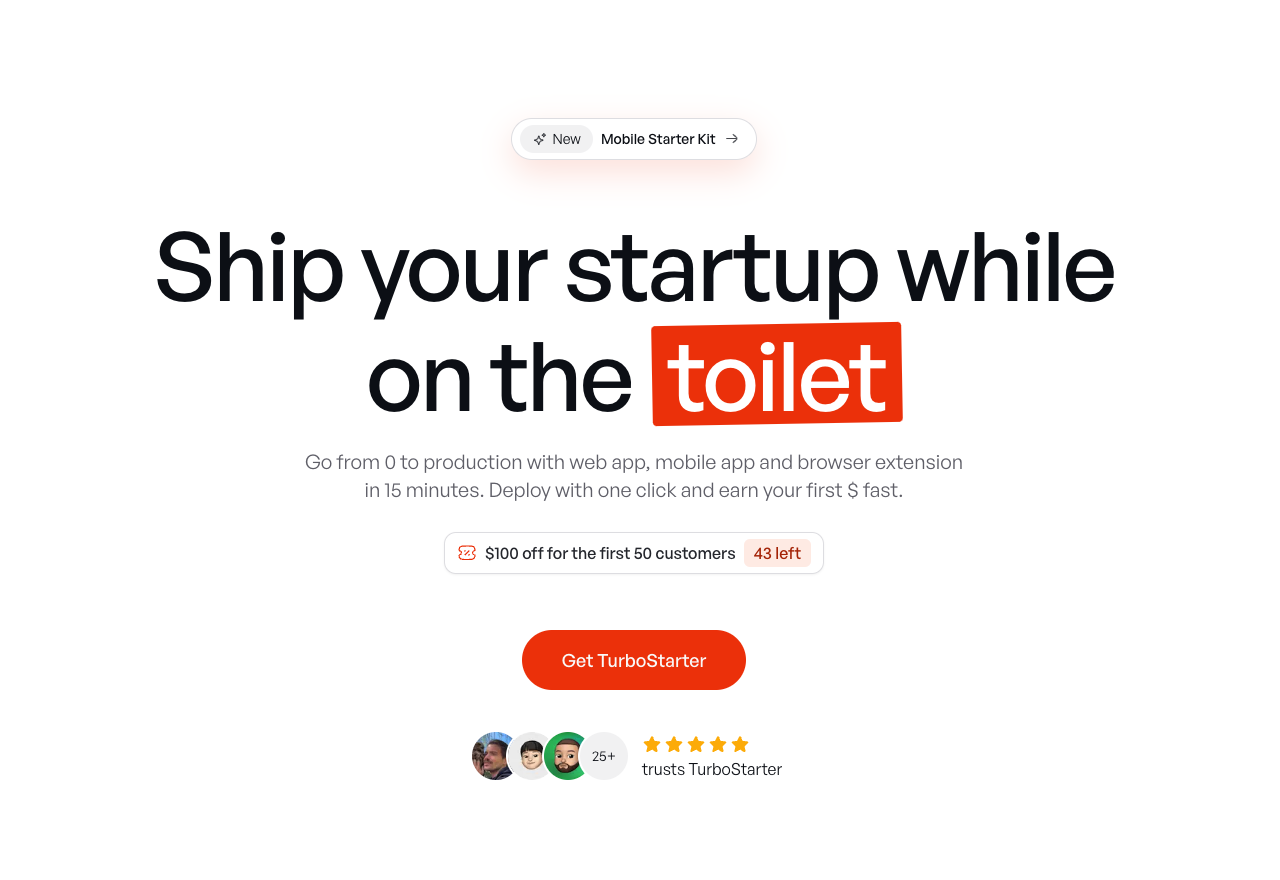
TurboStarter
Ship your startup everywhere. In minutes.
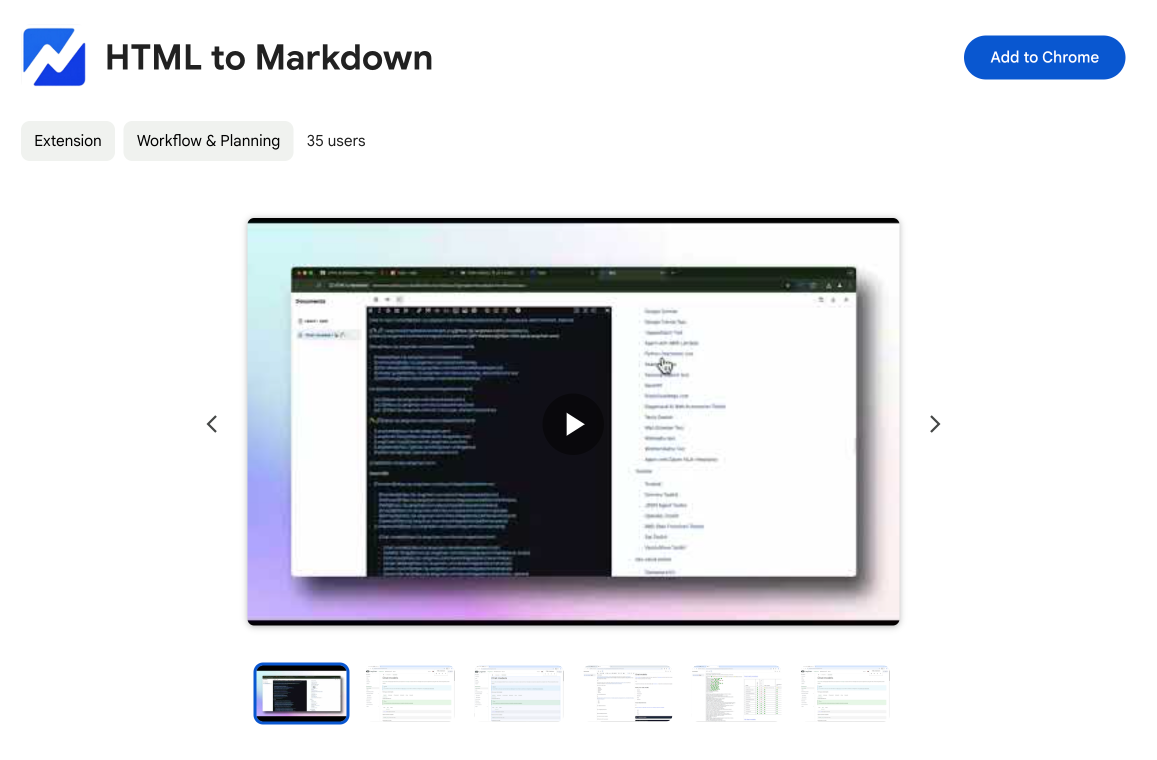
HTML to Markdown
Convert HTML to Markdown with ease, directly in your browser 📄
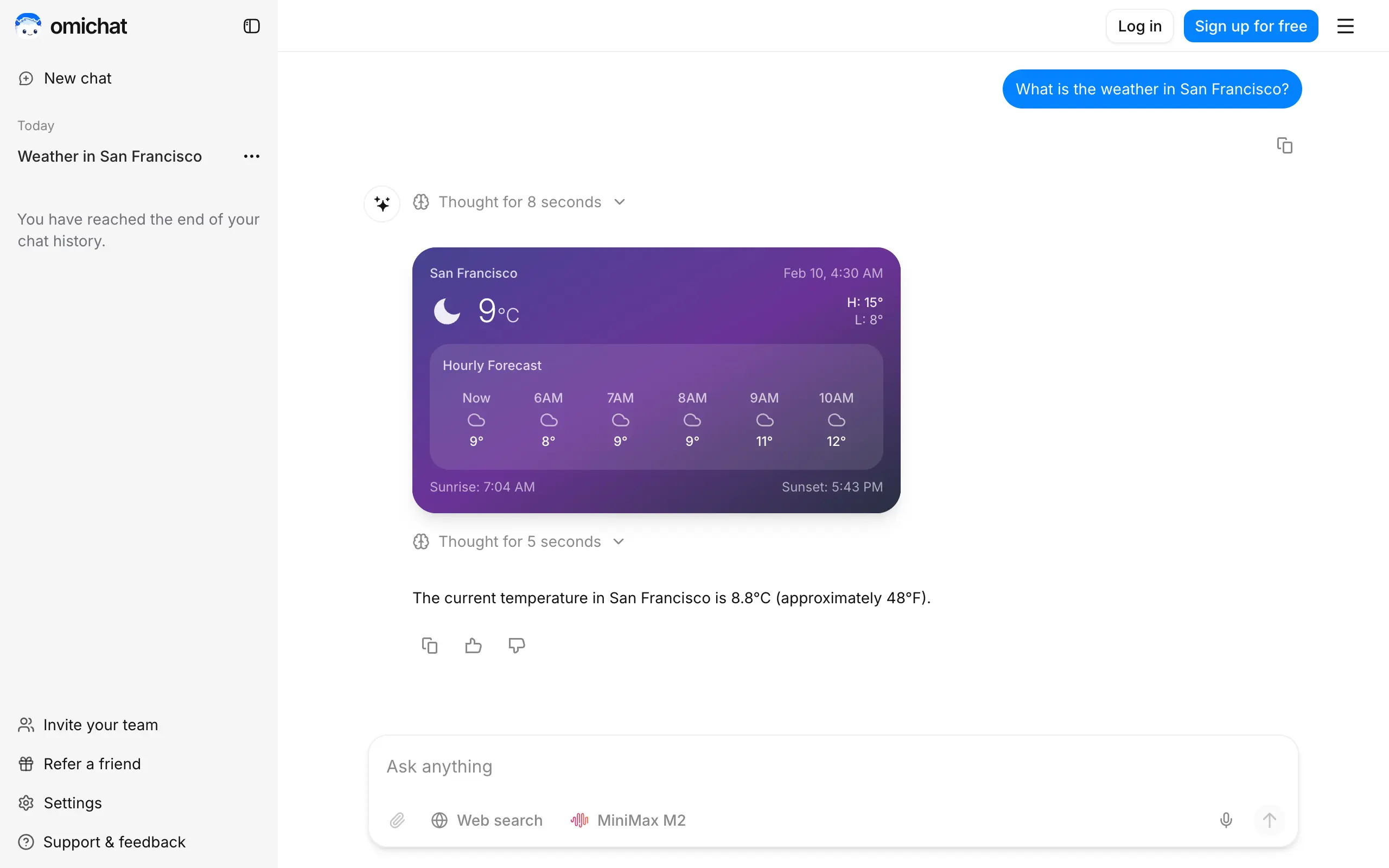
Omichat
Chat with 50+ AI models, including ChatGPT and Claude, in one place - switch models anytime without losing context 🤖
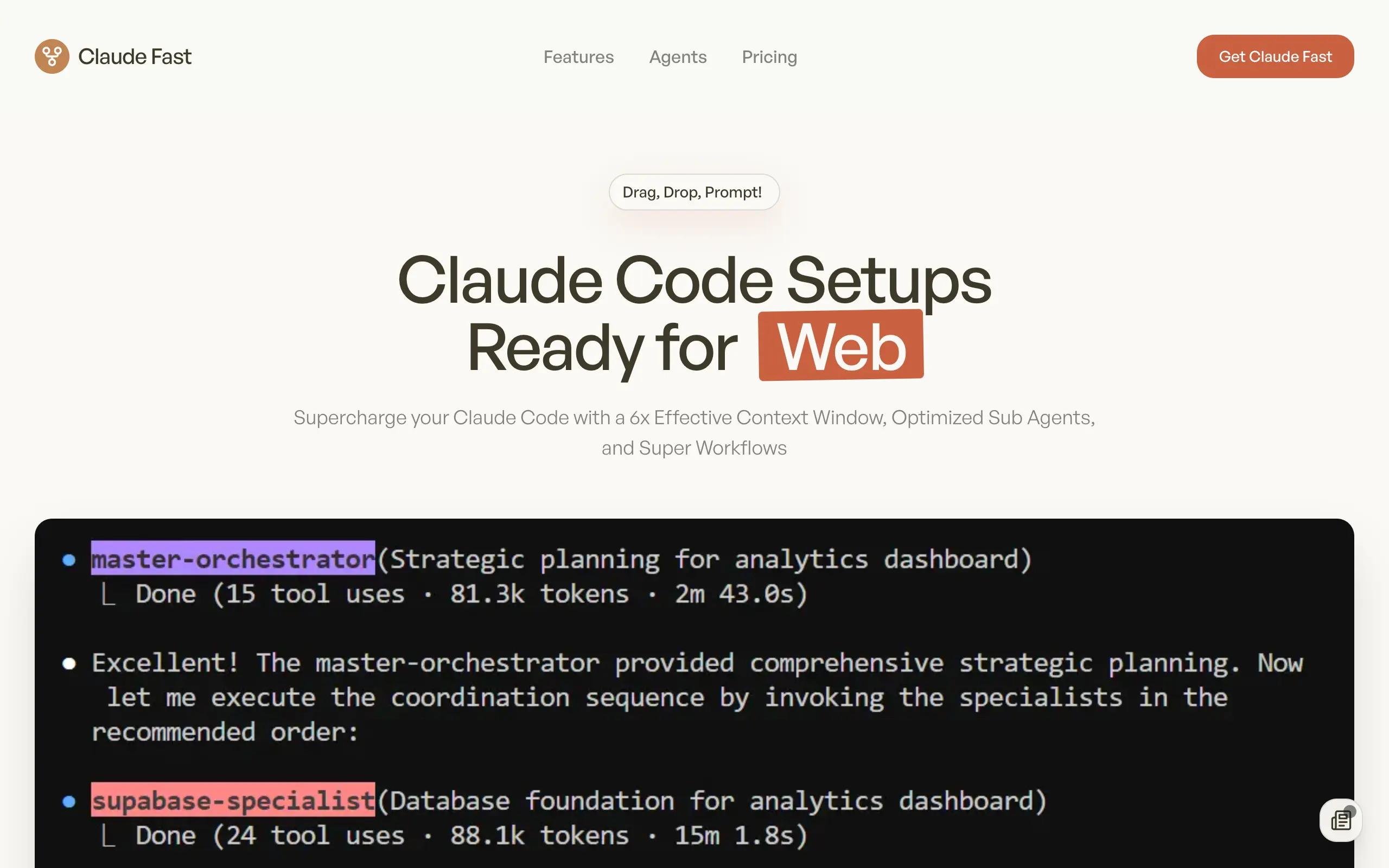
Claude Fast
Supercharge your Claude Code with 6x effective context window and specialized AI agents 🤖
zagrodzki.me
Personal blog and portfolio of Bart Zagrodzki, where he share his knowledge and work 💼
TurboStarter
Ship your startup everywhere. In minutes.
HTML to Markdown
Convert HTML to Markdown with ease, directly in your browser 📄
Omichat
Chat with 50+ AI models, including ChatGPT and Claude, in one place - switch models anytime without losing context 🤖
Claude Fast
Supercharge your Claude Code with 6x effective context window and specialized AI agents 🤖
zagrodzki.me
Personal blog and portfolio of Bart Zagrodzki, where he share his knowledge and work 💼
TurboStarter
Ship your startup everywhere. In minutes.
HTML to Markdown
Convert HTML to Markdown with ease, directly in your browser 📄
Omichat
Chat with 50+ AI models, including ChatGPT and Claude, in one place - switch models anytime without losing context 🤖
Claude Fast
Supercharge your Claude Code with 6x effective context window and specialized AI agents 🤖
zagrodzki.me
Personal blog and portfolio of Bart Zagrodzki, where he share his knowledge and work 💼
TurboStarter
Ship your startup everywhere. In minutes.
HTML to Markdown
Convert HTML to Markdown with ease, directly in your browser 📄
Omichat
Chat with 50+ AI models, including ChatGPT and Claude, in one place - switch models anytime without losing context 🤖
Claude Fast
Supercharge your Claude Code with 6x effective context window and specialized AI agents 🤖
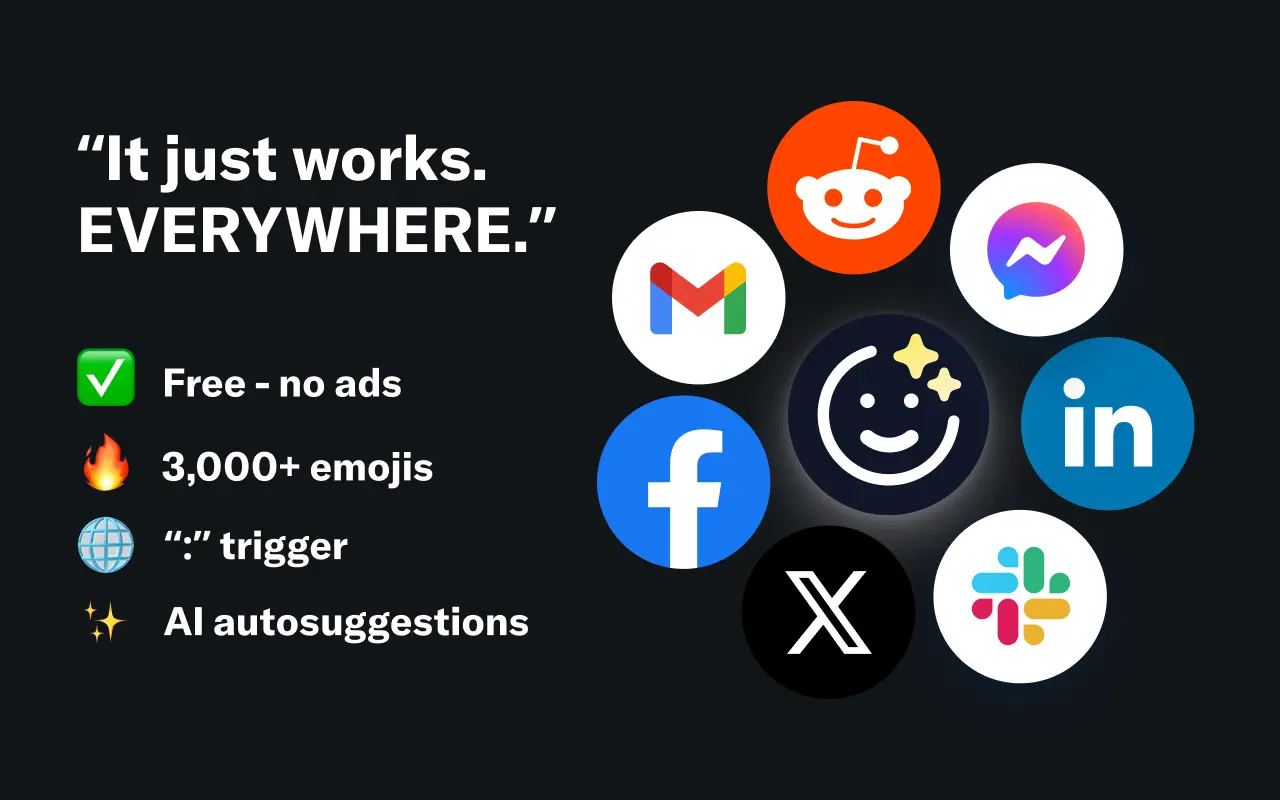
EmojAI
AI-powered emoji picker with smart, context-aware suggestions 🤖
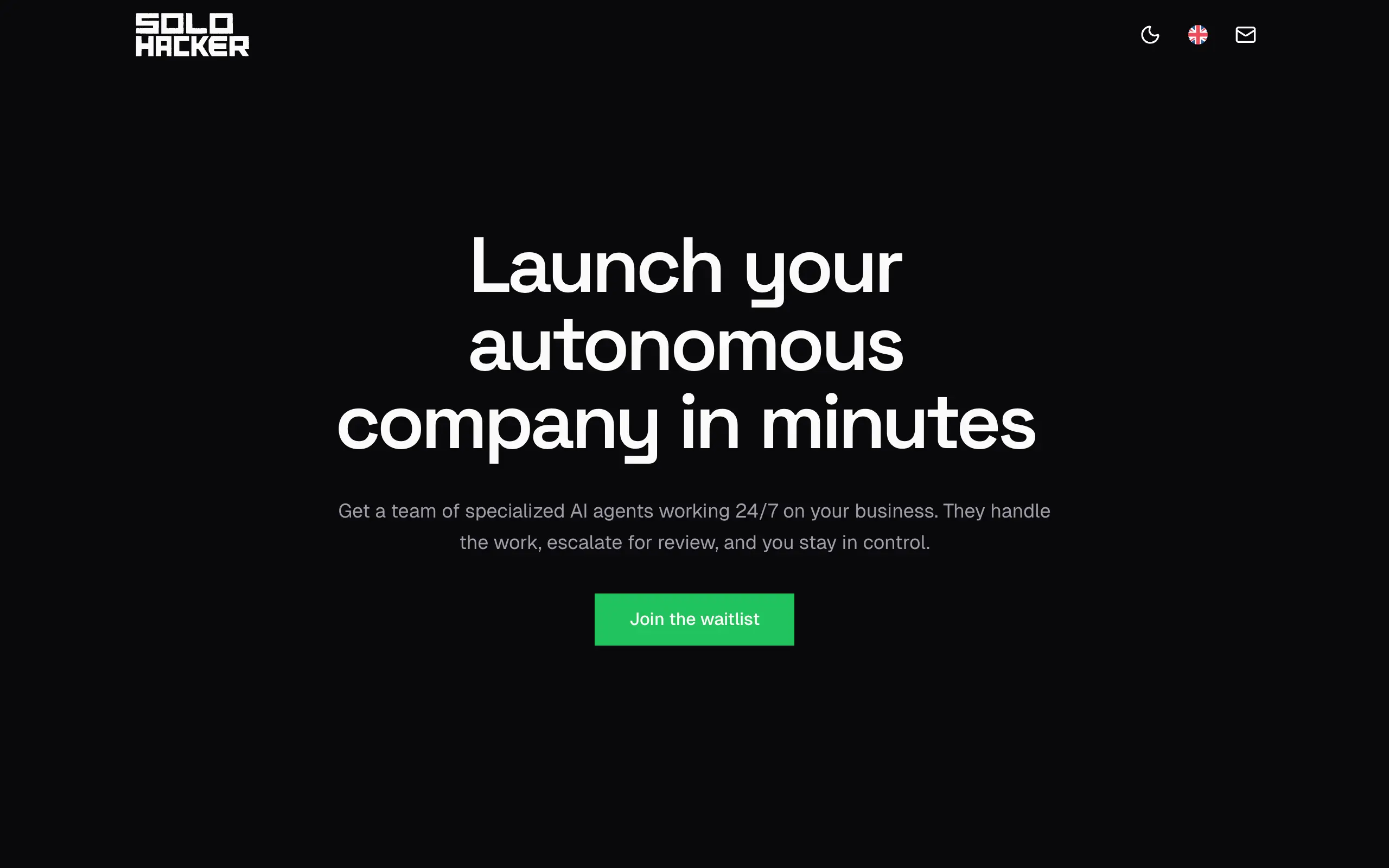
Solohacker
Autonomous company launcher—AI agents work 24/7, escalate what matters, and you stay in control 🤖
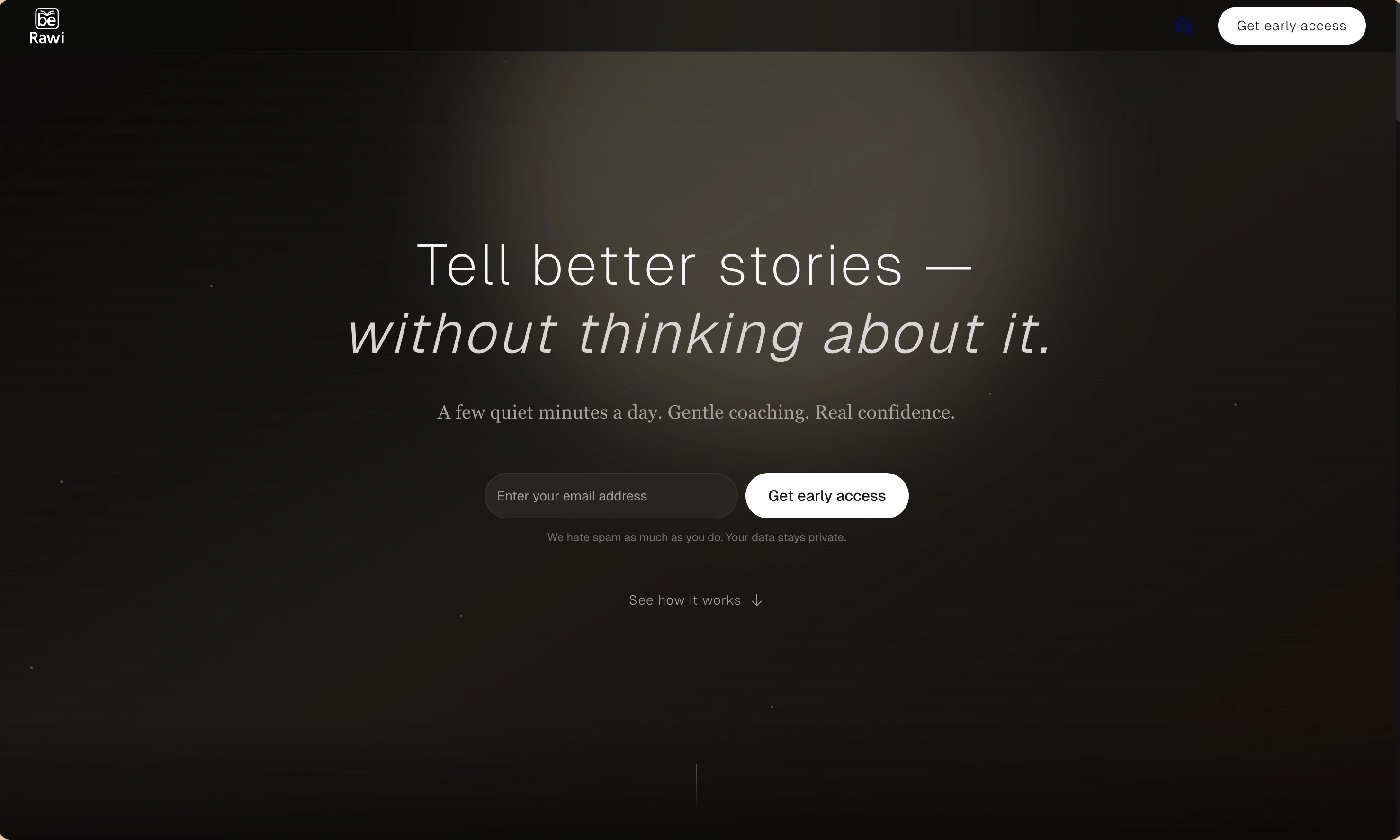
BeRawi: Storytelling Coach
Practice storytelling daily with instant feedback to sound clearer, more engaging, and confident 🎤
EmojAI
AI-powered emoji picker with smart, context-aware suggestions 🤖
Solohacker
Autonomous company launcher—AI agents work 24/7, escalate what matters, and you stay in control 🤖
BeRawi: Storytelling Coach
Practice storytelling daily with instant feedback to sound clearer, more engaging, and confident 🎤
EmojAI
AI-powered emoji picker with smart, context-aware suggestions 🤖
Solohacker
Autonomous company launcher—AI agents work 24/7, escalate what matters, and you stay in control 🤖
BeRawi: Storytelling Coach
Practice storytelling daily with instant feedback to sound clearer, more engaging, and confident 🎤
EmojAI
AI-powered emoji picker with smart, context-aware suggestions 🤖
Solohacker
Autonomous company launcher—AI agents work 24/7, escalate what matters, and you stay in control 🤖
BeRawi: Storytelling Coach
Practice storytelling daily with instant feedback to sound clearer, more engaging, and confident 🎤

Connect with like-minded people
Join our community to get feedback, support, and grow together with 600+ builders on board, let's ship it!
Join usShip your startup everywhere. In minutes.
Skip the complex setups and start building features on day one.