TeamLearn GPT
Collaborative AI platform for student project teams, offering idea brainstorming, smart task breakdowns, and versioned knowledge management in one place.
Understanding the problem: Why do student project teams struggle with collaboration?
It's a familiar scene: student teams attempting to brainstorm ideas, divide tasks efficiently, and keep all their research and notes organized—often bouncing between scattered Google Docs, endless group chats, and chaotic Trello boards.
But what if there were a better, smarter approach?
Enter TeamLearn GPT, a collaborative AI platform specifically designed for student project teams. By combining AI-powered brainstorming, intelligent task breakdowns, and robust, versioned knowledge management, TeamLearn GPT addresses the nuanced challenges student teams face—streamlining both creative and operational workflows.
In this in-depth guide, we’ll walk through everything you need to know about TeamLearn GPT: its core features, the market gap it fills, technology recommendations, monetization ideas, potential risks, competitive advantages, and an actionable roadmap to bringing it to life.
Who is TeamLearn GPT for? A deep dive into the target audience
Getting precise about your user base is key to both product relevance and organic SEO reach. TeamLearn GPT serves a well-defined, but broad, audience:
- Primary audience: University and college students working on group projects (capstone, lab, research, business plans, etc.)
- Secondary audience: High school teams, hackathon participants, online course study groups, extracurricular clubs
- Tertiary audience: Academic advisors, teaching assistants, and faculty facilitating group work
Audience pain points TeamLearn GPT solves:
- Inefficient brainstorming — scattered ideas, forgotten past discussions.
- Disorganized knowledge — resources, notes, and research lost or duplicated.
- Confusing task delegation — students unsure who does what, deadlines missed.
- Versioning headaches — info overwritten or vanished, no reliable audit trail.
User personas:
- Emily, design student: Wants a creative canvas and guidance when her team is stuck.
- James, CS major: Loves smart automation for dividing tasks and tracking dependencies.
- Sarah, club president: Needs transparent roles, record-keeping, and progress logs for multiple teams.
Search queries & intent:
LSI and semantic keywords for this SaaS include:
- AI student collaboration platform
- Collaborative study tools
- Brainstorming software for teams
- Versioned knowledge base for students
- AI project management for education
- Smart task assignment software
Pro Tip
Optimizing TeamLearn GPT for mobile devices is critical, considering students' strong preference for working from laptops, tablets, and phones on campus.
Market opportunity: Addressing gaps left by legacy collaboration tools
Student teams crave organization, creativity, and efficiency—but leading SaaS products fall short for their unique workflows:
- Generic project management software (Asana, Trello, Notion): Great, but not tailored to how students brainstorm, iterate, or manage group deliverables.
- Chat platforms (Slack, Discord): Good for quick communication, poor for structured ideation or long-term knowledge retention.
- AI assistants (ChatGPT): Powerful, but lack collaboration and versioning for groups.
Current solutions either:
- Neglect the collaborative aspects of AI,
- Or fail to intelligently structure student-specific workflows.
- No single platform combines AI brainstorming, smart task delegation, and knowledge versioning in a student-focused workflow.
- Fragmentation leads to context-switching, lost data, and low engagement.
- Weak AI integrations in popular student SaaS—most just bolt on chatbots.
- Students need both creative and structured support (idea generation AND execution).
- Teams value transparency, ownership, and seamless revisiting of past work.
- Educators increasingly assess group process, not just deliverables.
Industry insights:
According to recent [EdTech reports], group collaboration and automation are among the top student SaaS trends (suggest referencing HolonIQ or EDUCAUSE reports).
Key features: How TeamLearn GPT helps student teams achieve more
TeamLearn GPT’s unique value proposition comes from combining AI-driven collaboration with deep project management and documentation. Here’s what sets it apart—and exactly how it works:
AI-powered brainstorming for teams
- Multi-user, live “whiteboard”-style sessions guided by AI prompts.
- Context-aware suggestion engine (recommends next steps, sources, pitfalls).
- Auto-grouping and clustering of ideas; easy voting or prioritization.
Smart, dynamic task breakdown
- AI analyzes chosen project idea and auto-generates a work plan (tasks, timelines, dependencies).
- Assigns responsibilities, checks for workload balance among members.
- Adaptive to project changes—regenerates tasks as ideas evolve.
Versioned knowledge base
- Every input (notes, files, resources, discussion points) is saved in a versioned, time-stamped format.
- Full history—auditable, revertible, and transparent.
- Supports rich media uploads, links, and inline citations.
Cross-device, real-time collaboration
- Seamless collaboration from laptop, tablet, or phone.
- Google Docs-level live editing with role-based permissions.
- SSO integrations with campus logins for easy onboarding.
AI summarization & knowledge synthesis
- One-click meeting notes or project summaries.
- Automated extraction of key risks, open questions, and next steps.
- Recommends further reading or resource links.
Workflow customization
- Template library (research projects, business plans, STEM labs, design sprints).
- Easy plug-and-play for faculty to provide structure—but flexible for student needs.
Brainstorm together, smarter
AI-guided suggestion engine makes creativity easy—even for teams stuck at the idea stage.
One place for everything
Centralized workspace for notes, resources, discussions, and versions.
Turn ideas into action
Smart, balanced task breakdown; everyone knows their roles and deadlines.
Never lose your work
Full version history for every input, with instant rollback for mistakes.
Technology recommendations: Building TeamLearn GPT right
Choosing the right development stack is critical to user experience, scalability, and future-proofing your SaaS.
Front-end
- React (React): Excellent for fast, interactive UI development with component-driven architecture.
- TailwindCSS (TailwindCSS): Utility-first CSS enables rapid prototyping and ensures responsive design.
- Alternative: Next.js for SSR/SSG capability and out-of-the-box routing.
Back-end
- Node.js (Node.js): Event-driven, scalable, and works well with real-time features.
- PostgreSQL (PostgreSQL): Advanced data types and strong support for versioned document models.
- Alternative: Firebase for real-time sync and authentication, but may limit complex relational queries.
AI & NLP
- OpenAI GPT API (OpenAI): For natural language understanding, brainstorming, summarization.
- Consider LangChain or Hugging Face for model customization, if greater data privacy or campus deployment is needed.
Real-time collaboration
- WebSockets or Socket.IO for live editing and updates.
- Yjs or Automerge for CRDT-based document state management.
Authentication
- OAuth 2.0 (Google, campus SSO)
- Auth0 or Firebase Auth for managed identity
Hosting & DevOps
- Vercel or Netlify for hosting front-end
- AWS or DigitalOcean for scalable back-end
| Criteria | React+Node | Next.js+Firebase | Yjs+Postgres | All-in-one (Supabase) |
|---|---|---|---|---|
| ✅ Fast, flexible | ✅ | ❌ | ❌ | ✅ |
| ✅ Realtime, easy scaling | ✅ | ❌ | ✅ | ✅ |
Trade-offs:
- Next.js+Firebase speeds up prototyping but can hit limits for custom collaboration logic.
- CRDT libraries (like Yjs) add real-time finesse but may raise complexity for document merges at scale.
Before full build, prototype a subset—like AI brainstorming—in a low-code platform or with TurboStarter.
Monetization strategy: Earning revenue while supporting education
Students are often price-sensitive, but institutions and clubs may have budgets. “Freemium” and value-tiering are essential.
Recommended approaches:
- Freemium model: Basic brainstorming and note-taking free, premium for advanced AI features, unlimited versioning, and templates.
- Team/organization licensing: Offer bulk/team subscriptions to universities, clubs, or hackathon organizers.
- Faculty/mentor dashboard: Charge for extra analytics/reporting tools (help teachers track engagement and provide feedback).
- Add-on “AI tokens”: Pay-per-use for heavy AI/NLP features or file storage.
- Affiliate partnerships: Work with EdTech orgs or universities for revenue share.
Pricing benchmarks:
- Similar SaaS (Notion, Slack, Miro) range $8–$12/user/mo; student discounts and campus-wide deals are popular.
Risks, limitations, and how to handle them
Every SaaS, especially in EdTech/AI, faces hurdles. Here are the main risks for TeamLearn GPT—and ways to mitigate them:
Outages or pricing changes at OpenAI could disrupt service or increase costs. Mitigation: Architect platform to allow future model swaps (bring-your-own API key, Hugging Face, local models, etc.).
Student data protection is critical, especially when handling academic records or identifiable info. Mitigation: End-to-end encryption, minimal data retention, clear consent policies, opt-outs for usage analytics, and support for self-hosted options.
Students may resist switching platforms, or struggle with initial setup. Mitigation: One-click SSO, onboarding tutorials, and helpful sample projects/templates.
Generative AI may create plausible-sounding but incorrect suggestions. Mitigation: Provide clarity that AI is an assistive tool; offer peer/faculty review features and highlight uncertainty/confidence in AI output.
Other notable risks:
- High competition from established productivity SaaS if they pivot further into student market.
- Over-complexity; students need simplicity, not feature bloat.
Competitive analysis: What makes TeamLearn GPT uniquely valuable?
Unlike rivals, TeamLearn GPT is purpose-built for collaborative student projects—not just retrofitted productivity tools with one or two AI widgets.
| Feature | TeamLearn GPT | Notion | Trello | Miro | Google Docs |
|---|---|---|---|---|---|
| AI-guided brainstorming | ✅ | ❌ | ❌ | ❌ | ❌ |
| Smart task decomposition | ✅ | ❌ | ❌ | ❌ | ❌ |
| Student-first workflows | ✅ | ❌ | ❌ | ❌ | ❌ |
| Versioned KB per project | ✅ | ✅ | ❌ | ❌ | Limited |
| Real-time multi-user AI | ✅ | ❌ | ❌ | ❌ | ❌ |
TeamLearn GPT advantages:
- All-in-one platform: No need to juggle three apps—brainstorm, plan, store knowledge, and track all in one.
- AI is natively collaborative: Unlike individual AI chatbots, every feature is designed for real-time teamwork.
- Auditable history: Full versioning ensures academic integrity and transparent workflows.
- Education-aligned templates: Speeds up project starts and incorporates best practices from academia.
Winning differentiation
Laser focus on student project teamwork, not just generic task management, is the heart of TeamLearn GPT’s competitive edge.
Implementation roadmap: How to launch TeamLearn GPT
A focused, agile rollout is key for SaaS success—especially in the student market.
Conclusion: Why TeamLearn GPT is the next generation of student collaboration SaaS
TeamLearn GPT stands apart by fusing collaborative AI, smart project structuring, and bullet-proof version control—all customized for the real workflows, pressures, and needs of student teams. It closes the gaps left by both legacy productivity suites and single-user AI tools, ensuring creativity, organization, and execution live in a single seamless workspace.
For EdTech entrepreneurs, educators, or SaaS builders, the opportunity is clear: empower students to achieve more together—smarter, faster, and with less friction.
Still brainstorming your SaaS MVP?
For rapid prototyping and best-practice scaffolding, check out TurboStarter.
More 🤖 AI Startup SaaS ideas
Discover more innovative ai startup SaaS ideas that are trending in 2026. Each idea is AI-generated with market validation and growth potential to help you find your next profitable venture faster than competitors.
Your competitors are building with TurboStarter
Below are some of the SaaS ideas that have been generated and built with our starter kit.
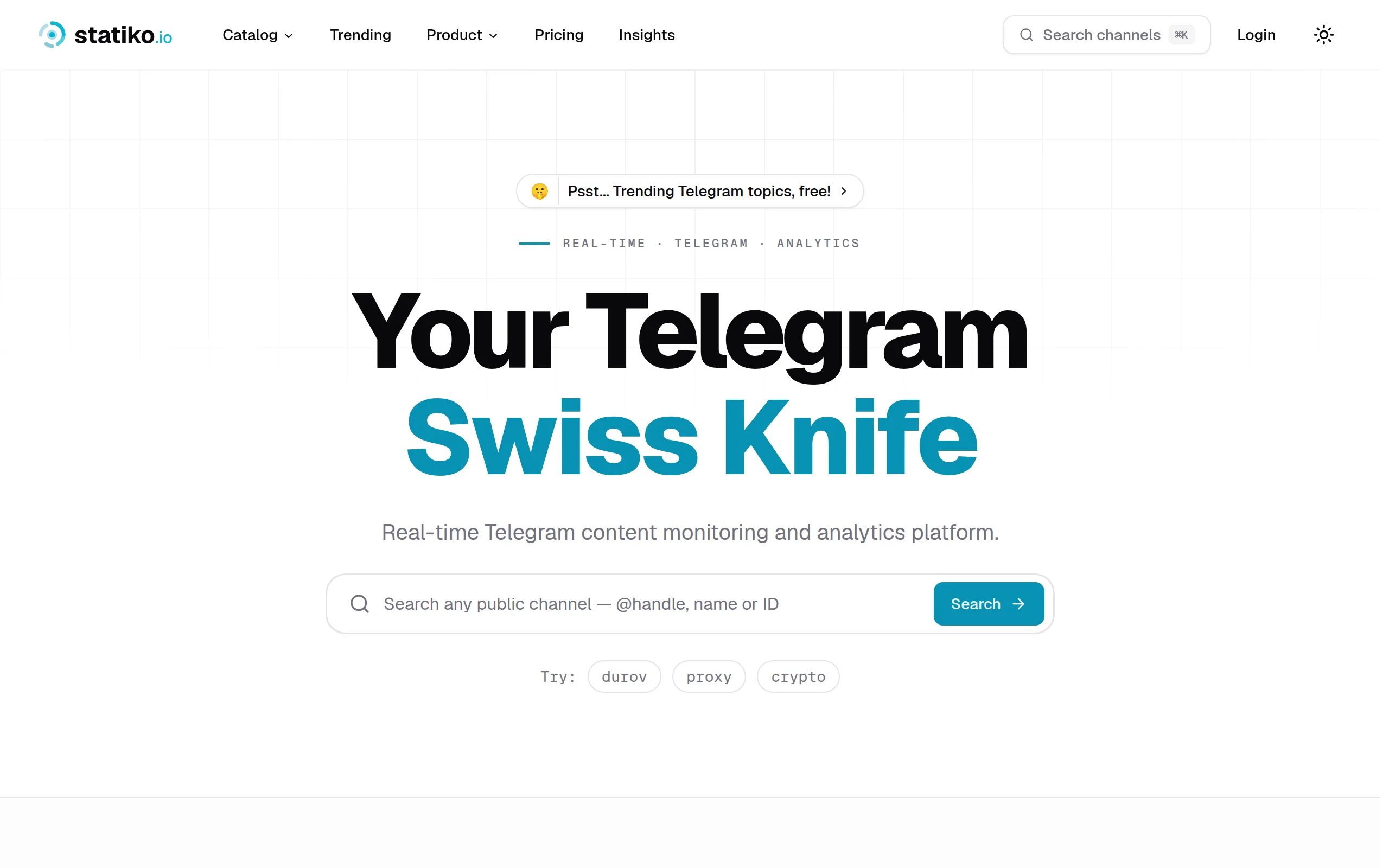
Statiko
Monitor any Telegram channel in real time - track posts, edits, deletions, and growth with AI recaps 📡

Shibui
AI website builder - describe your business, pick a niche template, edit by chatting, and publish instantly ✨

Pro Service
Find verified home service professionals, compare quotes, and pay securely through escrow - built for Brazilians across the US 🏠
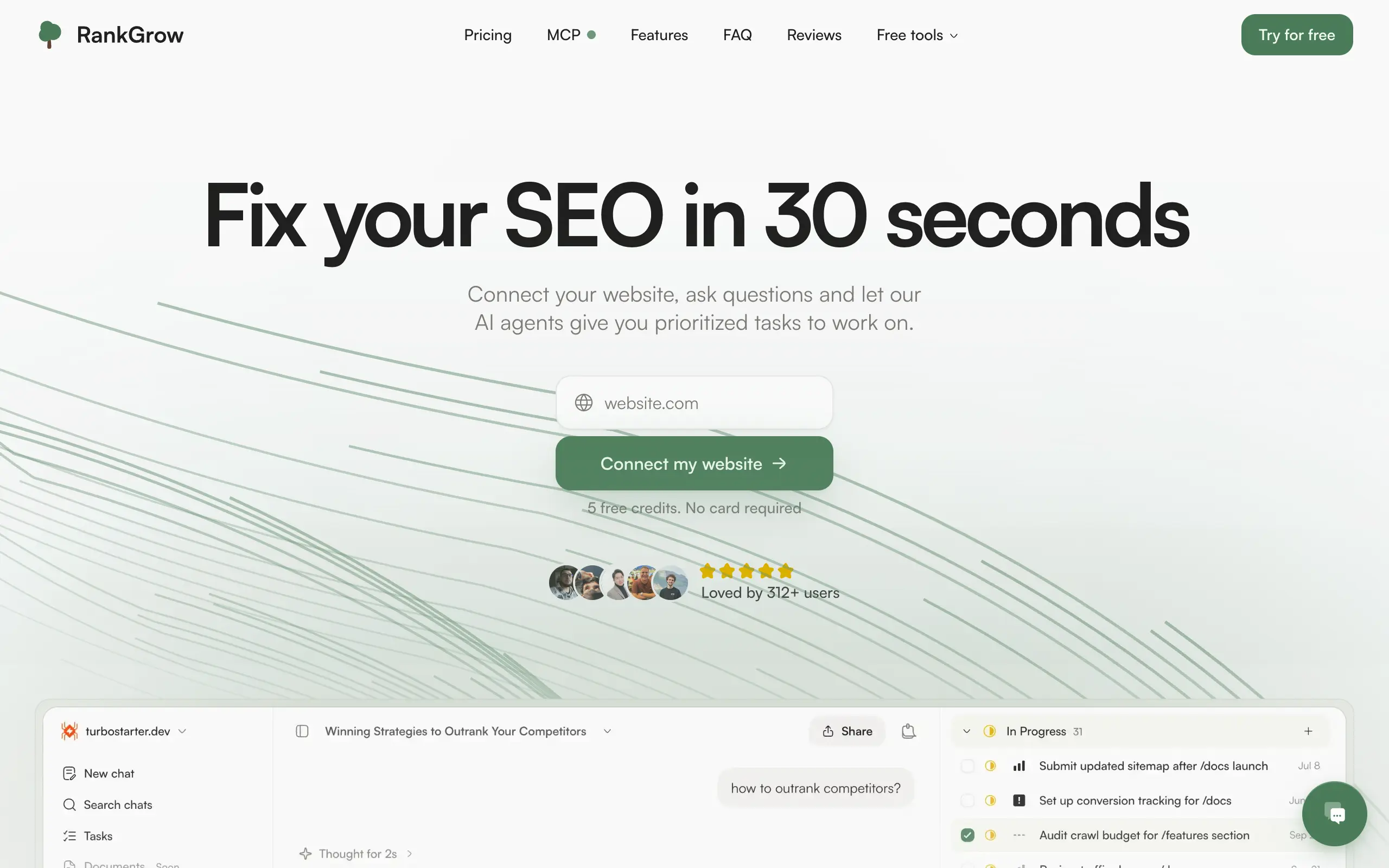
RankGrow
Fix your SEO with AI agents - connect Search Console, get prioritized tasks, and grow organic traffic 📈
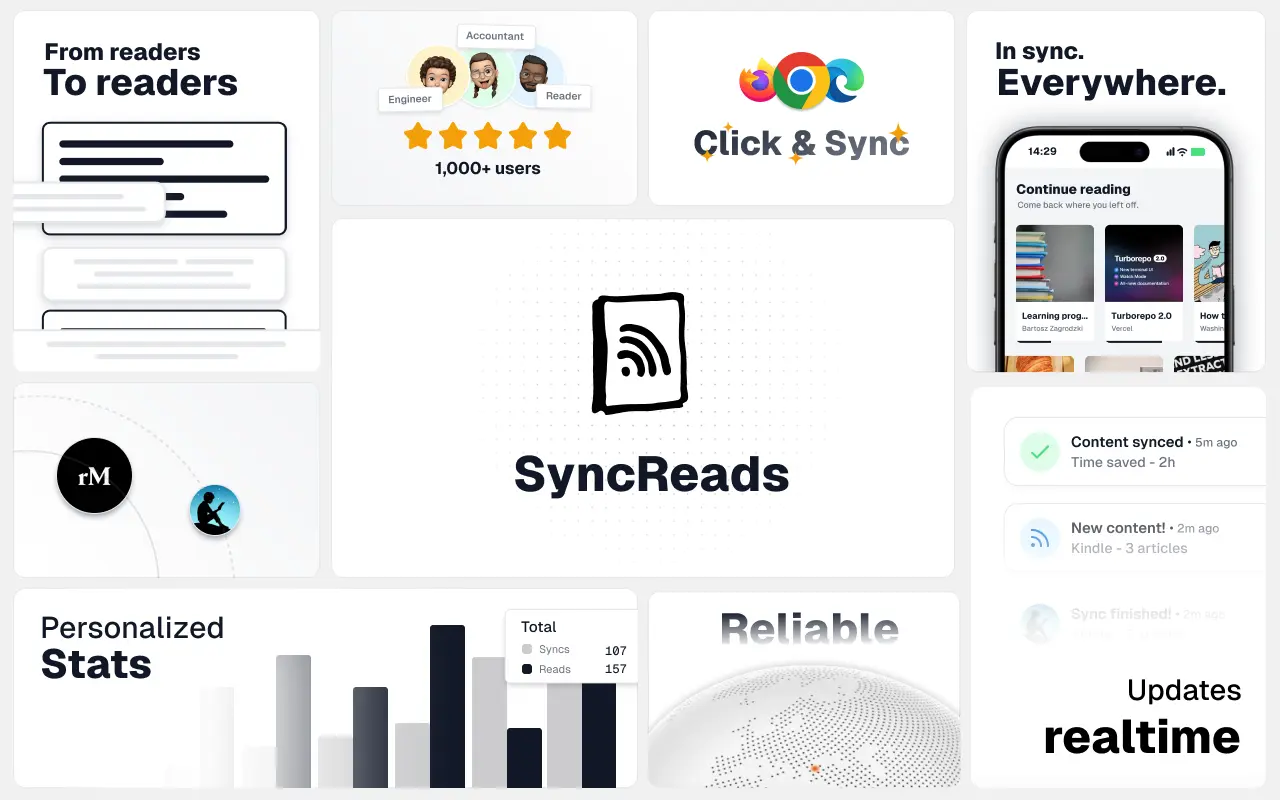
SyncReads
Sync your favorite content for distraction-free reading, save time and replace multiple apps. Anytime, anywhere 🔄
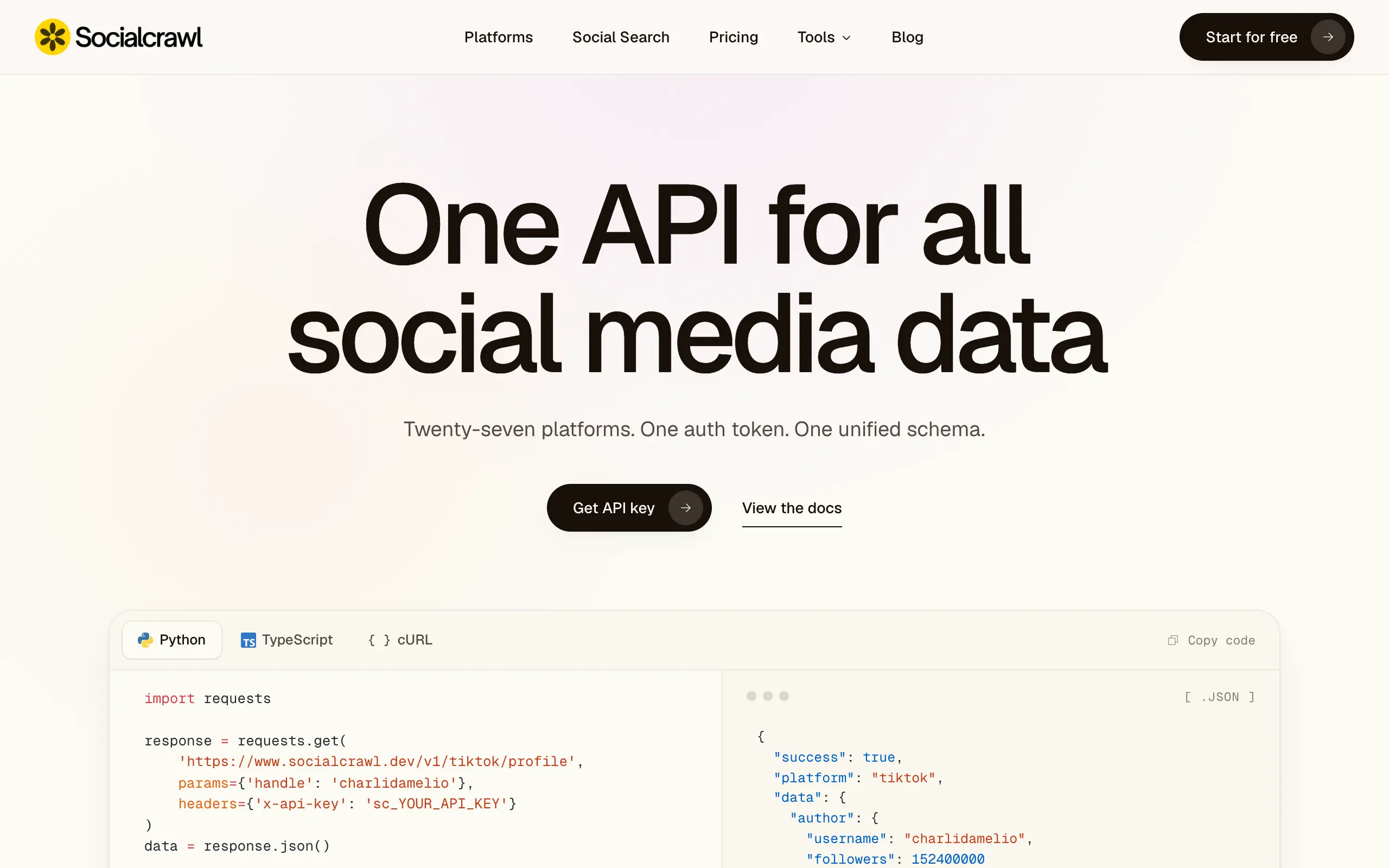
Socialcrawl
Get clean, structured data from 21 platforms like TikTok, Instagram, and YouTube with a single request 📊
Statiko
Monitor any Telegram channel in real time - track posts, edits, deletions, and growth with AI recaps 📡
Shibui
AI website builder - describe your business, pick a niche template, edit by chatting, and publish instantly ✨
Pro Service
Find verified home service professionals, compare quotes, and pay securely through escrow - built for Brazilians across the US 🏠
RankGrow
Fix your SEO with AI agents - connect Search Console, get prioritized tasks, and grow organic traffic 📈
SyncReads
Sync your favorite content for distraction-free reading, save time and replace multiple apps. Anytime, anywhere 🔄
Socialcrawl
Get clean, structured data from 21 platforms like TikTok, Instagram, and YouTube with a single request 📊
Statiko
Monitor any Telegram channel in real time - track posts, edits, deletions, and growth with AI recaps 📡
Shibui
AI website builder - describe your business, pick a niche template, edit by chatting, and publish instantly ✨
Pro Service
Find verified home service professionals, compare quotes, and pay securely through escrow - built for Brazilians across the US 🏠
RankGrow
Fix your SEO with AI agents - connect Search Console, get prioritized tasks, and grow organic traffic 📈
SyncReads
Sync your favorite content for distraction-free reading, save time and replace multiple apps. Anytime, anywhere 🔄
Socialcrawl
Get clean, structured data from 21 platforms like TikTok, Instagram, and YouTube with a single request 📊
Statiko
Monitor any Telegram channel in real time - track posts, edits, deletions, and growth with AI recaps 📡
Shibui
AI website builder - describe your business, pick a niche template, edit by chatting, and publish instantly ✨
Pro Service
Find verified home service professionals, compare quotes, and pay securely through escrow - built for Brazilians across the US 🏠
RankGrow
Fix your SEO with AI agents - connect Search Console, get prioritized tasks, and grow organic traffic 📈
SyncReads
Sync your favorite content for distraction-free reading, save time and replace multiple apps. Anytime, anywhere 🔄
Socialcrawl
Get clean, structured data from 21 platforms like TikTok, Instagram, and YouTube with a single request 📊
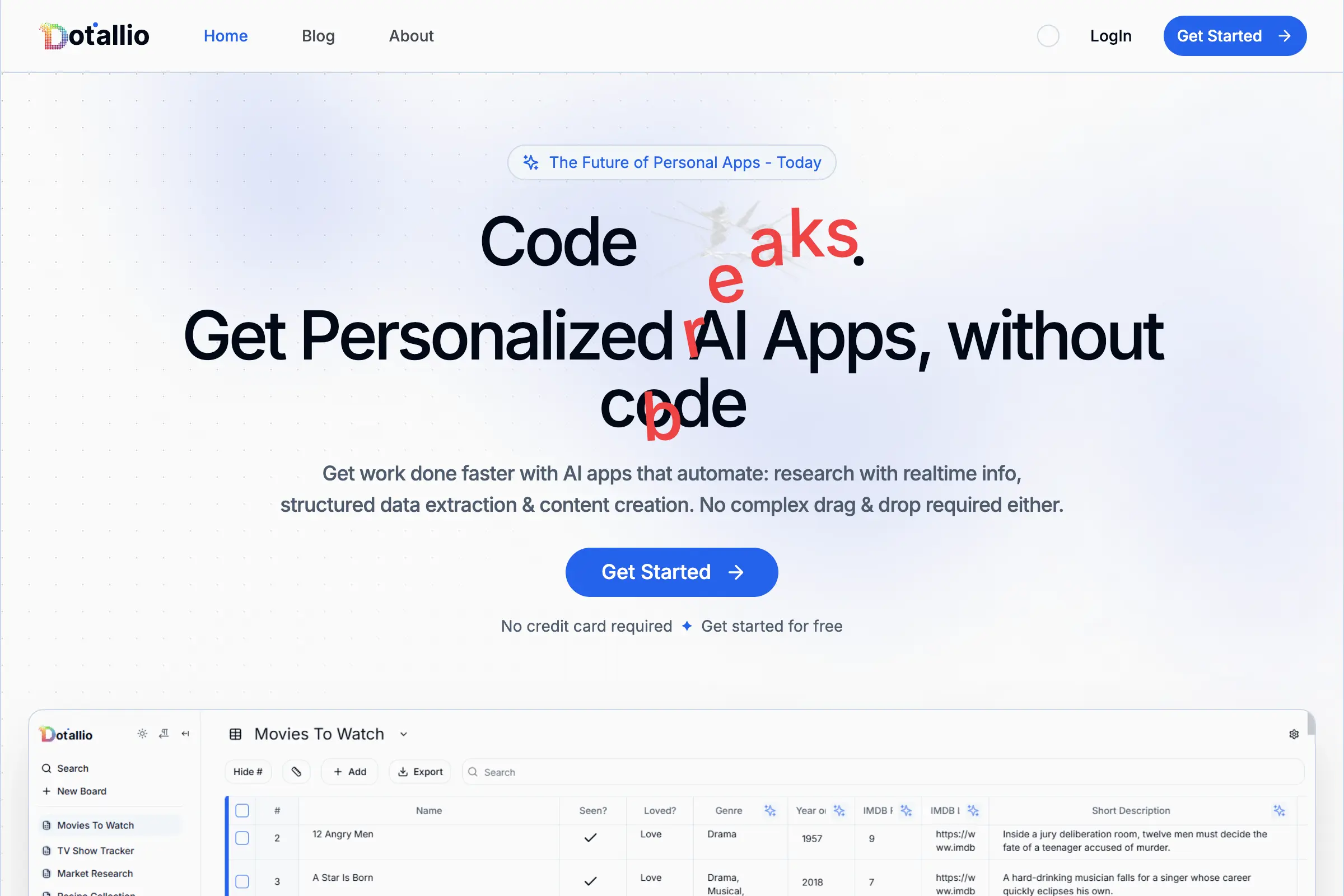
Dotallio
Personalized AI apps that automate research, data extraction, and content creation without code 🤖

Talk to Santa
Enjoy a magical live video chat or receive a unique AI-generated video greeting from Santa Claus 🎅

pozywka.pl
Scalable blog for food journalist, focused on performance and user experience 🌭
zagrodzki.me
Personal blog and portfolio of Bart Zagrodzki, where he shares his knowledge and work 💼
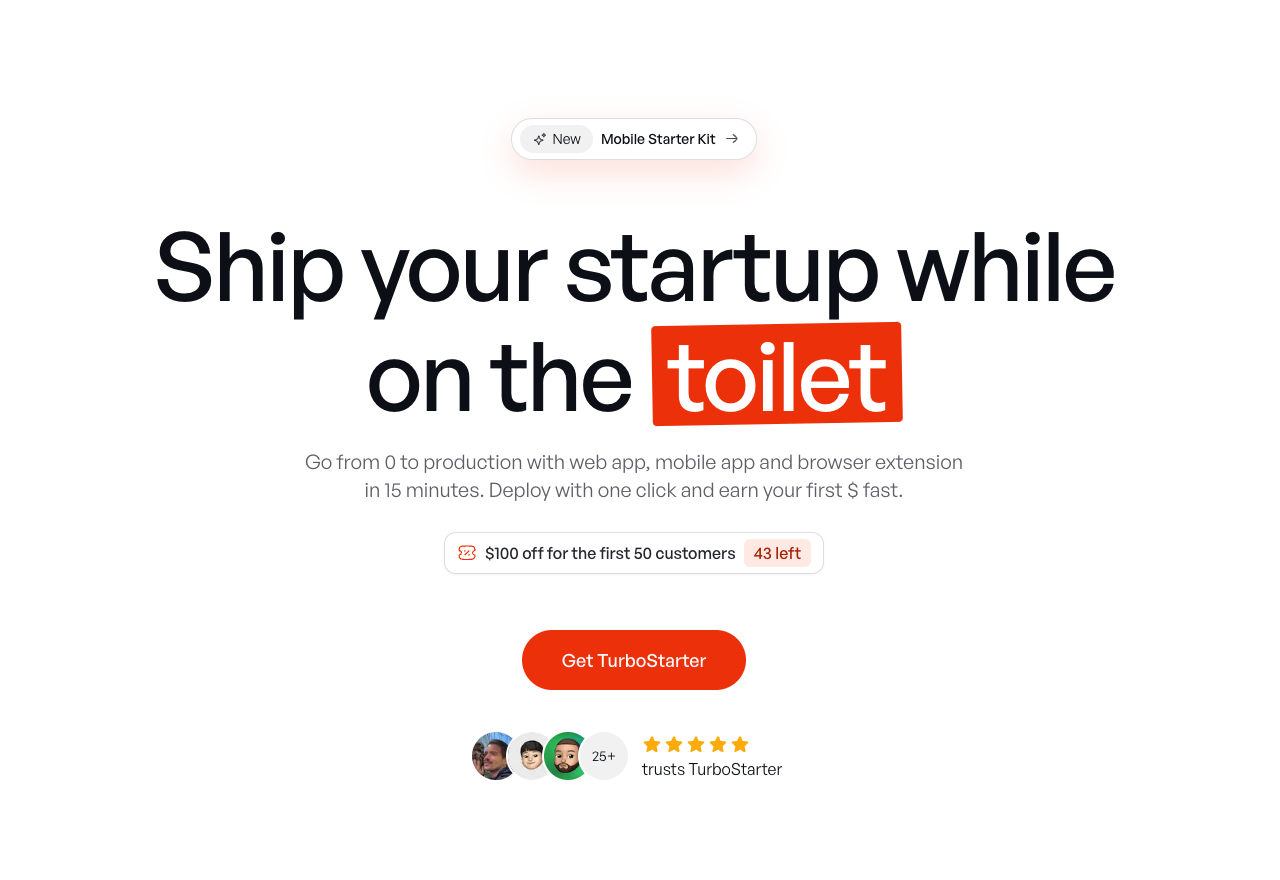
TurboStarter
Ship your startup everywhere. In minutes.
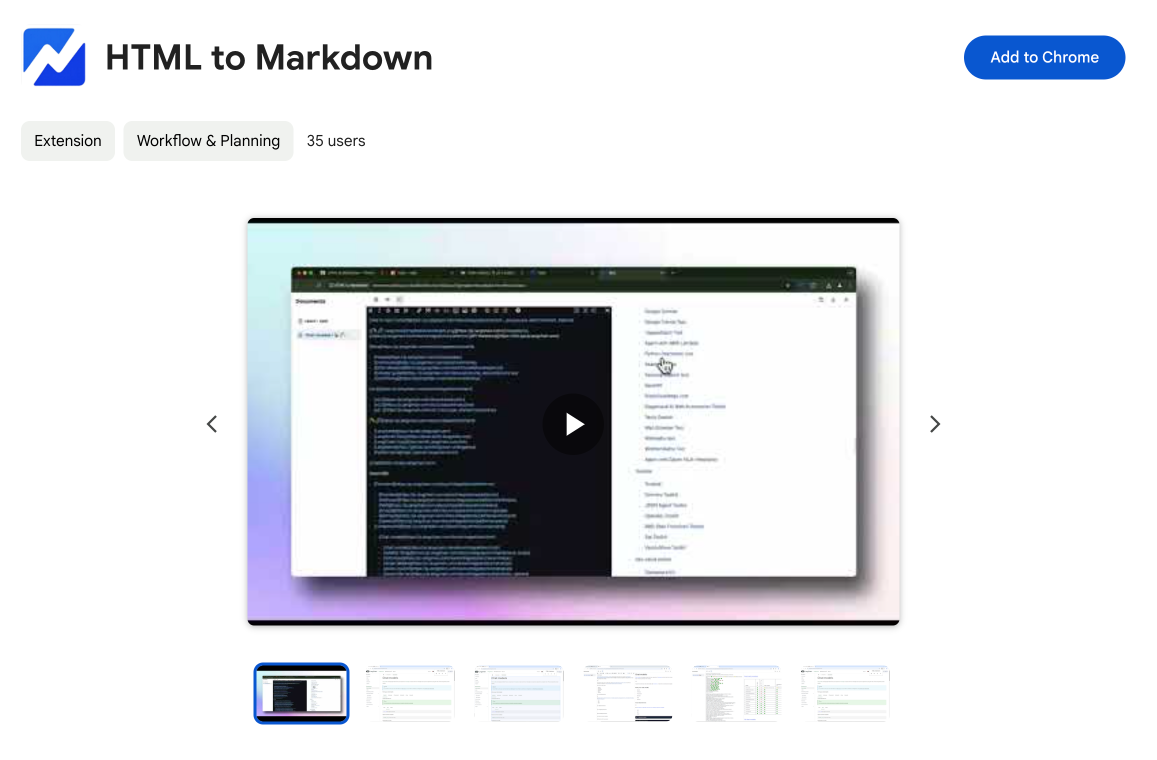
HTML to Markdown
Convert HTML to Markdown with ease, directly in your browser 📄
Dotallio
Personalized AI apps that automate research, data extraction, and content creation without code 🤖
Talk to Santa
Enjoy a magical live video chat or receive a unique AI-generated video greeting from Santa Claus 🎅
pozywka.pl
Scalable blog for food journalist, focused on performance and user experience 🌭
zagrodzki.me
Personal blog and portfolio of Bart Zagrodzki, where he shares his knowledge and work 💼
TurboStarter
Ship your startup everywhere. In minutes.
HTML to Markdown
Convert HTML to Markdown with ease, directly in your browser 📄
Dotallio
Personalized AI apps that automate research, data extraction, and content creation without code 🤖
Talk to Santa
Enjoy a magical live video chat or receive a unique AI-generated video greeting from Santa Claus 🎅
pozywka.pl
Scalable blog for food journalist, focused on performance and user experience 🌭
zagrodzki.me
Personal blog and portfolio of Bart Zagrodzki, where he shares his knowledge and work 💼
TurboStarter
Ship your startup everywhere. In minutes.
HTML to Markdown
Convert HTML to Markdown with ease, directly in your browser 📄
Dotallio
Personalized AI apps that automate research, data extraction, and content creation without code 🤖
Talk to Santa
Enjoy a magical live video chat or receive a unique AI-generated video greeting from Santa Claus 🎅
pozywka.pl
Scalable blog for food journalist, focused on performance and user experience 🌭
zagrodzki.me
Personal blog and portfolio of Bart Zagrodzki, where he shares his knowledge and work 💼
TurboStarter
Ship your startup everywhere. In minutes.
HTML to Markdown
Convert HTML to Markdown with ease, directly in your browser 📄
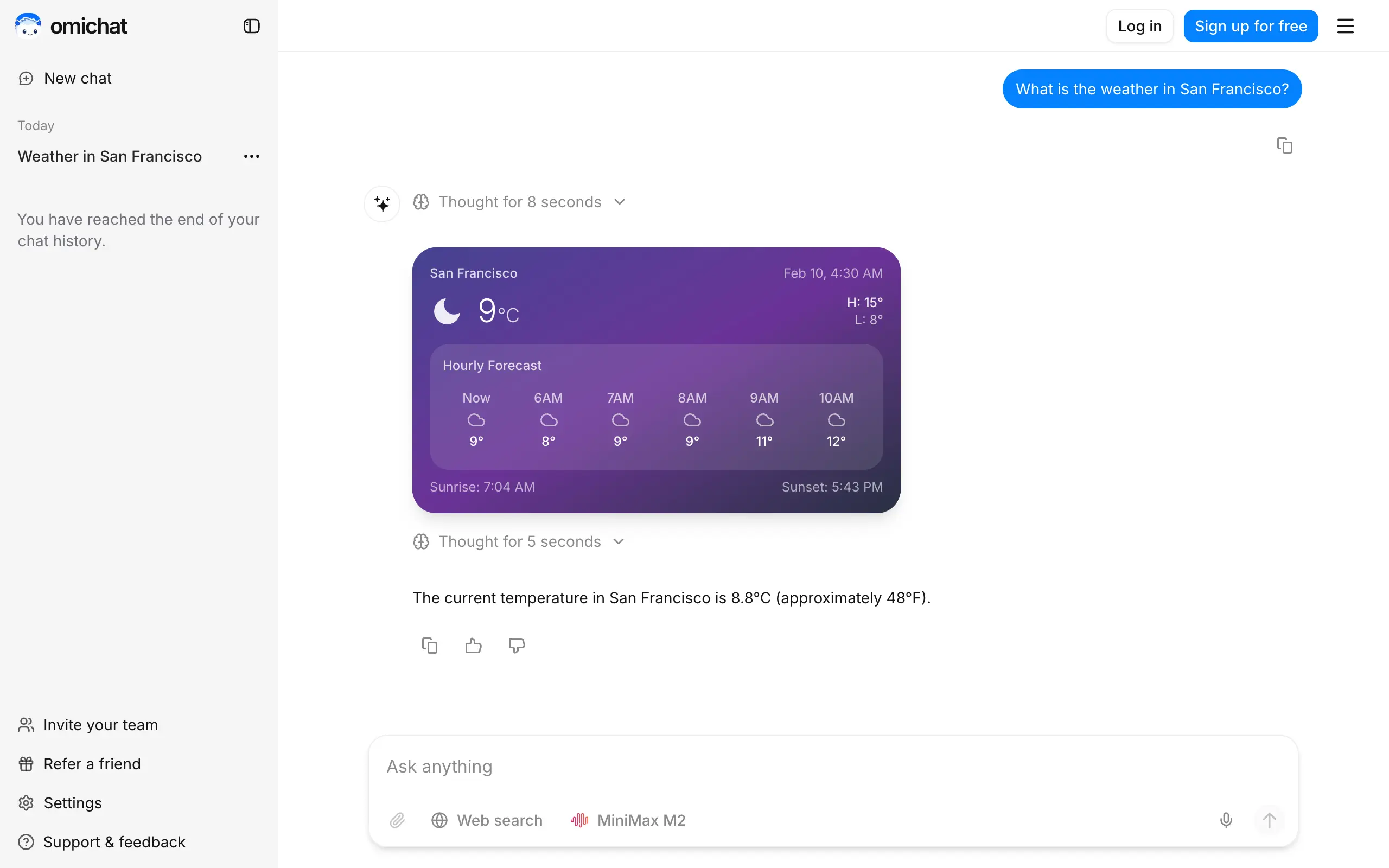
Omichat
Chat with 50+ AI models, including ChatGPT and Claude, in one place - switch models anytime without losing context 🤖
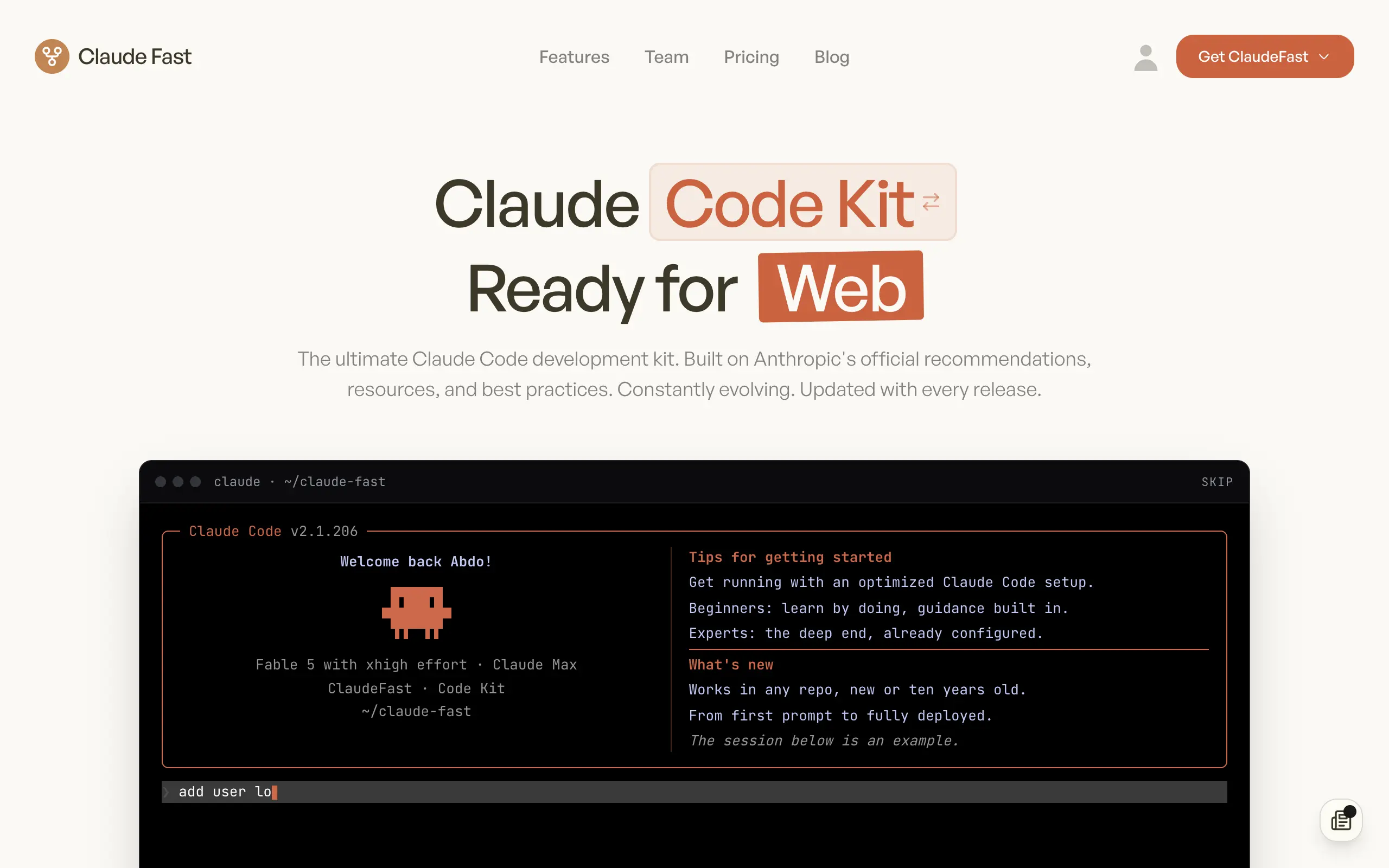
Claude Fast
Supercharge your Claude Code with 6x effective context window and specialized AI agents 🤖
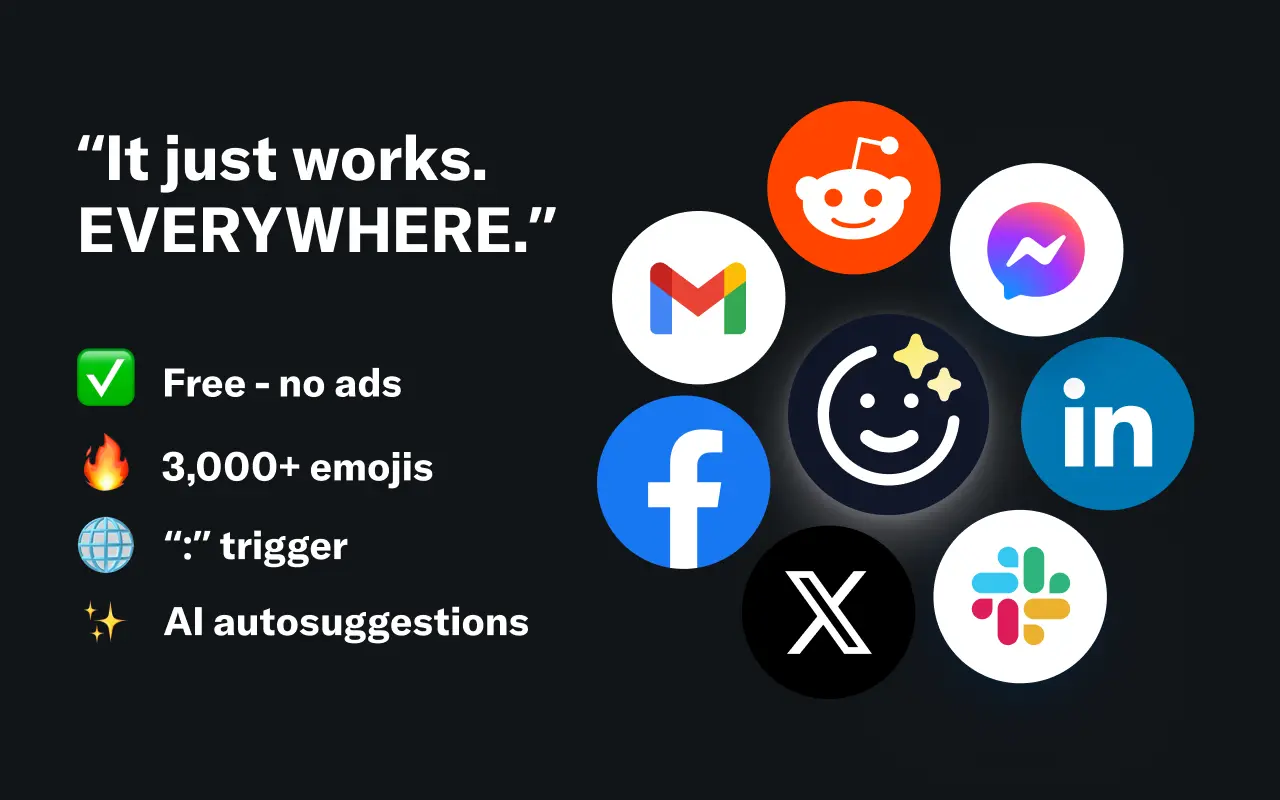
EmojAI
AI-powered emoji picker with smart, context-aware suggestions 🤖
Solohacker
Autonomous company launcher - AI agents work 24/7, escalate what matters, and you stay in control 🤖
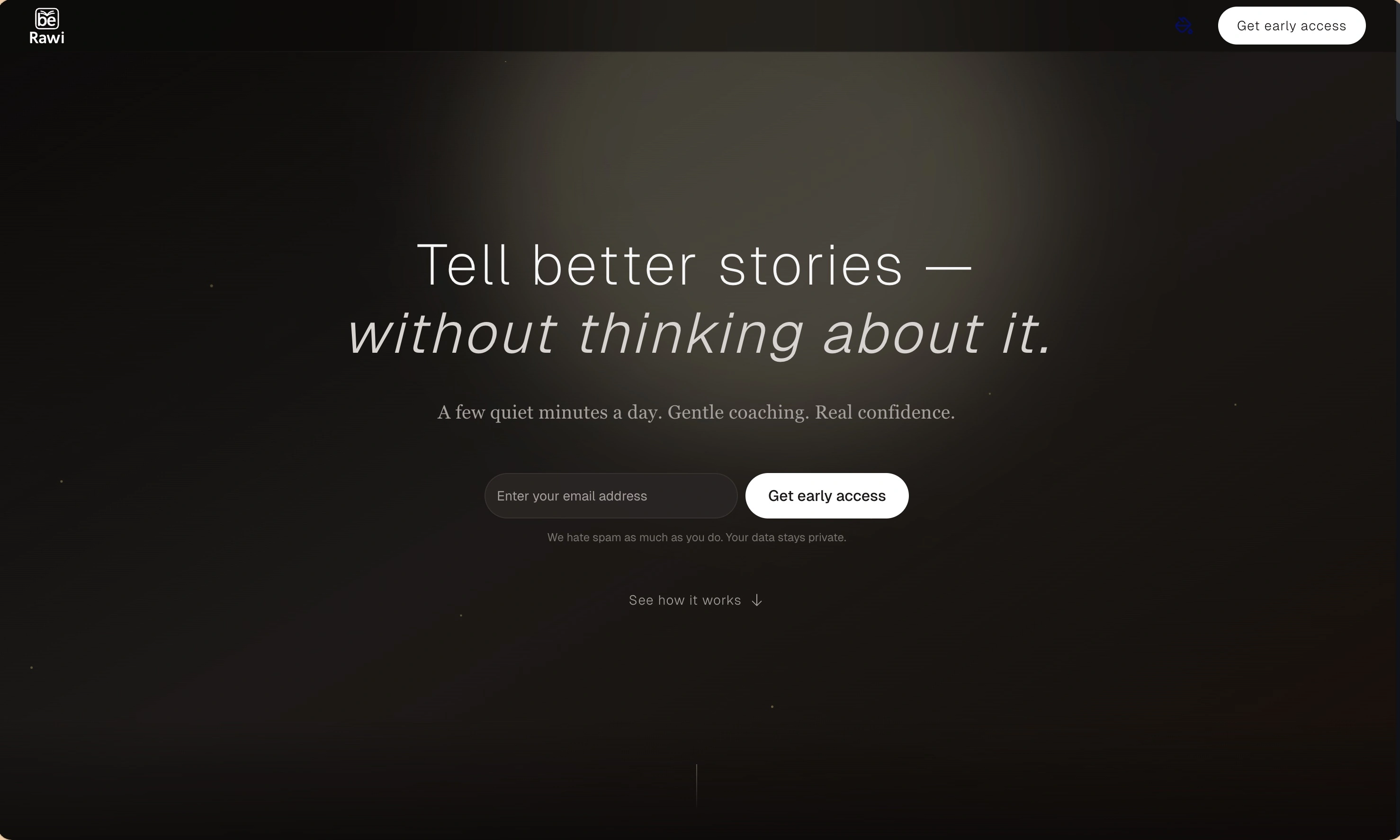
BeRawi: Storytelling Coach
Practice storytelling daily with instant feedback to sound clearer, more engaging, and confident 🎤
Omichat
Chat with 50+ AI models, including ChatGPT and Claude, in one place - switch models anytime without losing context 🤖
Claude Fast
Supercharge your Claude Code with 6x effective context window and specialized AI agents 🤖
EmojAI
AI-powered emoji picker with smart, context-aware suggestions 🤖
Solohacker
Autonomous company launcher - AI agents work 24/7, escalate what matters, and you stay in control 🤖
BeRawi: Storytelling Coach
Practice storytelling daily with instant feedback to sound clearer, more engaging, and confident 🎤
Omichat
Chat with 50+ AI models, including ChatGPT and Claude, in one place - switch models anytime without losing context 🤖
Claude Fast
Supercharge your Claude Code with 6x effective context window and specialized AI agents 🤖
EmojAI
AI-powered emoji picker with smart, context-aware suggestions 🤖
Solohacker
Autonomous company launcher - AI agents work 24/7, escalate what matters, and you stay in control 🤖
BeRawi: Storytelling Coach
Practice storytelling daily with instant feedback to sound clearer, more engaging, and confident 🎤
Omichat
Chat with 50+ AI models, including ChatGPT and Claude, in one place - switch models anytime without losing context 🤖
Claude Fast
Supercharge your Claude Code with 6x effective context window and specialized AI agents 🤖
EmojAI
AI-powered emoji picker with smart, context-aware suggestions 🤖
Solohacker
Autonomous company launcher - AI agents work 24/7, escalate what matters, and you stay in control 🤖
BeRawi: Storytelling Coach
Practice storytelling daily with instant feedback to sound clearer, more engaging, and confident 🎤

Connect with like-minded people
Join our community to get feedback, support, and grow together with 1,000+ builders on board, let's ship it!
Join usShip your startup everywhere. In minutes.
Don't burn tokens on setup and start building features on day one.