TechSim Lab
Practice tech jobs before you apply. AI-powered simulations let hospitality workers experience real-world tasks in product, support, QA, and junior dev roles.
The rise of AI-powered job simulation platforms
The traditional path into tech is broken for millions of talented workers.
Hospitality professionals—servers, hotel front desk agents, baristas, restaurant managers—often possess strong soft skills, problem-solving abilities, and operational discipline. Yet when they apply for tech roles like product support specialist, QA tester, or junior developer, they’re met with a familiar barrier:
“You don’t have direct experience.”
TechSim Lab addresses this gap with AI-powered job simulations that let hospitality workers practice tech jobs before they apply. Instead of learning theory alone, users complete realistic, role-specific tasks that mirror real work environments in product, support, QA, and junior developer roles.
This article explores:
- The market opportunity for AI-powered job simulation platforms
- Why hospitality workers are a prime target audience
- Core features and product architecture
- Tech stack recommendations
- Monetization strategies
- Competitive positioning
- Risks and mitigation
- Step-by-step implementation roadmap
If you're researching an AI job simulation SaaS opportunity—or validating a product like TechSim Lab—this guide provides a comprehensive blueprint grounded in market demand and execution strategy.
Understanding user search intent
People searching for terms like:
- “AI job simulation platform”
- “practice tech jobs online”
- “career transition to tech from hospitality”
- “product support simulation”
- “QA testing practice environment”
…are typically looking for one of three things:
- Validation: Is this a real, viable way to break into tech?
- Structure: How does an AI-powered simulation actually work?
- Execution: How would I build or monetize such a platform?
This article addresses all three through strategic and technical depth, aligning with commercial and informational search intent.
The problem: experience paradox in entry-level tech hiring
The experience trap
Entry-level tech roles frequently require:
- Experience with ticketing systems (Zendesk, Intercom)
- Familiarity with product workflows
- Understanding of bug tracking (Jira, Linear)
- Basic Git workflows
- Agile methodologies
- Customer troubleshooting skills
But candidates switching industries rarely get access to these tools without already having a tech job.
This creates the experience paradox:
You need experience to get the job, but you need the job to get experience.
Why hospitality workers are ideal candidates
Hospitality workers often excel in:
- High-pressure problem solving
- Customer empathy
- Process adherence
- Multitasking
- Team coordination
These traits directly map to:
- Product support roles
- QA testing positions
- Customer success
- Junior operations
- Entry-level product management
Yet hiring managers struggle to quantify these transferable skills.
TechSim Lab solves this by generating measurable, role-based performance data through AI-driven simulations.
Target audience analysis
Primary segment: hospitality workers transitioning to tech
Profile:
- Age: 20–40
- Background: restaurant, hotel, event, retail hospitality
- Goal: Remote, stable, higher-paying tech job
- Pain points:
- No “relevant” tech experience
- Imposter syndrome
- Lack of mentorship
- Overwhelming bootcamp options
Motivations:
- Income stability
- Work-life balance
- Career growth
- Remote work opportunities
Secondary segment: career switchers broadly
- Retail workers
- Administrative assistants
- Call center employees
- Military veterans
Tertiary segment: workforce development programs
- Government reskilling initiatives
- Non-profits
- Bootcamps seeking simulation labs
- Community colleges
Market opportunity and industry trends
1. AI in education and workforce training is exploding
The global AI in education market is projected to grow significantly through 2030 (source: industry research firms such as HolonIQ or Grand View Research). AI-based personalized learning platforms are increasingly accepted in professional development.
2. Rise of skills-based hiring
Major companies are shifting toward skills-based hiring instead of degree requirements. Organizations like LinkedIn frequently publish reports showing that skills-based job postings are rising year-over-year (see LinkedIn Economic Graph reports for reference).
This trend creates a massive opportunity for skills verification through simulation.
3. Growth of remote tech roles
Remote-first companies continue to expand support, QA, and junior dev hiring globally. Entry-level roles remain competitive—but simulation-based assessment provides differentiation.
What makes TechSim Lab different?
Unlike generic coding bootcamps or tutorial platforms, TechSim Lab is:
- Task-based, not lecture-based
- Role-specific, not skill-fragmented
- Simulation-driven, not theoretical
- AI-adaptive, not static coursework
It doesn’t just teach you “how to test software.”
It puts you inside a simulated sprint cycle with bugs, tickets, feedback, and performance evaluation.
Core product concept: AI-powered job simulations
How it works
Each simulation replicates a real-world workflow:
- Inbox management (support role)
- Debugging test cases (QA role)
- Writing feature tickets (product role)
- Submitting pull requests (junior dev role)
AI dynamically generates:
- Customer requests
- Edge cases
- Incomplete documentation
- Escalation scenarios
- Performance feedback
Core features and solution architecture
Role-based simulations
Dedicated tracks for product support, QA, junior dev, and product operations.
AI scenario engine
Generates real-time task variations and adaptive difficulty.
Performance scoring
Objective skill assessment across accuracy, speed, communication, and reasoning.
1. AI simulation engine
At the core is a scenario generation engine powered by LLM APIs.
Capabilities:
- Generate customer emails
- Create mock bug reports
- Produce ambiguous feature requests
- Simulate Slack-style communication
- Provide feedback loops
2. Skill scoring framework
Each simulation evaluates:
- Problem-solving accuracy
- Technical correctness
- Communication clarity
- Escalation judgment
- Documentation quality
Scoring can be structured as:
type SimulationScore = {
  technicalAccuracy: number;
  communicationClarity: number;
  problemSolving: number;
  processAdherence: number;
  overall: number;
};
3. Real-world tool emulation
Simulated interfaces for:
- Ticketing dashboards
- Kanban boards
- Bug trackers
- Version control environments
Not full replicas, but structured approximations to build familiarity.
4. AI feedback reports
After each session:
- Strength analysis
- Weakness breakdown
- Suggested learning modules
- Resume-ready skill statements
Example output:
“Handled multi-step troubleshooting effectively but escalated prematurely. Consider clarifying reproduction steps before escalation.”
5. Resume and portfolio export
Users receive:
- Performance transcript
- Simulation badges
- Skill proficiency summaries
- Sharable links for hiring managers
Role tracks in detail
Product support simulation
Tasks include:
- Handling angry customer emails
- Troubleshooting login failures
- Identifying backend vs frontend issues
- Escalating to engineering
Focus areas:
- Communication clarity
- Technical reasoning
- Customer empathy
QA testing simulation
Tasks include:
- Writing test cases
- Identifying regression bugs
- Logging issues clearly
- Prioritizing severity
Focus areas:
- Attention to detail
- Logical reasoning
- Documentation precision
Junior developer simulation
Tasks include:
- Debugging broken functions
- Writing small feature enhancements
- Reviewing pull requests
- Fixing lint errors
Focus areas:
- Code correctness
- Git workflow familiarity
- Refactoring awareness
Product operations simulation
Tasks include:
- Writing feature specs
- Clarifying ambiguous stakeholder requests
- Prioritizing backlog items
- Defining acceptance criteria
Focus areas:
- Structured thinking
- Business reasoning
- Stakeholder communication
Competitive landscape analysis
Current alternatives:
- Coding bootcamps
- Udemy-style courses
- LeetCode (algorithm practice)
- Interview prep platforms
- Mock interview tools
None provide full role-simulated work environments.
| Platform | Realistic simulation | AI feedback | Non-coding roles | Portfolio export |
|---|---|---|---|---|
| Bootcamps | ❌ | ❌ | ⚠️ | ❌ |
| LeetCode | ❌ | Limited | ❌ | ❌ |
| TechSim Lab | ✅ | ✅ | ✅ | ✅ |
Competitive advantage: holistic, AI-driven, role-based immersion.
Recommended tech stack for building TechSim Lab
Frontend
Why?
- Fast UI iteration
- Server-side rendering for SEO
- Component-based simulation dashboards
Backend
- Node.js with TypeScript
- PostgreSQL
- Redis (for simulation state caching)
AI integration
- OpenAI API (or similar LLM provider)
- Prompt engineering layer
- Structured response validation
Hosting & infrastructure
- Vercel (frontend)
- AWS or Supabase (database + auth)
- Stripe (subscriptions)
Monetization strategy
1. Subscription model (B2C)
- $29/month basic
- $59/month pro (advanced simulations + export reports)
2. Cohort access
- 8-week guided simulation bootcamp
- $499–$999 per cohort
3. B2B workforce licensing
- Workforce development programs
- Corporate L&D teams
- Bootcamps
4. Hiring partner marketplace
Companies pay for:
- Access to top performers
- Simulation transcripts
- Verified candidate rankings
Potential risks and mitigation
Risk: AI feedback inaccuracies
LLMs may produce inconsistent scoring.
Mitigation:
- Structured scoring rubric
- Deterministic evaluation layers
- Human review audits
Risk: Simulation realism gap
If the platform feels “game-like,” credibility suffers.
Mitigation:
- Consult real hiring managers
- Validate with industry professionals
- Incorporate real-world case studies
Go-to-market strategy
Phase 1: niche domination
Target:
- Hospitality → tech career switchers
Channels:
- LinkedIn content
- Reddit career threads
- TikTok career influencers
- Bootcamp partnerships
Phase 2: authority building
Publish:
- Career transition guides
- Salary benchmarks
- Simulation-based skill frameworks
Phase 3: employer integration
Offer:
- Verified simulation transcripts
- Talent discovery portal
Implementation roadmap
For rapid SaaS development and infrastructure setup, frameworks like TurboStarter can accelerate boilerplate creation, authentication, and billing integrations.
Clear USP: experience before employment
TechSim Lab’s unique selling proposition is simple but powerful:
Practice the job before you apply.
It converts intangible “transferable skills” into measurable, reportable, verifiable performance data.
That changes hiring dynamics.
Why this idea has strong long-term defensibility
- AI personalization improves over time
- Performance data creates network effects
- Hiring partnerships create marketplace leverage
- Workforce reskilling demand is growing globally
With proper execution, TechSim Lab becomes more than a simulation tool—it becomes a credentialing layer for career transitioners.
Final thoughts
AI-powered job simulation platforms represent a natural evolution in workforce training.
TechSim Lab aligns perfectly with:
- Skills-based hiring trends
- AI-driven personalized learning
- Career mobility demand
- Entry-level tech competition
For founders, this is a high-impact, scalable SaaS opportunity.
For users, it’s something even more important:
A bridge into tech without needing to fake experience.
If built with rigor, validated with real hiring managers, and continuously refined with AI-driven feedback loops, TechSim Lab can become the go-to simulation platform for aspiring tech professionals worldwide.
More 🤖 AI Startup SaaS ideas
Discover more innovative ai startup SaaS ideas that are trending in 2026. Each idea is AI-generated with market validation and growth potential to help you find your next profitable venture faster than competitors.
Your competitors are building with TurboStarter
Below are some of the SaaS ideas that have been generated and built with our starter kit.

Statiko
Monitor any Telegram channel in real time - track posts, edits, deletions, and growth with AI recaps 📡

Shibui
AI website builder - describe your business, pick a niche template, edit by chatting, and publish instantly ✨

Pro Service
Find verified home service professionals, compare quotes, and pay securely through escrow - built for Brazilians across the US 🏠
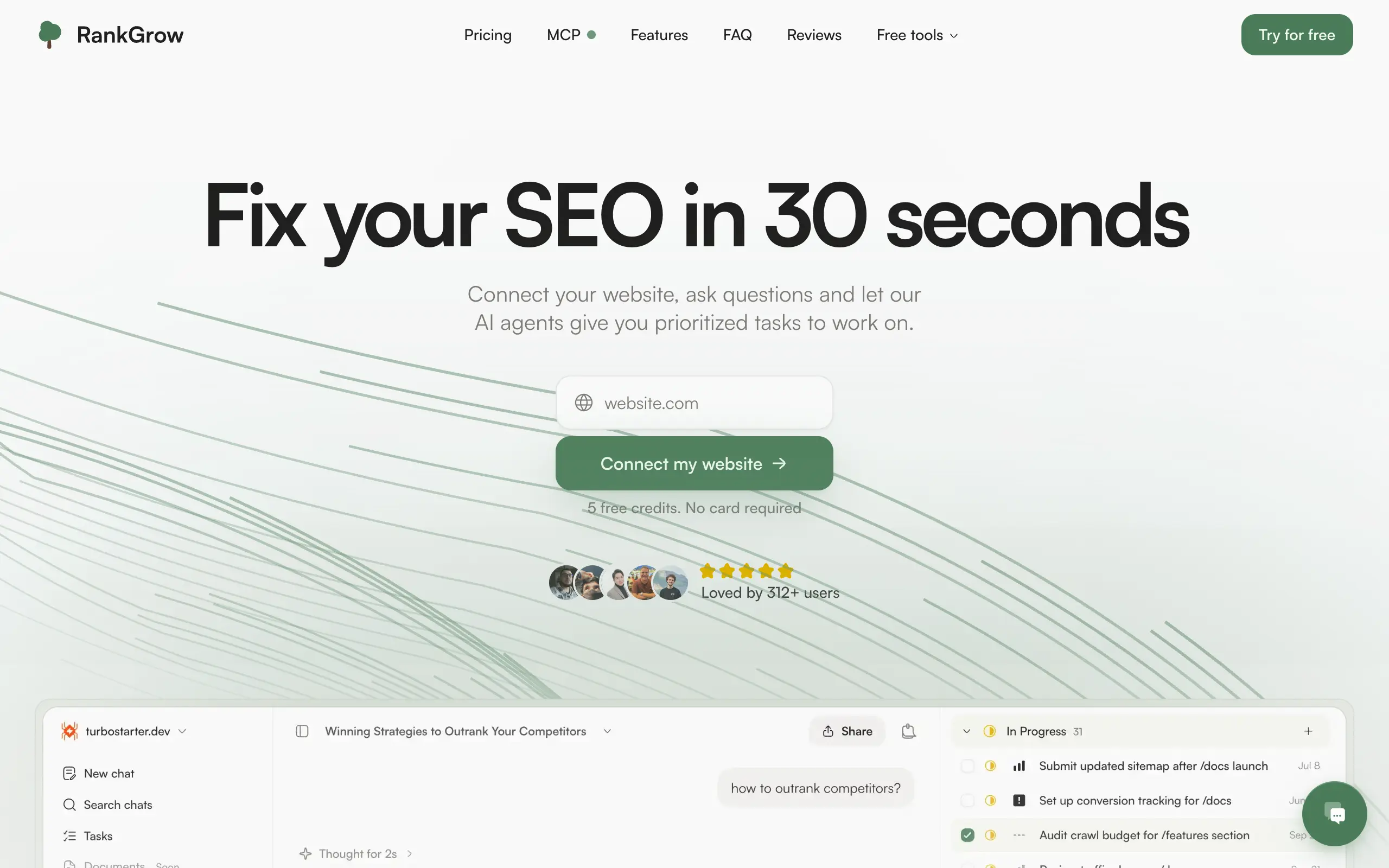
RankGrow
Fix your SEO with AI agents - connect Search Console, get prioritized tasks, and grow organic traffic 📈
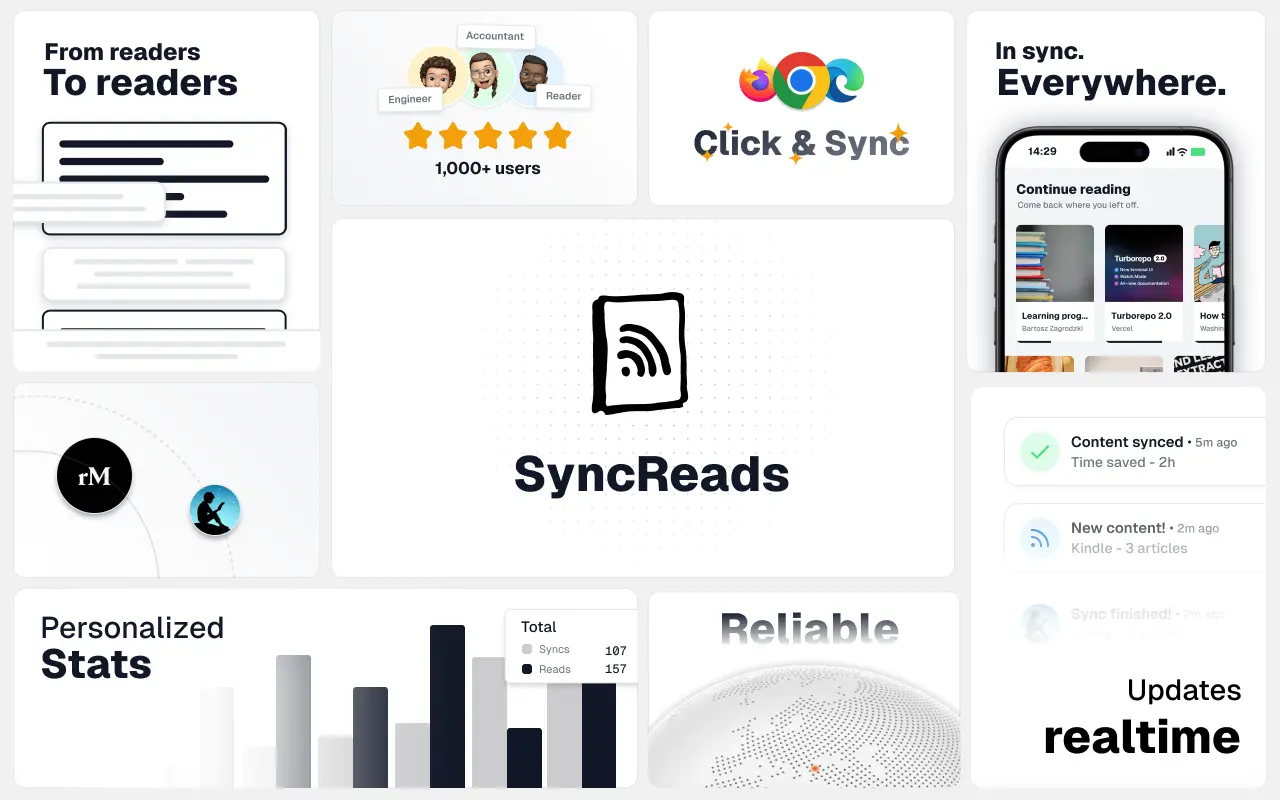
SyncReads
Sync your favorite content for distraction-free reading, save time and replace multiple apps. Anytime, anywhere 🔄
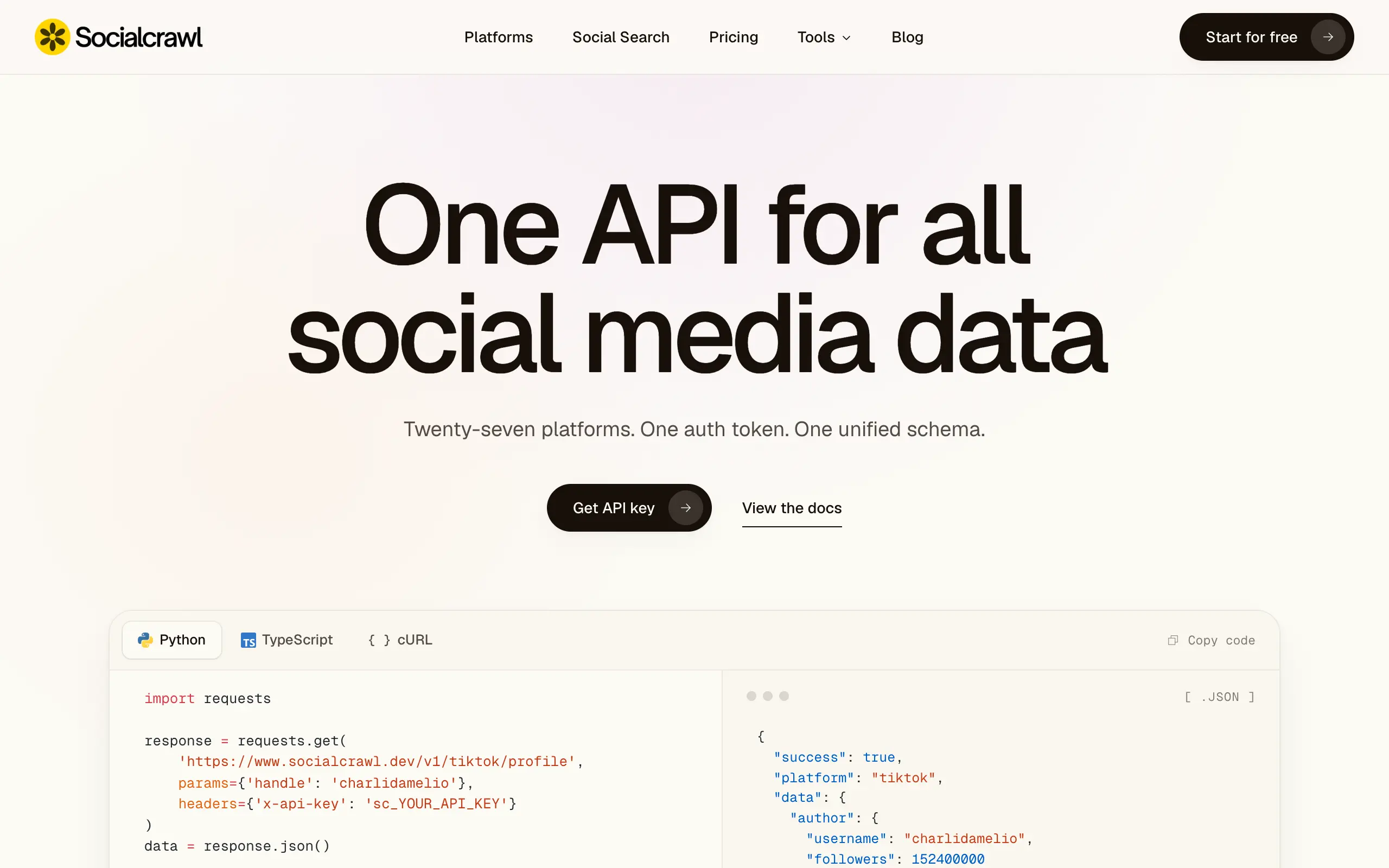
Socialcrawl
Get clean, structured data from 21 platforms like TikTok, Instagram, and YouTube with a single request 📊
Statiko
Monitor any Telegram channel in real time - track posts, edits, deletions, and growth with AI recaps 📡
Shibui
AI website builder - describe your business, pick a niche template, edit by chatting, and publish instantly ✨
Pro Service
Find verified home service professionals, compare quotes, and pay securely through escrow - built for Brazilians across the US 🏠
RankGrow
Fix your SEO with AI agents - connect Search Console, get prioritized tasks, and grow organic traffic 📈
SyncReads
Sync your favorite content for distraction-free reading, save time and replace multiple apps. Anytime, anywhere 🔄
Socialcrawl
Get clean, structured data from 21 platforms like TikTok, Instagram, and YouTube with a single request 📊
Statiko
Monitor any Telegram channel in real time - track posts, edits, deletions, and growth with AI recaps 📡
Shibui
AI website builder - describe your business, pick a niche template, edit by chatting, and publish instantly ✨
Pro Service
Find verified home service professionals, compare quotes, and pay securely through escrow - built for Brazilians across the US 🏠
RankGrow
Fix your SEO with AI agents - connect Search Console, get prioritized tasks, and grow organic traffic 📈
SyncReads
Sync your favorite content for distraction-free reading, save time and replace multiple apps. Anytime, anywhere 🔄
Socialcrawl
Get clean, structured data from 21 platforms like TikTok, Instagram, and YouTube with a single request 📊
Statiko
Monitor any Telegram channel in real time - track posts, edits, deletions, and growth with AI recaps 📡
Shibui
AI website builder - describe your business, pick a niche template, edit by chatting, and publish instantly ✨
Pro Service
Find verified home service professionals, compare quotes, and pay securely through escrow - built for Brazilians across the US 🏠
RankGrow
Fix your SEO with AI agents - connect Search Console, get prioritized tasks, and grow organic traffic 📈
SyncReads
Sync your favorite content for distraction-free reading, save time and replace multiple apps. Anytime, anywhere 🔄
Socialcrawl
Get clean, structured data from 21 platforms like TikTok, Instagram, and YouTube with a single request 📊
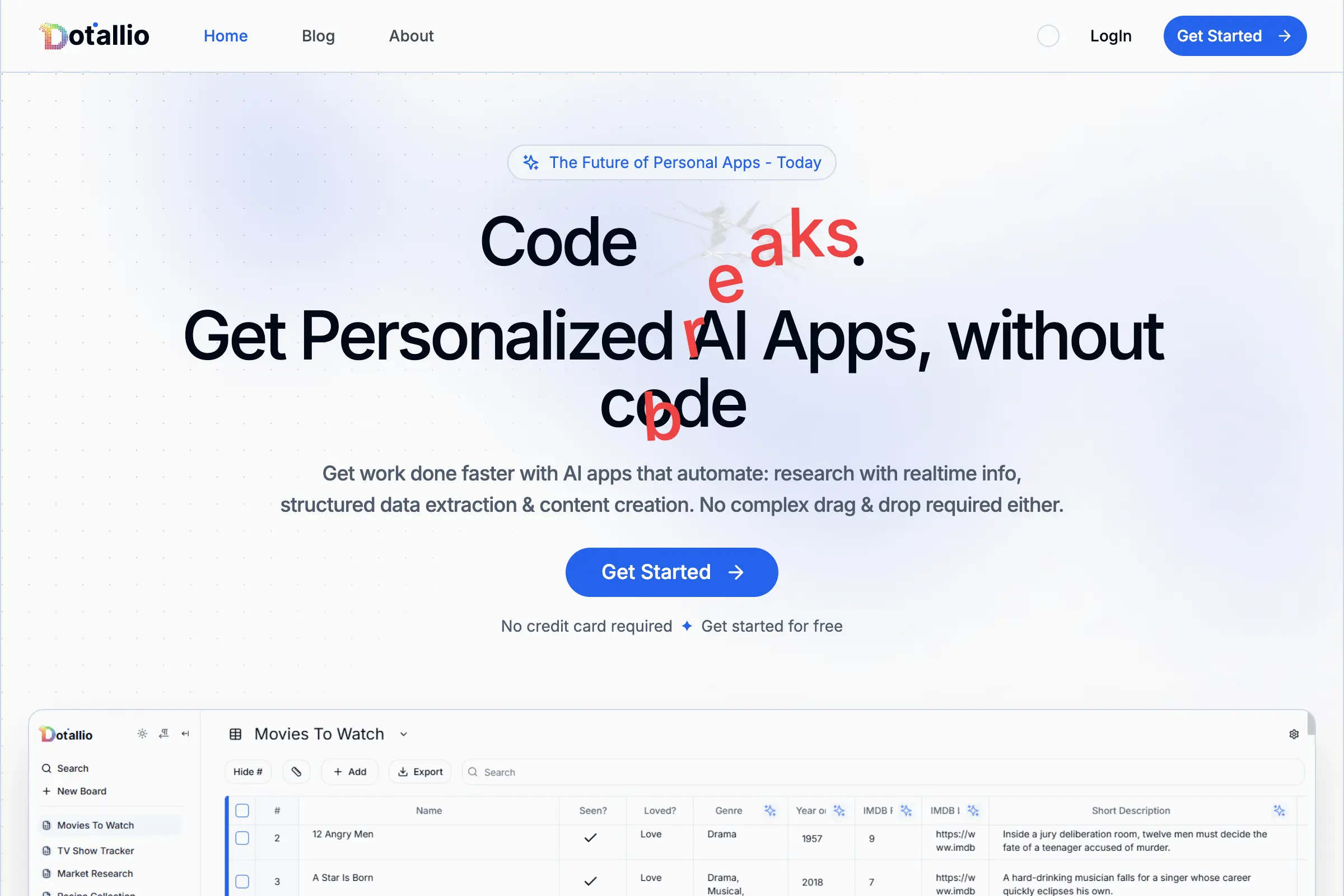
Dotallio
Personalized AI apps that automate research, data extraction, and content creation without code 🤖

Talk to Santa
Enjoy a magical live video chat or receive a unique AI-generated video greeting from Santa Claus 🎅
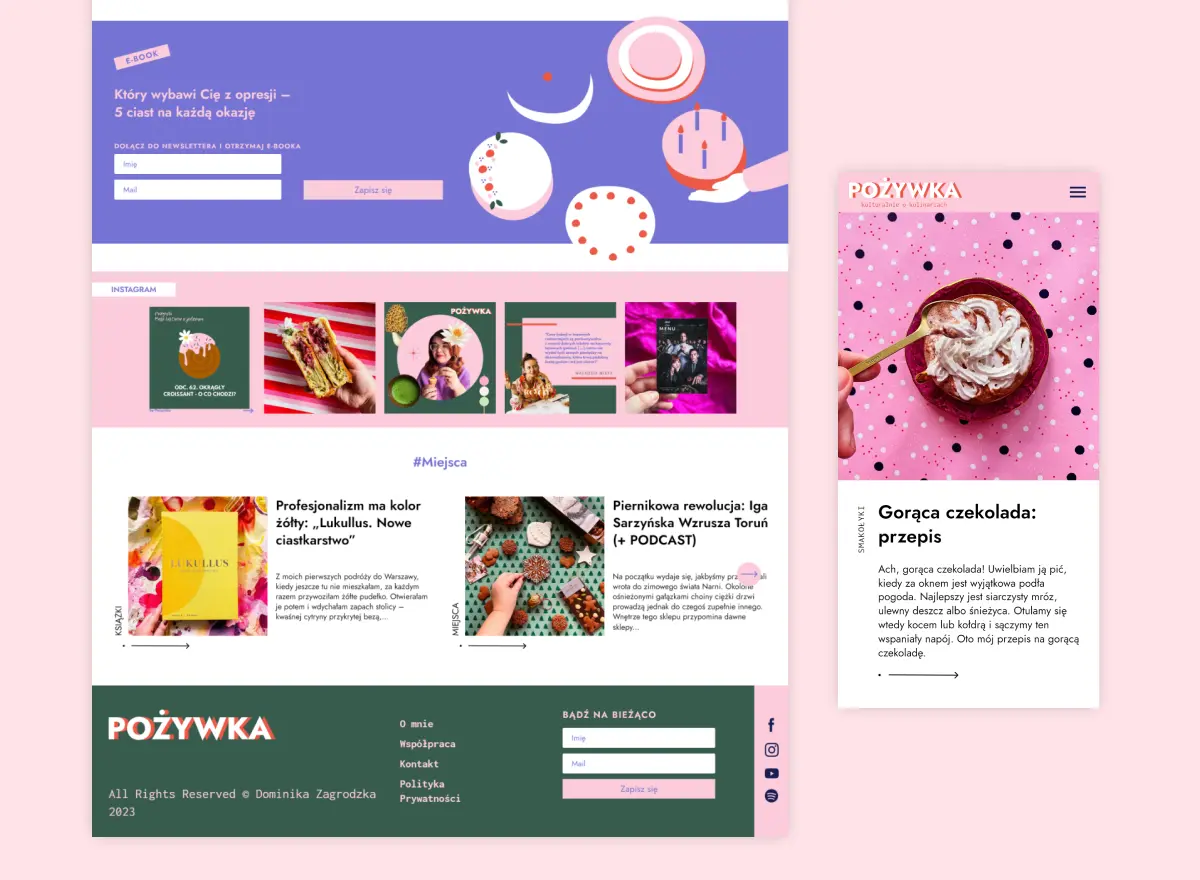
pozywka.pl
Scalable blog for food journalist, focused on performance and user experience 🌭
zagrodzki.me
Personal blog and portfolio of Bart Zagrodzki, where he shares his knowledge and work 💼
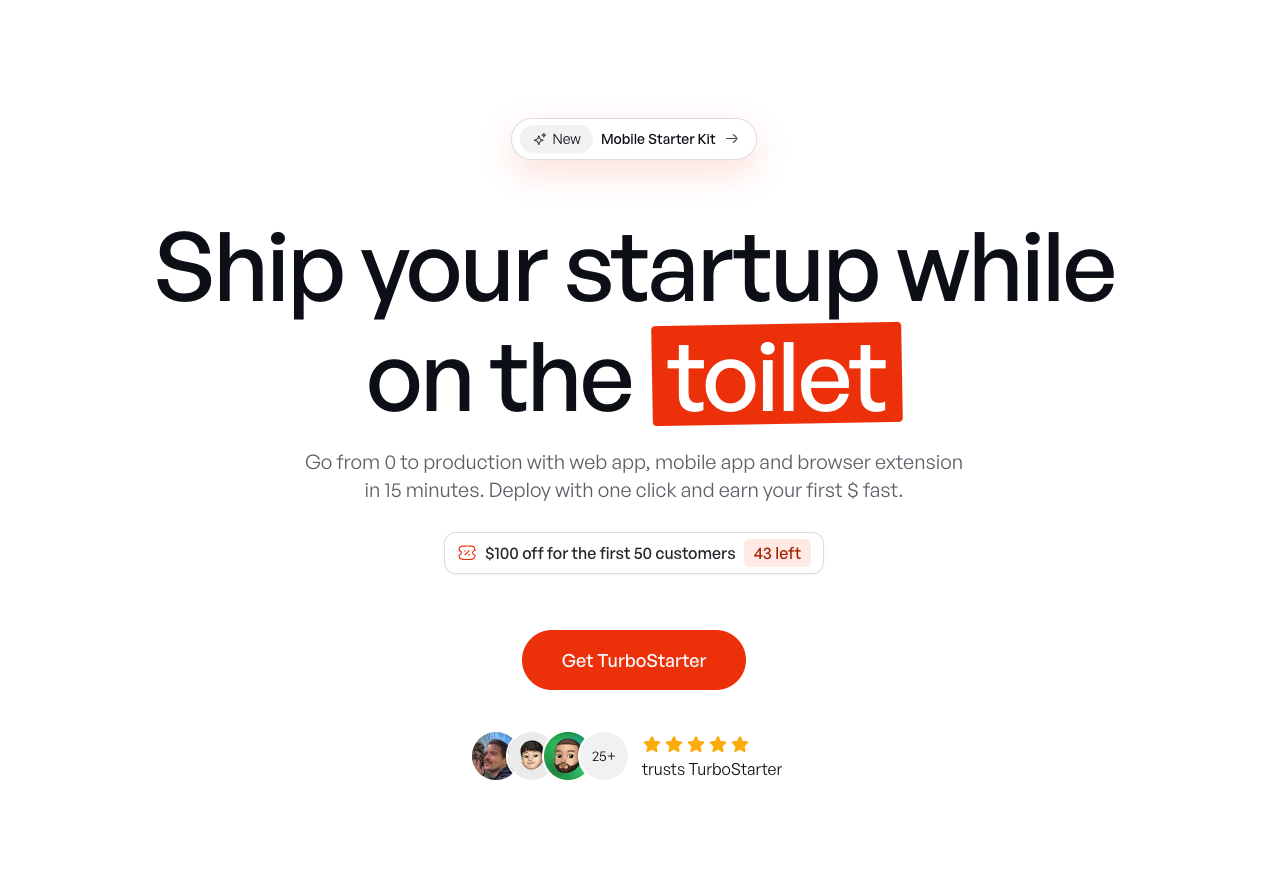
TurboStarter
Ship your startup everywhere. In minutes.
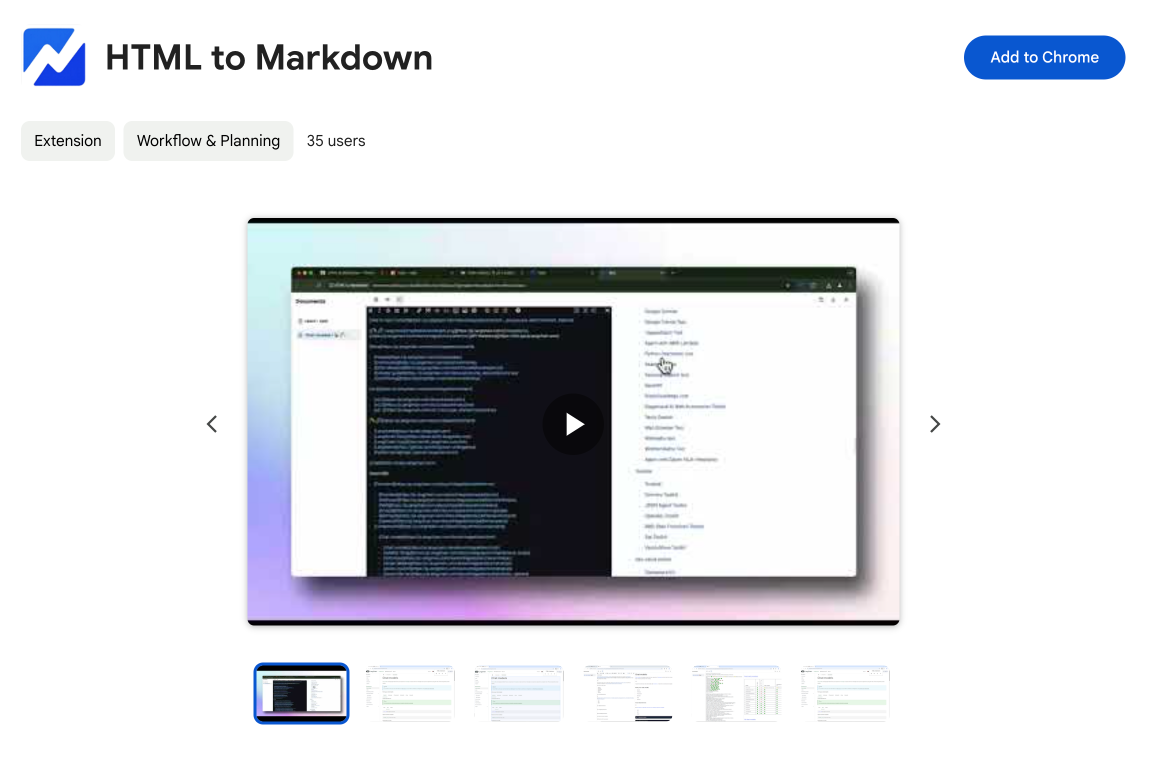
HTML to Markdown
Convert HTML to Markdown with ease, directly in your browser 📄
Dotallio
Personalized AI apps that automate research, data extraction, and content creation without code 🤖
Talk to Santa
Enjoy a magical live video chat or receive a unique AI-generated video greeting from Santa Claus 🎅
pozywka.pl
Scalable blog for food journalist, focused on performance and user experience 🌭
zagrodzki.me
Personal blog and portfolio of Bart Zagrodzki, where he shares his knowledge and work 💼
TurboStarter
Ship your startup everywhere. In minutes.
HTML to Markdown
Convert HTML to Markdown with ease, directly in your browser 📄
Dotallio
Personalized AI apps that automate research, data extraction, and content creation without code 🤖
Talk to Santa
Enjoy a magical live video chat or receive a unique AI-generated video greeting from Santa Claus 🎅
pozywka.pl
Scalable blog for food journalist, focused on performance and user experience 🌭
zagrodzki.me
Personal blog and portfolio of Bart Zagrodzki, where he shares his knowledge and work 💼
TurboStarter
Ship your startup everywhere. In minutes.
HTML to Markdown
Convert HTML to Markdown with ease, directly in your browser 📄
Dotallio
Personalized AI apps that automate research, data extraction, and content creation without code 🤖
Talk to Santa
Enjoy a magical live video chat or receive a unique AI-generated video greeting from Santa Claus 🎅
pozywka.pl
Scalable blog for food journalist, focused on performance and user experience 🌭
zagrodzki.me
Personal blog and portfolio of Bart Zagrodzki, where he shares his knowledge and work 💼
TurboStarter
Ship your startup everywhere. In minutes.
HTML to Markdown
Convert HTML to Markdown with ease, directly in your browser 📄
Omichat
Chat with 50+ AI models, including ChatGPT and Claude, in one place - switch models anytime without losing context 🤖
Claude Fast
Supercharge your Claude Code with 6x effective context window and specialized AI agents 🤖
EmojAI
AI-powered emoji picker with smart, context-aware suggestions 🤖
Solohacker
Autonomous company launcher - AI agents work 24/7, escalate what matters, and you stay in control 🤖
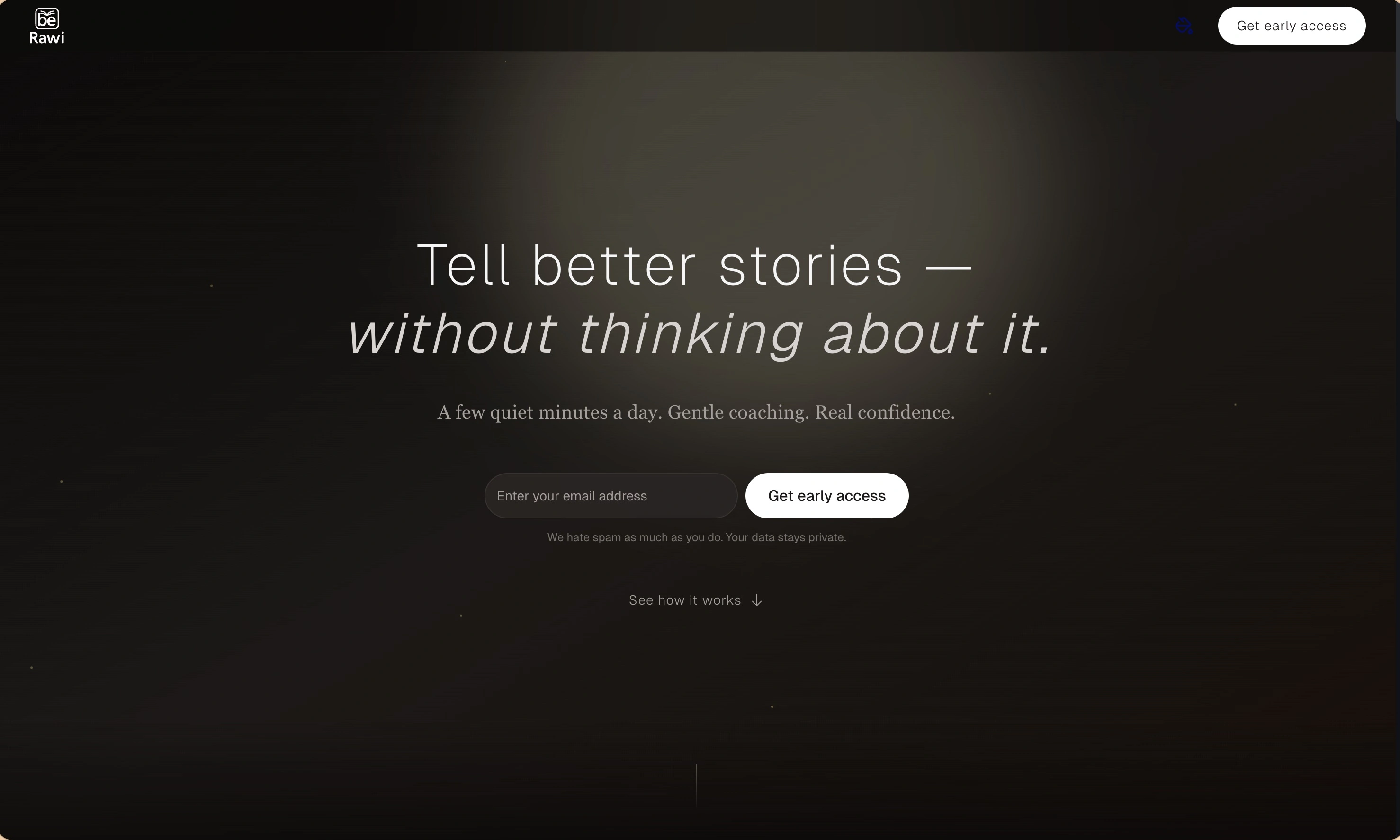
BeRawi: Storytelling Coach
Practice storytelling daily with instant feedback to sound clearer, more engaging, and confident 🎤
Omichat
Chat with 50+ AI models, including ChatGPT and Claude, in one place - switch models anytime without losing context 🤖
Claude Fast
Supercharge your Claude Code with 6x effective context window and specialized AI agents 🤖
EmojAI
AI-powered emoji picker with smart, context-aware suggestions 🤖
Solohacker
Autonomous company launcher - AI agents work 24/7, escalate what matters, and you stay in control 🤖
BeRawi: Storytelling Coach
Practice storytelling daily with instant feedback to sound clearer, more engaging, and confident 🎤
Omichat
Chat with 50+ AI models, including ChatGPT and Claude, in one place - switch models anytime without losing context 🤖
Claude Fast
Supercharge your Claude Code with 6x effective context window and specialized AI agents 🤖
EmojAI
AI-powered emoji picker with smart, context-aware suggestions 🤖
Solohacker
Autonomous company launcher - AI agents work 24/7, escalate what matters, and you stay in control 🤖
BeRawi: Storytelling Coach
Practice storytelling daily with instant feedback to sound clearer, more engaging, and confident 🎤
Omichat
Chat with 50+ AI models, including ChatGPT and Claude, in one place - switch models anytime without losing context 🤖
Claude Fast
Supercharge your Claude Code with 6x effective context window and specialized AI agents 🤖
EmojAI
AI-powered emoji picker with smart, context-aware suggestions 🤖
Solohacker
Autonomous company launcher - AI agents work 24/7, escalate what matters, and you stay in control 🤖
BeRawi: Storytelling Coach
Practice storytelling daily with instant feedback to sound clearer, more engaging, and confident 🎤

Connect with like-minded people
Join our community to get feedback, support, and grow together with 1,000+ builders on board, let's ship it!
Join usShip your startup everywhere. In minutes.
Don't burn tokens on setup and start building features on day one.