TenantFence
Help SaaS founders catch cross-tenant data leaks with generated staging tests and CI reports. Charge per project; run checks in their pipeline with optional BYOK AI.
Multi-tenant SaaS products let many customers use the same application and infrastructure. That can make software more efficient to build and operate, but it also creates a security challenge: every request must access only the data its user is authorized to see. A missing tenant filter, a misconfigured database policy, or an insecure background job can expose one customer’s information to another.
TenantFence is a SaaS security testing concept designed to help teams detect those cross-tenant data leaks before they reach production. It generates staging tests, runs them in a company’s CI pipeline, and returns reports developers can use to investigate failures. Its core promise is practical: make tenant isolation a repeatable engineering check rather than a manual assumption.
This article examines the opportunity, target customers, product design, implementation choices, pricing, risks, and launch plan for TenantFence. It also explains what the product should—and should not—claim to protect against.
What TenantFence does
TenantFence helps SaaS teams test whether one tenant can access another tenant’s data through application APIs and workflows. A customer supplies a test environment and enough information to describe users, tenants, and important application resources. TenantFence then runs controlled tests and reports suspicious access.
A basic test might look like this:
- Create or identify a test user for Tenant A and a test user for Tenant B.
- Authenticate as the user for Tenant A.
- Request a resource that belongs to Tenant B.
- Check whether the application blocks the request and avoids revealing protected data.
- Report the result with enough context for a developer to reproduce and fix it.
The service is not a general-purpose vulnerability scanner, a penetration-testing firm, or a replacement for authorization design. It is a focused tool for continuously checking a high-impact class of security failure: broken tenant isolation.
The product’s primary keyword opportunity is multi-tenant data leak testing. Related search language includes tenant isolation testing, cross-tenant access testing, SaaS authorization testing, BOLA testing, and CI security testing for SaaS. These phrases describe a problem that developers, security teams, and SaaS founders may already be trying to solve with custom scripts or manual reviews.
Why tenant isolation deserves its own test layer
Multi-tenancy is an architectural model in which a single application serves multiple customer organizations, often called tenants. Tenants may share application code, databases, infrastructure, or some combination of them. The application must still enforce a strict logical boundary between each customer’s data.
That boundary can be enforced at several layers:
- Application authorization checks whether a signed-in user may access a specific record or action.
- Database controls limit which rows a database role or session can read or change.
- API design ensures that resource identifiers cannot be used to bypass authorization.
- Background processing carries tenant context into jobs, scheduled tasks, and event consumers.
- Operational controls protect exports, logs, caches, search indexes, and support tooling.
A test suite may cover each endpoint in isolation and still miss a cross-tenant access bug. For example, an endpoint can correctly require authentication but fail to confirm that the requested invoice belongs to the authenticated user’s organization. The user is logged in, the request succeeds, and the wrong tenant’s data is returned.
This is why authentication tests alone are not enough. Tenant isolation is an authorization property: it concerns what a user is allowed to do with a particular resource in a particular tenant context.
A useful conceptual model is:
A user should be able to access a resource only when the user is authenticated, authorized for the requested action, and connected to the tenant that owns the resource.
TenantFence can operationalize that expectation by testing it repeatedly across representative routes and workflows.
Target audience for TenantFence
TenantFence should begin with customers who have both a meaningful need and the technical ability to adopt a CI-integrated security tool.
Early-stage and growth-stage SaaS companies
Small SaaS teams often share infrastructure across customers because it is more practical than operating a separate application stack for every customer. They may have limited security staffing, but still need confidence that customer data remains isolated.
The strongest initial prospects are companies that:
- Have a multi-tenant application in production or approaching launch.
- Store customer information that would be sensitive if exposed.
- Deploy frequently and want security checks to keep pace.
- Have an engineering team that can configure test credentials and CI.
- Need to demonstrate security practices to enterprise prospects or internal stakeholders.
For these teams, TenantFence can turn a security concern into a repeatable development workflow. It should not imply that a small team can outsource its entire security program to one tool.
Product security and application security teams
Security teams at larger SaaS companies may already use scanners, penetration tests, and code review policies. Their gap is often not a lack of security activity, but a lack of automated, repeatable tenant-isolation checks that developers can run in the same pipeline as application tests.
These buyers may value:
- Central visibility across repositories and services.
- Policy controls for which tests block a release.
- Audit-friendly reports.
- Integration with existing CI and ticketing workflows.
- Ability to manage credentials and test environments securely.
A larger organization may also require vendor review, data-processing documentation, role-based access control, and private deployment options. Those requirements can lengthen sales cycles but support higher contract values.
Agencies and consultants building SaaS products
Development agencies, fractional security teams, and SaaS implementation partners could use TenantFence during delivery or recurring client reviews. They may want to run tests across multiple customer projects and present readable findings to clients.
This segment can be useful for distribution, but it creates a need for clear project boundaries and client-specific access controls. TenantFence should avoid letting one agency user accidentally view or modify another client’s configurations.
Who is not an ideal first customer
A company with a single-tenant deployment for every customer may have different isolation risks and may not receive as much value from TenantFence’s initial feature set. Likewise, teams with no staging environment, no automated test data, and no capacity to address findings may struggle to adopt the product immediately.
TenantFence should make these limitations clear during onboarding. Qualification improves customer outcomes and reduces the risk of selling a tool that cannot yet deliver meaningful results.
Market opportunity and the product gap
The opportunity is not simply “security is important.” The more specific opportunity is that tenant isolation can fall between existing categories.
- Static analysis can identify some risky code patterns, but it may not know whether a specific user can access a specific tenant’s record at runtime.
- General dynamic application security testing can find certain web vulnerabilities, but may not understand the customer’s tenant model or expected access relationships.
- End-to-end tests can verify business workflows, but they only cover the assertions engineers deliberately write.
- Manual penetration testing can provide valuable expert review, but it is periodic and may not run after every relevant code change.
- Cloud security tools can inspect infrastructure configuration, but may not exercise authorization logic in the application.
TenantFence’s potential gap is a focused, developer-facing workflow that combines tenant-aware test generation with repeatable CI execution and actionable results.
That gap is a hypothesis, not proof of product-market fit. Founders should validate it through discovery interviews and paid pilots. Ask prospective customers what they currently do when testing tenant boundaries, who owns the work, how often it happens, and what happens when a finding appears. Ask for examples of existing test cases or internal scripts where customers are willing to share them.
Avoid relying only on broad market-size estimates. A credible market analysis should combine customer interviews, competitor research, willingness-to-pay evidence, and a clearly defined reachable segment. If publishing market statistics, verify them against a recent primary source and include the report title, publisher, and publication date.
A focused initial wedge
The first product should not attempt to understand every SaaS architecture. A better wedge is to support a narrow but common workflow, such as:
- Web applications with a staging environment.
- HTTP APIs with test authentication.
- Two or more test tenants with seeded records.
- CI systems that can run a command-line test runner.
- Teams that can describe key API routes or provide a machine-readable schema.
A narrow entry point makes the product easier to explain, implement, and support. TenantFence can expand to additional frameworks, identity providers, and infrastructure patterns after it learns which integrations matter most.
Core features and how the solution should work
1. Tenant-aware project setup
The onboarding process should collect the minimum information needed to run a safe test:
- The staging base URL.
- How the test runner authenticates.
- Which test accounts belong to which tenants.
- Which resources or routes are in scope.
- Any actions that must never be performed, such as deleting records.
- The expected response behavior for unauthorized access.
TenantFence should not ask customers to paste production credentials into a dashboard. It should clearly distinguish staging credentials from production secrets and explain how secrets are stored, accessed, rotated, and deleted.
A project setup wizard can validate connectivity, check that test users can sign in, and confirm that the configured environment appears to be staging. It should stop and ask for confirmation when the target environment looks like production.
2. Test generation with human review
Generated tests are useful only when they encode the customer’s actual authorization expectations. TenantFence can use an API schema, route list, application metadata, or a short guided questionnaire to propose test cases.
For example, a proposed test could be:
- Tenant A’s member can read Tenant A’s project.
- Tenant A’s member cannot read Tenant B’s project.
- Tenant A’s member cannot update Tenant B’s project.
- A user with no tenant membership cannot access either project.
The generated test should be inspectable before it is enabled. Developers need to know what requests will run, which account will be used, and whether the test can make changes. Start with safe read-only checks and require explicit approval for tests that create, update, or delete data.
AI can help translate a customer’s description into candidate test cases, but it should not silently invent security policy. The product should show the assumptions behind each generated test and ask the customer to confirm them.
3. A safe and predictable test runner
The runner is the core security-sensitive component. It must execute only approved tests against approved environments, with strict limits on requests and side effects.
Useful safeguards include:
- Environment allowlists and hostname verification.
- Request timeouts and rate limits.
- A maximum request count per run.
- Read-only defaults.
- Explicit opt-in for state-changing operations.
- Test data labels or dedicated test tenants.
- Redaction of secrets and sensitive response fields in logs.
- A kill switch for misconfigured or unexpectedly noisy runs.
The product should provide a local or self-hosted runner option for customers that do not want their staging environment accessed from TenantFence-managed infrastructure. A hosted runner may be easier for early onboarding, while a self-hosted runner can be an important enterprise option.
4. CI integration and release feedback
TenantFence should fit into the customer’s existing delivery pipeline rather than ask developers to adopt an entirely separate process. A CLI or containerized runner can be invoked from common CI systems, including GitHub Actions.
The CI result should distinguish between:
- A test failure, where an expected isolation rule appears to have been violated.
- A test error, where the runner could not complete the check.
- A configuration warning, where the test may be incomplete or use a risky setup.
- A pass, where the configured test cases behaved as expected.
That distinction matters. A network timeout should not be reported as proof of a cross-tenant leak, and a green report should not be presented as proof that no such vulnerability exists.
Teams should be able to start in report-only mode, review results, and then selectively make high-confidence checks release-blocking. This reduces the chance that false positives disrupt deployment before the team understands the tool.
5. Actionable reports and triage
A useful report should answer five questions:
- What test ran?
- Which test identities and tenant contexts were involved?
- What request or action was attempted?
- What response did the application return?
- Why does the result appear inconsistent with the expected policy?
Reports should redact tokens, passwords, personal information, and sensitive response bodies by default. A report can show a minimal response excerpt or a fingerprint of the result while allowing authorized users to access additional details when needed.
Findings should include reproducibility guidance without leaking one tenant’s data to another. The goal is to help developers fix the authorization issue while minimizing the data retained by the testing service.
6. Coverage and configuration quality
A major product risk is false confidence from low test coverage. TenantFence should show which routes and actions were tested, which were skipped, and why. It could also flag configuration gaps such as:
- Only one tenant is configured.
- A route has no cross-tenant test.
- All tests use the same role.
- A test checks only HTTP status and not returned data.
- A background job or export workflow is not included.
Coverage should be framed as visibility into the configured test plan, not as a universal security score. A score without context may encourage teams to optimize a number rather than improve real authorization coverage.
Recommended technology stack
TenantFence’s stack should support secure secret handling, reliable job execution, and fast iteration. The best choices depend on the founding team’s expertise and the product’s hosting model.
Dashboard and application layer
A modern TypeScript web application can work well for a project dashboard, test configuration, and reporting interface. React is a strong option for the UI, while a typed server-side framework can handle project management, billing, and API endpoints.
A hosted database can store project configuration, run metadata, user membership, and findings. Sensitive credentials should be stored separately from ordinary application data, encrypted with a managed key service or an established secrets-management system. Access to secrets should be narrowly scoped, logged, and reviewed.
Test runner
The runner can be a separate service or a CLI distributed to customer CI environments. Separating it from the dashboard helps isolate execution workloads and simplifies scaling.
A browser-based test mode may be useful for applications where authorization depends on frontend flows. Playwright provides browser automation capabilities, but it adds execution cost and operational complexity compared with direct HTTP checks. TenantFence should begin with API tests if interviews confirm that customers can get meaningful coverage through APIs.
Data and tenant controls
If PostgreSQL is chosen, its row-level security functionality may provide an additional control for TenantFence’s own application data. See the official PostgreSQL row security documentation. Database policies must be designed carefully; enabling a feature does not automatically guarantee that every query is safe.
The product must isolate its own customers as rigorously as it tests customer applications. Every dashboard query, report, background job, and support workflow needs a clear authorization model.
AI and BYOK
Optional bring-your-own-key (BYOK) AI can help customers generate test ideas or summarize findings. It should be a secondary capability, not a dependency for the core product.
A sensible AI design would:
- Send only the minimum required information to a model.
- Exclude secrets and raw customer records by default.
- Explain which provider receives a request.
- Allow AI features to be disabled per project.
- Store the customer’s key securely and restrict its use.
- Require human approval before generated tests run.
- Avoid presenting model output as a confirmed security finding.
BYOK can appeal to customers with existing provider agreements or data-handling policies. It also increases implementation and support complexity, so the team should validate demand before building several provider integrations.
Trade-offs to consider
| Decision | Advantage | Trade-off |
|---|---|---|
| Hosted runner | Simple onboarding and centralized operations | Requires customers to trust an external service with staging access |
| Self-hosted runner | Greater customer control over network access and secrets | More installation, maintenance, and support work |
| API-first testing | Fast, cost-effective, and easy to run in CI | May miss browser-only or client-side workflows |
| Browser-based testing | Can exercise realistic user flows | Slower, more fragile, and more expensive to operate |
| AI-assisted generation | Can reduce test-authoring effort | Can misunderstand authorization rules or produce unsafe tests |
| Rule-based generation | More predictable and explainable | May require more manual configuration |
Competitive advantage and positioning
TenantFence’s defensible position should come from workflow quality and tenant-specific context, not from claiming that it uses AI. Many software products can add AI features; fewer can make security tests safe, explainable, and useful in a developer’s release process.
A compelling unique selling proposition could be:
TenantFence continuously tests whether one SaaS tenant can access another tenant’s data, with reviewable test plans and CI-ready reports.
That positioning has several advantages:
- Focused problem definition: Buyers understand the risk being tested.
- Repeatable checks: Tests can run after code changes, not only during periodic reviews.
- Developer-oriented feedback: Reports connect findings to requests, identities, and expected behavior.
- Safe-by-default execution: Read-only checks and controlled environments reduce operational risk.
- Optional AI: Customers can benefit from generation assistance without handing security decisions to a model.
The competitive comparison should be based on customer workflows, not unsupported claims about named competitors. A useful discovery matrix can compare alternatives by whether they understand tenant context, run in CI, support customer-controlled runners, provide reviewable test cases, and produce actionable findings.
| Approach | Tenant-aware by default | Repeatable in CI | Can exercise runtime behavior | Typical limitation |
|---|---|---|---|---|
| Manual security review | Sometimes | No | Yes | Periodic and dependent on available expertise |
| General static analysis | Usually not | Often | No | Cannot confirm runtime access behavior |
| Generic API testing | Only if configured | Often | Yes | Requires teams to author the right isolation assertions |
| Penetration testing | Depends on scope | Usually not | Yes | Snapshot in time rather than continuous coverage |
| TenantFence concept | Designed to be | Yes | Yes | Depends on accurate customer configuration and coverage |
The table is a positioning framework, not a claim that every tool in a category behaves the same way. TenantFence should validate its differentiation through direct product comparisons and customer interviews.
Monetization strategy
Charging per project aligns naturally with TenantFence’s stated concept. It gives customers a clear relationship between usage and price, but the definition of a project must be unambiguous. A project might represent one application, one repository, or one isolated environment. Avoid changing that definition later without clear customer communication.
Possible pricing models include:
Project-based subscriptions
A free or low-cost tier could let developers run a limited number of checks against one project. Paid tiers can add more projects, longer history, team collaboration, and advanced reporting.
This model is easy to understand, but pricing should account for runner usage and support costs. If customers can generate unlimited high-volume test runs, a flat project price could become unprofitable.
Usage-based pricing
Pricing based on test runs, requests, or execution minutes can align revenue with infrastructure costs. The risk is unpredictability: security checks should not feel so expensive that teams avoid running them.
A good approach may combine a base project allowance with clear usage limits and overage controls.
Enterprise plans
Larger customers may pay for capabilities such as:
- Self-hosted or private runners.
- Single sign-on and advanced role management.
- Centralized project policies.
- Longer report retention.
- Audit logs and data residency options.
- Dedicated support or security review materials.
These features should be built in response to verified buyer requirements, not as a speculative checklist.
Services and partner revenue
Implementation support, test-plan reviews, or agency partnerships can generate early revenue and reveal product gaps. Services should support product adoption rather than become an unscalable substitute for a clear self-serve workflow.
Risks and mitigation
False negatives and false confidence
A test suite can pass while important routes remain untested. TenantFence should clearly describe the scope of every run and avoid phrases such as “your app is secure.” The product verifies configured checks; it cannot establish the absence of every vulnerability.
Mitigation includes coverage visibility, reviewable test assumptions, security documentation, and reminders that testing complements—not replaces—secure design and expert assessment.
False positives and blocked releases
Unexpected but legitimate application behavior may appear suspicious. Noisy reports can erode developer trust.
Mitigation includes report-only onboarding, confidence labels, reproducible evidence, configurable policies, and a simple way to mark a finding as accepted with a documented rationale. Do not silently suppress recurring failures.
Unsafe tests and data modification
Generated tests can cause side effects if they submit updates or trigger workflows.
Mitigation includes read-only defaults, explicit approval for state changes, dedicated test tenants, execution limits, and cleanup procedures. Never run destructive tests against production by default.
Credential and environment security
TenantFence may handle powerful staging credentials. A breach of the testing service could expose customer environments.
Mitigation requires a threat model, encryption in transit and at rest, short-lived credentials where possible, least-privilege access, strong tenant separation, audit logging, and a documented incident response plan. The product should collect the fewest secrets and retain them for the shortest practical time.
AI-generated mistakes
A model may invent routes, misunderstand role relationships, or summarize a result incorrectly.
Mitigation means treating AI output as a draft, requiring human review, keeping test execution deterministic, and displaying the source inputs behind generated suggestions. Core security checks should remain usable when AI is disabled or unavailable.
Complex adoption and test-data setup
Customers may lack stable test users or seed data. This can make onboarding feel like a consulting project.
Mitigation includes framework-neutral setup guides, sample test plans, seed-data recommendations, and validation diagnostics. Early customer interviews should identify the smallest setup that produces a useful first result.
Regulatory and trust expectations
Customers may ask about data retention, subprocessors, security controls, and compliance. TenantFence should answer accurately and avoid claiming certifications it does not hold. Security documentation should describe current controls, limitations, and planned improvements without overstating maturity.
For a security framework baseline, the team can review the OWASP Application Security Verification Standard and map relevant requirements to its own product. That reference can guide internal work, but it should not be presented as an endorsement or certification.
Go-to-market strategy
TenantFence should lead with the developer problem, not abstract AI capabilities. Useful content and outreach topics include:
- How to test tenant isolation in a SaaS API.
- Common cross-tenant authorization mistakes.
- How to write negative authorization tests.
- How to include tenant-boundary checks in CI.
- How to safely test staging environments with multiple customer identities.
A practical launch sequence is to recruit a small number of design partners whose applications have different architectures. Observe setup sessions, review their current tests, and measure whether TenantFence reduces the time required to create and maintain isolation checks.
Potential acquisition channels include developer-focused security content, open-source test utilities, cloud and SaaS engineering communities, security consultants, and agency partnerships. Educational content should avoid sensational claims. The aim is to help teams understand and test authorization boundaries, whether or not they buy the product.
Track activation carefully. A sign-up is not meaningful adoption if the customer never configures two tenants or runs a test. More useful early metrics include:
- Time from sign-up to first successful run.
- Share of projects with at least one cross-tenant test.
- Repeat run frequency.
- Findings reviewed and resolved.
- Rate of noisy or disputed findings.
- Conversion from pilot to paid project.
- Retention of teams that run checks in CI.
Actionable implementation steps
The safest way to build TenantFence is to validate the workflow before investing in a broad scanner or complex AI system.
Interview likely buyers
Speak with SaaS founders, application security engineers, and teams responsible for authorization. Ask how they currently test tenant boundaries, which failures worry them, and what makes a test actionable. Request permission to observe an existing workflow rather than relying only on hypothetical interest.
Define a narrow first use case
Choose an initial target such as HTTP APIs in staging with two test tenants and read-only requests. Document supported authentication methods, required setup, and unsupported cases. A precise boundary makes the MVP easier to test and explain.
Build the test-plan format
Represent identities, tenants, resources, actions, expected outcomes, and safety limits in a transparent format. Make generated cases reviewable before execution. Ensure the plan can be versioned alongside application code or configuration.
Create a safe runner
Implement hostname allowlists, rate limits, timeouts, redaction, and read-only defaults before adding broad test-generation features. Test the runner against deliberately vulnerable sample applications and controlled staging targets.
Add CI reporting
Provide a CLI or CI action that returns clear statuses for pass, failure, and execution error. Start with report-only mode. Let design partners decide which findings are reliable enough to block a release.
Run paid design-partner pilots
Measure onboarding time, repeat use, false-positive rate, and the effort needed to fix findings. Charge for pilots where possible; payment is stronger validation than compliments. Use each pilot to refine the product’s supported architecture and security documentation.
Expand only where evidence supports it
Add browser testing, additional CI providers, enterprise controls, and BYOK AI when customer evidence justifies the investment. Keep the core tenant-isolation workflow useful without optional AI.
A strong implementation order is to start with the customer’s expected access rules, then build the safest way to execute and report those checks. Automated test generation is valuable, but trustworthy execution and clear evidence are what make the product credible.
For teams building the application and launch workflow, TurboStarter can help accelerate SaaS foundations so more effort can go toward TenantFence’s security-specific runner, test model, and reporting experience.
The opportunity for TenantFence
TenantFence has a clear, high-consequence problem to address: SaaS teams need confidence that users cannot cross tenant boundaries, and generic testing approaches may not make that expectation easy to verify continuously.
The strongest version of the product is not an AI scanner that promises to find every flaw. It is a focused testing platform that helps teams define tenant relationships, safely exercise authorization behavior, run checks in CI, and understand exactly what was tested. Its advantage will come from trustworthy defaults, meaningful coverage, and developer-friendly evidence.
The next step is straightforward: validate the workflow with real SaaS teams, build a narrow staging-first runner, and prove that customers can repeatedly use it to catch or prevent cross-tenant access mistakes.
More 🤖 AI Startup SaaS ideas
Discover more innovative ai startup SaaS ideas that are trending in 2026. Each idea is AI-generated with market validation and growth potential to help you find your next profitable venture faster than competitors.
Your competitors are building with TurboStarter
Below are some of the SaaS ideas that have been generated and built with our starter kit.
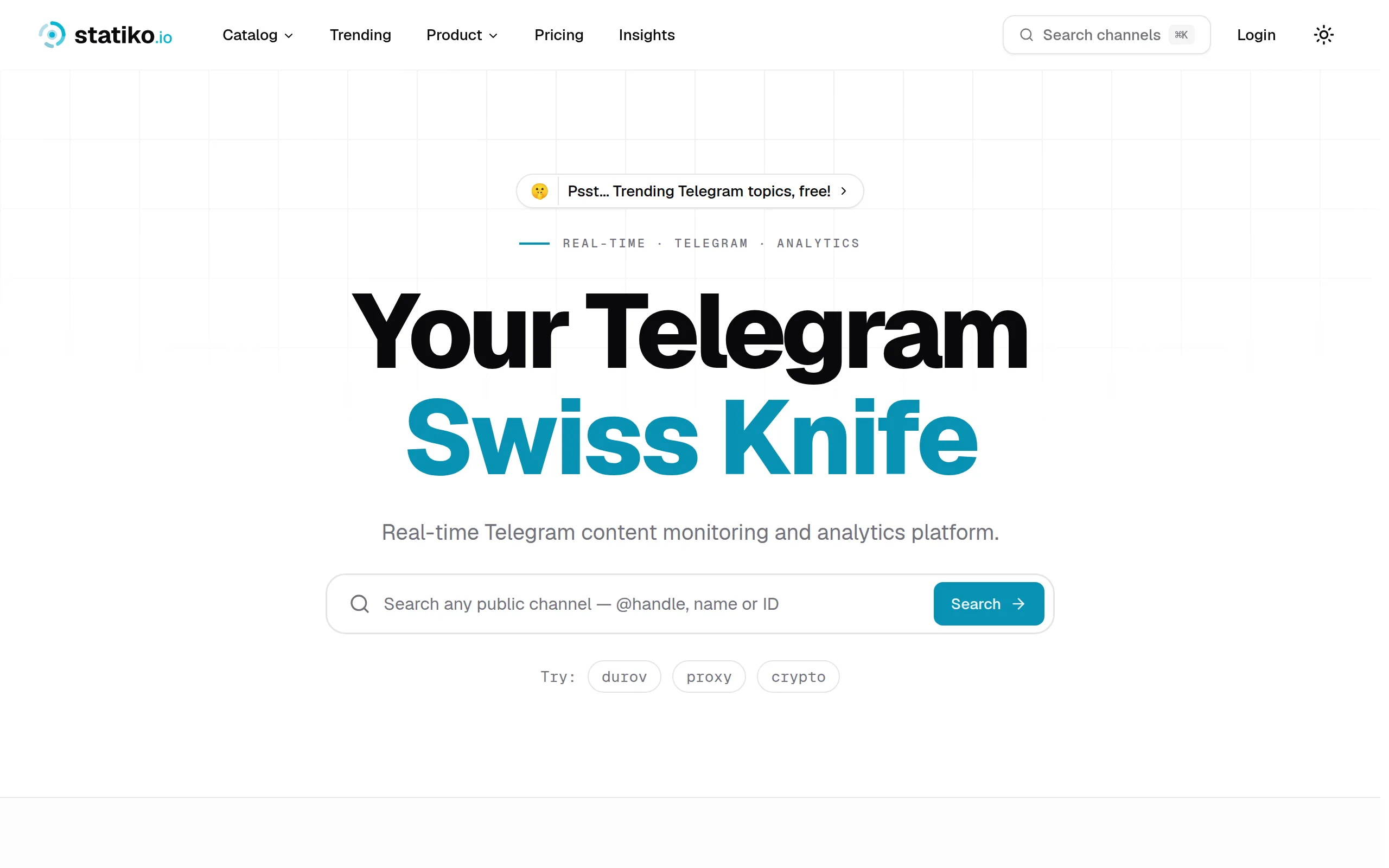
Statiko
Monitor any Telegram channel in real time - track posts, edits, deletions, and growth with AI recaps 📡

Shibui
AI website builder - describe your business, pick a niche template, edit by chatting, and publish instantly ✨

Pro Service
Find verified home service professionals, compare quotes, and pay securely through escrow - built for Brazilians across the US 🏠

RankGrow
Fix your SEO with AI agents - connect Search Console, get prioritized tasks, and grow organic traffic 📈
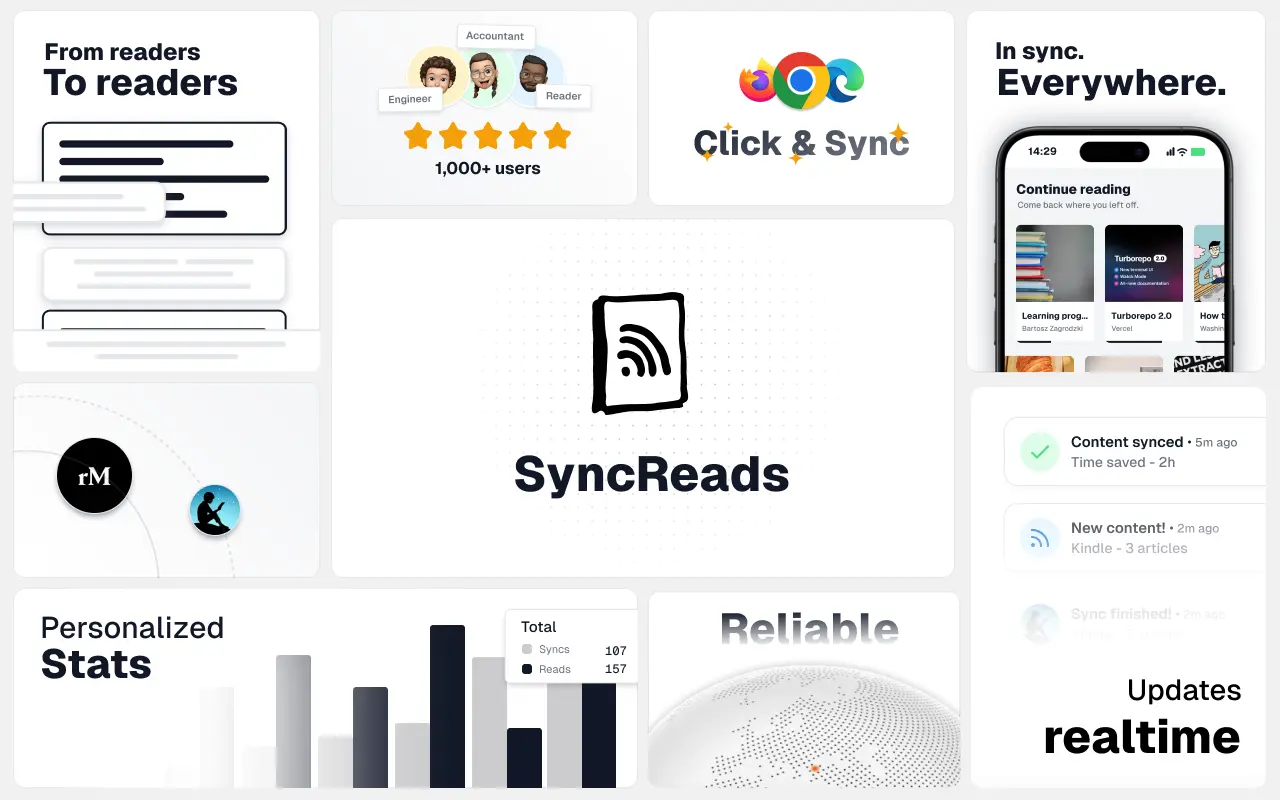
SyncReads
Sync your favorite content for distraction-free reading, save time and replace multiple apps. Anytime, anywhere 🔄
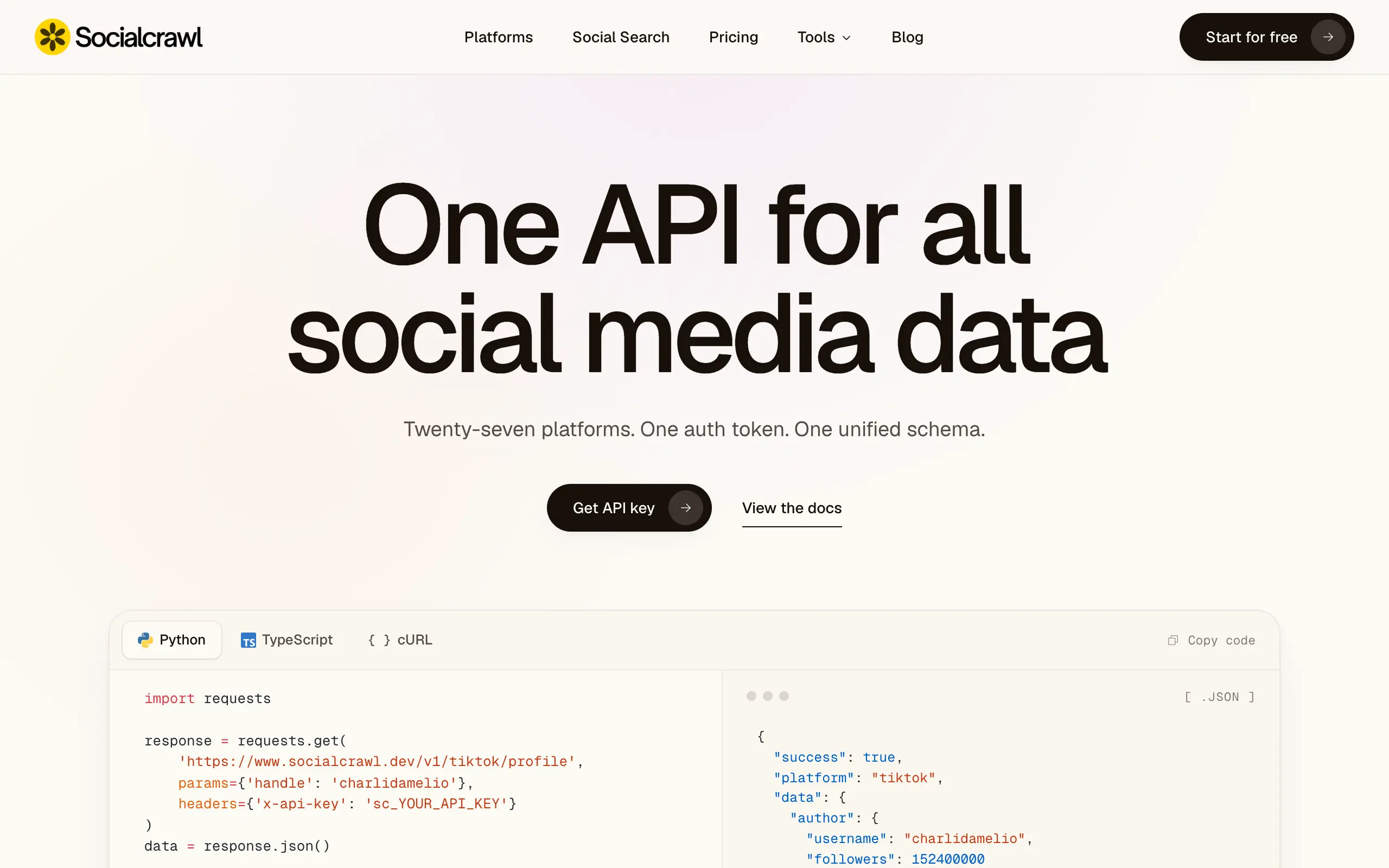
Socialcrawl
Get clean, structured data from 21 platforms like TikTok, Instagram, and YouTube with a single request 📊
Statiko
Monitor any Telegram channel in real time - track posts, edits, deletions, and growth with AI recaps 📡
Shibui
AI website builder - describe your business, pick a niche template, edit by chatting, and publish instantly ✨
Pro Service
Find verified home service professionals, compare quotes, and pay securely through escrow - built for Brazilians across the US 🏠
RankGrow
Fix your SEO with AI agents - connect Search Console, get prioritized tasks, and grow organic traffic 📈
SyncReads
Sync your favorite content for distraction-free reading, save time and replace multiple apps. Anytime, anywhere 🔄
Socialcrawl
Get clean, structured data from 21 platforms like TikTok, Instagram, and YouTube with a single request 📊
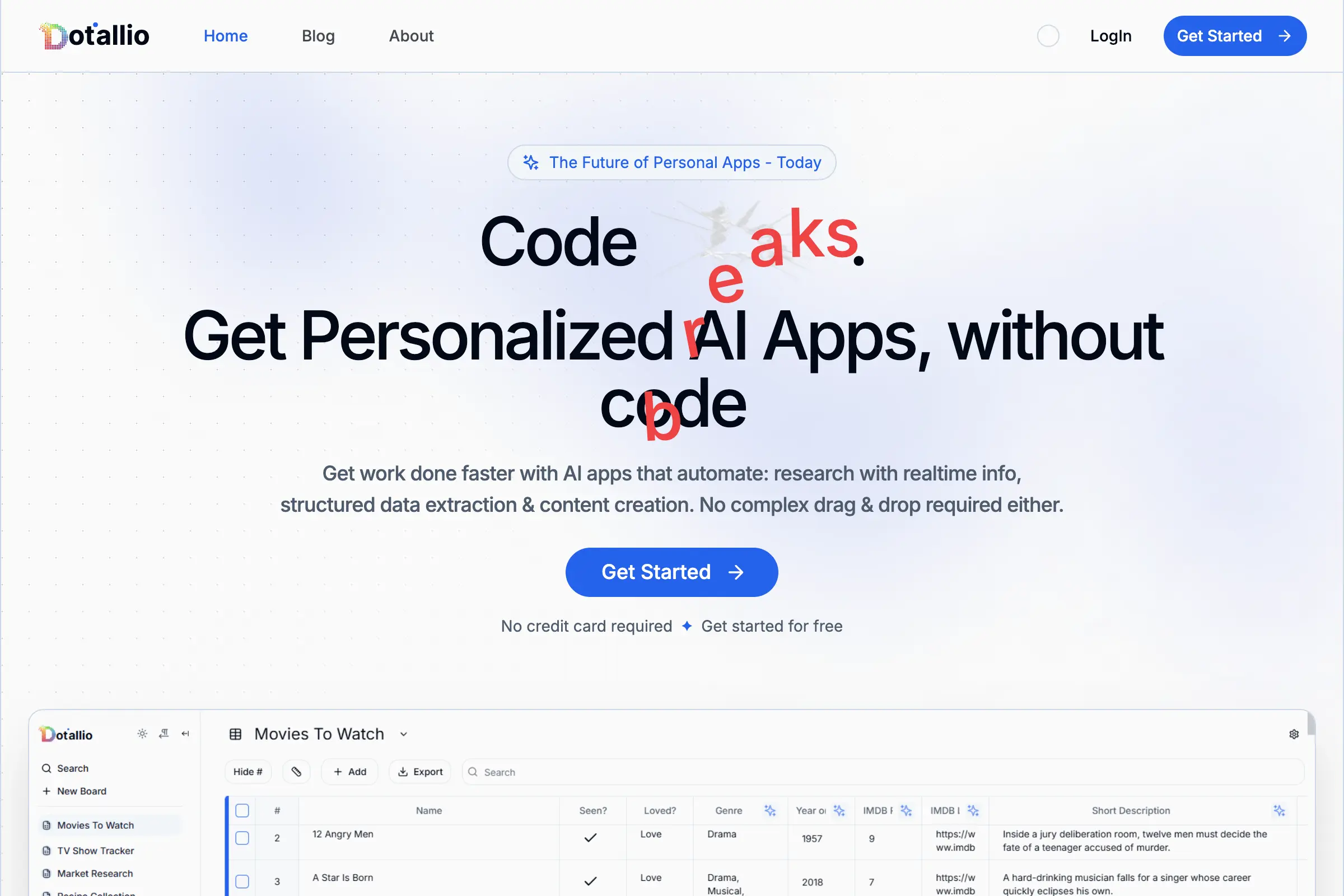
Dotallio
Personalized AI apps that automate research, data extraction, and content creation without code 🤖

Talk to Santa
Enjoy a magical live video chat or receive a unique AI-generated video greeting from Santa Claus 🎅

pozywka.pl
Scalable blog for food journalist, focused on performance and user experience 🌭
zagrodzki.me
Personal blog and portfolio of Bart Zagrodzki, where he shares his knowledge and work 💼
TurboStarter
Ship your startup everywhere. In minutes.
HTML to Markdown
Convert HTML to Markdown with ease, directly in your browser 📄
Dotallio
Personalized AI apps that automate research, data extraction, and content creation without code 🤖
Talk to Santa
Enjoy a magical live video chat or receive a unique AI-generated video greeting from Santa Claus 🎅
pozywka.pl
Scalable blog for food journalist, focused on performance and user experience 🌭
zagrodzki.me
Personal blog and portfolio of Bart Zagrodzki, where he shares his knowledge and work 💼
TurboStarter
Ship your startup everywhere. In minutes.
HTML to Markdown
Convert HTML to Markdown with ease, directly in your browser 📄
Omichat
Chat with 50+ AI models, including ChatGPT and Claude, in one place - switch models anytime without losing context 🤖
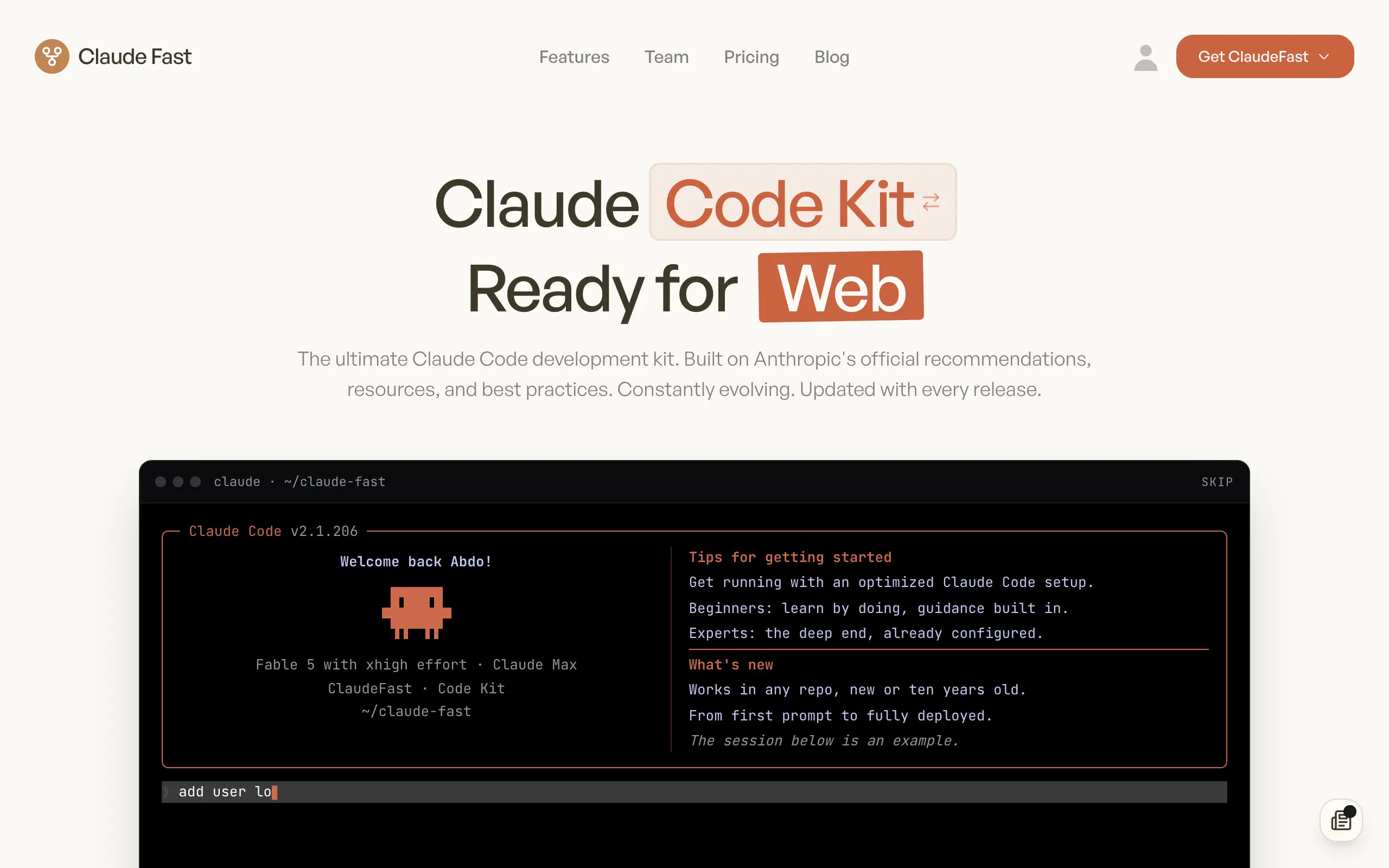
Claude Fast
Supercharge your Claude Code with 6x effective context window and specialized AI agents 🤖
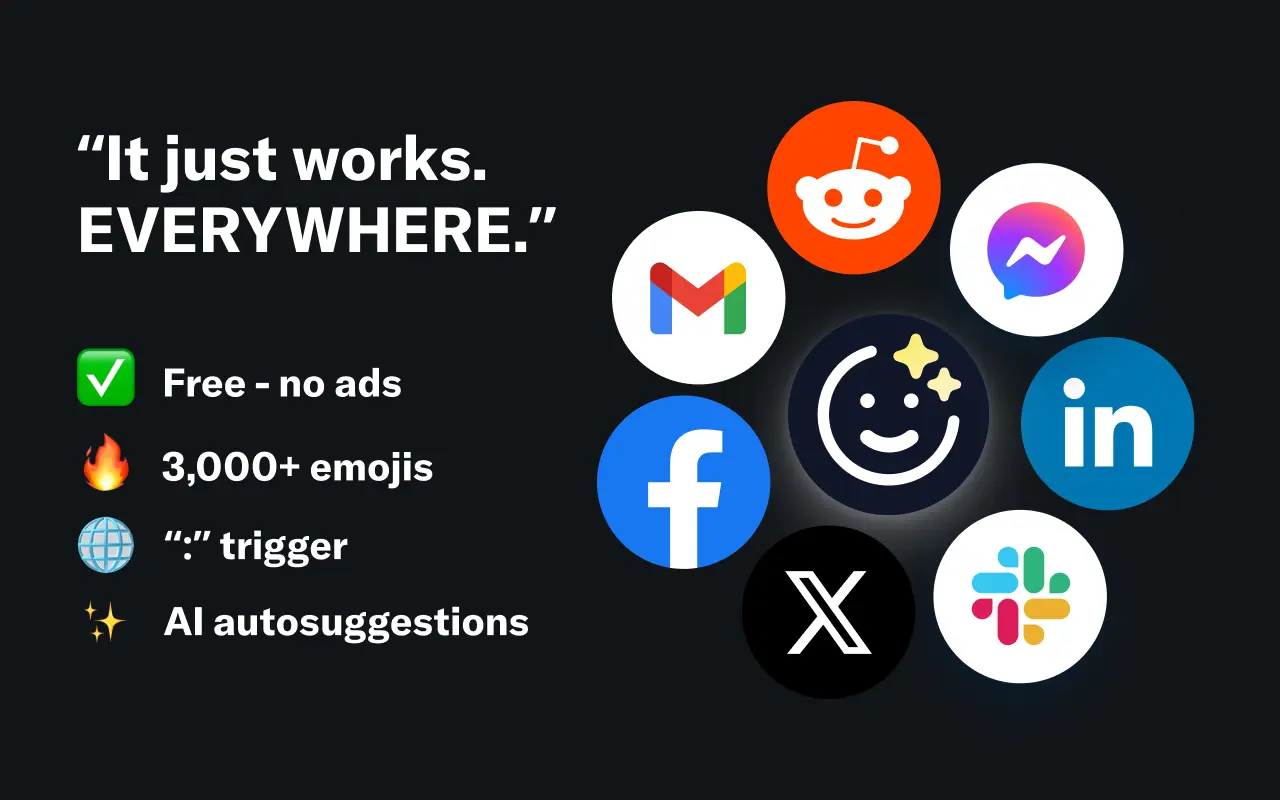
EmojAI
AI-powered emoji picker with smart, context-aware suggestions 🤖

Solohacker
Autonomous company launcher - AI agents work 24/7, escalate what matters, and you stay in control 🤖

BeRawi: Storytelling Coach
Practice storytelling daily with instant feedback to sound clearer, more engaging, and confident 🎤
Omichat
Chat with 50+ AI models, including ChatGPT and Claude, in one place - switch models anytime without losing context 🤖
Claude Fast
Supercharge your Claude Code with 6x effective context window and specialized AI agents 🤖
EmojAI
AI-powered emoji picker with smart, context-aware suggestions 🤖
Solohacker
Autonomous company launcher - AI agents work 24/7, escalate what matters, and you stay in control 🤖
BeRawi: Storytelling Coach
Practice storytelling daily with instant feedback to sound clearer, more engaging, and confident 🎤

Connect with like-minded people
Join our community to get feedback, support, and grow together with 1,000+ builders on board, let's ship it!
Join usShip your startup everywhere. In minutes.
Don't burn tokens on setup and start building features on day one.