TenderScope AI
AI that scans government and corporate RFPs, summarizes requirements, and drafts tailored proposal responses in minutes for small agencies.
The growing opportunity in AI-powered RFP automation
Government and corporate procurement is a multi-trillion-dollar global market. Every year, public institutions and enterprises release thousands of RFPs (Requests for Proposals), RFQs (Requests for Quotations), and tenders across industries—from IT services and marketing to construction and consulting.
For small agencies, consultancies, and boutique firms, these RFPs represent high-value, recurring revenue opportunities. Yet, many avoid bidding altogether.
Why?
Because the RFP process is:
- Time-consuming
- Document-heavy
- Complex and compliance-driven
- Resource-intensive
- Often repetitive
This is where an AI-powered RFP automation platform like TenderScope AI becomes transformative.
TenderScope AI is designed to scan government and corporate RFPs, summarize requirements, extract key compliance criteria, and generate tailored proposal drafts in minutes—empowering small agencies to compete at scale without hiring dedicated bid teams.
This article provides a comprehensive, expert-level breakdown of the business opportunity, product strategy, technical architecture, monetization models, risks, and go-to-market execution plan for building and scaling TenderScope AI.
Understanding user intent: who is searching for AI RFP software?
When someone searches for terms like:
- “AI RFP response generator”
- “RFP automation software”
- “government tender AI tool”
- “proposal writing AI for agencies”
- “how to respond to RFPs faster”
They are typically looking for one of the following:
- Efficiency – Reduce time spent reading and drafting.
- Win rate improvement – Increase proposal quality and alignment.
- Cost reduction – Avoid hiring full-time bid managers.
- Compliance assurance – Avoid disqualification due to missed requirements.
- Scalability – Respond to more tenders without increasing overhead.
TenderScope AI must address all five directly.
The core problem with traditional RFP workflows
Small and mid-sized agencies often face structural disadvantages:
1. Manual document review
RFPs are often:
- 50–300+ pages
- Written in legal or procurement jargon
- Spread across multiple PDFs and annexures
Teams must manually:
- Identify mandatory requirements
- Track deadlines
- Extract evaluation criteria
- Map internal capabilities
2. Repetitive proposal writing
Agencies repeatedly rewrite:
- Company background
- Case studies
- Methodology sections
- Security and compliance answers
- Team bios
Even when answers are similar, each RFP requires customization.
3. Limited bid team resources
Large enterprises have:
- Dedicated bid managers
- Legal teams
- Proposal writers
- Compliance reviewers
Small agencies often have:
- A founder
- A project manager
- Maybe one senior consultant
Time spent on one proposal means less time serving clients.
4. Low win-rate efficiency
Many small agencies:
- Apply to fewer RFPs due to workload
- Miss requirements
- Submit rushed proposals
- Fail to align with evaluation scoring
The opportunity cost is enormous.
Market opportunity for AI-powered RFP automation
The global procurement software market is expanding rapidly. According to major industry research reports (e.g., Gartner, Grand View Research—recommended citation sources), procurement digitization is accelerating due to:
- Government transparency mandates
- ESG compliance reporting
- Remote work workflows
- AI adoption in enterprise processes
Meanwhile, generative AI has matured to the point where:
- Large Language Models can parse complex documents.
- AI can generate structured responses aligned with prompts.
- Retrieval-Augmented Generation (RAG) allows context-aware drafting.
Yet, most existing procurement platforms focus on:
- Large enterprises
- Workflow management
- Vendor databases
Very few focus on AI-native RFP response drafting for small agencies.
This creates a clear market gap.
Target audience analysis
Primary audience: small to mid-sized agencies (5–50 employees)
Industries:
- IT services
- Marketing agencies
- Government contractors
- Consulting firms
- Engineering firms
- Design studios
Pain points:
- Limited staff
- Low bid volume capacity
- No internal knowledge management
- Inconsistent proposal quality
Buying triggers:
- Lost a major RFP due to compliance oversight
- Growing pipeline but unable to scale
- Hiring a proposal manager is too expensive
Secondary audience: solo consultants & freelancers
They:
- Lack formal proposal infrastructure
- Want to bid on government tenders
- Need structured, professional responses
Tertiary audience: corporate vendor teams
Small enterprise vendor teams may adopt AI tools to:
- Improve drafting speed
- Standardize answers
- Maintain centralized knowledge
The core solution: how TenderScope AI works
TenderScope AI should deliver value in four major phases:
1. RFP ingestion
Upload PDF, Word, or paste a tender link. AI extracts structure, sections, and requirements.
2. Requirement summarization
Summarizes mandatory criteria, scoring rules, and deadlines into a clean dashboard.
3. Proposal drafting
Generates tailored responses using company knowledge and past proposals.
4. Compliance validation
Flags missing answers and alignment gaps before submission.
Key product features in detail
1. Intelligent RFP parsing engine
The system must:
- Extract sections (technical, commercial, compliance)
- Identify “mandatory” vs “nice-to-have”
- Detect deadlines and submission format
- Recognize scoring weights
This requires:
- Document parsing (PDF, DOCX)
- NLP-based classification
- Structured output modeling
2. AI-powered summarization dashboard
Instead of reading 200 pages, users see:
- Executive summary of scope
- List of required documents
- Mandatory compliance checklist
- Key evaluation criteria
- Submission timeline
This dramatically reduces cognitive load.
3. Tailored proposal generator (not generic AI)
The core differentiator: context-aware drafting.
The system should:
- Store company knowledge base
- Save past proposals
- Index case studies
- Track certifications
Then use Retrieval-Augmented Generation (RAG) to:
- Generate customized responses
- Align with RFP language
- Reference relevant case studies
- Adapt tone to government vs corporate style
4. Compliance gap detection
Before submission, the AI should:
- Compare draft vs RFP requirements
- Flag unanswered sections
- Highlight vague responses
- Identify formatting risks
This reduces disqualification risk.
5. Versioning and collaboration
Essential features:
- Multi-user editing
- Comment threads
- Section ownership
- Change tracking
Competitive landscape analysis
Most existing tools fall into three categories:
| Category | Examples | Weakness |
|---|---|---|
| Procurement platforms | SAP Ariba, Coupa | Enterprise-focused, not AI-native |
| Proposal management software | Loopio, RFPIO | Expensive, complex for small teams |
| Generic AI tools | ChatGPT | Not RFP-structured, no compliance tracking |
TenderScope AI differentiates by:
- Targeting small agencies
- AI-first architecture
- Fast onboarding
- Affordable pricing
- Structured compliance workflows
Competitive advantage breakdown
| Feature | TenderScope AI | Enterprise Procurement | Generic AI | Manual Process |
|---|---|---|---|---|
| AI RFP summarization | ✅ | ❌ | ⚠️ | ❌ |
| Compliance tracking | ✅ | ✅ | ❌ | ❌ |
| Small agency pricing | ✅ | ❌ | ✅ | ✅ |
Recommended technical architecture
Frontend
Why?
- Fast UI development
- Server-side rendering for SEO
- Component-driven architecture
Backend
- Node.js (API layer)
- PostgreSQL (structured storage)
- Vector database (e.g., Pinecone or self-hosted alternative)
- Secure file storage (S3-compatible)
AI stack
- LLM provider (OpenAI or Anthropic)
- Embedding model for RAG
- Custom prompt templates
- Fine-tuning on anonymized proposal data (optional)
Example RAG retrieval snippet
// Simplified example of retrieving relevant case studies
const relevantDocs = await vectorDB.similaritySearch({
  query: rfpSectionText,
  topK: 5,
});

const prompt = `
Using the RFP requirement:
${rfpSectionText}

Incorporate relevant company experience:
${relevantDocs.map(d => d.content).join("\n")}

Generate a tailored response.
`;
Trade-offs in AI implementation
Pros:
- Faster to market
- High performance
- Minimal infrastructure
Cons:
- Ongoing API costs
- Data sensitivity concerns
Pros:
- Full data control
- Potential long-term cost reduction
Cons:
- Heavy infrastructure
- Complex maintenance
- Model optimization challenges
Early-stage SaaS should prioritize speed to market.
Monetization strategy
1. Tiered SaaS pricing
- Starter: $49/month (limited RFPs)
- Pro: $149/month (unlimited RFP drafts)
- Agency: $399/month (team features + compliance AI)
2. Usage-based pricing
Charge per:
- RFP processed
- Pages parsed
- AI tokens consumed
3. Enterprise add-ons
- Custom AI training
- Private deployment
- Advanced analytics
- Dedicated support
4. Success-based upsell (future)
Optional:
- Performance analytics dashboard
- Win-rate optimization insights
Potential risks and mitigation
Mitigation: Force AI grounding via RAG and structured prompts. Require human approval before export.
Mitigation: End-to-end encryption, SOC2 roadmap, clear data processing policies.
Mitigation: Position tool as “AI-assisted,” not fully automated replacement.
Go-to-market strategy
Phase 1: Niche positioning
Target:
- Small government IT contractors
- Marketing agencies bidding on public contracts
Use messaging like:
“Respond to government RFPs 5x faster.”
Phase 2: Content-driven SEO
Create content around:
- How to respond to RFPs
- Government tender checklist
- Proposal writing templates
- RFP compliance mistakes
This captures organic search traffic.
Phase 3: Partnerships
Partner with:
- Procurement consultants
- Government contracting coaches
- Industry associations
Implementation roadmap
Building faster with modern SaaS infrastructure
Instead of building everything from scratch, founders can use production-ready SaaS starters like TurboStarter to accelerate:
- Authentication
- Billing integration
- Team management
- Dashboard layouts
- Deployment setup
This allows you to focus engineering effort on:
- AI parsing
- Proposal intelligence
- Compliance modeling
Not boilerplate infrastructure.
The long-term vision: AI co-pilot for procurement growth
TenderScope AI should not stop at drafting.
Future expansion could include:
- Win probability prediction
- Competitor benchmarking
- Automated bid/no-bid recommendations
- AI-driven pricing suggestions
- Government database integrations
Eventually, it becomes:
The operating system for small agency procurement success.
Why TenderScope AI can win
Its advantage lies in:
- Clear niche focus
- AI-first architecture
- Compliance-aware drafting
- Affordable positioning
- Deep workflow understanding
The demand for AI RFP automation software will continue to grow as:
- Procurement digitizes
- AI adoption normalizes
- Small agencies seek leverage
Those who respond faster, smarter, and more strategically will win more contracts.
TenderScope AI gives them that leverage.
And in procurement, leverage equals revenue.
More 🤖 AI Startup SaaS ideas
Discover more innovative ai startup SaaS ideas that are trending in 2026. Each idea is AI-generated with market validation and growth potential to help you find your next profitable venture faster than competitors.
Your competitors are building with TurboStarter
Below are some of the SaaS ideas that have been generated and built with our starter kit.
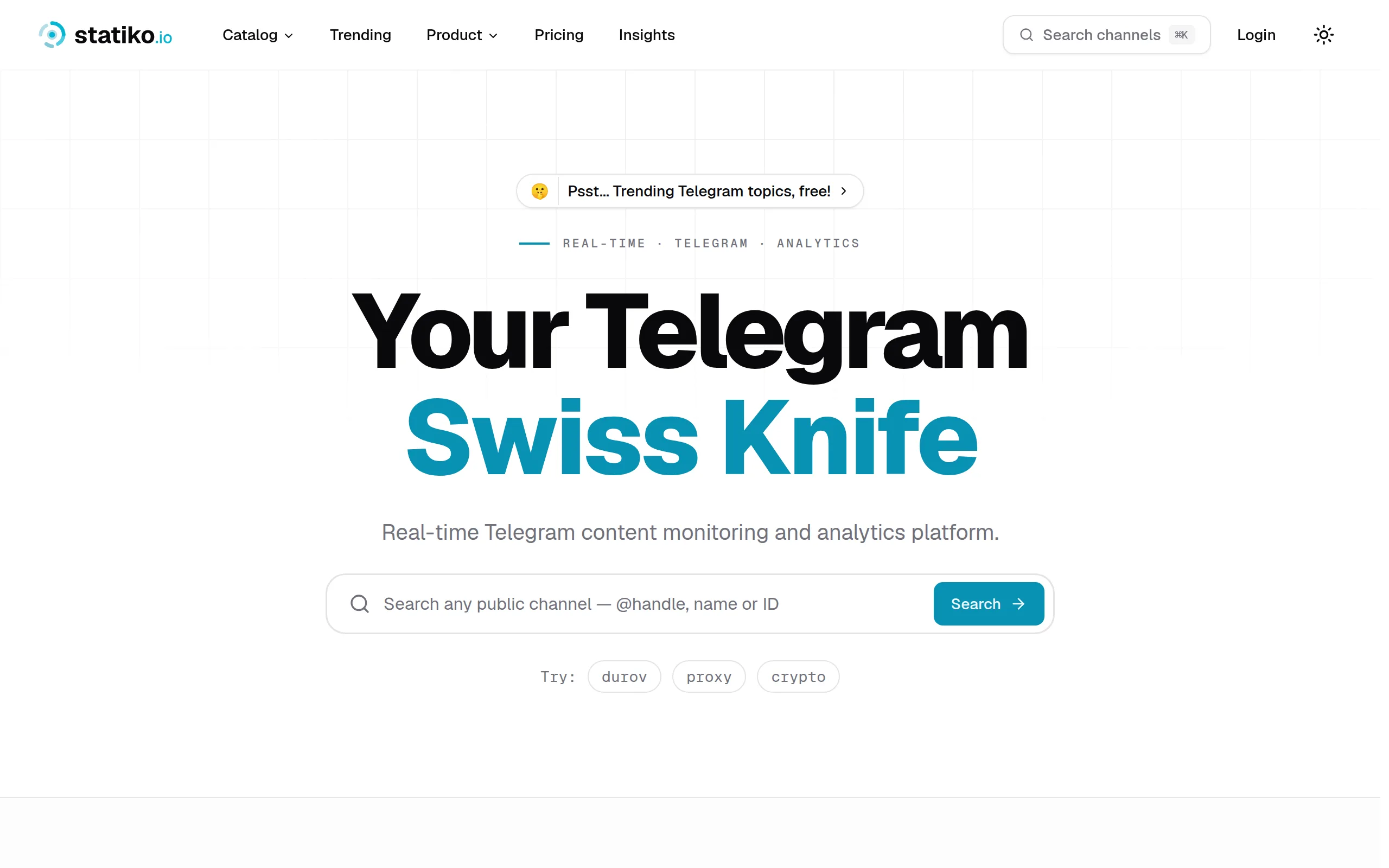
Statiko
Monitor any Telegram channel in real time - track posts, edits, deletions, and growth with AI recaps 📡

Shibui
AI website builder - describe your business, pick a niche template, edit by chatting, and publish instantly ✨

Pro Service
Find verified home service professionals, compare quotes, and pay securely through escrow - built for Brazilians across the US 🏠
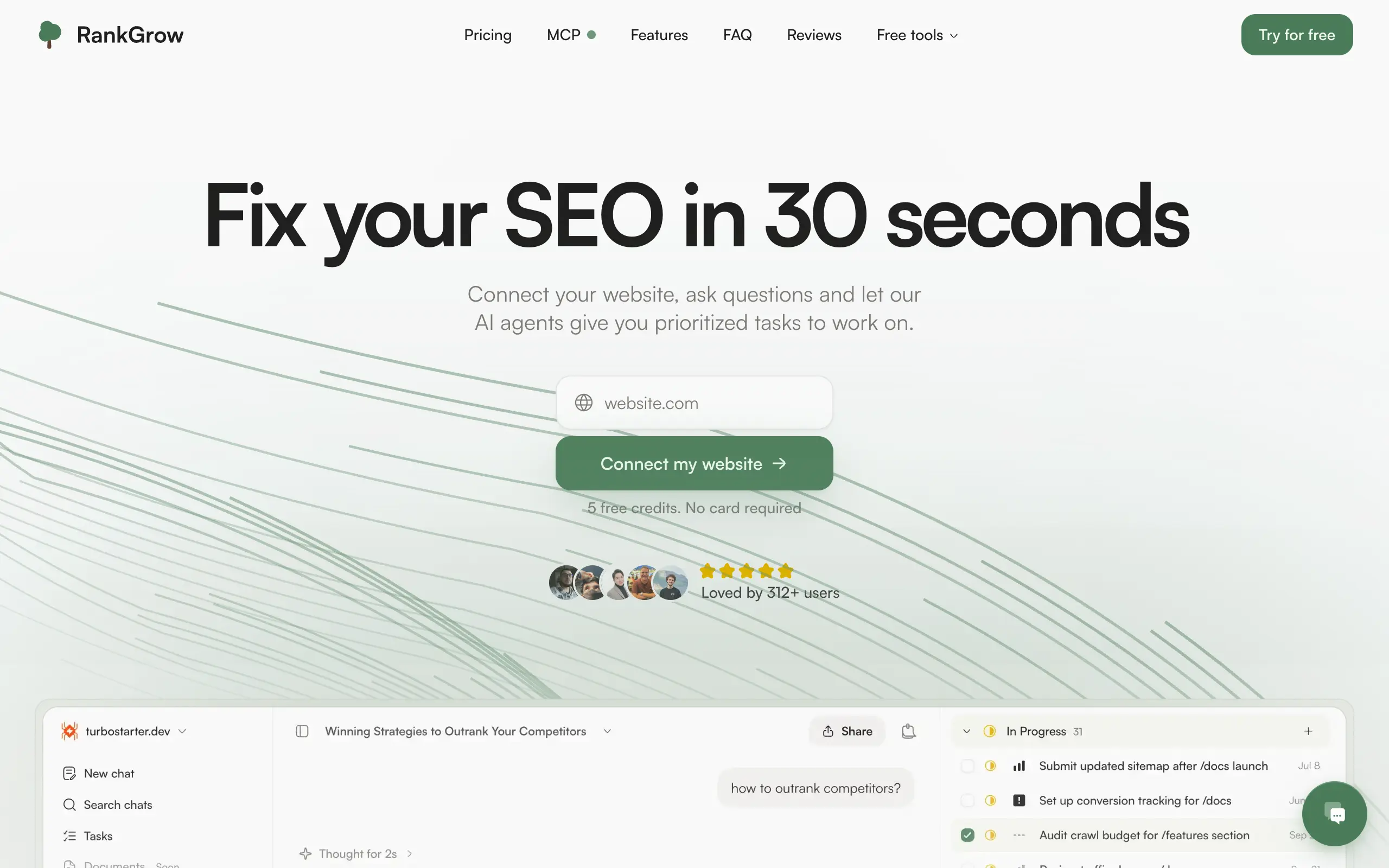
RankGrow
Fix your SEO with AI agents - connect Search Console, get prioritized tasks, and grow organic traffic 📈
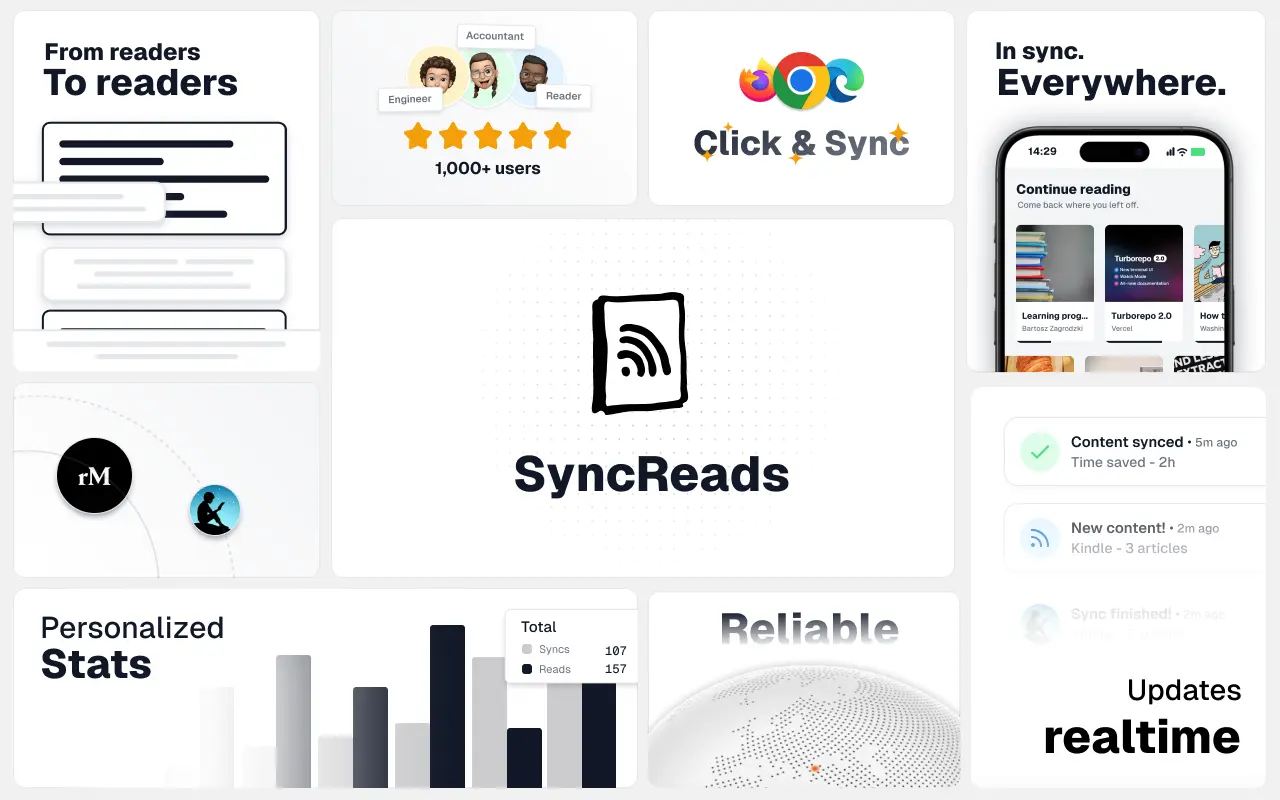
SyncReads
Sync your favorite content for distraction-free reading, save time and replace multiple apps. Anytime, anywhere 🔄
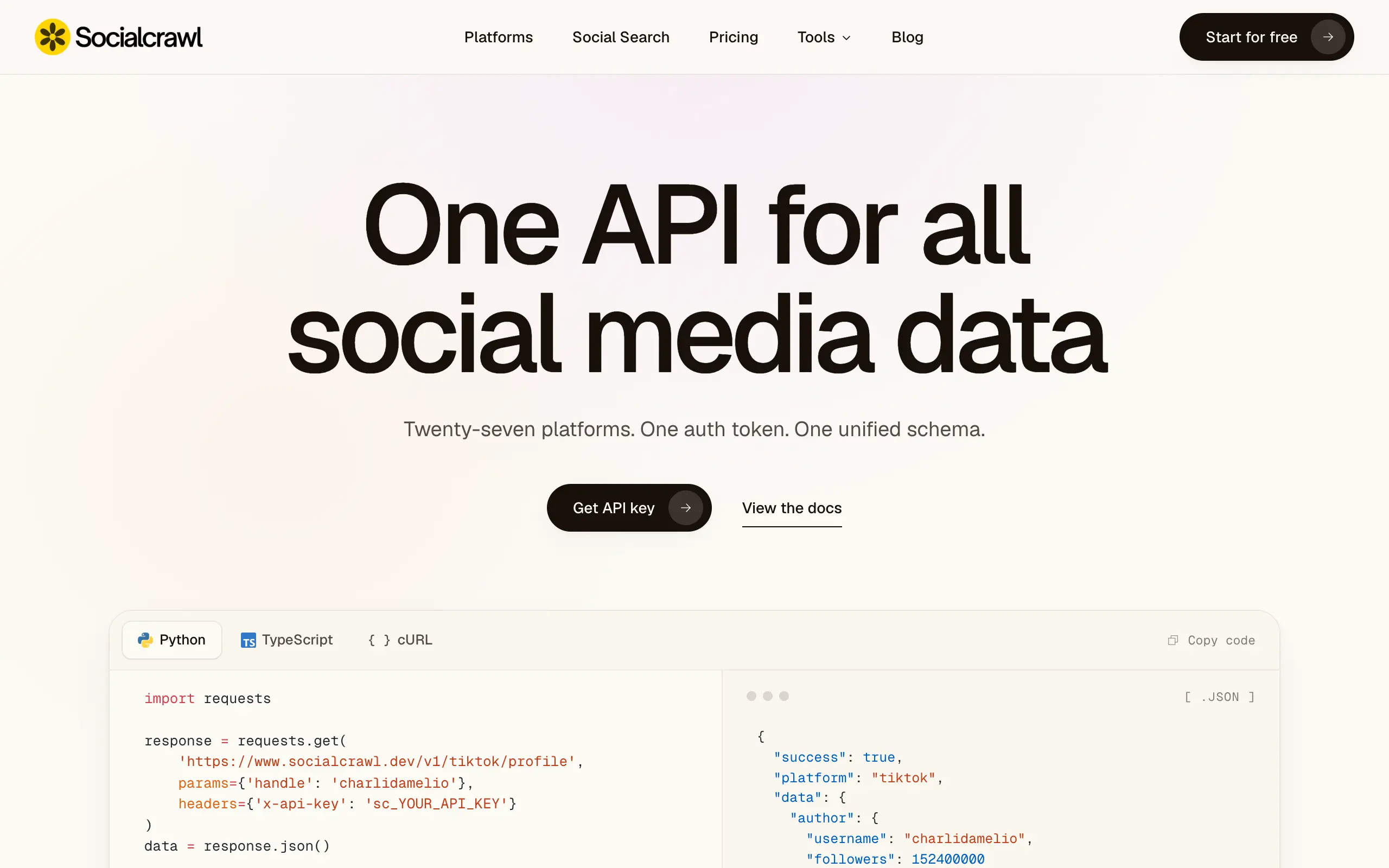
Socialcrawl
Get clean, structured data from 21 platforms like TikTok, Instagram, and YouTube with a single request 📊
Statiko
Monitor any Telegram channel in real time - track posts, edits, deletions, and growth with AI recaps 📡
Shibui
AI website builder - describe your business, pick a niche template, edit by chatting, and publish instantly ✨
Pro Service
Find verified home service professionals, compare quotes, and pay securely through escrow - built for Brazilians across the US 🏠
RankGrow
Fix your SEO with AI agents - connect Search Console, get prioritized tasks, and grow organic traffic 📈
SyncReads
Sync your favorite content for distraction-free reading, save time and replace multiple apps. Anytime, anywhere 🔄
Socialcrawl
Get clean, structured data from 21 platforms like TikTok, Instagram, and YouTube with a single request 📊
Statiko
Monitor any Telegram channel in real time - track posts, edits, deletions, and growth with AI recaps 📡
Shibui
AI website builder - describe your business, pick a niche template, edit by chatting, and publish instantly ✨
Pro Service
Find verified home service professionals, compare quotes, and pay securely through escrow - built for Brazilians across the US 🏠
RankGrow
Fix your SEO with AI agents - connect Search Console, get prioritized tasks, and grow organic traffic 📈
SyncReads
Sync your favorite content for distraction-free reading, save time and replace multiple apps. Anytime, anywhere 🔄
Socialcrawl
Get clean, structured data from 21 platforms like TikTok, Instagram, and YouTube with a single request 📊
Statiko
Monitor any Telegram channel in real time - track posts, edits, deletions, and growth with AI recaps 📡
Shibui
AI website builder - describe your business, pick a niche template, edit by chatting, and publish instantly ✨
Pro Service
Find verified home service professionals, compare quotes, and pay securely through escrow - built for Brazilians across the US 🏠
RankGrow
Fix your SEO with AI agents - connect Search Console, get prioritized tasks, and grow organic traffic 📈
SyncReads
Sync your favorite content for distraction-free reading, save time and replace multiple apps. Anytime, anywhere 🔄
Socialcrawl
Get clean, structured data from 21 platforms like TikTok, Instagram, and YouTube with a single request 📊
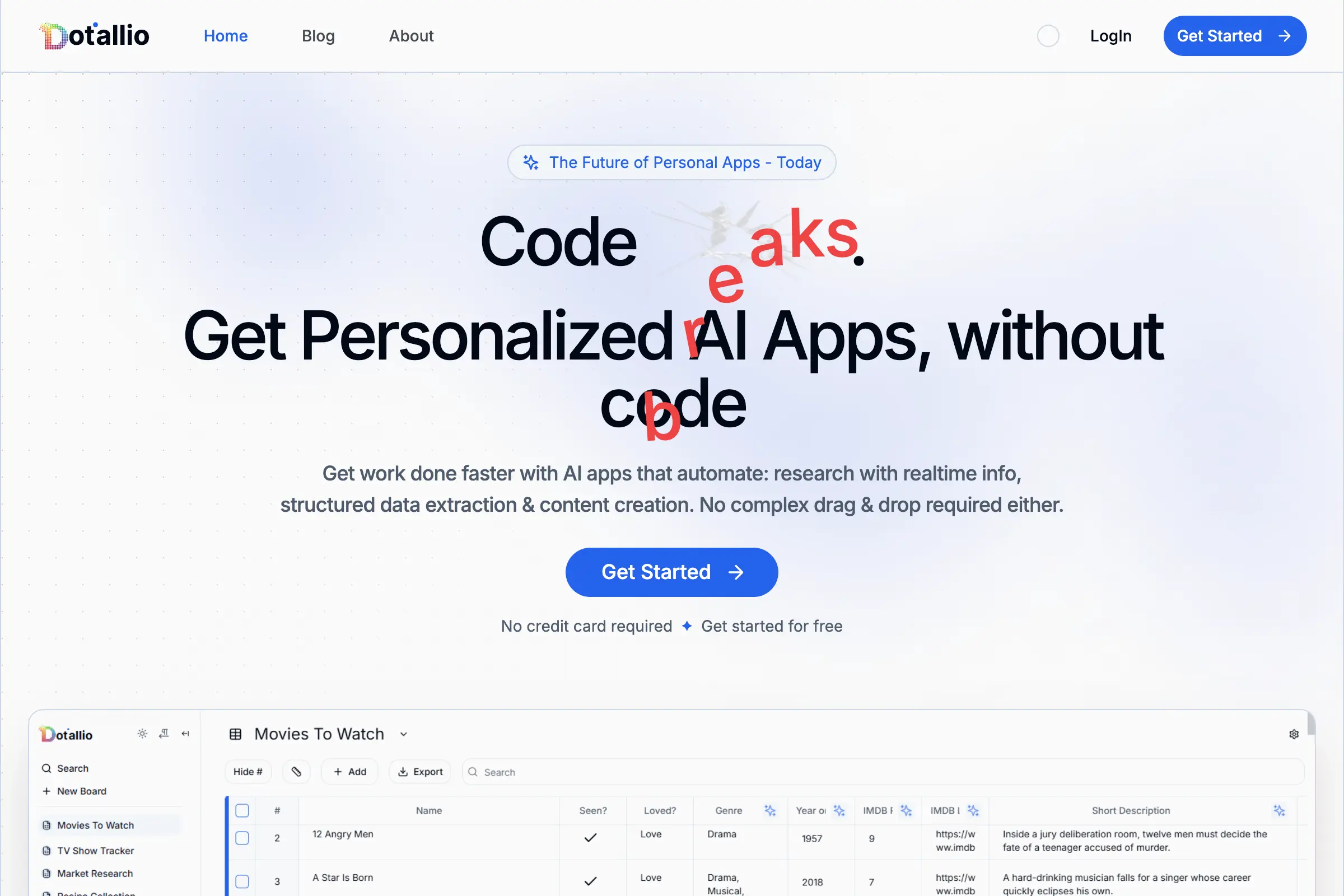
Dotallio
Personalized AI apps that automate research, data extraction, and content creation without code 🤖

Talk to Santa
Enjoy a magical live video chat or receive a unique AI-generated video greeting from Santa Claus 🎅
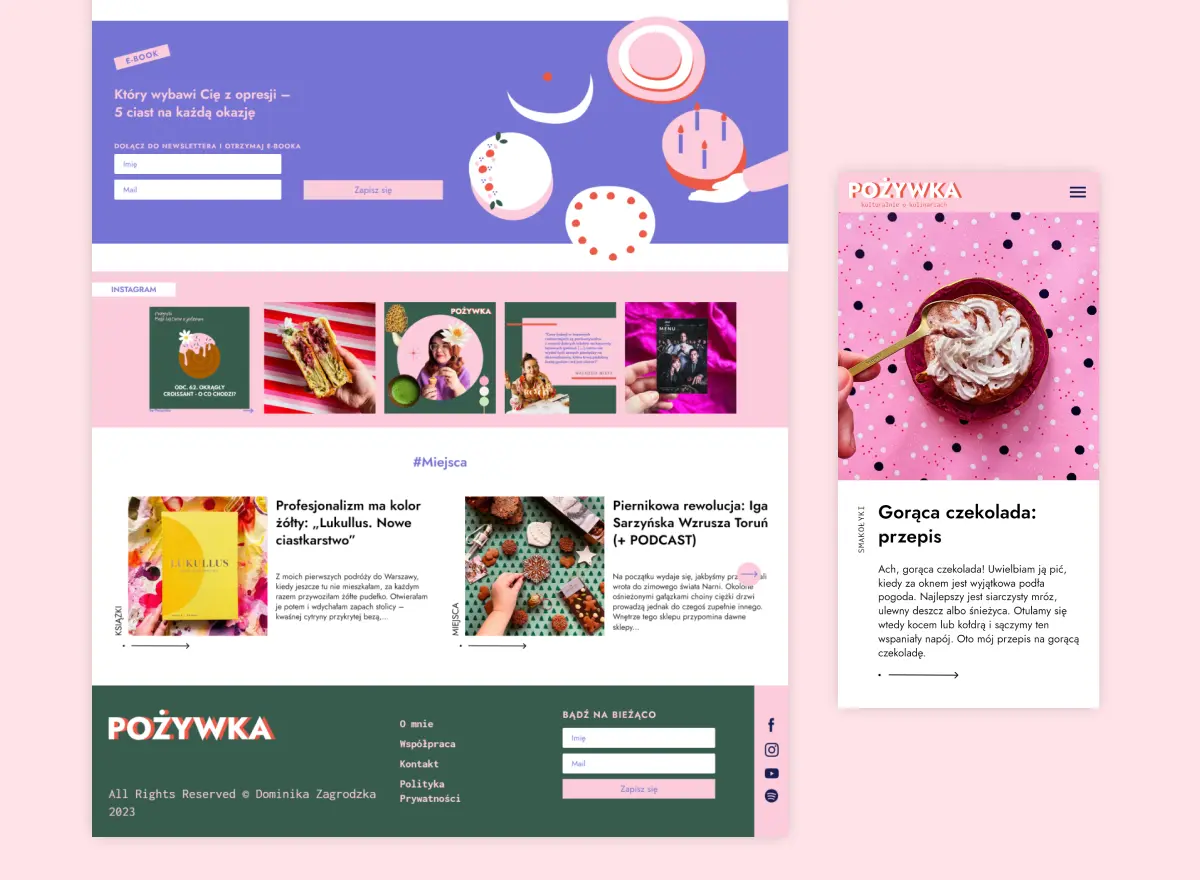
pozywka.pl
Scalable blog for food journalist, focused on performance and user experience 🌭
zagrodzki.me
Personal blog and portfolio of Bart Zagrodzki, where he shares his knowledge and work 💼
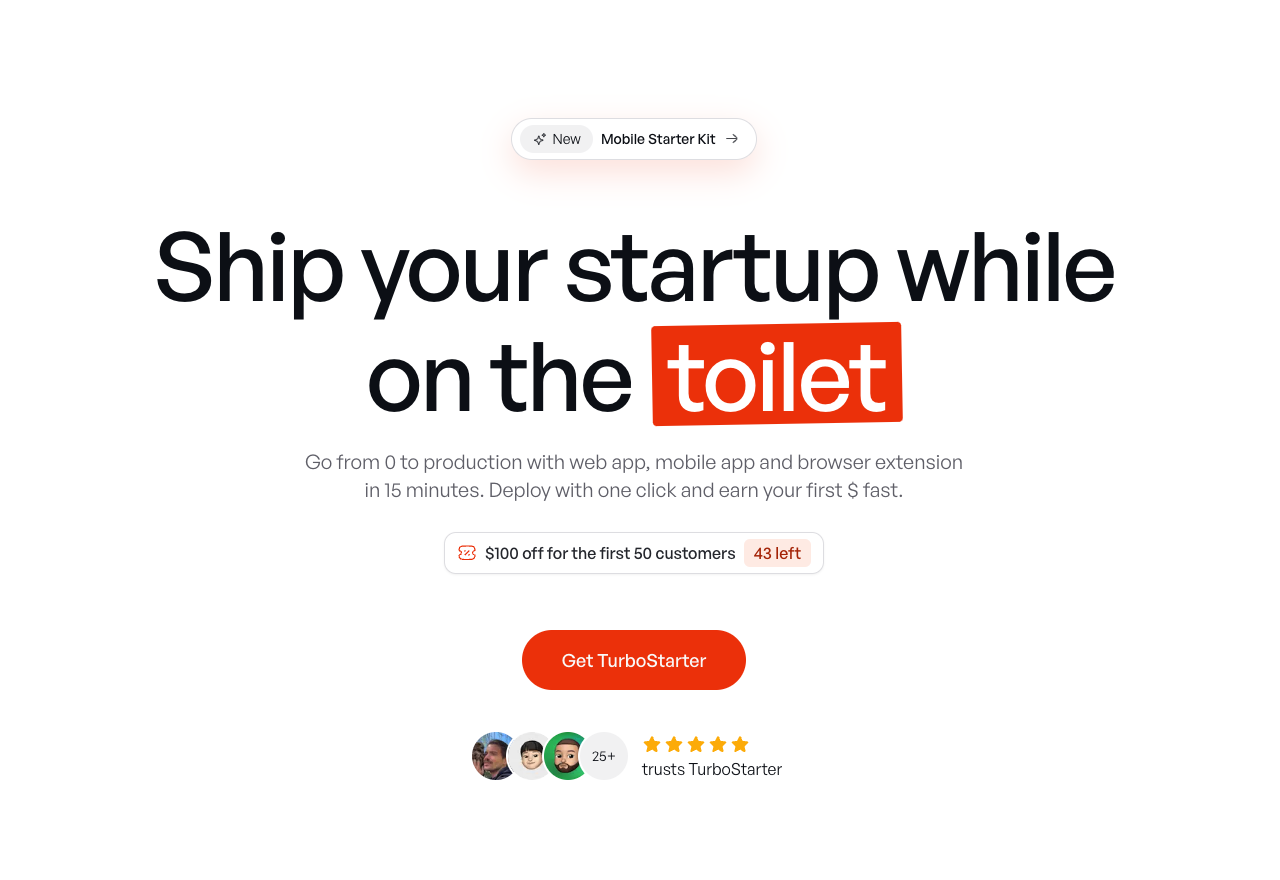
TurboStarter
Ship your startup everywhere. In minutes.
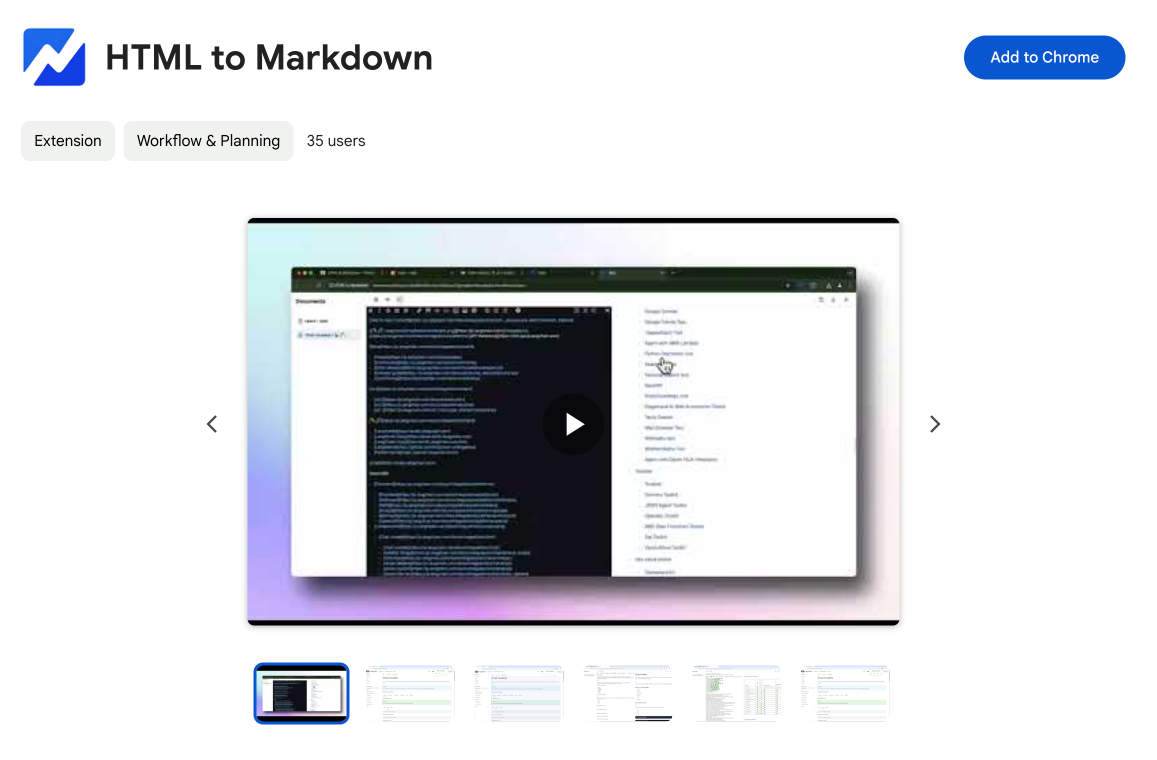
HTML to Markdown
Convert HTML to Markdown with ease, directly in your browser 📄
Dotallio
Personalized AI apps that automate research, data extraction, and content creation without code 🤖
Talk to Santa
Enjoy a magical live video chat or receive a unique AI-generated video greeting from Santa Claus 🎅
pozywka.pl
Scalable blog for food journalist, focused on performance and user experience 🌭
zagrodzki.me
Personal blog and portfolio of Bart Zagrodzki, where he shares his knowledge and work 💼
TurboStarter
Ship your startup everywhere. In minutes.
HTML to Markdown
Convert HTML to Markdown with ease, directly in your browser 📄
Dotallio
Personalized AI apps that automate research, data extraction, and content creation without code 🤖
Talk to Santa
Enjoy a magical live video chat or receive a unique AI-generated video greeting from Santa Claus 🎅
pozywka.pl
Scalable blog for food journalist, focused on performance and user experience 🌭
zagrodzki.me
Personal blog and portfolio of Bart Zagrodzki, where he shares his knowledge and work 💼
TurboStarter
Ship your startup everywhere. In minutes.
HTML to Markdown
Convert HTML to Markdown with ease, directly in your browser 📄
Dotallio
Personalized AI apps that automate research, data extraction, and content creation without code 🤖
Talk to Santa
Enjoy a magical live video chat or receive a unique AI-generated video greeting from Santa Claus 🎅
pozywka.pl
Scalable blog for food journalist, focused on performance and user experience 🌭
zagrodzki.me
Personal blog and portfolio of Bart Zagrodzki, where he shares his knowledge and work 💼
TurboStarter
Ship your startup everywhere. In minutes.
HTML to Markdown
Convert HTML to Markdown with ease, directly in your browser 📄
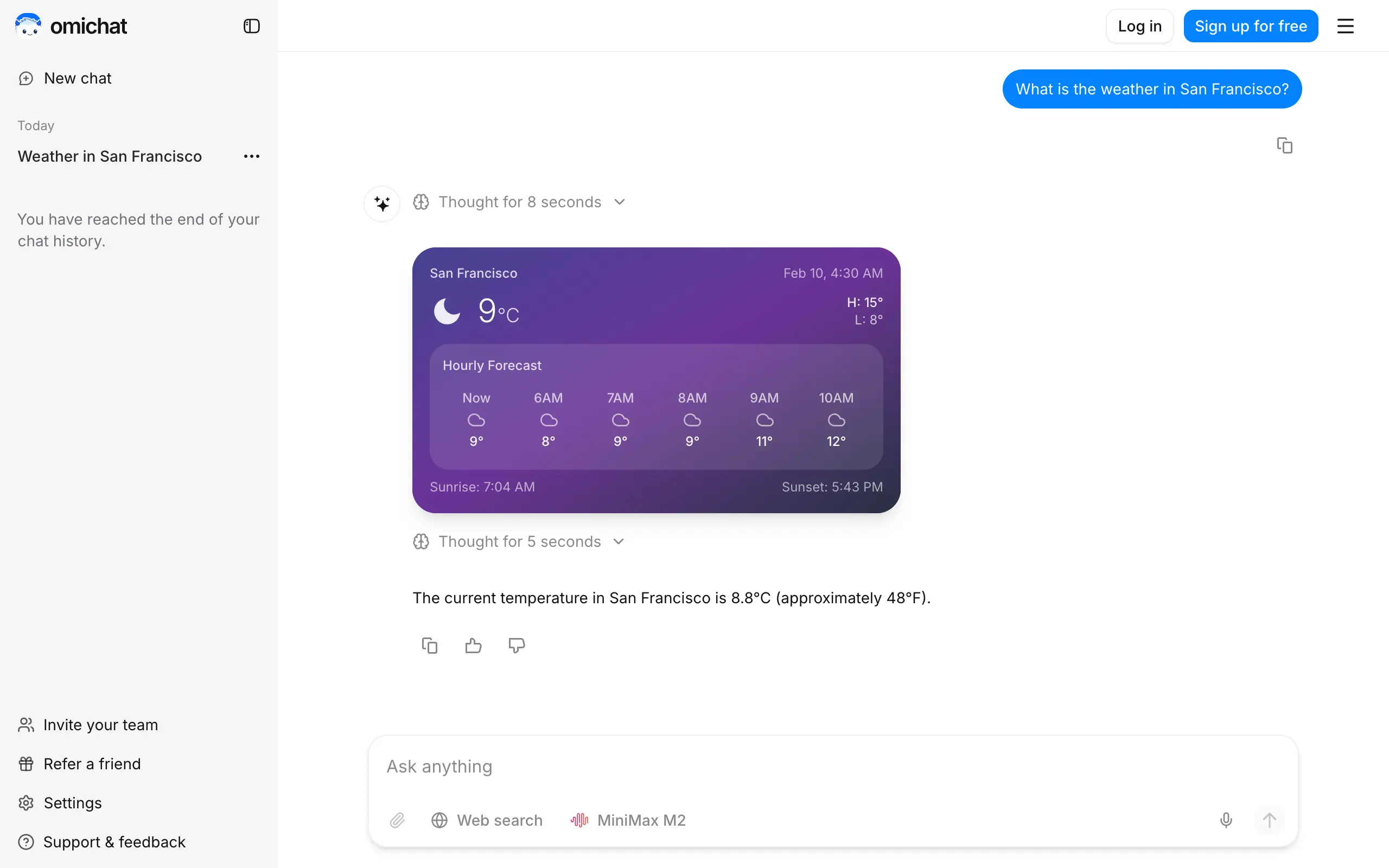
Omichat
Chat with 50+ AI models, including ChatGPT and Claude, in one place - switch models anytime without losing context 🤖
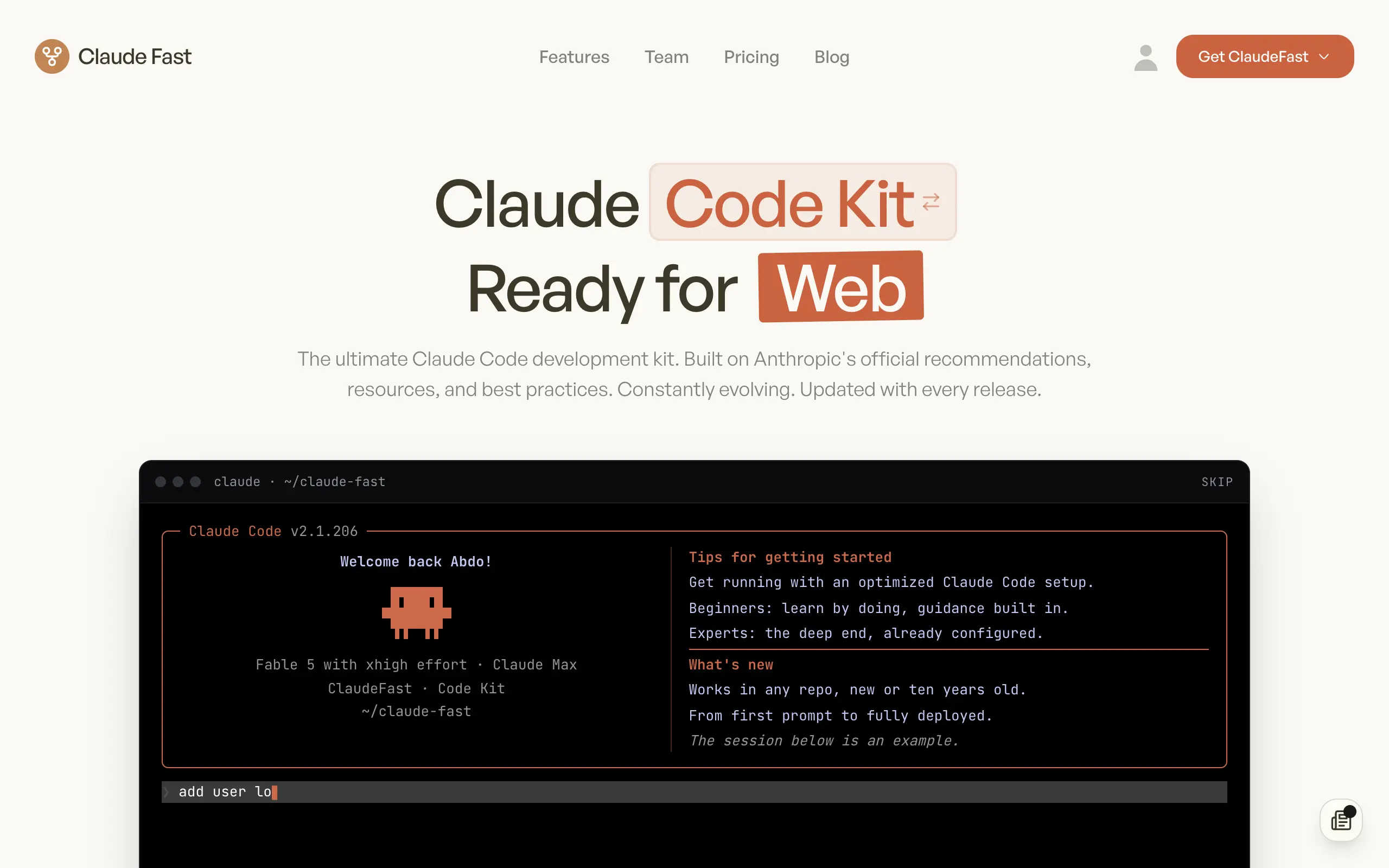
Claude Fast
Supercharge your Claude Code with 6x effective context window and specialized AI agents 🤖
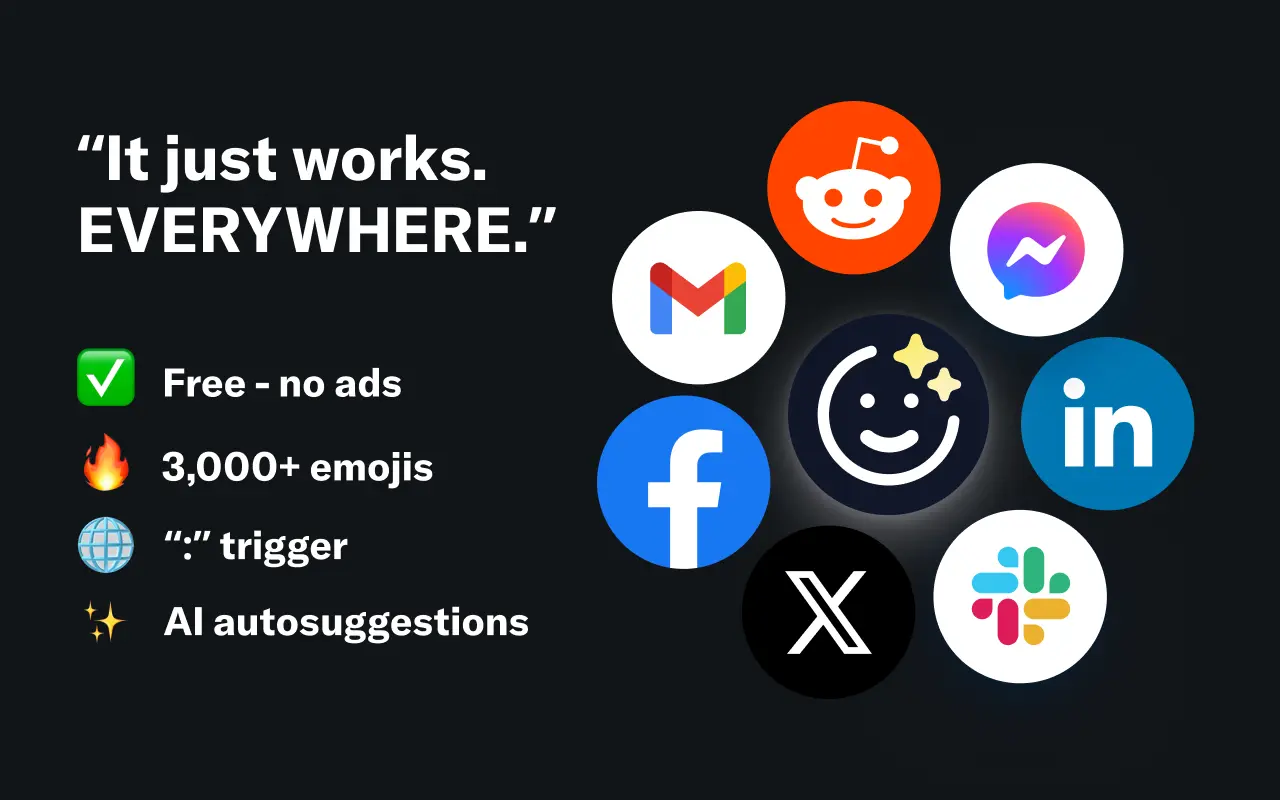
EmojAI
AI-powered emoji picker with smart, context-aware suggestions 🤖
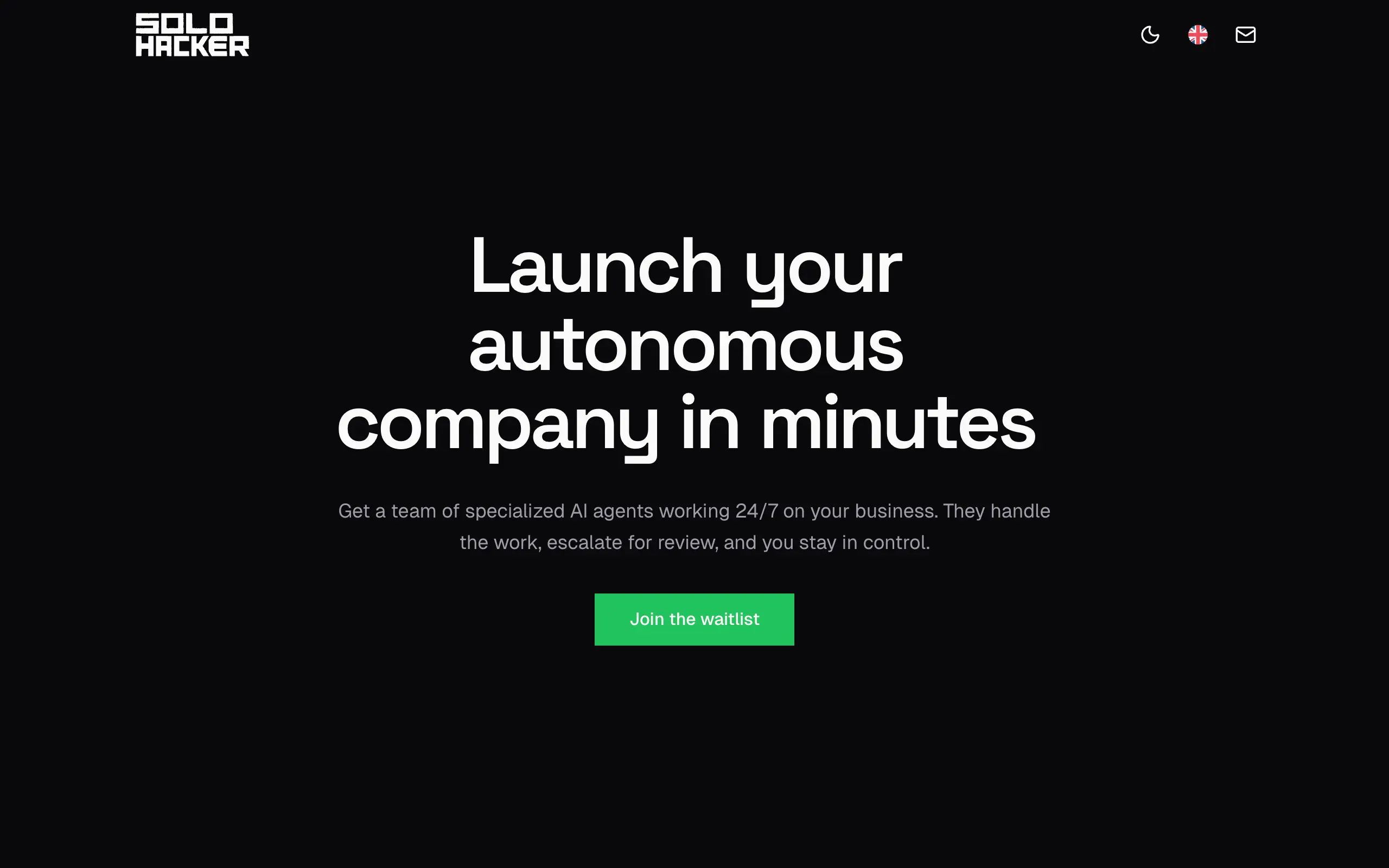
Solohacker
Autonomous company launcher - AI agents work 24/7, escalate what matters, and you stay in control 🤖
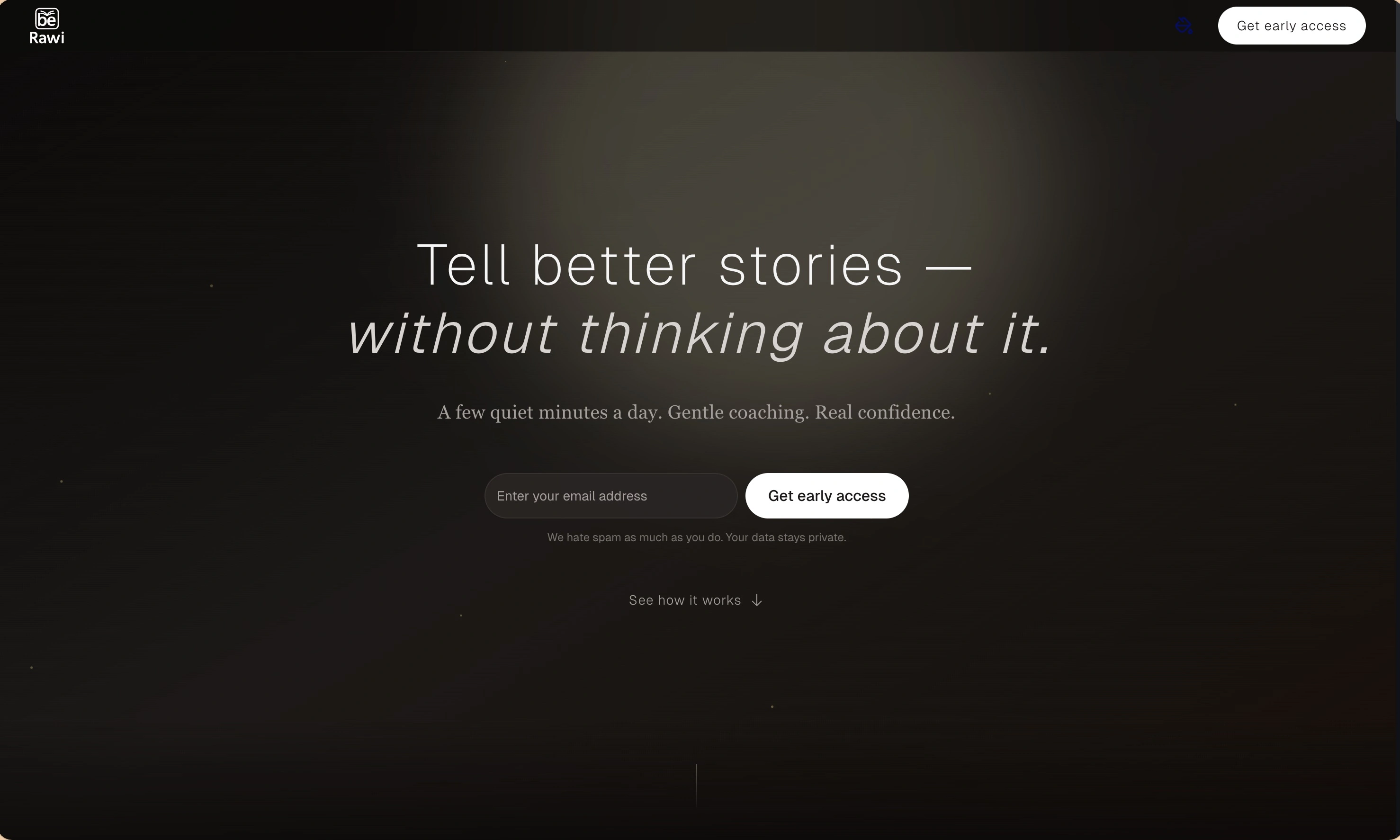
BeRawi: Storytelling Coach
Practice storytelling daily with instant feedback to sound clearer, more engaging, and confident 🎤
Omichat
Chat with 50+ AI models, including ChatGPT and Claude, in one place - switch models anytime without losing context 🤖
Claude Fast
Supercharge your Claude Code with 6x effective context window and specialized AI agents 🤖
EmojAI
AI-powered emoji picker with smart, context-aware suggestions 🤖
Solohacker
Autonomous company launcher - AI agents work 24/7, escalate what matters, and you stay in control 🤖
BeRawi: Storytelling Coach
Practice storytelling daily with instant feedback to sound clearer, more engaging, and confident 🎤
Omichat
Chat with 50+ AI models, including ChatGPT and Claude, in one place - switch models anytime without losing context 🤖
Claude Fast
Supercharge your Claude Code with 6x effective context window and specialized AI agents 🤖
EmojAI
AI-powered emoji picker with smart, context-aware suggestions 🤖
Solohacker
Autonomous company launcher - AI agents work 24/7, escalate what matters, and you stay in control 🤖
BeRawi: Storytelling Coach
Practice storytelling daily with instant feedback to sound clearer, more engaging, and confident 🎤
Omichat
Chat with 50+ AI models, including ChatGPT and Claude, in one place - switch models anytime without losing context 🤖
Claude Fast
Supercharge your Claude Code with 6x effective context window and specialized AI agents 🤖
EmojAI
AI-powered emoji picker with smart, context-aware suggestions 🤖
Solohacker
Autonomous company launcher - AI agents work 24/7, escalate what matters, and you stay in control 🤖
BeRawi: Storytelling Coach
Practice storytelling daily with instant feedback to sound clearer, more engaging, and confident 🎤

Connect with like-minded people
Join our community to get feedback, support, and grow together with 1,000+ builders on board, let's ship it!
Join usShip your startup everywhere. In minutes.
Don't burn tokens on setup and start building features on day one.