TenderWatch AI
Track competitor and supplier pricing across public tenders, catalogs, and marketplaces with AI alerts built for B2B sales and procurement teams.
Why TenderWatch AI solves a costly B2B pricing blind spot
TenderWatch AI is an AI tender monitoring and competitor pricing intelligence platform for B2B sales, procurement, bid management, and commercial strategy teams. It tracks public tenders, supplier catalogs, and relevant marketplaces to identify pricing movements, competitor activity, product substitutions, and bid opportunities before teams miss a deal or submit an uncompetitive proposal.
For organizations that sell into government, education, healthcare, construction, utilities, or enterprise procurement channels, pricing intelligence is rarely a one-time research exercise. It is an ongoing operational requirement.
A sales team may need to know:
- Whether a competitor lowered pricing on a frequently tendered product category
- Which suppliers are winning framework agreements in a target region
- Whether a buyer has shifted from premium specifications to lower-cost alternatives
- How often a particular product, SKU, service bundle, or compliance requirement appears in new tenders
- Which public opportunities match the company’s capabilities before deadlines become urgent
- Whether current bid pricing is supported by recent market evidence
Without a dedicated tender intelligence workflow, those answers are buried across procurement portals, PDF documents, supplier catalogs, award notices, spreadsheets, marketplace listings, and informal sales knowledge. The result is slow research, inconsistent pricing decisions, and lost opportunities.
TenderWatch AI turns fragmented public commercial data into actionable pricing and competitive signals. Its core value is not simply collecting tender notices. The product should help teams understand what changed, why it matters, and what to do next.
The central opportunity
The strongest positioning for TenderWatch AI is not “another tender alert tool.” It is an AI-powered commercial intelligence layer that connects tender activity, competitor pricing, supplier behavior, and account strategy.
Who needs AI tender monitoring software
The target market for TenderWatch AI is broader than procurement teams alone. The product sits at the intersection of revenue intelligence, bid management, sourcing, and market research.
B2B sales and account teams
Sales teams serving complex purchasing organizations often operate with incomplete knowledge of buying cycles. A public tender can reveal that an existing account is preparing to rebid a contract months before a direct sales conversation happens.
TenderWatch AI can help account executives and sales leaders:
- Monitor named accounts, subsidiaries, buying groups, and regional entities
- Receive alerts when target buyers publish new opportunities
- Identify incumbent supplier relationships through award data
- Detect product categories where budgets or requirements are changing
- Prioritize outreach around active procurement events
- Build account plans using evidence rather than assumptions
This audience values speed, relevance, and easy integration with CRM systems. An alert that merely says “new tender available” is less valuable than an alert that explains the account, category, estimated contract relevance, deadline, incumbent clues, and recommended owner.
Bid, proposal, and tender management teams
Bid teams need exhaustive coverage and defensible intelligence. They are often responsible for deciding whether an opportunity is worth pursuing, gathering competitive context, coordinating documents, and preventing last-minute proposal work.
For them, TenderWatch AI should provide:
- Tender discovery across relevant public sources
- Deadline tracking and configurable qualification workflows
- Document extraction from PDFs, spreadsheets, and attachments
- Historical tender and award comparisons
- Requirement matching against internal capabilities
- Competitive pricing references where publicly available
- Collaboration tools for bid/no-bid decisions
The strongest product outcome is improved bid discipline. Rather than pursuing every visible opportunity, teams can focus resources on opportunities with the best strategic fit and realistic win potential.
Procurement and sourcing teams
Procurement teams can use tender pricing intelligence in a different way. Their objective is to understand supplier pricing, benchmark spend categories, identify alternative vendors, and prepare for negotiations.
Common procurement use cases include:
- Comparing publicly disclosed award prices against internal purchasing benchmarks
- Monitoring supplier catalog changes and market price movement
- Identifying substitute products when a supplier raises pricing
- Tracking framework agreements and approved supplier lists
- Reviewing category demand across public-sector buyers
- Finding early indicators of supply, compliance, or sourcing shifts
This segment requires clear data lineage. A procurement professional must be able to see the source record, document page, extraction confidence, normalization method, and date when a price was observed.
Commercial strategy and market intelligence teams
Larger companies often have strategy, operations, or market intelligence functions that support multiple business units. These teams need a broad view of market demand, tender volume, supplier concentration, and category trends.
They may use TenderWatch AI to answer questions such as:
- Which regions are increasing spend in our category?
- Which competitors are appearing more frequently in awards?
- Are buyers moving toward bundled contracts or standalone purchases?
- Which technical specifications are becoming standard?
- Where are smaller suppliers taking share from incumbents?
For this group, dashboards and exportable data matter, but so do analyst-grade filters, transparent methodology, and longitudinal data quality.
Sales teams
Turn account-level tender activity into timely outreach, pipeline prioritization, and competitive context.
Bid teams
Find qualified opportunities, extract requirements, and make better bid or no-bid decisions.
Procurement teams
Benchmark supplier pricing, track catalogs, and prepare evidence-based negotiations.
The market gap in tender and competitor pricing intelligence
The tender software market contains many established categories, including tender portals, e-procurement systems, bid management applications, spend analytics platforms, and generic web monitoring tools. However, a meaningful gap remains between receiving a tender notification and gaining usable commercial intelligence.
Most existing approaches have one or more limitations.
Generic tender alerts create information overload
Many tender databases excel at aggregating notices. Yet users still need to read documents manually, determine relevance, identify products, estimate value, investigate incumbents, and compare terms with historical procurement behavior.
An alert volume problem quickly emerges. If a company monitors broad keywords such as “maintenance,” “software,” “medical supplies,” or “construction,” it may receive hundreds of low-quality notices. Important opportunities get lost alongside irrelevant ones.
TenderWatch AI should use semantic matching rather than relying only on exact keywords. A user monitoring “industrial safety equipment,” for example, may also need to see tenders mentioning PPE, protective workwear, respirators, fall protection, or category-specific standards.
Pricing data is fragmented and difficult to compare
Public pricing information may appear in award notices, line-item schedules, framework documentation, supplier catalogs, downloadable spreadsheets, procurement attachments, and marketplaces. Even when prices are disclosed, comparing them is hard because terminology, units, currencies, tax treatment, quantities, delivery terms, and product specifications differ.
A useful competitor pricing intelligence tool must do more than extract a number. It should normalize commercial context:
- Product or service description
- Manufacturer part number or SKU where available
- Supplier name and normalized corporate entity
- Unit of measure
- Quantity break or contract volume
- Currency and tax status
- Geographic market
- Contract date and duration
- Source document and page reference
- Extraction confidence
This normalized structure is what makes a price observation commercially meaningful.
Competitive data is usually historical instead of proactive
Teams often investigate competitor behavior only after losing a bid or when preparing a major renewal. By then, pricing strategy has already been set and the organization is reacting to past events.
TenderWatch AI can create a proactive alternative. When a competitor appears in an award, when a supplier catalog changes, or when a buyer repeatedly issues similar tenders, the relevant team should be notified while there is still time to act.
AI is often used without explainability
AI can summarize tender documents, classify opportunities, and identify likely product matches. But commercial teams should not be asked to trust an opaque recommendation blindly.
Every AI-driven conclusion should link back to evidence. If the platform identifies a competitor price or labels an opportunity as high fit, the user should be able to inspect the source document, the relevant text excerpt, the matched terms, and the confidence score.
That evidence-first approach is a major trust differentiator for TenderWatch AI.
The unique value proposition of TenderWatch AI
TenderWatch AI should position itself as a commercial intelligence system for public procurement markets. Its distinct advantage is the ability to combine monitoring, extraction, normalization, and action in one workflow.
A clear value proposition could be:
TenderWatch AI helps B2B sales and procurement teams track tender opportunities, competitor pricing, supplier catalogs, and award activity with explainable AI alerts that turn public procurement data into actionable commercial decisions.
The product stands out when it delivers four things together:
- Broad market visibility across permitted public tenders, catalogs, marketplaces, and award records.
- AI-assisted understanding of dense and unstructured procurement documents.
- Price and competitor normalization that makes cross-source comparisons useful.
- Workflow-ready alerts sent to the people who can make commercial decisions.
A company does not need another dashboard if the data cannot change a bid, negotiation, account plan, or sourcing decision. TenderWatch AI wins by shortening the path from signal to action.
| Capability | Basic tender alerts | Manual research | TenderWatch AI | Business impact |
|---|---|---|---|---|
| Opportunity discovery | ✅ | ✅ | ✅ | Faster pipeline identification |
| Document-level AI extraction | ❌ | Manual | ✅ | Lower analyst workload |
| Competitor price normalization | Limited | Inconsistent | ✅ | Better commercial decisions |
| Explainable evidence trail | Limited | Depends on process | ✅ | Higher user trust |
Core features for an AI tender intelligence platform
A successful MVP should solve a narrow but painful workflow exceptionally well. The goal is not to ingest every procurement source on day one. It is to create reliable intelligence for a defined industry, geography, and user persona.
Smart tender discovery and semantic matching
The discovery engine should allow users to monitor more than simple keywords. Each watchlist can include:
- Product names, service categories, and industry terminology
- Competitor and supplier names
- Target accounts and buying organizations
- Geographic regions
- Procurement classifications where relevant
- Contract value thresholds
- Required certifications or standards
- Exclusion terms that reduce noise
Natural-language processing can expand user-entered concepts into related terms while preserving user control. The interface should clearly show why a tender matched a watchlist.
For example, a notification might state that an opportunity matched because it includes “fire-resistant workwear,” is issued by a named target account, and contains a requirement related to a tracked safety standard.
Tender document extraction and summarization
Public tender documentation is often unstructured. Requirements may be scattered across a notice, statement of work, pricing schedule, contract template, appendices, and supplier instructions.
AI extraction should identify structured fields such as:
- Buyer and contracting authority
- Deadline and procurement stage
- Estimated value when published
- Contract duration and renewal options
- Products, services, and technical requirements
- Pricing model and evaluation criteria
- Incumbent or awarded supplier information when available
- Mandatory certifications, geography, and delivery conditions
The generated summary must be concise and factual. It should never obscure source text or fabricate missing details. If a document does not disclose a value, the platform should say that the value was not published rather than infer a false level of precision.
Competitor and supplier pricing tracker
This is the central feature behind the TenderWatch AI brand. Users should be able to create watchlists for competitors, suppliers, product families, SKUs, and procurement categories.
A pricing record needs a source-backed data model. Key fields include:
type PriceObservation = {
  sourceUrl: string
  sourceType: "tender" | "award_notice" | "catalog" | "marketplace"
  observedAt: string
  supplierName: string
  productName: string
  manufacturerPartNumber?: string
  unitPrice?: number
  currency?: string
  quantity?: number
  unitOfMeasure?: string
  taxIncluded?: boolean
  confidenceScore: number
  evidenceExcerpt: string
}
The product should distinguish between an advertised catalog price, an awarded contract price, an indicative budget value, and an inferred price range. These are not equivalent. Labeling them accurately improves trust and prevents users from making poor comparisons.
AI alerts that prioritize commercial impact
Alerts are valuable only when they are timely and specific. TenderWatch AI should offer digest, instant, and escalation modes so users are not overwhelmed.
High-value alert types include:
- A target account has released a new relevant tender
- A tracked competitor won an award in a monitored category
- A competitor’s publicly visible price changed beyond a user-set threshold
- A buyer has issued a repeat tender before an expected renewal window
- A tender includes a tracked technical requirement or compliance standard
- A new supplier has entered a historically concentrated category
- A deadline is approaching on an opportunity already qualified as high fit
Each alert should explain the reason for priority. A simple scoring framework could weigh account fit, category relevance, estimated deal size, competitive familiarity, deadline urgency, and confidence in extracted information.
Historical search and market trend analysis
Once users trust the incoming alert feed, they will want historical answers. Search should support natural language alongside structured filtering.
Useful questions include:
- Which suppliers won laboratory equipment contracts in a specific region last year?
- How have published unit prices for a tracked product changed over time?
- Which buyers mention a particular compliance requirement most often?
- Which competitors are frequently awarded contracts by a target vertical?
- What is the typical contract length for this product category?
Trend analytics should avoid overstating certainty. Public data has coverage gaps, and prices depend on volumes, terms, service levels, and contract conditions. The interface should prominently show the sample size, date range, source coverage, and comparability limitations.
Collaboration, CRM, and procurement workflow integrations
Commercial intelligence becomes more useful when it appears in the systems teams already use.
Recommended early integrations include:
- Salesforce for account and opportunity context
- HubSpot for sales pipeline and notifications
- Slack and Microsoft Teams for alert delivery
- Email digests for low-friction adoption
- CSV export for analysts and procurement teams
- Webhooks for enterprise workflow automation
The first integration should be selected based on the ideal customer profile. For a sales-led product, Salesforce and HubSpot may have the highest perceived value. For procurement-led customers, spreadsheet export and a well-documented API may be more important initially.
Building trustworthy AI for tender and pricing data
The most difficult part of TenderWatch AI is not generating a summary. It is making the output trustworthy enough for commercial use.
Preserve source-level provenance
Every extracted insight should retain a durable connection to its source. Users need to answer:
- Where did this price come from?
- Was the value extracted from an award notice, catalog, or tender attachment?
- Is this a unit price, total contract value, or estimated budget?
- Which page or section supports the extraction?
- When was the source retrieved?
- Has the source changed since the observation was recorded?
An evidence panel should be a first-class part of the product, not an afterthought. This is especially important for procurement teams that must defend sourcing decisions internally.
Use confidence scores with meaningful thresholds
Confidence scores should not be decorative. They should control workflow behavior.
For example:
- Scores above 0.90 can be included in standard automated alerts
- Scores from 0.70 to 0.89 can appear with a “review recommended” status
- Scores below 0.70 can be routed to a verification queue or excluded from price benchmarks
Confidence may combine document quality, extraction certainty, product match quality, entity resolution certainty, and unit normalization completeness.
Keep humans in control for high-stakes decisions
TenderWatch AI should assist rather than replace professional judgment. A bid manager still needs to assess strategic fit. A procurement lead still needs to evaluate contract terms and negotiate based on the full context.
Human review is particularly important when:
- A price is extracted from a complex table or scanned document
- A product match involves potential substitutes rather than an exact SKU
- Currency conversion or tax treatment is unclear
- A competitor entity name could refer to multiple legal entities
- An alert may influence a major bid or sourcing decision
Avoid false precision
A displayed price benchmark can be misleading when it combines different quantities, contract scopes, tax treatments, or service levels. TenderWatch AI should show comparable ranges, evidence, and qualification notes rather than presenting weak data as a definitive market price.
Establish clear data rights and compliance controls
Public availability does not automatically mean unrestricted collection or reuse. The company should maintain source-specific policies covering terms of use, access methods, storage, refresh intervals, and redistribution rights.
The platform should also implement:
- Role-based access control
- Encryption in transit and at rest
- Audit logs for exports and sensitive searches
- Tenant isolation
- Data retention controls
- GDPR-aligned processes where personal data may appear
- A mechanism for correcting or challenging inaccurate entity or price data
For security-minded buyers, a roadmap toward SOC 2 controls may be commercially important. Formal certification should only be claimed once completed and independently validated.
Recommended tech stack for TenderWatch AI
TenderWatch AI needs a stack that supports secure multi-tenant SaaS delivery, document processing, search, scheduled jobs, AI orchestration, and data lineage.
Product application and user interface
A practical application stack includes Next.js with React and TypeScript. This combination supports fast product development, server-rendered pages where useful, API endpoints, authentication workflows, and a mature ecosystem.
Tailwind CSS is a strong choice for building a dense intelligence interface with consistent tables, filters, detail drawers, alert controls, and responsive dashboards.
The trade-off is that a highly interactive analytics interface may require careful client-state architecture. Avoid placing all data logic in client components. Keep authorization, sensitive query logic, and source retrieval on the server.
Core data and search layer
Use PostgreSQL as the system of record for users, organizations, watchlists, sources, tender metadata, price observations, permissions, and audit events. Its relational model is particularly useful for entity relationships and data provenance.
For semantic retrieval, pgvector can be an effective early choice because it keeps vector search close to the core data model. As search scale and relevance requirements grow, a dedicated search engine may become appropriate.
A recommended evolution is:
Use PostgreSQL, pgvector, object storage, a background job queue, and a managed LLM API. This keeps operations manageable while validating demand.
Add a dedicated search cluster, document processing workers, event streaming, source-specific ingestion services, and a warehouse layer when coverage and query volume justify the complexity.
Document ingestion and extraction pipeline
Tender documents can be HTML pages, PDFs, spreadsheets, scanned images, or archives. The ingestion pipeline should be asynchronous, retryable, observable, and source-aware.
A reliable flow looks like this:
- Discover or receive a source record through an approved connector or user submission.
- Fetch and store the raw document with source metadata and content hash.
- Extract text, tables, and document structure.
- Run classification, entity extraction, and relevant-field extraction.
- Normalize products, suppliers, currencies, and units.
- Store evidence spans and confidence scores.
- Trigger alert evaluation against user watchlists.
- Make the record available for human verification where needed.
Object storage such as Amazon S3 is appropriate for raw documents and processed artifacts. Background workflows can be managed with a queue and worker framework. The exact provider matters less than durability, idempotency, visibility into failures, and cost control.
AI model strategy
The model layer should be designed around tasks, not hype. Different tasks have different reliability requirements.
Use AI for:
- Tender summaries
- Requirement extraction
- Semantic classification
- Supplier and competitor entity suggestions
- Product matching suggestions
- Alert explanation generation
- Analyst search assistance
Do not use an LLM alone as the source of truth for numerical price extraction. Combine deterministic parsing, table extraction, validation rules, and model-assisted review.
A robust pattern is retrieval-augmented extraction. Pass the relevant document sections to the model, require structured output, validate the result against a schema, and store the supporting text excerpt. If validation fails, route the record for review instead of silently publishing it.
Fast SaaS implementation
Founders who want to validate TenderWatch AI quickly should avoid building boilerplate billing, authentication, team management, and dashboard infrastructure from scratch. TurboStarter can accelerate the initial SaaS foundation so engineering effort stays focused on the unique tender intelligence pipeline.
Monetization options for TenderWatch AI
TenderWatch AI is well suited to B2B SaaS pricing because users receive recurring monitoring value and the product’s value tends to increase with source coverage, historical data, and team adoption.
Tiered subscription pricing
A tiered subscription structure can align plans with data coverage and workflow depth.
- "Starter plan": designed for individual consultants, small suppliers, or a single sales team monitoring limited categories and accounts.
- "Growth plan": designed for bid teams and procurement departments that need more watchlists, collaboration, historical search, and integrations.
- "Enterprise plan": designed for multi-region organizations requiring SSO, custom sources, advanced permissions, API access, onboarding support, and contractual security requirements.
The main pricing metric should reflect customer value without discouraging adoption. Potential metrics include monitored watchlists, tracked accounts, active users, source coverage, monthly AI processing volume, or data exports.
A hybrid model often works well. Charge a platform fee for access and include usage limits for premium monitoring or document analysis.
Data enrichment and custom intelligence services
Higher-value enterprise customers may pay for services that are difficult to self-serve:
- Custom source onboarding
- Industry-specific taxonomy development
- Historical data migration
- Competitor landscape reports
- Dedicated analyst verification
- Custom CRM or data warehouse integrations
- Private catalog ingestion and internal price benchmarking
These services can support early revenue, but they should not become an operational bottleneck. Productize repeatable services into premium features over time.
Free trial design
A generic free trial can fail when customers do not have time to configure watchlists or assess data quality. A better approach is a guided proof of value.
During onboarding, help the customer define:
- Five to ten target accounts
- A focused product or service category
- Two to five competitors or suppliers
- A relevant geography
- The commercial action expected from an alert
The user should receive a meaningful alert, historical result, or competitor insight within the first week. That “first signal” is more important than showing every dashboard capability.
Competitive advantage and defensibility
TenderWatch AI will compete with established tender platforms, procurement suites, sales intelligence products, and internal analyst processes. A durable advantage will not come from using AI alone, since AI features are increasingly easy to replicate.
The defensible advantage comes from a combination of proprietary workflow, structured data quality, and user trust.
Build a category-specific intelligence graph
Every tender, buyer, supplier, product, award, catalog item, and price observation creates relationships. Over time, TenderWatch AI can develop a proprietary intelligence graph that connects:
- Buyers to recurring procurement categories
- Suppliers to awarded contracts and public catalog listings
- Competitors to regions, sectors, and product families
- Products to equivalent descriptions and substitute items
- Pricing observations to contract context and outcome data
This data structure improves matching and alert quality with every verified record. It is harder to copy than a simple keyword alert feature.
Win on explainability instead of black-box claims
Many buyers are skeptical of AI-generated commercial intelligence because errors can be expensive. TenderWatch AI should make trust visible through evidence links, confidence indicators, data freshness, correction workflows, and transparent classifications.
A platform that says “competitor price detected” is useful. A platform that shows the exact source, page, price conditions, product match, and confidence level becomes decision-grade.
Create daily workflow stickiness
The product becomes harder to replace when it is embedded in routine work:
- Account executives receive account alerts in their CRM or Slack channel
- Bid managers use TenderWatch AI during qualification meetings
- Procurement leads consult its benchmarks before supplier negotiations
- Strategy teams rely on recurring category and competitor reports
- Revenue leaders review pipeline signals sourced from tender activity
Integrations, saved searches, team annotations, and documented decision history all increase switching costs in a healthy, customer-centered way.
Risks and practical mitigation strategies
Every tender data SaaS business faces operational, legal, and product risks. Addressing them early is part of building a credible company.
No platform can credibly promise universal tender coverage from day one. Start with a defined geography and vertical, publish coverage boundaries, and prioritize sources based on customer demand. Let users submit missing sources and use those requests to guide the roadmap.
Use source evidence, confidence thresholds, structured validation, and human review queues. Separate exact prices from estimated values and never blend incomparable price types into one benchmark without clear qualification.
Make relevance controls central to the experience. Allow users to tune account lists, categories, exclusions, priority thresholds, digest frequency, and alert destinations. Measure dismissed alerts as a negative quality signal.
Review each source’s policies, prioritize approved APIs and permitted access methods, retain source attribution, and establish a process for handling removal or correction requests. Seek legal counsel for target jurisdictions and use cases.
Build a documented security baseline early, including access controls, encryption, incident response, backups, audit logs, and vendor assessments. Enterprise buyers will ask these questions before procurement begins.
A practical go-to-market strategy
The most effective launch strategy is to focus on a narrow wedge. Avoid marketing to “all procurement teams” or “all B2B sales teams” immediately.
A strong initial segment may have these characteristics:
- High tender volume in a defined geography
- Publicly accessible and structured procurement signals
- Large contract values relative to software spend
- Repetitive products or services that make price comparison practical
- Active competitors and lengthy sales cycles
- Existing manual research pain
Examples could include suppliers serving public-sector facilities, healthcare procurement categories, construction materials, IT services, industrial equipment, or educational procurement. The ideal vertical should be selected through customer interviews and source availability research, not assumptions.
Start with design partners
Recruit five to ten design partners who already dedicate staff time to tender monitoring, bid research, or supplier benchmarking. Ask for access to their current workflow, not just product feedback.
Learn:
- Which sources they check every week
- Which data points they capture manually
- How they decide to bid or ignore an opportunity
- Which competitor information changes their behavior
- Which alerts they would act on immediately
- How much time they spend validating tender relevance
- What mistakes currently cost them money
Design partners should receive a clear benefit, such as preferred pricing, white-glove onboarding, or influence over the roadmap. In exchange, they should commit to regular feedback and measurable usage.
Sell the outcome, not the extraction technology
Prospects rarely buy “LLM-powered document parsing.” They buy more qualified pipeline, better bid selection, stronger negotiations, lower research cost, and earlier competitive awareness.
Use outcome-oriented positioning:
- Find relevant tenders before competitors notice them
- Know which accounts are entering a purchasing cycle
- Benchmark public supplier and competitor pricing with evidence
- Reduce time spent reading procurement documents
- Give sales and procurement teams a shared market intelligence source
Actionable implementation roadmap
The right first version of TenderWatch AI is focused, evidence-driven, and built around one repeatable customer workflow.
The first milestone should be concrete. For example, a design partner should be able to configure a watchlist on Monday and receive a high-confidence, commercially relevant tender or competitor signal that leads to a real action by Friday.
That is the product moment TenderWatch AI should optimize for.
Final perspective
TenderWatch AI has the potential to become more than a tender tracking tool. By unifying public tender monitoring, supplier catalog intelligence, competitor pricing signals, and explainable AI analysis, it can help commercial teams make faster and better-informed decisions.
The market need is clear because procurement data is abundant but difficult to use. Sales teams need early buying signals. Bid teams need efficient qualification. Procurement teams need trustworthy benchmarks. Strategy teams need a defensible view of market movement.
The winning product will not claim perfect data coverage or pretend AI is infallible. It will deliver reliable source-backed intelligence, make uncertainty visible, fit into existing workflows, and consistently turn fragmented public information into commercial advantage.
More 🤖 AI Startup SaaS ideas
Discover more innovative ai startup SaaS ideas that are trending in 2026. Each idea is AI-generated with market validation and growth potential to help you find your next profitable venture faster than competitors.
Your competitors are building with TurboStarter
Below are some of the SaaS ideas that have been generated and built with our starter kit.
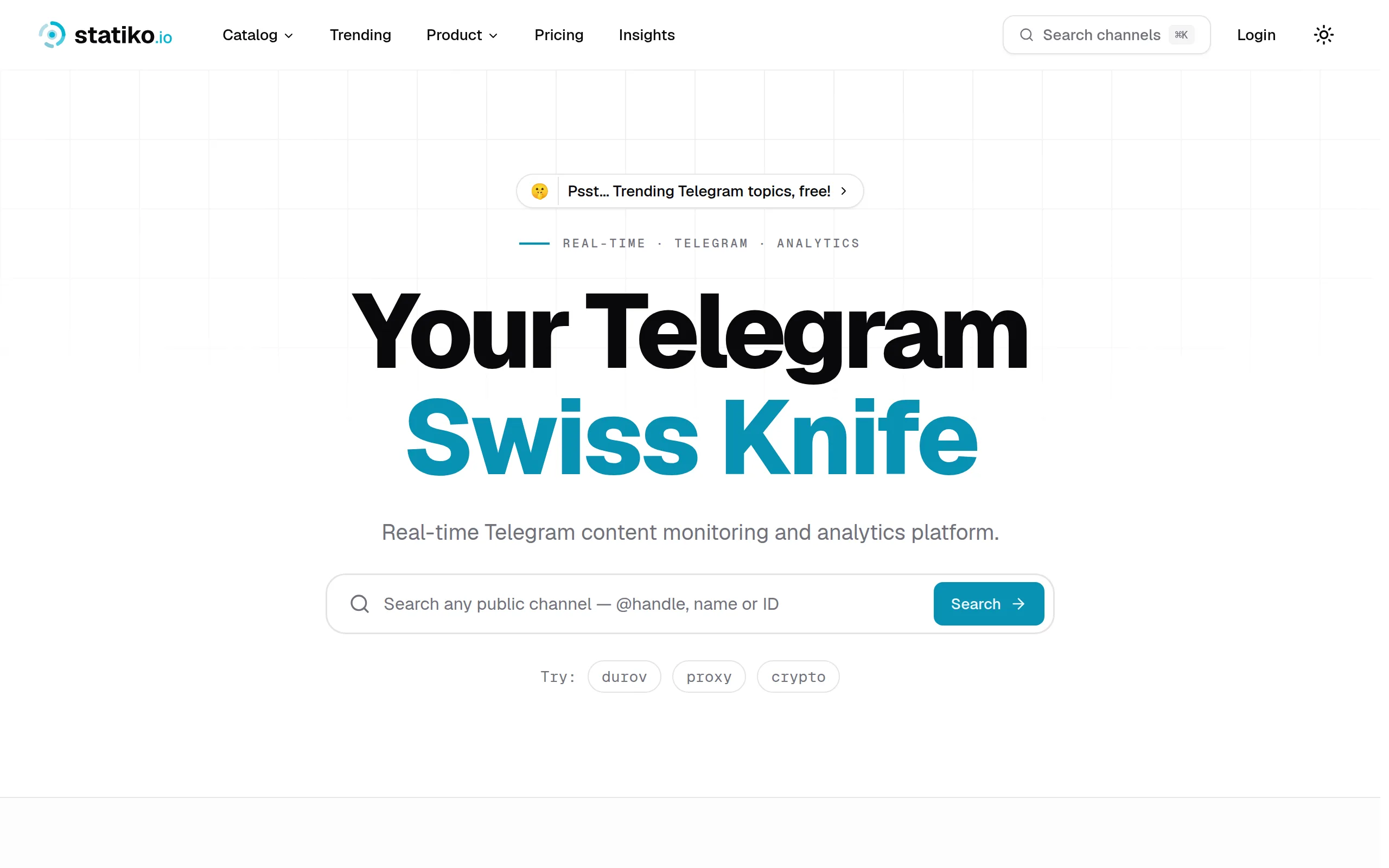
Statiko
Monitor any Telegram channel in real time - track posts, edits, deletions, and growth with AI recaps 📡
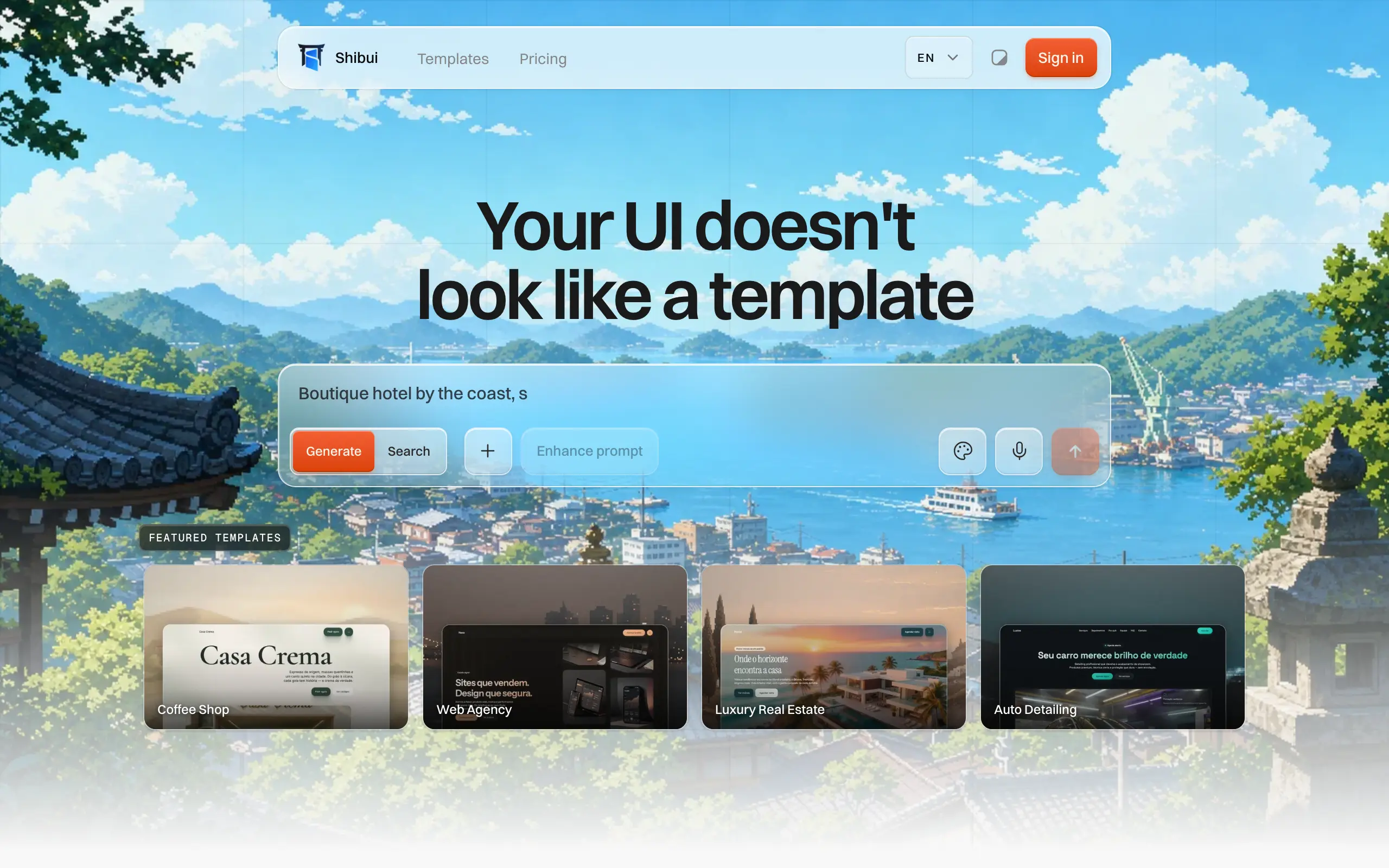
Shibui
AI website builder - describe your business, pick a niche template, edit by chatting, and publish instantly ✨

Pro Service
Find verified home service professionals, compare quotes, and pay securely through escrow - built for Brazilians across the US 🏠
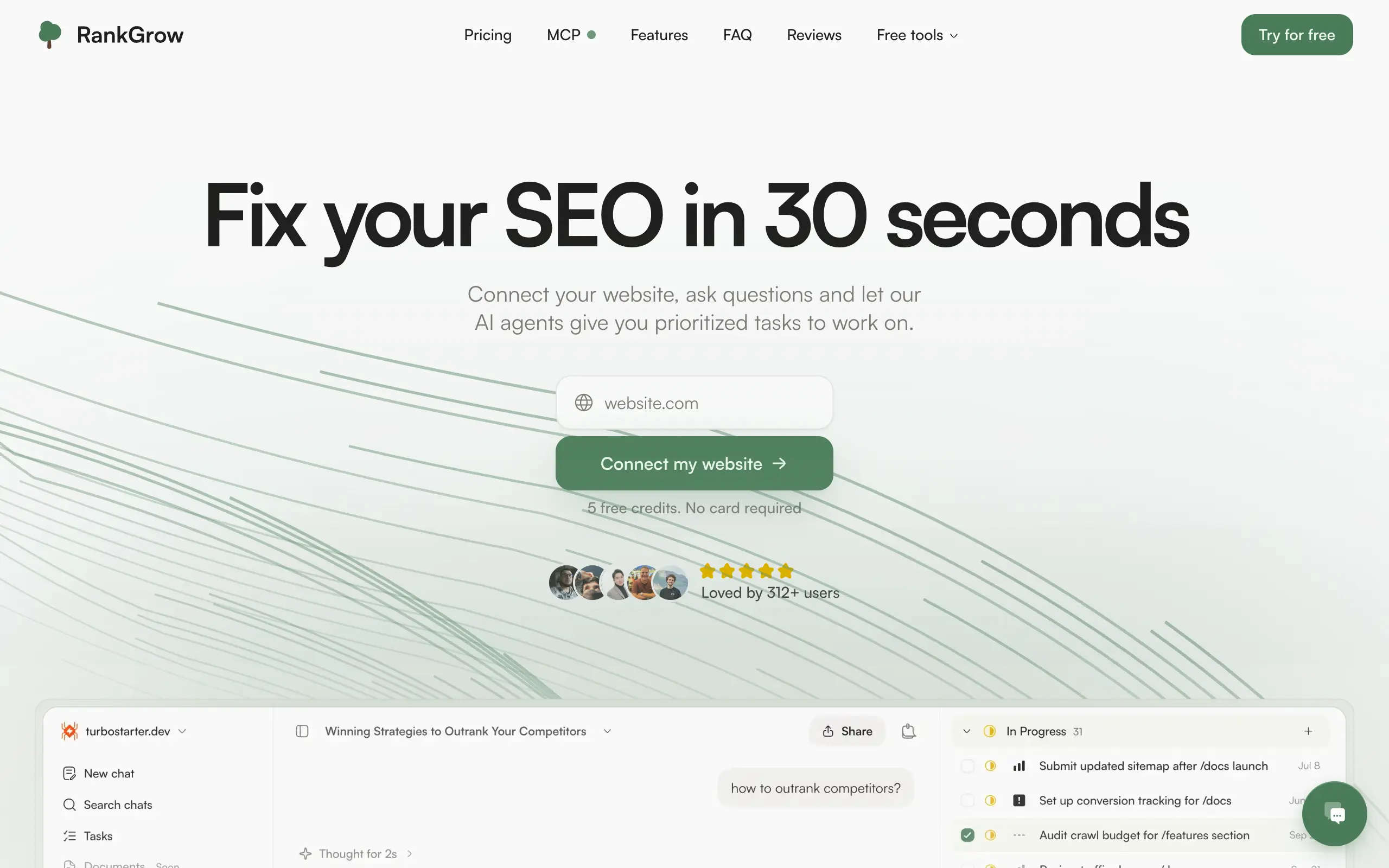
RankGrow
Fix your SEO with AI agents - connect Search Console, get prioritized tasks, and grow organic traffic 📈
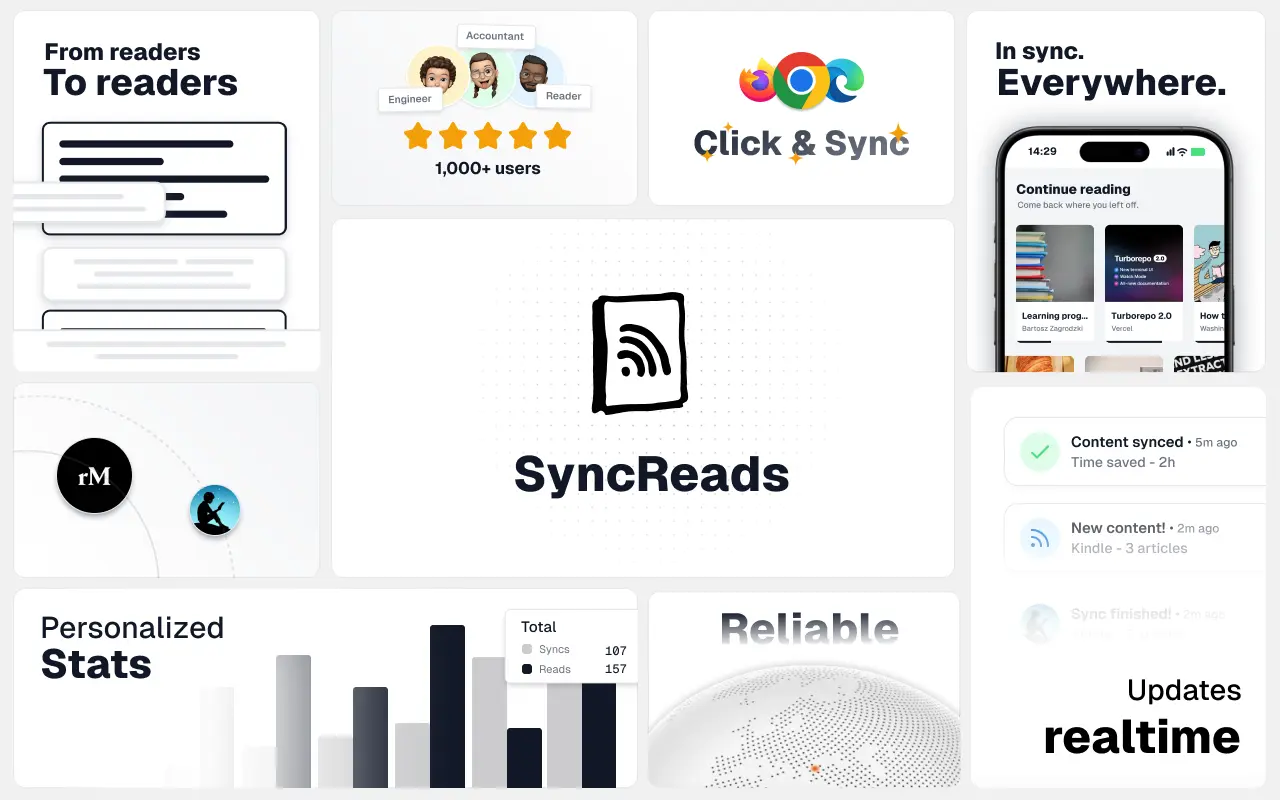
SyncReads
Sync your favorite content for distraction-free reading, save time and replace multiple apps. Anytime, anywhere 🔄
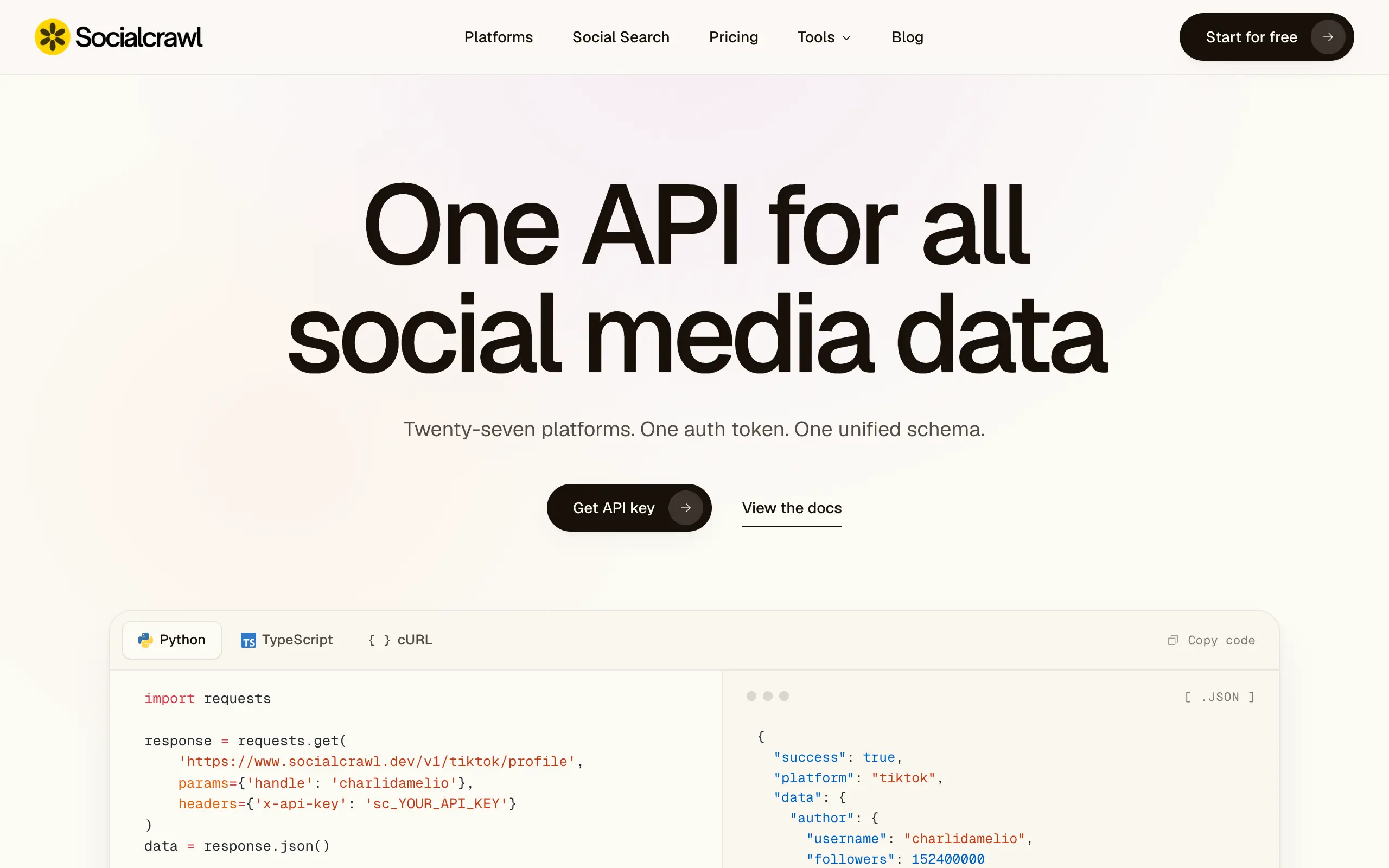
Socialcrawl
Get clean, structured data from 21 platforms like TikTok, Instagram, and YouTube with a single request 📊
Statiko
Monitor any Telegram channel in real time - track posts, edits, deletions, and growth with AI recaps 📡
Shibui
AI website builder - describe your business, pick a niche template, edit by chatting, and publish instantly ✨
Pro Service
Find verified home service professionals, compare quotes, and pay securely through escrow - built for Brazilians across the US 🏠
RankGrow
Fix your SEO with AI agents - connect Search Console, get prioritized tasks, and grow organic traffic 📈
SyncReads
Sync your favorite content for distraction-free reading, save time and replace multiple apps. Anytime, anywhere 🔄
Socialcrawl
Get clean, structured data from 21 platforms like TikTok, Instagram, and YouTube with a single request 📊
Statiko
Monitor any Telegram channel in real time - track posts, edits, deletions, and growth with AI recaps 📡
Shibui
AI website builder - describe your business, pick a niche template, edit by chatting, and publish instantly ✨
Pro Service
Find verified home service professionals, compare quotes, and pay securely through escrow - built for Brazilians across the US 🏠
RankGrow
Fix your SEO with AI agents - connect Search Console, get prioritized tasks, and grow organic traffic 📈
SyncReads
Sync your favorite content for distraction-free reading, save time and replace multiple apps. Anytime, anywhere 🔄
Socialcrawl
Get clean, structured data from 21 platforms like TikTok, Instagram, and YouTube with a single request 📊
Statiko
Monitor any Telegram channel in real time - track posts, edits, deletions, and growth with AI recaps 📡
Shibui
AI website builder - describe your business, pick a niche template, edit by chatting, and publish instantly ✨
Pro Service
Find verified home service professionals, compare quotes, and pay securely through escrow - built for Brazilians across the US 🏠
RankGrow
Fix your SEO with AI agents - connect Search Console, get prioritized tasks, and grow organic traffic 📈
SyncReads
Sync your favorite content for distraction-free reading, save time and replace multiple apps. Anytime, anywhere 🔄
Socialcrawl
Get clean, structured data from 21 platforms like TikTok, Instagram, and YouTube with a single request 📊
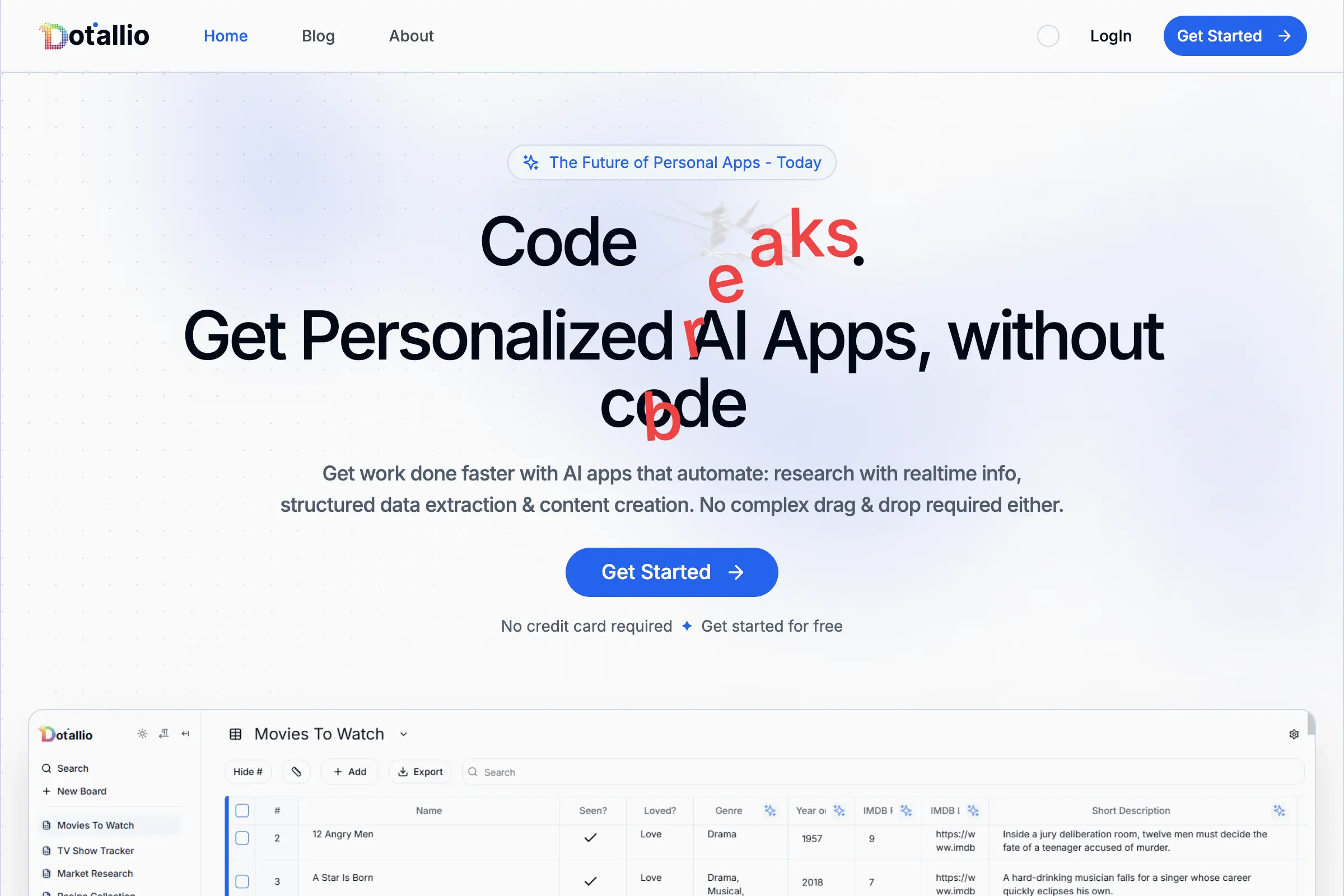
Dotallio
Personalized AI apps that automate research, data extraction, and content creation without code 🤖

Talk to Santa
Enjoy a magical live video chat or receive a unique AI-generated video greeting from Santa Claus 🎅

pozywka.pl
Scalable blog for food journalist, focused on performance and user experience 🌭
zagrodzki.me
Personal blog and portfolio of Bart Zagrodzki, where he shares his knowledge and work 💼
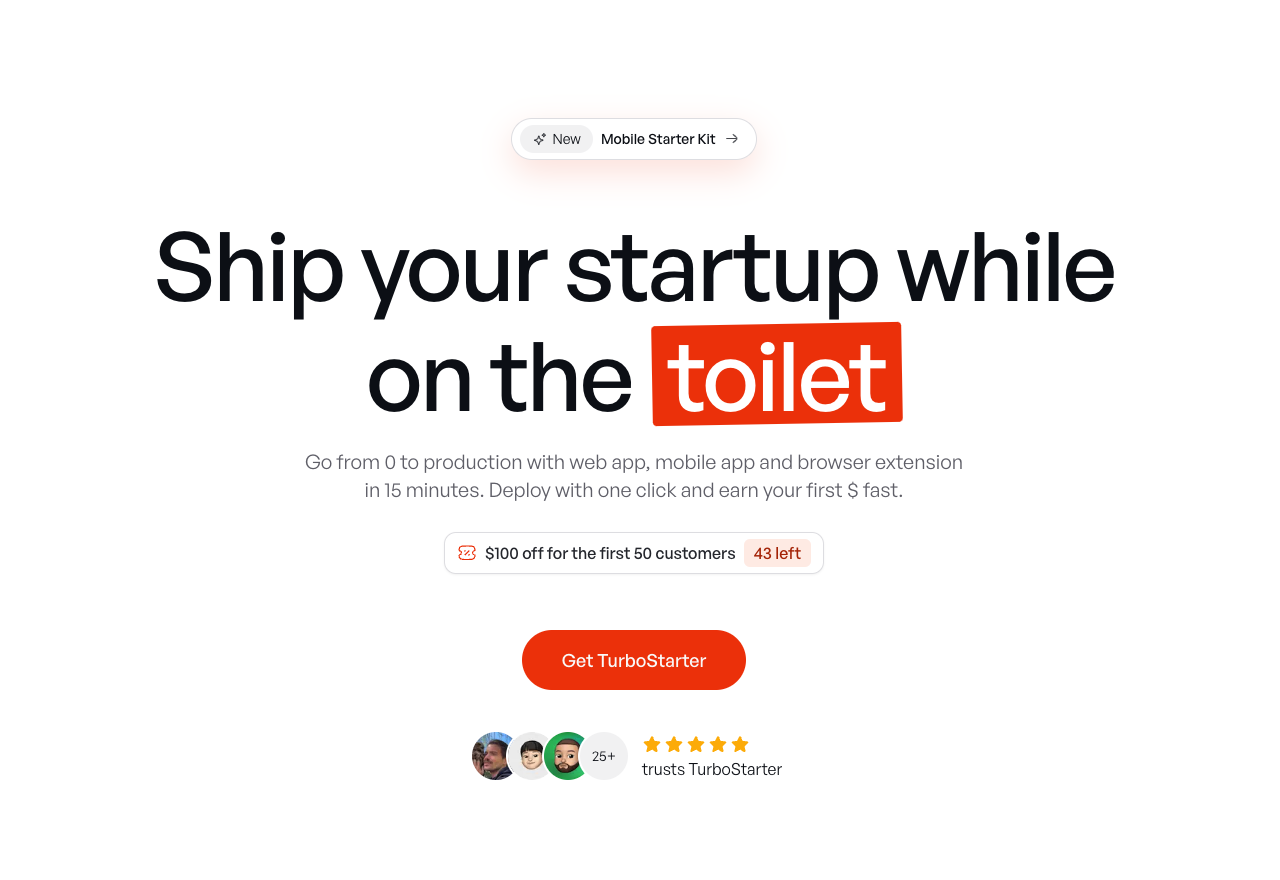
TurboStarter
Ship your startup everywhere. In minutes.
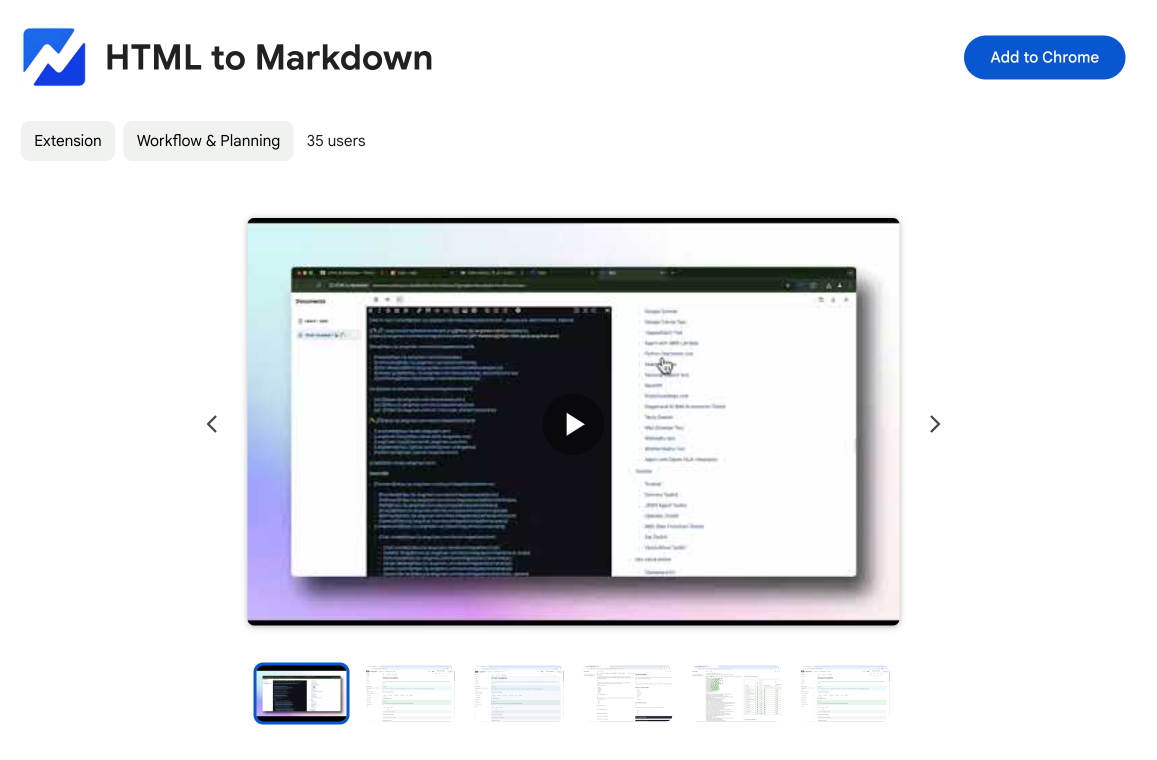
HTML to Markdown
Convert HTML to Markdown with ease, directly in your browser 📄
Dotallio
Personalized AI apps that automate research, data extraction, and content creation without code 🤖
Talk to Santa
Enjoy a magical live video chat or receive a unique AI-generated video greeting from Santa Claus 🎅
pozywka.pl
Scalable blog for food journalist, focused on performance and user experience 🌭
zagrodzki.me
Personal blog and portfolio of Bart Zagrodzki, where he shares his knowledge and work 💼
TurboStarter
Ship your startup everywhere. In minutes.
HTML to Markdown
Convert HTML to Markdown with ease, directly in your browser 📄
Dotallio
Personalized AI apps that automate research, data extraction, and content creation without code 🤖
Talk to Santa
Enjoy a magical live video chat or receive a unique AI-generated video greeting from Santa Claus 🎅
pozywka.pl
Scalable blog for food journalist, focused on performance and user experience 🌭
zagrodzki.me
Personal blog and portfolio of Bart Zagrodzki, where he shares his knowledge and work 💼
TurboStarter
Ship your startup everywhere. In minutes.
HTML to Markdown
Convert HTML to Markdown with ease, directly in your browser 📄
Dotallio
Personalized AI apps that automate research, data extraction, and content creation without code 🤖
Talk to Santa
Enjoy a magical live video chat or receive a unique AI-generated video greeting from Santa Claus 🎅
pozywka.pl
Scalable blog for food journalist, focused on performance and user experience 🌭
zagrodzki.me
Personal blog and portfolio of Bart Zagrodzki, where he shares his knowledge and work 💼
TurboStarter
Ship your startup everywhere. In minutes.
HTML to Markdown
Convert HTML to Markdown with ease, directly in your browser 📄
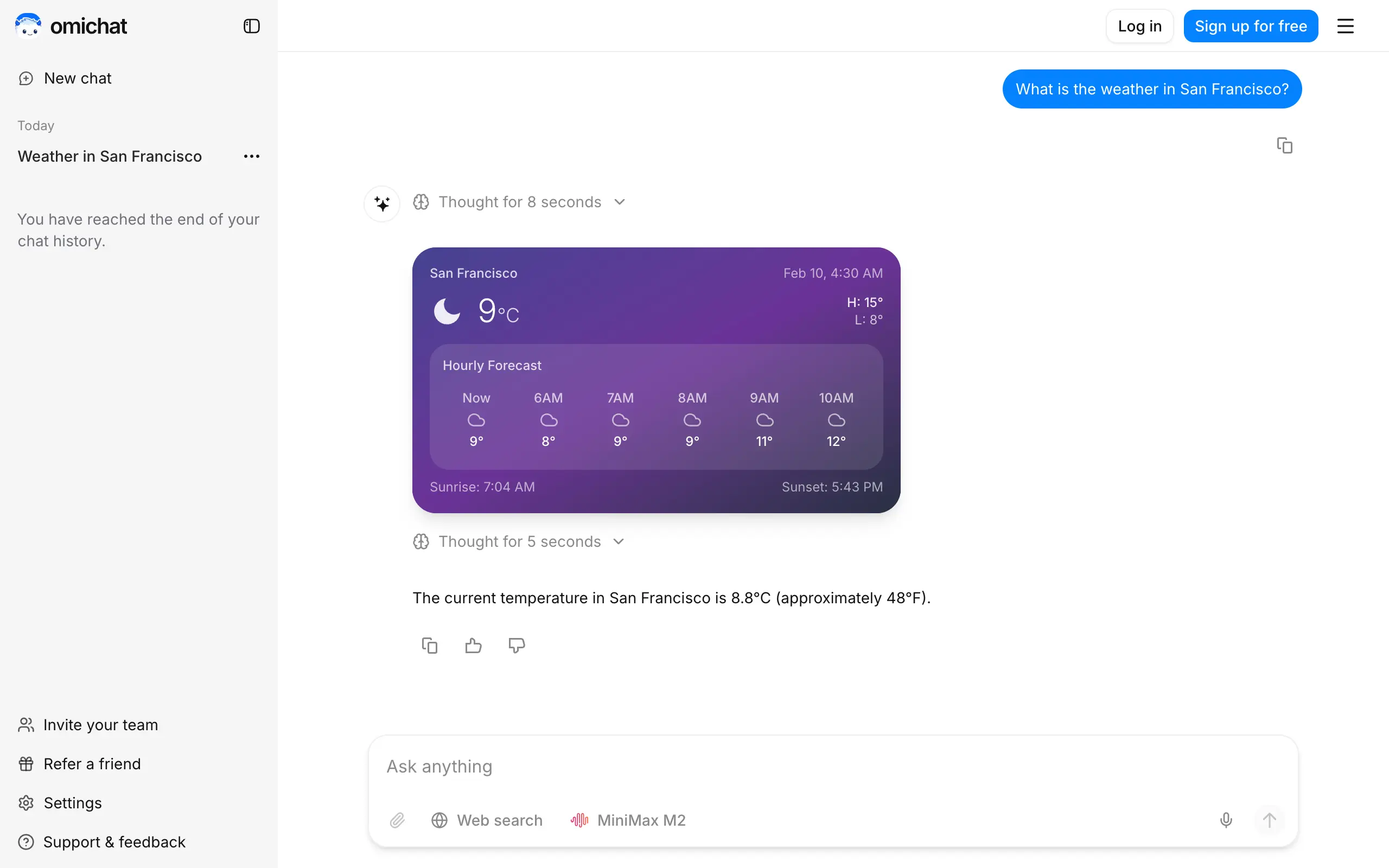
Omichat
Chat with 50+ AI models, including ChatGPT and Claude, in one place - switch models anytime without losing context 🤖
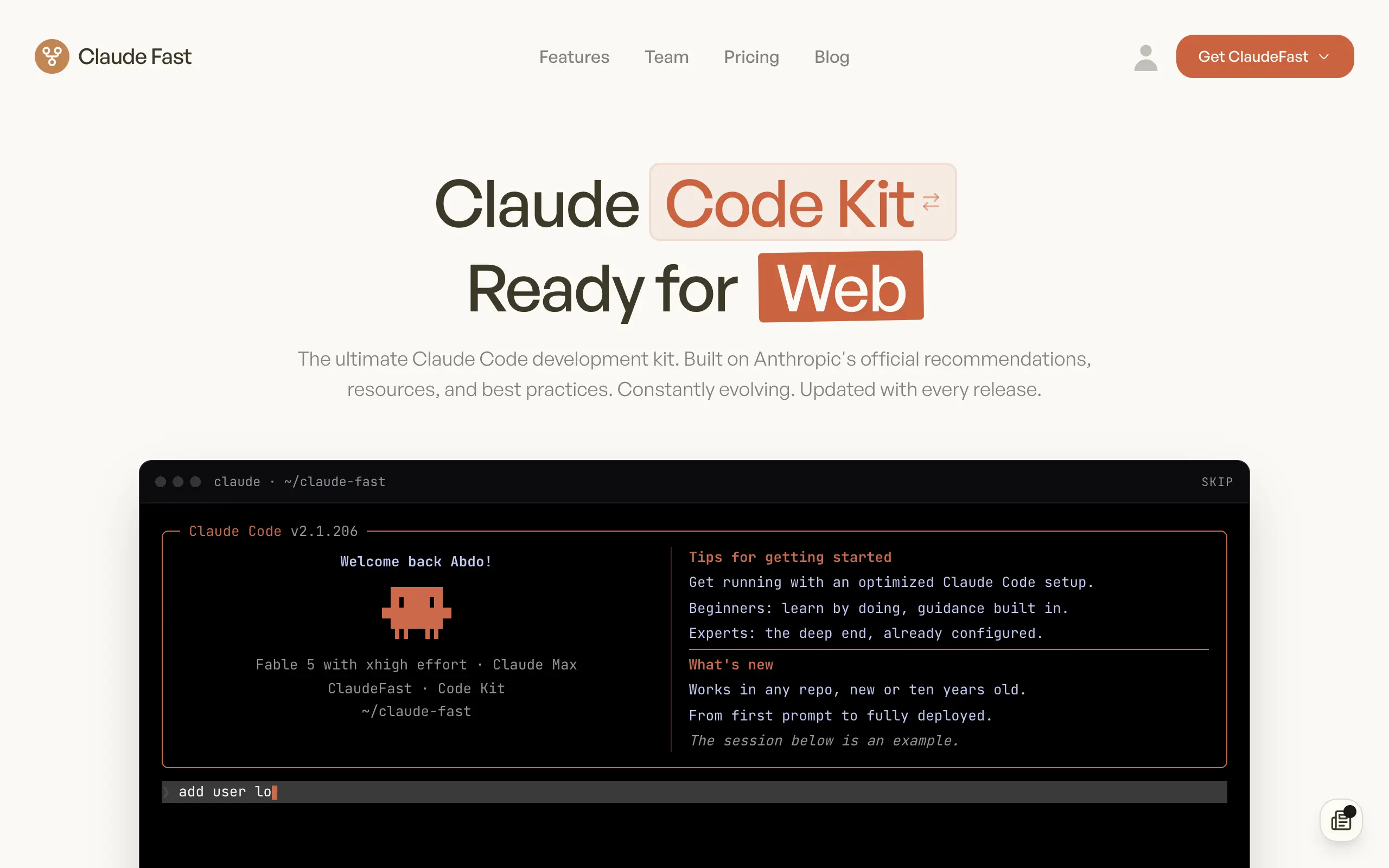
Claude Fast
Supercharge your Claude Code with 6x effective context window and specialized AI agents 🤖
EmojAI
AI-powered emoji picker with smart, context-aware suggestions 🤖
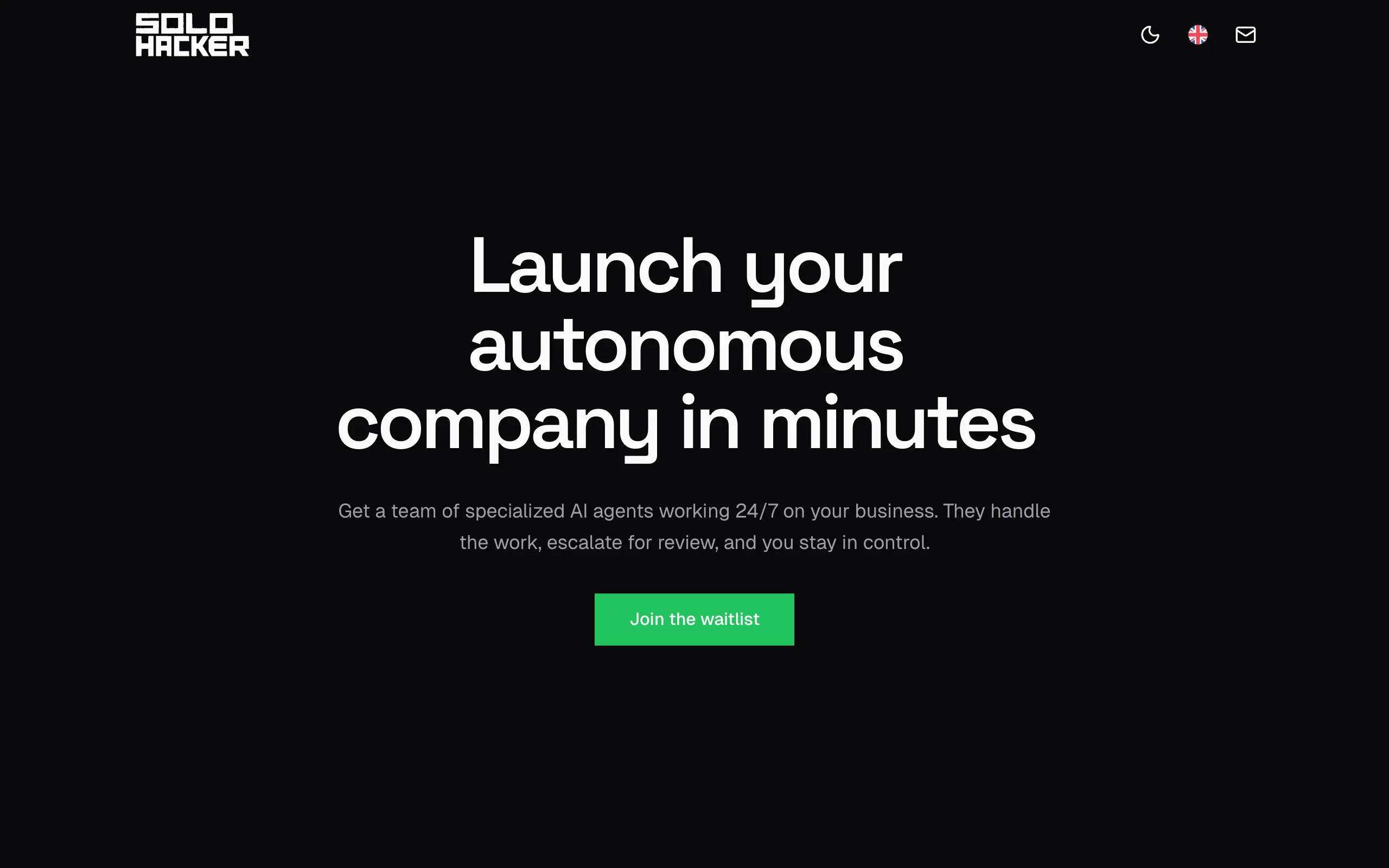
Solohacker
Autonomous company launcher - AI agents work 24/7, escalate what matters, and you stay in control 🤖
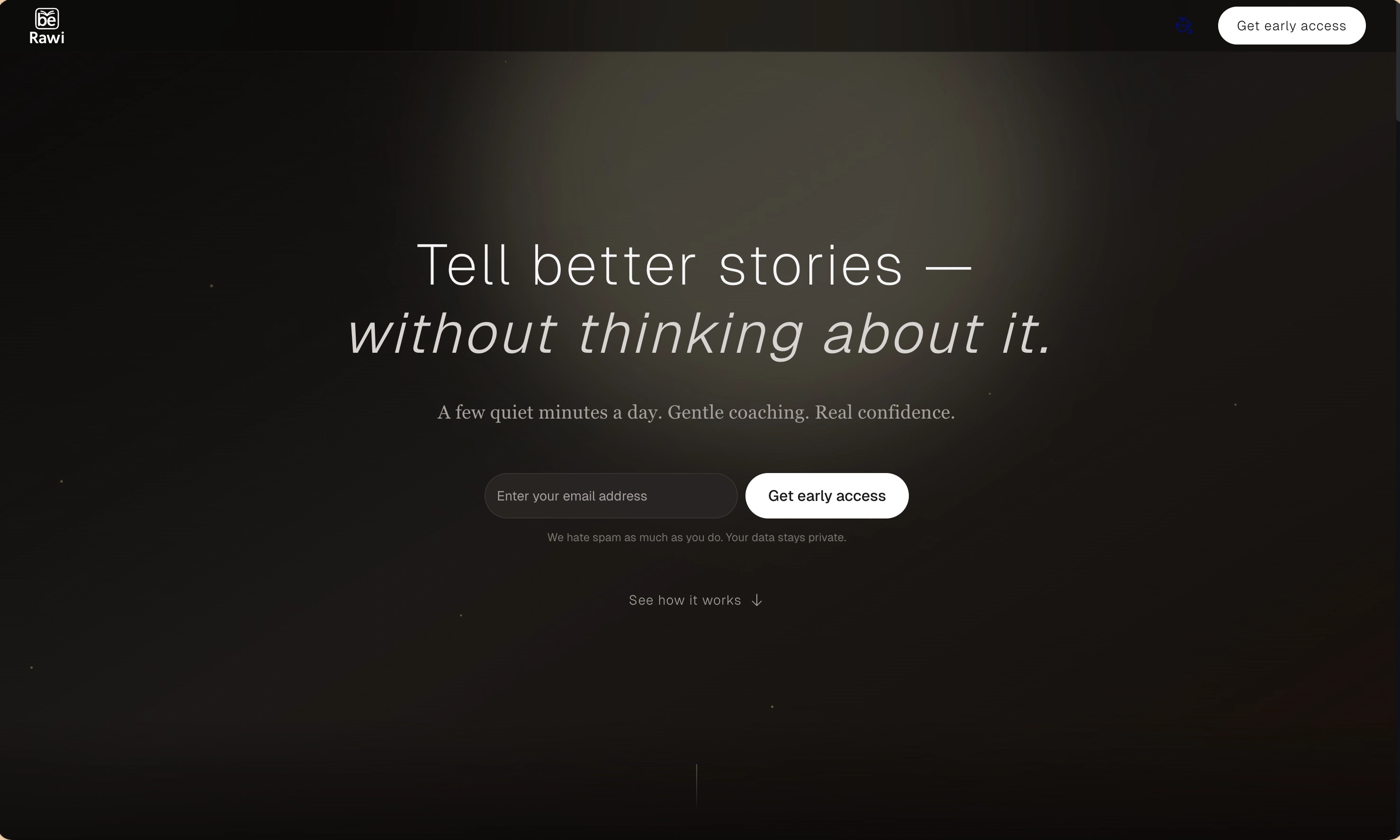
BeRawi: Storytelling Coach
Practice storytelling daily with instant feedback to sound clearer, more engaging, and confident 🎤
Omichat
Chat with 50+ AI models, including ChatGPT and Claude, in one place - switch models anytime without losing context 🤖
Claude Fast
Supercharge your Claude Code with 6x effective context window and specialized AI agents 🤖
EmojAI
AI-powered emoji picker with smart, context-aware suggestions 🤖
Solohacker
Autonomous company launcher - AI agents work 24/7, escalate what matters, and you stay in control 🤖
BeRawi: Storytelling Coach
Practice storytelling daily with instant feedback to sound clearer, more engaging, and confident 🎤
Omichat
Chat with 50+ AI models, including ChatGPT and Claude, in one place - switch models anytime without losing context 🤖
Claude Fast
Supercharge your Claude Code with 6x effective context window and specialized AI agents 🤖
EmojAI
AI-powered emoji picker with smart, context-aware suggestions 🤖
Solohacker
Autonomous company launcher - AI agents work 24/7, escalate what matters, and you stay in control 🤖
BeRawi: Storytelling Coach
Practice storytelling daily with instant feedback to sound clearer, more engaging, and confident 🎤
Omichat
Chat with 50+ AI models, including ChatGPT and Claude, in one place - switch models anytime without losing context 🤖
Claude Fast
Supercharge your Claude Code with 6x effective context window and specialized AI agents 🤖
EmojAI
AI-powered emoji picker with smart, context-aware suggestions 🤖
Solohacker
Autonomous company launcher - AI agents work 24/7, escalate what matters, and you stay in control 🤖
BeRawi: Storytelling Coach
Practice storytelling daily with instant feedback to sound clearer, more engaging, and confident 🎤

Connect with like-minded people
Join our community to get feedback, support, and grow together with 1,000+ builders on board, let's ship it!
Join usShip your startup everywhere. In minutes.
Don't burn tokens on setup and start building features on day one.