TestEvidence
An AI evidence copilot that organizes screenshots, defects, and test notes into audit-ready QA reports for regulated enterprise teams.
Enterprise QA teams in regulated industries do not merely need to know whether a release passed. They need to prove what was tested, what evidence was collected, who reviewed it, what defects were discovered, and why the final release decision was justified.
That documentation burden is often handled through a fragile mix of screenshots in chat tools, defect links in issue trackers, spreadsheets, test management exports, and manually assembled sign-off documents. The result is slow release governance, inconsistent evidence quality, and a stressful audit process.
TestEvidence is an AI test evidence copilot designed to solve that problem. It turns scattered screenshots, defects, test notes, execution results, and approvals into structured, audit-ready QA reports for regulated enterprise teams. Rather than replacing existing quality assurance tooling, it creates the evidence layer that makes software delivery traceable, reviewable, and defensible.
This guide examines the market opportunity, ideal users, core product design, technology decisions, pricing model, risk controls, competitive differentiation, and a practical path to launching AI-powered QA evidence management software.
Why audit-ready QA reporting is a growing enterprise problem
In highly regulated sectors, software quality is inseparable from compliance. A failed test is not only an engineering concern. It can create operational, financial, legal, safety, or reputational risk.
Teams in financial services, healthcare, insurance, life sciences, public sector, and critical infrastructure commonly work within internal control frameworks and external regulatory obligations. Depending on the organization, quality teams may need to support requirements associated with standards and frameworks such as:
- ISO 9001 quality management practices
- ISO/IEC 27001 information security controls
- SOC 2 control evidence
- FDA software validation expectations for applicable life sciences workflows
- GxP-aligned documentation practices
- HIPAA-related security and privacy safeguards
- PCI DSS evidence requirements for payment environments
- Internal model risk, change management, and release governance policies
The specific compliance requirement differs by industry and geography. The recurring operational challenge is the same: software testing evidence must be complete, traceable, accurate, reviewable, and retained according to policy.
Most QA platforms do a strong job of managing test cases and recording execution states. Issue trackers help teams manage defect workflows. Cloud storage tools hold files. Yet teams still lack a unified system that answers audit-critical questions quickly.
- Which requirements were covered by testing?
- Which tests passed, failed, or were blocked?
- What screenshot or system output supports each result?
- Which defects were open at release time?
- Who reviewed the evidence and approved the report?
- Was evidence changed after review?
- Can the organization reconstruct the release decision six months later?
That gap is the commercial opening for an AI test evidence copilot.
The key product insight
TestEvidence should not position itself as another test management platform. Its strongest position is the intelligence and evidence orchestration layer that sits across existing QA, issue tracking, CI/CD, and document systems.
Target audience for AI test evidence software
The most promising customers are organizations where the cost of incomplete QA documentation is significantly higher than the cost of a specialized SaaS subscription.
A broad “software testing teams” target would create long sales cycles and unclear messaging. TestEvidence should begin with tightly defined enterprise personas that already feel the pain of audit preparation.
Primary users inside regulated organizations
The day-to-day users will usually be QA practitioners responsible for producing or contributing to testing documentation.
QA leads and test managers
They need consistent reporting, release visibility, evidence completeness checks, and faster preparation for quality reviews.
Validation and compliance managers
They need traceability, controlled records, review workflows, retention controls, and defensible audit artifacts.
Quality assurance analysts
They need a simpler way to attach screenshots, record observations, link defects, and avoid repetitive report writing.
These users care about reducing manual work. They may not control the budget, but they strongly influence adoption because they understand the existing documentation burden.
Economic buyers and internal champions
The financial buyer is more likely to be a senior leader accountable for quality, delivery risk, engineering operations, compliance, or product governance.
Common buyer titles include:
- VP of Engineering
- Head of Quality Assurance
- Director of Quality and Compliance
- Chief Information Security Officer
- Head of Digital Delivery
- CTO at a regulated scale-up
- Enterprise transformation leader
The best internal champion is often a QA manager facing a repeated audit finding, a compliance manager trying to standardize documentation, or an engineering leader frustrated by delayed releases caused by sign-off administration.
Best initial verticals
TestEvidence should avoid trying to satisfy every regulated industry in version one. Instead, it should enter markets where release evidence is valuable, workflows are digitized, and buyers can clearly quantify risk.
| Vertical | Documentation pressure | Typical QA challenge | Early sales fit | Product emphasis |
|---|---|---|---|---|
| Financial services | High | Release governance across many systems | Strong | Approvals, traceability, risk summaries |
| Healthcare software | High | Security, privacy, and validation records | Strong | Access control, immutable evidence history |
| Life sciences | Very high | Formal validation and controlled documentation | Selective | Validation workflow and retention controls |
| Insurance | High | Legacy systems plus distributed testing teams | Strong | Defect linkage and release packs |
| Public sector | Medium to high | Procurement and security review complexity | Later | Deployment and data residency options |
Financial services and insurance are especially attractive early markets. Their teams frequently manage complex release processes, use mature tools such as Jira, have substantial audit exposure, and can see immediate value in reducing manual QA reporting work.
The market gap in regulated QA evidence management
The market already includes mature categories such as test management, observability, bug tracking, document management, governance risk and compliance platforms, and AI coding assistants. TestEvidence must sit at the intersection of these categories without being mistaken for a generic reporting add-on.
Where current workflows break down
A typical regulated release workflow may involve a requirements system, a test management product, automated test reports, Jira defects, screenshots stored in shared drives, test notes in spreadsheets, and approvals in email or chat.
This creates several predictable weaknesses.
- "Evidence fragmentation": screenshots, videos, logs, tickets, and notes are spread across disconnected systems.
- "Manual assembly": QA leads spend hours or days collecting artifacts into a release report.
- "Weak traceability": reviewers cannot easily navigate from a requirement to a test result, supporting evidence, linked defect, and approval decision.
- "Inconsistent documentation": individual testers describe results differently, which makes reviews slower and reports harder to compare.
- "Late discovery": missing evidence is often identified only during a release review or audit.
- "Uncontrolled AI risk": generic AI tools may summarize sensitive test material without enterprise controls, source references, or review safeguards.
The gap is not simply “generate a PDF with AI.” The valuable product is a controlled evidence graph that creates traceability across release artifacts, detects missing proof, and generates reports that remain tied to verifiable source records.
Why AI is now useful for QA evidence workflows
Generative AI is highly useful when it helps organize unstructured information, detect patterns, classify artifacts, and draft summaries. Test notes and screenshots are particularly suited to AI-assisted processing because they often contain valuable information that is difficult to normalize manually.
For example, TestEvidence can use AI to:
- Extract context from uploaded screenshots through optical character recognition and vision models
- Identify environment details, timestamps, error messages, and visible pass or fail indicators
- Summarize lengthy defect discussions into release-relevant risk statements
- Convert shorthand tester notes into consistent structured test observations
- Flag evidence gaps before a report is sent for approval
- Produce an executive release summary grounded in cited source evidence
- Suggest links between tests, defects, requirements, and supporting assets
The product must be explicit that AI outputs are drafts and recommendations, not independent compliance decisions. In regulated quality workflows, human review, source traceability, and immutable approvals are product requirements rather than optional enhancements.
Core features for TestEvidence
The initial product should focus on the narrow but expensive workflow of creating defensible release evidence packs. It should make existing teams measurably faster without asking them to abandon systems they already use.
Evidence ingestion and organization
TestEvidence needs a simple intake experience for both manual and connected evidence sources.
Users should be able to upload:
- Screenshots and screen recordings
- PDF test artifacts
- CSV exports from test tools
- Test notes and test execution records
- Application logs and error output
- Defect exports
- Approval documentation
- Existing release reports for migration or comparison
Each item should receive structured metadata such as project, release, environment, test run, requirement reference, tester, capture date, and classification level.
A drag-and-drop uploader is necessary, but integrations create the durable value. The first integrations should prioritize the systems most common in enterprise QA workflows:
- Jira for defects and delivery work
- GitHub for pull requests, release data, and CI evidence
- GitLab for DevSecOps workflow data
- Azure DevOps for enterprise delivery pipelines
- Slack or Microsoft Teams for controlled evidence capture from approved channels
- Cloud storage services for historical artifacts and attachments
Integration depth should increase over time. The minimum viable integration should import relevant metadata and maintain a link back to the authoritative source.
AI evidence extraction and normalization
The AI layer should transform unstructured material into reviewable structured records. This requires more than a chat interface.
For each artifact, TestEvidence can generate:
- A concise evidence summary
- Extracted text from screenshots or PDFs
- Suspected test case or defect references
- A detected outcome such as pass, fail, blocked, or inconclusive
- Relevant environment and browser or device details when available
- Confidence scoring
- Suggested tags
- A list of source excerpts supporting the generated interpretation
Confidence matters because AI should not silently convert ambiguous screenshots into a definitive result. Low-confidence records should route to a human review queue.
Do not let AI become an untraceable black box
Every generated summary should preserve a clear link to the original source artifact. A reviewer must be able to see what the model observed, what it inferred, and what information still needs confirmation.
Release evidence workspace
The release workspace is the central interface for TestEvidence. It should show QA, compliance, and engineering stakeholders one shared view of readiness.
A strong workspace includes:
- Requirement coverage status
- Test execution totals
- Evidence completeness score
- Open and accepted defects
- Severity and risk breakdown
- Missing artifact alerts
- Review status by stakeholder
- Release decision summary
- Export history
- Audit trail events
The evidence completeness score should be explainable. For example, it can represent the percentage of critical test cases with a test result, linked artifact, reviewer status, and defect disposition where applicable.
Do not present this score as an objective compliance certification. Present it as a configurable operational indicator based on the customer’s defined evidence policy.
Audit-ready QA report generation
This is the flagship outcome. TestEvidence should generate a structured QA report that teams can review, edit, approve, and export in their preferred format.
A report template may include:
- Release scope and system context
- Requirements and test coverage summary
- Test execution results
- Evidence index with artifact references
- Defect summary and release impact
- Known limitations and residual risk
- Environment and test data notes
- Reviewer comments
- Approval and sign-off records
- Change history and report version
The report generator should support company-specific templates. Many enterprise buyers will expect their internal terminology, logo, approval language, quality system identifiers, and risk taxonomy.
Review, approval, and audit trail controls
Audit readiness depends on more than good formatting. A high-value product must make evidence governance visible.
Essential controls include:
- Role-based access control
- Project and workspace permissions
- Reviewer assignment and approval routing
- Timestamped comments
- Version history
- Immutable activity logs
- Download logs
- Report locking after approval
- Controlled reopening with a documented reason
- Configurable data retention policies
A regulated enterprise will scrutinize these controls during a security review. They are not secondary enterprise features to delay indefinitely.
A practical AI architecture for trustworthy QA reports
The technical architecture should be designed around evidence provenance. The model’s output is useful only when the platform can explain where it came from.
Recommended technical stack
A modern web stack can support a fast, secure product while preserving room for enterprise integrations.
Build the web application with Next.js and React. This combination supports responsive dashboards, server-rendered pages, secure backend routes, and mature deployment options. Use TypeScript to improve reliability across integrations and evidence schemas.
Use PostgreSQL for relational records such as projects, releases, approvals, requirements, test results, and audit events. Store raw files in encrypted object storage. Use a vector-capable retrieval layer only for grounded search and retrieval, not as the system of record.
Add single sign-on, SAML support, SCIM provisioning, tenant isolation, encryption, configurable retention, detailed audit logs, and regional data hosting as the enterprise roadmap matures. These controls will materially affect enterprise conversion.
For the interface, Tailwind CSS is a practical choice for rapidly creating consistent, accessible enterprise UI components. It is especially useful when the product needs dense tables, filters, review queues, traceability panels, and responsive report previews.
The evidence graph as the product foundation
The most defensible architecture is a relationship model connecting the records that matter in release governance.
type EvidenceLink = {
  releaseId: string;
  requirementId?: string;
  testCaseId?: string;
  testRunId?: string;
  defectId?: string;
  artifactId: string;
  sourceSystem: "upload" | "jira" | "github" | "azure-devops";
  aiConfidence?: number;
  reviewedBy?: string;
  reviewedAt?: Date;
};
This model lets the platform answer meaningful questions rather than simply storing attachments.
For example:
- Show all evidence supporting a critical requirement
- Identify failed tests without linked defects
- Find open high-severity defects included in a release report
- List artifacts that were added after the first approval request
- Compare evidence completeness between release candidates
- Generate a report section with direct references to original source files
This relationship layer becomes increasingly valuable as customers use the product over time. It also creates a meaningful switching cost because a customer’s quality evidence becomes organized in a reusable, searchable structure.
Retrieval-augmented generation for grounded outputs
TestEvidence should use retrieval-augmented generation rather than asking a language model to summarize an entire release from memory.
A safe workflow looks like this:
- Ingest and store original artifacts with metadata.
- Extract text and structured fields from source records.
- Index approved, permission-scoped content for retrieval.
- Retrieve only evidence relevant to the requested report section.
- Ask the model to draft content based on those retrieved sources.
- Attach citations or artifact references to each important statement.
- Require human review before final approval or export.
This approach reduces hallucination risk, helps reviewers verify claims, and makes AI-generated release summaries more useful in a regulated environment.
Model choice and privacy trade-offs
Model selection should be driven by data sensitivity, accuracy, latency, and customer procurement requirements.
Hosted frontier models can offer strong performance for summarization, document extraction, and image understanding. However, some customers will require strict data processing terms, regional hosting, or private deployment. Self-hosted or private models may improve control but can introduce higher operational cost and lower performance for complex multimodal tasks.
The right approach is to make the AI provider layer configurable over time.
- "Early stage": use a trusted API provider with clear enterprise terms, strong encryption, and a documented no-training-on-customer-data policy where available.
- "Growth stage": support customer-configurable processing regions, model routing, and stricter tenant controls.
- "Enterprise stage": offer private cloud, virtual private cloud, or customer-managed deployment options for qualified accounts.
Never market TestEvidence as making a release “compliant.” It helps teams produce organized evidence and enforce configured workflows. Formal compliance determinations remain the responsibility of the customer and applicable auditors.
Competitive advantage in the QA reporting market
TestEvidence will compete indirectly with test management suites, GRC platforms, document repositories, and internal automation scripts. Its differentiation must be specific.
The TestEvidence USP
TestEvidence converts fragmented QA artifacts into a traceable, reviewable, audit-ready evidence record, using AI to accelerate documentation without losing human control or source provenance.
That positioning is stronger than “AI report writer” because it emphasizes the outcome that regulated teams actually buy: defensible release evidence.
How TestEvidence differs from adjacent tools
- "Versus test management software": test management tools track plans and execution. TestEvidence focuses on assembling, validating, and governing the proof behind those results across multiple systems.
- "Versus Jira dashboards": Jira contains issues and workflow activity, but it is not purpose-built to organize screenshots, test notes, approvals, and evidence completeness for audit review.
- "Versus generic AI assistants": generic assistants can draft text, but they often lack permission-aware retrieval, approval controls, audit logs, source linking, and enterprise retention features.
- "Versus document management": document repositories store files but do not intelligently map their contents to tests, requirements, risks, and release decisions.
- "Versus GRC platforms": GRC tools can manage controls at a high level but may be too broad and cumbersome for the daily QA evidence workflow.
The strongest moat will come from product depth in evidence relationships, template configurability, workflow integrations, and trusted enterprise controls. The more release history a team manages in TestEvidence, the more valuable its search, reporting, and benchmarking capabilities become.
Monetization strategy for TestEvidence
Enterprise compliance software is usually better served by value-based pricing than low-cost seat-based pricing alone. The price should reflect the risk, time savings, integration needs, and governance value of the product.
Recommended pricing model
A hybrid pricing model is appropriate.
- "Platform fee": an annual base subscription for the workspace, security controls, and audit trail capabilities.
- "Usage tier": pricing based on active releases, evidence volume, or AI processing volume.
- "User tier": a limited number of author and reviewer seats, with broader read-only access on larger plans.
- "Enterprise add-ons": SSO, SCIM, custom retention, advanced integrations, private deployment, data residency, and premium support.
An early pricing structure could look like this conceptually:
- Starter plan for smaller regulated SaaS teams with core upload, reporting, and approvals
- Growth plan for multi-team organizations needing Jira integrations, custom report templates, and stronger governance
- Enterprise plan with advanced security, dedicated onboarding, integration support, and contractual service commitments
Avoid charging solely per screenshot or per document. Customers may perceive that model as unpredictable and may limit evidence uploads, which undermines product adoption. Bundle a generous evidence allowance into annual plans, then charge for significant overage or intensive AI processing.
Services can accelerate early revenue
Early enterprise customers often need implementation support. A productized onboarding package can include:
- Evidence taxonomy design
- Report template configuration
- Jira or Azure DevOps integration setup
- Approval workflow mapping
- Historical report migration
- Admin and reviewer training
- Evidence policy configuration workshops
These services create revenue, uncover product gaps, and help the team learn the actual language customers use in audits and release reviews.
Key risks and how to mitigate them
The idea is compelling, but enterprise QA evidence software carries meaningful execution risk. Building trust is as important as building AI capabilities.
Mitigate this with source-linked outputs, confidence scoring, mandatory reviewer confirmation for critical fields, clear AI labeling, and report templates that show original artifact references. Never let an AI-generated conclusion silently replace a verified human test result.
Add encryption in transit and at rest, tenant isolation, strict role-based permissions, configurable retention, deletion controls, and optional redaction workflows. Treat screenshots as potentially sensitive because they may expose personal data, credentials, account balances, or health information.
Begin with a targeted use case such as release evidence packs for Jira-based QA teams. Offer a controlled pilot with measurable outcomes, including report preparation time saved, evidence gaps detected, and audit-review turnaround.
Start with the integrations that unlock the most customer value. Build reliable read-first connectors before attempting complex write-back behavior. Maintain clear sync logs so customers can diagnose missing or stale source data.
Use precise language. TestEvidence supports audit readiness and evidence management; it does not guarantee certification or regulatory compliance. Consult qualified legal and compliance professionals for market-specific claims.
Go-to-market strategy for an AI QA evidence copilot
The most effective initial motion is likely founder-led sales to narrowly defined enterprise teams. The product should sell a measurable workflow improvement, not an abstract AI transformation story.
Lead with a painful operational outcome
Strong messaging examples include:
- Reduce QA release report preparation from days to hours
- Find missing test evidence before a release review
- Turn Jira defects, screenshots, and test notes into one approval-ready release pack
- Give auditors a traceable path from requirement to test evidence and sign-off
- Standardize QA evidence across distributed delivery teams
These messages are more concrete than “use AI for testing.” They connect directly to time, governance, and release risk.
Create an audit-readiness assessment as a demand-generation asset
A useful acquisition mechanism is a self-assessment for QA and compliance leaders. It can ask whether the organization can reliably locate evidence, link defects to release decisions, prove reviewer approval, and identify artifacts added after sign-off.
The result can segment prospects by maturity:
- Ad hoc evidence handling
- Standardized but manual reporting
- Integrated quality governance
- Continuous audit readiness
This is valuable SEO content as well as a sales qualification tool. It attracts users searching for audit-ready QA reports, QA traceability, software validation documentation, release sign-off processes, and test evidence management.
For content credibility, reference authoritative regulatory publications or standards documentation where relevant. When using quantitative claims about audit costs, QA productivity, or AI adoption, cite the original report publisher and publication date rather than relying on unsourced statistics.
Actionable implementation plan
The best path is to build the smallest product that produces a real audit-ready outcome for a real team.
For a fast SaaS foundation, TurboStarter can help accelerate the application scaffolding work so the team can spend more time on the evidence graph, integrations, authorization model, and regulated workflow details that differentiate TestEvidence.
Final perspective on the TestEvidence opportunity
TestEvidence addresses a costly and persistent operational problem in regulated software delivery. Teams already create test evidence. The problem is that evidence is fragmented, inconsistently documented, difficult to review, and expensive to reconstruct under audit pressure.
The product opportunity is not to automate quality judgment away. It is to make QA evidence structured, connected, explainable, searchable, and approval-ready.
A winning version of this AI QA reporting platform will combine three capabilities:
- Workflow fit through integrations with the tools QA teams already use.
- Trustworthy AI through source grounding, confidence indicators, and human review.
- Enterprise-grade governance through permissions, audit trails, retention, approvals, and configurable reporting.
If TestEvidence can reliably help a QA lead assemble a complete release evidence pack in hours rather than days, while helping compliance teams trace every important claim back to the original artifact, it can become an essential system of record for audit-ready software quality.
More 🤖 AI Startup SaaS ideas
Discover more innovative ai startup SaaS ideas that are trending in 2026. Each idea is AI-generated with market validation and growth potential to help you find your next profitable venture faster than competitors.
Your competitors are building with TurboStarter
Below are some of the SaaS ideas that have been generated and built with our starter kit.
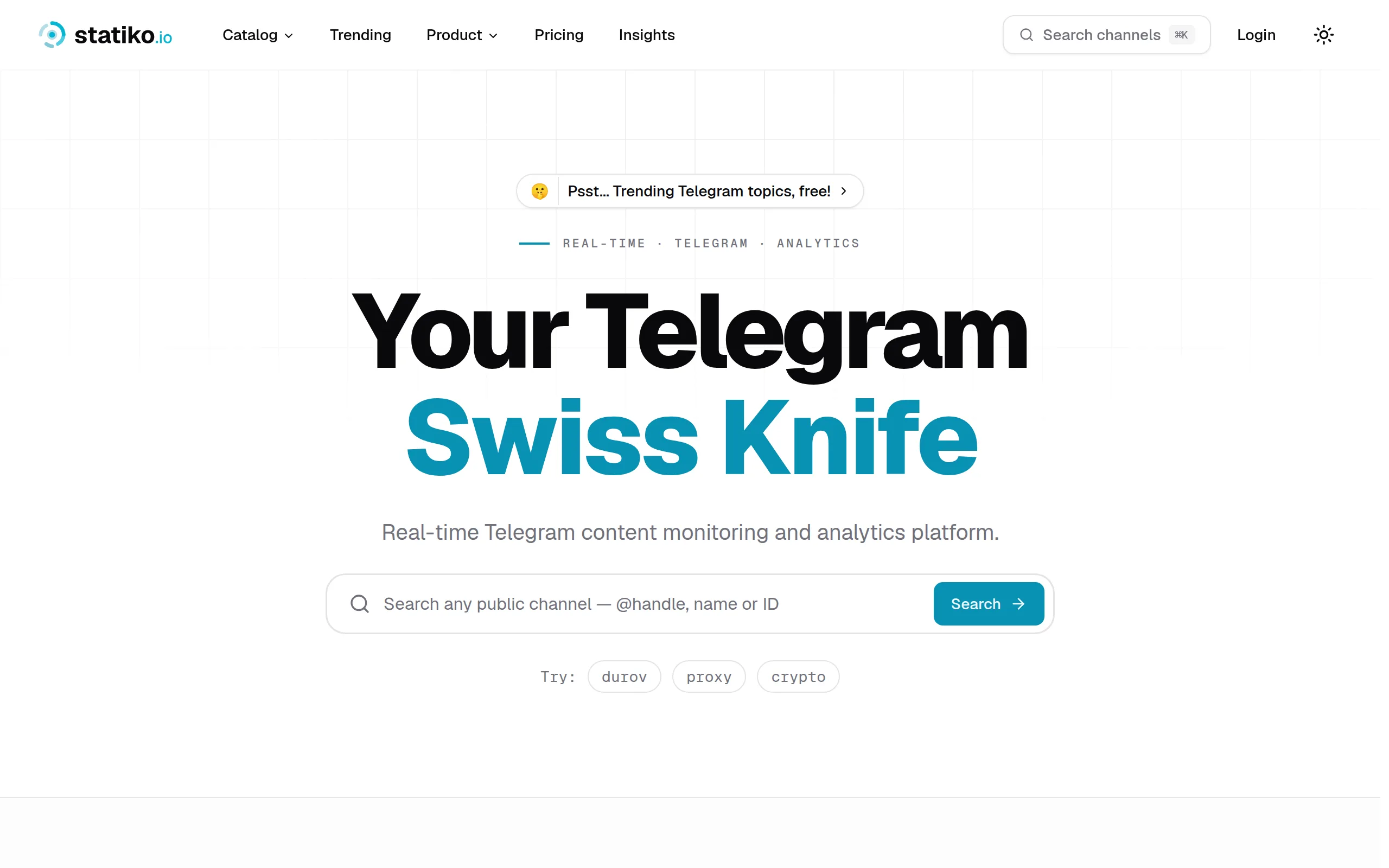
Statiko
Monitor any Telegram channel in real time - track posts, edits, deletions, and growth with AI recaps 📡

Shibui
AI website builder - describe your business, pick a niche template, edit by chatting, and publish instantly ✨

Pro Service
Find verified home service professionals, compare quotes, and pay securely through escrow - built for Brazilians across the US 🏠
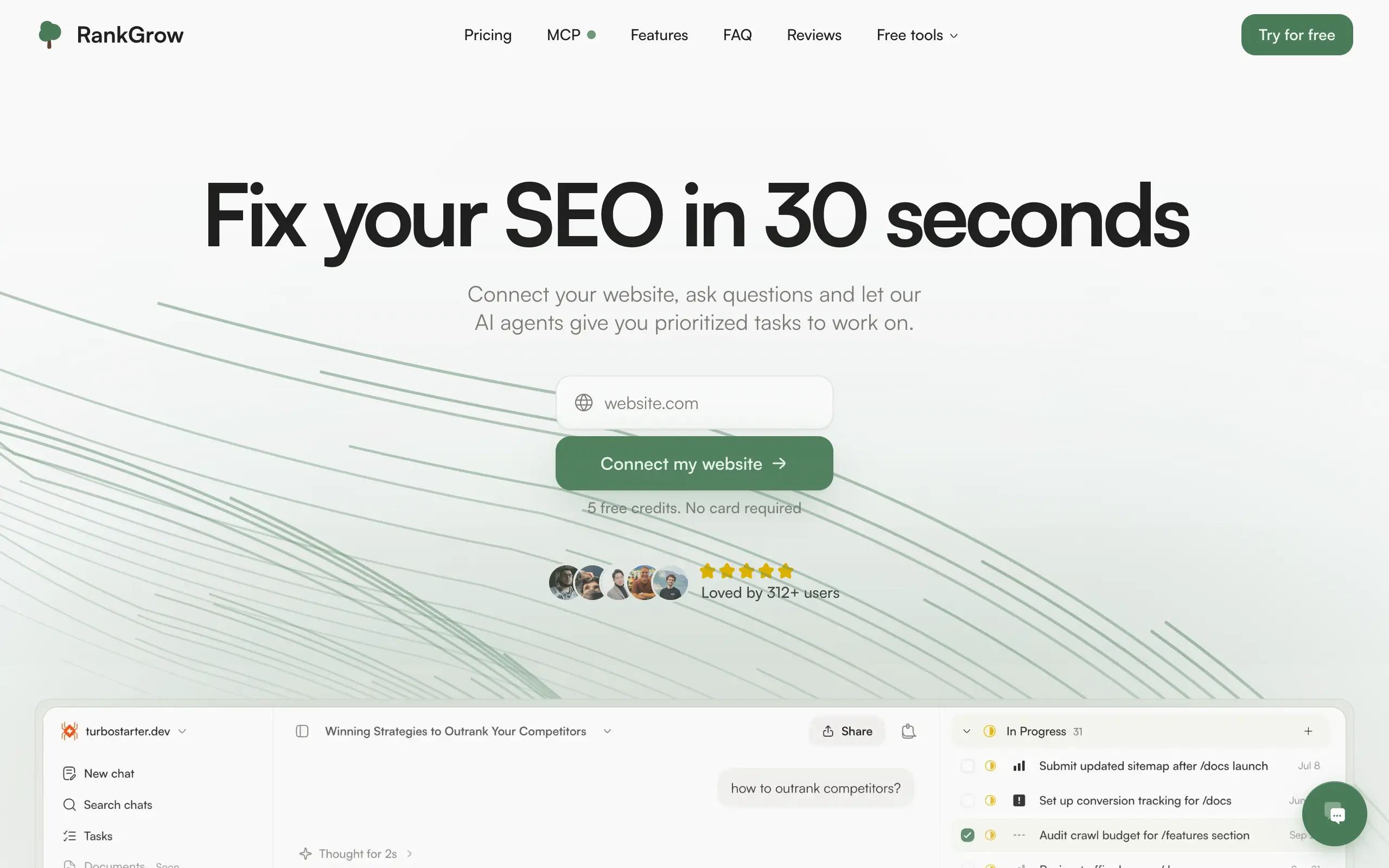
RankGrow
Fix your SEO with AI agents - connect Search Console, get prioritized tasks, and grow organic traffic 📈
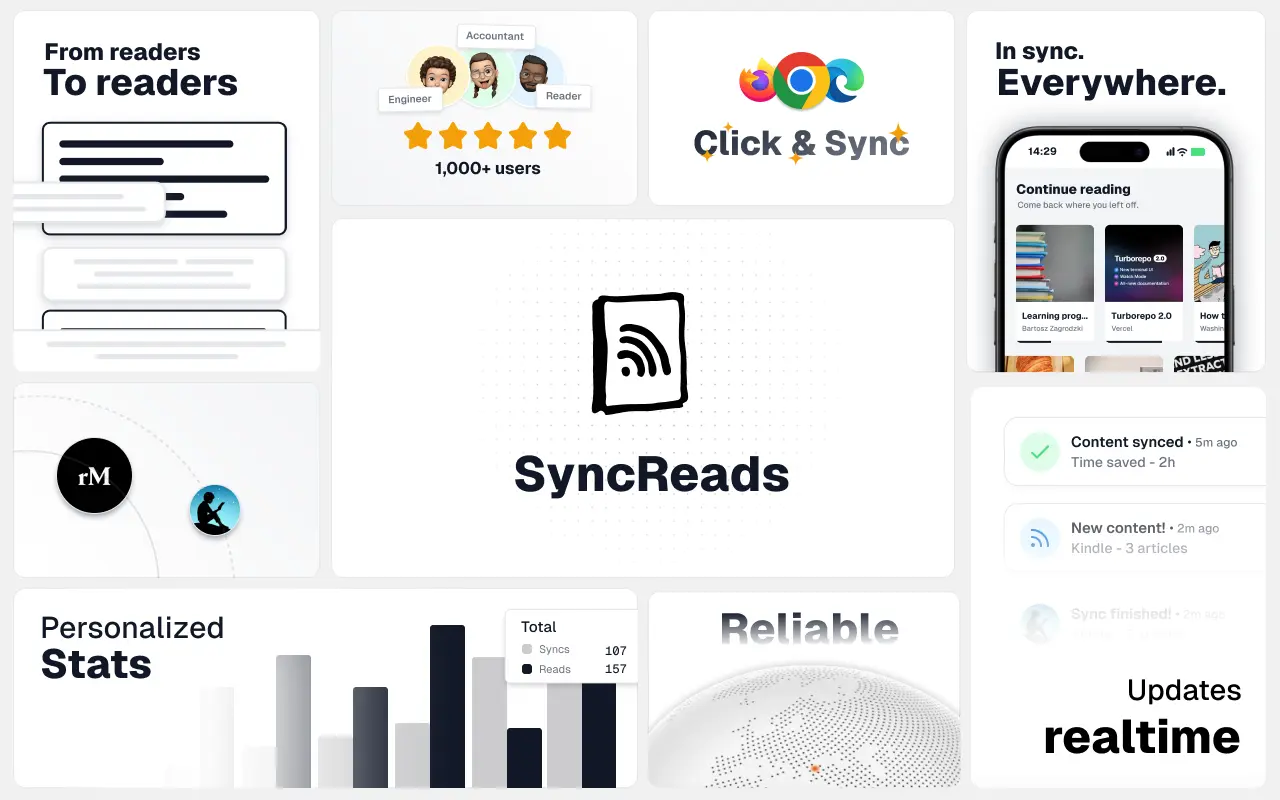
SyncReads
Sync your favorite content for distraction-free reading, save time and replace multiple apps. Anytime, anywhere 🔄
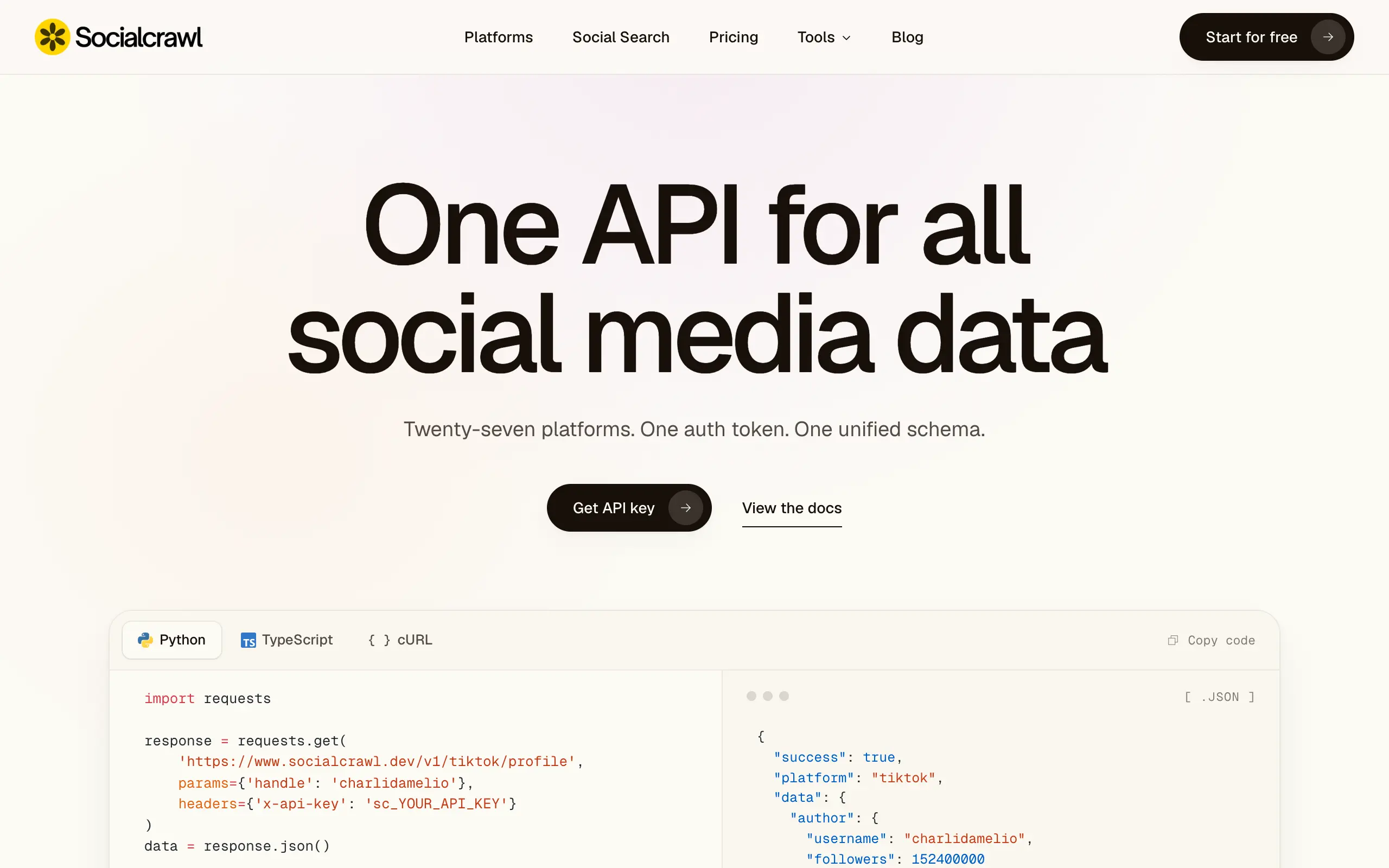
Socialcrawl
Get clean, structured data from 21 platforms like TikTok, Instagram, and YouTube with a single request 📊
Statiko
Monitor any Telegram channel in real time - track posts, edits, deletions, and growth with AI recaps 📡
Shibui
AI website builder - describe your business, pick a niche template, edit by chatting, and publish instantly ✨
Pro Service
Find verified home service professionals, compare quotes, and pay securely through escrow - built for Brazilians across the US 🏠
RankGrow
Fix your SEO with AI agents - connect Search Console, get prioritized tasks, and grow organic traffic 📈
SyncReads
Sync your favorite content for distraction-free reading, save time and replace multiple apps. Anytime, anywhere 🔄
Socialcrawl
Get clean, structured data from 21 platforms like TikTok, Instagram, and YouTube with a single request 📊
Statiko
Monitor any Telegram channel in real time - track posts, edits, deletions, and growth with AI recaps 📡
Shibui
AI website builder - describe your business, pick a niche template, edit by chatting, and publish instantly ✨
Pro Service
Find verified home service professionals, compare quotes, and pay securely through escrow - built for Brazilians across the US 🏠
RankGrow
Fix your SEO with AI agents - connect Search Console, get prioritized tasks, and grow organic traffic 📈
SyncReads
Sync your favorite content for distraction-free reading, save time and replace multiple apps. Anytime, anywhere 🔄
Socialcrawl
Get clean, structured data from 21 platforms like TikTok, Instagram, and YouTube with a single request 📊
Statiko
Monitor any Telegram channel in real time - track posts, edits, deletions, and growth with AI recaps 📡
Shibui
AI website builder - describe your business, pick a niche template, edit by chatting, and publish instantly ✨
Pro Service
Find verified home service professionals, compare quotes, and pay securely through escrow - built for Brazilians across the US 🏠
RankGrow
Fix your SEO with AI agents - connect Search Console, get prioritized tasks, and grow organic traffic 📈
SyncReads
Sync your favorite content for distraction-free reading, save time and replace multiple apps. Anytime, anywhere 🔄
Socialcrawl
Get clean, structured data from 21 platforms like TikTok, Instagram, and YouTube with a single request 📊
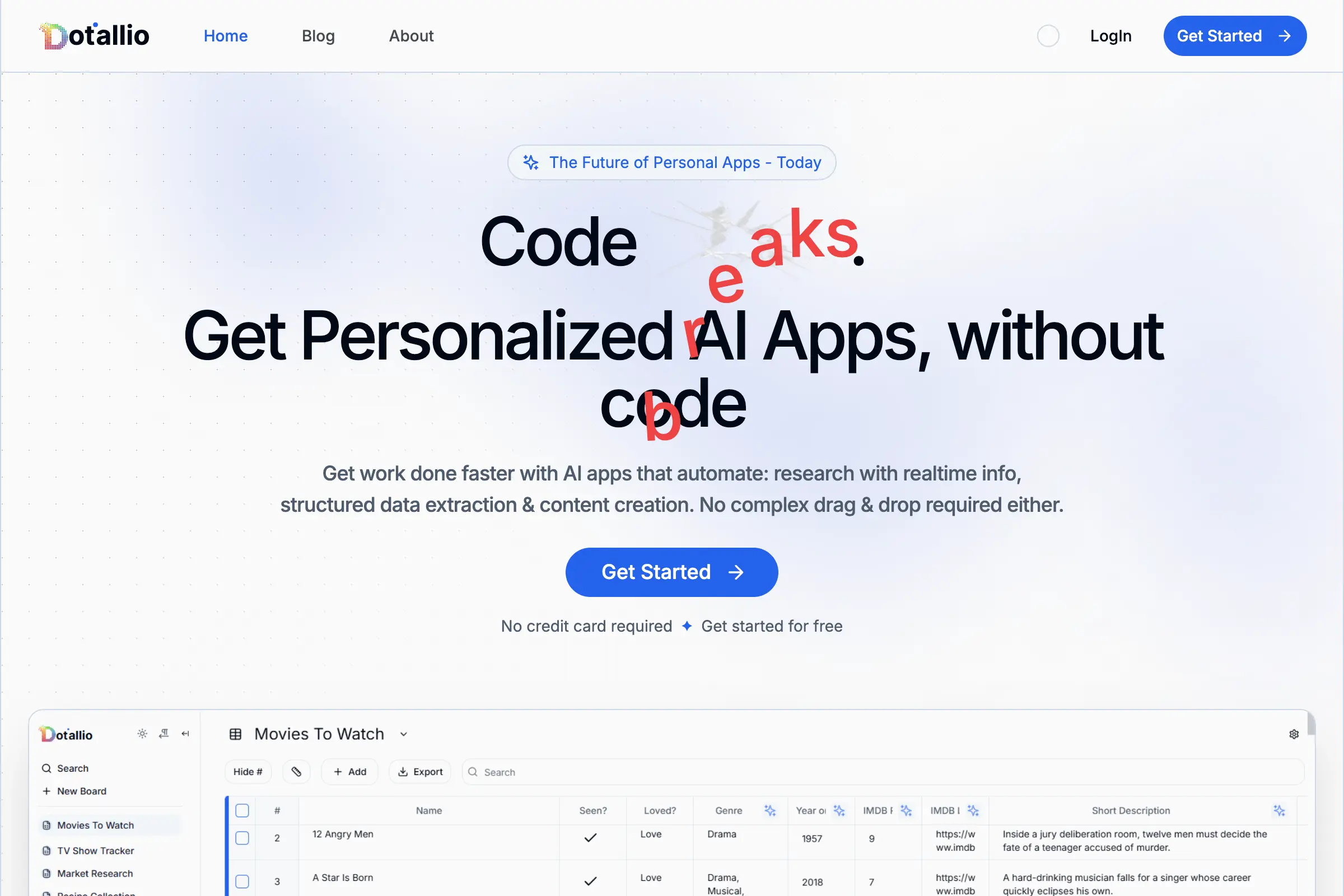
Dotallio
Personalized AI apps that automate research, data extraction, and content creation without code 🤖

Talk to Santa
Enjoy a magical live video chat or receive a unique AI-generated video greeting from Santa Claus 🎅

pozywka.pl
Scalable blog for food journalist, focused on performance and user experience 🌭
zagrodzki.me
Personal blog and portfolio of Bart Zagrodzki, where he shares his knowledge and work 💼
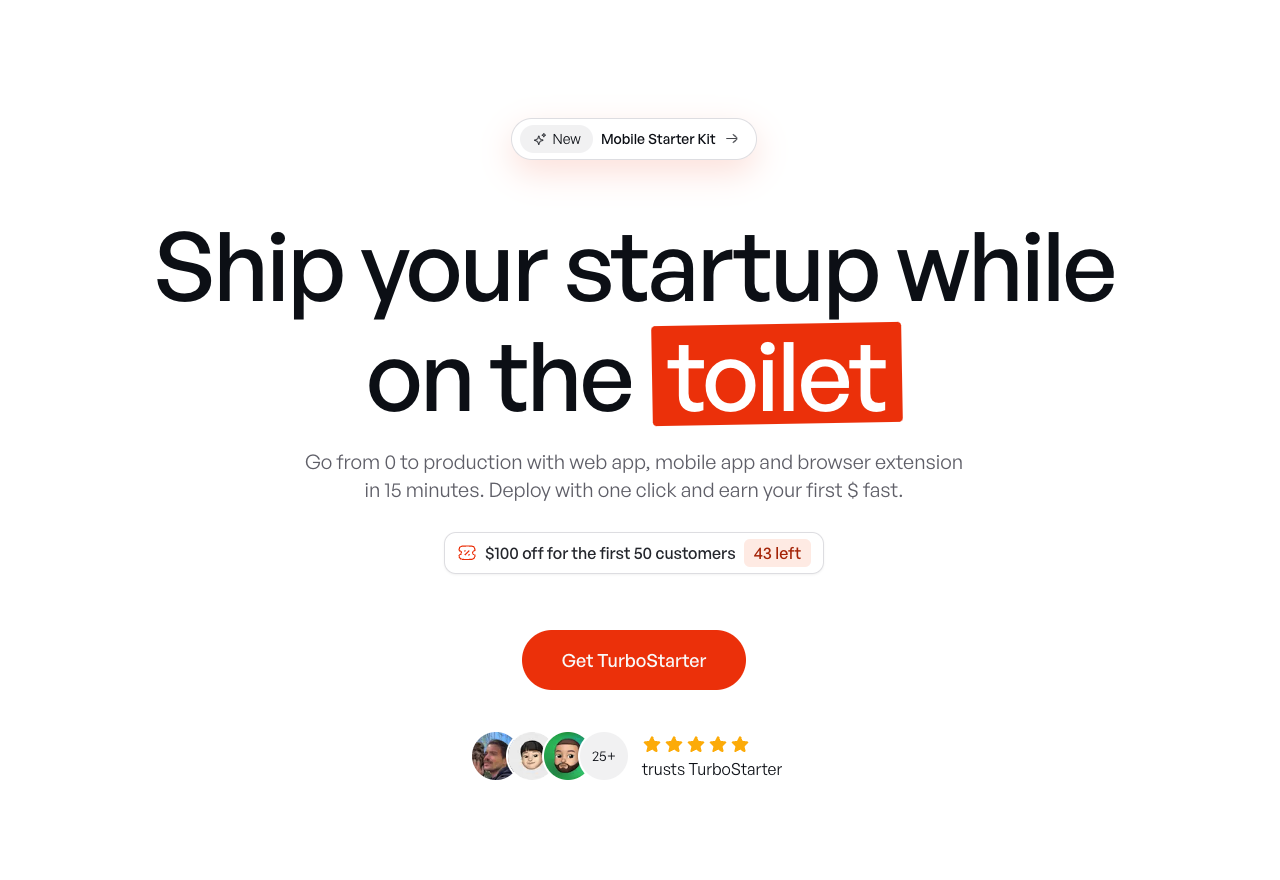
TurboStarter
Ship your startup everywhere. In minutes.
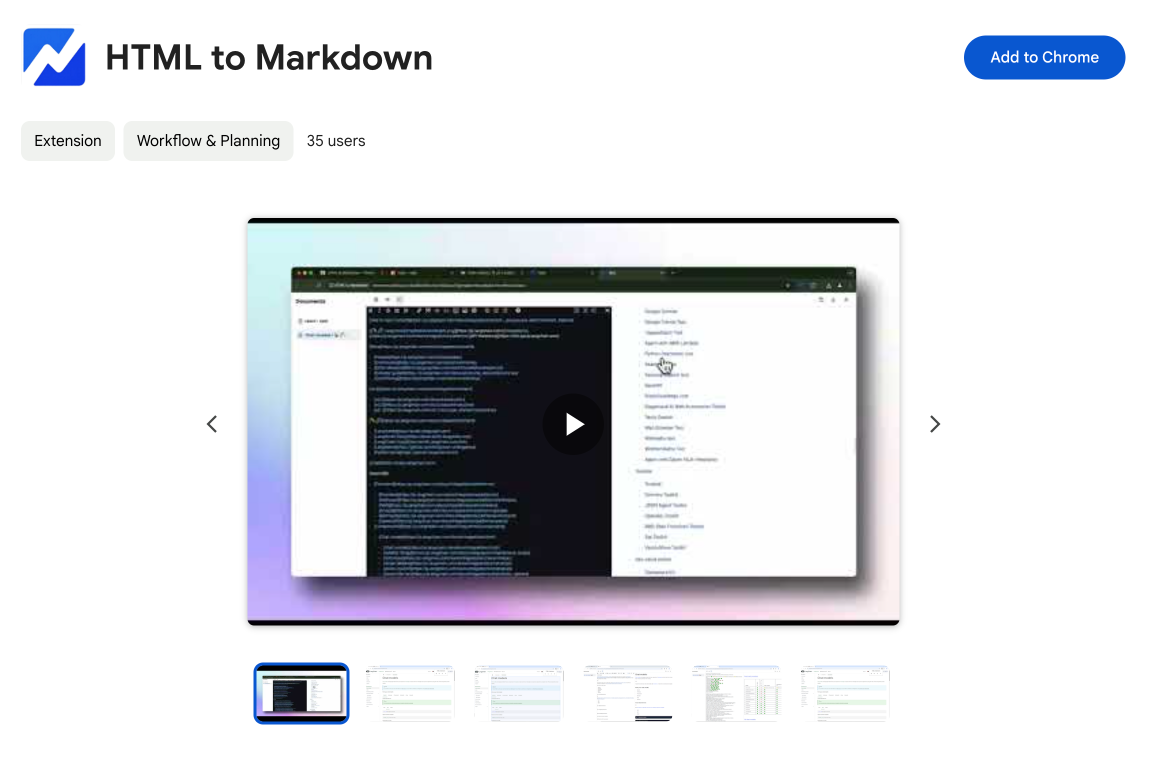
HTML to Markdown
Convert HTML to Markdown with ease, directly in your browser 📄
Dotallio
Personalized AI apps that automate research, data extraction, and content creation without code 🤖
Talk to Santa
Enjoy a magical live video chat or receive a unique AI-generated video greeting from Santa Claus 🎅
pozywka.pl
Scalable blog for food journalist, focused on performance and user experience 🌭
zagrodzki.me
Personal blog and portfolio of Bart Zagrodzki, where he shares his knowledge and work 💼
TurboStarter
Ship your startup everywhere. In minutes.
HTML to Markdown
Convert HTML to Markdown with ease, directly in your browser 📄
Dotallio
Personalized AI apps that automate research, data extraction, and content creation without code 🤖
Talk to Santa
Enjoy a magical live video chat or receive a unique AI-generated video greeting from Santa Claus 🎅
pozywka.pl
Scalable blog for food journalist, focused on performance and user experience 🌭
zagrodzki.me
Personal blog and portfolio of Bart Zagrodzki, where he shares his knowledge and work 💼
TurboStarter
Ship your startup everywhere. In minutes.
HTML to Markdown
Convert HTML to Markdown with ease, directly in your browser 📄
Dotallio
Personalized AI apps that automate research, data extraction, and content creation without code 🤖
Talk to Santa
Enjoy a magical live video chat or receive a unique AI-generated video greeting from Santa Claus 🎅
pozywka.pl
Scalable blog for food journalist, focused on performance and user experience 🌭
zagrodzki.me
Personal blog and portfolio of Bart Zagrodzki, where he shares his knowledge and work 💼
TurboStarter
Ship your startup everywhere. In minutes.
HTML to Markdown
Convert HTML to Markdown with ease, directly in your browser 📄
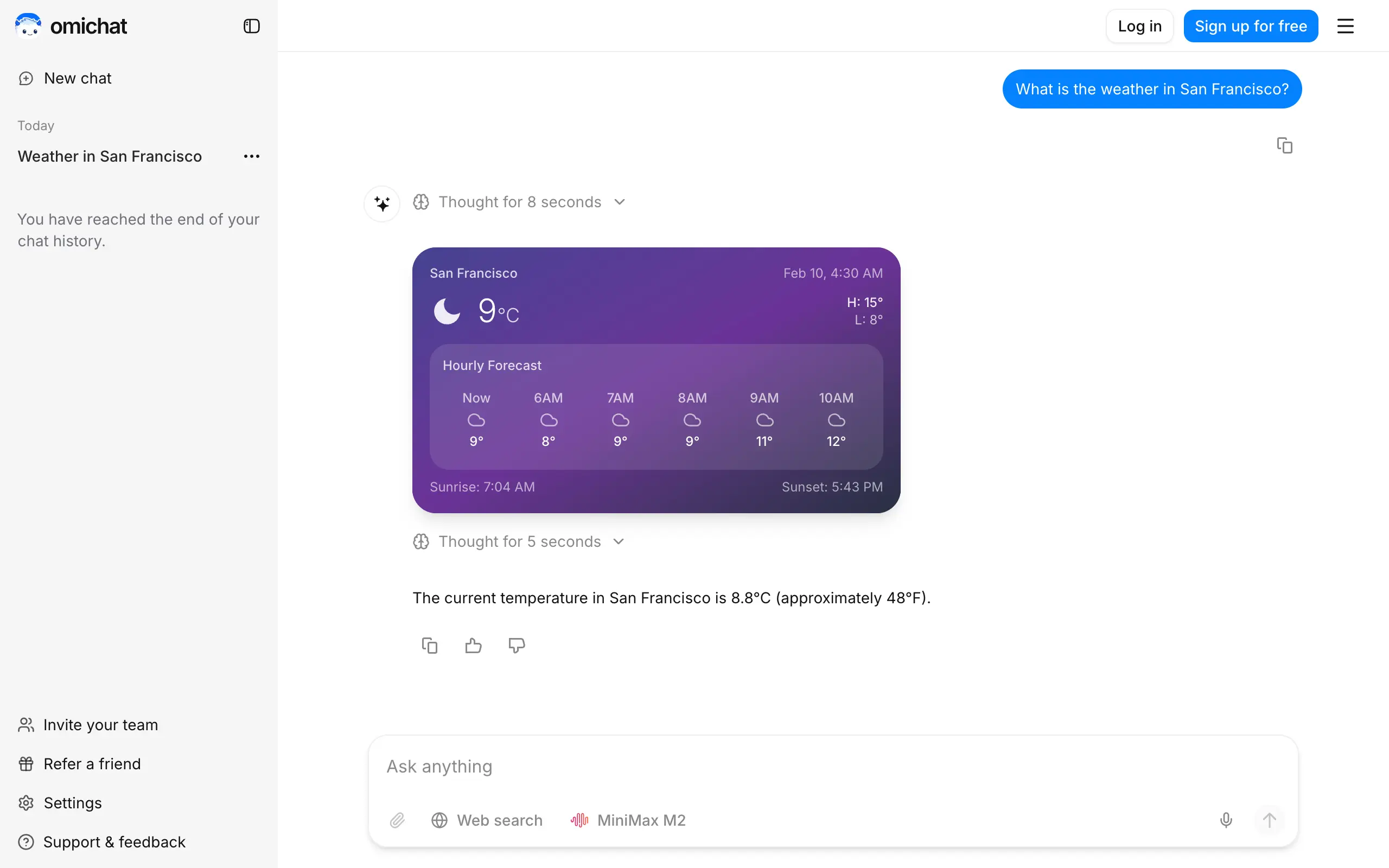
Omichat
Chat with 50+ AI models, including ChatGPT and Claude, in one place - switch models anytime without losing context 🤖
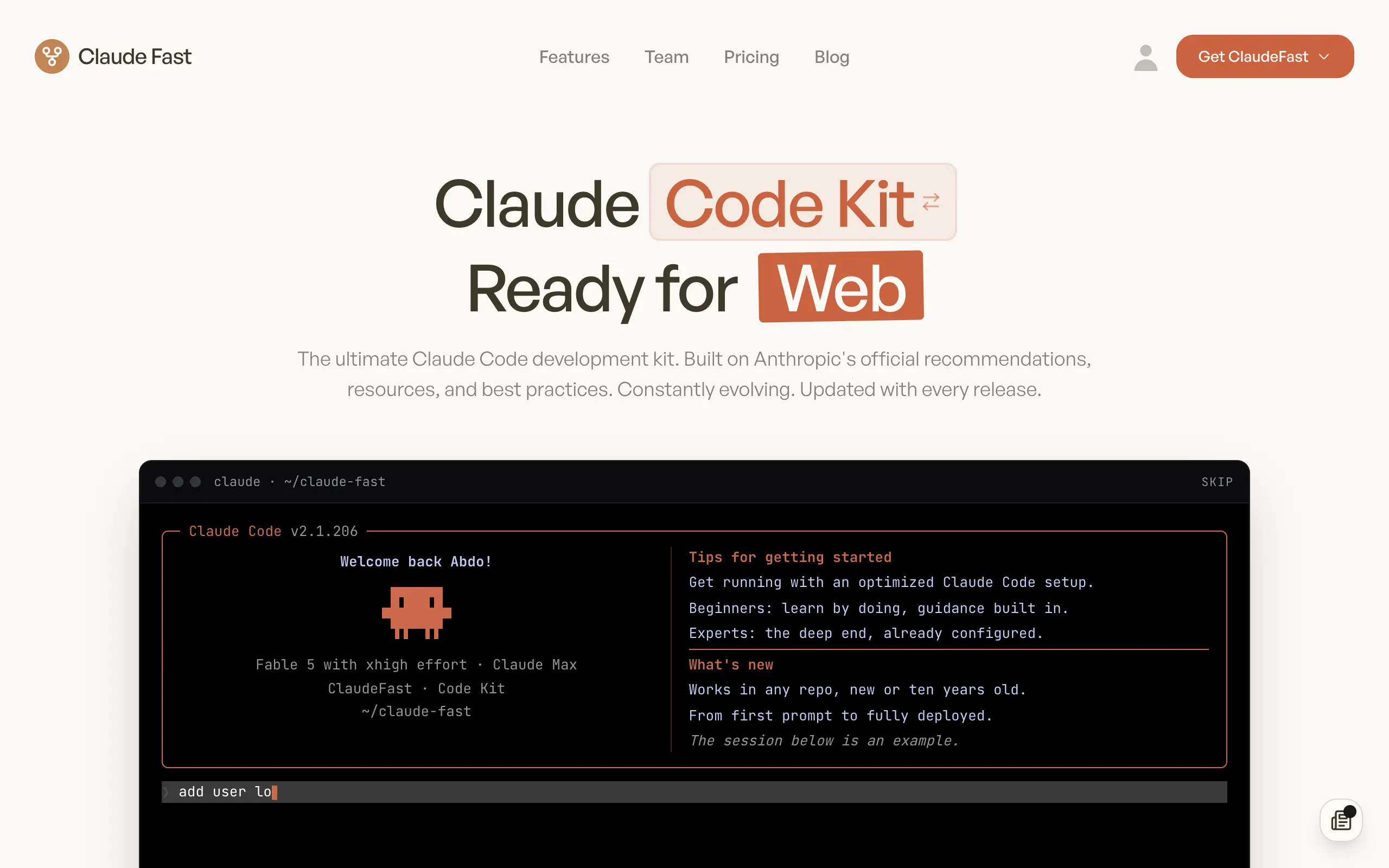
Claude Fast
Supercharge your Claude Code with 6x effective context window and specialized AI agents 🤖

EmojAI
AI-powered emoji picker with smart, context-aware suggestions 🤖

Solohacker
Autonomous company launcher - AI agents work 24/7, escalate what matters, and you stay in control 🤖
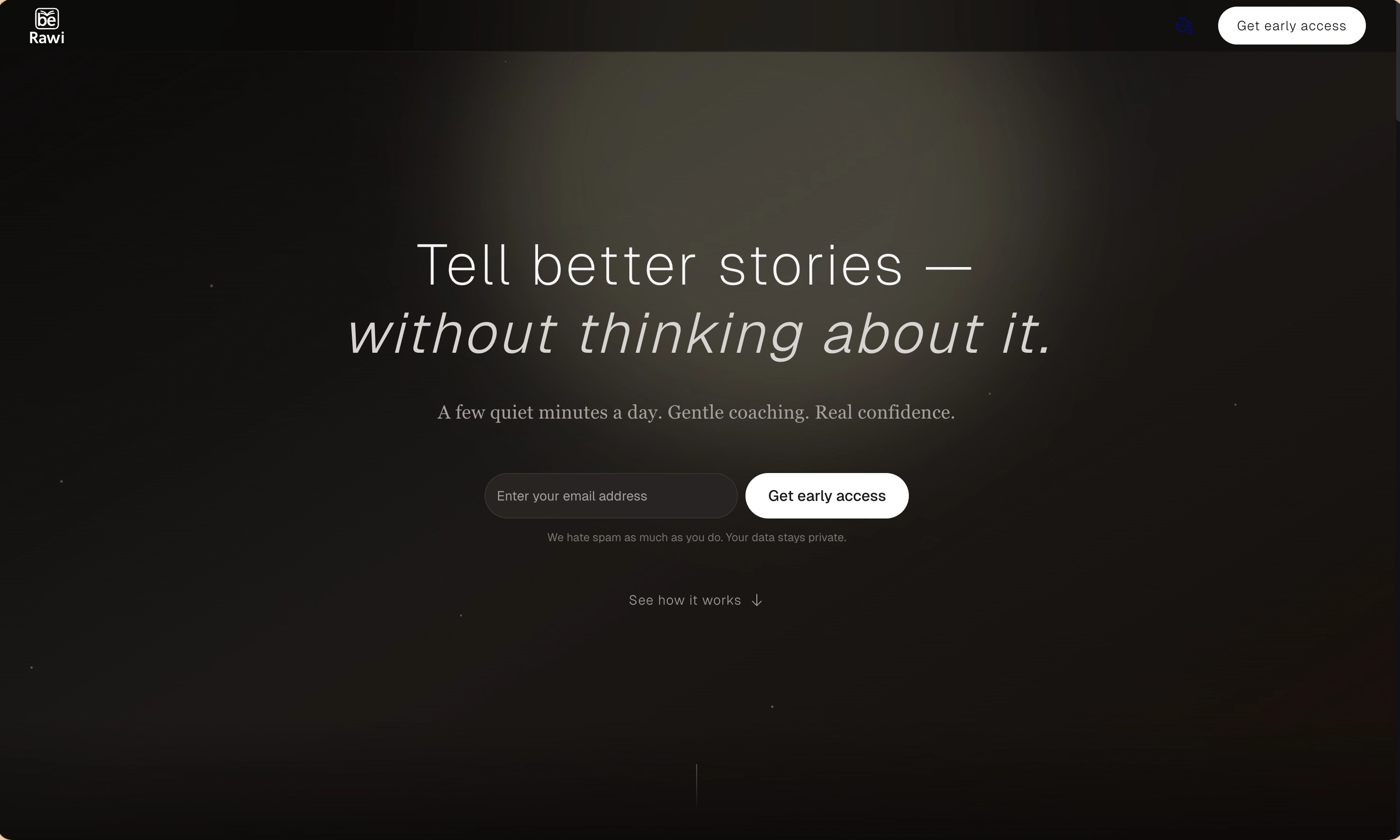
BeRawi: Storytelling Coach
Practice storytelling daily with instant feedback to sound clearer, more engaging, and confident 🎤
Omichat
Chat with 50+ AI models, including ChatGPT and Claude, in one place - switch models anytime without losing context 🤖
Claude Fast
Supercharge your Claude Code with 6x effective context window and specialized AI agents 🤖
EmojAI
AI-powered emoji picker with smart, context-aware suggestions 🤖
Solohacker
Autonomous company launcher - AI agents work 24/7, escalate what matters, and you stay in control 🤖
BeRawi: Storytelling Coach
Practice storytelling daily with instant feedback to sound clearer, more engaging, and confident 🎤
Omichat
Chat with 50+ AI models, including ChatGPT and Claude, in one place - switch models anytime without losing context 🤖
Claude Fast
Supercharge your Claude Code with 6x effective context window and specialized AI agents 🤖
EmojAI
AI-powered emoji picker with smart, context-aware suggestions 🤖
Solohacker
Autonomous company launcher - AI agents work 24/7, escalate what matters, and you stay in control 🤖
BeRawi: Storytelling Coach
Practice storytelling daily with instant feedback to sound clearer, more engaging, and confident 🎤
Omichat
Chat with 50+ AI models, including ChatGPT and Claude, in one place - switch models anytime without losing context 🤖
Claude Fast
Supercharge your Claude Code with 6x effective context window and specialized AI agents 🤖
EmojAI
AI-powered emoji picker with smart, context-aware suggestions 🤖
Solohacker
Autonomous company launcher - AI agents work 24/7, escalate what matters, and you stay in control 🤖
BeRawi: Storytelling Coach
Practice storytelling daily with instant feedback to sound clearer, more engaging, and confident 🎤

Connect with like-minded people
Join our community to get feedback, support, and grow together with 1,000+ builders on board, let's ship it!
Join usShip your startup everywhere. In minutes.
Don't burn tokens on setup and start building features on day one.