TestGenix
AI service that automatically generates, maintains, and optimizes test cases for CI/CD pipelines by learning from code changes, logs, and past failures.
Understanding the problem TestGenix is built to solve
Modern software teams ship faster than ever. Continuous integration and continuous delivery (CI/CD) pipelines are now the default, not the exception. Yet one critical piece consistently struggles to keep up: test automation.
Despite major investments in testing frameworks, most teams still face:
- Flaky tests that fail unpredictably
- Test suites that grow outdated as code evolves
- High manual effort to write and maintain test cases
- Limited feedback from production incidents or logs
- Slow pipelines caused by bloated or inefficient test runs
This is the real-world context where AI-powered test generation for CI/CD pipelines becomes not just attractive, but necessary. TestGenix is designed to directly address these pain points by acting as an intelligent, self-improving testing layer that evolves alongside your codebase.
Instead of treating test cases as static assets, TestGenix treats them as living artifacts—continuously learned, refined, and optimized based on actual code changes, execution logs, and historical failures.
What is TestGenix? An overview of the AI test generation platform
TestGenix is an AI-driven testing service that automatically generates, maintains, and optimizes test cases for CI/CD pipelines. Its core differentiator lies in how it learns:
- From code diffs and pull requests
- From CI/CD execution logs
- From historical test failures and regressions
- From runtime behavior and edge cases
The primary keyword that best captures this concept is:
AI test case generation for CI/CD pipelines
Unlike traditional tools that only generate tests once (often at the unit level), TestGenix continuously adapts. As the application changes, so does the test suite—without requiring constant manual intervention from developers or QA engineers.
How TestGenix fits into modern DevOps workflows
TestGenix is not a replacement for developers or QA teams. Instead, it acts as an AI-powered augmentation layer within existing workflows:
- It integrates with Git-based workflows (pull requests, commits)
- It runs as part of CI pipelines (GitHub Actions, GitLab CI, Jenkins, etc.)
- It outputs tests compatible with existing frameworks
- It prioritizes test coverage where risk is highest
This approach aligns strongly with current DevOps and platform engineering trends, where tooling must be non-disruptive, incremental, and automation-first.
Target audience analysis: who TestGenix is built for
Understanding the target audience is critical for positioning any SaaS product, especially in a technically sophisticated space like AI testing.
Primary audience: engineering-led SaaS teams
TestGenix is ideally suited for:
- SaaS startups and scale-ups
- Teams with frequent deployments (daily or weekly)
- Organizations practicing CI/CD and trunk-based development
- Products with complex logic or fast-changing requirements
These teams often feel the pain of test maintenance most acutely. Their test suites either lag behind feature development or become so brittle that engineers lose trust in them.
Secondary audience: QA and test automation specialists
While TestGenix reduces manual test writing, it does not eliminate the role of QA professionals. Instead, it allows them to:
- Focus on test strategy and quality standards
- Review and approve AI-generated test cases
- Investigate complex edge cases and exploratory testing
- Use insights from TestGenix to improve overall coverage
For this group, TestGenix is a force multiplier rather than a threat.
Tertiary audience: platform and DevOps engineers
Platform teams care deeply about:
- Pipeline reliability
- Execution time and cost
- Signal-to-noise ratio in CI failures
TestGenix appeals to them by:
- Reducing flaky tests
- Optimizing which tests run on each change
- Shortening feedback loops for developers
SaaS engineering teams
Teams shipping features rapidly and struggling to keep test coverage aligned with frequent code changes.
QA & test automation engineers
Professionals who want to reduce manual test maintenance and focus on higher-value testing activities.
DevOps & platform teams
Engineers responsible for CI/CD reliability, performance, and developer experience.
Market opportunity and gap in AI-powered testing
The current state of test automation tools
Most existing testing tools fall into one of these categories:
- Frameworks (JUnit, Jest, Playwright, Cypress)
- Record-and-replay tools
- Code coverage and reporting tools
- Static test generators
While powerful, these tools share a common limitation: they are reactive. They require humans to decide:
- What to test
- When to update tests
- Which failures matter
In contrast, modern software systems generate vast amounts of data—logs, metrics, traces—that rarely feed back into test creation.
The gap TestGenix addresses
The key gap is the lack of closed-loop learning in test automation.
TestGenix closes this loop by:
- Observing how code changes
- Observing how tests behave in CI
- Observing failures in real execution
- Feeding that data back into future test generation
This creates a virtuous cycle where the test suite becomes more accurate and valuable over time.
Why now? Industry trends supporting TestGenix
Several trends make this the right moment for an AI testing platform like TestGenix:
- Increased adoption of AI-assisted development
- Growing complexity of microservices and APIs
- Higher cost of production incidents
- Shift-left testing and DevSecOps practices
Industry reports from major analyst firms consistently highlight test automation as a bottleneck in DevOps maturity. An AI-native solution is a logical next step.
Core features of TestGenix and how they work
AI-driven test case generation
At its core, TestGenix automatically generates test cases by analyzing:
- Source code structure and logic
- API contracts and schemas
- Historical test patterns
- Edge cases inferred from failures
These tests can be generated at multiple levels:
- Unit tests
- Integration tests
- API tests
- Regression tests
Continuous test maintenance
One of the most expensive aspects of testing is maintenance. TestGenix continuously updates tests by:
- Detecting breaking changes in code
- Refactoring outdated assertions
- Removing redundant or low-value tests
- Updating mocks and fixtures
This dramatically reduces the manual effort typically required after refactors or architectural changes.
Learning from logs and failures
Unlike static tools, TestGenix analyzes:
- CI logs
- Runtime errors
- Stack traces
- Past failure patterns
This allows it to:
- Identify untested edge cases
- Generate new tests that reproduce real bugs
- Prioritize high-risk code paths
Why logs matter
Logs and failure data represent real-world behavior. By learning from them, TestGenix ensures tests reflect how the system actually fails—not just how developers expect it to work.
Intelligent test optimization
Running all tests on every commit is often unnecessary and expensive. TestGenix optimizes test execution by:
- Mapping tests to affected code paths
- Selecting only relevant tests per change
- Flagging flaky or unstable tests
- Reducing overall CI runtime
How TestGenix integrates into CI/CD pipelines
Supported workflows
TestGenix is designed to fit naturally into existing pipelines:
- Pull request validation
- Nightly regression runs
- Pre-release test suites
- Post-incident regression generation
It can be triggered automatically based on repository events.
Example CI integration (conceptual)
// Example: invoking TestGenix during a CI pipeline
testgenix.run({
  repo: "org/repo",
  commitSha: process.env.GIT_SHA,
  mode: "generate-and-optimize",
  frameworks: ["jest", "playwright"]
});
This conceptual snippet illustrates how TestGenix could be invoked programmatically without forcing teams to abandon their current tooling.
Recommended tech stack for building TestGenix
Backend and AI layer
- Python for ML orchestration and data processing
- FastAPI for API services
- Vector databases for embeddings and similarity search
- Large language models for test generation and reasoning
Trade-off: LLM usage introduces cost and latency, which must be carefully managed through caching and batching.
Frontend and dashboard
- React (React) for UI
- TypeScript for type safety
- TailwindCSS (TailwindCSS) for rapid UI development
The frontend should focus on explainability—showing why a test was generated or modified.
CI/CD and infrastructure
- Containerized services (Docker)
- Scalable cloud infrastructure
- Secure handling of source code and logs
Security and data isolation are critical, especially when dealing with proprietary codebases.
Monetization strategies for TestGenix
Usage-based pricing
Charge based on:
- Number of test cases generated
- CI pipeline runs
- Volume of code analyzed
This aligns cost with value delivered.
Seat-based pricing
Offer per-developer or per-team pricing, appealing to larger organizations that prefer predictable billing.
Enterprise plans
Include:
- On-prem or private cloud deployments
- Custom compliance requirements
- Dedicated support and SLAs
Combining usage-based and seat-based pricing allows TestGenix to serve both startups and enterprises without limiting growth.
Competitive advantage: why TestGenix stands out
Continuous learning vs static generation
Most competitors generate tests once. TestGenix continuously evolves them.
Data-driven prioritization
By learning from failures and logs, TestGenix focuses on what actually breaks—not hypothetical cases.
CI-native design
TestGenix is built for CI/CD from day one, not retrofitted later.
| Feature | Traditional tools | Record & replay | TestGenix | Manual QA |
|---|---|---|---|---|
| AI-generated tests | ❌ | ✅ | ✅ | ❌ |
| Continuous learning | ❌ | ❌ | ✅ | ❌ |
Risks and challenges, and how to mitigate them
Risk: lack of trust in AI-generated tests
Mitigation:
Provide transparency, diff views, and human approval workflows.
Risk: security and IP concerns
Mitigation:
Offer strong isolation, encryption, and optional self-hosting.
Risk: false positives or flaky tests
Mitigation:
Continuously score test stability and automatically deprecate flaky tests.
AI is not infallible
AI-generated tests should augment human judgment, not replace it. Clear review mechanisms are essential for adoption.
Actionable implementation steps for building TestGenix
For founders and teams looking to accelerate this process, platforms like TurboStarter can significantly reduce boilerplate and help you focus on the core AI value.
The future of AI test case generation for CI/CD pipelines
As software systems grow more complex, testing must become smarter, not just broader. TestGenix represents a shift from static test automation to adaptive, learning-based quality assurance.
By embedding AI directly into CI/CD workflows, TestGenix helps teams:
- Ship faster without sacrificing quality
- Reduce manual testing overhead
- Learn continuously from real-world failures
This is not just a better testing tool—it is a new category of intelligent testing infrastructure.
More 🤖 AI Startup SaaS ideas
Discover more innovative ai startup SaaS ideas that are trending in 2026. Each idea is AI-generated with market validation and growth potential to help you find your next profitable venture faster than competitors.
Your competitors are building with TurboStarter
Below are some of the SaaS ideas that have been generated and built with our starter kit.

Statiko
Monitor any Telegram channel in real time - track posts, edits, deletions, and growth with AI recaps 📡

Shibui
AI website builder - describe your business, pick a niche template, edit by chatting, and publish instantly ✨

Pro Service
Find verified home service professionals, compare quotes, and pay securely through escrow - built for Brazilians across the US 🏠
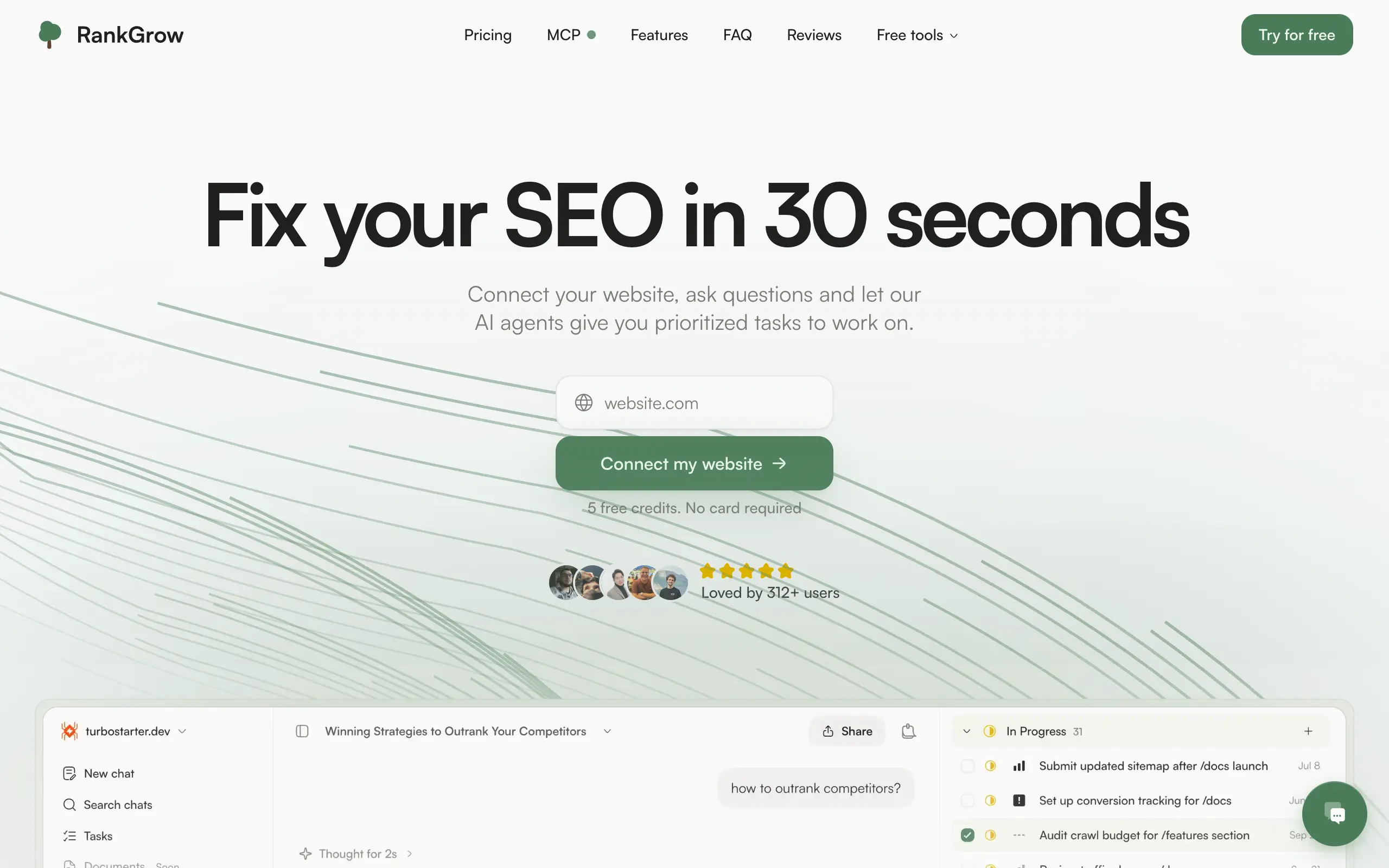
RankGrow
Fix your SEO with AI agents - connect Search Console, get prioritized tasks, and grow organic traffic 📈
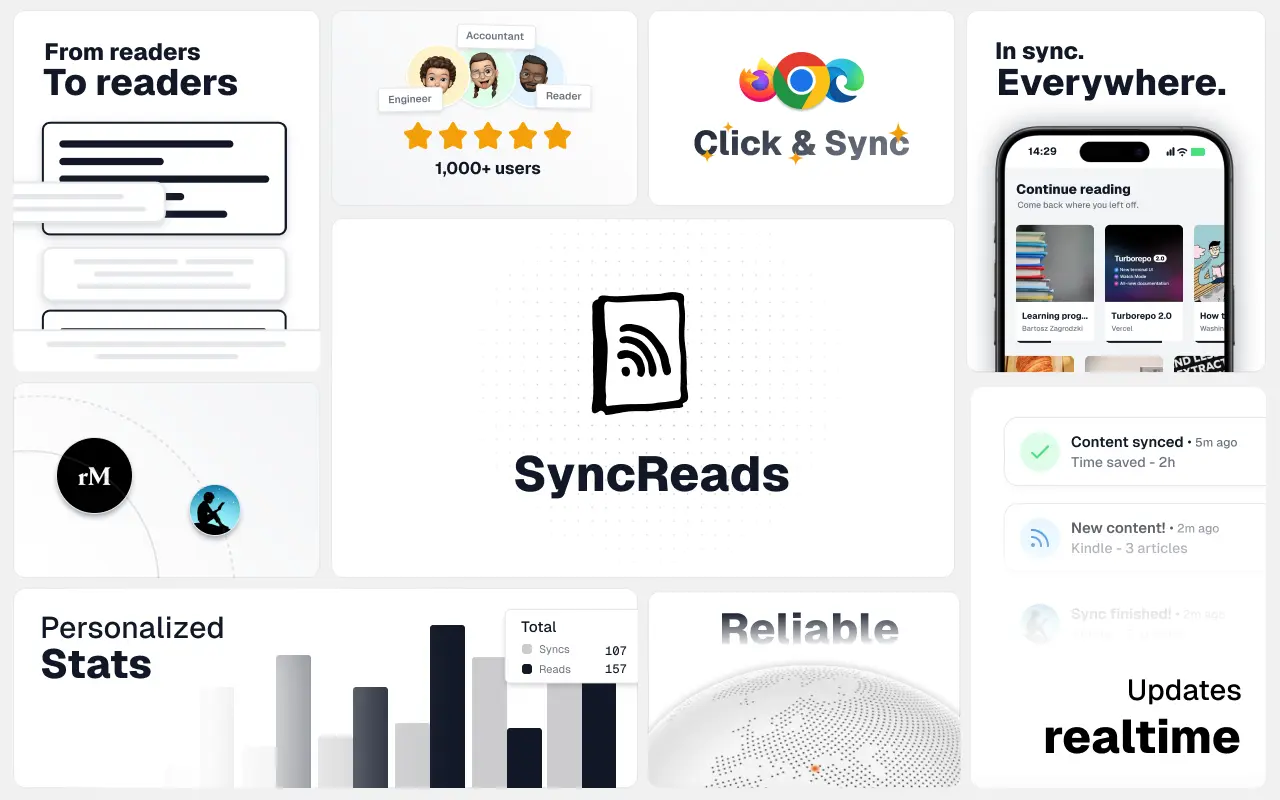
SyncReads
Sync your favorite content for distraction-free reading, save time and replace multiple apps. Anytime, anywhere 🔄
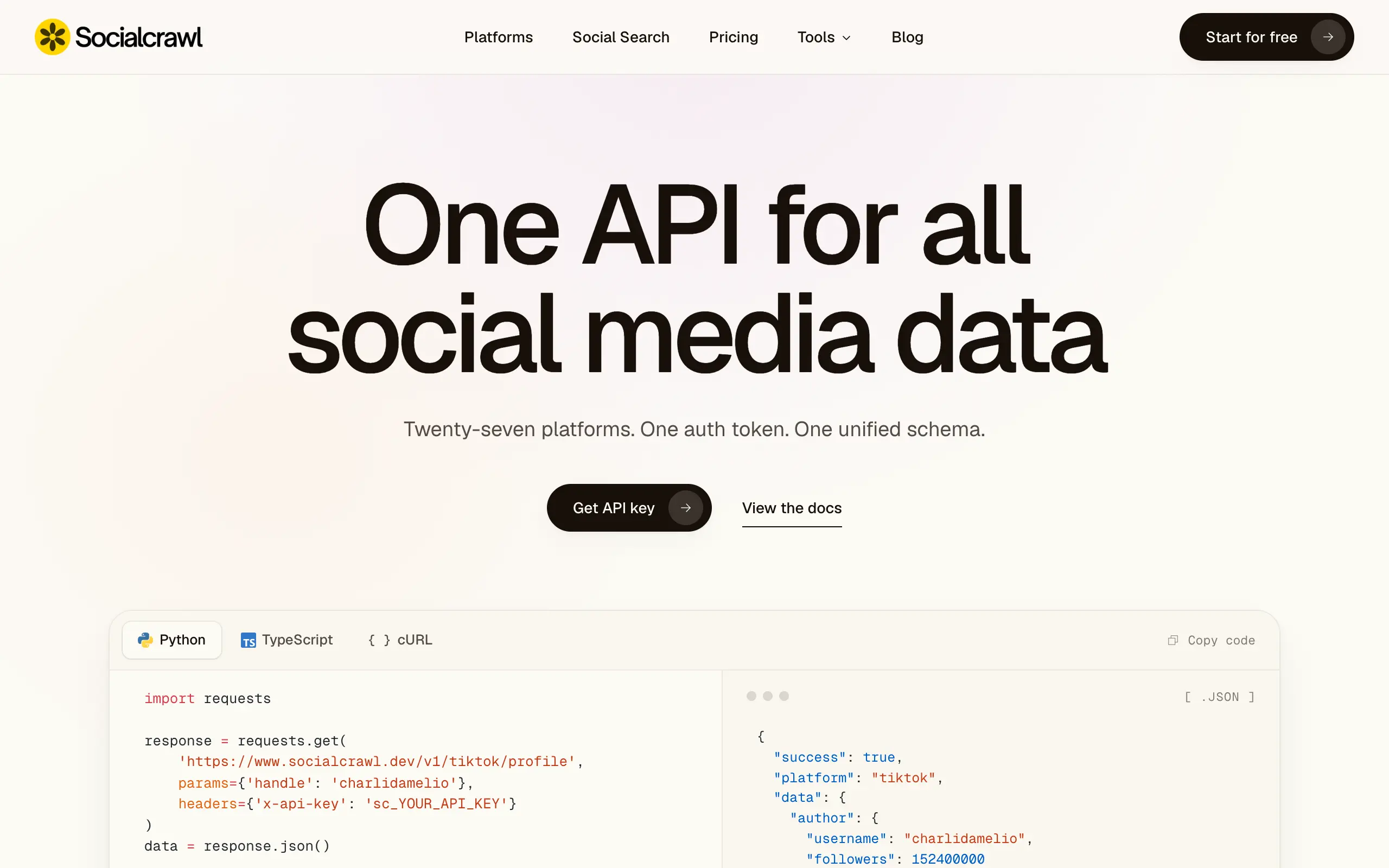
Socialcrawl
Get clean, structured data from 21 platforms like TikTok, Instagram, and YouTube with a single request 📊
Statiko
Monitor any Telegram channel in real time - track posts, edits, deletions, and growth with AI recaps 📡
Shibui
AI website builder - describe your business, pick a niche template, edit by chatting, and publish instantly ✨
Pro Service
Find verified home service professionals, compare quotes, and pay securely through escrow - built for Brazilians across the US 🏠
RankGrow
Fix your SEO with AI agents - connect Search Console, get prioritized tasks, and grow organic traffic 📈
SyncReads
Sync your favorite content for distraction-free reading, save time and replace multiple apps. Anytime, anywhere 🔄
Socialcrawl
Get clean, structured data from 21 platforms like TikTok, Instagram, and YouTube with a single request 📊
Statiko
Monitor any Telegram channel in real time - track posts, edits, deletions, and growth with AI recaps 📡
Shibui
AI website builder - describe your business, pick a niche template, edit by chatting, and publish instantly ✨
Pro Service
Find verified home service professionals, compare quotes, and pay securely through escrow - built for Brazilians across the US 🏠
RankGrow
Fix your SEO with AI agents - connect Search Console, get prioritized tasks, and grow organic traffic 📈
SyncReads
Sync your favorite content for distraction-free reading, save time and replace multiple apps. Anytime, anywhere 🔄
Socialcrawl
Get clean, structured data from 21 platforms like TikTok, Instagram, and YouTube with a single request 📊
Statiko
Monitor any Telegram channel in real time - track posts, edits, deletions, and growth with AI recaps 📡
Shibui
AI website builder - describe your business, pick a niche template, edit by chatting, and publish instantly ✨
Pro Service
Find verified home service professionals, compare quotes, and pay securely through escrow - built for Brazilians across the US 🏠
RankGrow
Fix your SEO with AI agents - connect Search Console, get prioritized tasks, and grow organic traffic 📈
SyncReads
Sync your favorite content for distraction-free reading, save time and replace multiple apps. Anytime, anywhere 🔄
Socialcrawl
Get clean, structured data from 21 platforms like TikTok, Instagram, and YouTube with a single request 📊
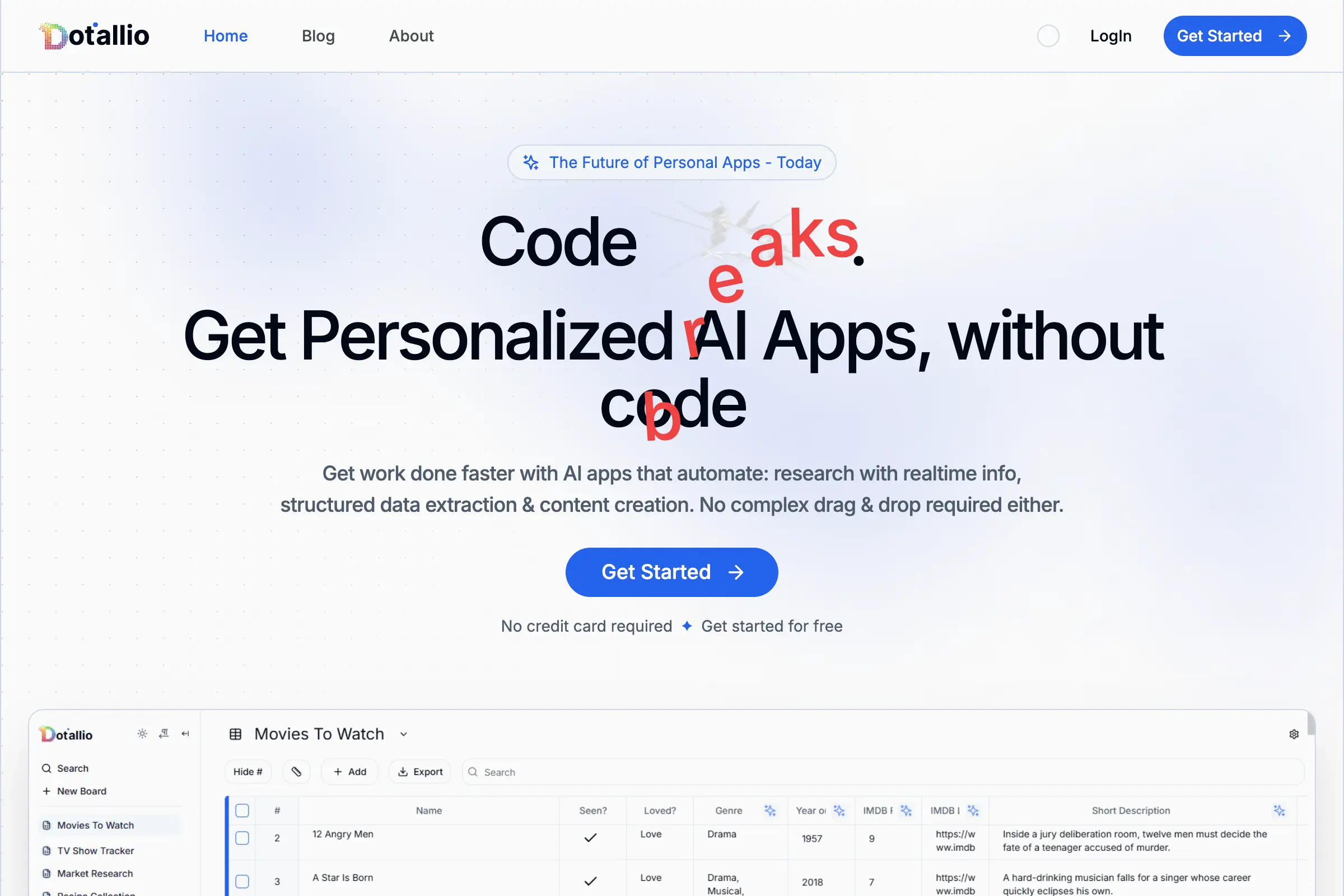
Dotallio
Personalized AI apps that automate research, data extraction, and content creation without code 🤖

Talk to Santa
Enjoy a magical live video chat or receive a unique AI-generated video greeting from Santa Claus 🎅

pozywka.pl
Scalable blog for food journalist, focused on performance and user experience 🌭
zagrodzki.me
Personal blog and portfolio of Bart Zagrodzki, where he shares his knowledge and work 💼
TurboStarter
Ship your startup everywhere. In minutes.
HTML to Markdown
Convert HTML to Markdown with ease, directly in your browser 📄
Dotallio
Personalized AI apps that automate research, data extraction, and content creation without code 🤖
Talk to Santa
Enjoy a magical live video chat or receive a unique AI-generated video greeting from Santa Claus 🎅
pozywka.pl
Scalable blog for food journalist, focused on performance and user experience 🌭
zagrodzki.me
Personal blog and portfolio of Bart Zagrodzki, where he shares his knowledge and work 💼
TurboStarter
Ship your startup everywhere. In minutes.
HTML to Markdown
Convert HTML to Markdown with ease, directly in your browser 📄
Dotallio
Personalized AI apps that automate research, data extraction, and content creation without code 🤖
Talk to Santa
Enjoy a magical live video chat or receive a unique AI-generated video greeting from Santa Claus 🎅
pozywka.pl
Scalable blog for food journalist, focused on performance and user experience 🌭
zagrodzki.me
Personal blog and portfolio of Bart Zagrodzki, where he shares his knowledge and work 💼
TurboStarter
Ship your startup everywhere. In minutes.
HTML to Markdown
Convert HTML to Markdown with ease, directly in your browser 📄
Dotallio
Personalized AI apps that automate research, data extraction, and content creation without code 🤖
Talk to Santa
Enjoy a magical live video chat or receive a unique AI-generated video greeting from Santa Claus 🎅
pozywka.pl
Scalable blog for food journalist, focused on performance and user experience 🌭
zagrodzki.me
Personal blog and portfolio of Bart Zagrodzki, where he shares his knowledge and work 💼
TurboStarter
Ship your startup everywhere. In minutes.
HTML to Markdown
Convert HTML to Markdown with ease, directly in your browser 📄
Omichat
Chat with 50+ AI models, including ChatGPT and Claude, in one place - switch models anytime without losing context 🤖
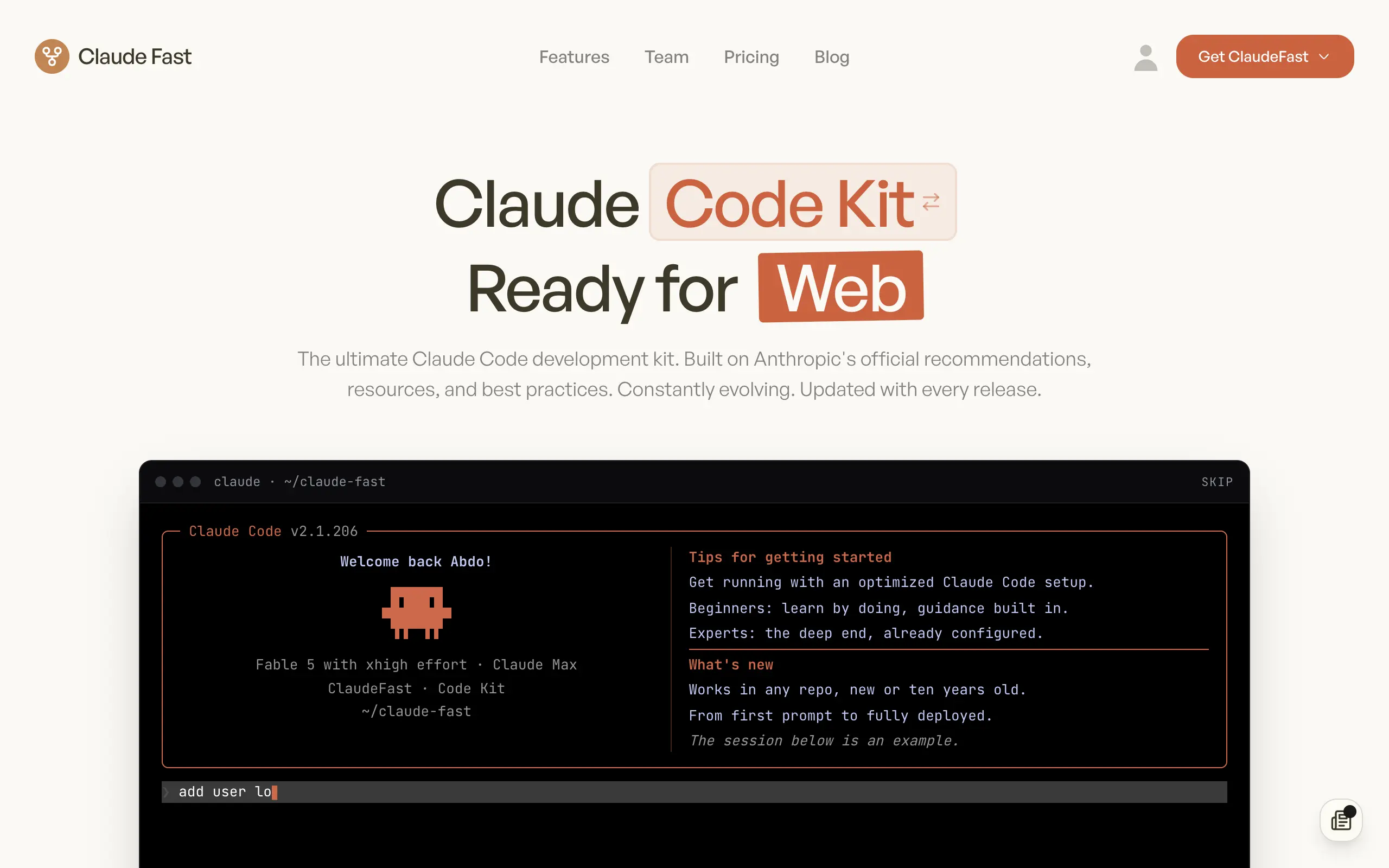
Claude Fast
Supercharge your Claude Code with 6x effective context window and specialized AI agents 🤖
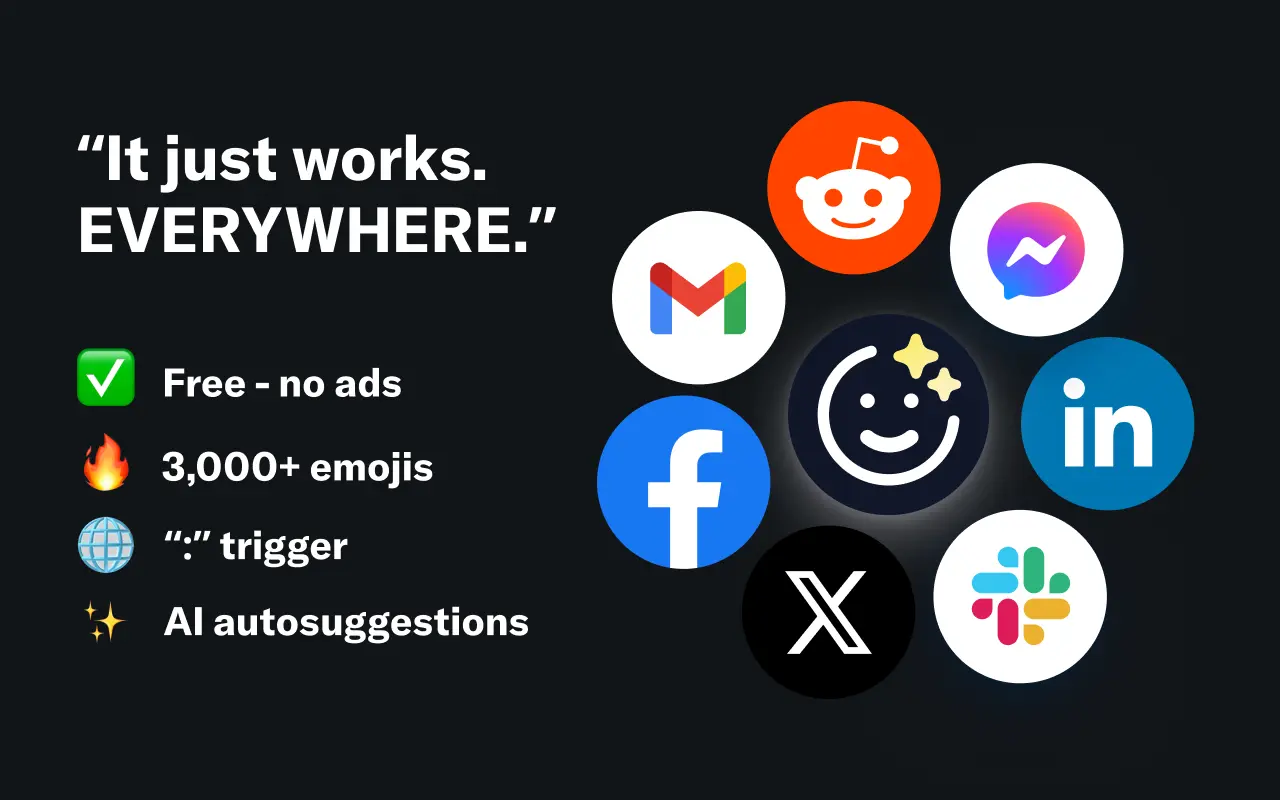
EmojAI
AI-powered emoji picker with smart, context-aware suggestions 🤖
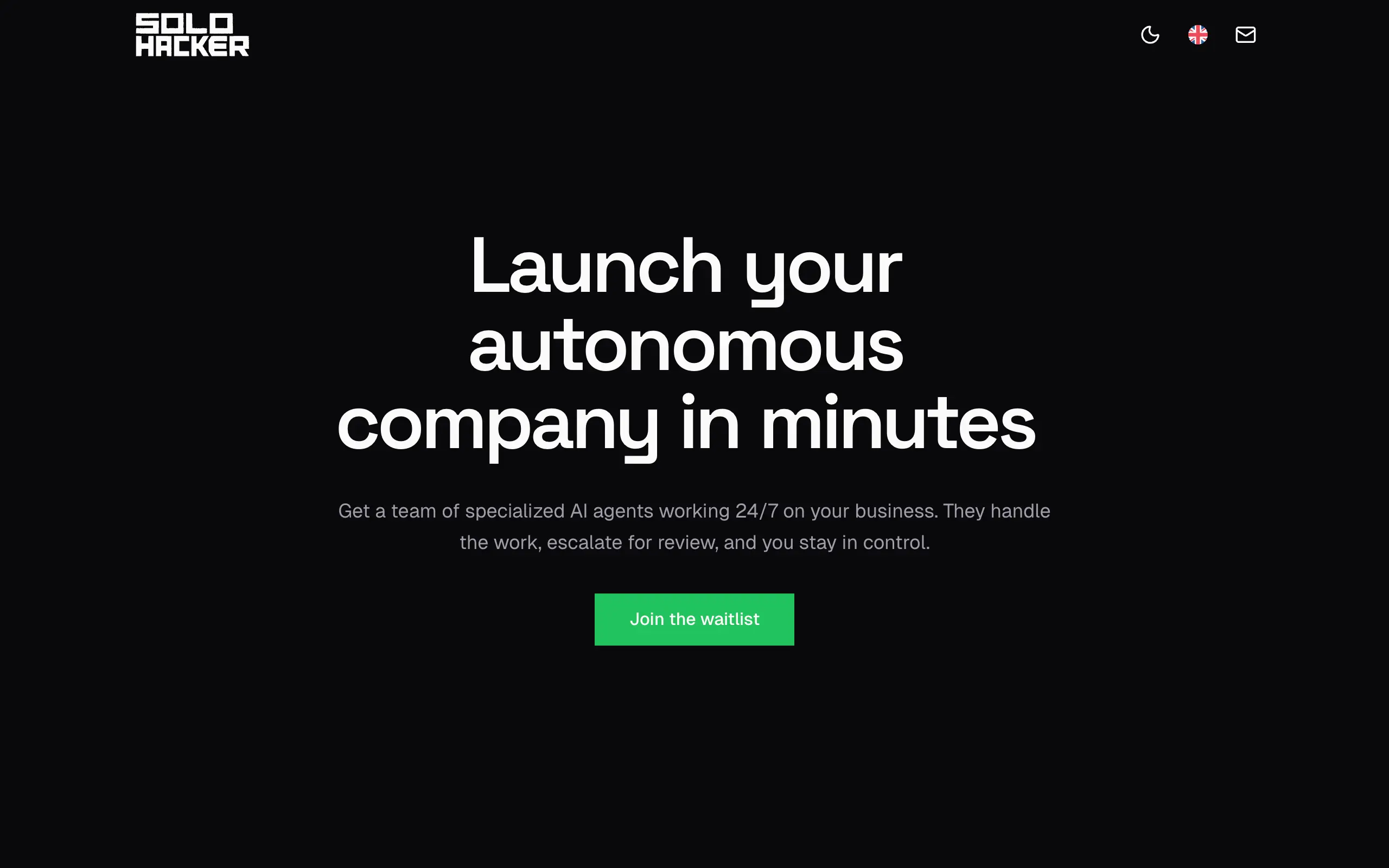
Solohacker
Autonomous company launcher - AI agents work 24/7, escalate what matters, and you stay in control 🤖

BeRawi: Storytelling Coach
Practice storytelling daily with instant feedback to sound clearer, more engaging, and confident 🎤
Omichat
Chat with 50+ AI models, including ChatGPT and Claude, in one place - switch models anytime without losing context 🤖
Claude Fast
Supercharge your Claude Code with 6x effective context window and specialized AI agents 🤖
EmojAI
AI-powered emoji picker with smart, context-aware suggestions 🤖
Solohacker
Autonomous company launcher - AI agents work 24/7, escalate what matters, and you stay in control 🤖
BeRawi: Storytelling Coach
Practice storytelling daily with instant feedback to sound clearer, more engaging, and confident 🎤
Omichat
Chat with 50+ AI models, including ChatGPT and Claude, in one place - switch models anytime without losing context 🤖
Claude Fast
Supercharge your Claude Code with 6x effective context window and specialized AI agents 🤖
EmojAI
AI-powered emoji picker with smart, context-aware suggestions 🤖
Solohacker
Autonomous company launcher - AI agents work 24/7, escalate what matters, and you stay in control 🤖
BeRawi: Storytelling Coach
Practice storytelling daily with instant feedback to sound clearer, more engaging, and confident 🎤
Omichat
Chat with 50+ AI models, including ChatGPT and Claude, in one place - switch models anytime without losing context 🤖
Claude Fast
Supercharge your Claude Code with 6x effective context window and specialized AI agents 🤖
EmojAI
AI-powered emoji picker with smart, context-aware suggestions 🤖
Solohacker
Autonomous company launcher - AI agents work 24/7, escalate what matters, and you stay in control 🤖
BeRawi: Storytelling Coach
Practice storytelling daily with instant feedback to sound clearer, more engaging, and confident 🎤

Connect with like-minded people
Join our community to get feedback, support, and grow together with 1,000+ builders on board, let's ship it!
Join usShip your startup everywhere. In minutes.
Don't burn tokens on setup and start building features on day one.