The Stoic Call
Book private voice calls with AI versions of Stoic thinkers for calm, practical perspective on stress, relationships, and uncertainty.
The market opportunity for an AI Stoic voice call app
The Stoic Call is an AI wellness and reflection product that lets people book private voice conversations with AI versions of Stoic thinkers. Its core promise is simple but compelling: when stress, relationship tension, indecision, or uncertainty hits, users can speak to a calm philosophical guide and receive practical perspective rooted in Stoic principles.
The primary keyword for this concept is AI Stoic voice calls. Related search terms and semantic keywords include:
- AI Stoic app
- Stoicism chatbot
- AI philosopher
- Stoic coaching app
- voice AI for mental wellness
- Marcus Aurelius AI
- philosophical AI companion
- stress management app
- guided reflection app
- AI life coach alternatives
- private AI voice conversations
- emotional wellness technology
This concept sits at the intersection of several growing categories:
- Consumer AI companions
- Voice-based AI interfaces
- Digital mental wellness tools
- Self-improvement subscriptions
- Philosophy and mindfulness content
- Journaling and guided reflection products
Unlike a general-purpose chatbot, The Stoic Call has a sharply defined emotional job: help users pause, examine what is within their control, and choose a grounded next action. That specificity can become a powerful acquisition and retention advantage when it is supported by excellent voice design, responsible safety practices, and genuinely useful guidance.
The positioning opportunity
The Stoic Call should be positioned as a reflective perspective tool, not therapy, crisis care, diagnosis, or a replacement for a licensed mental health professional. Its value is calm philosophical coaching for everyday moments of uncertainty.
Why AI Stoic voice calls fit current user behavior
People do not usually search for philosophy because they want an abstract lecture. They search because they are dealing with a concrete situation:
- A difficult conversation with a partner
- Anxiety before an interview or presentation
- Frustration with a manager or client
- Regret after an impulsive decision
- Fear about money, health, or the future
- A desire to build discipline without motivational hype
- Loneliness during a stressful transition
In these moments, reading a long article or opening a journal can feel like work. Speaking out loud is often more immediate. Voice interaction reduces friction because the user can explain what happened naturally, hear a measured response, and continue the dialogue without staring at a screen.
This is where an AI Stoic voice call app has meaningful product-market fit potential. Stoicism provides a recognizable and practical framework for uncertainty. Its core ideas are especially suited to conversational interfaces:
- Distinguish what is controllable from what is not
- Focus on judgments, choices, and actions
- Treat discomfort as information rather than catastrophe
- Practice courage, justice, temperance, and wisdom
- Avoid letting external validation dictate inner stability
- Convert emotional reactions into deliberate responses
Voice AI makes these principles feel more personal. Instead of reading “focus on what you can control,” the user can say, “I am terrified I will lose this client,” and receive a tailored follow-up such as: “You cannot command the client’s decision. You can prepare your proposal, clarify the next step, and conduct yourself with care. Which of those actions have you delayed?”
The product is not valuable because it impersonates a historical figure. It is valuable because it creates a repeatable ritual for perspective, emotional regulation, and action.
Target audience for The Stoic Call
The best early audience is not everyone interested in ancient philosophy. It is people with recurring modern stressors who already value self-reflection but need a more accessible format.
Primary audience: ambitious knowledge workers
Knowledge workers frequently deal with deadlines, ambiguous priorities, performance reviews, meetings, layoffs, and workplace politics. They may understand mindfulness concepts intellectually but still struggle to apply them in the moment.
Typical characteristics include:
- Ages roughly 25 to 45
- Work in technology, consulting, finance, marketing, design, sales, law, or entrepreneurship
- Use productivity apps, podcasts, meditation tools, or digital journals
- Experience work-related anxiety and decision fatigue
- Want practical advice without overly sentimental language
- Prefer short, private, on-demand interactions
The strongest messaging for this group focuses on composure and clarity:
A private call for the moment your inbox, calendar, or inner critic gets too loud.
Secondary audience: Stoicism learners and readers
This group already knows the names Marcus Aurelius, Epictetus, Seneca, and Musonius Rufus. They read Stoic books, listen to philosophy podcasts, follow Stoicism creators, or keep a daily reflection practice.
They may initially be attracted by the ability to speak with an AI adaptation of a favored thinker. However, long-term retention will depend on intellectual integrity. The app must do more than generate familiar quotes. It should help users understand the principles, challenge misinterpretations, and apply Stoic ideas to real-life circumstances.
Secondary audience: people seeking a non-clinical wellness companion
Many consumers want support without labeling themselves as needing therapy. They may want a private place to process a social conflict, build confidence, prepare for a difficult conversation, or de-escalate a stressful day.
For this segment, The Stoic Call should use accessible language such as “reflection,” “perspective,” “calm,” and “next step.” Avoid presenting the product as treatment or making clinical outcome claims.
Emerging audience: men underserved by conventional wellness apps
There is a meaningful audience of users, particularly men, who are interested in discipline, resilience, responsibility, and emotional steadiness but do not connect with highly aesthetic or generalized mindfulness experiences.
Stoicism can resonate strongly here, but the product must avoid turning philosophy into emotional suppression. Good guidance acknowledges emotions, encourages responsibility, and helps users choose constructive action. It should never glorify isolation, anger, detachment from loved ones, or avoidance of professional support.
High-intent user
A busy professional who wants a ten-minute private voice conversation before a difficult decision or confrontation.
High-retention user
A Stoicism learner who uses recurring calls, post-call reflections, and weekly review rituals.
High-risk user
A person in severe distress who may require crisis resources or licensed care rather than philosophical coaching.
The gap in the AI wellness and philosophy market
Existing products often solve only one part of the user’s problem.
Meditation apps provide calming content but can feel passive when a person needs to talk through a specific issue. Journaling products encourage reflection but require effort and can leave users alone with unresolved questions. General AI chatbots offer flexible advice but lack a coherent framework, recognizable voice, and safety-focused conversational boundaries. Stoicism content platforms offer education but usually do not provide real-time, personalized dialogue.
The Stoic Call can occupy the gap between generic AI companionship and static self-help content.
| Solution type | Real-time dialogue | Stoic framework | Voice-first ritual | Personalized follow-up |
|---|---|---|---|---|
| Meditation library | ❌ | ❌ | ✅ | Limited |
| Generic AI chatbot | ✅ | Limited | Sometimes | ✅ |
| Stoicism book or course | ❌ | ✅ | ❌ | ❌ |
| The Stoic Call | ✅ | ✅ | ✅ | ✅ |
The opportunity is not merely to launch “an AI Marcus Aurelius.” That framing may attract clicks, but it is easy to copy and can create authenticity concerns. The durable opportunity is a voice-based Stoic practice system that translates classical ideas into actionable modern reflection.
A strong product combines four layers:
- A trusted conversational experience that feels calm, attentive, and nonjudgmental.
- A curated Stoic reasoning system that consistently applies core principles.
- A personalized practice loop with call summaries, exercises, reminders, and progress patterns.
- A safety layer that recognizes when philosophical reflection is not an appropriate response.
The unique selling proposition of The Stoic Call
The unique selling proposition is:
Private, voice-first conversations that turn Stoic philosophy into calm, practical guidance for the decisions users face today.
This positioning separates The Stoic Call from chatbots that simply imitate historical language. The experience should feel inspired by Stoic thinkers, but optimized for modern usefulness.
A user does not need a theatrical monologue from an ancient Roman emperor. They need help deciding whether to send a reactive message, how to recover from a mistake, or how to stop rehearsing an outcome they cannot control.
Make the personas useful, not gimmicky
Personas can create emotional resonance and enable users to choose a style that matches their needs. However, each guide should represent a distinct philosophical approach rather than a shallow character skin.
Potential guide styles include:
- The emperor: duty, responsibility, leadership, and inner discipline
- The teacher: practical distinctions between control, judgment, and action
- The writer: mortality, time, wealth, anger, and perspective
- The strategist: preparation for adversity and clear decision-making
- The modern guide: plain-language Stoic reflection without historical role-play
For legal and ethical clarity, the product should describe these as AI-guided personas inspired by Stoic philosophy, rather than claiming that users are literally speaking with historical thinkers. The app should clearly disclose that all conversations are AI-generated.
A repeatable call framework creates quality
Every AI Stoic call should follow a structured but natural reasoning pattern:
- Hear the user’s situation without rushing to advice.
- Identify the emotional trigger and the feared outcome.
- Separate controllable actions from uncontrollable events.
- Surface assumptions, judgments, or catastrophic predictions.
- Apply a relevant Stoic principle in plain language.
- Offer one concrete next action.
- Close with a memorable reflection or short practice.
This approach improves consistency, makes the system easier to evaluate, and reduces the chance of vague motivational responses.
Core features for an AI Stoic voice call MVP
The initial product should focus on delivering one exceptional core loop rather than building a full wellness platform immediately.
Private scheduled and instant AI calls
Users should be able to book a short conversation or start an immediate call. Scheduling reinforces intentionality, while instant access supports acute everyday stress.
Recommended call lengths include:
- 5-minute reset calls
- 10-minute guided reflection calls
- 20-minute deep-dive calls for premium users
- Weekly recurring review calls
A clear pre-call prompt can improve outcomes. Ask users what they want from the session:
- Gain perspective
- Prepare for a conversation
- Process a setback
- Make a decision
- Calm down before an event
- Build a Stoic habit
Multiple Stoic guide modes
Guide choice should influence the structure and tone of the conversation, not just the synthetic voice. For example, a “teacher” mode might ask more questions, while a “leader” mode may emphasize duty and deliberate action.
Do not launch with too many personas. Three carefully designed modes are enough for an MVP:
- Clarity for distinguishing control from uncertainty
- Courage for difficult conversations and setbacks
- Discipline for habits, procrastination, and consistency
This reduces content complexity while still allowing users to personalize their experience.
Post-call summaries and action cards
The call should not disappear after it ends. A high-value summary turns reflection into behavior.
Each summary can include:
- The user’s stated challenge
- What was and was not within their control
- The central Stoic principle discussed
- One recommended action
- One question to revisit later
- An optional short quote from public-domain Stoic texts, with accurate attribution
Avoid presenting generated summaries as clinical notes. Keep them concise, editable, and private.
Reflection history and pattern recognition
Over time, users should be able to see recurring themes in their calls. Examples include conflict avoidance, work anxiety, perfectionism, approval-seeking, or fear of uncertainty.
This is a retention feature, but it must be implemented carefully. Users should understand what data is stored, how it is used, and how to delete it. Sensitive conversation data should never become an opaque advertising asset.
Safety escalation and crisis routing
A wellness product that invites users to discuss stress and relationships needs clear safety flows from day one.
The system should detect language related to:
- Self-harm or suicidal intent
- Harm toward others
- Abuse or immediate danger
- Severe disorientation or psychosis-like experiences
- Medical emergencies
- Requests for diagnosis, medication, or treatment plans
When a safety threshold is met, the conversational experience should shift away from philosophical coaching. It should encourage immediate local help, present region-appropriate emergency options where possible, and avoid trying to “debate” the person out of danger.
Safety design is a product requirement
Do not treat crisis detection as a final moderation feature. It affects conversation design, onboarding disclosures, support workflows, evaluation criteria, and legal review.
How the conversational experience should work
The best AI voice experiences feel responsive, but they should not feel hurried. A Stoic guide needs deliberate pacing, clear pauses, and permission for the user to think.
Voice interaction principles
Use a voice that is warm, composed, and natural. Avoid overly dramatic historical accents or an artificial “wise sage” performance. The app should sound trustworthy enough for a user to discuss a difficult day, but humble enough not to sound like an authority over their life.
Key voice UX considerations include:
- Allow interruption or “barge-in” so users can correct the AI
- Keep early responses short and invite elaboration
- Use confirmation questions before offering interpretations
- Give users silence controls and playback speed settings
- Offer text transcripts for accessibility and review
- Let users choose whether recordings are retained
- Provide a visible end-call control at all times
Example of a high-quality conversation pattern
A user might say:
I am furious because my coworker took credit for an idea I had last week.
A weak AI response might immediately say, “Remember, you cannot control others.”
A better Stoic response is more nuanced:
That sounds frustrating, especially when you feel your work has been overlooked. Before we decide what to do, let us separate two things. You cannot control whether your coworker seeks credit. You can control the evidence you gather, the conversation you request, and the standard you keep in how you respond. What outcome would feel fair to you?
This response validates the experience without validating impulsive retaliation. It applies Stoic reasoning without becoming dismissive.
Recommended technology stack for The Stoic Call
The technical architecture should prioritize low-latency voice interaction, privacy, observability, and safe iteration. A polished user interface matters, but trust and conversational reliability matter more.
Frontend and product application stack
For a modern SaaS build, a practical foundation includes:
- Next.js for the web application, server rendering, and API routes
- React for interactive call flows and dashboards
- TypeScript for stronger application reliability
- Tailwind CSS for fast, consistent interface development
- PostgreSQL for user accounts, subscriptions, call metadata, and reflection records
- Prisma or another typed ORM for database access
- Stripe for subscriptions, billing, and customer portal workflows
A starter architecture can accelerate the non-differentiated work around authentication, user management, payments, marketing pages, and dashboard foundations. TurboStarter is particularly relevant when speed to a production-ready SaaS baseline matters.
Voice and AI orchestration layer
The voice stack needs four capabilities:
- Speech-to-text transcription
- Language model reasoning and response generation
- Text-to-speech synthesis
- Real-time session orchestration
The main trade-off is between a fully real-time speech-to-speech architecture and a modular pipeline.
A modular approach usually looks like this:
type StoicCallTurn = {
  transcript: string;
  emotionalContext: string[];
  controlAssessment: {
    controllable: string[];
    uncontrollable: string[];
  };
  suggestedAction: string;
};

async function createStoicResponse(turn: StoicCallTurn) {
  return {
    responseStyle: "calm, practical, concise",
    nextQuestion: "What part of this situation can you influence before tomorrow?",
    callSummary: turn.suggestedAction,
  };
}
The modular approach is easier to inspect, moderate, summarize, and evaluate. It can introduce slightly more latency, but it is often the better choice for an early-stage product where quality assurance and safety are essential.
A native real-time model can feel more fluid, especially during emotional conversation. However, it can make transcripts, moderation checkpoints, prompt injection protection, and response auditing more complex. Test both approaches, but do not sacrifice controllability merely to create a more human-like pause pattern.
Retrieval-augmented generation for philosophical accuracy
The Stoic Call should use a curated knowledge base, often implemented with retrieval-augmented generation, to ground responses in reputable primary and secondary sources.
The retrieval library can include:
- Public-domain translations of Meditations
- Public-domain translations of Enchiridion
- Public-domain translations of Seneca’s letters and essays
- Expert-reviewed explanatory notes
- A curated taxonomy of Stoic concepts
- Modern examples written by your editorial team
The system should retrieve concepts and passages based on relevance, but it should not dump long quotations into calls. The model should explain principles clearly, attribute direct quotations accurately, and distinguish source text from modern interpretation.
A general model can produce plausible Stoic language while misunderstanding the philosophy, inventing quotations, or giving inconsistent advice. Curated retrieval, structured prompts, and evaluation datasets improve faithfulness and make the product easier to trust.
Not by default. Consider retaining only transcripts or summaries when users opt in, and provide straightforward deletion controls. Raw audio is especially sensitive and increases privacy, security, and compliance obligations.
Yes. A limited anonymous trial can reduce onboarding friction. For paid plans and cross-device history, users will usually need an account. Be transparent about the differences in data persistence.
Building trustworthy AI Stoic guidance
Trust is the most important competitive asset in this category. A user may forgive an occasional transcription error. They are less likely to forgive fabricated quotes, moralizing advice, manipulative retention tactics, or unclear handling of sensitive voice data.
Establish clear philosophical boundaries
Stoicism is often misunderstood as “do not feel emotions” or “accept poor treatment.” The product should actively correct these distortions.
Strong editorial guidelines include:
- Acknowledge emotion before analyzing action
- Never equate calmness with tolerating abuse
- Encourage users to seek support, set boundaries, and act justly
- Avoid framing poverty, illness, discrimination, or trauma as personal failures
- Do not use Stoicism to minimize systemic or interpersonal harm
- Explain that acceptance applies to reality, while action applies to what can be changed
Publish an AI transparency standard
Users should always know they are speaking with an AI system. The onboarding flow and call interface should explain:
- The guide is AI-generated and inspired by Stoic ideas
- Calls are not therapy or medical care
- The product may make mistakes
- The user can review, export, or delete data where applicable
- Emergency situations require immediate human help
- How the company uses transcripts, summaries, and feedback
These details are not merely legal copy. They are essential to customer trust.
Create an expert review process
To demonstrate E-E-A-T, The Stoic Call should build visible editorial credibility over time. Consider a review process involving:
- A philosopher or classicist with relevant subject expertise
- A licensed mental health professional advising on safety language
- A privacy and security reviewer
- Product researchers who conduct moderated user interviews
- An internal content owner responsible for source accuracy
For marketing claims or market-size statistics, cite authoritative reports directly in published materials. For example, use a format such as “Source: named research firm, report title, publication year” after independently verifying the figure. Avoid unsupported claims about mental health outcomes or “reducing anxiety.”
Monetization strategies for an AI Stoic app
The strongest model is likely subscription-led, supported by a carefully constrained free experience. Voice inference costs can be material, so pricing must align with minutes used rather than treating all usage as free.
Freemium subscription model
A practical structure could include:
- Free plan with a limited number of short calls each month
- Personal plan with more minutes, call summaries, guide modes, and reflection history
- Practice plan with recurring weekly calls, deeper insights, and custom routines
- Annual plan with a discount that improves cash flow and retention
Use call-minute allowances or credits rather than an unlimited plan at launch. This protects gross margin while the team learns actual usage patterns.
Paid one-off call packs
Some users will not want a recurring subscription. Offer one-time bundles for targeted moments, such as:
- A difficult conversation preparation pack
- A career transition reflection pack
- A 30-day Stoic habit program
- A travel or uncertainty reset pack
These offers can also serve as lower-commitment entry points for paid acquisition campaigns.
B2B wellness and leadership applications
The B2B opportunity should come after consumer retention is proven. Employers may be interested in reflective leadership tools, but workplace deployment creates extra requirements around privacy, data separation, reporting, and employee trust.
Never provide employers with individual call content or sensitive personal themes. If analytics are offered, they should be aggregated, privacy-preserving, and optional.
Competitive advantage and defensibility
The first version of an AI philosopher may be easy to reproduce. A meaningful business becomes harder to copy when it compounds across product, data, brand, and trust.
The defensibility moat
The Stoic Call can develop defensibility through:
- A proprietary library of expert-reviewed Stoic conversation patterns
- High-quality evaluation datasets for common life situations
- Personalized reflection histories that users value over time
- Distinctive, trusted guide experiences and voice design
- A recognizable brand in practical modern Stoicism
- Strong safety systems and transparent privacy practices
- A content engine that brings organic traffic through useful philosophy applications
The most important moat is not the language model. It is a system that reliably knows when to ask, when to challenge, when to simplify, and when to direct a user toward human support.
SEO content can become a durable acquisition channel
The Stoic Call has substantial organic content potential because users search for specific problems and philosophical frameworks.
High-intent article themes include:
- How to use Stoicism when you cannot control the outcome
- Stoic advice for difficult conversations at work
- How to stop overthinking with Stoic practices
- Stoicism and relationship conflict
- The Stoic dichotomy of control explained with modern examples
- Is an AI Stoic coach useful for daily reflection?
- Marcus Aurelius quotes about anxiety and uncertainty
- How to build a weekly Stoic review practice
Each article should give real educational value, cite primary texts where appropriate, and naturally introduce the voice-call product as a practical next step. Avoid thin SEO pages written only to rank. In this category, depth and credibility are conversion assets as well as ranking signals.
Risks and mitigation strategies
Every AI wellness product faces meaningful risks. Planning for them early is less expensive than retrofitting trust later.
Unsafe or inappropriate responses
A user may disclose self-harm, abuse, violence, severe mental health symptoms, or an immediate emergency.
Safety-first routing
Use layered detection, interruption rules, crisis messaging, human-reviewed safety policies, and country-aware emergency guidance where feasible. Do not continue a standard Stoic coaching flow after a high-confidence crisis signal.
Red-team testing
Test with adversarial prompts, ambiguous disclosures, role-play attempts, manipulation attempts, and long emotional conversations. Review failures with qualified safety advisors.
Additional risks include:
- Philosophical inaccuracy: Mitigate with primary-source retrieval, expert review, quote verification, and a no-fabrication policy.
- High voice infrastructure costs: Mitigate with minute caps, efficient models, asynchronous post-call summaries, and usage monitoring.
- Low retention after novelty: Mitigate with weekly rituals, useful summaries, personalized practices, and measurable behavioral value.
- Privacy concerns: Mitigate with data minimization, encryption, deletion controls, plain-language disclosures, and restrictive internal access.
- Overreliance by users: Mitigate with language that promotes agency, encourages real-world relationships, and avoids dependency-oriented design.
- Persona controversy: Mitigate by presenting guides as respectful AI interpretations inspired by historical philosophy rather than literal simulations.
A practical implementation roadmap
The fastest path is not to build every philosopher, every wellness feature, and a mobile app simultaneously. Build the smallest version that proves users will return for another call.
Define the initial user promise around a single high-frequency problem, such as gaining perspective before difficult work or relationship conversations.
Create three guide modes with distinct conversation structures, safety rules, and example responses.
Build a voice-call MVP with authentication, payments, call scheduling, transcripts, summaries, and explicit consent controls.
Develop a curated Stoic knowledge base and an evaluation set covering common situations such as conflict, uncertainty, setbacks, procrastination, and approval-seeking.
Run private beta interviews with Stoicism learners and stressed knowledge workers. Measure whether users felt understood, gained a practical next step, and wanted to return.
Instrument activation, call completion, repeat-call rate, weekly retention, average call duration, safety-trigger frequency, and subscription conversion.
Improve the call framework before expanding features. Better questions and safer responses are more valuable than adding ten more personas.
For the first 60 to 90 days, prioritize these product metrics:
- Activation: percentage of new users who complete a first call
- Time to value: how quickly a user reaches a meaningful insight or next step
- Repeat usage: percentage of users who make a second call within seven days
- Retention: weekly and monthly returning users
- Safety quality: false negatives, false positives, and escalation completion
- Trust signals: user feedback about accuracy, helpfulness, and privacy confidence
- Unit economics: voice and model cost per completed call
Final perspective on launching The Stoic Call
The Stoic Call has the ingredients for a differentiated AI SaaS product because it connects a timeless framework with a modern behavior: speaking to an always-available assistant when life feels uncertain.
The winning version will not be the one that performs the most convincing imitation of Marcus Aurelius. It will be the one that gives users a calmer, clearer, and more responsible way to respond to everyday pressure.
Build the experience around practical Stoic reflection. Make the voice interaction feel private and human-centered. Protect users with strong safety boundaries. Ground the guidance in credible source material. Then create a habit loop that helps people return not because they are dependent on the AI, but because they have learned to make wiser choices on their own.
More 🤖 AI Startup SaaS ideas
Discover more innovative ai startup SaaS ideas that are trending in 2026. Each idea is AI-generated with market validation and growth potential to help you find your next profitable venture faster than competitors.
Your competitors are building with TurboStarter
Below are some of the SaaS ideas that have been generated and built with our starter kit.

Statiko
Monitor any Telegram channel in real time - track posts, edits, deletions, and growth with AI recaps 📡

Shibui
AI website builder - describe your business, pick a niche template, edit by chatting, and publish instantly ✨

Pro Service
Find verified home service professionals, compare quotes, and pay securely through escrow - built for Brazilians across the US 🏠

RankGrow
Fix your SEO with AI agents - connect Search Console, get prioritized tasks, and grow organic traffic 📈
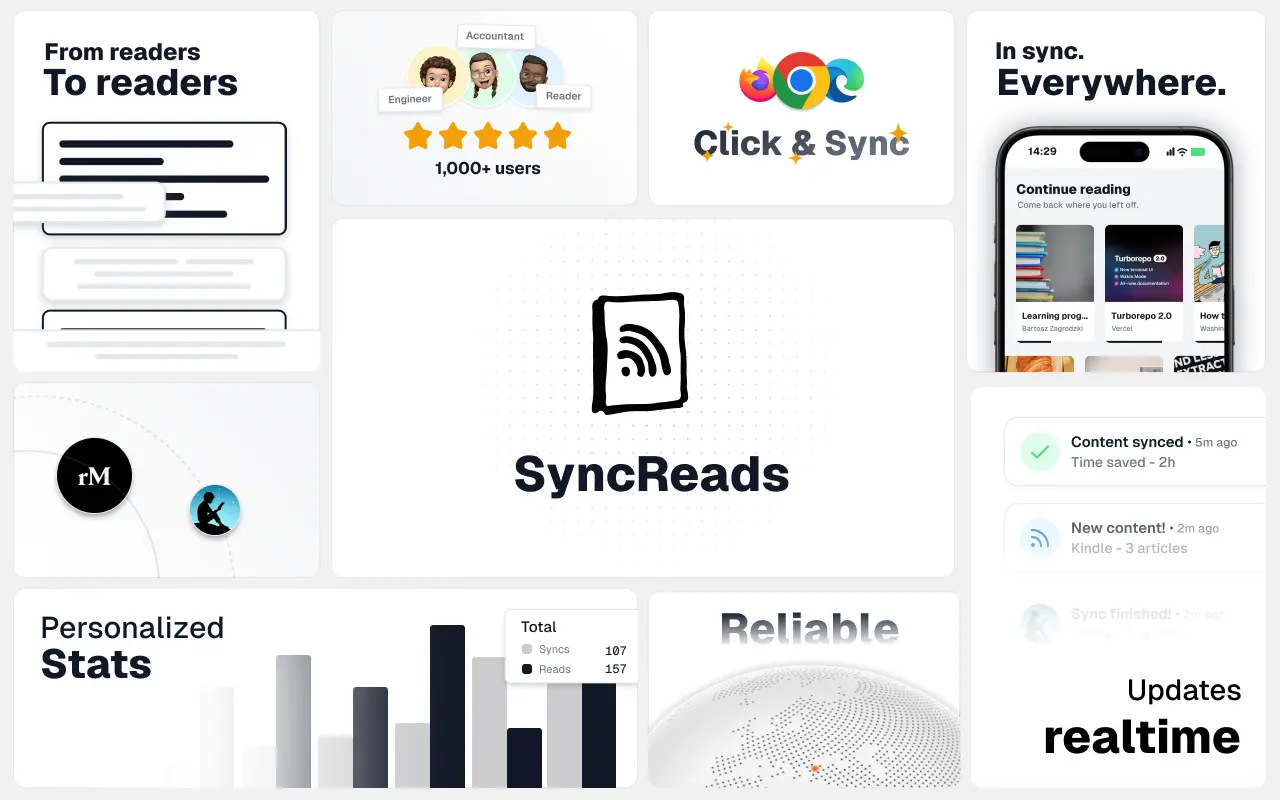
SyncReads
Sync your favorite content for distraction-free reading, save time and replace multiple apps. Anytime, anywhere 🔄
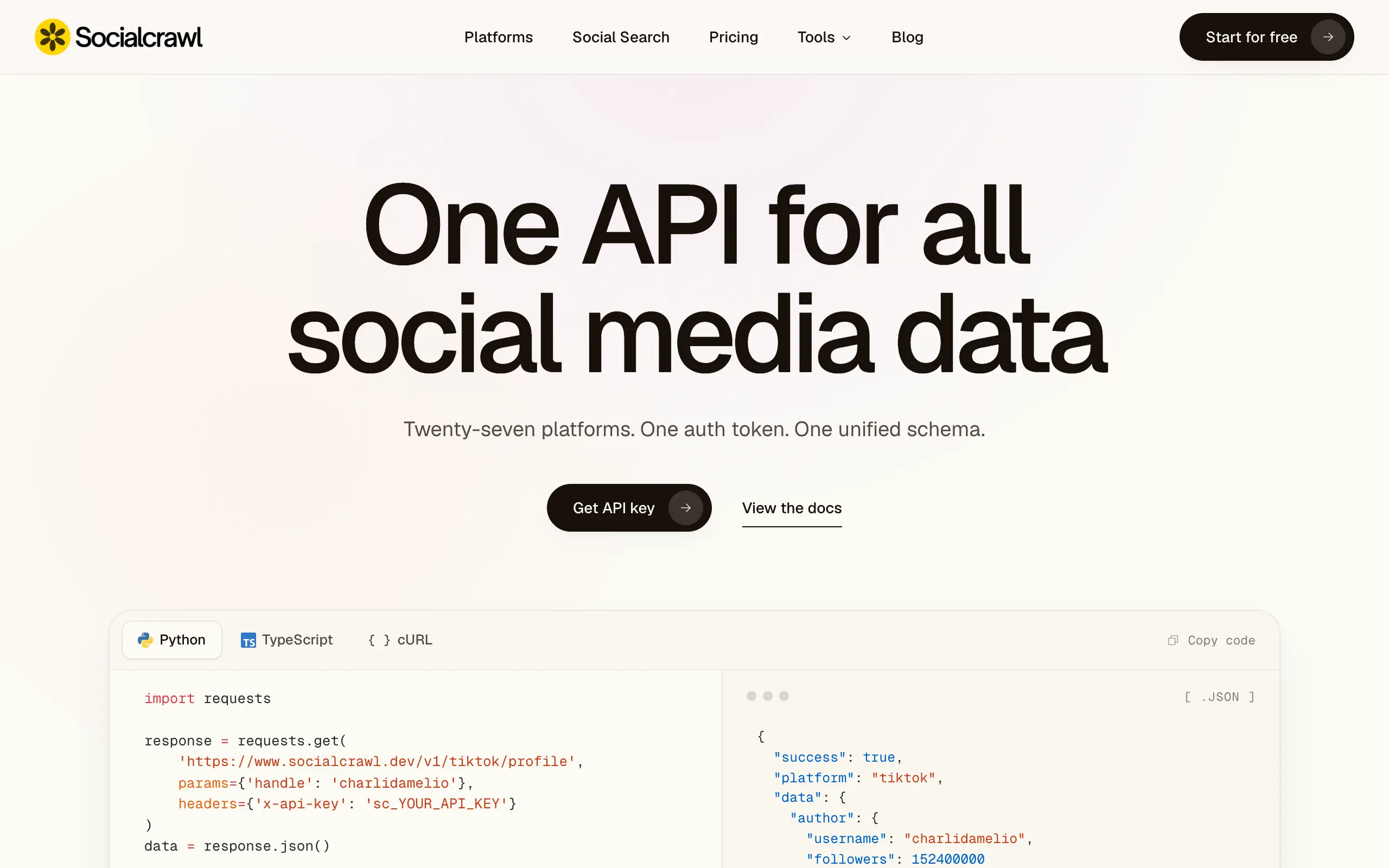
Socialcrawl
Get clean, structured data from 21 platforms like TikTok, Instagram, and YouTube with a single request 📊
Statiko
Monitor any Telegram channel in real time - track posts, edits, deletions, and growth with AI recaps 📡
Shibui
AI website builder - describe your business, pick a niche template, edit by chatting, and publish instantly ✨
Pro Service
Find verified home service professionals, compare quotes, and pay securely through escrow - built for Brazilians across the US 🏠
RankGrow
Fix your SEO with AI agents - connect Search Console, get prioritized tasks, and grow organic traffic 📈
SyncReads
Sync your favorite content for distraction-free reading, save time and replace multiple apps. Anytime, anywhere 🔄
Socialcrawl
Get clean, structured data from 21 platforms like TikTok, Instagram, and YouTube with a single request 📊
Statiko
Monitor any Telegram channel in real time - track posts, edits, deletions, and growth with AI recaps 📡
Shibui
AI website builder - describe your business, pick a niche template, edit by chatting, and publish instantly ✨
Pro Service
Find verified home service professionals, compare quotes, and pay securely through escrow - built for Brazilians across the US 🏠
RankGrow
Fix your SEO with AI agents - connect Search Console, get prioritized tasks, and grow organic traffic 📈
SyncReads
Sync your favorite content for distraction-free reading, save time and replace multiple apps. Anytime, anywhere 🔄
Socialcrawl
Get clean, structured data from 21 platforms like TikTok, Instagram, and YouTube with a single request 📊
Statiko
Monitor any Telegram channel in real time - track posts, edits, deletions, and growth with AI recaps 📡
Shibui
AI website builder - describe your business, pick a niche template, edit by chatting, and publish instantly ✨
Pro Service
Find verified home service professionals, compare quotes, and pay securely through escrow - built for Brazilians across the US 🏠
RankGrow
Fix your SEO with AI agents - connect Search Console, get prioritized tasks, and grow organic traffic 📈
SyncReads
Sync your favorite content for distraction-free reading, save time and replace multiple apps. Anytime, anywhere 🔄
Socialcrawl
Get clean, structured data from 21 platforms like TikTok, Instagram, and YouTube with a single request 📊
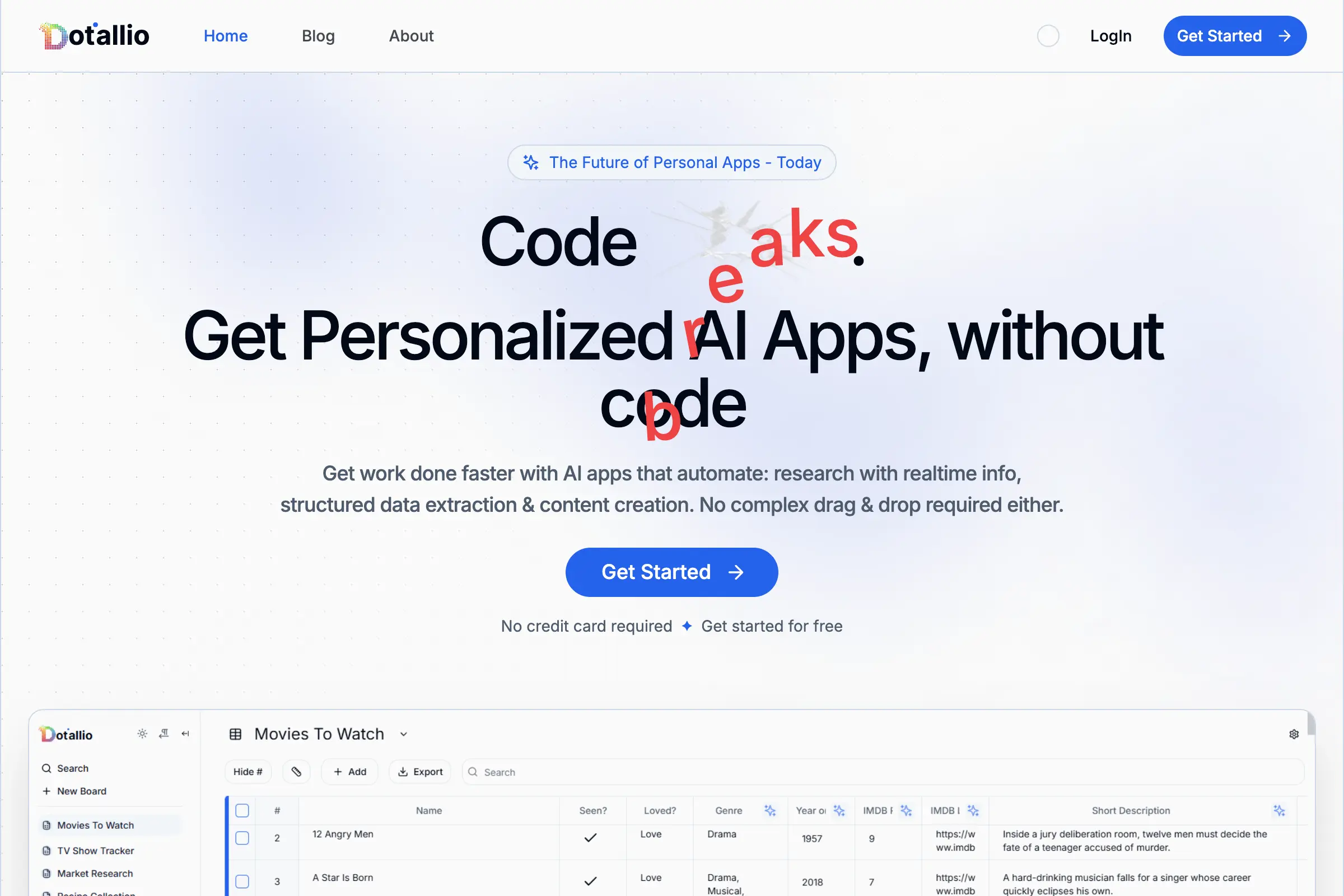
Dotallio
Personalized AI apps that automate research, data extraction, and content creation without code 🤖
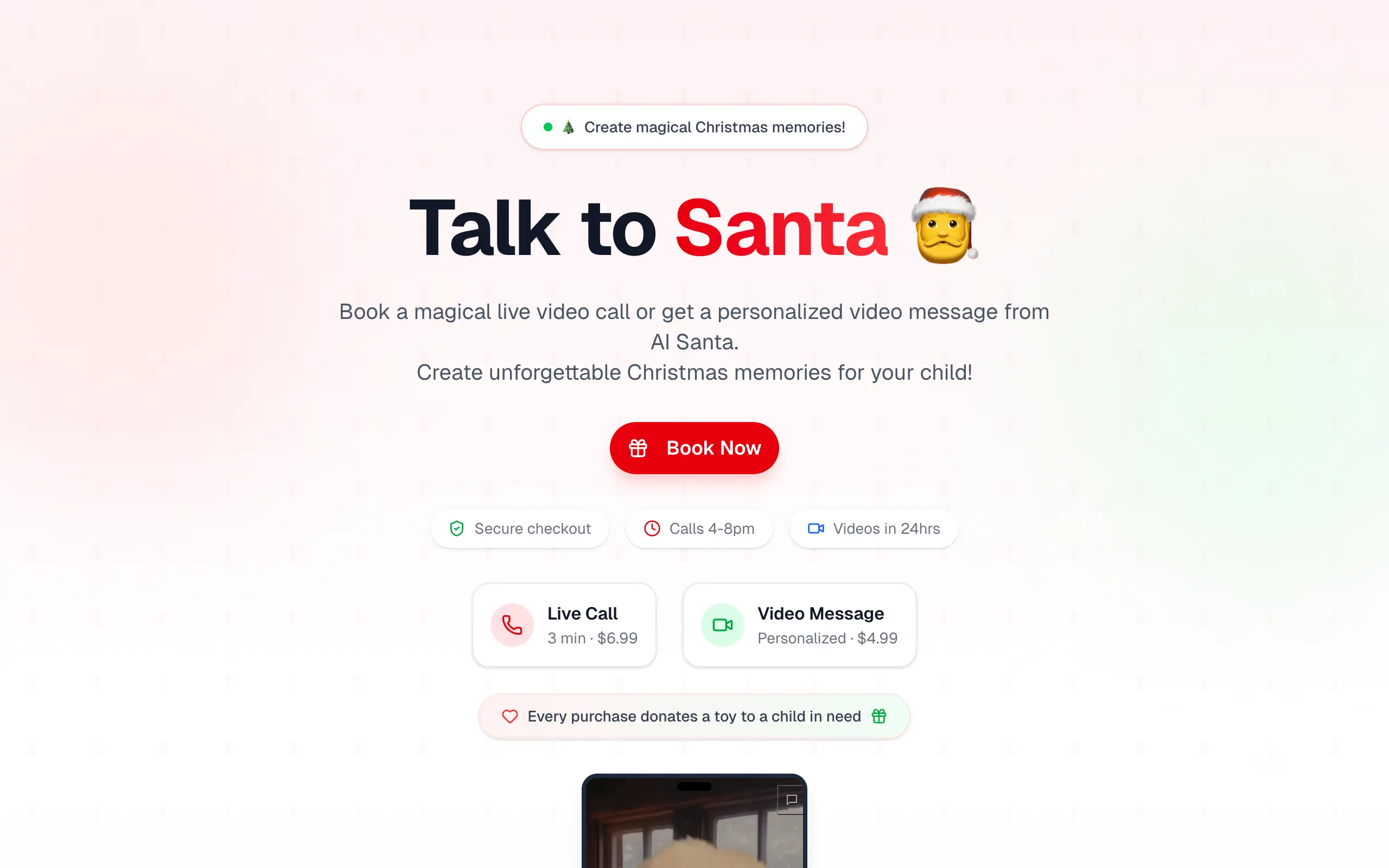
Talk to Santa
Enjoy a magical live video chat or receive a unique AI-generated video greeting from Santa Claus 🎅
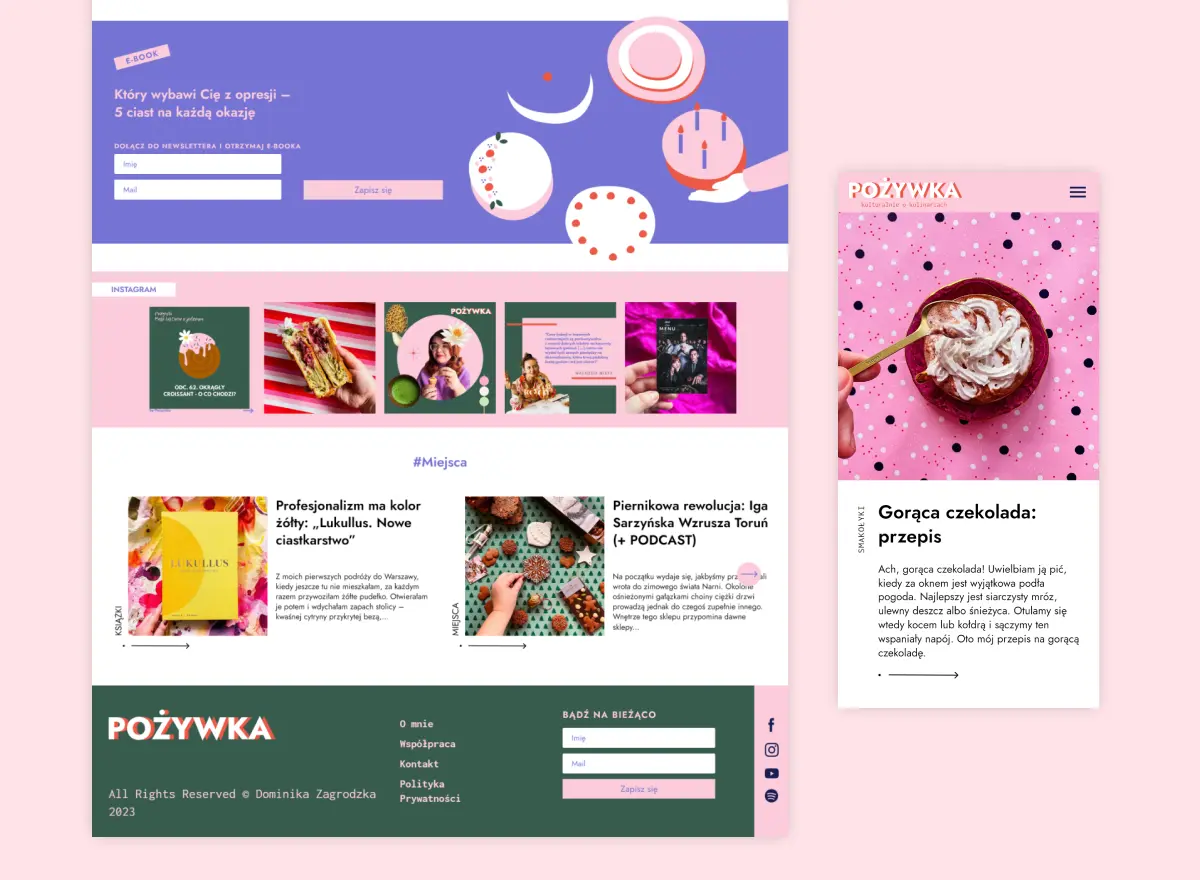
pozywka.pl
Scalable blog for food journalist, focused on performance and user experience 🌭
zagrodzki.me
Personal blog and portfolio of Bart Zagrodzki, where he shares his knowledge and work 💼
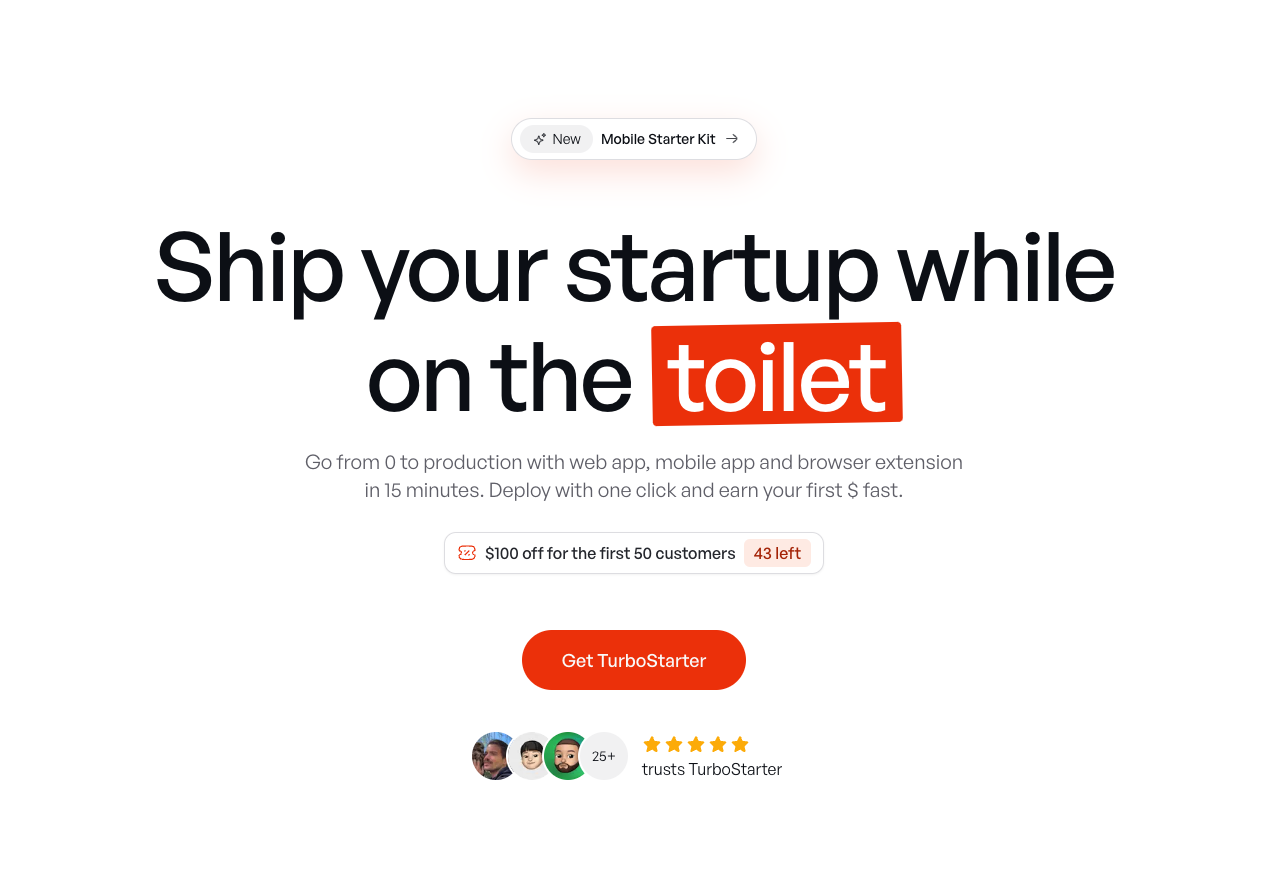
TurboStarter
Ship your startup everywhere. In minutes.
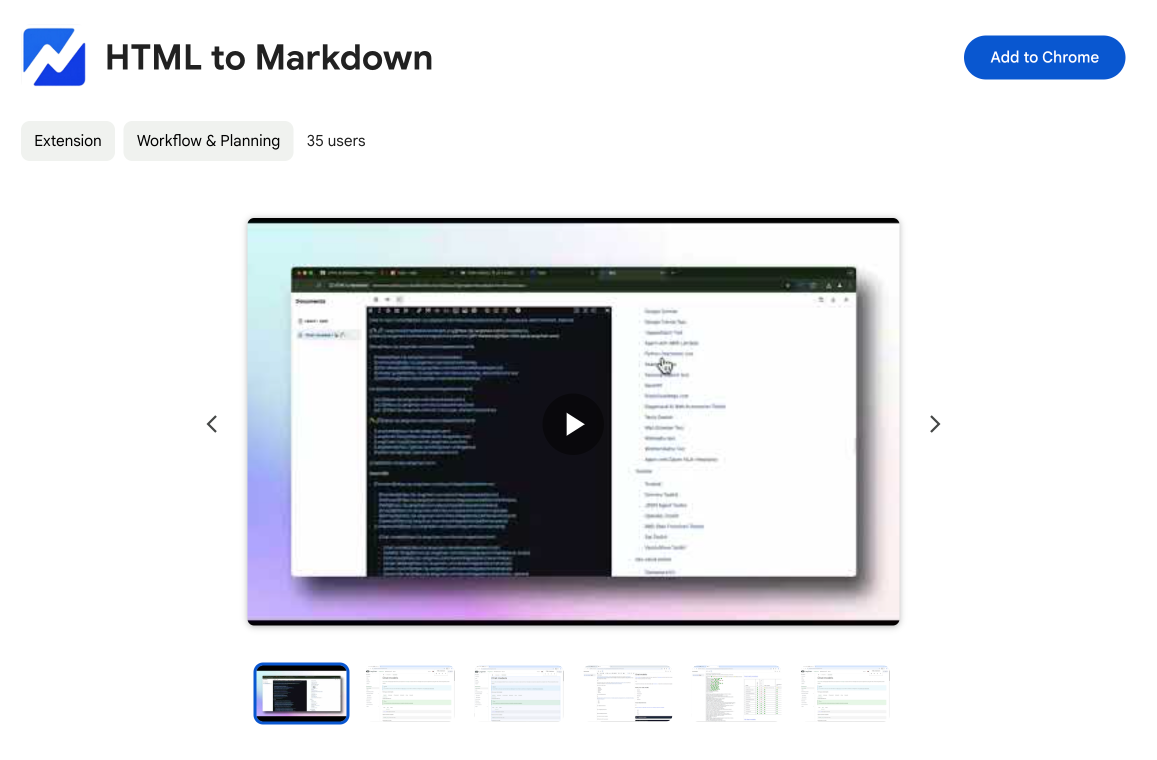
HTML to Markdown
Convert HTML to Markdown with ease, directly in your browser 📄
Dotallio
Personalized AI apps that automate research, data extraction, and content creation without code 🤖
Talk to Santa
Enjoy a magical live video chat or receive a unique AI-generated video greeting from Santa Claus 🎅
pozywka.pl
Scalable blog for food journalist, focused on performance and user experience 🌭
zagrodzki.me
Personal blog and portfolio of Bart Zagrodzki, where he shares his knowledge and work 💼
TurboStarter
Ship your startup everywhere. In minutes.
HTML to Markdown
Convert HTML to Markdown with ease, directly in your browser 📄
Dotallio
Personalized AI apps that automate research, data extraction, and content creation without code 🤖
Talk to Santa
Enjoy a magical live video chat or receive a unique AI-generated video greeting from Santa Claus 🎅
pozywka.pl
Scalable blog for food journalist, focused on performance and user experience 🌭
zagrodzki.me
Personal blog and portfolio of Bart Zagrodzki, where he shares his knowledge and work 💼
TurboStarter
Ship your startup everywhere. In minutes.
HTML to Markdown
Convert HTML to Markdown with ease, directly in your browser 📄
Dotallio
Personalized AI apps that automate research, data extraction, and content creation without code 🤖
Talk to Santa
Enjoy a magical live video chat or receive a unique AI-generated video greeting from Santa Claus 🎅
pozywka.pl
Scalable blog for food journalist, focused on performance and user experience 🌭
zagrodzki.me
Personal blog and portfolio of Bart Zagrodzki, where he shares his knowledge and work 💼
TurboStarter
Ship your startup everywhere. In minutes.
HTML to Markdown
Convert HTML to Markdown with ease, directly in your browser 📄
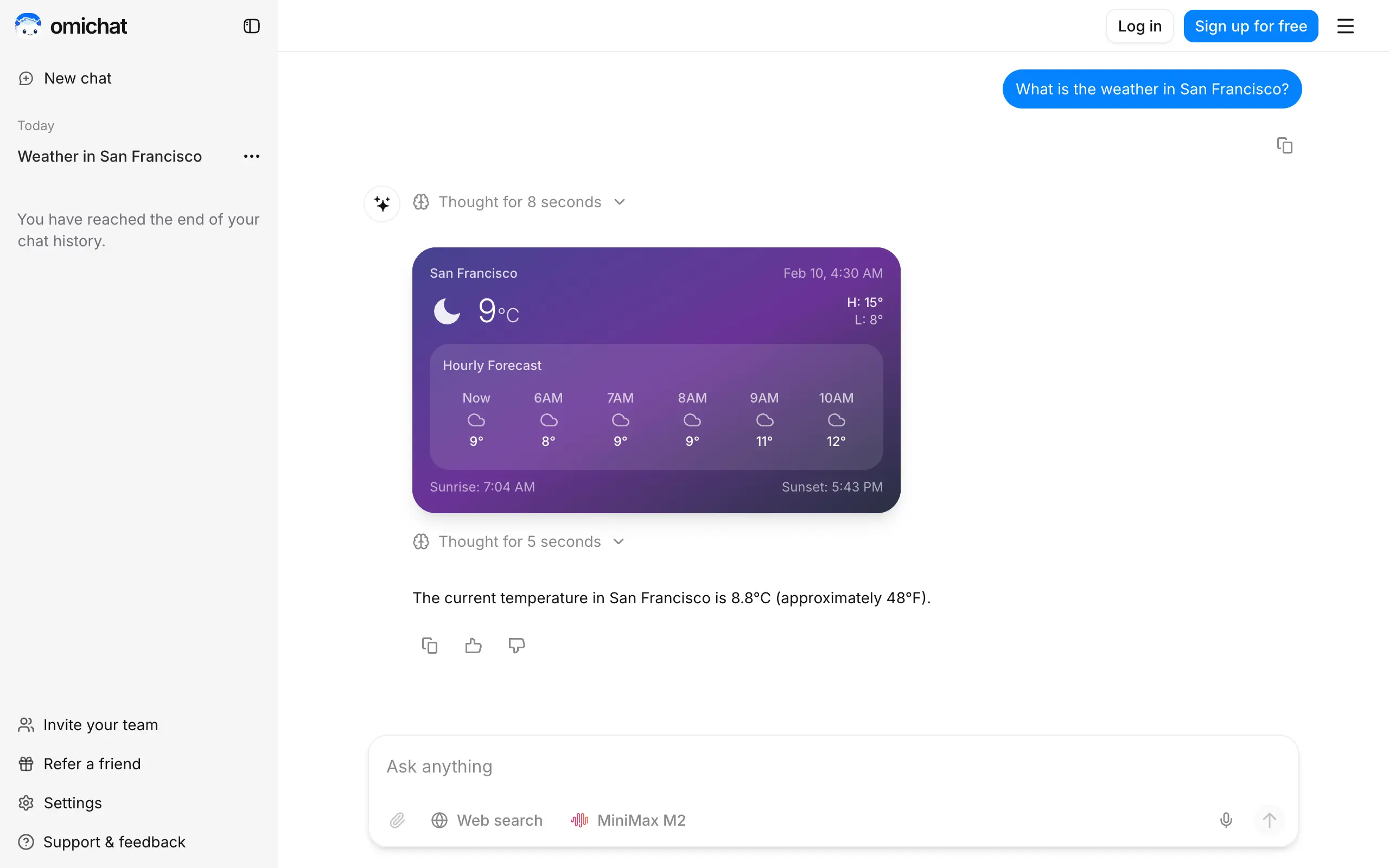
Omichat
Chat with 50+ AI models, including ChatGPT and Claude, in one place - switch models anytime without losing context 🤖
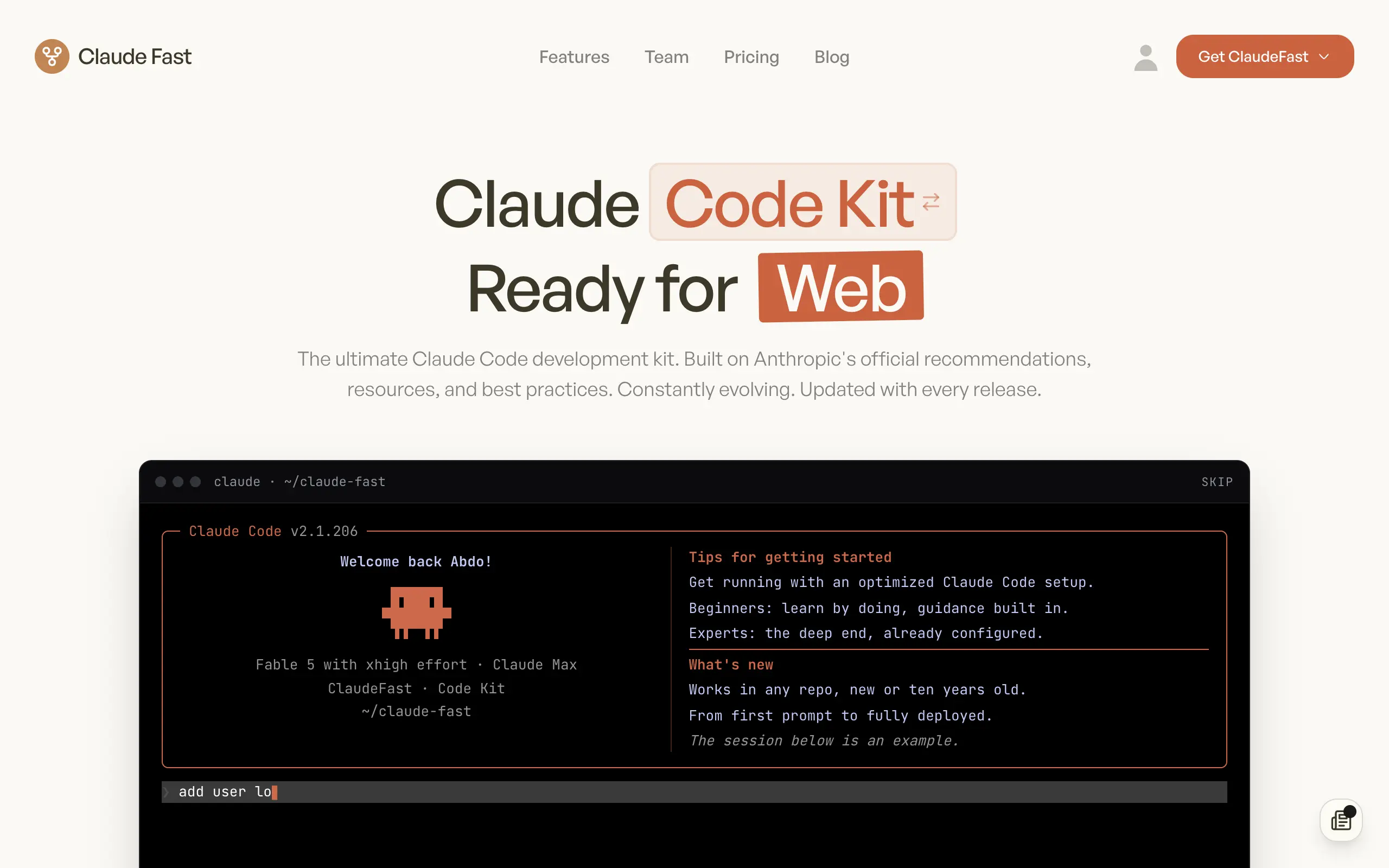
Claude Fast
Supercharge your Claude Code with 6x effective context window and specialized AI agents 🤖
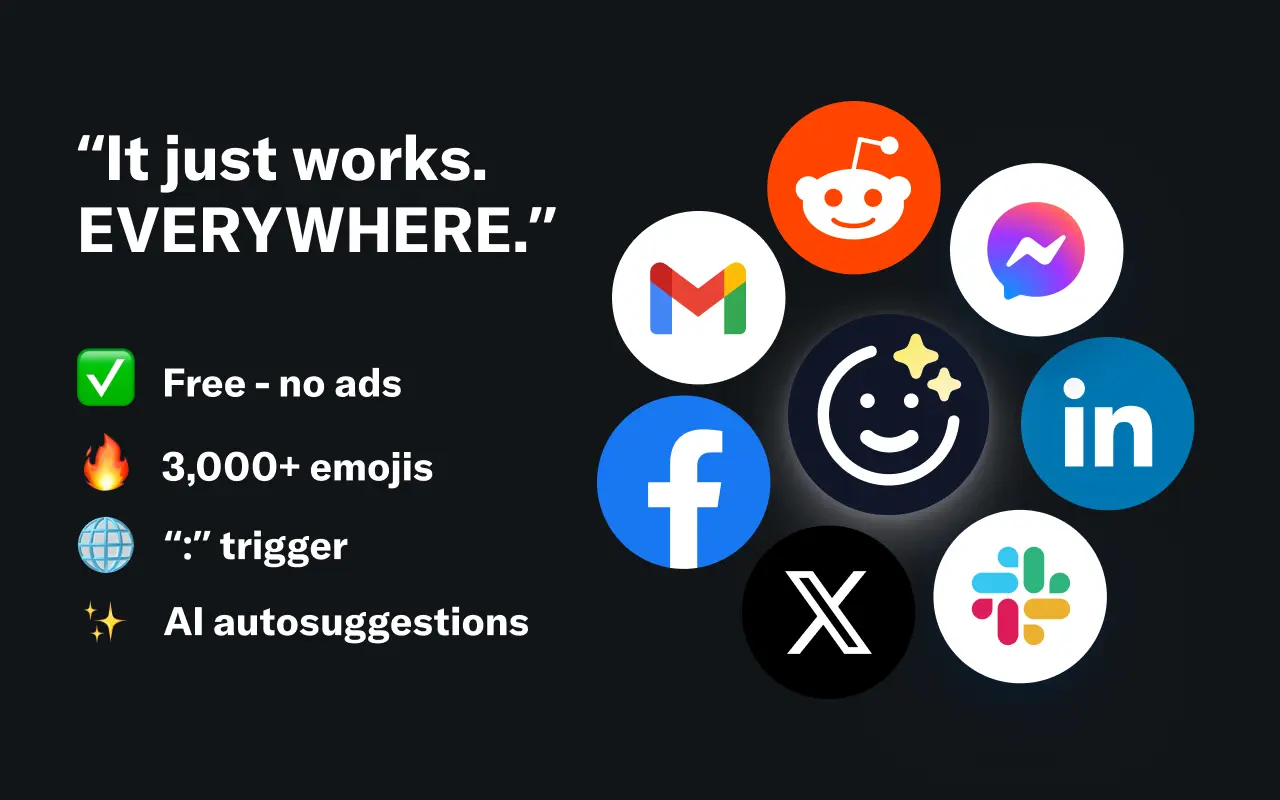
EmojAI
AI-powered emoji picker with smart, context-aware suggestions 🤖

Solohacker
Autonomous company launcher - AI agents work 24/7, escalate what matters, and you stay in control 🤖
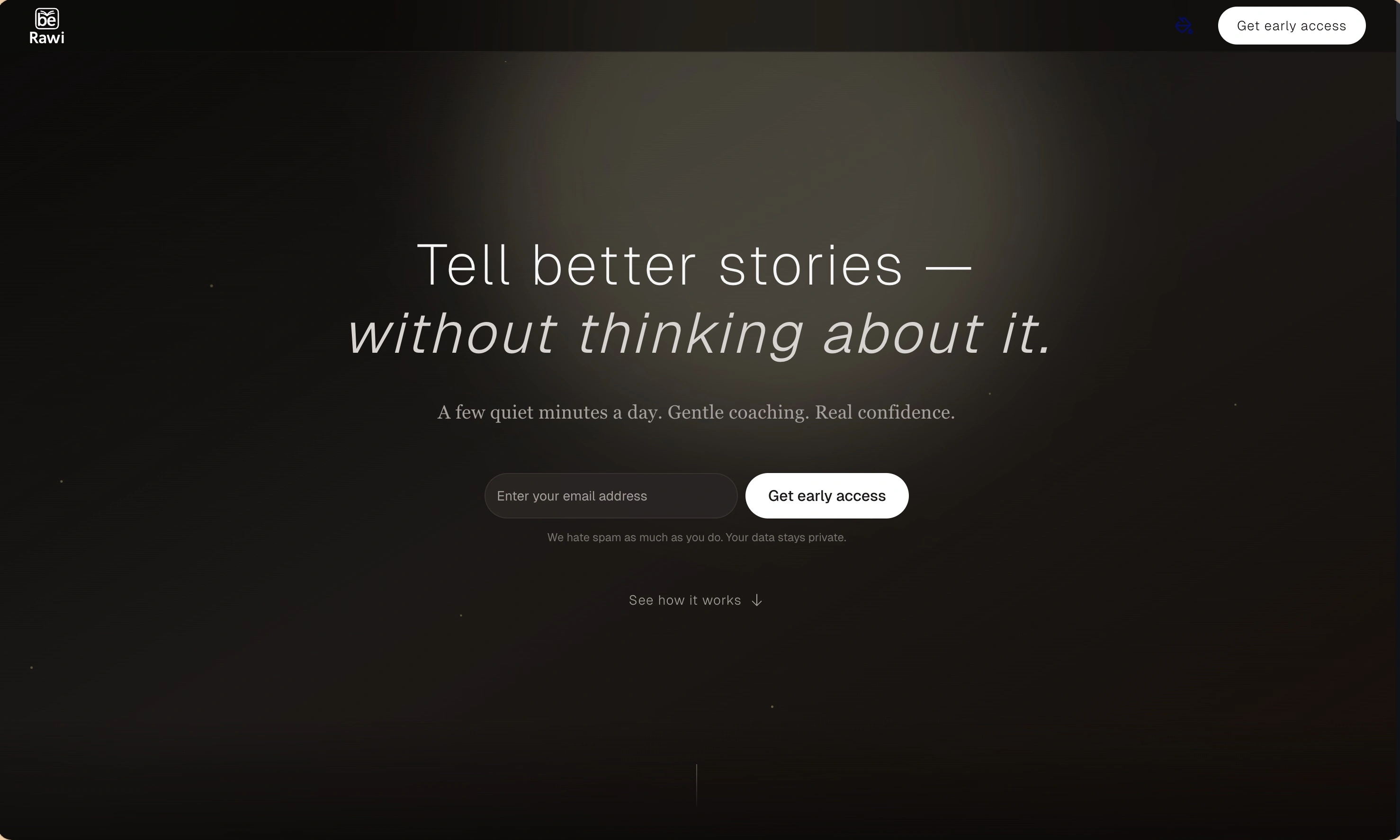
BeRawi: Storytelling Coach
Practice storytelling daily with instant feedback to sound clearer, more engaging, and confident 🎤
Omichat
Chat with 50+ AI models, including ChatGPT and Claude, in one place - switch models anytime without losing context 🤖
Claude Fast
Supercharge your Claude Code with 6x effective context window and specialized AI agents 🤖
EmojAI
AI-powered emoji picker with smart, context-aware suggestions 🤖
Solohacker
Autonomous company launcher - AI agents work 24/7, escalate what matters, and you stay in control 🤖
BeRawi: Storytelling Coach
Practice storytelling daily with instant feedback to sound clearer, more engaging, and confident 🎤
Omichat
Chat with 50+ AI models, including ChatGPT and Claude, in one place - switch models anytime without losing context 🤖
Claude Fast
Supercharge your Claude Code with 6x effective context window and specialized AI agents 🤖
EmojAI
AI-powered emoji picker with smart, context-aware suggestions 🤖
Solohacker
Autonomous company launcher - AI agents work 24/7, escalate what matters, and you stay in control 🤖
BeRawi: Storytelling Coach
Practice storytelling daily with instant feedback to sound clearer, more engaging, and confident 🎤
Omichat
Chat with 50+ AI models, including ChatGPT and Claude, in one place - switch models anytime without losing context 🤖
Claude Fast
Supercharge your Claude Code with 6x effective context window and specialized AI agents 🤖
EmojAI
AI-powered emoji picker with smart, context-aware suggestions 🤖
Solohacker
Autonomous company launcher - AI agents work 24/7, escalate what matters, and you stay in control 🤖
BeRawi: Storytelling Coach
Practice storytelling daily with instant feedback to sound clearer, more engaging, and confident 🎤

Connect with like-minded people
Join our community to get feedback, support, and grow together with 1,000+ builders on board, let's ship it!
Join usShip your startup everywhere. In minutes.
Don't burn tokens on setup and start building features on day one.