ThoughtWeaver AI
Turn scattered thoughts into structured mind maps, visual stories, and action plans using AI that clarifies abstract ideas in minutes.
The rise of AI-powered thought organization tools
In a world where information overload is the default state, professionals, students, founders, and creatives are constantly drowning in fragmented ideas. Notes are scattered across apps. Voice memos pile up. Whiteboards get erased. Inspiration hits at random times — but translating that raw thinking into structured plans is still a manual, time-consuming process.
This is where an AI thought organization platform like ThoughtWeaver AI enters the market.
The primary keyword for this concept is:
AI mind mapping and idea organization software
Closely related semantic keywords include:
- AI idea structuring tool
- AI mind map generator
- turn notes into action plans
- AI brainstorming assistant
- visual thinking software
- convert thoughts into structured plans
- AI visual storytelling tool
The core promise is simple but powerful:
Turn scattered thoughts into structured mind maps, visual stories, and action plans using AI that clarifies abstract ideas in minutes.
This article provides a comprehensive, expert-level breakdown of the opportunity behind this idea, including:
- Target audience analysis
- Market gap and positioning
- Core features and technical architecture
- Monetization strategy
- Competitive advantage
- Risks and mitigation
- Step-by-step implementation plan
If you’re validating, building, or investing in an AI idea organization SaaS, this is your blueprint.
The real problem: cognitive overload and unstructured thinking
Before diving into features, we must deeply understand the user pain.
Modern knowledge workers face three recurring problems:
- Idea fragmentation – Thoughts live in multiple tools (Notion, Apple Notes, Google Docs, Slack, email).
- Lack of structure – Raw ideas don’t automatically become organized frameworks.
- Execution gap – Even structured ideas rarely translate into concrete action plans.
Most existing tools solve storage. Very few solve cognitive transformation.
Traditional mind mapping tools require manual node creation. AI chatbots generate text but not structured visual frameworks. Project management tools assume clarity already exists.
ThoughtWeaver AI bridges this gap by transforming:
- Voice notes → structured mind maps
- Brain dumps → prioritized action plans
- Concepts → visual story flows
- Research notes → connected idea graphs
This directly addresses user search intent like:
- “How to organize my thoughts better”
- “Best AI mind map generator”
- “Turn notes into action plan automatically”
- “AI tool to clarify ideas”
Target audience analysis
A successful AI SaaS must define clear user segments with distinct motivations and willingness to pay.
1. Founders and startup teams
Pain points:
- Brainstorming product features without clarity
- Strategy sessions that produce messy notes
- Difficulty aligning team vision
High-value use cases:
- Investor pitch structuring
- Product roadmap planning
- Vision-to-execution conversion
Willingness to pay: High
Upsell potential: Team collaboration plans
2. Content creators and writers
Pain points:
- Idea overwhelm
- Complex topics lacking structure
- Content strategy fragmentation
Use cases:
- Article outlining
- YouTube script structuring
- Book planning
- Course frameworks
Willingness to pay: Medium to high
Retention driver: Saved creative time
3. Students and researchers
Pain points:
- Study notes are chaotic
- Hard to visualize connections
- Poor revision systems
Use cases:
- Convert lecture notes into visual maps
- Research synthesis
- Exam preparation structures
Willingness to pay: Lower individually
Upsell opportunity: Institutional licensing
4. Consultants and knowledge workers
Pain points:
- Workshop outputs are messy
- Client strategies lack visual clarity
- Difficulty communicating complex systems
Use cases:
- Workshop mind maps
- Strategy blueprints
- Client deliverable visualizations
Willingness to pay: High
Key driver: Professional presentation quality
Market opportunity and positioning
The AI productivity market has grown significantly over the past 3 years, driven by large language models and generative AI adoption. According to industry research from firms like McKinsey and Gartner (cite recent AI productivity adoption reports), AI-powered productivity tools are among the fastest-growing SaaS segments.
However, the market is fragmented:
- Chat-based AI (e.g., conversational assistants)
- Manual mind mapping software
- Note-taking apps with limited AI features
- Project management platforms
What’s missing?
A dedicated AI-native platform designed specifically to transform abstract thinking into structured visual systems.
Gap analysis
Most competitors fall into one of these categories:
| Tool Type | Strength | Weakness |
|---|---|---|
| Traditional mind maps | Visual clarity | Fully manual |
| AI chatbots | Smart text output | Not visually structured |
| Note apps | Good storage | Poor transformation |
| PM tools | Action-oriented | Assume clarity exists |
ThoughtWeaver AI differentiates by focusing on cognitive structuring as its core value proposition.
Core features of ThoughtWeaver AI
To win this market, the product must go beyond “AI that generates a mind map.” It must create a structured thinking engine.
1. Brain dump to structured mind map
Users input:
- Raw text
- Voice transcription
- Bullet points
- Unstructured paragraphs
The AI outputs:
- Hierarchical mind map
- Categorized themes
- Logical relationships
- Visual clusters
Why this matters
Users don’t want more content. They want clarity. The AI must prioritize structure over verbosity.
2. Multi-view thinking modes
The same idea should be convertible into different structured outputs:
Transforms ideas into a hierarchical node structure with expandable branches.
Converts themes into prioritized tasks with deadlines and dependencies.
Builds narrative arcs from abstract ideas — ideal for content creators.
Generates structured headings and subheadings for articles or documents.
This multi-output capability becomes a strong competitive differentiator.
3. AI clarity scoring
A unique feature: Clarity Score.
The AI analyzes:
- Redundancy
- Vagueness
- Missing logical connections
- Ambiguous language
Then provides suggestions:
- “This idea lacks a clear objective.”
- “These two branches overlap conceptually.”
- “Consider merging these themes.”
This positions ThoughtWeaver AI not just as a generator — but as a thinking coach.
4. Real-time restructuring
Users can say:
- “Make this more strategic.”
- “Simplify for beginners.”
- “Turn into quarterly plan.”
- “Highlight risks.”
The system dynamically restructures the map instead of regenerating from scratch.
5. Collaboration and shareable visual exports
High-value features:
- Shareable interactive links
- Export to PDF, PNG
- Embed in Notion
- Export action plans to project management tools
Technical architecture and recommended stack
Building an AI mind mapping SaaS requires both frontend visual performance and backend AI orchestration.
Frontend stack
- React – Component-driven UI
- Next.js – Full-stack React framework
- TailwindCSS – Fast UI styling
- Canvas or SVG-based visualization library (e.g., D3.js or React Flow)
Mind map rendering requires:
- Smooth drag-and-drop
- Zoom and pan
- Node expansion
- Real-time updates
Backend stack
- Node.js API layer
- AI model orchestration (OpenAI or equivalent LLM APIs)
- Vector database (e.g., Pinecone or similar) for context persistence
- PostgreSQL for structured data
- Redis for caching
Example AI transformation pipeline
// Pseudo-code for transforming brain dump into structured mind map

async function generateMindMap(inputText: string) {
  const prompt = `
  Analyze the following text and:
  1. Extract key themes
  2. Create hierarchical structure
  3. Identify relationships
  4. Output JSON in mind map format

  Text: ${inputText}
  `;

  const aiResponse = await callLLM(prompt);

  const structuredMap = JSON.parse(aiResponse);

  return structuredMap;
}
The key is strict output schema enforcement to ensure reliable visualization.
Competitive landscape analysis
Major indirect competitors include:
- Traditional mind mapping tools
- AI note-taking platforms
- General-purpose AI assistants
Competitive comparison
| Feature | Traditional Mind Map | AI Chatbot | Note App | ThoughtWeaver AI |
|---|---|---|---|---|
| AI Structuring | ❌ | ✅ (Text only) | Limited | ✅ Advanced |
| Visual Mind Maps | ✅ | ❌ | ❌ | ✅ |
| Action Plan Conversion | ❌ | Partial | ❌ | ✅ |
| Clarity Analysis | ❌ | ❌ | ❌ | ✅ |
Monetization strategy
To maximize revenue and long-term sustainability, ThoughtWeaver AI should adopt a tiered SaaS model.
1. Freemium model
- Limited maps per month
- Watermarked exports
- Basic AI structuring
Purpose: Drive user acquisition and viral sharing.
2. Pro plan ($15–$25/month)
- Unlimited maps
- Advanced AI restructuring
- Multi-view outputs
- Export integrations
- Clarity score analysis
Target audience: Creators, founders, consultants.
3. Team plan ($49–$99/month)
- Real-time collaboration
- Shared workspaces
- Admin controls
- API access
Target audience: Startups, agencies.
4. Enterprise plan
- SSO
- On-prem deployment
- Advanced security
- Custom AI tuning
Unique selling proposition (USP)
The strongest positioning statement:
ThoughtWeaver AI is not a mind map tool. It is an AI thinking system.
Its differentiation lies in:
- AI-native architecture (not AI bolted on)
- Multi-output structuring
- Clarity scoring
- Cognitive coaching angle
- Real-time restructuring
This makes it emotionally resonant and strategically distinct.
Risks and mitigation
Risk 1: AI output inconsistency
Mitigation:
- Schema validation
- Output re-ranking
- Structured prompting
- Fine-tuning for hierarchy generation
Risk 2: Market saturation in AI productivity
Mitigation:
- Niche down initially (e.g., founders)
- Strong branding around “clarity”
- Educational content marketing
Risk 3: User churn after novelty fades
Mitigation:
- Embed into workflow (integrations)
- Continuous clarity scoring improvements
- Weekly usage summaries
Go-to-market strategy
Phase 1: Niche authority
Target startup founders:
- Publish content about “thinking clarity”
- Share before/after mind map transformations
- Offer free startup strategy templates
Phase 2: Creator adoption
Partner with:
- YouTubers
- Course creators
- Productivity influencers
Provide them with:
- Custom visual exports
- Affiliate incentives
Phase 3: SEO-driven growth
High-intent keyword targeting:
- AI mind map generator
- Turn notes into action plan
- Organize ideas with AI
- AI brainstorming tool
Long-form educational content will drive organic growth.
Implementation roadmap
Using a production-ready SaaS boilerplate like TurboStarter can dramatically accelerate development by providing authentication, payments, and scalable architecture out of the box.
Long-term vision
The long-term evolution of ThoughtWeaver AI could include:
- Personal thinking profile analysis
- Cognitive bias detection
- Team alignment heatmaps
- Knowledge graph memory
- AI-generated strategic simulations
Eventually, it could evolve from a tool into a personal cognitive operating system.
Final thoughts
The demand for AI-powered idea organization software is not a trend — it’s a structural shift.
As information grows exponentially, the ability to:
- Clarify
- Structure
- Visualize
- Execute
becomes a competitive advantage.
ThoughtWeaver AI occupies a powerful intersection:
- AI
- Visual thinking
- Productivity
- Cognitive optimization
If executed with focus, authority, and strong UX, it can dominate the niche of AI-driven structured thinking.
The opportunity is clear:
People don’t need more ideas.
They need better thinking systems.
More 🤖 AI Startup SaaS ideas
Discover more innovative ai startup SaaS ideas that are trending in 2026. Each idea is AI-generated with market validation and growth potential to help you find your next profitable venture faster than competitors.
Your competitors are building with TurboStarter
Below are some of the SaaS ideas that have been generated and built with our starter kit.
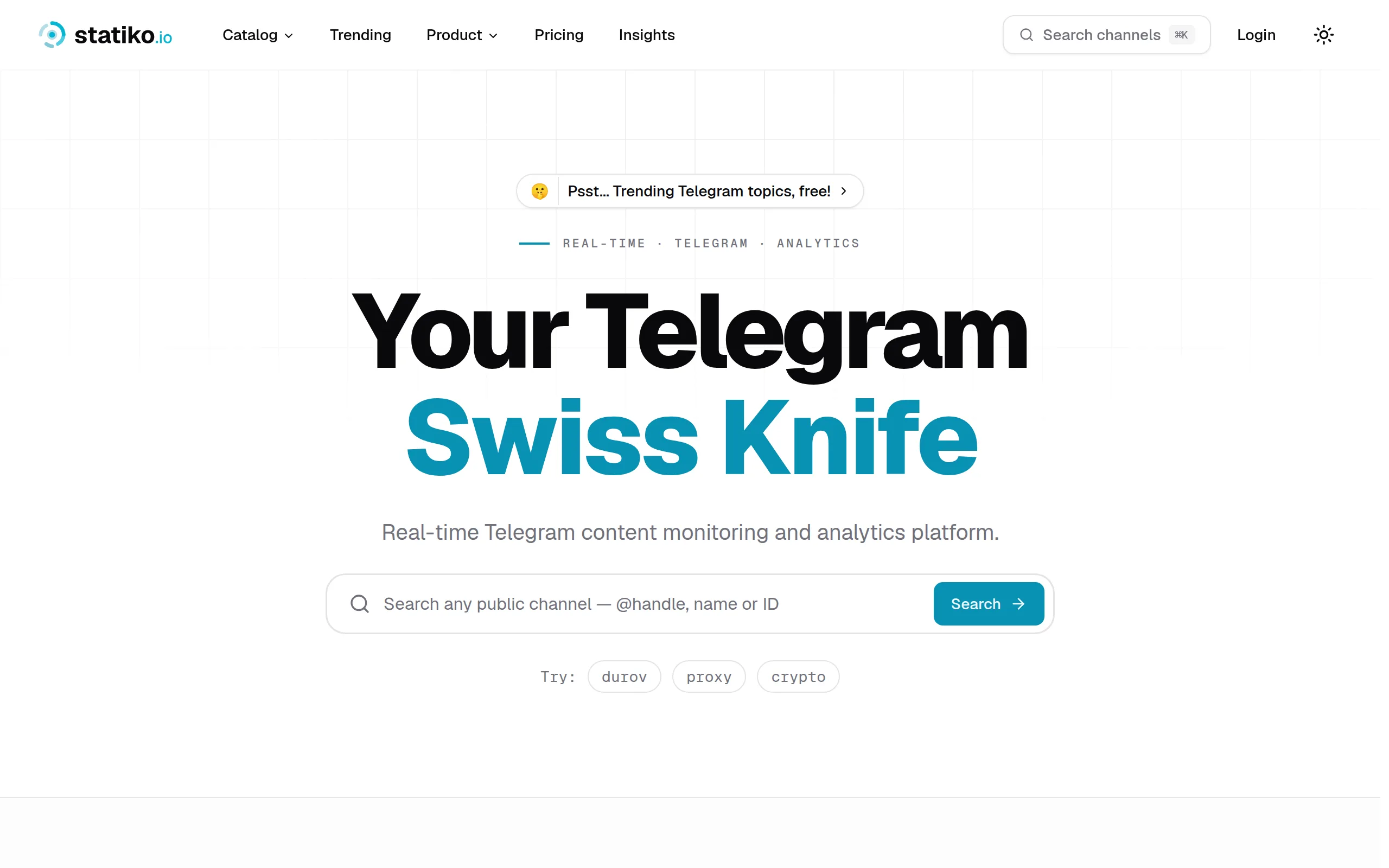
Statiko
Monitor any Telegram channel in real time - track posts, edits, deletions, and growth with AI recaps 📡

Shibui
AI website builder - describe your business, pick a niche template, edit by chatting, and publish instantly ✨

Pro Service
Find verified home service professionals, compare quotes, and pay securely through escrow - built for Brazilians across the US 🏠
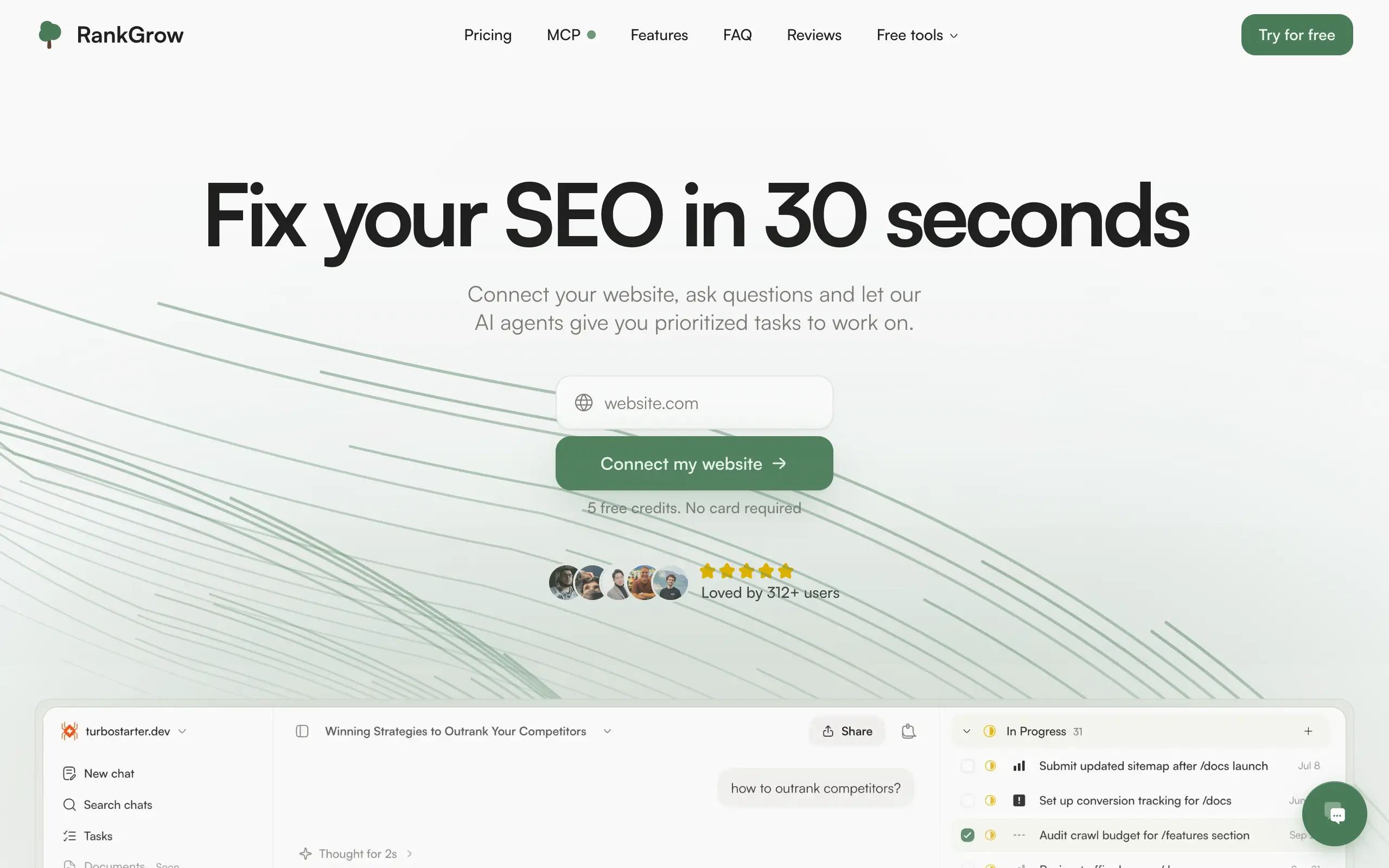
RankGrow
Fix your SEO with AI agents - connect Search Console, get prioritized tasks, and grow organic traffic 📈
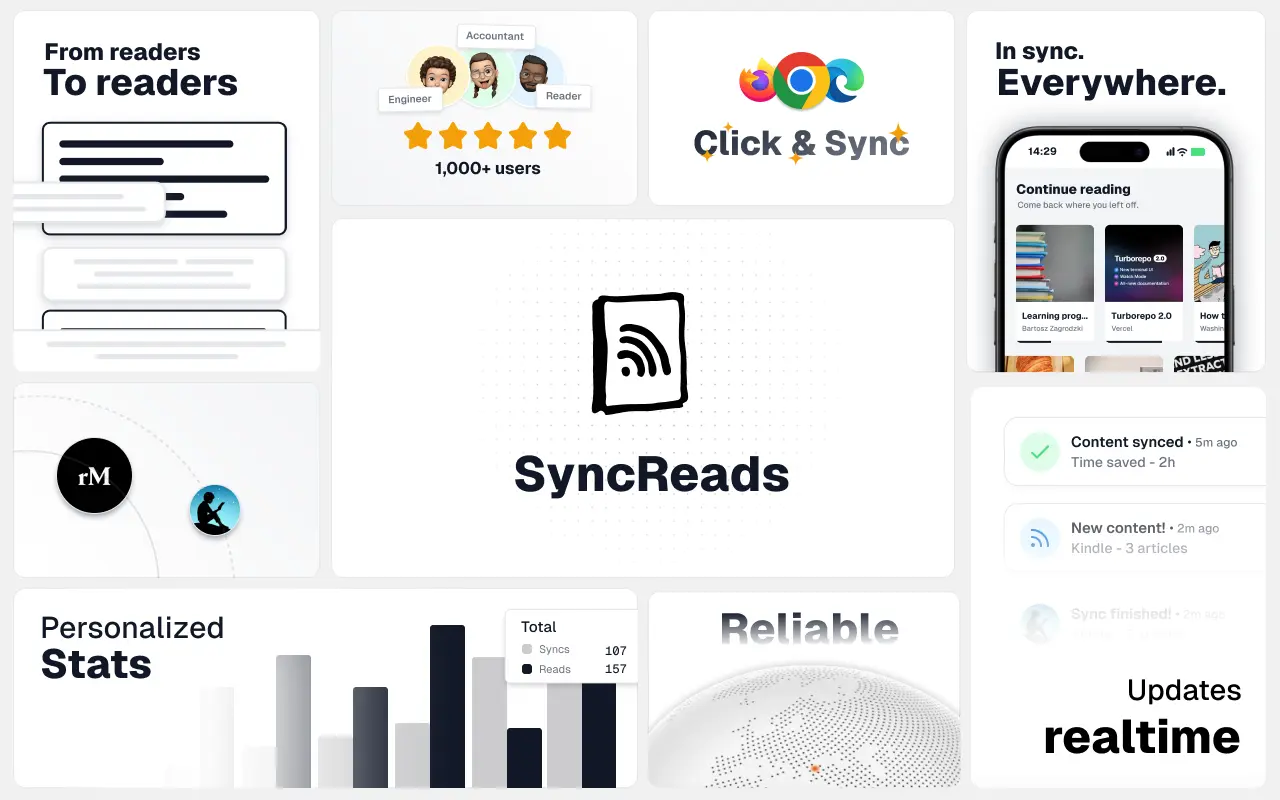
SyncReads
Sync your favorite content for distraction-free reading, save time and replace multiple apps. Anytime, anywhere 🔄
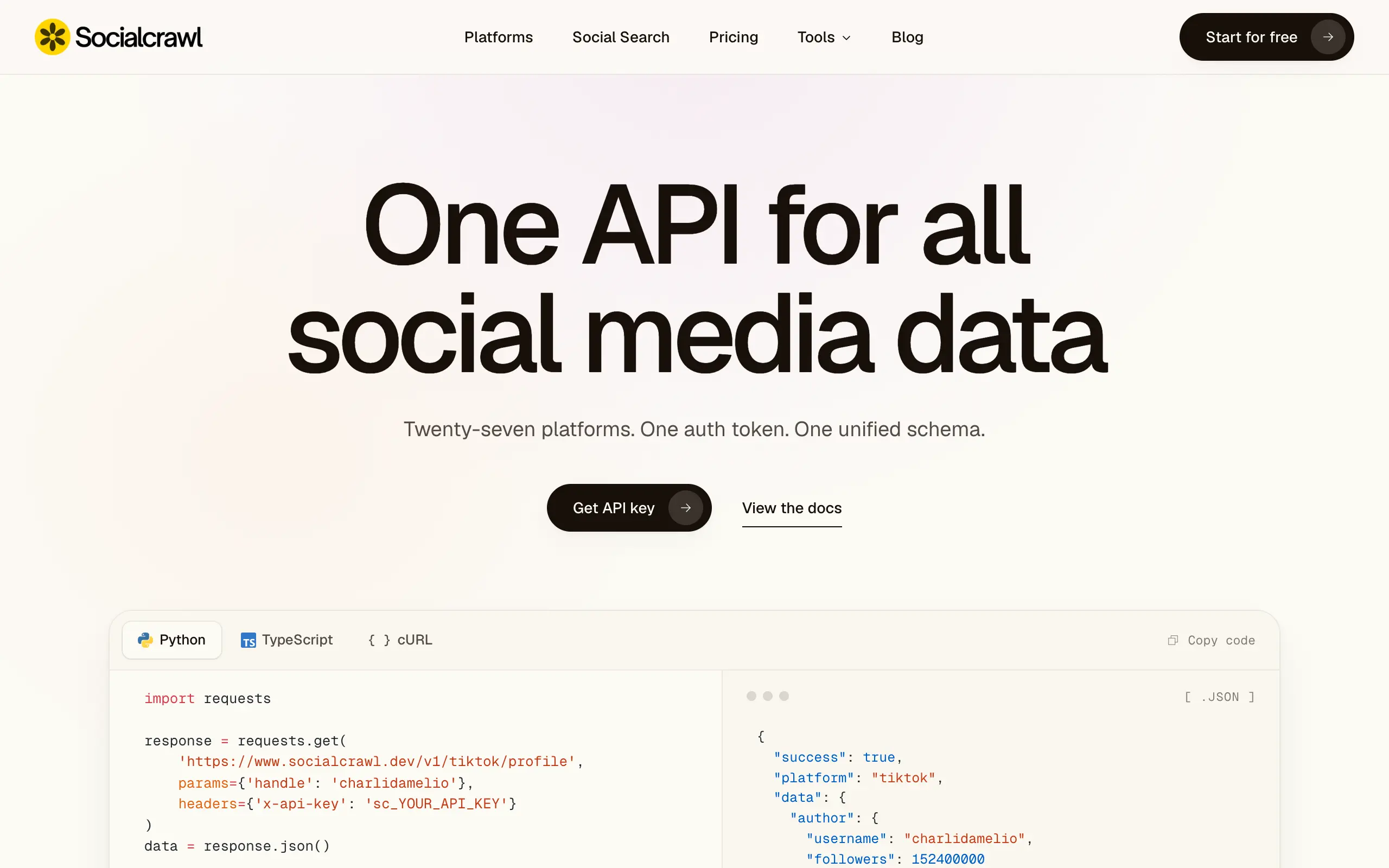
Socialcrawl
Get clean, structured data from 21 platforms like TikTok, Instagram, and YouTube with a single request 📊
Statiko
Monitor any Telegram channel in real time - track posts, edits, deletions, and growth with AI recaps 📡
Shibui
AI website builder - describe your business, pick a niche template, edit by chatting, and publish instantly ✨
Pro Service
Find verified home service professionals, compare quotes, and pay securely through escrow - built for Brazilians across the US 🏠
RankGrow
Fix your SEO with AI agents - connect Search Console, get prioritized tasks, and grow organic traffic 📈
SyncReads
Sync your favorite content for distraction-free reading, save time and replace multiple apps. Anytime, anywhere 🔄
Socialcrawl
Get clean, structured data from 21 platforms like TikTok, Instagram, and YouTube with a single request 📊
Statiko
Monitor any Telegram channel in real time - track posts, edits, deletions, and growth with AI recaps 📡
Shibui
AI website builder - describe your business, pick a niche template, edit by chatting, and publish instantly ✨
Pro Service
Find verified home service professionals, compare quotes, and pay securely through escrow - built for Brazilians across the US 🏠
RankGrow
Fix your SEO with AI agents - connect Search Console, get prioritized tasks, and grow organic traffic 📈
SyncReads
Sync your favorite content for distraction-free reading, save time and replace multiple apps. Anytime, anywhere 🔄
Socialcrawl
Get clean, structured data from 21 platforms like TikTok, Instagram, and YouTube with a single request 📊
Statiko
Monitor any Telegram channel in real time - track posts, edits, deletions, and growth with AI recaps 📡
Shibui
AI website builder - describe your business, pick a niche template, edit by chatting, and publish instantly ✨
Pro Service
Find verified home service professionals, compare quotes, and pay securely through escrow - built for Brazilians across the US 🏠
RankGrow
Fix your SEO with AI agents - connect Search Console, get prioritized tasks, and grow organic traffic 📈
SyncReads
Sync your favorite content for distraction-free reading, save time and replace multiple apps. Anytime, anywhere 🔄
Socialcrawl
Get clean, structured data from 21 platforms like TikTok, Instagram, and YouTube with a single request 📊
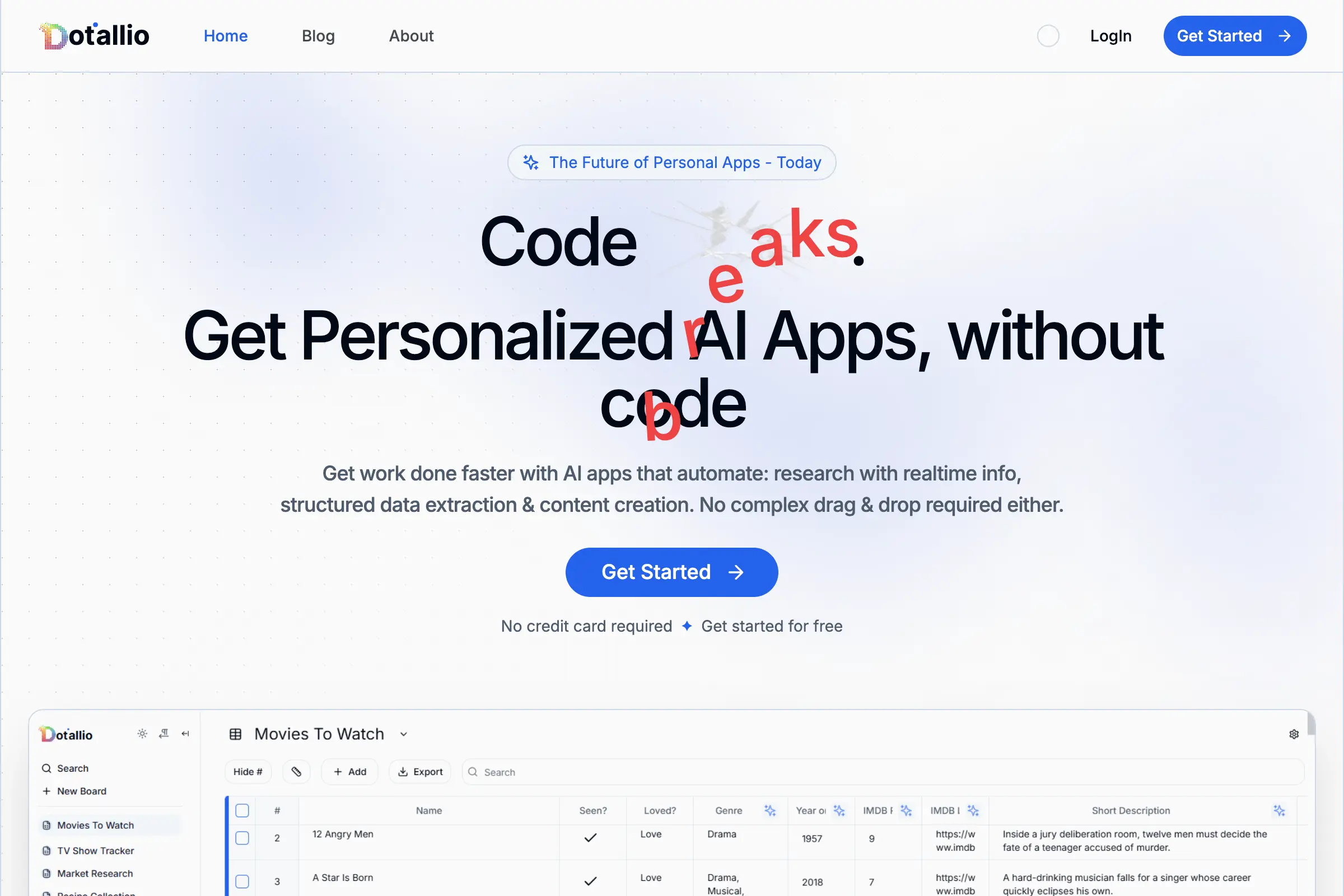
Dotallio
Personalized AI apps that automate research, data extraction, and content creation without code 🤖

Talk to Santa
Enjoy a magical live video chat or receive a unique AI-generated video greeting from Santa Claus 🎅
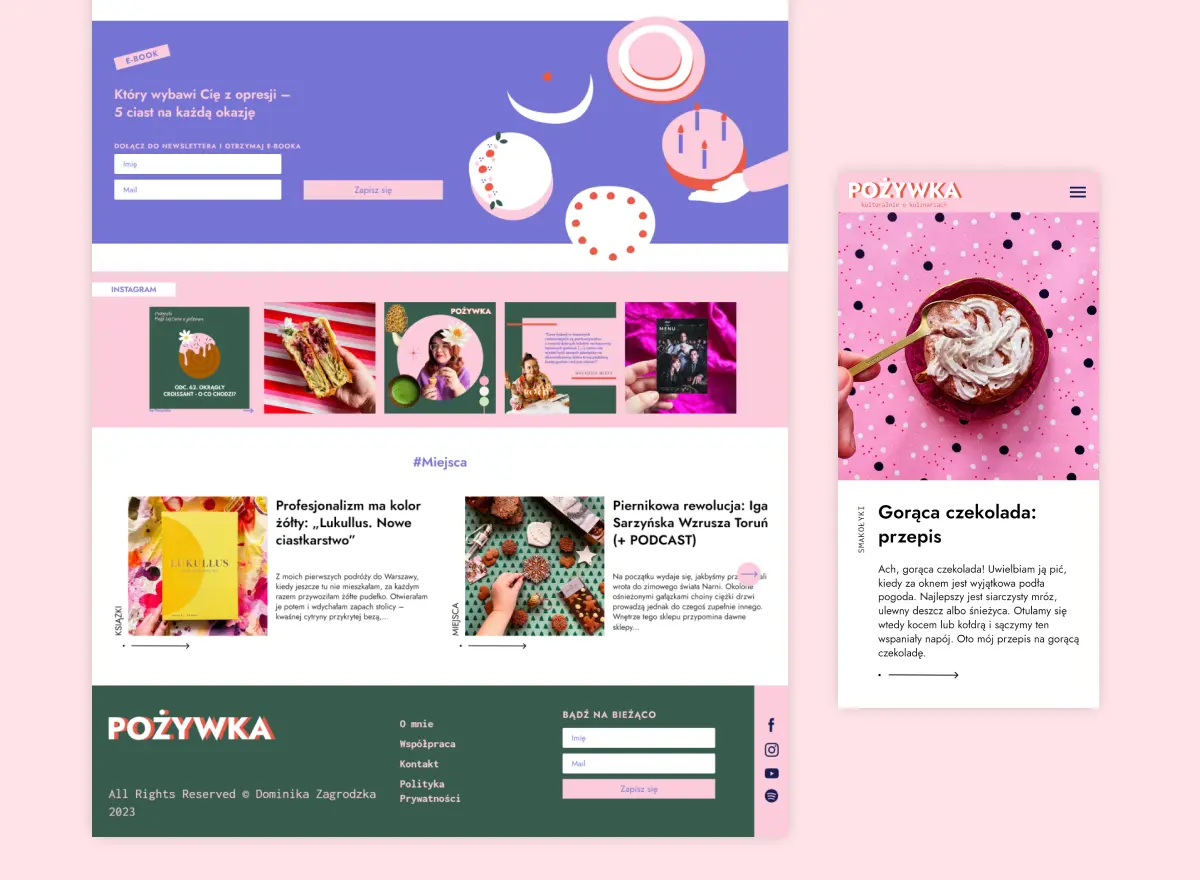
pozywka.pl
Scalable blog for food journalist, focused on performance and user experience 🌭
zagrodzki.me
Personal blog and portfolio of Bart Zagrodzki, where he shares his knowledge and work 💼
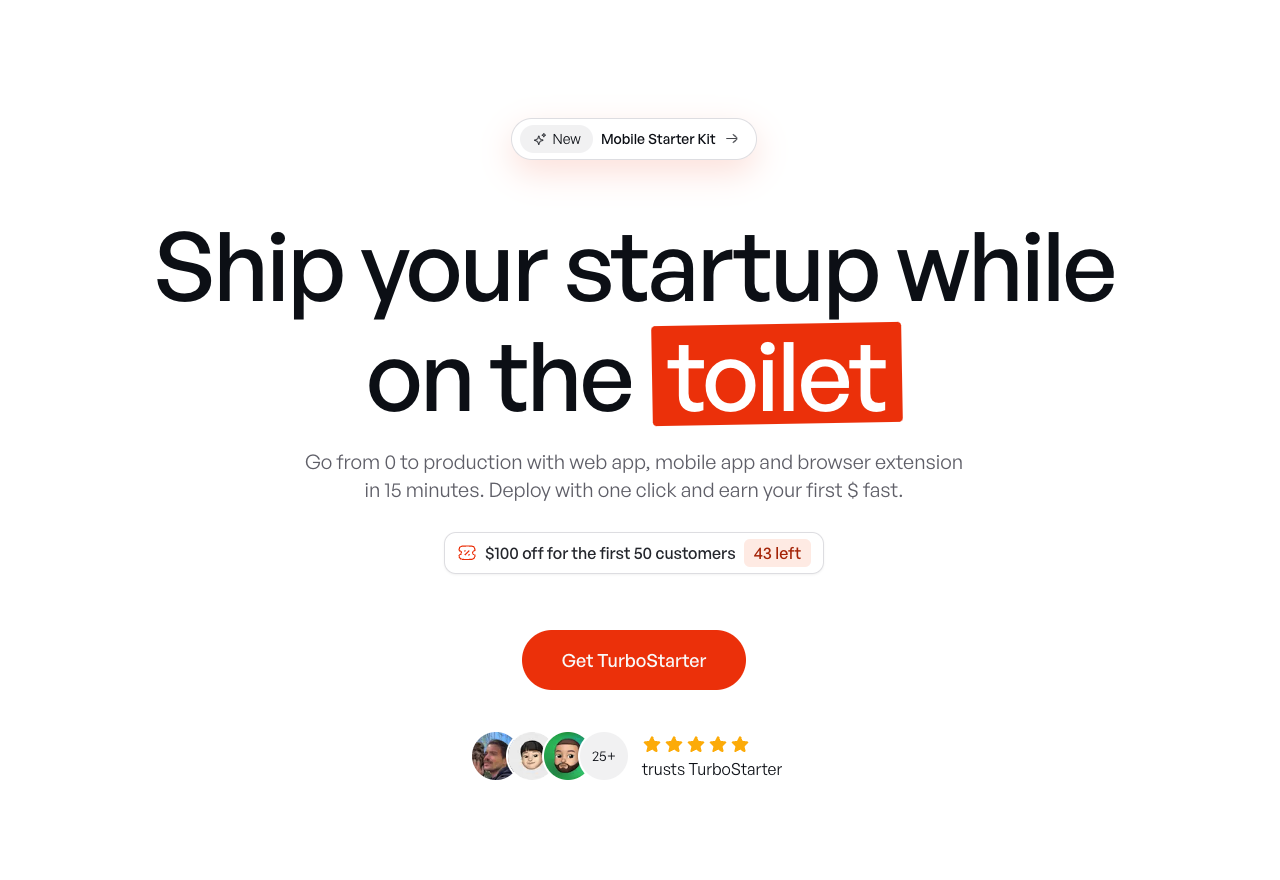
TurboStarter
Ship your startup everywhere. In minutes.
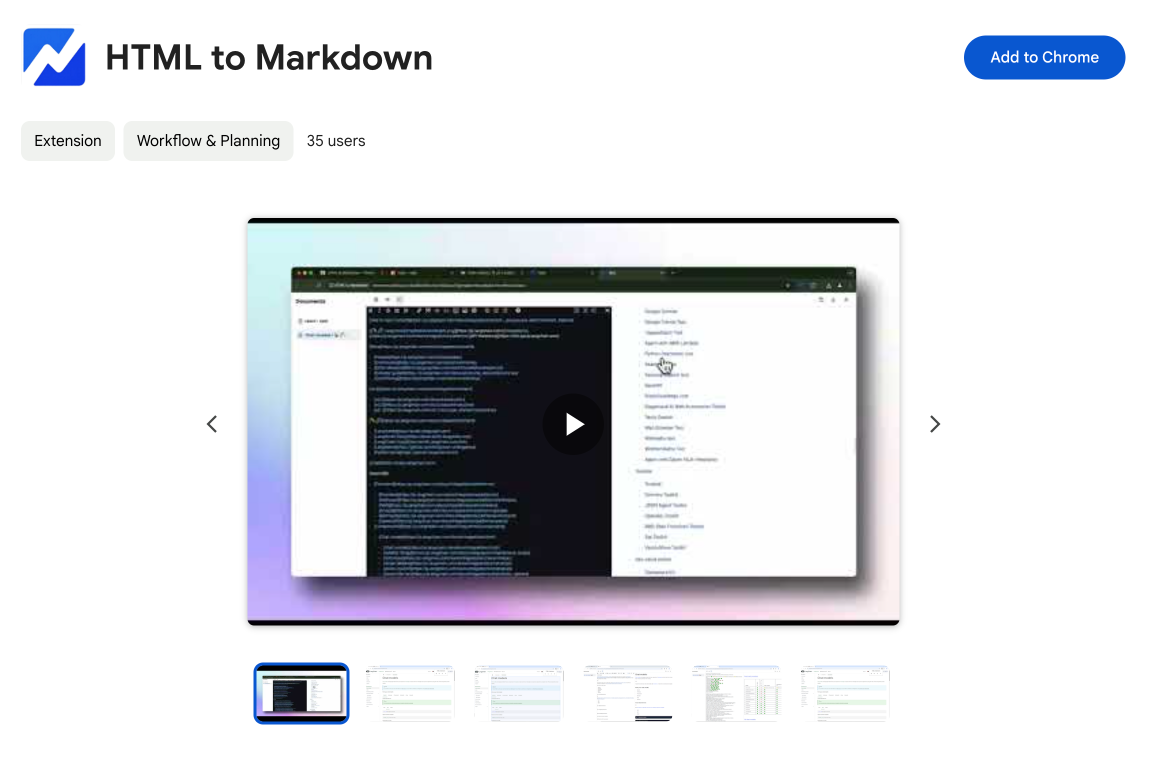
HTML to Markdown
Convert HTML to Markdown with ease, directly in your browser 📄
Dotallio
Personalized AI apps that automate research, data extraction, and content creation without code 🤖
Talk to Santa
Enjoy a magical live video chat or receive a unique AI-generated video greeting from Santa Claus 🎅
pozywka.pl
Scalable blog for food journalist, focused on performance and user experience 🌭
zagrodzki.me
Personal blog and portfolio of Bart Zagrodzki, where he shares his knowledge and work 💼
TurboStarter
Ship your startup everywhere. In minutes.
HTML to Markdown
Convert HTML to Markdown with ease, directly in your browser 📄
Dotallio
Personalized AI apps that automate research, data extraction, and content creation without code 🤖
Talk to Santa
Enjoy a magical live video chat or receive a unique AI-generated video greeting from Santa Claus 🎅
pozywka.pl
Scalable blog for food journalist, focused on performance and user experience 🌭
zagrodzki.me
Personal blog and portfolio of Bart Zagrodzki, where he shares his knowledge and work 💼
TurboStarter
Ship your startup everywhere. In minutes.
HTML to Markdown
Convert HTML to Markdown with ease, directly in your browser 📄
Dotallio
Personalized AI apps that automate research, data extraction, and content creation without code 🤖
Talk to Santa
Enjoy a magical live video chat or receive a unique AI-generated video greeting from Santa Claus 🎅
pozywka.pl
Scalable blog for food journalist, focused on performance and user experience 🌭
zagrodzki.me
Personal blog and portfolio of Bart Zagrodzki, where he shares his knowledge and work 💼
TurboStarter
Ship your startup everywhere. In minutes.
HTML to Markdown
Convert HTML to Markdown with ease, directly in your browser 📄
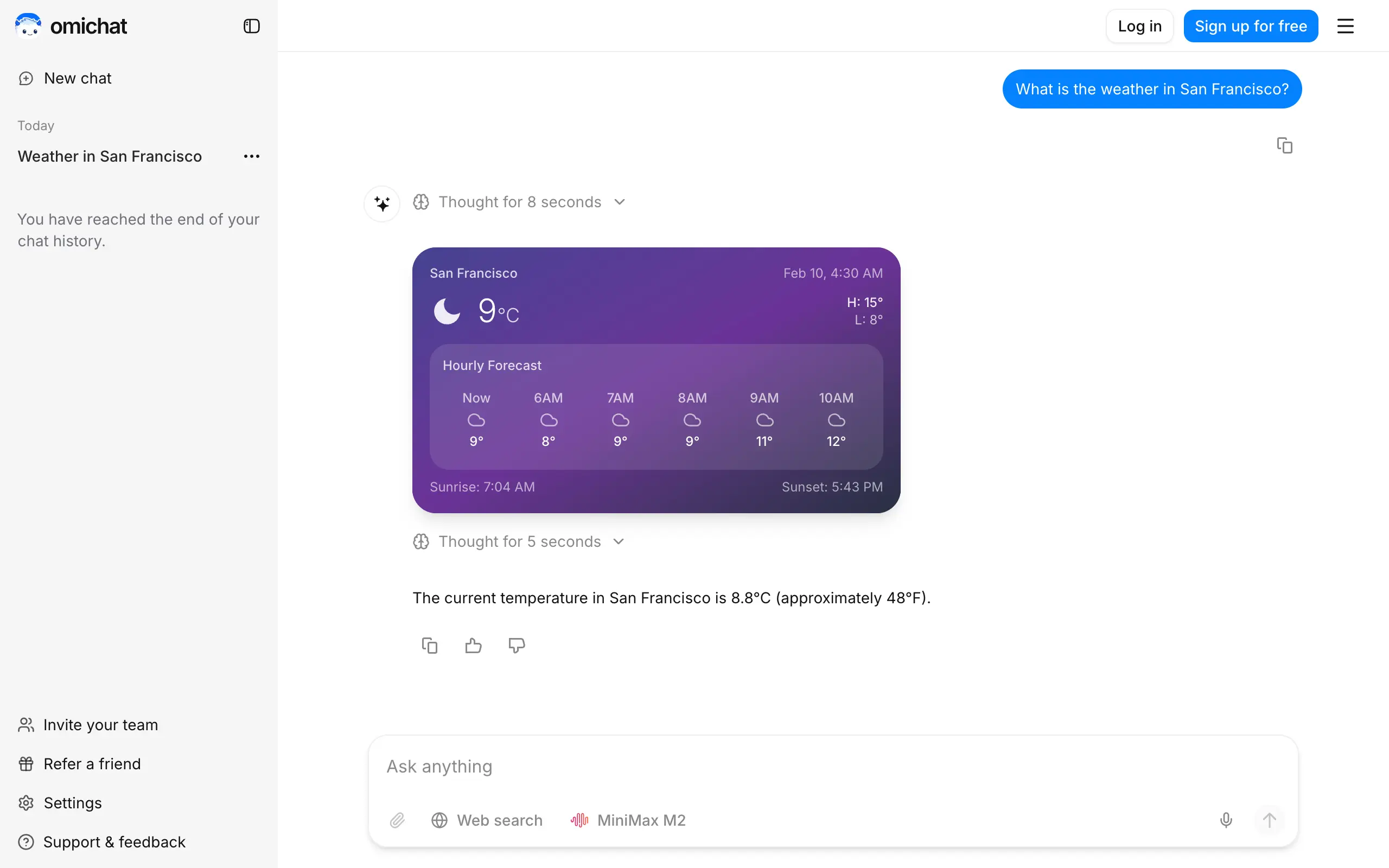
Omichat
Chat with 50+ AI models, including ChatGPT and Claude, in one place - switch models anytime without losing context 🤖
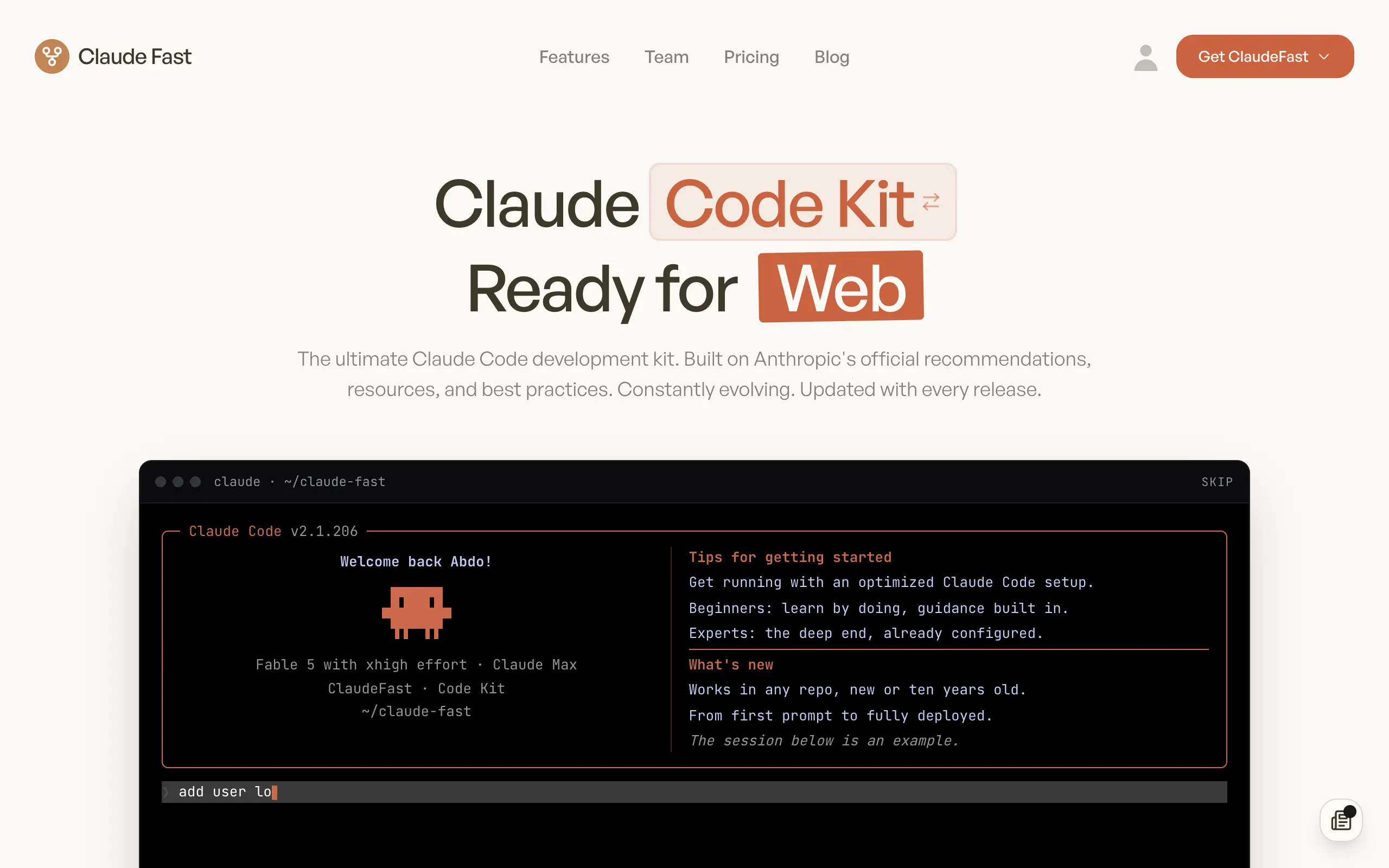
Claude Fast
Supercharge your Claude Code with 6x effective context window and specialized AI agents 🤖
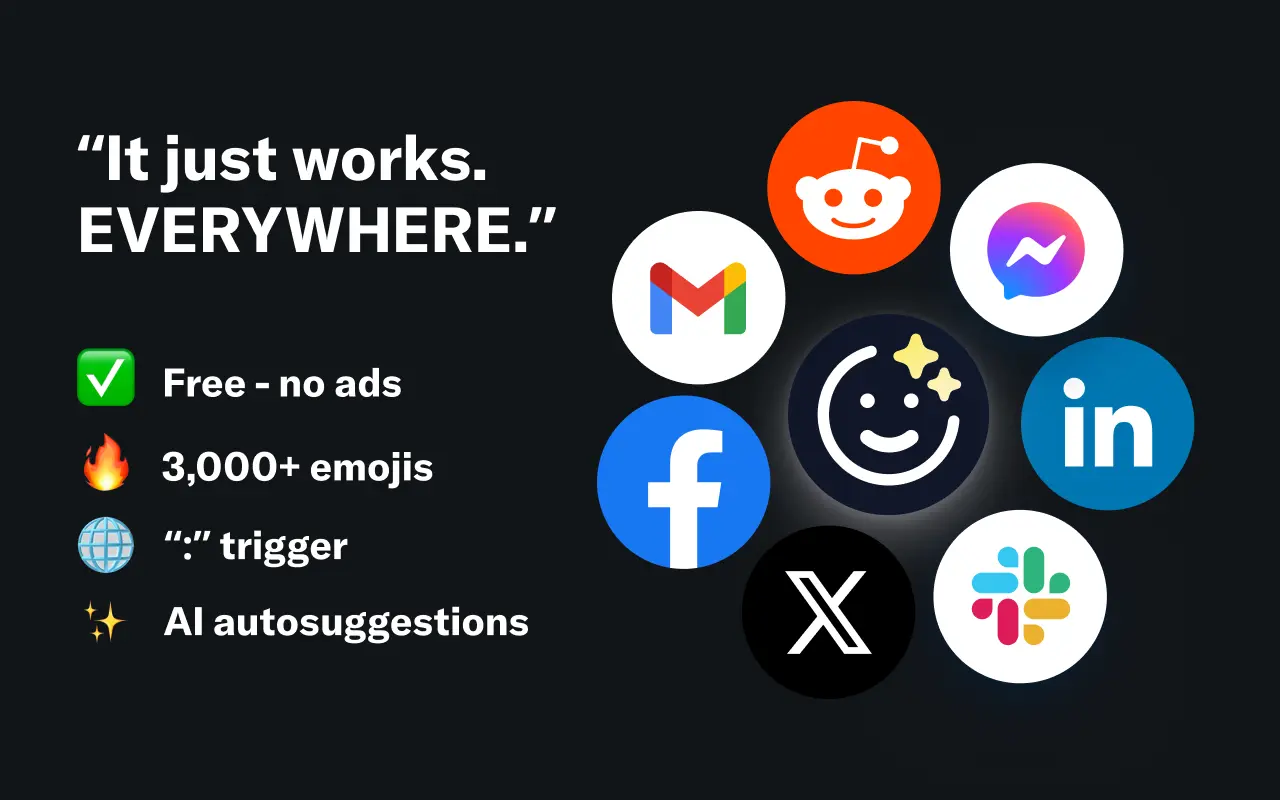
EmojAI
AI-powered emoji picker with smart, context-aware suggestions 🤖

Solohacker
Autonomous company launcher - AI agents work 24/7, escalate what matters, and you stay in control 🤖
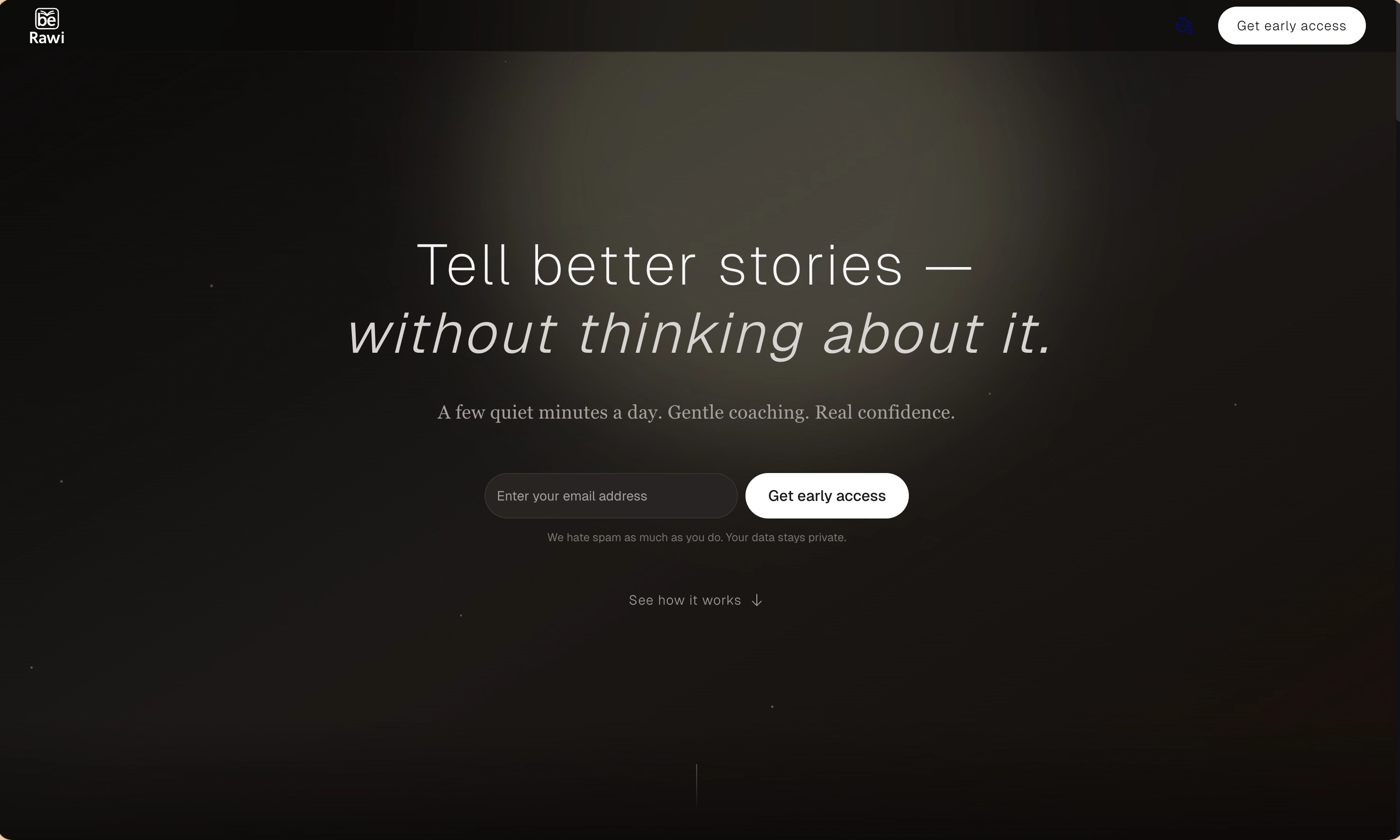
BeRawi: Storytelling Coach
Practice storytelling daily with instant feedback to sound clearer, more engaging, and confident 🎤
Omichat
Chat with 50+ AI models, including ChatGPT and Claude, in one place - switch models anytime without losing context 🤖
Claude Fast
Supercharge your Claude Code with 6x effective context window and specialized AI agents 🤖
EmojAI
AI-powered emoji picker with smart, context-aware suggestions 🤖
Solohacker
Autonomous company launcher - AI agents work 24/7, escalate what matters, and you stay in control 🤖
BeRawi: Storytelling Coach
Practice storytelling daily with instant feedback to sound clearer, more engaging, and confident 🎤
Omichat
Chat with 50+ AI models, including ChatGPT and Claude, in one place - switch models anytime without losing context 🤖
Claude Fast
Supercharge your Claude Code with 6x effective context window and specialized AI agents 🤖
EmojAI
AI-powered emoji picker with smart, context-aware suggestions 🤖
Solohacker
Autonomous company launcher - AI agents work 24/7, escalate what matters, and you stay in control 🤖
BeRawi: Storytelling Coach
Practice storytelling daily with instant feedback to sound clearer, more engaging, and confident 🎤
Omichat
Chat with 50+ AI models, including ChatGPT and Claude, in one place - switch models anytime without losing context 🤖
Claude Fast
Supercharge your Claude Code with 6x effective context window and specialized AI agents 🤖
EmojAI
AI-powered emoji picker with smart, context-aware suggestions 🤖
Solohacker
Autonomous company launcher - AI agents work 24/7, escalate what matters, and you stay in control 🤖
BeRawi: Storytelling Coach
Practice storytelling daily with instant feedback to sound clearer, more engaging, and confident 🎤

Connect with like-minded people
Join our community to get feedback, support, and grow together with 1,000+ builders on board, let's ship it!
Join usShip your startup everywhere. In minutes.
Don't burn tokens on setup and start building features on day one.