ThreatIntel Lite
AI-driven platform that aggregates and simplifies global threat intelligence feeds, giving students and small teams actionable cyber insights in plain language.
understanding the rise of AI-driven threat intelligence platforms
Cybersecurity is no longer a niche concern reserved for large enterprises with dedicated SOC (Security Operations Center) teams. Today, students, indie developers, startups, and small businesses face increasingly sophisticated cyber threats—but lack the tools, expertise, and budget to respond effectively.
This is where an AI-powered solution like ThreatIntel Lite fits in.
ThreatIntel Lite is an AI-driven platform that aggregates, analyzes, and simplifies global threat intelligence feeds into actionable, human-readable insights. Instead of drowning users in raw logs or complex CVE reports, it translates cyber threat data into plain language recommendations.
This article explores the full potential of this SaaS idea—from market opportunity and technical architecture to monetization strategies and competitive positioning—so you can validate, build, and scale it effectively.
the problem: threat intelligence is fragmented and inaccessible
Modern cybersecurity relies heavily on threat intelligence feeds—data streams containing information about:
- Known vulnerabilities (CVEs)
- Malware signatures
- Phishing campaigns
- IP/domain reputation
- Zero-day exploits
- Attack patterns (MITRE ATT&CK framework)
However, there are major issues:
1. information overload
Threat intelligence platforms like SIEMs and TIPs (Threat Intelligence Platforms) generate massive volumes of data. Most users:
- Don’t know what matters
- Can’t prioritize risks
- Lack context for decision-making
2. high complexity barrier
Existing tools (e.g., Splunk, IBM QRadar, Mandiant) require:
- Advanced cybersecurity knowledge
- Dedicated teams
- Extensive configuration
This excludes:
- Students learning cybersecurity
- Small teams without security experts
- Indie hackers and startups
3. fragmented sources
Threat data is spread across:
- Open-source feeds (AlienVault OTX, AbuseIPDB)
- Government advisories (CISA, NIST)
- Vendor reports
- Dark web intelligence
Users must manually aggregate and interpret this data.
4. lack of actionable insights
Even when data is available, it often lacks:
- Clear risk scoring
- Contextual explanation
- Specific mitigation steps
Key insight
Most users don’t need more data—they need clarity. The winning product simplifies, prioritizes, and contextualizes threat intelligence.
the solution: AI-powered threat intelligence simplified
ThreatIntel Lite addresses these challenges by combining:
- Data aggregation
- AI summarization
- Contextual risk scoring
- Plain-language recommendations
core value proposition
"Understand cyber threats in minutes, not hours—without needing a security expert."
how it works
- Aggregates global threat intelligence feeds
- Uses AI (LLMs + ML models) to analyze and correlate threats
- Translates technical findings into human-readable summaries
- Provides prioritized, actionable recommendations
target audience analysis
primary segments
1. cybersecurity students and learners
- Need simplified explanations of real-world threats
- Want hands-on exposure without complex tools
- Benefit from AI-guided learning
2. startups and small businesses
- Limited or no security team
- Need affordable threat monitoring
- Require simple dashboards and alerts
3. indie developers and makers
- Building apps without security expertise
- Want quick insights into vulnerabilities
- Prefer lightweight tools
4. small IT/security teams
- Overwhelmed by data from multiple sources
- Need faster triage and prioritization
- Value automation
market opportunity and gap
The global cybersecurity market is projected to exceed $300 billion by 2030 (source: suggest citing Gartner or Statista reports).
However, most tools are built for enterprises.
underserved segment
- Individuals and small teams
- Educational users
- Early-stage startups
existing tools vs gap
| Feature | Enterprise SIEM | Open-source feeds | ThreatIntel Lite | Value |
|---|---|---|---|---|
| Ease of use | ❌ | ❌ | ✅ | High |
| AI summarization | ✅ | ❌ | ✅ | High |
| Affordability | ❌ | ✅ | ✅ | Very High |
| Actionable insights | ✅ | ❌ | ✅ | Critical |
core features of ThreatIntel Lite
1. aggregated threat intelligence feeds
Integrate multiple sources:
- Open-source feeds (AlienVault OTX, AbuseIPDB)
- CVE databases (NVD)
- Security advisories (CISA)
- RSS feeds from security blogs
2. AI-powered summarization
Use LLMs to:
- Convert technical jargon into plain English
- Highlight key risks
- Provide context
Example:
Instead of: "CVE-2025-1234 allows remote code execution via buffer overflow..."
You get:
"Attackers can take control of your system remotely if this vulnerability is not patched. Update immediately."
3. risk scoring and prioritization
- Assign severity levels (low, medium, high, critical)
- Customize based on user environment
- Highlight urgent threats
4. actionable recommendations
- Step-by-step mitigation guidance
- Patch links and instructions
- Preventive measures
5. personalized dashboards
- Filter by industry, stack, or region
- Show relevant threats only
- Reduce noise
6. alerting system
- Email alerts
- Slack/Discord integrations
- Real-time notifications
7. learning mode (unique feature)
- Explain why a threat matters
- Provide educational context
- Ideal for students
Beginner mode
Simplified explanations and guided insights for learners.
Pro mode
Detailed technical breakdowns for advanced users.
recommended tech stack
Building ThreatIntel Lite requires a balance between scalability, cost, and AI capabilities.
frontend
- React for UI
- TailwindCSS for styling
- Optional: Next.js for SSR and SEO
backend
- Node.js (Express or Fastify)
- Python microservices for data processing
AI layer
- OpenAI API or open-source LLMs
- Vector databases (Pinecone, Weaviate)
- NLP pipelines for summarization
data ingestion
- Scheduled jobs (cron or queues)
- APIs + RSS parsers
- Stream processing (Kafka optional)
database
- PostgreSQL for structured data
- Elasticsearch for search and indexing
infrastructure
- AWS / GCP
- Docker + Kubernetes (for scaling)
- Serverless for cost efficiency
trade-offs
- LLM APIs vs self-hosted models:
- APIs = faster to build, higher cost
- Self-hosted = cheaper long-term, complex setup
monetization strategy
freemium model (recommended)
-
Free tier:
- Limited alerts
- Basic dashboard
- Daily summaries
-
Paid tier ($10–$49/month):
- Real-time alerts
- Advanced filtering
- API access
- Integrations
additional revenue streams
1. educational plans
- Discounts for students
- University partnerships
2. team plans
- Multi-user dashboards
- Collaboration features
3. API access
- Sell threat intelligence API
- Usage-based pricing
4. white-label solutions
- Offer branded versions for MSPs
Freemium works particularly well here because users need to experience the value before trusting security insights.
competitive landscape
key competitors
- Splunk
- IBM QRadar
- Recorded Future
- Mandiant
- AlienVault OTX
ThreatIntel Lite’s advantage
- Simplicity-first design
- AI-driven explanations
- Affordable pricing
- Focus on non-enterprise users
positioning statement
"Threat intelligence for everyone—not just enterprises."
potential risks and mitigation
1. data accuracy
Risk: AI hallucinations or incorrect summaries.
Mitigation:
- Use verified sources
- Add confidence scores
- Allow users to view raw data
2. trust and credibility
Risk: Users may hesitate to trust AI-driven security advice.
Mitigation:
- Show sources
- Provide citations
- Build transparency
3. competition from big players
Risk: Large vendors adding similar features.
Mitigation:
- Focus on niche (students, SMBs)
- Move faster
- Build strong UX
4. legal and compliance issues
Risk: Handling sensitive data improperly.
Mitigation:
- Follow GDPR
- Avoid storing sensitive user data
- Use encryption
unique selling proposition (USP)
ThreatIntel Lite stands out because it:
- Translates complex cyber threats into plain language
- Targets underserved users (students, startups)
- Combines education + security insights
- Offers affordability without sacrificing value
This combination is rare in the cybersecurity space.
implementation roadmap
MVP features
- Aggregated threat feed
- AI summaries
- Basic dashboard
- Email alerts
post-MVP enhancements
- Slack/Discord integrations
- Learning mode
- Risk scoring engine
- Mobile app
go-to-market strategy
1. content marketing
- SEO articles on cybersecurity basics
- "Explained simply" threat breakdowns
- Tutorials for beginners
2. developer communities
- Reddit (r/cybersecurity, r/startups)
- Hacker News
- Indie Hackers
3. educational outreach
- Partner with universities
- Offer free student plans
4. social proof
- Case studies
- Testimonials
- Public dashboards
example user journey
A cybersecurity student signs up, selects "Beginner Mode," and receives daily summaries explaining real-world threats in simple language. Over time, they gain practical knowledge.
A startup founder connects their tech stack and receives alerts about vulnerabilities affecting their dependencies, along with clear steps to fix them.
future opportunities
1. integration with dev tools
- GitHub security alerts
- CI/CD pipelines
2. browser extension
- Real-time phishing warnings
- Website risk scores
3. AI security assistant
- Chat interface for threat analysis
- Ask: "Is this vulnerability critical for my stack?"
4. community-driven intelligence
- User-submitted threats
- Shared insights
actionable steps to get started
If you're serious about building ThreatIntel Lite, here’s a practical path:
- Define your niche (students vs startups)
- Build a simple aggregator + AI summarizer
- Launch quickly and gather feedback
- Iterate based on user needs
- Focus heavily on UX and clarity
- Add monetization once value is proven
For rapid development, consider using a SaaS starter kit like TurboStarter, which can accelerate your build process with pre-configured authentication, billing, and infrastructure.
final thoughts
ThreatIntel Lite taps into a powerful shift in cybersecurity: from complexity to clarity.
As threats grow more sophisticated, the real opportunity isn’t just better detection—it’s better understanding.
By combining AI, usability, and accessibility, this platform can democratize threat intelligence and empower a whole new generation of users to stay secure without needing to become experts.
That’s not just a product—it’s a movement waiting to happen.
More 🤖 AI Startup SaaS ideas
Discover more innovative ai startup SaaS ideas that are trending in 2026. Each idea is AI-generated with market validation and growth potential to help you find your next profitable venture faster than competitors.
Your competitors are building with TurboStarter
Below are some of the SaaS ideas that have been generated and built with our starter kit.
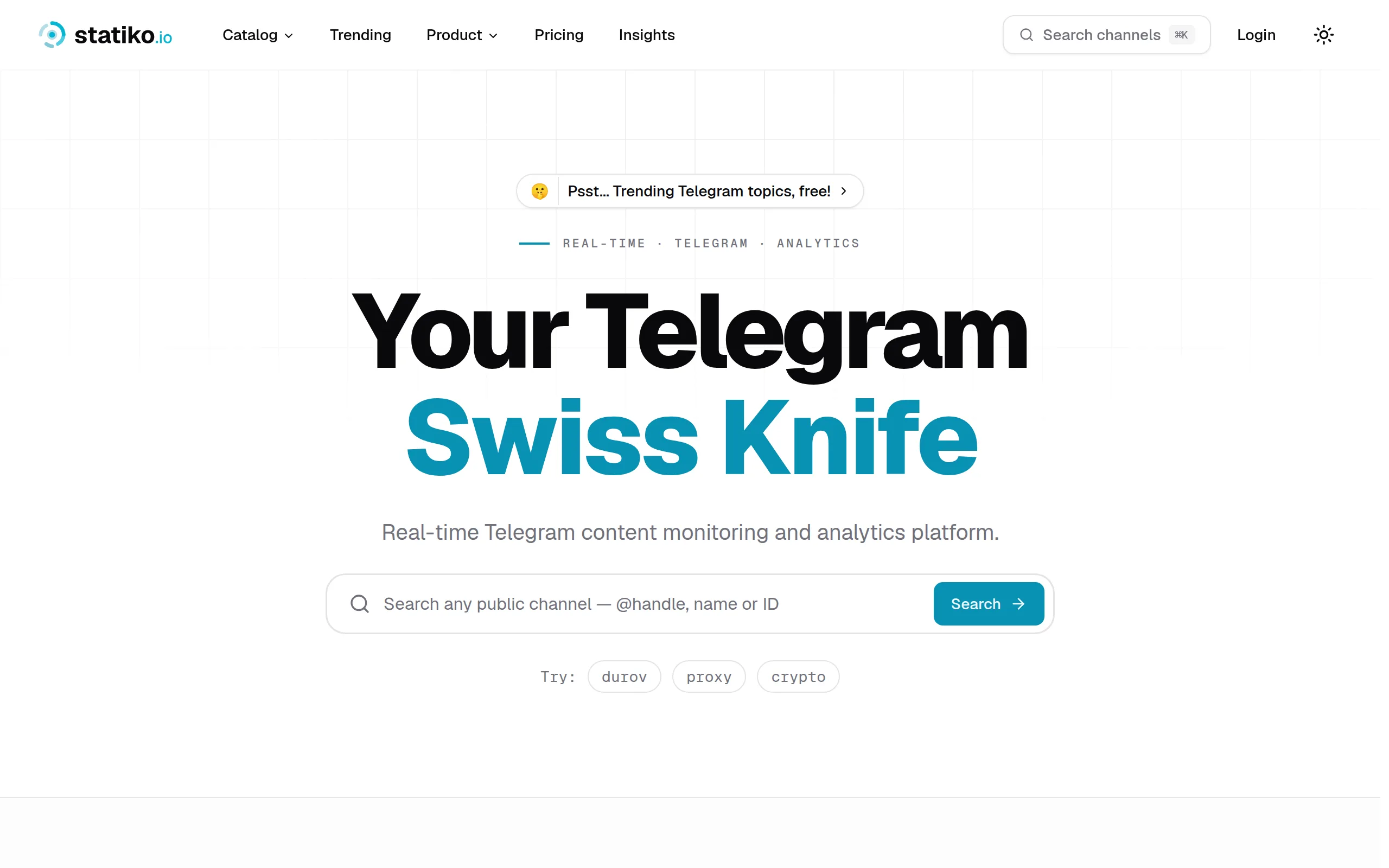
Statiko
Monitor any Telegram channel in real time - track posts, edits, deletions, and growth with AI recaps 📡

Shibui
AI website builder - describe your business, pick a niche template, edit by chatting, and publish instantly ✨

Pro Service
Find verified home service professionals, compare quotes, and pay securely through escrow - built for Brazilians across the US 🏠
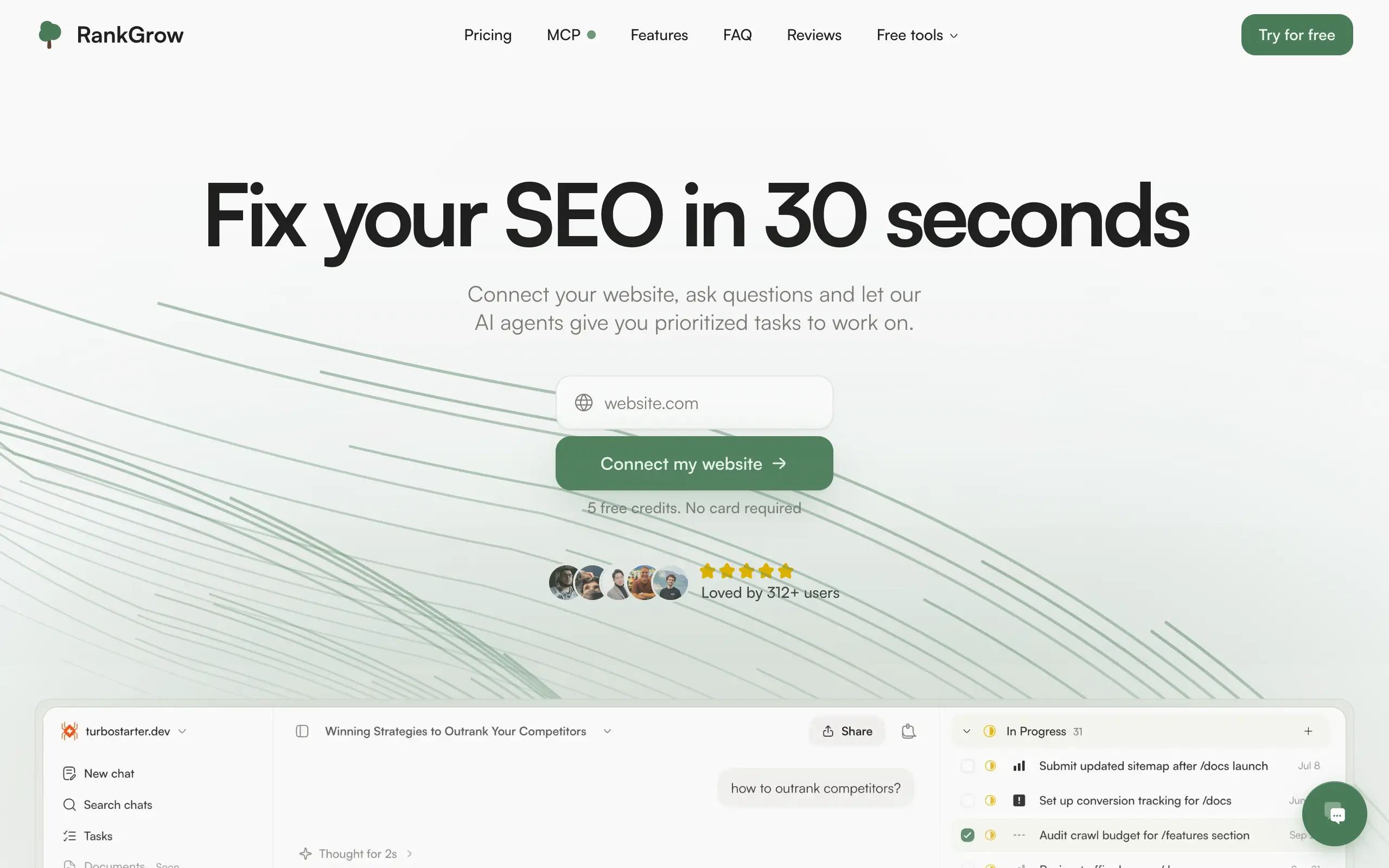
RankGrow
Fix your SEO with AI agents - connect Search Console, get prioritized tasks, and grow organic traffic 📈
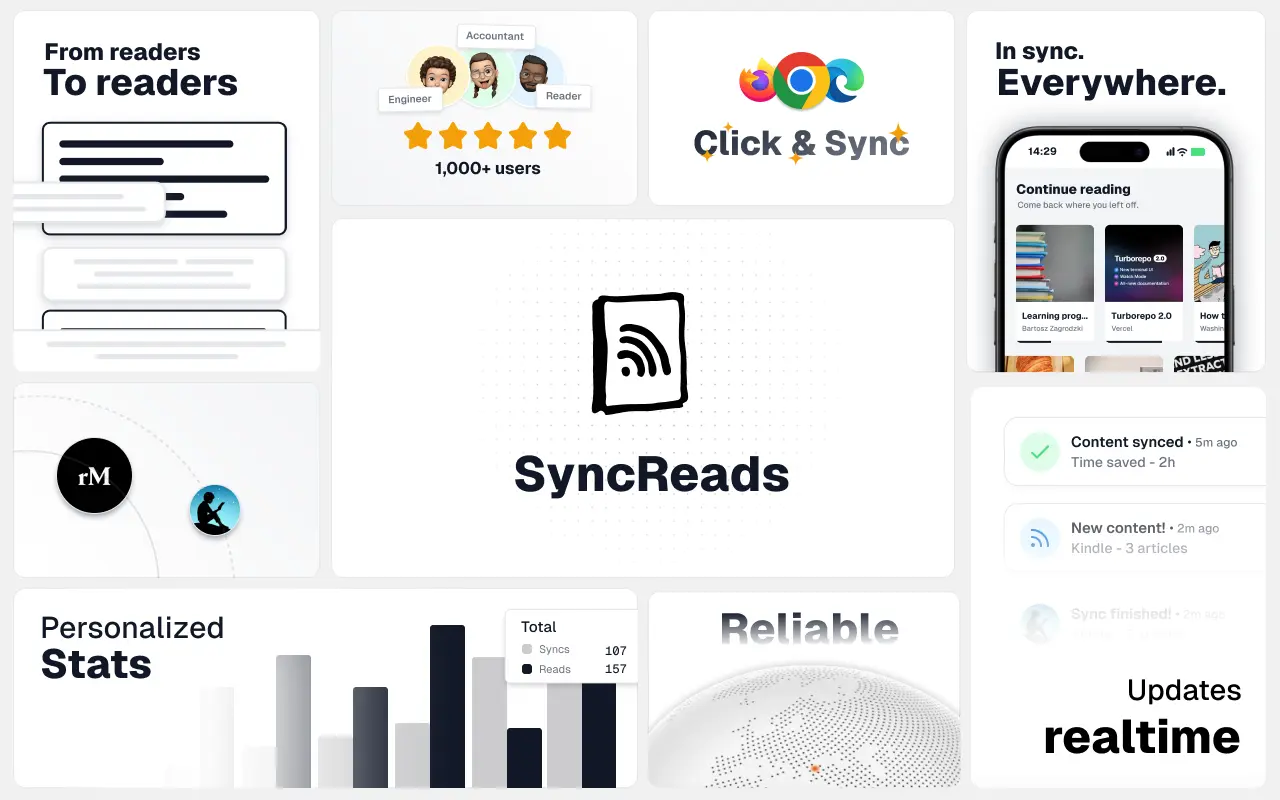
SyncReads
Sync your favorite content for distraction-free reading, save time and replace multiple apps. Anytime, anywhere 🔄
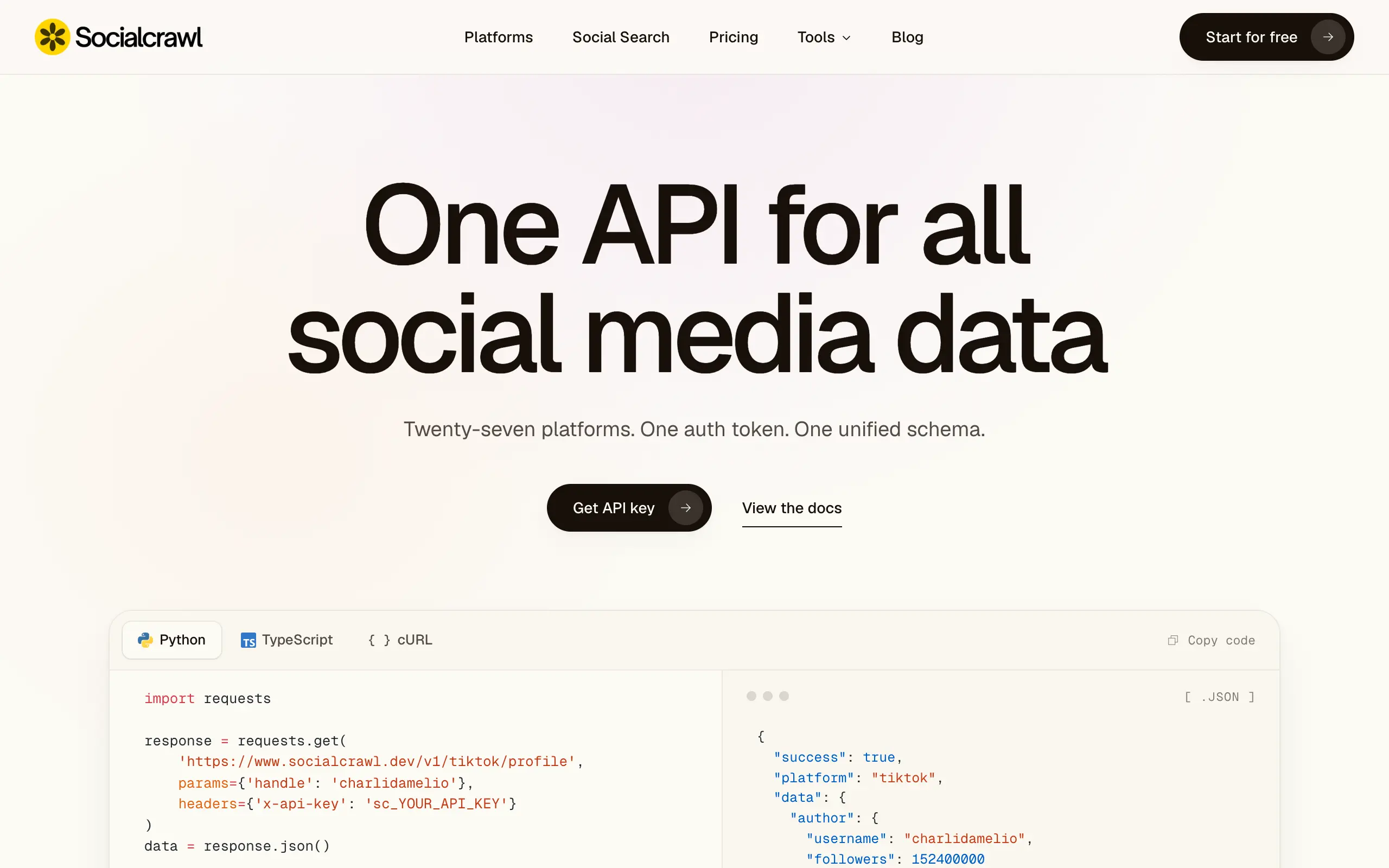
Socialcrawl
Get clean, structured data from 21 platforms like TikTok, Instagram, and YouTube with a single request 📊
Statiko
Monitor any Telegram channel in real time - track posts, edits, deletions, and growth with AI recaps 📡
Shibui
AI website builder - describe your business, pick a niche template, edit by chatting, and publish instantly ✨
Pro Service
Find verified home service professionals, compare quotes, and pay securely through escrow - built for Brazilians across the US 🏠
RankGrow
Fix your SEO with AI agents - connect Search Console, get prioritized tasks, and grow organic traffic 📈
SyncReads
Sync your favorite content for distraction-free reading, save time and replace multiple apps. Anytime, anywhere 🔄
Socialcrawl
Get clean, structured data from 21 platforms like TikTok, Instagram, and YouTube with a single request 📊
Statiko
Monitor any Telegram channel in real time - track posts, edits, deletions, and growth with AI recaps 📡
Shibui
AI website builder - describe your business, pick a niche template, edit by chatting, and publish instantly ✨
Pro Service
Find verified home service professionals, compare quotes, and pay securely through escrow - built for Brazilians across the US 🏠
RankGrow
Fix your SEO with AI agents - connect Search Console, get prioritized tasks, and grow organic traffic 📈
SyncReads
Sync your favorite content for distraction-free reading, save time and replace multiple apps. Anytime, anywhere 🔄
Socialcrawl
Get clean, structured data from 21 platforms like TikTok, Instagram, and YouTube with a single request 📊
Statiko
Monitor any Telegram channel in real time - track posts, edits, deletions, and growth with AI recaps 📡
Shibui
AI website builder - describe your business, pick a niche template, edit by chatting, and publish instantly ✨
Pro Service
Find verified home service professionals, compare quotes, and pay securely through escrow - built for Brazilians across the US 🏠
RankGrow
Fix your SEO with AI agents - connect Search Console, get prioritized tasks, and grow organic traffic 📈
SyncReads
Sync your favorite content for distraction-free reading, save time and replace multiple apps. Anytime, anywhere 🔄
Socialcrawl
Get clean, structured data from 21 platforms like TikTok, Instagram, and YouTube with a single request 📊
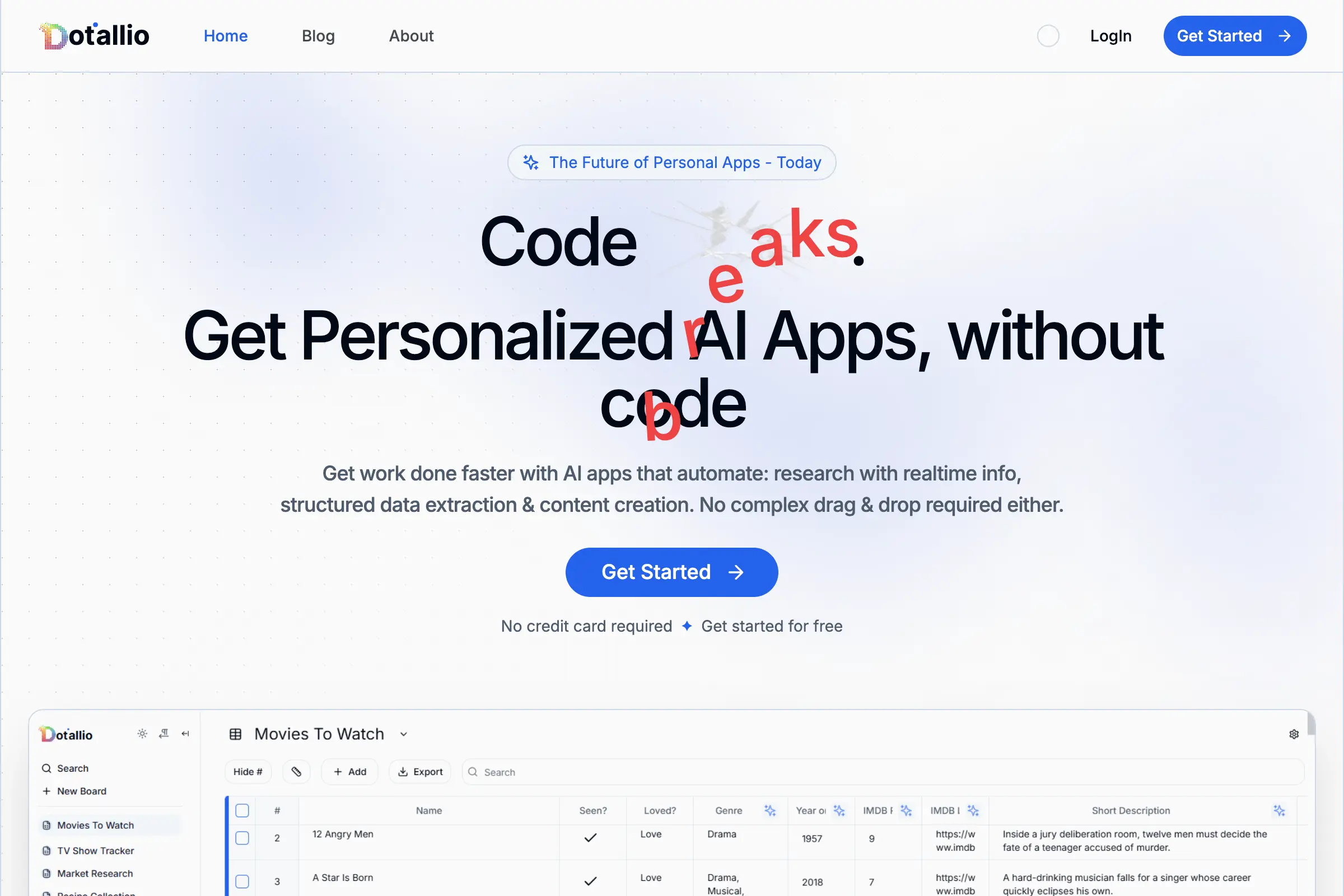
Dotallio
Personalized AI apps that automate research, data extraction, and content creation without code 🤖

Talk to Santa
Enjoy a magical live video chat or receive a unique AI-generated video greeting from Santa Claus 🎅

pozywka.pl
Scalable blog for food journalist, focused on performance and user experience 🌭
zagrodzki.me
Personal blog and portfolio of Bart Zagrodzki, where he shares his knowledge and work 💼
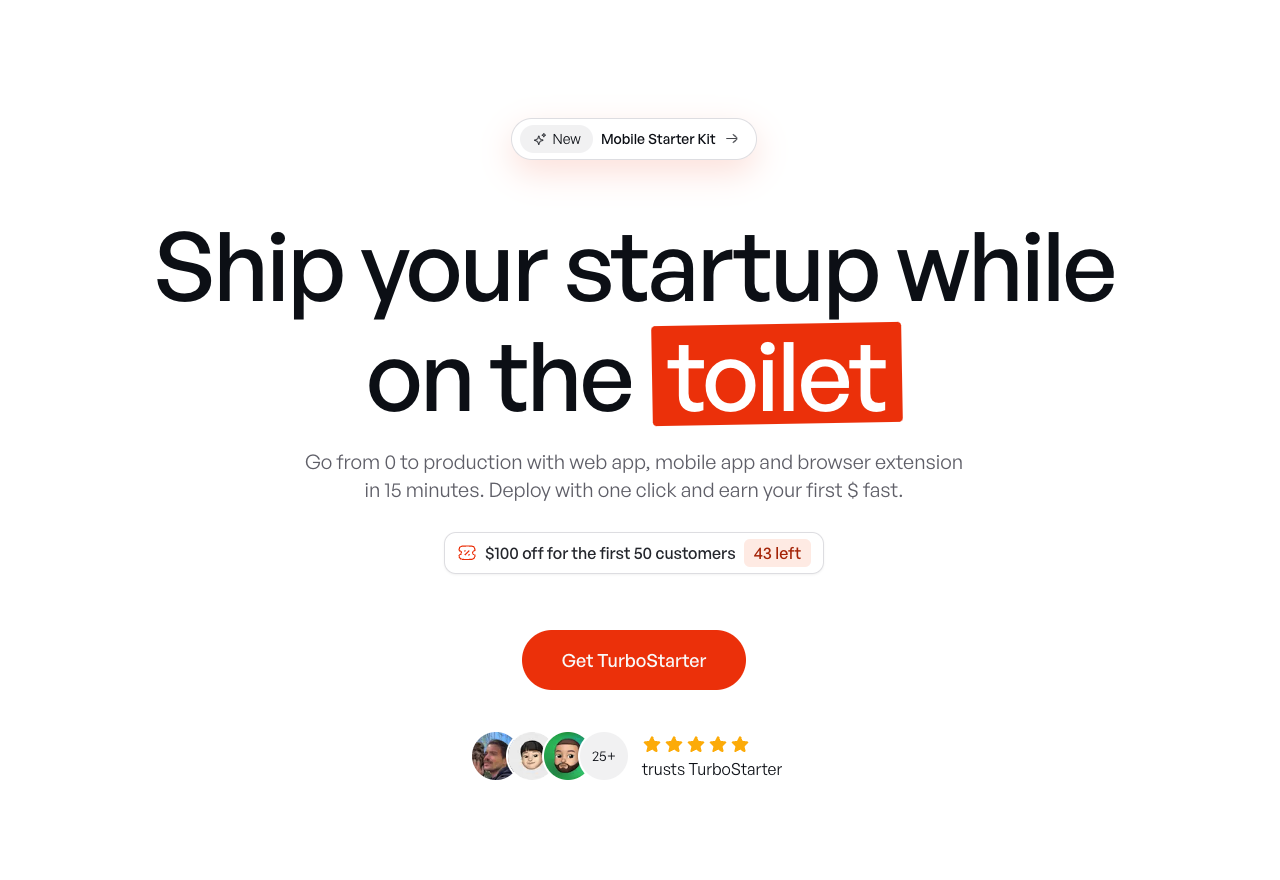
TurboStarter
Ship your startup everywhere. In minutes.
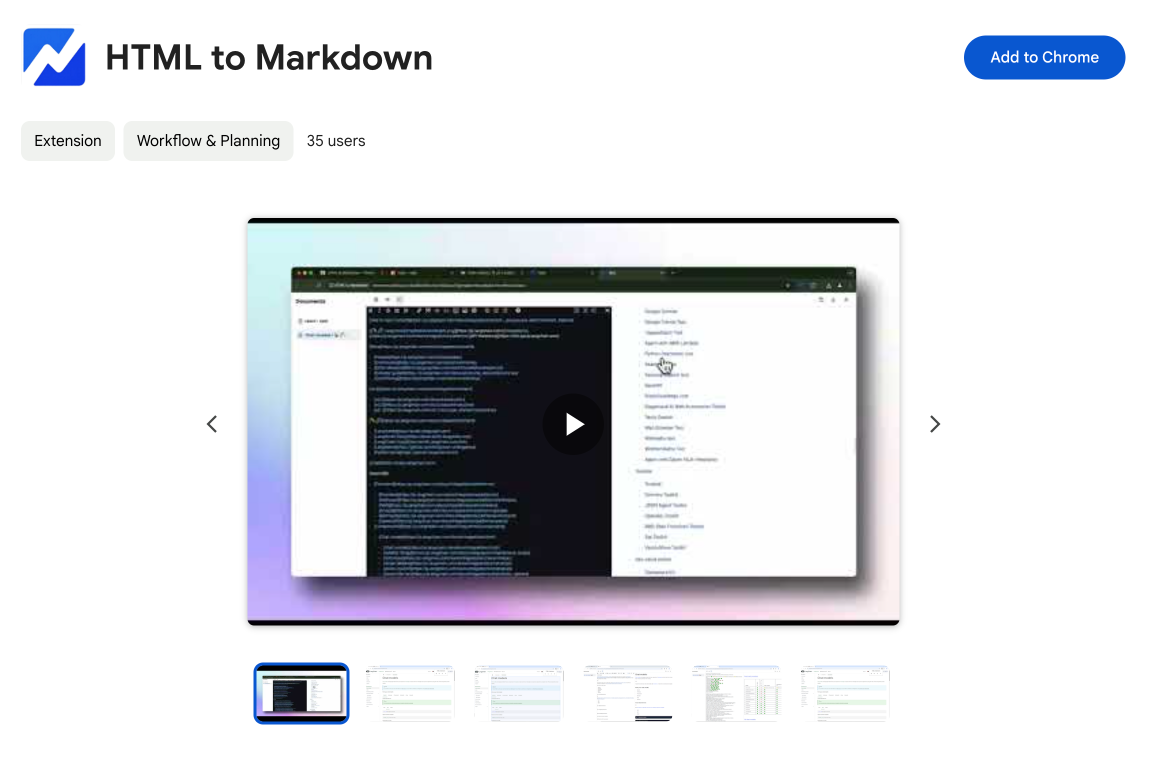
HTML to Markdown
Convert HTML to Markdown with ease, directly in your browser 📄
Dotallio
Personalized AI apps that automate research, data extraction, and content creation without code 🤖
Talk to Santa
Enjoy a magical live video chat or receive a unique AI-generated video greeting from Santa Claus 🎅
pozywka.pl
Scalable blog for food journalist, focused on performance and user experience 🌭
zagrodzki.me
Personal blog and portfolio of Bart Zagrodzki, where he shares his knowledge and work 💼
TurboStarter
Ship your startup everywhere. In minutes.
HTML to Markdown
Convert HTML to Markdown with ease, directly in your browser 📄
Dotallio
Personalized AI apps that automate research, data extraction, and content creation without code 🤖
Talk to Santa
Enjoy a magical live video chat or receive a unique AI-generated video greeting from Santa Claus 🎅
pozywka.pl
Scalable blog for food journalist, focused on performance and user experience 🌭
zagrodzki.me
Personal blog and portfolio of Bart Zagrodzki, where he shares his knowledge and work 💼
TurboStarter
Ship your startup everywhere. In minutes.
HTML to Markdown
Convert HTML to Markdown with ease, directly in your browser 📄
Dotallio
Personalized AI apps that automate research, data extraction, and content creation without code 🤖
Talk to Santa
Enjoy a magical live video chat or receive a unique AI-generated video greeting from Santa Claus 🎅
pozywka.pl
Scalable blog for food journalist, focused on performance and user experience 🌭
zagrodzki.me
Personal blog and portfolio of Bart Zagrodzki, where he shares his knowledge and work 💼
TurboStarter
Ship your startup everywhere. In minutes.
HTML to Markdown
Convert HTML to Markdown with ease, directly in your browser 📄
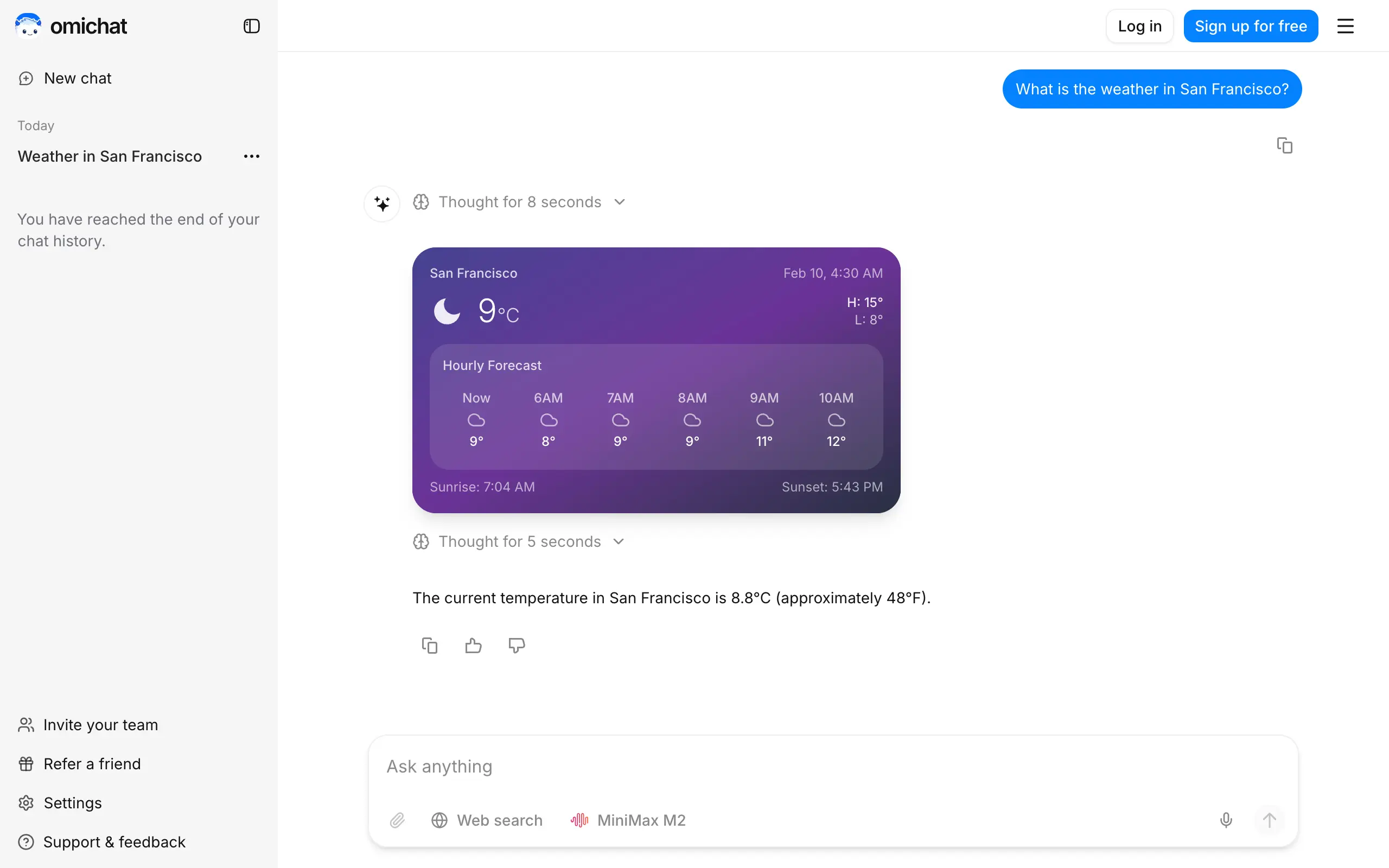
Omichat
Chat with 50+ AI models, including ChatGPT and Claude, in one place - switch models anytime without losing context 🤖
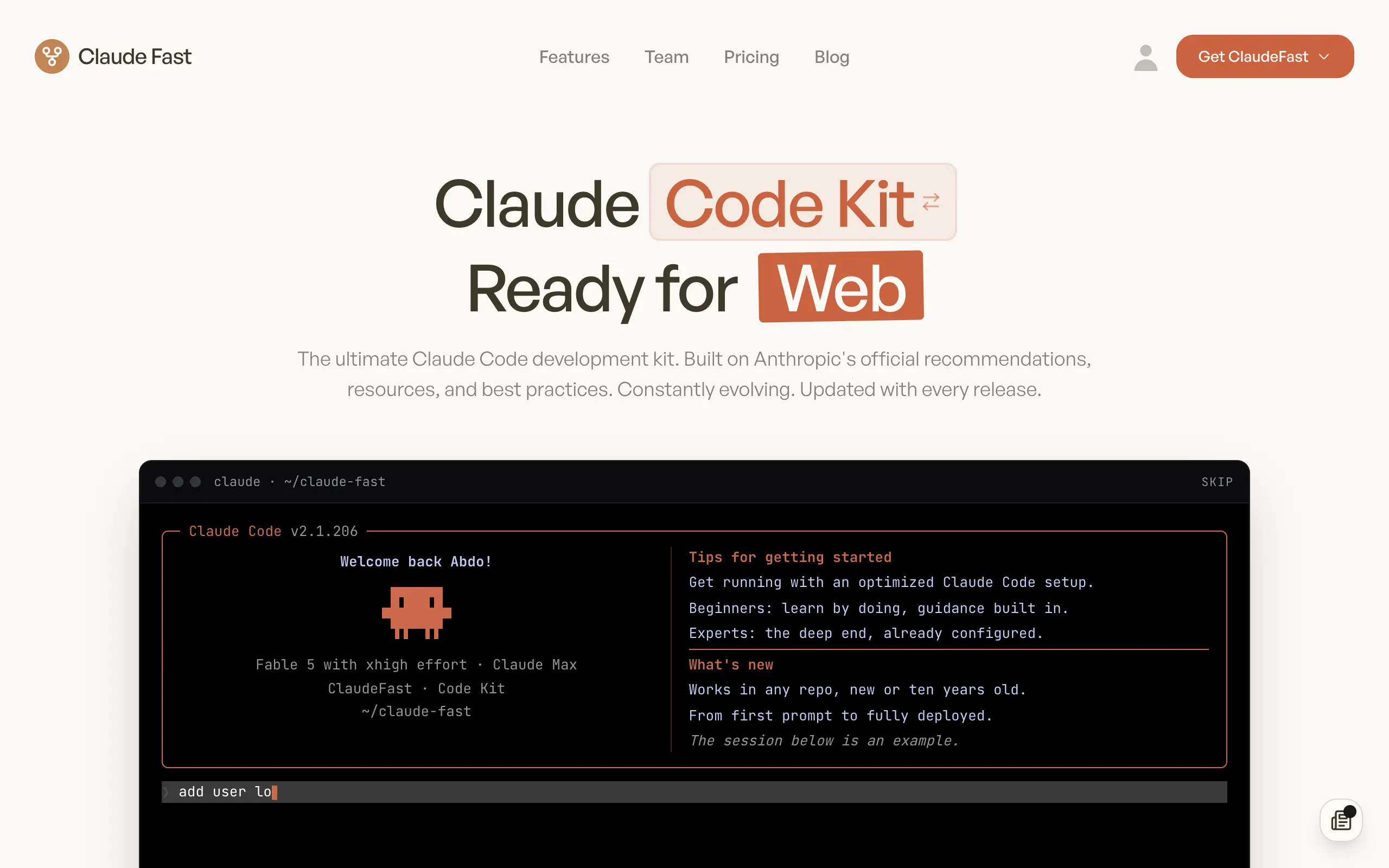
Claude Fast
Supercharge your Claude Code with 6x effective context window and specialized AI agents 🤖
EmojAI
AI-powered emoji picker with smart, context-aware suggestions 🤖
Solohacker
Autonomous company launcher - AI agents work 24/7, escalate what matters, and you stay in control 🤖
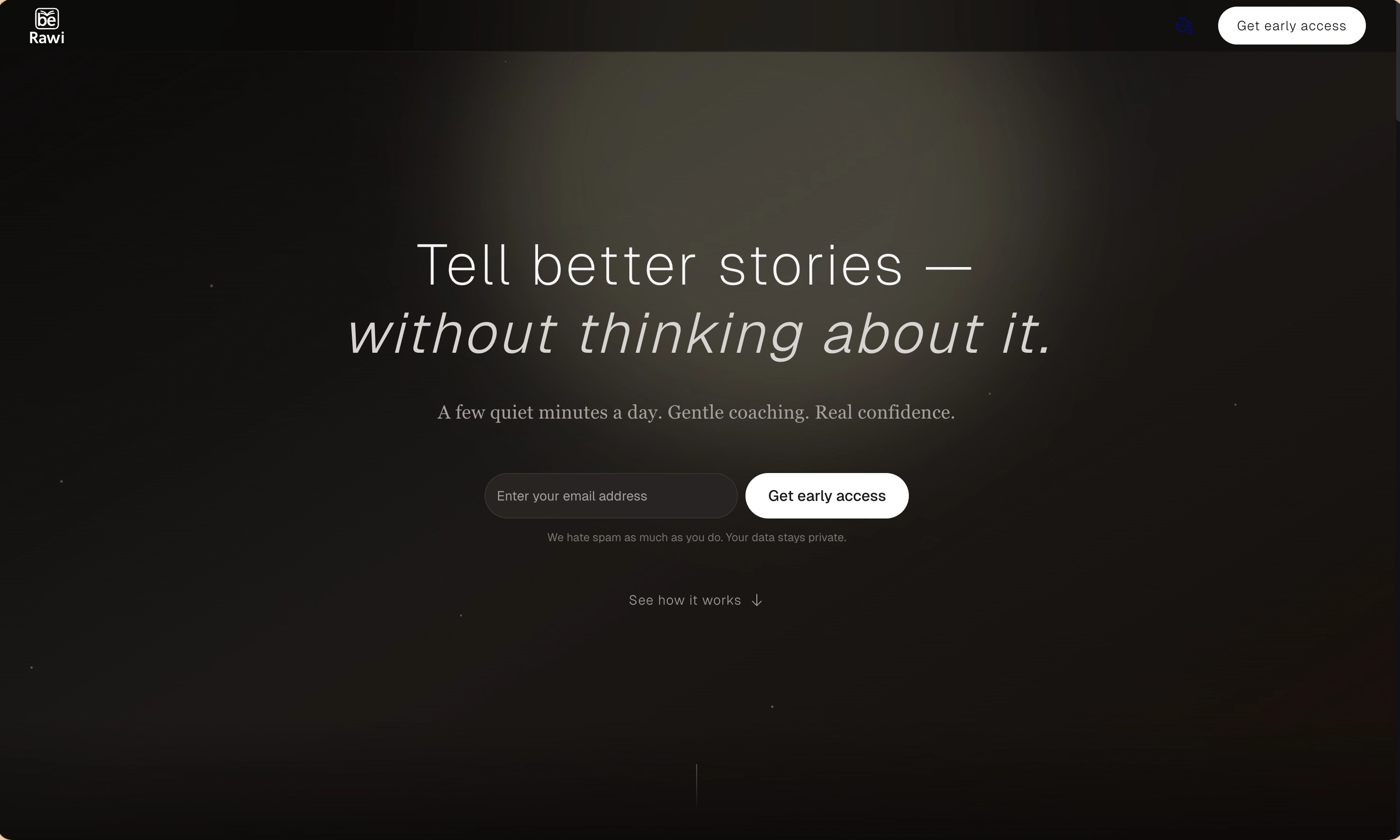
BeRawi: Storytelling Coach
Practice storytelling daily with instant feedback to sound clearer, more engaging, and confident 🎤
Omichat
Chat with 50+ AI models, including ChatGPT and Claude, in one place - switch models anytime without losing context 🤖
Claude Fast
Supercharge your Claude Code with 6x effective context window and specialized AI agents 🤖
EmojAI
AI-powered emoji picker with smart, context-aware suggestions 🤖
Solohacker
Autonomous company launcher - AI agents work 24/7, escalate what matters, and you stay in control 🤖
BeRawi: Storytelling Coach
Practice storytelling daily with instant feedback to sound clearer, more engaging, and confident 🎤
Omichat
Chat with 50+ AI models, including ChatGPT and Claude, in one place - switch models anytime without losing context 🤖
Claude Fast
Supercharge your Claude Code with 6x effective context window and specialized AI agents 🤖
EmojAI
AI-powered emoji picker with smart, context-aware suggestions 🤖
Solohacker
Autonomous company launcher - AI agents work 24/7, escalate what matters, and you stay in control 🤖
BeRawi: Storytelling Coach
Practice storytelling daily with instant feedback to sound clearer, more engaging, and confident 🎤
Omichat
Chat with 50+ AI models, including ChatGPT and Claude, in one place - switch models anytime without losing context 🤖
Claude Fast
Supercharge your Claude Code with 6x effective context window and specialized AI agents 🤖
EmojAI
AI-powered emoji picker with smart, context-aware suggestions 🤖
Solohacker
Autonomous company launcher - AI agents work 24/7, escalate what matters, and you stay in control 🤖
BeRawi: Storytelling Coach
Practice storytelling daily with instant feedback to sound clearer, more engaging, and confident 🎤

Connect with like-minded people
Join our community to get feedback, support, and grow together with 1,000+ builders on board, let's ship it!
Join usShip your startup everywhere. In minutes.
Don't burn tokens on setup and start building features on day one.