ThreatLens Student
AI-driven platform that teaches students how cyber threats work by analyzing real attack patterns and turning them into guided lessons.
understanding the rise of ai-powered cybersecurity education
Cybersecurity is no longer a niche skill reserved for IT professionals. It has become a foundational literacy, much like reading, writing, and basic computing. With cyber threats growing in complexity and frequency, the gap between theoretical knowledge and real-world attack understanding has widened—especially for students.
This is where AI-driven cybersecurity learning platforms like ThreatLens Student enter the picture.
ThreatLens Student is designed to bridge the gap between abstract cybersecurity concepts and real-world attack behavior by analyzing actual threat patterns and transforming them into guided, interactive lessons. Instead of memorizing definitions, students experience how attacks unfold, why they succeed, and how they can be mitigated.
This article explores the full business and product potential of this idea—from market demand to implementation strategy—while offering a deeply practical roadmap for building and scaling such a SaaS platform.
the problem: cybersecurity education is outdated and disconnected
Most cybersecurity education today suffers from three critical issues:
- Too theoretical: Students learn terminology (phishing, malware, DDoS) without seeing how these attacks actually occur.
- Static content: Courses rely on outdated examples that don’t reflect current threat landscapes.
- Lack of engagement: Learning is passive—videos, slides, quizzes—rather than interactive and experiential.
Meanwhile, the threat landscape evolves daily. According to widely reported industry data (e.g., IBM Security reports), the average cost of a data breach continues to rise, and attack sophistication is increasing due to AI-assisted hacking techniques.
This creates a clear gap:
Students are being trained for yesterday’s threats using yesterday’s methods.
ThreatLens Student solves this by using AI to translate real-world cyber threats into interactive, student-friendly learning experiences.
what is threatlens student?
ThreatLens Student is an AI-powered SaaS platform that:
- Analyzes real-world cyber attack patterns (from datasets, logs, and threat intelligence feeds)
- Breaks them down into understandable sequences
- Converts them into guided, interactive lessons
- Adapts difficulty based on student skill level
Instead of asking, “What is phishing?”, it shows:
- How a phishing email is constructed
- How users are manipulated
- What happens after a click
- How systems are compromised
- How detection and prevention work
This transforms cybersecurity education into an immersive, simulation-driven experience.
target audience analysis
primary users
1. high school and college students
- Age: 14–24
- Goal: Learn cybersecurity basics or explore careers
- Pain point: Boring, non-interactive learning
2. beginner cybersecurity learners
- Career switchers or self-learners
- Need practical exposure, not just theory
3. educators and institutions
- Schools integrating cybersecurity into curricula
- Need scalable, engaging teaching tools
secondary users
- Bootcamps and online learning platforms
- Corporate training programs (entry-level employees)
- Government-funded digital literacy initiatives
user intent breakdown
When users search for solutions like this, they are typically looking for:
- “Best way to learn cybersecurity hands-on”
- “Cybersecurity simulations for students”
- “Interactive cybersecurity training platforms”
- “How cyber attacks work step by step”
ThreatLens Student directly satisfies all of these intents.
market opportunity and gap analysis
The global cybersecurity education market is expanding rapidly due to:
- Increased cyber threats
- Talent shortages (millions of unfilled roles globally)
- Government and institutional investment in digital literacy
However, most existing platforms fall into two categories:
- Static course platforms (e.g., video-based learning)
- Advanced simulation tools (too complex for beginners)
the gap
There is a missing middle layer:
Beginner-friendly, AI-driven, real-world attack simulation for students
ThreatLens Student fills this gap by combining:
- Real threat intelligence
- AI-driven content generation
- Gamified learning
core features of threatlens student
1. real-world attack simulations
Students explore real attack scenarios such as:
- Phishing campaigns
- Ransomware infections
- Credential stuffing attacks
- Social engineering tactics
Each scenario is broken into steps with explanations.
2. ai-generated guided lessons
AI converts raw threat data into:
- Step-by-step walkthroughs
- Visual timelines of attacks
- Interactive decision points
This ensures content is always fresh and relevant.
3. interactive learning paths
Students progress through levels:
- Beginner: Basic concepts and simple attacks
- Intermediate: Multi-stage attacks
- Advanced: Defensive strategies and detection
4. adaptive learning engine
AI adjusts difficulty based on:
- Student performance
- Response patterns
- Knowledge gaps
5. gamification and rewards
- Points and badges
- Leaderboards
- Scenario completion rewards
6. educator dashboard
Teachers can:
- Assign modules
- Track student progress
- Customize learning paths
7. threat intelligence integration
The platform continuously pulls data from:
- Public threat databases
- Security research reports
- Open-source intelligence feeds
feature comparison with existing platforms
| Feature | ThreatLens Student | Traditional Courses | Advanced Simulators | Bootcamps | Static LMS |
|---|---|---|---|---|---|
| Real attack data | ✅ | ❌ | ✅ | ❌ | ❌ |
| AI-generated lessons | ✅ | ❌ | ❌ | ❌ | ❌ |
| Beginner-friendly | ✅ | ✅ | ❌ | ⚠️ | ✅ |
| Interactive simulations | ✅ | ❌ | ✅ | ✅ | ❌ |
unique selling proposition (usp)
ThreatLens Student stands out because it:
- Uses real-world cyber attack data, not hypothetical examples
- Converts data into AI-generated, digestible lessons
- Targets students and beginners, not professionals
- Continuously updates content based on live threat intelligence
In short:
It turns cybersecurity from a static subject into a living, evolving learning experience.
recommended tech stack
Building an AI-powered cybersecurity education platform requires a thoughtful stack.
frontend
Why:
- Fast UI development
- Server-side rendering for SEO
- Responsive design
backend
- Node.js (API layer)
- Python (AI and data processing)
- GraphQL or REST API
ai and data processing
- OpenAI or similar LLM APIs
- Threat intelligence parsing pipelines
- NLP for simplifying technical content
data sources
- Public cybersecurity datasets
- Security blogs and reports
- Open threat intelligence feeds
infrastructure
- AWS or GCP
- Kubernetes (for scaling)
- PostgreSQL (structured data)
- Redis (caching)
example: lesson generation pipeline
async function generateLesson(threatData) {
  const simplified = await ai.summarize(threatData);
  const steps = await ai.extractSteps(simplified);
  const quiz = await ai.generateQuiz(steps);

  return {
    lesson: simplified,
    steps,
    quiz
  };
}
trade-offs
- AI cost vs scalability
- Data accuracy vs automation
- Real-time updates vs system complexity
monetization strategies
1. freemium model
- Free basic lessons
- Paid advanced simulations
2. subscription plans
- Students: $5–$15/month
- Schools: bulk licensing
3. institutional licensing
- Schools and universities
- Government programs
4. certification programs
Offer paid certificates for completed tracks.
5. enterprise training
Upsell corporate cybersecurity awareness programs.
potential risks and mitigation
risk: inaccurate ai-generated content
mitigation:
- Human review layer
- Verified datasets
- Feedback loops
risk: overly complex for beginners
mitigation:
- Progressive difficulty
- Simplified UI
- Guided onboarding
risk: data privacy concerns
mitigation:
- Use anonymized datasets
- Avoid sensitive real-world data
risk: competition from edtech giants
mitigation:
- Focus on niche (students)
- Build strong brand identity
- लगातार innovation
competitive advantage analysis
ThreatLens Student competes in a crowded space—but with a differentiated approach.
Real-world relevance
Uses actual cyber attack data instead of static examples.
AI-first learning
Automatically generates lessons from evolving threats.
Student-focused UX
Designed specifically for beginners, not professionals.
Continuous updates
Content evolves with the threat landscape.
implementation roadmap
phase 1: mvp (0–3 months)
phase 2: product expansion (3–6 months)
- Add gamification
- Introduce adaptive learning
- Build educator dashboard
phase 3: scale (6–12 months)
- Integrate live threat feeds
- Expand content library
- Launch mobile app
go-to-market strategy
1. content marketing
- Blog posts on cybersecurity education
- SEO targeting beginner queries
2. partnerships
- Schools and universities
- Coding bootcamps
3. social proof
- Case studies
- Student testimonials
4. community building
- Discord groups
- Hackathon events
why now is the perfect time
Several trends make this idea especially timely:
- AI is transforming both cyber attacks and defenses
- Schools are integrating digital literacy programs
- Students prefer interactive, gamified learning
- Cybersecurity jobs are in high demand
actionable steps to get started
If you're building ThreatLens Student or a similar SaaS, here’s a practical starting plan:
building faster with the right tools
Developing a SaaS platform like ThreatLens Student can be complex—but using a structured starter kit can dramatically reduce time-to-market.
TurboStarter provides a strong foundation for building modern SaaS products, including:
- Authentication
- Billing systems
- Scalable architecture
- Pre-built UI components
This allows you to focus on your core differentiator: AI-powered cybersecurity education.
final thoughts
ThreatLens Student represents a powerful shift in how cybersecurity is taught.
Instead of passive learning, it delivers:
- Interactive exploration
- Real-world relevance
- AI-driven personalization
As cyber threats continue to evolve, education must evolve with them. Platforms that can translate complexity into clarity—while staying engaging and accessible—will define the future of learning.
If executed well, this idea has the potential to become a foundational tool in classrooms, bootcamps, and self-learning journeys worldwide.
The opportunity isn’t just to build a SaaS product—it’s to reshape how the next generation understands and defends the digital world.
More 🤖 AI Startup SaaS ideas
Discover more innovative ai startup SaaS ideas that are trending in 2026. Each idea is AI-generated with market validation and growth potential to help you find your next profitable venture faster than competitors.
Your competitors are building with TurboStarter
Below are some of the SaaS ideas that have been generated and built with our starter kit.
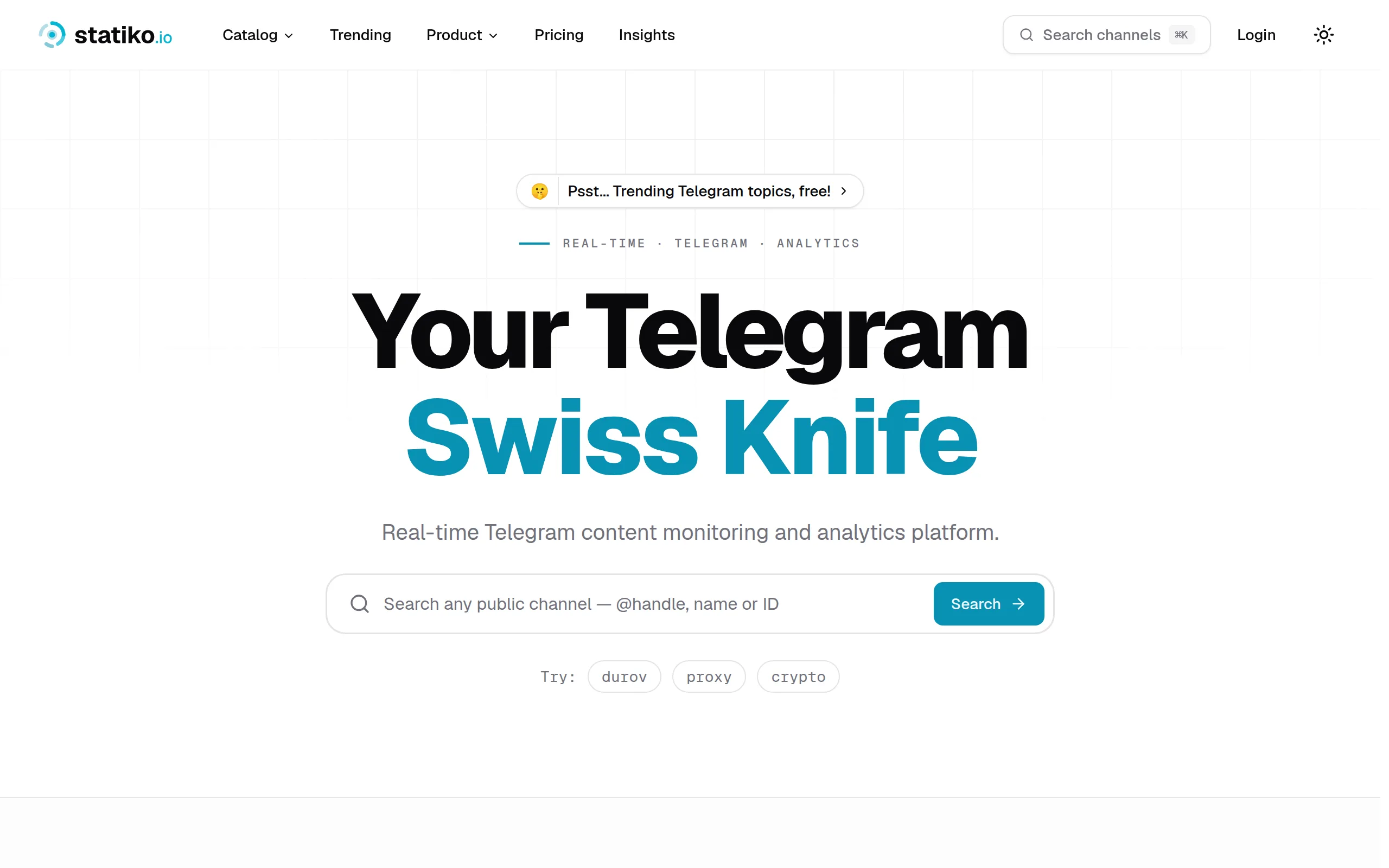
Statiko
Monitor any Telegram channel in real time - track posts, edits, deletions, and growth with AI recaps 📡
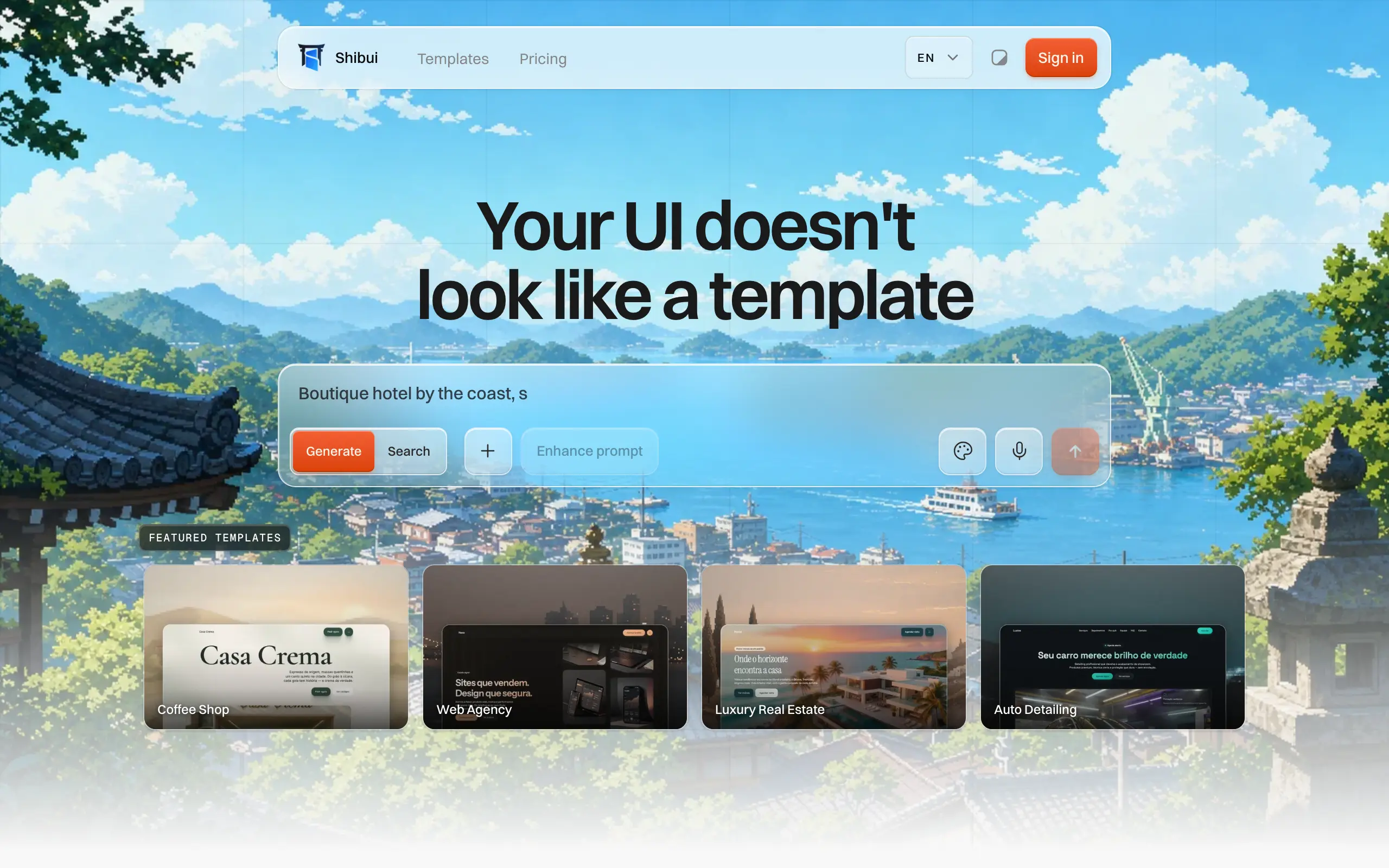
Shibui
AI website builder - describe your business, pick a niche template, edit by chatting, and publish instantly ✨

Pro Service
Find verified home service professionals, compare quotes, and pay securely through escrow - built for Brazilians across the US 🏠
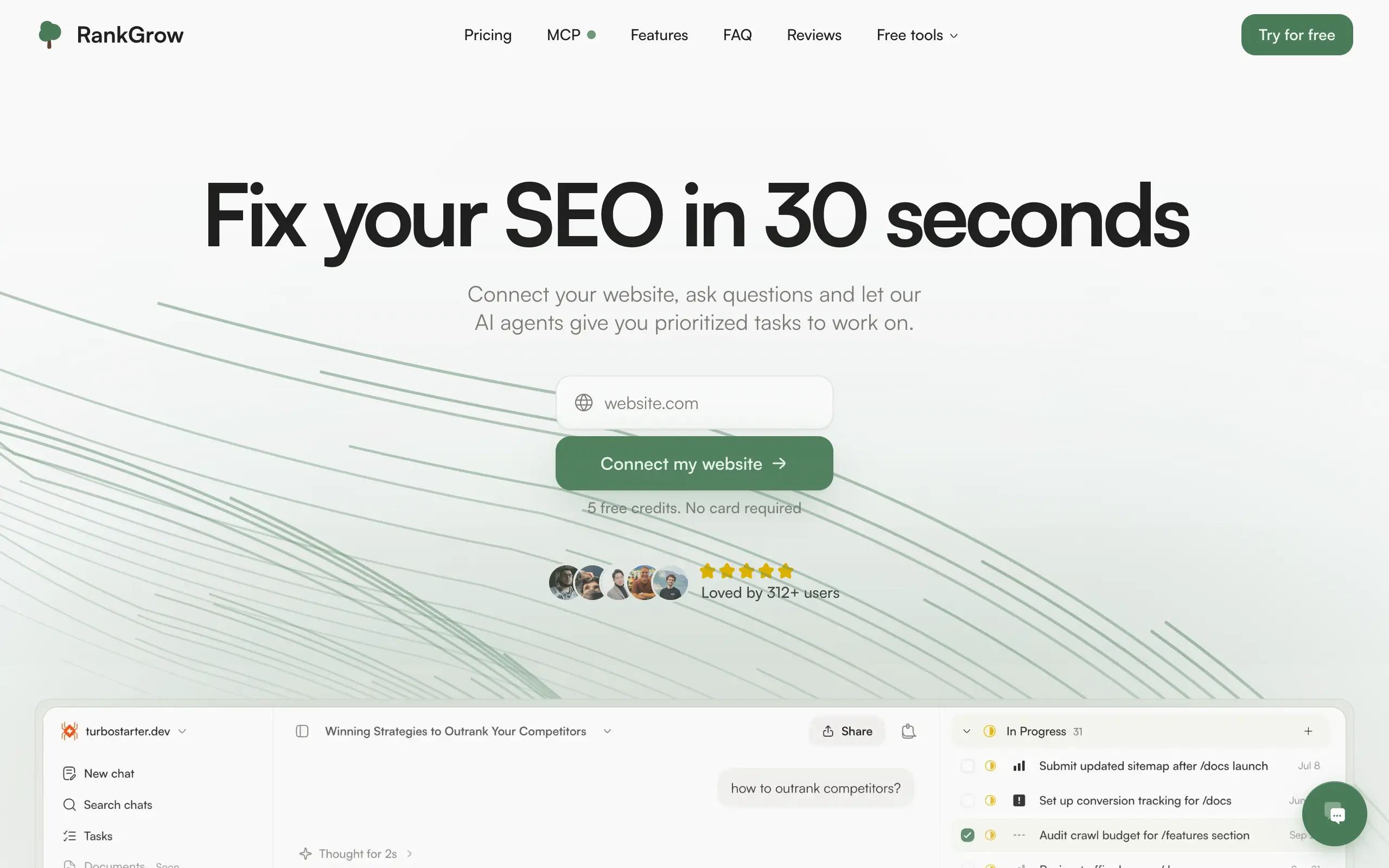
RankGrow
Fix your SEO with AI agents - connect Search Console, get prioritized tasks, and grow organic traffic 📈
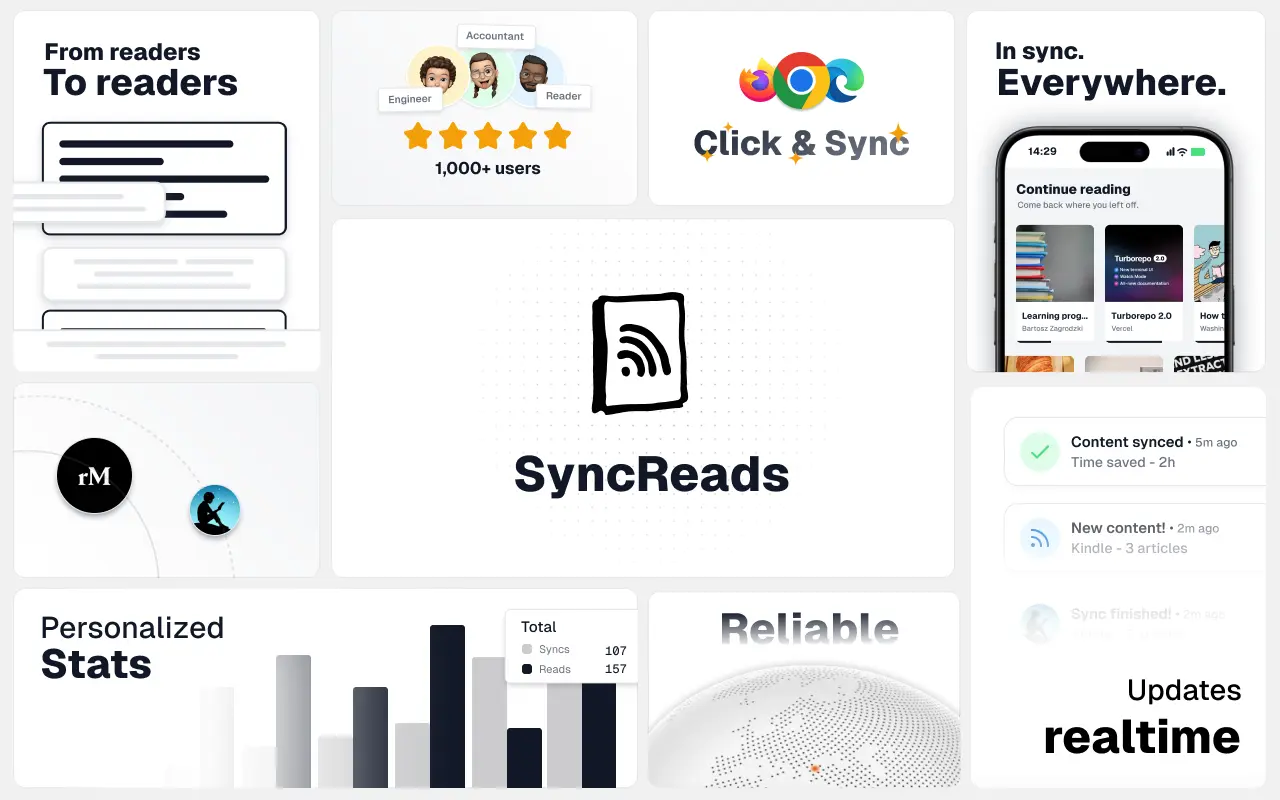
SyncReads
Sync your favorite content for distraction-free reading, save time and replace multiple apps. Anytime, anywhere 🔄
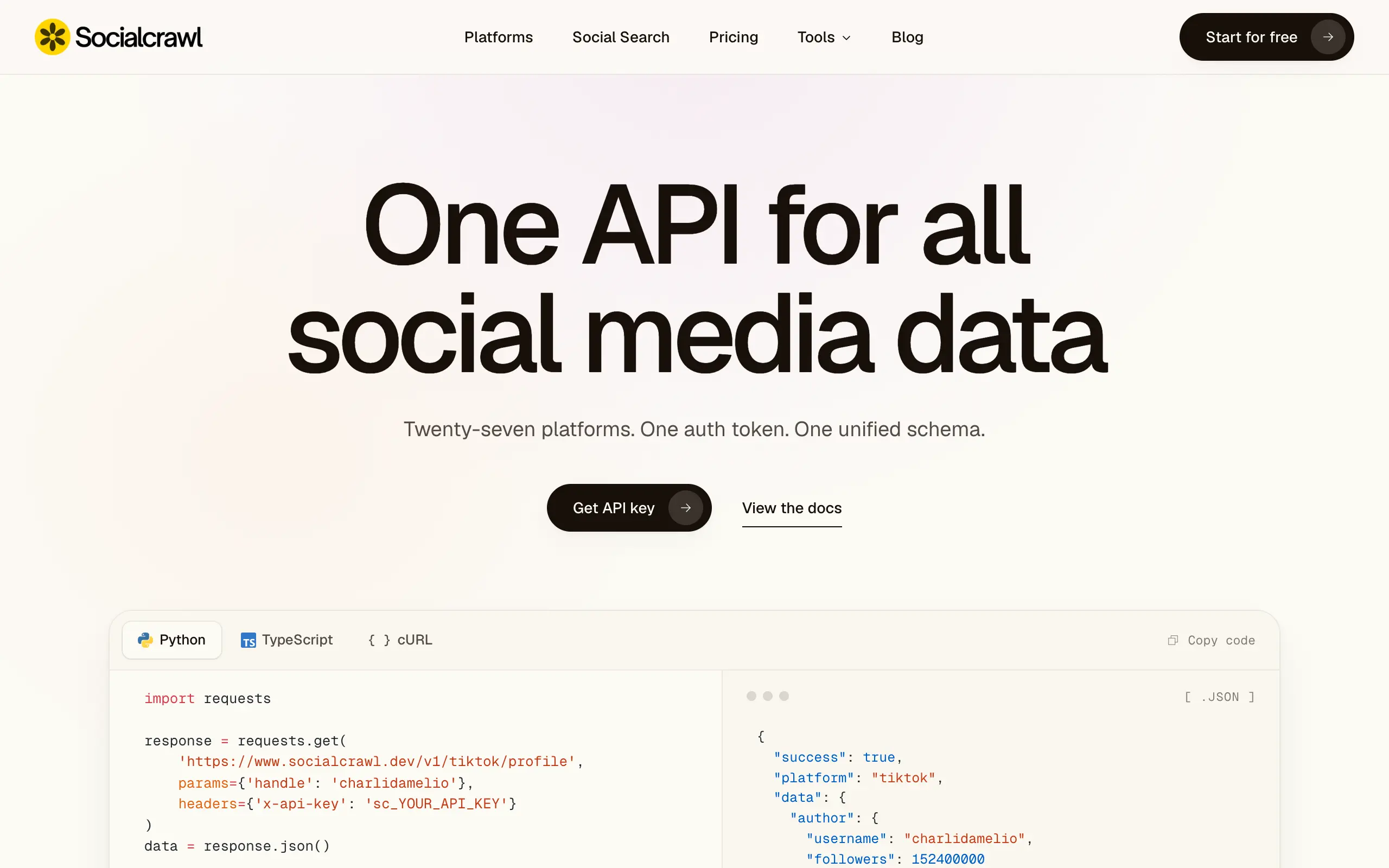
Socialcrawl
Get clean, structured data from 21 platforms like TikTok, Instagram, and YouTube with a single request 📊
Statiko
Monitor any Telegram channel in real time - track posts, edits, deletions, and growth with AI recaps 📡
Shibui
AI website builder - describe your business, pick a niche template, edit by chatting, and publish instantly ✨
Pro Service
Find verified home service professionals, compare quotes, and pay securely through escrow - built for Brazilians across the US 🏠
RankGrow
Fix your SEO with AI agents - connect Search Console, get prioritized tasks, and grow organic traffic 📈
SyncReads
Sync your favorite content for distraction-free reading, save time and replace multiple apps. Anytime, anywhere 🔄
Socialcrawl
Get clean, structured data from 21 platforms like TikTok, Instagram, and YouTube with a single request 📊
Statiko
Monitor any Telegram channel in real time - track posts, edits, deletions, and growth with AI recaps 📡
Shibui
AI website builder - describe your business, pick a niche template, edit by chatting, and publish instantly ✨
Pro Service
Find verified home service professionals, compare quotes, and pay securely through escrow - built for Brazilians across the US 🏠
RankGrow
Fix your SEO with AI agents - connect Search Console, get prioritized tasks, and grow organic traffic 📈
SyncReads
Sync your favorite content for distraction-free reading, save time and replace multiple apps. Anytime, anywhere 🔄
Socialcrawl
Get clean, structured data from 21 platforms like TikTok, Instagram, and YouTube with a single request 📊
Statiko
Monitor any Telegram channel in real time - track posts, edits, deletions, and growth with AI recaps 📡
Shibui
AI website builder - describe your business, pick a niche template, edit by chatting, and publish instantly ✨
Pro Service
Find verified home service professionals, compare quotes, and pay securely through escrow - built for Brazilians across the US 🏠
RankGrow
Fix your SEO with AI agents - connect Search Console, get prioritized tasks, and grow organic traffic 📈
SyncReads
Sync your favorite content for distraction-free reading, save time and replace multiple apps. Anytime, anywhere 🔄
Socialcrawl
Get clean, structured data from 21 platforms like TikTok, Instagram, and YouTube with a single request 📊
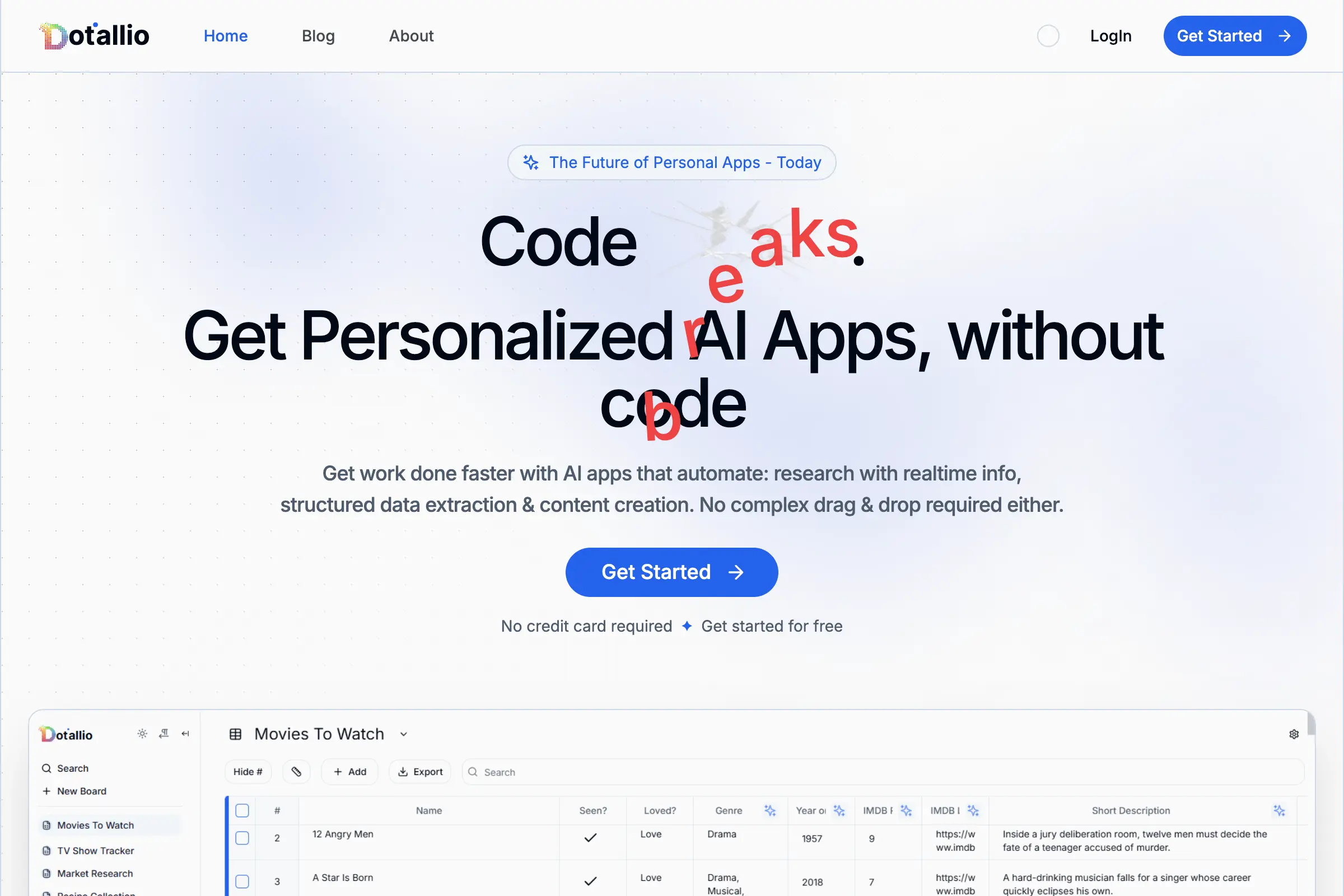
Dotallio
Personalized AI apps that automate research, data extraction, and content creation without code 🤖
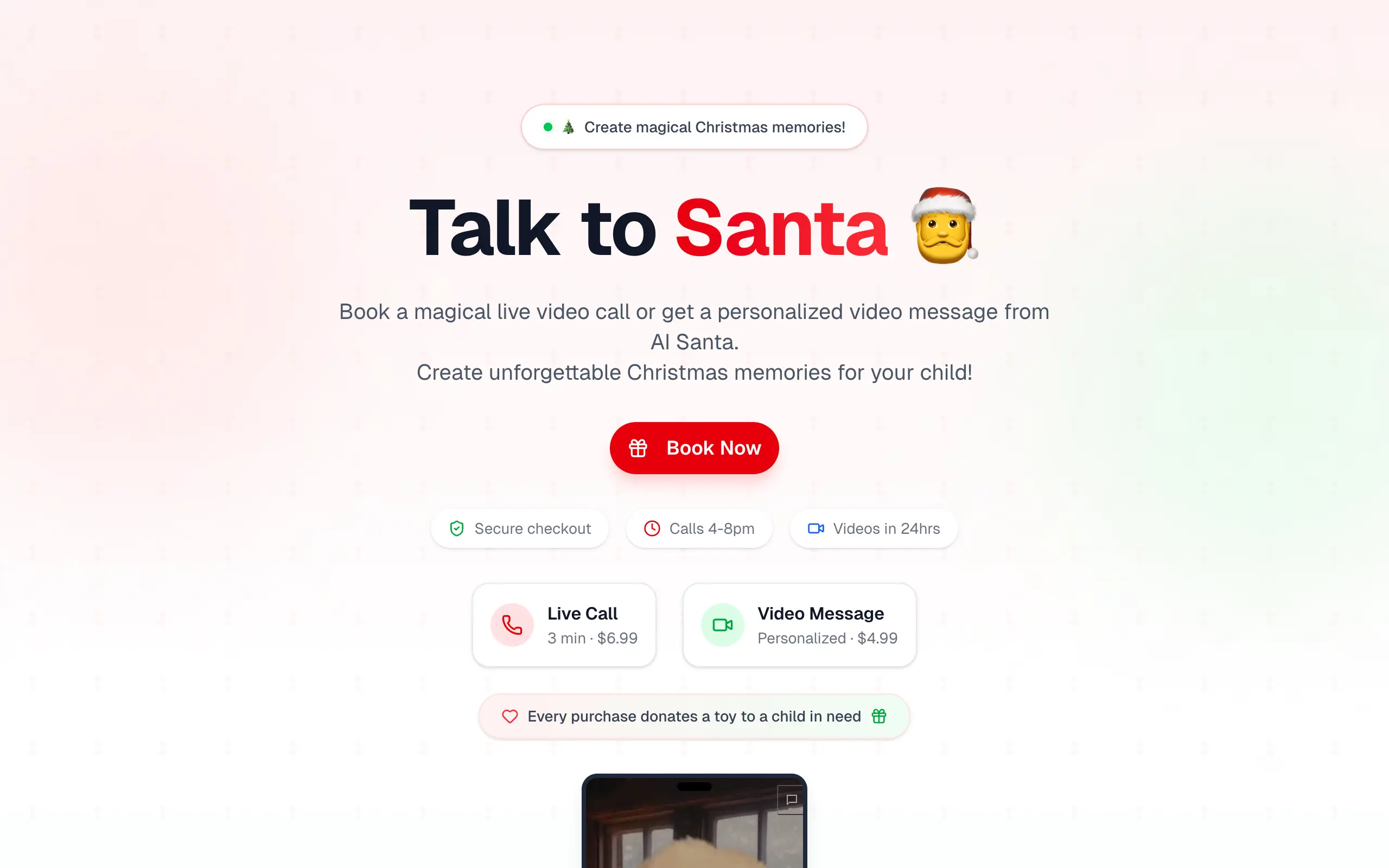
Talk to Santa
Enjoy a magical live video chat or receive a unique AI-generated video greeting from Santa Claus 🎅

pozywka.pl
Scalable blog for food journalist, focused on performance and user experience 🌭
zagrodzki.me
Personal blog and portfolio of Bart Zagrodzki, where he shares his knowledge and work 💼
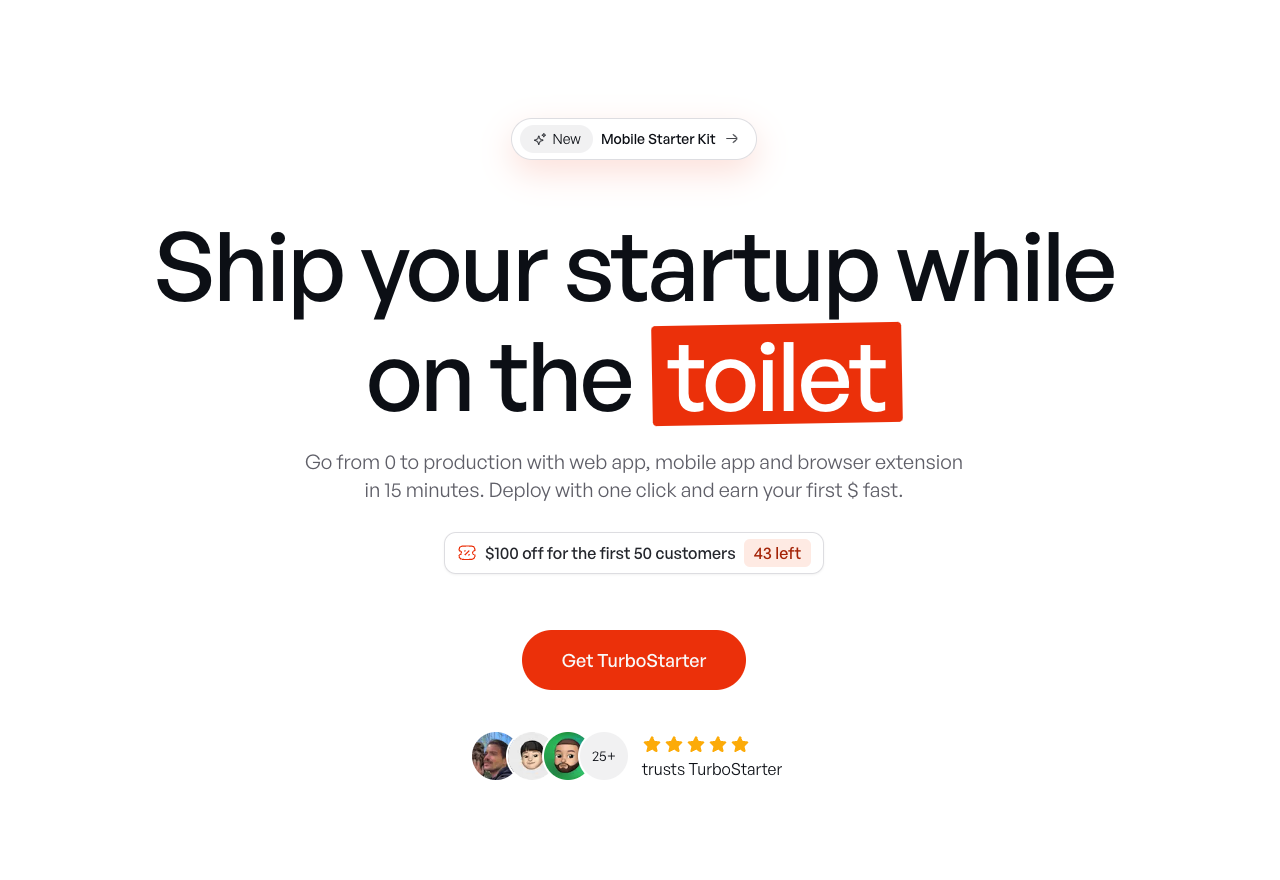
TurboStarter
Ship your startup everywhere. In minutes.
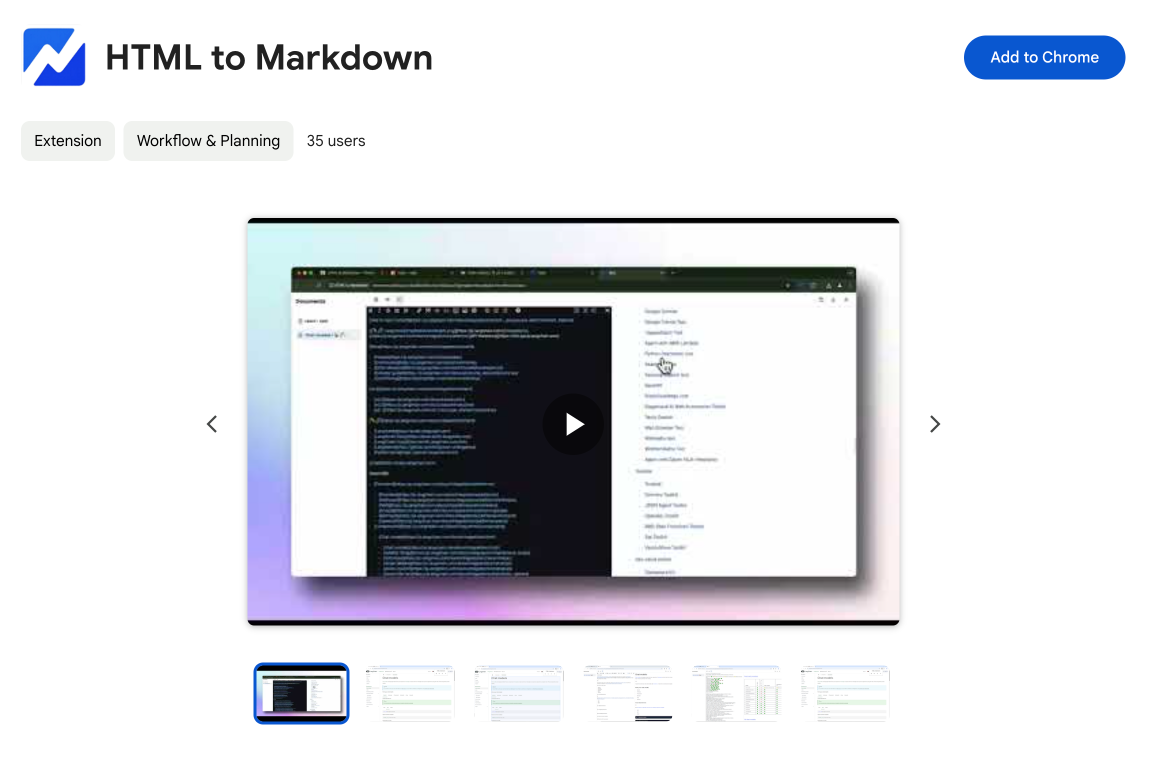
HTML to Markdown
Convert HTML to Markdown with ease, directly in your browser 📄
Dotallio
Personalized AI apps that automate research, data extraction, and content creation without code 🤖
Talk to Santa
Enjoy a magical live video chat or receive a unique AI-generated video greeting from Santa Claus 🎅
pozywka.pl
Scalable blog for food journalist, focused on performance and user experience 🌭
zagrodzki.me
Personal blog and portfolio of Bart Zagrodzki, where he shares his knowledge and work 💼
TurboStarter
Ship your startup everywhere. In minutes.
HTML to Markdown
Convert HTML to Markdown with ease, directly in your browser 📄
Dotallio
Personalized AI apps that automate research, data extraction, and content creation without code 🤖
Talk to Santa
Enjoy a magical live video chat or receive a unique AI-generated video greeting from Santa Claus 🎅
pozywka.pl
Scalable blog for food journalist, focused on performance and user experience 🌭
zagrodzki.me
Personal blog and portfolio of Bart Zagrodzki, where he shares his knowledge and work 💼
TurboStarter
Ship your startup everywhere. In minutes.
HTML to Markdown
Convert HTML to Markdown with ease, directly in your browser 📄
Dotallio
Personalized AI apps that automate research, data extraction, and content creation without code 🤖
Talk to Santa
Enjoy a magical live video chat or receive a unique AI-generated video greeting from Santa Claus 🎅
pozywka.pl
Scalable blog for food journalist, focused on performance and user experience 🌭
zagrodzki.me
Personal blog and portfolio of Bart Zagrodzki, where he shares his knowledge and work 💼
TurboStarter
Ship your startup everywhere. In minutes.
HTML to Markdown
Convert HTML to Markdown with ease, directly in your browser 📄
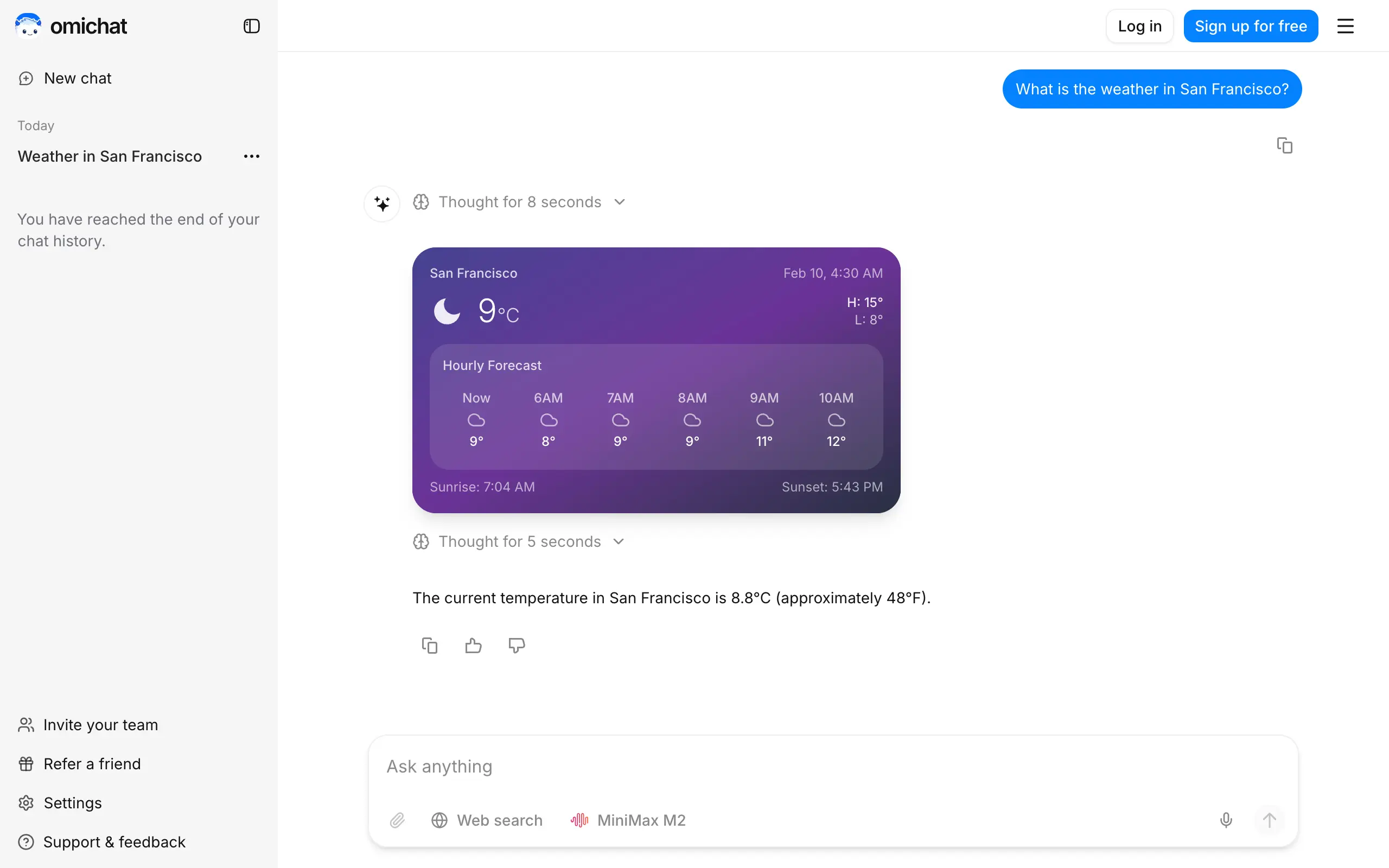
Omichat
Chat with 50+ AI models, including ChatGPT and Claude, in one place - switch models anytime without losing context 🤖
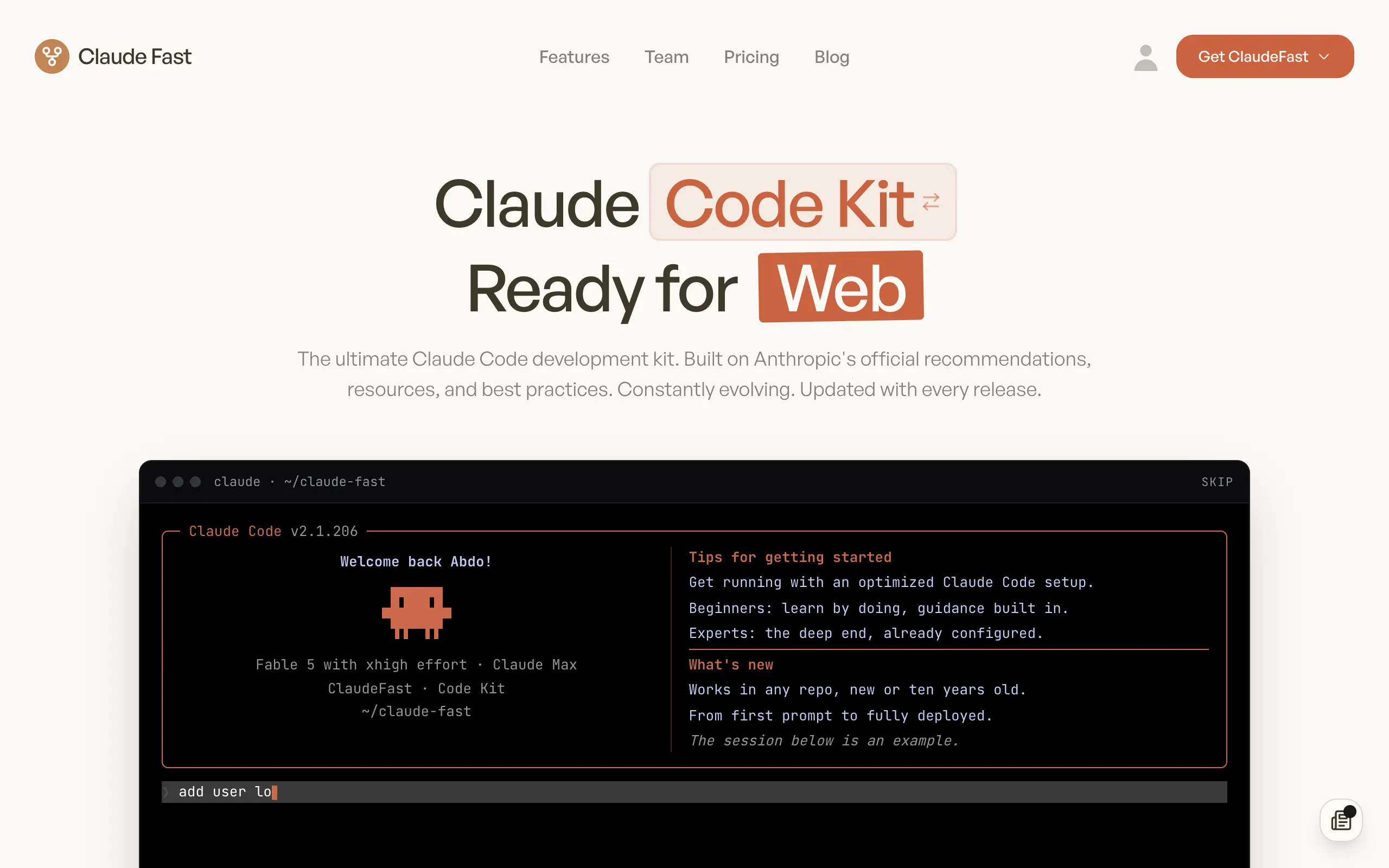
Claude Fast
Supercharge your Claude Code with 6x effective context window and specialized AI agents 🤖
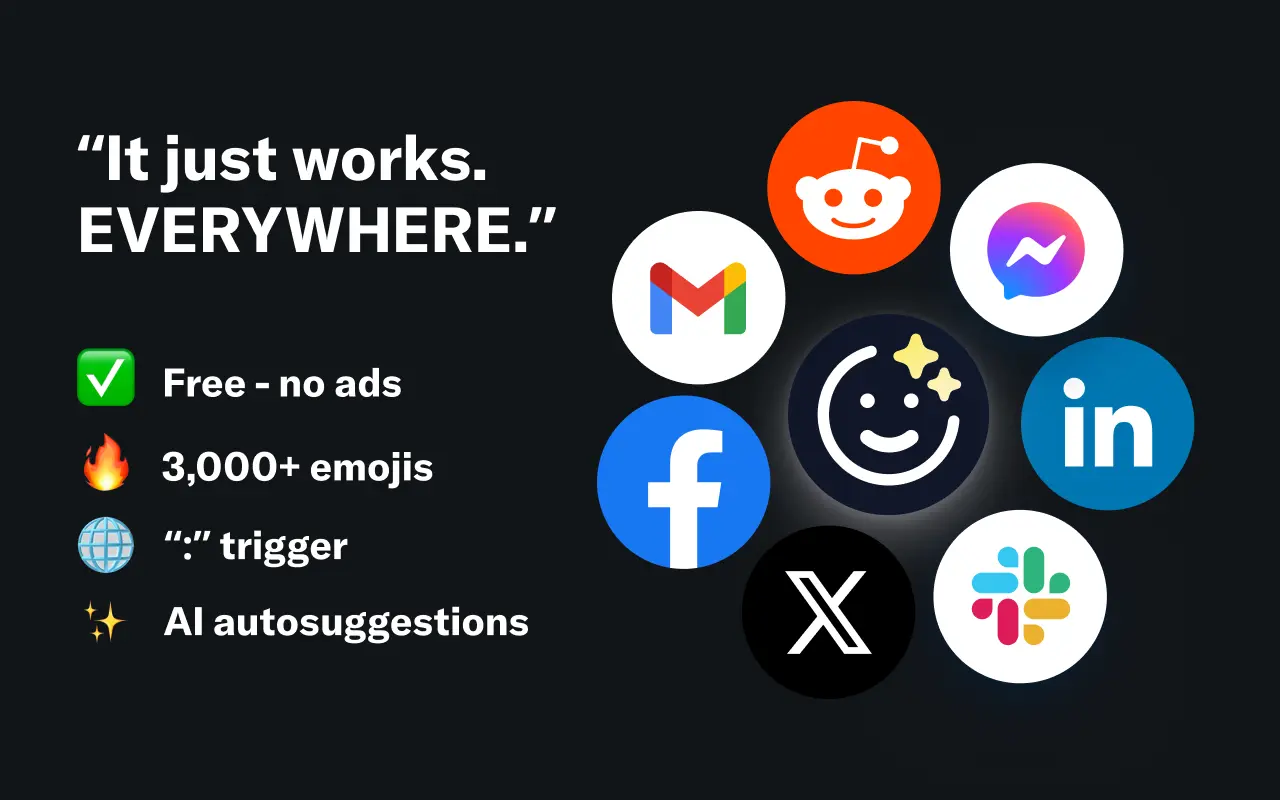
EmojAI
AI-powered emoji picker with smart, context-aware suggestions 🤖
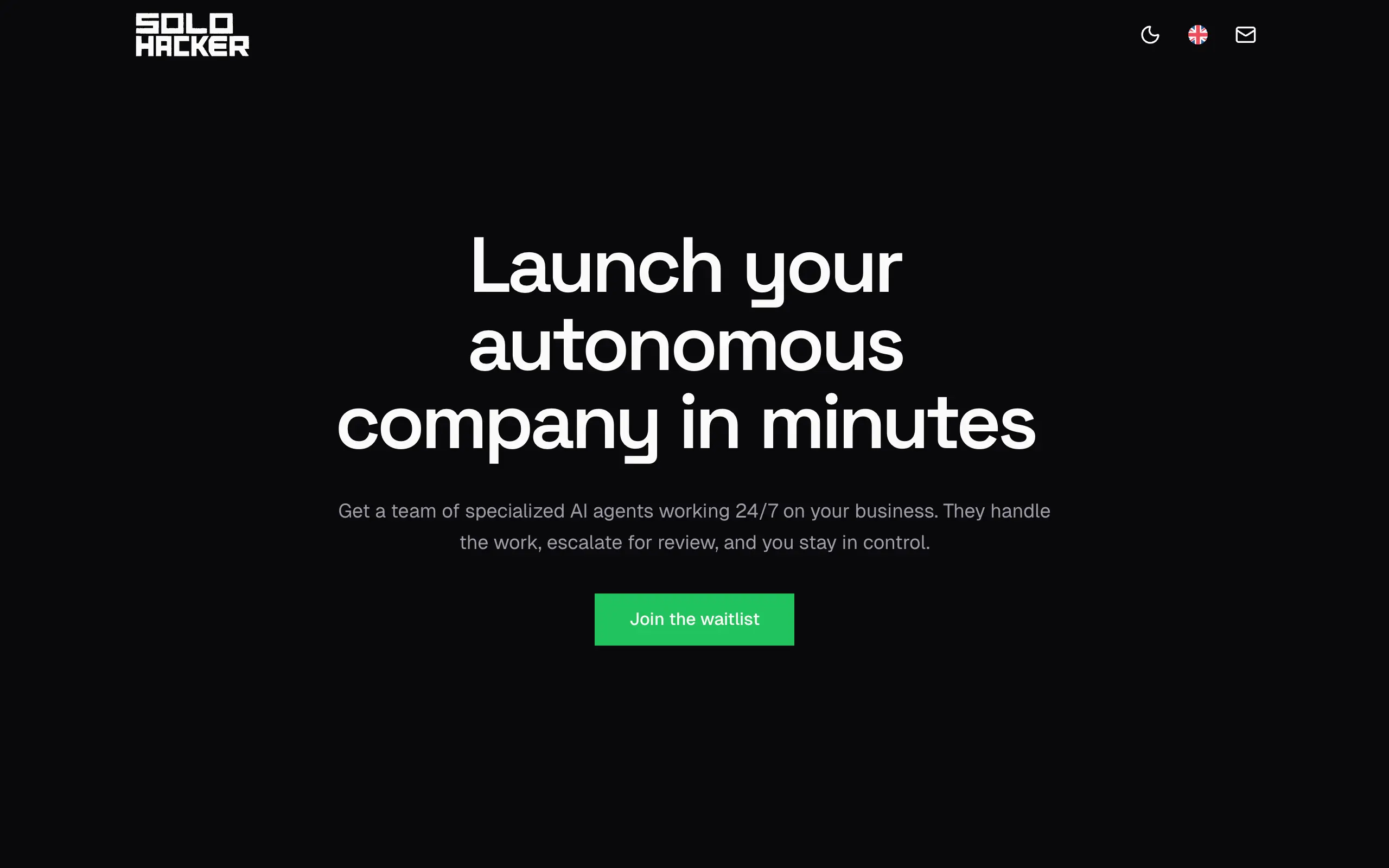
Solohacker
Autonomous company launcher - AI agents work 24/7, escalate what matters, and you stay in control 🤖
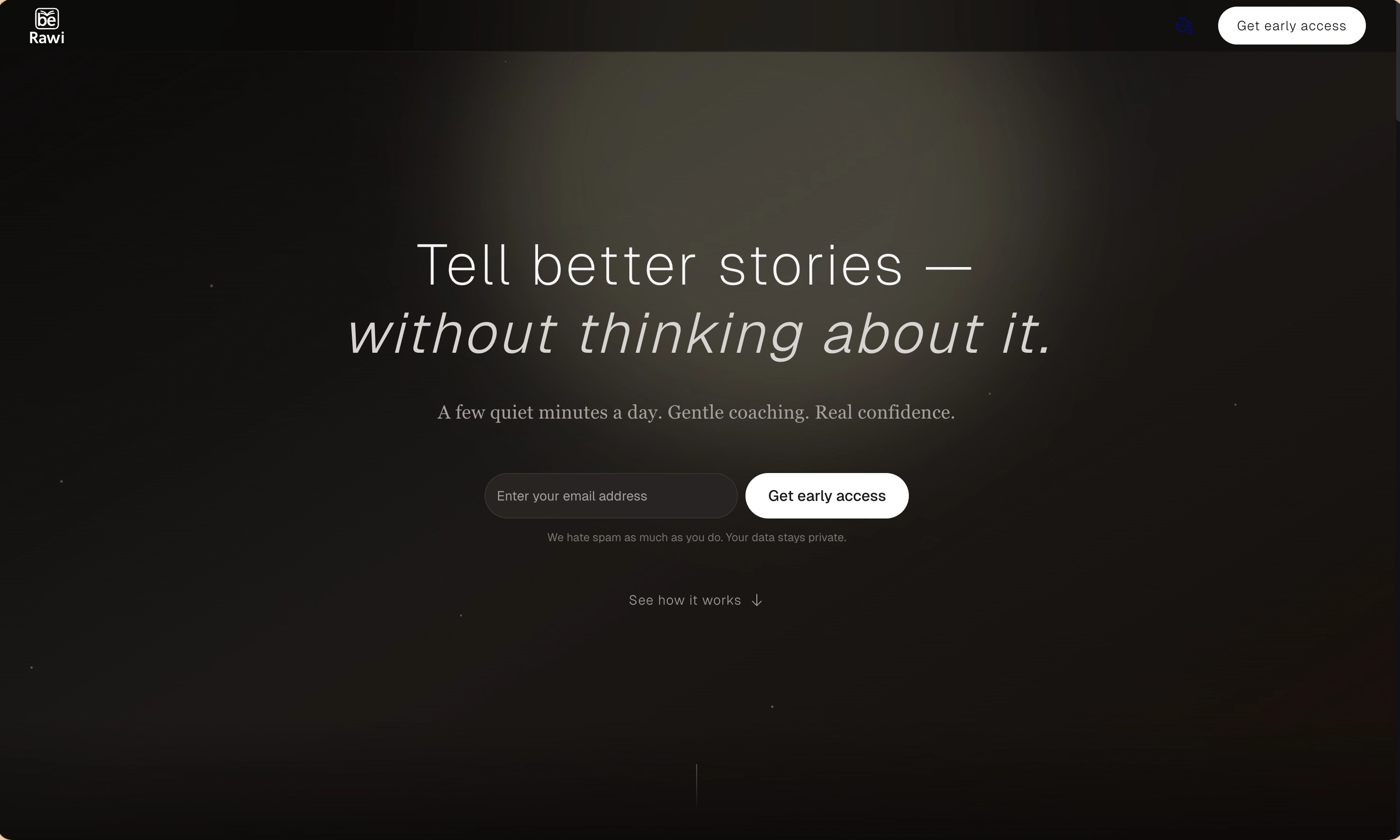
BeRawi: Storytelling Coach
Practice storytelling daily with instant feedback to sound clearer, more engaging, and confident 🎤
Omichat
Chat with 50+ AI models, including ChatGPT and Claude, in one place - switch models anytime without losing context 🤖
Claude Fast
Supercharge your Claude Code with 6x effective context window and specialized AI agents 🤖
EmojAI
AI-powered emoji picker with smart, context-aware suggestions 🤖
Solohacker
Autonomous company launcher - AI agents work 24/7, escalate what matters, and you stay in control 🤖
BeRawi: Storytelling Coach
Practice storytelling daily with instant feedback to sound clearer, more engaging, and confident 🎤
Omichat
Chat with 50+ AI models, including ChatGPT and Claude, in one place - switch models anytime without losing context 🤖
Claude Fast
Supercharge your Claude Code with 6x effective context window and specialized AI agents 🤖
EmojAI
AI-powered emoji picker with smart, context-aware suggestions 🤖
Solohacker
Autonomous company launcher - AI agents work 24/7, escalate what matters, and you stay in control 🤖
BeRawi: Storytelling Coach
Practice storytelling daily with instant feedback to sound clearer, more engaging, and confident 🎤
Omichat
Chat with 50+ AI models, including ChatGPT and Claude, in one place - switch models anytime without losing context 🤖
Claude Fast
Supercharge your Claude Code with 6x effective context window and specialized AI agents 🤖
EmojAI
AI-powered emoji picker with smart, context-aware suggestions 🤖
Solohacker
Autonomous company launcher - AI agents work 24/7, escalate what matters, and you stay in control 🤖
BeRawi: Storytelling Coach
Practice storytelling daily with instant feedback to sound clearer, more engaging, and confident 🎤

Connect with like-minded people
Join our community to get feedback, support, and grow together with 1,000+ builders on board, let's ship it!
Join usShip your startup everywhere. In minutes.
Don't burn tokens on setup and start building features on day one.