ToneBridge
AI that helps early-career professionals write confident emails, chat replies, and status updates while explaining workplace tone.
Why an AI workplace tone assistant is a timely SaaS opportunity
Early-career professionals are expected to communicate with confidence long before they have learned the unwritten rules of workplace communication. A short Slack reply can feel too casual. An email to a director can sound overly deferential. A project status update can either lack detail or overwhelm the reader.
This is the problem ToneBridge is positioned to solve: helping professionals write better emails, chat replies, and updates while teaching them why a particular tone works.
The primary opportunity is not another generic AI writing tool. It is an AI workplace tone assistant built for professional context, career stage, audience dynamics, and real-time learning. ToneBridge can turn an uncertain draft such as “Just checking if you saw this” into a clear, appropriate message while explaining when directness, warmth, urgency, or brevity is most effective.
That distinction matters. Most writing assistants optimize grammar, clarity, or general polish. ToneBridge should optimize for workplace judgment.
The core product thesis
ToneBridge should not merely rewrite messages. Its durable value comes from explaining workplace tone, helping users build communication instincts they can apply without AI over time.
For founders, product leaders, and SaaS builders evaluating this idea, the market signal is straightforward: workplace communication is high frequency, high anxiety, and highly consequential. Every knowledge worker writes messages. Early-career workers feel the stakes most acutely because they have less organizational context, less confidence, and fewer examples to learn from.
Who ToneBridge should serve first
ToneBridge can eventually serve broad knowledge-worker segments, but its first product should be sharply focused. The strongest initial audience is not “everyone who writes at work.” It is people who face recurring communication uncertainty and want to improve quickly.
Early-career professionals are the ideal initial audience
The highest-intent user profile includes professionals in their first one to seven years of work experience. They may be recent graduates, career switchers, junior managers, analysts, coordinators, customer success associates, marketers, consultants, recruiters, and remote employees.
These users commonly ask questions such as:
- “Is this email too blunt?”
- “How do I follow up without being annoying?”
- “How should I tell my manager I am blocked?”
- “Can I disagree with a senior person professionally?”
- “How do I sound confident without sounding arrogant?”
- “Should this be an email, a Slack message, or a meeting?”
- “How much context should I include in a project update?”
Their challenge is not a lack of vocabulary. It is a lack of confidence in interpreting social and organizational context.
ToneBridge should position itself as a practical communication coach for moments where users want to avoid:
- Accidentally sounding passive-aggressive
- Over-apologizing or underselling their contribution
- Sending a vague request that creates back-and-forth
- Escalating an issue too aggressively
- Writing an update that leaves leadership unclear on risks and next steps
- Mirroring an unhealthy workplace tone without understanding it
- Using AI-generated language that sounds generic or unnatural
Secondary customer segments worth testing
Once the core experience is proven, ToneBridge can expand into adjacent user groups with similar needs.
Career switchers
Professionals entering corporate or knowledge-work environments often need explicit help with communication norms, stakeholder management, and business writing.
Distributed teams
Remote and asynchronous teams rely heavily on written communication, increasing the value of clear tone, concise context, and documented decisions.
Non-native English professionals
Users may understand English fluently but still want assurance that their message matches cultural and professional expectations.
New managers
First-time managers need help setting expectations, giving feedback, delegating work, and communicating upward with clarity.
The buyer and the end user may be different
A direct-to-consumer or prosumer model can acquire individual users quickly. However, the higher-value buyer may be an employer that wants stronger communication practices across junior teams.
Potential business buyers include:
- Human resources and learning and development teams
- University recruiting and early talent programs
- Professional services firms
- Customer support and customer success organizations
- Remote-first companies
- Workforce development programs
- Business schools and career services teams
For business customers, ToneBridge should be framed less as an AI writing assistant and more as communication enablement infrastructure. The value proposition becomes improved clarity, fewer avoidable misunderstandings, stronger manager leverage, and faster employee ramp-up.
The workplace tone gap that existing tools leave open
The AI writing market is crowded, but the workplace tone market still has meaningful gaps. Grammar checkers, generic chatbots, and built-in writing tools solve pieces of the problem without fully solving the underlying decision.
A generic AI tool can make a message sound polished. It may not know whether the user is writing to a peer, a new manager, a difficult client, or an executive sponsor. It may generate text that is technically correct but poorly calibrated for the relationship and situation.
Generic rewriting is not workplace coaching
Consider a message like:
Hey, I still need the numbers from you. Can you send them ASAP?
A generic rewrite tool could create a more polished sentence. ToneBridge should go further by asking or inferring the essential context:
- Is the recipient a teammate, direct report, customer, or senior leader?
- Is there an actual deadline today?
- Has the requester already followed up?
- Is the user trying to be warm, direct, urgent, or diplomatic?
- Is the organization generally formal or conversational?
- Is the message appropriate for email, Slack, Microsoft Teams, or a project tool?
Then it can offer several choices rather than one supposedly perfect answer:
- A collaborative version for a peer
- A concise version for an urgent deadline
- A more formal version for an external stakeholder
- A firm but respectful escalation version
Most importantly, it can explain the trade-off behind each draft.
The emotional cost of unclear workplace communication
Writing at work is often emotionally expensive. Users reread a one-sentence message repeatedly because they worry about being misunderstood or judged. This creates friction that is difficult to quantify in a single metric but obvious in day-to-day work.
ToneBridge can address that friction through three product outcomes:
- Confidence through an immediate, context-aware recommendation
- Competence through clear explanations of tone choices
- Consistency through reusable preferences, templates, and team communication norms
This is a strong SaaS wedge because the behavior is recurring. Users do not write one high-stakes message per year. They communicate every day.
ToneBridge’s unique selling proposition
ToneBridge should own a simple, differentiated promise:
Write with confidence at work, and learn why your message works.
Its unique selling proposition is the combination of AI tone adaptation and workplace communication education. Rather than functioning as a black-box rewriter, ToneBridge can explain how a message may be interpreted and show users how to adjust it intentionally.
A useful product principle is:
Every suggestion should increase both message quality and user judgment.
That means ToneBridge should avoid presenting AI output as the only answer. It should give users options, explain differences, and preserve their voice.
What makes ToneBridge meaningfully different
| Capability | ToneBridge | Grammar checker | Generic AI chatbot | Template library | Internal writing guide |
|---|---|---|---|---|---|
| Workplace audience awareness | ✅ | Limited | Variable | Limited | ✅ |
| Message-specific tone analysis | ✅ | Partial | Variable | ❌ | ❌ |
| Explains communication trade-offs | ✅ | Limited | Variable | Limited | Partial |
| Learns user preferences over time | ✅ | Limited | Possible | ❌ | ❌ |
| Supports team communication standards | ✅ | ❌ | Partial | Partial | ✅ |
The defensible product is not simply the language model. Models become commoditized quickly. The defensible layer comes from purpose-built interaction design, workplace communication taxonomy, high-quality evaluation data, user preferences, organizational context, and trusted workflows.
Core features for an AI workplace tone assistant
The first version of ToneBridge should solve common, painful communication moments exceptionally well. Avoid trying to replace an entire office suite at launch. The product should earn trust in a focused set of scenarios before expanding.
Message rewrite with context controls
The central interaction should let users paste a draft or describe what they want to say. ToneBridge then asks for only the context needed to produce a useful result.
Essential controls could include:
- Recipient relationship
- Communication channel
- Desired tone
- Goal of the message
- Level of urgency
- Organizational formality
- Message length preference
Instead of a vague “improve this” button, users could select intents such as:
- Make this more confident
- Make this warmer
- Be direct without sounding harsh
- Ask for an update professionally
- Push back constructively
- Escalate a blocker
- Turn this into an executive-ready update
- Make this shorter for Slack
- Remove unnecessary apologies
- Add a clear call to action
The output should include a recommended version plus alternatives. This protects user agency and prevents the product from implying that workplace communication has only one acceptable style.
Tone explanation and coaching layer
The explanation layer is where ToneBridge becomes more than an AI email writer.
For each rewrite, explain elements such as:
- Which phrases created an uncertain, abrupt, vague, or overly apologetic impression
- Why the revised opening better establishes context
- How a specific call to action reduces ambiguity
- Why a deadline is phrased as a shared planning need rather than an accusation
- When a more direct version may be appropriate
- What the user should avoid if communicating upward or externally
A useful output structure might be:
const toneAnalysis = {
  perceivedTone: ["urgent", "slightly abrupt"],
  riskLevel: "medium",
  recommendation: "Add context and a specific deadline.",
  explanation: "The original message asks for action but does not explain why the timing matters.",
  alternatives: ["collaborative", "direct", "formal"]
};
The product should use plain language rather than academic linguistic terminology. Users want to learn quickly, not complete a communications degree before sending a Slack message.
Workplace scenario playbooks
A scenario library can capture high-volume, high-anxiety situations that users repeatedly search for online.
Initial playbooks should cover:
- Following up after no response
- Asking a manager for clarification
- Sharing a missed deadline
- Raising a project risk
- Requesting feedback
- Saying no to additional work
- Giving a status update
- Asking for a meeting
- Disagreeing with a colleague
- Responding to criticism
- Thanking an interviewer or mentor
- Writing a handoff message before time off
Each playbook should include an explanation of the communication objective, examples of poor and effective patterns, a guided prompt, and a rewrite interface.
This content also creates a strong organic search strategy. Pages built around specific long-tail searches such as “how to professionally follow up on an email” or “how to tell your manager you are blocked” can bring qualified users into the product funnel.
Personal voice profile
A key risk of AI-generated workplace writing is sameness. If every message becomes polished corporate language, users may sound artificial or unlike themselves.
ToneBridge should build a lightweight personal voice profile based on user preferences and optional examples. This profile can remember whether a user prefers concise messages, conversational language, direct requests, detailed context, or a warmer style.
Users should always be able to view, adjust, pause, or delete this profile.
A strong profile experience includes:
- Preferred level of formality
- Typical greeting and sign-off style
- Concision preference
- Common phrases to preserve
- Phrases the user wants to avoid
- Channel-specific preferences for email and chat
- Personal communication goals, such as becoming more direct
Channel-aware writing support
Email, Slack, Microsoft Teams, and project updates have different conventions. A useful AI workplace tone assistant must understand that.
For example:
- Email benefits from a clear subject, context, request, and next step.
- Slack benefits from brevity, scanability, and explicit tagging when action is needed.
- Status updates benefit from progress, risks, decisions, and next actions.
- Client communication needs a professional tone, expectation setting, and careful ownership language.
- Executive updates need a concise summary with decisions or escalation points.
Channel-aware rewriting is both practical and marketable. “Turn this email into a concise Slack message” is an immediately understandable feature with everyday utility.
Tone check before sending
A browser extension or integrated editor can make ToneBridge part of the user’s existing workflow. The product should detect risks without becoming intrusive.
The tone check might flag:
- Unclear ownership
- Missing deadline or action request
- Overly apologetic language
- Potentially abrupt wording
- Excessive hedging
- Jargon that could confuse a cross-functional audience
- A mismatch between intended and perceived tone
The experience should remain advisory. Users need control, especially in sensitive professional situations.
Avoid an overconfident tone score
A single red, yellow, or green score can create false certainty. Present tone as contextual guidance, show the reasoning, and let users decide whether a suggestion fits their relationship and workplace culture.
How the AI system should work
ToneBridge needs a reliable AI architecture that emphasizes context, privacy, and evaluation. The underlying model matters, but product quality depends even more on the system around the model.
Use structured context rather than a single open prompt
A high-quality workflow should convert user inputs into structured context before requesting a rewrite. This improves consistency and makes outputs easier to evaluate.
A simplified prompt payload could include:
{
  "channel": "Slack",
  "recipientRelationship": "manager",
  "messageGoal": "raise a project blocker",
  "desiredTone": ["clear", "accountable", "proactive"],
  "organizationStyle": "conversational",
  "draft": "I can't finish this because I still don't have access.",
  "instruction": "Provide a revised message and explain the tone changes."
}
The model should be instructed to:
- Preserve factual meaning unless the user asks to change it.
- Avoid inventing dates, commitments, people, or project details.
- Offer concise options where appropriate.
- Explain recommendations without making absolute social claims.
- Avoid manipulative or deceptive language.
- Flag situations involving harassment, discrimination, threats, or legal matters for human review.
Build an evaluation framework early
Tone is subjective, but that does not mean quality cannot be measured. ToneBridge should establish a human-reviewed evaluation set of representative workplace scenarios.
Evaluate outputs against criteria such as:
- Fidelity to the original meaning
- Clarity of the request or update
- Tone alignment with the selected audience
- Appropriate level of directness
- Absence of fabricated details
- Concision for the target channel
- Usefulness of the explanation
- Preservation of the user’s personal voice
A diverse review panel is important because workplace norms vary across geography, industry, seniority, culture, and organizational style. ToneBridge should avoid treating one communication style as universally superior.
Use retrieval carefully for team-specific guidance
For a business plan, companies may want ToneBridge to reflect internal writing principles, brand standards, or communication norms. Retrieval-augmented generation can help the product reference approved internal materials without fine-tuning a model on every company’s data.
For example, a company could upload:
- Communication principles
- Customer support standards
- Brand voice documentation
- Leadership update templates
- Inclusive language guidance
- Escalation procedures
The system should retrieve only relevant passages and show users when a recommendation is based on company guidance. Administrative controls, source management, permission boundaries, and audit logs are essential for enterprise trust.
Recommended tech stack for building ToneBridge
A practical stack should prioritize rapid iteration without blocking future enterprise requirements. The product does not need an overly complex architecture in its first phase, but it does need solid foundations for authentication, privacy, observability, and AI cost control.
A modern SaaS stack for the MVP
A strong implementation path could use:
- Next.js for the web application and server-side API routes
- React for interactive editor components
- TypeScript for safer application code
- Tailwind CSS for fast, consistent interface development
- PostgreSQL for relational product data
- Prisma for type-safe database access
- Stripe for subscriptions and billing
- Vercel for straightforward web deployment
- A model provider API for generation, moderation, and embeddings where needed
For founders who want a production-ready starting point instead of wiring every SaaS primitive from scratch, TurboStarter can reduce setup time for authentication, payments, application structure, and common SaaS workflows.
Trade-offs to consider before choosing infrastructure
Use a managed deployment platform, hosted Postgres, a third-party authentication provider, and a model API. This is the fastest way to validate core workflows, pricing, and retention. The trade-off is more vendor dependency and potentially less control over data residency.
Add single sign-on, role-based access control, audit logs, configurable retention, encryption controls, and enterprise deployment options. This supports larger contracts but requires more engineering, security review, and customer onboarding resources.
A browser extension increases daily utility because it can support web-based email and chat tools where users already work. The trade-off is a more complex review process, permission scrutiny, content security requirements, and cross-browser testing.
Data model essentials
At minimum, ToneBridge should store data around:
- User accounts and consent preferences
- Subscription status and billing entitlements
- Workspace membership and roles
- Tone preferences and personal voice settings
- Message requests, with configurable retention controls
- Generated variants and user-selected outcomes
- Saved templates and scenario playbooks
- Team writing policies for business customers
- Product feedback and quality ratings
- Security and administrative audit events
Do not retain raw message content indefinitely by default. The product handles potentially sensitive work information, so privacy expectations should influence the architecture from day one.
Monetization strategies for ToneBridge
ToneBridge has credible paths to both prosumer recurring revenue and business-to-business contracts. The right model should match the product’s maturity and acquisition channel.
Start with a freemium prosumer plan
A free tier lowers the barrier for users who are curious but not yet ready to pay for an AI communication coach. It also creates a natural product-led growth loop when users experience immediate value from a difficult email or status update.
A sensible tier structure could include:
- Free plan with a limited number of rewrites each month, basic tone checks, and a small set of scenario playbooks
- Pro plan with higher usage, personal voice profiles, unlimited saved templates, advanced explanations, and channel-specific rewrites
- Career plan for job seekers and early-career professionals with interview follow-ups, networking messages, manager communication guidance, and career communication modules
- Team plan with shared templates, team style guidance, administrative controls, and workspace analytics
- Enterprise plan with SSO, custom retention, security documentation, auditability, dedicated support, and company knowledge integration
Usage limits should be transparent. Avoid confusing credit systems if a straightforward monthly rewrite allowance is easier for users to understand.
Expand into team and learning programs
The team offering should not be a collection of individual licenses with a shared invoice. It needs a clear management and learning value.
Potential B2B capabilities include:
- Shared communication playbooks
- Department-specific templates
- Approved tone guidelines
- Onboarding communication modules
- Aggregated and privacy-preserving trends
- Manager coaching resources
- Integrations with collaboration tools
- Organization-level data retention policies
A learning and development buyer may pay for ToneBridge because it provides scalable coaching that managers rarely have time to give consistently.
Measure the economics that matter
For a consumer-oriented AI SaaS product, monitor:
- Free-to-paid conversion rate
- Weekly active users
- Rewrites per active user
- Retention after 30, 60, and 90 days
- Cost per generated response
- Percentage of users who accept, edit, or dismiss suggestions
- Customer acquisition cost
- Net revenue retention for team accounts
- Churn reasons collected at cancellation
A high rewrite count alone is not necessarily success. If users generate drafts but do not return, the product may be solving a one-off problem. Healthy retention comes from recurring workflow utility and visible skill development.
Competitive advantage and defensibility
ToneBridge will compete indirectly with large AI platforms, grammar tools, office suites, and free templates. The winning strategy is not to claim that no competitor can rewrite a message. Many can.
The advantage comes from specializing deeply in the moment after a user asks, “How will this come across at work?”
Build a proprietary workplace tone framework
Create an internal taxonomy that maps communication scenarios to useful dimensions:
- Directness
- Warmth
- Formality
- Confidence
- Urgency
- Accountability
- Collaboration
- Deference
- Brevity
- Emotional sensitivity
Each scenario can have recommended ranges rather than fixed scores. For example, a project blocker sent to a manager should usually be clear, accountable, and proactive. It does not always need to be highly formal or overly apologetic.
This framework can power onboarding, prompts, evaluation, content, and team policy configuration. Over time, it becomes a meaningful product asset.
Win through trust, not just output quality
Work messages can contain confidential details, performance concerns, customer information, and internal strategy. Trust is a feature, not a legal footnote.
ToneBridge should make these commitments visible:
- Clear explanation of what data is processed
- User control over history and deletion
- Minimal data retention by default
- No training on customer content without explicit opt-in
- Secure handling of workspace data
- Transparent privacy policy and terms
- Clear boundaries around legal, HR, or high-risk communications
For enterprise buyers, prepare to answer security questionnaires and demonstrate mature controls. Recognized security standards and audits can become important as the product moves upmarket. When citing compliance claims or security benchmarks, use primary documentation or independently verified audit reports rather than broad marketing statements.
Risks and mitigation strategies
Every AI workplace communication product faces risks. Addressing them directly strengthens product trust and reduces costly rework later.
Mitigate this with user-controlled voice settings, multiple rewrite options, explanation-first design, and the ability to preserve selected phrases. Measure how often users heavily edit suggestions before using them.
Use diverse evaluators, provide tone options instead of one universal recommendation, and acknowledge that organizational norms vary. The product should explain likely interpretations, not prescribe a single “correct” personality.
Minimize retention, encrypt data in transit and at rest, provide deletion controls, restrict internal access, and make data usage policies understandable. Enterprise accounts may require additional controls such as SSO and configurable retention.
Use structured prompts, enforce meaning-preservation rules, display edits clearly, and prohibit the model from inventing facts, deadlines, or commitments. Make original and revised text easy to compare.
Differentiate through focused workplace scenarios, coaching explanations, personal progress, team policy tools, and integrations. Own a specific user outcome rather than competing on generic text generation.
Responsible AI boundaries are product requirements
ToneBridge should avoid becoming a tool for manipulation, dishonesty, or evasion of accountability. The product must be particularly careful when users draft messages about:
- Performance management
- Harassment or discrimination
- Medical or leave-related information
- Legal disputes
- Termination or disciplinary actions
- Customer commitments with contractual implications
- Serious workplace conflict
In these cases, the interface can provide neutral writing support while encouraging users to involve the appropriate HR, legal, manager, or policy resources. The product should not pretend to provide legal advice or replace human judgment.
Go-to-market strategy for ToneBridge
The most efficient initial go-to-market motion combines search-driven education, product-led sharing, and partnerships with audiences that already support career development.
Create content around high-intent workplace questions
ToneBridge has strong SEO potential because users search for specific, repeated communication problems. Build detailed, genuinely helpful resources around phrases such as:
- How to write a professional follow-up email
- How to ask your manager for help
- How to sound more confident in an email
- How to write a project status update
- How to professionally say no at work
- How to tell your boss you are blocked
- How to write a Slack message to your manager
- How to disagree professionally in a meeting follow-up
Each article should solve the question independently, include examples and trade-offs, and naturally introduce ToneBridge as an interactive way to apply the guidance. Avoid thin template pages designed only for ranking. Search engines and users both reward original examples, practical depth, and trustworthy guidance.
Use a communication confidence assessment
A short self-assessment can make the problem tangible and capture leads. For example, users could answer questions about their biggest communication challenge:
- Following up
- Communicating upward
- Being concise
- Giving updates
- Setting boundaries
- Asking for help
- Sounding confident in English
- Handling difficult conversations
The result can recommend a relevant ToneBridge playbook and invite the user to try a rewrite. This creates a personalized activation path without requiring a long onboarding flow.
Partner where early-career users already learn
Potential distribution partners include:
- University career centers
- Bootcamps and workforce development programs
- Professional communities
- Career coaches
- Mentorship programs
- New-manager training providers
- Employee resource groups
- Recruiting and onboarding teams
These channels can provide trusted access to users at a point of acute need. A career services partnership may also produce valuable feedback about common communication gaps among graduates and new hires.
A practical implementation roadmap
The fastest path is to build a narrow product, validate repeated use, and expand only after users clearly value the coaching layer.
Define the first three high-value scenarios. A strong starting set is following up, raising a blocker, and writing a manager-ready status update.
Interview at least 20 early-career professionals. Collect anonymized examples of messages they struggled to send, the context they lacked, and how they currently solve the problem.
Build a web MVP with message input, audience selection, tone goals, rewritten options, and short explanations for each recommendation.
Create a human-reviewed evaluation set before scaling acquisition. Test for meaning preservation, clarity, tone fit, inclusivity, and hallucination resistance.
Launch a focused free plan and recruit a design partner cohort from early-career communities, bootcamps, or internal employee programs.
Measure retention, accepted suggestions, user edits, repeat scenario usage, and willingness to pay. Use qualitative feedback to improve the scenario taxonomy.
Add browser-based workflow support, personal voice profiles, and saved playbooks only after the core rewrite-and-explain experience proves valuable.
Develop team features once individual users demonstrate clear behavior patterns that employers can standardize, support, or measure.
The right first milestone is not a huge feature list. It is a user saying, “I used this before sending an important message, understood the changes, and felt more confident afterward.”
Final perspective on building ToneBridge
ToneBridge has the ingredients of a compelling AI SaaS business because it addresses a universal workplace behavior with a focused emotional and practical pain point. Professionals do not only want messages that are grammatically correct. They want to know whether they sound capable, respectful, clear, and appropriately assertive.
The market opportunity is strongest when ToneBridge treats tone as a form of professional judgment rather than a cosmetic editing task. A successful product will combine context-aware rewriting, clear explanations, personal voice preservation, responsible AI controls, and a library of high-value workplace scenarios.
The long-term vision is bigger than email assistance. ToneBridge can become a trusted communication coach that helps people navigate modern work with more clarity and less second-guessing—one message, update, and difficult conversation at a time.
More 🤖 AI Startup SaaS ideas
Discover more innovative ai startup SaaS ideas that are trending in 2026. Each idea is AI-generated with market validation and growth potential to help you find your next profitable venture faster than competitors.
Your competitors are building with TurboStarter
Below are some of the SaaS ideas that have been generated and built with our starter kit.
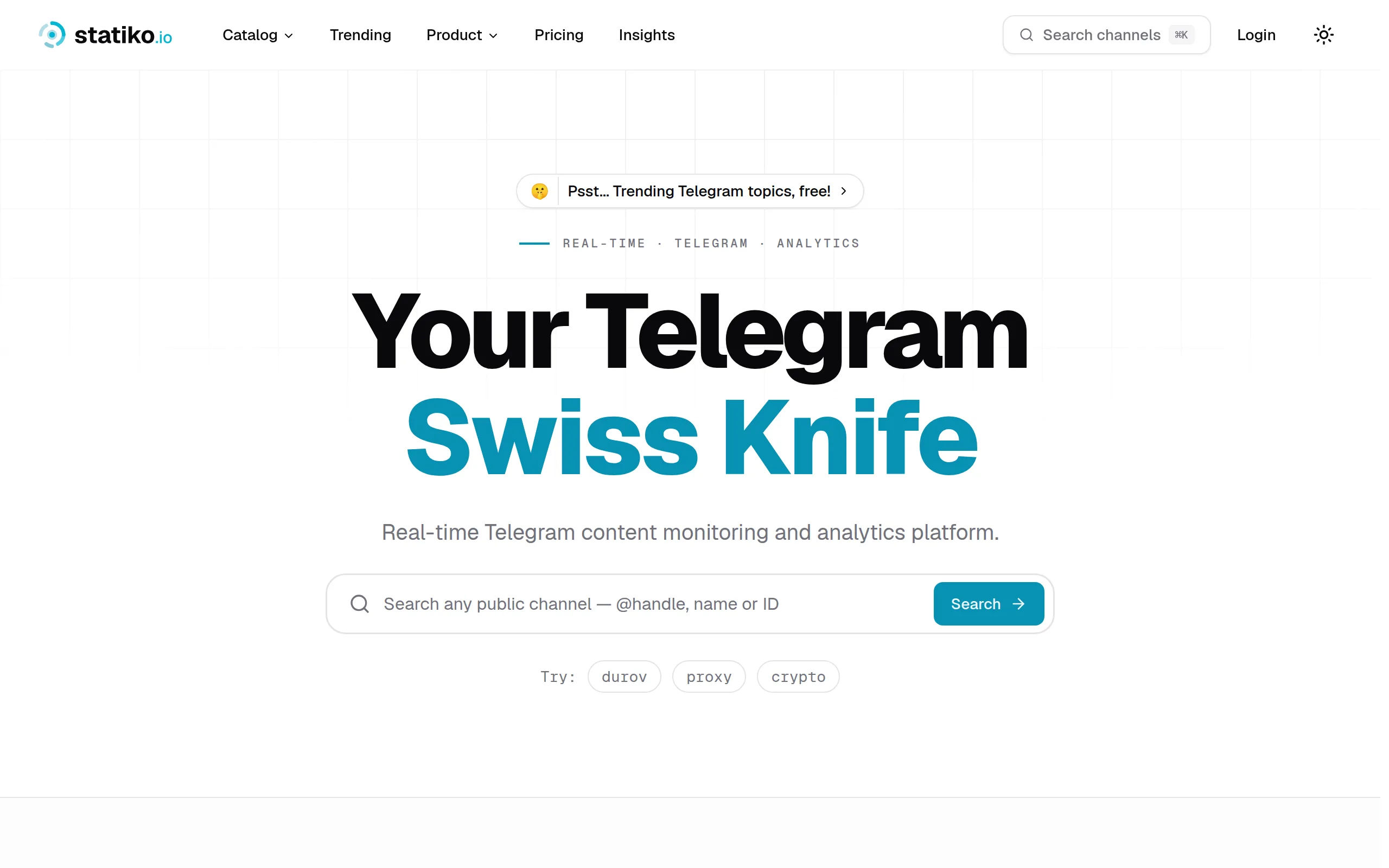
Statiko
Monitor any Telegram channel in real time - track posts, edits, deletions, and growth with AI recaps 📡
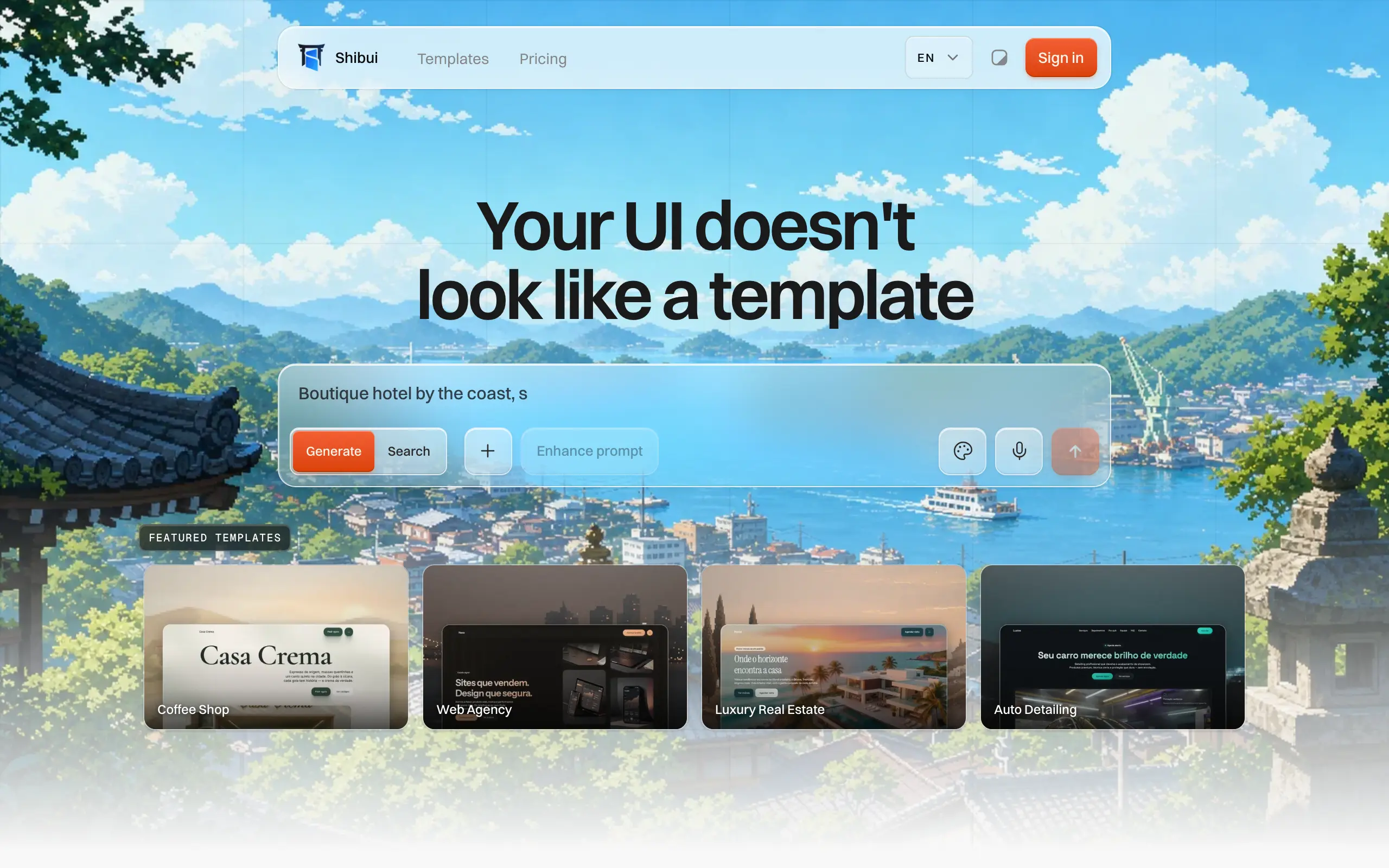
Shibui
AI website builder - describe your business, pick a niche template, edit by chatting, and publish instantly ✨

Pro Service
Find verified home service professionals, compare quotes, and pay securely through escrow - built for Brazilians across the US 🏠
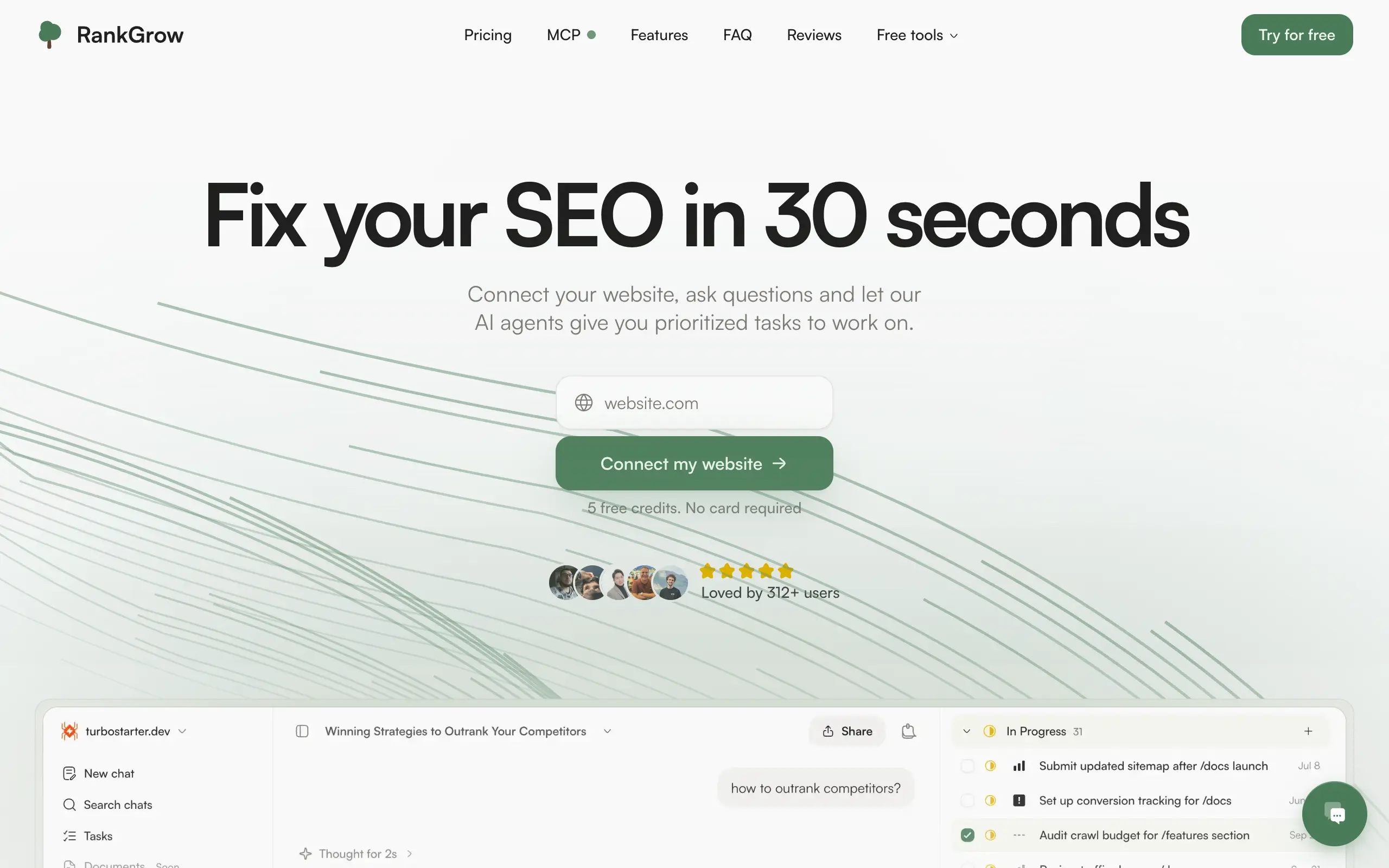
RankGrow
Fix your SEO with AI agents - connect Search Console, get prioritized tasks, and grow organic traffic 📈
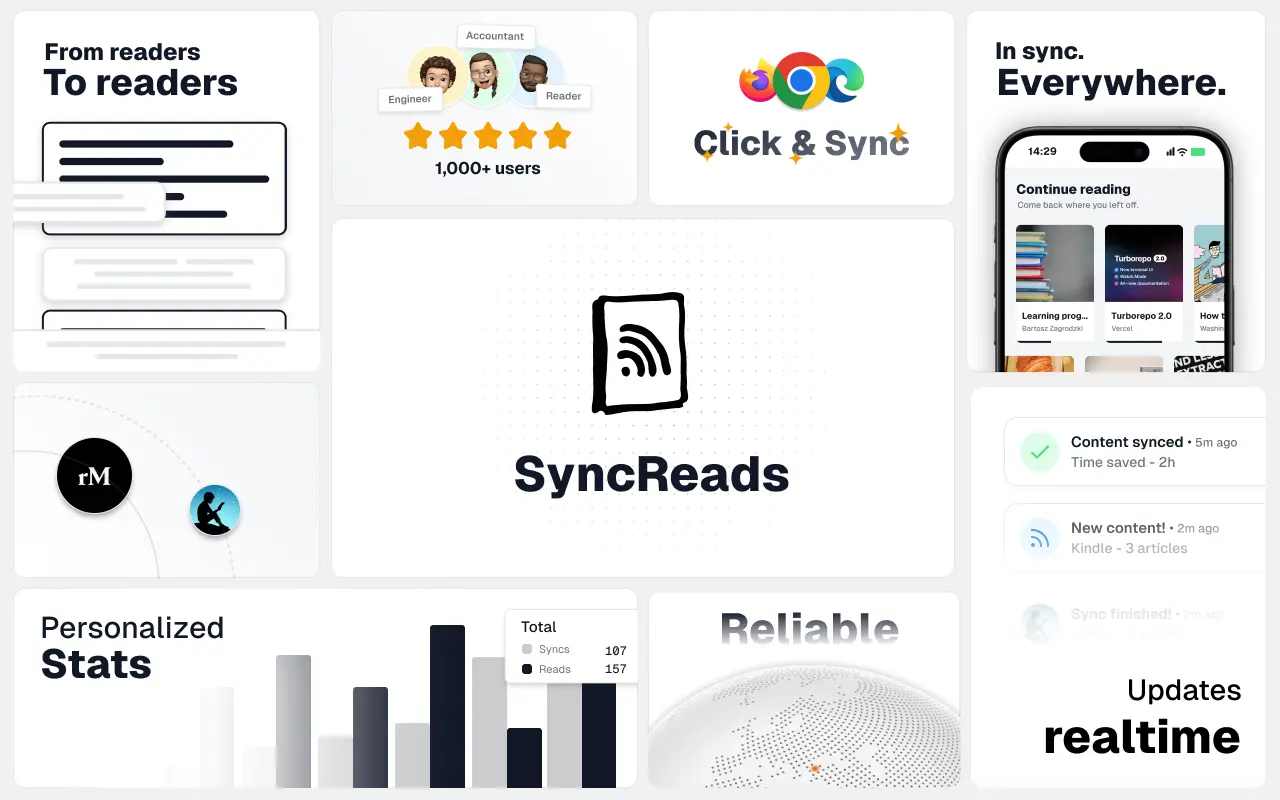
SyncReads
Sync your favorite content for distraction-free reading, save time and replace multiple apps. Anytime, anywhere 🔄
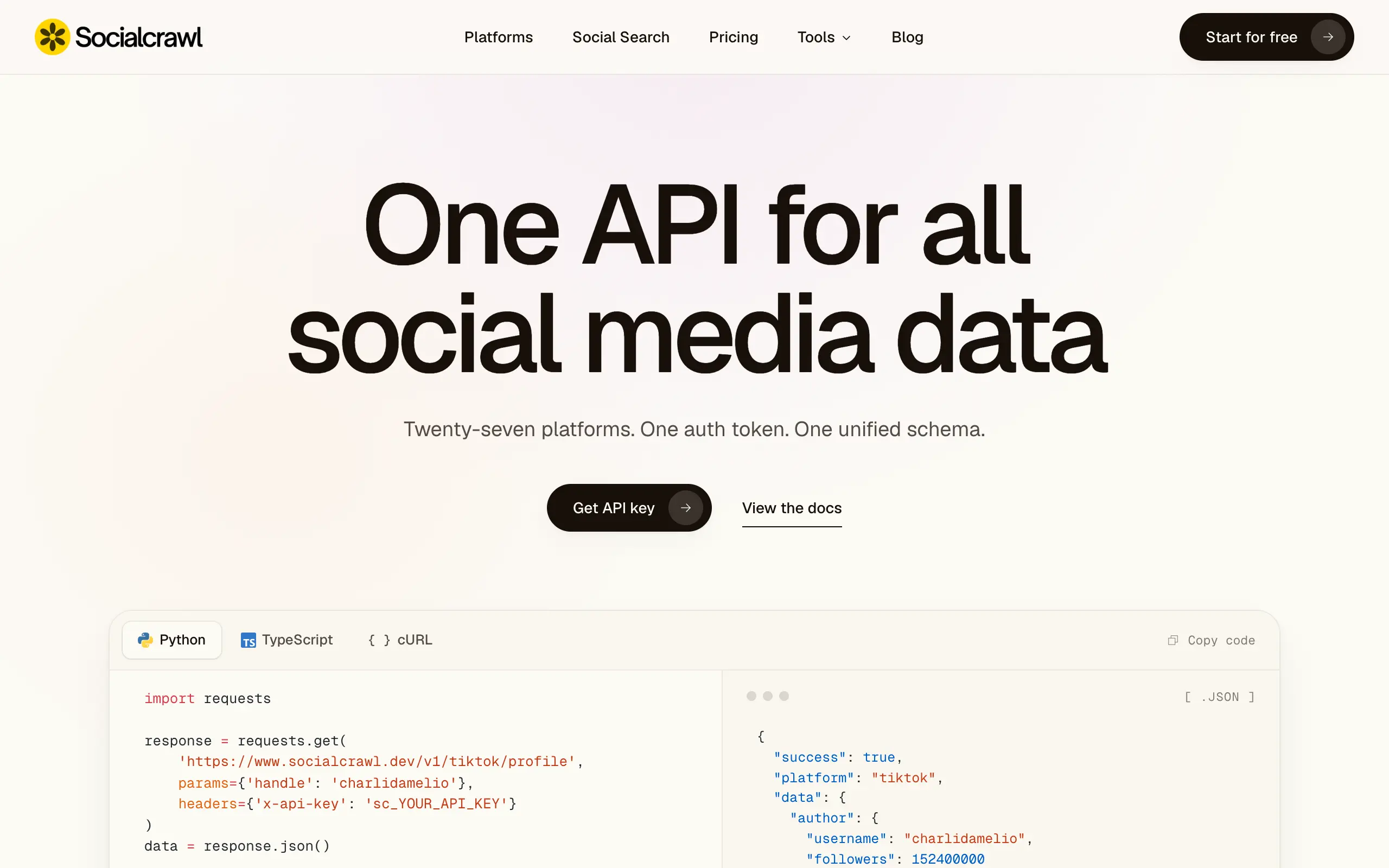
Socialcrawl
Get clean, structured data from 21 platforms like TikTok, Instagram, and YouTube with a single request 📊
Statiko
Monitor any Telegram channel in real time - track posts, edits, deletions, and growth with AI recaps 📡
Shibui
AI website builder - describe your business, pick a niche template, edit by chatting, and publish instantly ✨
Pro Service
Find verified home service professionals, compare quotes, and pay securely through escrow - built for Brazilians across the US 🏠
RankGrow
Fix your SEO with AI agents - connect Search Console, get prioritized tasks, and grow organic traffic 📈
SyncReads
Sync your favorite content for distraction-free reading, save time and replace multiple apps. Anytime, anywhere 🔄
Socialcrawl
Get clean, structured data from 21 platforms like TikTok, Instagram, and YouTube with a single request 📊
Statiko
Monitor any Telegram channel in real time - track posts, edits, deletions, and growth with AI recaps 📡
Shibui
AI website builder - describe your business, pick a niche template, edit by chatting, and publish instantly ✨
Pro Service
Find verified home service professionals, compare quotes, and pay securely through escrow - built for Brazilians across the US 🏠
RankGrow
Fix your SEO with AI agents - connect Search Console, get prioritized tasks, and grow organic traffic 📈
SyncReads
Sync your favorite content for distraction-free reading, save time and replace multiple apps. Anytime, anywhere 🔄
Socialcrawl
Get clean, structured data from 21 platforms like TikTok, Instagram, and YouTube with a single request 📊
Statiko
Monitor any Telegram channel in real time - track posts, edits, deletions, and growth with AI recaps 📡
Shibui
AI website builder - describe your business, pick a niche template, edit by chatting, and publish instantly ✨
Pro Service
Find verified home service professionals, compare quotes, and pay securely through escrow - built for Brazilians across the US 🏠
RankGrow
Fix your SEO with AI agents - connect Search Console, get prioritized tasks, and grow organic traffic 📈
SyncReads
Sync your favorite content for distraction-free reading, save time and replace multiple apps. Anytime, anywhere 🔄
Socialcrawl
Get clean, structured data from 21 platforms like TikTok, Instagram, and YouTube with a single request 📊
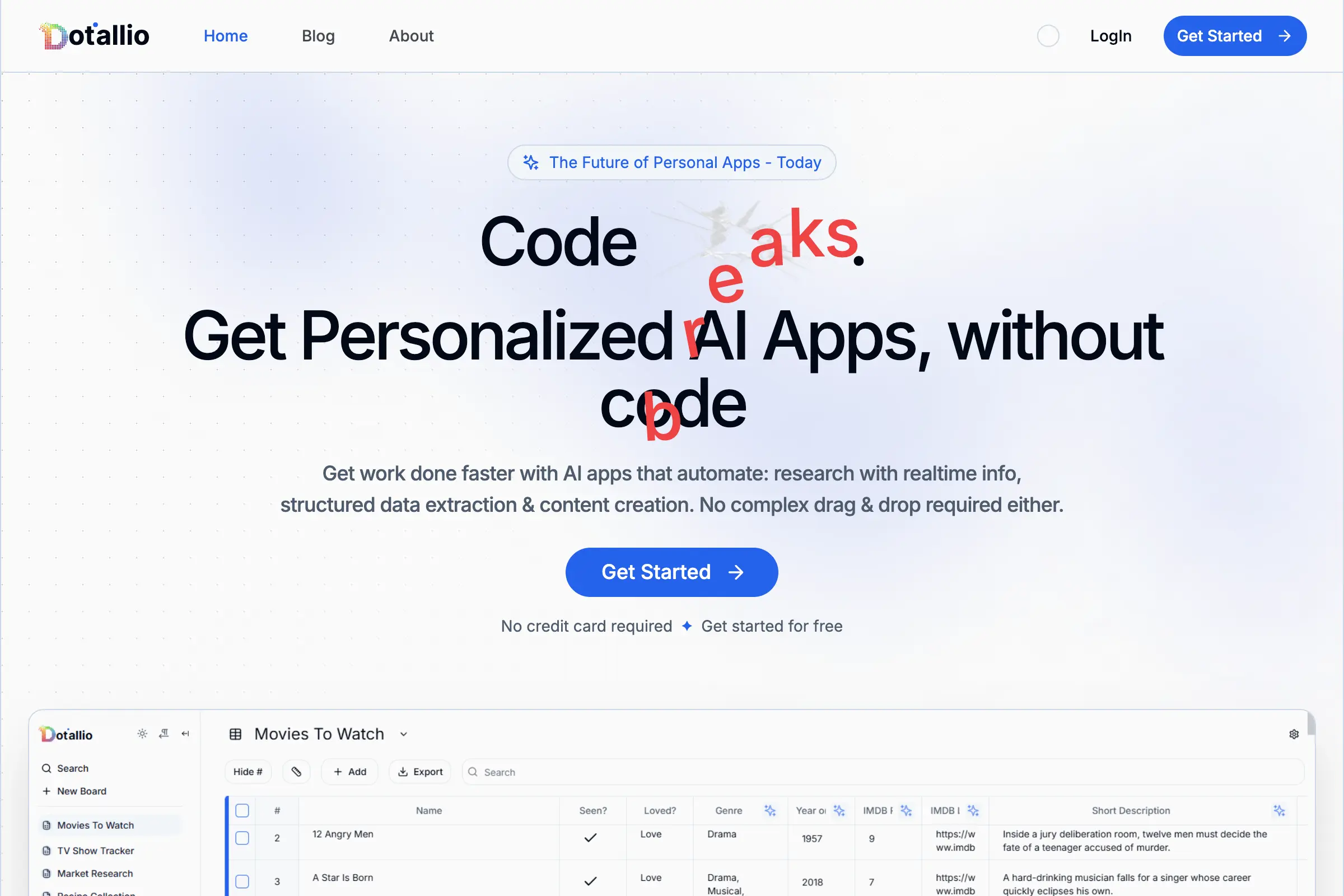
Dotallio
Personalized AI apps that automate research, data extraction, and content creation without code 🤖
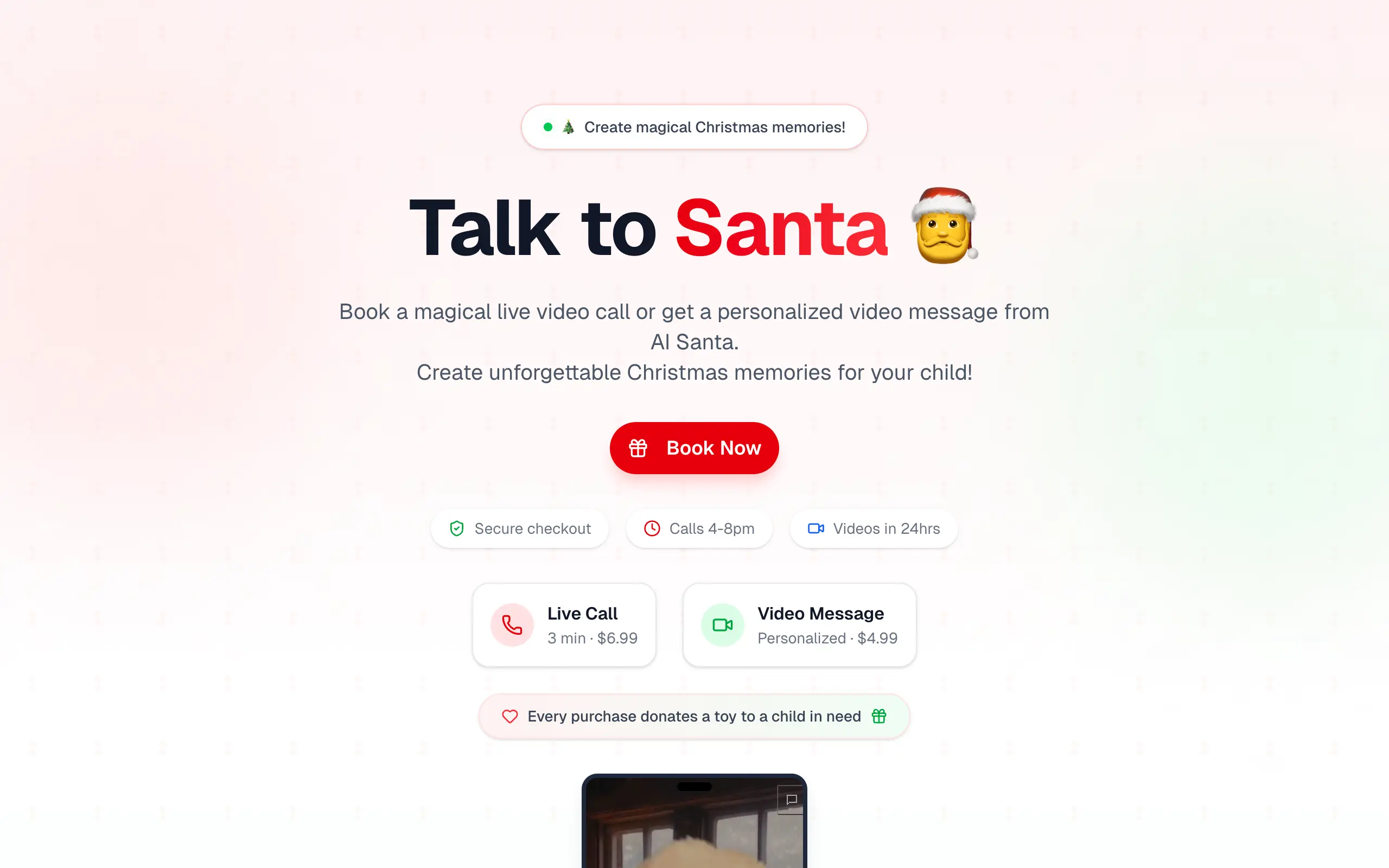
Talk to Santa
Enjoy a magical live video chat or receive a unique AI-generated video greeting from Santa Claus 🎅
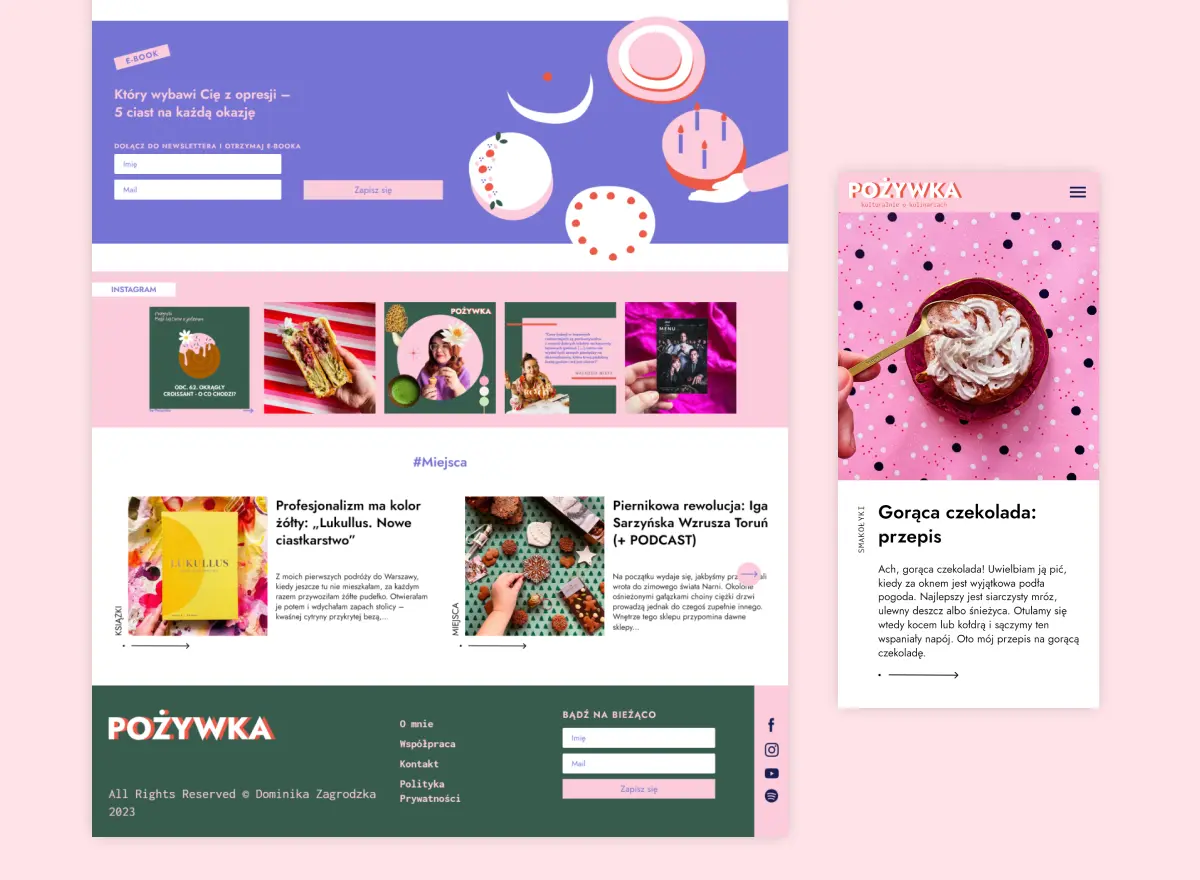
pozywka.pl
Scalable blog for food journalist, focused on performance and user experience 🌭
zagrodzki.me
Personal blog and portfolio of Bart Zagrodzki, where he shares his knowledge and work 💼
TurboStarter
Ship your startup everywhere. In minutes.
HTML to Markdown
Convert HTML to Markdown with ease, directly in your browser 📄
Dotallio
Personalized AI apps that automate research, data extraction, and content creation without code 🤖
Talk to Santa
Enjoy a magical live video chat or receive a unique AI-generated video greeting from Santa Claus 🎅
pozywka.pl
Scalable blog for food journalist, focused on performance and user experience 🌭
zagrodzki.me
Personal blog and portfolio of Bart Zagrodzki, where he shares his knowledge and work 💼
TurboStarter
Ship your startup everywhere. In minutes.
HTML to Markdown
Convert HTML to Markdown with ease, directly in your browser 📄
Dotallio
Personalized AI apps that automate research, data extraction, and content creation without code 🤖
Talk to Santa
Enjoy a magical live video chat or receive a unique AI-generated video greeting from Santa Claus 🎅
pozywka.pl
Scalable blog for food journalist, focused on performance and user experience 🌭
zagrodzki.me
Personal blog and portfolio of Bart Zagrodzki, where he shares his knowledge and work 💼
TurboStarter
Ship your startup everywhere. In minutes.
HTML to Markdown
Convert HTML to Markdown with ease, directly in your browser 📄
Dotallio
Personalized AI apps that automate research, data extraction, and content creation without code 🤖
Talk to Santa
Enjoy a magical live video chat or receive a unique AI-generated video greeting from Santa Claus 🎅
pozywka.pl
Scalable blog for food journalist, focused on performance and user experience 🌭
zagrodzki.me
Personal blog and portfolio of Bart Zagrodzki, where he shares his knowledge and work 💼
TurboStarter
Ship your startup everywhere. In minutes.
HTML to Markdown
Convert HTML to Markdown with ease, directly in your browser 📄
Omichat
Chat with 50+ AI models, including ChatGPT and Claude, in one place - switch models anytime without losing context 🤖
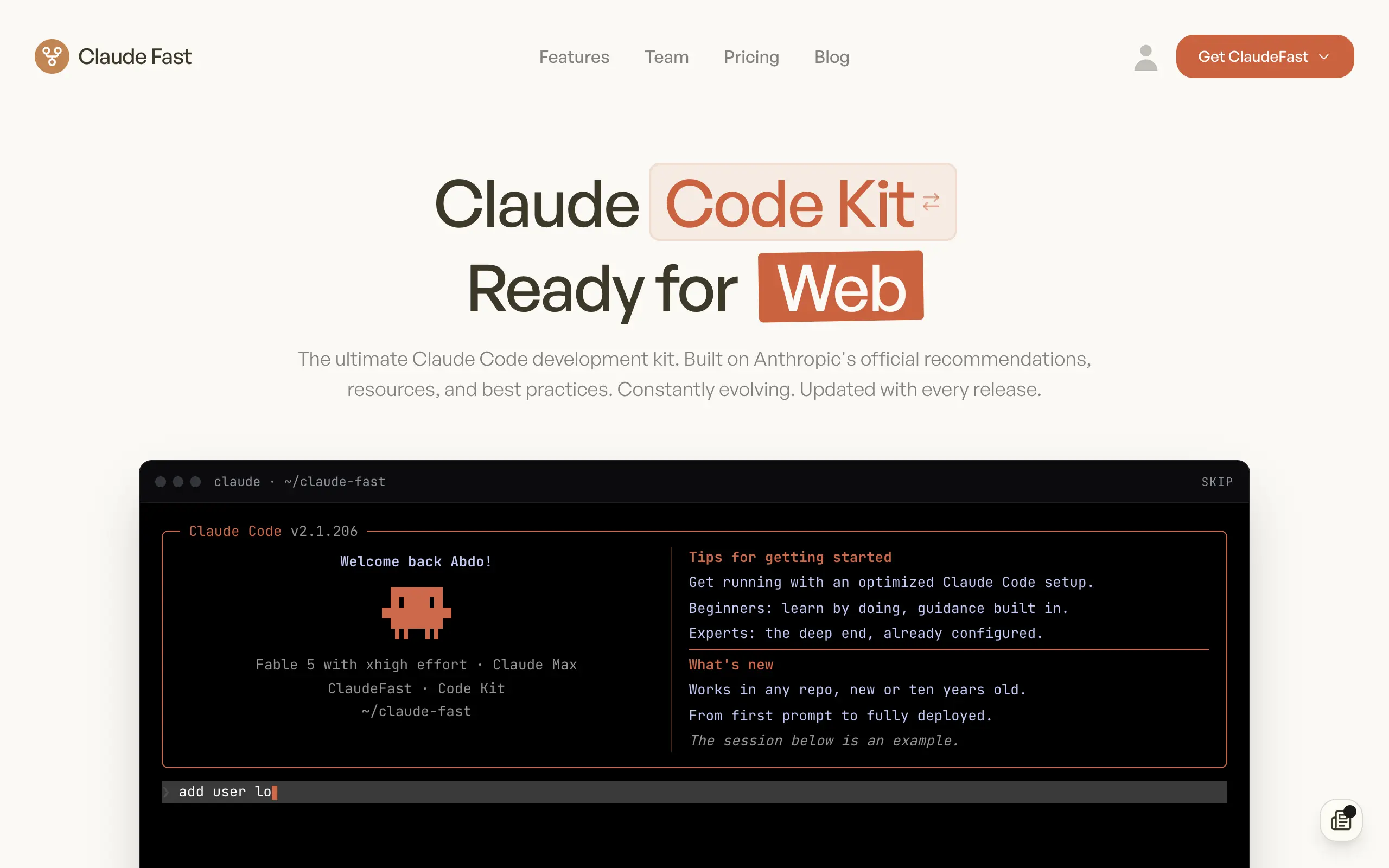
Claude Fast
Supercharge your Claude Code with 6x effective context window and specialized AI agents 🤖
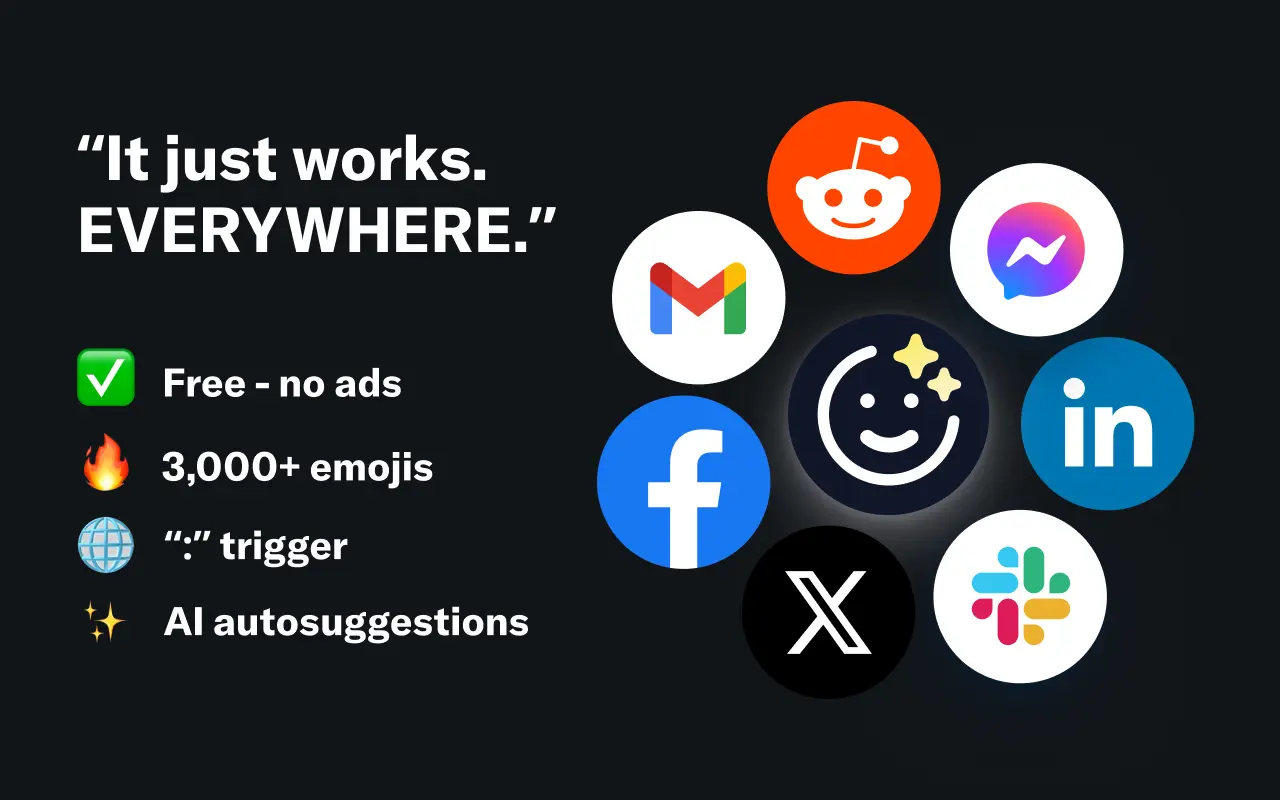
EmojAI
AI-powered emoji picker with smart, context-aware suggestions 🤖
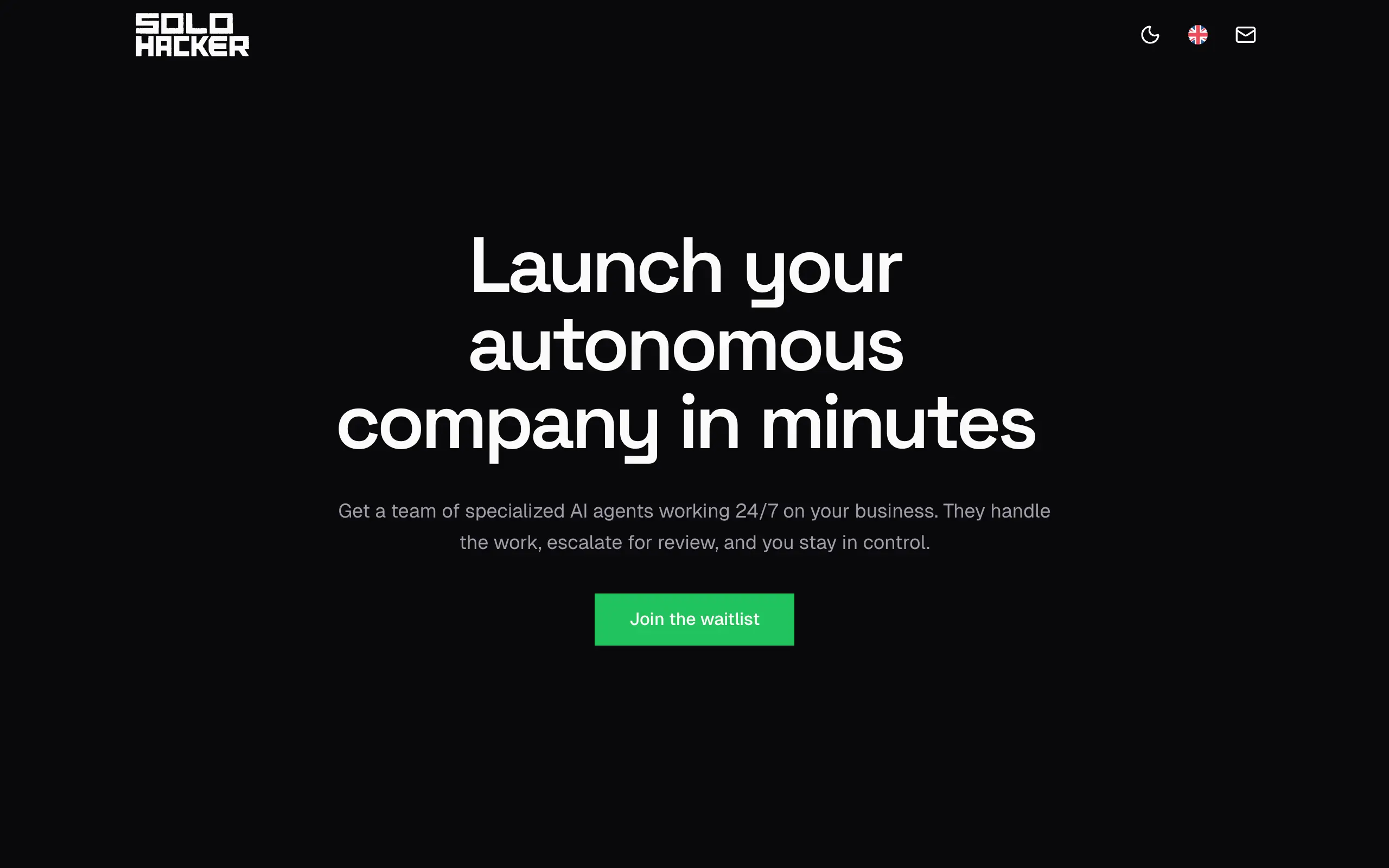
Solohacker
Autonomous company launcher - AI agents work 24/7, escalate what matters, and you stay in control 🤖
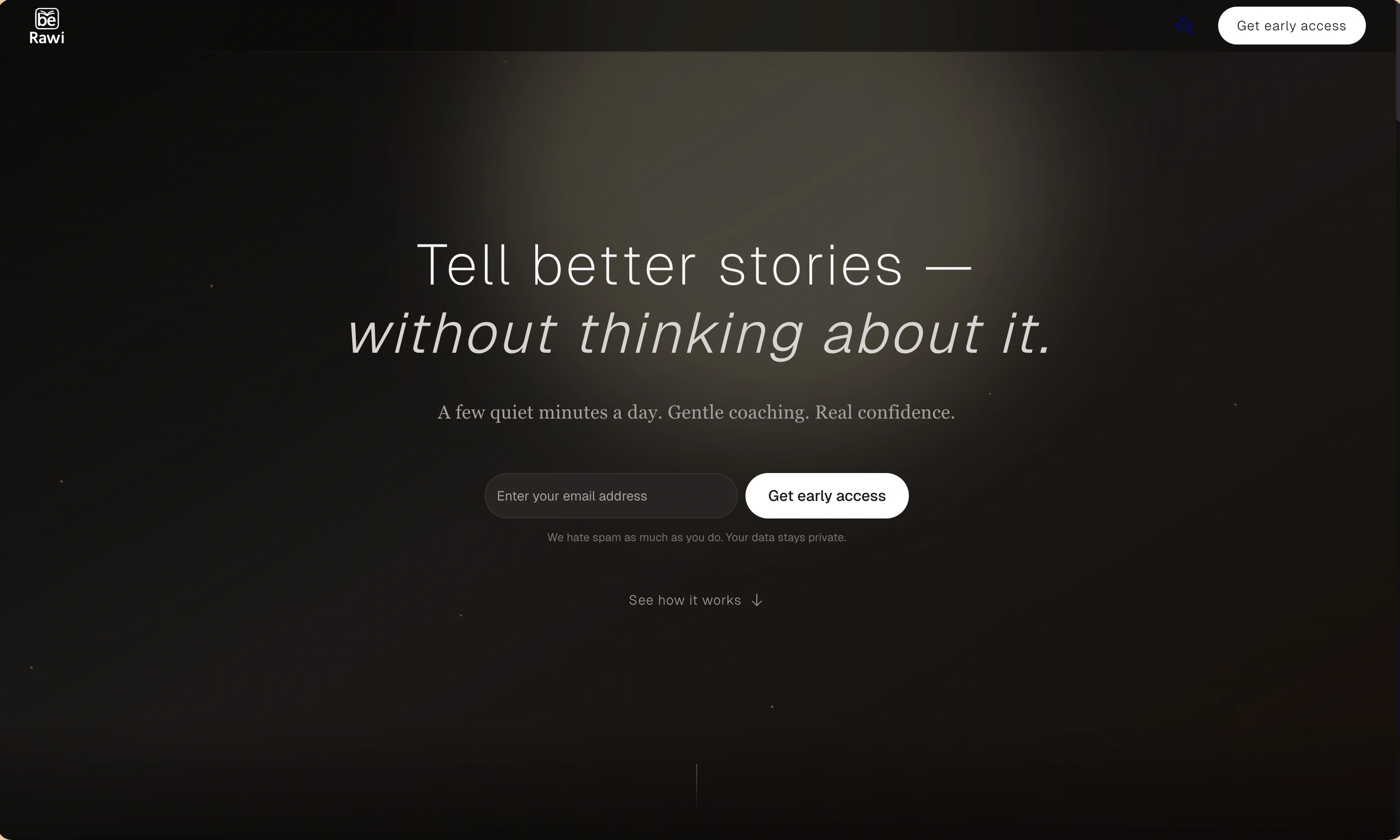
BeRawi: Storytelling Coach
Practice storytelling daily with instant feedback to sound clearer, more engaging, and confident 🎤
Omichat
Chat with 50+ AI models, including ChatGPT and Claude, in one place - switch models anytime without losing context 🤖
Claude Fast
Supercharge your Claude Code with 6x effective context window and specialized AI agents 🤖
EmojAI
AI-powered emoji picker with smart, context-aware suggestions 🤖
Solohacker
Autonomous company launcher - AI agents work 24/7, escalate what matters, and you stay in control 🤖
BeRawi: Storytelling Coach
Practice storytelling daily with instant feedback to sound clearer, more engaging, and confident 🎤
Omichat
Chat with 50+ AI models, including ChatGPT and Claude, in one place - switch models anytime without losing context 🤖
Claude Fast
Supercharge your Claude Code with 6x effective context window and specialized AI agents 🤖
EmojAI
AI-powered emoji picker with smart, context-aware suggestions 🤖
Solohacker
Autonomous company launcher - AI agents work 24/7, escalate what matters, and you stay in control 🤖
BeRawi: Storytelling Coach
Practice storytelling daily with instant feedback to sound clearer, more engaging, and confident 🎤
Omichat
Chat with 50+ AI models, including ChatGPT and Claude, in one place - switch models anytime without losing context 🤖
Claude Fast
Supercharge your Claude Code with 6x effective context window and specialized AI agents 🤖
EmojAI
AI-powered emoji picker with smart, context-aware suggestions 🤖
Solohacker
Autonomous company launcher - AI agents work 24/7, escalate what matters, and you stay in control 🤖
BeRawi: Storytelling Coach
Practice storytelling daily with instant feedback to sound clearer, more engaging, and confident 🎤

Connect with like-minded people
Join our community to get feedback, support, and grow together with 1,000+ builders on board, let's ship it!
Join usShip your startup everywhere. In minutes.
Don't burn tokens on setup and start building features on day one.