ToolForge AI
An AI co-builder that helps makers design, stack, and launch new tools fast with smart architecture suggestions and live component generation.
what is an AI co-builder and why ToolForge AI matters
The rise of AI-assisted development has shifted how products are built. Instead of starting from scratch, modern makers now expect intelligent systems that guide architecture, generate components, and accelerate decisions. That’s exactly where an AI co-builder like ToolForge AI fits.
ToolForge AI is not just another code generator. It positions itself as a strategic partner for builders, combining product thinking, technical scaffolding, and real-time generation into one workflow. The promise is simple but powerful: help developers, indie hackers, and startups design, stack, and launch tools faster with fewer wrong turns.
This article breaks down the full opportunity behind ToolForge AI—from market demand to technical architecture, monetization strategies, and implementation steps—so you can evaluate, build, or scale a similar SaaS product with confidence.
understanding user intent behind AI co-builders
Before building or investing in a product like ToolForge AI, it's critical to understand what users actually want when they search for terms like:
- "AI app builder"
- "AI SaaS generator"
- "best AI tools for developers"
- "how to build SaaS faster"
These users are not just looking for code. They are looking for:
- Clarity: What should I build?
- Direction: What stack should I use?
- Speed: How fast can I launch?
- Confidence: Am I making the right decisions?
ToolForge AI directly addresses this by combining product ideation + architecture planning + code generation, which is still a fragmented experience across most tools today.
target audience and ideal users
primary audience segments
ToolForge AI is best suited for:
- Indie hackers building MVPs quickly
- Startup founders validating ideas
- Freelancers and agencies delivering projects faster
- Junior developers needing architectural guidance
- Non-technical builders experimenting with SaaS ideas
user pain points
These users often struggle with:
- Choosing the right tech stack
- Designing scalable architecture
- Building UI components efficiently
- Avoiding overengineering early on
- Integrating multiple tools (frontend, backend, auth, payments)
behavioral insights
Modern builders prefer:
- Opinionated guidance over endless flexibility
- Pre-built patterns instead of blank canvases
- AI-assisted iteration rather than manual trial-and-error
ToolForge AI aligns perfectly with this shift.
market opportunity and gap analysis
The AI development tooling market is booming, but it’s still fragmented.
current landscape
Some well-known tools include:
- GitHub Copilot — code completion
- Vercel — deployment platform
- Replit — collaborative coding
- Bubble — no-code builder
Each solves a piece of the puzzle, but none fully integrates:
- Idea validation
- Architecture planning
- Stack selection
- Component generation
- Deployment readiness
the gap ToolForge AI fills
ToolForge AI sits at the intersection of:
- AI copilots
- No-code builders
- Developer frameworks
It uniquely offers:
- End-to-end product creation guidance
- Smart architecture suggestions
- Live component generation aligned with best practices
This positions it as a "thinking partner" rather than just a tool.
core features that define ToolForge AI
1. AI-powered architecture planning
Instead of starting with code, users describe their idea:
Example:
"I want to build a SaaS tool for managing client invoices with Stripe integration."
ToolForge AI responds with:
- Recommended stack (e.g., Next.js + Supabase + Stripe)
- Suggested database schema
- API structure
- Scalability considerations
2. smart tech stack recommendations
The system evaluates trade-offs:
- Speed vs scalability
- Cost vs performance
- Simplicity vs flexibility
It might suggest:
- Next.js for frontend
- Supabase for backend
- Stripe for payments
- TailwindCSS for UI
3. live component generation
ToolForge AI generates:
- UI components
- API routes
- Database queries
Example:
export default function Dashboard() {
  return (
    <div className="p-6">
      <h1 className="text-2xl font-semibold">Dashboard</h1>
      <p className="text-gray-500">Welcome back</p>
    </div>
  );
}
4. modular system design
Instead of monolithic outputs, it creates:
- Reusable components
- Scalable modules
- Clean folder structures
5. iterative refinement loop
Users can:
- Ask for changes
- Refactor architecture
- Swap technologies
This creates a continuous feedback loop.
feature comparison with existing tools
| Feature | ToolForge AI | Copilot | No-code tools | Framework starters |
|---|---|---|---|---|
| Architecture planning | ✅ | ❌ | ❌ | ⚠️ |
| Code generation | ✅ | ✅ | ❌ | ✅ |
| Stack recommendation | ✅ | ❌ | ❌ | ⚠️ |
| Full product guidance | ✅ | ❌ | ⚠️ | ❌ |
recommended tech stack for building ToolForge AI
frontend
- Next.js — SSR + performance
- TailwindCSS — rapid UI styling
backend
- Node.js with API routes
- Supabase or Firebase for database/auth
AI layer
- OpenAI API or similar LLM providers
- Prompt orchestration system
- Context memory handling
infrastructure
- Vercel for deployment
- Edge functions for performance
trade-offs
- Supabase vs Firebase: SQL flexibility vs ecosystem maturity
- Vercel vs AWS: simplicity vs scalability
- LLM API costs vs custom fine-tuned models
monetization strategies
freemium model
- Free: limited generations
- Paid: unlimited builds + advanced features
subscription tiers
- Starter ($10–$20/month)
- Pro ($30–$50/month)
- Team ($100+/month)
usage-based pricing
Charge based on:
- AI tokens used
- Components generated
- Projects created
add-ons
- Custom templates
- Deployment integrations
- Premium architecture reviews
competitive advantage and USP
ToolForge AI stands out because it combines:
- Strategy + execution
- Planning + generation
- Guidance + automation
Most tools focus on writing code faster.
ToolForge focuses on building the right product faster.
That difference is massive.
potential risks and mitigation strategies
1. over-reliance on AI outputs
Risk: users blindly trust generated architecture
Mitigation:
- Provide explanations for every decision
- Offer alternative approaches
2. high infrastructure costs
Risk: LLM usage becomes expensive
Mitigation:
- Optimize prompts
- Cache responses
- Offer tiered pricing
3. competition from big players
Risk: companies like GitHub or Google expand offerings
Mitigation:
- Focus on niche (builders, indie hackers)
- Build strong community
- Ship faster
4. user overwhelm
Risk: too many options or complexity
Mitigation:
- Keep UI simple
- Provide guided flows
product experience flow
advanced capabilities to consider
AI memory layer
Store:
- User preferences
- Past projects
- Tech stack history
template marketplace
Allow users to:
- Share builds
- Sell templates
- Remix projects
collaboration features
- Real-time editing
- Team workspaces
- Version control
growth strategies for ToolForge AI
content-driven SEO
Publish articles targeting:
- "how to build SaaS fast"
- "best AI dev tools"
- "AI app builder comparison"
community building
- Discord or Slack groups
- Indie hacker engagement
- Launch on Product Hunt
partnerships
- Developer communities
- SaaS newsletters
- Coding platforms
implementation roadmap
phase 1: MVP
- Basic prompt-to-architecture system
- Simple code generation
- Limited stack options
phase 2: enhancement
- Multi-step workflows
- UI component library
- Deployment integrations
phase 3: scale
- Team features
- Marketplace
- Advanced AI reasoning
real-world use cases
Indie hacker MVP
Launch a SaaS idea in days instead of weeks with guided architecture and code generation.
Startup prototyping
Validate product ideas quickly with structured builds and scalable stacks.
Freelancer acceleration
Deliver client projects faster with reusable AI-generated components.
future trends shaping AI co-builders
1. autonomous development agents
AI systems will soon:
- Build full apps end-to-end
- Debug themselves
- Optimize performance automatically
2. natural language programming
Users will rely less on syntax and more on intent.
3. vertical-specific builders
Tools tailored for:
- E-commerce
- SaaS
- Marketplaces
ToolForge AI can expand into these niches.
actionable steps to build ToolForge AI
final thoughts
ToolForge AI represents a new category of SaaS: AI-powered product builders that think alongside users.
The opportunity is massive because:
- Developers want speed without sacrificing quality
- Founders need guidance, not just tools
- AI is finally capable of handling complex workflows
If executed well, ToolForge AI can become the default starting point for building any digital product.
The key is not just generating code—but helping users make better decisions at every step.
More 🤖 AI Startup SaaS ideas
Discover more innovative ai startup SaaS ideas that are trending in 2026. Each idea is AI-generated with market validation and growth potential to help you find your next profitable venture faster than competitors.
Your competitors are building with TurboStarter
Below are some of the SaaS ideas that have been generated and built with our starter kit.

Statiko
Monitor any Telegram channel in real time - track posts, edits, deletions, and growth with AI recaps 📡

Shibui
AI website builder - describe your business, pick a niche template, edit by chatting, and publish instantly ✨

Pro Service
Find verified home service professionals, compare quotes, and pay securely through escrow - built for Brazilians across the US 🏠
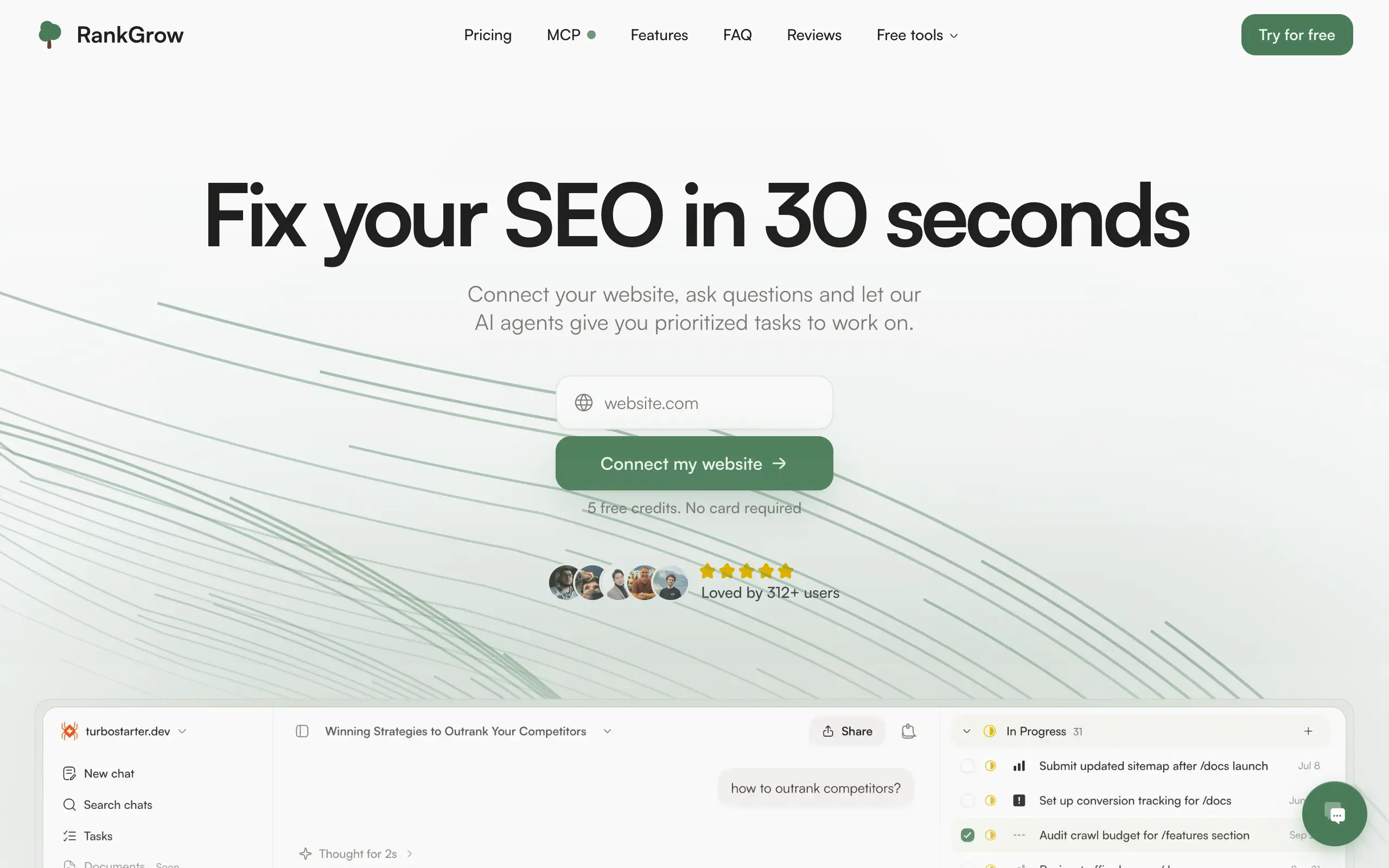
RankGrow
Fix your SEO with AI agents - connect Search Console, get prioritized tasks, and grow organic traffic 📈
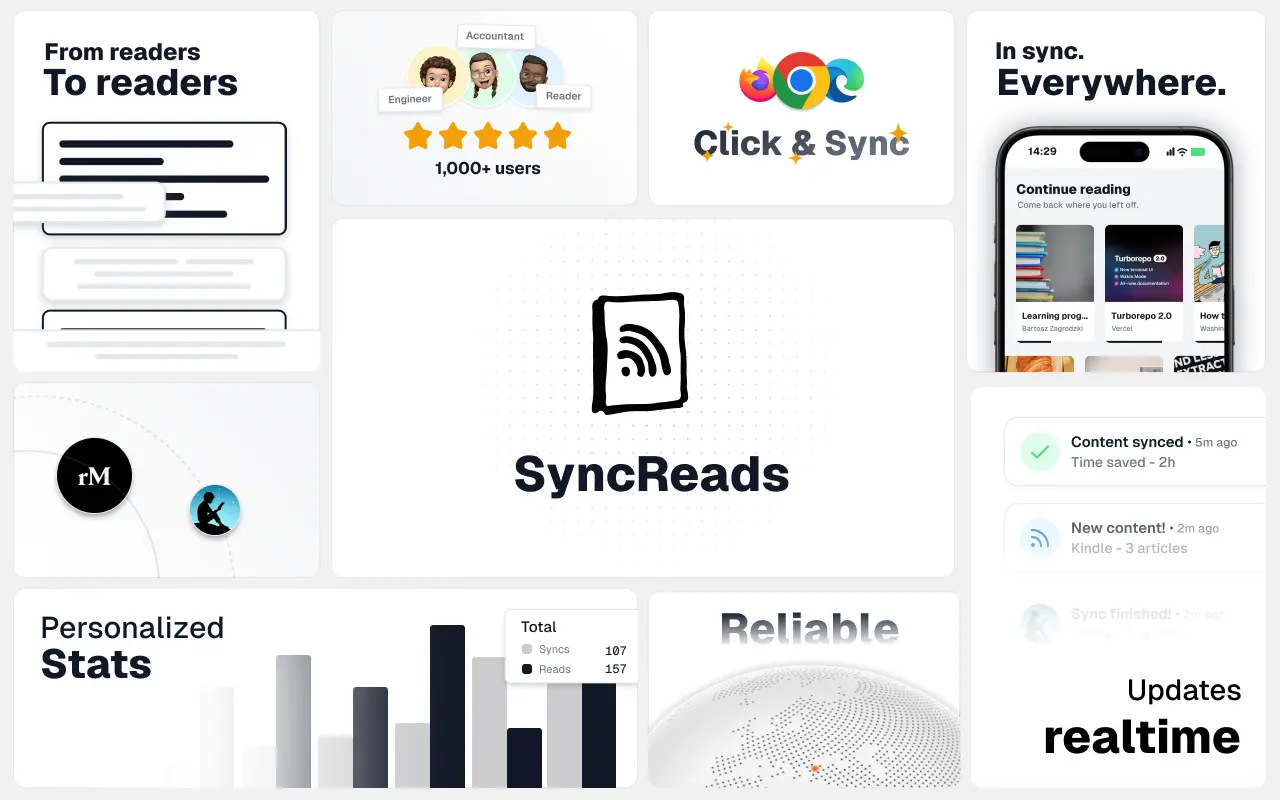
SyncReads
Sync your favorite content for distraction-free reading, save time and replace multiple apps. Anytime, anywhere 🔄
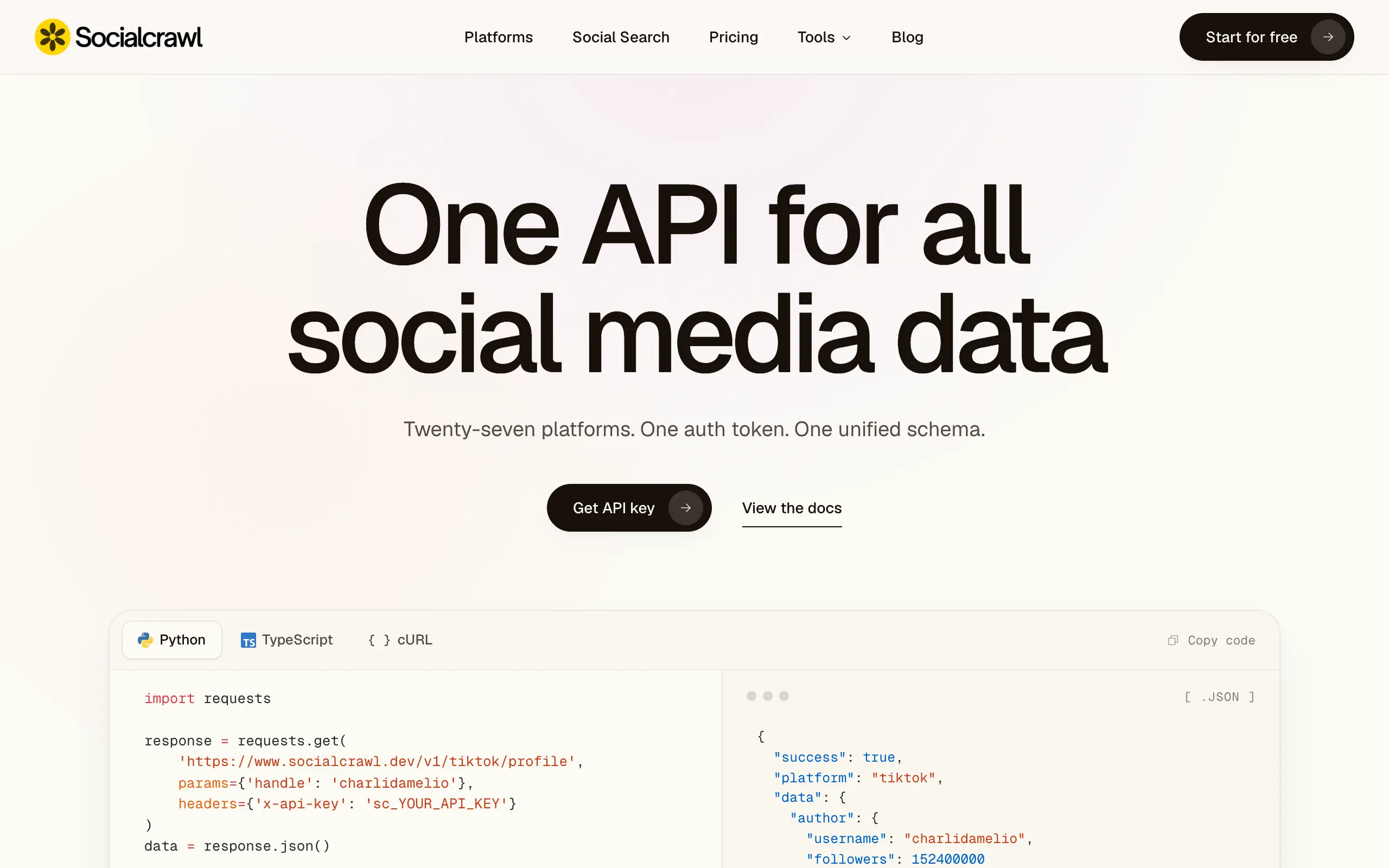
Socialcrawl
Get clean, structured data from 21 platforms like TikTok, Instagram, and YouTube with a single request 📊
Statiko
Monitor any Telegram channel in real time - track posts, edits, deletions, and growth with AI recaps 📡
Shibui
AI website builder - describe your business, pick a niche template, edit by chatting, and publish instantly ✨
Pro Service
Find verified home service professionals, compare quotes, and pay securely through escrow - built for Brazilians across the US 🏠
RankGrow
Fix your SEO with AI agents - connect Search Console, get prioritized tasks, and grow organic traffic 📈
SyncReads
Sync your favorite content for distraction-free reading, save time and replace multiple apps. Anytime, anywhere 🔄
Socialcrawl
Get clean, structured data from 21 platforms like TikTok, Instagram, and YouTube with a single request 📊
Statiko
Monitor any Telegram channel in real time - track posts, edits, deletions, and growth with AI recaps 📡
Shibui
AI website builder - describe your business, pick a niche template, edit by chatting, and publish instantly ✨
Pro Service
Find verified home service professionals, compare quotes, and pay securely through escrow - built for Brazilians across the US 🏠
RankGrow
Fix your SEO with AI agents - connect Search Console, get prioritized tasks, and grow organic traffic 📈
SyncReads
Sync your favorite content for distraction-free reading, save time and replace multiple apps. Anytime, anywhere 🔄
Socialcrawl
Get clean, structured data from 21 platforms like TikTok, Instagram, and YouTube with a single request 📊
Statiko
Monitor any Telegram channel in real time - track posts, edits, deletions, and growth with AI recaps 📡
Shibui
AI website builder - describe your business, pick a niche template, edit by chatting, and publish instantly ✨
Pro Service
Find verified home service professionals, compare quotes, and pay securely through escrow - built for Brazilians across the US 🏠
RankGrow
Fix your SEO with AI agents - connect Search Console, get prioritized tasks, and grow organic traffic 📈
SyncReads
Sync your favorite content for distraction-free reading, save time and replace multiple apps. Anytime, anywhere 🔄
Socialcrawl
Get clean, structured data from 21 platforms like TikTok, Instagram, and YouTube with a single request 📊
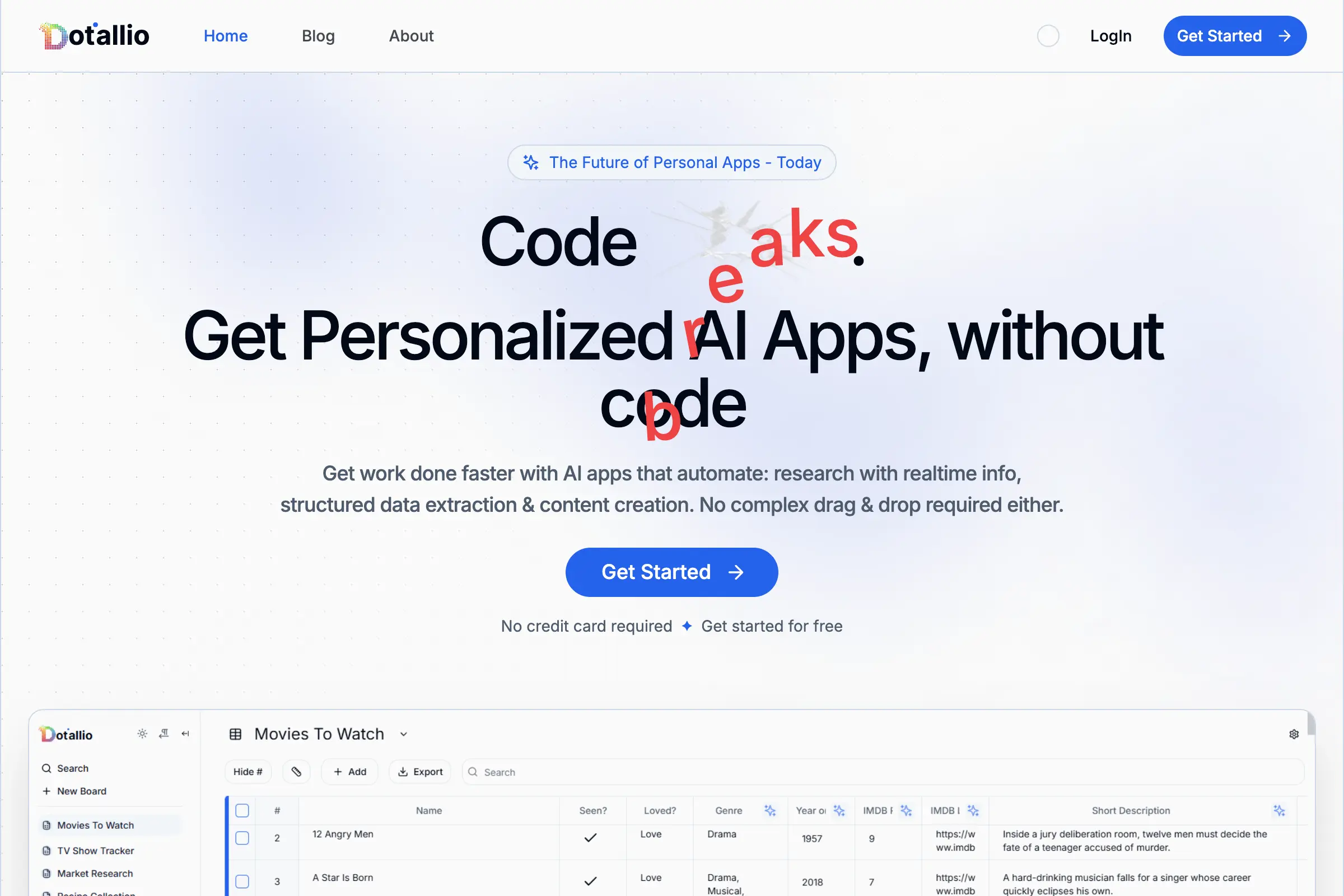
Dotallio
Personalized AI apps that automate research, data extraction, and content creation without code 🤖

Talk to Santa
Enjoy a magical live video chat or receive a unique AI-generated video greeting from Santa Claus 🎅

pozywka.pl
Scalable blog for food journalist, focused on performance and user experience 🌭
zagrodzki.me
Personal blog and portfolio of Bart Zagrodzki, where he shares his knowledge and work 💼
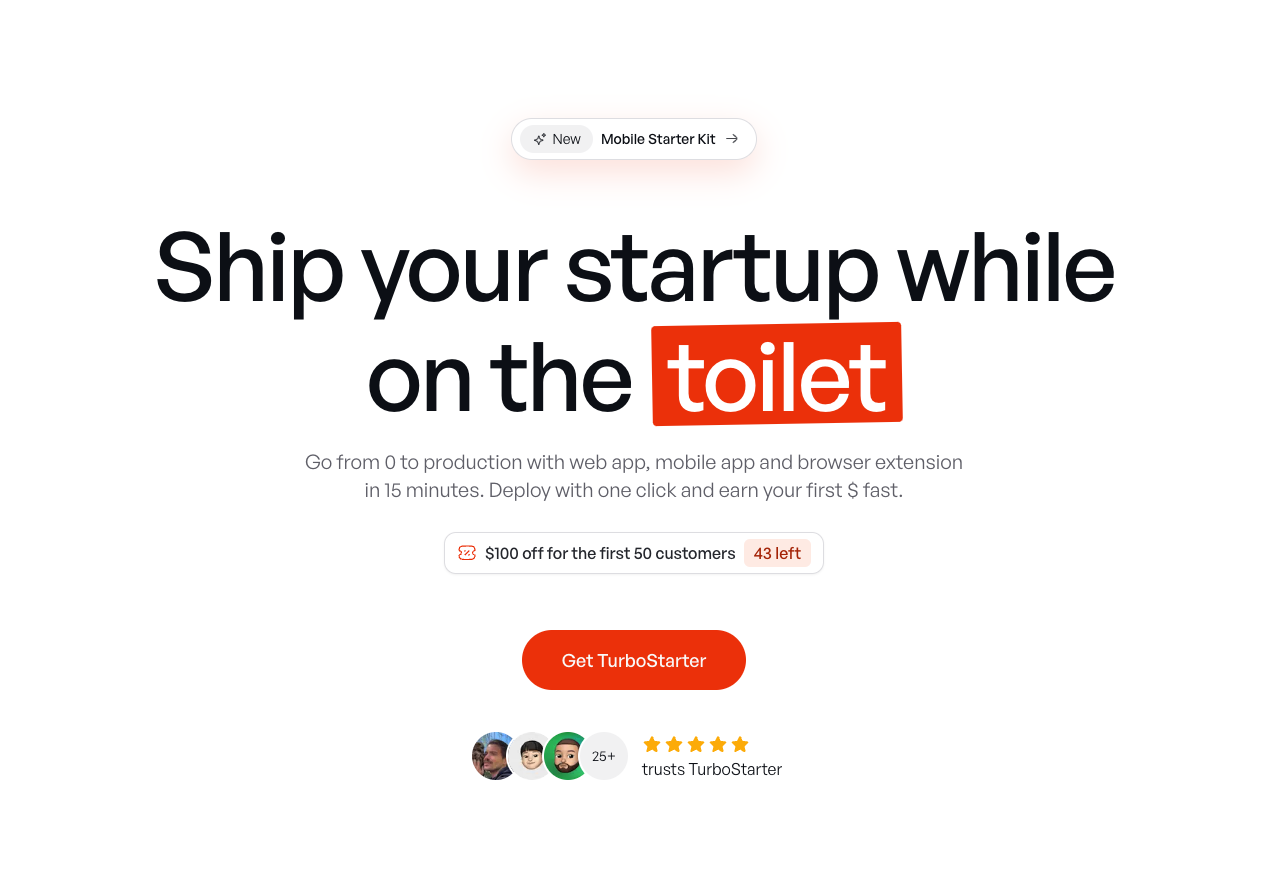
TurboStarter
Ship your startup everywhere. In minutes.
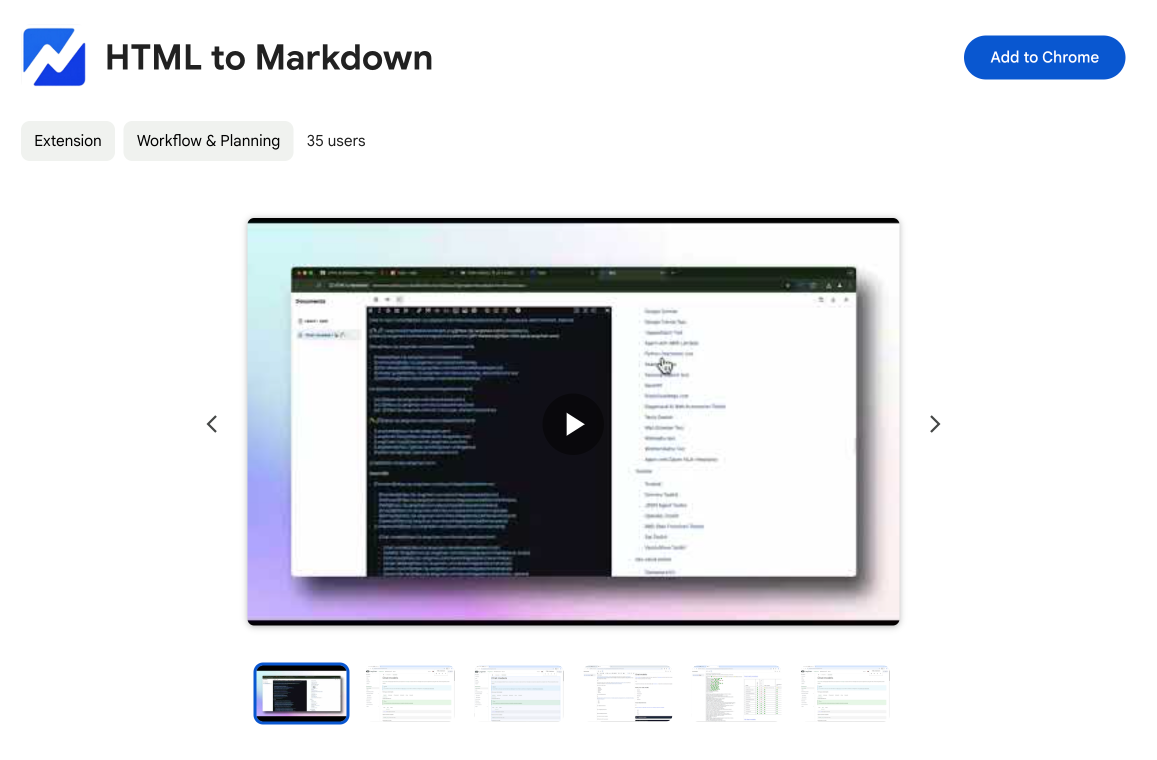
HTML to Markdown
Convert HTML to Markdown with ease, directly in your browser 📄
Dotallio
Personalized AI apps that automate research, data extraction, and content creation without code 🤖
Talk to Santa
Enjoy a magical live video chat or receive a unique AI-generated video greeting from Santa Claus 🎅
pozywka.pl
Scalable blog for food journalist, focused on performance and user experience 🌭
zagrodzki.me
Personal blog and portfolio of Bart Zagrodzki, where he shares his knowledge and work 💼
TurboStarter
Ship your startup everywhere. In minutes.
HTML to Markdown
Convert HTML to Markdown with ease, directly in your browser 📄
Dotallio
Personalized AI apps that automate research, data extraction, and content creation without code 🤖
Talk to Santa
Enjoy a magical live video chat or receive a unique AI-generated video greeting from Santa Claus 🎅
pozywka.pl
Scalable blog for food journalist, focused on performance and user experience 🌭
zagrodzki.me
Personal blog and portfolio of Bart Zagrodzki, where he shares his knowledge and work 💼
TurboStarter
Ship your startup everywhere. In minutes.
HTML to Markdown
Convert HTML to Markdown with ease, directly in your browser 📄
Dotallio
Personalized AI apps that automate research, data extraction, and content creation without code 🤖
Talk to Santa
Enjoy a magical live video chat or receive a unique AI-generated video greeting from Santa Claus 🎅
pozywka.pl
Scalable blog for food journalist, focused on performance and user experience 🌭
zagrodzki.me
Personal blog and portfolio of Bart Zagrodzki, where he shares his knowledge and work 💼
TurboStarter
Ship your startup everywhere. In minutes.
HTML to Markdown
Convert HTML to Markdown with ease, directly in your browser 📄
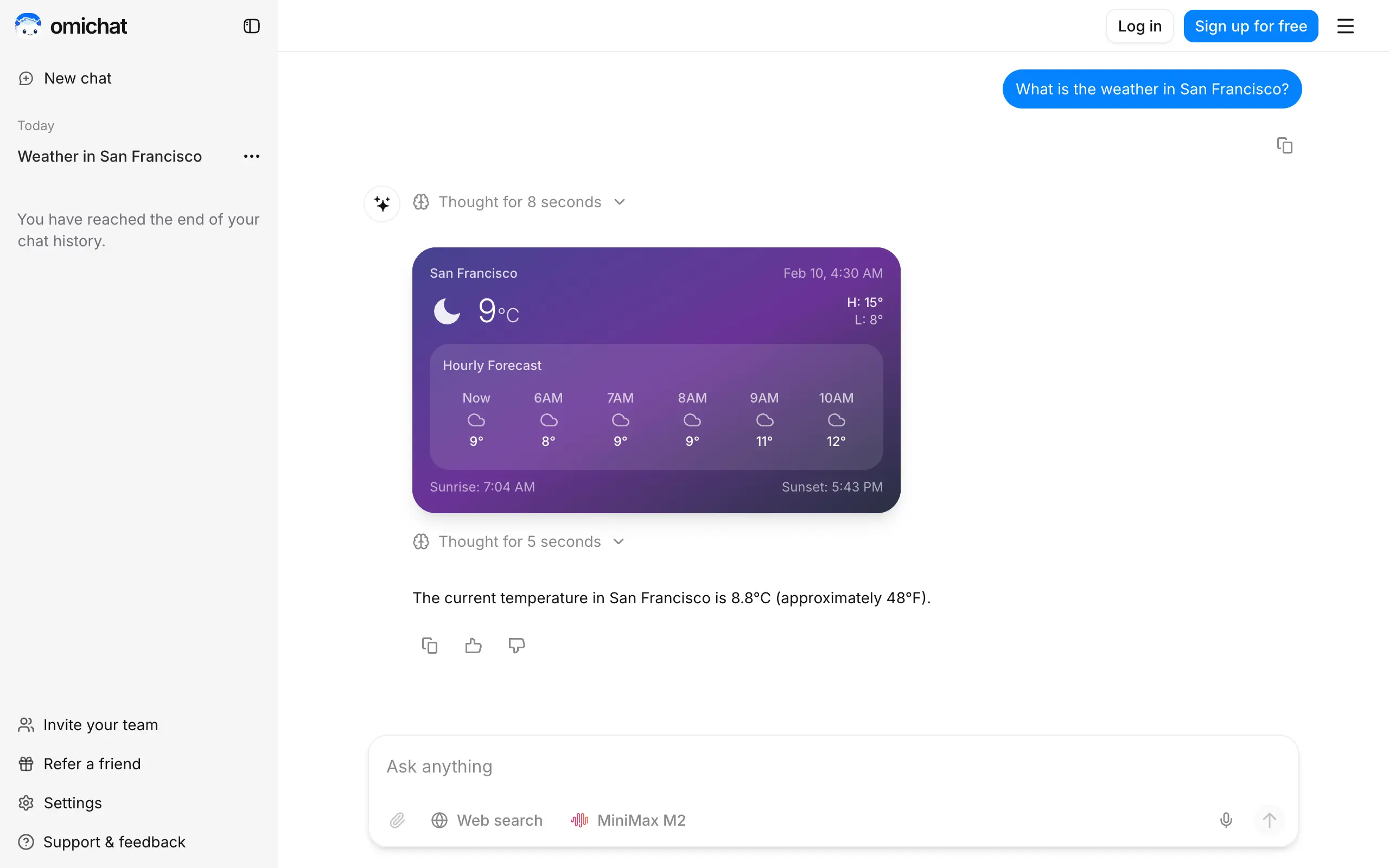
Omichat
Chat with 50+ AI models, including ChatGPT and Claude, in one place - switch models anytime without losing context 🤖
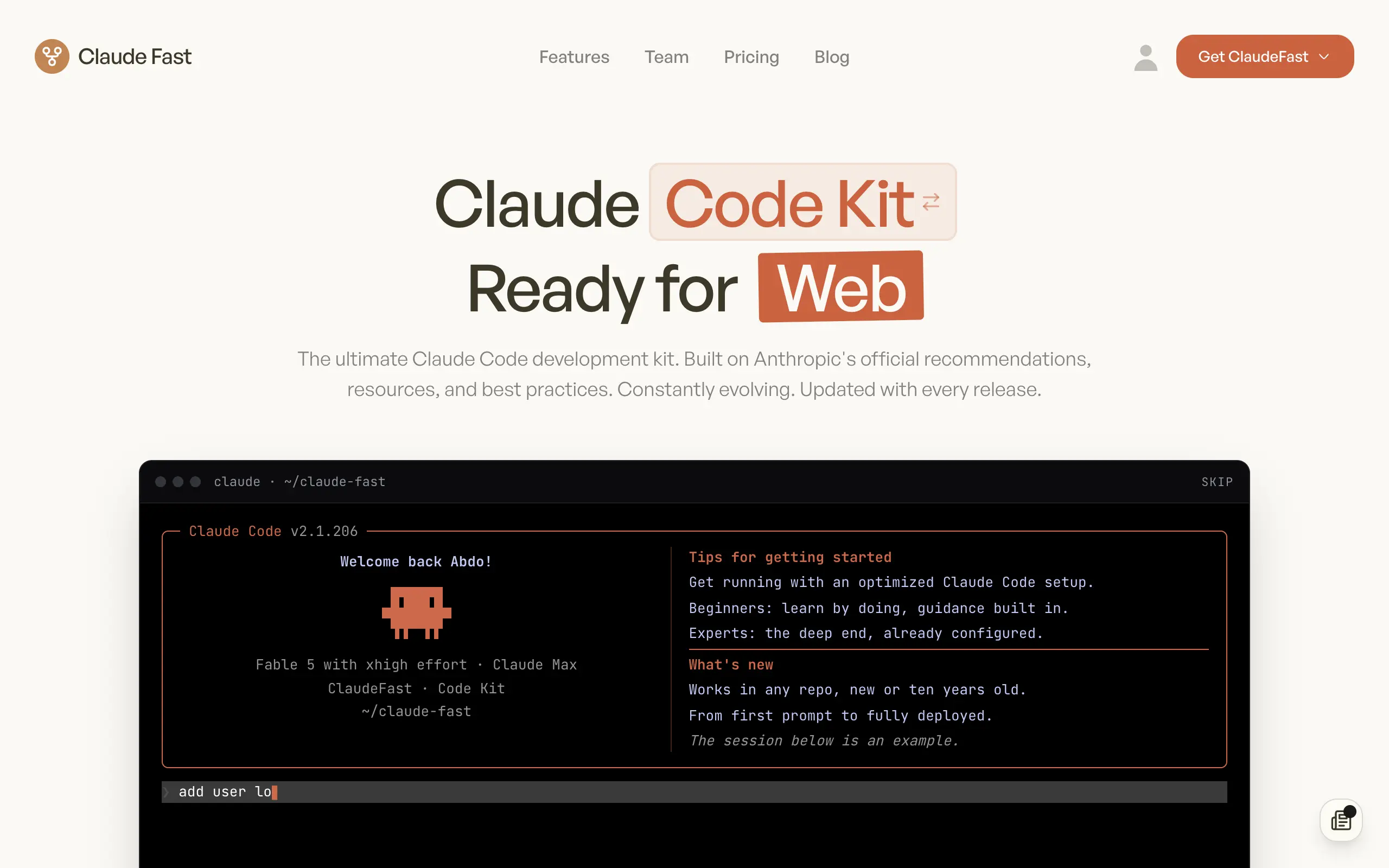
Claude Fast
Supercharge your Claude Code with 6x effective context window and specialized AI agents 🤖
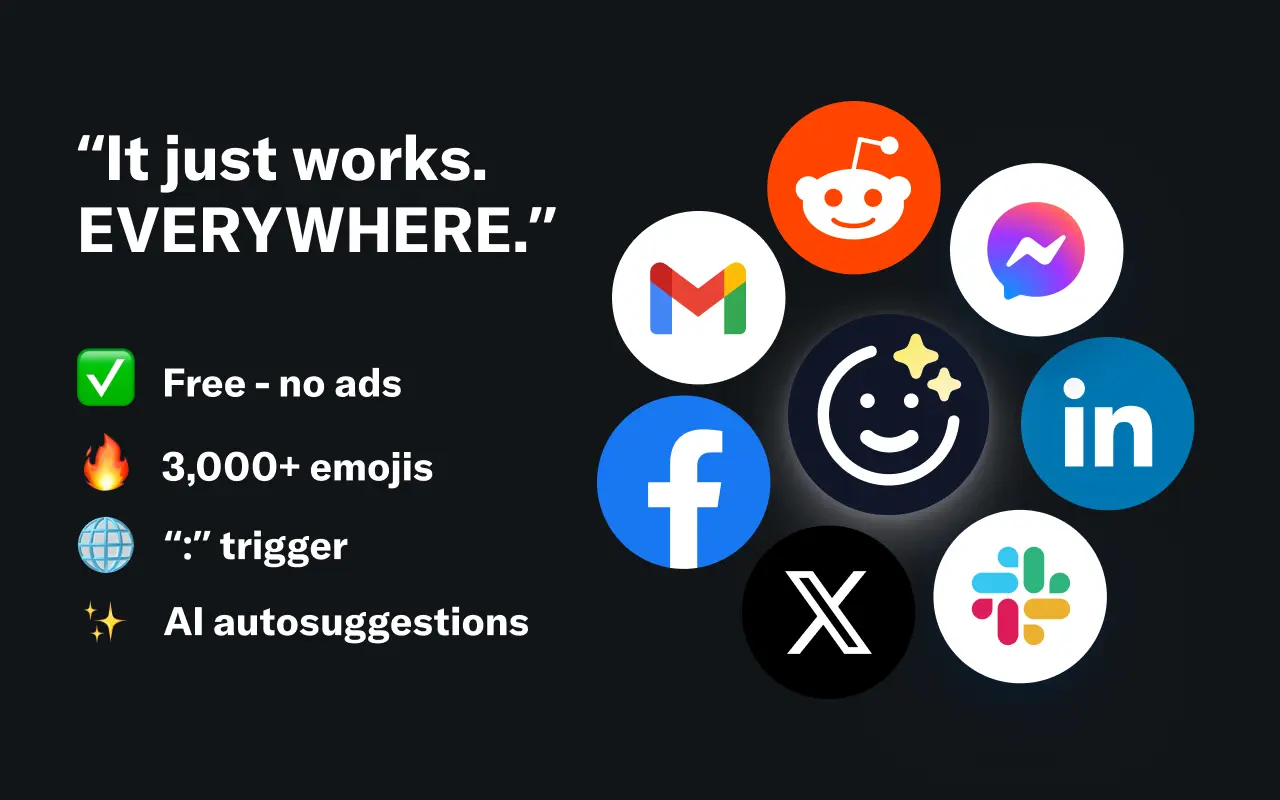
EmojAI
AI-powered emoji picker with smart, context-aware suggestions 🤖

Solohacker
Autonomous company launcher - AI agents work 24/7, escalate what matters, and you stay in control 🤖
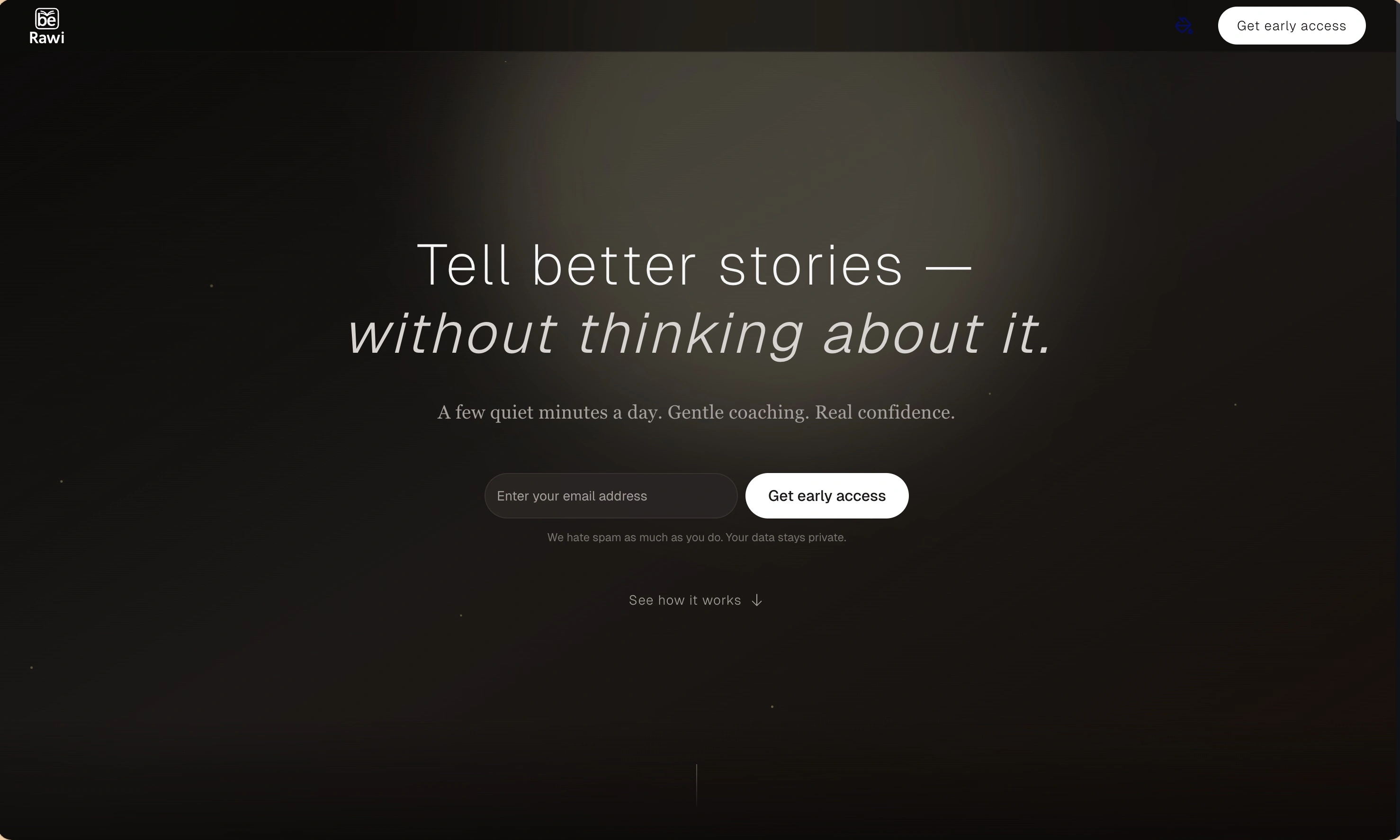
BeRawi: Storytelling Coach
Practice storytelling daily with instant feedback to sound clearer, more engaging, and confident 🎤
Omichat
Chat with 50+ AI models, including ChatGPT and Claude, in one place - switch models anytime without losing context 🤖
Claude Fast
Supercharge your Claude Code with 6x effective context window and specialized AI agents 🤖
EmojAI
AI-powered emoji picker with smart, context-aware suggestions 🤖
Solohacker
Autonomous company launcher - AI agents work 24/7, escalate what matters, and you stay in control 🤖
BeRawi: Storytelling Coach
Practice storytelling daily with instant feedback to sound clearer, more engaging, and confident 🎤
Omichat
Chat with 50+ AI models, including ChatGPT and Claude, in one place - switch models anytime without losing context 🤖
Claude Fast
Supercharge your Claude Code with 6x effective context window and specialized AI agents 🤖
EmojAI
AI-powered emoji picker with smart, context-aware suggestions 🤖
Solohacker
Autonomous company launcher - AI agents work 24/7, escalate what matters, and you stay in control 🤖
BeRawi: Storytelling Coach
Practice storytelling daily with instant feedback to sound clearer, more engaging, and confident 🎤
Omichat
Chat with 50+ AI models, including ChatGPT and Claude, in one place - switch models anytime without losing context 🤖
Claude Fast
Supercharge your Claude Code with 6x effective context window and specialized AI agents 🤖
EmojAI
AI-powered emoji picker with smart, context-aware suggestions 🤖
Solohacker
Autonomous company launcher - AI agents work 24/7, escalate what matters, and you stay in control 🤖
BeRawi: Storytelling Coach
Practice storytelling daily with instant feedback to sound clearer, more engaging, and confident 🎤

Connect with like-minded people
Join our community to get feedback, support, and grow together with 1,000+ builders on board, let's ship it!
Join usShip your startup everywhere. In minutes.
Don't burn tokens on setup and start building features on day one.