TraceLens AI
Continuously analyzes distributed traces to detect anomalies, predict failures, and surface impacted services before outages escalate.
The future of observability: why AI-powered distributed tracing is becoming essential
Modern software systems are no longer simple, monolithic applications. They are sprawling ecosystems of microservices, APIs, third-party integrations, and cloud-native infrastructure. While this architecture unlocks scalability and flexibility, it introduces a new challenge: complexity at scale.
Traditional monitoring tools struggle to keep up. Logs are noisy. Metrics are fragmented. Alerts are reactive. By the time engineers detect an issue, users are already impacted.
This is where AI-powered distributed tracing platforms like TraceLens AI emerge as a transformative solution. By continuously analyzing traces, detecting anomalies in real time, and predicting failures before they escalate, TraceLens AI aligns perfectly with the next generation of observability.
This article explores the full opportunity, technical architecture, and business potential behind building a platform like TraceLens AI.
Understanding the problem: why current observability tools fall short
Most engineering teams rely on a combination of:
- Logging tools (e.g., ELK stack)
- Metrics platforms (e.g., Prometheus)
- Tracing tools (e.g., OpenTelemetry-based systems)
While each tool provides value, they operate in silos.
The core issues
- Reactive alerting: Alerts trigger after thresholds are breached
- Alert fatigue: Too many false positives dilute attention
- Lack of context: Engineers must manually correlate logs, metrics, and traces
- Scaling complexity: As services grow, root cause analysis becomes exponentially harder
Distributed tracing was supposed to solve this—but even that has limitations.
Why distributed tracing alone isn’t enough
Distributed traces show request flows across services, but:
- They generate massive volumes of data
- Patterns are hard to detect manually
- Subtle anomalies go unnoticed
- Predictive insights are missing
TraceLens AI addresses this gap by applying machine learning to trace data streams.
What TraceLens AI does differently
TraceLens AI is not just another observability tool—it is an intelligent analysis layer on top of distributed tracing systems.
Core capabilities
- Continuous trace ingestion and analysis
- Real-time anomaly detection across service interactions
- Failure prediction using historical patterns
- Impact analysis across dependent services
- Automated root cause suggestions
Instead of asking:
“What went wrong?”
TraceLens AI answers:
“What is about to go wrong, where, and why?”
Target audience and ideal users
TraceLens AI serves organizations operating complex, distributed systems.
Primary users
- Platform engineers managing infrastructure reliability
- SRE teams focused on uptime and incident response
- DevOps engineers handling CI/CD pipelines and deployments
- Backend developers working with microservices architectures
Ideal company profiles
- SaaS companies with microservices
- Fintech platforms requiring high reliability
- E-commerce systems handling peak traffic spikes
- Enterprises transitioning to cloud-native architectures
Pain points addressed
- Slow incident detection
- High mean time to resolution (MTTR)
- Inability to predict cascading failures
- Lack of system-wide visibility
Market opportunity and industry trends
The observability market is growing rapidly, driven by cloud adoption and microservices.
Key trends
- The rise of OpenTelemetry as a standard for telemetry data
- Increasing adoption of AI for IT operations (AIOps)
- Demand for predictive monitoring instead of reactive alerting
- Shift toward platform engineering and internal developer platforms
According to industry reports (e.g., Gartner or IDC), observability and AIOps markets are expected to grow at double-digit CAGR through 2030.
The gap in the market
While tools like Datadog and New Relic offer observability, they:
- Focus heavily on dashboards and alerts
- Provide limited predictive intelligence
- Require manual interpretation
TraceLens AI fills a critical gap:
- Automated insight generation
- Predictive failure detection
- Service-level impact analysis
Core product architecture and features
1. Distributed trace ingestion
TraceLens AI integrates with existing tracing systems via:
- OpenTelemetry
- Jaeger
- Zipkin
It ingests spans and reconstructs service interactions.
2. AI-powered anomaly detection
Using ML models, the system detects:
- Latency deviations
- Unusual service call patterns
- Error rate spikes
- Resource contention anomalies
3. Predictive failure modeling
TraceLens AI learns from historical patterns to:
- Forecast service degradation
- Predict cascading failures
- Identify weak points in service dependencies
4. Service impact analysis
When an anomaly is detected, the system maps:
- Upstream dependencies
- Downstream affected services
- Potential user-facing impact
5. Root cause suggestions
Instead of manual debugging, the platform provides:
- Probable root causes
- Correlated anomalies
- Suggested fixes or investigation paths
Feature comparison: traditional tools vs TraceLens AI
| Capability | Logs | Metrics | Tracing | TraceLens AI |
|---|---|---|---|---|
| Real-time anomaly detection | ❌ | ⚠️ | ❌ | ✅ |
| Predictive insights | ❌ | ❌ | ❌ | ✅ |
| Root cause analysis | ⚠️ | ❌ | ⚠️ | ✅ |
| Service dependency mapping | ❌ | ❌ | ✅ | ✅ |
Recommended tech stack
Building TraceLens AI requires a robust, scalable architecture.
Frontend
- React
- TailwindCSS
- WebSockets for real-time updates
Backend
- Node.js or Go for high-performance ingestion
- gRPC for service communication
- Kafka for event streaming
Data processing
- Apache Kafka or Pulsar for streaming
- Apache Flink or Spark Streaming for real-time analysis
Machine learning
- Python with TensorFlow or PyTorch
- Anomaly detection models:
- Isolation Forest
- LSTM for time-series prediction
- Autoencoders for pattern detection
Storage
- ClickHouse for high-performance analytics
- Elasticsearch for search
- S3-compatible storage for trace archives
Infrastructure
- Kubernetes for orchestration
- Docker for containerization
- Cloud providers (AWS, GCP, Azure)
Key insight
The biggest technical challenge is not collecting trace data—it’s processing and extracting meaningful insights in real time at scale.
Example: anomaly detection pipeline
// simplified anomaly detection flow
function analyzeTrace(trace) {
  const features = extractFeatures(trace);

  const anomalyScore = model.predict(features);

  if (anomalyScore > THRESHOLD) {
    return {
      status: "anomaly",
      severity: calculateSeverity(anomalyScore),
      impactedServices: mapDependencies(trace),
    };
  }

  return { status: "normal" };
}
Monetization strategy
TraceLens AI can adopt a SaaS pricing model aligned with usage.
Pricing tiers
-
Free tier
- Limited trace volume
- Basic anomaly detection
-
Pro tier
- Advanced AI insights
- Predictive analytics
- Team collaboration features
-
Enterprise tier
- Custom ML models
- Dedicated support
- SLA guarantees
Pricing metrics
- Number of traces processed
- Data ingestion volume (GB/day)
- Number of services monitored
Additional revenue streams
- Add-ons for compliance monitoring
- Custom AI model training
- On-premise deployments
Competitive landscape
Key competitors
- Datadog
- New Relic
- Dynatrace
- Honeycomb
TraceLens AI’s competitive advantage
AI-first architecture
Built around machine learning rather than dashboards
Predictive insights
Detects issues before they impact users
Service impact mapping
Understands cascading failures across systems
Developer-centric UX
Actionable insights instead of raw data
Risks and challenges
1. Data volume and cost
Processing trace data at scale is expensive.
Mitigation:
- Sampling strategies
- Adaptive data retention
- Efficient storage engines
2. Model accuracy
False positives can reduce trust.
Mitigation:
- Continuous model training
- Feedback loops from users
- Hybrid rule + ML systems
3. Integration complexity
Teams already use multiple tools.
Mitigation:
- Native OpenTelemetry support
- Easy SDKs and APIs
- Plug-and-play integrations
4. Market competition
Established players dominate the space.
Mitigation:
- Focus on AI differentiation
- Target mid-market first
- Offer superior developer experience
Step-by-step implementation plan
Go-to-market strategy
Early traction
- Target startups using Kubernetes and microservices
- Offer free trials or credits
- Integrate with developer communities
Content strategy
- Publish case studies on incident prevention
- Share engineering deep dives
- SEO content targeting:
- “AI observability tools”
- “distributed tracing anomaly detection”
- “predictive monitoring SaaS”
Partnerships
- Cloud providers
- DevOps tooling platforms
- OpenTelemetry ecosystem
Why TraceLens AI stands out
TraceLens AI is not just another observability dashboard. It represents a shift toward:
- Autonomous monitoring
- Predictive reliability engineering
- AI-assisted debugging
As systems grow more complex, human-driven monitoring becomes unsustainable. Tools like TraceLens AI will become essential infrastructure for modern software teams.
Building faster with the right foundation
If you're planning to build a SaaS like TraceLens AI, starting from scratch can slow you down significantly. Using a production-ready starter kit like TurboStarter can help you skip boilerplate setup and focus on your core differentiator—the AI engine.
Final thoughts
The future of observability is not about more dashboards—it’s about fewer incidents.
TraceLens AI taps into one of the most important shifts in software engineering: moving from reactive monitoring to proactive, intelligent systems.
If executed well, it has the potential to:
- Reduce downtime significantly
- Improve developer productivity
- Transform how teams understand system behavior
For founders and builders, this is a high-impact opportunity sitting at the intersection of AI, cloud infrastructure, and developer tooling.
And the timing couldn’t be better.
More 🤖 AI Startup SaaS ideas
Discover more innovative ai startup SaaS ideas that are trending in 2026. Each idea is AI-generated with market validation and growth potential to help you find your next profitable venture faster than competitors.
Your competitors are building with TurboStarter
Below are some of the SaaS ideas that have been generated and built with our starter kit.
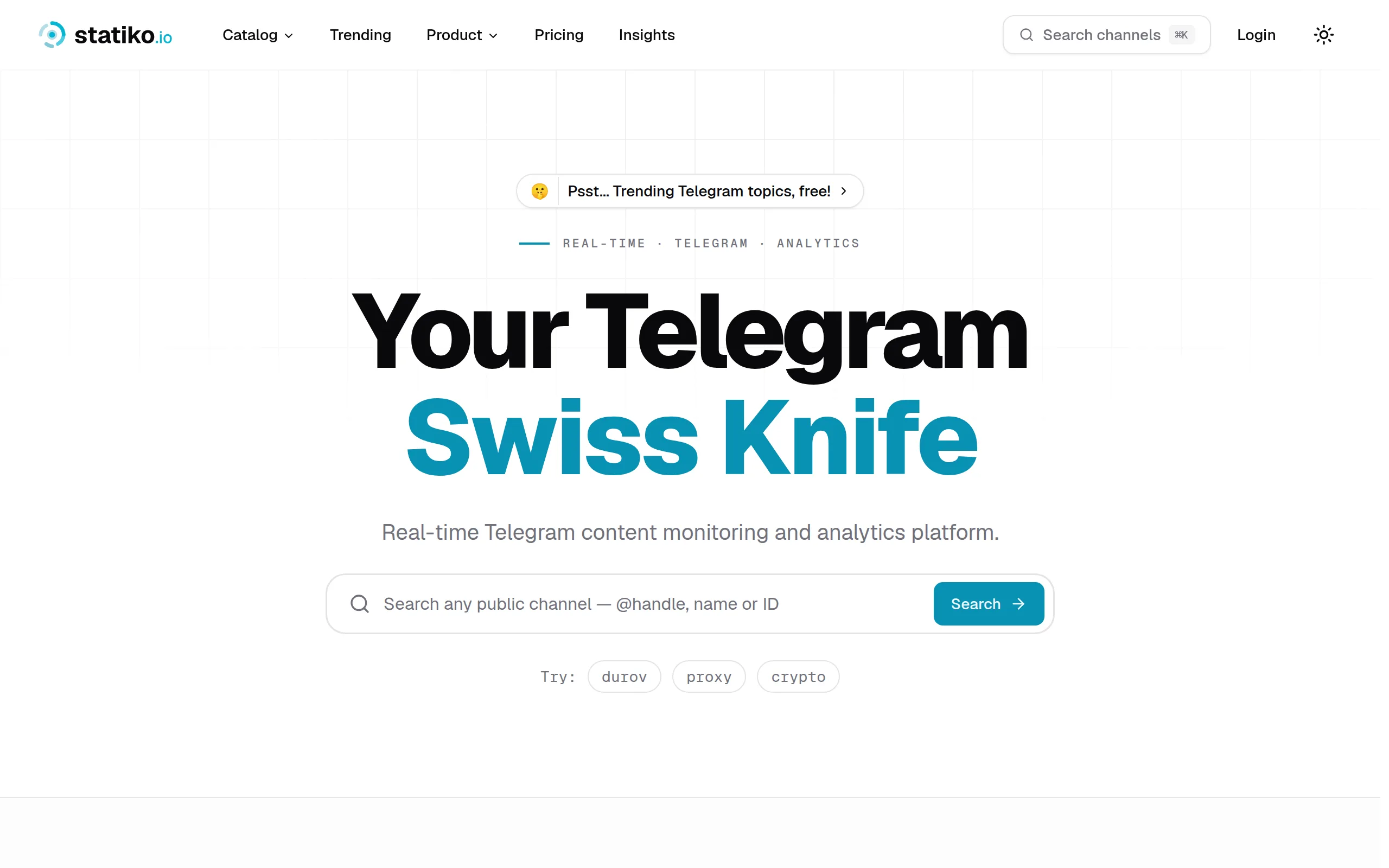
Statiko
Monitor any Telegram channel in real time - track posts, edits, deletions, and growth with AI recaps 📡

Shibui
AI website builder - describe your business, pick a niche template, edit by chatting, and publish instantly ✨

Pro Service
Find verified home service professionals, compare quotes, and pay securely through escrow - built for Brazilians across the US 🏠
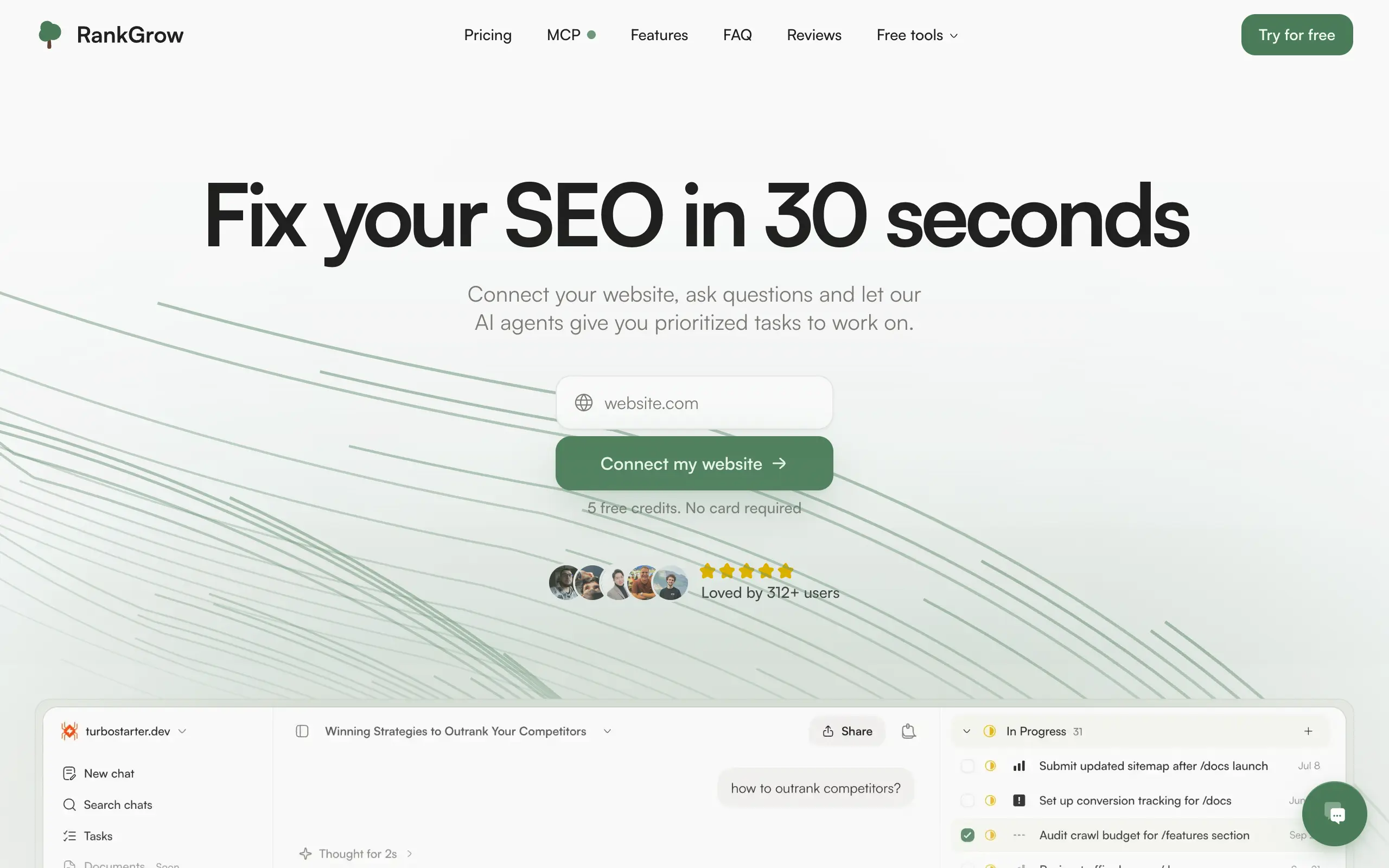
RankGrow
Fix your SEO with AI agents - connect Search Console, get prioritized tasks, and grow organic traffic 📈
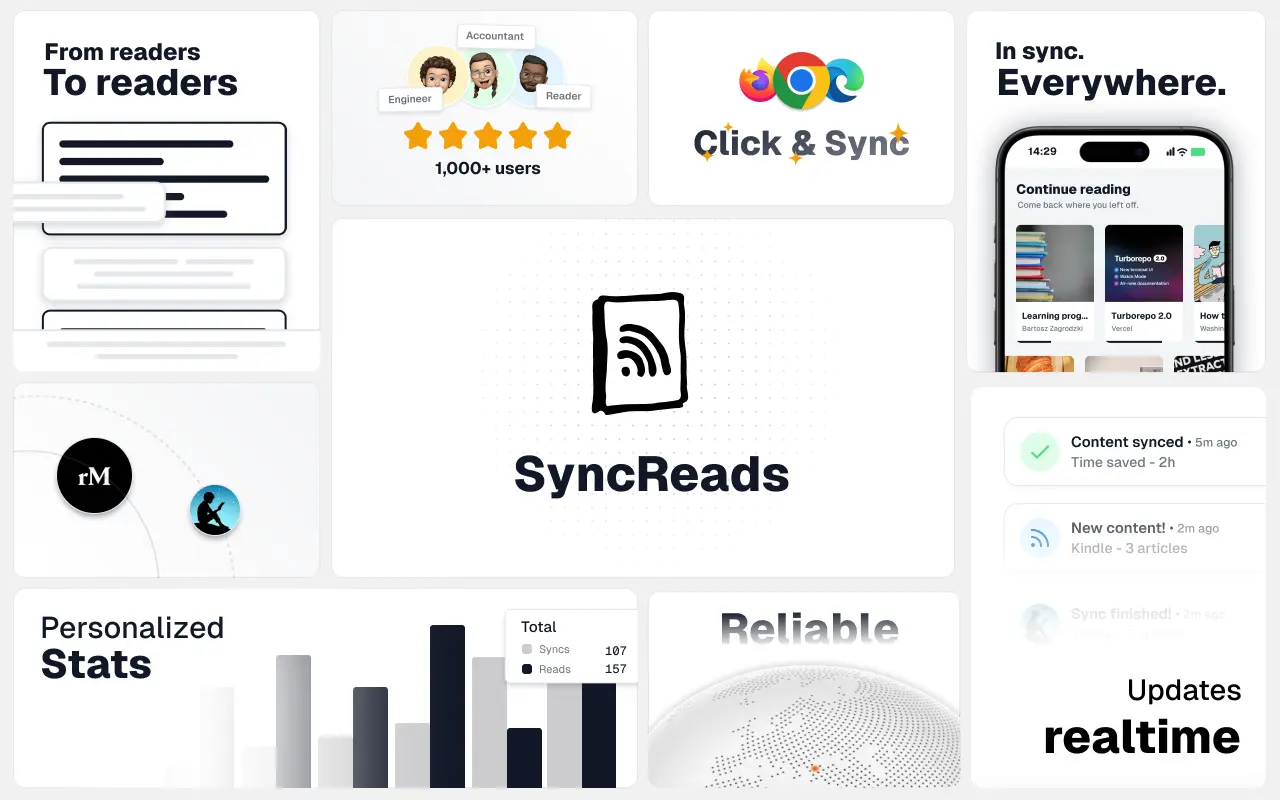
SyncReads
Sync your favorite content for distraction-free reading, save time and replace multiple apps. Anytime, anywhere 🔄
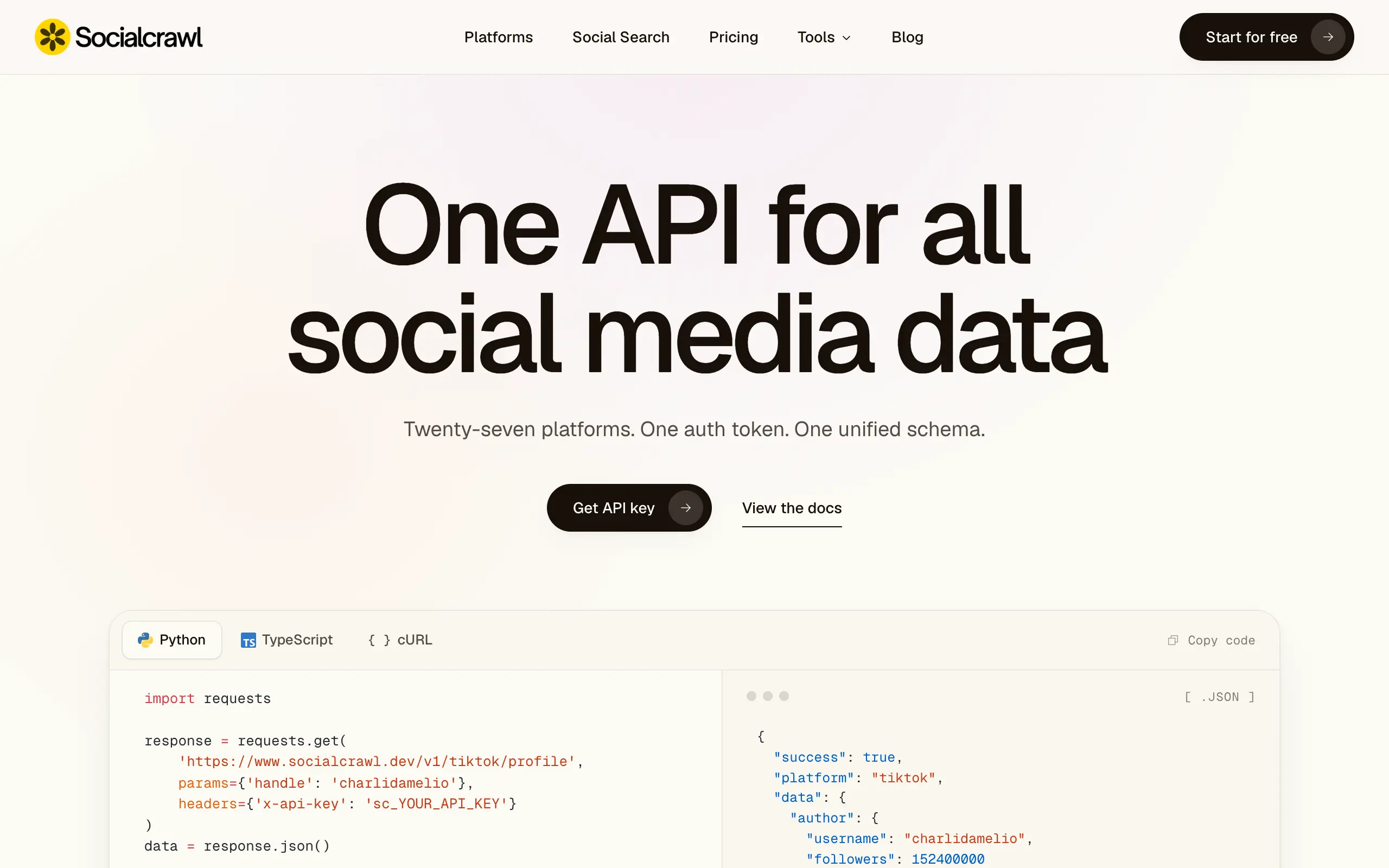
Socialcrawl
Get clean, structured data from 21 platforms like TikTok, Instagram, and YouTube with a single request 📊
Statiko
Monitor any Telegram channel in real time - track posts, edits, deletions, and growth with AI recaps 📡
Shibui
AI website builder - describe your business, pick a niche template, edit by chatting, and publish instantly ✨
Pro Service
Find verified home service professionals, compare quotes, and pay securely through escrow - built for Brazilians across the US 🏠
RankGrow
Fix your SEO with AI agents - connect Search Console, get prioritized tasks, and grow organic traffic 📈
SyncReads
Sync your favorite content for distraction-free reading, save time and replace multiple apps. Anytime, anywhere 🔄
Socialcrawl
Get clean, structured data from 21 platforms like TikTok, Instagram, and YouTube with a single request 📊
Statiko
Monitor any Telegram channel in real time - track posts, edits, deletions, and growth with AI recaps 📡
Shibui
AI website builder - describe your business, pick a niche template, edit by chatting, and publish instantly ✨
Pro Service
Find verified home service professionals, compare quotes, and pay securely through escrow - built for Brazilians across the US 🏠
RankGrow
Fix your SEO with AI agents - connect Search Console, get prioritized tasks, and grow organic traffic 📈
SyncReads
Sync your favorite content for distraction-free reading, save time and replace multiple apps. Anytime, anywhere 🔄
Socialcrawl
Get clean, structured data from 21 platforms like TikTok, Instagram, and YouTube with a single request 📊
Statiko
Monitor any Telegram channel in real time - track posts, edits, deletions, and growth with AI recaps 📡
Shibui
AI website builder - describe your business, pick a niche template, edit by chatting, and publish instantly ✨
Pro Service
Find verified home service professionals, compare quotes, and pay securely through escrow - built for Brazilians across the US 🏠
RankGrow
Fix your SEO with AI agents - connect Search Console, get prioritized tasks, and grow organic traffic 📈
SyncReads
Sync your favorite content for distraction-free reading, save time and replace multiple apps. Anytime, anywhere 🔄
Socialcrawl
Get clean, structured data from 21 platforms like TikTok, Instagram, and YouTube with a single request 📊
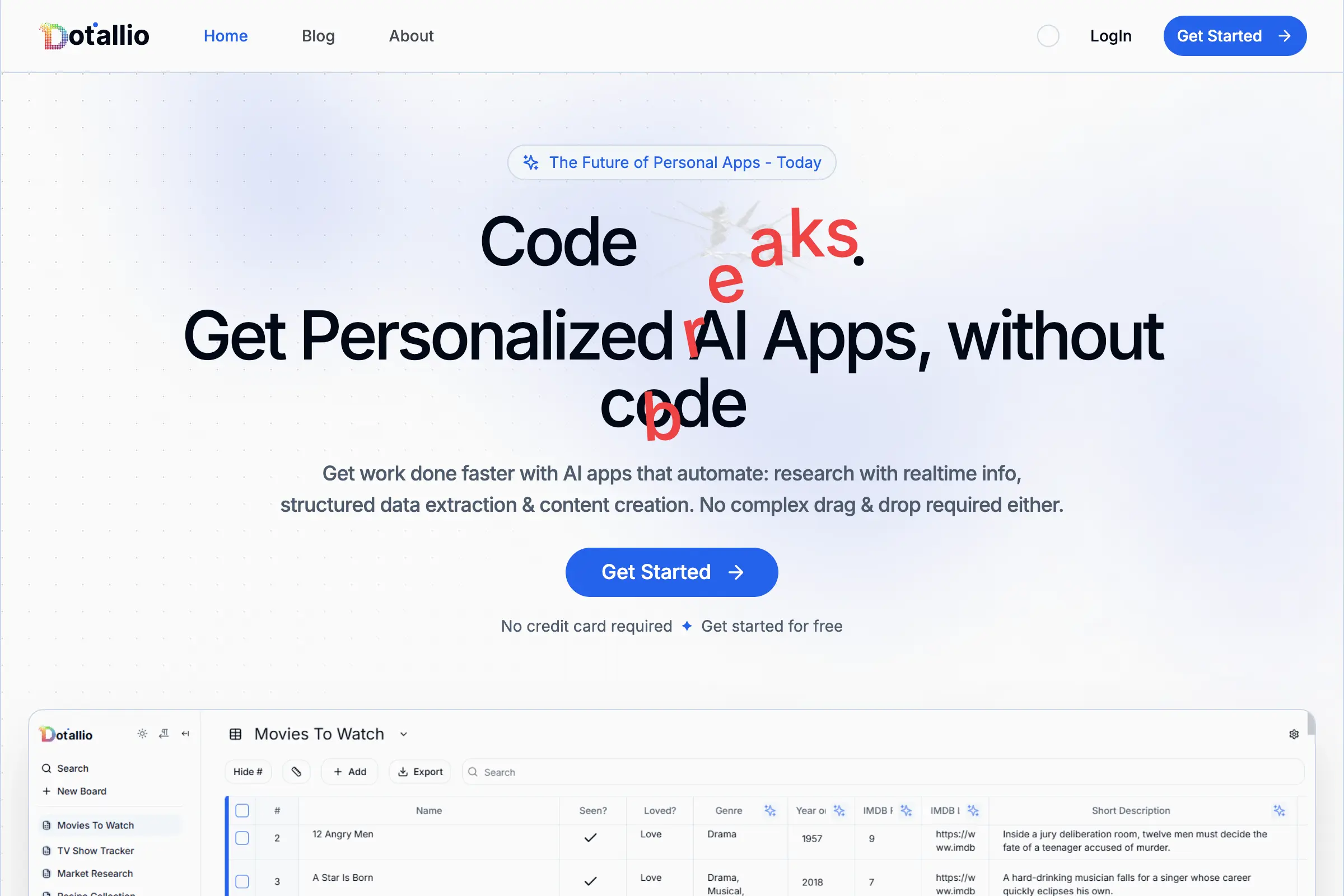
Dotallio
Personalized AI apps that automate research, data extraction, and content creation without code 🤖

Talk to Santa
Enjoy a magical live video chat or receive a unique AI-generated video greeting from Santa Claus 🎅

pozywka.pl
Scalable blog for food journalist, focused on performance and user experience 🌭
zagrodzki.me
Personal blog and portfolio of Bart Zagrodzki, where he shares his knowledge and work 💼
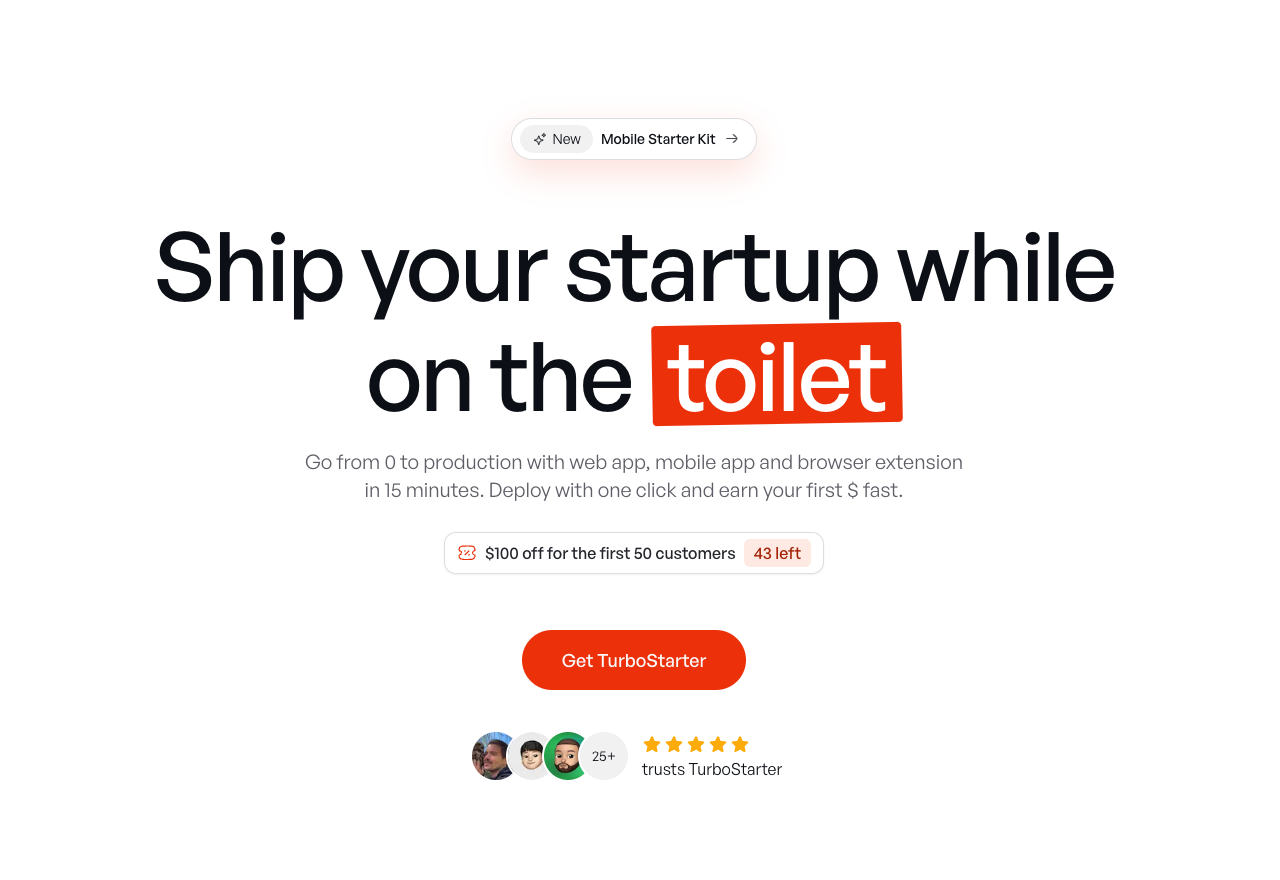
TurboStarter
Ship your startup everywhere. In minutes.
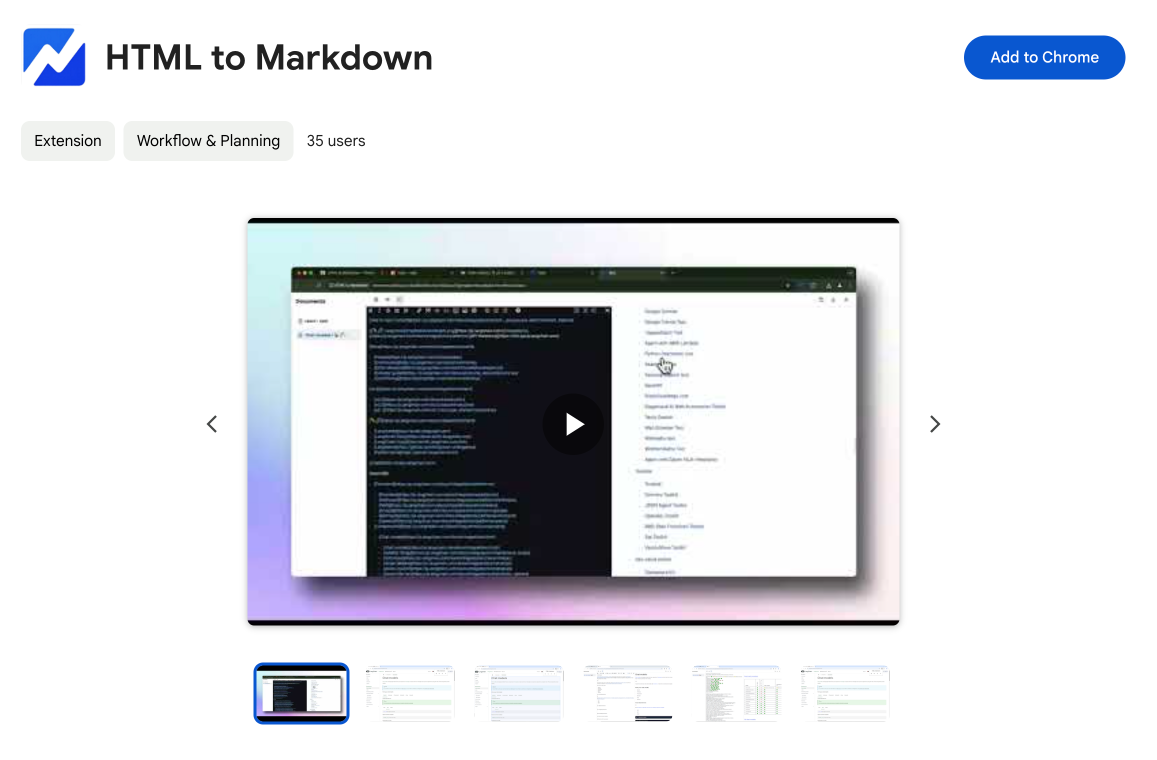
HTML to Markdown
Convert HTML to Markdown with ease, directly in your browser 📄
Dotallio
Personalized AI apps that automate research, data extraction, and content creation without code 🤖
Talk to Santa
Enjoy a magical live video chat or receive a unique AI-generated video greeting from Santa Claus 🎅
pozywka.pl
Scalable blog for food journalist, focused on performance and user experience 🌭
zagrodzki.me
Personal blog and portfolio of Bart Zagrodzki, where he shares his knowledge and work 💼
TurboStarter
Ship your startup everywhere. In minutes.
HTML to Markdown
Convert HTML to Markdown with ease, directly in your browser 📄
Dotallio
Personalized AI apps that automate research, data extraction, and content creation without code 🤖
Talk to Santa
Enjoy a magical live video chat or receive a unique AI-generated video greeting from Santa Claus 🎅
pozywka.pl
Scalable blog for food journalist, focused on performance and user experience 🌭
zagrodzki.me
Personal blog and portfolio of Bart Zagrodzki, where he shares his knowledge and work 💼
TurboStarter
Ship your startup everywhere. In minutes.
HTML to Markdown
Convert HTML to Markdown with ease, directly in your browser 📄
Dotallio
Personalized AI apps that automate research, data extraction, and content creation without code 🤖
Talk to Santa
Enjoy a magical live video chat or receive a unique AI-generated video greeting from Santa Claus 🎅
pozywka.pl
Scalable blog for food journalist, focused on performance and user experience 🌭
zagrodzki.me
Personal blog and portfolio of Bart Zagrodzki, where he shares his knowledge and work 💼
TurboStarter
Ship your startup everywhere. In minutes.
HTML to Markdown
Convert HTML to Markdown with ease, directly in your browser 📄
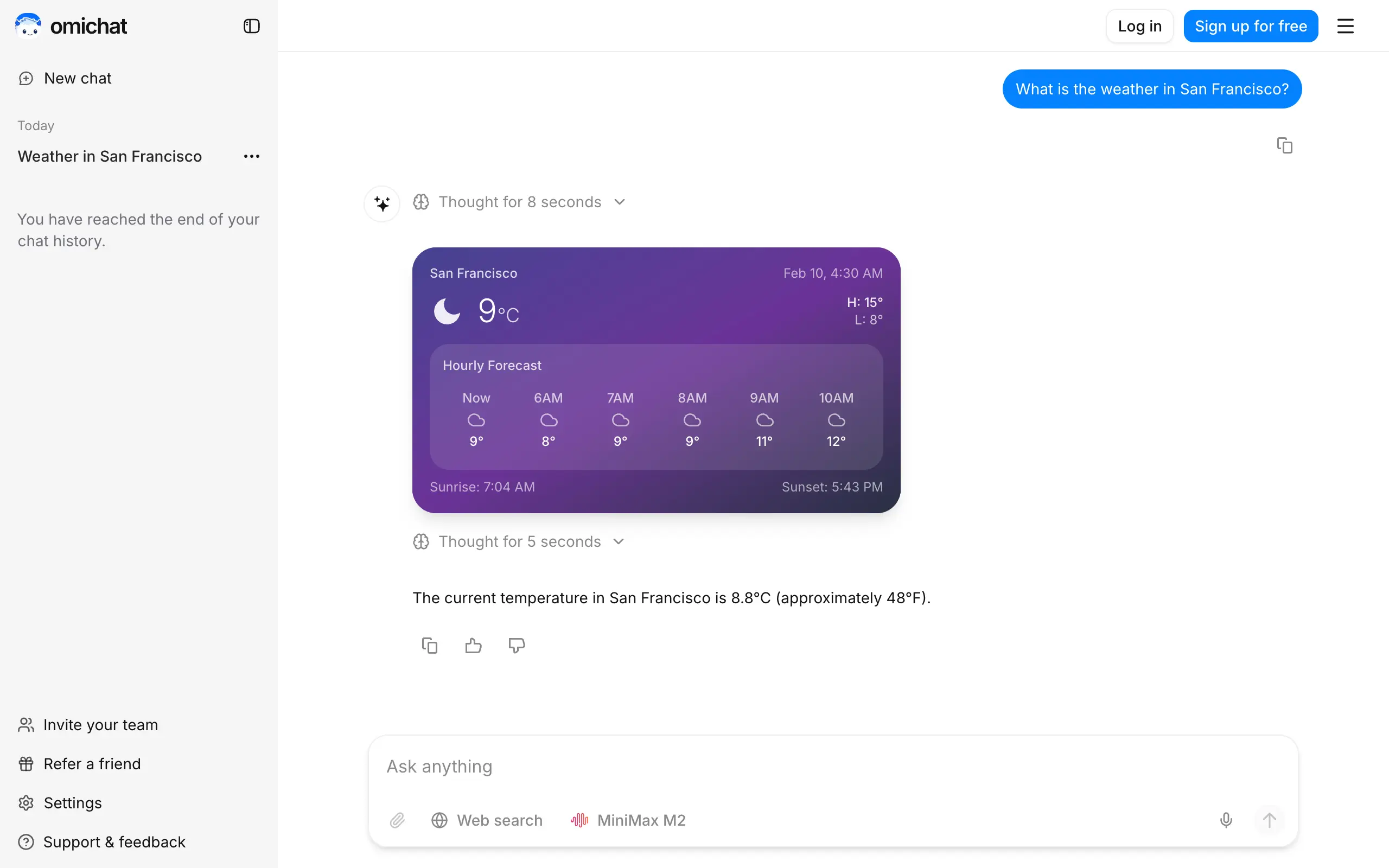
Omichat
Chat with 50+ AI models, including ChatGPT and Claude, in one place - switch models anytime without losing context 🤖
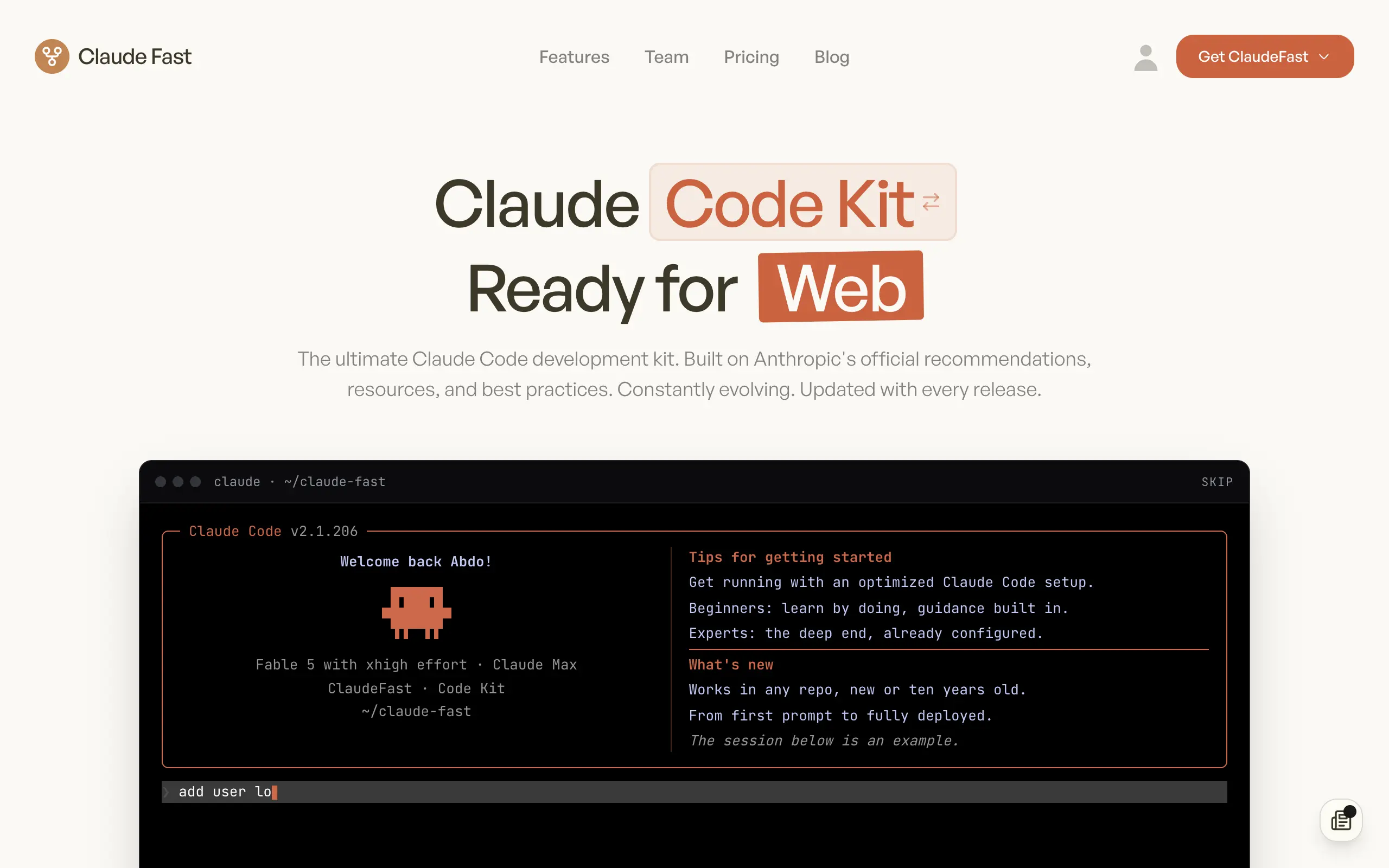
Claude Fast
Supercharge your Claude Code with 6x effective context window and specialized AI agents 🤖
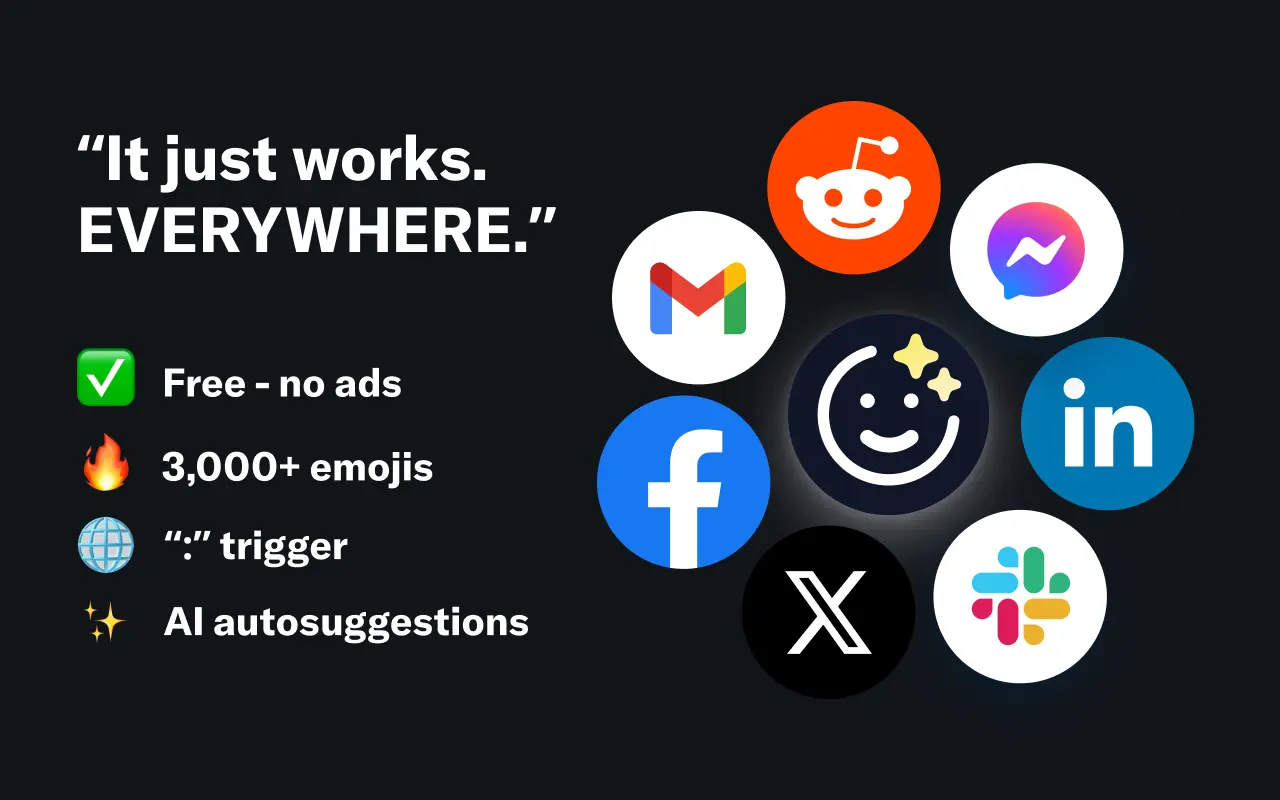
EmojAI
AI-powered emoji picker with smart, context-aware suggestions 🤖
Solohacker
Autonomous company launcher - AI agents work 24/7, escalate what matters, and you stay in control 🤖

BeRawi: Storytelling Coach
Practice storytelling daily with instant feedback to sound clearer, more engaging, and confident 🎤
Omichat
Chat with 50+ AI models, including ChatGPT and Claude, in one place - switch models anytime without losing context 🤖
Claude Fast
Supercharge your Claude Code with 6x effective context window and specialized AI agents 🤖
EmojAI
AI-powered emoji picker with smart, context-aware suggestions 🤖
Solohacker
Autonomous company launcher - AI agents work 24/7, escalate what matters, and you stay in control 🤖
BeRawi: Storytelling Coach
Practice storytelling daily with instant feedback to sound clearer, more engaging, and confident 🎤
Omichat
Chat with 50+ AI models, including ChatGPT and Claude, in one place - switch models anytime without losing context 🤖
Claude Fast
Supercharge your Claude Code with 6x effective context window and specialized AI agents 🤖
EmojAI
AI-powered emoji picker with smart, context-aware suggestions 🤖
Solohacker
Autonomous company launcher - AI agents work 24/7, escalate what matters, and you stay in control 🤖
BeRawi: Storytelling Coach
Practice storytelling daily with instant feedback to sound clearer, more engaging, and confident 🎤
Omichat
Chat with 50+ AI models, including ChatGPT and Claude, in one place - switch models anytime without losing context 🤖
Claude Fast
Supercharge your Claude Code with 6x effective context window and specialized AI agents 🤖
EmojAI
AI-powered emoji picker with smart, context-aware suggestions 🤖
Solohacker
Autonomous company launcher - AI agents work 24/7, escalate what matters, and you stay in control 🤖
BeRawi: Storytelling Coach
Practice storytelling daily with instant feedback to sound clearer, more engaging, and confident 🎤

Connect with like-minded people
Join our community to get feedback, support, and grow together with 1,000+ builders on board, let's ship it!
Join usShip your startup everywhere. In minutes.
Don't burn tokens on setup and start building features on day one.