TracePatch
Connect logs, traces, tickets, and code to generate root-cause hypotheses and safe patch plans for busy engineering teams.
Why incident response still loses time between tools
Modern engineering teams rarely lack observability data. They lack connected evidence.
When production behavior degrades, engineers move across logs, distributed traces, error monitoring, issue trackers, source control, deployment records, feature flags, and runbooks. Each tool may be strong on its own, yet the work of connecting a failed request to a recent code change, a service owner, a customer-facing ticket, and a safe remediation plan is still largely manual.
That creates a costly operational pattern:
- An alert fires with limited context.
- An on-call engineer starts searching dashboards and log streams.
- A trace suggests several possible downstream causes.
- The team checks recent pull requests and deployments.
- Someone creates or updates an incident ticket.
- A senior engineer is pulled in to validate the likely root cause.
- The team debates whether a rollback, configuration change, hotfix, or feature flag action is safest.
This process is familiar because it works eventually. It does not scale well when teams operate many services, ship frequently, and need to protect reliability without slowing delivery.
TracePatch is an AI incident investigation and patch-planning platform designed to close that gap. It connects logs, traces, tickets, deployments, and code context to generate evidence-backed root-cause hypotheses and safe patch plans for busy engineering teams.
The core idea is not to let an AI model autonomously modify production systems. The opportunity is to give engineers a faster, more defensible path from symptom to action.
The most valuable output is not “the AI found the answer.” It is “the AI assembled the evidence, ranked plausible causes, exposed uncertainty, and proposed a reviewable remediation plan.”
What TracePatch solves for engineering teams
The primary keyword for this concept is AI root cause analysis software. Related terms include AI incident response, observability AI, production debugging, distributed tracing analysis, automated incident triage, software reliability, patch planning, and engineering incident management.
TracePatch serves teams that already collect technical telemetry but struggle to turn it into operational decisions quickly.
The core problem is context fragmentation
An error message alone rarely explains a production incident. Consider a checkout API returning elevated 500 responses. The underlying cause may involve:
- A malformed payload from a newly released frontend version
- A database migration that increased query latency
- A third-party payment API timeout
- An exhausted connection pool in a downstream service
- A feature flag enabled for the wrong customer segment
- A retry loop that amplified a temporary dependency failure
- A code regression introduced in a recent pull request
The answer is often distributed across systems. Engineers must establish relationships among telemetry, deployment events, repository changes, ownership records, and previous incident history.
TracePatch should treat those systems as a causal evidence graph, not as separate search destinations.
The desired outcome
A useful TracePatch investigation should help an engineer answer five questions:
- What changed, and when did the impact begin?
- Which services, endpoints, tenants, releases, or dependencies are correlated with the failure?
- What are the most likely root-cause hypotheses?
- Which evidence supports or weakens each hypothesis?
- What is the safest next action, including validation and rollback steps?
This is a more valuable workflow than generic alert summaries. It addresses the real user intent behind searches for AI incident response tools: teams want faster diagnosis, safer remediation, and less dependence on tribal knowledge.
Target audience for AI root cause analysis software
TracePatch should not initially target every company that writes software. Its best early users have enough operational complexity to feel the pain of fragmented incident response, but not so much enterprise procurement overhead that adoption becomes impossible.
Primary audience: platform and SRE teams
Site reliability engineering, platform engineering, and DevOps teams are the clearest initial buyers and champions.
They own or influence:
- Observability platform standards
- Alert routing and incident workflows
- Service ownership metadata
- Production access policies
- Reliability metrics such as MTTR and change failure rate
- Cross-team operational enablement
These teams need a product that helps responders investigate faster without compromising the controls they have built around production changes.
Their evaluation criteria will usually include:
- Data security and retention controls
- Integration quality with existing observability tools
- Evidence traceability
- Role-based access control
- Audit trails
- Low false-positive rates
- Clear human approval boundaries
Secondary audience: engineering managers and staff engineers
Engineering leaders feel the business impact of slow incident response even when they are not primary on-call responders.
For them, TracePatch provides operational leverage:
- Less interruption for senior subject-matter experts
- Faster onboarding for newer engineers
- Better incident documentation
- More consistent remediation practices
- Better learning from recurring production failures
- Reduced engineering time spent manually correlating systems
Staff engineers and technical leads are particularly important because they can validate whether a hypothesis is technically credible and whether a patch plan reflects the architecture.
Third audience: product-focused development teams
Teams shipping customer-facing APIs, B2B SaaS products, fintech workflows, commerce experiences, or data platforms can use TracePatch when incidents directly affect revenue, retention, or contractual service levels.
These users may not want a broad observability replacement. They want a focused assistant that can explain why an incident is happening and what change should be reviewed next.
On-call engineer
Needs a fast investigation starting point, correlated evidence, and a safe escalation path during an active incident.
SRE or platform leader
Needs lower MTTR, consistent workflows, governed data access, and measurable operational impact.
Engineering manager
Needs fewer disruptive escalations, clearer incident reporting, and a repeatable way to prevent recurrence.
The market opportunity in observability and incident management
The observability market is mature, but an important workflow gap remains between detection and remediation.
Monitoring platforms are effective at answering questions such as:
- Is latency increasing?
- Which service is throwing errors?
- When did a metric cross its alert threshold?
- Which traces are slow?
- Which logs contain an exception?
Issue trackers are effective at coordinating work. Source control systems show how code changed. Deployment platforms describe release activity. Knowledge bases hold runbooks and postmortems.
However, a responder still has to form the investigation narrative manually.
The gap: evidence aggregation is not decision support
Many existing products offer anomaly detection, log pattern grouping, alert correlation, or AI-assisted queries. Those are valuable capabilities, but TracePatch can differentiate by focusing on the remediation decision layer.
Its product thesis is:
If technical evidence can be connected to code and change history, AI can produce a transparent, ranked investigation brief and a constrained patch plan that engineers can verify before acting.
This is especially relevant as organizations adopt more microservices, event-driven architectures, feature flags, and continuous delivery practices. Each additional system can improve engineering velocity while making root-cause analysis more difficult.
For market sizing and demand validation, founders should reference credible reports from organizations such as Gartner, the CNCF, DORA, or major cloud providers rather than relying on unverified market-size claims. The strongest validation will come from customer interviews and pilot data showing reduced investigation time.
A practical wedge for TracePatch
The initial product should focus on incidents with a narrow, repeatable shape:
- Production errors or latency regressions
- A known affected service or endpoint
- Available logs and distributed traces
- Recent deployments or pull requests
- An existing incident ticket or alert
- A team able to review a suggested change
This narrow wedge avoids the trap of promising universal autonomous debugging. It also creates a measurable value proposition: reduce the time required to create a high-quality first investigation brief.
How TracePatch should work
TracePatch should create a structured investigation workspace rather than a conversational interface that merely answers questions from disconnected tools.
Ingest and normalize operational signals
The platform needs connectors that ingest metadata and selected evidence from core systems. The first integrations should prioritize ecosystems with broad adoption.
A high-value integration set could include:
- OpenTelemetry-compatible traces and metrics
- Log platforms such as Datadog, Elastic, Grafana Loki, or Splunk
- Error monitoring from tools such as Sentry
- GitHub or GitLab repositories and pull requests
- Jira or Linear tickets
- PagerDuty or Opsgenie incident signals
- Kubernetes deployment metadata
- CI/CD deployment records
- Feature flag platforms
The platform should avoid copying every byte of customer telemetry by default. A safer approach is to retrieve scoped records on demand, index structured metadata, and honor data residency and retention requirements.
Build an evidence graph
The durable product asset is a graph of relationships among operational events and engineering artifacts.
Examples of useful relationships include:
- A trace belongs to a service and endpoint
- A log event shares a trace ID with a failed request
- A deployment changed a service version before error rates increased
- A pull request modified the code path named in a stack trace
- A ticket references the same error fingerprint
- A service has an owning team and runbook
- A feature flag was enabled for the affected tenant cohort
- A previous incident had the same error signature
This graph makes the AI system more reliable because it can retrieve grounded, relevant evidence rather than infer a diagnosis from a vague prompt.
Generate ranked root-cause hypotheses
The model should not state a root cause as fact unless evidence is overwhelming. It should provide a ranked list of hypotheses with confidence levels, source links, contradictions, and next verification actions.
For example:
Example investigation output
Hypothesis: A connection-pool configuration regression in the orders service is causing downstream database timeouts after release 2025.04.18.3.
Supporting evidence: Error rate began seven minutes after deployment, affected traces show pool-acquisition timeouts, and the linked pull request changed pool sizing defaults.
Confidence: Medium-high. The same timeout pattern is absent in the prior release, but database CPU did not materially increase.
Recommended verification: Compare active connection counts and pool saturation across both versions before deploying a configuration fix.
This output is useful because it tells engineers what the system knows, how it knows it, and what remains uncertain.
Produce a safe patch plan, not an unreviewed patch
The most differentiated TracePatch capability is the patch plan.
A patch plan should include:
- The suspected affected component
- A plain-language explanation of the failure mechanism
- Relevant code locations and recent commits
- Candidate remediation options
- The lowest-risk recommended action
- Required tests
- Suggested observability checks
- Rollback instructions
- Expected blast radius
- Required approvers or owners
- A draft ticket or pull request description
The platform can optionally generate a code diff in a controlled environment, but it should clearly distinguish between a suggested diff and a validated solution.
Preserve an auditable evidence trail
Trust is central to AI incident response software. Every claim generated by TracePatch should be traceable to source artifacts.
A responder should be able to inspect:
- The log lines or error groups referenced
- The traces analyzed
- The deployment events considered
- The pull requests and files linked
- The ticket history retrieved
- The model version and prompt policy used
- Any human edits to the investigation or patch plan
This matters operationally and commercially. Regulated companies, security-conscious teams, and sophisticated enterprise buyers will not accept opaque AI recommendations during high-severity incidents.
Core features for an MVP and beyond
A disciplined MVP should optimize for trust and workflow adoption rather than maximize the number of AI capabilities.
| Capability | MVP priority | User value | Implementation complexity | Why it matters |
|---|---|---|---|---|
| Incident evidence timeline | High | High | Medium | Creates a shared view of alerts, traces, deploys, and tickets |
| Ranked root-cause hypotheses | High | High | High | Turns raw telemetry into an actionable investigation |
| Patch plan generation | High | High | Medium | Connects diagnosis to safe remediation work |
| Automatic pull request creation | Later | Medium | High | Requires strong security, evaluation, and approval controls |
| Autonomous production remediation | Not initially | Situational | Very high | Risk exceeds early-stage product value for most teams |
MVP feature set
The first version of TracePatch should include the following capabilities.
- Incident workspace that starts from an alert, ticket, error group, or manually entered service issue
- Timeline correlation across traces, logs, releases, pull requests, and issue updates
- Repository-aware retrieval for relevant code, ownership files, and recent changes
- Hypothesis ranking with cited supporting and contradictory evidence
- Patch-plan templates that include validation, rollback, and monitoring guidance
- Human review controls for approving, editing, sharing, or dismissing findings
- Incident export to Jira, Linear, Slack, or a postmortem document
- Feedback capture to mark a hypothesis correct, partially correct, or incorrect
Product features that compound over time
As users create and validate investigations, TracePatch can build a valuable operational memory layer.
Future capabilities might include:
- Similar incident retrieval based on error signatures and service topology
- Runbook recommendations based on incident characteristics
- Detection of risky deploy-to-error correlations
- Ownership routing based on code and service metadata
- Change-risk scoring before deployment
- Patch-plan quality checks against organizational standards
- Postmortem draft generation grounded in the incident timeline
- Trend analysis for repeated root causes and reliability debt
The key is to add these capabilities only when the underlying evidence and feedback loops are strong.
Recommended tech stack for TracePatch
TracePatch needs a stack that supports secure integrations, asynchronous data processing, retrieval-augmented generation, and a high-quality review interface.
Application layer
A pragmatic web application stack could use Next.js with React and TypeScript.
This combination is well suited to an investigation product because it supports:
- Fast, interactive dashboards
- Server-side integration endpoints
- Type-safe APIs and UI state
- Streaming AI responses
- Authentication flows
- Easy deployment to modern cloud platforms
For interface development, Tailwind CSS offers speed and consistency. Investigation interfaces benefit from dense but readable layouts, expandable evidence panels, timelines, filters, and diff views.
Data and workflow layer
Use PostgreSQL as the transactional source of truth for organizations, users, incidents, connectors, permissions, feedback, and audit logs.
For asynchronous work, use a durable job queue or workflow engine. Incident analysis involves connector polling, webhook handling, embedding generation, repository indexing, and AI calls that should not block web requests.
A robust architecture may include:
- PostgreSQL for relational application data
- Object storage for encrypted raw evidence snapshots where required
- Redis for short-lived caching and queues
- A vector index for semantic retrieval
- A graph-oriented data model or graph database when relationship queries become complex
- A workflow engine for long-running, retriable jobs
AI and retrieval architecture
The AI system should follow a retrieval-first pattern:
- Receive an incident trigger.
- Identify the relevant time window, services, and error fingerprints.
- Retrieve scoped logs, traces, code changes, tickets, and runbooks.
- Construct an evidence bundle with source identifiers.
- Ask the model to synthesize hypotheses under a strict output schema.
- Validate required citations and confidence fields.
- Present the result for human review.
- Capture feedback for evaluation and future ranking improvements.
A simple structured object can reduce unreliable output:
type RootCauseHypothesis = {
  title: string;
  confidence: "low" | "medium" | "high";
  summary: string;
  supportingEvidenceIds: string[];
  contradictoryEvidenceIds: string[];
  verificationSteps: string[];
  recommendedAction: string;
  rollbackPlan: string;
  requiresHumanApproval: boolean;
};
The trade-off is clear. Structured output adds engineering work, but it makes the system easier to test, audit, display, and integrate with downstream workflows.
Connector design and security trade-offs
OAuth-based read access is often the best starting point for third-party integrations. It reduces credential handling risk and lets customers control scopes.
However, enterprise customers may require:
- Bring-your-own cloud or virtual private cloud deployment
- Regional data processing
- Self-hosted connector agents
- Secrets managed through their own vault
- No raw source code persistence
- Custom retention controls
- Single sign-on and SCIM provisioning
A multi-tenant SaaS model is faster to launch, while a private connector or hybrid deployment model can unlock larger accounts later. TracePatch should design its connector abstraction early enough that enterprise deployment requirements do not force a complete rewrite.
Competitive advantage: why TracePatch can stand out
TracePatch should not position itself as “another AI chatbot for logs.” That category is crowded and easy to imitate.
Its defensible position comes from the combination of cross-tool evidence linkage, code-aware patch planning, and trust-centered human approval workflows.
The TracePatch advantage
A strong positioning statement could be:
TracePatch turns fragmented incident evidence into cited root-cause hypotheses and safe, reviewable patch plans.
This is more specific than generic observability AI. It tells buyers what they receive and implies what makes the product safer.
Competitive comparison
| Approach | Detects anomalies | Connects code changes | Creates patch plans | Shows evidence trail |
|---|---|---|---|---|
| Traditional monitoring | Yes | Limited | No | Partial |
| Generic AI assistant | Sometimes | Depends on context | Sometimes | Often weak |
| TracePatch | Through integrations | Yes | Yes, with approval | Designed as a core feature |
Data flywheel without compromising privacy
Over time, TracePatch can improve through anonymized or tenant-contained learning signals:
- Which hypotheses engineers accepted
- Which suggestions were rejected
- Which evidence types were most predictive
- Which patch plans passed review
- Which incident patterns recurred
- Which runbooks resolved similar issues
The platform should never imply that it trains on customer code or telemetry without explicit contractual consent. Privacy controls are not just a legal requirement; they are part of the product’s trust advantage.
Monetization options for TracePatch
The most practical pricing model is likely a B2B SaaS subscription with usage-aware limits.
Team-based pricing
A simple early model can charge by engineering team size or active responders.
- Starter plan for small teams with limited connectors and monthly investigation limits
- Growth plan for multiple services, more integrations, collaboration features, and higher usage
- Enterprise plan for SSO, audit exports, private connectors, custom retention, and advanced security controls
This model is easy to understand, but it may not perfectly align with value if a large organization has many engineers but relatively few incidents.
Usage-based pricing
Usage can be tied to investigation runs, analyzed incidents, indexed repositories, connected services, or data-processing volume.
This aligns price with platform activity, but pure usage pricing can create buyer anxiety during major incidents. A hybrid model often works better: a predictable platform fee plus included usage and overages.
High-value enterprise add-ons
Enterprise expansion opportunities include:
- Private deployment or regional data residency
- Advanced governance and audit controls
- Dedicated support and onboarding
- Custom connectors
- Reliability analytics
- Pre-deployment change-risk analysis
- Professional services for runbook and service-catalog integration
The strongest willingness to pay will come from teams that can quantify reduced MTTR, reduced incident frequency, or fewer senior-engineer interruptions.
Risks and mitigation strategies
AI-powered production tooling faces legitimate technical, security, and adoption risks. TracePatch should treat these as product requirements, not as edge cases.
Use retrieval-grounded generation, require source citations for major claims, display confidence levels, and explicitly surface contradictory evidence. Never present an unsupported diagnosis as certain.
Start with patch plans instead of automatic code changes. Run generated diffs through tests, static analysis, policy checks, and mandatory human review before any pull request or deployment action.
Apply least-privilege scopes, encryption in transit and at rest, tenant isolation, configurable retention, redaction, and an option for private connector deployment.
Show data coverage indicators and downgrade confidence when evidence is missing. TracePatch should say what it cannot see rather than overstate certainty.
Launch with a small set of high-value connectors and a guided setup. Avoid requiring customers to replace their existing monitoring, ticketing, or source-control tools.
Build an evaluation harness early
The biggest technical risk is not whether a language model can write a plausible answer. It is whether it can consistently produce an investigation that engineers trust.
Create an evaluation dataset using sanitized historical incidents. Each case should include:
- Initial symptoms
- Relevant logs and traces
- Deployment and code-change context
- Actual root cause
- Resolution steps
- Known misleading signals
- A scorecard for the generated analysis
Evaluate outputs for:
- Evidence citation accuracy
- Root-cause ranking quality
- Missing critical context
- Unsafe remediation advice
- Correct uncertainty calibration
- Time saved compared with manual investigation
- Engineer acceptance rate
This evaluation system becomes a core product asset. It enables safer releases, better model selection, and credible enterprise conversations.
Go-to-market strategy for TracePatch
The best initial go-to-market motion is a design-partner program focused on teams with frequent production incidents and established observability tooling.
Ideal early customer profile
Look for companies with:
- 20 to 200 engineers
- Several production services or a complex monolith
- On-call rotations
- Existing logs, tracing, and source control integrations
- Meaningful release velocity
- A visible MTTR or reliability initiative
- Willingness to pilot a new workflow with read-only access
Avoid starting with organizations that have no usable telemetry, no service ownership, or no incident process. TracePatch can help mature teams become faster; it cannot create operational discipline from nothing.
The pilot offer
A strong pilot should be tightly scoped:
- Connect one observability source, one code host, and one ticketing system
- Start with one or two services
- Analyze real incidents in read-only mode
- Measure time to first credible hypothesis
- Compare generated patch plans with human-written resolutions
- Review results weekly with responders
The goal is not to prove that AI replaces engineers. The goal is to prove that it shortens the investigation loop while maintaining engineering confidence.
Actionable implementation steps
A founder or product team can turn TracePatch from concept into a focused SaaS product through a staged build.
For teams that want to move quickly on the SaaS foundation, TurboStarter can accelerate the standard application work around authentication, billing, dashboard architecture, and production-ready project setup. That leaves more time for the genuinely differentiated parts of TracePatch: connectors, evidence correlation, AI evaluation, and incident workflows.
Final perspective
TracePatch has a compelling opportunity because it targets a painful, expensive, and highly repetitive engineering workflow. Production incidents will always require judgment, but responders should not have to manually reconstruct the same evidence chain across five or six tools every time an alert fires.
The winning version of AI root cause analysis software will not be the one that makes the boldest claims about autonomous remediation. It will be the one that earns trust by showing its work, respecting operational boundaries, and helping engineers make safer decisions faster.
For TracePatch, that means building a system that is:
- Grounded in real logs, traces, tickets, and code
- Clear about confidence and uncertainty
- Useful during the first critical minutes of an incident
- Opinionated about safe patch planning
- Designed for review, auditability, and collaboration
- Measurably better than manual investigation workflows
If the product can reliably transform fragmented telemetry into a cited, reviewable remediation path, it can become an essential layer in the modern engineering reliability stack.
More 🤖 AI Startup SaaS ideas
Discover more innovative ai startup SaaS ideas that are trending in 2026. Each idea is AI-generated with market validation and growth potential to help you find your next profitable venture faster than competitors.
Your competitors are building with TurboStarter
Below are some of the SaaS ideas that have been generated and built with our starter kit.
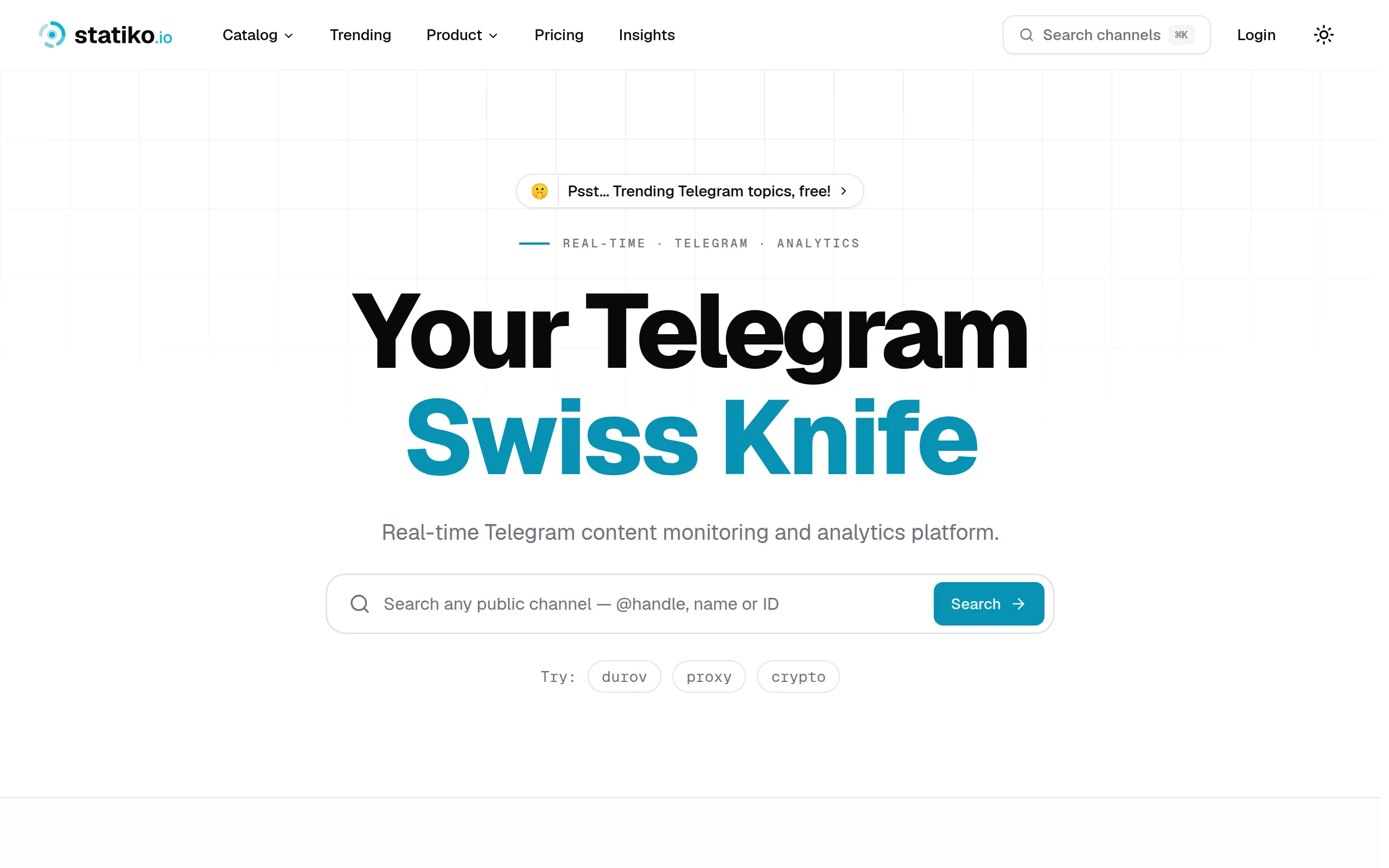
Statiko
Monitor any Telegram channel in real time - track posts, edits, deletions, and growth with AI recaps 📡

Shibui
AI website builder - describe your business, pick a niche template, edit by chatting, and publish instantly ✨

Pro Service
Find verified home service professionals, compare quotes, and pay securely through escrow - built for Brazilians across the US 🏠
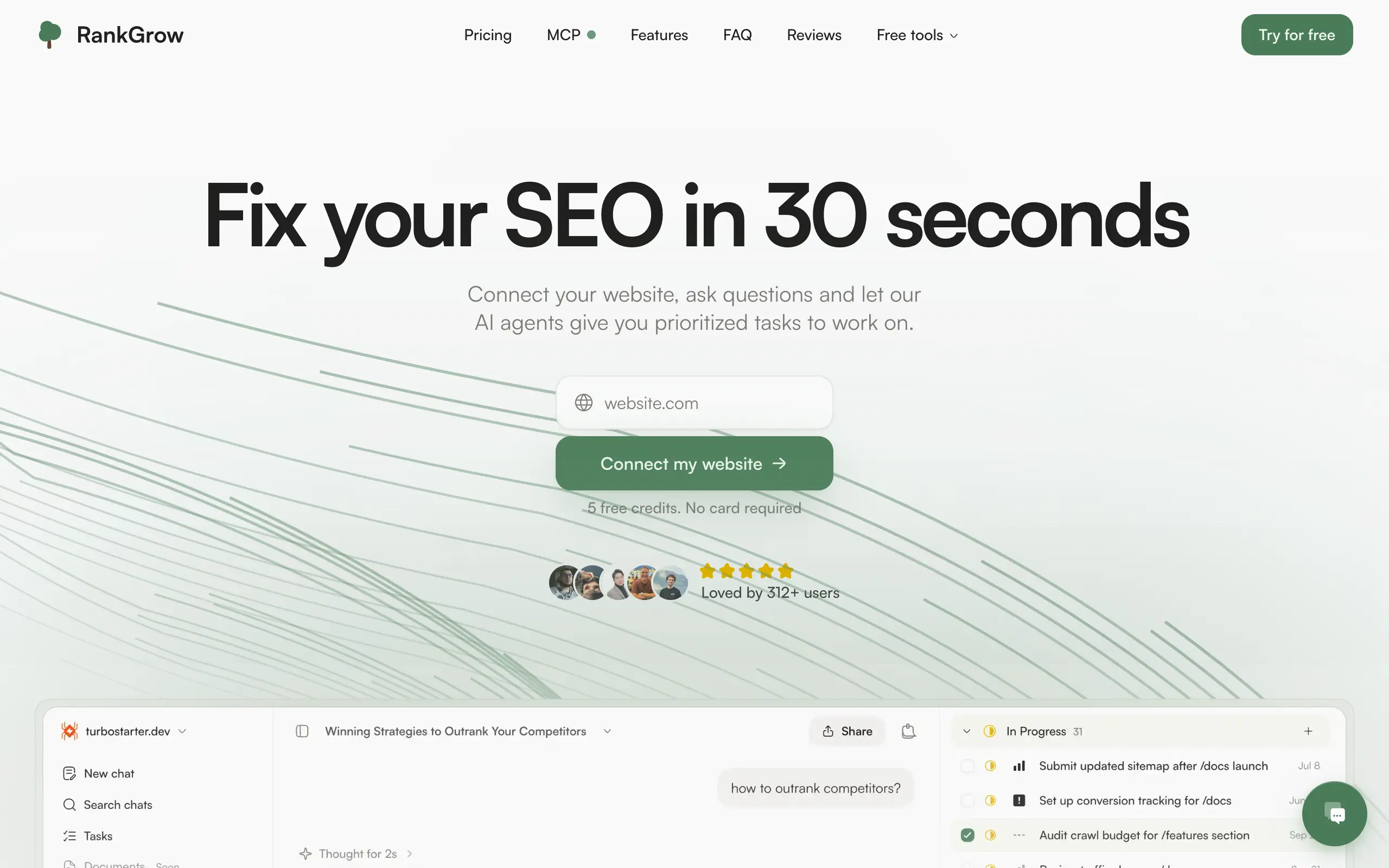
RankGrow
Fix your SEO with AI agents - connect Search Console, get prioritized tasks, and grow organic traffic 📈
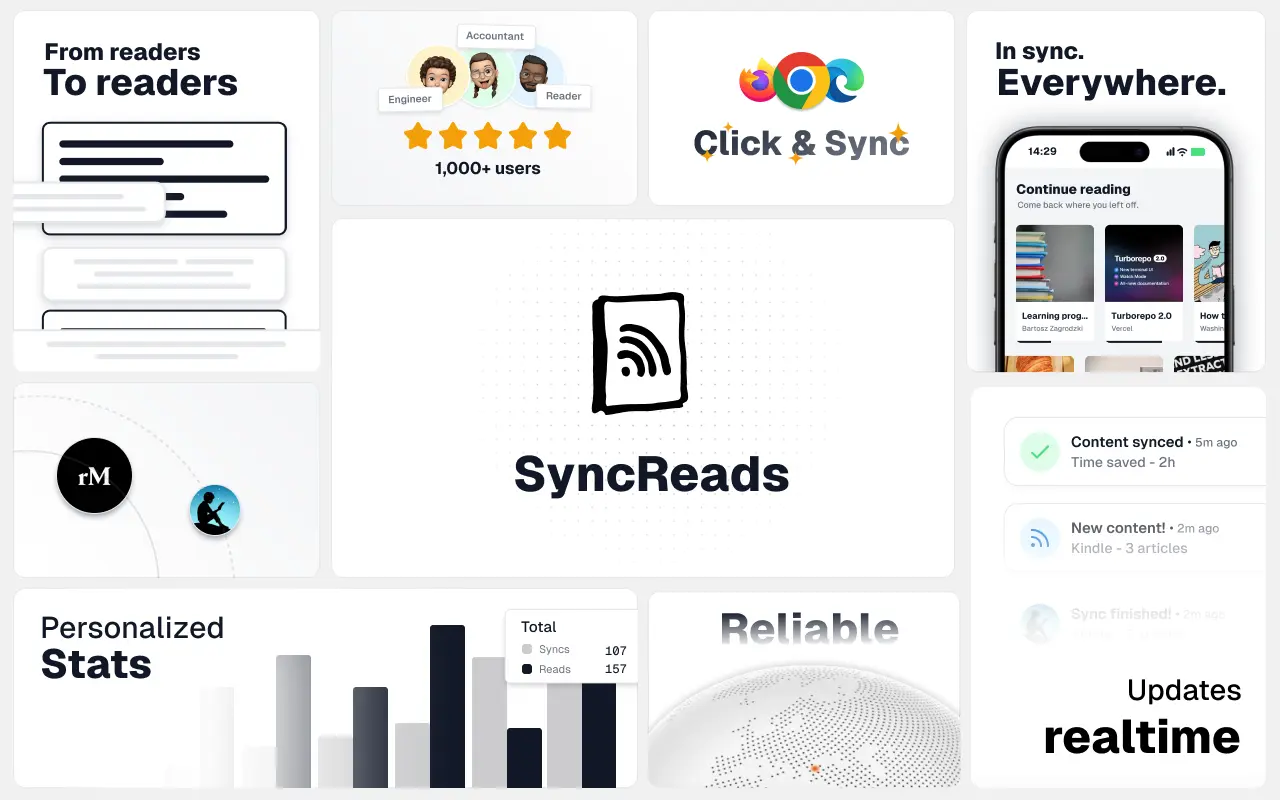
SyncReads
Sync your favorite content for distraction-free reading, save time and replace multiple apps. Anytime, anywhere 🔄
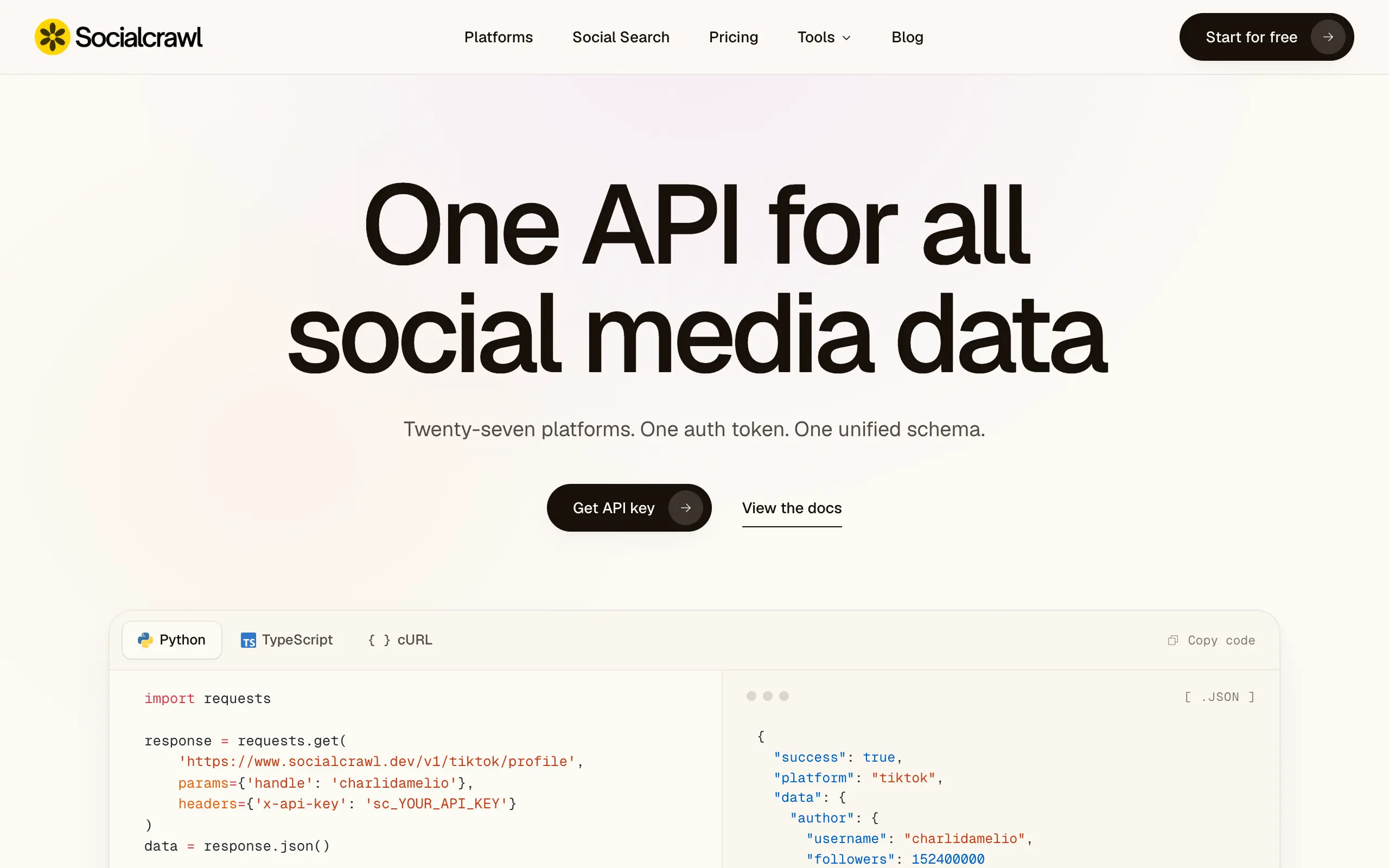
Socialcrawl
Get clean, structured data from 21 platforms like TikTok, Instagram, and YouTube with a single request 📊
Statiko
Monitor any Telegram channel in real time - track posts, edits, deletions, and growth with AI recaps 📡
Shibui
AI website builder - describe your business, pick a niche template, edit by chatting, and publish instantly ✨
Pro Service
Find verified home service professionals, compare quotes, and pay securely through escrow - built for Brazilians across the US 🏠
RankGrow
Fix your SEO with AI agents - connect Search Console, get prioritized tasks, and grow organic traffic 📈
SyncReads
Sync your favorite content for distraction-free reading, save time and replace multiple apps. Anytime, anywhere 🔄
Socialcrawl
Get clean, structured data from 21 platforms like TikTok, Instagram, and YouTube with a single request 📊
Statiko
Monitor any Telegram channel in real time - track posts, edits, deletions, and growth with AI recaps 📡
Shibui
AI website builder - describe your business, pick a niche template, edit by chatting, and publish instantly ✨
Pro Service
Find verified home service professionals, compare quotes, and pay securely through escrow - built for Brazilians across the US 🏠
RankGrow
Fix your SEO with AI agents - connect Search Console, get prioritized tasks, and grow organic traffic 📈
SyncReads
Sync your favorite content for distraction-free reading, save time and replace multiple apps. Anytime, anywhere 🔄
Socialcrawl
Get clean, structured data from 21 platforms like TikTok, Instagram, and YouTube with a single request 📊
Statiko
Monitor any Telegram channel in real time - track posts, edits, deletions, and growth with AI recaps 📡
Shibui
AI website builder - describe your business, pick a niche template, edit by chatting, and publish instantly ✨
Pro Service
Find verified home service professionals, compare quotes, and pay securely through escrow - built for Brazilians across the US 🏠
RankGrow
Fix your SEO with AI agents - connect Search Console, get prioritized tasks, and grow organic traffic 📈
SyncReads
Sync your favorite content for distraction-free reading, save time and replace multiple apps. Anytime, anywhere 🔄
Socialcrawl
Get clean, structured data from 21 platforms like TikTok, Instagram, and YouTube with a single request 📊
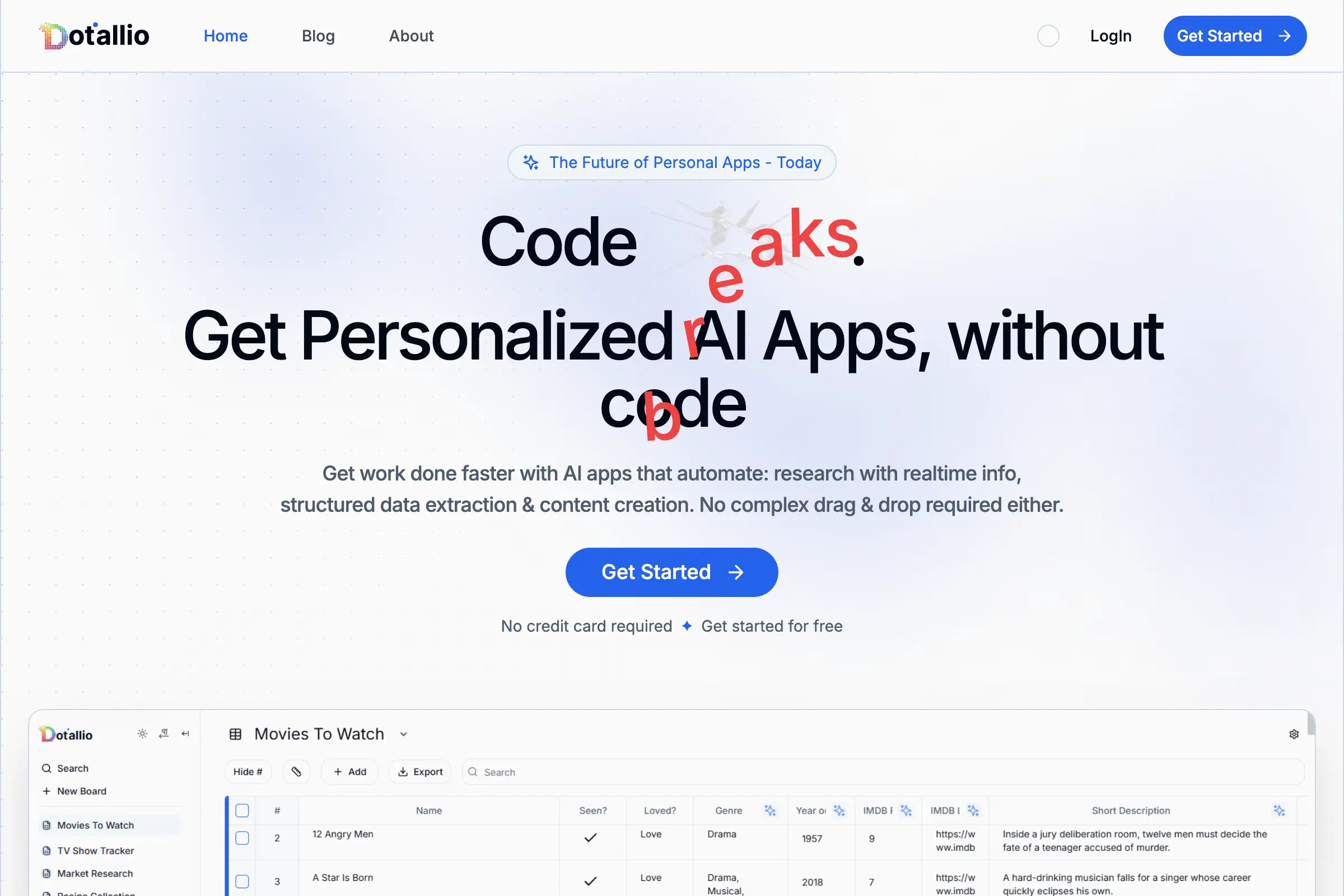
Dotallio
Personalized AI apps that automate research, data extraction, and content creation without code 🤖

Talk to Santa
Enjoy a magical live video chat or receive a unique AI-generated video greeting from Santa Claus 🎅

pozywka.pl
Scalable blog for food journalist, focused on performance and user experience 🌭
zagrodzki.me
Personal blog and portfolio of Bart Zagrodzki, where he shares his knowledge and work 💼
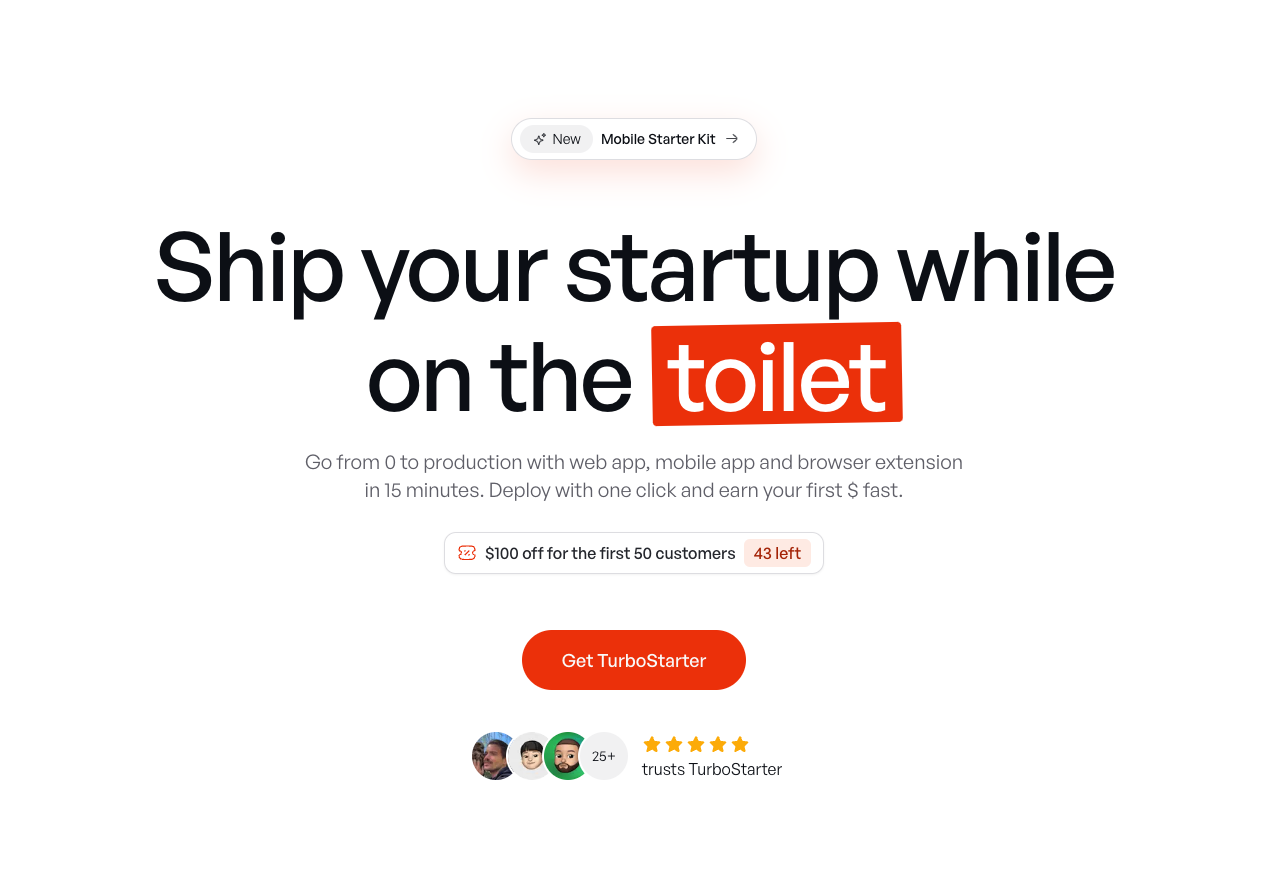
TurboStarter
Ship your startup everywhere. In minutes.
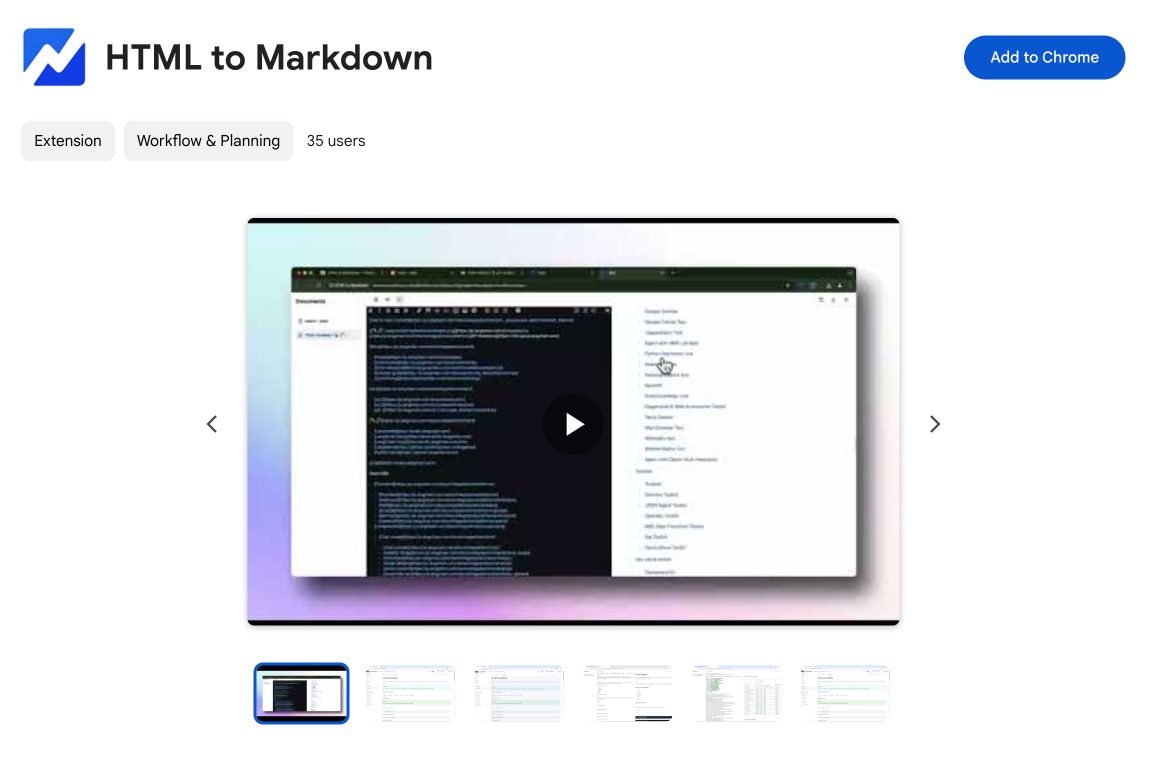
HTML to Markdown
Convert HTML to Markdown with ease, directly in your browser 📄
Dotallio
Personalized AI apps that automate research, data extraction, and content creation without code 🤖
Talk to Santa
Enjoy a magical live video chat or receive a unique AI-generated video greeting from Santa Claus 🎅
pozywka.pl
Scalable blog for food journalist, focused on performance and user experience 🌭
zagrodzki.me
Personal blog and portfolio of Bart Zagrodzki, where he shares his knowledge and work 💼
TurboStarter
Ship your startup everywhere. In minutes.
HTML to Markdown
Convert HTML to Markdown with ease, directly in your browser 📄
Dotallio
Personalized AI apps that automate research, data extraction, and content creation without code 🤖
Talk to Santa
Enjoy a magical live video chat or receive a unique AI-generated video greeting from Santa Claus 🎅
pozywka.pl
Scalable blog for food journalist, focused on performance and user experience 🌭
zagrodzki.me
Personal blog and portfolio of Bart Zagrodzki, where he shares his knowledge and work 💼
TurboStarter
Ship your startup everywhere. In minutes.
HTML to Markdown
Convert HTML to Markdown with ease, directly in your browser 📄
Dotallio
Personalized AI apps that automate research, data extraction, and content creation without code 🤖
Talk to Santa
Enjoy a magical live video chat or receive a unique AI-generated video greeting from Santa Claus 🎅
pozywka.pl
Scalable blog for food journalist, focused on performance and user experience 🌭
zagrodzki.me
Personal blog and portfolio of Bart Zagrodzki, where he shares his knowledge and work 💼
TurboStarter
Ship your startup everywhere. In minutes.
HTML to Markdown
Convert HTML to Markdown with ease, directly in your browser 📄
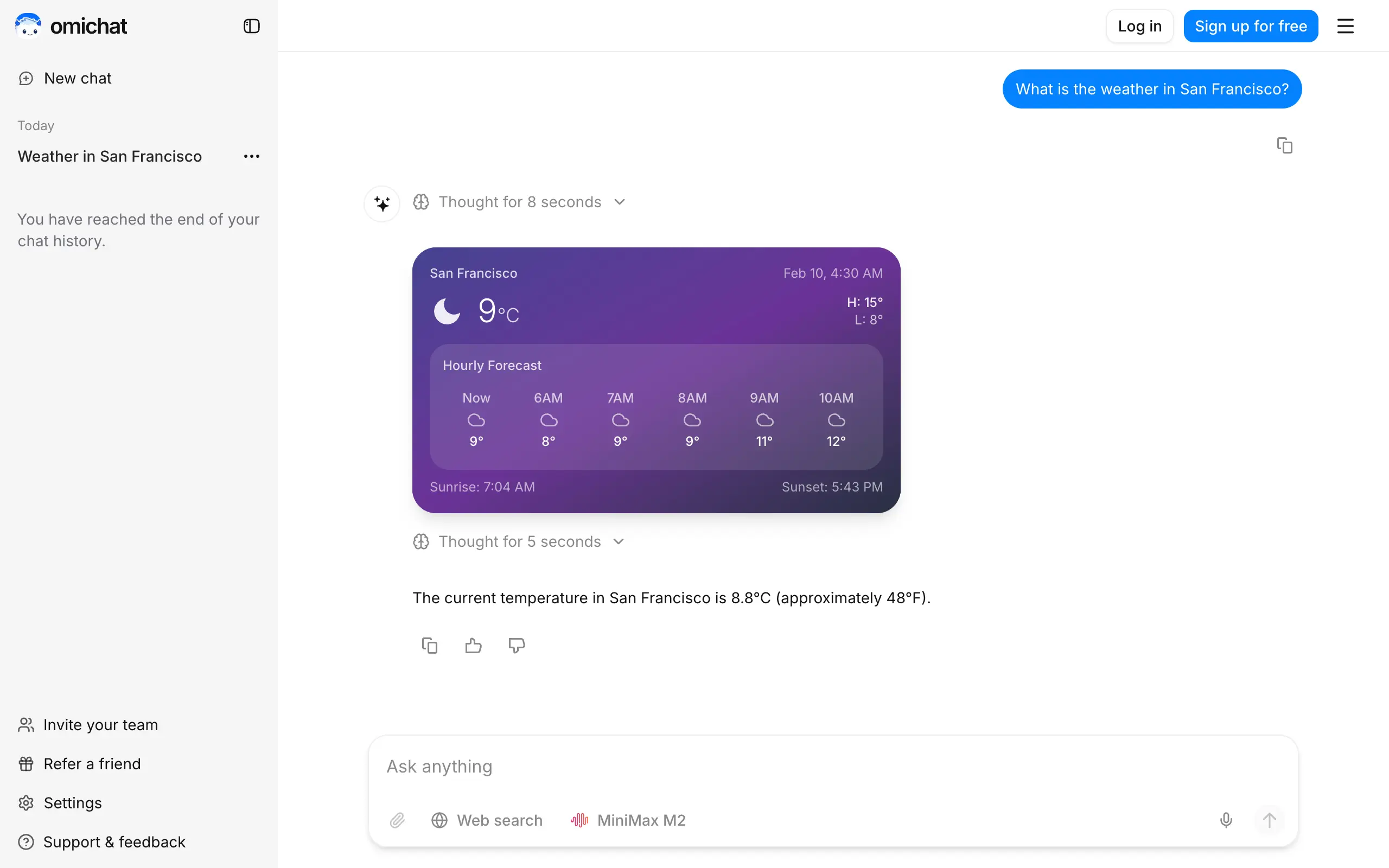
Omichat
Chat with 50+ AI models, including ChatGPT and Claude, in one place - switch models anytime without losing context 🤖
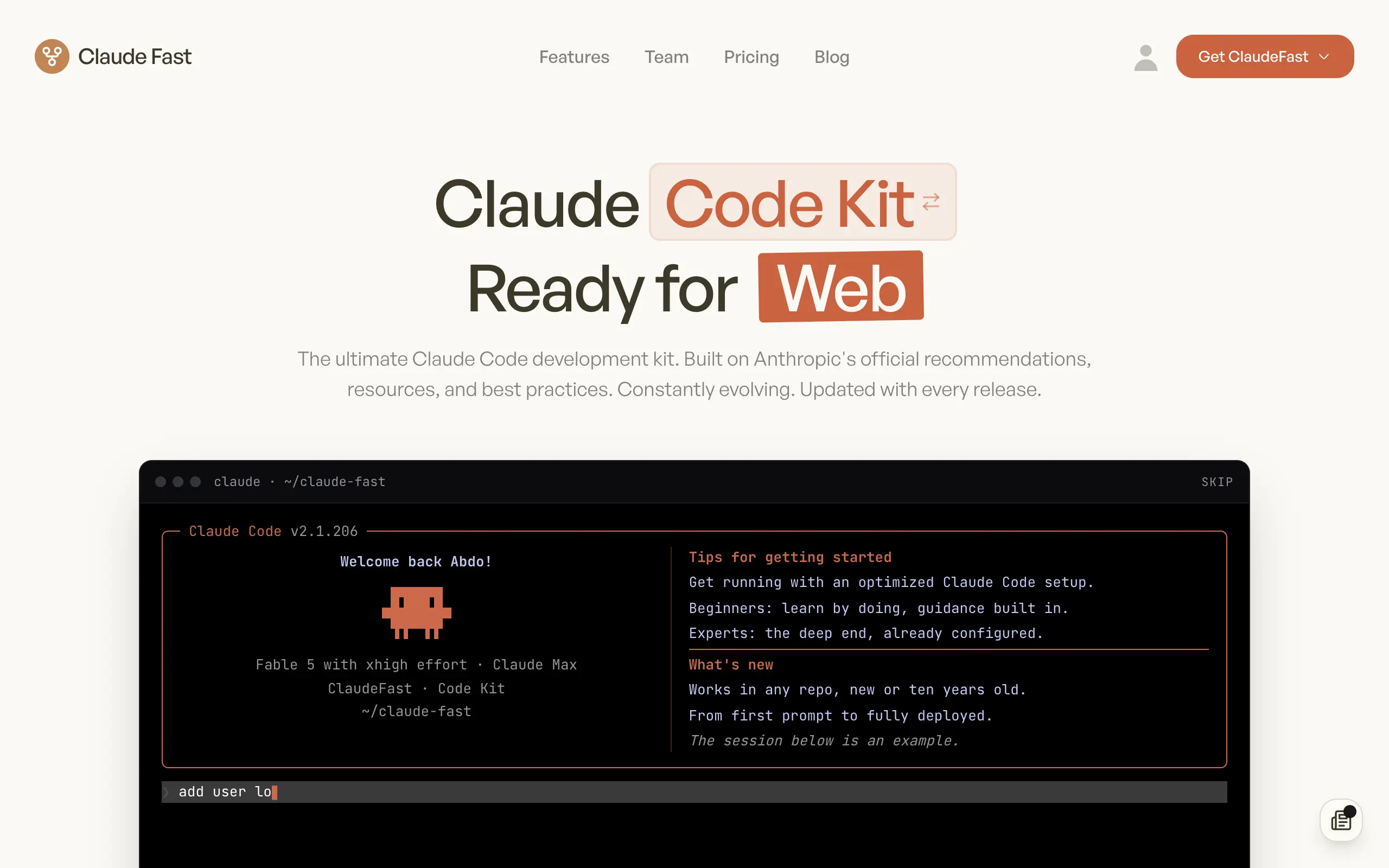
Claude Fast
Supercharge your Claude Code with 6x effective context window and specialized AI agents 🤖
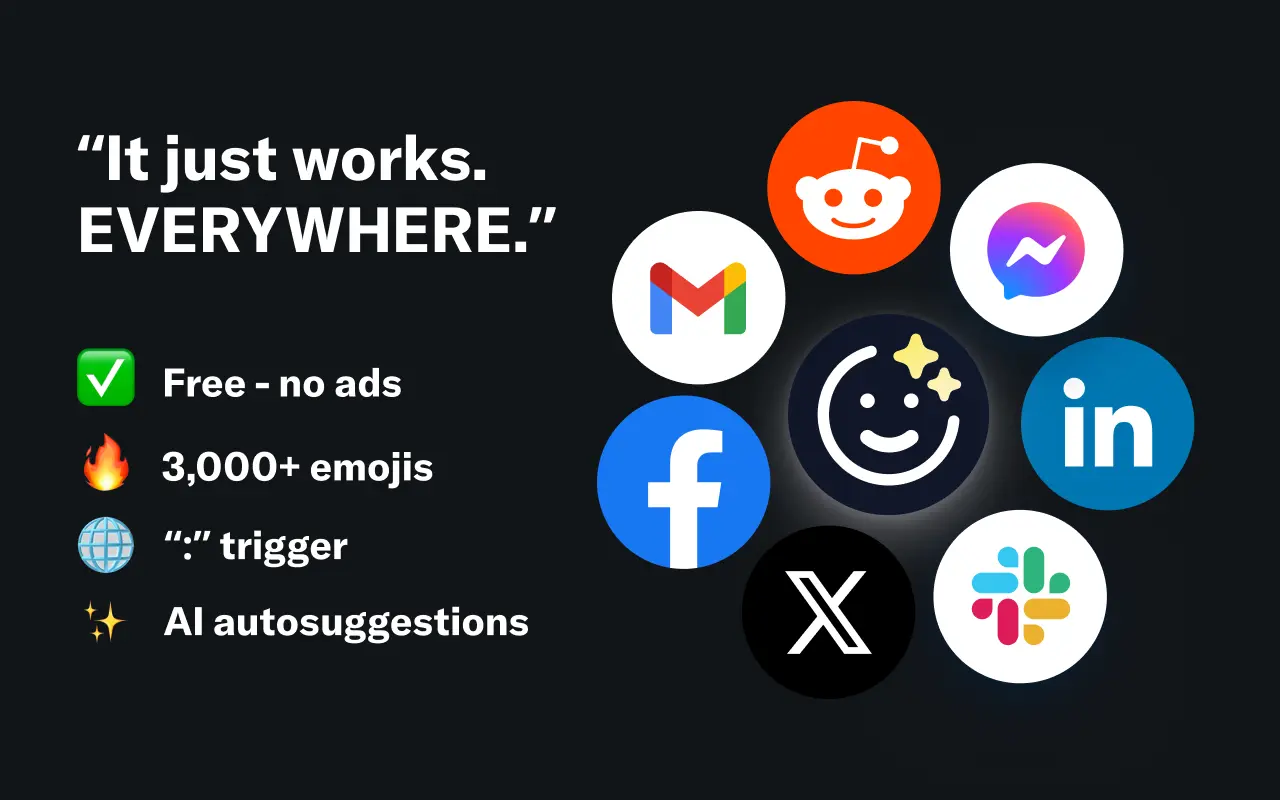
EmojAI
AI-powered emoji picker with smart, context-aware suggestions 🤖

Solohacker
Autonomous company launcher - AI agents work 24/7, escalate what matters, and you stay in control 🤖

BeRawi: Storytelling Coach
Practice storytelling daily with instant feedback to sound clearer, more engaging, and confident 🎤
Omichat
Chat with 50+ AI models, including ChatGPT and Claude, in one place - switch models anytime without losing context 🤖
Claude Fast
Supercharge your Claude Code with 6x effective context window and specialized AI agents 🤖
EmojAI
AI-powered emoji picker with smart, context-aware suggestions 🤖
Solohacker
Autonomous company launcher - AI agents work 24/7, escalate what matters, and you stay in control 🤖
BeRawi: Storytelling Coach
Practice storytelling daily with instant feedback to sound clearer, more engaging, and confident 🎤
Omichat
Chat with 50+ AI models, including ChatGPT and Claude, in one place - switch models anytime without losing context 🤖
Claude Fast
Supercharge your Claude Code with 6x effective context window and specialized AI agents 🤖
EmojAI
AI-powered emoji picker with smart, context-aware suggestions 🤖
Solohacker
Autonomous company launcher - AI agents work 24/7, escalate what matters, and you stay in control 🤖
BeRawi: Storytelling Coach
Practice storytelling daily with instant feedback to sound clearer, more engaging, and confident 🎤
Omichat
Chat with 50+ AI models, including ChatGPT and Claude, in one place - switch models anytime without losing context 🤖
Claude Fast
Supercharge your Claude Code with 6x effective context window and specialized AI agents 🤖
EmojAI
AI-powered emoji picker with smart, context-aware suggestions 🤖
Solohacker
Autonomous company launcher - AI agents work 24/7, escalate what matters, and you stay in control 🤖
BeRawi: Storytelling Coach
Practice storytelling daily with instant feedback to sound clearer, more engaging, and confident 🎤

Connect with like-minded people
Join our community to get feedback, support, and grow together with 1,000+ builders on board, let's ship it!
Join usShip your startup everywhere. In minutes.
Don't burn tokens on setup and start building features on day one.