TrailMate AI
AI-powered travel assistant for backpackers, offering real-time route suggestions, safety alerts, and local insights based on your preferences and location.
Understanding TrailMate AI: The next-generation travel assistant for backpackers
TrailMate AI is an innovative AI-powered travel assistant designed specifically for backpackers. It offers real-time route suggestions, safety alerts, and hyper-local insights tailored to each user's preferences and current location. In this comprehensive guide, we'll explore the market need, target audience, core features, technology stack, monetization strategies, competitive landscape, and actionable steps to bring TrailMate AI to life.
Who is TrailMate AI for? Target audience analysis
Understanding the target audience is crucial for any SaaS product, especially in the travel tech space. TrailMate AI is purpose-built for:
- Backpackers and solo travelers: Individuals seeking adventure, flexibility, and authentic experiences, often traveling on a budget.
- Digital nomads: Remote workers who combine work and travel, requiring reliable, up-to-date information and safety.
- Gap year students: Young adults exploring the world before or after university, often in unfamiliar regions.
- Adventure seekers: Hikers, trekkers, and explorers who venture off the beaten path and need real-time guidance.
- Eco-conscious travelers: Users who prefer sustainable travel options and want to minimize their environmental impact.
Key user needs:
- Personalized recommendations: Not just generic tourist spots, but hidden gems and local experiences.
- Safety and security: Real-time alerts about weather, political unrest, or health risks.
- Offline functionality: Reliable access to information even in areas with poor connectivity.
- Community insights: Tips and reviews from fellow travelers.
- Budget optimization: Suggestions that align with limited resources.
User intent insight
Backpackers and solo travelers are searching for tools that help them travel smarter, safer, and more authentically. They want actionable, real-time information that adapts to their journey—not just static guides.
Market opportunity and gap analysis
The global travel tech market is booming, with AI-driven solutions gaining traction. However, most existing travel apps focus on itinerary planning, booking, or generic recommendations. There is a clear gap for a context-aware, AI-powered assistant that:
- Adapts in real time to changing conditions and user preferences.
- Prioritizes safety with up-to-the-minute alerts.
- Delivers hyper-local insights that go beyond mainstream tourist information.
Why now?
- Post-pandemic travel: Travelers are more safety-conscious and value up-to-date information.
- AI advancements: Natural language processing and geospatial AI have matured, enabling smarter, more personalized recommendations.
- Mobile-first world: Backpackers rely on smartphones as their primary travel tool.
Market validation:
- According to recent industry reports, over 60% of millennial travelers prefer personalized travel experiences (source: suggest referencing a Statista or Skift report).
- The rise of solo travel and digital nomadism has created a demand for smarter, more adaptive travel tools.
Core features and solution details
TrailMate AI stands out by combining advanced AI with practical, on-the-ground utility. Here’s a breakdown of its core features:
1. Real-time route suggestions
- Dynamic routing: Suggests optimal walking, hiking, or transit routes based on current location, weather, and user preferences.
- Alternative paths: Offers safer or more scenic alternatives if conditions change.
- Offline maps: Downloadable maps for use in remote areas.
2. Safety alerts
- Geofenced notifications: Alerts about local hazards, political unrest, or health advisories as users enter new regions.
- Weather warnings: Real-time updates on storms, heatwaves, or other risks.
- SOS functionality: Quick access to emergency contacts and local authorities.
3. Local insights and recommendations
- Hidden gems: AI-curated suggestions for lesser-known attractions, eateries, and experiences.
- Community tips: User-generated content and reviews from fellow backpackers.
- Cultural etiquette: Contextual advice on customs, language, and local norms.
4. Personalization engine
- Preference learning: Adapts recommendations based on user behavior and feedback.
- Budget-aware suggestions: Filters options to match spending limits.
- Travel style matching: Tailors experiences for adventure seekers, foodies, or culture lovers.
5. Seamless user experience
- Intuitive interface: Mobile-first design with easy navigation.
- Voice assistant: Hands-free operation for on-the-go use.
- Multi-language support: Accessible to a global audience.
Real-time route suggestions
Dynamic, AI-powered routing with offline support.
Safety alerts
Instant notifications for hazards, weather, and emergencies.
Local insights
Personalized recommendations and community tips.
Personalization engine
Learns user preferences for tailored experiences.
Recommended tech stack for TrailMate AI
Choosing the right technology stack is critical for scalability, performance, and user experience. Here’s a recommended stack, with trade-offs explained:
Frontend
- React Native: Enables cross-platform mobile development (iOS and Android) with a single codebase. Fast iteration, large community, and access to native device features.
- TailwindCSS (for web dashboard): Utility-first CSS framework for rapid UI development and consistent design.
Backend
- Node.js: High-performance, event-driven backend suitable for real-time data processing.
- Express: Minimalist web framework for building robust APIs.
AI & Data
- OpenAI APIs: For natural language processing, recommendation systems, and conversational AI.
- Mapbox or Google Maps Platform: For geospatial data, mapping, and route optimization.
- Firebase: Real-time database, authentication, and push notifications.
Other essentials
- PostgreSQL: Reliable, scalable relational database for user data and content.
- Redis: For caching and real-time data needs.
- Docker: Containerization for easy deployment and scaling.
- TurboStarter: For rapid SaaS prototyping and deployment.
Tech stack trade-offs
React Native accelerates development but may have performance limitations for complex native features. Mapbox offers more customization than Google Maps but may require more setup. OpenAI APIs provide powerful AI but come with usage costs.
Monetization strategy options
TrailMate AI can adopt several monetization models, either standalone or in combination:
1. Freemium model
- Free tier: Basic features (route suggestions, limited safety alerts, community tips).
- Premium tier: Advanced AI recommendations, offline maps, unlimited safety alerts, and exclusive local insights.
2. Subscription plans
- Monthly/annual subscriptions: Unlock all features, ad-free experience, and priority support.
- Student/nomad discounts: Special pricing for target demographics.
3. Affiliate partnerships
- Travel insurance: Earn commissions by recommending insurance providers.
- Local experiences: Partner with tour operators, hostels, or activity providers.
4. In-app purchases
- Offline map packs: Sell region-specific offline content.
- Custom itineraries: Offer AI-generated, personalized travel plans.
5. B2B licensing
- White-label solution: License the platform to travel agencies, hostels, or educational institutions.
Potential risks and mitigation strategies
Launching an AI-powered travel assistant comes with unique challenges. Here’s how to address them:
1. Data privacy and security
- Risk: Handling sensitive location and personal data.
- Mitigation: Implement end-to-end encryption, comply with GDPR and other regulations, and provide transparent privacy policies.
2. AI accuracy and bias
- Risk: Inaccurate or biased recommendations could harm user trust.
- Mitigation: Regularly audit AI models, incorporate user feedback, and diversify training data.
3. Real-time data reliability
- Risk: Outdated or incorrect safety alerts.
- Mitigation: Integrate multiple data sources, prioritize official channels, and allow user reporting.
4. Monetization friction
- Risk: Users may resist paying for features.
- Mitigation: Offer clear value in the free tier, use transparent pricing, and provide trial periods.
5. Market competition
- Risk: Competing with established travel apps.
- Mitigation: Focus on unique AI-driven features, real-time adaptability, and community engagement.
All sensitive data is encrypted, and users have full control over what is shared. The platform is designed to comply with GDPR and other privacy regulations.
Users can provide feedback on recommendations, which helps improve the AI. Multiple data sources and regular audits minimize errors.
Competitive advantage analysis
TrailMate AI’s unique selling proposition (USP) lies in its real-time, AI-driven adaptability and focus on backpackers’ specific needs. Here’s how it stands out:
| Feature | TrailMate AI | Generic Travel Apps | Guidebooks | Community Forums |
|---|---|---|---|---|
| Real-time route suggestions | ✅ | ❌ | ❌ | ✅ |
| Safety alerts | ✅ | ❌ | ✅ | ✅ |
| Personalized local insights | ✅ | ❌ | ✅ | ✅ |
| Offline functionality | ✅ | ❌ | ❌ | ❌ |
| Community-driven content | ✅ | ❌ | ❌ | ✅ |
Key differentiators:
- AI-powered, real-time adaptability: Unlike static guidebooks or generic apps, TrailMate AI responds instantly to changing conditions.
- Backpacker-centric design: Every feature is tailored to the unique needs of budget travelers and adventurers.
- Safety-first approach: Proactive alerts and emergency features build trust and reliability.
- Community and personalization: Combines the wisdom of crowds with smart AI curation.
Implementation steps: Bringing TrailMate AI to life
Building a robust, scalable AI travel assistant requires a structured approach. Here’s a step-by-step roadmap:
Actionable next steps and conclusion
TrailMate AI is uniquely positioned to transform the backpacking experience with its AI-powered, real-time travel assistant. By focusing on the specific needs of solo travelers and leveraging the latest advancements in AI and mobile technology, it fills a critical gap in the travel tech market.
To move forward:
- Validate the concept with real users and iterate on feedback.
- Prioritize features that deliver immediate value and safety.
- Build a strong community around the product for organic growth.
- Leverage platforms like TurboStarter for rapid prototyping and deployment.
In summary: TrailMate AI offers a compelling, differentiated solution for modern backpackers. With the right execution, it can become the go-to travel companion for a new generation of explorers—delivering safety, personalization, and authentic local experiences, all powered by cutting-edge AI.
Frequently asked questions
Yes, TrailMate AI supports offline maps and essential features, ensuring usability even in remote areas with limited connectivity.
The platform uses AI to learn from your preferences, travel history, and feedback, continuously refining its suggestions.
Absolutely. All location data is encrypted and never shared without your explicit consent. The platform adheres to strict privacy standards.
Ready to revolutionize the backpacking experience? TrailMate AI is your intelligent, trustworthy travel companion—wherever the trail leads.
More 🤖 AI Startup SaaS ideas
Discover more innovative ai startup SaaS ideas that are trending in 2026. Each idea is AI-generated with market validation and growth potential to help you find your next profitable venture faster than competitors.
Your competitors are building with TurboStarter
Below are some of the SaaS ideas that have been generated and built with our starter kit.

Statiko
Monitor any Telegram channel in real time - track posts, edits, deletions, and growth with AI recaps 📡

Shibui
AI website builder - describe your business, pick a niche template, edit by chatting, and publish instantly ✨

Pro Service
Find verified home service professionals, compare quotes, and pay securely through escrow - built for Brazilians across the US 🏠
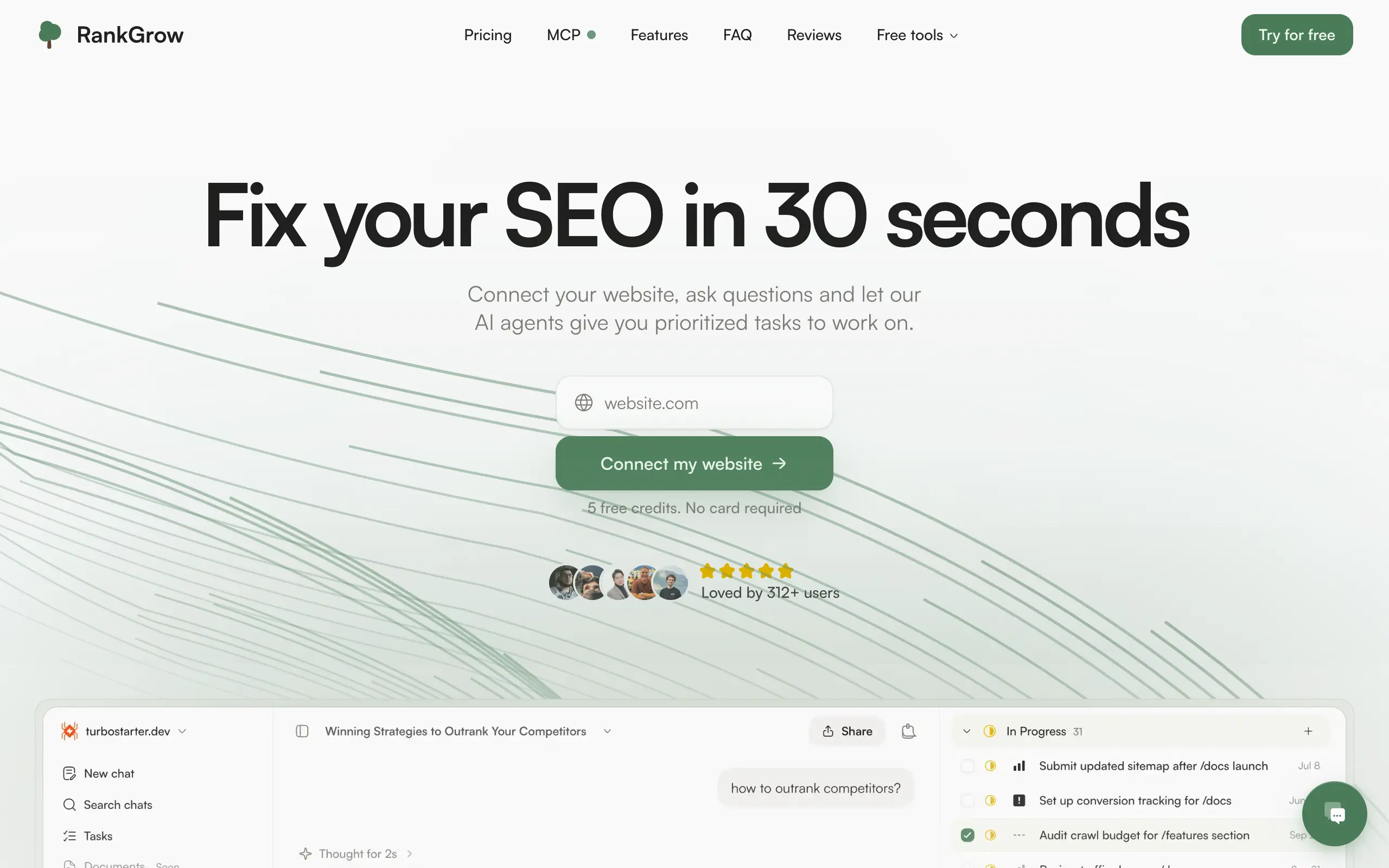
RankGrow
Fix your SEO with AI agents - connect Search Console, get prioritized tasks, and grow organic traffic 📈
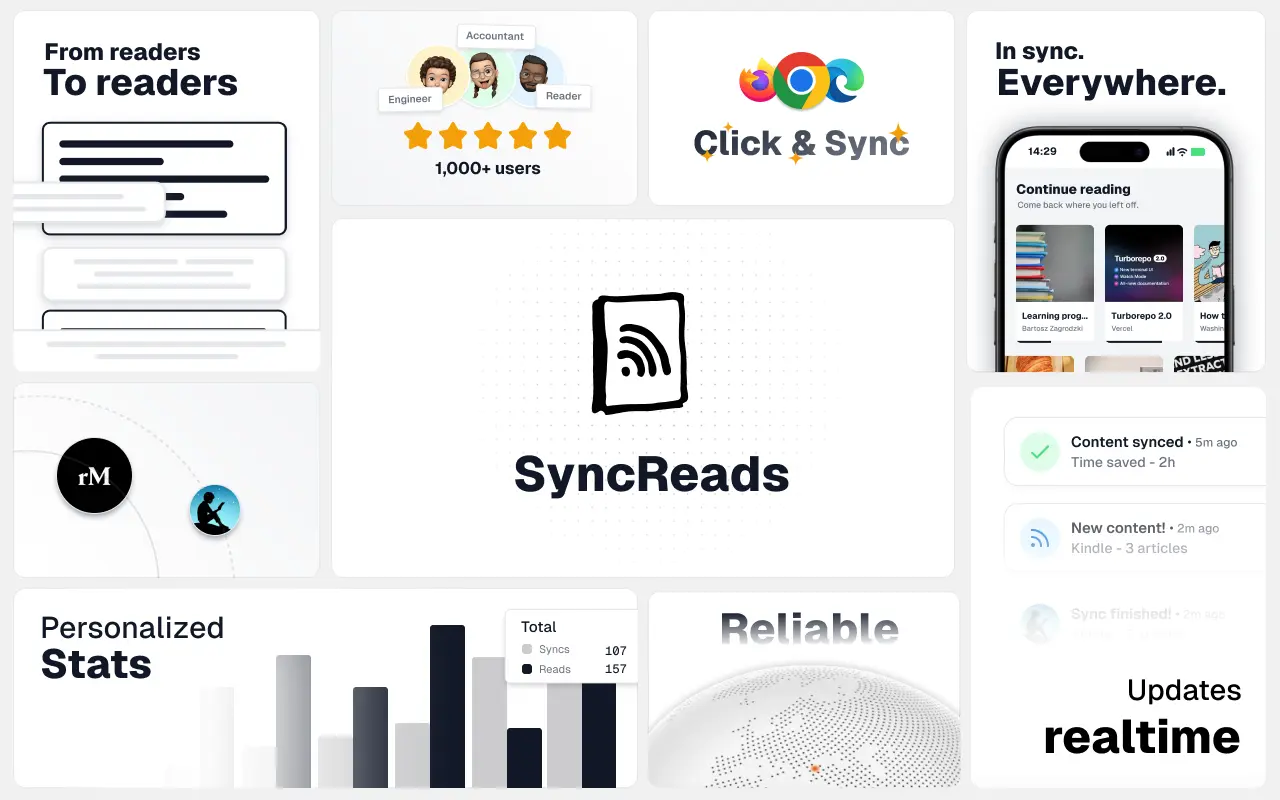
SyncReads
Sync your favorite content for distraction-free reading, save time and replace multiple apps. Anytime, anywhere 🔄
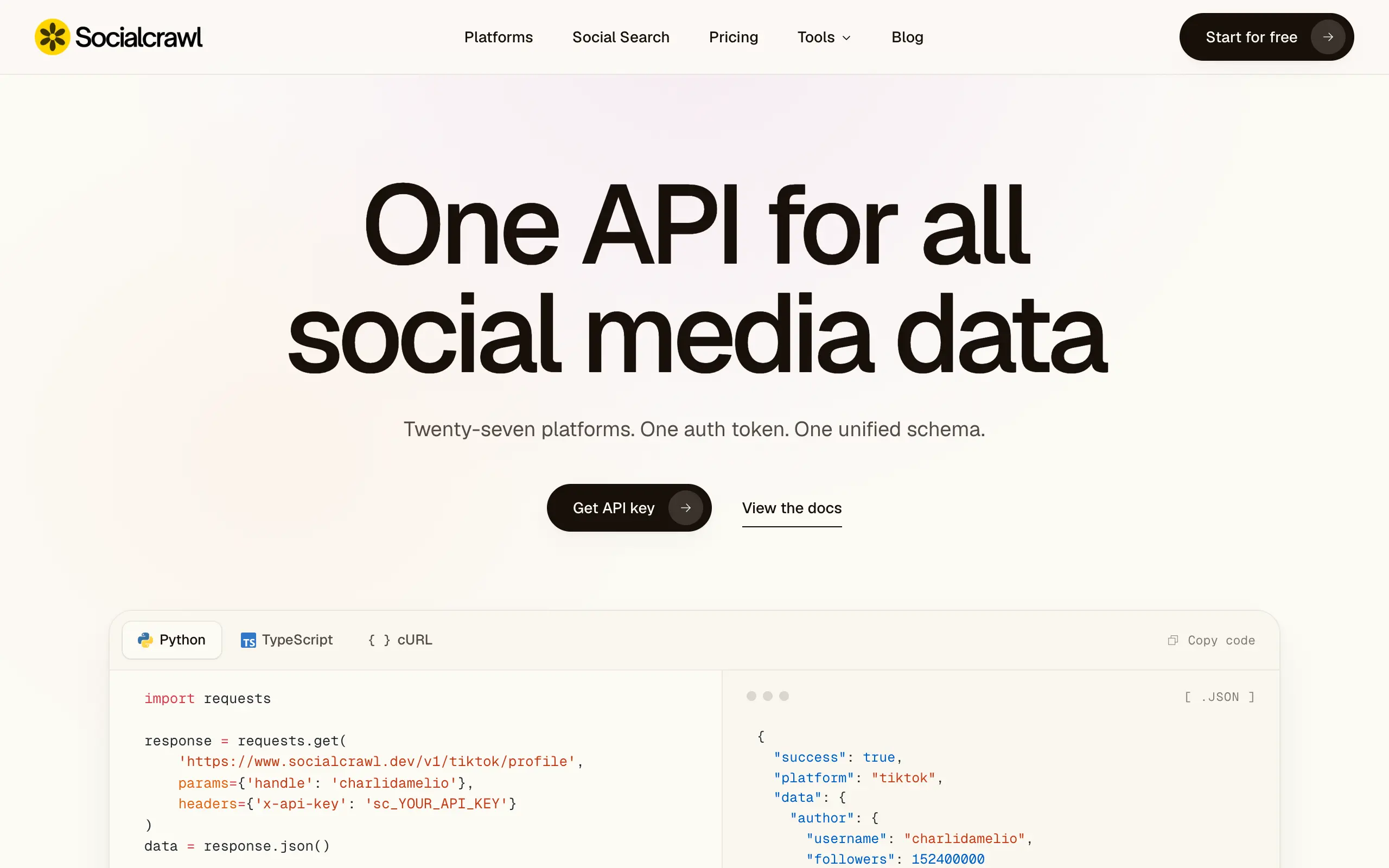
Socialcrawl
Get clean, structured data from 21 platforms like TikTok, Instagram, and YouTube with a single request 📊
Statiko
Monitor any Telegram channel in real time - track posts, edits, deletions, and growth with AI recaps 📡
Shibui
AI website builder - describe your business, pick a niche template, edit by chatting, and publish instantly ✨
Pro Service
Find verified home service professionals, compare quotes, and pay securely through escrow - built for Brazilians across the US 🏠
RankGrow
Fix your SEO with AI agents - connect Search Console, get prioritized tasks, and grow organic traffic 📈
SyncReads
Sync your favorite content for distraction-free reading, save time and replace multiple apps. Anytime, anywhere 🔄
Socialcrawl
Get clean, structured data from 21 platforms like TikTok, Instagram, and YouTube with a single request 📊
Statiko
Monitor any Telegram channel in real time - track posts, edits, deletions, and growth with AI recaps 📡
Shibui
AI website builder - describe your business, pick a niche template, edit by chatting, and publish instantly ✨
Pro Service
Find verified home service professionals, compare quotes, and pay securely through escrow - built for Brazilians across the US 🏠
RankGrow
Fix your SEO with AI agents - connect Search Console, get prioritized tasks, and grow organic traffic 📈
SyncReads
Sync your favorite content for distraction-free reading, save time and replace multiple apps. Anytime, anywhere 🔄
Socialcrawl
Get clean, structured data from 21 platforms like TikTok, Instagram, and YouTube with a single request 📊
Statiko
Monitor any Telegram channel in real time - track posts, edits, deletions, and growth with AI recaps 📡
Shibui
AI website builder - describe your business, pick a niche template, edit by chatting, and publish instantly ✨
Pro Service
Find verified home service professionals, compare quotes, and pay securely through escrow - built for Brazilians across the US 🏠
RankGrow
Fix your SEO with AI agents - connect Search Console, get prioritized tasks, and grow organic traffic 📈
SyncReads
Sync your favorite content for distraction-free reading, save time and replace multiple apps. Anytime, anywhere 🔄
Socialcrawl
Get clean, structured data from 21 platforms like TikTok, Instagram, and YouTube with a single request 📊
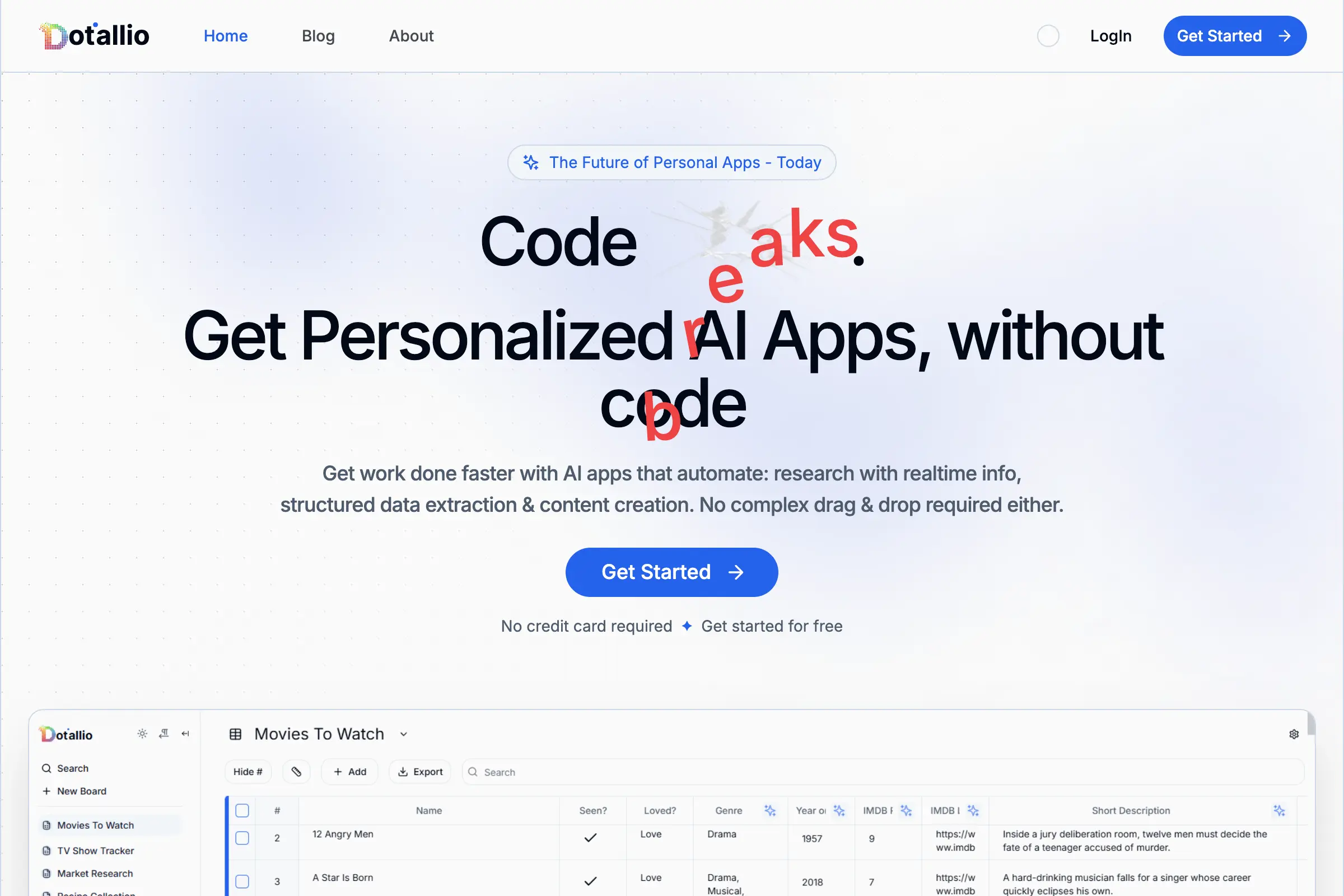
Dotallio
Personalized AI apps that automate research, data extraction, and content creation without code 🤖
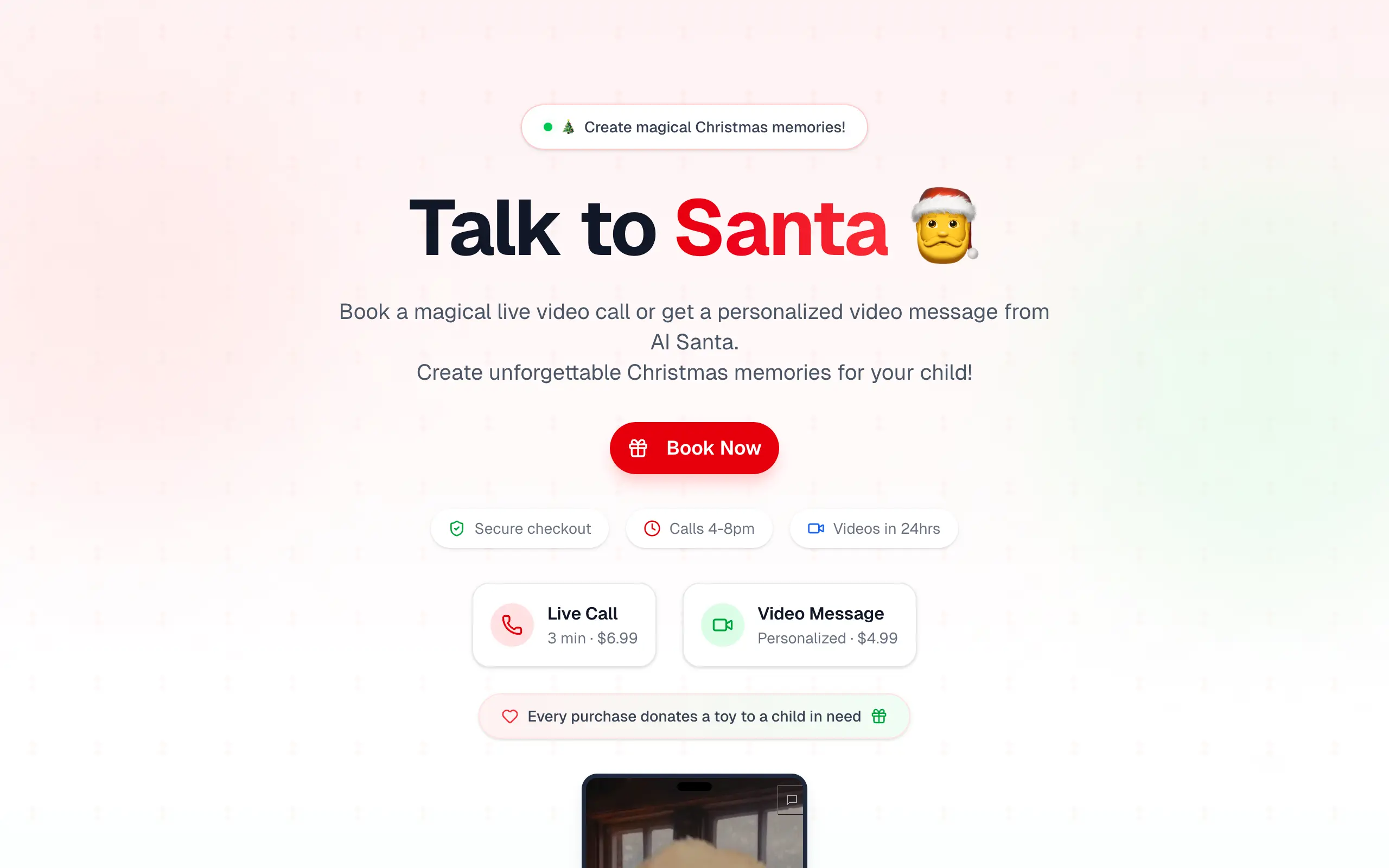
Talk to Santa
Enjoy a magical live video chat or receive a unique AI-generated video greeting from Santa Claus 🎅

pozywka.pl
Scalable blog for food journalist, focused on performance and user experience 🌭
zagrodzki.me
Personal blog and portfolio of Bart Zagrodzki, where he shares his knowledge and work 💼
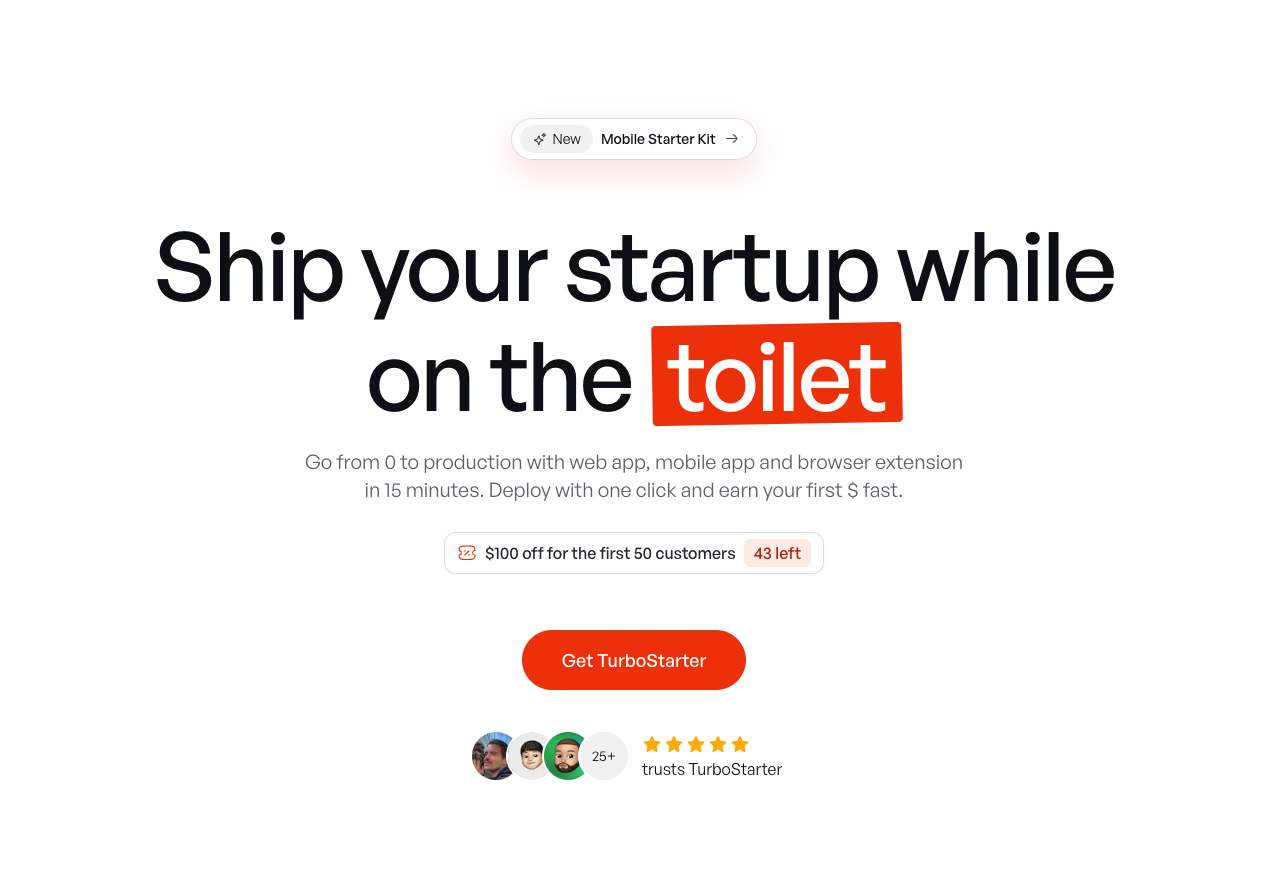
TurboStarter
Ship your startup everywhere. In minutes.
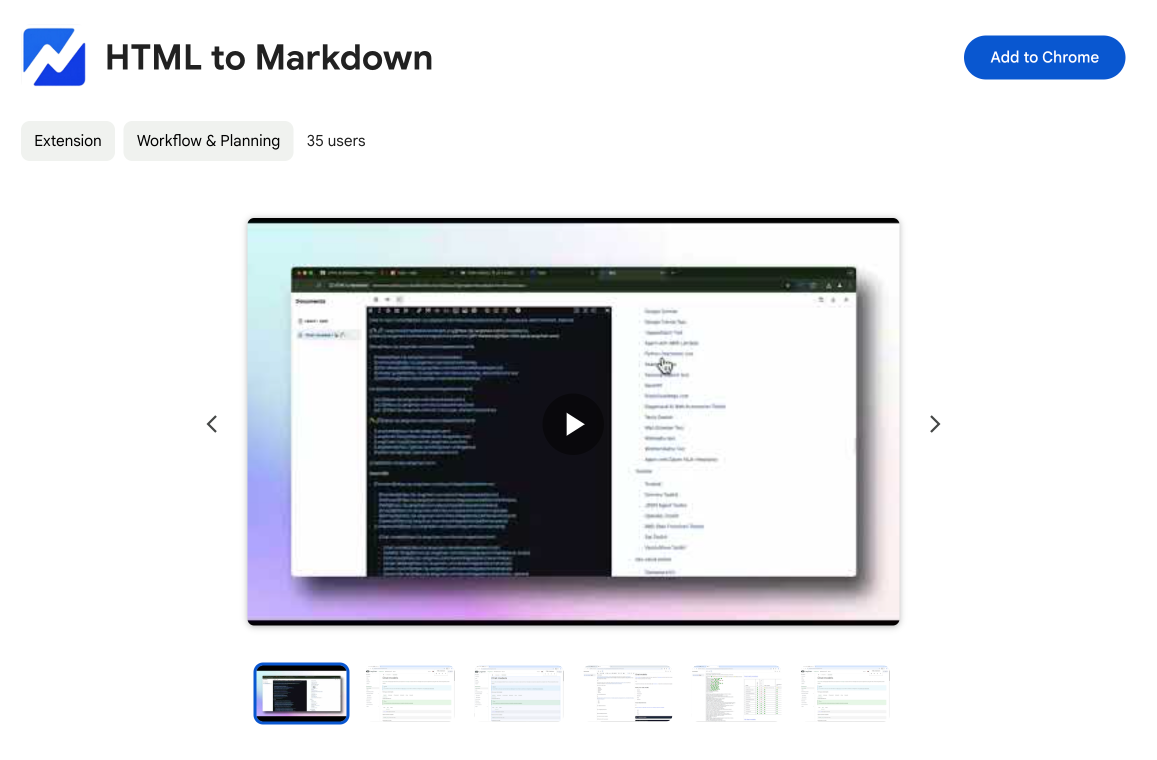
HTML to Markdown
Convert HTML to Markdown with ease, directly in your browser 📄
Dotallio
Personalized AI apps that automate research, data extraction, and content creation without code 🤖
Talk to Santa
Enjoy a magical live video chat or receive a unique AI-generated video greeting from Santa Claus 🎅
pozywka.pl
Scalable blog for food journalist, focused on performance and user experience 🌭
zagrodzki.me
Personal blog and portfolio of Bart Zagrodzki, where he shares his knowledge and work 💼
TurboStarter
Ship your startup everywhere. In minutes.
HTML to Markdown
Convert HTML to Markdown with ease, directly in your browser 📄
Dotallio
Personalized AI apps that automate research, data extraction, and content creation without code 🤖
Talk to Santa
Enjoy a magical live video chat or receive a unique AI-generated video greeting from Santa Claus 🎅
pozywka.pl
Scalable blog for food journalist, focused on performance and user experience 🌭
zagrodzki.me
Personal blog and portfolio of Bart Zagrodzki, where he shares his knowledge and work 💼
TurboStarter
Ship your startup everywhere. In minutes.
HTML to Markdown
Convert HTML to Markdown with ease, directly in your browser 📄
Dotallio
Personalized AI apps that automate research, data extraction, and content creation without code 🤖
Talk to Santa
Enjoy a magical live video chat or receive a unique AI-generated video greeting from Santa Claus 🎅
pozywka.pl
Scalable blog for food journalist, focused on performance and user experience 🌭
zagrodzki.me
Personal blog and portfolio of Bart Zagrodzki, where he shares his knowledge and work 💼
TurboStarter
Ship your startup everywhere. In minutes.
HTML to Markdown
Convert HTML to Markdown with ease, directly in your browser 📄
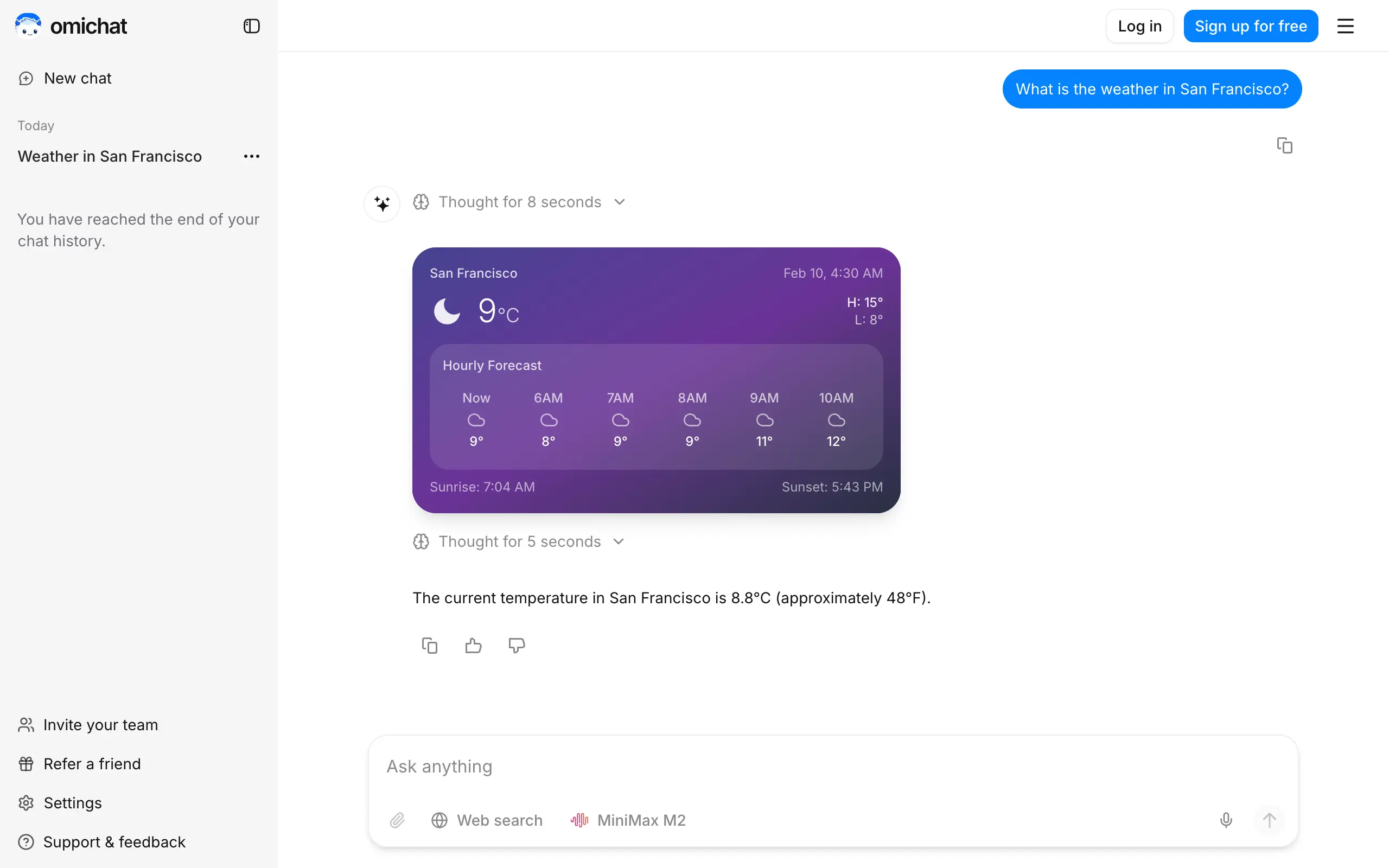
Omichat
Chat with 50+ AI models, including ChatGPT and Claude, in one place - switch models anytime without losing context 🤖
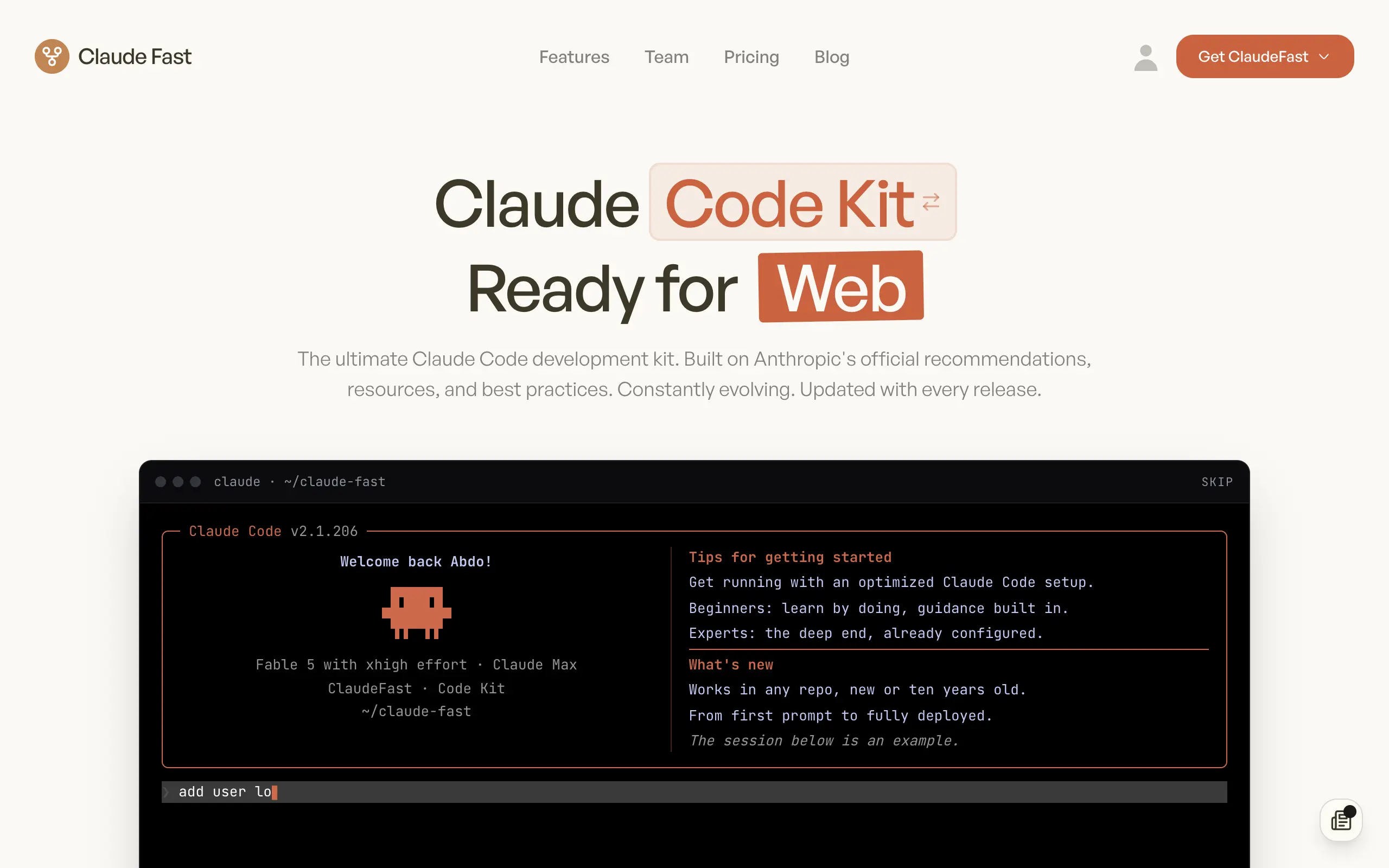
Claude Fast
Supercharge your Claude Code with 6x effective context window and specialized AI agents 🤖
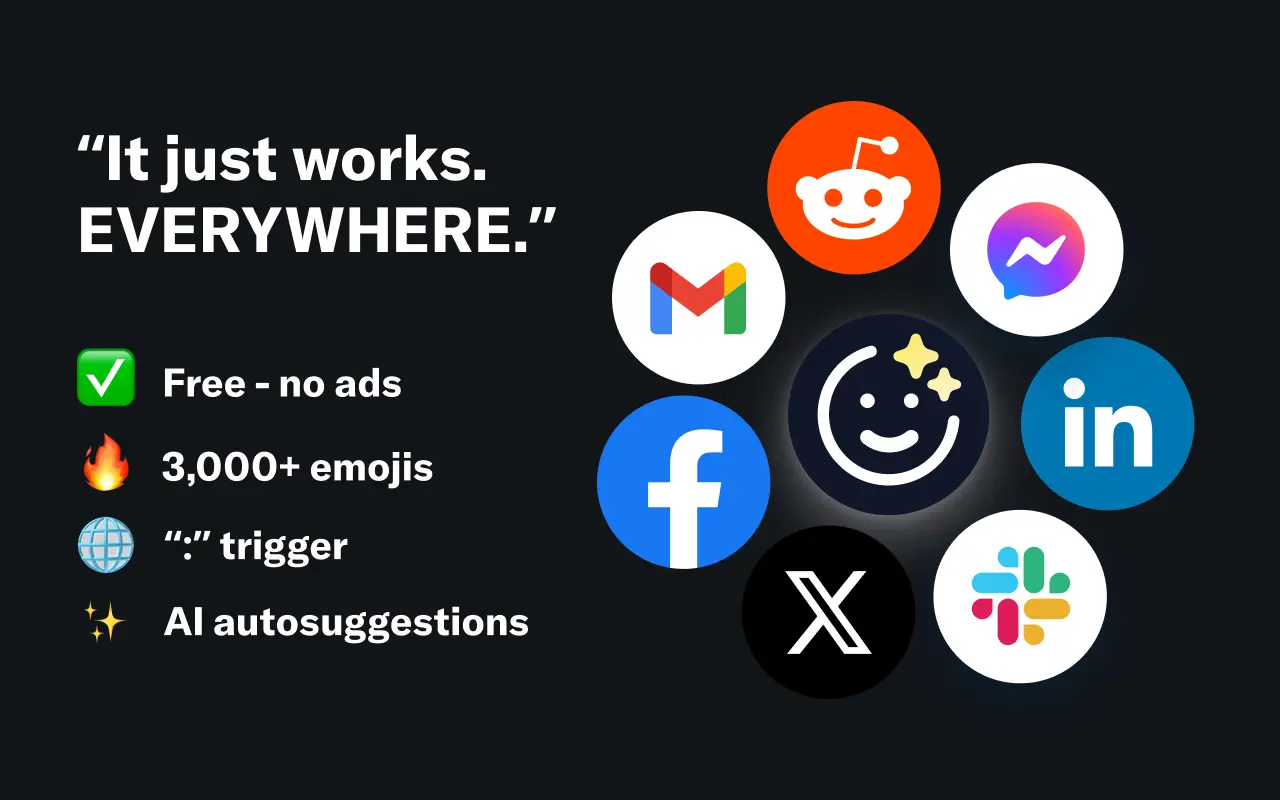
EmojAI
AI-powered emoji picker with smart, context-aware suggestions 🤖

Solohacker
Autonomous company launcher - AI agents work 24/7, escalate what matters, and you stay in control 🤖
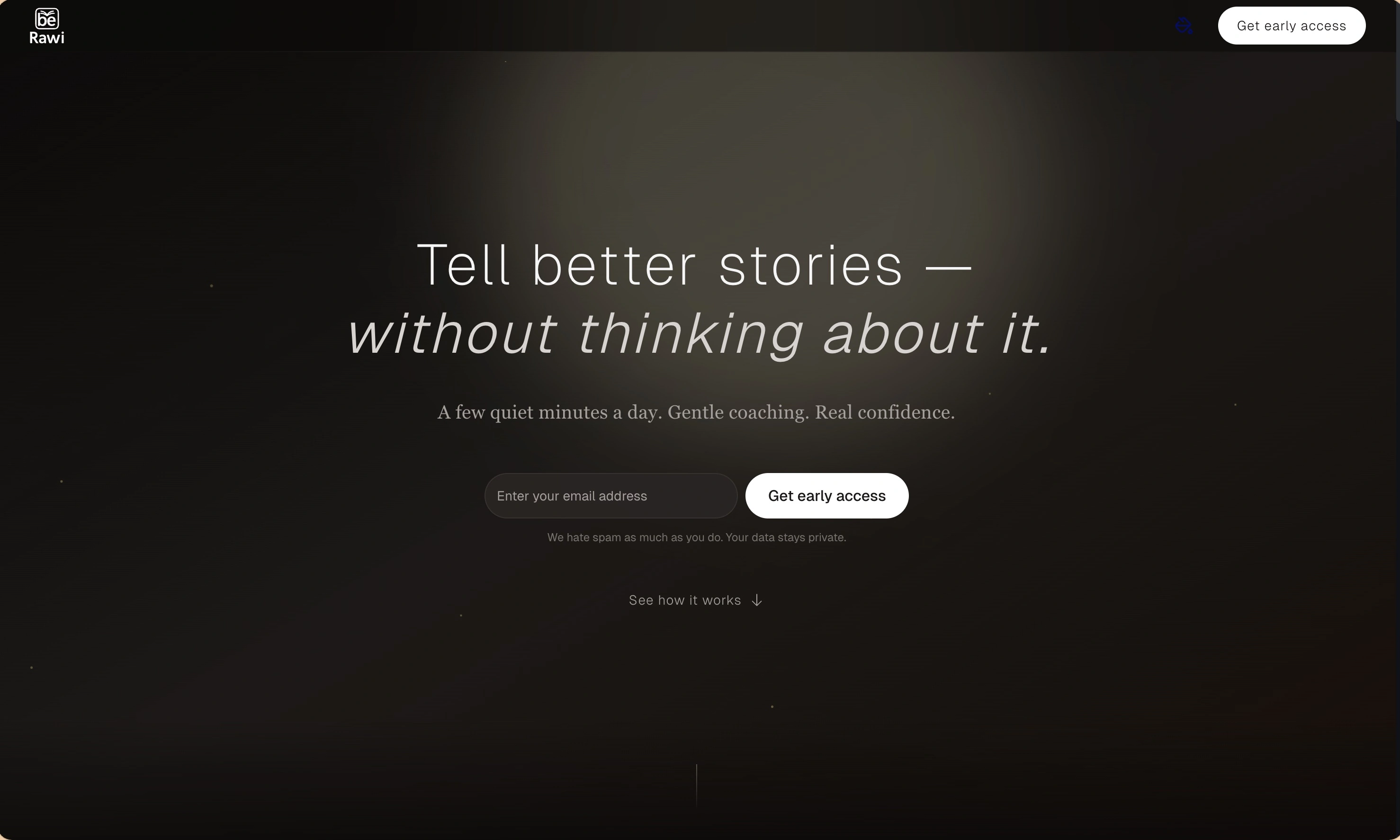
BeRawi: Storytelling Coach
Practice storytelling daily with instant feedback to sound clearer, more engaging, and confident 🎤
Omichat
Chat with 50+ AI models, including ChatGPT and Claude, in one place - switch models anytime without losing context 🤖
Claude Fast
Supercharge your Claude Code with 6x effective context window and specialized AI agents 🤖
EmojAI
AI-powered emoji picker with smart, context-aware suggestions 🤖
Solohacker
Autonomous company launcher - AI agents work 24/7, escalate what matters, and you stay in control 🤖
BeRawi: Storytelling Coach
Practice storytelling daily with instant feedback to sound clearer, more engaging, and confident 🎤
Omichat
Chat with 50+ AI models, including ChatGPT and Claude, in one place - switch models anytime without losing context 🤖
Claude Fast
Supercharge your Claude Code with 6x effective context window and specialized AI agents 🤖
EmojAI
AI-powered emoji picker with smart, context-aware suggestions 🤖
Solohacker
Autonomous company launcher - AI agents work 24/7, escalate what matters, and you stay in control 🤖
BeRawi: Storytelling Coach
Practice storytelling daily with instant feedback to sound clearer, more engaging, and confident 🎤
Omichat
Chat with 50+ AI models, including ChatGPT and Claude, in one place - switch models anytime without losing context 🤖
Claude Fast
Supercharge your Claude Code with 6x effective context window and specialized AI agents 🤖
EmojAI
AI-powered emoji picker with smart, context-aware suggestions 🤖
Solohacker
Autonomous company launcher - AI agents work 24/7, escalate what matters, and you stay in control 🤖
BeRawi: Storytelling Coach
Practice storytelling daily with instant feedback to sound clearer, more engaging, and confident 🎤

Connect with like-minded people
Join our community to get feedback, support, and grow together with 1,000+ builders on board, let's ship it!
Join usShip your startup everywhere. In minutes.
Don't burn tokens on setup and start building features on day one.