TrailMind Companion
Smart hiking assistant that generates personalized trail plans, safety alerts, and offline guidance based on your skill and local conditions.
what is an AI hiking assistant and why it matters now
The concept of an AI hiking assistant like TrailMind Companion sits at the intersection of outdoor adventure, personalized AI, and safety technology. As more people embrace hiking, backpacking, and nature travel—especially post-pandemic—the need for smarter, safer, and more personalized guidance has grown significantly.
Traditional hiking apps such as AllTrails or Gaia GPS provide static maps and user-generated trail data. While useful, they lack real-time intelligence, personalization, and adaptive safety awareness. This is where an AI-powered solution creates a meaningful leap forward.
TrailMind Companion is designed to:
- Generate personalized trail plans based on user skill, fitness, and preferences
- Provide real-time safety alerts using weather, terrain, and environmental data
- Offer offline-first guidance, critical for remote environments
- Act as a context-aware hiking companion, not just a map tool
This shift from static tools to adaptive AI copilots for outdoor experiences represents a major opportunity in the outdoor tech SaaS market.
target audience analysis for an AI hiking assistant
Understanding the target audience is essential for product-market fit. TrailMind Companion serves multiple segments, each with distinct needs and expectations.
primary users
1. beginner hikers
- Often overwhelmed by trail selection
- Concerned about safety and navigation
- Need guided, confidence-building experiences
Pain point: “Which trail is safe and مناسب for me?”
2. intermediate adventurers
- Looking for new challenges
- Want optimization (time, elevation, scenery)
- Care about performance tracking
Pain point: “How can I level up my hiking experience?”
3. experienced hikers and backpackers
- Need advanced route planning tools
- Require offline reliability
- Value environmental awareness
Pain point: “How do I plan efficiently in remote or risky terrain?”
secondary users
- Travelers and digital nomads exploring unfamiliar regions
- Tour operators and guides seeking scalable planning tools
- Search and rescue organizations (future integration opportunity)
behavioral insights
Recent outdoor recreation trends (suggest referencing reports from sources like the Outdoor Industry Association) indicate:
- Increased first-time hikers
- Strong demand for mobile-first tools
- Growing awareness of safety and preparedness
TrailMind Companion can uniquely position itself as a “smart outdoor decision engine”, not just a trail database.
market opportunity and gap analysis
The hiking app market is crowded—but still incomplete.
current landscape
| Feature | AllTrails | Gaia GPS | Komoot | TrailMind Companion |
|---|---|---|---|---|
| Static trail maps | ✅ | ✅ | ✅ | ✅ |
| AI personalization | ❌ | ❌ | ⚠️ limited | ✅ |
| Real-time safety alerts | ❌ | ⚠️ partial | ❌ | ✅ |
| Offline intelligent guidance | ⚠️ basic | ✅ | ✅ | ✅ advanced |
| Dynamic route generation | ❌ | ❌ | ⚠️ limited | ✅ |
key market gaps
TrailMind Companion addresses several overlooked opportunities:
1. personalization gap Most apps rely on filters, not intelligence. Users must manually search and evaluate.
2. safety intelligence gap Apps rarely combine:
- Weather forecasts
- Trail difficulty
- User capability
- Real-time hazards
3. offline intelligence gap Offline maps exist, but offline decision-making AI does not.
4. onboarding gap New hikers lack guidance. There's no “coach-like” experience.
market timing advantage
Several trends make this the right moment:
- Advances in edge AI and on-device inference
- Growth of wearables and GPS-enabled devices
- Increased consumer trust in AI assistants
- Rising demand for outdoor safety tech
core features of TrailMind Companion
1. personalized trail planning engine
The heart of the platform is an AI system that generates tailored hiking plans.
Inputs include:
- Fitness level
- Hiking experience
- Available time
- Preferred terrain (forest, mountain, coastal)
- Weather conditions
- Location
Outputs:
- Suggested trails
- Estimated duration
- Difficulty rating
- Elevation insights
- Gear recommendations
2. real-time safety alerts
This feature transforms TrailMind into a safety-first platform.
Alerts include:
- Sudden weather changes
- Trail closures
- Wildlife activity (where data is available)
- Terrain hazards (e.g., landslides, flooding)
Safety differentiation
Most hiking apps inform. TrailMind actively warns and adapts recommendations in real time.
3. offline-first AI guidance
Hikers often lose connectivity. TrailMind solves this with:
- Preloaded maps and trail data
- Lightweight on-device AI models
- Cached safety rules and predictions
This ensures:
- Navigation without signal
- Continued safety insights
- Route recalculation offline
4. adaptive route optimization
Instead of static trails, TrailMind can:
- Suggest alternate routes mid-hike
- Adjust based on fatigue or delays
- Recommend early exits if risk increases
5. conversational AI interface
Users interact naturally:
- “Find me a scenic 3-hour hike nearby”
- “Is this trail safe tomorrow morning?”
- “Adjust my route to avoid steep climbs”
6. smart gear recommendations
Based on:
- Weather
- Terrain
- Trip duration
The system suggests:
- Clothing
- Equipment
- Supplies
technical architecture and recommended tech stack
Building an AI hiking assistant requires careful balance between performance, offline capability, and real-time intelligence.
frontend
- React or Next.js for UI
- React Native for mobile apps
- TailwindCSS for styling
backend
- Node.js (fast iteration and ecosystem)
- Python (for AI/ML workloads)
AI layer
- LLMs for conversational interface
- Lightweight edge models for offline inference
- Route optimization algorithms (graph-based systems)
geospatial data stack
- Mapbox or OpenStreetMap
- Elevation APIs
- Weather APIs (e.g., NOAA-style datasets)
offline capability strategy
sample route generation logic
function generateTrailPlan(userProfile, location, conditions) {
  const trails = fetchNearbyTrails(location);

  const scored = trails.map(trail => {
    return {
      ...trail,
      score: calculateFitScore(trail, userProfile, conditions)
    };
  });

  return scored.sort((a, b) => b.score - a.score)[0];
}
development accelerator
To speed up building a SaaS like this, you can use a production-ready starter kit like TurboStarter, which helps handle authentication, billing, and core infrastructure so you can focus on AI and product differentiation.
monetization strategy
TrailMind Companion can adopt a multi-layered monetization model.
freemium model
Free tier:
- Basic trail discovery
- Limited AI queries
Premium tier:
- Advanced planning
- Offline AI features
- Real-time safety alerts
subscription tiers
- Limited AI planning
- Standard maps
- Ads supported
- Full AI planning
- Offline support
- Safety alerts
- Advanced analytics
- Expedition planning
- Priority updates
additional revenue streams
- Affiliate gear recommendations
- Partnerships with travel companies
- White-label solutions for outdoor brands
- Insurance integrations (future opportunity)
competitive advantage and differentiation
TrailMind Companion’s core moat lies in combining multiple capabilities into one unified system.
unique selling proposition (USP)
“An AI-powered hiking companion that thinks, adapts, and protects—before and during your journey.”
defensibility factors
1. data network effects
- More users → better recommendations → stronger product
2. personalization engine
- Difficult to replicate without deep behavioral data
3. offline AI capability
- Technical barrier for competitors
strategic positioning
Not just maps
Moves beyond static navigation into intelligent decision-making.
Not just AI
Grounded in real-world safety and environmental data.
Not just hiking
Expandable into broader outdoor adventure markets.
potential risks and mitigation strategies
1. data accuracy risk
Incorrect trail or weather data can harm users.
Mitigation:
- Use multiple data sources
- Provide disclaimers
- Implement real-time updates
2. liability concerns
Safety recommendations could create legal exposure.
Mitigation:
- Clear terms of use
- Position as advisory, not authoritative
- Offer emergency integration features
3. offline limitations
Edge AI models may be less powerful.
Mitigation:
- Hybrid architecture (cloud + edge)
- Continuous model optimization
4. competition from incumbents
Large players could add AI features.
Mitigation:
- Focus on depth, not breadth
- Build strong brand around safety + intelligence
future expansion opportunities
TrailMind can evolve beyond hiking into a broader outdoor intelligence platform.
expansion areas
- Camping planning
- Mountain biking
- Ski touring
- National park guides
- Survival training modules
hardware integration
- Smartwatches
- GPS devices
- AR glasses (future-facing)
community layer
- User-generated insights
- Trail condition updates
- Shared experiences
actionable implementation roadmap
phase 1: MVP (0–3 months)
- Basic trail recommendation engine
- User profile system
- Map integration
- Simple AI chatbot
phase 2: core differentiation (3–6 months)
- Personalized planning
- Weather integration
- Offline maps
phase 3: advanced intelligence (6–12 months)
- Real-time safety alerts
- Adaptive routing
- Edge AI deployment
phase 4: scale and monetization
- Subscription rollout
- Partnerships
- International expansion
final thoughts
TrailMind Companion represents a powerful shift from passive tools to active AI companions in outdoor experiences. By focusing on personalization, safety, and offline intelligence, it addresses real gaps that existing platforms have yet to solve.
The opportunity is not just to build another hiking app—but to define a new category:
AI-powered outdoor intelligence.
If executed well, TrailMind could become an essential tool for millions of hikers worldwide—helping them explore smarter, safer, and with greater confidence.
More 🤖 AI Startup SaaS ideas
Discover more innovative ai startup SaaS ideas that are trending in 2026. Each idea is AI-generated with market validation and growth potential to help you find your next profitable venture faster than competitors.
Your competitors are building with TurboStarter
Below are some of the SaaS ideas that have been generated and built with our starter kit.

Statiko
Monitor any Telegram channel in real time - track posts, edits, deletions, and growth with AI recaps 📡

Shibui
AI website builder - describe your business, pick a niche template, edit by chatting, and publish instantly ✨

Pro Service
Find verified home service professionals, compare quotes, and pay securely through escrow - built for Brazilians across the US 🏠
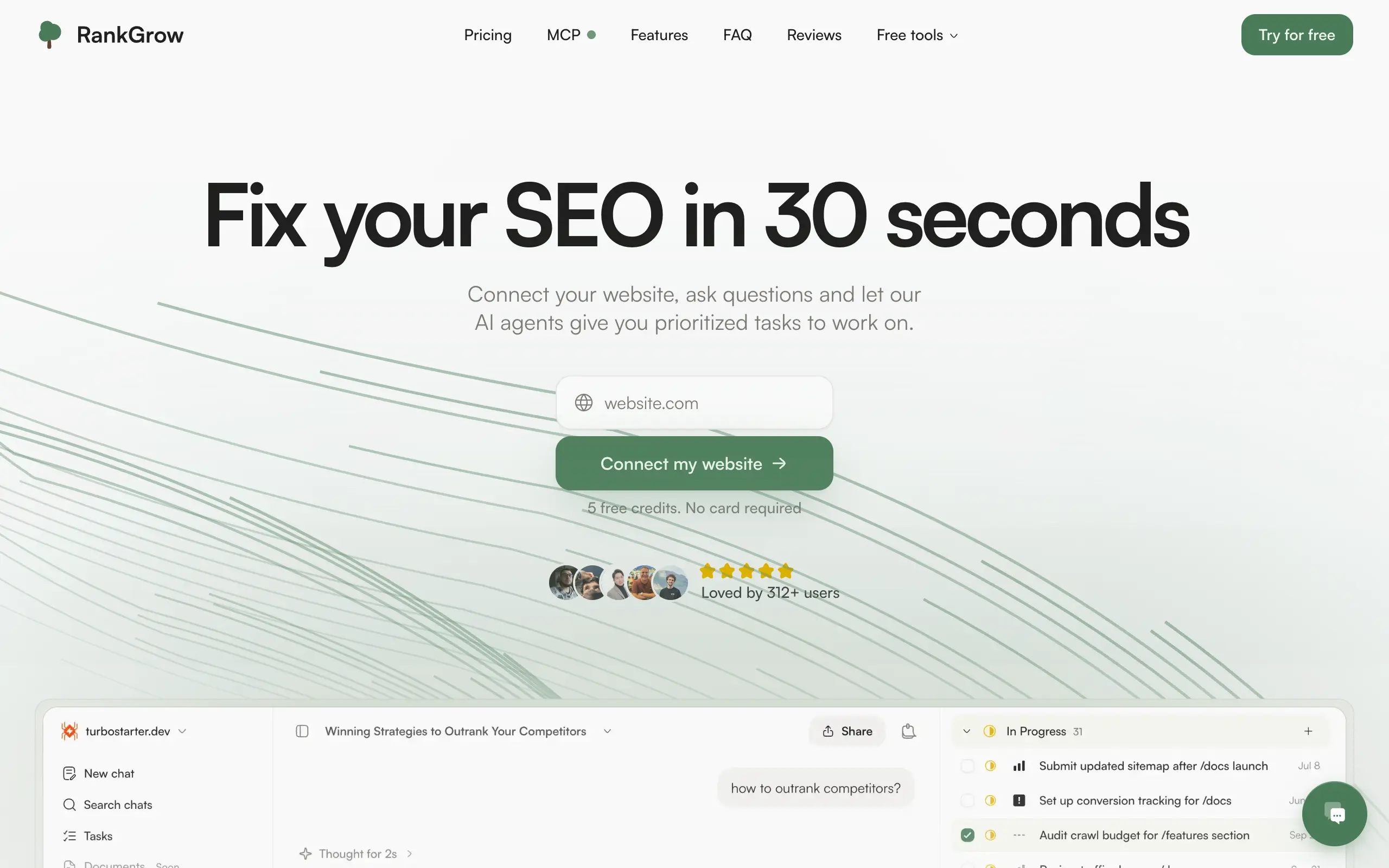
RankGrow
Fix your SEO with AI agents - connect Search Console, get prioritized tasks, and grow organic traffic 📈
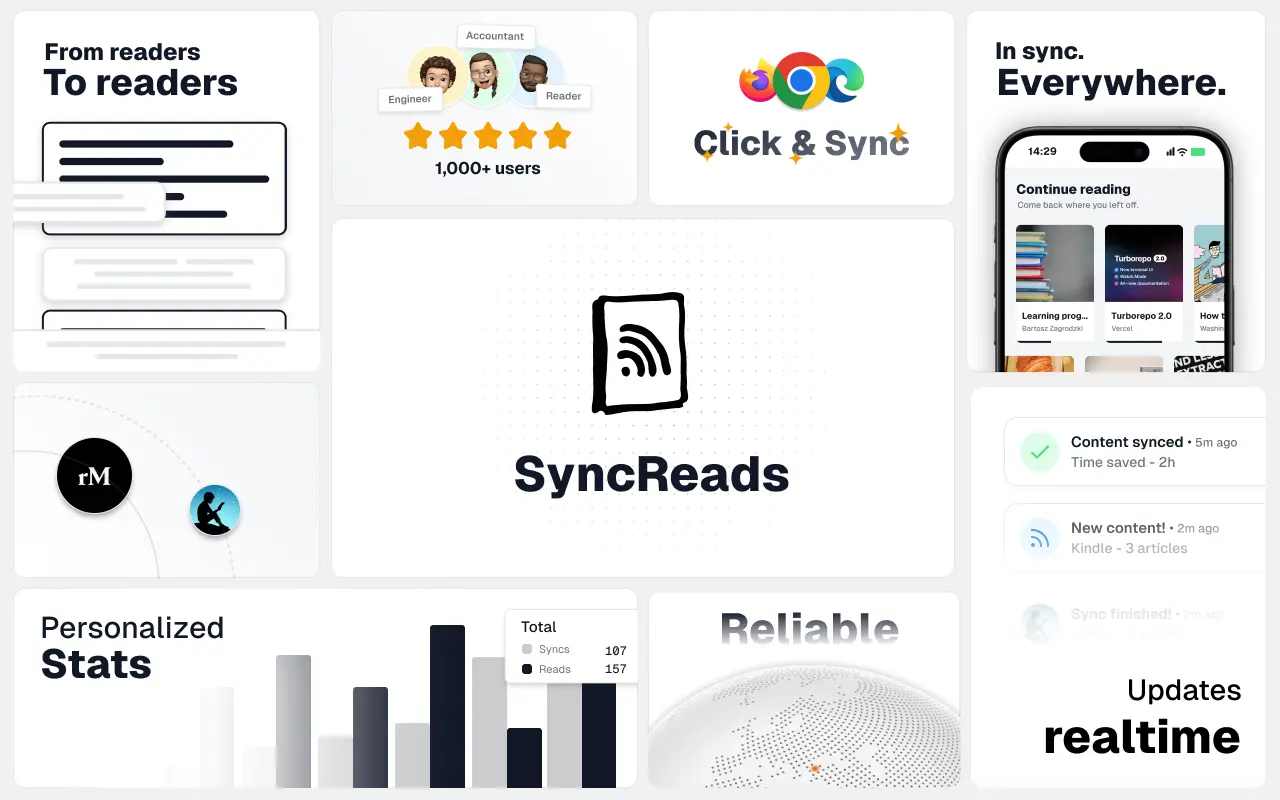
SyncReads
Sync your favorite content for distraction-free reading, save time and replace multiple apps. Anytime, anywhere 🔄
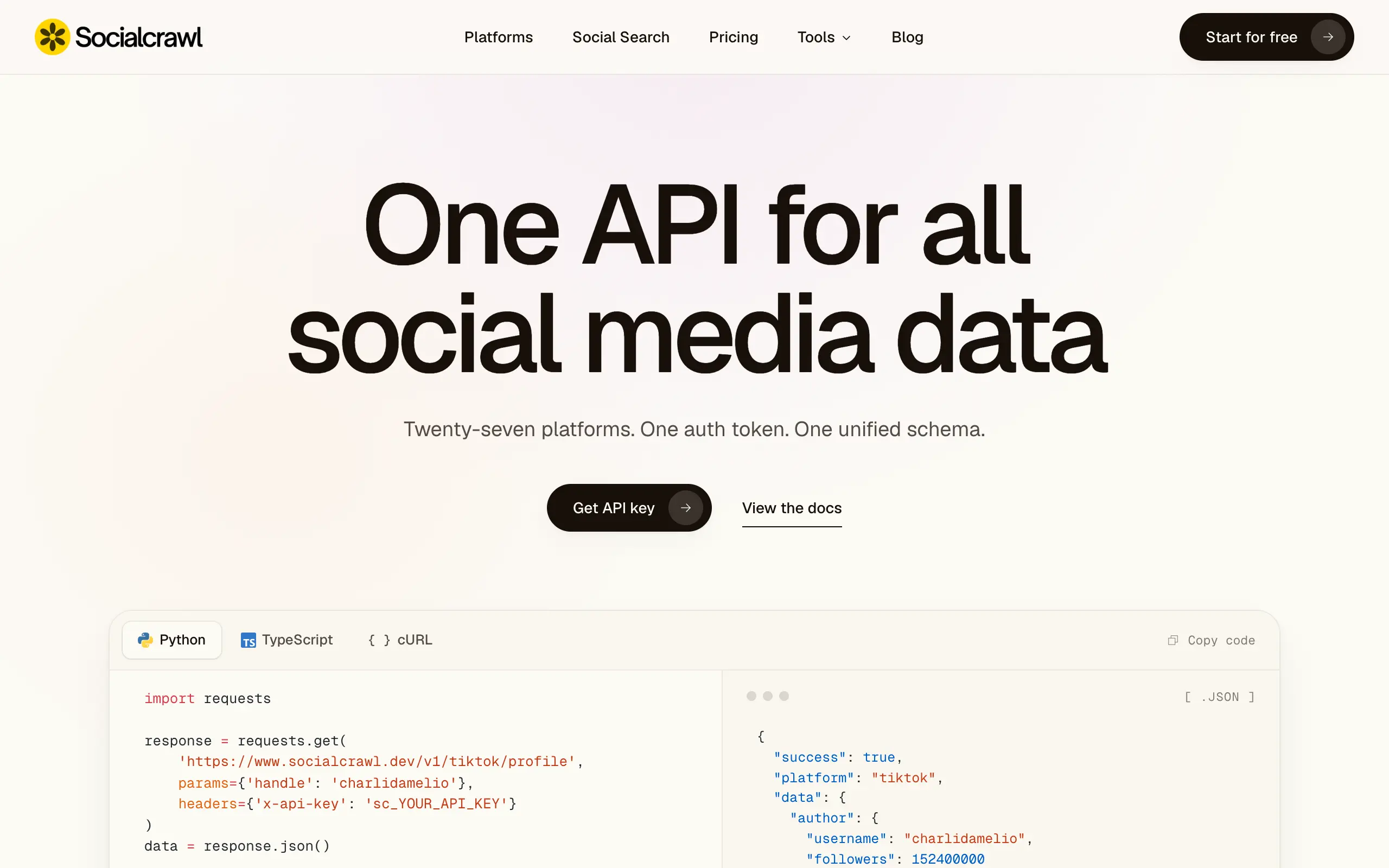
Socialcrawl
Get clean, structured data from 21 platforms like TikTok, Instagram, and YouTube with a single request 📊
Statiko
Monitor any Telegram channel in real time - track posts, edits, deletions, and growth with AI recaps 📡
Shibui
AI website builder - describe your business, pick a niche template, edit by chatting, and publish instantly ✨
Pro Service
Find verified home service professionals, compare quotes, and pay securely through escrow - built for Brazilians across the US 🏠
RankGrow
Fix your SEO with AI agents - connect Search Console, get prioritized tasks, and grow organic traffic 📈
SyncReads
Sync your favorite content for distraction-free reading, save time and replace multiple apps. Anytime, anywhere 🔄
Socialcrawl
Get clean, structured data from 21 platforms like TikTok, Instagram, and YouTube with a single request 📊
Statiko
Monitor any Telegram channel in real time - track posts, edits, deletions, and growth with AI recaps 📡
Shibui
AI website builder - describe your business, pick a niche template, edit by chatting, and publish instantly ✨
Pro Service
Find verified home service professionals, compare quotes, and pay securely through escrow - built for Brazilians across the US 🏠
RankGrow
Fix your SEO with AI agents - connect Search Console, get prioritized tasks, and grow organic traffic 📈
SyncReads
Sync your favorite content for distraction-free reading, save time and replace multiple apps. Anytime, anywhere 🔄
Socialcrawl
Get clean, structured data from 21 platforms like TikTok, Instagram, and YouTube with a single request 📊
Statiko
Monitor any Telegram channel in real time - track posts, edits, deletions, and growth with AI recaps 📡
Shibui
AI website builder - describe your business, pick a niche template, edit by chatting, and publish instantly ✨
Pro Service
Find verified home service professionals, compare quotes, and pay securely through escrow - built for Brazilians across the US 🏠
RankGrow
Fix your SEO with AI agents - connect Search Console, get prioritized tasks, and grow organic traffic 📈
SyncReads
Sync your favorite content for distraction-free reading, save time and replace multiple apps. Anytime, anywhere 🔄
Socialcrawl
Get clean, structured data from 21 platforms like TikTok, Instagram, and YouTube with a single request 📊
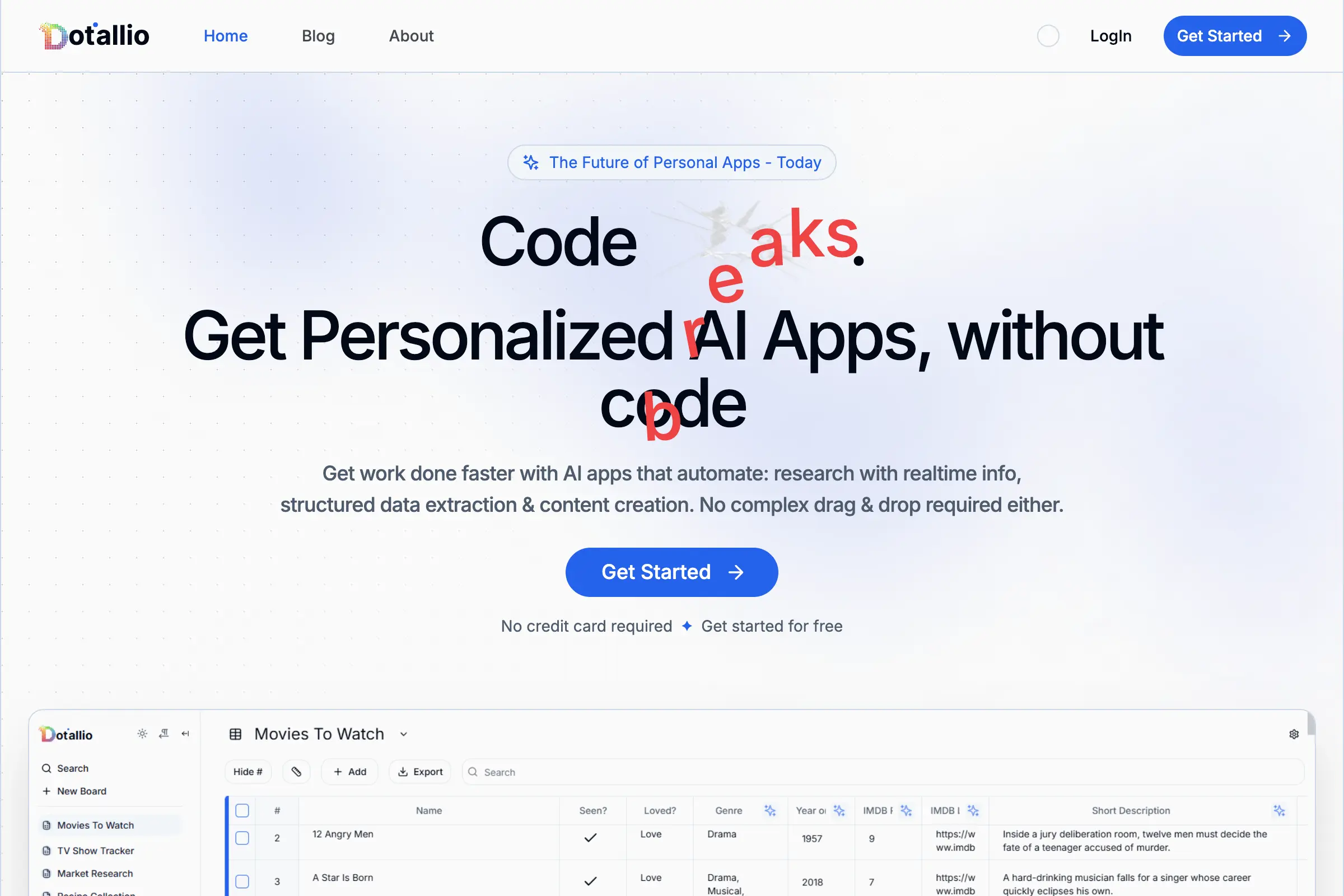
Dotallio
Personalized AI apps that automate research, data extraction, and content creation without code 🤖

Talk to Santa
Enjoy a magical live video chat or receive a unique AI-generated video greeting from Santa Claus 🎅

pozywka.pl
Scalable blog for food journalist, focused on performance and user experience 🌭
zagrodzki.me
Personal blog and portfolio of Bart Zagrodzki, where he shares his knowledge and work 💼
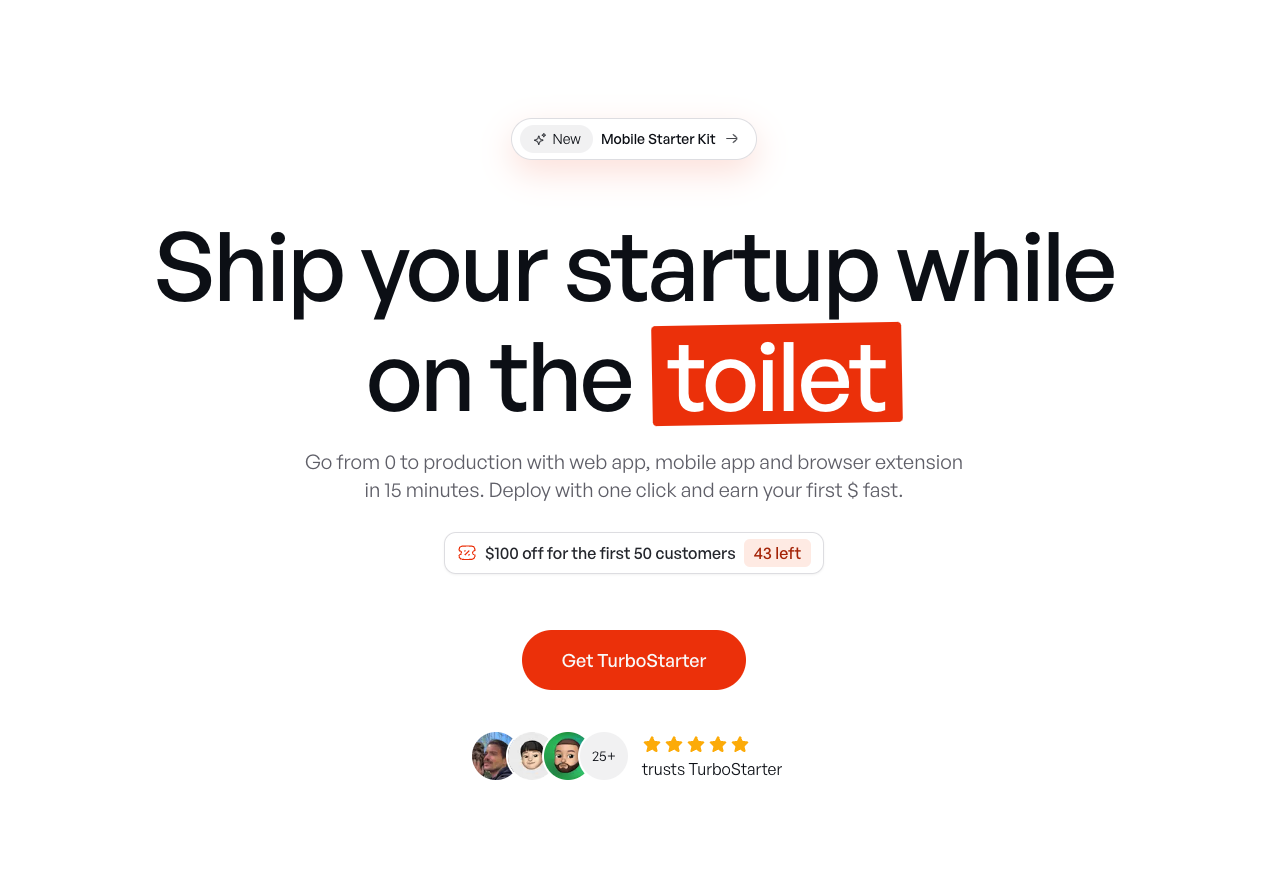
TurboStarter
Ship your startup everywhere. In minutes.
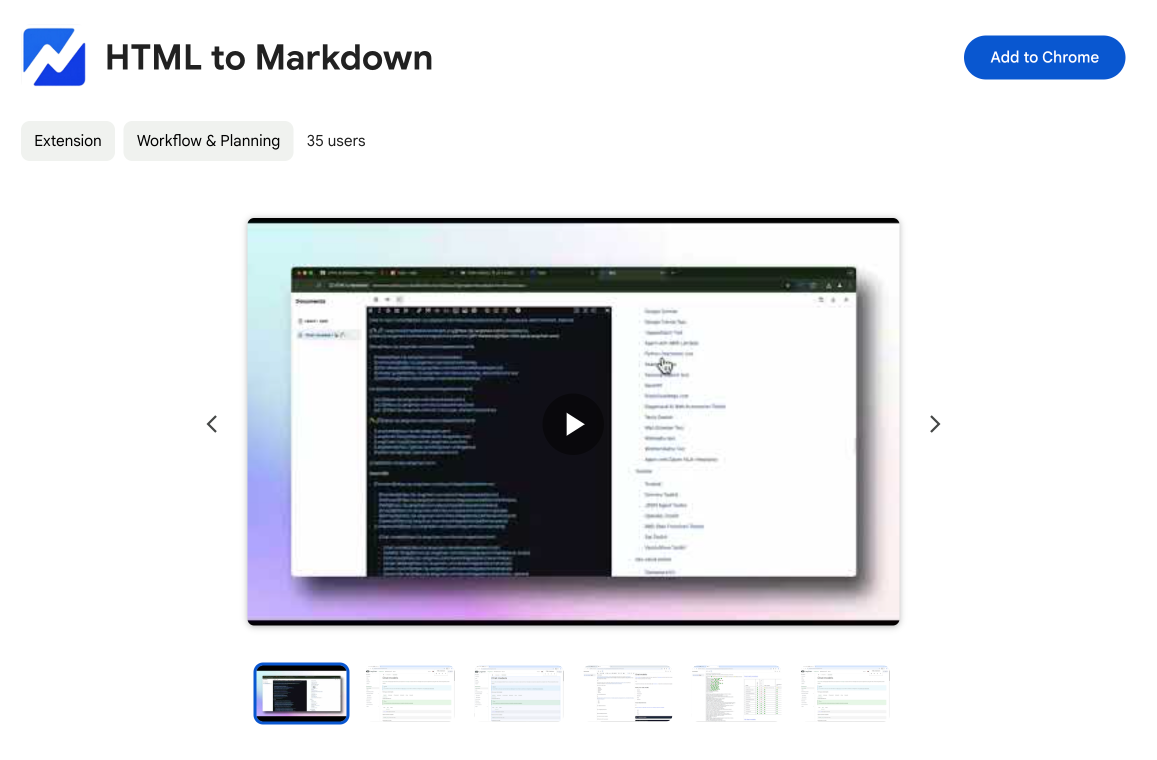
HTML to Markdown
Convert HTML to Markdown with ease, directly in your browser 📄
Dotallio
Personalized AI apps that automate research, data extraction, and content creation without code 🤖
Talk to Santa
Enjoy a magical live video chat or receive a unique AI-generated video greeting from Santa Claus 🎅
pozywka.pl
Scalable blog for food journalist, focused on performance and user experience 🌭
zagrodzki.me
Personal blog and portfolio of Bart Zagrodzki, where he shares his knowledge and work 💼
TurboStarter
Ship your startup everywhere. In minutes.
HTML to Markdown
Convert HTML to Markdown with ease, directly in your browser 📄
Dotallio
Personalized AI apps that automate research, data extraction, and content creation without code 🤖
Talk to Santa
Enjoy a magical live video chat or receive a unique AI-generated video greeting from Santa Claus 🎅
pozywka.pl
Scalable blog for food journalist, focused on performance and user experience 🌭
zagrodzki.me
Personal blog and portfolio of Bart Zagrodzki, where he shares his knowledge and work 💼
TurboStarter
Ship your startup everywhere. In minutes.
HTML to Markdown
Convert HTML to Markdown with ease, directly in your browser 📄
Dotallio
Personalized AI apps that automate research, data extraction, and content creation without code 🤖
Talk to Santa
Enjoy a magical live video chat or receive a unique AI-generated video greeting from Santa Claus 🎅
pozywka.pl
Scalable blog for food journalist, focused on performance and user experience 🌭
zagrodzki.me
Personal blog and portfolio of Bart Zagrodzki, where he shares his knowledge and work 💼
TurboStarter
Ship your startup everywhere. In minutes.
HTML to Markdown
Convert HTML to Markdown with ease, directly in your browser 📄
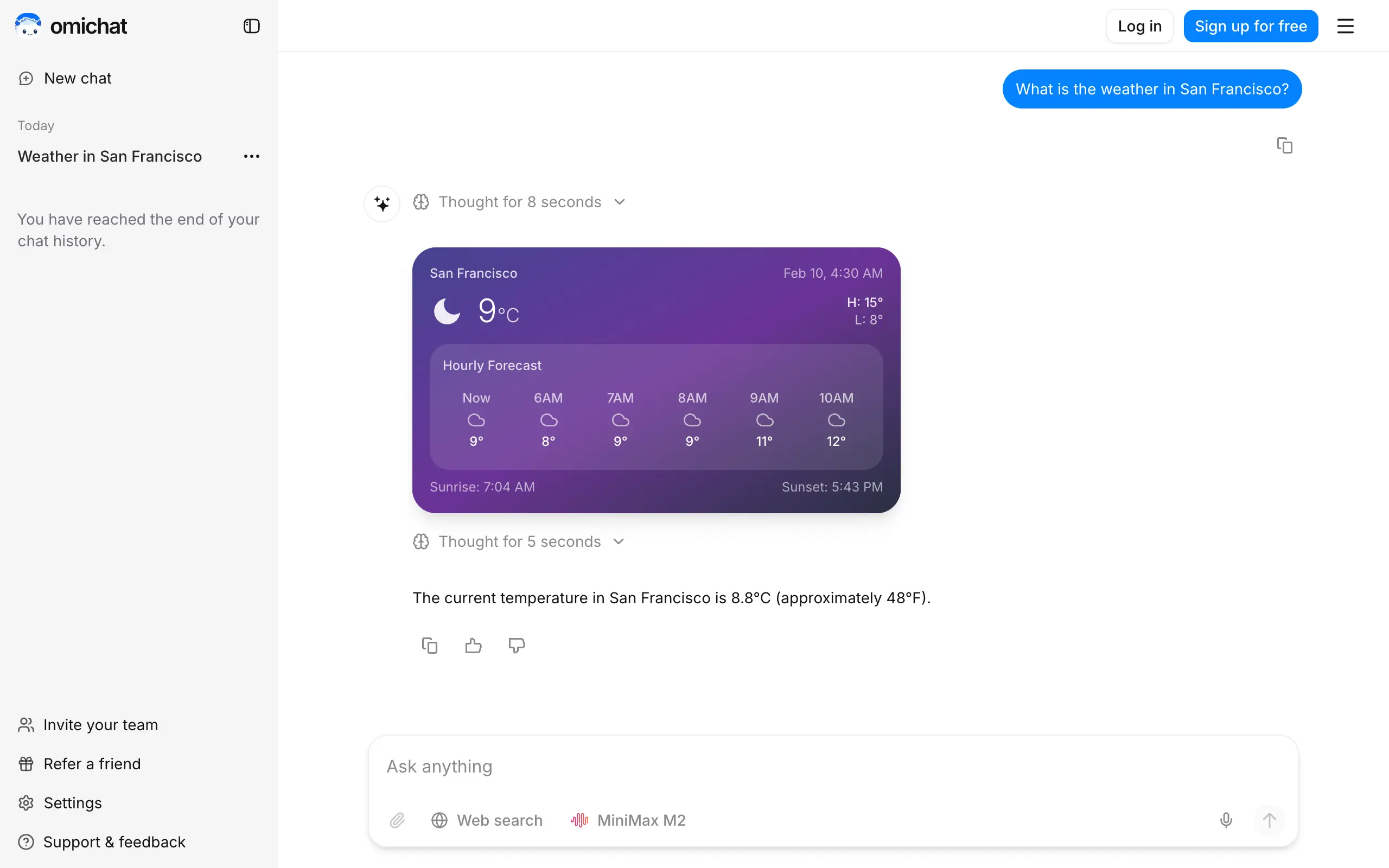
Omichat
Chat with 50+ AI models, including ChatGPT and Claude, in one place - switch models anytime without losing context 🤖
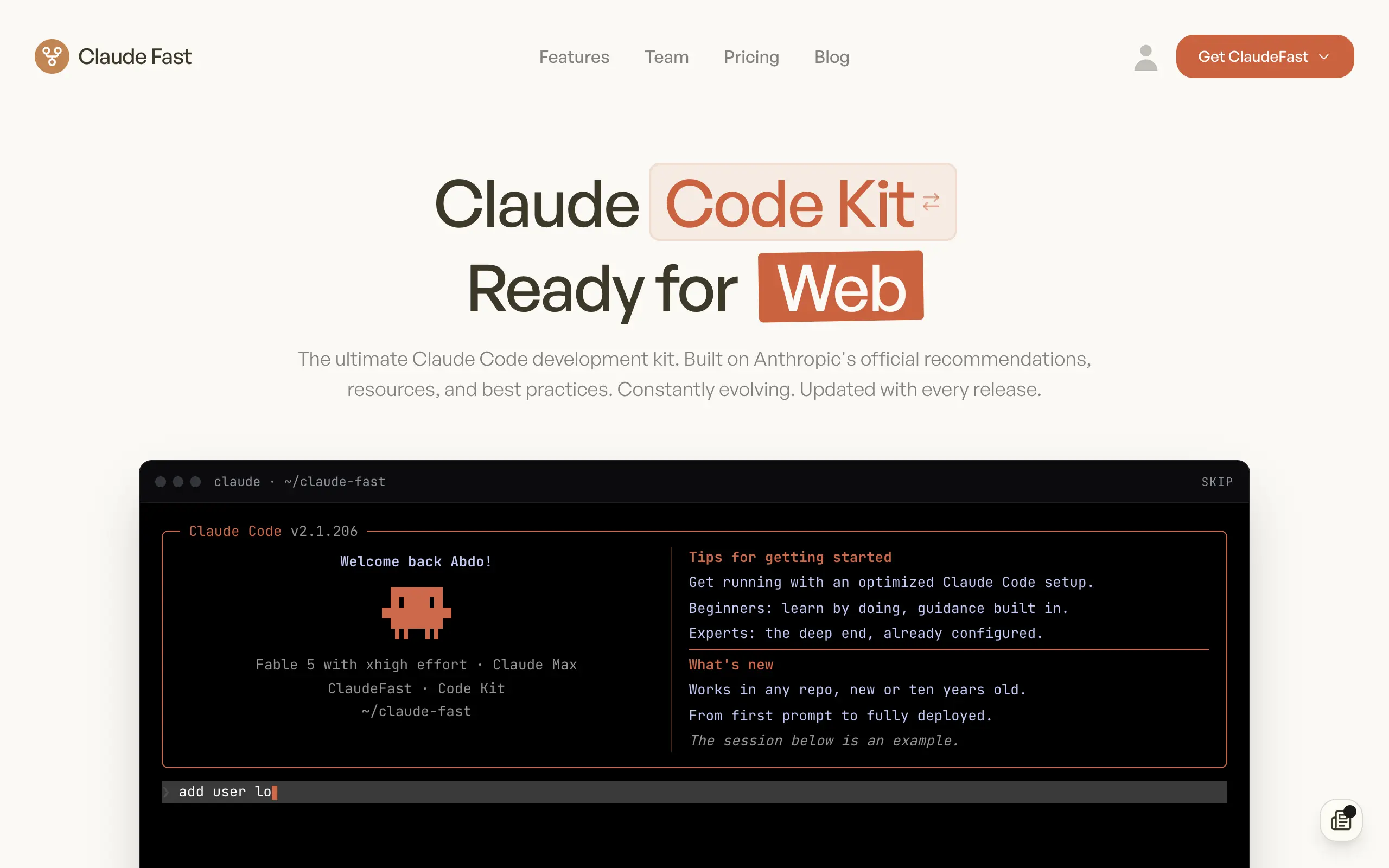
Claude Fast
Supercharge your Claude Code with 6x effective context window and specialized AI agents 🤖
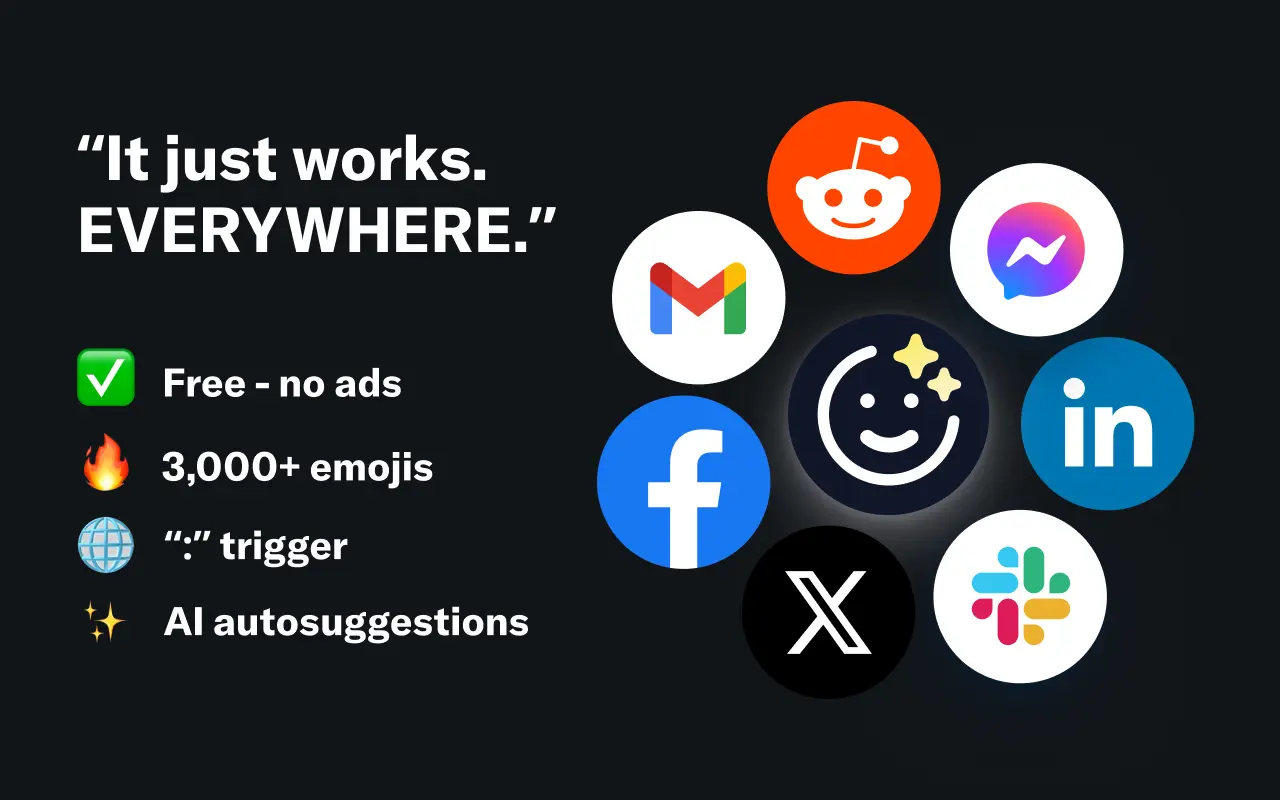
EmojAI
AI-powered emoji picker with smart, context-aware suggestions 🤖

Solohacker
Autonomous company launcher - AI agents work 24/7, escalate what matters, and you stay in control 🤖
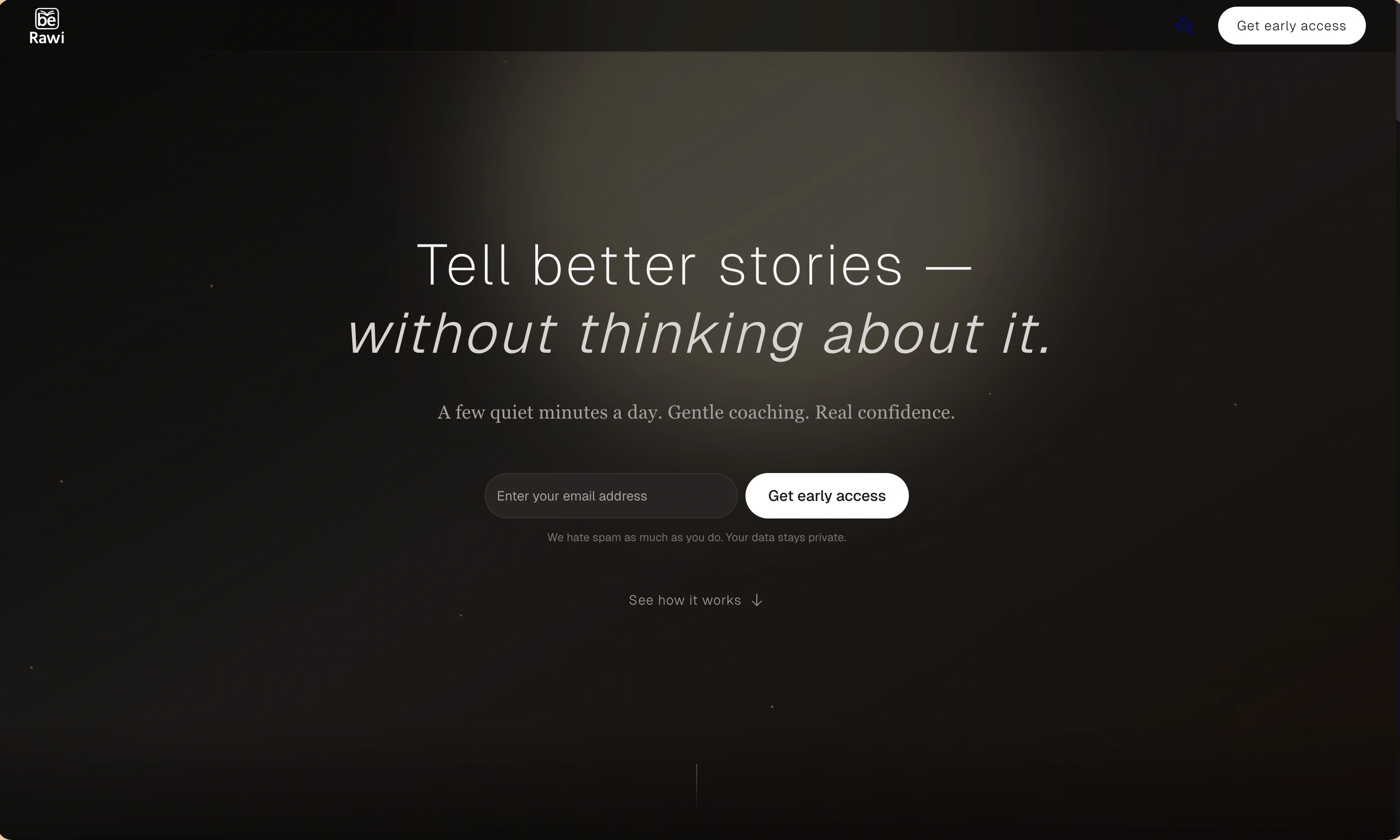
BeRawi: Storytelling Coach
Practice storytelling daily with instant feedback to sound clearer, more engaging, and confident 🎤
Omichat
Chat with 50+ AI models, including ChatGPT and Claude, in one place - switch models anytime without losing context 🤖
Claude Fast
Supercharge your Claude Code with 6x effective context window and specialized AI agents 🤖
EmojAI
AI-powered emoji picker with smart, context-aware suggestions 🤖
Solohacker
Autonomous company launcher - AI agents work 24/7, escalate what matters, and you stay in control 🤖
BeRawi: Storytelling Coach
Practice storytelling daily with instant feedback to sound clearer, more engaging, and confident 🎤
Omichat
Chat with 50+ AI models, including ChatGPT and Claude, in one place - switch models anytime without losing context 🤖
Claude Fast
Supercharge your Claude Code with 6x effective context window and specialized AI agents 🤖
EmojAI
AI-powered emoji picker with smart, context-aware suggestions 🤖
Solohacker
Autonomous company launcher - AI agents work 24/7, escalate what matters, and you stay in control 🤖
BeRawi: Storytelling Coach
Practice storytelling daily with instant feedback to sound clearer, more engaging, and confident 🎤
Omichat
Chat with 50+ AI models, including ChatGPT and Claude, in one place - switch models anytime without losing context 🤖
Claude Fast
Supercharge your Claude Code with 6x effective context window and specialized AI agents 🤖
EmojAI
AI-powered emoji picker with smart, context-aware suggestions 🤖
Solohacker
Autonomous company launcher - AI agents work 24/7, escalate what matters, and you stay in control 🤖
BeRawi: Storytelling Coach
Practice storytelling daily with instant feedback to sound clearer, more engaging, and confident 🎤

Connect with like-minded people
Join our community to get feedback, support, and grow together with 1,000+ builders on board, let's ship it!
Join usShip your startup everywhere. In minutes.
Don't burn tokens on setup and start building features on day one.