TrendLedger
AI tool for media teams that predicts emerging news trends by analyzing search data, social signals, and regional reporting patterns.
What TrendLedger is and why it matters now
Media organizations are under immense pressure to publish faster, smarter, and more strategically than ever before. Audience attention is fragmented across search engines, social platforms, newsletters, podcasts, and niche communities. Traditional editorial planning—based on intuition, newsroom experience, and reactive coverage—is no longer enough.
TrendLedger is an AI-powered trend prediction platform for media teams that analyzes search data, social signals, and regional reporting patterns to forecast emerging news trends before they go mainstream.
At its core, TrendLedger is built to answer one crucial question:
What will audiences care about tomorrow—and how can we publish before competitors do?
This article explores the full SaaS opportunity behind TrendLedger, including:
- Target audience and user intent
- Market gap and competitive landscape
- Core features and AI architecture
- Recommended tech stack
- Monetization strategies
- Risks and mitigation
- Clear competitive advantage
- Step-by-step implementation roadmap
If you're validating this idea or planning to build a trend prediction AI tool for media, this guide provides expert-level clarity grounded in real newsroom workflows and SaaS strategy.
Understanding user intent: who is searching for an AI news trend prediction tool?
The primary keyword cluster revolves around:
- AI news trend prediction tool
- Media trend analysis software
- Predictive analytics for journalism
- AI for newsrooms
- Emerging news detection platform
Users searching these terms typically fall into three intent categories:
- Editorial leaders looking to improve audience growth.
- Digital publishers and SEO teams trying to rank before competitors.
- Media-tech founders exploring new AI product opportunities.
Let’s break down the core audience segments.
Target audience analysis
TrendLedger is not a general-purpose social listening tool. It is purpose-built for media and content-driven organizations.
1. Digital news publishers
Pain points:
- Missing early trend signals
- Publishing too late on fast-moving stories
- Relying heavily on trending tabs (which are already saturated)
Desired outcome: Predict what will trend in the next 6–48 hours.
2. Niche media outlets and vertical publishers
These publishers operate in domains like:
- Fintech
- Health
- Climate
- Tech startups
- Crypto
- Local politics
They need early detection within specific verticals, not global trending topics.
3. Editorial SEO teams
SEO teams care about:
- Search volume spikes
- Query velocity
- Keyword expansion
- News SEO timing
TrendLedger becomes a newsroom SEO radar system.
4. Broadcast and regional media networks
Regional media often spot stories earlier than national outlets. TrendLedger can aggregate:
- Local newsroom coverage patterns
- Regional publication timestamps
- Story propagation speed
This creates a “trend spread model.”
The market opportunity: why this gap exists
Newsrooms are reactive by design
Most media teams use:
- Google Trends (reactive)
- X (Twitter) trending tab (noisy and global)
- CrowdTangle-style tools (engagement-based)
- Basic keyword tools (not predictive)
These tools show what is already trending, not what will trend.
The macro trends enabling TrendLedger
-
Explosion of real-time data
- Search queries
- Social chatter
- Regional publications
- Reddit and community forums
-
Advances in predictive AI
- Time-series forecasting models
- NLP topic clustering
- Transformer-based language models
-
Shift toward audience-first journalism
- Data-driven editorial planning
- Growth-based KPIs
- Performance publishing
According to reports from reputable industry research firms (e.g., Reuters Institute Digital News Report), digital newsrooms increasingly rely on audience analytics for editorial decisions. However, predictive tools remain underdeveloped.
That is the gap TrendLedger fills.
How TrendLedger works: core AI architecture
TrendLedger is not just a dashboard. It is a multi-source AI signal engine.
Data ingestion layer
TrendLedger continuously collects:
- Search query velocity (e.g., Google Trends-like APIs)
- Social media mentions and engagement velocity
- News article publication timestamps
- Regional clustering signals
- Forum discussions (Reddit, niche communities)
Signal processing
The system performs:
- Topic clustering via NLP
- Sentiment analysis
- Entity recognition
- Velocity detection
- Acceleration scoring
- Regional anomaly detection
Predictive modeling
TrendLedger uses:
- Time-series forecasting models (e.g., Prophet-style or LSTM-based)
- Topic propagation models
- Cross-platform correlation scoring
The goal: detect inflection points before they peak.
Core features of TrendLedger
Below are the foundational modules that make TrendLedger valuable for media teams.
1. Early trend detection dashboard
Displays:
- Emerging topics with growth score
- Acceleration rate (not just volume)
- Confidence level (AI probability score)
- Estimated time-to-peak window
Example output:
- Topic: “AI regulation bill EU”
- Growth velocity: +340%
- Regional origin: Germany, France
- Predicted peak: 18 hours
2. Regional signal intelligence
This is where TrendLedger differentiates itself.
It maps:
- Where stories originate
- Which local outlets publish first
- How quickly stories spread geographically
Media teams can identify:
- “Sleeping” regional stories
- Emerging national narratives
3. SEO opportunity forecasting
Instead of just showing keywords, TrendLedger provides:
- Forecasted search growth
- Keyword expansion trees
- Headline angle suggestions (AI-assisted)
- Structured content outlines
This makes it a predictive news SEO platform, not just analytics.
4. Competitive publishing tracker
Tracks:
- Which competitors published
- Publication timing vs trend spike
- Engagement outcomes
- Missed opportunities
This builds internal accountability.
5. AI editorial briefing generator
With a single click, editors receive:
- Trend summary
- Suggested headlines
- Key entities
- Data sources
- Suggested expert angles
This reduces planning friction.
Competitive landscape analysis
TrendLedger competes across multiple tool categories:
- Social listening platforms
- SEO tools
- News monitoring services
- AI analytics platforms
Here’s how it compares conceptually:
| Capability | Google Trends | Social Listening Tools | SEO Tools | TrendLedger |
|---|---|---|---|---|
| Predictive scoring | ❌ | ❌ | ❌ | ✅ |
| Regional propagation modeling | ❌ | ❌ | ❌ | ✅ |
| Editorial brief generation | ❌ | ❌ | ❌ | ✅ |
| News-specific focus | ❌ | ❌ | ❌ | ✅ |
TrendLedger’s unique selling proposition (USP):
It combines predictive analytics + regional intelligence + newsroom workflows into one specialized AI platform.
Recommended tech stack for building TrendLedger
Building an AI news trend prediction tool requires thoughtful architecture.
Frontend
These provide:
- Fast dashboards
- Real-time UI updates
- SEO-friendly marketing pages
Backend
- Node.js (API layer)
- Python (ML processing layer)
- FastAPI for model serving
- PostgreSQL for structured storage
- Redis for real-time caching
AI & ML layer
- Hugging Face Transformers for NLP
- spaCy for entity recognition
- Prophet or custom LSTM models for time-series forecasting
- Vector databases (e.g., pgvector) for semantic clustering
Infrastructure
- AWS or GCP
- Managed Kubernetes (for scaling)
- Data streaming via Kafka or Pub/Sub
Trade-offs
Python vs Node for ML?
- Python offers mature ML ecosystem.
- Node provides unified stack but weaker ML tooling.
Best approach: hybrid architecture.
Monetization strategies
TrendLedger fits into high-value B2B SaaS pricing.
Tier 1: Small digital publishers
- $99–$299/month
- Limited trend queries
- Single newsroom access
Tier 2: Mid-sized media companies
- $499–$1,500/month
- Multiple vertical dashboards
- API access
- Competitor tracking
Tier 3: Enterprise media networks
- Custom pricing
- SLA
- Regional data expansion
- Custom AI model training
Additional revenue channels
- API licensing for media-tech platforms
- White-label dashboards
- Data licensing to research firms
- Custom AI forecasting reports
Risks and mitigation strategies
Key risk
Predictive tools can overpromise if accuracy is inconsistent.
1. False positives
Mitigation:
- Show confidence scores
- Provide historical accuracy metrics
- Use ensemble models
2. Data source volatility
APIs change frequently.
Mitigation:
- Diversify data sources
- Build modular ingestion pipelines
3. Ethical concerns
Trend amplification can distort public discourse.
Mitigation:
- Provide transparency on methodology
- Avoid manipulating trends
- Focus on detection, not promotion
4. Newsroom resistance to AI
Journalists may distrust algorithmic decisions.
Mitigation:
- Position TrendLedger as advisory
- Provide explainable AI summaries
- Include human override options
Competitive advantage strategy
TrendLedger must build moats early.
1. Proprietary trend scoring model
The longer the system runs, the better its predictive accuracy becomes.
2. Regional newsroom partnerships
Partnering with local publishers creates:
- Exclusive signal sources
- Early reporting data
- Data moat competitors can’t replicate
3. Editorial workflow integration
Slack alerts
CMS plugins
Daily editorial brief emails
The deeper the integration, the harder it is to churn.
Implementation roadmap
Below is a practical 6-phase roadmap.
MVP feature scope
Keep version 1 focused:
- Search growth detection
- Social mention velocity
- Topic clustering
- Basic forecast score
- Simple dashboard UI
Avoid building:
- Complex enterprise APIs
- Custom ML dashboards
- Deep competitor modules (initially)
Example simplified scoring logic
def trend_score(search_velocity, social_velocity, regional_spread):
    weighted_score = (
        (search_velocity * 0.4) +
        (social_velocity * 0.35) +
        (regional_spread * 0.25)
    )
    return weighted_score
This evolves into ML-driven probabilistic forecasting over time.
Go-to-market strategy
TrendLedger should launch with:
- Case studies showing early trend wins.
- Demonstrated forecast accuracy.
- A niche focus (e.g., tech publishers first).
Ideal launch strategy
- Offer free 30-day pilot to 5 digital newsrooms.
- Publish a whitepaper:
“How AI predicted 7 major news spikes before they peaked.” - Speak at journalism and media-tech conferences.
Why TrendLedger can win long-term
Traditional tools show:
- Volume
- Mentions
- Engagement
TrendLedger shows:
- Direction
- Acceleration
- Predicted peak window
That shift from descriptive to predictive analytics is transformative for journalism.
Building TrendLedger faster with modern SaaS tooling
Instead of building everything from scratch, founders can accelerate development using production-ready SaaS frameworks like TurboStarter.
This allows you to:
- Launch authentication instantly
- Integrate billing quickly
- Deploy scalable SaaS infrastructure
- Focus engineering effort on AI differentiation
Final thoughts: the future of AI in newsrooms
AI will not replace journalists.
But AI-driven forecasting will reshape editorial planning.
The media companies that adopt predictive analytics will:
- Publish earlier
- Capture more organic traffic
- Lead conversations instead of reacting to them
TrendLedger represents a strategic evolution from reactive analytics to predictive newsroom intelligence.
The opportunity is clear:
- Growing demand for AI in media
- Underserved predictive tooling
- High-value B2B pricing potential
- Strong defensibility via data and modeling
If executed correctly, TrendLedger can become the Bloomberg Terminal for emerging news trends—but built for the modern, digital-first newsroom.
Action plan recap
- Narrow initial vertical focus.
- Build lightweight predictive MVP.
- Validate with real publishers.
- Prove accuracy with historical backtesting.
- Expand into regional intelligence.
- Scale to enterprise media networks.
The next major story hasn’t peaked yet.
The question is whether your newsroom will see it coming.
More 🤖 AI Startup SaaS ideas
Discover more innovative ai startup SaaS ideas that are trending in 2026. Each idea is AI-generated with market validation and growth potential to help you find your next profitable venture faster than competitors.
Your competitors are building with TurboStarter
Below are some of the SaaS ideas that have been generated and built with our starter kit.
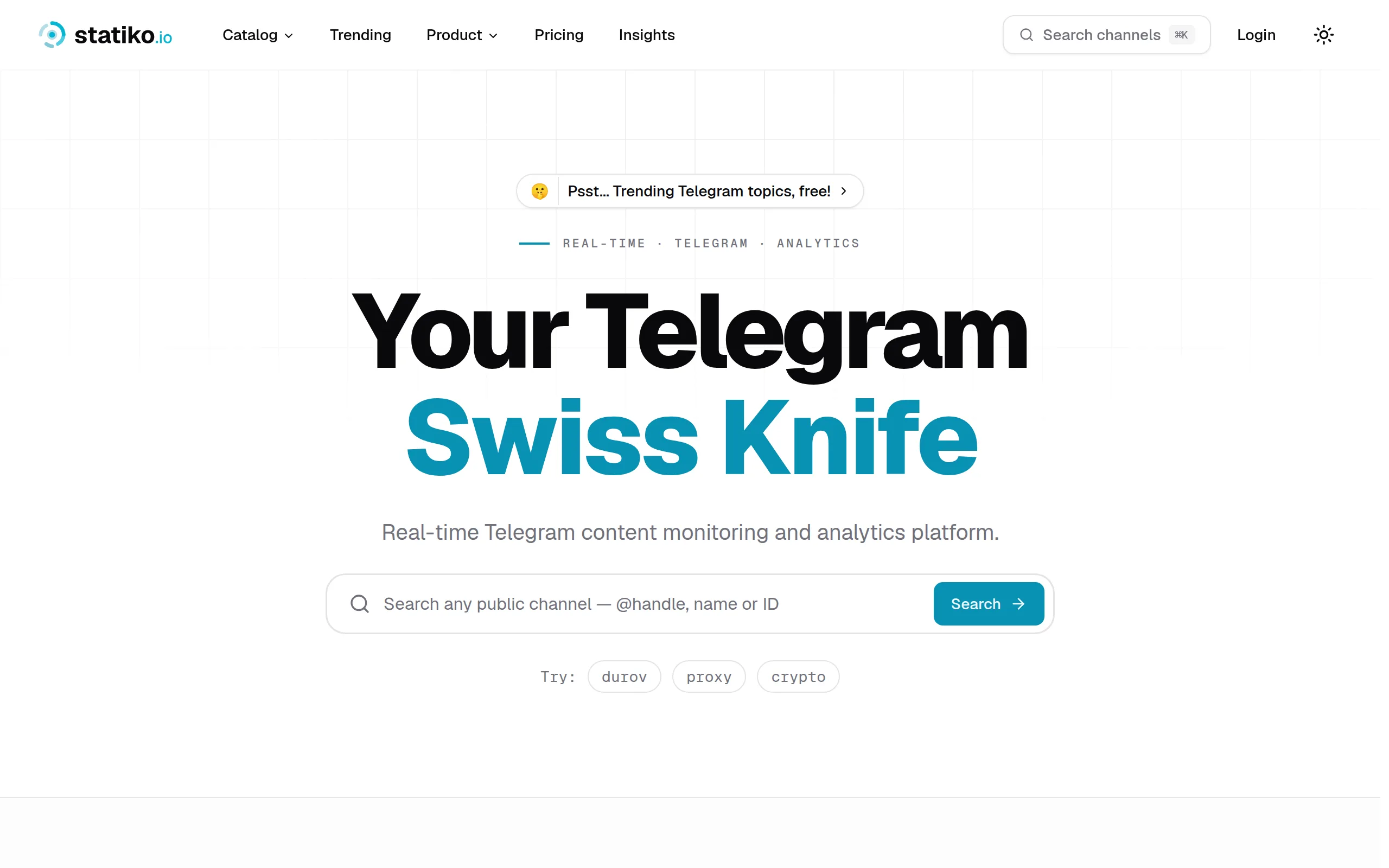
Statiko
Monitor any Telegram channel in real time - track posts, edits, deletions, and growth with AI recaps 📡

Shibui
AI website builder - describe your business, pick a niche template, edit by chatting, and publish instantly ✨

Pro Service
Find verified home service professionals, compare quotes, and pay securely through escrow - built for Brazilians across the US 🏠
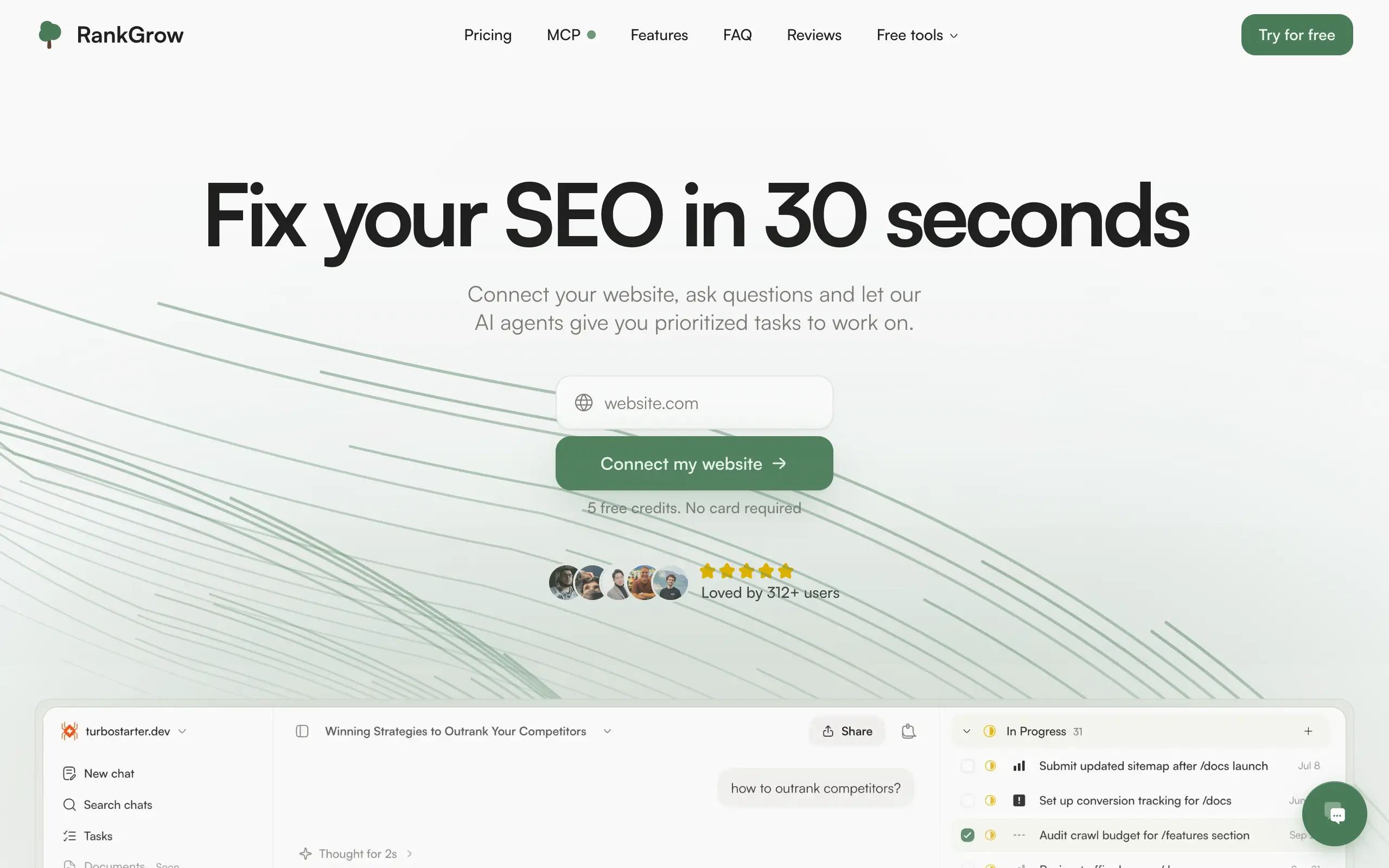
RankGrow
Fix your SEO with AI agents - connect Search Console, get prioritized tasks, and grow organic traffic 📈
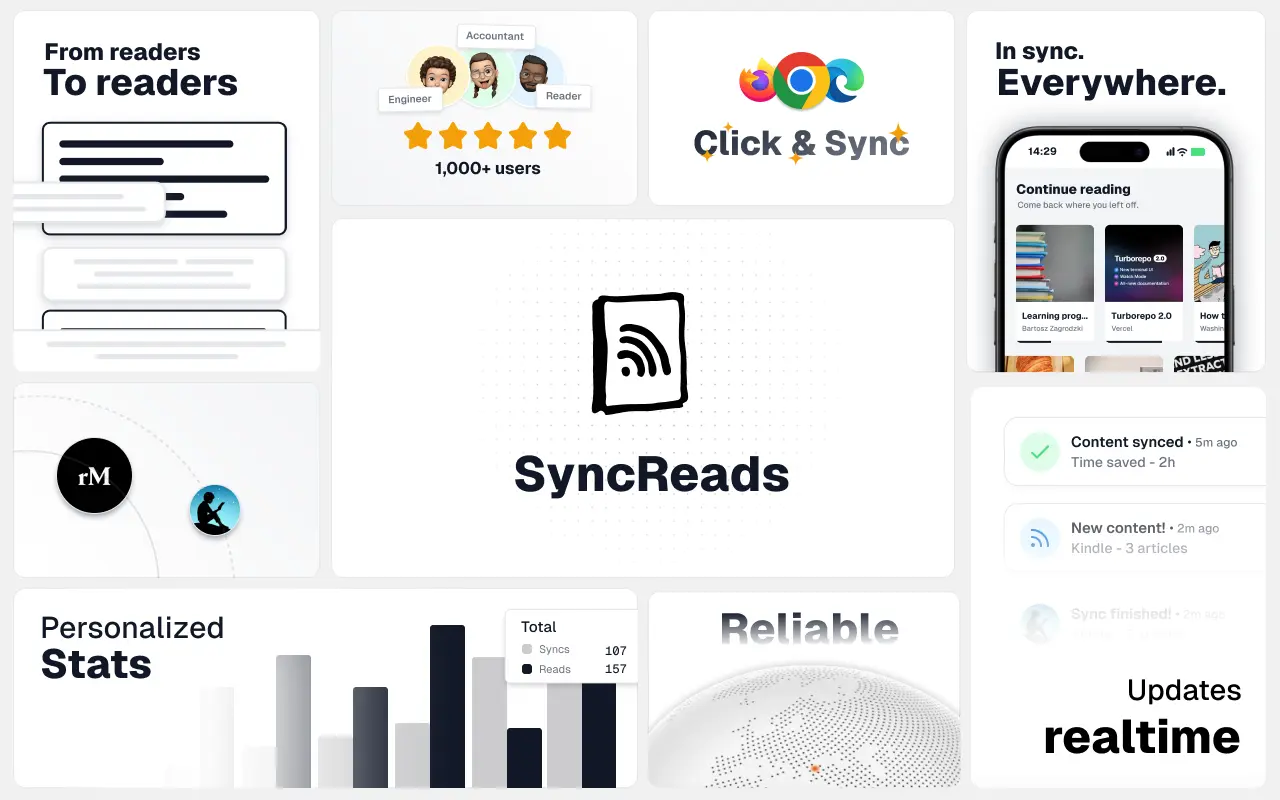
SyncReads
Sync your favorite content for distraction-free reading, save time and replace multiple apps. Anytime, anywhere 🔄
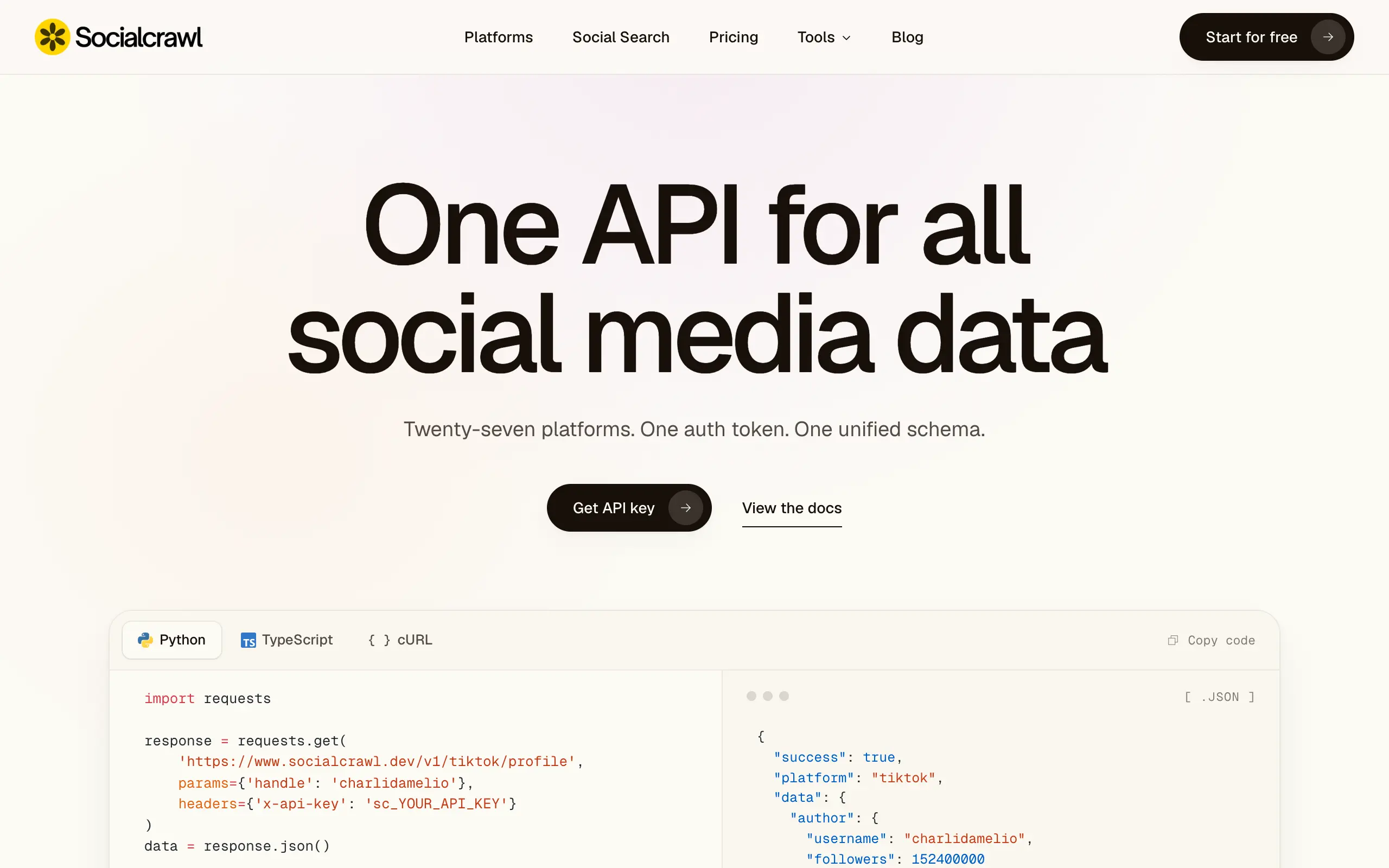
Socialcrawl
Get clean, structured data from 21 platforms like TikTok, Instagram, and YouTube with a single request 📊
Statiko
Monitor any Telegram channel in real time - track posts, edits, deletions, and growth with AI recaps 📡
Shibui
AI website builder - describe your business, pick a niche template, edit by chatting, and publish instantly ✨
Pro Service
Find verified home service professionals, compare quotes, and pay securely through escrow - built for Brazilians across the US 🏠
RankGrow
Fix your SEO with AI agents - connect Search Console, get prioritized tasks, and grow organic traffic 📈
SyncReads
Sync your favorite content for distraction-free reading, save time and replace multiple apps. Anytime, anywhere 🔄
Socialcrawl
Get clean, structured data from 21 platforms like TikTok, Instagram, and YouTube with a single request 📊
Statiko
Monitor any Telegram channel in real time - track posts, edits, deletions, and growth with AI recaps 📡
Shibui
AI website builder - describe your business, pick a niche template, edit by chatting, and publish instantly ✨
Pro Service
Find verified home service professionals, compare quotes, and pay securely through escrow - built for Brazilians across the US 🏠
RankGrow
Fix your SEO with AI agents - connect Search Console, get prioritized tasks, and grow organic traffic 📈
SyncReads
Sync your favorite content for distraction-free reading, save time and replace multiple apps. Anytime, anywhere 🔄
Socialcrawl
Get clean, structured data from 21 platforms like TikTok, Instagram, and YouTube with a single request 📊
Statiko
Monitor any Telegram channel in real time - track posts, edits, deletions, and growth with AI recaps 📡
Shibui
AI website builder - describe your business, pick a niche template, edit by chatting, and publish instantly ✨
Pro Service
Find verified home service professionals, compare quotes, and pay securely through escrow - built for Brazilians across the US 🏠
RankGrow
Fix your SEO with AI agents - connect Search Console, get prioritized tasks, and grow organic traffic 📈
SyncReads
Sync your favorite content for distraction-free reading, save time and replace multiple apps. Anytime, anywhere 🔄
Socialcrawl
Get clean, structured data from 21 platforms like TikTok, Instagram, and YouTube with a single request 📊
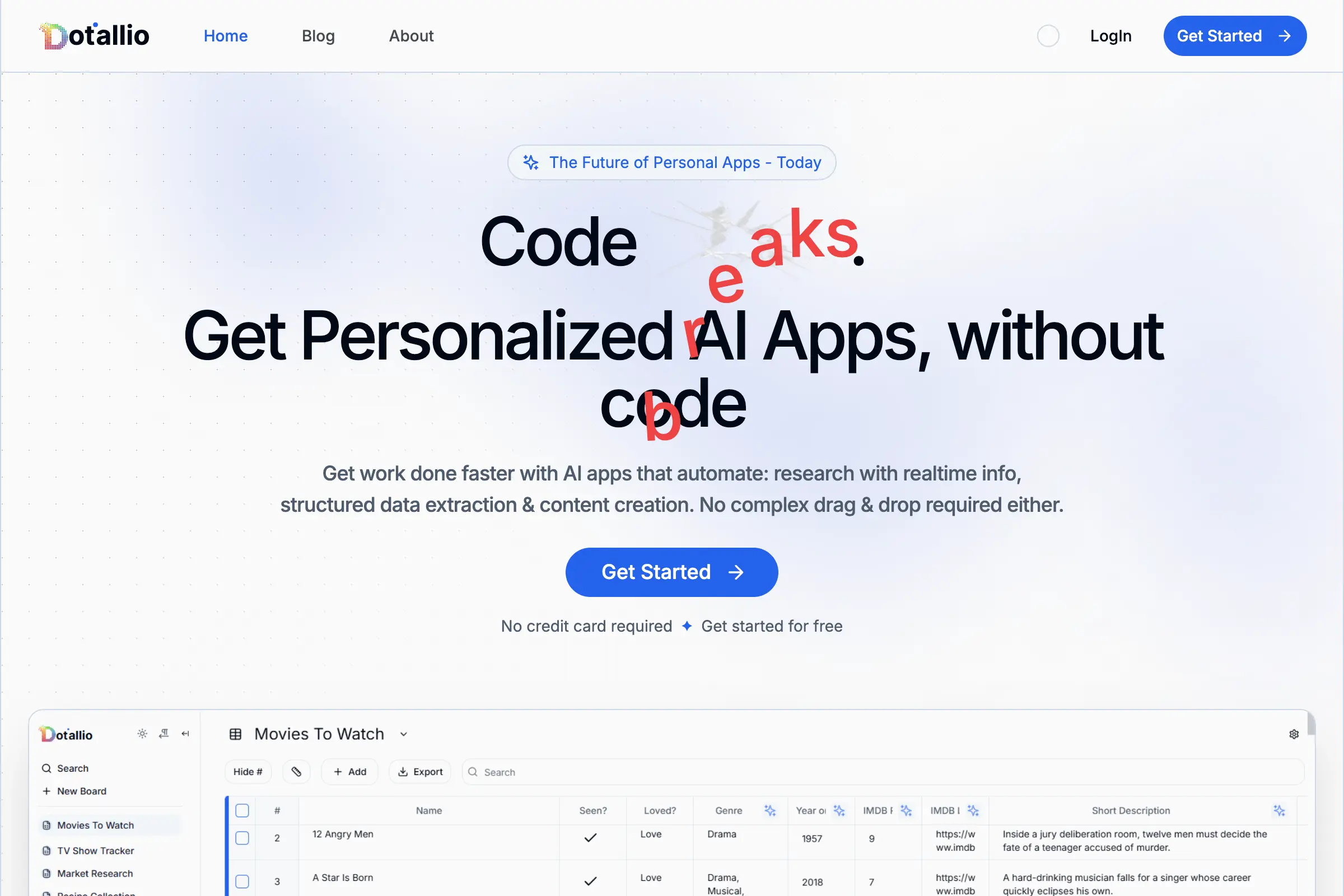
Dotallio
Personalized AI apps that automate research, data extraction, and content creation without code 🤖

Talk to Santa
Enjoy a magical live video chat or receive a unique AI-generated video greeting from Santa Claus 🎅

pozywka.pl
Scalable blog for food journalist, focused on performance and user experience 🌭
zagrodzki.me
Personal blog and portfolio of Bart Zagrodzki, where he shares his knowledge and work 💼
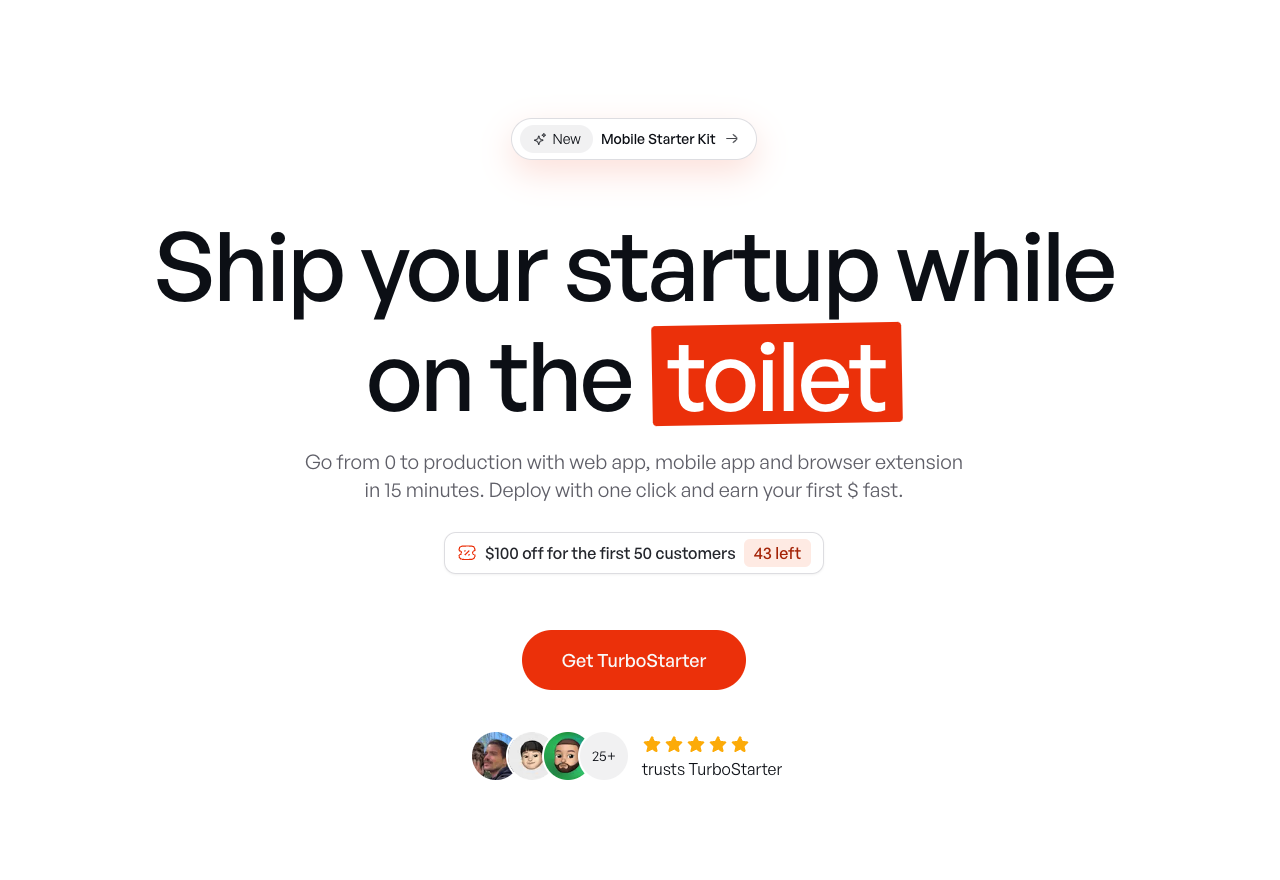
TurboStarter
Ship your startup everywhere. In minutes.
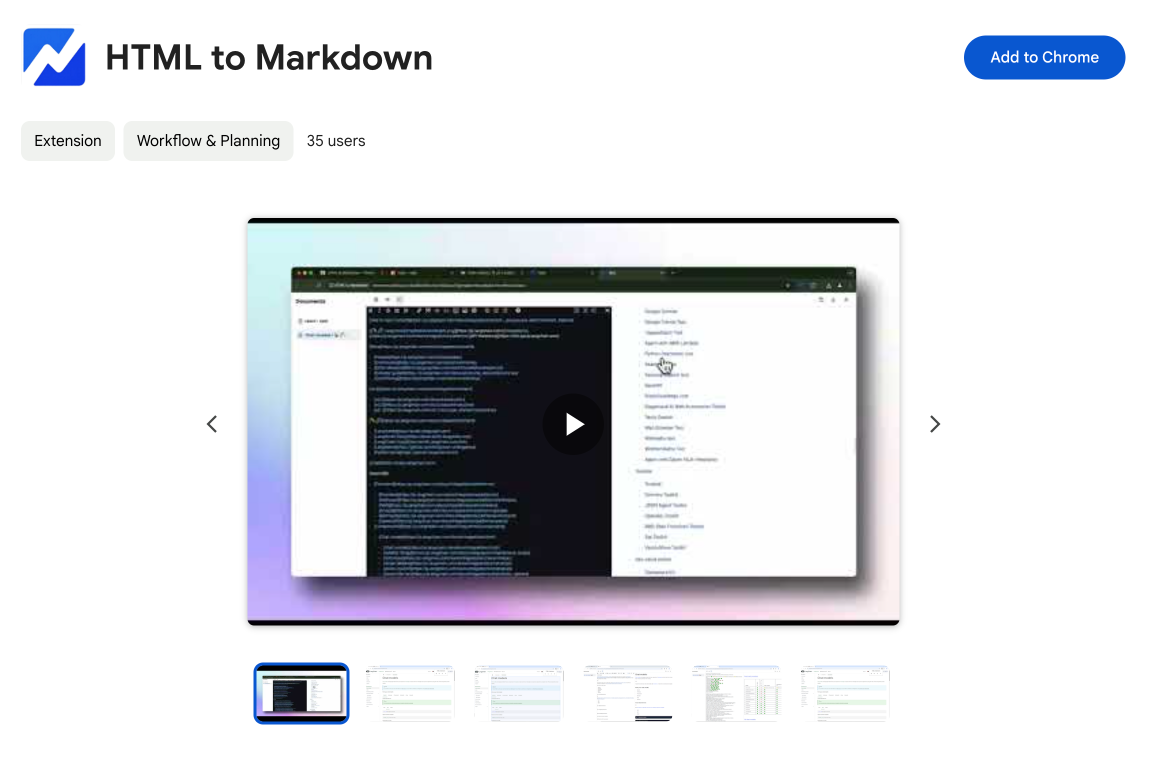
HTML to Markdown
Convert HTML to Markdown with ease, directly in your browser 📄
Dotallio
Personalized AI apps that automate research, data extraction, and content creation without code 🤖
Talk to Santa
Enjoy a magical live video chat or receive a unique AI-generated video greeting from Santa Claus 🎅
pozywka.pl
Scalable blog for food journalist, focused on performance and user experience 🌭
zagrodzki.me
Personal blog and portfolio of Bart Zagrodzki, where he shares his knowledge and work 💼
TurboStarter
Ship your startup everywhere. In minutes.
HTML to Markdown
Convert HTML to Markdown with ease, directly in your browser 📄
Dotallio
Personalized AI apps that automate research, data extraction, and content creation without code 🤖
Talk to Santa
Enjoy a magical live video chat or receive a unique AI-generated video greeting from Santa Claus 🎅
pozywka.pl
Scalable blog for food journalist, focused on performance and user experience 🌭
zagrodzki.me
Personal blog and portfolio of Bart Zagrodzki, where he shares his knowledge and work 💼
TurboStarter
Ship your startup everywhere. In minutes.
HTML to Markdown
Convert HTML to Markdown with ease, directly in your browser 📄
Dotallio
Personalized AI apps that automate research, data extraction, and content creation without code 🤖
Talk to Santa
Enjoy a magical live video chat or receive a unique AI-generated video greeting from Santa Claus 🎅
pozywka.pl
Scalable blog for food journalist, focused on performance and user experience 🌭
zagrodzki.me
Personal blog and portfolio of Bart Zagrodzki, where he shares his knowledge and work 💼
TurboStarter
Ship your startup everywhere. In minutes.
HTML to Markdown
Convert HTML to Markdown with ease, directly in your browser 📄
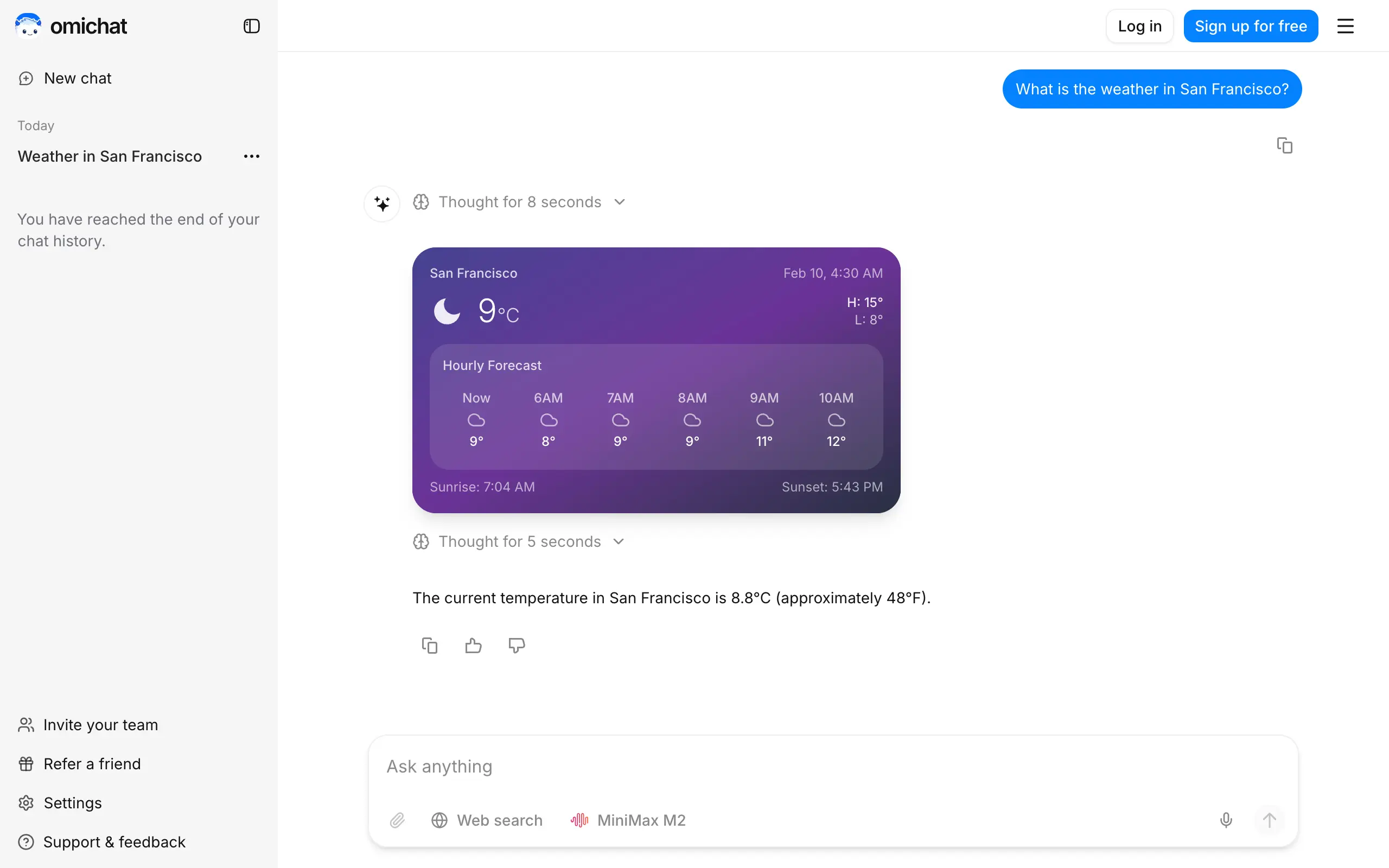
Omichat
Chat with 50+ AI models, including ChatGPT and Claude, in one place - switch models anytime without losing context 🤖
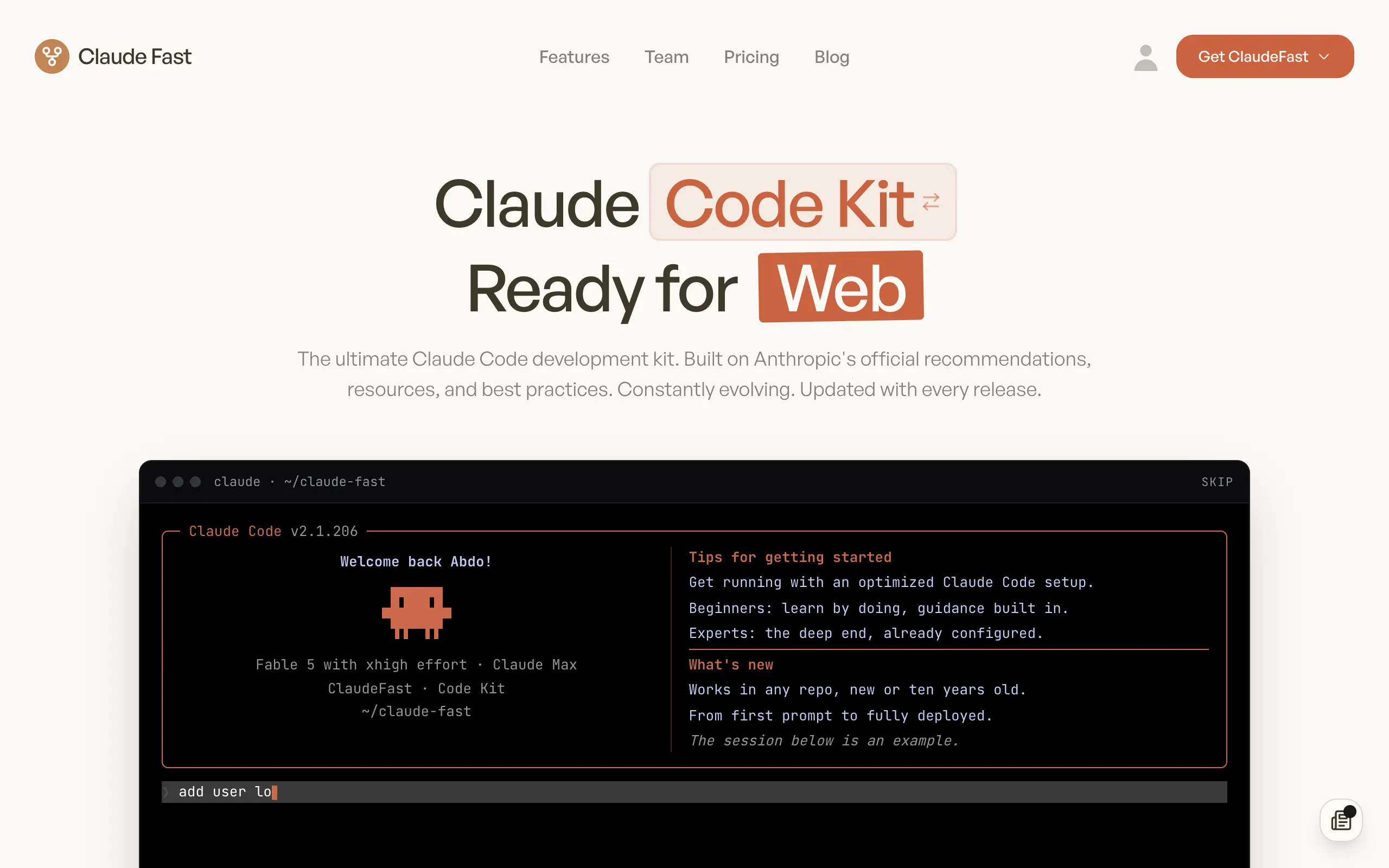
Claude Fast
Supercharge your Claude Code with 6x effective context window and specialized AI agents 🤖
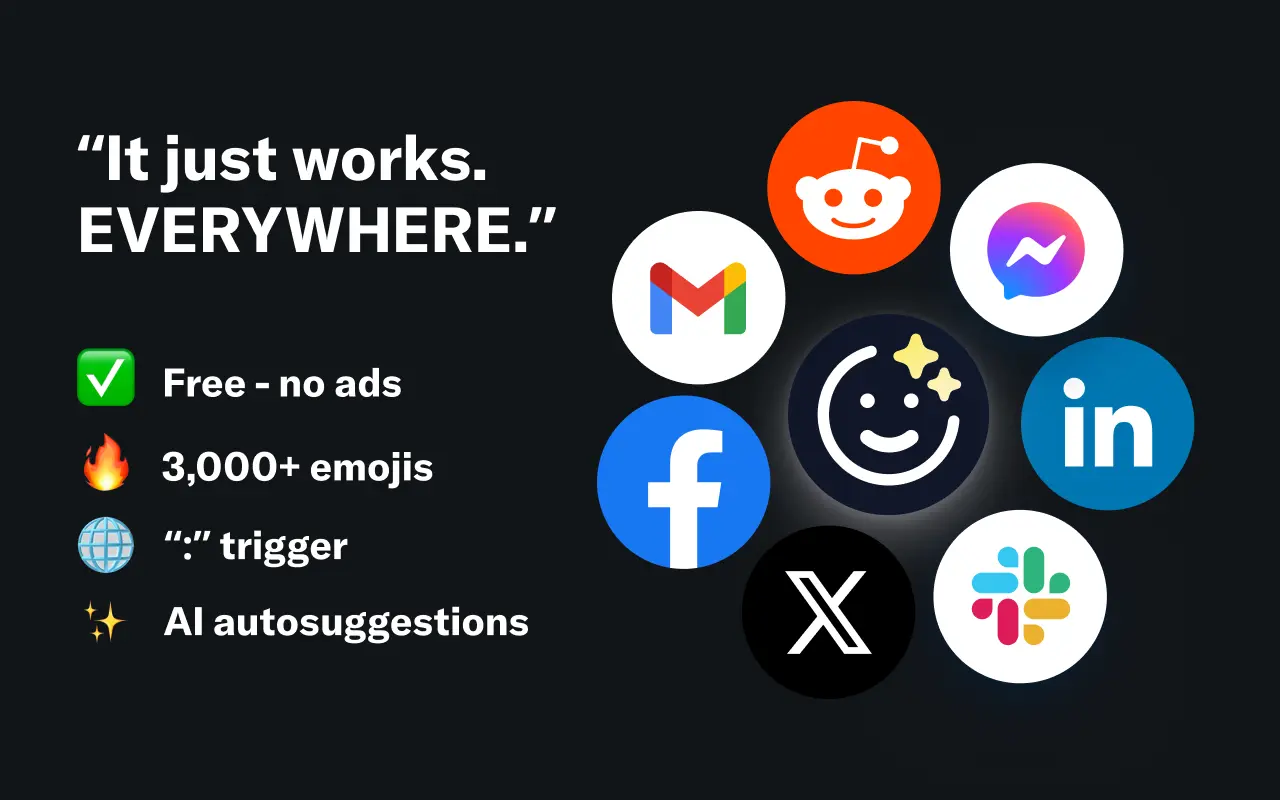
EmojAI
AI-powered emoji picker with smart, context-aware suggestions 🤖

Solohacker
Autonomous company launcher - AI agents work 24/7, escalate what matters, and you stay in control 🤖

BeRawi: Storytelling Coach
Practice storytelling daily with instant feedback to sound clearer, more engaging, and confident 🎤
Omichat
Chat with 50+ AI models, including ChatGPT and Claude, in one place - switch models anytime without losing context 🤖
Claude Fast
Supercharge your Claude Code with 6x effective context window and specialized AI agents 🤖
EmojAI
AI-powered emoji picker with smart, context-aware suggestions 🤖
Solohacker
Autonomous company launcher - AI agents work 24/7, escalate what matters, and you stay in control 🤖
BeRawi: Storytelling Coach
Practice storytelling daily with instant feedback to sound clearer, more engaging, and confident 🎤
Omichat
Chat with 50+ AI models, including ChatGPT and Claude, in one place - switch models anytime without losing context 🤖
Claude Fast
Supercharge your Claude Code with 6x effective context window and specialized AI agents 🤖
EmojAI
AI-powered emoji picker with smart, context-aware suggestions 🤖
Solohacker
Autonomous company launcher - AI agents work 24/7, escalate what matters, and you stay in control 🤖
BeRawi: Storytelling Coach
Practice storytelling daily with instant feedback to sound clearer, more engaging, and confident 🎤
Omichat
Chat with 50+ AI models, including ChatGPT and Claude, in one place - switch models anytime without losing context 🤖
Claude Fast
Supercharge your Claude Code with 6x effective context window and specialized AI agents 🤖
EmojAI
AI-powered emoji picker with smart, context-aware suggestions 🤖
Solohacker
Autonomous company launcher - AI agents work 24/7, escalate what matters, and you stay in control 🤖
BeRawi: Storytelling Coach
Practice storytelling daily with instant feedback to sound clearer, more engaging, and confident 🎤

Connect with like-minded people
Join our community to get feedback, support, and grow together with 1,000+ builders on board, let's ship it!
Join usShip your startup everywhere. In minutes.
Don't burn tokens on setup and start building features on day one.