TrendLens
AI app that analyzes global fashion trends, predicts upcoming styles, and helps users or brands stay ahead with real-time, data-driven insights.
understanding the target audience
A precise understanding of who will benefit from TrendLens drives feature prioritization, UI design, and go-to-market messaging. Below is a breakdown of core segments:
- fashion brands and retailers
- size: emerging D2C labels to global apparel giants
- needs: early trend identification, assortments optimization, reduced overstock
- designers and creative teams
- size: in-house and freelance designers
- needs: moodboard inspiration, color palette forecasts, silhouette insights
- e-commerce merchandisers
- size: online storefronts and marketplaces
- needs: real-time category performance, dynamic merchandising
- fashion influencers and stylists
- needs: content ideas, affiliate recommendations, curated shopping lists
- market analysts and investors
- needs: macro-trend validation, investment opportunity maps
By targeting these sub-segments, TrendLens positions itself as a versatile AI tool adaptable to varied workflows—from ideation to inventory planning.
identifying market opportunity and gap
The global fashion analytics market is projected to reach $10.2 billion by 2028, growing at a 12.7% CAGR (source: Grand View Research). Despite established players like WGSN and Edited, key pain points persist:
- lag in data refresh cycles (often weeks to months)
- high subscription costs limiting access for smaller labels
- overreliance on manual curation, leading to subjective biases
- limited customization of trend dashboards for niche verticals
TrendLens fills these gaps by delivering real-time, customizable trend intelligence, democratizing insights via an AI-driven pipeline that ingests social media, runway feeds, e-commerce sales, and street style images.
market insight
Investing in an AI-powered solution can reduce trend prediction errors by up to 30%, according to a recent survey by McKinsey & Company.
core features and solution details
TrendLens’s USP lies in its integrated, data-driven forecasting engine. Key modules include:
real-time trend dashboard
Live visualizations of trending colors, prints, fabrics, and silhouettes across regions.
predictive forecasting
30–90 day style predictions powered by time-series models and social signals.
competitive benchmarking
Side-by-side analysis of peer collections and best-selling SKUs.
custom alerts & reports
Email and in-app notifications for emerging micro-trends and seasonal shifts.
api integration
RESTful endpoints to embed trend data into PLM, PIM, or BI tools.
collaboration workspace
Shared moodboards, annotation tools, and version control for design teams.
how predictive forecasting works
- data ingestion
- scrape social media hashtags (e.g., #streetstyle, #runway2024)
- partner with e-commerce platforms for SKU-level sales data
- feature extraction
- computer vision to tag patterns, textures, and silhouettes
- NLP for contextual hashtag clustering
- time-series modeling
- ensemble of ARIMA, Prophet, and LSTM networks
- anomaly detection to flag sudden viral spikes
- user feedback loop
- incorporate stylist upvotes and discard flags to fine-tune model weights
sample integration snippet
import TrendLensClient from 'trendlens-sdk';

const client = new TrendLensClient({ apiKey: process.env.TRENDLENS_API_KEY });

async function fetchWeeklyForecast() {
  const data = await client.getForecast({
    category: 'women-dresses',
    horizon: '4-weeks',
  });
  console.log(data.predictions);
}

fetchWeeklyForecast();
recommended tech stack for TrendLens
Building a robust AI-driven SaaS demands thoughtful trade-offs:
- data pipeline: Apache Kafka for streaming ingestion vs. FluentD for simpler setups
- storage: scalable object store (AWS S3) plus time-series DB (InfluxDB)
- compute: Kubernetes-orchestrated microservices on AWS/GCP for horizontal scaling
- ml framework: PyTorch for deep-learning models, scikit-learn for traditional algorithms
- api layer: Node.js + Express with OpenAPI spec for developer-friendly endpoints
- frontend: React.js with Next.js for SSR (improved SEO)
- analytics & monitoring: Prometheus + Grafana; Sentry for error tracking
scaling consideration
If ingesting terabytes of image data daily, consider running vision preprocessing on GPU instances to avoid CPU bottlenecks.
open-source stack
- lower licensing costs
- full customization
- higher maintenance overhead
managed services
- AWS SageMaker, BigQuery ML
- faster time to market
- vendor lock-in risk
rapid implementation with TurboStarter
For teams looking to expedite development, embedding a pre-built boilerplate can save weeks of setup. Consider TurboStarter’s AI SaaS template:
- authentication flows
- CI/CD pipelines
- analytics dashboards
Learn more at TurboStarter.
monetization strategy options
Finding the right pricing model ensures profitability and user adoption. Consider these options:
- freemium: limited monthly queries, community support
- professional: advanced dashboards, email reports
- enterprise: custom integrations, dedicated SLA
- pay-per-api-call (ideal for marketplaces integrating data)
- volume discounts for image-processing credits
- partnership model with designers: provide insights in exchange for commission
- bespoke solution for large retailers under their own brand
potential risks and mitigation strategies
| risk | impact | mitigation |
|---|---|---|
| data privacy breaches | high | end-to-end encryption, SOC 2 compliance |
| model drift over time | medium | scheduled re-training with latest data, automated monitoring |
| incorrect forecasts | medium | confidence intervals, human-in-loop validation |
| high infrastructure costs | high | autoscaling policies, spot instance utilization |
| regulatory compliance (GDPR, CCPA) | medium | data anonymization, clear consent capture |
legal compliance
Always consult a legal advisor when handling user-generated images and personal data across jurisdictions.
competitive advantage analysis
TrendLens differentiates itself through:
- real-time refresh: most competitors update monthly, TrendLens streams insights hourly
- vertical customization: from luxury fashion to activewear, clients tailor dashboards by niche
- cost accessibility: tiered pricing allows independent designers access to enterprise-grade AI
- collaboration features: integrates directly with Figma, Sketch, and Adobe XD via plugins
- community-driven signals: proprietary index of micro-influencer trends for early detection
An independent review by FashionTech Insights rated TrendLens “best overall value” among AI trend platforms in 2023.
actionable implementation steps
Launching TrendLens involves coordinated efforts across product, engineering, and marketing:
conclusion
By addressing a clear market gap, leveraging advanced AI techniques, and prioritizing real-time insights, TrendLens is poised to become an indispensable tool for the fashion industry. With a well-defined tech stack, flexible monetization pathways, and a strong focus on E-E-A-T, you can confidently move from concept to market leadership.
More 🤖 AI Startup SaaS ideas
Discover more innovative ai startup SaaS ideas that are trending in 2026. Each idea is AI-generated with market validation and growth potential to help you find your next profitable venture faster than competitors.
Your competitors are building with TurboStarter
Below are some of the SaaS ideas that have been generated and built with our starter kit.
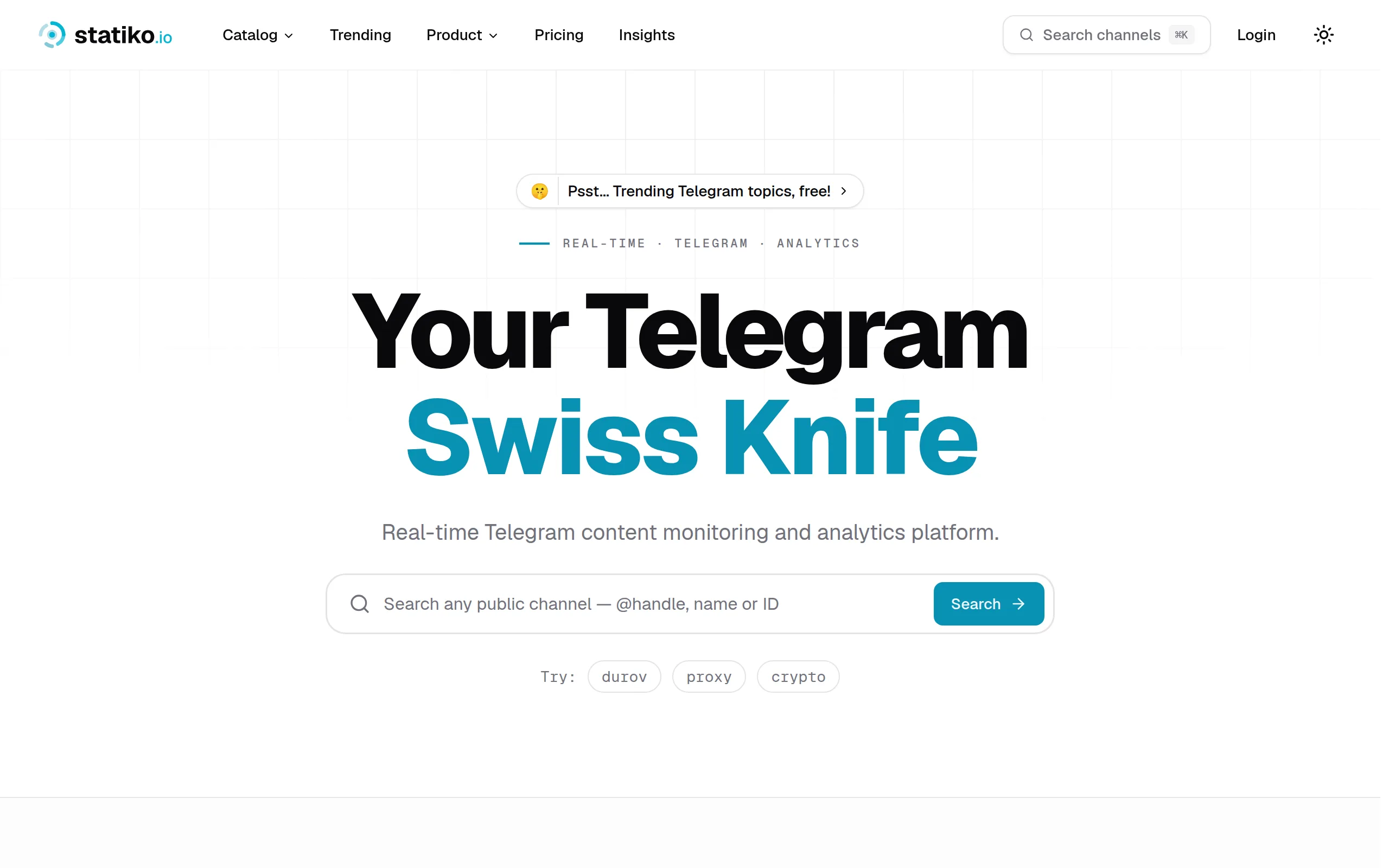
Statiko
Monitor any Telegram channel in real time - track posts, edits, deletions, and growth with AI recaps 📡

Shibui
AI website builder - describe your business, pick a niche template, edit by chatting, and publish instantly ✨

Pro Service
Find verified home service professionals, compare quotes, and pay securely through escrow - built for Brazilians across the US 🏠
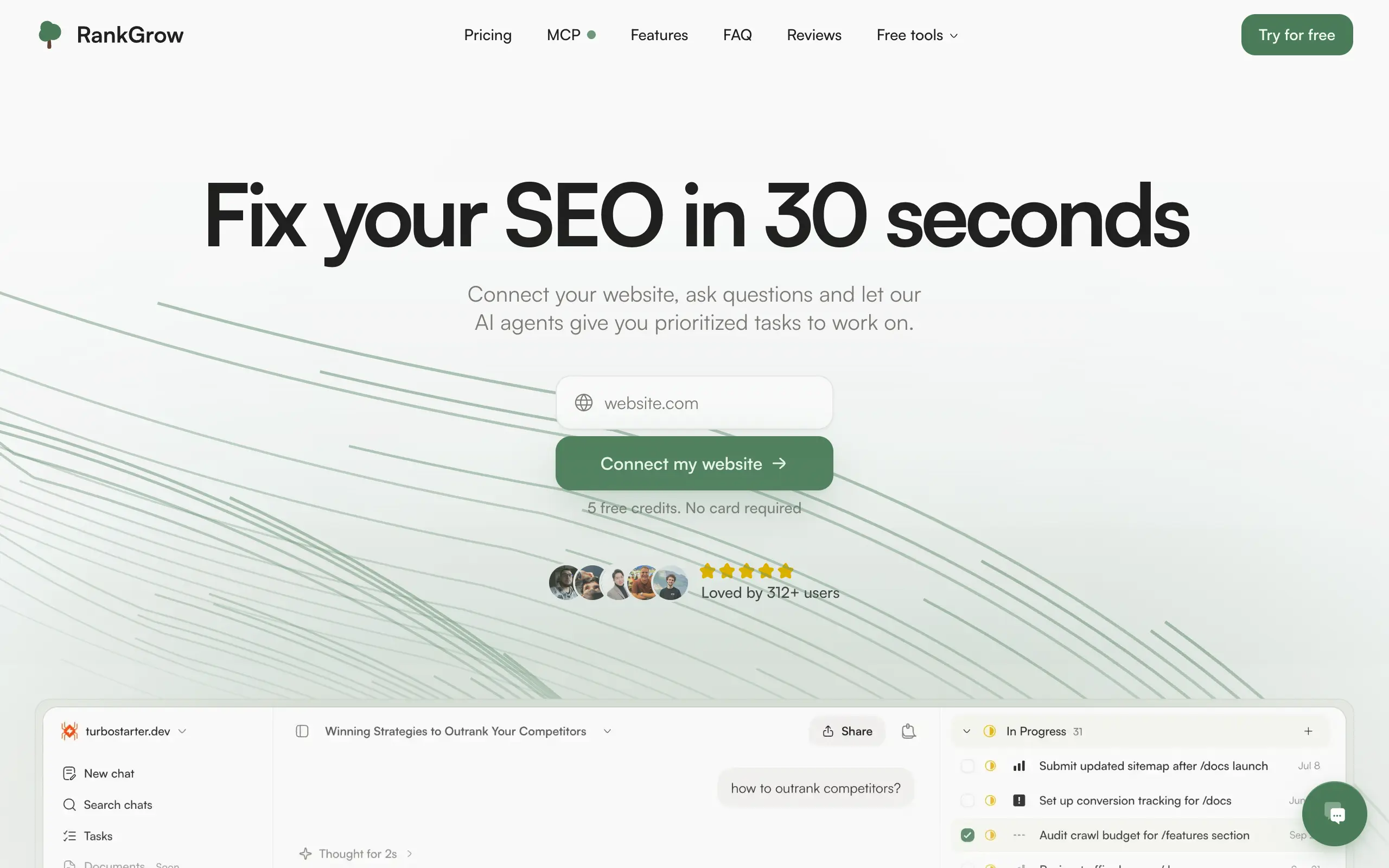
RankGrow
Fix your SEO with AI agents - connect Search Console, get prioritized tasks, and grow organic traffic 📈
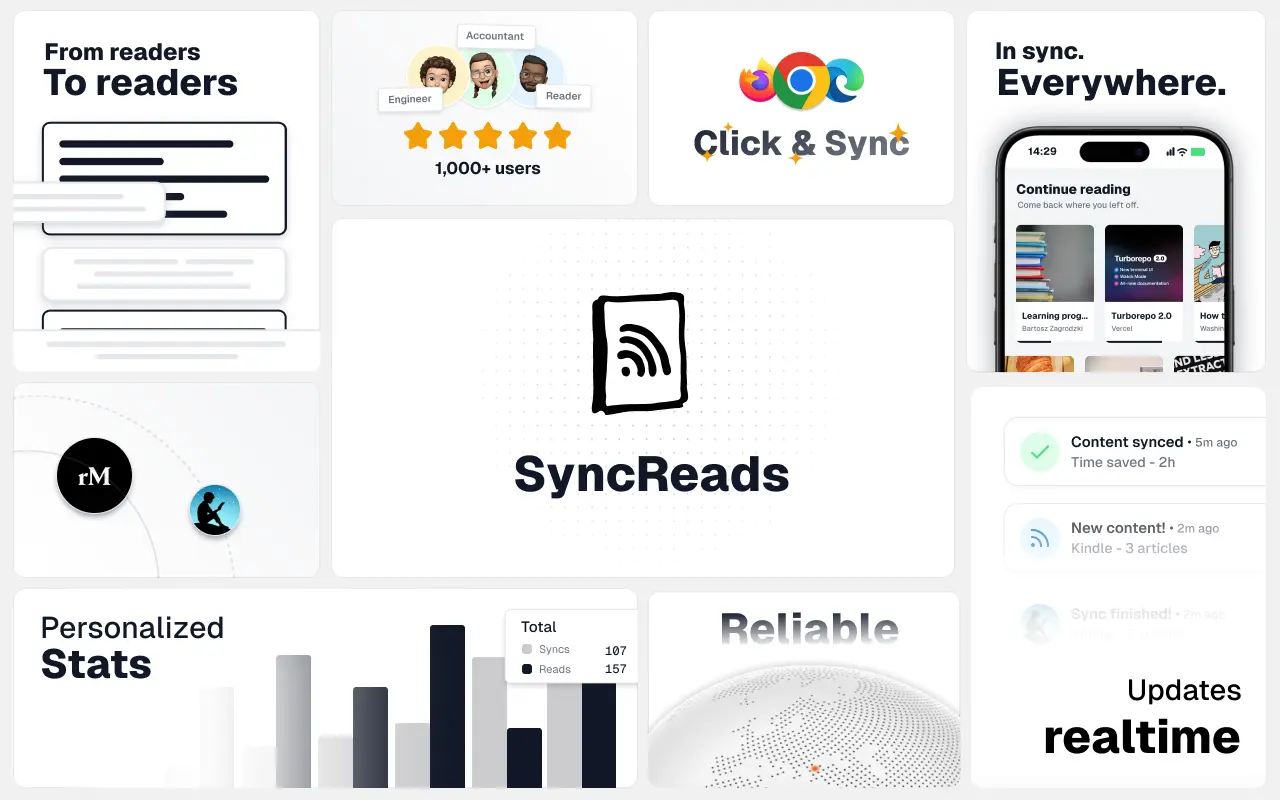
SyncReads
Sync your favorite content for distraction-free reading, save time and replace multiple apps. Anytime, anywhere 🔄
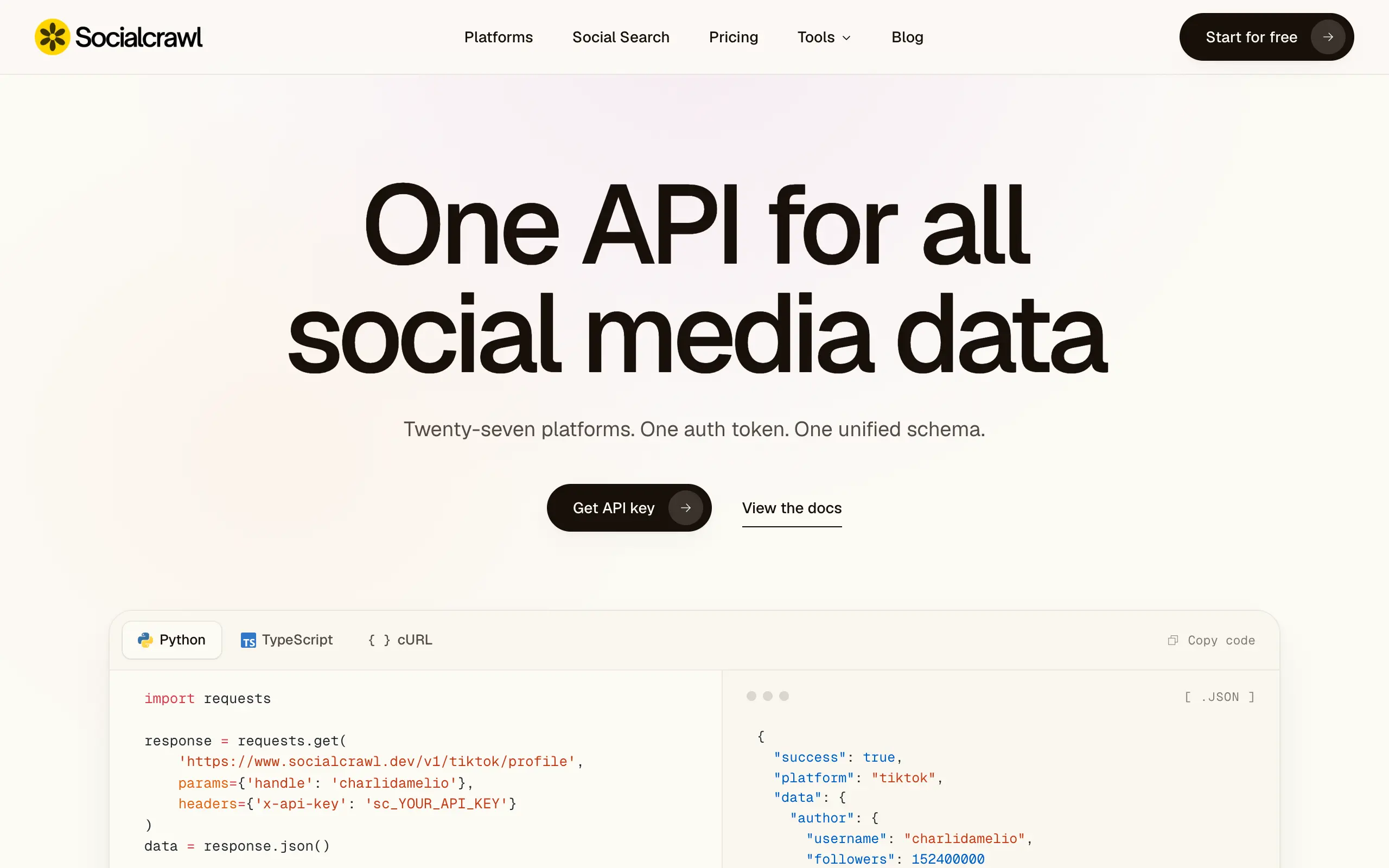
Socialcrawl
Get clean, structured data from 21 platforms like TikTok, Instagram, and YouTube with a single request 📊
Statiko
Monitor any Telegram channel in real time - track posts, edits, deletions, and growth with AI recaps 📡
Shibui
AI website builder - describe your business, pick a niche template, edit by chatting, and publish instantly ✨
Pro Service
Find verified home service professionals, compare quotes, and pay securely through escrow - built for Brazilians across the US 🏠
RankGrow
Fix your SEO with AI agents - connect Search Console, get prioritized tasks, and grow organic traffic 📈
SyncReads
Sync your favorite content for distraction-free reading, save time and replace multiple apps. Anytime, anywhere 🔄
Socialcrawl
Get clean, structured data from 21 platforms like TikTok, Instagram, and YouTube with a single request 📊
Statiko
Monitor any Telegram channel in real time - track posts, edits, deletions, and growth with AI recaps 📡
Shibui
AI website builder - describe your business, pick a niche template, edit by chatting, and publish instantly ✨
Pro Service
Find verified home service professionals, compare quotes, and pay securely through escrow - built for Brazilians across the US 🏠
RankGrow
Fix your SEO with AI agents - connect Search Console, get prioritized tasks, and grow organic traffic 📈
SyncReads
Sync your favorite content for distraction-free reading, save time and replace multiple apps. Anytime, anywhere 🔄
Socialcrawl
Get clean, structured data from 21 platforms like TikTok, Instagram, and YouTube with a single request 📊
Statiko
Monitor any Telegram channel in real time - track posts, edits, deletions, and growth with AI recaps 📡
Shibui
AI website builder - describe your business, pick a niche template, edit by chatting, and publish instantly ✨
Pro Service
Find verified home service professionals, compare quotes, and pay securely through escrow - built for Brazilians across the US 🏠
RankGrow
Fix your SEO with AI agents - connect Search Console, get prioritized tasks, and grow organic traffic 📈
SyncReads
Sync your favorite content for distraction-free reading, save time and replace multiple apps. Anytime, anywhere 🔄
Socialcrawl
Get clean, structured data from 21 platforms like TikTok, Instagram, and YouTube with a single request 📊
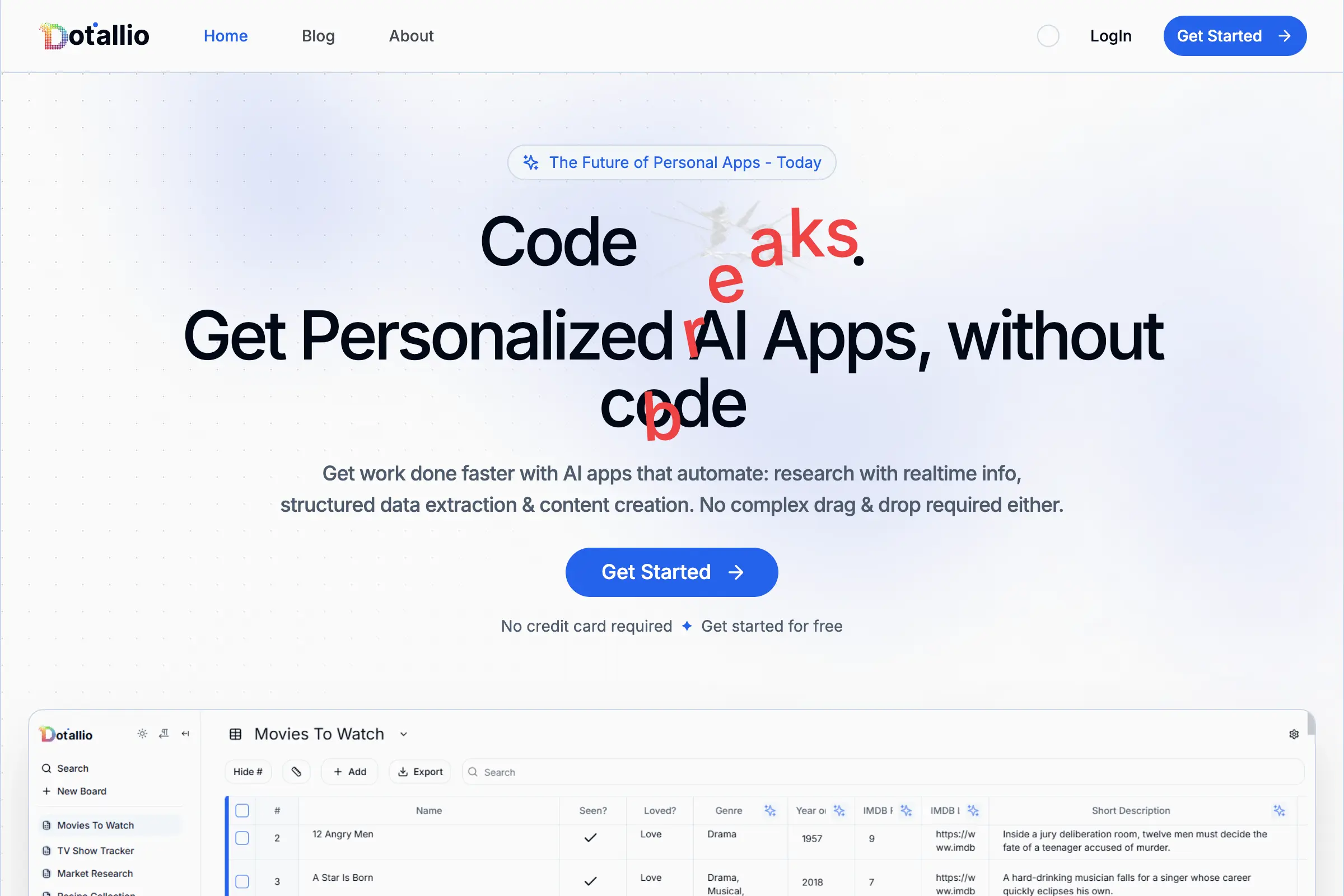
Dotallio
Personalized AI apps that automate research, data extraction, and content creation without code 🤖

Talk to Santa
Enjoy a magical live video chat or receive a unique AI-generated video greeting from Santa Claus 🎅
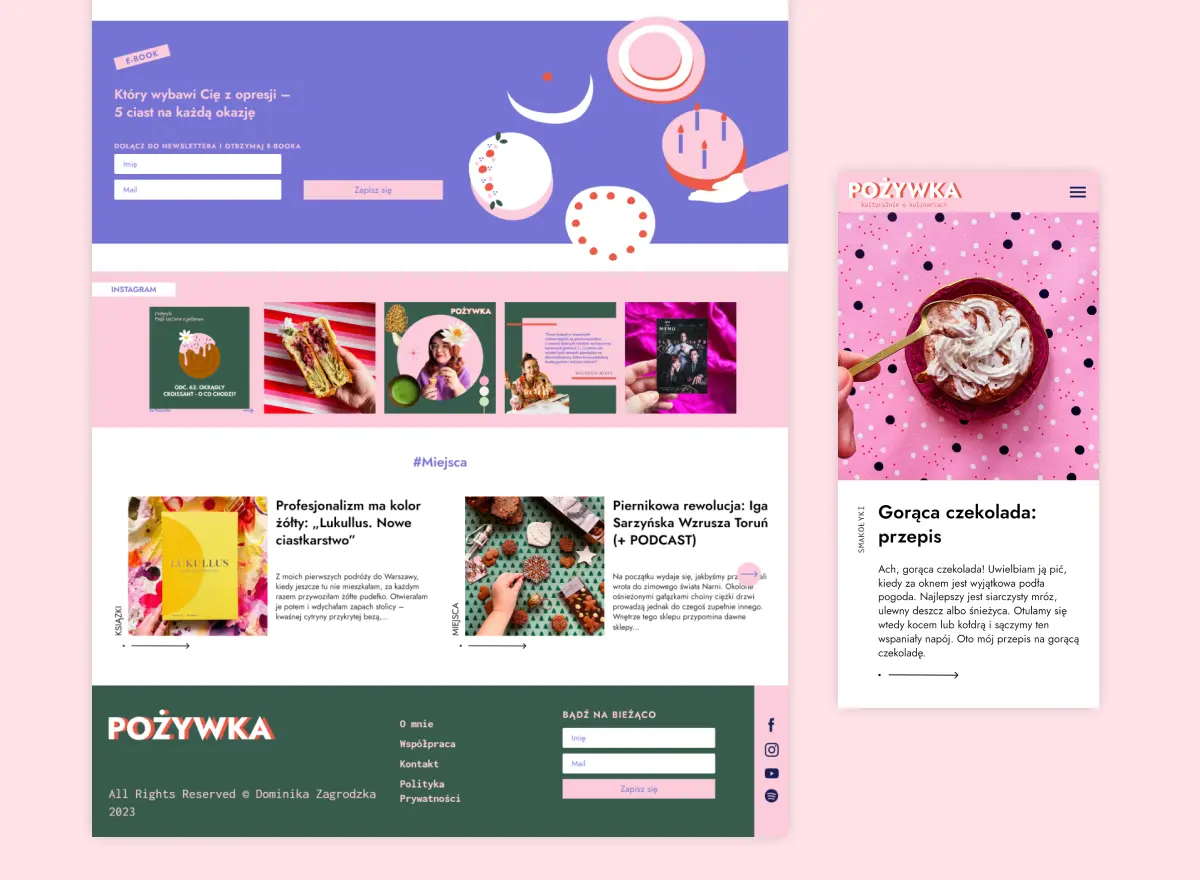
pozywka.pl
Scalable blog for food journalist, focused on performance and user experience 🌭
zagrodzki.me
Personal blog and portfolio of Bart Zagrodzki, where he shares his knowledge and work 💼
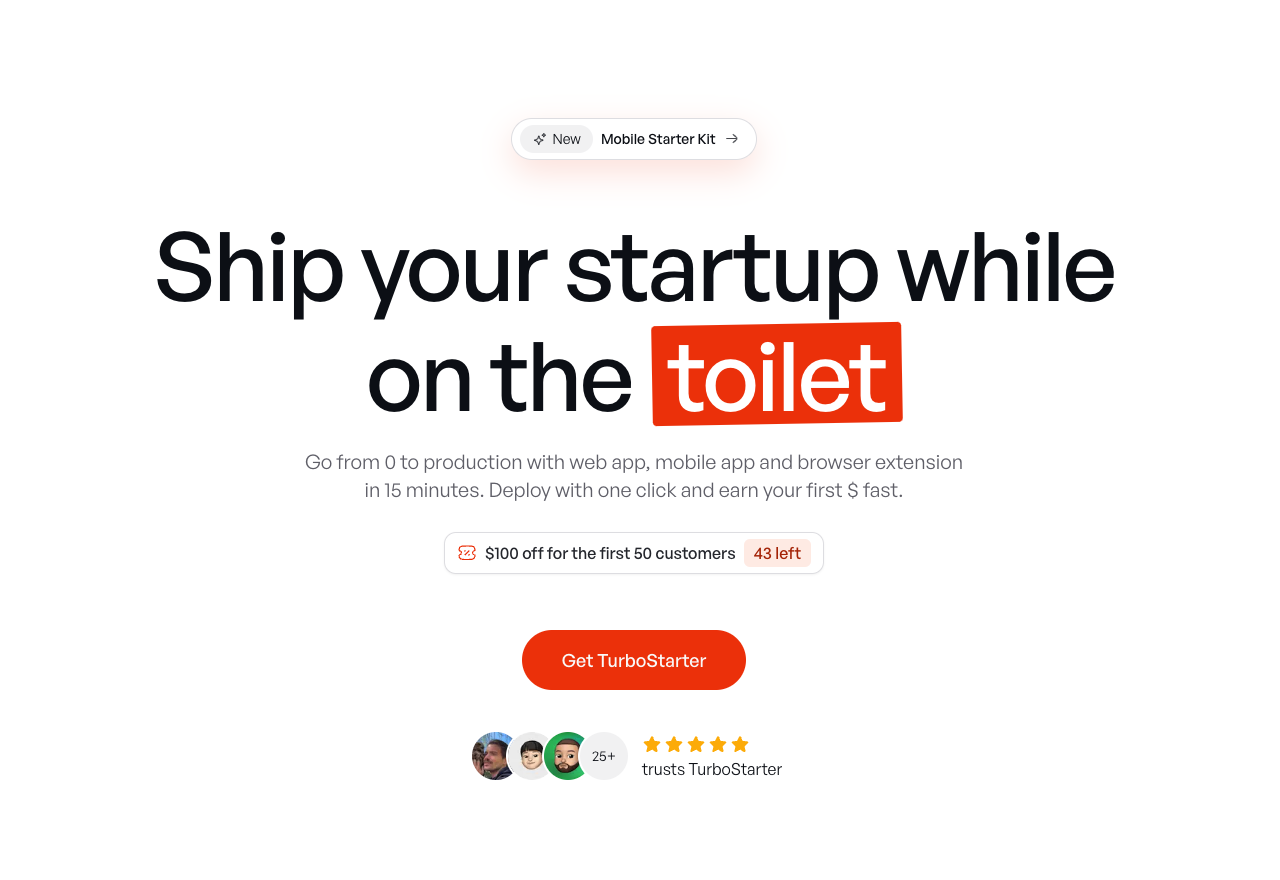
TurboStarter
Ship your startup everywhere. In minutes.
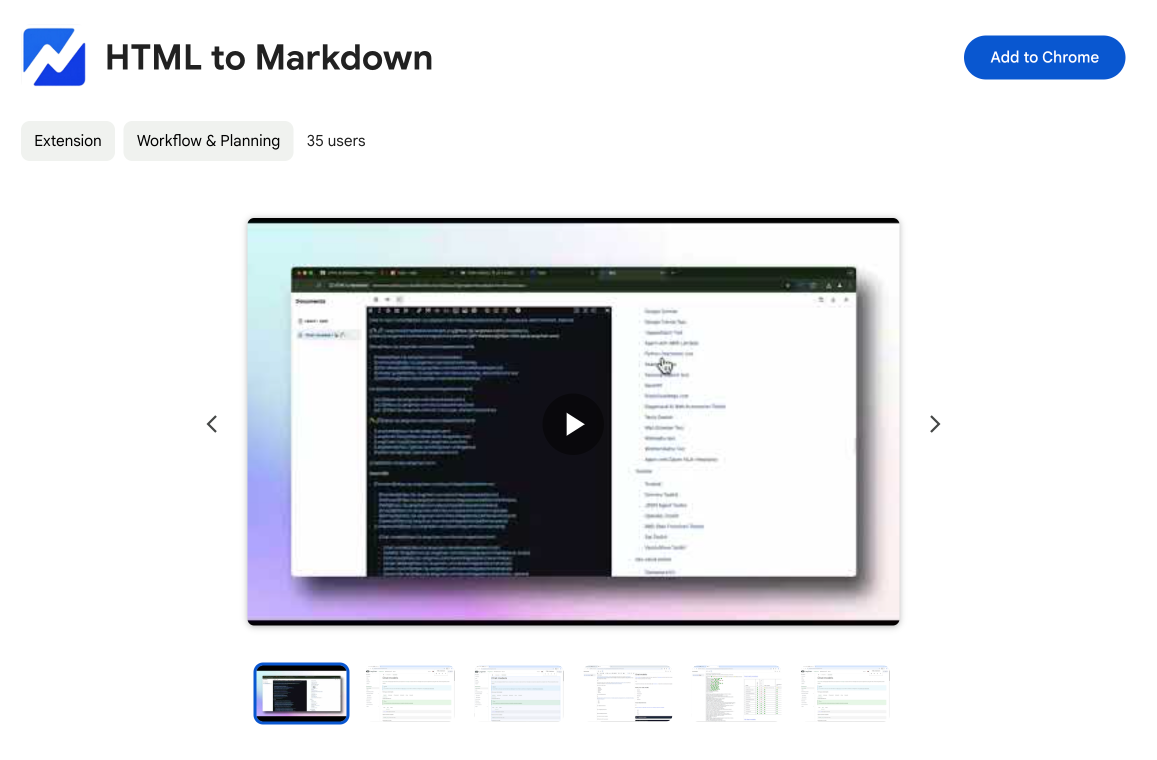
HTML to Markdown
Convert HTML to Markdown with ease, directly in your browser 📄
Dotallio
Personalized AI apps that automate research, data extraction, and content creation without code 🤖
Talk to Santa
Enjoy a magical live video chat or receive a unique AI-generated video greeting from Santa Claus 🎅
pozywka.pl
Scalable blog for food journalist, focused on performance and user experience 🌭
zagrodzki.me
Personal blog and portfolio of Bart Zagrodzki, where he shares his knowledge and work 💼
TurboStarter
Ship your startup everywhere. In minutes.
HTML to Markdown
Convert HTML to Markdown with ease, directly in your browser 📄
Dotallio
Personalized AI apps that automate research, data extraction, and content creation without code 🤖
Talk to Santa
Enjoy a magical live video chat or receive a unique AI-generated video greeting from Santa Claus 🎅
pozywka.pl
Scalable blog for food journalist, focused on performance and user experience 🌭
zagrodzki.me
Personal blog and portfolio of Bart Zagrodzki, where he shares his knowledge and work 💼
TurboStarter
Ship your startup everywhere. In minutes.
HTML to Markdown
Convert HTML to Markdown with ease, directly in your browser 📄
Dotallio
Personalized AI apps that automate research, data extraction, and content creation without code 🤖
Talk to Santa
Enjoy a magical live video chat or receive a unique AI-generated video greeting from Santa Claus 🎅
pozywka.pl
Scalable blog for food journalist, focused on performance and user experience 🌭
zagrodzki.me
Personal blog and portfolio of Bart Zagrodzki, where he shares his knowledge and work 💼
TurboStarter
Ship your startup everywhere. In minutes.
HTML to Markdown
Convert HTML to Markdown with ease, directly in your browser 📄
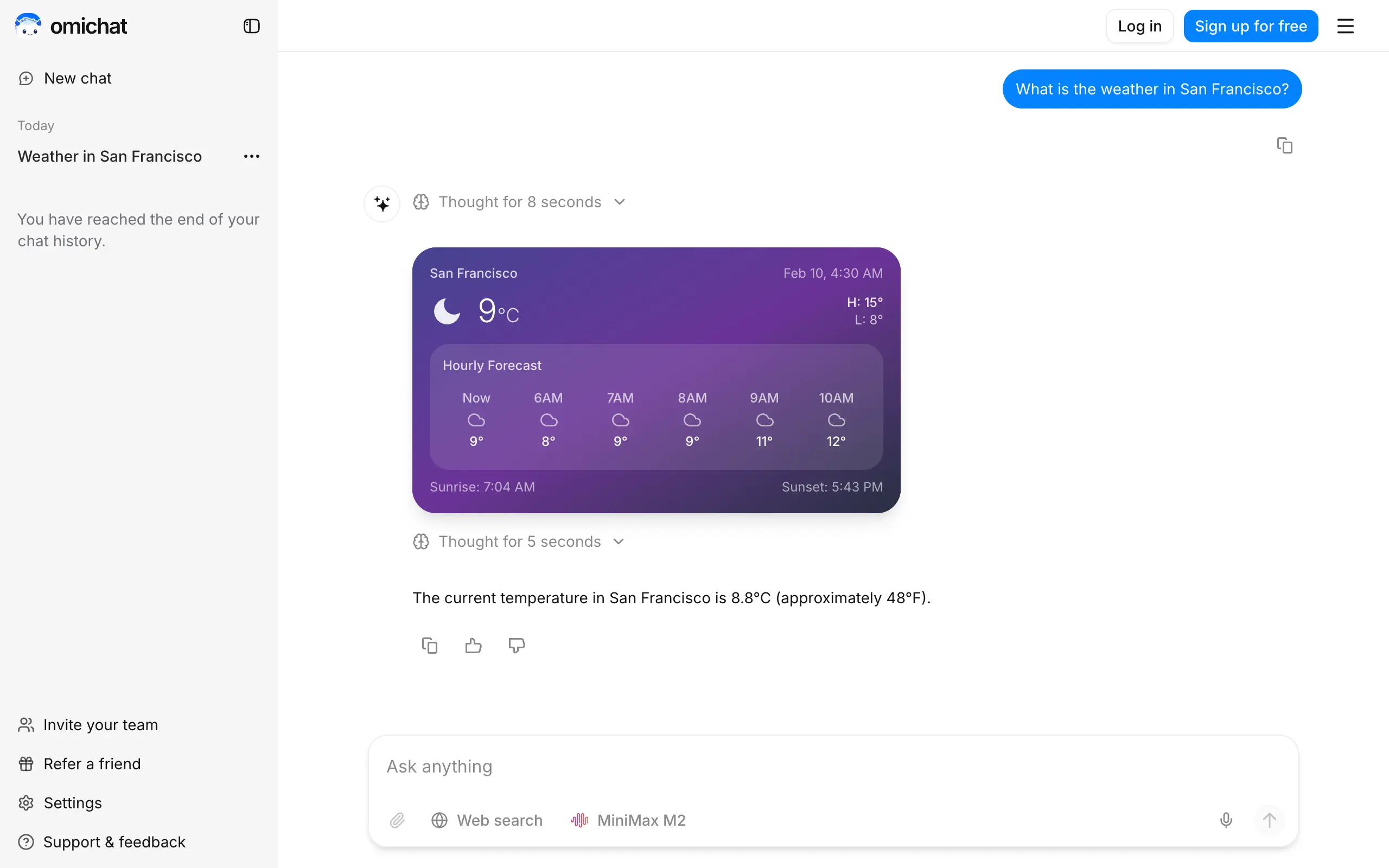
Omichat
Chat with 50+ AI models, including ChatGPT and Claude, in one place - switch models anytime without losing context 🤖
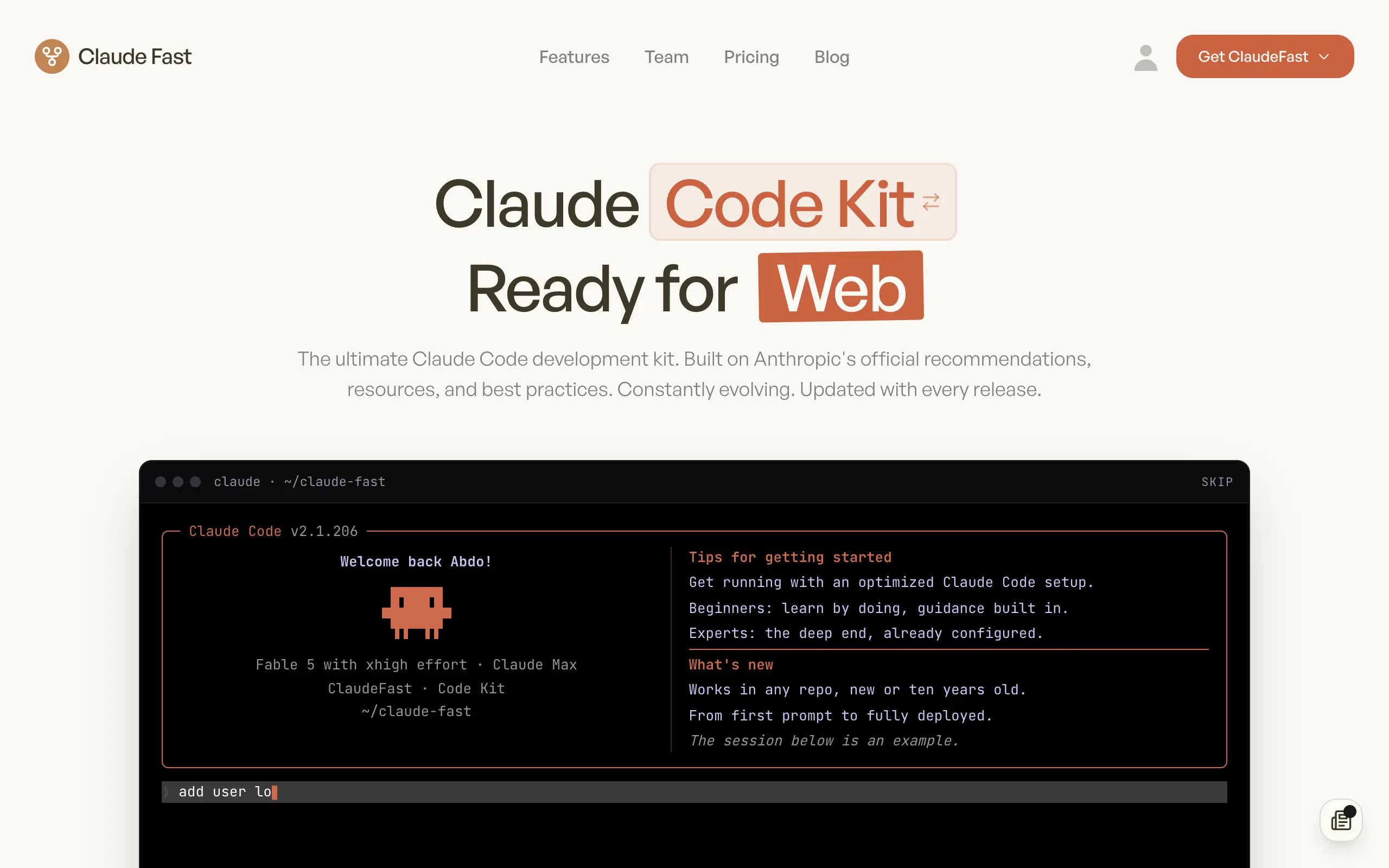
Claude Fast
Supercharge your Claude Code with 6x effective context window and specialized AI agents 🤖
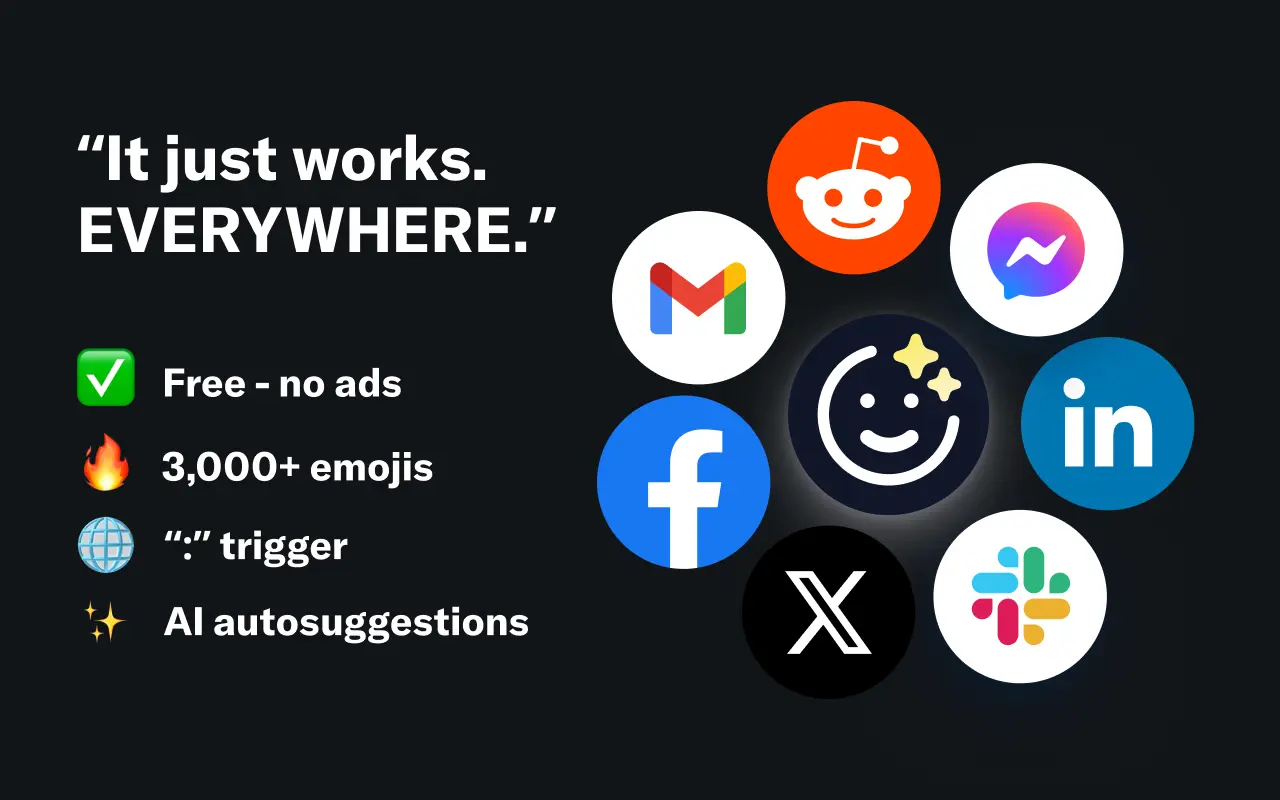
EmojAI
AI-powered emoji picker with smart, context-aware suggestions 🤖
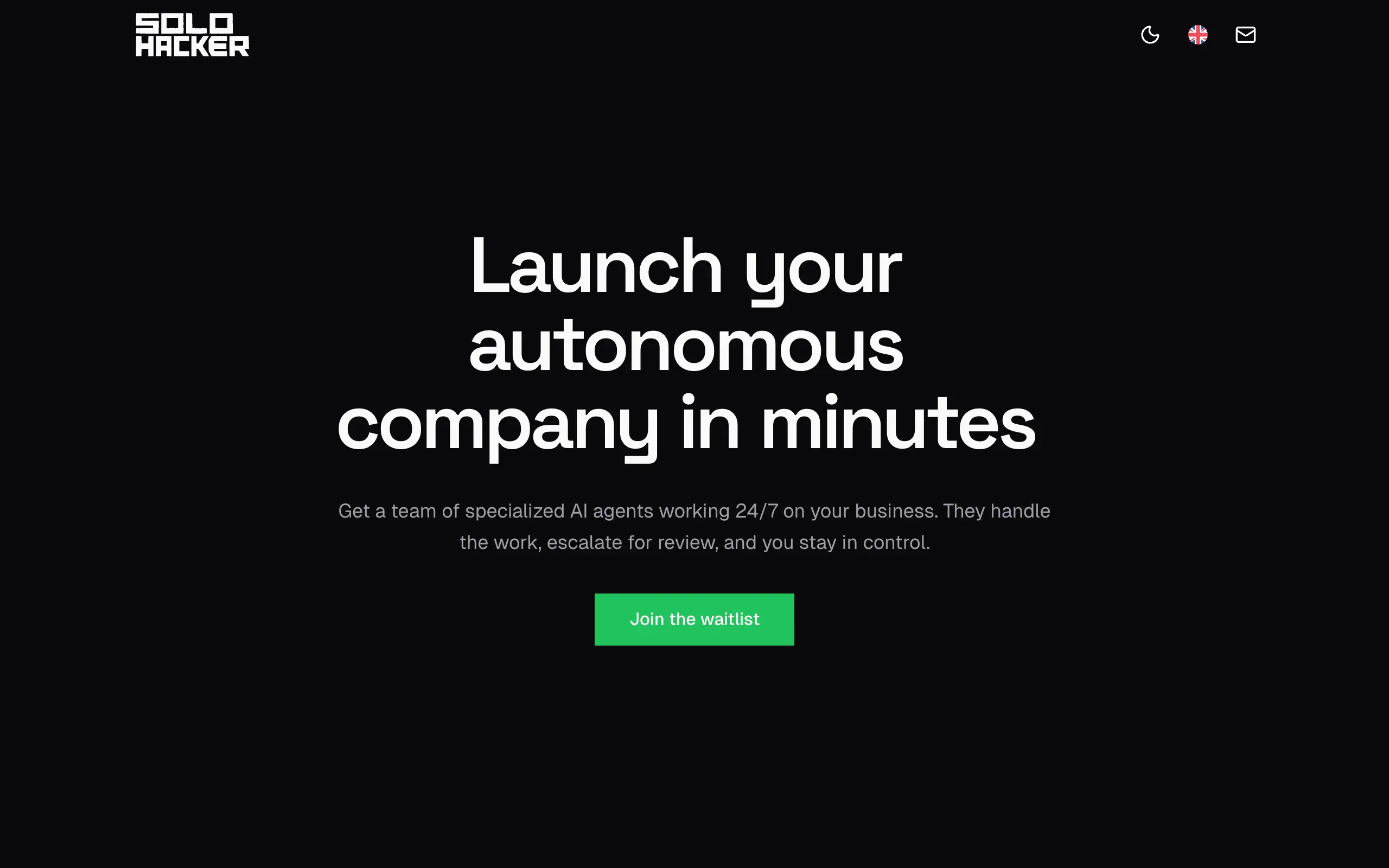
Solohacker
Autonomous company launcher - AI agents work 24/7, escalate what matters, and you stay in control 🤖
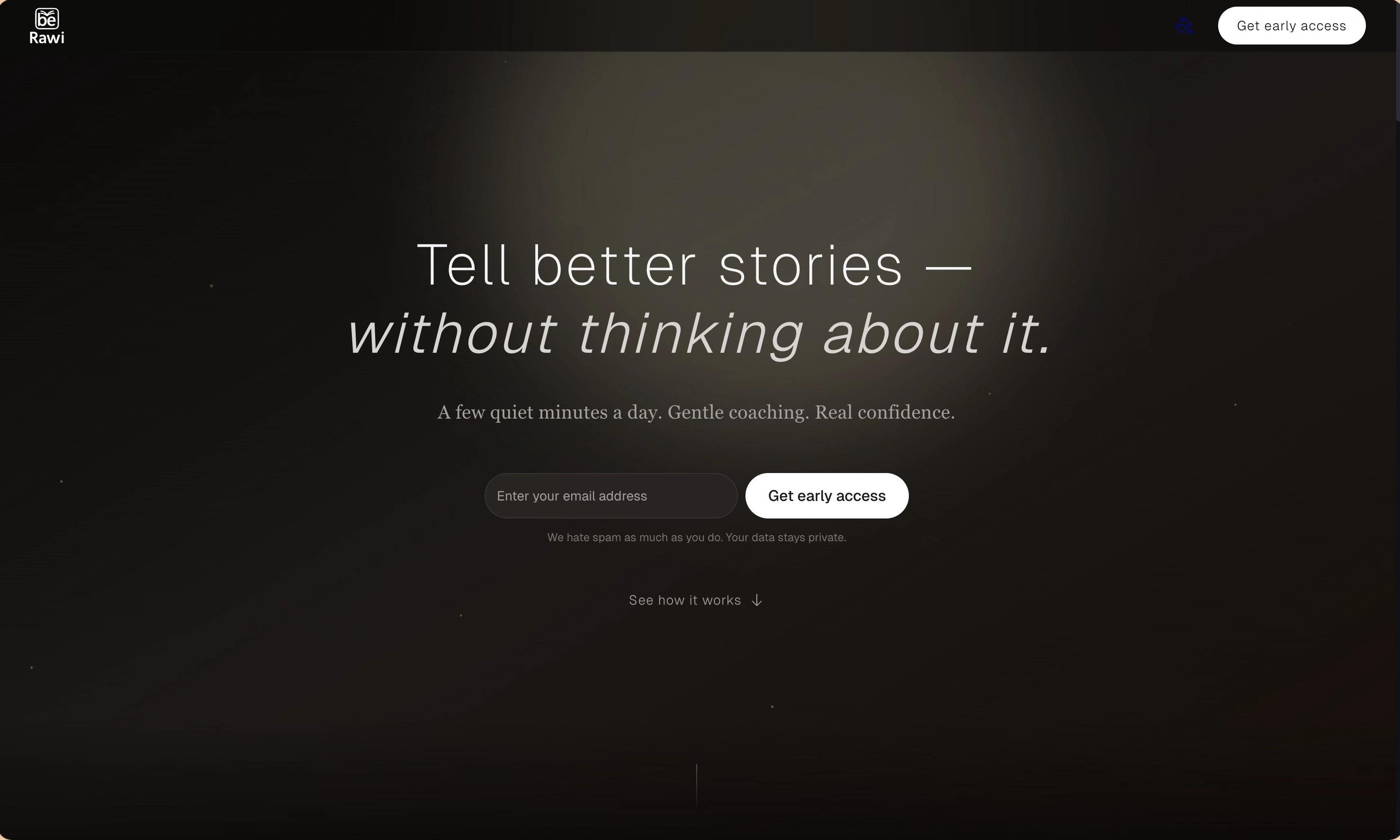
BeRawi: Storytelling Coach
Practice storytelling daily with instant feedback to sound clearer, more engaging, and confident 🎤
Omichat
Chat with 50+ AI models, including ChatGPT and Claude, in one place - switch models anytime without losing context 🤖
Claude Fast
Supercharge your Claude Code with 6x effective context window and specialized AI agents 🤖
EmojAI
AI-powered emoji picker with smart, context-aware suggestions 🤖
Solohacker
Autonomous company launcher - AI agents work 24/7, escalate what matters, and you stay in control 🤖
BeRawi: Storytelling Coach
Practice storytelling daily with instant feedback to sound clearer, more engaging, and confident 🎤
Omichat
Chat with 50+ AI models, including ChatGPT and Claude, in one place - switch models anytime without losing context 🤖
Claude Fast
Supercharge your Claude Code with 6x effective context window and specialized AI agents 🤖
EmojAI
AI-powered emoji picker with smart, context-aware suggestions 🤖
Solohacker
Autonomous company launcher - AI agents work 24/7, escalate what matters, and you stay in control 🤖
BeRawi: Storytelling Coach
Practice storytelling daily with instant feedback to sound clearer, more engaging, and confident 🎤
Omichat
Chat with 50+ AI models, including ChatGPT and Claude, in one place - switch models anytime without losing context 🤖
Claude Fast
Supercharge your Claude Code with 6x effective context window and specialized AI agents 🤖
EmojAI
AI-powered emoji picker with smart, context-aware suggestions 🤖
Solohacker
Autonomous company launcher - AI agents work 24/7, escalate what matters, and you stay in control 🤖
BeRawi: Storytelling Coach
Practice storytelling daily with instant feedback to sound clearer, more engaging, and confident 🎤

Connect with like-minded people
Join our community to get feedback, support, and grow together with 1,000+ builders on board, let's ship it!
Join usShip your startup everywhere. In minutes.
Don't burn tokens on setup and start building features on day one.