TrendTailor
Create on-brand social posts from live trends with AI scripts, visual briefs, and one-click publishing across major platforms.
TrendTailor: an AI social media content platform built for real-time relevance
TrendTailor is an AI social media content creation platform designed for brands that need to turn live trends into on-brand posts quickly. Its central value proposition is simple but commercially powerful: help marketing teams identify timely conversations, generate channel-specific creative, preserve brand consistency, and publish without bouncing between disconnected tools.
The primary keyword opportunity is AI social media content platform. Supporting semantic keywords include:
- AI social media post generator
- trend-based content creation
- social media trend monitoring
- AI content calendar
- brand-safe AI copywriting
- one-click social media publishing
- social listening software
- AI visual brief generator
- real-time marketing tools
- social media automation for brands
The opportunity is not merely to create more content. Most teams already have generative AI tools capable of producing a caption. The harder operational problem is deciding what is worth posting now, translating a trend into a brand-appropriate angle, preparing creative direction, collecting approvals, and publishing before the moment disappears.
TrendTailor can solve that full workflow.
The core positioning opportunity
TrendTailor should position itself as the AI operating layer between live cultural trends and brand-safe social publishing, rather than as another generic AI caption generator.
Why an AI social media content platform is needed now
Social media marketing has shifted from calendar-only publishing to a hybrid model. Teams still need planned campaigns, product launches, evergreen education, and promotional content. At the same time, they are increasingly expected to react to fast-moving cultural moments, creator trends, breaking news, seasonal memes, and audience conversations.
That expectation creates a persistent workflow gap.
A trend may have a short relevance window. A social manager might spot it on TikTok, Instagram, X, LinkedIn, Reddit, or YouTube, then need to answer several questions before publishing:
- Is the trend relevant to the brand and its audience?
- Is it safe to join, or is there reputational risk?
- What angle makes the post feel original rather than opportunistic?
- Which platform format is most appropriate?
- What visual direction should a designer or creator follow?
- Who needs to approve the content?
- Can the team publish while the conversation is still active?
Generic AI writing assistants address only one step. Social scheduling tools address the final step. Social listening products may identify the conversation but often stop before creative production. TrendTailor can connect these fragmented stages in one focused system.
For market validation, the product story should reference trusted industry research from sources such as annual social media reports by established analyst firms, platform trend reports, and audience research from recognized marketing organizations. When citing data in published content, use clear references such as “Source: [publisher], [report title], [publication year]” and verify each figure before publication.
The market gap in trend-based social content creation
The social media software market is crowded, but the category remains fragmented. Existing products tend to prioritize one of four jobs:
- Scheduling and publishing
- Social listening and analytics
- Design production
- AI copywriting and ideation
TrendTailor's market gap is the workflow between trend detection and approved, ready-to-publish creative.
A team may use a listening platform to see a spike in discussion, a browser tab to research the trend, an AI chatbot to draft copy, a design workspace for graphics, a spreadsheet for approvals, and a scheduler to publish. This patchwork creates delays, inconsistent quality, and lost context.
The best product wedge is not “we generate social posts with AI.” That claim is too broad and easy to copy. The stronger wedge is:
TrendTailor converts relevant live trends into brand-approved, platform-ready social content packages.
A content package can include:
- A short explanation of the trend and why it matters
- A relevance score based on the brand profile
- Suggested campaign or post angles
- Platform-specific scripts and captions
- Suggested hooks, CTAs, hashtags, and talking points
- Visual briefs for designers, creators, or image-generation workflows
- Brand safety checks and escalation flags
- Approval status and one-click publishing options
This end-to-end package is much closer to the work a marketing team actually needs done.
Target audience for TrendTailor
TrendTailor should initially focus on customers with frequent social publishing needs, clear brand governance requirements, and enough speed pressure to feel the pain of the existing workflow.
Social media managers at growing brands
Social media managers are likely the primary daily users. They are responsible for maintaining a posting cadence, monitoring comments and cultural moments, writing copy, coordinating assets, and reporting results. Their most common challenge is not a lack of ideas. It is the lack of time to turn good ideas into approved work.
For this segment, TrendTailor should emphasize:
- Faster trend discovery
- Ready-to-edit post concepts
- Platform-aware copy variations
- Creative briefs that reduce designer back-and-forth
- A clear audit trail for approvals and publishing
A social manager needs to look good to their team and leadership. TrendTailor should make it easy to show that a post was strategically selected, aligned to brand rules, and published at the right time.
Small marketing teams and startups
Startups and lean growth teams often do not have dedicated analysts, copywriters, designers, and community managers. One person may own all of those responsibilities. These teams benefit from a focused AI social media post generator that delivers structured outputs instead of blank-page inspiration.
Their buying motivation is practical:
- Save hours each week
- Produce professional-looking content with fewer specialists
- Maintain a consistent brand voice
- Participate in relevant conversations without expensive agency retainers
A self-serve plan and simple onboarding are important for this group.
Agencies managing multiple brands
Agencies are a high-value segment because they face a multiplied version of the same challenge. Account teams need to produce timely, differentiated content for many clients while respecting distinct brand voices, approval chains, legal constraints, and platform strategies.
TrendTailor can offer agencies:
- Separate brand workspaces
- Reusable client onboarding templates
- Team roles and approval permissions
- White-label or client-facing reports
- Content queues by client and campaign
- Multi-brand analytics and trend opportunity tracking
Agency buyers are especially likely to value governance, collaboration, and ROI reporting over simple copy generation.
Regulated and reputation-sensitive organizations
Financial services, healthcare-adjacent businesses, education providers, public organizations, and enterprise B2B companies face higher risks when posting around trends. They may avoid reactive content entirely because they lack a safe process.
This is an important long-term opportunity. TrendTailor can help them participate selectively through policy controls, disclaimer libraries, restricted terms, legal review routing, and explainable recommendations.
The product should not imply that AI can replace legal or compliance judgment. Instead, it should help teams detect potential issues early and enforce internal approval workflows.
Best early adopter
A social media manager at a 10 to 200 person consumer brand that publishes frequently but lacks a dedicated social intelligence team.
Best high-value account
An agency or multi-brand organization that needs separate brand voices, approvals, and reporting across many client accounts.
Long-term enterprise wedge
A reputation-sensitive company that needs human approval and policy controls before joining fast-moving social conversations.
How TrendTailor should work from trend to publication
The product experience should be opinionated. A broad dashboard full of trend charts will not differentiate the product. The primary workflow should make the next best marketing action obvious.
1. Build a durable brand intelligence profile
Before TrendTailor recommends content, it needs a usable representation of each brand. The setup should collect more than a basic “tone of voice” field.
A strong brand profile includes:
- Brand mission and positioning
- Target customer segments
- Product categories and key offers
- Core messaging pillars
- Preferred vocabulary and prohibited phrases
- Brand voice examples
- Competitor names and comparison rules
- Sensitive topics and hard exclusions
- Approved sources, claims, and disclosures
- Platform-specific voice preferences
- Sample high-performing and low-performing posts
The system can use this information to evaluate whether a trend is relevant, whether the proposed language is consistent with the brand, and whether a post needs human review.
2. Identify trends with a relevance model
Not every trending topic deserves a response. In fact, joining irrelevant trends is one of the fastest ways for brands to appear inauthentic.
TrendTailor should score possible opportunities based on more than raw volume. A practical relevance model can combine:
- Conversation velocity
- Recent engagement growth
- Audience overlap
- Semantic fit with brand pillars
- Competitive activity
- Platform fit
- Sentiment and controversy signals
- Geographic relevance
- Trend maturity
- Estimated content shelf life
The product should then explain its recommendation in plain language. For example:
Interest in remote-work budgeting is rising among LinkedIn audiences that overlap with your finance leader persona. The topic matches your “smarter operations” messaging pillar and currently shows low controversy risk.
Explainability builds trust. It also makes the tool more useful in team review conversations.
3. Generate an on-brand creative package
Once a user selects a trend, TrendTailor should generate multiple angles rather than a single finished post. Marketers want choices because they understand that a useful trend can be framed as education, humor, commentary, product utility, community participation, or thought leadership.
Each concept should include:
- The proposed content angle
- An opening hook
- Draft copy tailored to selected platforms
- Suggested content format such as carousel, short video, text post, or story
- Visual brief and shot list
- Suggested CTA
- Optional hashtags or keywords
- Brand voice confidence score
- Risk notes and required review status
For example, a sustainable beauty brand seeing interest in refillable packaging could receive:
- A LinkedIn thought-leadership post on packaging economics
- An Instagram carousel explaining refill systems
- A TikTok short-form script showing a refill routine
- A creator brief for user-generated content
- A community prompt that asks customers to share their own refill habits
This is far more valuable than producing the same generic caption on every channel.
4. Support human editing and approval
AI should accelerate decisions, not hide them. TrendTailor needs a collaborative editor where humans can revise copy, compare variants, tag reviewers, leave comments, and see what changed.
Important workflow capabilities include:
- Draft, review, approved, scheduled, published, and archived states
- Role-based permissions
- Comment threads tied to a specific sentence or visual brief
- Version history
- Approval deadlines
- Content ownership
- Brand safety warnings
- Approval templates by content type or client
An agency may require client approval before publishing. An internal team may require legal review only when specific claims or regulated keywords appear. These requirements should be configurable rather than hard-coded.
5. Publish and learn from performance
One-click publishing is a compelling promise, but it must be implemented responsibly. Platform APIs and permissions vary, and some publishing actions may require account-specific authorization or partner-approved capabilities.
TrendTailor should support direct publishing where official integrations allow it, while offering export and handoff workflows where they do not. Each post should retain its original trend context so the product can learn what worked.
After publication, TrendTailor can report:
- Reach and impressions
- Engagement rate
- Click-through rate where available
- Saves, shares, comments, and video completion metrics
- Sentiment signals
- Performance compared with typical posts
- Time from trend detection to publication
- Trend-to-post conversion rate
The most valuable measurement is not only engagement. It is whether TrendTailor helped the team move from opportunity detection to quality content faster, with fewer revisions and better business alignment.
Core features for an AI social media content platform
A staged roadmap will protect the product from becoming overly complex too early.
| Feature | Early MVP | Growth phase | Enterprise phase | Customer value |
|---|---|---|---|---|
| Trend discovery | ✅ | ✅ | ✅ | Find relevant opportunities faster |
| AI content packages | ✅ | ✅ | ✅ | Turn trends into usable drafts |
| Publishing integrations | ❌ | ✅ | ✅ | Reduce tool switching |
| Approval workflows | Basic | ✅ | Advanced | Protect brand governance |
| Custom policy controls | ❌ | Limited | ✅ | Support regulated teams |
MVP features worth building first
The minimum viable product should prove one valuable loop: a user discovers a relevant trend, receives high-quality branded content ideas, edits a post, and exports or schedules it.
Start with:
- Brand profile setup with tone, topics, examples, and exclusions.
- A curated trend feed from reliable data inputs.
- Relevance scoring and brief explanations.
- AI-generated content angles for two or three launch platforms.
- Caption, script, CTA, and visual brief generation.
- A simple editable workspace.
- Export options and draft scheduling support.
- Basic feedback capture such as useful, not relevant, too risky, or off-brand.
Avoid building a massive social listening suite in version one. That market has deep incumbents and expensive data requirements. TrendTailor should initially win on actionability, not on having the largest data warehouse.
Advanced features that create defensibility
Once the core workflow earns engagement, TrendTailor can develop features that become harder for generic AI tools to replicate.
Potential differentiators include:
- Brand memory based on approved content and edits
- Trend predictions based on early momentum signals
- Competitor content gap analysis
- Creative fatigue detection
- AI-generated content experiments and A/B variants
- Brand safety policy engines
- Campaign-level trend mapping
- Creator and influencer brief generation
- Asset library connections
- Multilingual localization with brand voice preservation
- Performance learning loops by audience segment and platform
A particularly strong capability is edit learning. If a user repeatedly removes exaggerated claims, formalizes casual language, or chooses educational angles over humorous ones, the system should learn from those choices. That transforms TrendTailor from a static generator into a tailored brand content system.
Recommended technology stack for TrendTailor
TrendTailor needs a stack that supports a polished SaaS experience, background processing, secure integrations, AI orchestration, and auditable content workflows.
Product application and UI
A practical frontend stack includes Next.js with React and TypeScript. This combination is well suited to SaaS products because it supports server rendering, API routes or server-side actions, type safety, and a strong developer ecosystem.
For interface development, Tailwind CSS is a strong choice for quickly building consistent dashboards, editors, tables, and responsive workflows. The product needs a calm, information-dense interface. The best UI should feel more like a creative operations workspace than a novelty AI chat screen.
Use a rich text editor only where it provides clear value. Many social workflows benefit from structured fields for hook, caption, CTA, visual direction, hashtags, and platform notes. Structured content is easier to validate, compare, approve, and publish than one large unstructured text box.
Backend, data, and asynchronous jobs
For an early product, a TypeScript backend keeps the team efficient. PostgreSQL is a reliable primary database for users, organizations, workspaces, brands, trends, drafts, comments, approvals, and audit events.
Use a queue for jobs that should not block the user experience, including:
- Ingesting trend signals
- Calculating trend scores
- Generating multiple AI content variants
- Processing uploaded brand documents
- Syncing performance metrics
- Sending approval notifications
- Publishing scheduled content
The trade-off is operational complexity. A synchronous MVP is faster to ship, but AI requests and data ingestion can become slow or unreliable under load. Adding a job queue early is usually worthwhile when the product promise depends on timely trend alerts.
AI orchestration and retrieval
TrendTailor should use large language models for drafting, summarizing, classifying, and evaluating content. However, the model should not be treated as the source of truth for live trends, legal claims, or brand policy.
A robust architecture separates:
- Trend evidence from verified APIs, licensed datasets, approved feeds, and user-provided sources
- Brand knowledge from the customer's profile, approved assets, and historical content
- Generation logic that turns those inputs into suggested posts
- Policy checks that identify prohibited claims, sensitive categories, or missing disclosures
Retrieval-augmented generation is useful for grounding outputs in current brand materials. Store embeddings for brand guidelines, approved messaging documents, campaign briefs, product information, and previous high-performing posts. Then retrieve relevant context before generating content.
The key trade-off is quality versus complexity. A simple prompt with a brand tone field can work for early validation. A retrieval system creates more consistent and defensible outputs but requires careful document ingestion, access controls, evaluation, and ongoing maintenance.
Social platform integrations
Build integrations only through official platform APIs and follow each platform's terms, scopes, rate limits, and review requirements. The exact publishing capabilities available to an application can change over time, so the product should present clear fallback options such as:
- Copy formatted post text
- Export a content package
- Send a post to an approved scheduling platform
- Notify a team member to publish manually
- Save approved content into a calendar
Do not promise universal one-click publishing until the supported integration matrix is verified. Trust is more valuable than an ambitious but inaccurate feature claim.
Billing, authentication, and observability
The product needs standard SaaS foundations:
- Secure authentication with multi-tenant organization support
- Role-based access control
- Subscription billing and usage metering
- Audit logs
- Error monitoring
- Product analytics
- Backups and data retention policies
For founders who want to reduce setup time, TurboStarter can provide a practical starting point for building SaaS foundations, letting the team spend more of its early development budget on the trend intelligence and content workflow that make TrendTailor distinctive.
Example content generation contract
A structured AI response is more dependable than requesting a free-form paragraph. It allows the interface to display content consistently and makes it easier to run policy checks before showing a draft to the user.
type TrendContentPackage = {
  trendSummary: string;
  relevanceScore: number;
  relevanceReason: string;
  riskLevel: "low" | "medium" | "high";
  concepts: Array<{
    platform: "LinkedIn" | "Instagram" | "TikTok";
    angle: string;
    hook: string;
    caption: string;
    callToAction: string;
    visualBrief: string;
    approvalRequired: boolean;
  }>;
};
The model should return data matching a defined schema, while the application validates the response before saving it. This approach reduces UI failures and makes downstream analytics more useful.
Monetization options for TrendTailor
TrendTailor should use a subscription model with pricing tied to the value driver: active brands, team seats, monthly AI generation capacity, connected social accounts, or workflow sophistication.
Avoid pricing solely by tokens or raw AI generations. Customers do not want to calculate model usage. They want to know how many brands, campaigns, collaborators, and publishing workflows they can manage.
A tiered SaaS pricing model
A practical initial structure could include:
- Starter plan for solo marketers and small brands with one workspace, a limited trend feed, monthly content packages, and exports.
- Team plan for in-house marketing teams with multiple users, approvals, scheduled publishing, and deeper brand memory.
- Agency plan for multiple client brands, client approvals, shared templates, permissions, and consolidated reporting.
- Enterprise plan for SSO, advanced governance, custom integrations, data controls, support, and negotiated usage.
Pricing should be validated through customer interviews rather than assumed. Agencies may prefer pricing per active client brand. In-house teams may prefer a seat-based plan with included brands. Enterprise buyers often need annual contracts and procurement-friendly terms.
Expansion revenue opportunities
Potential expansion paths include:
- Additional brand workspaces
- More social accounts
- Advanced trend intelligence
- Content performance analytics
- Compliance review features
- Team seats and guest approvers
- Custom brand onboarding
- Premium integrations
- Managed strategy services
Services can be useful early, especially for onboarding larger customers. However, the business should avoid becoming a content agency. Productized onboarding is healthier than open-ended creative services because it reinforces software adoption and preserves margins.
Competitive advantage and positioning
TrendTailor will compete indirectly with social management suites, AI writing tools, listening platforms, creative tools, and agencies. Its advantage comes from connecting data, strategy, creative production, governance, and distribution around one high-frequency job.
The TrendTailor USP
TrendTailor turns live social trends into on-brand, approval-ready content packages that teams can publish before the moment passes.
This position is differentiated because it addresses all of the following together:
- Real-time relevance
- Brand consistency
- Platform-native execution
- Collaboration and governance
- Publishing readiness
- Learning from performance
A generic chatbot can create a caption but has no trusted awareness of the brand's approval rules, campaign context, social account permissions, or historical performance. A scheduler can publish a post but generally does not explain whether a trend matters or create a thoughtful creative brief. A listening product can detect a conversation but may leave the actual content work to the customer.
Building a defensible data moat
The long-term moat is not access to a language model. Models are increasingly commoditized. TrendTailor's defensibility can come from proprietary workflow data, with explicit customer consent and strong privacy controls.
Over time, the product can learn:
- Which trends each brand accepts or rejects
- Which messaging angles survive approvals
- Which edits improve brand alignment
- Which platform formats perform for specific audiences
- Which topics trigger risk reviews
- How long content takes to move from idea to publication
This produces a brand-specific recommendation system that becomes more valuable as customers use it.
Risks and mitigation strategies
An AI social media content platform operates in a fast-moving, public environment. Product strategy must treat risk management as a feature, not as a legal footnote.
AI may identify a high-volume conversation that is culturally sensitive, tragic, politically charged, or simply inappropriate for a brand. Mitigate this with topic exclusions, risk classification, sentiment checks, human review requirements, and a default bias toward recommending fewer, higher-confidence opportunities.
Generated content can use unsupported claims, incorrect facts, or the wrong tone. Ground generation in approved brand context, flag factual claims for review, retain editable drafts, and make human approval mandatory for public publishing in early versions.
Social platform access rules, publishing permissions, and rate limits can change. Use official integrations, design graceful export fallback workflows, monitor API announcements, and avoid marketing claims that exceed currently verified capabilities.
Raw trend volume can be noisy, manipulated, or irrelevant to the customer's audience. Combine multiple signals, show evidence and confidence levels, allow users to tune topic preferences, and gather feedback on every recommendation.
Brand guidelines, campaign plans, and unpublished social content are sensitive. Apply tenant isolation, encryption, least-privilege access, audit logs, retention controls, and contractual clarity about how customer data is used.
AI safety and brand trust requirements
The product should make its boundaries explicit. TrendTailor should not present generated text as legal, medical, financial, or regulatory advice. It should not guarantee that content is compliant, accurate, or approved by a platform.
Instead, use language such as:
- “Potential policy issue detected”
- “Human review recommended”
- “This claim should be verified against approved source material”
- “Trend relevance is based on available signals and may change quickly”
Transparent language protects users and builds credibility. Marketing teams are more likely to trust an AI product that clearly shows uncertainty than one that overpromises certainty.
Go-to-market strategy for TrendTailor
The initial go-to-market should be narrow. A product that claims to serve every social team can struggle to create a compelling message for anyone.
Start with a clear ideal customer profile such as:
Consumer brands and agencies with active Instagram, TikTok, and LinkedIn programs that need faster, more consistent reactive content.
This focus creates a direct content marketing engine. TrendTailor can publish educational resources around:
- How to evaluate whether a brand should join a trend
- Trendjacking versus authentic cultural participation
- Social media approval workflows
- AI brand voice governance
- Platform-specific content adaptation
- Measuring reactive content performance
- Building a real-time marketing process
These topics align with high-intent searches while naturally demonstrating the product's expertise.
Customer discovery questions
Before building deeply, conduct interviews with at least 20 to 30 target users. Ask about real workflows rather than hypothetical preferences.
Useful questions include:
- What happened the last time you saw a trend worth joining?
- How long did it take from idea to publication?
- Which people and tools were involved?
- What caused delays or abandoned posts?
- How do you decide whether a trend is on-brand?
- What makes you distrust AI-generated social copy?
- Which approval or compliance requirements are non-negotiable?
- What would make this workflow valuable enough to pay for monthly?
Look for repeated pain, not compliments. If several teams describe missed opportunities because approvals and creative production take too long, that is a stronger validation signal than hearing that the idea “sounds useful.”
Actionable implementation roadmap
The fastest path is to validate the core user outcome before investing in broad integrations or sophisticated predictive models.
The first success metric should be practical: the percentage of recommended trends that become edited, approved, and published posts. Supporting metrics should include time to first draft, time to approval, post adoption rate, repeat weekly usage, and customer-reported hours saved.
Do not overbuild the first version
TrendTailor does not need to beat enterprise social listening platforms on data coverage before it earns customers. It needs to give a busy marketer one excellent, brand-safe answer to the question, “What should we post about today, and how can we get it live quickly?”
Final assessment of the TrendTailor opportunity
TrendTailor addresses a meaningful problem at the intersection of AI content generation, social listening, creative operations, and publishing automation. The strongest version of the product is not a trend feed and not a chatbot. It is a decision and execution system for timely brand communication.
Its opportunity is especially strong because the underlying pain is recurring. Social teams repeatedly need to decide what matters, create content quickly, preserve a consistent voice, secure approval, and learn from the result. A tool that shortens this cycle without sacrificing judgment can become embedded in daily marketing operations.
The path to a durable business is clear:
- Start with a focused audience and high-frequency workflow.
- Prioritize explainable trend relevance over noisy data volume.
- Make brand safety and human approval central to the product.
- Generate complete content packages rather than isolated captions.
- Build learning loops around edits, approvals, and performance.
- Expand from creation into publishing, analytics, and multi-brand governance.
For founders, the strategic question is not whether AI can write social posts. It clearly can. The question is whether TrendTailor can become the trusted system that helps brands decide which moments deserve a response and execute that response with speed, originality, and confidence.
More 🤖 AI Startup SaaS ideas
Discover more innovative ai startup SaaS ideas that are trending in 2026. Each idea is AI-generated with market validation and growth potential to help you find your next profitable venture faster than competitors.
Your competitors are building with TurboStarter
Below are some of the SaaS ideas that have been generated and built with our starter kit.

Shibui
AI website builder - describe your business, pick a niche template, edit by chatting, and publish instantly ✨

Pro Service
Find verified home service professionals, compare quotes, and pay securely through escrow - built for Brazilians across the US 🏠
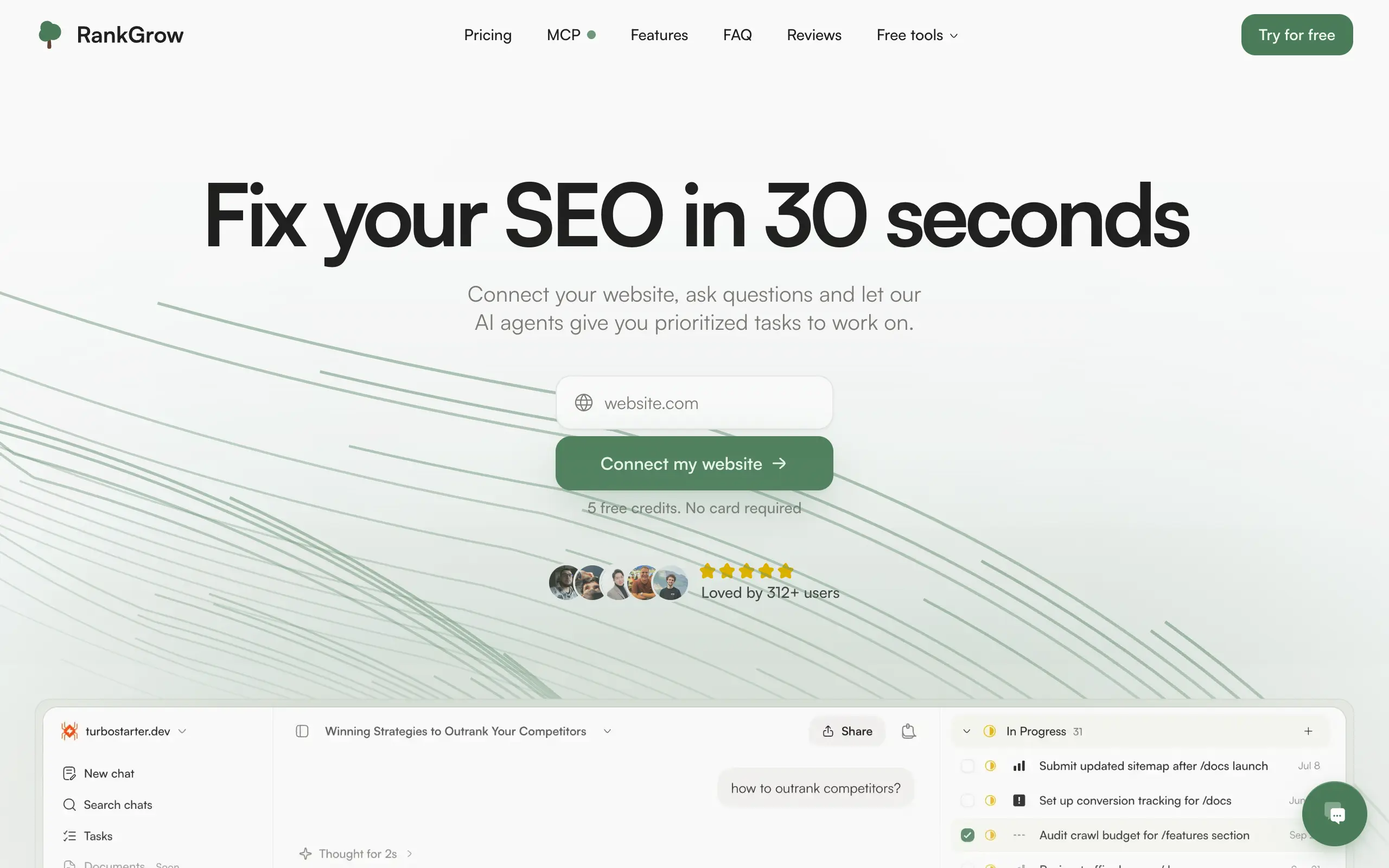
RankGrow
Fix your SEO with AI agents - connect Search Console, get prioritized tasks, and grow organic traffic 📈
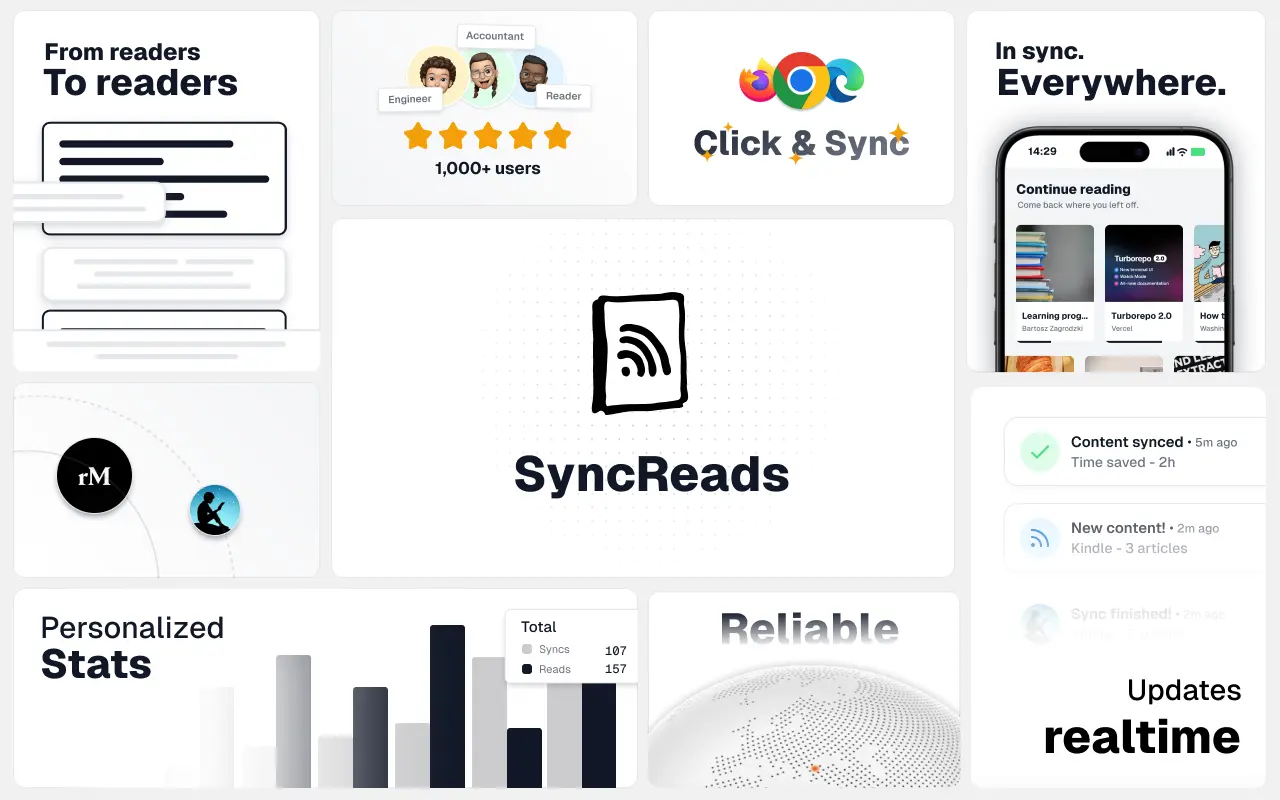
SyncReads
Sync your favorite content for distraction-free reading, save time and replace multiple apps. Anytime, anywhere 🔄
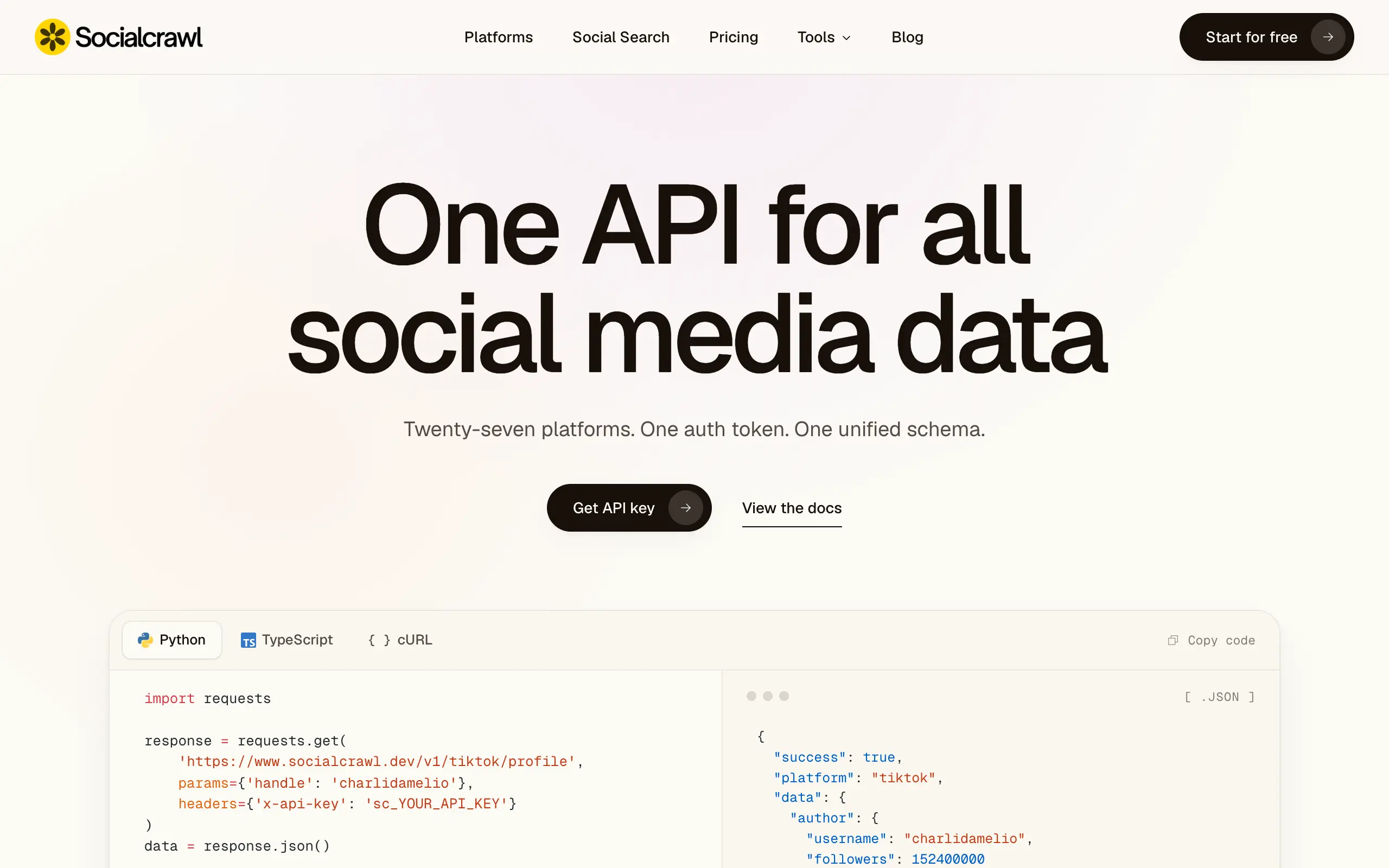
Socialcrawl
Get clean, structured data from 21 platforms like TikTok, Instagram, and YouTube with a single request 📊
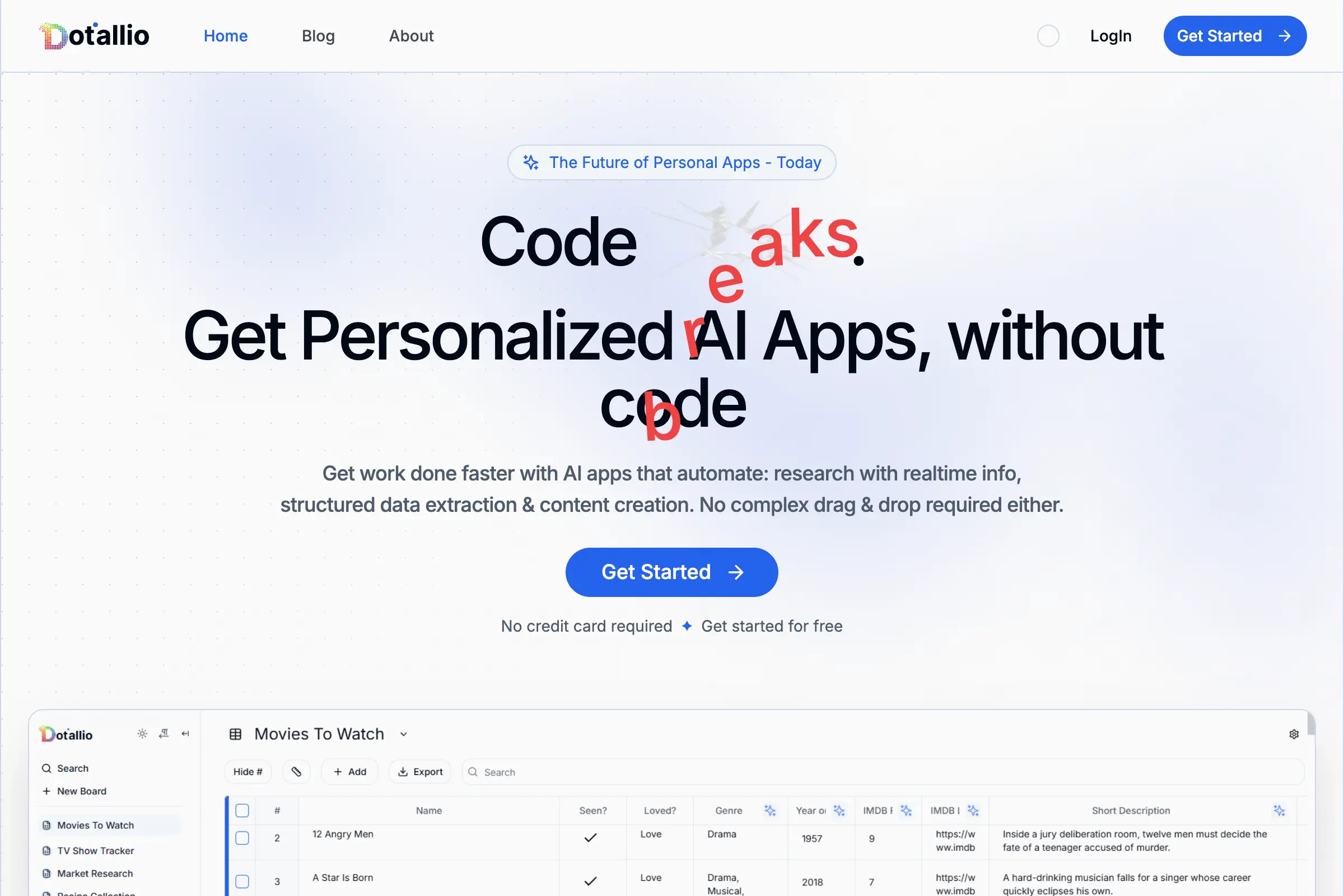
Dotallio
Personalized AI apps that automate research, data extraction, and content creation without code 🤖
Shibui
AI website builder - describe your business, pick a niche template, edit by chatting, and publish instantly ✨
Pro Service
Find verified home service professionals, compare quotes, and pay securely through escrow - built for Brazilians across the US 🏠
RankGrow
Fix your SEO with AI agents - connect Search Console, get prioritized tasks, and grow organic traffic 📈
SyncReads
Sync your favorite content for distraction-free reading, save time and replace multiple apps. Anytime, anywhere 🔄
Socialcrawl
Get clean, structured data from 21 platforms like TikTok, Instagram, and YouTube with a single request 📊
Dotallio
Personalized AI apps that automate research, data extraction, and content creation without code 🤖
Shibui
AI website builder - describe your business, pick a niche template, edit by chatting, and publish instantly ✨
Pro Service
Find verified home service professionals, compare quotes, and pay securely through escrow - built for Brazilians across the US 🏠
RankGrow
Fix your SEO with AI agents - connect Search Console, get prioritized tasks, and grow organic traffic 📈
SyncReads
Sync your favorite content for distraction-free reading, save time and replace multiple apps. Anytime, anywhere 🔄
Socialcrawl
Get clean, structured data from 21 platforms like TikTok, Instagram, and YouTube with a single request 📊
Dotallio
Personalized AI apps that automate research, data extraction, and content creation without code 🤖
Shibui
AI website builder - describe your business, pick a niche template, edit by chatting, and publish instantly ✨
Pro Service
Find verified home service professionals, compare quotes, and pay securely through escrow - built for Brazilians across the US 🏠
RankGrow
Fix your SEO with AI agents - connect Search Console, get prioritized tasks, and grow organic traffic 📈
SyncReads
Sync your favorite content for distraction-free reading, save time and replace multiple apps. Anytime, anywhere 🔄
Socialcrawl
Get clean, structured data from 21 platforms like TikTok, Instagram, and YouTube with a single request 📊
Dotallio
Personalized AI apps that automate research, data extraction, and content creation without code 🤖

Talk to Santa
Enjoy a magical live video chat or receive a unique AI-generated video greeting from Santa Claus 🎅
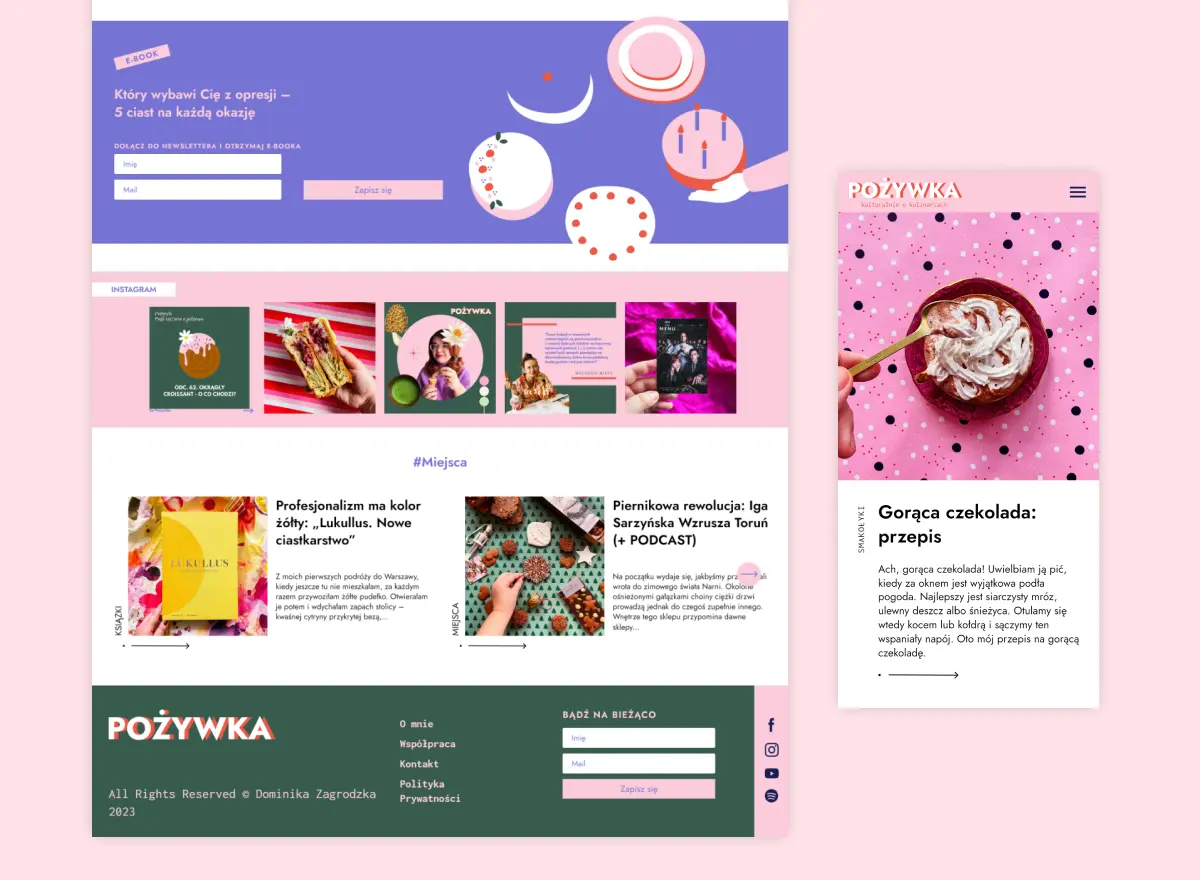
pozywka.pl
Scalable blog for food journalist, focused on performance and user experience 🌭
zagrodzki.me
Personal blog and portfolio of Bart Zagrodzki, where he shares his knowledge and work 💼
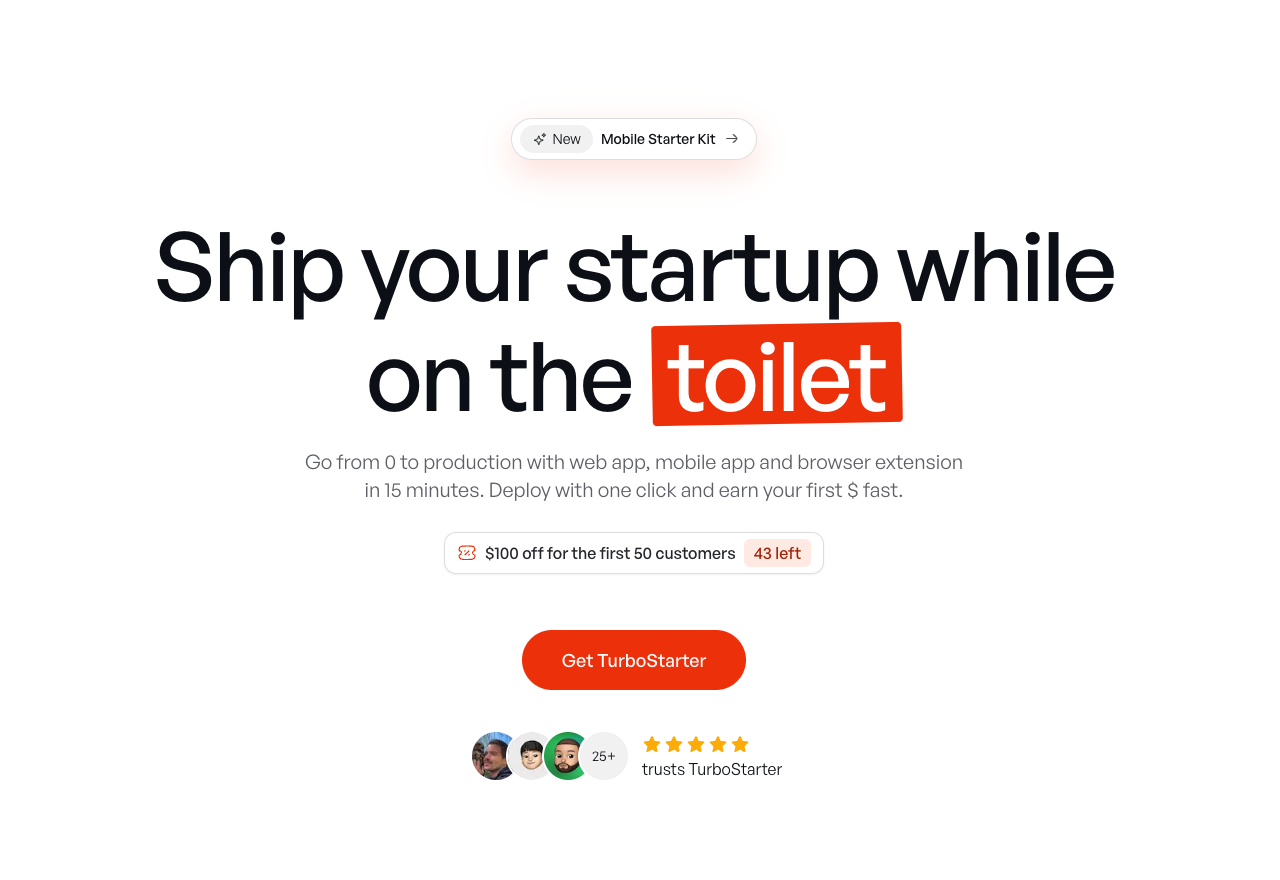
TurboStarter
Ship your startup everywhere. In minutes.
HTML to Markdown
Convert HTML to Markdown with ease, directly in your browser 📄
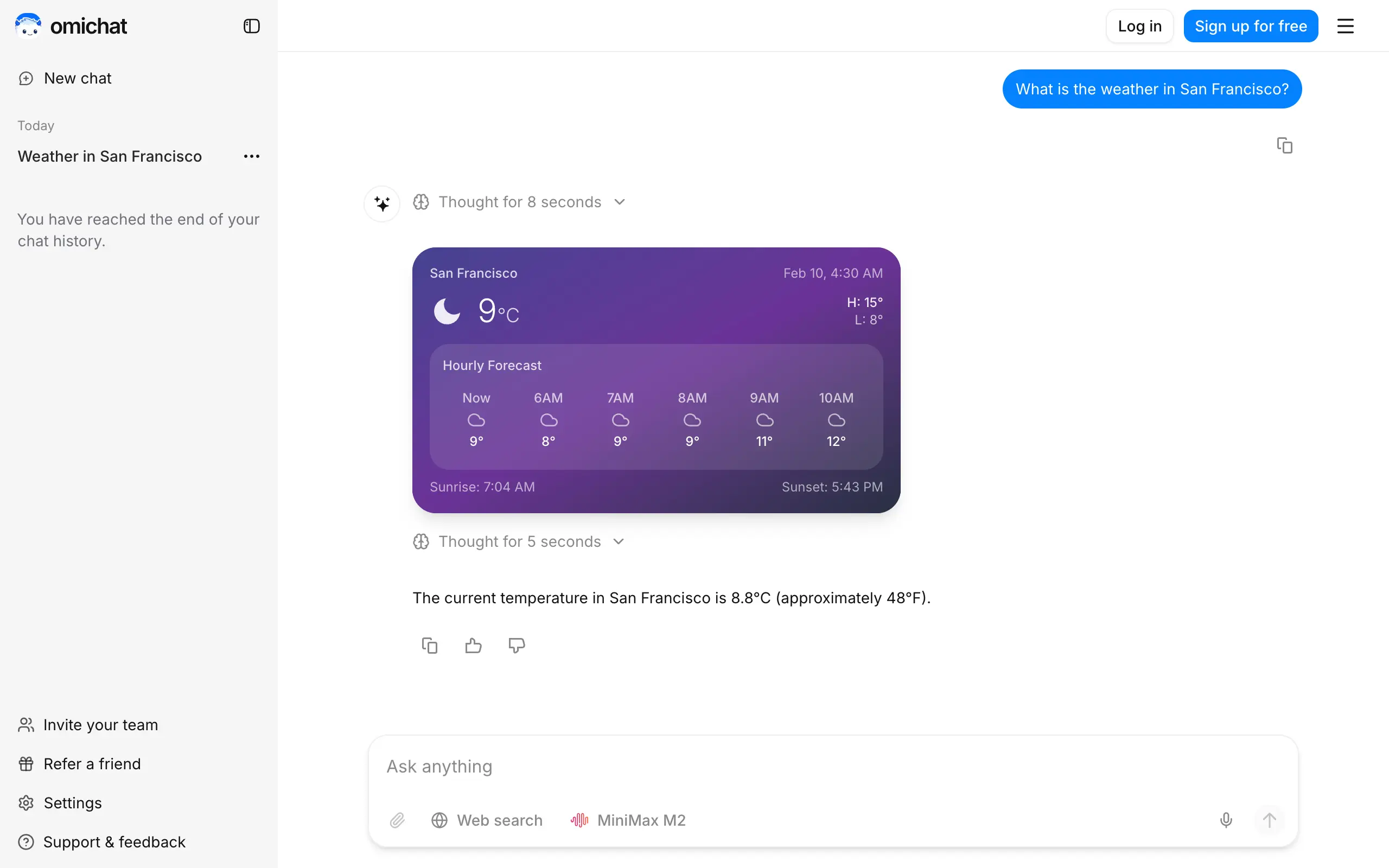
Omichat
Chat with 50+ AI models, including ChatGPT and Claude, in one place - switch models anytime without losing context 🤖
Talk to Santa
Enjoy a magical live video chat or receive a unique AI-generated video greeting from Santa Claus 🎅
pozywka.pl
Scalable blog for food journalist, focused on performance and user experience 🌭
zagrodzki.me
Personal blog and portfolio of Bart Zagrodzki, where he shares his knowledge and work 💼
TurboStarter
Ship your startup everywhere. In minutes.
HTML to Markdown
Convert HTML to Markdown with ease, directly in your browser 📄
Omichat
Chat with 50+ AI models, including ChatGPT and Claude, in one place - switch models anytime without losing context 🤖
Talk to Santa
Enjoy a magical live video chat or receive a unique AI-generated video greeting from Santa Claus 🎅
pozywka.pl
Scalable blog for food journalist, focused on performance and user experience 🌭
zagrodzki.me
Personal blog and portfolio of Bart Zagrodzki, where he shares his knowledge and work 💼
TurboStarter
Ship your startup everywhere. In minutes.
HTML to Markdown
Convert HTML to Markdown with ease, directly in your browser 📄
Omichat
Chat with 50+ AI models, including ChatGPT and Claude, in one place - switch models anytime without losing context 🤖
Talk to Santa
Enjoy a magical live video chat or receive a unique AI-generated video greeting from Santa Claus 🎅
pozywka.pl
Scalable blog for food journalist, focused on performance and user experience 🌭
zagrodzki.me
Personal blog and portfolio of Bart Zagrodzki, where he shares his knowledge and work 💼
TurboStarter
Ship your startup everywhere. In minutes.
HTML to Markdown
Convert HTML to Markdown with ease, directly in your browser 📄
Omichat
Chat with 50+ AI models, including ChatGPT and Claude, in one place - switch models anytime without losing context 🤖
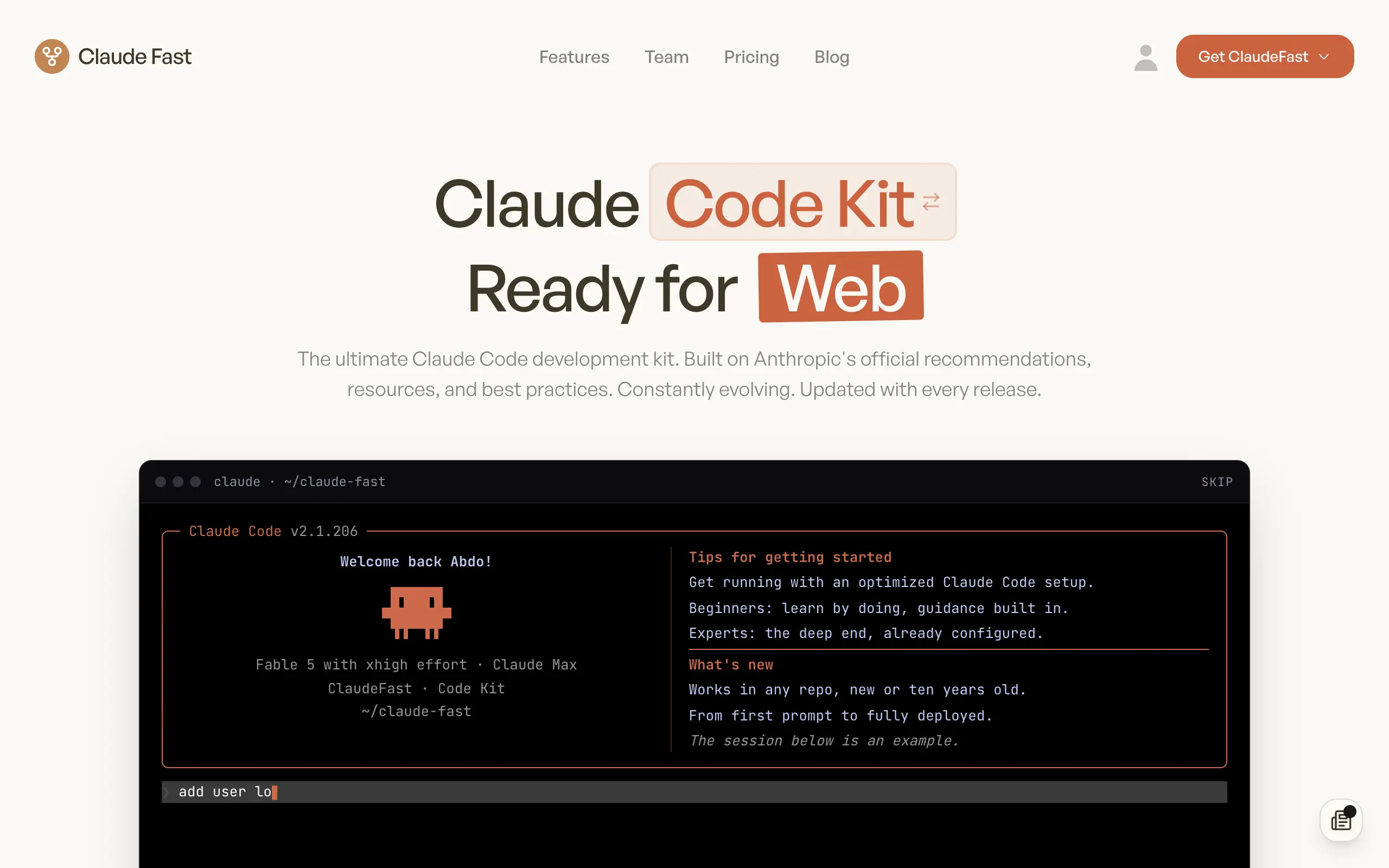
Claude Fast
Supercharge your Claude Code with 6x effective context window and specialized AI agents 🤖
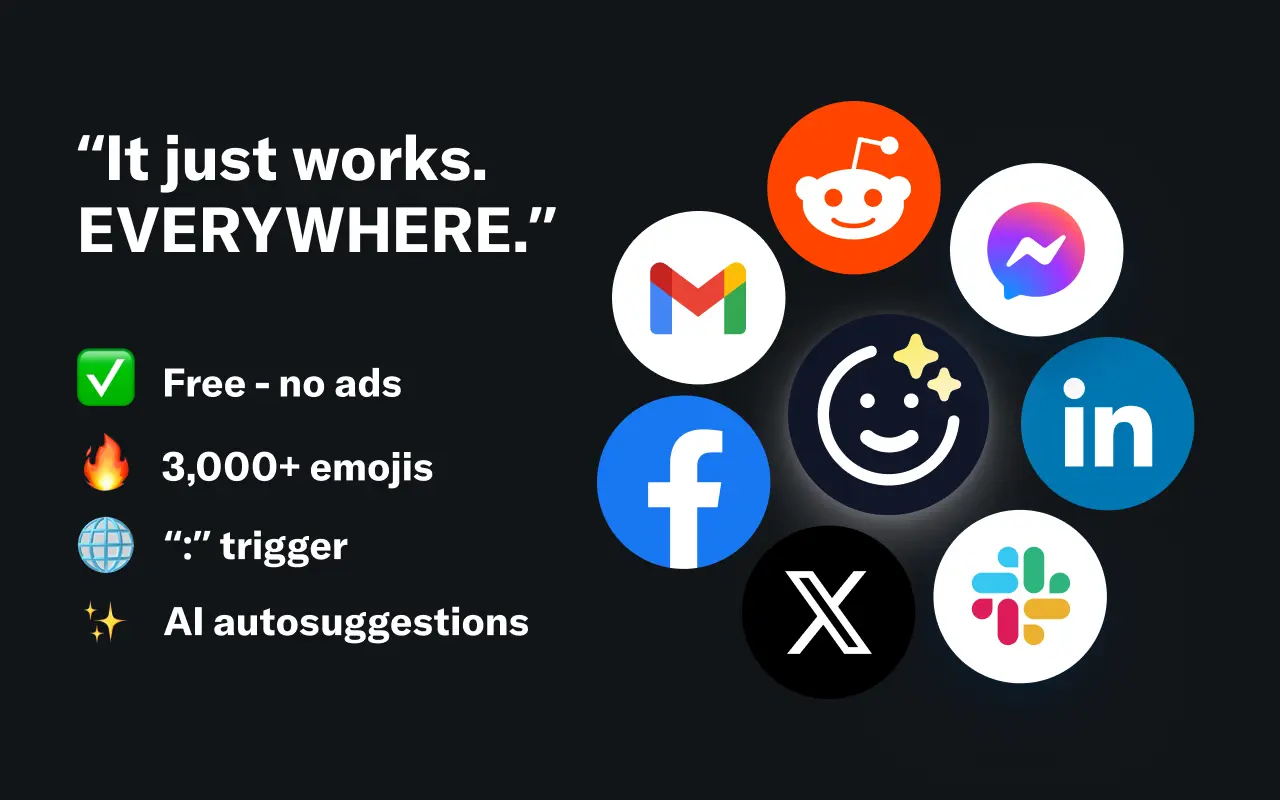
EmojAI
AI-powered emoji picker with smart, context-aware suggestions 🤖
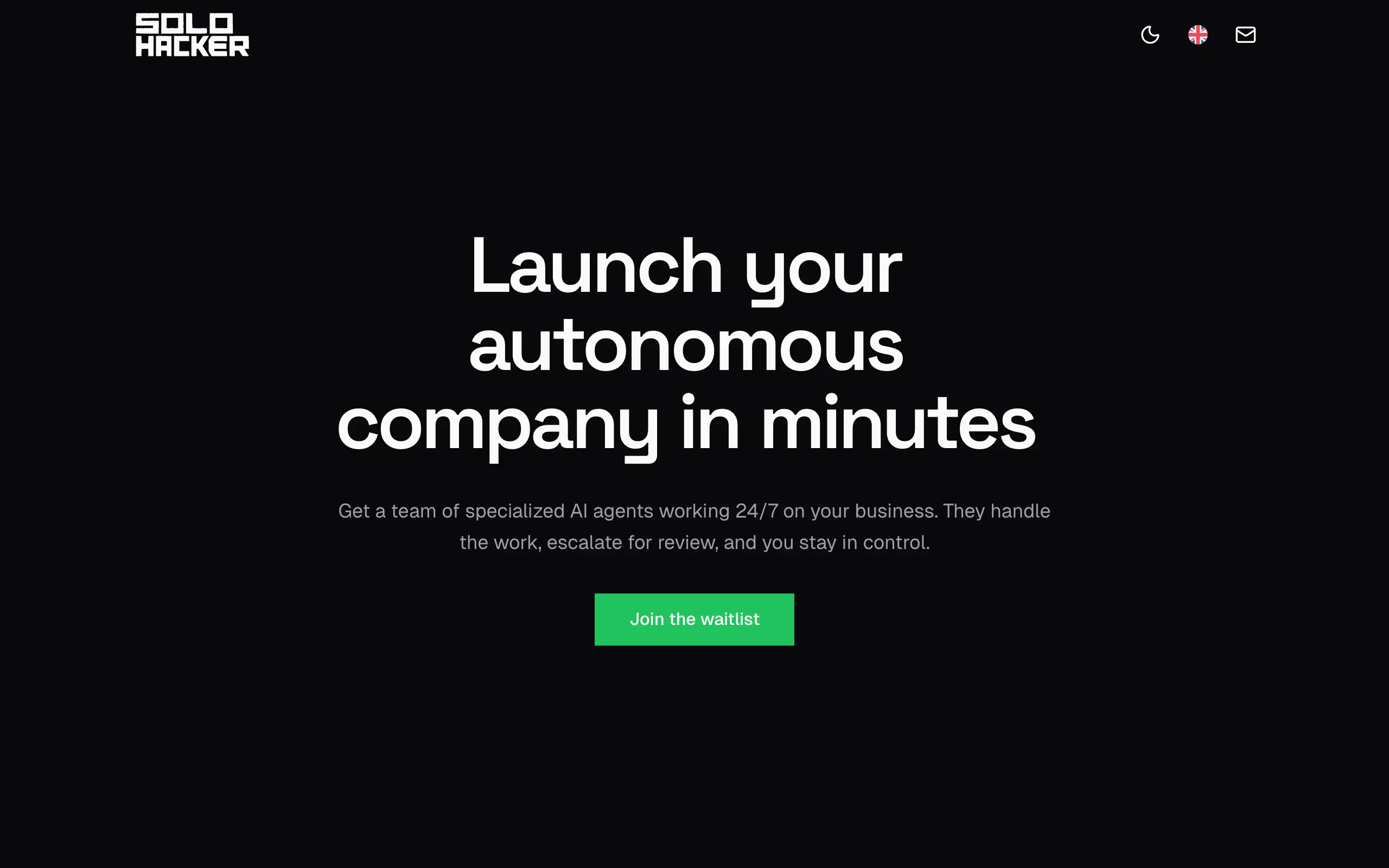
Solohacker
Autonomous company launcher - AI agents work 24/7, escalate what matters, and you stay in control 🤖
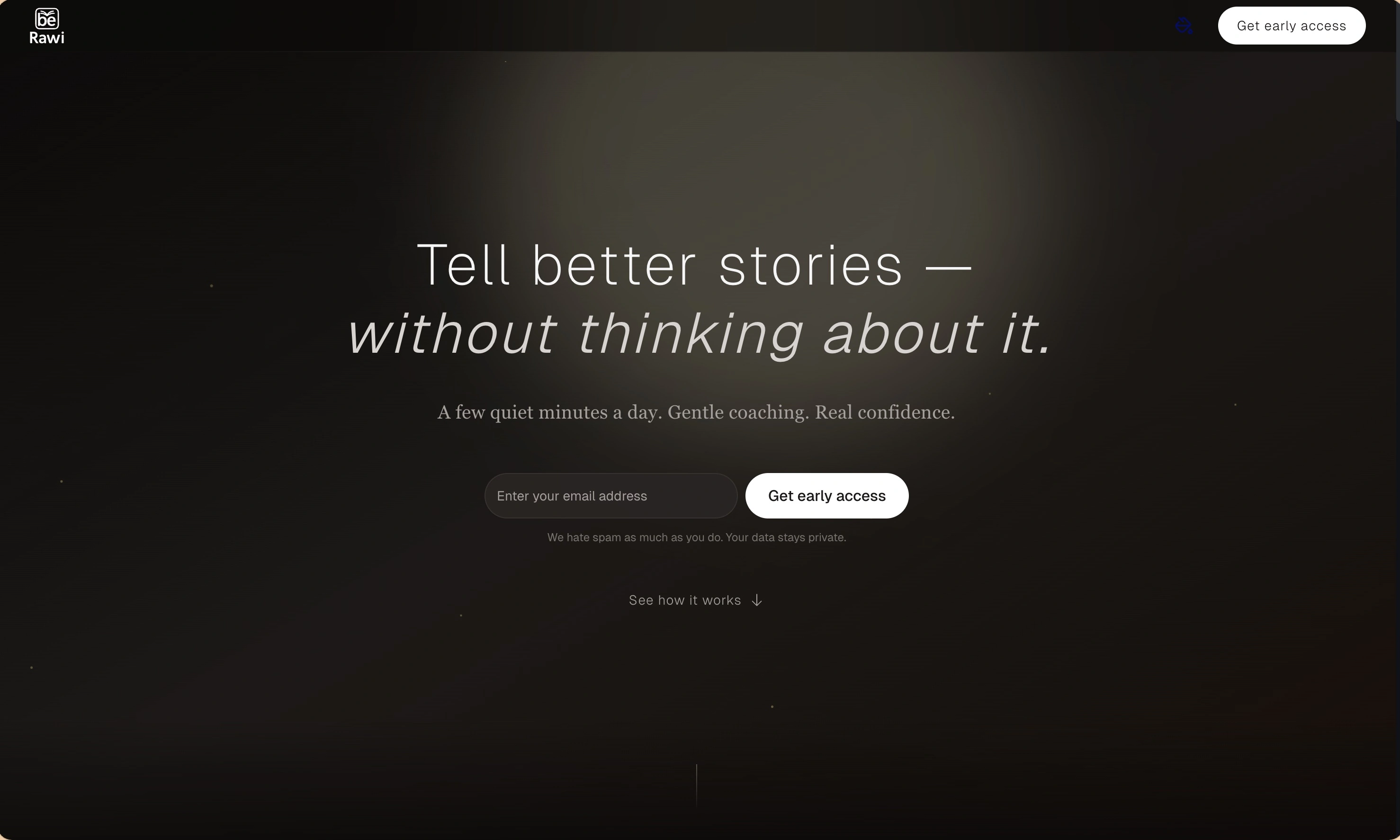
BeRawi: Storytelling Coach
Practice storytelling daily with instant feedback to sound clearer, more engaging, and confident 🎤
Claude Fast
Supercharge your Claude Code with 6x effective context window and specialized AI agents 🤖
EmojAI
AI-powered emoji picker with smart, context-aware suggestions 🤖
Solohacker
Autonomous company launcher - AI agents work 24/7, escalate what matters, and you stay in control 🤖
BeRawi: Storytelling Coach
Practice storytelling daily with instant feedback to sound clearer, more engaging, and confident 🎤
Claude Fast
Supercharge your Claude Code with 6x effective context window and specialized AI agents 🤖
EmojAI
AI-powered emoji picker with smart, context-aware suggestions 🤖
Solohacker
Autonomous company launcher - AI agents work 24/7, escalate what matters, and you stay in control 🤖
BeRawi: Storytelling Coach
Practice storytelling daily with instant feedback to sound clearer, more engaging, and confident 🎤
Claude Fast
Supercharge your Claude Code with 6x effective context window and specialized AI agents 🤖
EmojAI
AI-powered emoji picker with smart, context-aware suggestions 🤖
Solohacker
Autonomous company launcher - AI agents work 24/7, escalate what matters, and you stay in control 🤖
BeRawi: Storytelling Coach
Practice storytelling daily with instant feedback to sound clearer, more engaging, and confident 🎤

Connect with like-minded people
Join our community to get feedback, support, and grow together with 1,000+ builders on board, let's ship it!
Join usShip your startup everywhere. In minutes.
Don't burn tokens on setup and start building features on day one.