TrustNest Repairs
A women-first home repair app using AI to recommend background-checked tradespeople, predict fair pricing, and provide real-time job guidance.
The growing need for a women-first home repair platform
Homeownership and renting both come with an unavoidable reality: things break. Plumbing leaks, electrical faults, appliance failures, and structural wear demand timely repairs. Yet for millions of women, arranging home repairs can feel stressful, opaque, and even unsafe.
TrustNest Repairs is positioned as an AI-powered, women-first home repair app that recommends background-checked tradespeople, predicts fair pricing, and provides real-time job guidance. This concept sits at the intersection of proptech, AI, safety-tech, and the growing demand for trust-centric marketplaces.
In this in-depth guide, we’ll explore:
- The market gap and opportunity for a women-first repair platform
- Target audience analysis and real user pain points
- Core AI-powered features and product architecture
- A recommended tech stack with trade-offs
- Monetization strategies
- Competitive analysis and differentiation
- Risks and mitigation strategies
- Actionable steps to build and launch
This article is designed for founders, product leaders, and investors evaluating the viability of a trust-based AI home repair marketplace.
Understanding the user intent behind home repair searches
When users search for:
- “Reliable plumber near me”
- “How much should a bathroom repair cost?”
- “Safe handyman for women”
- “Background-checked electricians”
They are expressing three core intents:
- Safety and trust
- Price transparency
- Guidance and reassurance
TrustNest Repairs directly addresses these concerns by integrating AI pricing predictions, strict vetting, and real-time support into a unified experience.
The market opportunity: why now?
1. Growth in homeownership and independent living
In many regions, women represent a growing segment of homeowners. According to publicly cited data from the National Association of Realtors (suggest referencing the latest annual homebuyer report), single women consistently purchase more homes than single men in the U.S.
This creates a significant demand for:
- Transparent service marketplaces
- Trust-first repair platforms
- Safety-oriented digital tools
2. Distrust in traditional contractor marketplaces
Current platforms often struggle with:
- Inconsistent vetting
- Opaque pricing
- Poor customer support
- Limited dispute resolution
Users frequently report feeling vulnerable when inviting strangers into their homes—especially for urgent or high-cost repairs.
3. AI maturity enabling smarter pricing and vetting
Recent advancements in:
- Large language models
- Predictive analytics
- Identity verification APIs
- Computer vision for home diagnostics
make it feasible to create a truly intelligent home repair assistant.
Target audience analysis
TrustNest Repairs should not be limited to women—but designed with women at the center. That distinction matters.
Primary audience segments
Single women homeowners
Professionals, first-time buyers, and widows who manage properties independently and prioritize safety and transparency.
Single mothers
Time-constrained users who need reliable scheduling, fair pricing, and minimal back-and-forth communication.
Elderly women
Often targeted by scams; require simplified UX and strong vetting mechanisms.
Property managers focused on safety
Managing rentals with a focus on tenant security and compliance.
Secondary audiences
- Busy professionals of any gender
- LGBTQ+ individuals seeking safe service providers
- Remote property owners
Core user pain points
- Fear of being overcharged
- Uncertainty about fair market rates
- Safety concerns when letting strangers in
- Lack of repair knowledge
- Poor dispute handling
TrustNest Repairs must address all five systematically.
Defining the unique selling proposition (USP)
Most home service platforms focus on convenience. TrustNest Repairs focuses on:
Predictive pricing + verified safety + guided reassurance
This triad differentiates it from general marketplaces.
Core differentiators
- AI-powered fair price prediction
- Mandatory background checks
- Real-time job guidance and monitoring
- Safety-first design (panic features, check-in alerts)
- Women-first brand positioning
Core product features and solution design
1. AI-powered fair pricing engine
Users describe the issue (or upload images). The AI system:
- Classifies the problem
- Estimates time required
- Calculates a regional fair price range
- Flags suspicious quotes
Example pricing output:
- Estimated range: $180–$260
- Average regional rate: $215
- Risk indicator: Low
This dramatically reduces pricing anxiety.
How it works
- Historical job dataset
- Regional labor statistics
- Materials cost APIs
- Machine learning regression models
2. Background-checked tradespeople network
TrustNest Repairs should implement:
- Identity verification
- Criminal background checks
- License verification
- Insurance verification
- Ongoing monitoring
Trust as infrastructure
Trust is not a feature — it is infrastructure. Verification must be deeply integrated into onboarding and continuously monitored.
3. Real-time job guidance assistant
During a repair:
- AI provides checklists
- Explains each step
- Suggests questions to ask
- Tracks time vs. estimate
Example:
“The technician should now be shutting off the main valve before pipe removal.”
This feature builds user confidence and reduces exploitation risk.
4. In-app safety layer
Potential safety tools:
- Live job status sharing with trusted contacts
- Timed check-ins
- Silent emergency alert
- Technician arrival tracking
5. Dispute resolution with AI documentation
If conflict arises:
- Chat logs archived
- Pricing estimates stored
- Photo/video documentation timestamped
- AI-assisted claim summaries
This creates accountability.
Competitive analysis
Major competitors include:
- General contractor marketplaces
- On-demand handyman apps
- Local directory platforms
But few focus explicitly on women-first safety + AI pricing intelligence.
Feature comparison
| Feature | Traditional Directories | Generic Marketplaces | On-demand Apps | TrustNest Repairs |
|---|---|---|---|---|
| AI fair pricing | ❌ | ⚠️ Limited | ❌ | ✅ |
| Background checks | ❌ | ⚠️ Partial | ⚠️ Basic | ✅ |
| Women-first design | ❌ | ❌ | ❌ | ✅ |
| Real-time job guidance | ❌ | ❌ | ❌ | ✅ |
Recommended tech stack
Building an AI-powered home repair app requires scalability, compliance, and strong data architecture.
Frontend
- React for dynamic UI
- Next.js for SSR and SEO
- TailwindCSS for rapid styling
Backend
- Node.js (fast iteration)
- PostgreSQL (relational pricing data)
- Redis (real-time session updates)
AI & ML
- LLM APIs for conversational repair assistant
- Custom regression models for price prediction
- Vision APIs for damage detection
Infrastructure
- AWS or GCP for scalability
- Stripe for secure payments
- Identity verification APIs
Example pricing prediction endpoint
// Example Express route for price prediction
app.post("/api/predict-price", async (req, res) => {
  const { jobType, location, details } = req.body;

  const prediction = await pricingModel.predict({
    jobType,
    location,
    complexityScore: analyzeDetails(details),
  });

  res.json({
    estimatedLow: prediction.low,
    estimatedHigh: prediction.high,
    confidence: prediction.confidence,
  });
});
Monetization strategy
TrustNest Repairs has multiple revenue paths.
1. Commission model
Take 10–20% per completed job.
Pros: Scales with usage
Cons: Contractors may resist high fees
2. Premium subscription for users
Monthly subscription includes:
- Unlimited AI guidance
- Enhanced safety monitoring
- Priority booking
3. Contractor subscription tier
Offer:
- Verified badge
- Increased visibility
- Marketing tools
4. Insurance partnerships
Offer repair protection plans.
Pricing model recommendation
Free basic booking + paid premium safety tools.
Free booking, commission on jobs, and premium add-ons for both sides.
The hybrid model likely offers the strongest long-term sustainability.
Risks and mitigation strategies
1. Legal liability
Risk: Safety claims may increase liability.
Mitigation: Strong terms, clear disclaimers, insurance coverage.
2. Data privacy
Sensitive home data must be protected.
Mitigation:
- End-to-end encryption
- Strict role-based access
- Compliance audits
3. Supply-side acquisition
High-quality tradespeople may hesitate.
Solution:
- Offer early adopter incentives
- Provide business management tools
- Fast payouts
Building a defensible competitive moat
TrustNest Repairs can build long-term defensibility through:
- Proprietary pricing dataset
- Brand trust positioning
- Verified contractor network
- Safety features competitors lack
- AI-powered knowledge base
Trust compounds. Over time, the platform becomes synonymous with safe repairs.
Implementation roadmap
Go-to-market strategy
Phase 1: Local trust-building
- Partner with women-focused communities
- Sponsor local safety workshops
- Offer referral bonuses
Phase 2: Content marketing
Create SEO content targeting:
- “Fair plumbing cost estimator”
- “Safe handyman for women”
- “How much should electrical repair cost?”
Phase 3: Social proof
- Publish verified reviews
- Highlight case studies
- Share dispute resolution wins
Why this idea stands out
TrustNest Repairs is not just another service marketplace. It addresses:
- Emotional safety
- Financial fairness
- Informational asymmetry
By combining AI pricing intelligence, background verification, and guided reassurance, it solves deeper systemic problems in the home repair industry.
Actionable next steps for founders
- Validate safety concerns via interviews
- Partner with background check providers
- Prototype AI pricing tool
- Build narrow MVP in one city
- Measure trust metrics (not just GMV)
- Iterate based on dispute cases
If you're building this platform, start lean but design for scale.
Platforms like TurboStarter can accelerate SaaS development with authentication, payments, and scalable architecture foundations.
Final thoughts
TrustNest Repairs has the potential to redefine home repair marketplaces by centering safety, fairness, and empowerment.
The convergence of AI maturity, growing demand for transparent services, and underserved women homeowners creates a compelling opportunity.
Success will depend on:
- Rigorous trust infrastructure
- Accurate predictive pricing
- Exceptional UX
- Strong local supply onboarding
If executed thoughtfully, TrustNest Repairs could become the default trusted layer between homeowners and the people they invite into their homes.
That’s not just a SaaS opportunity.
It’s infrastructure for peace of mind.
More 🤖 AI Startup SaaS ideas
Discover more innovative ai startup SaaS ideas that are trending in 2026. Each idea is AI-generated with market validation and growth potential to help you find your next profitable venture faster than competitors.
Your competitors are building with TurboStarter
Below are some of the SaaS ideas that have been generated and built with our starter kit.

Statiko
Monitor any Telegram channel in real time - track posts, edits, deletions, and growth with AI recaps 📡

Shibui
AI website builder - describe your business, pick a niche template, edit by chatting, and publish instantly ✨

Pro Service
Find verified home service professionals, compare quotes, and pay securely through escrow - built for Brazilians across the US 🏠
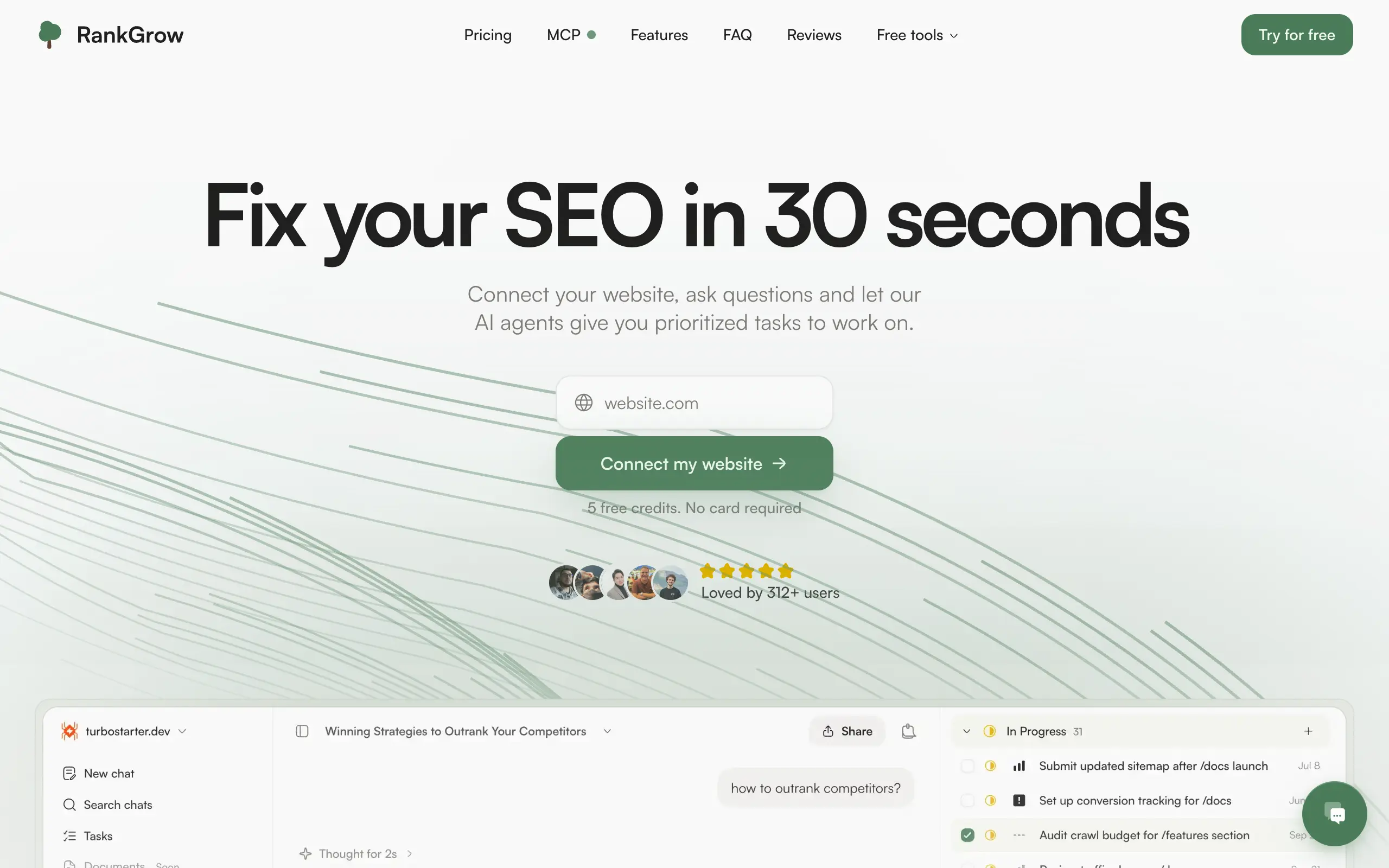
RankGrow
Fix your SEO with AI agents - connect Search Console, get prioritized tasks, and grow organic traffic 📈
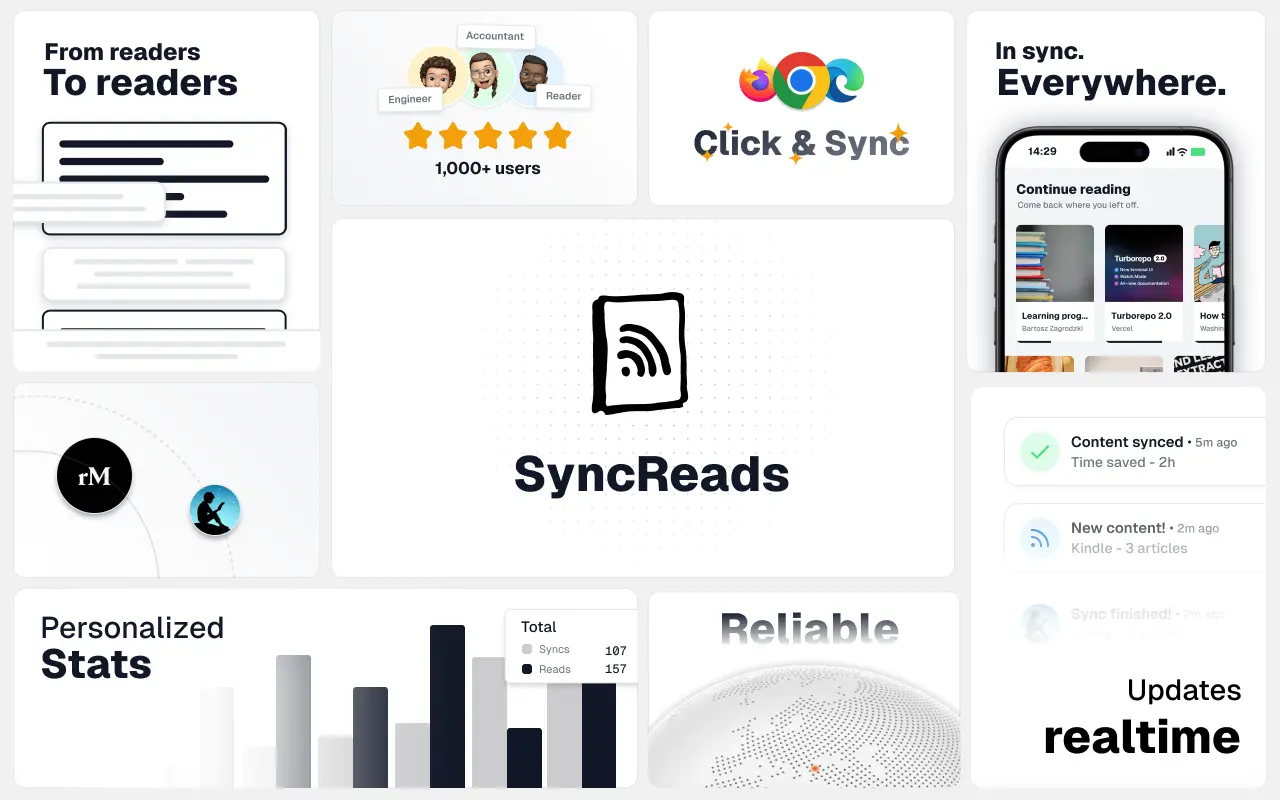
SyncReads
Sync your favorite content for distraction-free reading, save time and replace multiple apps. Anytime, anywhere 🔄
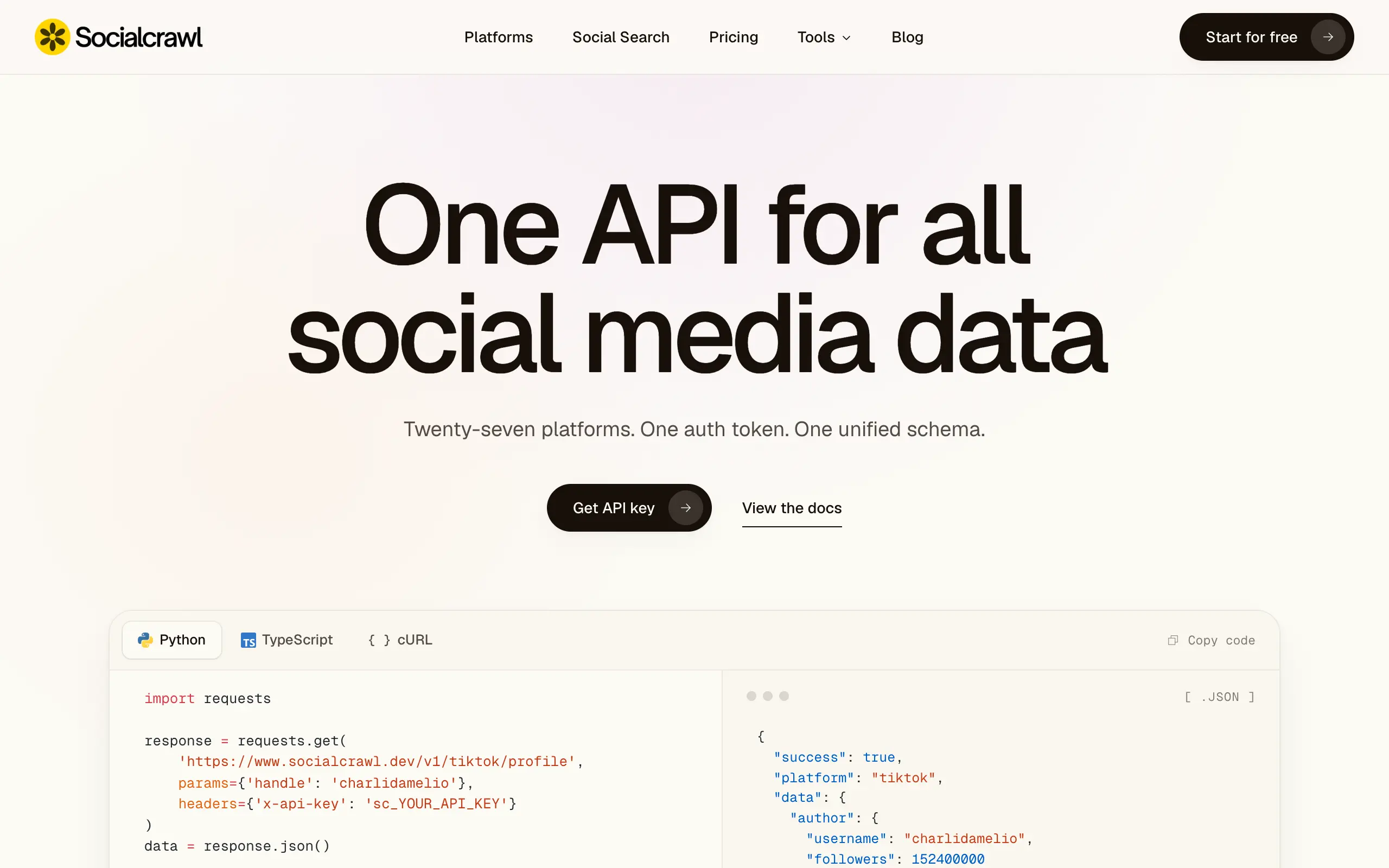
Socialcrawl
Get clean, structured data from 21 platforms like TikTok, Instagram, and YouTube with a single request 📊
Statiko
Monitor any Telegram channel in real time - track posts, edits, deletions, and growth with AI recaps 📡
Shibui
AI website builder - describe your business, pick a niche template, edit by chatting, and publish instantly ✨
Pro Service
Find verified home service professionals, compare quotes, and pay securely through escrow - built for Brazilians across the US 🏠
RankGrow
Fix your SEO with AI agents - connect Search Console, get prioritized tasks, and grow organic traffic 📈
SyncReads
Sync your favorite content for distraction-free reading, save time and replace multiple apps. Anytime, anywhere 🔄
Socialcrawl
Get clean, structured data from 21 platforms like TikTok, Instagram, and YouTube with a single request 📊
Statiko
Monitor any Telegram channel in real time - track posts, edits, deletions, and growth with AI recaps 📡
Shibui
AI website builder - describe your business, pick a niche template, edit by chatting, and publish instantly ✨
Pro Service
Find verified home service professionals, compare quotes, and pay securely through escrow - built for Brazilians across the US 🏠
RankGrow
Fix your SEO with AI agents - connect Search Console, get prioritized tasks, and grow organic traffic 📈
SyncReads
Sync your favorite content for distraction-free reading, save time and replace multiple apps. Anytime, anywhere 🔄
Socialcrawl
Get clean, structured data from 21 platforms like TikTok, Instagram, and YouTube with a single request 📊
Statiko
Monitor any Telegram channel in real time - track posts, edits, deletions, and growth with AI recaps 📡
Shibui
AI website builder - describe your business, pick a niche template, edit by chatting, and publish instantly ✨
Pro Service
Find verified home service professionals, compare quotes, and pay securely through escrow - built for Brazilians across the US 🏠
RankGrow
Fix your SEO with AI agents - connect Search Console, get prioritized tasks, and grow organic traffic 📈
SyncReads
Sync your favorite content for distraction-free reading, save time and replace multiple apps. Anytime, anywhere 🔄
Socialcrawl
Get clean, structured data from 21 platforms like TikTok, Instagram, and YouTube with a single request 📊
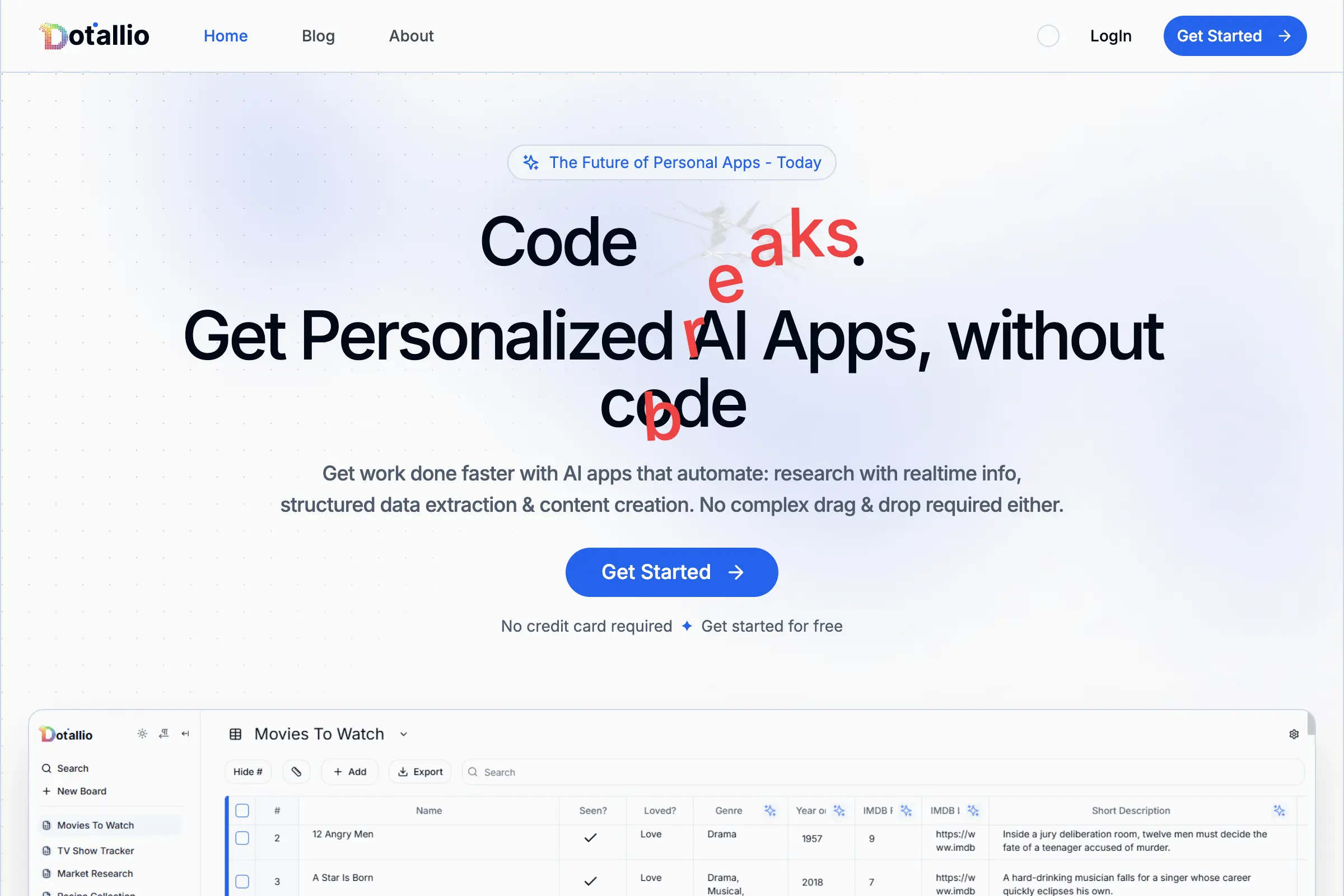
Dotallio
Personalized AI apps that automate research, data extraction, and content creation without code 🤖

Talk to Santa
Enjoy a magical live video chat or receive a unique AI-generated video greeting from Santa Claus 🎅

pozywka.pl
Scalable blog for food journalist, focused on performance and user experience 🌭
zagrodzki.me
Personal blog and portfolio of Bart Zagrodzki, where he shares his knowledge and work 💼
TurboStarter
Ship your startup everywhere. In minutes.
HTML to Markdown
Convert HTML to Markdown with ease, directly in your browser 📄
Dotallio
Personalized AI apps that automate research, data extraction, and content creation without code 🤖
Talk to Santa
Enjoy a magical live video chat or receive a unique AI-generated video greeting from Santa Claus 🎅
pozywka.pl
Scalable blog for food journalist, focused on performance and user experience 🌭
zagrodzki.me
Personal blog and portfolio of Bart Zagrodzki, where he shares his knowledge and work 💼
TurboStarter
Ship your startup everywhere. In minutes.
HTML to Markdown
Convert HTML to Markdown with ease, directly in your browser 📄
Dotallio
Personalized AI apps that automate research, data extraction, and content creation without code 🤖
Talk to Santa
Enjoy a magical live video chat or receive a unique AI-generated video greeting from Santa Claus 🎅
pozywka.pl
Scalable blog for food journalist, focused on performance and user experience 🌭
zagrodzki.me
Personal blog and portfolio of Bart Zagrodzki, where he shares his knowledge and work 💼
TurboStarter
Ship your startup everywhere. In minutes.
HTML to Markdown
Convert HTML to Markdown with ease, directly in your browser 📄
Dotallio
Personalized AI apps that automate research, data extraction, and content creation without code 🤖
Talk to Santa
Enjoy a magical live video chat or receive a unique AI-generated video greeting from Santa Claus 🎅
pozywka.pl
Scalable blog for food journalist, focused on performance and user experience 🌭
zagrodzki.me
Personal blog and portfolio of Bart Zagrodzki, where he shares his knowledge and work 💼
TurboStarter
Ship your startup everywhere. In minutes.
HTML to Markdown
Convert HTML to Markdown with ease, directly in your browser 📄
Omichat
Chat with 50+ AI models, including ChatGPT and Claude, in one place - switch models anytime without losing context 🤖
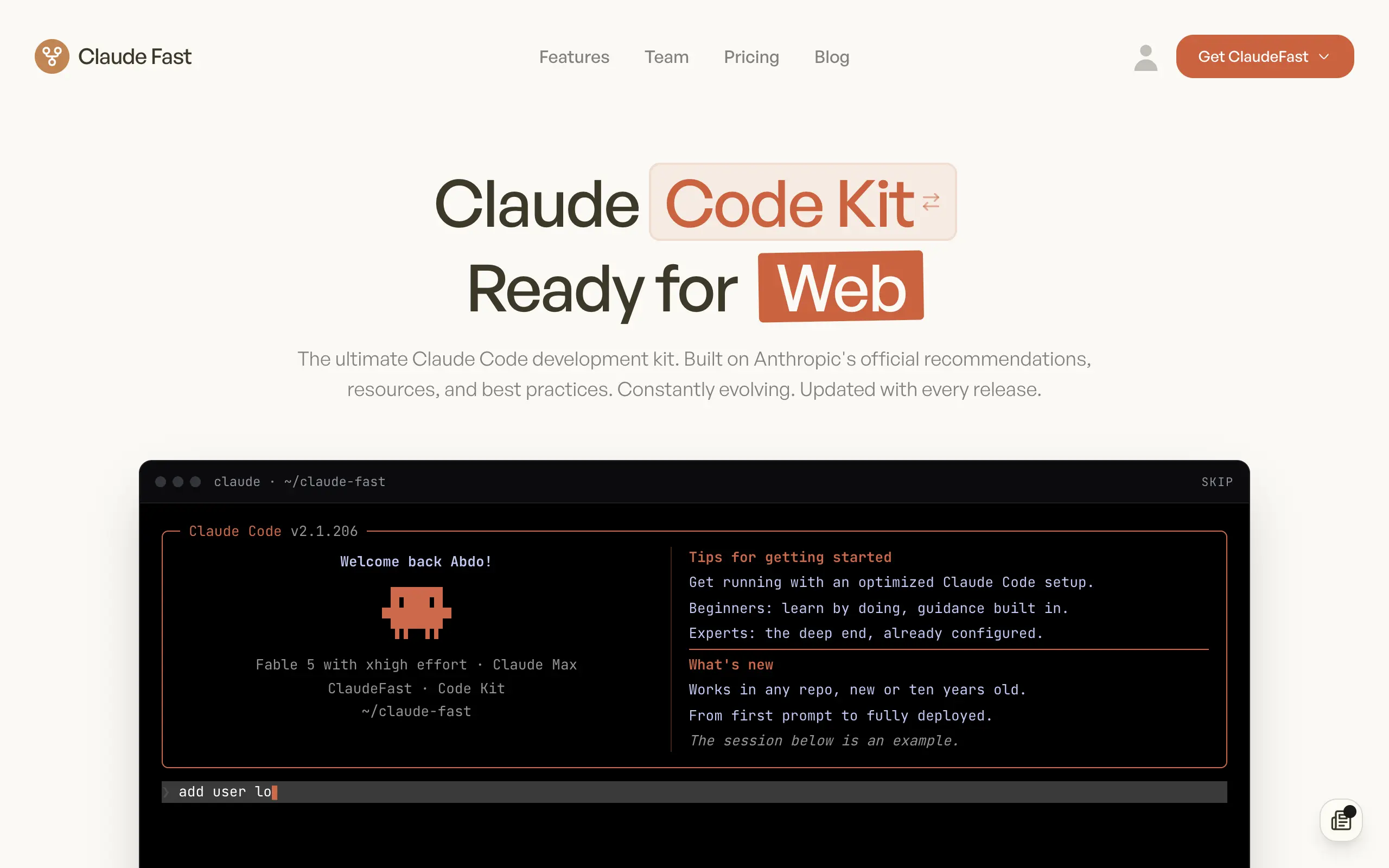
Claude Fast
Supercharge your Claude Code with 6x effective context window and specialized AI agents 🤖
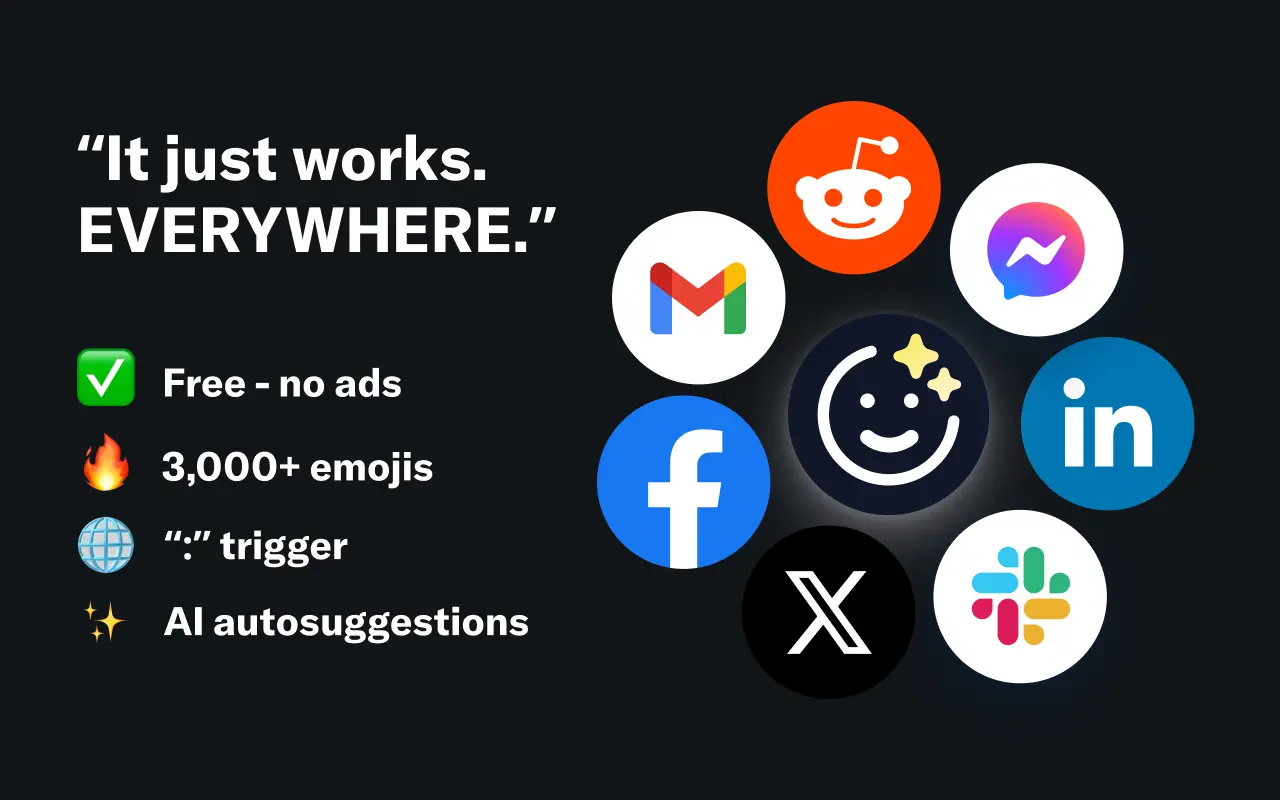
EmojAI
AI-powered emoji picker with smart, context-aware suggestions 🤖

Solohacker
Autonomous company launcher - AI agents work 24/7, escalate what matters, and you stay in control 🤖
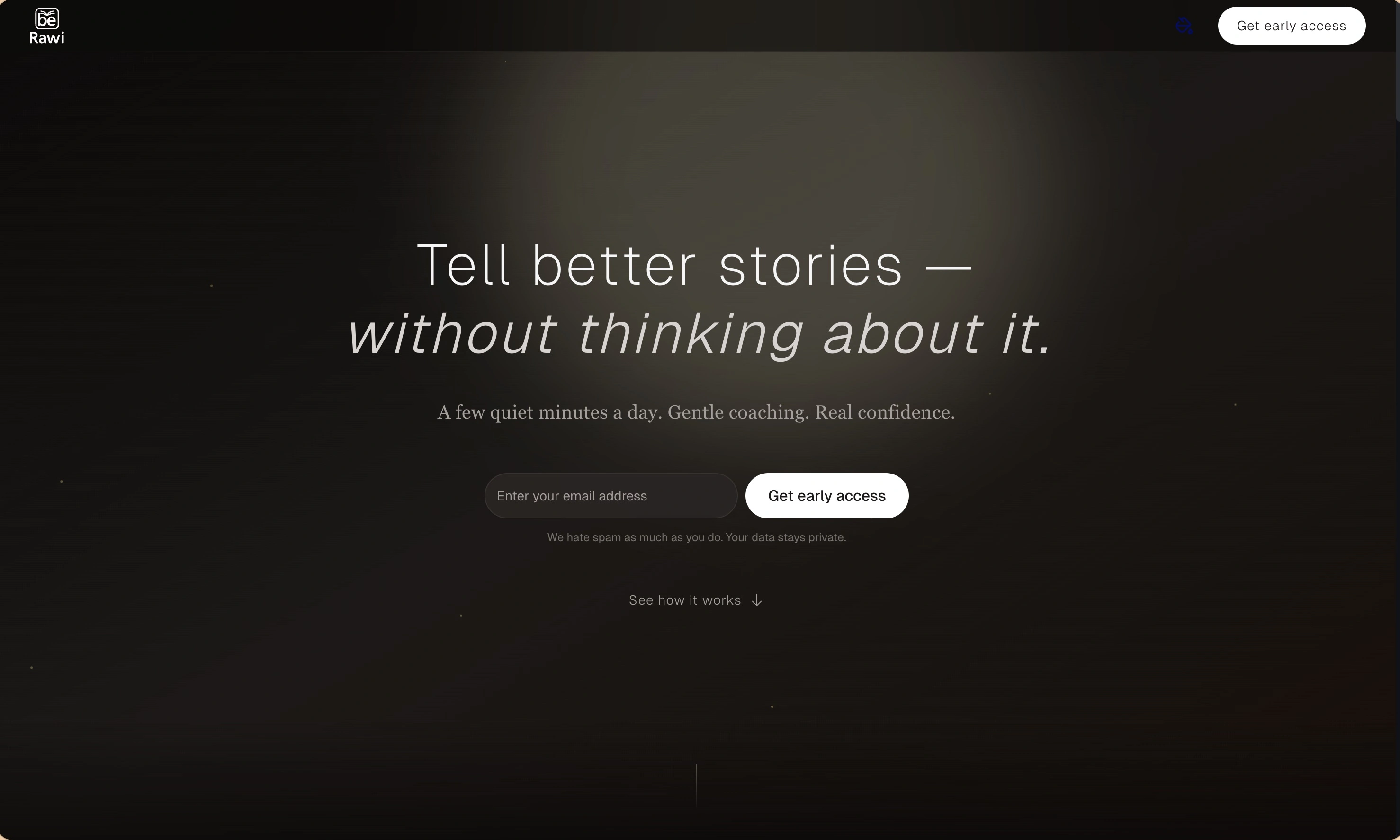
BeRawi: Storytelling Coach
Practice storytelling daily with instant feedback to sound clearer, more engaging, and confident 🎤
Omichat
Chat with 50+ AI models, including ChatGPT and Claude, in one place - switch models anytime without losing context 🤖
Claude Fast
Supercharge your Claude Code with 6x effective context window and specialized AI agents 🤖
EmojAI
AI-powered emoji picker with smart, context-aware suggestions 🤖
Solohacker
Autonomous company launcher - AI agents work 24/7, escalate what matters, and you stay in control 🤖
BeRawi: Storytelling Coach
Practice storytelling daily with instant feedback to sound clearer, more engaging, and confident 🎤
Omichat
Chat with 50+ AI models, including ChatGPT and Claude, in one place - switch models anytime without losing context 🤖
Claude Fast
Supercharge your Claude Code with 6x effective context window and specialized AI agents 🤖
EmojAI
AI-powered emoji picker with smart, context-aware suggestions 🤖
Solohacker
Autonomous company launcher - AI agents work 24/7, escalate what matters, and you stay in control 🤖
BeRawi: Storytelling Coach
Practice storytelling daily with instant feedback to sound clearer, more engaging, and confident 🎤
Omichat
Chat with 50+ AI models, including ChatGPT and Claude, in one place - switch models anytime without losing context 🤖
Claude Fast
Supercharge your Claude Code with 6x effective context window and specialized AI agents 🤖
EmojAI
AI-powered emoji picker with smart, context-aware suggestions 🤖
Solohacker
Autonomous company launcher - AI agents work 24/7, escalate what matters, and you stay in control 🤖
BeRawi: Storytelling Coach
Practice storytelling daily with instant feedback to sound clearer, more engaging, and confident 🎤

Connect with like-minded people
Join our community to get feedback, support, and grow together with 1,000+ builders on board, let's ship it!
Join usShip your startup everywhere. In minutes.
Don't burn tokens on setup and start building features on day one.