TwinGuard
An AI digital twin that learns normal dynamics and detects anomalies, drift, and instability early across fleets with root-cause insights.
Understanding TwinGuard: an AI digital twin for early anomaly and drift detection
TwinGuard is an AI digital twin platform designed to learn the normal dynamics of complex systems and detect anomalies, drift, and instability early across entire fleets. Unlike traditional monitoring tools that rely on static thresholds or reactive alerts, TwinGuard continuously models how systems should behave, then flags subtle deviations with root-cause insights before they escalate into costly incidents.
This article provides an expert-level, end-to-end analysis of the TwinGuard SaaS idea—from market opportunity and target users to architecture, monetization, risks, and actionable implementation steps. It is written for founders, product leaders, and technical decision-makers exploring AI digital twin software, anomaly detection SaaS, and predictive monitoring platforms.
Why AI digital twins are becoming mission-critical
Modern organizations operate increasingly complex, distributed systems:
- Cloud-native microservices
- IoT device fleets
- Industrial equipment and sensors
- Autonomous systems and edge computing
- Data pipelines and ML models in production
Traditional observability and monitoring tools struggle with these environments because they assume:
- Stable baselines
- Human-defined thresholds
- Reactive troubleshooting
AI digital twins address these limitations by learning normal behavior as a living model, not a fixed rule set.
What makes TwinGuard different from legacy monitoring
TwinGuard’s core innovation lies in combining digital twin modeling with unsupervised and semi-supervised machine learning:
- Learns system behavior without requiring labeled incidents
- Adapts to seasonality, scaling events, and configuration changes
- Detects early drift, not just hard failures
- Provides explainable insights into why something changed
This positions TwinGuard squarely in the next generation of predictive monitoring and AI operations (AIOps) platforms.
Target audience analysis: who TwinGuard is built for
Understanding user intent is critical for both product design and go-to-market strategy. TwinGuard primarily serves users who are actively searching for ways to prevent failures, reduce downtime, and gain deeper system intelligence.
Primary target segments
1. Engineering and DevOps teams
These teams manage highly dynamic infrastructure where failures are expensive and often difficult to debug.
Key pain points:
- Alert fatigue from noisy monitoring tools
- Unknown failure modes in distributed systems
- Post-incident root-cause analysis taking days
How TwinGuard helps:
- Detects anomalies before SLOs are breached
- Highlights the subsystems most responsible for instability
- Reduces mean time to resolution (MTTR)
2. Industrial and manufacturing operators
Factories, energy grids, and logistics networks increasingly rely on sensor-driven automation.
Key pain points:
- Equipment degradation that isn’t immediately visible
- Expensive unplanned downtime
- Difficulty scaling predictive maintenance across fleets
How TwinGuard helps:
- Learns the “healthy signature” of machines
- Flags subtle performance drift
- Enables condition-based maintenance strategies
3. Data and ML platform teams
Machine learning systems themselves can drift, degrade, or destabilize over time.
Key pain points:
- Data distribution shift
- Silent model performance decay
- Lack of holistic system-level visibility
How TwinGuard helps:
- Detects upstream data anomalies
- Monitors system-level dynamics, not just model metrics
- Provides explainability for ML ops decisions
Market opportunity and gap analysis
The problem with current monitoring and AIOps tools
Most observability platforms focus on:
- Logs, metrics, and traces
- Retrospective dashboards
- Rule-based alerting
While useful, they often fail to answer higher-order questions:
- Is this system behaving normally for this context?
- Is the system slowly drifting toward failure?
- What changed first, and why?
Where TwinGuard fits in the market
TwinGuard occupies a strategic gap between:
- Observability platforms (Datadog, Prometheus-style stacks)
- Predictive maintenance tools (often narrow and domain-specific)
- AIOps platforms (frequently opaque and hard to trust)
Instead of replacing observability, TwinGuard augments it with adaptive, system-level intelligence.
Why now? Key industry trends
Several macro trends make TwinGuard especially timely:
- Increased system complexity from microservices and edge devices
- Growing adoption of AI-driven operations (AIOps)
- Rising cost of downtime and reliability failures
- Advances in representation learning and time-series modeling
These trends suggest a growing appetite for AI digital twin platforms that provide early, actionable insights.
Core features and solution design
At its core, TwinGuard is a learning system that builds and maintains digital twins of real-world systems.
1. Digital twin modeling of normal dynamics
TwinGuard continuously observes multivariate time-series data and learns:
- Typical state transitions
- Correlations between subsystems
- Expected ranges under different operating conditions
This model evolves as the system evolves.
Key insight
Unlike static baselines, TwinGuard’s digital twin adapts automatically when your system scales, changes configuration, or experiences seasonal patterns.
2. Early anomaly and drift detection
TwinGuard identifies:
- Sudden anomalies (spikes, drops, instability)
- Gradual drift (slow degradation over time)
- Structural changes in system behavior
Importantly, it focuses on early signals, not just threshold breaches.
3. Root-cause and contribution analysis
When something goes wrong, users don’t just get an alert—they get context.
TwinGuard can surface:
- Which components contributed most to the anomaly
- How anomalies propagate across the system
- Leading indicators that preceded the issue
4. Fleet-level intelligence
TwinGuard is designed for scale:
- Compare behavior across thousands of similar units
- Identify outliers within fleets
- Detect systemic issues affecting multiple entities
This is particularly valuable in IoT, industrial, and SaaS infrastructure contexts.
How TwinGuard compares to alternative approaches
| Capability | Static monitoring | Rules-based AIOps | TwinGuard | Manual analysis | Reactive alerts |
|---|---|---|---|---|---|
| Adaptive baselines | ❌ | ⚠️ | ✅ | ❌ | ❌ |
| Early drift detection | ❌ | ❌ | ✅ | ⚠️ | ❌ |
Recommended tech stack and architecture
Building TwinGuard requires balancing scalability, explainability, and real-time performance.
Data ingestion and streaming
- Apache Kafka or managed equivalents for high-throughput ingestion
- Support for metrics, logs, events, and sensor data
- Schema evolution and versioning
Modeling and learning layer
Key considerations:
- Time-series representation learning
- Graph-based or state-space models
- Unsupervised and semi-supervised techniques
Trade-offs:
- Deep models offer power but reduce explainability
- Simpler statistical models improve trust but may miss complexity
A hybrid approach is often ideal.
Backend and APIs
- Python-based ML services
- Scalable inference pipelines
- REST or gRPC APIs for integrations
Frontend and visualization
For dashboards and insights:
- React for UI
- TailwindCSS for rapid design iteration
- Interactive timelines and causal graphs
Deployment and scaling
- Kubernetes for orchestration
- Horizontal scaling for ingestion and inference
- Careful cost management for large fleets
Monetization strategies for TwinGuard
TwinGuard can support multiple pricing models depending on target market.
Common SaaS pricing options
- Usage-based pricing: per metric, device, or data volume
- Tiered subscriptions: based on fleet size or feature access
- Enterprise licensing: custom contracts with SLAs
Upsell opportunities
- Advanced root-cause explainability
- Long-term historical analysis
- Regulatory or compliance reporting
- White-label or on-prem deployments
SMB plans
Affordable entry-level pricing focused on anomaly detection and basic insights.
Enterprise plans
Advanced digital twin modeling, custom integrations, and dedicated support.
Risks, challenges, and mitigation strategies
1. Trust and explainability
Risk: Users may distrust black-box AI alerts.
Mitigation: Invest heavily in interpretable outputs and visual explanations.
2. Data quality and cold start
Risk: Poor data leads to poor models.
Mitigation: Provide onboarding guidance, validation checks, and warm-up periods.
3. Integration complexity
Risk: Difficult setup slows adoption.
Mitigation: Offer pre-built connectors and strong documentation.
4. Competitive pressure
Risk: Large observability vendors may expand into this space.
Mitigation: Focus on deep specialization in digital twin intelligence.
Competitive advantage and unique selling proposition
TwinGuard’s USP lies in learning system dynamics, not just monitoring metrics.
Key differentiators:
- True digital twin modeling rather than static baselines
- Early detection of drift and instability
- Fleet-level comparative intelligence
- Actionable root-cause insights
This positions TwinGuard as a decision-support system, not just an alerting tool.
Implementation roadmap: from idea to product
If you want to accelerate this process, platforms like TurboStarter can significantly reduce boilerplate and help founders focus on core differentiation.
Frequently asked questions about TwinGuard
No. TwinGuard complements observability platforms by adding adaptive intelligence and predictive insights.
This depends on system complexity and data volume, but meaningful insights often emerge within days to weeks.
Yes. The underlying digital twin approach is domain-agnostic and adaptable.
Final thoughts: why TwinGuard is a strong SaaS opportunity
TwinGuard addresses a growing, high-value problem: understanding and stabilizing complex systems before they fail. By combining AI digital twins, early anomaly detection, and root-cause intelligence, it offers something most tools cannot—foresight.
For founders and teams building in the AI infrastructure space, TwinGuard represents a compelling opportunity to define a new category of intelligent system guardianship.
More 🤖 AI Startup SaaS ideas
Discover more innovative ai startup SaaS ideas that are trending in 2026. Each idea is AI-generated with market validation and growth potential to help you find your next profitable venture faster than competitors.
Your competitors are building with TurboStarter
Below are some of the SaaS ideas that have been generated and built with our starter kit.
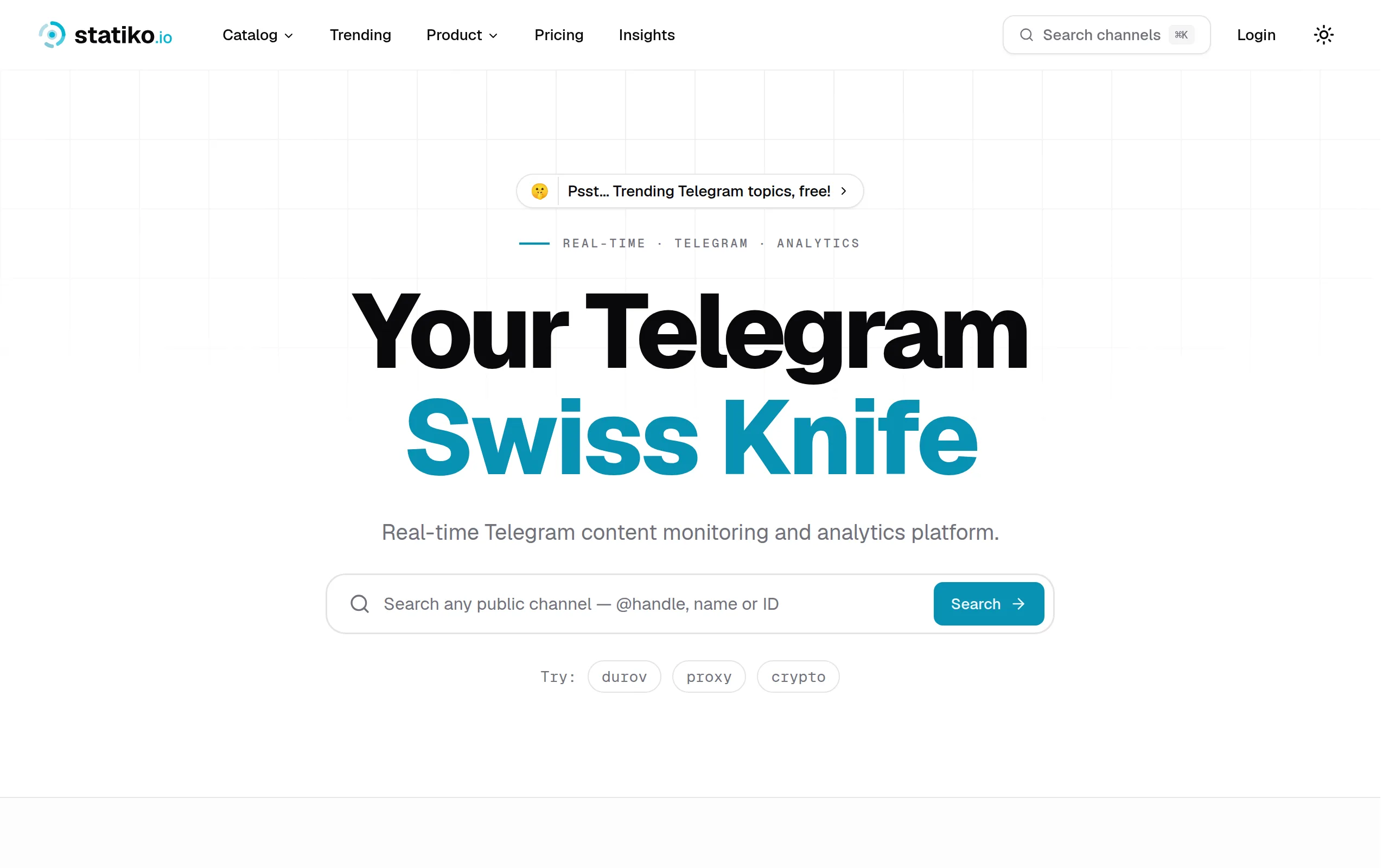
Statiko
Monitor any Telegram channel in real time - track posts, edits, deletions, and growth with AI recaps 📡

Shibui
AI website builder - describe your business, pick a niche template, edit by chatting, and publish instantly ✨

Pro Service
Find verified home service professionals, compare quotes, and pay securely through escrow - built for Brazilians across the US 🏠
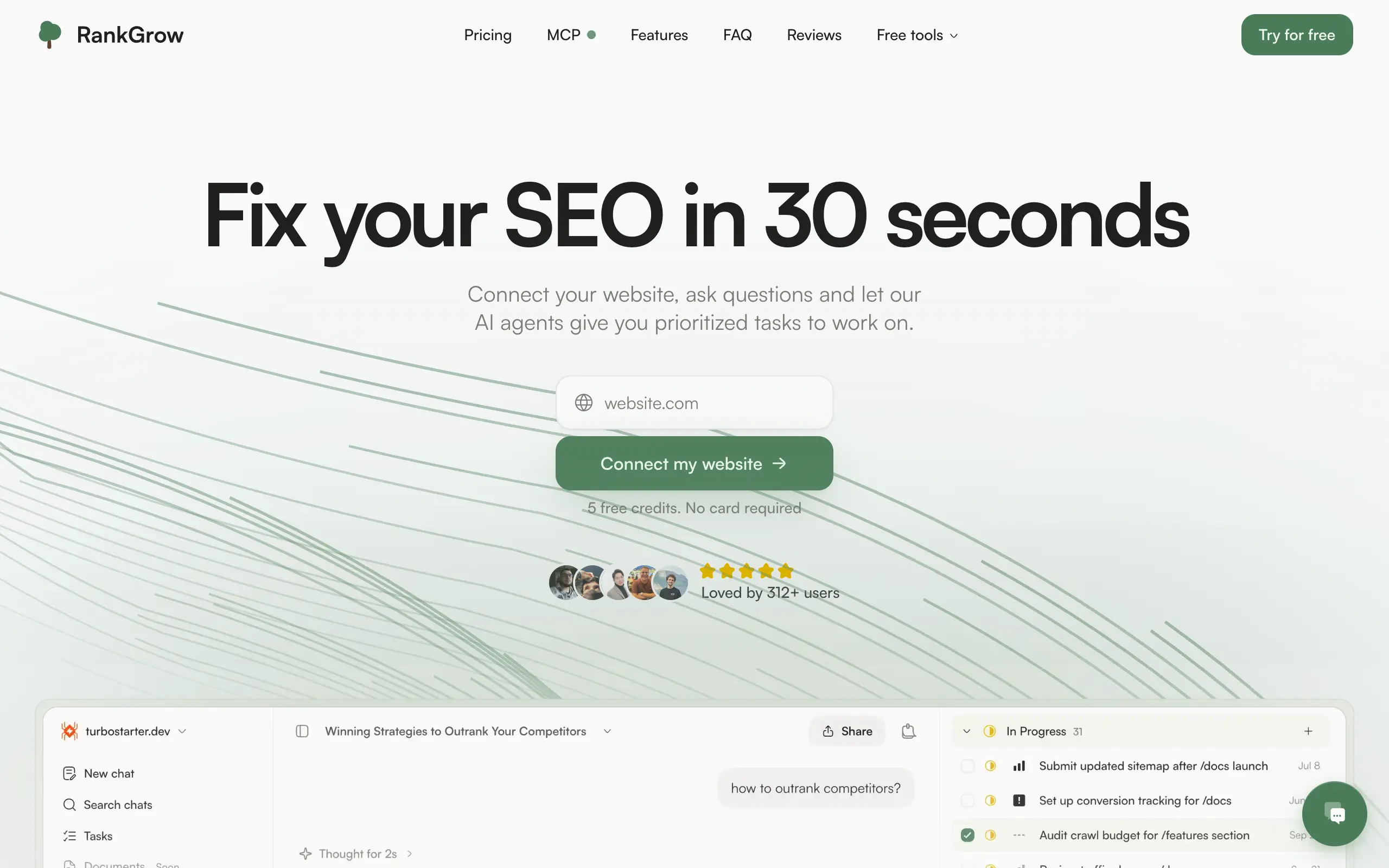
RankGrow
Fix your SEO with AI agents - connect Search Console, get prioritized tasks, and grow organic traffic 📈
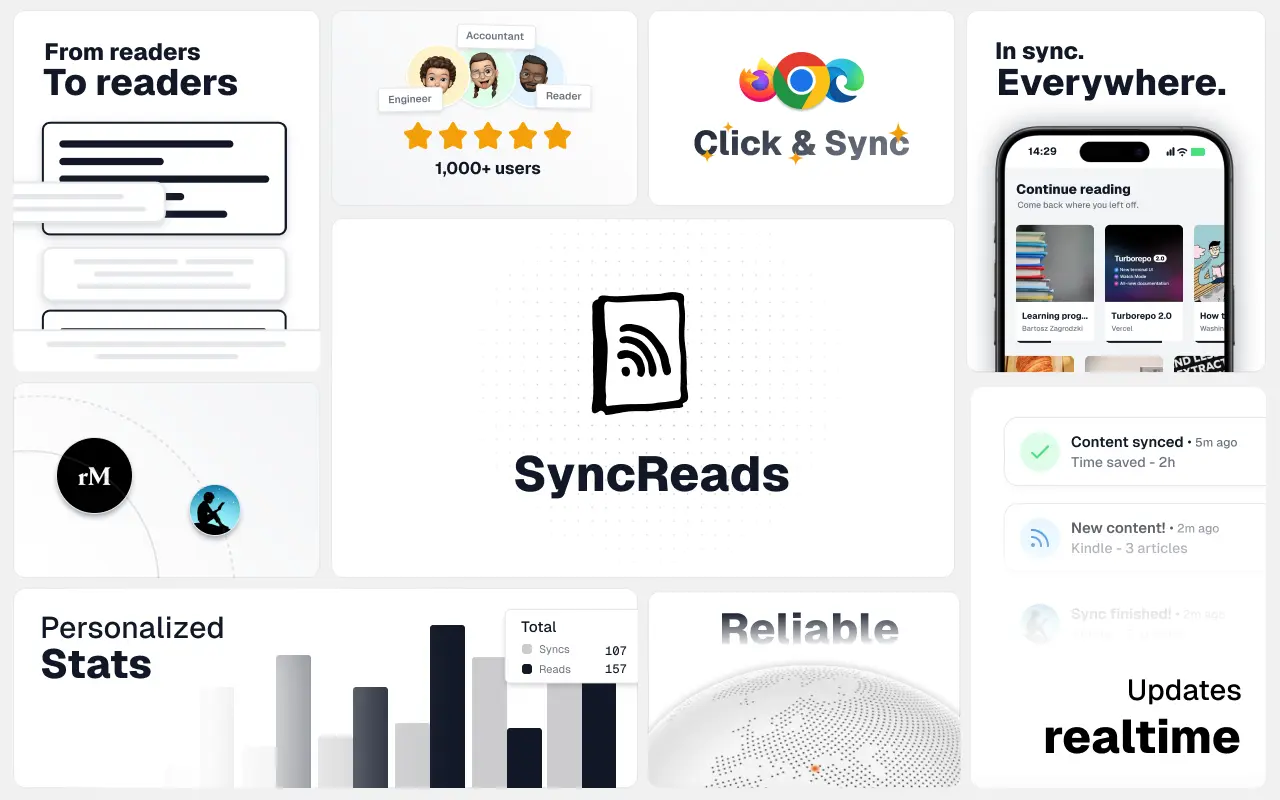
SyncReads
Sync your favorite content for distraction-free reading, save time and replace multiple apps. Anytime, anywhere 🔄
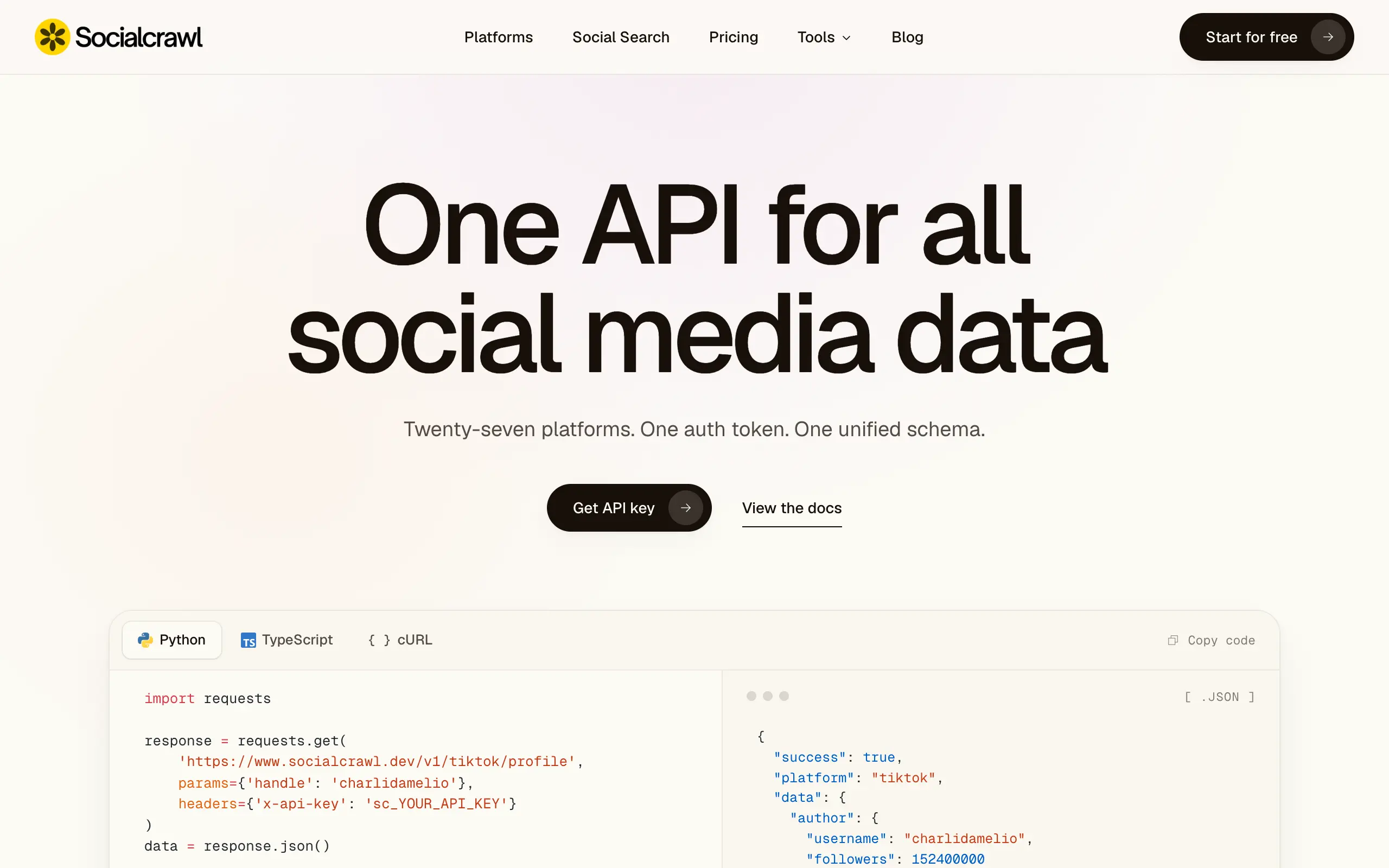
Socialcrawl
Get clean, structured data from 21 platforms like TikTok, Instagram, and YouTube with a single request 📊
Statiko
Monitor any Telegram channel in real time - track posts, edits, deletions, and growth with AI recaps 📡
Shibui
AI website builder - describe your business, pick a niche template, edit by chatting, and publish instantly ✨
Pro Service
Find verified home service professionals, compare quotes, and pay securely through escrow - built for Brazilians across the US 🏠
RankGrow
Fix your SEO with AI agents - connect Search Console, get prioritized tasks, and grow organic traffic 📈
SyncReads
Sync your favorite content for distraction-free reading, save time and replace multiple apps. Anytime, anywhere 🔄
Socialcrawl
Get clean, structured data from 21 platforms like TikTok, Instagram, and YouTube with a single request 📊
Statiko
Monitor any Telegram channel in real time - track posts, edits, deletions, and growth with AI recaps 📡
Shibui
AI website builder - describe your business, pick a niche template, edit by chatting, and publish instantly ✨
Pro Service
Find verified home service professionals, compare quotes, and pay securely through escrow - built for Brazilians across the US 🏠
RankGrow
Fix your SEO with AI agents - connect Search Console, get prioritized tasks, and grow organic traffic 📈
SyncReads
Sync your favorite content for distraction-free reading, save time and replace multiple apps. Anytime, anywhere 🔄
Socialcrawl
Get clean, structured data from 21 platforms like TikTok, Instagram, and YouTube with a single request 📊
Statiko
Monitor any Telegram channel in real time - track posts, edits, deletions, and growth with AI recaps 📡
Shibui
AI website builder - describe your business, pick a niche template, edit by chatting, and publish instantly ✨
Pro Service
Find verified home service professionals, compare quotes, and pay securely through escrow - built for Brazilians across the US 🏠
RankGrow
Fix your SEO with AI agents - connect Search Console, get prioritized tasks, and grow organic traffic 📈
SyncReads
Sync your favorite content for distraction-free reading, save time and replace multiple apps. Anytime, anywhere 🔄
Socialcrawl
Get clean, structured data from 21 platforms like TikTok, Instagram, and YouTube with a single request 📊
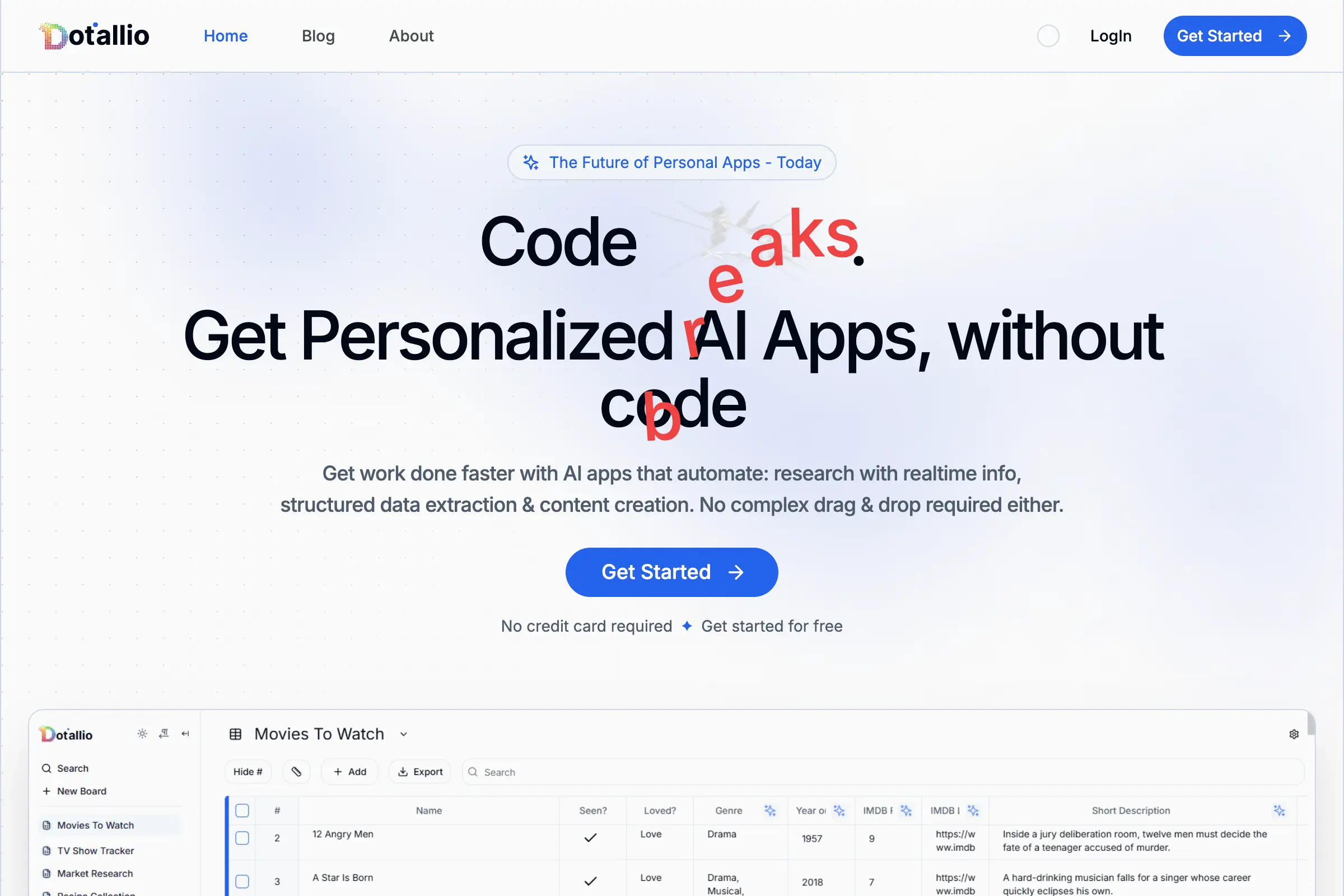
Dotallio
Personalized AI apps that automate research, data extraction, and content creation without code 🤖

Talk to Santa
Enjoy a magical live video chat or receive a unique AI-generated video greeting from Santa Claus 🎅

pozywka.pl
Scalable blog for food journalist, focused on performance and user experience 🌭
zagrodzki.me
Personal blog and portfolio of Bart Zagrodzki, where he shares his knowledge and work 💼
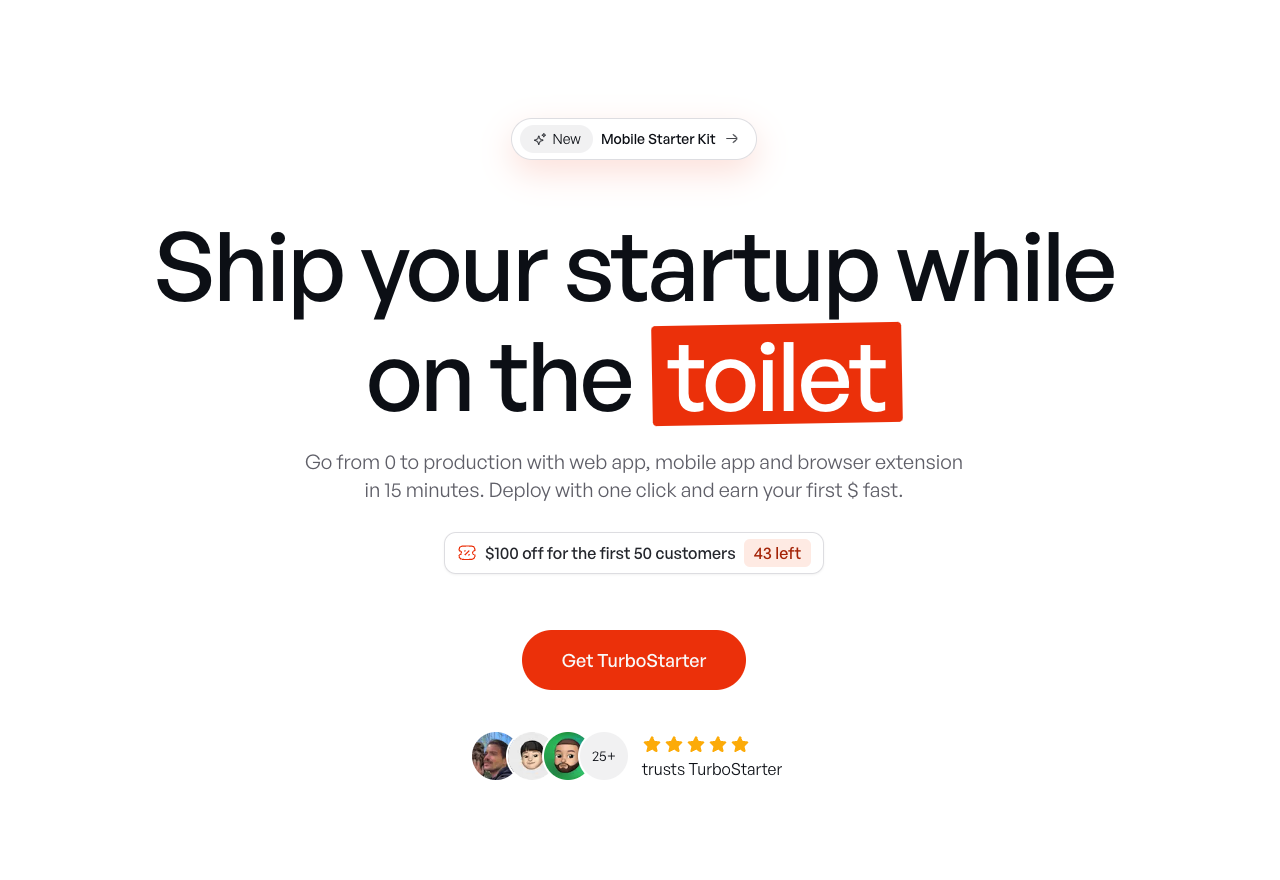
TurboStarter
Ship your startup everywhere. In minutes.
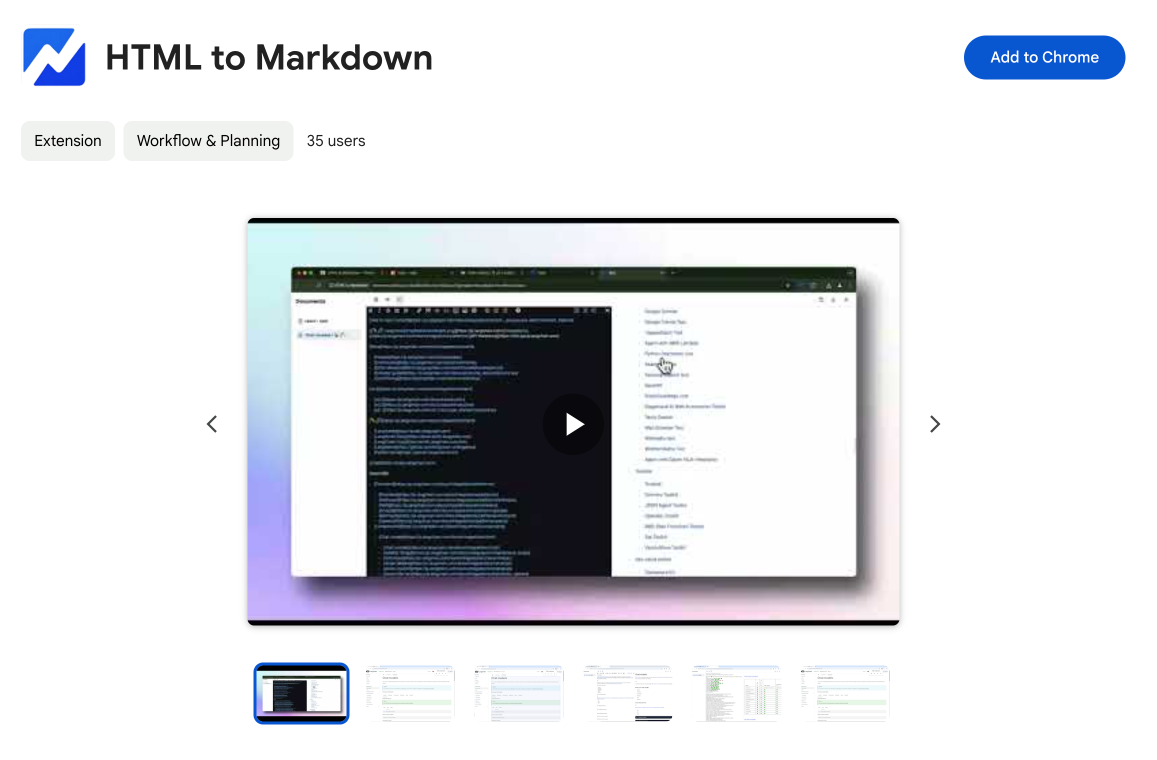
HTML to Markdown
Convert HTML to Markdown with ease, directly in your browser 📄
Dotallio
Personalized AI apps that automate research, data extraction, and content creation without code 🤖
Talk to Santa
Enjoy a magical live video chat or receive a unique AI-generated video greeting from Santa Claus 🎅
pozywka.pl
Scalable blog for food journalist, focused on performance and user experience 🌭
zagrodzki.me
Personal blog and portfolio of Bart Zagrodzki, where he shares his knowledge and work 💼
TurboStarter
Ship your startup everywhere. In minutes.
HTML to Markdown
Convert HTML to Markdown with ease, directly in your browser 📄
Dotallio
Personalized AI apps that automate research, data extraction, and content creation without code 🤖
Talk to Santa
Enjoy a magical live video chat or receive a unique AI-generated video greeting from Santa Claus 🎅
pozywka.pl
Scalable blog for food journalist, focused on performance and user experience 🌭
zagrodzki.me
Personal blog and portfolio of Bart Zagrodzki, where he shares his knowledge and work 💼
TurboStarter
Ship your startup everywhere. In minutes.
HTML to Markdown
Convert HTML to Markdown with ease, directly in your browser 📄
Dotallio
Personalized AI apps that automate research, data extraction, and content creation without code 🤖
Talk to Santa
Enjoy a magical live video chat or receive a unique AI-generated video greeting from Santa Claus 🎅
pozywka.pl
Scalable blog for food journalist, focused on performance and user experience 🌭
zagrodzki.me
Personal blog and portfolio of Bart Zagrodzki, where he shares his knowledge and work 💼
TurboStarter
Ship your startup everywhere. In minutes.
HTML to Markdown
Convert HTML to Markdown with ease, directly in your browser 📄
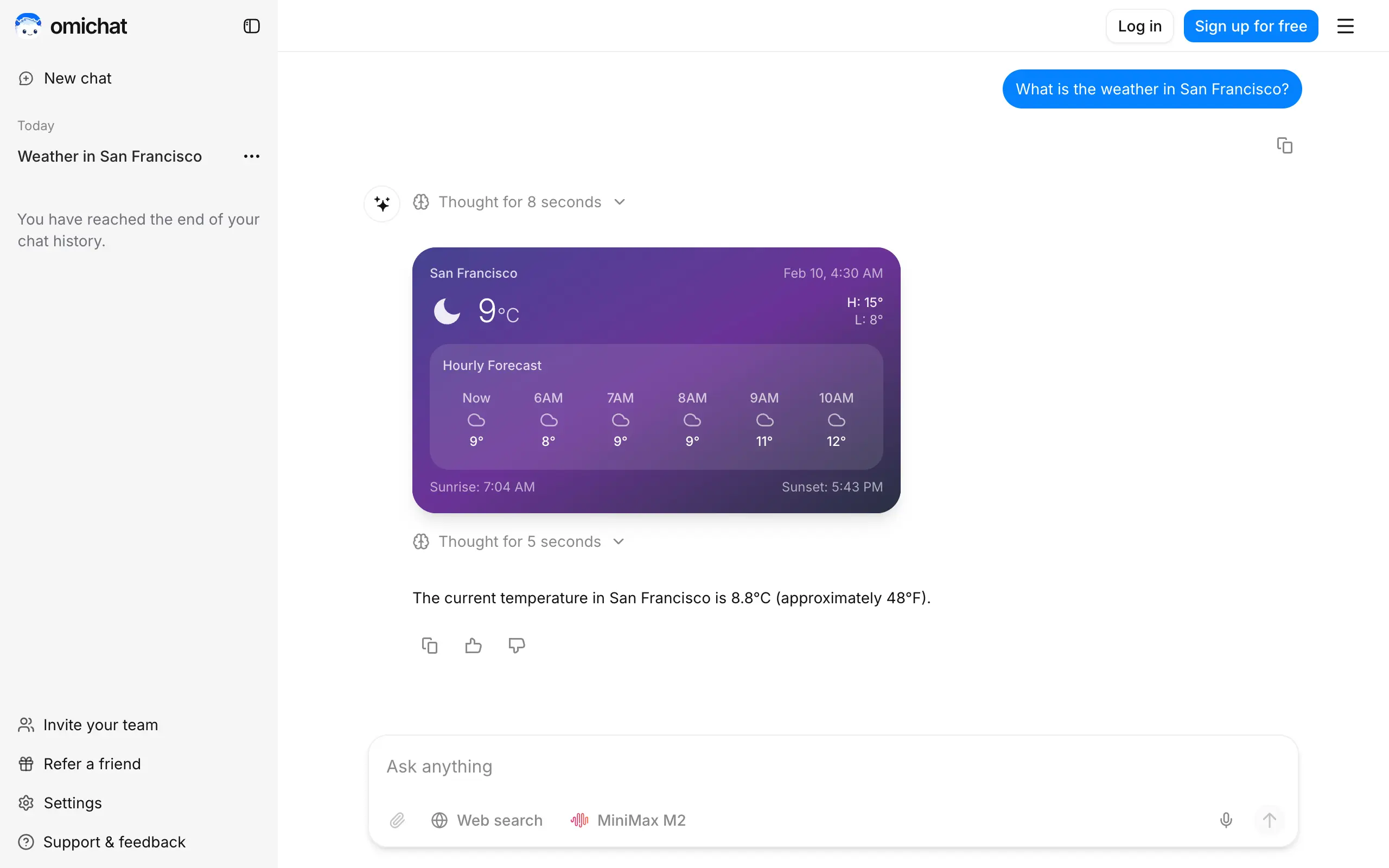
Omichat
Chat with 50+ AI models, including ChatGPT and Claude, in one place - switch models anytime without losing context 🤖
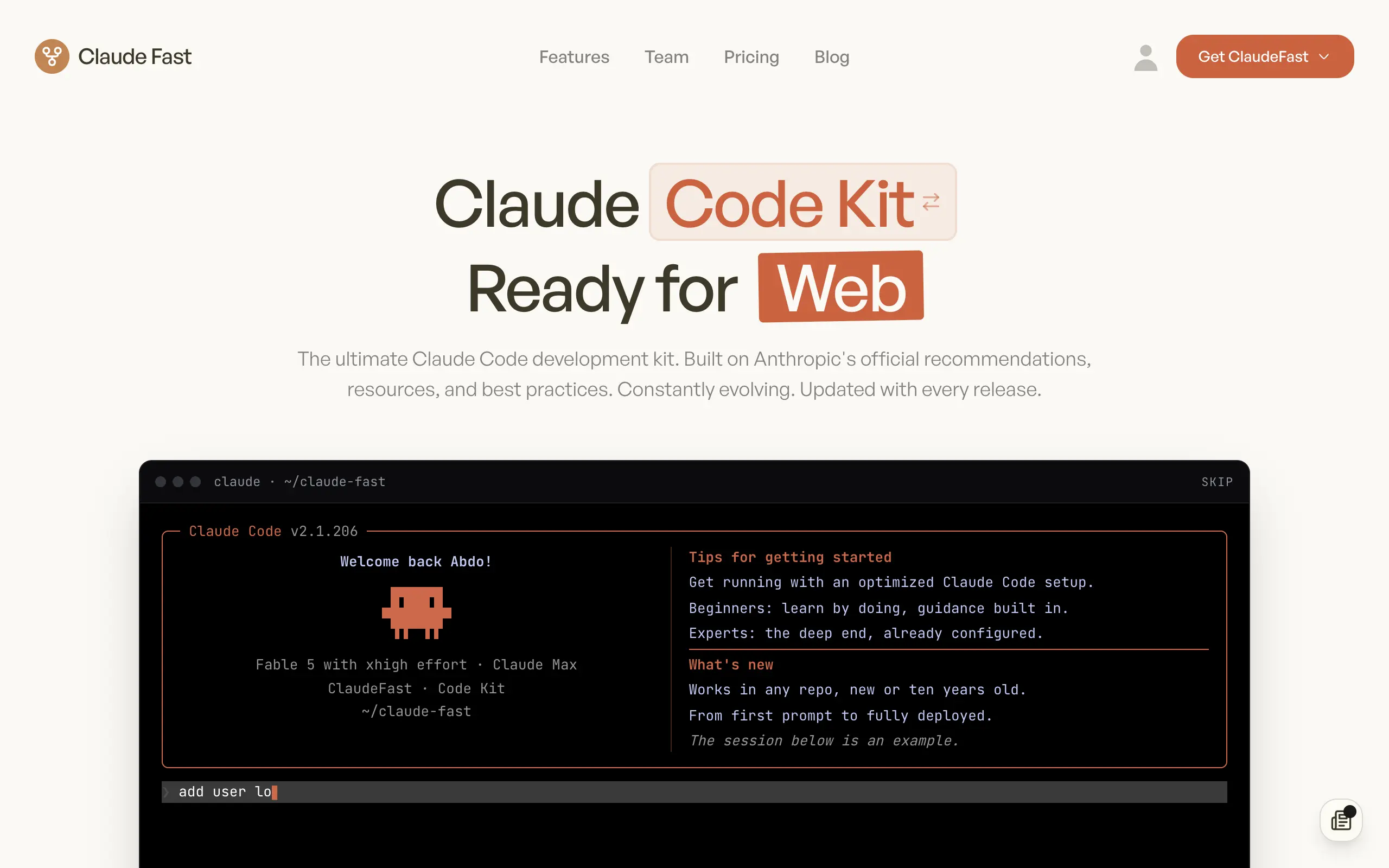
Claude Fast
Supercharge your Claude Code with 6x effective context window and specialized AI agents 🤖
EmojAI
AI-powered emoji picker with smart, context-aware suggestions 🤖
Solohacker
Autonomous company launcher - AI agents work 24/7, escalate what matters, and you stay in control 🤖
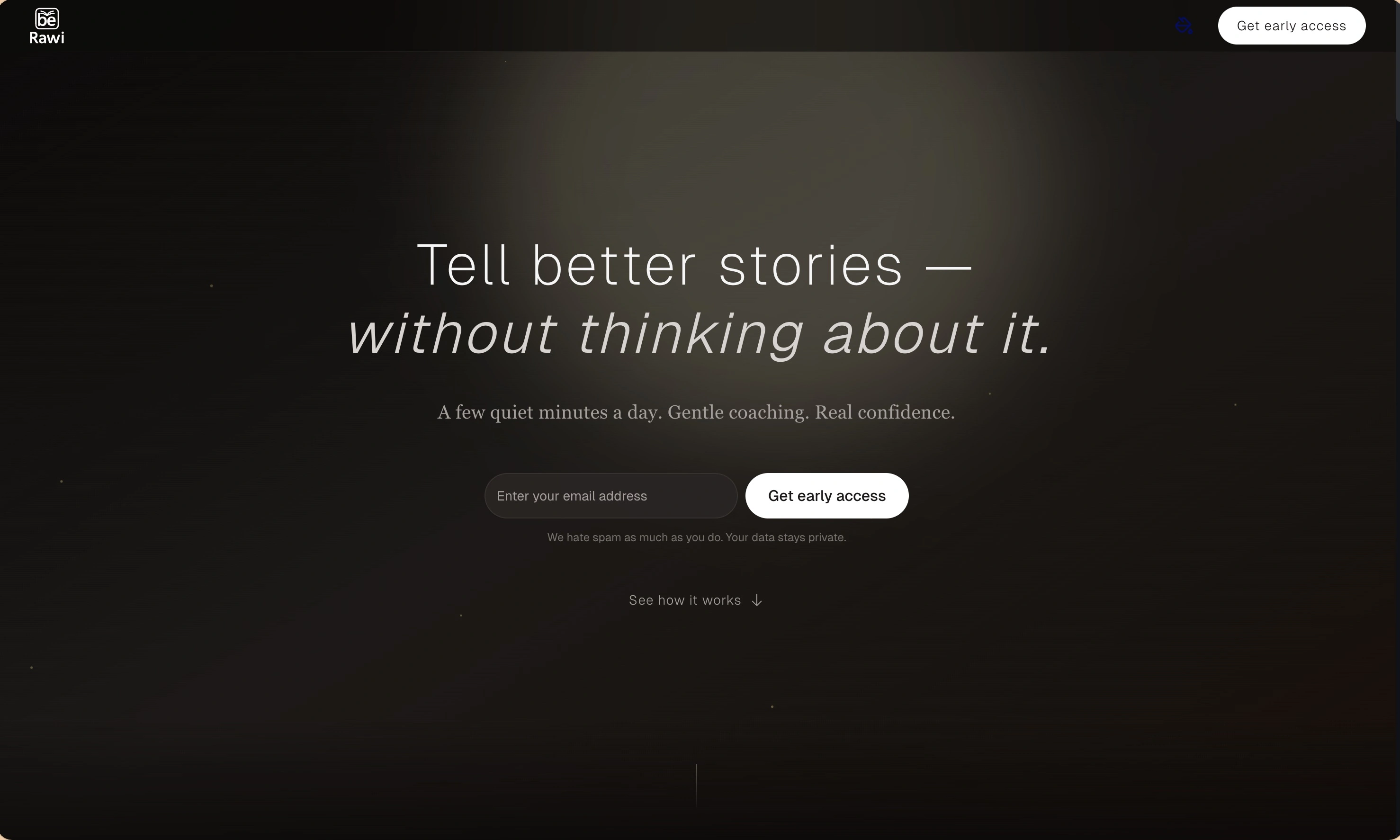
BeRawi: Storytelling Coach
Practice storytelling daily with instant feedback to sound clearer, more engaging, and confident 🎤
Omichat
Chat with 50+ AI models, including ChatGPT and Claude, in one place - switch models anytime without losing context 🤖
Claude Fast
Supercharge your Claude Code with 6x effective context window and specialized AI agents 🤖
EmojAI
AI-powered emoji picker with smart, context-aware suggestions 🤖
Solohacker
Autonomous company launcher - AI agents work 24/7, escalate what matters, and you stay in control 🤖
BeRawi: Storytelling Coach
Practice storytelling daily with instant feedback to sound clearer, more engaging, and confident 🎤
Omichat
Chat with 50+ AI models, including ChatGPT and Claude, in one place - switch models anytime without losing context 🤖
Claude Fast
Supercharge your Claude Code with 6x effective context window and specialized AI agents 🤖
EmojAI
AI-powered emoji picker with smart, context-aware suggestions 🤖
Solohacker
Autonomous company launcher - AI agents work 24/7, escalate what matters, and you stay in control 🤖
BeRawi: Storytelling Coach
Practice storytelling daily with instant feedback to sound clearer, more engaging, and confident 🎤
Omichat
Chat with 50+ AI models, including ChatGPT and Claude, in one place - switch models anytime without losing context 🤖
Claude Fast
Supercharge your Claude Code with 6x effective context window and specialized AI agents 🤖
EmojAI
AI-powered emoji picker with smart, context-aware suggestions 🤖
Solohacker
Autonomous company launcher - AI agents work 24/7, escalate what matters, and you stay in control 🤖
BeRawi: Storytelling Coach
Practice storytelling daily with instant feedback to sound clearer, more engaging, and confident 🎤

Connect with like-minded people
Join our community to get feedback, support, and grow together with 1,000+ builders on board, let's ship it!
Join usShip your startup everywhere. In minutes.
Don't burn tokens on setup and start building features on day one.