Upanishad Companion
An AI guide that connects everyday dilemmas to Upanishadic teachings with cited passages, reflections, and practical exercises.
Why an AI Upanishad companion meets a real modern need
People rarely search for spiritual wisdom as an abstract academic exercise. They search when they are overwhelmed by work, uncertain about a relationship, grieving a loss, questioning ambition, or trying to make a difficult ethical choice. The real need is not simply to find a quote from an Upanishad. It is to understand how a teaching may apply to a lived situation without stripping it of its philosophical, linguistic, and cultural context.
An AI Upanishad companion can meet that need by helping users move from an everyday dilemma to relevant Upanishadic passages, careful interpretation, guided reflection, and a practical exercise. The product should not position itself as a guru, religious authority, therapist, or replacement for traditional study. Its strength is as a transparent, citation-first study and reflection companion.
Upanishad Companion has a compelling opportunity to serve several growing user needs at once:
- People want accessible ways to engage with classical Indian philosophy.
- Wellness-minded users want reflective practices that go beyond generic motivational advice.
- Students need structured help navigating dense texts, translations, concepts, and commentarial traditions.
- Diaspora communities may want a thoughtful bridge between heritage, modern life, and self-guided learning.
- Spiritual seekers increasingly expect conversational, personalized digital experiences.
The core promise is clear: when users bring a real-life question, the product helps them explore relevant Upanishadic teachings responsibly, with sources and room for personal interpretation.
The trust principle
An AI guide for sacred texts should make its evidence visible. Every substantial interpretation should distinguish between the original passage, translation choices, traditional commentary, and the product's practical reflection.
What is an AI Upanishad companion?
An AI Upanishad companion is a retrieval-grounded conversational application that connects user questions with a curated corpus of Upanishadic texts and trusted explanatory material. Rather than generating vague spiritual guidance from general model knowledge, it should retrieve relevant passages first and generate a response based on those sources.
For example, a user may ask:
“I feel pressure to pursue a high-status career, but I am not sure it is meaningful to me. What can the Upanishads offer?”
A useful response should not claim that one verse provides an unquestionable answer. Instead, it can:
- Identify themes related to the question, such as desire, self-knowledge, impermanence, duty, fear, or inner freedom.
- Surface relevant passages from texts such as the Katha Upanishad, Isha Upanishad, Mundaka Upanishad, or Chandogya Upanishad.
- Show the passage in the original language when licensing and scholarly quality permit, alongside a credited translation.
- Explain important context and note where interpretations differ.
- Offer a non-prescriptive reflection prompt or journaling exercise.
- Invite the user to continue exploring rather than presenting a final verdict.
This structure differentiates an Upanishad AI guide from a generic chatbot. The product is not valuable because it can talk about spirituality. It is valuable because it can create a reliable path from question → source → context → reflection → practice.
Target audience for Upanishad Companion
A strong launch strategy should avoid treating “everyone interested in spirituality” as one audience. Different user groups have different motivations, expectations, and willingness to pay.
Spiritual seekers who want depth without dogma
This audience includes people who meditate, journal, attend yoga classes, or read broadly in philosophy and spirituality. They may already encounter Sanskrit terms such as Atman, Brahman, maya, moksha, and neti neti, but they may not know how these concepts fit within specific texts.
Their pain points include:
- Generic mindfulness apps that feel repetitive or commercialized
- Inspirational content that lacks historical and textual grounding
- Difficulty distinguishing authentic teaching from social media simplification
- Intimidation when approaching translations of classical texts alone
For this group, the product should emphasize reflective learning, transparent sources, daily contemplations, and a calm, non-coercive interface.
Students and lifelong learners of Indian philosophy
Students of religion, philosophy, South Asian studies, yoga studies, and comparative thought need more than a quote generator. They need passage-level citations, translation attribution, terminology support, and context around schools of interpretation.
Useful features for this segment include:
- Search by text, chapter, verse, Sanskrit concept, and theme
- Parallel translations from appropriately licensed editions
- Glossaries with transliteration and pronunciation guidance
- Reading plans organized by text and difficulty
- Notes that distinguish primary text from later commentary
- Exportable citations and study notes
This group may be smaller than the mass wellness market, but it provides an important credibility base. A product that scholars, teachers, and serious readers can use is much more likely to earn trust with casual users too.
Members of the global Indian diaspora
Many diaspora users are interested in reconnecting with philosophical traditions but may not read Sanskrit or have access to a local teacher or study group. They often need accessible explanations without being spoken down to or reduced to stereotypes.
The product should let users choose their level of familiarity. A beginner may need a simple introduction to the distinction between Atman and ego. An advanced learner may want the Sanskrit term, grammatical notes, and a comparison of Advaita, Vishishtadvaita, and Dvaita perspectives.
Language support can become a meaningful long-term advantage. However, it should begin with carefully reviewed English before expanding into Hindi, Tamil, Telugu, Bengali, or other languages.
Yoga teachers, facilitators, and wellness professionals
Yoga educators and meditation facilitators often want responsibly sourced readings for classes, workshops, and newsletters. They may pay for lesson-planning tools, thematic collections, source citations, and permissions-aware content.
This audience is especially valuable for distribution. One thoughtful teacher using the product may introduce it to dozens or hundreds of students. The platform should provide shareable, properly attributed passage cards rather than encouraging decontextualized quote graphics.
People facing everyday dilemmas
The broadest audience is not necessarily looking for “Upanishad study.” They may search for:
- “How do I stop comparing myself to others?”
- “What does Indian philosophy say about anxiety?”
- “How can I make a decision without fear?”
- “What is the meaning of self in the Upanishads?”
- “How do I find purpose without chasing success?”
These users need plain language first. The product can introduce the source text gradually, turning a practical question into a deeper learning journey.
The market gap in AI spirituality and sacred-text guidance
The digital spirituality market is crowded, but much of the available content sits at one of two extremes.
At one extreme are broad meditation and wellness platforms. These can be excellent for habit building, sleep content, and guided meditation, but they rarely provide sustained engagement with primary philosophical sources. Their content may also flatten traditions into universalized self-help language.
At the other extreme are academic resources and scanned translations. These are indispensable, yet they can be difficult for beginners to navigate. Search quality varies, translations may be unfamiliar, and the relationship between a modern question and a classical passage is left entirely to the reader.
An AI Upanishad companion can occupy the middle ground:
| Approach | Personal relevance | Source transparency | Learning depth | Risk of oversimplification |
|---|---|---|---|---|
| Generic AI chatbot | High | Low | Variable | High |
| Meditation app | Medium | Low to medium | Low to medium | Medium |
| Academic text archive | Low | High | High | Low |
| Upanishad Companion | High | High | High | Managed through citations and review |
The gap is not merely “AI for spirituality.” It is source-grounded, culturally respectful, conversational access to Upanishadic thought.
This positioning is timely because users have become more familiar with conversational AI, while also becoming more skeptical of unsupported AI output. A cited, retrieval-based experience directly addresses that skepticism. For market-sizing claims or adoption statistics, cite current reports from established research firms or public surveys and clearly state the date, methodology, and geography.
The unique value proposition of Upanishad Companion
The strongest USP is not that the platform uses artificial intelligence. AI is becoming infrastructure. The differentiator is the product’s interpretive discipline.
Upanishad Companion turns contemporary dilemmas into transparent, source-led contemplative inquiry.
That promise rests on five product principles:
-
Citations before conclusions
Users can inspect the source passages that inform an answer. -
Multiple interpretive lenses
The platform avoids presenting one school or modern reading as the only legitimate interpretation. -
Practical integration
Every relevant session can end with a thoughtful exercise, not just an explanation. -
Respectful uncertainty
The assistant can say when a passage is contested, when translations differ, or when a user’s question exceeds the text. -
Learning over dependency
The product should help users become better readers and reflectors rather than making them reliant on daily AI pronouncements.
This positioning makes the product more credible than a “spiritual life coach bot” and more approachable than an academic database.
Core features for a trustworthy Upanishad AI guide
Citation-first conversational guidance
The central interface should let users ask questions in natural language. Each answer should include source cards containing:
- Text name
- Chapter and verse or section reference
- Translator and edition information
- A short relevant excerpt
- A link within the product to surrounding context
- A confidence or relevance indicator
- Notes when a response draws on later commentarial interpretation
Avoid displaying a verse as if it speaks directly to every modern issue. The assistant should use careful language such as “One way to explore this through the Katha Upanishad is…” rather than “The Upanishads tell you to…”
Theme-based exploration
Many visitors will not know which Upanishad to begin with. A theme browser makes the corpus more usable. High-intent categories could include:
- Self and identity
- Desire and attachment
- Fear and death
- Knowledge and liberation
- Relationships and compassion
- Work, purpose, and ambition
- Silence and meditation
- Ethics and inner freedom
Each theme page can become a high-quality SEO landing page. It should provide a plain-language overview, relevant passages, common misconceptions, suggested reading paths, and a clear invitation to ask a personalized question.
Passage context and translation comparison
Translation is interpretation. A serious product must make this visible. Where licensing allows, users should be able to compare two or more translations and understand that Sanskrit terms do not always map cleanly to one English word.
For instance, a glossary entry for Atman should not merely say “soul.” It should explain that usage and interpretation depend on textual and philosophical context. The product can offer accessible explanations while avoiding false equivalence with concepts from other traditions.
Guided reflections and practical exercises
Practical exercises should be optional, gentle, and clearly framed as reflective practices rather than clinical interventions. Examples include:
- A three-minute inquiry into the difference between social role and sense of self
- A journaling prompt on temporary achievements versus enduring values
- A guided reading practice using one short passage and deliberate pauses
- A values exercise inspired by the distinction between the pleasant and the beneficial
- A weekly reflection that tracks recurring themes in a user’s questions
The system should not prescribe extreme asceticism, advise users to abandon responsibilities, or imply that spiritual practice is a substitute for healthcare.
Personalized learning paths
Users can choose goals such as “understand the basics,” “build a daily study habit,” “study one Upanishad closely,” or “explore teachings on fear.” Based on that goal, the app can create a transparent, adaptable plan.
A high-quality onboarding flow asks about experience level and learning preference without collecting unnecessary sensitive data. It should also explain the product’s limitations before the first chat begins.
Study journal and memory controls
A private journal can help users track reflections, saved passages, questions, and exercises. Because spiritual questions can be deeply personal, privacy controls must be explicit.
Offer choices such as:
- Keep chats only for the current session
- Save selected reflections manually
- Delete all stored data from settings
- Turn off model-improvement data use
- Export journal entries in a portable format
Trust is a product feature, not just a legal requirement.
Ask
Bring a real dilemma, philosophical question, or passage you want to understand.
Trace
Review cited passages, translation details, context, and interpretive caveats.
Reflect
Use an optional prompt, reading practice, or journal exercise to integrate the insight.
How to build reliable AI answers from sacred texts
A technically impressive conversational interface is not enough. The quality of the knowledge system determines whether the product earns or loses credibility.
Build a curated and rights-aware corpus
Start with a deliberately small, high-quality collection rather than ingesting every text available online. The initial corpus might cover principal Upanishads that have reliable, legally usable translations and clear metadata.
Every source document should include:
- Canonical text title
- Source language and script availability
- Transliteration standard
- Translator name
- Publication date and edition
- Copyright or public-domain status
- Chapter, section, and verse metadata
- Tradition or commentarial context where applicable
Do not assume that a digitized text is free to use. Public availability does not automatically mean commercial reuse is permitted. Obtain legal review for translations, commentaries, and audio material.
Use retrieval-augmented generation
Retrieval-augmented generation, often called RAG, is the appropriate architecture for this use case. When a user asks a question, the application searches the curated corpus for relevant passages and gives those passages to the model as context. The model then produces a response constrained by the retrieved evidence.
A practical pipeline looks like this:
Normalize user intent, identify themes, and classify whether the request is educational, reflective, pastoral, or potentially high risk.
Retrieve passages using hybrid search that combines semantic embeddings with keyword and metadata filters.
Rerank results based on source quality, textual relevance, diversity of interpretation, and citation completeness.
Generate an answer using a strict instruction hierarchy that requires citations, uncertainty language, and separation of source from reflection.
Run output checks for unsupported claims, unsafe mental-health guidance, fabricated verses, and missing references before display.
Hybrid retrieval matters because users may ask conceptual questions using modern language while scholars may search for a specific Sanskrit term. Semantic search helps with the first case; exact keyword and metadata search help with the second.
Design the model prompt for intellectual humility
The system prompt should require the model to:
- Quote only retrieved passages and preserve references
- Avoid inventing Sanskrit, verse numbers, translators, or historical claims
- Label interpretive statements as interpretations
- Mention meaningful translation or school differences where relevant
- Avoid universalizing a specific tradition’s conclusion
- Encourage consultation with qualified teachers for advanced doctrinal questions
- Provide crisis resources or recommend local professional support when a user appears at immediate risk
A simplified output contract could look like this:
type CompanionAnswer = {
  summary: string
  passages: Array<{
    text: string
    reference: string
    translator: string
    relevance: string
  }>
  interpretation: string
  reflectionPrompt?: string
  limitations?: string
}
The user interface should render each field distinctly. Do not bury citations at the bottom of a poetic answer. The evidence should be visible at the moment a user evaluates the guidance.
Recommended tech stack for Upanishad Companion
The right stack should support fast iteration, secure user data, high-quality retrieval, and future editorial workflows.
Application layer
A TypeScript-based web application is a pragmatic starting point. React provides a mature component model for building the interactive reading, chat, citation, and journal interfaces. Next.js is especially suitable for server-rendered content pages, authenticated application flows, APIs, and SEO-friendly thematic guides.
Use Tailwind CSS for a consistent responsive design system. The visual language should feel quiet and readable rather than overly mystical. Strong typography, generous spacing, accessible contrast, and unobtrusive motion matter more than decorative symbolism.
TurboStarter can reduce time to market by providing a production-focused SaaS foundation for authentication, billing, application structure, and common operational requirements.
Data and search layer
For early-stage development, PostgreSQL is a strong primary database because it handles structured content, user data, metadata, permissions, and audit logs reliably. A vector extension or dedicated vector database can support semantic retrieval.
There are two common paths:
-
Postgres with vector search
This reduces operational complexity and keeps relational metadata close to embeddings. It is often the right choice for an MVP and modest corpus. -
Dedicated vector database
This can provide specialized scaling and retrieval capabilities as corpus size, usage, or multi-modal search needs grow. It introduces another service to manage.
The best choice depends less on hype and more on corpus size, filtering requirements, latency targets, and the team’s operating experience. Since sacred-text retrieval needs precise metadata filtering, the relational model is particularly valuable.
AI orchestration and observability
Use a provider-agnostic model layer so the team can evaluate multiple language models for citation adherence, tone, latency, cost, and privacy terms. Never select a model based solely on benchmark scores. Test it against real queries from beginners, scholars, and teachers.
Implement observability from the beginning:
- Log retrieval results and citation coverage
- Track unsupported-answer flags
- Measure “source card opened” behavior
- Collect user feedback on helpfulness and accuracy
- Create a reviewer queue for low-confidence or disputed responses
- Monitor latency and per-session inference cost
For error monitoring, Sentry is a well-established option. For product analytics, use a privacy-conscious configuration and avoid recording sensitive reflection text by default.
Trade-offs to acknowledge
A fully managed AI stack accelerates launch but may create vendor dependence and limit data residency options. Self-hosted models can offer more control but require substantial machine learning operations expertise and may underperform on nuanced language tasks.
For an MVP, prioritize:
- Reliable retrieval
- Editorial quality
- Citation UX
- Safety rules
- A limited but excellent initial corpus
Do not overinvest in autonomous agents, voice avatars, or complex personalization before the product proves that users value cited guidance.
Monetization strategies for an Upanishad AI platform
The monetization model must align with the product’s spiritual and educational positioning. Aggressive engagement loops, manipulative scarcity, or paywalling basic source access can damage trust.
Freemium subscription
A freemium model is likely the most accessible starting point.
The free plan can include:
- Limited weekly AI reflections
- Access to selected text introductions
- Basic passage search
- A small number of saved passages
- Transparent source previews
A paid plan can include:
- Higher or unlimited conversation limits
- Full guided study paths
- Deep-dive translation comparisons
- Expanded journal tools
- Thematic reading plans
- Audio reflections where licensed
- Priority access to newly reviewed material
Keep core citations available to all users. Trustworthy sourcing should never feel like a premium add-on.
Education and practitioner plans
Offer separate plans for educators, yoga schools, study groups, and wellness facilitators. These plans can include collaborative reading rooms, discussion prompts, classroom collections, facilitator dashboards, and controlled content sharing.
Institutional buyers may value predictable annual billing, user management, privacy agreements, and content-review documentation.
Paid courses and expert-led cohorts
The platform can host carefully reviewed courses such as “Reading the Katha Upanishad,” “Introduction to Vedantic concepts,” or “Upanishadic approaches to self and knowledge.” Qualified scholars and practitioners should be compensated transparently.
This model builds authority while avoiding the impression that the AI itself possesses spiritual realization or formal teaching lineage.
Ethical affiliate and publishing partnerships
Later, the platform could recommend reputable editions, courses, or events. Any commercial relationship should be clearly disclosed. Recommendations should remain separate from the AI’s interpretation flow so users never confuse a sponsored product with a textual conclusion.
Competitive advantage and defensibility
The durable advantage of Upanishad Companion will not come from a chat interface alone. Competitors can copy interface patterns quickly. Defensibility comes from an integrated trust system.
A proprietary editorial knowledge graph
Over time, the company can build structured relationships among passages, themes, translations, Sanskrit terms, schools of interpretation, common user questions, and vetted practical exercises. This knowledge graph improves retrieval quality and enables more nuanced recommendations.
For example, the system can recognize that a query about “fear of death” may connect strongly to a specific text and theme while also requiring careful framing that differs from a query about career uncertainty.
Expert review workflows
Create a council of scholars, Sanskritists, educators, and practitioners with clearly defined roles. Their work can include:
- Reviewing corpus selection and metadata
- Identifying misleading translations
- Evaluating sensitive-answer templates
- Reviewing high-traffic topic pages
- Auditing model responses
- Publishing signed explanatory notes
Visible editorial governance is a powerful trust signal. The company should publish its methodology, update history, and correction process.
Citation behavior as a quality moat
Many AI products cite sources inconsistently. Upanishad Companion can make citation completeness a core product metric. Track the percentage of meaningful claims tied to specific passages and the rate at which users inspect sources.
The platform should improve not by becoming more assertive, but by becoming more verifiable.
A non-extractive brand position
The company should openly reject the extraction of sacred traditions into aesthetic content or generic productivity hacks. That stance can resonate with users who are tired of shallow “ancient wisdom” marketing.
Respectful design includes accurate naming, diverse perspectives, transparent translation policy, and refusal to make spiritual guarantees.
Key risks and how to mitigate them
Risk of hallucinated or inaccurate teachings
Language models can fabricate verse references, Sanskrit terms, and confident explanations. In a sacred-text product, this is especially damaging.
Mitigation measures include retrieval-only quotation, structured citations, answer validators, human spot checks, confidence thresholds, and a clear “I could not verify this from the current corpus” response path.
Risk of flattening diverse traditions
The Upanishads have been interpreted through multiple philosophical traditions and historical contexts. Presenting one view as universal is inaccurate and alienating.
Mitigate this by labeling interpretive frameworks, including multiple viewpoints where appropriate, and having qualified reviewers evaluate high-impact content. Avoid treating “Hindu philosophy” as a monolith.
Risk of mental-health overreach
Users may bring grief, anxiety, suicidal thoughts, trauma, or relationship abuse into the conversation. Reflective guidance can be supportive, but it must not become diagnosis or crisis counseling.
Use risk detection and escalation language. When appropriate, encourage immediate local emergency support or qualified mental-health care. Do not use spiritual concepts to minimize suffering or discourage treatment.
Risk of copyright and licensing disputes
Translations, commentaries, recordings, and modern educational materials may be copyrighted even when the source text is ancient.
Maintain a content-rights register, seek legal counsel, use public-domain or directly licensed materials, and record the provenance of every corpus item.
Risk of privacy harm
A journal about spiritual uncertainty may contain highly sensitive information. A breach or careless analytics practice could undermine the entire company.
Collect minimal data, encrypt data in transit and at rest, set short retention windows, provide deletion controls, restrict internal access, and explain data practices in plain language.
No. It should answer only when it can ground the response in reviewed sources and provide appropriate context. For questions involving safety, severe distress, legal issues, or requests for absolute spiritual authority, it should set clear boundaries and direct users toward qualified human support.
No. A more honest approach is to state exactly which texts, translations, and interpretive resources are included. Coverage can expand over time through documented editorial review rather than broad, unsupported claims.
Yes, but personalization should be lightweight and consent-based. Tailor reading difficulty, reflection length, and themes without inferring sensitive beliefs, diagnoses, or life circumstances that users have not explicitly shared.
SEO strategy for Upanishad Companion
The best SEO approach combines educational evergreen content with high-intent practical searches. Avoid publishing thin AI-generated pages for every possible question. Search engines and readers both reward original, useful, well-cited content.
Build topic clusters around real questions
Potential content clusters include:
- “What are the Upanishads?” for beginner education
- “Upanishadic teachings on self” for identity-related queries
- “Katha Upanishad meaning” for text-specific study intent
- “Difference between Atman and Brahman” for conceptual search intent
- “Upanishads on fear and death” for practical-philosophical inquiries
- “How to read the Upanishads” for learning-path intent
- “Upanishads vs Bhagavad Gita” for comparison searches
Each page should have a named or clearly described editorial reviewer, a source list, a last-reviewed date, and a distinction between textual summary and modern reflection. These elements improve E-E-A-T signals because they show readers how the content was created and maintained.
Make citations indexable and useful
Use clean URLs for text pages, passages, glossary entries, themes, and author or reviewer profiles. Add descriptive internal links between related concepts. A user reading about Brahman should be able to move naturally to Atman, moksha, neti neti, and relevant source passages.
Do not hide the best educational material behind login. Public learning pages build discovery and credibility; the interactive companion provides the personalized premium experience.
Publish original expert commentary
Invite qualified contributors to write essays that answer questions no generic model can answer well, such as translation challenges, historical context, interpretive disagreements, and responsible use of sacred texts in wellness settings.
When citing factual claims, use primary scholarship, reputable university presses, recognized academic institutions, or current industry reports. Include complete references in the published article rather than inventing authority through vague attribution.
Actionable implementation roadmap
A disciplined MVP can launch with a focused corpus and a narrow promise. The goal is not to solve all spiritual inquiry. The goal is to make a small number of high-value interactions exceptionally reliable.
Phase one: establish editorial foundations
Define the initial canon, licensing policy, citation standard, safety policy, and reviewer roles. Recruit at least a small advisory group with relevant textual, linguistic, and pedagogical expertise.
Create a list of 100 to 200 representative user questions. Include beginner questions, ambiguous questions, scholarly questions, emotionally sensitive questions, and adversarial prompts. This becomes the first evaluation dataset.
Phase two: build the source-grounded MVP
Launch with passage search, thematic browsing, a citation-first AI chat, saved passages, and one or two guided reflection formats. Keep the user interface focused.
Before release, test whether every answer:
- Provides correct references
- Avoids invented quotations
- Uses respectful language
- Differentiates source and interpretation
- Handles uncertainty appropriately
- Escalates safety-sensitive situations responsibly
Phase three: run a closed beta
Recruit a balanced beta cohort that includes students, teachers, spiritual seekers, and users familiar with Indian philosophical traditions. Ask them not only whether the product feels helpful, but whether it feels accurate, respectful, and transparent.
Track qualitative feedback alongside product metrics. A lower conversation count may be acceptable if users report deeper study, stronger trust, and repeated use over time.
Phase four: improve through reviewed feedback loops
Prioritize the topics users ask about most frequently. Turn recurring high-quality conversations into editor-reviewed public guides. Improve retrieval metadata where the system fails, and add a visible correction mechanism when users identify an issue.
Launch with humility
Do not market the platform as an oracle, a digital guru, or a source of definitive answers. The most durable brand promise is better inquiry: thoughtful access to texts, context, and reflection.
A focused product foundation, strong editorial governance, and reliable SaaS infrastructure will let the team spend more time on the knowledge experience that matters.
The path to a trusted Upanishad AI guide
Upanishad Companion can become much more than another AI chatbot with spiritual language. Its opportunity lies in combining classical texts, modern conversational design, rigorous citations, and practical reflection without claiming authority it has not earned.
The winning version of this product is calm, transparent, and intellectually honest. It helps a user pause, encounter a source, understand context, and consider their own life with greater clarity. It does not replace teachers, traditions, scholarship, healthcare, or personal judgment. It gives users a better doorway into serious study.
That is both the product advantage and the ethical standard: build an AI Upanishad companion that makes ancient wisdom more accessible while making its sources, diversity, and limits more visible.
More 🤖 AI Startup SaaS ideas
Discover more innovative ai startup SaaS ideas that are trending in 2026. Each idea is AI-generated with market validation and growth potential to help you find your next profitable venture faster than competitors.
Your competitors are building with TurboStarter
Below are some of the SaaS ideas that have been generated and built with our starter kit.

Statiko
Monitor any Telegram channel in real time - track posts, edits, deletions, and growth with AI recaps 📡

Shibui
AI website builder - describe your business, pick a niche template, edit by chatting, and publish instantly ✨

Pro Service
Find verified home service professionals, compare quotes, and pay securely through escrow - built for Brazilians across the US 🏠
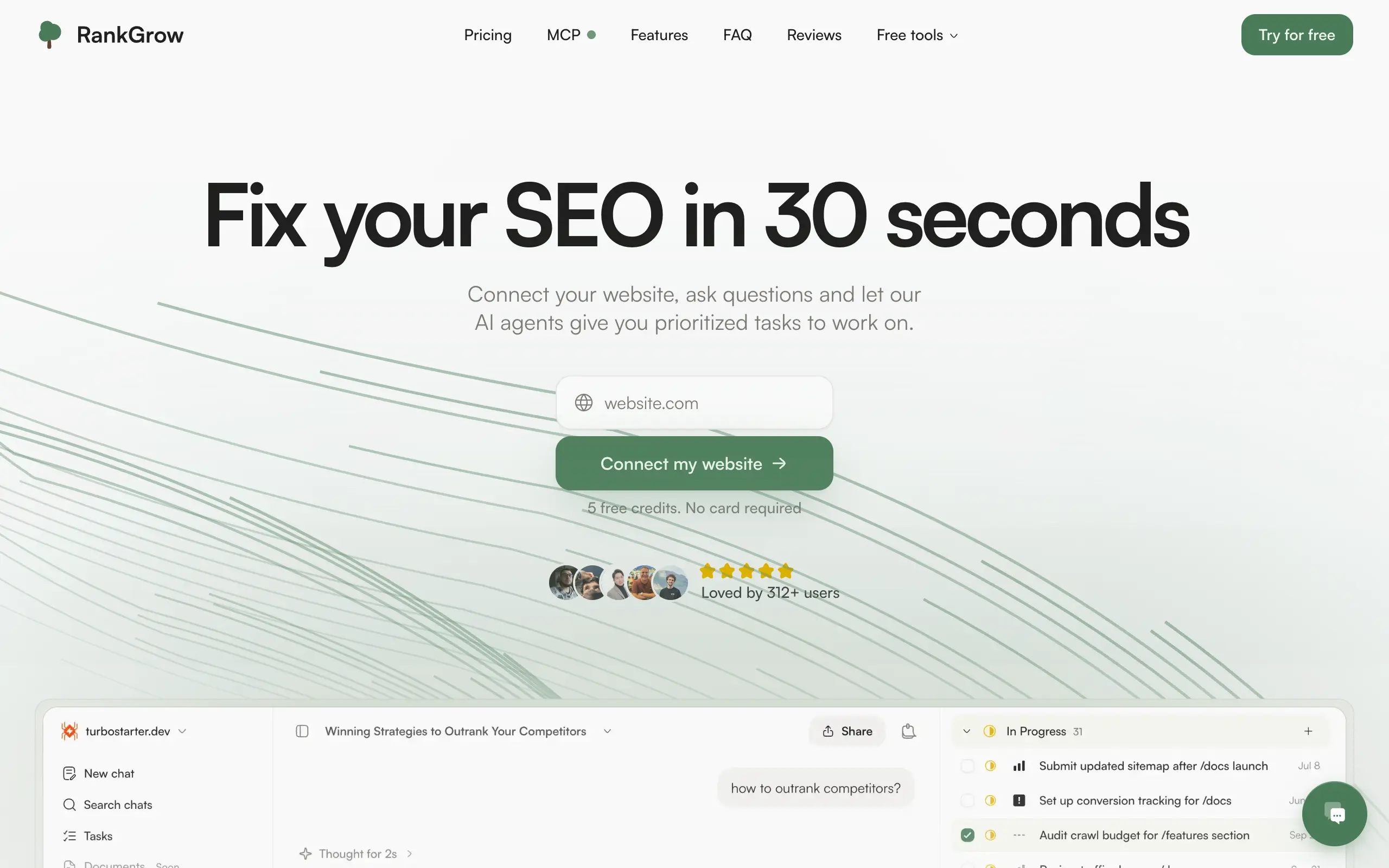
RankGrow
Fix your SEO with AI agents - connect Search Console, get prioritized tasks, and grow organic traffic 📈
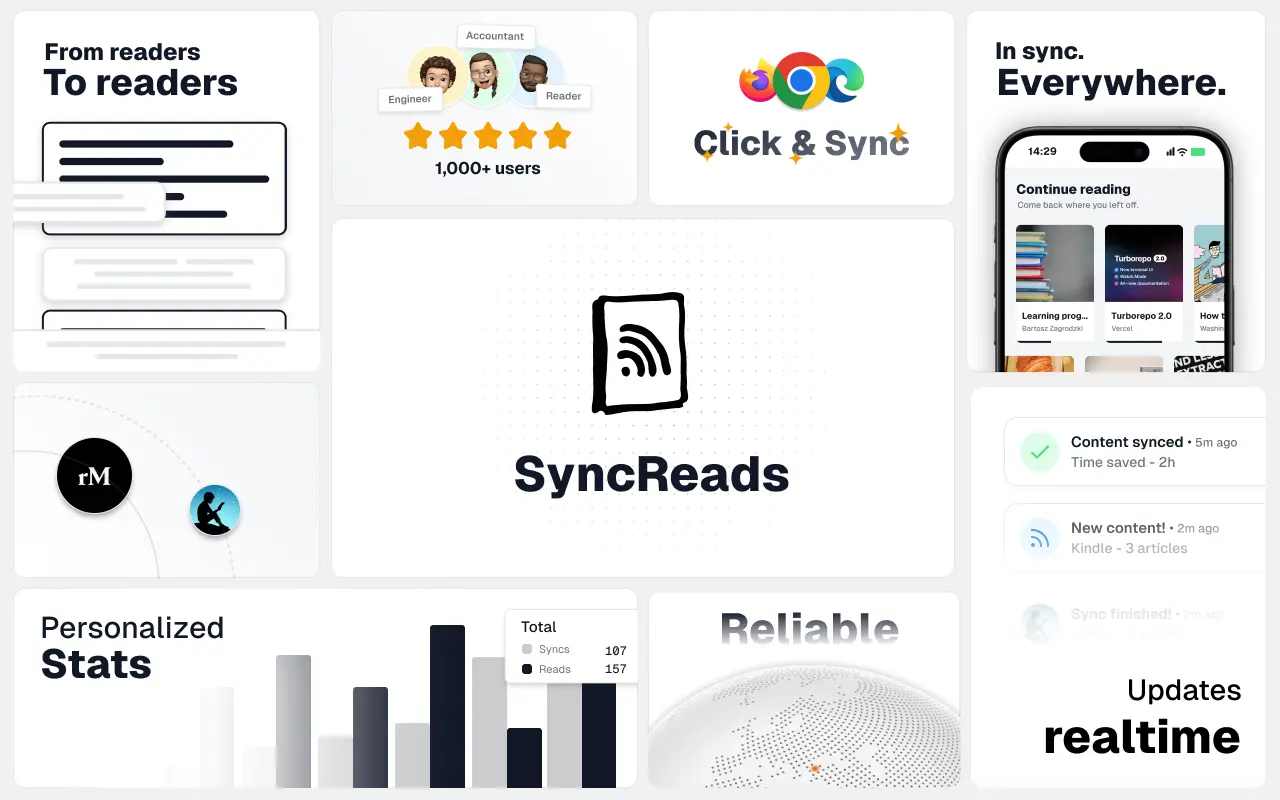
SyncReads
Sync your favorite content for distraction-free reading, save time and replace multiple apps. Anytime, anywhere 🔄
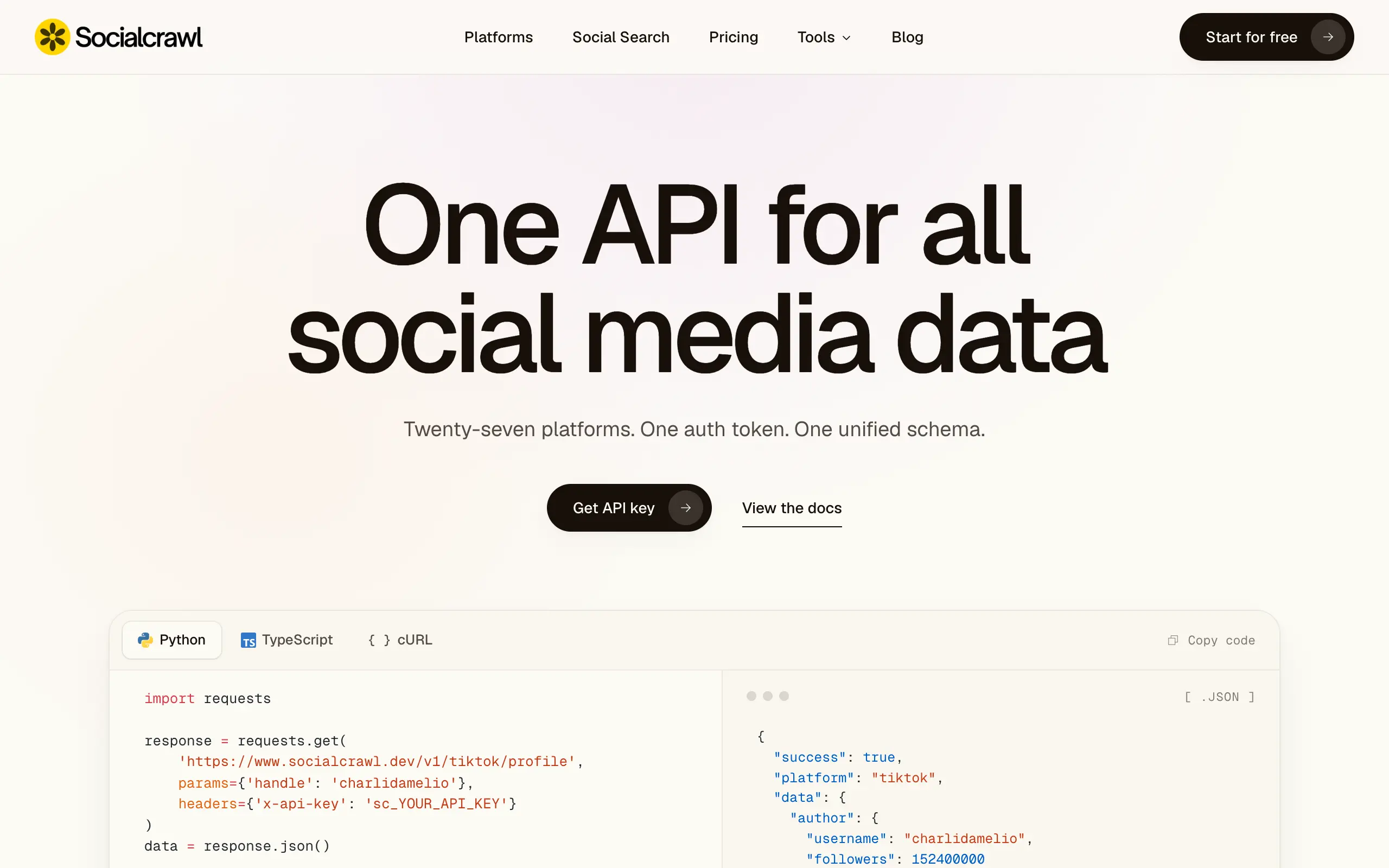
Socialcrawl
Get clean, structured data from 21 platforms like TikTok, Instagram, and YouTube with a single request 📊
Statiko
Monitor any Telegram channel in real time - track posts, edits, deletions, and growth with AI recaps 📡
Shibui
AI website builder - describe your business, pick a niche template, edit by chatting, and publish instantly ✨
Pro Service
Find verified home service professionals, compare quotes, and pay securely through escrow - built for Brazilians across the US 🏠
RankGrow
Fix your SEO with AI agents - connect Search Console, get prioritized tasks, and grow organic traffic 📈
SyncReads
Sync your favorite content for distraction-free reading, save time and replace multiple apps. Anytime, anywhere 🔄
Socialcrawl
Get clean, structured data from 21 platforms like TikTok, Instagram, and YouTube with a single request 📊
Statiko
Monitor any Telegram channel in real time - track posts, edits, deletions, and growth with AI recaps 📡
Shibui
AI website builder - describe your business, pick a niche template, edit by chatting, and publish instantly ✨
Pro Service
Find verified home service professionals, compare quotes, and pay securely through escrow - built for Brazilians across the US 🏠
RankGrow
Fix your SEO with AI agents - connect Search Console, get prioritized tasks, and grow organic traffic 📈
SyncReads
Sync your favorite content for distraction-free reading, save time and replace multiple apps. Anytime, anywhere 🔄
Socialcrawl
Get clean, structured data from 21 platforms like TikTok, Instagram, and YouTube with a single request 📊
Statiko
Monitor any Telegram channel in real time - track posts, edits, deletions, and growth with AI recaps 📡
Shibui
AI website builder - describe your business, pick a niche template, edit by chatting, and publish instantly ✨
Pro Service
Find verified home service professionals, compare quotes, and pay securely through escrow - built for Brazilians across the US 🏠
RankGrow
Fix your SEO with AI agents - connect Search Console, get prioritized tasks, and grow organic traffic 📈
SyncReads
Sync your favorite content for distraction-free reading, save time and replace multiple apps. Anytime, anywhere 🔄
Socialcrawl
Get clean, structured data from 21 platforms like TikTok, Instagram, and YouTube with a single request 📊
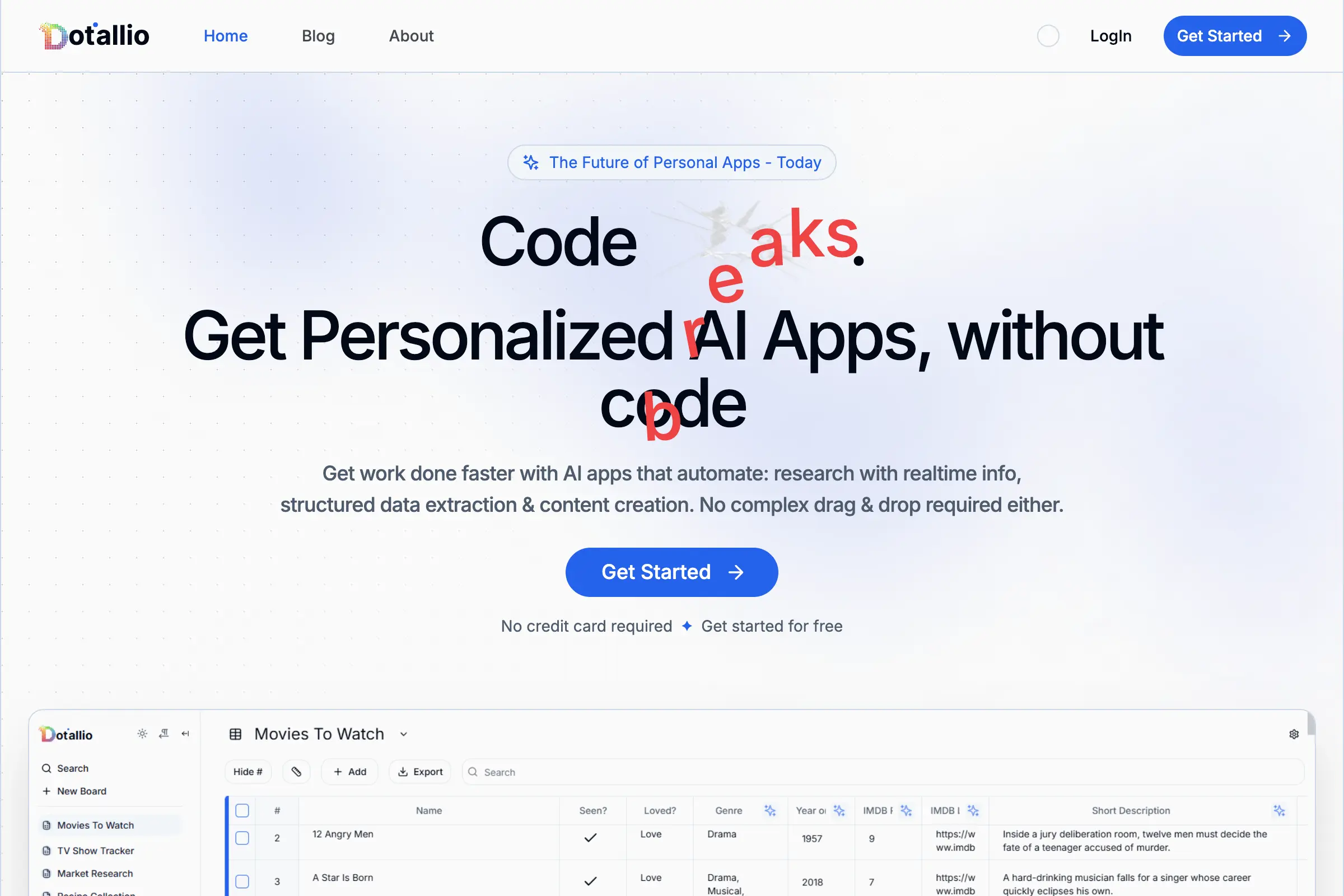
Dotallio
Personalized AI apps that automate research, data extraction, and content creation without code 🤖

Talk to Santa
Enjoy a magical live video chat or receive a unique AI-generated video greeting from Santa Claus 🎅
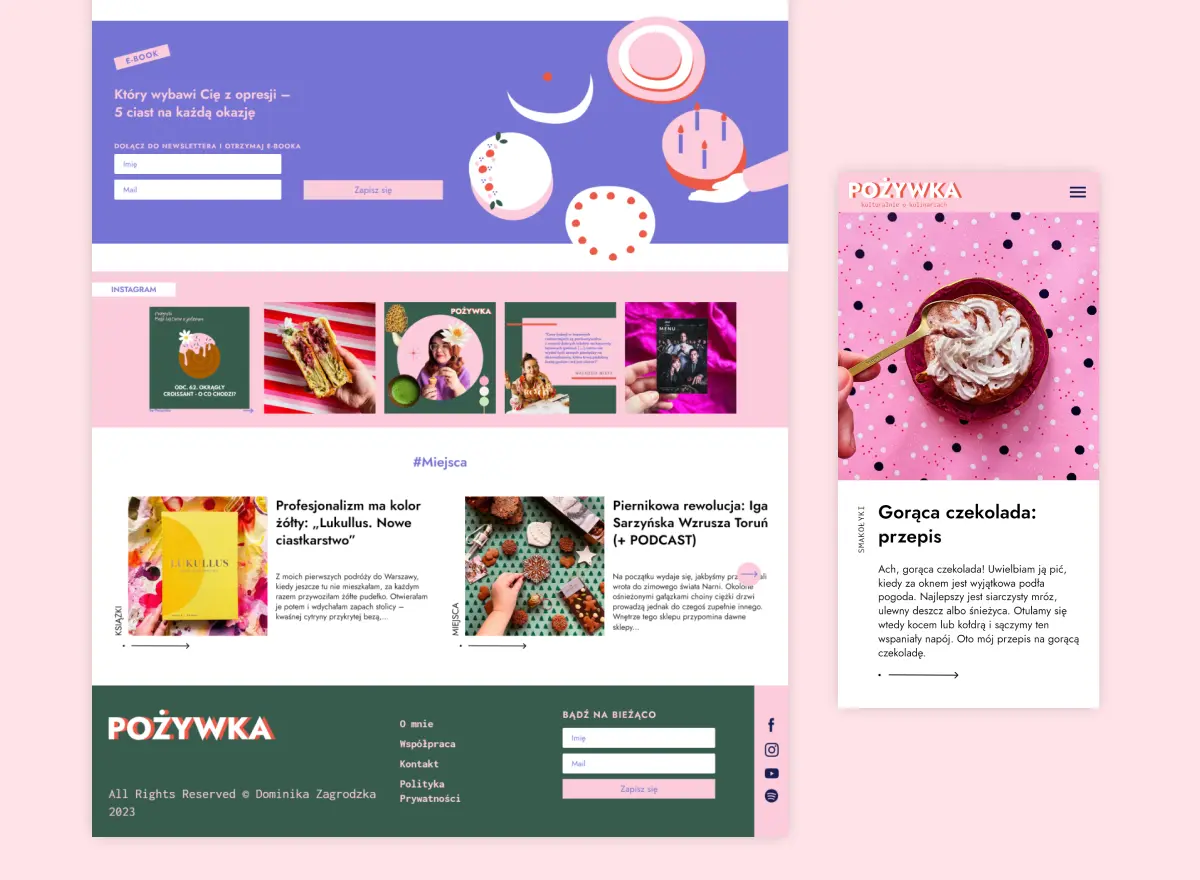
pozywka.pl
Scalable blog for food journalist, focused on performance and user experience 🌭
zagrodzki.me
Personal blog and portfolio of Bart Zagrodzki, where he shares his knowledge and work 💼
TurboStarter
Ship your startup everywhere. In minutes.
HTML to Markdown
Convert HTML to Markdown with ease, directly in your browser 📄
Dotallio
Personalized AI apps that automate research, data extraction, and content creation without code 🤖
Talk to Santa
Enjoy a magical live video chat or receive a unique AI-generated video greeting from Santa Claus 🎅
pozywka.pl
Scalable blog for food journalist, focused on performance and user experience 🌭
zagrodzki.me
Personal blog and portfolio of Bart Zagrodzki, where he shares his knowledge and work 💼
TurboStarter
Ship your startup everywhere. In minutes.
HTML to Markdown
Convert HTML to Markdown with ease, directly in your browser 📄
Dotallio
Personalized AI apps that automate research, data extraction, and content creation without code 🤖
Talk to Santa
Enjoy a magical live video chat or receive a unique AI-generated video greeting from Santa Claus 🎅
pozywka.pl
Scalable blog for food journalist, focused on performance and user experience 🌭
zagrodzki.me
Personal blog and portfolio of Bart Zagrodzki, where he shares his knowledge and work 💼
TurboStarter
Ship your startup everywhere. In minutes.
HTML to Markdown
Convert HTML to Markdown with ease, directly in your browser 📄
Dotallio
Personalized AI apps that automate research, data extraction, and content creation without code 🤖
Talk to Santa
Enjoy a magical live video chat or receive a unique AI-generated video greeting from Santa Claus 🎅
pozywka.pl
Scalable blog for food journalist, focused on performance and user experience 🌭
zagrodzki.me
Personal blog and portfolio of Bart Zagrodzki, where he shares his knowledge and work 💼
TurboStarter
Ship your startup everywhere. In minutes.
HTML to Markdown
Convert HTML to Markdown with ease, directly in your browser 📄
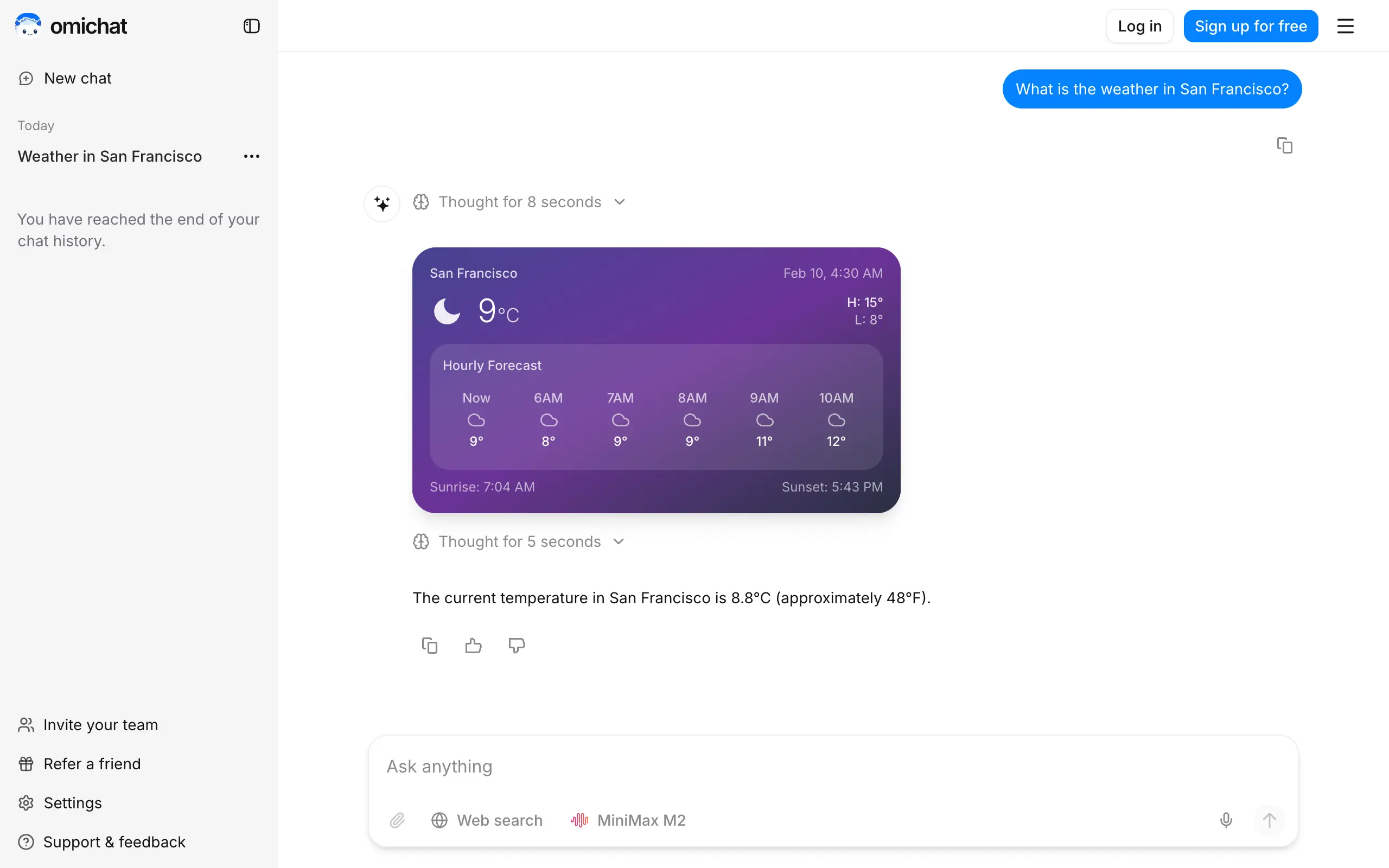
Omichat
Chat with 50+ AI models, including ChatGPT and Claude, in one place - switch models anytime without losing context 🤖
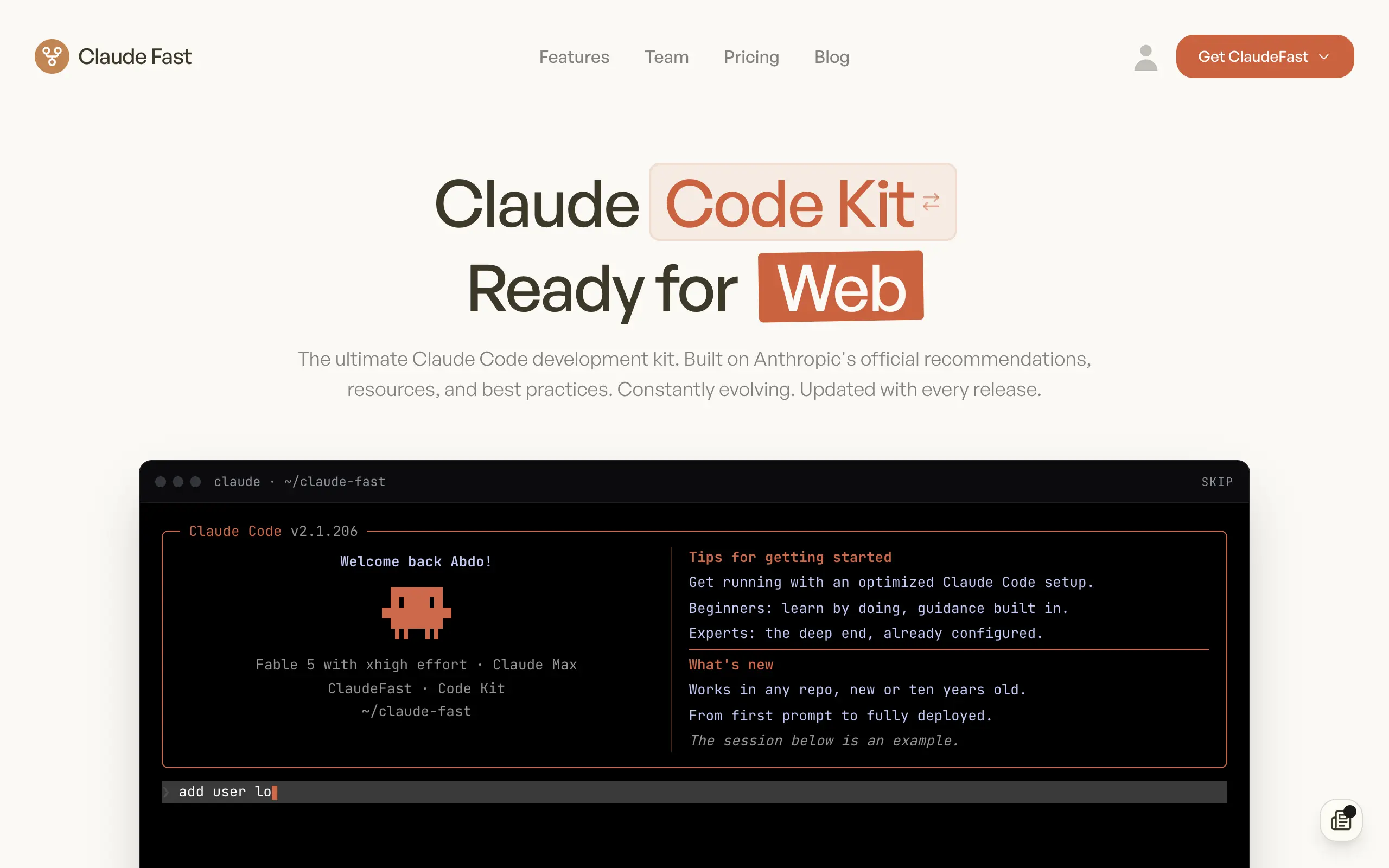
Claude Fast
Supercharge your Claude Code with 6x effective context window and specialized AI agents 🤖
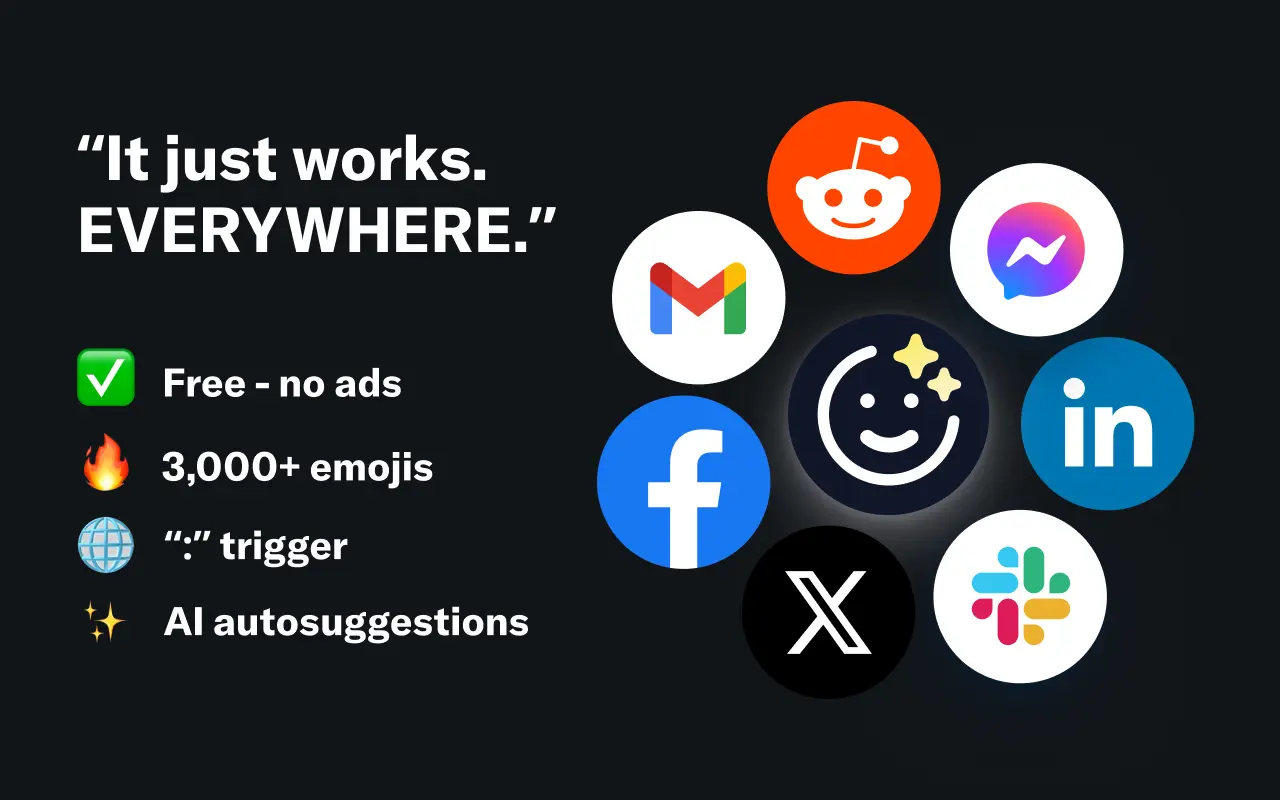
EmojAI
AI-powered emoji picker with smart, context-aware suggestions 🤖
Solohacker
Autonomous company launcher - AI agents work 24/7, escalate what matters, and you stay in control 🤖

BeRawi: Storytelling Coach
Practice storytelling daily with instant feedback to sound clearer, more engaging, and confident 🎤
Omichat
Chat with 50+ AI models, including ChatGPT and Claude, in one place - switch models anytime without losing context 🤖
Claude Fast
Supercharge your Claude Code with 6x effective context window and specialized AI agents 🤖
EmojAI
AI-powered emoji picker with smart, context-aware suggestions 🤖
Solohacker
Autonomous company launcher - AI agents work 24/7, escalate what matters, and you stay in control 🤖
BeRawi: Storytelling Coach
Practice storytelling daily with instant feedback to sound clearer, more engaging, and confident 🎤
Omichat
Chat with 50+ AI models, including ChatGPT and Claude, in one place - switch models anytime without losing context 🤖
Claude Fast
Supercharge your Claude Code with 6x effective context window and specialized AI agents 🤖
EmojAI
AI-powered emoji picker with smart, context-aware suggestions 🤖
Solohacker
Autonomous company launcher - AI agents work 24/7, escalate what matters, and you stay in control 🤖
BeRawi: Storytelling Coach
Practice storytelling daily with instant feedback to sound clearer, more engaging, and confident 🎤
Omichat
Chat with 50+ AI models, including ChatGPT and Claude, in one place - switch models anytime without losing context 🤖
Claude Fast
Supercharge your Claude Code with 6x effective context window and specialized AI agents 🤖
EmojAI
AI-powered emoji picker with smart, context-aware suggestions 🤖
Solohacker
Autonomous company launcher - AI agents work 24/7, escalate what matters, and you stay in control 🤖
BeRawi: Storytelling Coach
Practice storytelling daily with instant feedback to sound clearer, more engaging, and confident 🎤

Connect with like-minded people
Join our community to get feedback, support, and grow together with 1,000+ builders on board, let's ship it!
Join usShip your startup everywhere. In minutes.
Don't burn tokens on setup and start building features on day one.