ValueLoop
Monetize AI apps without charging users by converting engagement into brand-funded rewards and data insights through opt-in value exchanges.
what is ValueLoop and why it matters in the AI monetization landscape
The rise of AI-powered applications has created a paradox: users expect intelligent tools for free, while developers struggle to monetize without harming user experience. Subscription fatigue is real, ad-based monetization degrades UX, and data exploitation raises trust concerns.
ValueLoop introduces a new monetization paradigm: converting user engagement into brand-funded rewards and actionable data insights through opt-in value exchanges. Instead of charging users directly, AI apps become platforms where value flows between users, brands, and developers in a transparent ecosystem.
This article explores the full strategic, technical, and market potential of ValueLoop, including how to build it, monetize it, and differentiate it in an increasingly crowded AI SaaS landscape.
the core concept: engagement as currency
At its core, ValueLoop reframes user interaction as a tradable asset.
Instead of:
- Charging users subscriptions
- Selling intrusive ads
- Extracting data without clear value exchange
ValueLoop enables:
- Users to earn rewards (credits, discounts, perks)
- Brands to gain high-quality, consented insights and exposure
- Developers to monetize engagement without degrading UX
This is essentially a three-sided marketplace powered by AI:
- User ↔ AI app → generates engagement data
- Brand ↔ platform → funds rewards
- Platform → facilitates opt-in exchanges
target audience analysis
primary users (AI app end-users)
These are individuals using AI tools across different domains:
- Productivity users (writing assistants, planners)
- Creators (design, video, music AI tools)
- Developers (code assistants, copilots)
- Students and researchers
- Casual AI users (chatbots, lifestyle tools)
Pain points:
- Subscription fatigue
- Privacy concerns
- Lack of tangible rewards for engagement
What they want:
- Free or low-cost access
- Transparency in data usage
- Real value in exchange for attention
secondary users (AI app builders)
This includes:
- Indie hackers
- SaaS founders
- AI startups
- Product teams in larger companies
Pain points:
- Difficulty monetizing free-tier users
- Low conversion rates to paid plans
- Pressure to adopt ads or paywalls
What they want:
- Sustainable monetization
- Better retention
- Non-intrusive revenue streams
tertiary users (brands and advertisers)
Brands looking for:
- High-quality user insights
- Contextual engagement (not random ads)
- Ethical, consent-based data access
Pain points:
- Low ROI from traditional ads
- Banner blindness
- Privacy regulation constraints (GDPR, CCPA)
market opportunity and gap
The AI SaaS market is exploding, with projections suggesting it will surpass hundreds of billions in value within the next decade (source suggestion: McKinsey AI reports or Gartner forecasts).
However, monetization models haven't evolved at the same pace.
current monetization models
| Model | User Experience | Revenue Potential | Scalability | Trust Factor |
|---|---|---|---|---|
| Subscriptions | ❌ friction | ✅ predictable | ✅ high | ✅ high |
| Ads | ❌ intrusive | ✅ scalable | ✅ high | ❌ low |
| Data selling | ❌ opaque | ✅ high | ✅ high | ❌ very low |
| ValueLoop model | ✅ rewarding | ✅ scalable | ✅ high | ✅ very high |
the gap ValueLoop fills
ValueLoop sits at the intersection of:
- ethical data monetization
- reward-based engagement systems
- AI-native platforms
This is a largely untapped niche.
Existing players like survey platforms (e.g., user panels) or cashback apps don't integrate directly into AI workflows. Meanwhile, AI apps themselves lack built-in economic layers.
ValueLoop bridges that gap.
how ValueLoop works (system architecture overview)
core flow
key system components
1. engagement tracking engine
- Captures user actions (prompts, usage patterns, outcomes)
- Anonymizes and structures data
- Uses AI to categorize intent and value
2. opt-in consent layer
- Transparent user permissions
- Granular controls (what data, when, why)
- Compliance with GDPR/CCPA
3. reward engine
- Dynamic reward allocation
- Supports:
- Points
- Cashback
- Discounts
- Digital assets
4. brand marketplace
- Brands create campaigns targeting:
- Specific user behaviors
- Intent signals
- Demographics
5. analytics dashboard
- For brands: insights, trends, ROI
- For developers: monetization metrics
- For users: reward tracking and transparency
core features that define ValueLoop
opt-in data exchange
Users explicitly choose to participate, increasing trust and compliance.
real-time rewards
Immediate incentives tied to meaningful engagement.
AI-powered insights
Transform raw interaction data into actionable intelligence.
developer SDK
Easy integration into any AI application.
brand targeting engine
Precision targeting without invasive tracking.
recommended tech stack (with trade-offs)
Building ValueLoop requires a scalable, secure, and AI-integrated architecture.
frontend
Why:
- Fast UI development
- Component-based architecture
- Excellent ecosystem
backend
- Node.js (NestJS) or Python (FastAPI)
Trade-offs:
- Node.js: better for real-time systems
- Python: stronger AI/ML ecosystem
AI layer
- OpenAI APIs (for NLP processing)
- Vector databases like Pinecone or Weaviate
data infrastructure
- PostgreSQL (structured data)
- Redis (caching, real-time events)
- Snowflake or BigQuery (analytics)
event tracking
- Kafka or RabbitMQ for event streaming
authentication & privacy
- OAuth providers
- Zero-trust architecture
- Encryption at rest and in transit
SDK example (simplified)
import { ValueLoop } from "valueloop-sdk";

const vl = new ValueLoop({
  apiKey: "YOUR_API_KEY",
});

vl.trackEvent({
  type: "ai_prompt",
  payload: {
    category: "productivity",
    intent: "email_generation",
  },
});

vl.getRewards().then((rewards) => {
  console.log(rewards);
});
monetization strategy
ValueLoop enables multiple revenue streams:
1. brand-funded campaigns
- Brands pay to access insights or run engagement campaigns
- Pricing models:
- Cost per insight (CPI)
- Cost per engagement (CPE)
2. SaaS fees for developers
- Free tier with limited features
- Paid tiers for:
- Advanced analytics
- Custom integrations
- Higher reward throughput
3. data insights subscriptions
- Aggregated, anonymized insights sold to enterprises
- Example:
- “Top AI usage trends in finance”
4. transaction fees
- Percentage of reward distribution
- Similar to marketplace commission
competitive advantage
what makes ValueLoop different?
1. ethical monetization model
Unlike traditional ad networks, ValueLoop is:
- Transparent
- Opt-in
- User-beneficial
2. AI-native design
Most engagement platforms are not built for AI workflows.
ValueLoop is:
- Prompt-aware
- Intent-driven
- Context-sensitive
3. triple-win ecosystem
- Users gain rewards
- Developers earn revenue
- Brands get high-quality insights
4. composability
Developers can:
- Integrate via SDK
- Customize reward logic
- Control user experience
potential risks and mitigation strategies
risk 1: user skepticism
Problem: Users may distrust data usage.
Mitigation:
- Radical transparency
- Clear value exchange messaging
- User dashboards showing exactly what’s shared
risk 2: regulatory compliance
Problem: GDPR, CCPA, and future regulations
Mitigation:
- Privacy-by-design architecture
- Legal audits
- Data minimization practices
risk 3: brand adoption lag
Problem: Brands may hesitate to adopt new models
Mitigation:
- Pilot programs
- Case studies
- ROI-focused dashboards
risk 4: low reward attractiveness
Problem: If rewards are weak, users won’t engage
Mitigation:
- Competitive reward marketplace
- Partnerships with major brands
- Dynamic reward optimization
real-world use cases
AI writing assistant
- Users generate content
- Opt-in to share anonymized intent data
- Receive discounts on SaaS tools or marketplaces
coding assistant
- Developers get rewards for usage patterns
- Brands (e.g., cloud providers) gain insights
AI design tools
- Track design trends
- Offer rewards tied to creative workflows
education AI platforms
- Students earn credits or perks
- Institutions gain learning insights
implementation roadmap
phase 1: MVP
- Basic SDK
- Simple reward system
- Limited brand partnerships
phase 2: marketplace launch
- Brand dashboard
- Campaign creation tools
- Analytics engine
phase 3: scale
- Advanced AI insights
- Global expansion
- Enterprise features
actionable steps to build ValueLoop
growth strategy
developer-first approach
- Offer free tools
- Build community
- Provide documentation and examples
brand partnerships
- Start with niche verticals
- Focus on measurable ROI
content and SEO
- Publish insights on AI usage trends
- Target keywords like:
- "AI monetization without ads"
- "reward-based engagement platforms"
- "ethical data monetization"
why ValueLoop could define the future of AI monetization
We are entering a phase where:
- Users demand privacy and value
- Developers need sustainable monetization
- Brands want authentic engagement
ValueLoop aligns all three.
It transforms passive usage into active value exchange, making AI ecosystems more sustainable and user-centric.
final thoughts and next steps
ValueLoop is not just another monetization tool—it’s a foundational layer for the next generation of AI applications.
If executed correctly, it could:
- Replace ads in AI tools
- Reduce reliance on subscriptions
- Create a fairer data economy
The key is execution: strong UX, trust-first design, and meaningful rewards.
If you're building an AI product today, the question is no longer how to charge users, but:
how to create value loops that benefit everyone involved.
And that’s exactly where ValueLoop shines.
More 🤖 AI Startup SaaS ideas
Discover more innovative ai startup SaaS ideas that are trending in 2026. Each idea is AI-generated with market validation and growth potential to help you find your next profitable venture faster than competitors.
Your competitors are building with TurboStarter
Below are some of the SaaS ideas that have been generated and built with our starter kit.
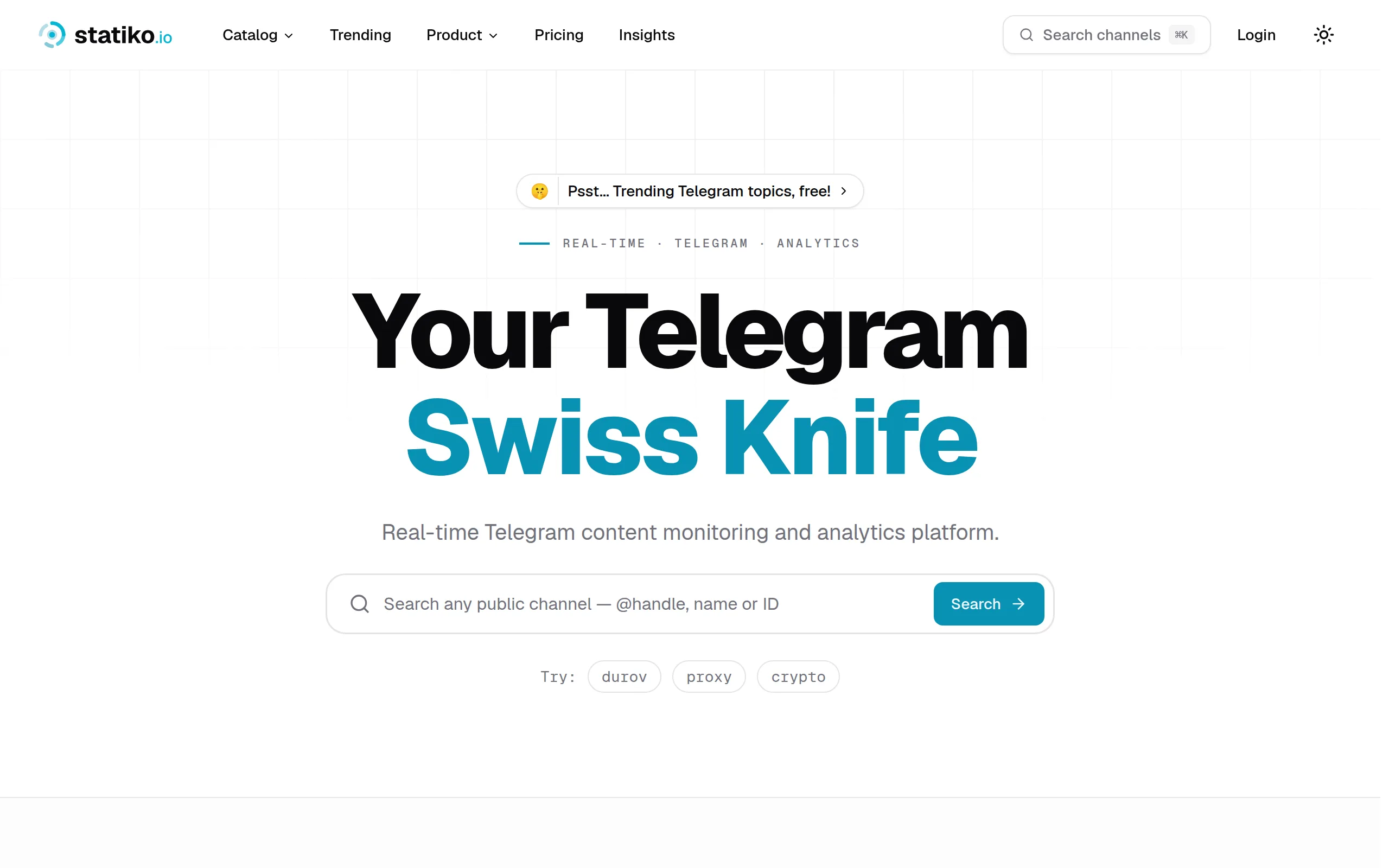
Statiko
Monitor any Telegram channel in real time - track posts, edits, deletions, and growth with AI recaps 📡

Shibui
AI website builder - describe your business, pick a niche template, edit by chatting, and publish instantly ✨

Pro Service
Find verified home service professionals, compare quotes, and pay securely through escrow - built for Brazilians across the US 🏠
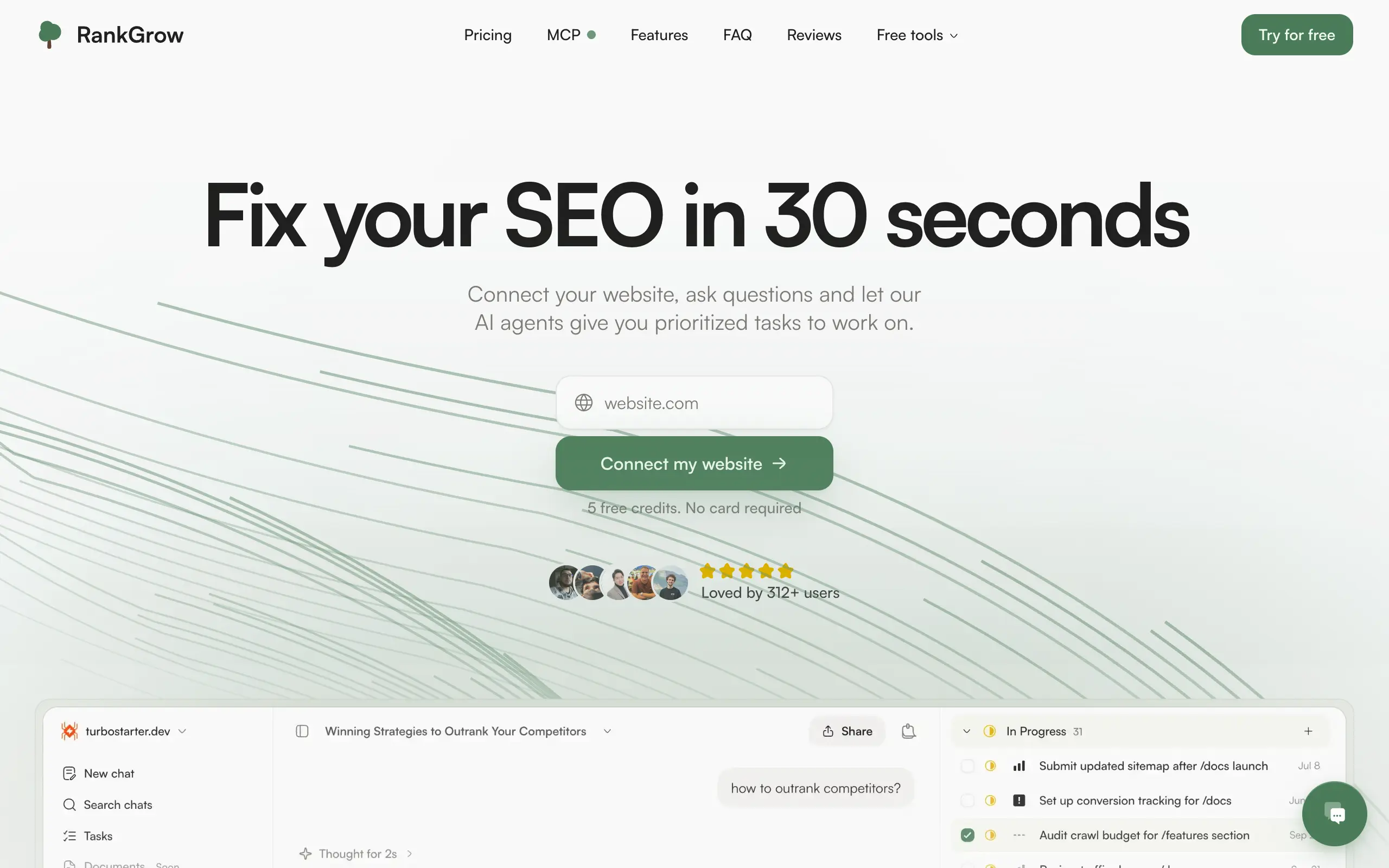
RankGrow
Fix your SEO with AI agents - connect Search Console, get prioritized tasks, and grow organic traffic 📈
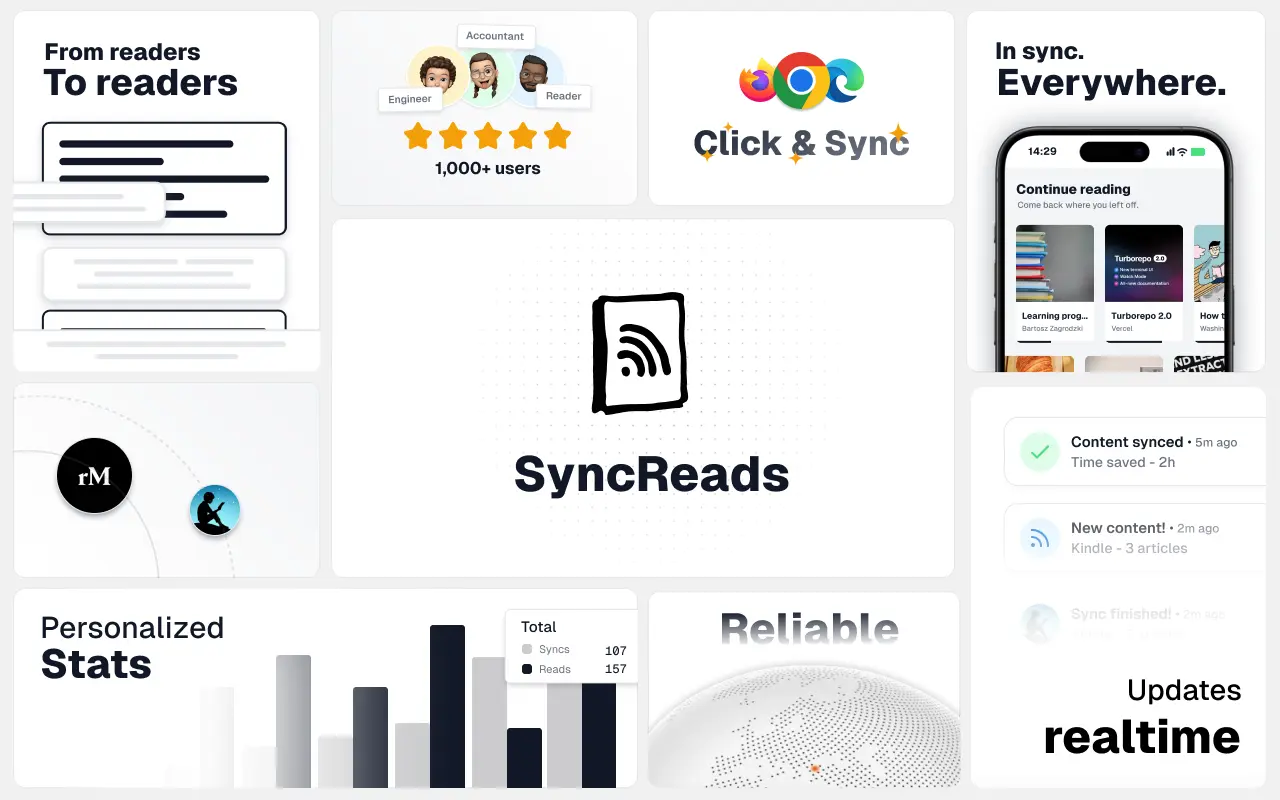
SyncReads
Sync your favorite content for distraction-free reading, save time and replace multiple apps. Anytime, anywhere 🔄
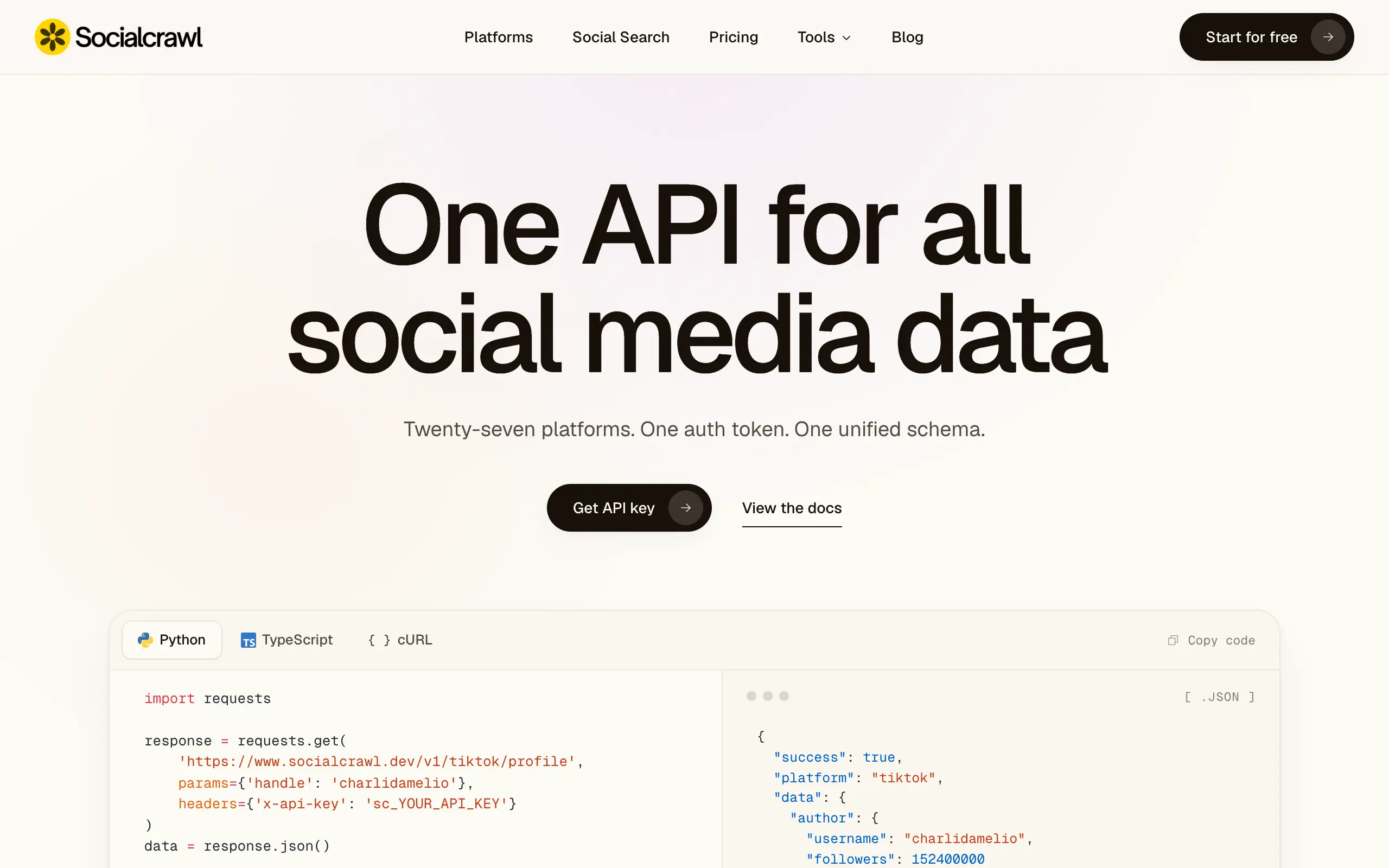
Socialcrawl
Get clean, structured data from 21 platforms like TikTok, Instagram, and YouTube with a single request 📊
Statiko
Monitor any Telegram channel in real time - track posts, edits, deletions, and growth with AI recaps 📡
Shibui
AI website builder - describe your business, pick a niche template, edit by chatting, and publish instantly ✨
Pro Service
Find verified home service professionals, compare quotes, and pay securely through escrow - built for Brazilians across the US 🏠
RankGrow
Fix your SEO with AI agents - connect Search Console, get prioritized tasks, and grow organic traffic 📈
SyncReads
Sync your favorite content for distraction-free reading, save time and replace multiple apps. Anytime, anywhere 🔄
Socialcrawl
Get clean, structured data from 21 platforms like TikTok, Instagram, and YouTube with a single request 📊
Statiko
Monitor any Telegram channel in real time - track posts, edits, deletions, and growth with AI recaps 📡
Shibui
AI website builder - describe your business, pick a niche template, edit by chatting, and publish instantly ✨
Pro Service
Find verified home service professionals, compare quotes, and pay securely through escrow - built for Brazilians across the US 🏠
RankGrow
Fix your SEO with AI agents - connect Search Console, get prioritized tasks, and grow organic traffic 📈
SyncReads
Sync your favorite content for distraction-free reading, save time and replace multiple apps. Anytime, anywhere 🔄
Socialcrawl
Get clean, structured data from 21 platforms like TikTok, Instagram, and YouTube with a single request 📊
Statiko
Monitor any Telegram channel in real time - track posts, edits, deletions, and growth with AI recaps 📡
Shibui
AI website builder - describe your business, pick a niche template, edit by chatting, and publish instantly ✨
Pro Service
Find verified home service professionals, compare quotes, and pay securely through escrow - built for Brazilians across the US 🏠
RankGrow
Fix your SEO with AI agents - connect Search Console, get prioritized tasks, and grow organic traffic 📈
SyncReads
Sync your favorite content for distraction-free reading, save time and replace multiple apps. Anytime, anywhere 🔄
Socialcrawl
Get clean, structured data from 21 platforms like TikTok, Instagram, and YouTube with a single request 📊
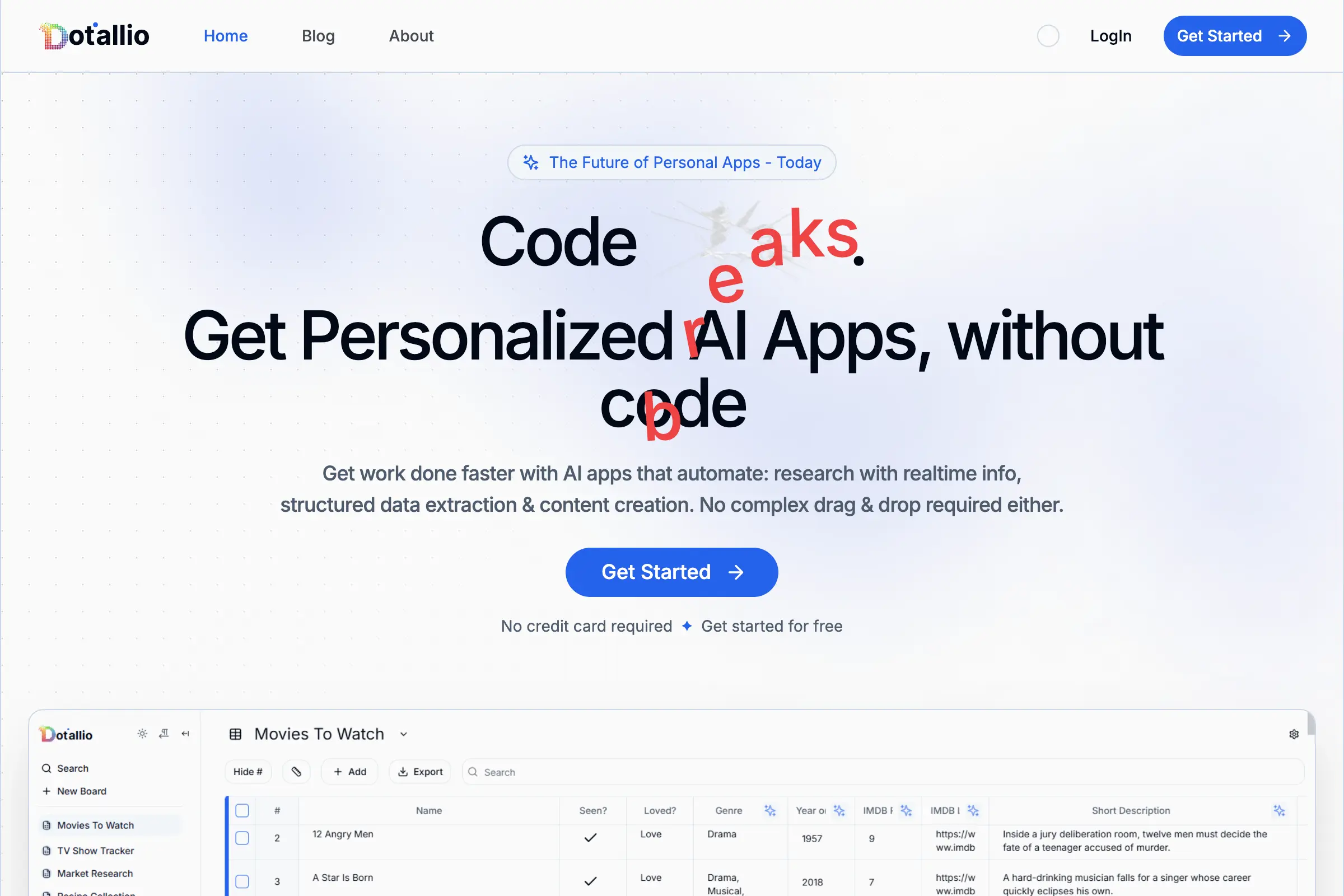
Dotallio
Personalized AI apps that automate research, data extraction, and content creation without code 🤖

Talk to Santa
Enjoy a magical live video chat or receive a unique AI-generated video greeting from Santa Claus 🎅
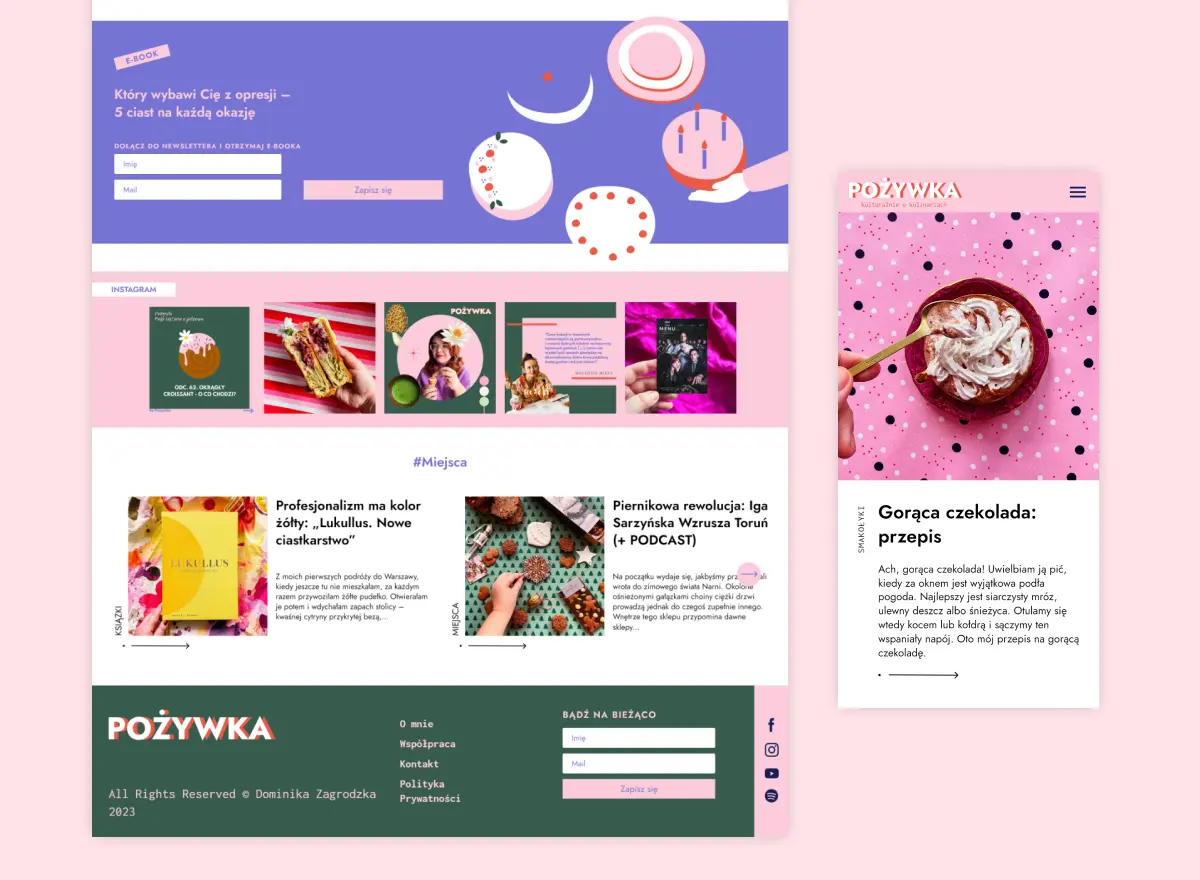
pozywka.pl
Scalable blog for food journalist, focused on performance and user experience 🌭
zagrodzki.me
Personal blog and portfolio of Bart Zagrodzki, where he shares his knowledge and work 💼
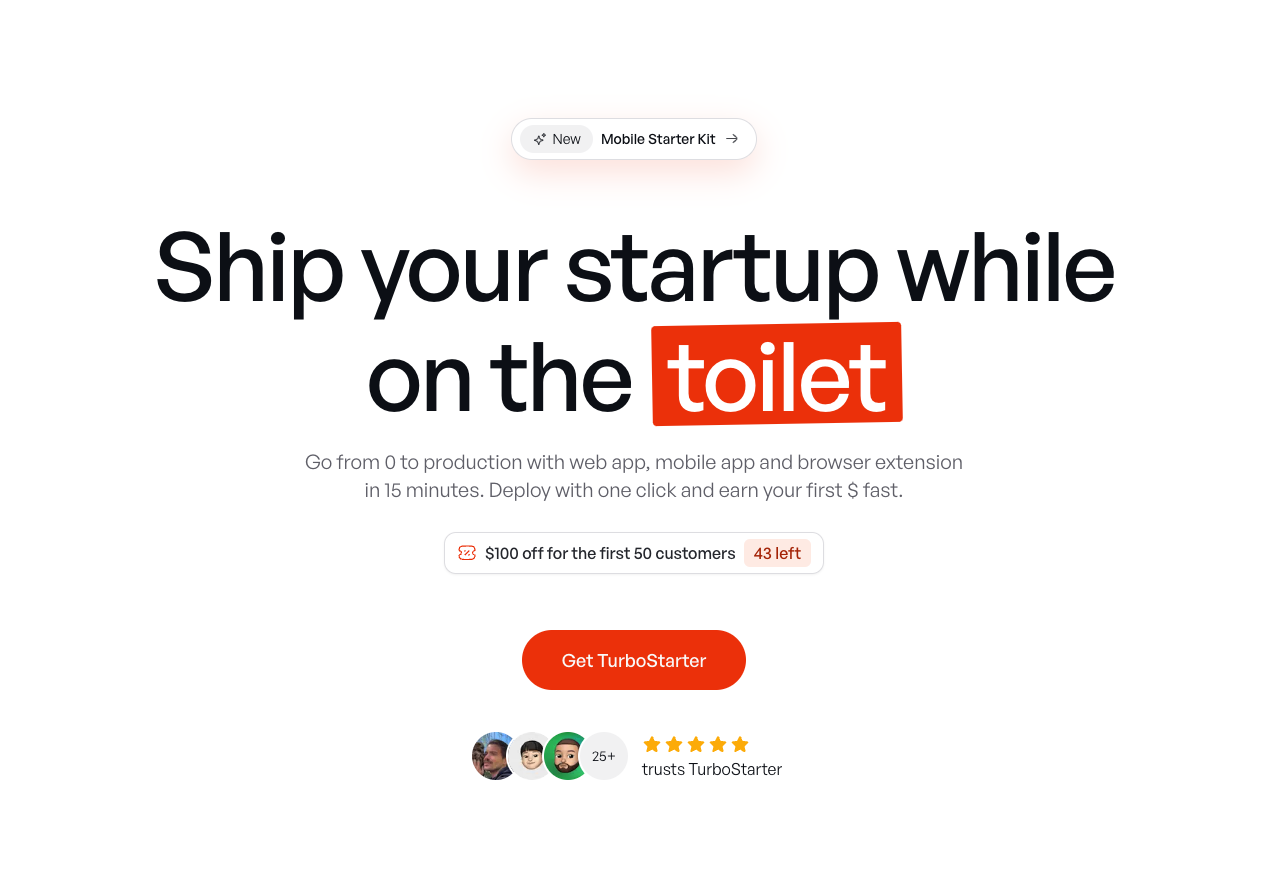
TurboStarter
Ship your startup everywhere. In minutes.
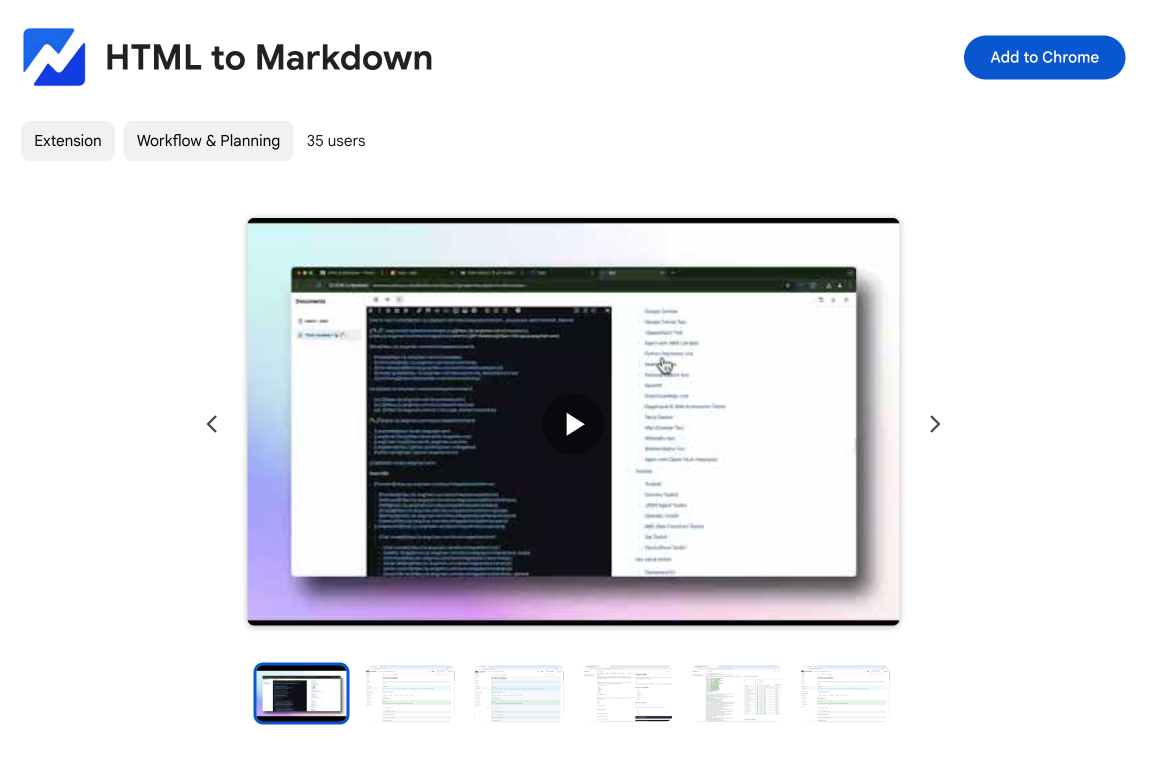
HTML to Markdown
Convert HTML to Markdown with ease, directly in your browser 📄
Dotallio
Personalized AI apps that automate research, data extraction, and content creation without code 🤖
Talk to Santa
Enjoy a magical live video chat or receive a unique AI-generated video greeting from Santa Claus 🎅
pozywka.pl
Scalable blog for food journalist, focused on performance and user experience 🌭
zagrodzki.me
Personal blog and portfolio of Bart Zagrodzki, where he shares his knowledge and work 💼
TurboStarter
Ship your startup everywhere. In minutes.
HTML to Markdown
Convert HTML to Markdown with ease, directly in your browser 📄
Dotallio
Personalized AI apps that automate research, data extraction, and content creation without code 🤖
Talk to Santa
Enjoy a magical live video chat or receive a unique AI-generated video greeting from Santa Claus 🎅
pozywka.pl
Scalable blog for food journalist, focused on performance and user experience 🌭
zagrodzki.me
Personal blog and portfolio of Bart Zagrodzki, where he shares his knowledge and work 💼
TurboStarter
Ship your startup everywhere. In minutes.
HTML to Markdown
Convert HTML to Markdown with ease, directly in your browser 📄
Dotallio
Personalized AI apps that automate research, data extraction, and content creation without code 🤖
Talk to Santa
Enjoy a magical live video chat or receive a unique AI-generated video greeting from Santa Claus 🎅
pozywka.pl
Scalable blog for food journalist, focused on performance and user experience 🌭
zagrodzki.me
Personal blog and portfolio of Bart Zagrodzki, where he shares his knowledge and work 💼
TurboStarter
Ship your startup everywhere. In minutes.
HTML to Markdown
Convert HTML to Markdown with ease, directly in your browser 📄
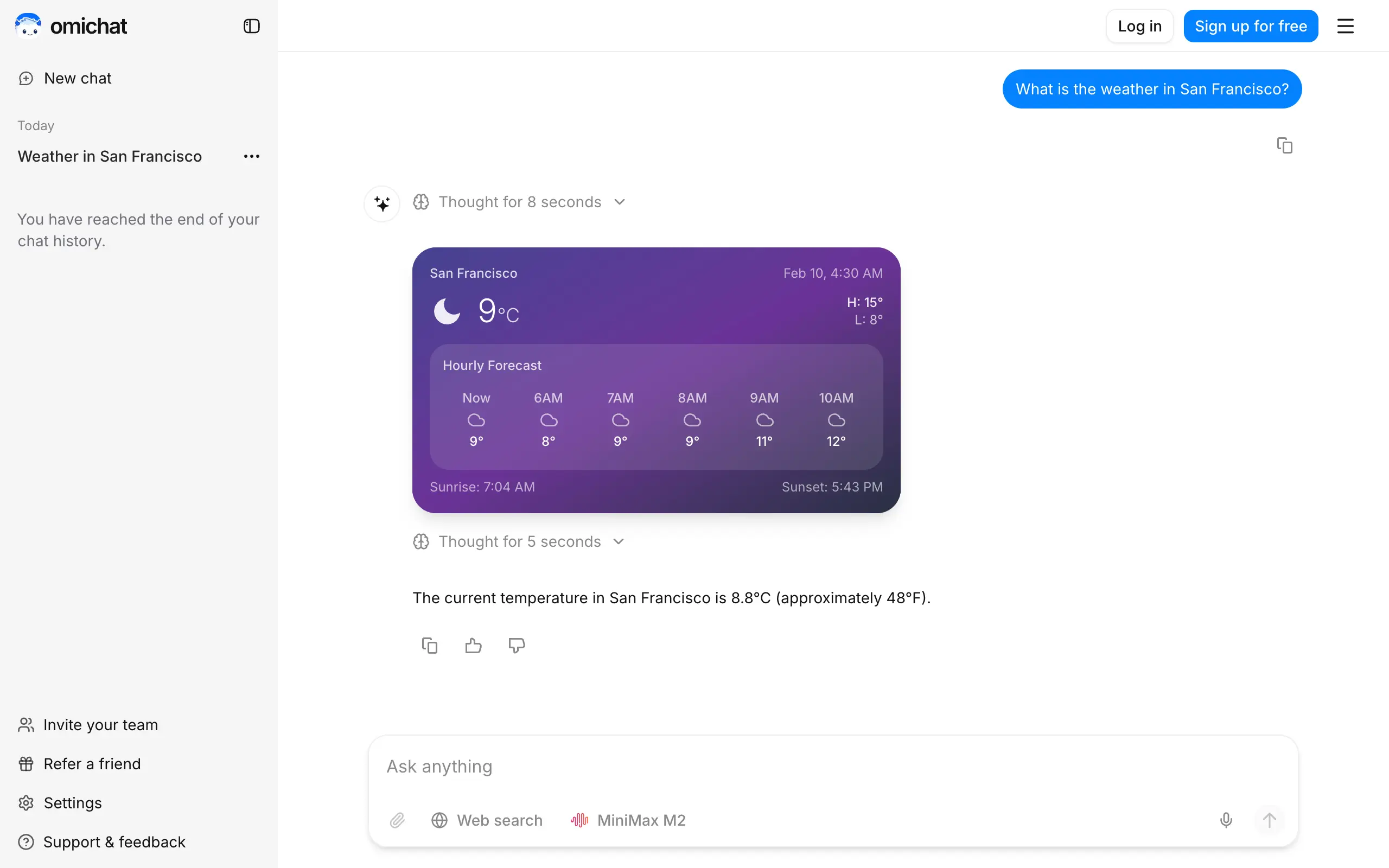
Omichat
Chat with 50+ AI models, including ChatGPT and Claude, in one place - switch models anytime without losing context 🤖
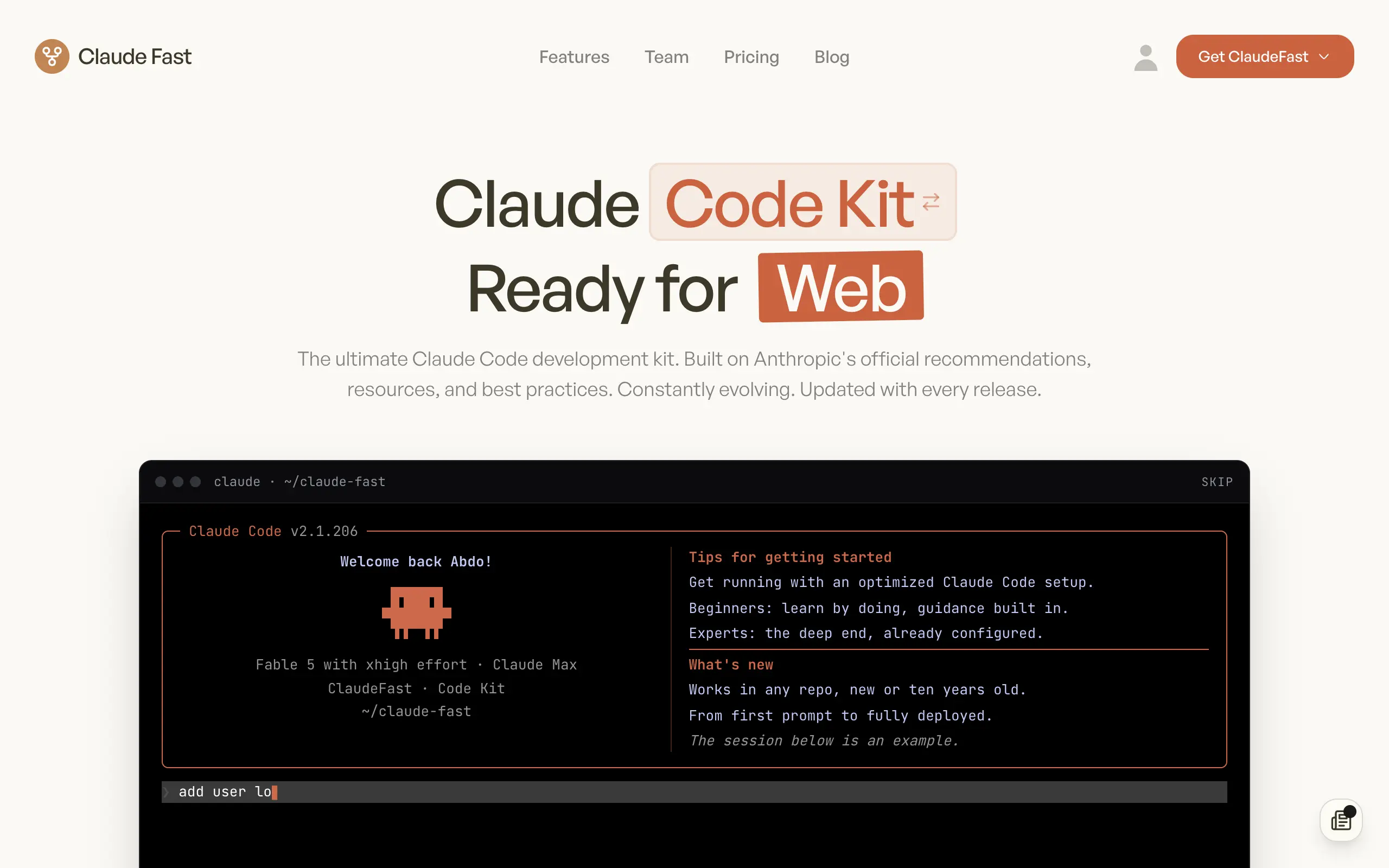
Claude Fast
Supercharge your Claude Code with 6x effective context window and specialized AI agents 🤖
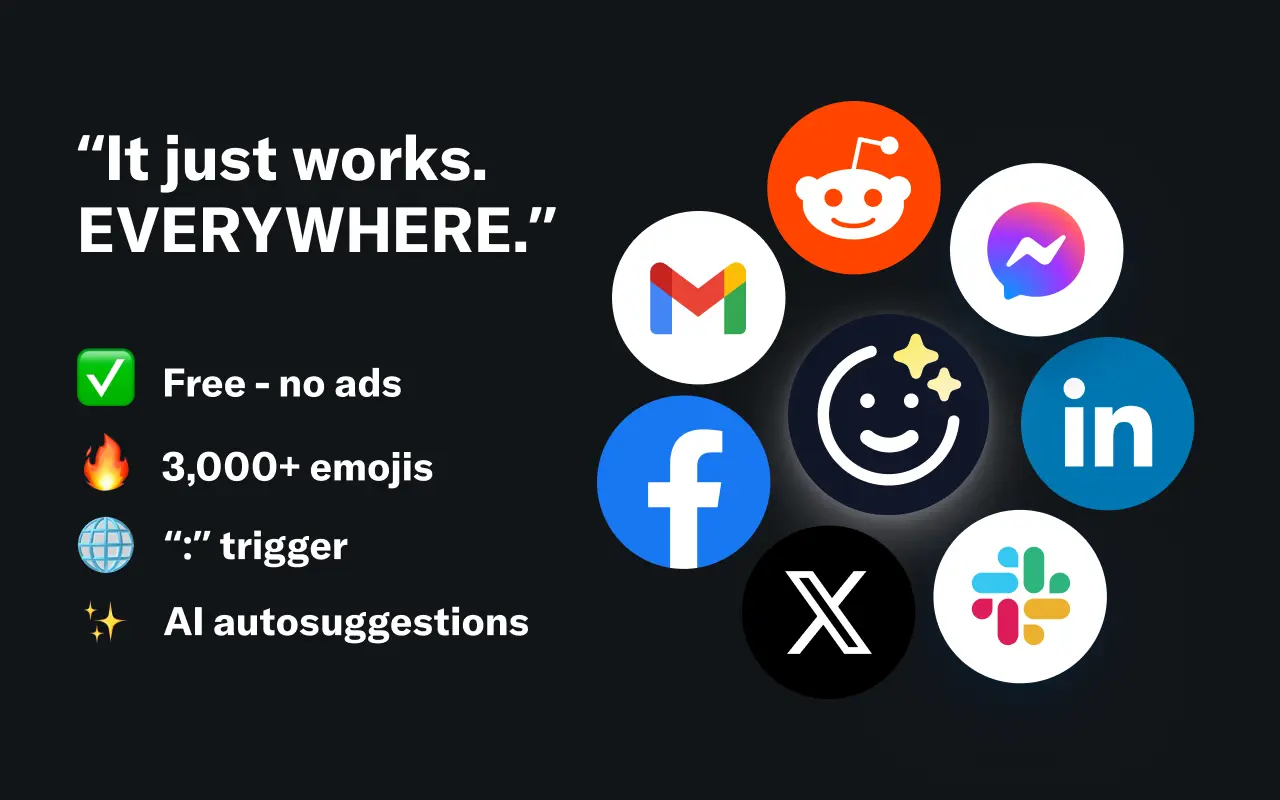
EmojAI
AI-powered emoji picker with smart, context-aware suggestions 🤖
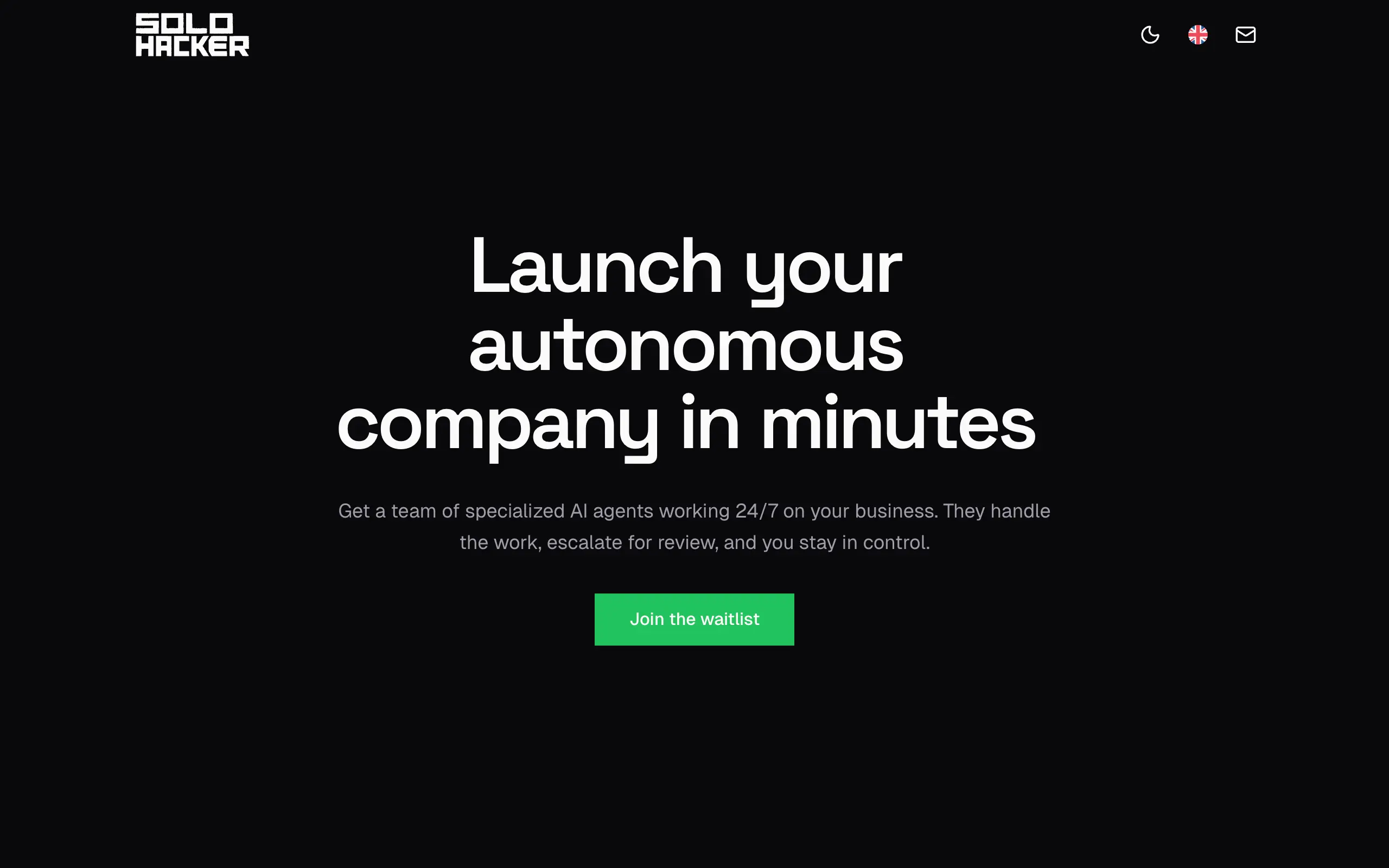
Solohacker
Autonomous company launcher - AI agents work 24/7, escalate what matters, and you stay in control 🤖
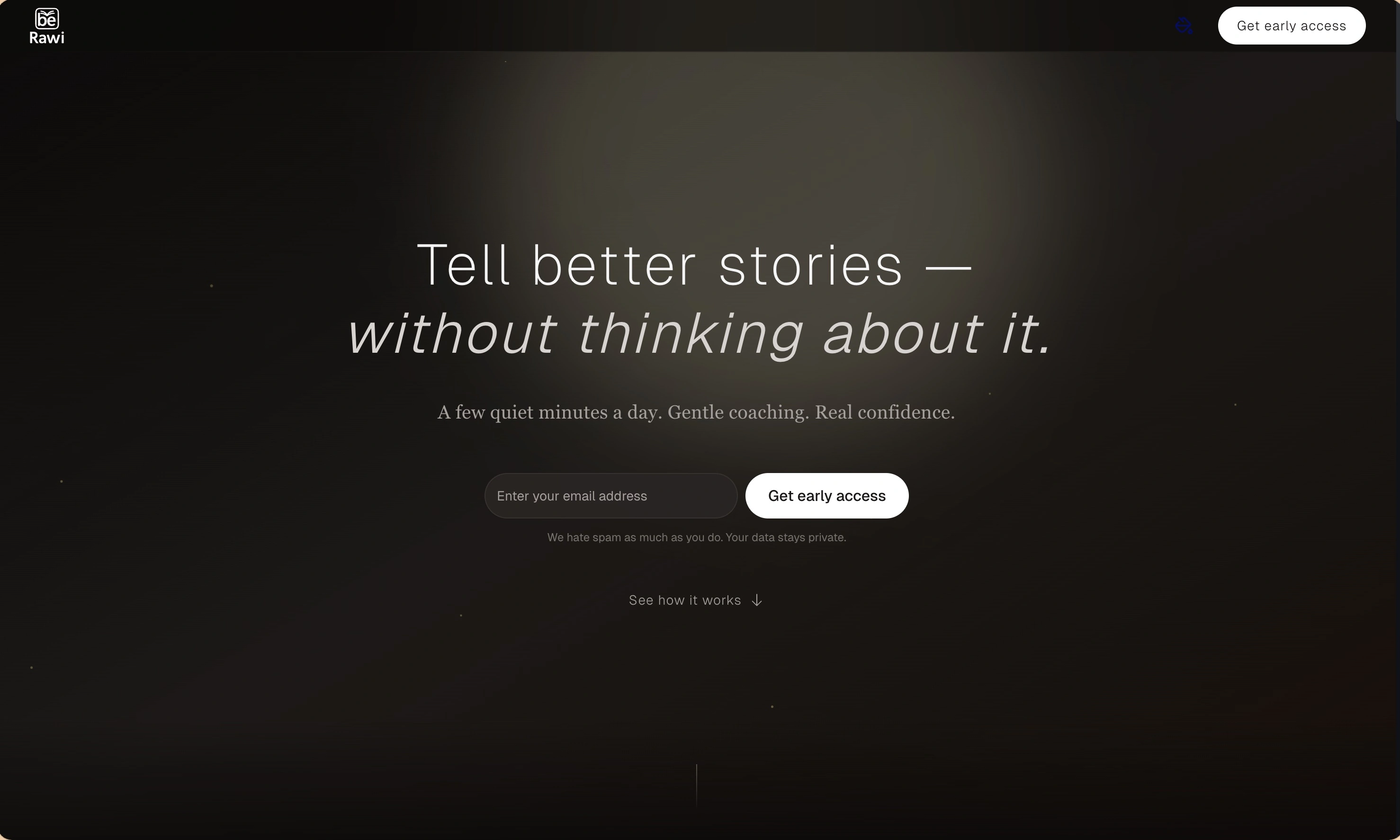
BeRawi: Storytelling Coach
Practice storytelling daily with instant feedback to sound clearer, more engaging, and confident 🎤
Omichat
Chat with 50+ AI models, including ChatGPT and Claude, in one place - switch models anytime without losing context 🤖
Claude Fast
Supercharge your Claude Code with 6x effective context window and specialized AI agents 🤖
EmojAI
AI-powered emoji picker with smart, context-aware suggestions 🤖
Solohacker
Autonomous company launcher - AI agents work 24/7, escalate what matters, and you stay in control 🤖
BeRawi: Storytelling Coach
Practice storytelling daily with instant feedback to sound clearer, more engaging, and confident 🎤
Omichat
Chat with 50+ AI models, including ChatGPT and Claude, in one place - switch models anytime without losing context 🤖
Claude Fast
Supercharge your Claude Code with 6x effective context window and specialized AI agents 🤖
EmojAI
AI-powered emoji picker with smart, context-aware suggestions 🤖
Solohacker
Autonomous company launcher - AI agents work 24/7, escalate what matters, and you stay in control 🤖
BeRawi: Storytelling Coach
Practice storytelling daily with instant feedback to sound clearer, more engaging, and confident 🎤
Omichat
Chat with 50+ AI models, including ChatGPT and Claude, in one place - switch models anytime without losing context 🤖
Claude Fast
Supercharge your Claude Code with 6x effective context window and specialized AI agents 🤖
EmojAI
AI-powered emoji picker with smart, context-aware suggestions 🤖
Solohacker
Autonomous company launcher - AI agents work 24/7, escalate what matters, and you stay in control 🤖
BeRawi: Storytelling Coach
Practice storytelling daily with instant feedback to sound clearer, more engaging, and confident 🎤

Connect with like-minded people
Join our community to get feedback, support, and grow together with 1,000+ builders on board, let's ship it!
Join usShip your startup everywhere. In minutes.
Don't burn tokens on setup and start building features on day one.