VetMind AI
AI-powered triage and symptom analysis for pet owners that assesses urgency, suggests next steps, and connects to nearby vets in minutes.
The opportunity behind AI-powered pet triage
Pet ownership has surged globally over the past decade. In the United States alone, over 60% of households own a pet, according to industry reports such as those published by the American Pet Products Association (APPA). Veterinary spending continues to rise each year, driven by increased pet humanization, higher expectations for care, and expanding medical capabilities.
Yet despite this growth, access to timely veterinary guidance remains a major pain point:
- Clinics are overloaded.
- Emergency vet visits are expensive and often unnecessary.
- Pet owners struggle to interpret symptoms.
- After-hours support is limited.
- Rural areas face veterinary shortages.
This creates the perfect environment for an AI-powered triage and symptom analysis platform like VetMind AI—a digital assistant that evaluates pet symptoms, assesses urgency, suggests next steps, and connects owners to nearby veterinarians in minutes.
The primary keyword for this concept is AI-powered pet triage, supported by related keywords such as:
- AI veterinary triage software
- pet symptom checker AI
- veterinary AI assistant
- online pet health assessment
- emergency pet triage app
This article provides a deep, expert-level breakdown of the market opportunity, target users, technical architecture, monetization strategy, competitive advantage, risks, and actionable implementation steps for building and scaling VetMind AI.
Understanding user search intent
When users search for:
- “Is my dog’s vomiting serious?”
- “AI pet symptom checker”
- “Do I need to take my cat to the vet?”
- “Online pet triage tool”
- “Emergency vet near me”
They are typically looking for:
- Urgency assessment – Is this an emergency?
- Actionable next steps – Monitor? Book appointment? Go to ER?
- Cost avoidance – Can this wait?
- Reassurance – Am I overreacting?
- Fast answers – Ideally within minutes.
VetMind AI directly addresses these needs by providing:
- Structured symptom intake
- AI-based severity scoring
- Clear urgency classification
- Local vet connection
The product must deliver clarity, safety, and trust — not just “chatbot advice.”
Target audience analysis
Primary audience: pet owners
1. First-time pet owners
- High anxiety
- Low symptom knowledge
- Frequently search online for reassurance
- Likely to overuse emergency care
2. Busy professionals
- Need quick guidance
- Prefer mobile-first solutions
- Want to avoid unnecessary clinic visits
3. Rural pet owners
- Limited vet access
- Long travel times
- High need for remote guidance
4. Cost-sensitive households
- Emergency visits are expensive
- Want to reduce unnecessary bills
Secondary audience: veterinary clinics
VetMind AI can serve clinics by:
- Reducing non-urgent calls
- Pre-qualifying cases
- Improving intake efficiency
- Providing structured symptom data before appointment
Clinics may also use it as a white-labeled triage solution.
The market gap in veterinary triage
Problem 1: Google is not safe for symptom analysis
Pet owners often search symptoms and land on:
- Unverified blogs
- Forum discussions
- Worst-case medical content
This increases anxiety and misinformation.
Problem 2: Veterinary phone lines are overwhelmed
Receptionists are not trained diagnosticians, yet they field triage calls daily.
Problem 3: Emergency overuse
Many emergency visits could be categorized as:
- Mild gastrointestinal upset
- Minor limping
- Behavioral changes
- Mild allergic reactions
An AI-powered pet triage app can reduce unnecessary ER visits while escalating genuine emergencies.
Core product vision: how VetMind AI works
At its core, VetMind AI is a structured AI triage engine.
Step-by-step user flow
Core features of VetMind AI
1. Intelligent symptom intake
Instead of free-form chat only, combine:
- Guided symptom trees
- Conditional branching logic
- AI-powered interpretation
This hybrid approach improves reliability and reduces hallucination risk.
2. AI severity scoring engine
The system assigns risk based on:
- Species
- Breed predispositions
- Age
- Duration of symptoms
- Co-occurring symptoms
- Known emergency indicators
Outputs:
- ✅ Monitor at home
- ⚠️ Schedule vet visit soon
- 🚨 Seek emergency care immediately
Medical safety note
VetMind AI should always include clear disclaimers: it does not replace a licensed veterinarian. Emergency signs must override ambiguity and recommend immediate care.
3. Breed-specific risk awareness
Example:
- Deep-chested dogs + bloating → gastric dilatation risk
- Persian cats + respiratory symptoms → brachycephalic concerns
This differentiates a generic chatbot from a veterinary-focused AI assistant.
4. Local vet discovery and integration
Geolocation-based:
- Nearby clinics
- Emergency hospitals
- 24/7 services
- Booking integration (where available)
This turns triage into conversion opportunity.
5. Structured triage report
Generate downloadable report including:
- Symptoms entered
- AI urgency classification
- Timeline summary
- Suggested next steps
Owners can bring this to appointments.
6. Follow-up monitoring
Optional feature:
- Reminders to check symptoms
- 24-hour re-evaluation prompts
- Symptom progression tracking
This increases retention and engagement.
Technical architecture for AI-powered pet triage
A scalable architecture might look like this:
Frontend
Benefits:
- Fast UI
- SSR for SEO
- Mobile-friendly
Backend
- Node.js (API layer)
- Python microservice (triage engine)
- PostgreSQL (structured data)
- Redis (session caching)
AI layer
- LLM for natural language understanding
- Rule-based safety overrides
- Fine-tuned symptom classification model
Critical design decision:
Never rely solely on generative AI for medical severity classification.
Instead:
- Use structured symptom mapping
- Add deterministic emergency triggers
- Add confidence scoring
Example triage scoring logic
type Severity = "monitor" | "vet_soon" | "emergency"

function assessVomitingCase(durationHours: number, bloodPresent: boolean, lethargy: boolean): Severity {
  if (bloodPresent) return "emergency"
  if (durationHours > 24 && lethargy) return "vet_soon"
  if (durationHours > 48) return "vet_soon"
  return "monitor"
}
AI enhances pattern recognition, but rule-based guardrails protect safety.
Data considerations and compliance
Although veterinary AI faces fewer regulations than human health tech, consider:
- GDPR compliance
- Transparent data usage
- Secure storage
- No diagnosis claims
- Clear disclaimers
Trust is everything
In medical-adjacent AI, transparency builds adoption. Publish methodology summaries and clearly explain how urgency levels are determined.
Monetization strategy for VetMind AI
Multiple revenue streams are possible.
1. Freemium model
Free:
- Basic triage
- Limited daily usage
Paid:
- Unlimited assessments
- Follow-up tracking
- Downloadable reports
- Chat history
2. Vet referral commissions
When users book through the platform:
- Earn referral fee
- Offer premium listing options for clinics
3. B2B licensing
White-label triage system for:
- Veterinary clinics
- Pet insurance companies
- Pet telehealth providers
4. Insurance integration
Pet insurance companies benefit from:
- Reduced unnecessary claims
- Early risk detection
- Data insights
5. Subscription tiers
Basic
Free triage with limited usage and no follow-up tracking.
Pro
Unlimited triage, monitoring reminders, downloadable reports.
Clinic Partner
White-label AI triage integrated into clinic websites.
Competitive landscape
Current alternatives include:
- Google search
- Tele-vet platforms
- Symptom blogs
- Direct emergency visits
But few combine:
- Structured AI triage
- Urgency scoring
- Local vet discovery
- Follow-up monitoring
Competitive comparison
| Feature | Tele-vet | Generic AI chatbot | VetMind AI | |
|---|---|---|---|---|
| Structured triage | ❌ | ⚠️ | ❌ | ✅ |
| Emergency detection logic | ❌ | ✅ | ❌ | ✅ |
| Local vet matching | ❌ | ⚠️ | ❌ | ✅ |
| Follow-up monitoring | ❌ | ❌ | ❌ | ✅ |
Unique selling proposition (USP)
VetMind AI differentiates itself by:
- Hybrid AI + rule-based medical guardrails
- Breed-aware triage intelligence
- Clear urgency classification
- Immediate vet connection
- Structured reports for clinic visits
It is not just a chatbot — it is a decision-support triage engine.
Potential risks and mitigation
Risk 1: AI hallucination
Mitigation:
- Use structured inputs
- Apply deterministic safety triggers
- Limit open-ended generation
Risk 2: Legal exposure
Mitigation:
- Strong disclaimers
- Avoid diagnostic claims
- Partner with licensed veterinarians
- Carry appropriate liability coverage
Risk 3: User mistrust
Mitigation:
- Publish advisory board
- Explain triage logic
- Show clear emergency overrides
Risk 4: Data bias
Mitigation:
- Continuously evaluate outputs
- Gather anonymized usage analytics
- Collaborate with veterinary professionals
SEO strategy for long-term growth
To rank for high-intent keywords like:
- “AI pet symptom checker”
- “Is my dog sick?”
- “Online vet triage tool”
- “Pet emergency symptoms”
Content strategy should include:
- Breed-specific symptom pages
- Symptom cluster articles (vomiting, limping, diarrhea)
- Emergency sign checklists
- Educational resources
Each page funnels to the triage tool.
Implementation roadmap
Building fast with the right foundation
Launching an AI-powered pet triage SaaS requires:
- Authentication
- Billing
- Database
- API structure
- Frontend framework
- SEO foundation
Instead of building infrastructure from scratch, use a production-ready SaaS starter kit like TurboStarter to accelerate development. This allows you to focus on:
- Triage engine logic
- AI safety
- Veterinary partnerships
- Growth strategy
Not boilerplate setup.
Future expansion opportunities
Once validated, VetMind AI can expand into:
- Pet health record storage
- Vaccination reminders
- AI wellness scoring
- Integration with wearable pet devices
- Predictive health analytics
Long-term vision: become the AI health gateway for pet owners worldwide.
Why VetMind AI can win
The convergence of:
- Rising pet ownership
- Veterinary shortages
- AI maturity
- Consumer comfort with digital health tools
creates a rare timing advantage.
An AI-powered veterinary triage platform that prioritizes safety, clarity, and real-world utility can reduce unnecessary emergency visits, support clinics, and provide peace of mind to millions of pet owners.
The key to success lies in:
- Responsible AI design
- Veterinary collaboration
- Clear urgency categorization
- Strong user trust
Build it carefully. Launch it regionally. Validate it clinically. Then scale globally.
If executed with discipline and expertise, VetMind AI can become the standard front door to veterinary care in the AI era.
More 🤖 AI Startup SaaS ideas
Discover more innovative ai startup SaaS ideas that are trending in 2026. Each idea is AI-generated with market validation and growth potential to help you find your next profitable venture faster than competitors.
Your competitors are building with TurboStarter
Below are some of the SaaS ideas that have been generated and built with our starter kit.

Statiko
Monitor any Telegram channel in real time - track posts, edits, deletions, and growth with AI recaps 📡

Shibui
AI website builder - describe your business, pick a niche template, edit by chatting, and publish instantly ✨

Pro Service
Find verified home service professionals, compare quotes, and pay securely through escrow - built for Brazilians across the US 🏠
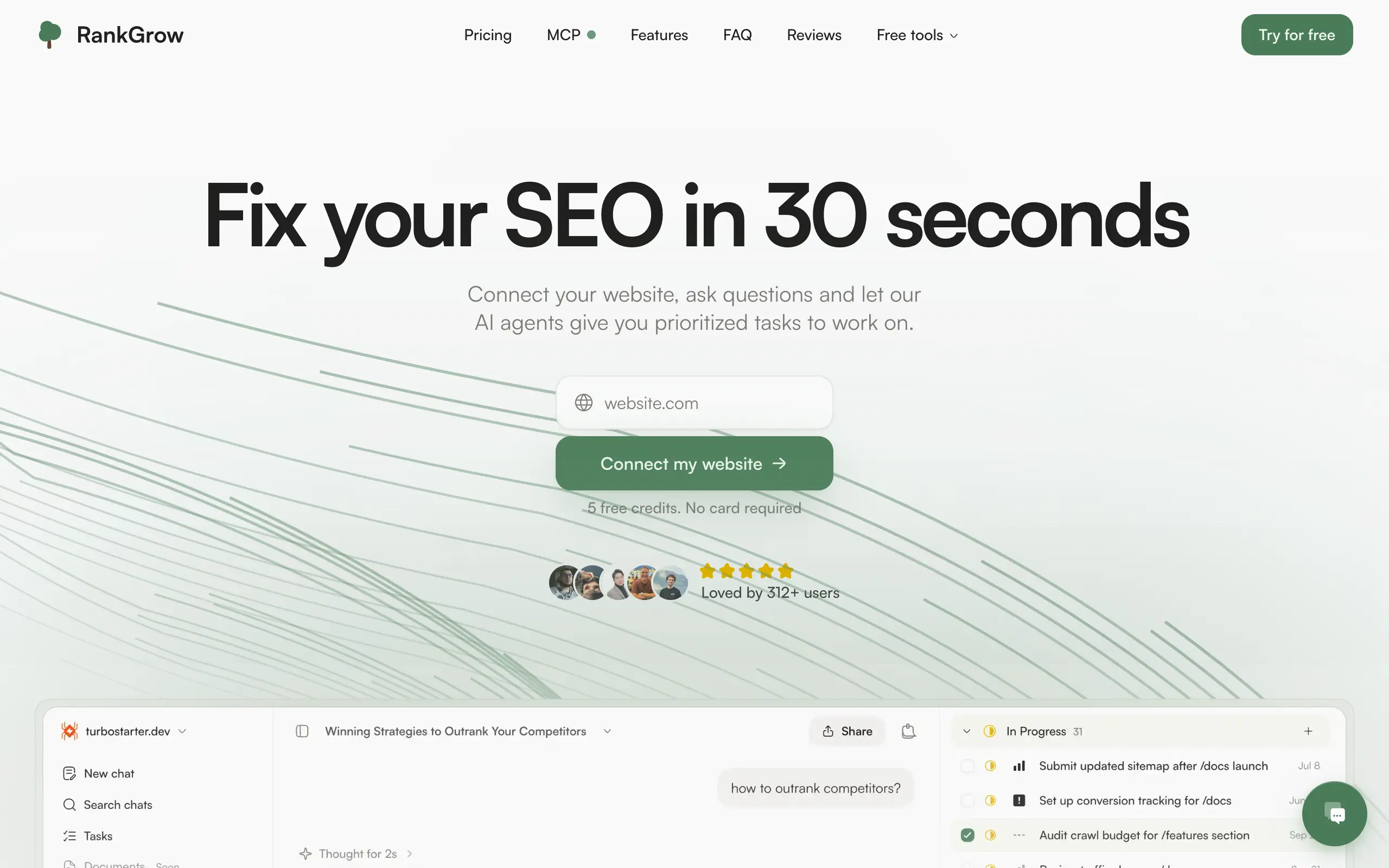
RankGrow
Fix your SEO with AI agents - connect Search Console, get prioritized tasks, and grow organic traffic 📈
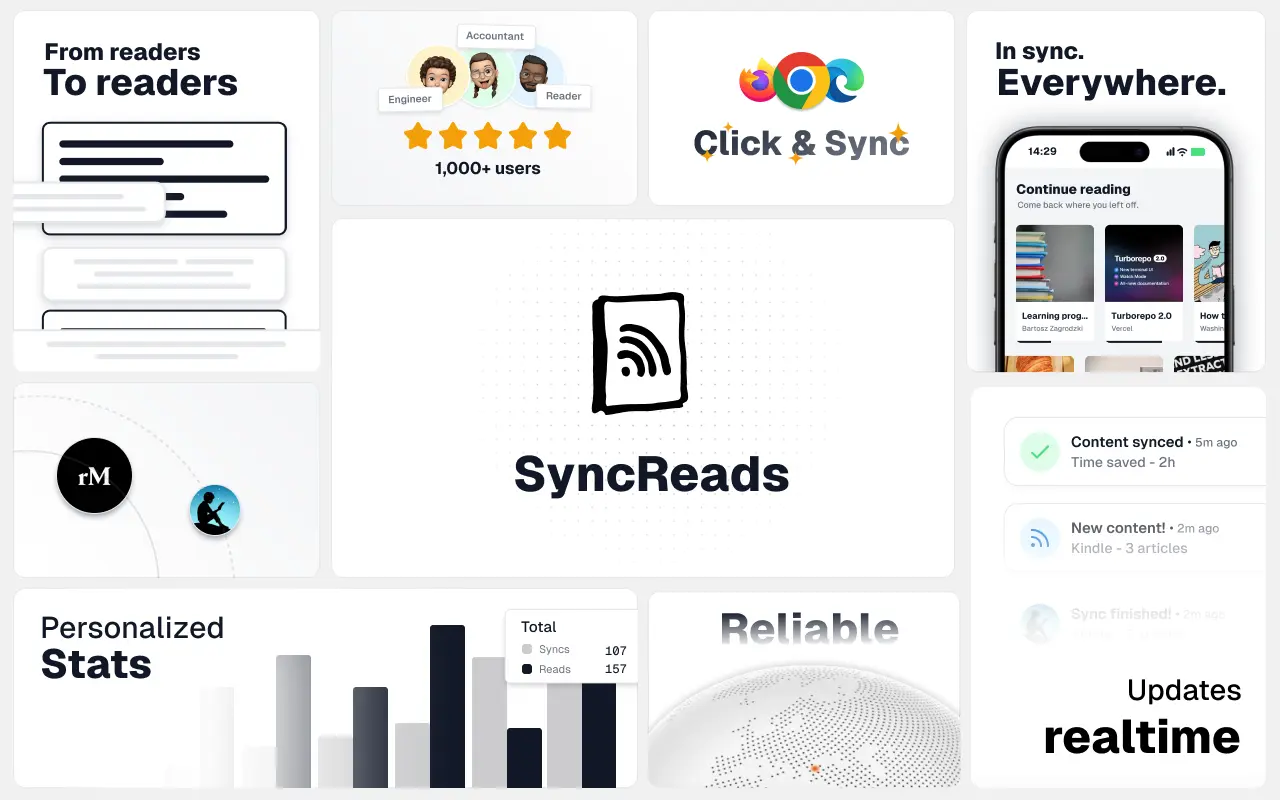
SyncReads
Sync your favorite content for distraction-free reading, save time and replace multiple apps. Anytime, anywhere 🔄
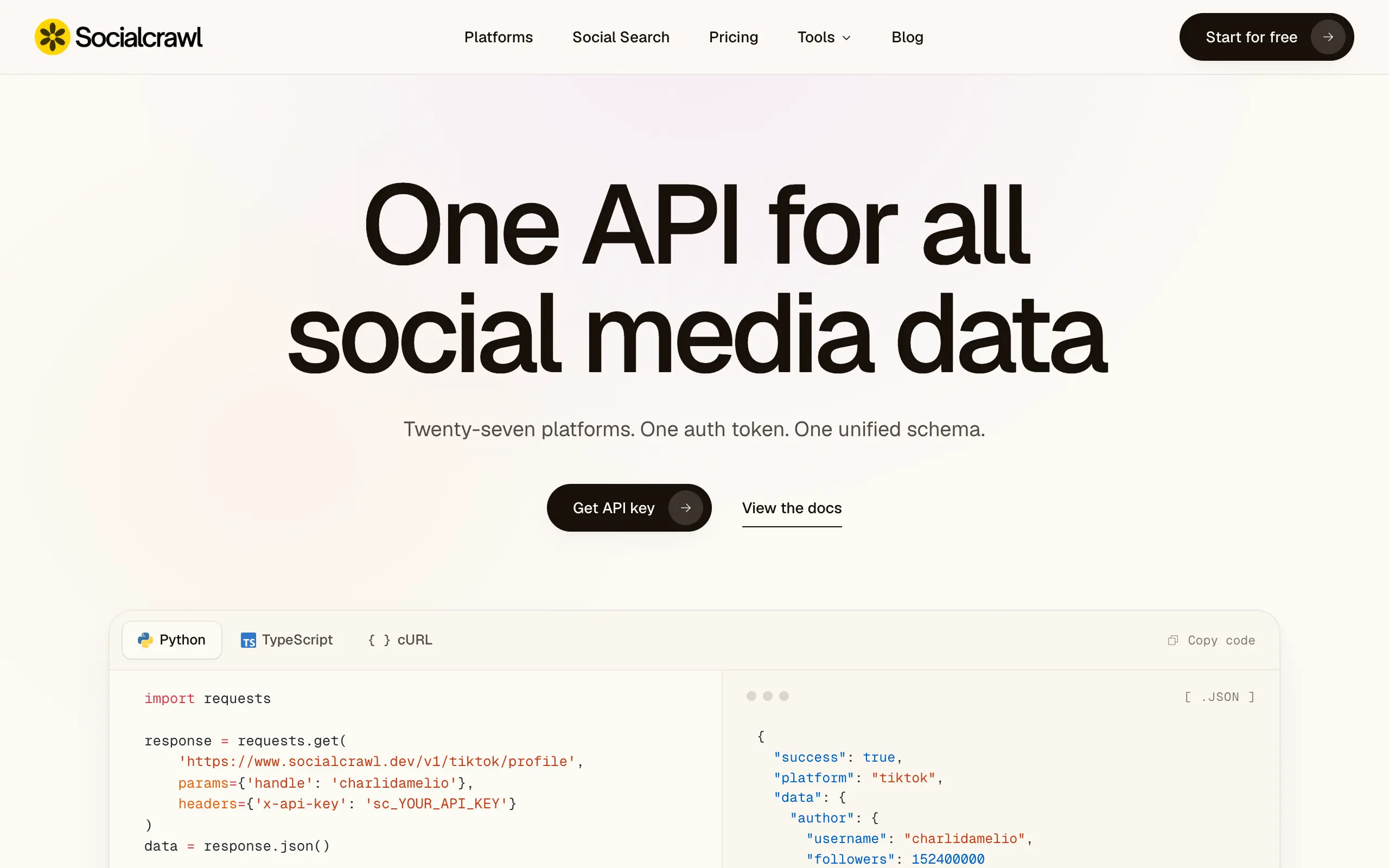
Socialcrawl
Get clean, structured data from 21 platforms like TikTok, Instagram, and YouTube with a single request 📊
Statiko
Monitor any Telegram channel in real time - track posts, edits, deletions, and growth with AI recaps 📡
Shibui
AI website builder - describe your business, pick a niche template, edit by chatting, and publish instantly ✨
Pro Service
Find verified home service professionals, compare quotes, and pay securely through escrow - built for Brazilians across the US 🏠
RankGrow
Fix your SEO with AI agents - connect Search Console, get prioritized tasks, and grow organic traffic 📈
SyncReads
Sync your favorite content for distraction-free reading, save time and replace multiple apps. Anytime, anywhere 🔄
Socialcrawl
Get clean, structured data from 21 platforms like TikTok, Instagram, and YouTube with a single request 📊
Statiko
Monitor any Telegram channel in real time - track posts, edits, deletions, and growth with AI recaps 📡
Shibui
AI website builder - describe your business, pick a niche template, edit by chatting, and publish instantly ✨
Pro Service
Find verified home service professionals, compare quotes, and pay securely through escrow - built for Brazilians across the US 🏠
RankGrow
Fix your SEO with AI agents - connect Search Console, get prioritized tasks, and grow organic traffic 📈
SyncReads
Sync your favorite content for distraction-free reading, save time and replace multiple apps. Anytime, anywhere 🔄
Socialcrawl
Get clean, structured data from 21 platforms like TikTok, Instagram, and YouTube with a single request 📊
Statiko
Monitor any Telegram channel in real time - track posts, edits, deletions, and growth with AI recaps 📡
Shibui
AI website builder - describe your business, pick a niche template, edit by chatting, and publish instantly ✨
Pro Service
Find verified home service professionals, compare quotes, and pay securely through escrow - built for Brazilians across the US 🏠
RankGrow
Fix your SEO with AI agents - connect Search Console, get prioritized tasks, and grow organic traffic 📈
SyncReads
Sync your favorite content for distraction-free reading, save time and replace multiple apps. Anytime, anywhere 🔄
Socialcrawl
Get clean, structured data from 21 platforms like TikTok, Instagram, and YouTube with a single request 📊
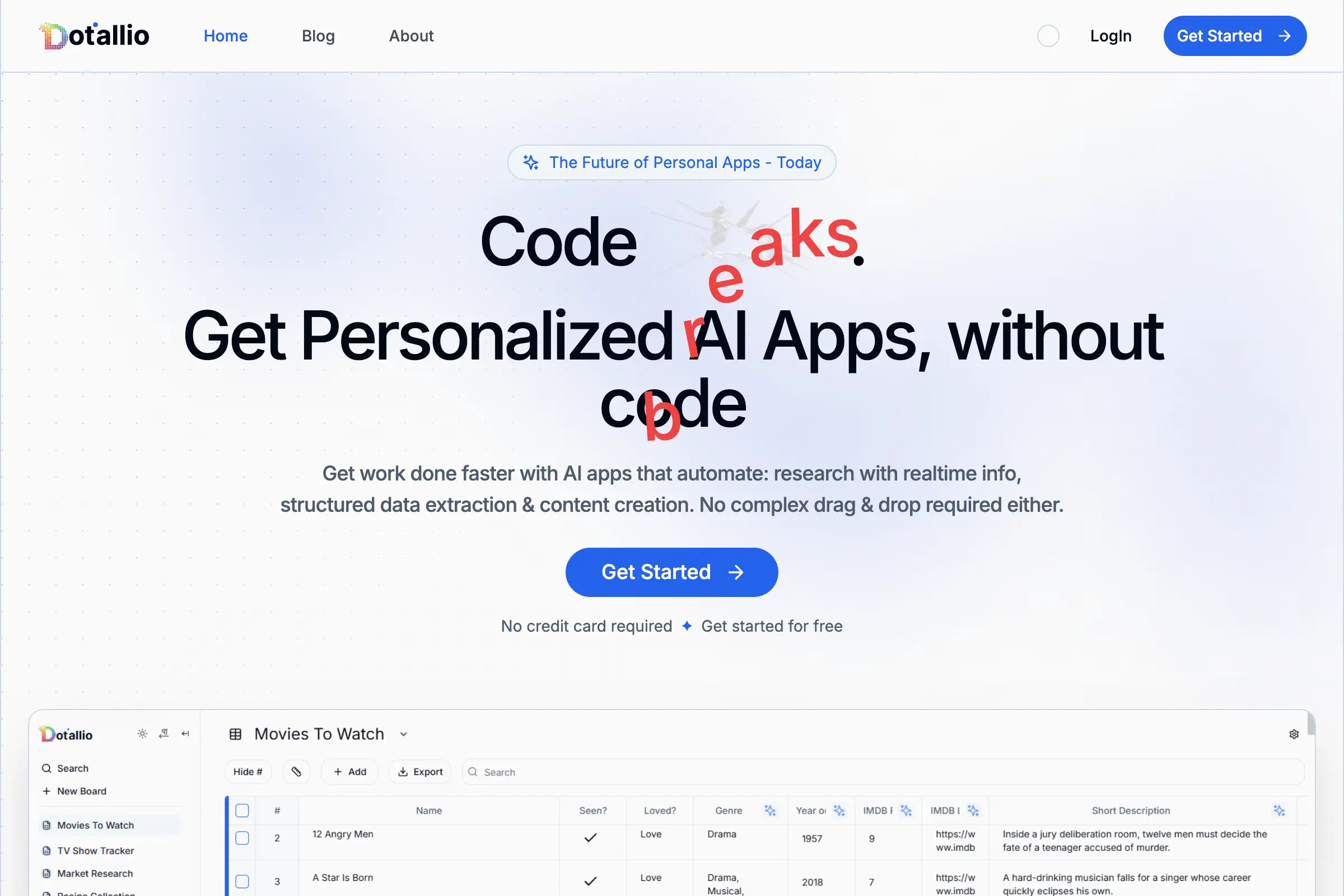
Dotallio
Personalized AI apps that automate research, data extraction, and content creation without code 🤖
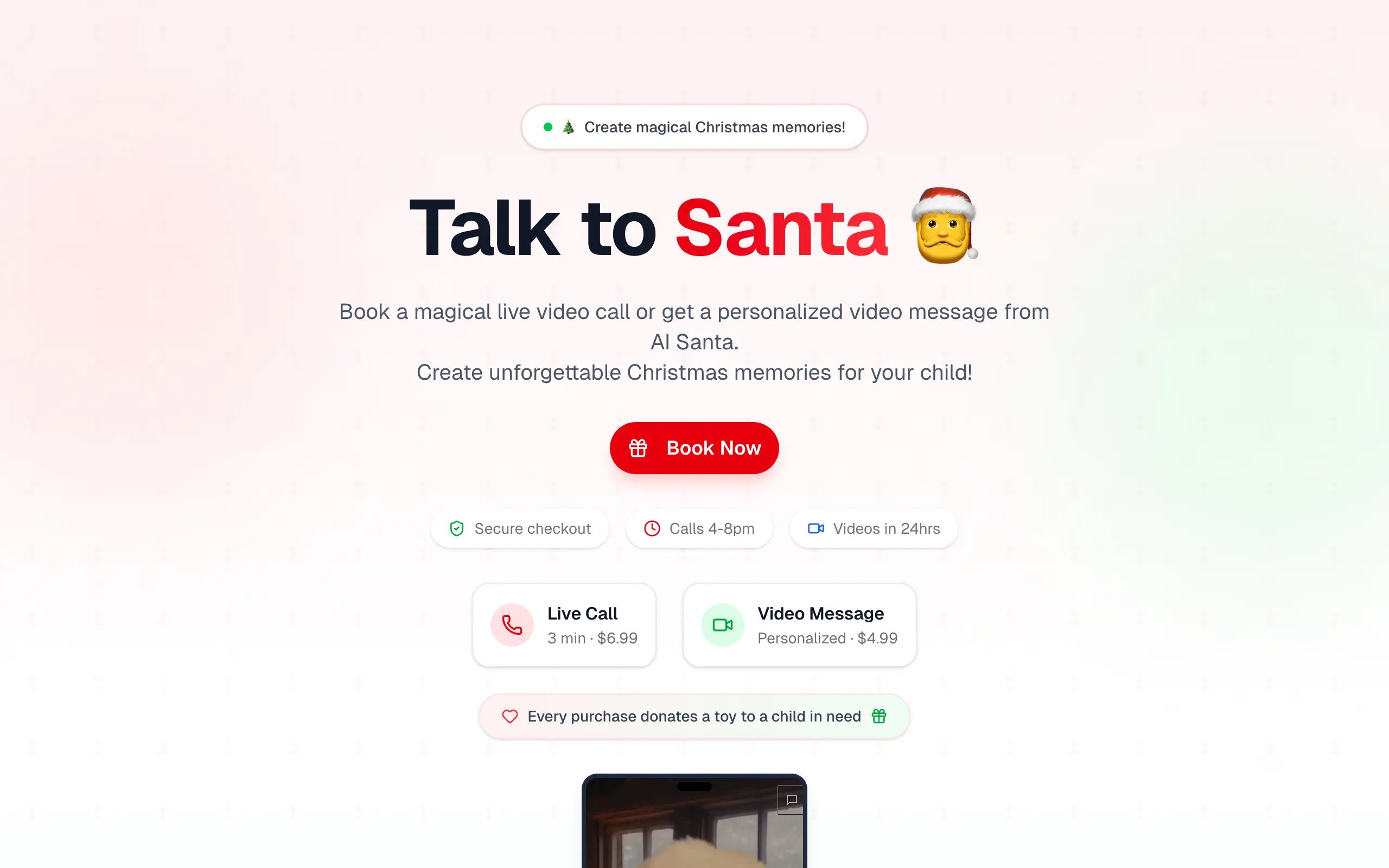
Talk to Santa
Enjoy a magical live video chat or receive a unique AI-generated video greeting from Santa Claus 🎅

pozywka.pl
Scalable blog for food journalist, focused on performance and user experience 🌭
zagrodzki.me
Personal blog and portfolio of Bart Zagrodzki, where he shares his knowledge and work 💼
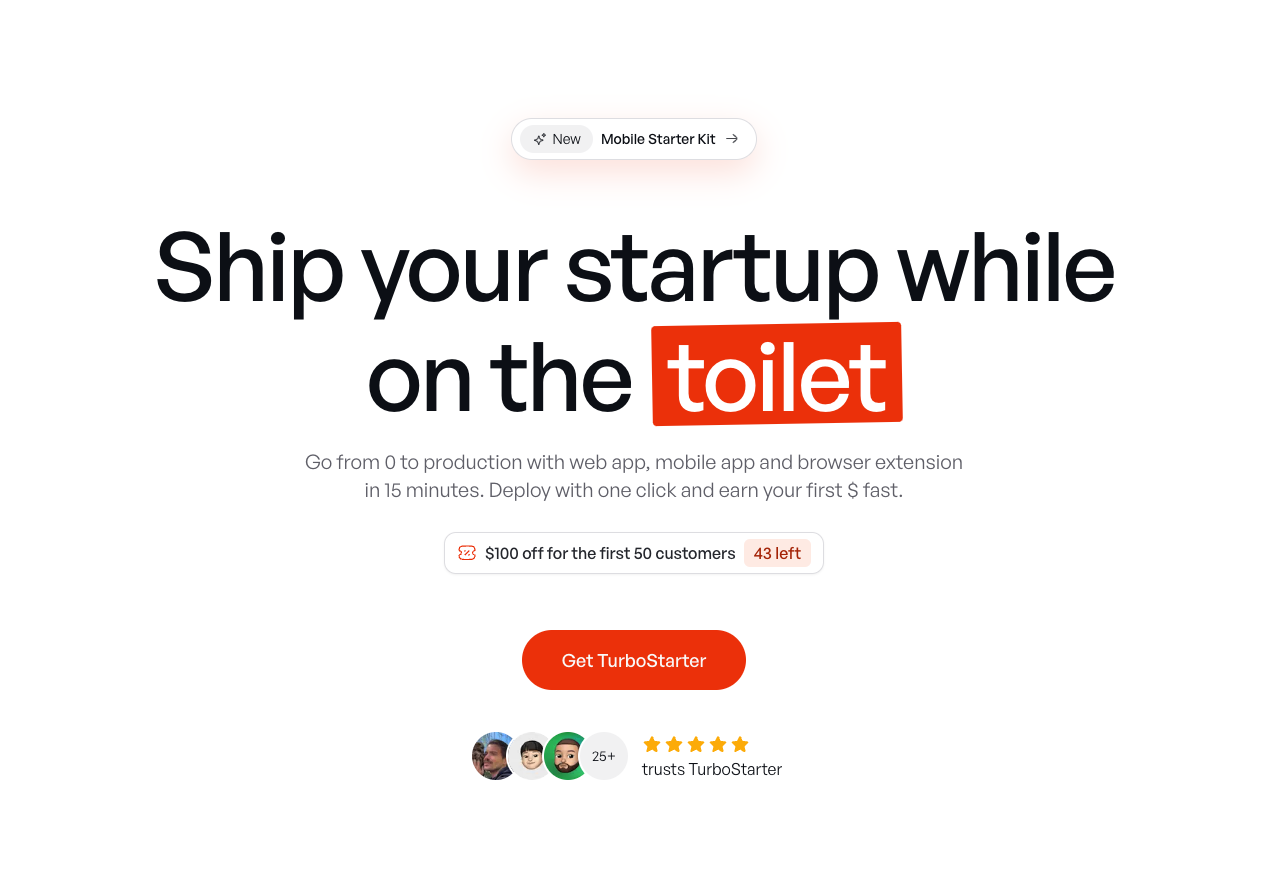
TurboStarter
Ship your startup everywhere. In minutes.
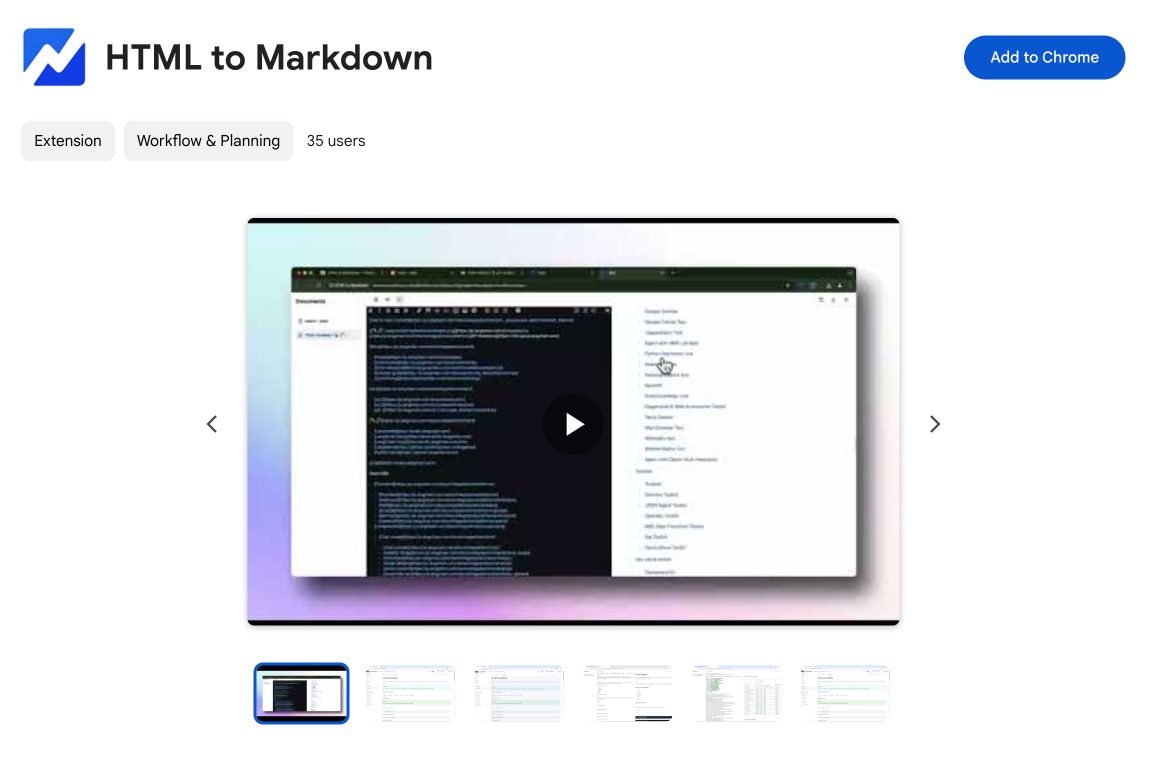
HTML to Markdown
Convert HTML to Markdown with ease, directly in your browser 📄
Dotallio
Personalized AI apps that automate research, data extraction, and content creation without code 🤖
Talk to Santa
Enjoy a magical live video chat or receive a unique AI-generated video greeting from Santa Claus 🎅
pozywka.pl
Scalable blog for food journalist, focused on performance and user experience 🌭
zagrodzki.me
Personal blog and portfolio of Bart Zagrodzki, where he shares his knowledge and work 💼
TurboStarter
Ship your startup everywhere. In minutes.
HTML to Markdown
Convert HTML to Markdown with ease, directly in your browser 📄
Dotallio
Personalized AI apps that automate research, data extraction, and content creation without code 🤖
Talk to Santa
Enjoy a magical live video chat or receive a unique AI-generated video greeting from Santa Claus 🎅
pozywka.pl
Scalable blog for food journalist, focused on performance and user experience 🌭
zagrodzki.me
Personal blog and portfolio of Bart Zagrodzki, where he shares his knowledge and work 💼
TurboStarter
Ship your startup everywhere. In minutes.
HTML to Markdown
Convert HTML to Markdown with ease, directly in your browser 📄
Dotallio
Personalized AI apps that automate research, data extraction, and content creation without code 🤖
Talk to Santa
Enjoy a magical live video chat or receive a unique AI-generated video greeting from Santa Claus 🎅
pozywka.pl
Scalable blog for food journalist, focused on performance and user experience 🌭
zagrodzki.me
Personal blog and portfolio of Bart Zagrodzki, where he shares his knowledge and work 💼
TurboStarter
Ship your startup everywhere. In minutes.
HTML to Markdown
Convert HTML to Markdown with ease, directly in your browser 📄
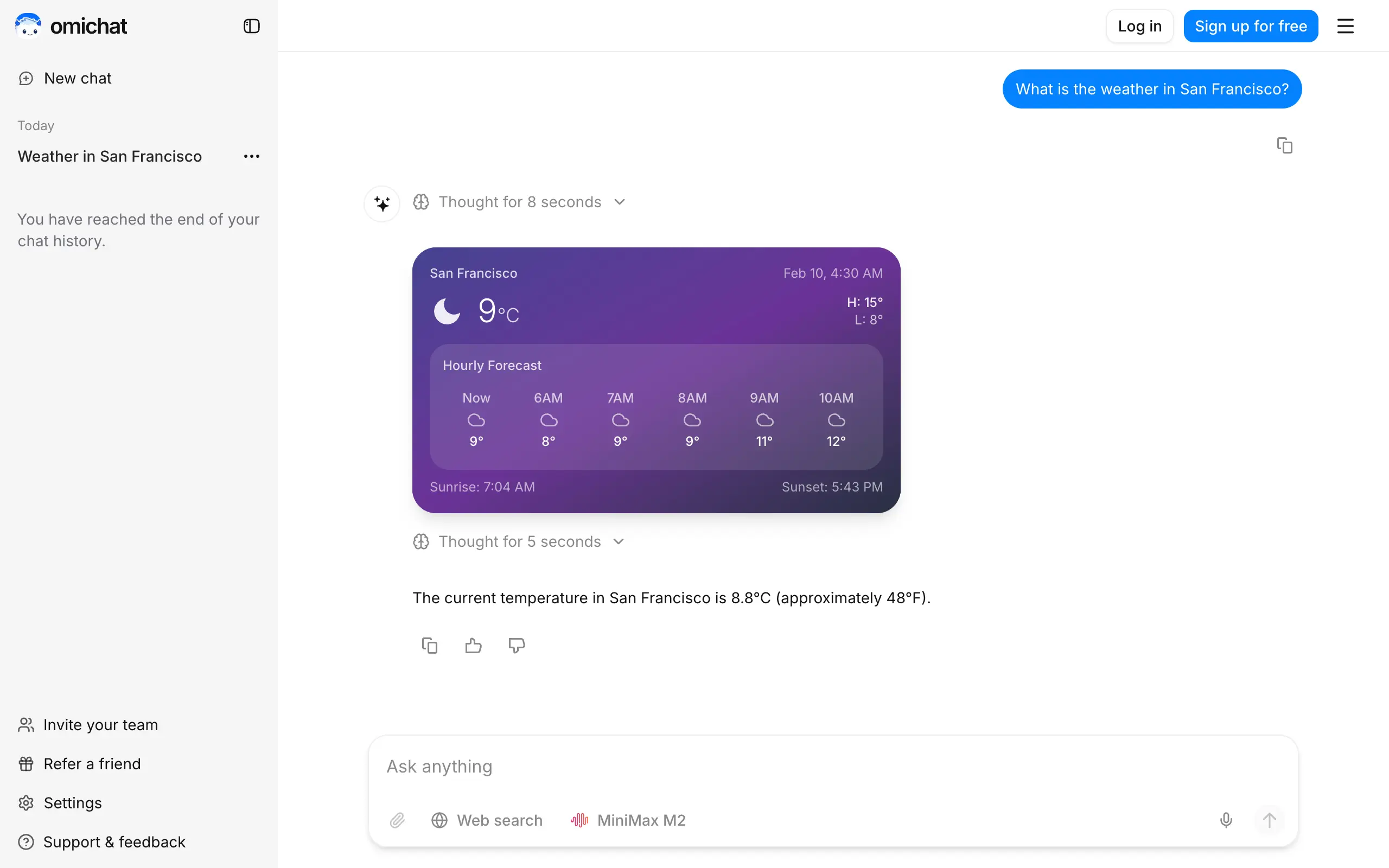
Omichat
Chat with 50+ AI models, including ChatGPT and Claude, in one place - switch models anytime without losing context 🤖
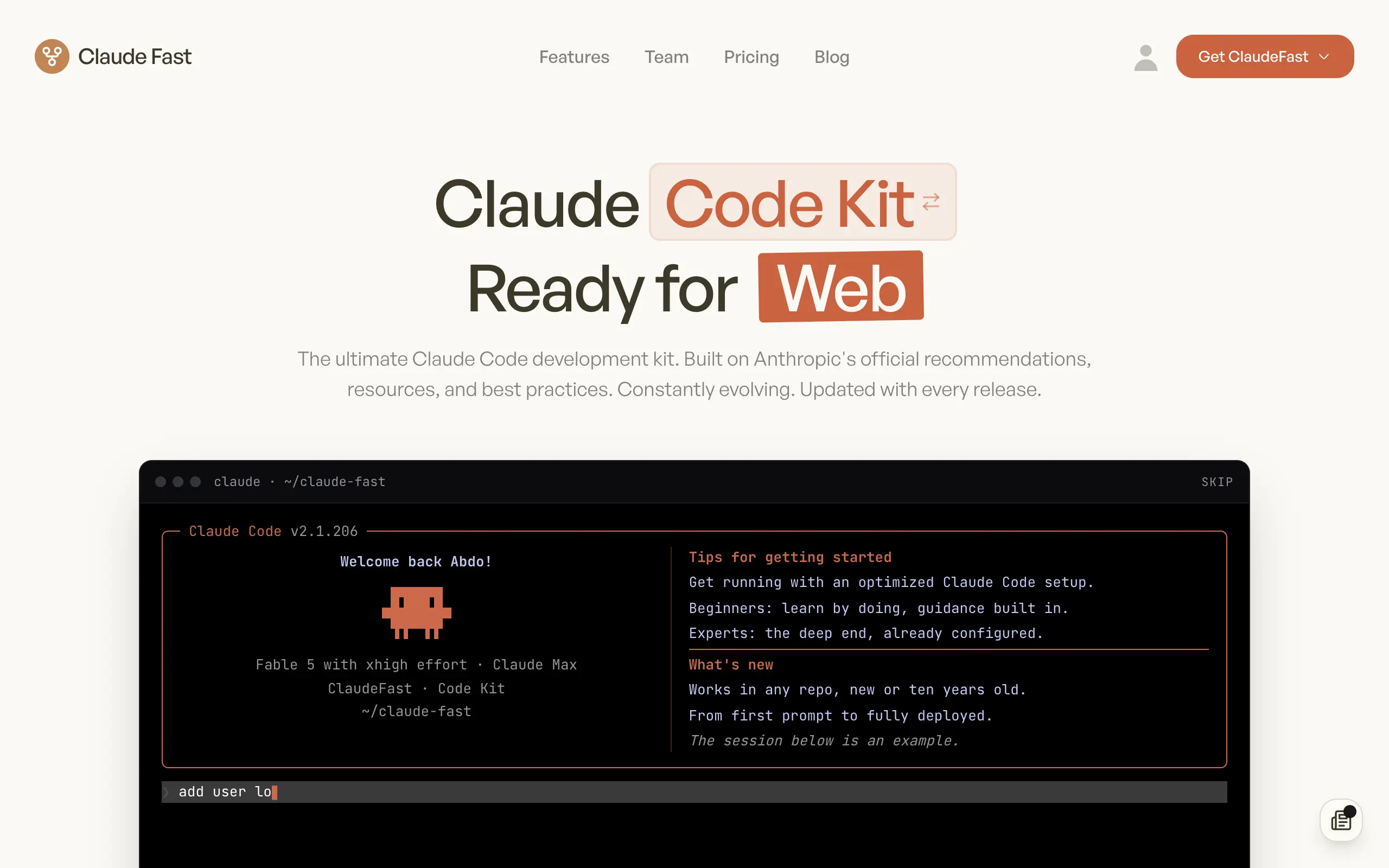
Claude Fast
Supercharge your Claude Code with 6x effective context window and specialized AI agents 🤖
EmojAI
AI-powered emoji picker with smart, context-aware suggestions 🤖
Solohacker
Autonomous company launcher - AI agents work 24/7, escalate what matters, and you stay in control 🤖
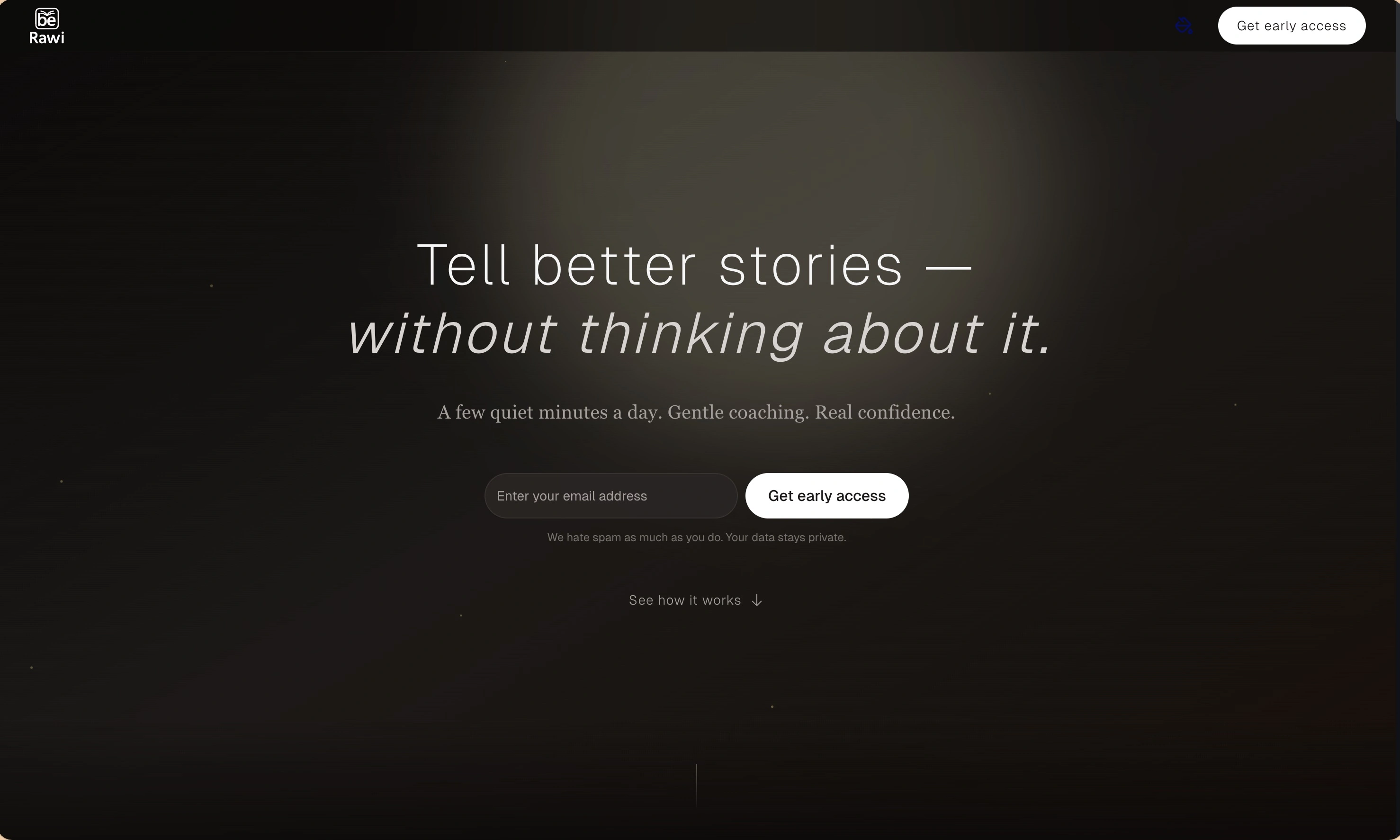
BeRawi: Storytelling Coach
Practice storytelling daily with instant feedback to sound clearer, more engaging, and confident 🎤
Omichat
Chat with 50+ AI models, including ChatGPT and Claude, in one place - switch models anytime without losing context 🤖
Claude Fast
Supercharge your Claude Code with 6x effective context window and specialized AI agents 🤖
EmojAI
AI-powered emoji picker with smart, context-aware suggestions 🤖
Solohacker
Autonomous company launcher - AI agents work 24/7, escalate what matters, and you stay in control 🤖
BeRawi: Storytelling Coach
Practice storytelling daily with instant feedback to sound clearer, more engaging, and confident 🎤
Omichat
Chat with 50+ AI models, including ChatGPT and Claude, in one place - switch models anytime without losing context 🤖
Claude Fast
Supercharge your Claude Code with 6x effective context window and specialized AI agents 🤖
EmojAI
AI-powered emoji picker with smart, context-aware suggestions 🤖
Solohacker
Autonomous company launcher - AI agents work 24/7, escalate what matters, and you stay in control 🤖
BeRawi: Storytelling Coach
Practice storytelling daily with instant feedback to sound clearer, more engaging, and confident 🎤
Omichat
Chat with 50+ AI models, including ChatGPT and Claude, in one place - switch models anytime without losing context 🤖
Claude Fast
Supercharge your Claude Code with 6x effective context window and specialized AI agents 🤖
EmojAI
AI-powered emoji picker with smart, context-aware suggestions 🤖
Solohacker
Autonomous company launcher - AI agents work 24/7, escalate what matters, and you stay in control 🤖
BeRawi: Storytelling Coach
Practice storytelling daily with instant feedback to sound clearer, more engaging, and confident 🎤

Connect with like-minded people
Join our community to get feedback, support, and grow together with 1,000+ builders on board, let's ship it!
Join usShip your startup everywhere. In minutes.
Don't burn tokens on setup and start building features on day one.