VocabQuest
Gamified AI vocabulary trainer that builds personalized word lists from your daily life and tracks mastery through smart quizzes and spaced repetition.
What problem does a gamified AI vocabulary trainer actually solve?
Traditional vocabulary learning tools haven’t changed much in decades. Flashcards, static word lists, and generic quizzes still dominate the space. While apps have digitized the process, most learners still face the same issues:
- Memorizing words that don’t match their real-life needs
- Forgetting new vocabulary within days
- Losing motivation after initial enthusiasm
- Lacking context for how words are actually used
A gamified AI vocabulary trainer like VocabQuest addresses these problems by combining:
- Personalized AI-generated word lists
- Spaced repetition algorithms
- Smart quizzes that adapt to mastery
- Gamification loops that increase retention and motivation
Instead of studying random “Top 1000 Words” lists, users build vocabulary from their own daily life content: emails, articles, podcasts, textbooks, work documents, or even social media feeds. The system extracts relevant words, tracks learning progress, and optimizes review timing.
This article explores the full opportunity behind building a product like VocabQuest, including market validation, feature design, monetization strategy, competitive positioning, and technical implementation.
Why vocabulary learning is a massive market opportunity
The global demand for language learning
The global language learning market continues to grow rapidly, driven by:
- Remote work and globalization
- Immigration and international education
- Career advancement needs
- Cross-border freelancing
- Study abroad programs
According to major market research reports (e.g., data from Statista and HolonIQ), the digital language learning market is projected to exceed $20 billion+ globally in the coming years.
However, most platforms focus on:
- Beginner language learners
- Structured curriculum lessons
- Grammar-heavy modules
There is a clear gap in advanced, contextual, personalized vocabulary mastery.
The vocabulary retention problem
Cognitive science research (e.g., Ebbinghaus’ forgetting curve) demonstrates that learners forget up to 70% of new information within 24 hours without reinforcement.
Spaced repetition systems (SRS) dramatically improve long-term retention. Tools like Anki have proven this scientifically, yet:
- They are manual and time-consuming.
- They lack personalization from real-world content.
- They are not engaging for mainstream users.
This creates an opportunity for an AI-powered, gamified vocabulary trainer that combines:
- The intelligence of content extraction
- The science of spaced repetition
- The psychology of game mechanics
That’s the core value of VocabQuest.
Target audience analysis
A successful AI SaaS product must clearly define its primary users.
1. Non-native English professionals
Profile:
- Remote workers
- Tech professionals
- Corporate employees
- Freelancers
Pain points:
- Struggle with advanced vocabulary in meetings
- Difficulty understanding industry-specific terminology
- Want to sound more fluent and confident
Why VocabQuest works for them:
- Extracts vocabulary directly from Slack, emails, PDFs, or web content
- Focuses on words actually relevant to their career
- Tracks mastery over time
2. Students preparing for exams
Profile:
- IELTS / TOEFL candidates
- GRE / SAT test takers
- University students
Pain points:
- Overwhelmed by massive word lists
- Memorization without contextual understanding
- Low retention
Why VocabQuest works for them:
- Personalized word banks from academic material
- Smart quizzes tailored to weaknesses
- Mastery tracking and spaced review scheduling
3. Lifelong learners & polyglots
Profile:
- Language enthusiasts
- Digital nomads
- Self-learners
Pain points:
- Bored by repetitive drills
- Want challenge and progression systems
- Prefer learning from real-world content
Why VocabQuest works for them:
- Gamification system
- Daily streaks and XP
- Personalized quests
The core product vision: how VocabQuest works
At its core, VocabQuest is a personalized vocabulary engine powered by AI.
Step 1: Capture daily life content
Users can:
- Paste text
- Upload PDFs
- Connect RSS feeds
- Save articles via browser extension
- Import notes
- Sync with Notion or Google Docs (future feature)
The AI scans the content and extracts:
- Advanced vocabulary
- Industry-specific terms
- Idiomatic expressions
- Frequently repeated unknown words
Step 2: Intelligent word selection
Not all words are worth learning.
The AI system should:
- Remove common words already mastered
- Detect user-level proficiency
- Rank words by usefulness and frequency
- Cluster related words into thematic sets
This makes the learning hyper-relevant and efficient.
Step 3: Spaced repetition scheduling
A scientifically grounded spaced repetition algorithm:
- Increases interval after correct answers
- Decreases interval after incorrect answers
- Tracks “ease factor” per word
- Calculates optimal next review date
This ensures long-term memory formation rather than short-term memorization.
Step 4: Gamified progression system
Gamification increases retention and engagement dramatically.
Key mechanics:
- XP points for correct answers
- Levels and skill trees
- Daily streaks
- Quests (e.g., “Master 20 business words this week”)
- Leaderboards (optional social feature)
Core features breakdown
Below is a structured overview of essential MVP and advanced features.
MVP features
- AI word extraction from text
- Word definitions + example sentences
- Spaced repetition engine
- Multiple-choice quizzes
- Mastery tracking dashboard
- Streak tracking
Advanced features (Phase 2+)
- Pronunciation analysis using AI
- Context-based cloze tests
- Writing exercises with feedback
- Browser extension
- Mobile app
- Social challenges
- API access for schools
Feature comparison vs competitors
| Feature | VocabQuest | Anki | Duolingo | Quizlet |
|---|---|---|---|---|
| AI word extraction | ✅ | ❌ | ❌ | ❌ |
| Spaced repetition | ✅ | ✅ | ✅ (limited) | ✅ |
| Gamification depth | ✅ | ❌ | ✅ | ❌ |
| Personalized daily content | ✅ | Manual | ❌ | Manual |
Unique selling proposition (USP):
AI-powered extraction of vocabulary directly from your daily life, combined with scientifically optimized retention and game mechanics.
Recommended tech stack for building VocabQuest
Choosing the right stack is critical for scalability and performance.
Frontend
- React for UI
- Next.js for SSR and performance
- TailwindCSS for rapid UI styling
- Zustand or Redux for state management
Backend
- Node.js with NestJS or Express
- PostgreSQL for structured word data
- Redis for spaced repetition scheduling queues
- Prisma ORM for database modeling
AI layer
- LLM API for word extraction & explanation
- Embeddings for semantic similarity
- Fine-tuned models for difficulty ranking
Example spaced repetition logic (simplified)
function calculateNextReview(interval: number, easeFactor: number, quality: number) {
  if (quality < 3) {
    interval = 1;
  } else {
    interval = interval * easeFactor;
  }

  easeFactor = Math.max(1.3, easeFactor + (0.1 - (5 - quality) * (0.08 + (5 - quality) * 0.02)));

  return {
    nextInterval: Math.round(interval),
    easeFactor
  };
}
AI architecture considerations
Building a reliable AI vocabulary trainer requires:
1. Context-aware extraction
- Use embeddings to detect uncommon words.
- Filter based on CEFR levels.
- Identify industry-specific terminology.
2. Cost optimization
LLM API calls can be expensive.
Mitigation strategies:
- Cache processed documents.
- Batch requests.
- Precompute difficulty ratings.
Monetization strategy options
A strong SaaS product needs a scalable pricing model.
Freemium model (recommended)
Free tier:
- Limited word extractions per month
- Basic quizzes
- Ads (optional)
Pro tier ($10–15/month):
- Unlimited word extraction
- Advanced analytics
- Custom AI explanations
- Audio pronunciation AI
- Export word lists
B2B opportunities
- Schools and universities
- Corporate English training programs
- Language academies
Enterprise features:
- Admin dashboard
- Bulk student onboarding
- Analytics reports
Risks and mitigation strategies
Risk 1: AI inaccuracies
Mitigation:
- Multi-model validation
- Human-reviewed word definitions
- User feedback loop
Risk 2: User churn
Gamification alone isn’t enough.
Mitigation:
- Personalized email nudges
- Weekly progress reports
- Push notifications
- Milestone rewards
Risk 3: Competitive pressure
Large platforms could copy features.
Mitigation:
- Focus on deep personalization
- Build proprietary vocabulary datasets
- Develop strong brand positioning
Competitive advantage analysis
VocabQuest wins through:
1. Hyper-personalization
Not “learn English.”
But: “Master vocabulary from your real work life.”
2. AI-native architecture
Built AI-first, not AI-added.
3. Scientific memory optimization
Leverages proven spaced repetition principles.
4. Behavioral psychology
Incorporates:
- Habit loops
- Progress bars
- Loss aversion (streaks)
- Variable rewards
Step-by-step implementation roadmap
Growth strategy
Organic growth
-
SEO targeting keywords like:
- “AI vocabulary trainer”
- “personalized vocabulary app”
- “spaced repetition vocabulary”
- “learn words from daily life”
-
Blog content about:
- Memory science
- English fluency
- Professional vocabulary
Viral loops
- Shareable progress cards
- Weekly mastery summary
- Referral bonuses (free Pro month)
KPIs to track
- Daily active users (DAU)
- Retention (Day 7, Day 30)
- Average words mastered per week
- Churn rate
- LTV / CAC ratio
Future expansion possibilities
- Multi-language support
- Speech-based vocabulary practice
- AI conversation partner
- Integration with Kindle or Medium
- Chrome extension
Why now is the perfect time to build VocabQuest
Several trends align:
- AI infrastructure is mature
- Remote work demands stronger communication
- Microlearning is growing
- Gamification is mainstream
- Consumers are comfortable paying for SaaS subscriptions
The combination of AI + personalization + gamification + memory science creates a strong opportunity window.
Final thoughts: building a defensible AI vocabulary SaaS
VocabQuest isn’t just another flashcard app. It’s a context-aware vocabulary intelligence platform.
It bridges:
- AI language modeling
- Cognitive science
- SaaS gamification mechanics
- Personalized learning systems
For founders, this represents a highly scalable, global SaaS opportunity with:
- Strong recurring revenue potential
- Clear differentiation
- Data-driven retention optimization
If you’re serious about building AI-powered SaaS products efficiently, using a robust starter framework can dramatically reduce development time and mistakes. Tools like TurboStarter help accelerate the foundation so you can focus on product differentiation instead of boilerplate setup.
The opportunity is clear. The demand exists. The science is proven.
The next step is execution.
More 🤖 AI Startup SaaS ideas
Discover more innovative ai startup SaaS ideas that are trending in 2026. Each idea is AI-generated with market validation and growth potential to help you find your next profitable venture faster than competitors.
Your competitors are building with TurboStarter
Below are some of the SaaS ideas that have been generated and built with our starter kit.
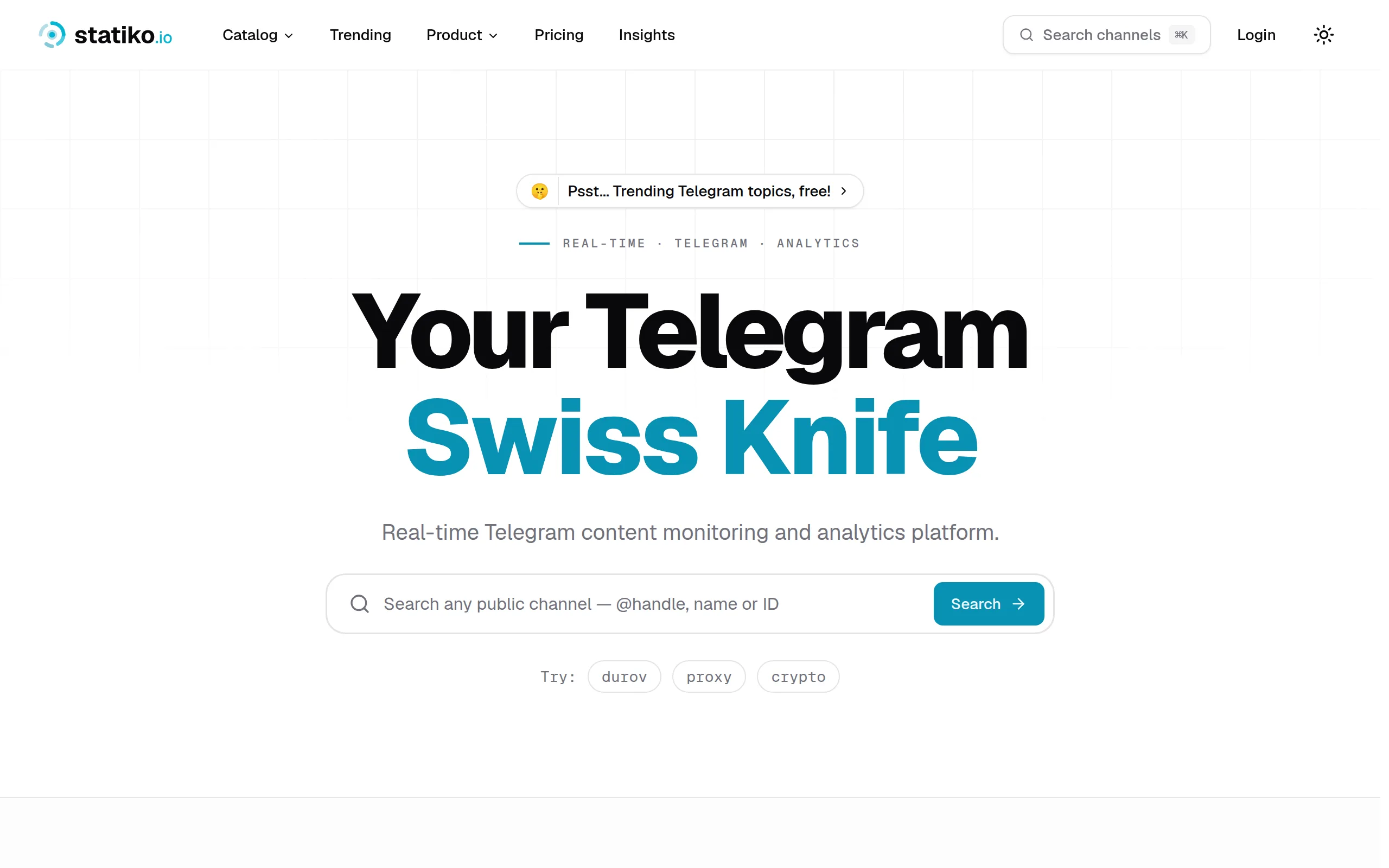
Statiko
Monitor any Telegram channel in real time - track posts, edits, deletions, and growth with AI recaps 📡

Shibui
AI website builder - describe your business, pick a niche template, edit by chatting, and publish instantly ✨

Pro Service
Find verified home service professionals, compare quotes, and pay securely through escrow - built for Brazilians across the US 🏠
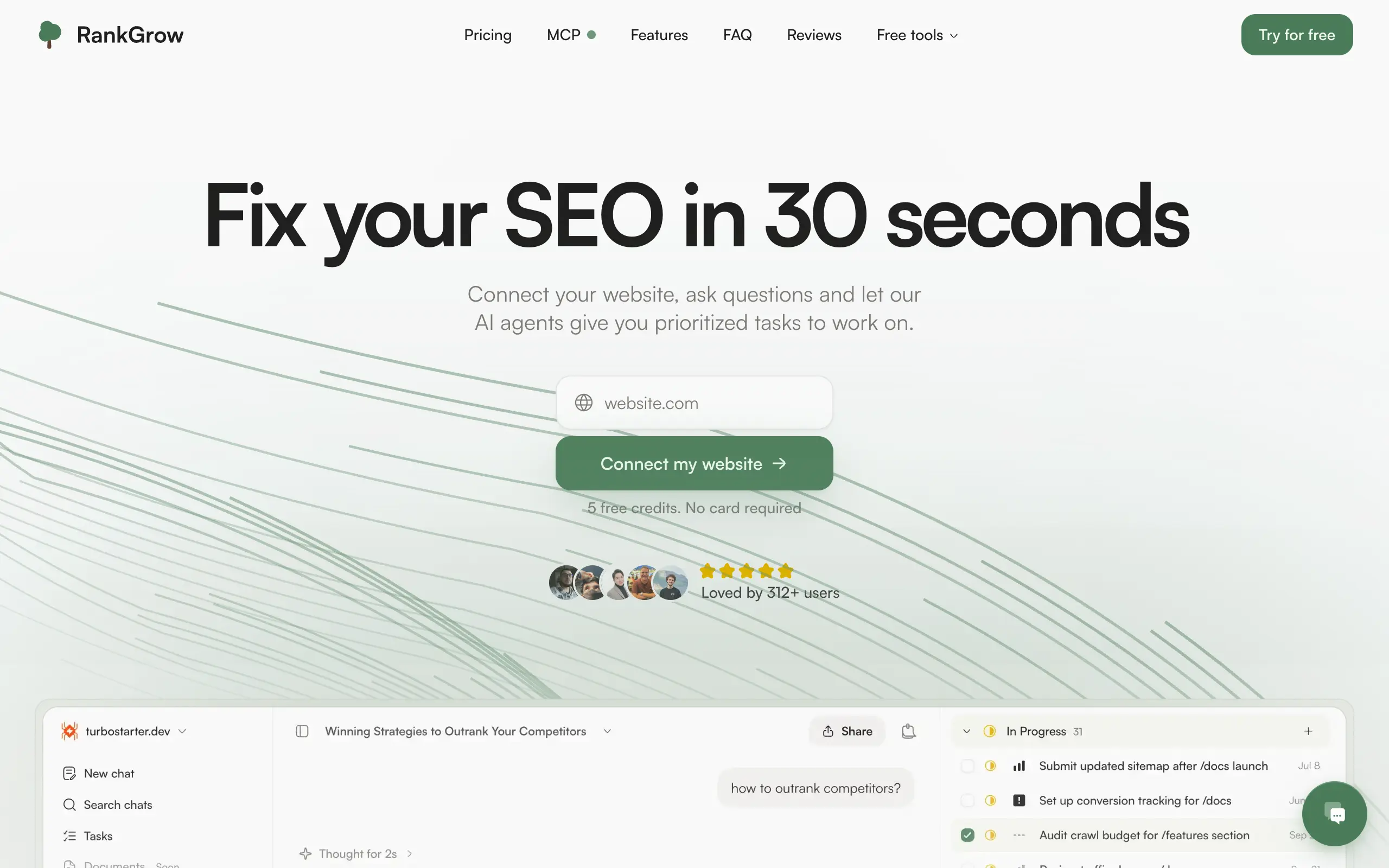
RankGrow
Fix your SEO with AI agents - connect Search Console, get prioritized tasks, and grow organic traffic 📈
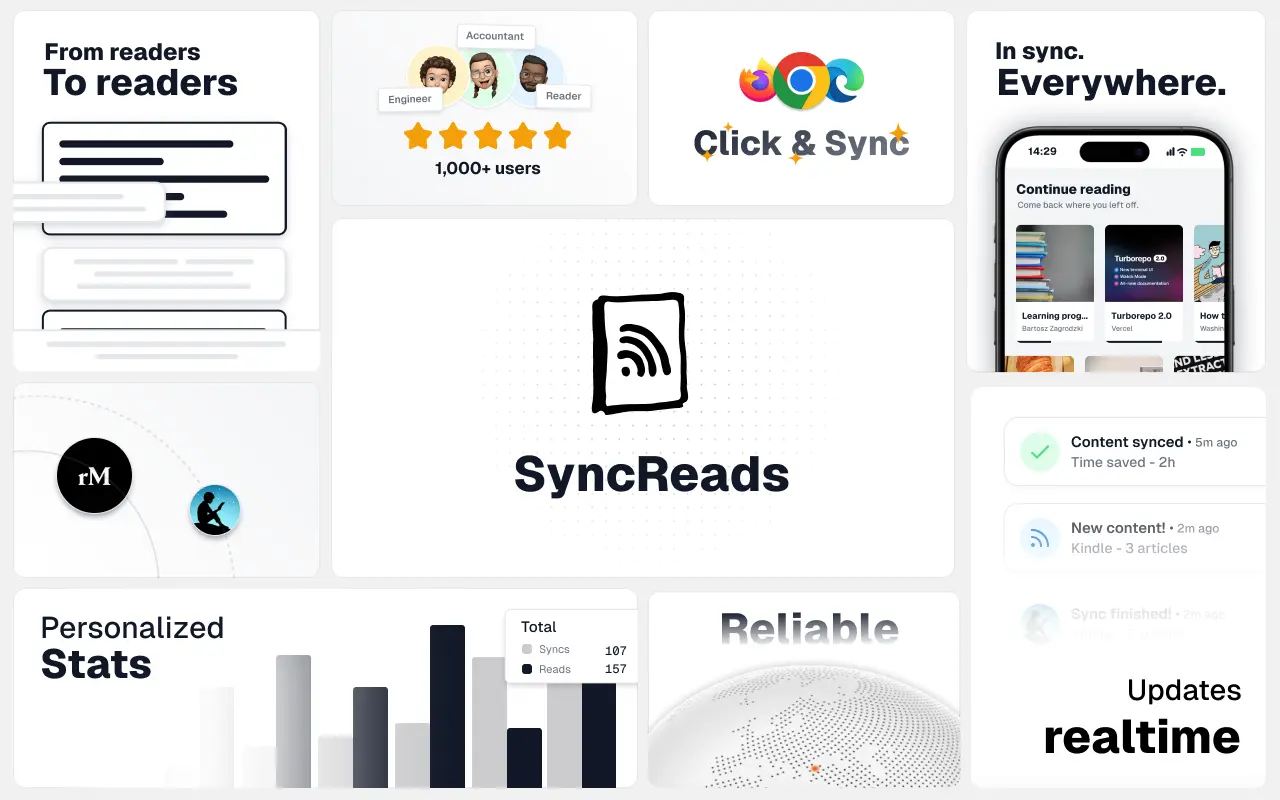
SyncReads
Sync your favorite content for distraction-free reading, save time and replace multiple apps. Anytime, anywhere 🔄
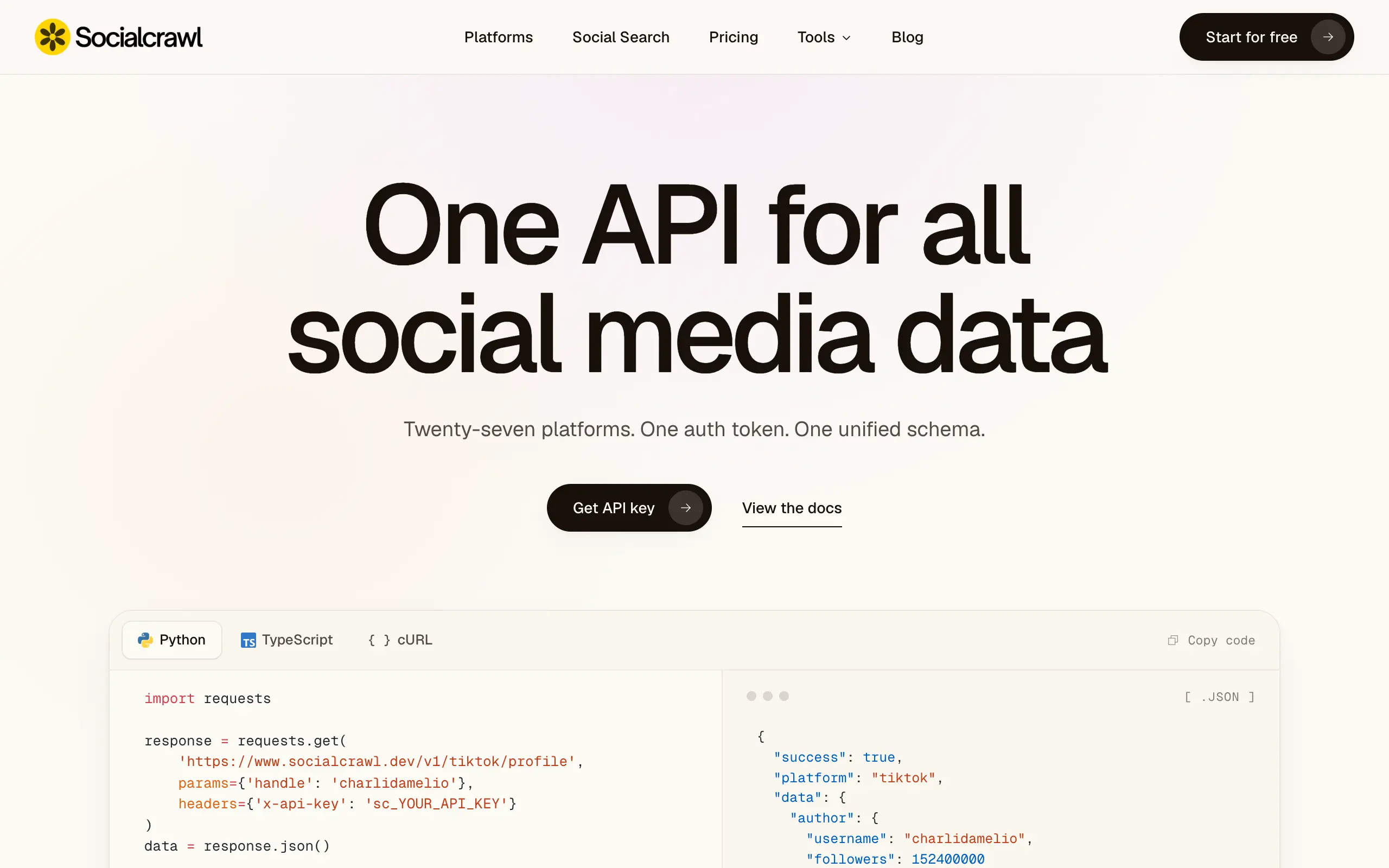
Socialcrawl
Get clean, structured data from 21 platforms like TikTok, Instagram, and YouTube with a single request 📊
Statiko
Monitor any Telegram channel in real time - track posts, edits, deletions, and growth with AI recaps 📡
Shibui
AI website builder - describe your business, pick a niche template, edit by chatting, and publish instantly ✨
Pro Service
Find verified home service professionals, compare quotes, and pay securely through escrow - built for Brazilians across the US 🏠
RankGrow
Fix your SEO with AI agents - connect Search Console, get prioritized tasks, and grow organic traffic 📈
SyncReads
Sync your favorite content for distraction-free reading, save time and replace multiple apps. Anytime, anywhere 🔄
Socialcrawl
Get clean, structured data from 21 platforms like TikTok, Instagram, and YouTube with a single request 📊
Statiko
Monitor any Telegram channel in real time - track posts, edits, deletions, and growth with AI recaps 📡
Shibui
AI website builder - describe your business, pick a niche template, edit by chatting, and publish instantly ✨
Pro Service
Find verified home service professionals, compare quotes, and pay securely through escrow - built for Brazilians across the US 🏠
RankGrow
Fix your SEO with AI agents - connect Search Console, get prioritized tasks, and grow organic traffic 📈
SyncReads
Sync your favorite content for distraction-free reading, save time and replace multiple apps. Anytime, anywhere 🔄
Socialcrawl
Get clean, structured data from 21 platforms like TikTok, Instagram, and YouTube with a single request 📊
Statiko
Monitor any Telegram channel in real time - track posts, edits, deletions, and growth with AI recaps 📡
Shibui
AI website builder - describe your business, pick a niche template, edit by chatting, and publish instantly ✨
Pro Service
Find verified home service professionals, compare quotes, and pay securely through escrow - built for Brazilians across the US 🏠
RankGrow
Fix your SEO with AI agents - connect Search Console, get prioritized tasks, and grow organic traffic 📈
SyncReads
Sync your favorite content for distraction-free reading, save time and replace multiple apps. Anytime, anywhere 🔄
Socialcrawl
Get clean, structured data from 21 platforms like TikTok, Instagram, and YouTube with a single request 📊
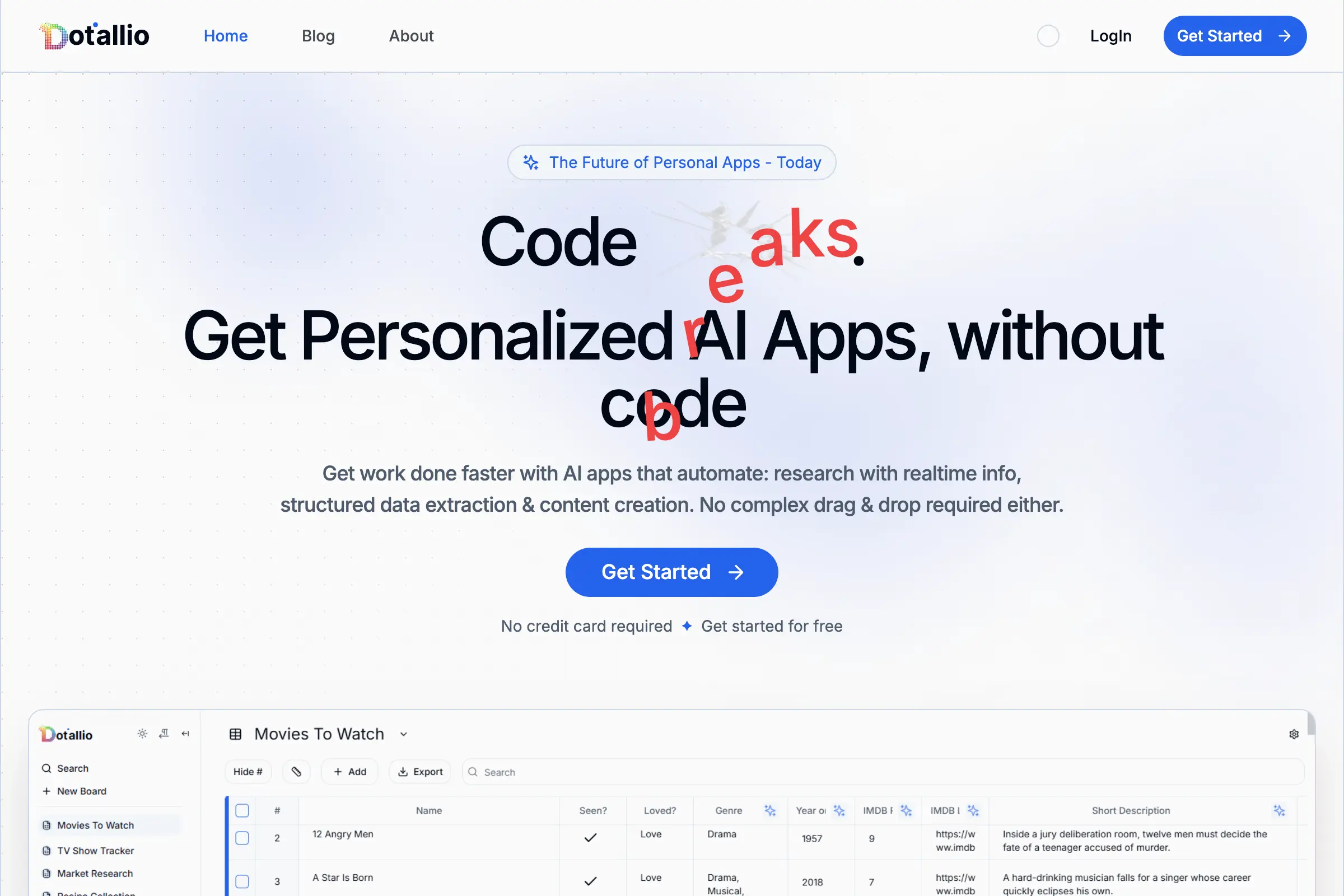
Dotallio
Personalized AI apps that automate research, data extraction, and content creation without code 🤖
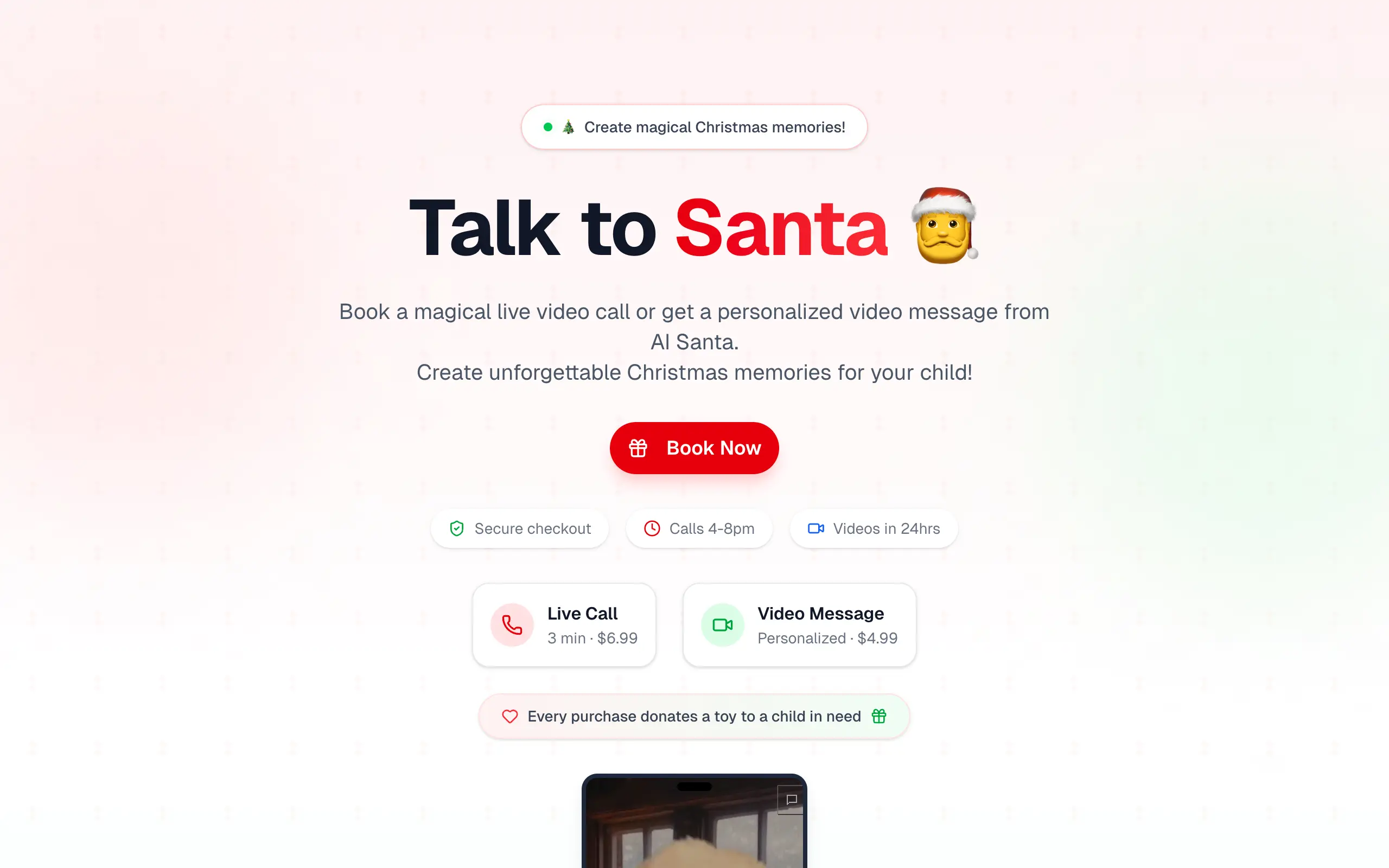
Talk to Santa
Enjoy a magical live video chat or receive a unique AI-generated video greeting from Santa Claus 🎅
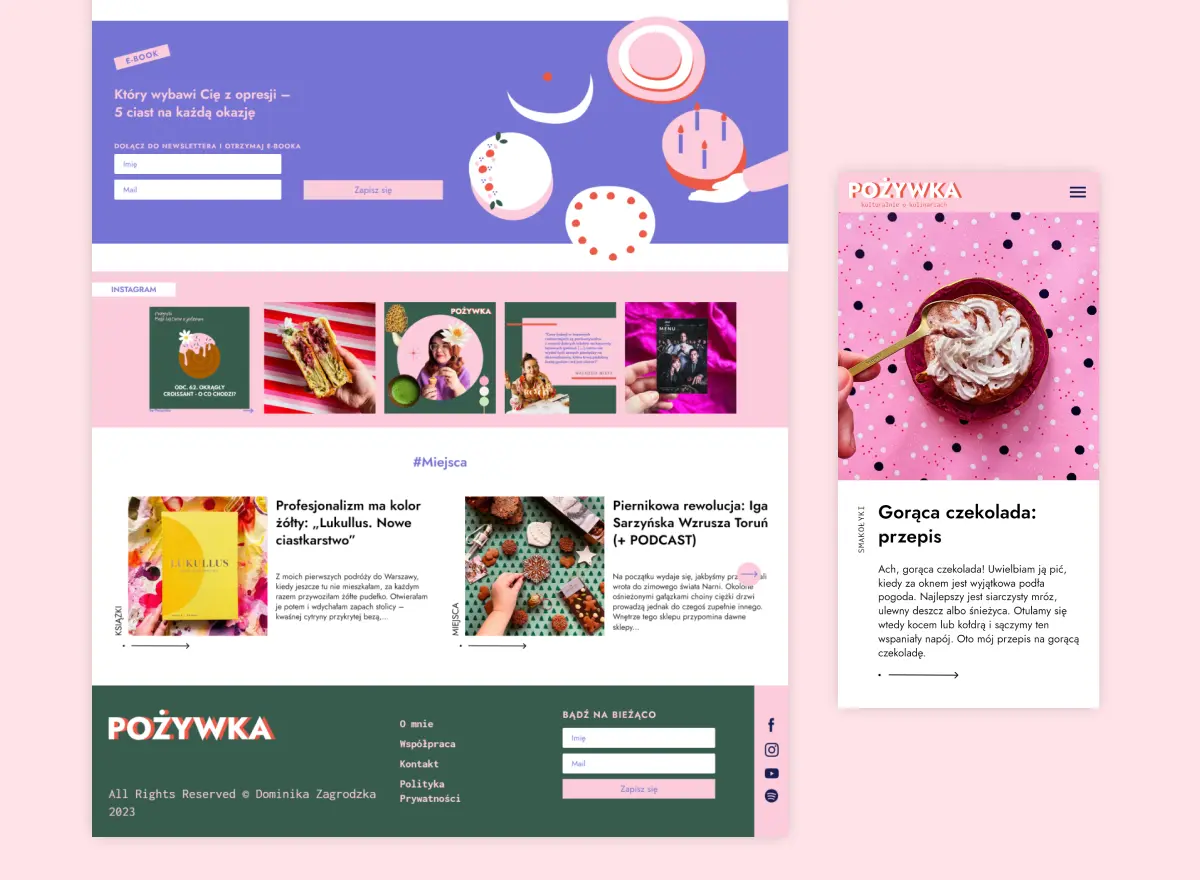
pozywka.pl
Scalable blog for food journalist, focused on performance and user experience 🌭
zagrodzki.me
Personal blog and portfolio of Bart Zagrodzki, where he shares his knowledge and work 💼
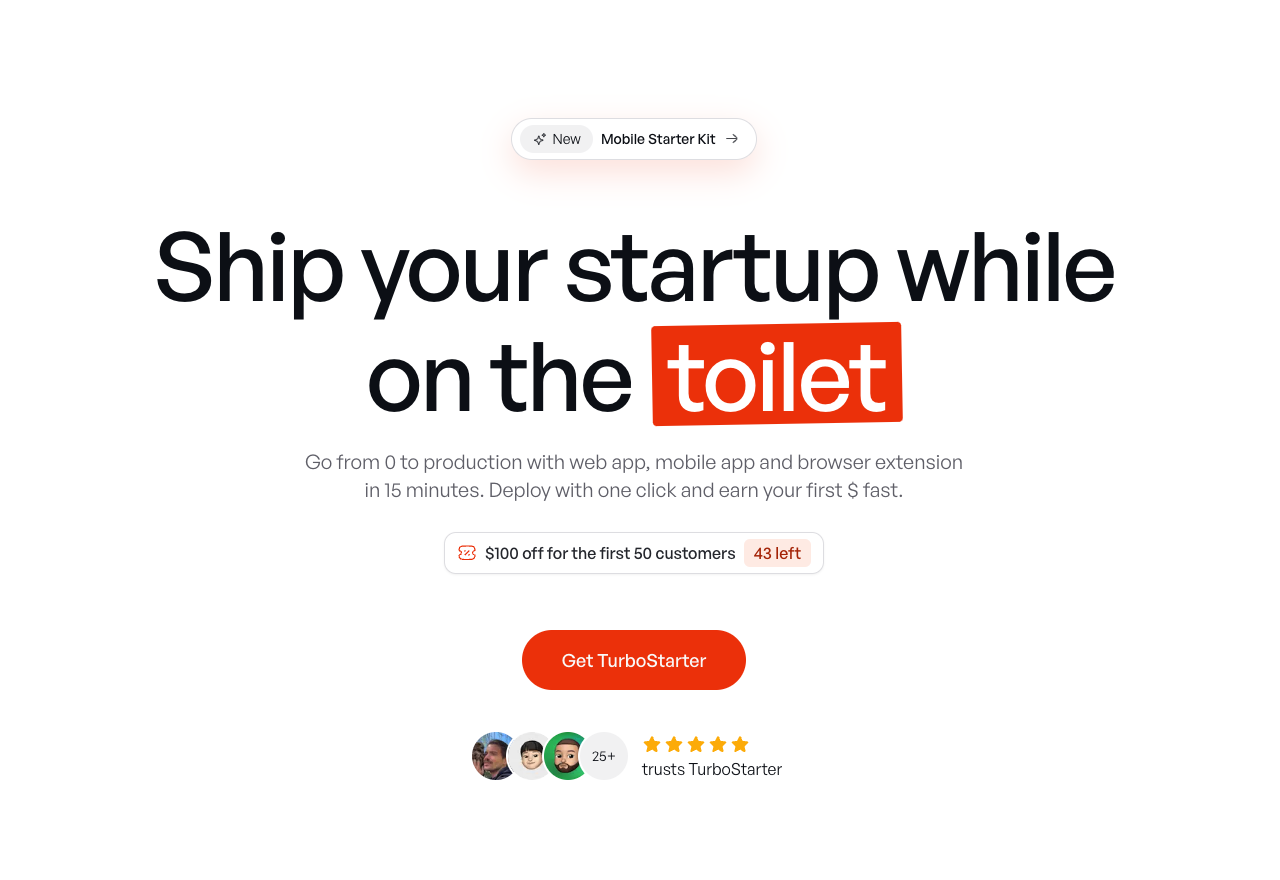
TurboStarter
Ship your startup everywhere. In minutes.
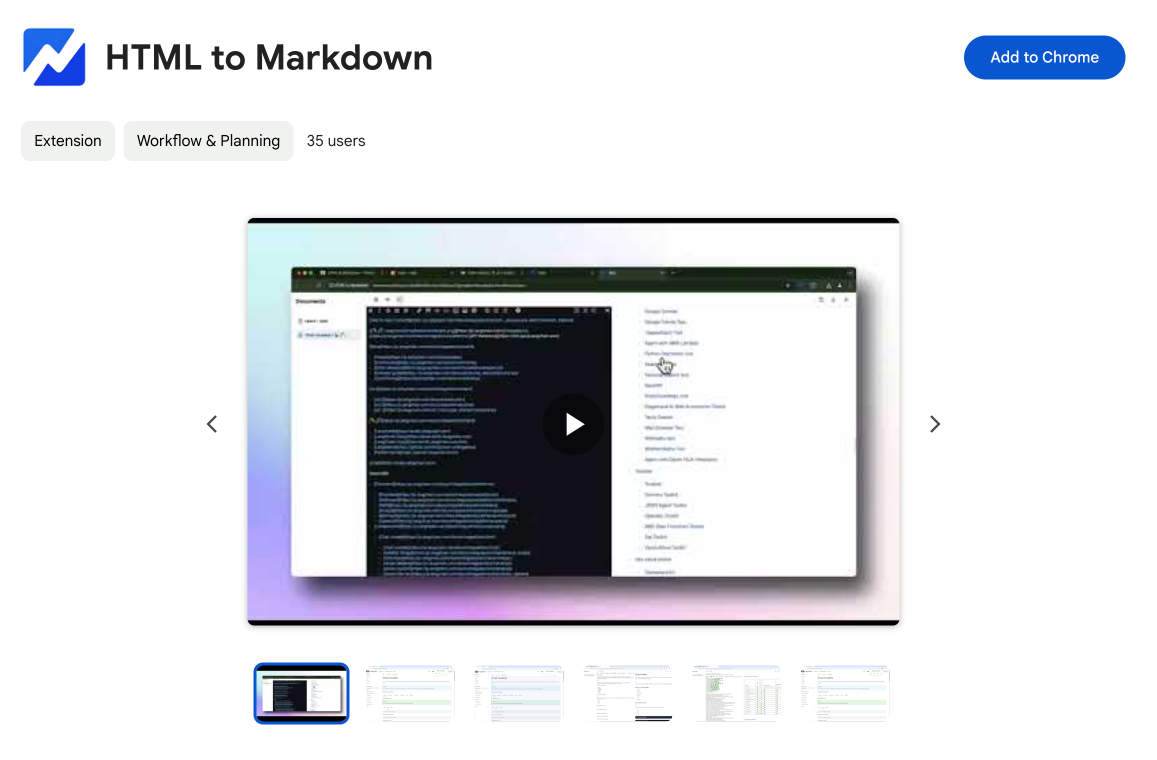
HTML to Markdown
Convert HTML to Markdown with ease, directly in your browser 📄
Dotallio
Personalized AI apps that automate research, data extraction, and content creation without code 🤖
Talk to Santa
Enjoy a magical live video chat or receive a unique AI-generated video greeting from Santa Claus 🎅
pozywka.pl
Scalable blog for food journalist, focused on performance and user experience 🌭
zagrodzki.me
Personal blog and portfolio of Bart Zagrodzki, where he shares his knowledge and work 💼
TurboStarter
Ship your startup everywhere. In minutes.
HTML to Markdown
Convert HTML to Markdown with ease, directly in your browser 📄
Dotallio
Personalized AI apps that automate research, data extraction, and content creation without code 🤖
Talk to Santa
Enjoy a magical live video chat or receive a unique AI-generated video greeting from Santa Claus 🎅
pozywka.pl
Scalable blog for food journalist, focused on performance and user experience 🌭
zagrodzki.me
Personal blog and portfolio of Bart Zagrodzki, where he shares his knowledge and work 💼
TurboStarter
Ship your startup everywhere. In minutes.
HTML to Markdown
Convert HTML to Markdown with ease, directly in your browser 📄
Dotallio
Personalized AI apps that automate research, data extraction, and content creation without code 🤖
Talk to Santa
Enjoy a magical live video chat or receive a unique AI-generated video greeting from Santa Claus 🎅
pozywka.pl
Scalable blog for food journalist, focused on performance and user experience 🌭
zagrodzki.me
Personal blog and portfolio of Bart Zagrodzki, where he shares his knowledge and work 💼
TurboStarter
Ship your startup everywhere. In minutes.
HTML to Markdown
Convert HTML to Markdown with ease, directly in your browser 📄
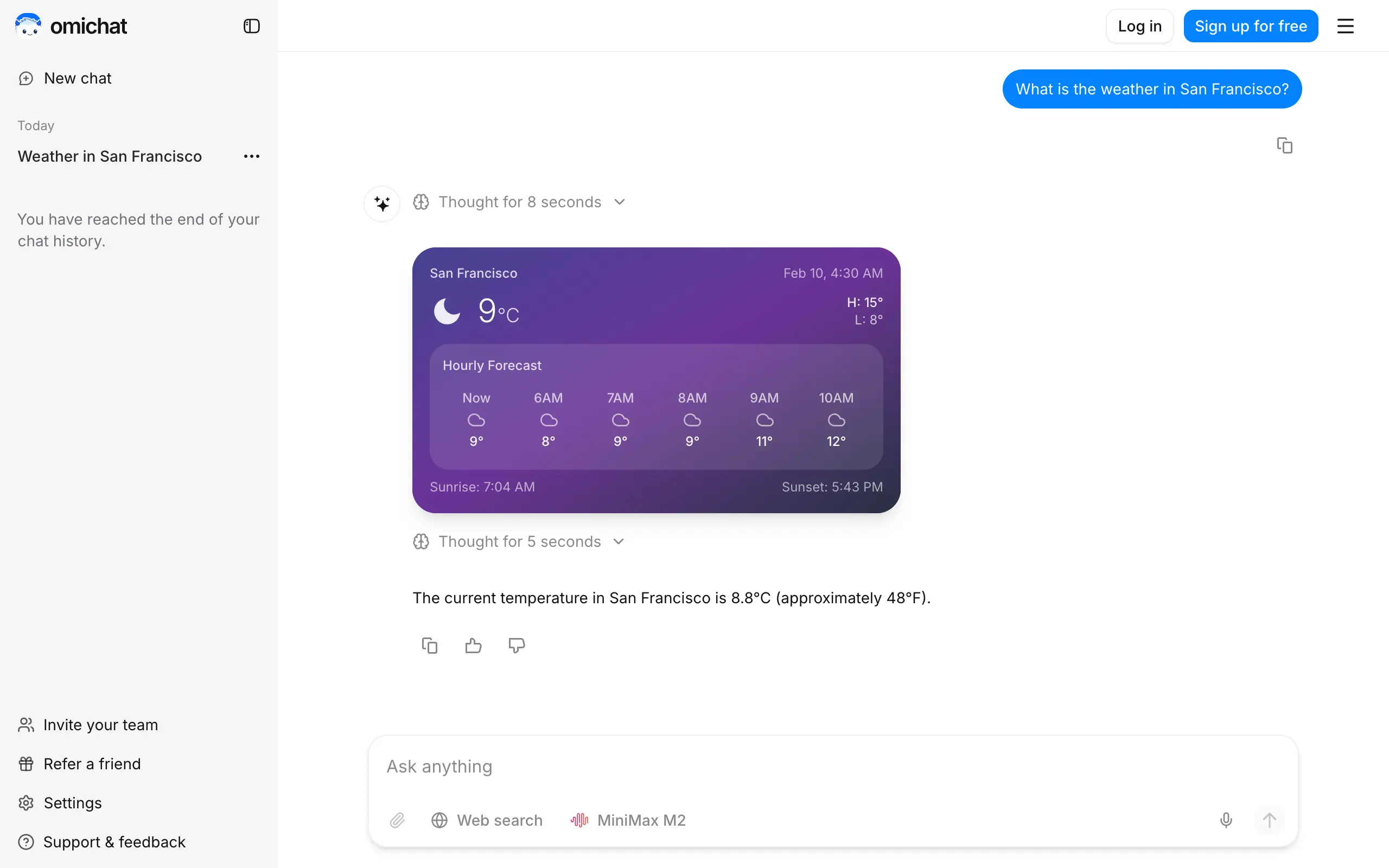
Omichat
Chat with 50+ AI models, including ChatGPT and Claude, in one place - switch models anytime without losing context 🤖
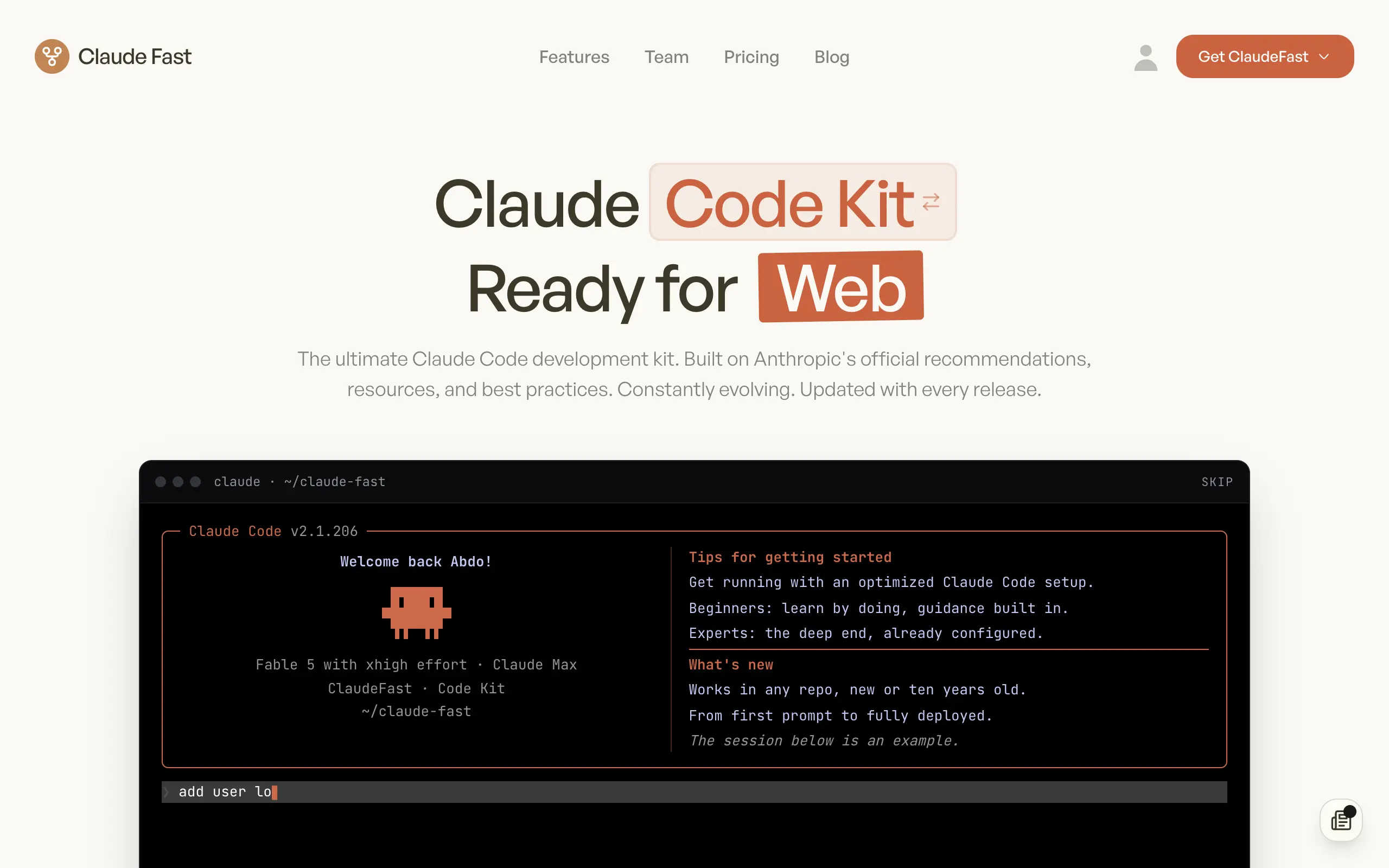
Claude Fast
Supercharge your Claude Code with 6x effective context window and specialized AI agents 🤖
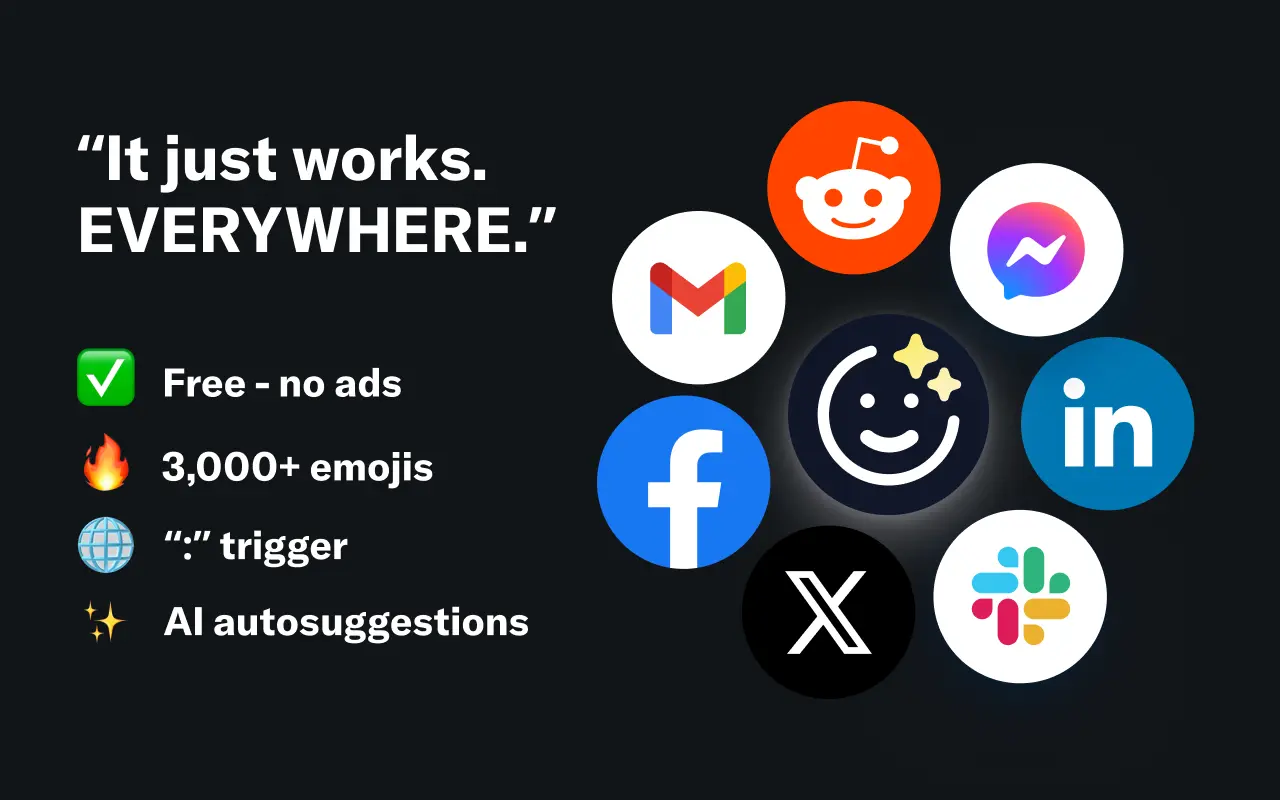
EmojAI
AI-powered emoji picker with smart, context-aware suggestions 🤖
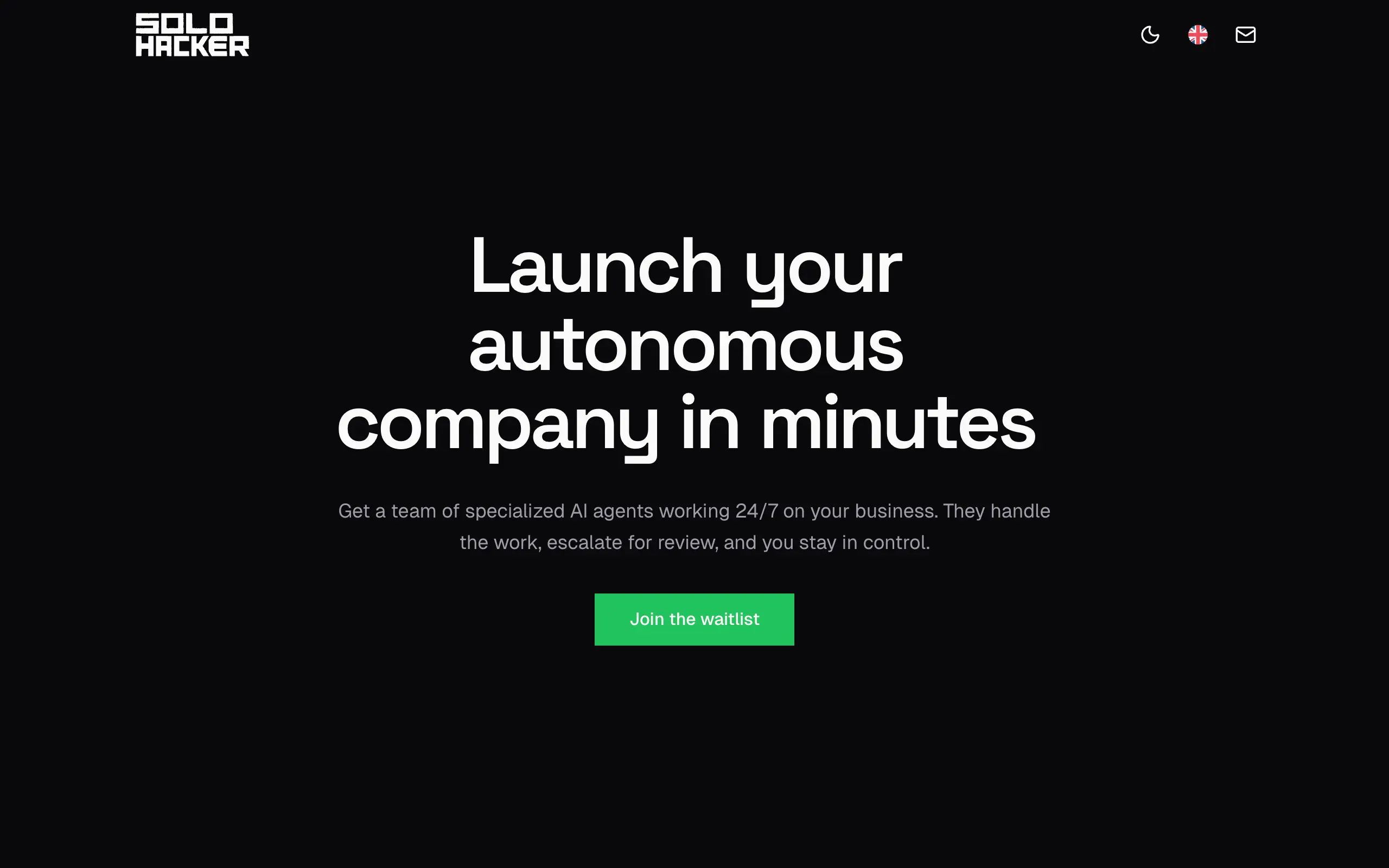
Solohacker
Autonomous company launcher - AI agents work 24/7, escalate what matters, and you stay in control 🤖
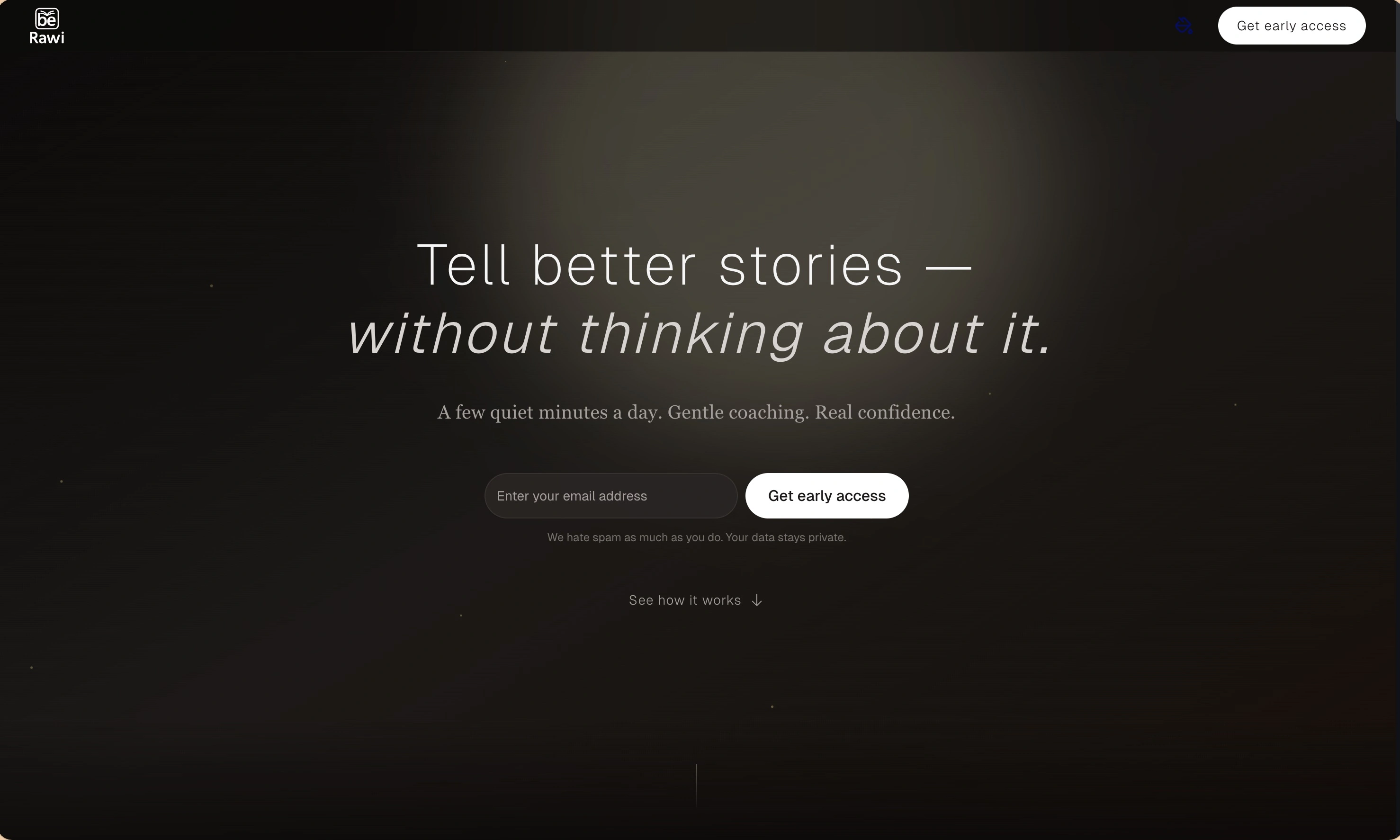
BeRawi: Storytelling Coach
Practice storytelling daily with instant feedback to sound clearer, more engaging, and confident 🎤
Omichat
Chat with 50+ AI models, including ChatGPT and Claude, in one place - switch models anytime without losing context 🤖
Claude Fast
Supercharge your Claude Code with 6x effective context window and specialized AI agents 🤖
EmojAI
AI-powered emoji picker with smart, context-aware suggestions 🤖
Solohacker
Autonomous company launcher - AI agents work 24/7, escalate what matters, and you stay in control 🤖
BeRawi: Storytelling Coach
Practice storytelling daily with instant feedback to sound clearer, more engaging, and confident 🎤
Omichat
Chat with 50+ AI models, including ChatGPT and Claude, in one place - switch models anytime without losing context 🤖
Claude Fast
Supercharge your Claude Code with 6x effective context window and specialized AI agents 🤖
EmojAI
AI-powered emoji picker with smart, context-aware suggestions 🤖
Solohacker
Autonomous company launcher - AI agents work 24/7, escalate what matters, and you stay in control 🤖
BeRawi: Storytelling Coach
Practice storytelling daily with instant feedback to sound clearer, more engaging, and confident 🎤
Omichat
Chat with 50+ AI models, including ChatGPT and Claude, in one place - switch models anytime without losing context 🤖
Claude Fast
Supercharge your Claude Code with 6x effective context window and specialized AI agents 🤖
EmojAI
AI-powered emoji picker with smart, context-aware suggestions 🤖
Solohacker
Autonomous company launcher - AI agents work 24/7, escalate what matters, and you stay in control 🤖
BeRawi: Storytelling Coach
Practice storytelling daily with instant feedback to sound clearer, more engaging, and confident 🎤

Connect with like-minded people
Join our community to get feedback, support, and grow together with 1,000+ builders on board, let's ship it!
Join usShip your startup everywhere. In minutes.
Don't burn tokens on setup and start building features on day one.