VoiceVibe
A voice modulation app that uses AI to transform and enhance users' voices for podcasts, videos, and live streams. Ideal for content creators and digital marketers seeking to stand out with unique audio experiences.
Target Audience: Empowering Audio Enthusiasts and Professionals
The solution is designed for creators who rely on high-quality voice recordings. Whether you’re a podcaster, video producer, or professional hosting virtual meetings, this tool is tailored to those who want to enhance audio quality and elevate listener engagement. Its advanced AI-driven capabilities are perfect for:
- Content Creators: Podcasters and video producers looking to streamline audio enhancements.
- Business Professionals: Hosts and speakers seeking improved clarity during virtual meetings.
- Media Teams: Production companies that want an efficient way to elevate audio production without hiring external experts.
- Remote Workers: Individuals leveraging digital communication tools, ensuring each virtual presentation sounds polished.
The ease-of-use and versatility of this solution make it incredibly valuable whether you're a seasoned audio expert or a novice trying to produce quality content.
Uncovering the Market Opportunity
The digital world is rapidly embracing immersive audio experiences. With an exponential rise in podcasting and virtual communication, the demand for superior audio processing tools is at an all-time high. Here’s why the market opportunity is extensive:
- Explosive Growth in Podcasting: Podcasts have become a go-to medium for millions globally. Tools that can automatically refine and enhance voice recordings tap directly into this booming industry.
- Remote Communication Evolution: As remote work becomes a permanent fixture, businesses are investing more in virtual meeting experiences. Clean, clear audio can make or break a presentation.
- Cost Efficiency: Instead of investing hundreds or thousands in manual editing and expensive studio equipment, an AI-based solution offers an affordable, automated alternative.
- Scalability: The tool’s adaptability across various content creation mediums (podcasts, videos, meetings) opens up multiple revenue streams.
Investors and market experts agree, targeting niches that have been traditionally underserved by conventional audio software creates a compelling opportunity for growth and innovation.
Innovative Tech Stack for Maximum Efficiency
Building a robust solution relies on utilizing a modern, scalable tech stack. By leaning into cutting-edge development tools and frameworks, this solution is both reliable and flexible.
Core Technologies
- AI & Machine Learning Frameworks: Leveraging models such as TensorFlow or PyTorch to perform audio analysis and real-time enhancements.
- Web Technologies: Modern JavaScript frameworks such as React for a dynamic user interface and Node.js for scalable backend services.
- Cloud Infrastructure: Utilizing AWS, Google Cloud, or Azure for real-time audio processing and storage, ensuring high availability and minimal latency.
- Microservices Architecture: Utilizing containers and orchestrators like Docker and Kubernetes to modularize the system, making it easier to scale and maintain.
Turbocharging Development with TurboStarter
If you’re eager to accelerate your development timeline, consider the power of TurboStarter. This starter kit is designed to give developers a head start on building robust web, mobile, and browser extension projects. Its rich set of prebuilt components makes it a perfect companion when integrating complex audio processing functionalities.
Code Example
Below is a simple snippet demonstrating how you might set up a basic audio enhancement function in JavaScript:
const enhanceAudio = (audioInput) => {
  // Process the audio input and return enhanced audio output
  console.log("Processing audio for enhancement...");
  // Imagine a complex AI model is processing this audio
  return "Enhanced audio output";
};
This snippet illustrates the ease of defining functionalities that can be expanded into a full-fledged audio enhancement module.
Monetization Strategy: Turning Innovation into Revenue
Transforming an innovative solution into a profitable venture requires a clear monetization strategy. Several revenue streams can be implemented to ensure recurring income and long-term growth.
Freemium and Subscription Models
- Freemium Approach: Offer a basic version of the tool free of charge to attract a large user base. Monetize through premium features such as advanced analytics and additional audio effects.
- Subscription Tiers: Provide tiered monthly or annual subscriptions that unlock premium functionalities. This allows users to pay for performance as they scale up their content production.
Pay-Per-Use and Licensing
- On-Demand Processing: Introduce a pay-per-use model where users are charged based on the amount of audio processed. This model is attractive for occasional users who do not need a monthly subscription.
- Enterprise Licensing: Offer custom solutions for large organizations needing centralized control over audio processing across multiple departments. Volume licensing agreements can lead to significant long-term contracts.
Integration Partnerships
- API Integrations: Providing a robust API that can be integrated into other audio-editing tools or platforms opens up B2B opportunities. This could be a gateway to numerous partnerships and collaborations.
- White-Label Solutions: Create a white-label solution that can be rebranded, enabling other companies to offer refined audio enhancements without being heavily invested in R&D.
Customer Support & Add-ons
- Extra Features: Upsell services such as premium customer support, training, and customization options.
- Analytics and Insights: Offer advanced analytics and user insights to help customers understand their audio performance and make data-driven decisions.
Identifying and Mitigating Risks
Every innovative solution must be cognizant of potential risks. Addressing these risks early and planning mitigative strategies can save substantial time and resources.
Technological Risks
- AI Model Accuracy: Ensuring that AI models can adapt to a wide variety of audio inputs is critical. Continuous testing and training on diverse datasets are necessary to maintain performance.
- Latency Issues: Real-time audio processing demands low-latency computing. Cloud infrastructure must be optimized to handle high-traffic situations without service interruptions.
Cloud Infrastructure
Ensure that infrastructure investments are allocated not only for processing power but also for robust backup and failover systems.
Security and Privacy
- Data Privacy: When processing sensitive voice data, especially from professional meetings, ensuring end-to-end encryption and compliance with data protection laws (such as GDPR) is imperative.
- Cybersecurity: Regular security audits and the implementation of SSL/TLS protocols will protect both user data and intellectual properties from potential breaches.
Market and Financial Risks
- Rapid Technological Changes: The field of AI is constantly evolving. Staying updated with the latest technologies is necessary to prevent obsolescence.
- Competitive Landscape: Emerging competitors or large established platforms entering the niche may challenge the market position. Continuous innovation and customer feedback loops are crucial to maintain competitive advantages.
Operational Risks
- Scalability: A sudden surge in users can stress the system. Building a modular and scalable architecture from the beginning can help mitigate these challenges.
- User Adoption: Resistance to new technology is a challenge. Investing in user-friendly interfaces and extensive tutorials can help drive higher adoption rates.
Competitive Advantages: Standing Out in the Crowd
Developing and launching a product in a competitive market requires clear differentiation. This solution distinguishes itself through multiple key insights and innovative features.
AI-Driven Precision
- Advanced Audio Analysis: Leveraging state-of-the-art AI algorithms to analyze and enhance voice recordings far surpasses older, manual editing techniques.
- Rapid Enhancement: The efficiency of real-time processing means users can see immediate improvements without hours of cumbersome manual tuning.
User-Centric Design
- Intuitive Interfaces: Every feature is designed with the end-user in mind. The interface is clean, accessible, and simplified, lowering the learning curve.
- Customizable Experience: Whether you’re a novice or a professional, the tool offers adjustable settings that cater to individual audio needs.
Market Integration Capabilities
- API and Plug-in Friendly: Seamlessly integrate with existing audio production tools, ensuring that users do not have to overhaul their entire workflow.
- Cross-Platform Support: By being accessible on web, mobile, and potentially as a browser extension, the tool can serve multiple user bases effectively.
Cost-Effectiveness and Accessibility
- Affordable Subscription Models: Competitive pricing models ensure that high-quality audio enhancement is accessible for small businesses and individual creators alike.
- Low Barrier to Entry: The initial free version combined with a freemium model allows users to test and experience the benefits without immediate commitment.
Reliability and Scalability
- Robust Infrastructure: Designed from the ground up for scalability, the system is built to handle high volumes of simultaneous processing requests.
- Continuous Updates: A commitment to ongoing development means that new features and enhancements are regularly introduced, keeping the product ahead of its competitors.
Feature highlight
Advanced AI algorithms offer unmatched precision in audio analysis and enhancement, ensuring rapid improvements and superior quality.
Technical Implementation Insights with a Modular Approach
Designing a solution that can evolve with technological trends is about modularity and strategic integration. Breaking the development process into iterative, manageable components helps maintain focus and flexibility.
Core Modules to Build
- Audio Preprocessing Module: Converts various audio formats into a uniform format for processing.
- AI Enhancement Module: Implements algorithms that detect and improve audio quality issues including noise reduction, volume balancing, and clarity boosting.
- User Interface Module: A clean, intuitive dashboard where users can upload audio, manage projects, and access analytics.
- API Layer: Facilitates integration with external tools, enabling a broader ecosystem of interconnected services.
Best Practices in Development
- Code Quality: Emphasize thorough unit testing and code reviews, especially in the AI modules.
- Agile Methodologies: Utilize agile workflows with iterative sprints, ensuring that each module is methodically developed and integrated.
- Open Source Collaboration: Consider integrating open source libraries and frameworks where applicable to benefit from community innovation and peer review.
Start with developing a proof-of-concept. This phase should include building out the main modules and testing them in isolation. Focus on feature integration and user interface design.
In the deployment phase, prioritize setting up a robust cloud infrastructure. Ensure the product is scalable by deploying using containers and CI/CD pipelines.
Monetization, Data Strategies, and Strategic Partnerships
Sustainable revenue growth relies on how effectively the tool can integrate with the broader market ecosystem. The following strategies outline the pathway to not just revenue but long-term engagement.
Expanded Revenue Strategies
- Data-Driven Insights: Offer value-added services that include detailed analytics about audio performance. This can help professionals identify trends and improve their content over time.
- Custom API Plans: As the adoption grows, introduce premium API access plans that allow other developers or organizations to integrate the tool’s capabilities into their own products.
- Industry Partnerships: Forge partnerships with popular podcast hosting platforms and video streaming services which can drive an influx of users and offer co-branding opportunities.
Leveraging Community and Feedback
- User Forums and Feedback Channels: Maintain an active user forum and integrate feedback loops within the application. Regularly scheduled updates based on user feedback ensure that the product stays aligned with market needs.
- Tutorials and Training: Provide extensive documentation, video tutorials, and live webinars to make sure users can maximize the potential of every feature.
Open Innovation and Ecosystem Building
- Plug-in Ecosystem: Consider fostering an ecosystem where third-party developers can create and share plug-ins. This not only extends the tool’s functionality but also creates a community of innovation around the product.
- Collaborative Enhancements: Engage with academic institutions and research organizations to continually improve the AI models. This collaboration can result in more accurate and efficient audio enhancements.
Integrate machine learning models that not only enhance audio but also generate insights about the acoustics, listener engagement, and overall performance. This competitive advantage gives users an edge in content improvement strategies.
Competitive Landscape and Positioning Strategies
A thorough understanding of the competitive landscape is vital to position the product effectively. Here are some key points of differentiation:
- In-House AI vs. Third-Party Solutions: While many competitors rely on third-party enhancements, this tool’s in-house AI models are continuously refined for excellence.
- Ease-of-Integration: The ability to integrate seamlessly with existing production workflows sets it apart from more isolated audio processing tools.
- User Engagement Focus: Not just about audio quality, the product provides actionable insights that enable content creators to understand and connect with their audience more effectively.
Market Positioning Tactics
- Reputation for Trust and Reliability: Emphasize testimonials and case studies from early adopters who have experienced significant improvements in audio quality.
- User-Centric Approach: Highlight the intuitive design and customizable controls that cater to both beginners and professionals.
- Collaborative Growth: Regularly add new features based on market trends and user feedback, ensuring that the product remains ahead in innovation.
Steps Toward Implementation
Moving from concept to creation requires clear, structured implementation steps. Below is a roadmap to help guide the process.
Define the Product Vision – Ensure that the core value proposition and essential features are clearly documented. Gather input from target users and industry experts.
Build the Core Modules – Start developing the audio preprocessing, AI enhancement, and user interface modules using agile methods. Begin by writing unit tests and scaffolding the project structure.
Integrate and Test – Combine individual modules and run comprehensive tests. Use beta testers from target audiences to gather early feedback.
Deploy on Scalable Infrastructure – Launch on cloud platforms with built-in redundancy, using containerization tools like Docker to ensure scalability.
Launch and Gather Feedback – Roll out the platform to a wider audience. Monitor usage, gather analytics, and iterate quickly on identified issues.
Expand Functionalities and Monetization Routes – Introduce premium features, develop API integrations, and explore partnership opportunities.
To accelerate the development process and streamline early implementation, consider leveraging the capabilities of TurboStarter. Its robust framework can jumpstart your project and reduce time-to-market significantly.
Conclusion
This solution taps into a vibrant market fueled by the need for enhanced audio quality across podcasts, videos, and virtual communication. By targeting an enthusiastic audience, leveraging advanced AI and modern web technologies, and embracing a multifaceted monetization strategy, the product is well-positioned for long-term success.
The market opportunity is vast, and while risks exist—ranging from technological challenges to competitive pressures—an agile, user-centric approach paired with continuous innovation creates a strong competitive advantage. The roadmap provided in the implementation steps outlines the journey from vision to deployment, ensuring that every aspect is methodically planned and executed.
Take the leap and start enhancing audio quality with a user-driven, AI-powered solution that meets today’s demands.
Embrace the future of audio enhancement by following these strategic steps, and prepare to transform user experiences across multiple media channels. With innovation at its core and a robust development process supported by industry-leading tools, this can become the go-to solution for anyone serious about quality audio production.
More 🤖 AI Startup SaaS ideas
Discover more innovative ai startup SaaS ideas that are trending in 2026. Each idea is AI-generated with market validation and growth potential to help you find your next profitable venture faster than competitors.
Your competitors are building with TurboStarter
Below are some of the SaaS ideas that have been generated and built with our starter kit.

Statiko
Monitor any Telegram channel in real time - track posts, edits, deletions, and growth with AI recaps 📡

Shibui
AI website builder - describe your business, pick a niche template, edit by chatting, and publish instantly ✨

Pro Service
Find verified home service professionals, compare quotes, and pay securely through escrow - built for Brazilians across the US 🏠
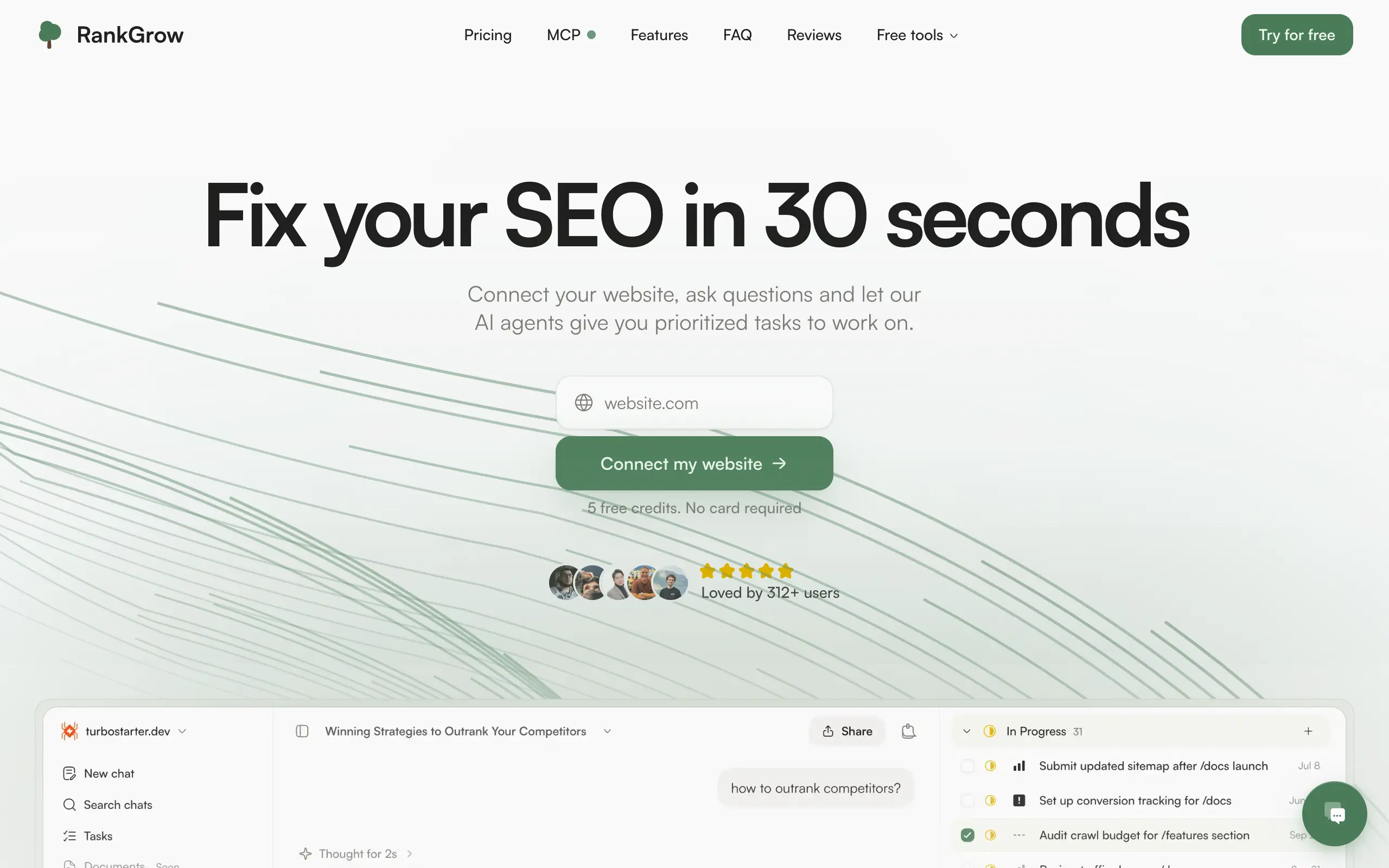
RankGrow
Fix your SEO with AI agents - connect Search Console, get prioritized tasks, and grow organic traffic 📈
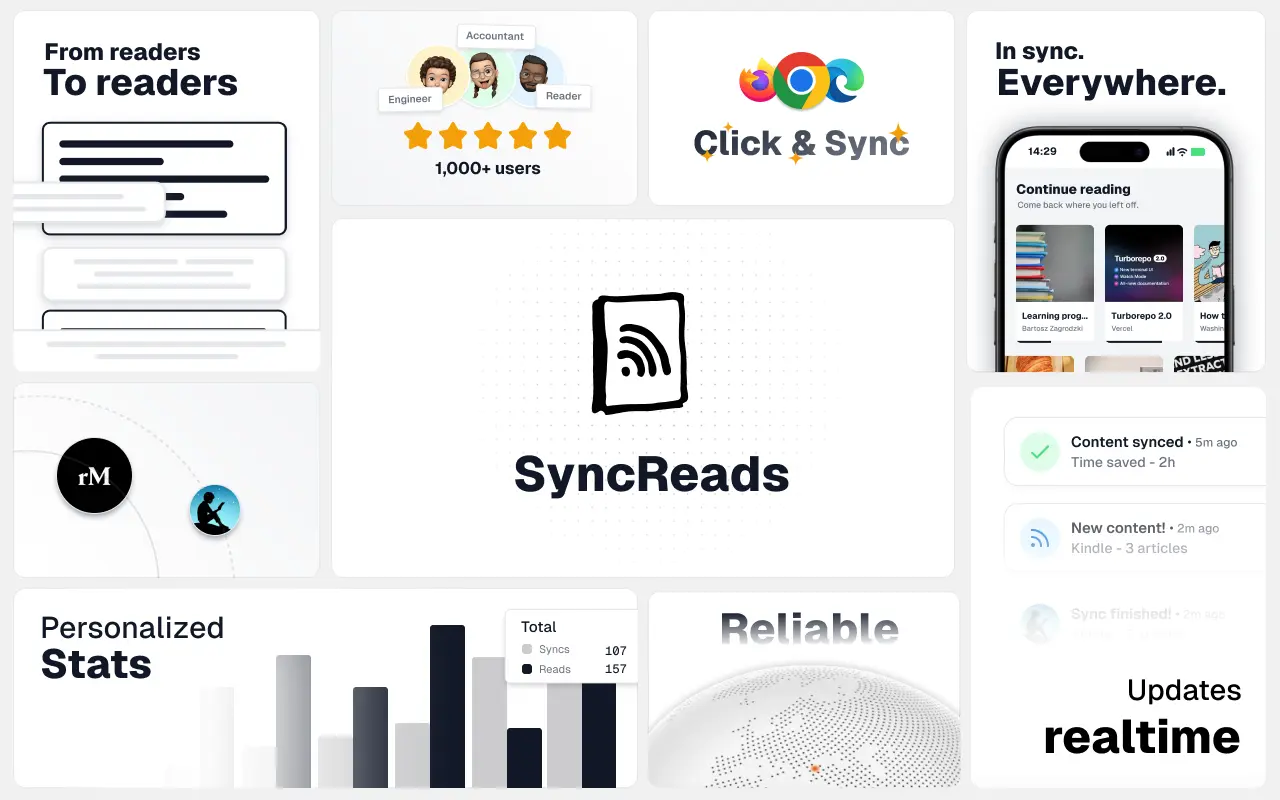
SyncReads
Sync your favorite content for distraction-free reading, save time and replace multiple apps. Anytime, anywhere 🔄
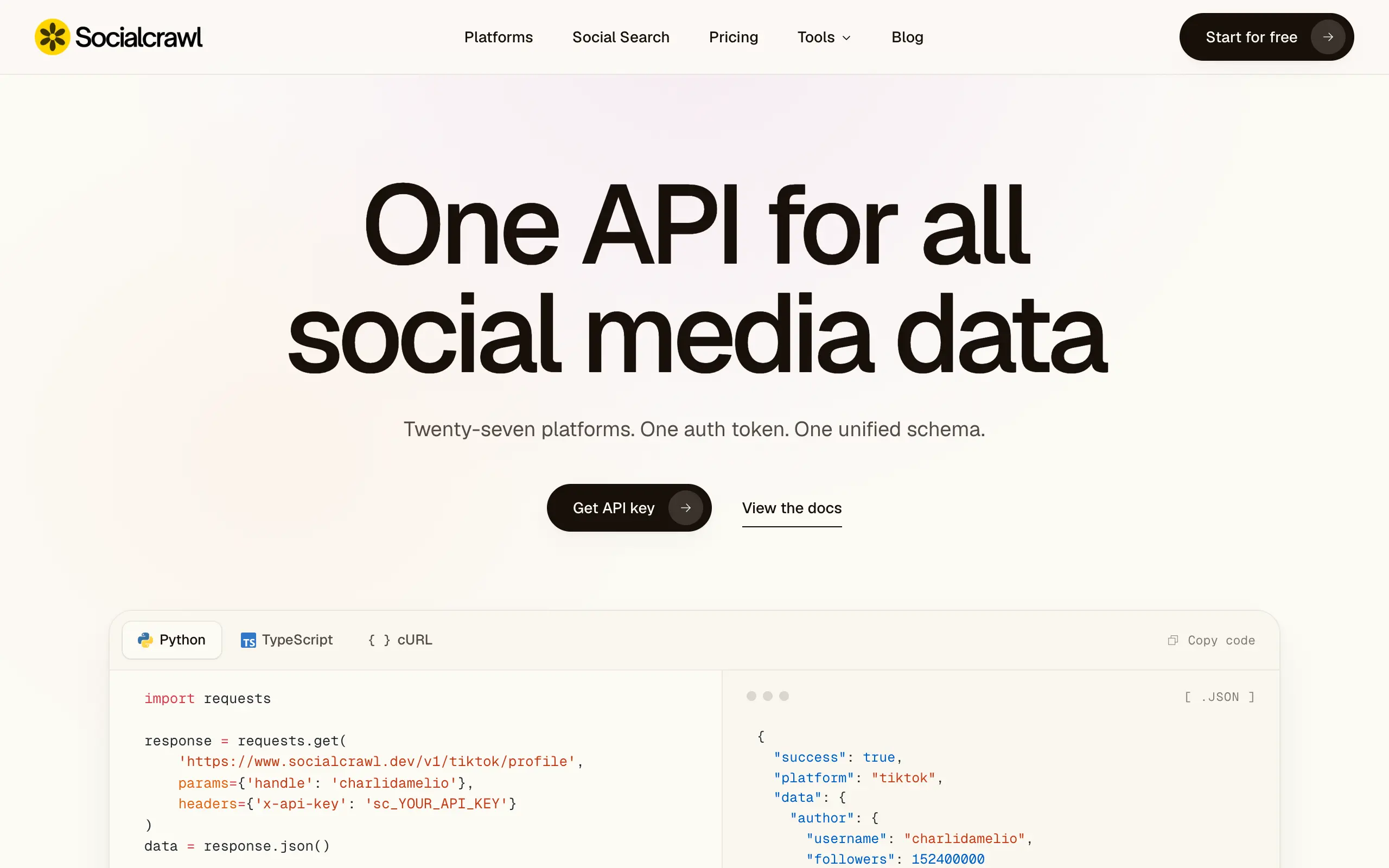
Socialcrawl
Get clean, structured data from 21 platforms like TikTok, Instagram, and YouTube with a single request 📊
Statiko
Monitor any Telegram channel in real time - track posts, edits, deletions, and growth with AI recaps 📡
Shibui
AI website builder - describe your business, pick a niche template, edit by chatting, and publish instantly ✨
Pro Service
Find verified home service professionals, compare quotes, and pay securely through escrow - built for Brazilians across the US 🏠
RankGrow
Fix your SEO with AI agents - connect Search Console, get prioritized tasks, and grow organic traffic 📈
SyncReads
Sync your favorite content for distraction-free reading, save time and replace multiple apps. Anytime, anywhere 🔄
Socialcrawl
Get clean, structured data from 21 platforms like TikTok, Instagram, and YouTube with a single request 📊
Statiko
Monitor any Telegram channel in real time - track posts, edits, deletions, and growth with AI recaps 📡
Shibui
AI website builder - describe your business, pick a niche template, edit by chatting, and publish instantly ✨
Pro Service
Find verified home service professionals, compare quotes, and pay securely through escrow - built for Brazilians across the US 🏠
RankGrow
Fix your SEO with AI agents - connect Search Console, get prioritized tasks, and grow organic traffic 📈
SyncReads
Sync your favorite content for distraction-free reading, save time and replace multiple apps. Anytime, anywhere 🔄
Socialcrawl
Get clean, structured data from 21 platforms like TikTok, Instagram, and YouTube with a single request 📊
Statiko
Monitor any Telegram channel in real time - track posts, edits, deletions, and growth with AI recaps 📡
Shibui
AI website builder - describe your business, pick a niche template, edit by chatting, and publish instantly ✨
Pro Service
Find verified home service professionals, compare quotes, and pay securely through escrow - built for Brazilians across the US 🏠
RankGrow
Fix your SEO with AI agents - connect Search Console, get prioritized tasks, and grow organic traffic 📈
SyncReads
Sync your favorite content for distraction-free reading, save time and replace multiple apps. Anytime, anywhere 🔄
Socialcrawl
Get clean, structured data from 21 platforms like TikTok, Instagram, and YouTube with a single request 📊
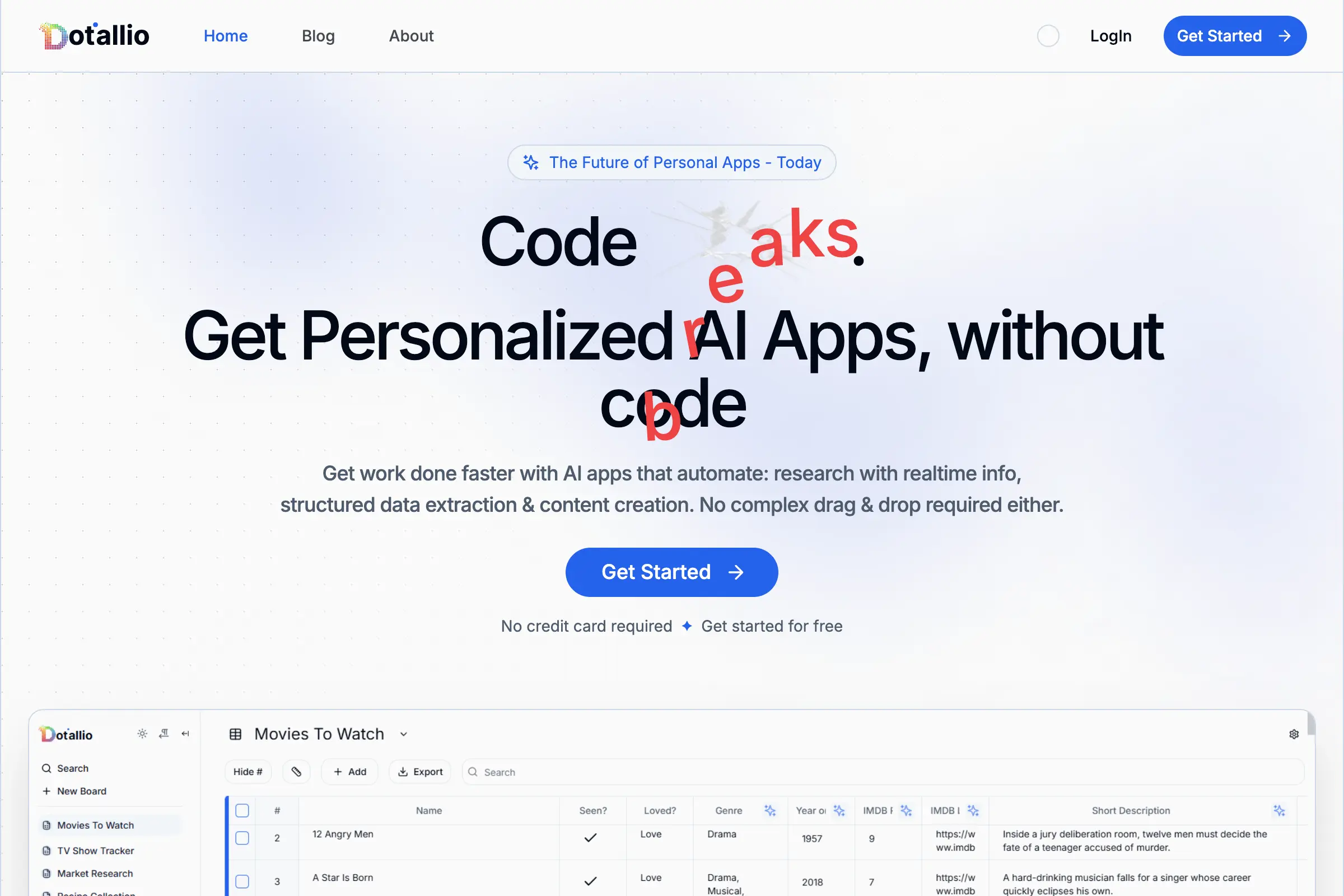
Dotallio
Personalized AI apps that automate research, data extraction, and content creation without code 🤖

Talk to Santa
Enjoy a magical live video chat or receive a unique AI-generated video greeting from Santa Claus 🎅
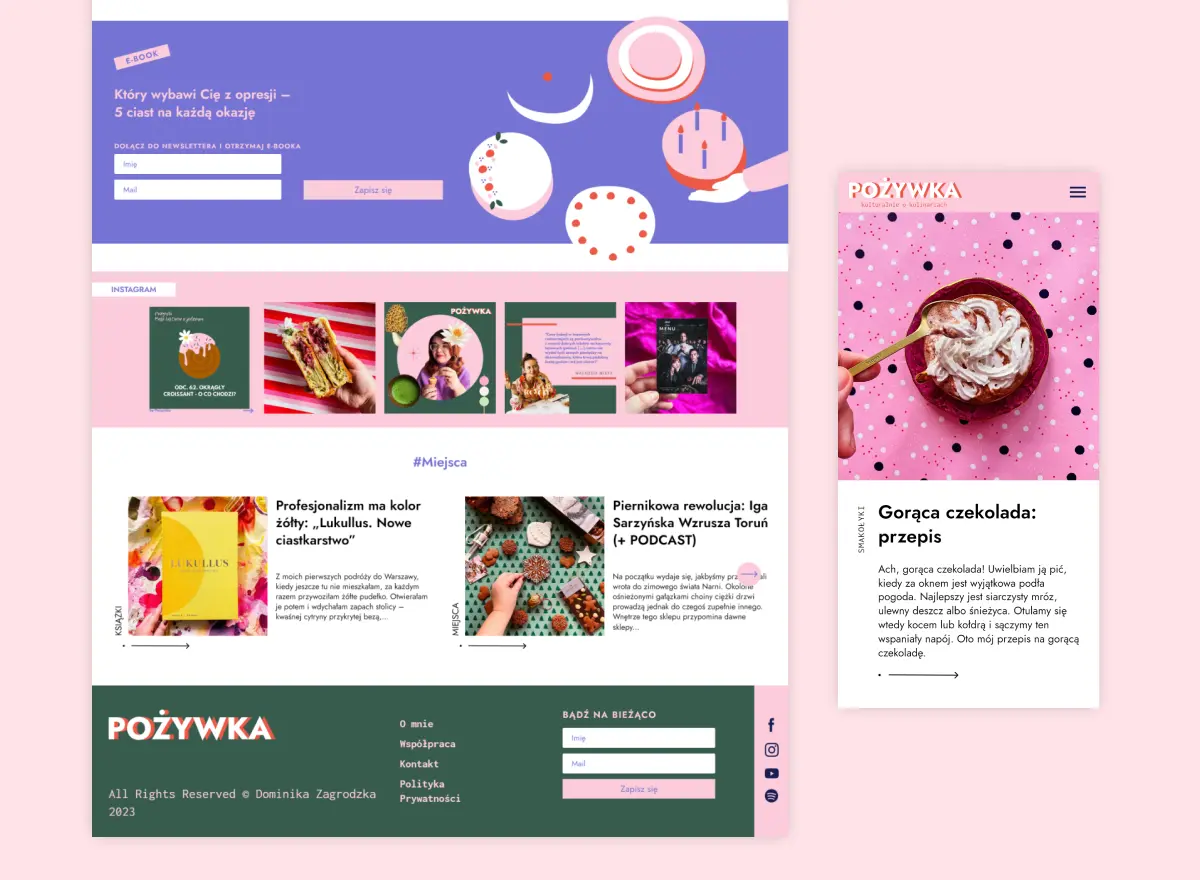
pozywka.pl
Scalable blog for food journalist, focused on performance and user experience 🌭
zagrodzki.me
Personal blog and portfolio of Bart Zagrodzki, where he shares his knowledge and work 💼
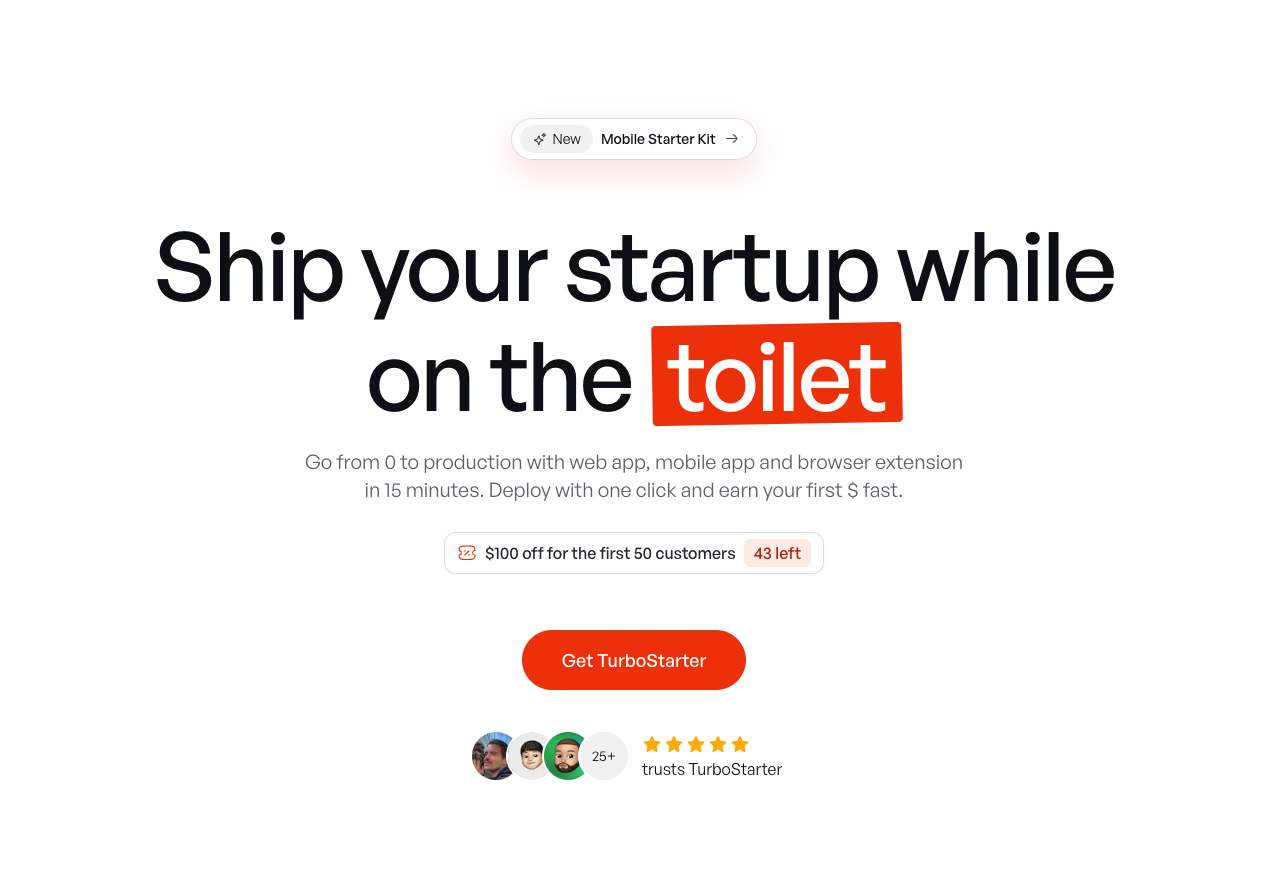
TurboStarter
Ship your startup everywhere. In minutes.
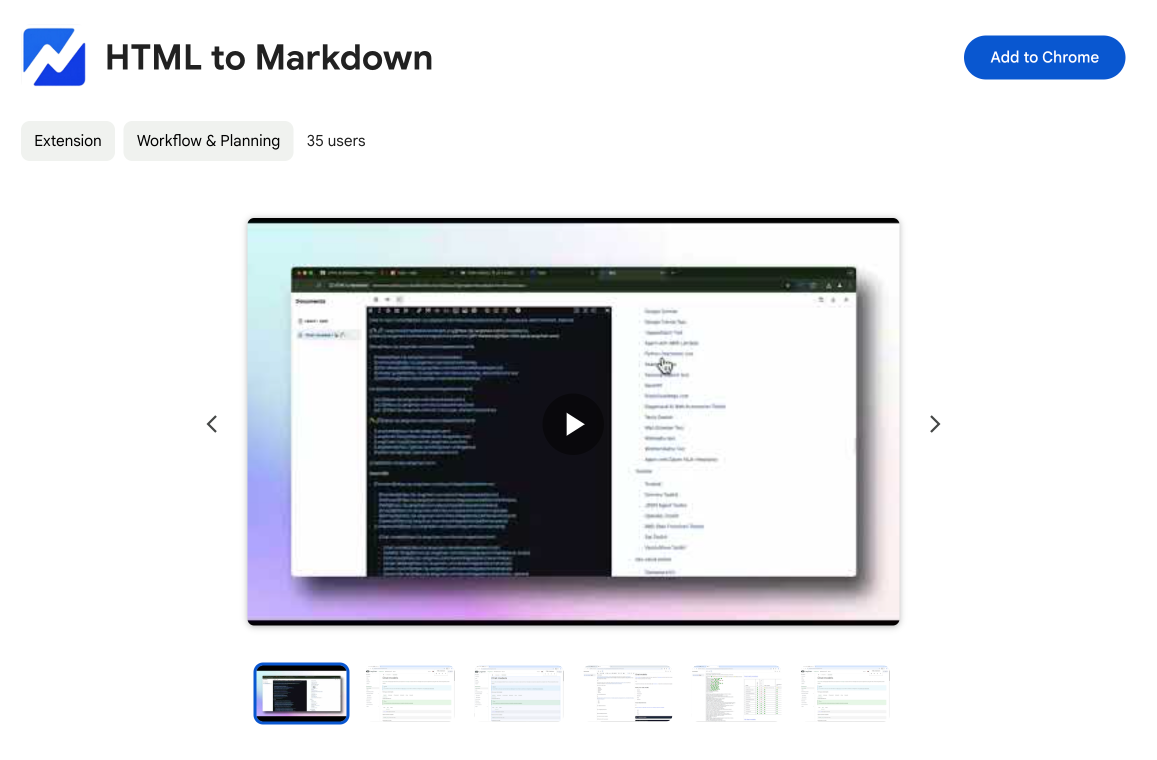
HTML to Markdown
Convert HTML to Markdown with ease, directly in your browser 📄
Dotallio
Personalized AI apps that automate research, data extraction, and content creation without code 🤖
Talk to Santa
Enjoy a magical live video chat or receive a unique AI-generated video greeting from Santa Claus 🎅
pozywka.pl
Scalable blog for food journalist, focused on performance and user experience 🌭
zagrodzki.me
Personal blog and portfolio of Bart Zagrodzki, where he shares his knowledge and work 💼
TurboStarter
Ship your startup everywhere. In minutes.
HTML to Markdown
Convert HTML to Markdown with ease, directly in your browser 📄
Dotallio
Personalized AI apps that automate research, data extraction, and content creation without code 🤖
Talk to Santa
Enjoy a magical live video chat or receive a unique AI-generated video greeting from Santa Claus 🎅
pozywka.pl
Scalable blog for food journalist, focused on performance and user experience 🌭
zagrodzki.me
Personal blog and portfolio of Bart Zagrodzki, where he shares his knowledge and work 💼
TurboStarter
Ship your startup everywhere. In minutes.
HTML to Markdown
Convert HTML to Markdown with ease, directly in your browser 📄
Dotallio
Personalized AI apps that automate research, data extraction, and content creation without code 🤖
Talk to Santa
Enjoy a magical live video chat or receive a unique AI-generated video greeting from Santa Claus 🎅
pozywka.pl
Scalable blog for food journalist, focused on performance and user experience 🌭
zagrodzki.me
Personal blog and portfolio of Bart Zagrodzki, where he shares his knowledge and work 💼
TurboStarter
Ship your startup everywhere. In minutes.
HTML to Markdown
Convert HTML to Markdown with ease, directly in your browser 📄
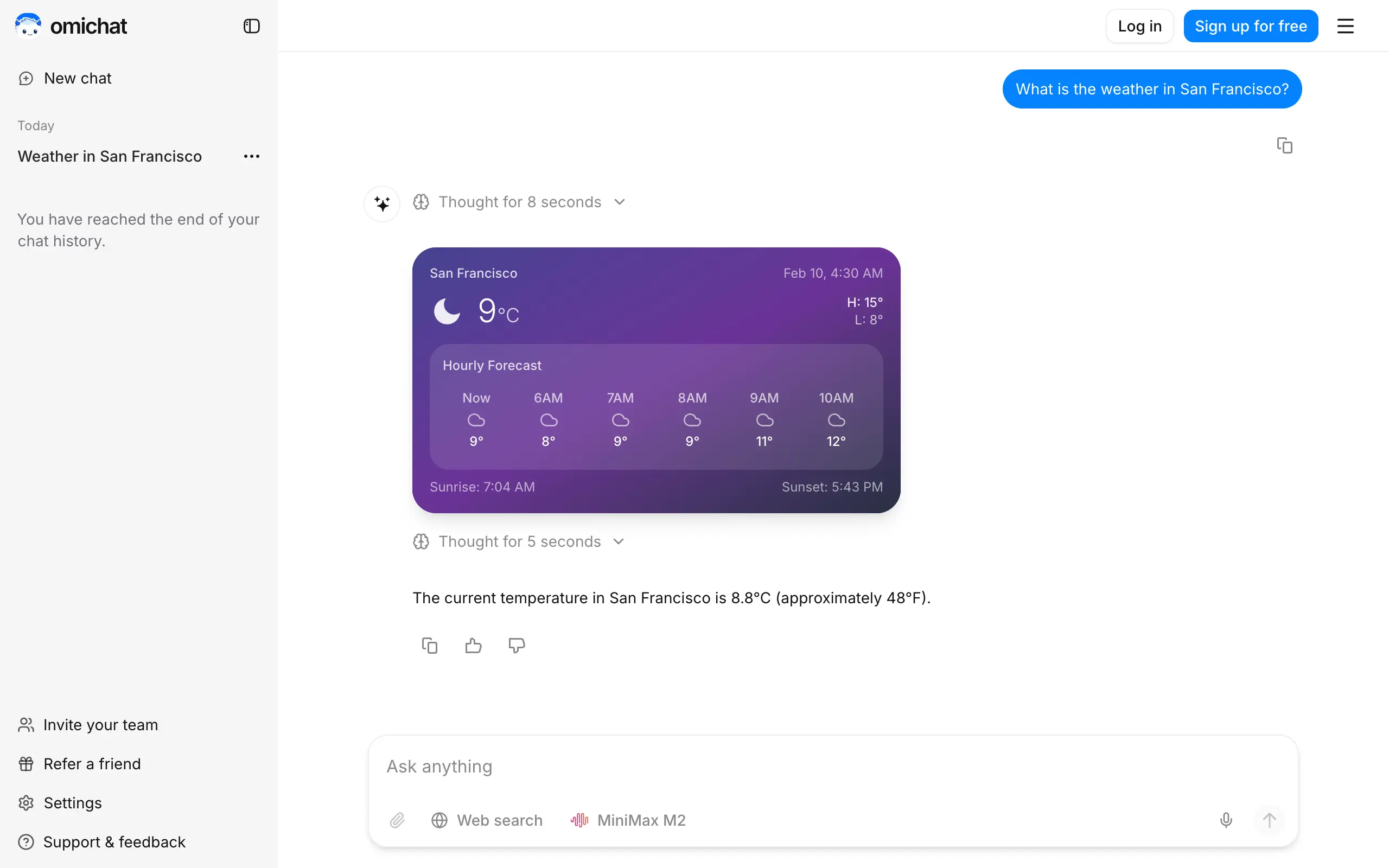
Omichat
Chat with 50+ AI models, including ChatGPT and Claude, in one place - switch models anytime without losing context 🤖
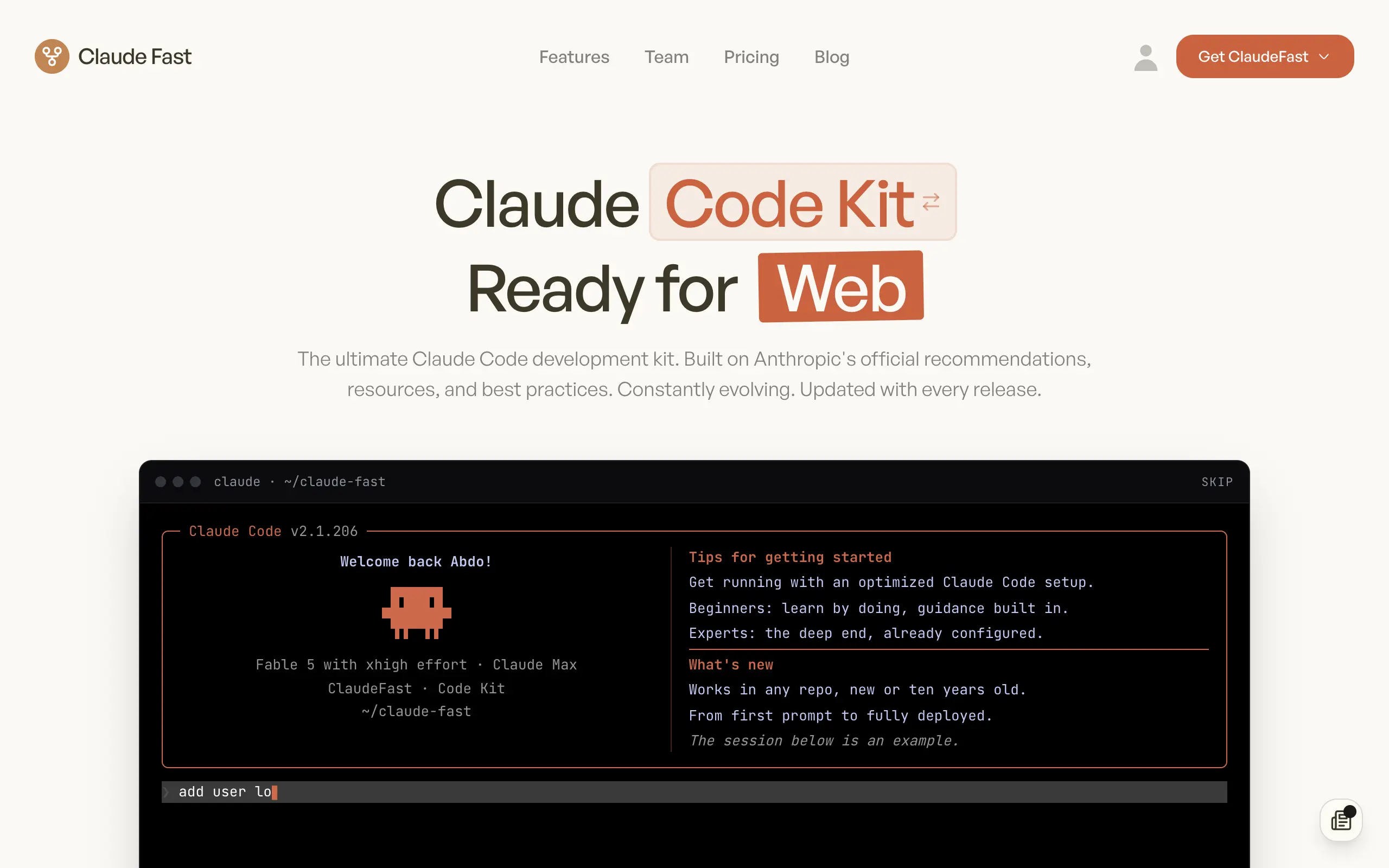
Claude Fast
Supercharge your Claude Code with 6x effective context window and specialized AI agents 🤖
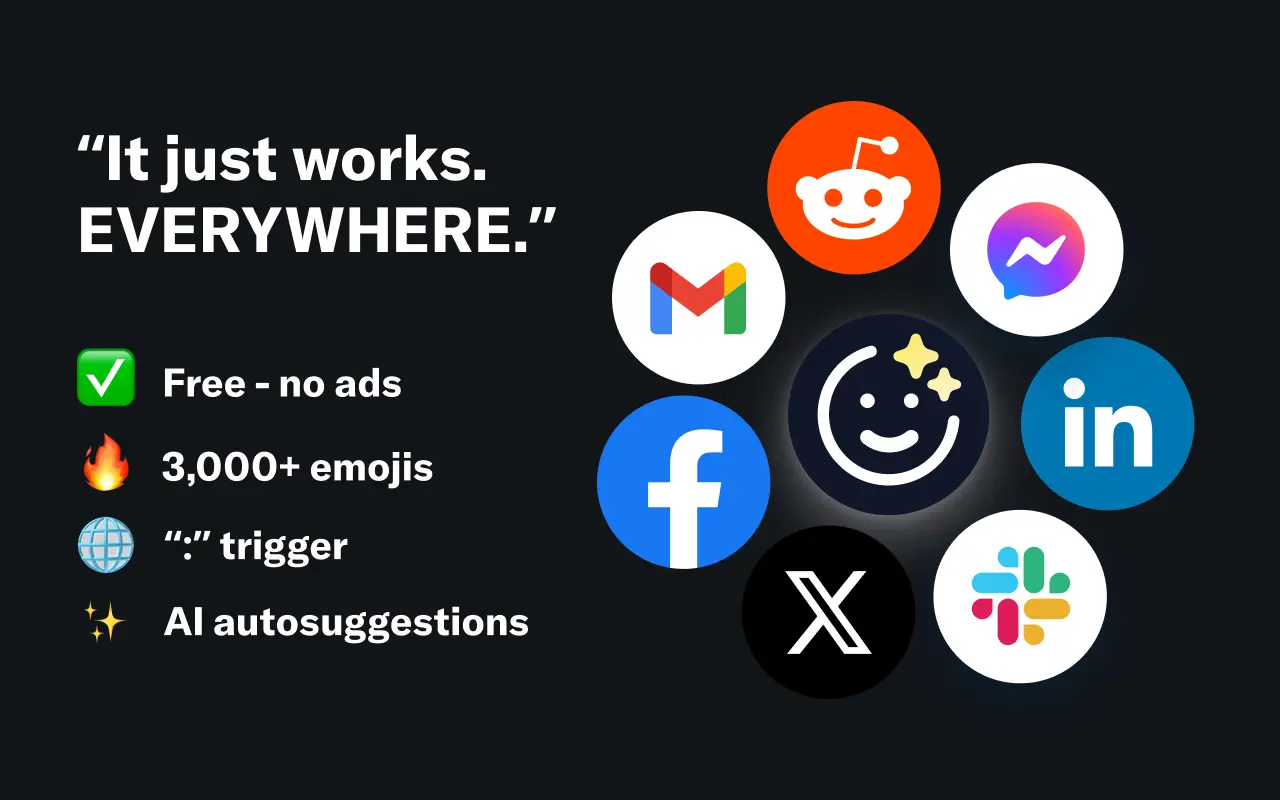
EmojAI
AI-powered emoji picker with smart, context-aware suggestions 🤖
Solohacker
Autonomous company launcher - AI agents work 24/7, escalate what matters, and you stay in control 🤖
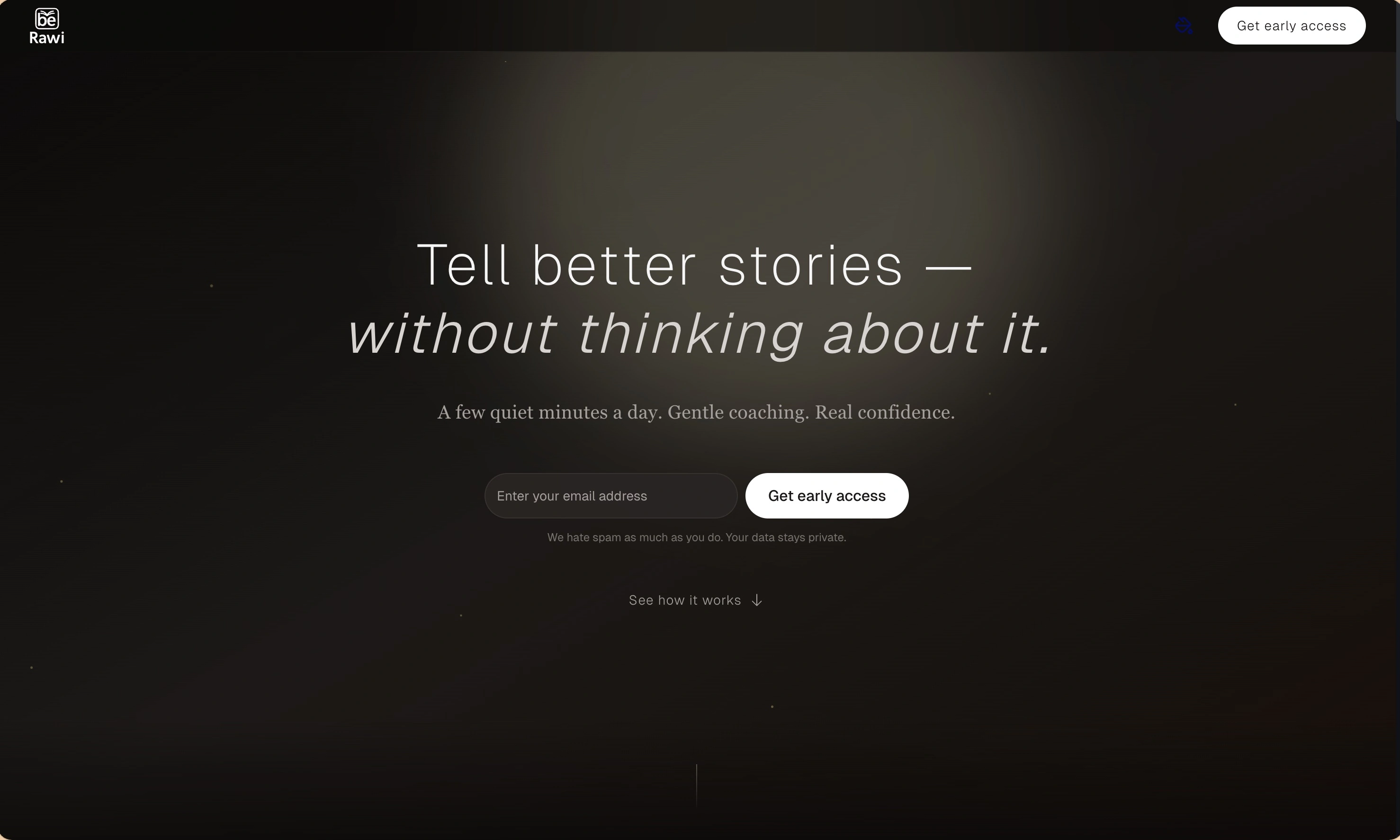
BeRawi: Storytelling Coach
Practice storytelling daily with instant feedback to sound clearer, more engaging, and confident 🎤
Omichat
Chat with 50+ AI models, including ChatGPT and Claude, in one place - switch models anytime without losing context 🤖
Claude Fast
Supercharge your Claude Code with 6x effective context window and specialized AI agents 🤖
EmojAI
AI-powered emoji picker with smart, context-aware suggestions 🤖
Solohacker
Autonomous company launcher - AI agents work 24/7, escalate what matters, and you stay in control 🤖
BeRawi: Storytelling Coach
Practice storytelling daily with instant feedback to sound clearer, more engaging, and confident 🎤
Omichat
Chat with 50+ AI models, including ChatGPT and Claude, in one place - switch models anytime without losing context 🤖
Claude Fast
Supercharge your Claude Code with 6x effective context window and specialized AI agents 🤖
EmojAI
AI-powered emoji picker with smart, context-aware suggestions 🤖
Solohacker
Autonomous company launcher - AI agents work 24/7, escalate what matters, and you stay in control 🤖
BeRawi: Storytelling Coach
Practice storytelling daily with instant feedback to sound clearer, more engaging, and confident 🎤
Omichat
Chat with 50+ AI models, including ChatGPT and Claude, in one place - switch models anytime without losing context 🤖
Claude Fast
Supercharge your Claude Code with 6x effective context window and specialized AI agents 🤖
EmojAI
AI-powered emoji picker with smart, context-aware suggestions 🤖
Solohacker
Autonomous company launcher - AI agents work 24/7, escalate what matters, and you stay in control 🤖
BeRawi: Storytelling Coach
Practice storytelling daily with instant feedback to sound clearer, more engaging, and confident 🎤

Connect with like-minded people
Join our community to get feedback, support, and grow together with 1,000+ builders on board, let's ship it!
Join usShip your startup everywhere. In minutes.
Don't burn tokens on setup and start building features on day one.