VulnAIzer
AI-powered vulnerability scanner that automates penetration testing, identifies zero-day threats, and generates detailed remediation reports for ethical hackers.
Understanding the need for AI-powered vulnerability scanning
In today's rapidly evolving digital landscape, cybersecurity threats are more sophisticated than ever. Organizations face a constant barrage of attacks, from well-known exploits to elusive zero-day vulnerabilities. Traditional penetration testing and vulnerability scanning tools, while essential, often struggle to keep pace with the speed and complexity of modern threats. This is where VulnAIzer, an AI-powered vulnerability scanner, steps in—offering automated penetration testing, zero-day threat identification, and comprehensive remediation reporting tailored for ethical hackers and security teams.
This article provides an in-depth exploration of VulnAIzer, addressing the core user intent: How can AI-driven vulnerability scanning transform penetration testing and threat detection for cybersecurity professionals? We'll analyze the target audience, market opportunity, core features, technology stack, monetization strategies, risks, competitive landscape, and actionable steps for implementation.
Who is VulnAIzer for? Target audience analysis
Understanding the primary users of VulnAIzer is crucial for product-market fit and effective go-to-market strategies. The main target audiences include:
- Ethical hackers and penetration testers: Professionals conducting security assessments for organizations, seeking advanced tools to automate and enhance their workflow.
- Cybersecurity teams in enterprises: Internal security teams responsible for continuous monitoring, vulnerability management, and compliance.
- Managed security service providers (MSSPs): Firms offering outsourced security services, requiring scalable and efficient vulnerability scanning solutions.
- DevSecOps teams: Developers and operations teams integrating security into the software development lifecycle (SDLC), needing automated, API-driven scanning.
- SMBs and startups: Smaller organizations lacking dedicated security staff, but needing robust, easy-to-use vulnerability assessment tools.
User pain points addressed:
- Manual penetration testing is time-consuming and resource-intensive.
- Traditional scanners often miss zero-day or novel threats.
- Remediation guidance is generic, not tailored to specific environments.
- Difficulty integrating security tools into CI/CD pipelines.
- High false positive rates and alert fatigue.
Market opportunity and gap analysis
The global vulnerability assessment market is projected to reach over $20 billion by 2027 (source: MarketsandMarkets, suggest referencing their report). Several factors drive this growth:
- Increasing frequency and sophistication of cyberattacks
- Regulatory compliance requirements (GDPR, HIPAA, PCI DSS)
- Shift to cloud-native and hybrid infrastructures
- Shortage of skilled cybersecurity professionals
Current market gaps:
- Limited AI adoption: Most legacy scanners rely on static signature-based detection, missing novel attack vectors.
- Slow response to zero-day threats: Manual analysis can't keep up with the volume and speed of new vulnerabilities.
- Lack of actionable remediation: Reports are often technical, lacking clear, prioritized steps for mitigation.
- Integration challenges: Many tools are siloed, making it hard to embed security into DevOps workflows.
VulnAIzer's unique value proposition: By leveraging AI and machine learning, VulnAIzer automates deep penetration testing, detects zero-day threats, and generates context-aware remediation reports—bridging the gap between traditional tools and modern security needs.
Core features and solution details
VulnAIzer stands out by combining advanced AI algorithms with practical, user-centric features. Here’s a breakdown of its core capabilities:
Automated AI-driven penetration testing
- Dynamic attack simulation: Emulates real-world attacker behavior using AI to probe for vulnerabilities across web apps, APIs, networks, and cloud assets.
- Adaptive learning: Continuously updates attack strategies based on emerging threats and previous scan results.
- Customizable test profiles: Users can tailor scans to specific compliance standards or risk profiles.
Zero-day threat identification
- Anomaly detection: Uses machine learning to spot unusual patterns and behaviors indicative of unknown vulnerabilities.
- Threat intelligence integration: Ingests real-time feeds from public and private sources to enhance detection accuracy.
- Proactive alerting: Notifies users of potential zero-day exploits before they are widely known.
Detailed remediation reporting
- Prioritized risk scoring: Assigns severity levels based on exploitability, business impact, and asset criticality.
- Step-by-step remediation guidance: Provides actionable, environment-specific instructions for fixing vulnerabilities.
- Compliance mapping: Aligns findings with regulatory frameworks (e.g., OWASP Top 10, NIST, ISO 27001).
Seamless integration and automation
- API-first architecture: Enables integration with CI/CD pipelines, ticketing systems, and SIEM platforms.
- Role-based access control (RBAC): Ensures secure, granular user management.
- Automated scheduling: Supports recurring scans and continuous monitoring.
User experience and reporting
- Intuitive dashboard: Visualizes vulnerabilities, trends, and remediation progress.
- Exportable reports: Generates PDF, CSV, and JSON reports for audits and stakeholders.
- Collaboration tools: Allows team members to comment, assign, and track remediation tasks.
AI-powered attack simulation
Emulates sophisticated attacker tactics using machine learning.
Zero-day detection
Identifies novel threats through anomaly and behavior analysis.
Actionable remediation
Delivers clear, prioritized steps for fixing vulnerabilities.
DevSecOps integration
Seamlessly fits into CI/CD and security workflows via robust APIs.
Recommended tech stack for VulnAIzer
Selecting the right technology stack is critical for performance, scalability, and maintainability. Here’s a recommended stack for building VulnAIzer, with trade-offs considered:
Frontend
- React: Modern, component-based UI development. Offers flexibility and a rich ecosystem.
- TailwindCSS: Utility-first CSS framework for rapid, consistent styling.
- Redux or Recoil: State management for complex dashboards.
Trade-off: React offers flexibility but may require more setup compared to opinionated frameworks like Next.js.
Backend
- Node.js: Non-blocking, event-driven server for handling concurrent scan requests.
- Python: Ideal for AI/ML modules, leveraging libraries like scikit-learn, TensorFlow, or PyTorch.
- FastAPI: High-performance Python API framework for ML endpoints.
Trade-off: Python excels in AI/ML, but Node.js is better for real-time, high-concurrency tasks. A hybrid approach can leverage both.
AI/ML infrastructure
- TensorFlow or PyTorch: For building and training custom vulnerability detection models.
- spaCy: NLP for parsing and understanding remediation data.
- Docker: Containerization for scalable, reproducible deployments.
Database
- PostgreSQL: Reliable, scalable relational database for storing scan results and user data.
- Redis: In-memory caching for fast access to frequently used data.
DevOps and security
- Kubernetes: Orchestration for scaling scan engines and AI workloads.
- Terraform: Infrastructure as code for repeatable, secure deployments.
- Vault: Secrets management for API keys and credentials.
Integrations
- Slack / Microsoft Teams: For real-time notifications.
- Jira: For ticketing and remediation tracking.
Tip
Consider using a microservices architecture to separate the AI/ML engine from the core scanning logic, improving scalability and maintainability.
Monetization strategy options
A robust monetization plan ensures sustainability and growth. VulnAIzer can adopt several SaaS pricing models:
1. Subscription-based tiers
- Freemium: Basic scanning and reporting for individuals or small teams.
- Pro: Advanced features (zero-day detection, integrations, compliance mapping) for SMBs.
- Enterprise: Custom SLAs, dedicated support, and on-premises deployment for large organizations.
2. Pay-per-scan or usage-based pricing
- Charges based on the number of assets, scans, or API calls.
- Appeals to MSSPs and organizations with fluctuating needs.
3. Add-on modules
- Premium features (e.g., advanced AI models, compliance packs) as paid add-ons.
- White-labeling for MSSPs.
4. Professional services
- Custom penetration testing, remediation consulting, or integration support.
| Freemium | Subscription | Usage-based | Add-ons | Services |
|---|---|---|---|---|
| ✅ | ❌ | ❌ | ✅ | ❌ |
| ✅ | ❌ | ✅ | ✅ | ❌ |
Best practice: Offer a free trial or limited free tier to drive adoption, then upsell advanced features as organizations scale.
Potential risks and mitigation strategies
Building and operating an AI-powered vulnerability scanner involves several risks. Here’s how to address them:
1. False positives and negatives
- Risk: AI models may misclassify vulnerabilities, leading to missed threats or alert fatigue.
- Mitigation: Continuously retrain models with fresh data, incorporate human-in-the-loop validation, and allow user feedback to improve accuracy.
2. Data privacy and compliance
- Risk: Scanning sensitive assets may expose confidential data.
- Mitigation: Encrypt all data in transit and at rest, offer on-premises deployment, and comply with data protection regulations (GDPR, CCPA).
3. Model drift and adversarial attacks
- Risk: Attackers may attempt to evade or poison AI models.
- Mitigation: Regularly audit and update models, use adversarial training techniques, and monitor for unusual patterns.
4. Integration complexity
- Risk: Difficulty integrating with diverse environments and tools.
- Mitigation: Provide comprehensive APIs, SDKs, and pre-built connectors for popular platforms.
5. Regulatory and ethical concerns
- Risk: Automated penetration testing may inadvertently breach legal or ethical boundaries.
- Mitigation: Implement strict user authentication, logging, and consent mechanisms. Educate users on responsible usage.
All scan data is encrypted using industry-standard protocols. Users can choose data residency options and request data deletion at any time.
Yes, VulnAIzer maps findings to major compliance frameworks and generates audit-ready reports.
Users receive immediate alerts with detailed remediation steps and can optionally share anonymized threat intelligence with the community.
Competitive advantage analysis
The cybersecurity SaaS market is crowded, with established players like Nessus, Qualys, and Rapid7. However, VulnAIzer offers several unique advantages:
AI-first approach
- Continuous learning: Unlike signature-based scanners, VulnAIzer adapts to new threats in real time.
- Zero-day detection: Proactively identifies unknown vulnerabilities using anomaly detection and threat intelligence.
Actionable, context-aware remediation
- Tailored guidance: Reports are customized to the user's environment, reducing time-to-fix.
- Collaboration features: Streamlines communication between security, IT, and development teams.
Seamless integration
- API-first design: Easily embeds into DevSecOps pipelines, supporting modern agile workflows.
- Scalability: Cloud-native architecture supports organizations of any size.
Community-driven intelligence
- Threat sharing: Users can opt-in to share anonymized findings, strengthening the collective defense.
Why VulnAIzer stands out: By combining cutting-edge AI, user-centric design, and deep integration capabilities, VulnAIzer bridges the gap between traditional vulnerability scanners and the demands of modern cybersecurity.
Actionable implementation steps
Ready to bring VulnAIzer to life? Here’s a step-by-step roadmap for building and launching your AI-powered vulnerability scanner:
Conclusion: Why VulnAIzer is the future of AI-driven penetration testing
The cybersecurity threat landscape is evolving at breakneck speed. Traditional vulnerability scanners, while valuable, are no longer sufficient to protect organizations from sophisticated, fast-moving attacks. VulnAIzer’s AI-powered approach automates penetration testing, uncovers zero-day threats, and delivers actionable remediation—empowering ethical hackers and security teams to stay ahead of adversaries.
By focusing on user needs, leveraging the latest AI advancements, and offering seamless integration, VulnAIzer is poised to become a leader in the next generation of cybersecurity SaaS solutions.
For founders and developers looking to accelerate their SaaS journey, platforms like TurboStarter can help you rapidly prototype, validate, and launch your product.
Frequently asked questions
VulnAIzer uses advanced AI to detect both known and unknown (zero-day) vulnerabilities, provides tailored remediation, and integrates seamlessly with modern DevSecOps workflows.
AI enables VulnAIzer to learn from new threats, adapt scanning techniques, and reduce false positives—delivering more accurate and timely results than traditional tools.
Yes, VulnAIzer offers a freemium tier and intuitive UI, making it accessible for small teams and startups as well as large enterprises.
Further reading and resources
Ready to build the next generation of AI-powered vulnerability scanners? VulnAIzer is your blueprint for success.
More 🤖 AI Startup SaaS ideas
Discover more innovative ai startup SaaS ideas that are trending in 2026. Each idea is AI-generated with market validation and growth potential to help you find your next profitable venture faster than competitors.
Your competitors are building with TurboStarter
Below are some of the SaaS ideas that have been generated and built with our starter kit.
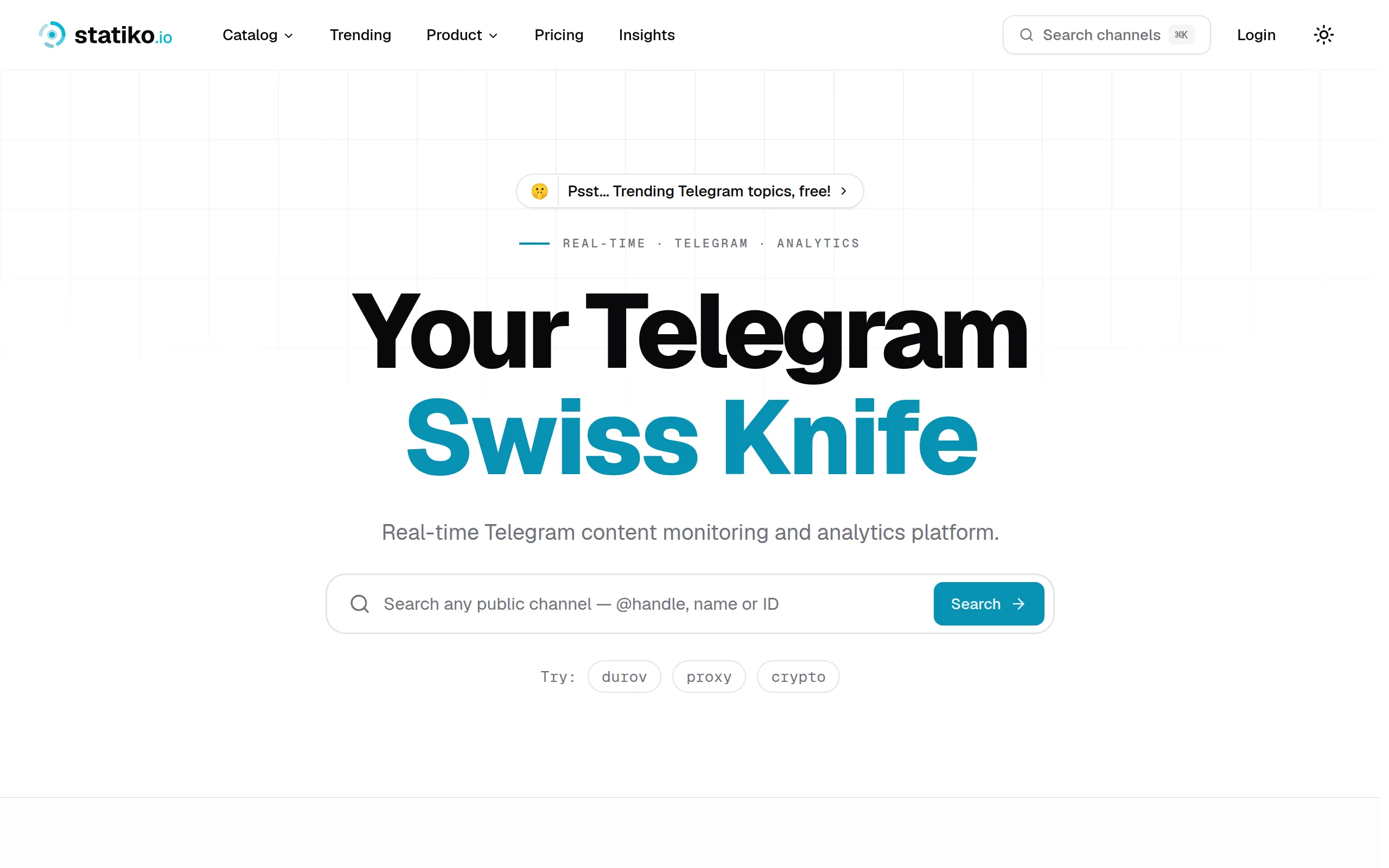
Statiko
Monitor any Telegram channel in real time - track posts, edits, deletions, and growth with AI recaps 📡

Shibui
AI website builder - describe your business, pick a niche template, edit by chatting, and publish instantly ✨

Pro Service
Find verified home service professionals, compare quotes, and pay securely through escrow - built for Brazilians across the US 🏠
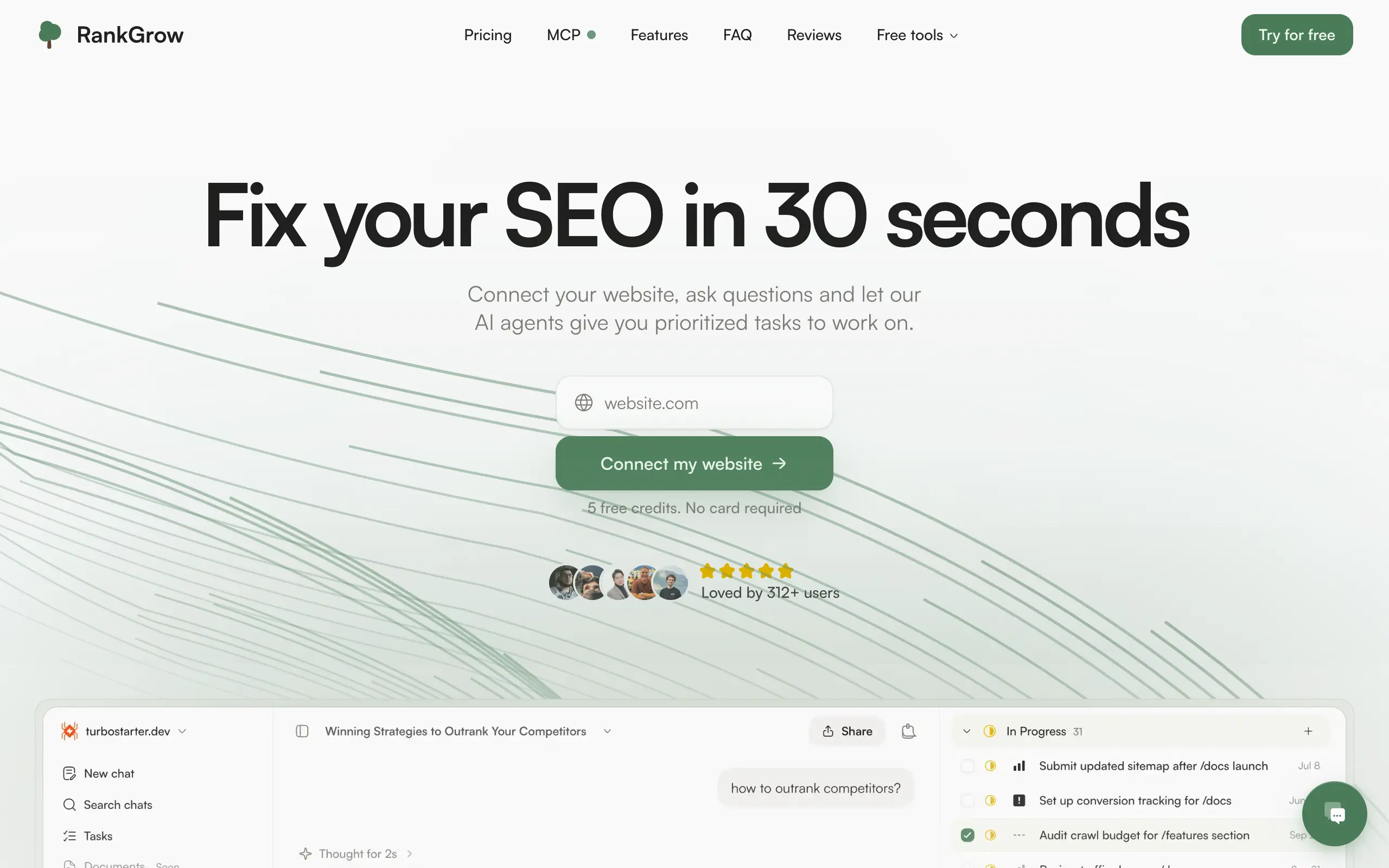
RankGrow
Fix your SEO with AI agents - connect Search Console, get prioritized tasks, and grow organic traffic 📈
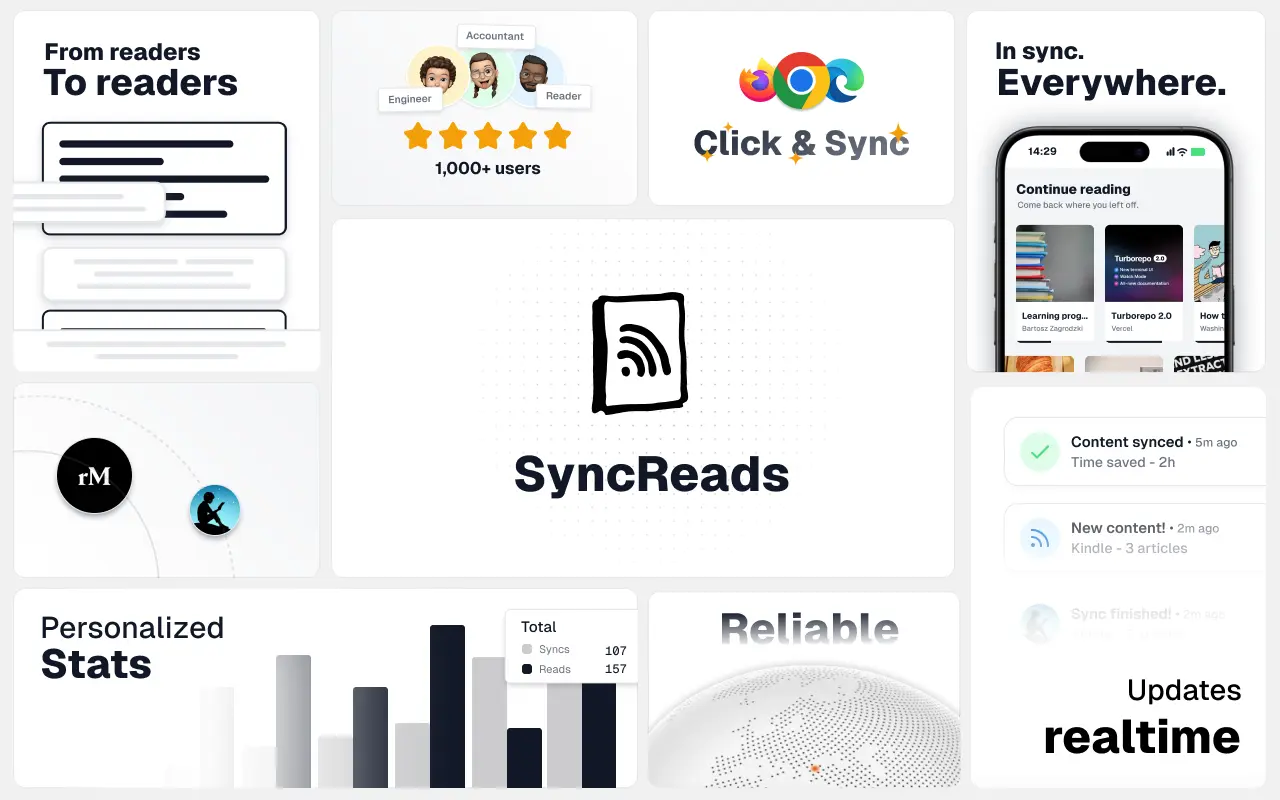
SyncReads
Sync your favorite content for distraction-free reading, save time and replace multiple apps. Anytime, anywhere 🔄
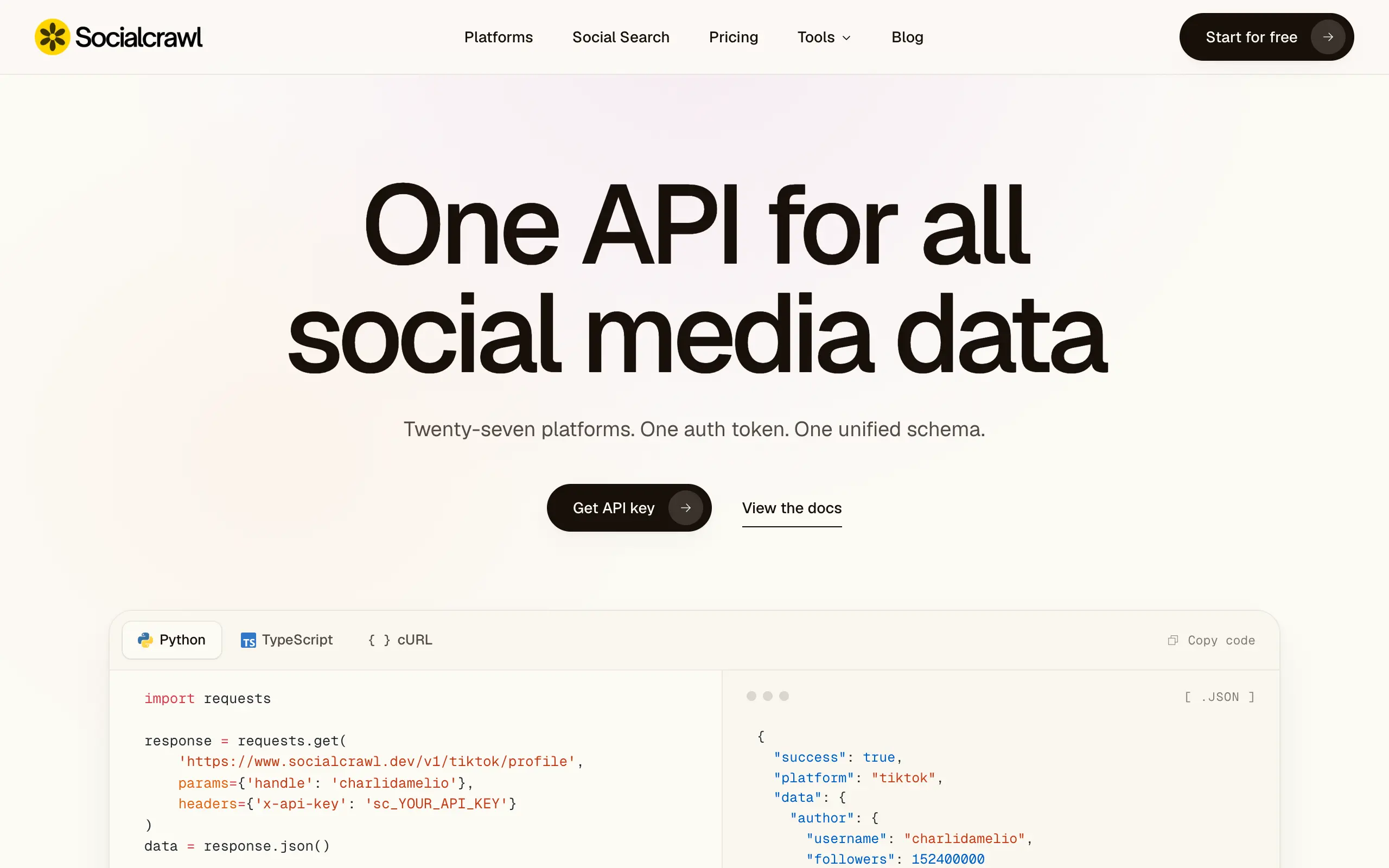
Socialcrawl
Get clean, structured data from 21 platforms like TikTok, Instagram, and YouTube with a single request 📊
Statiko
Monitor any Telegram channel in real time - track posts, edits, deletions, and growth with AI recaps 📡
Shibui
AI website builder - describe your business, pick a niche template, edit by chatting, and publish instantly ✨
Pro Service
Find verified home service professionals, compare quotes, and pay securely through escrow - built for Brazilians across the US 🏠
RankGrow
Fix your SEO with AI agents - connect Search Console, get prioritized tasks, and grow organic traffic 📈
SyncReads
Sync your favorite content for distraction-free reading, save time and replace multiple apps. Anytime, anywhere 🔄
Socialcrawl
Get clean, structured data from 21 platforms like TikTok, Instagram, and YouTube with a single request 📊
Statiko
Monitor any Telegram channel in real time - track posts, edits, deletions, and growth with AI recaps 📡
Shibui
AI website builder - describe your business, pick a niche template, edit by chatting, and publish instantly ✨
Pro Service
Find verified home service professionals, compare quotes, and pay securely through escrow - built for Brazilians across the US 🏠
RankGrow
Fix your SEO with AI agents - connect Search Console, get prioritized tasks, and grow organic traffic 📈
SyncReads
Sync your favorite content for distraction-free reading, save time and replace multiple apps. Anytime, anywhere 🔄
Socialcrawl
Get clean, structured data from 21 platforms like TikTok, Instagram, and YouTube with a single request 📊
Statiko
Monitor any Telegram channel in real time - track posts, edits, deletions, and growth with AI recaps 📡
Shibui
AI website builder - describe your business, pick a niche template, edit by chatting, and publish instantly ✨
Pro Service
Find verified home service professionals, compare quotes, and pay securely through escrow - built for Brazilians across the US 🏠
RankGrow
Fix your SEO with AI agents - connect Search Console, get prioritized tasks, and grow organic traffic 📈
SyncReads
Sync your favorite content for distraction-free reading, save time and replace multiple apps. Anytime, anywhere 🔄
Socialcrawl
Get clean, structured data from 21 platforms like TikTok, Instagram, and YouTube with a single request 📊
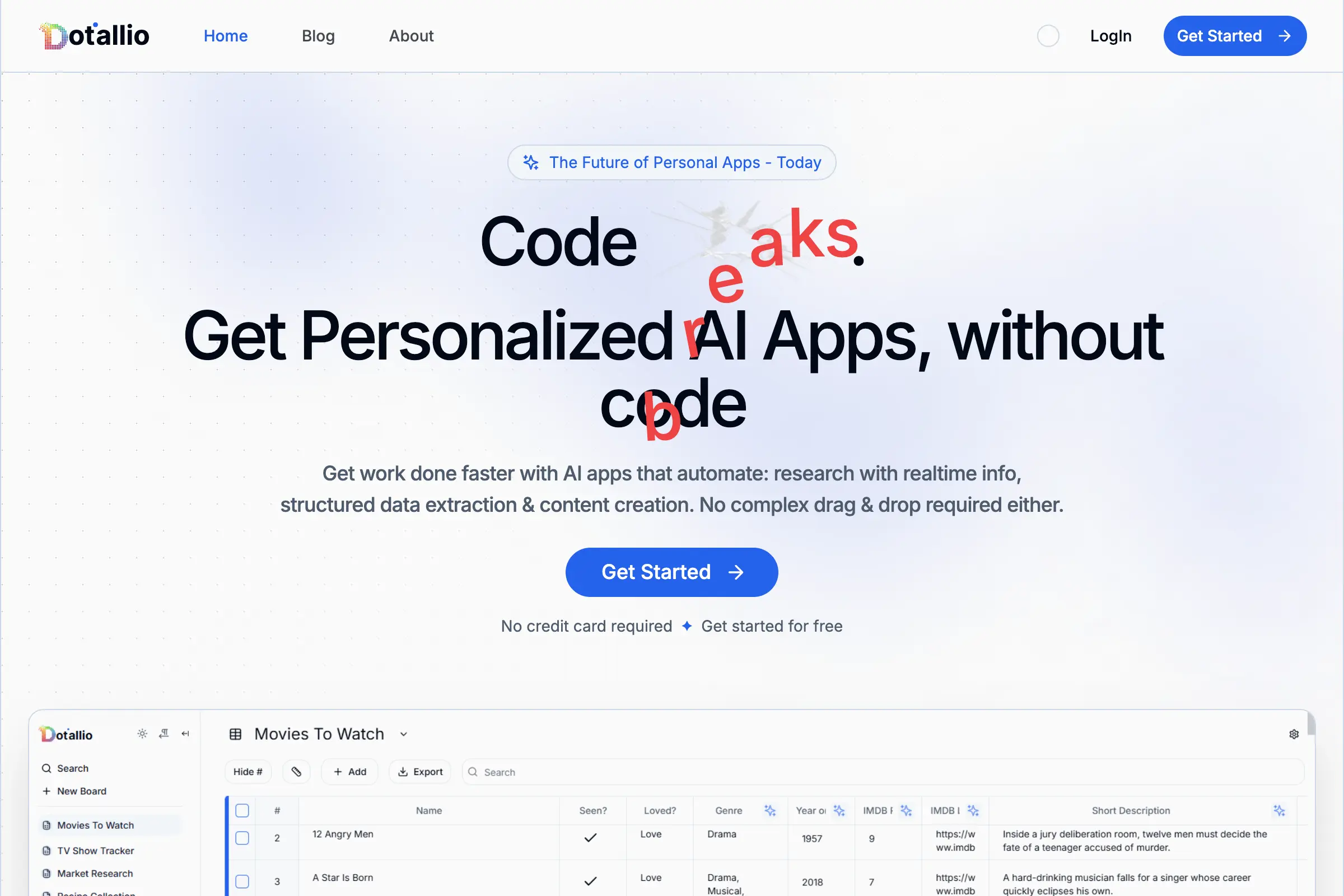
Dotallio
Personalized AI apps that automate research, data extraction, and content creation without code 🤖

Talk to Santa
Enjoy a magical live video chat or receive a unique AI-generated video greeting from Santa Claus 🎅
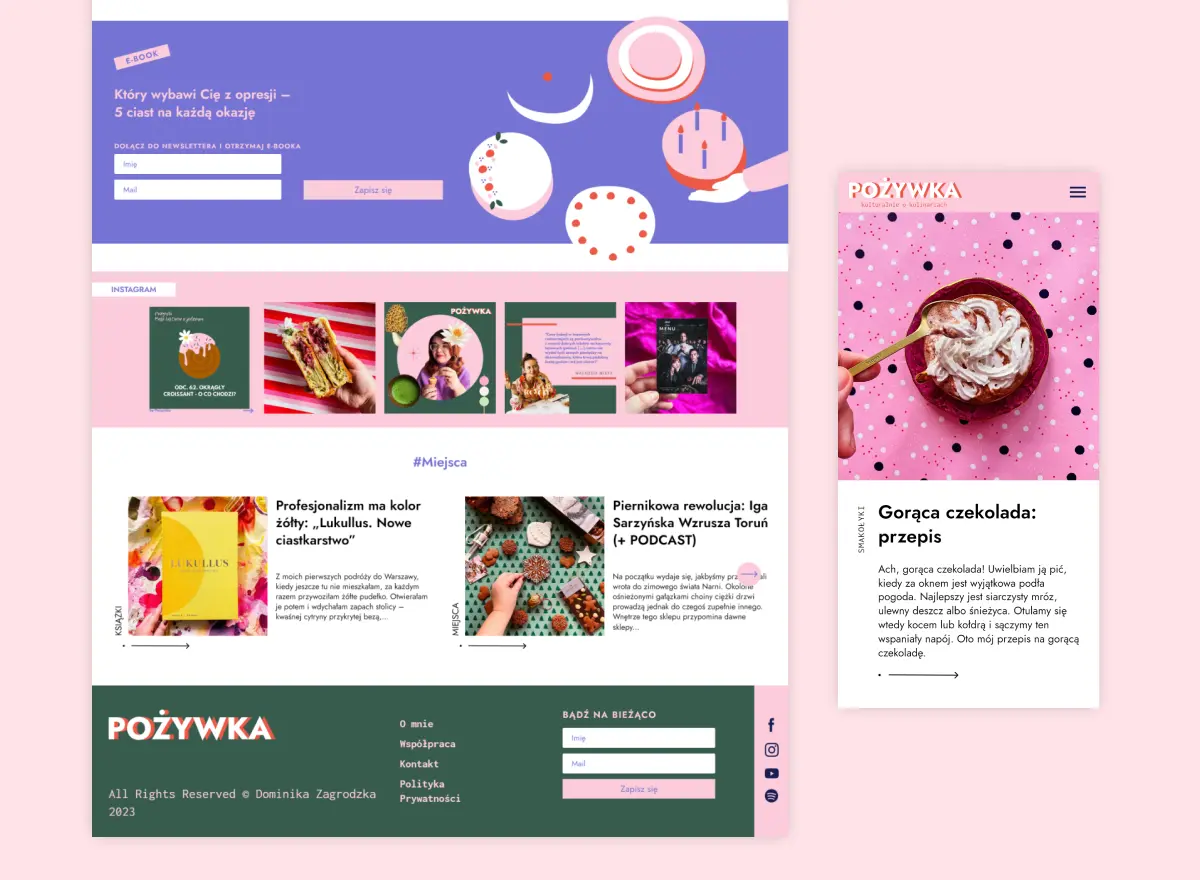
pozywka.pl
Scalable blog for food journalist, focused on performance and user experience 🌭
zagrodzki.me
Personal blog and portfolio of Bart Zagrodzki, where he shares his knowledge and work 💼
TurboStarter
Ship your startup everywhere. In minutes.
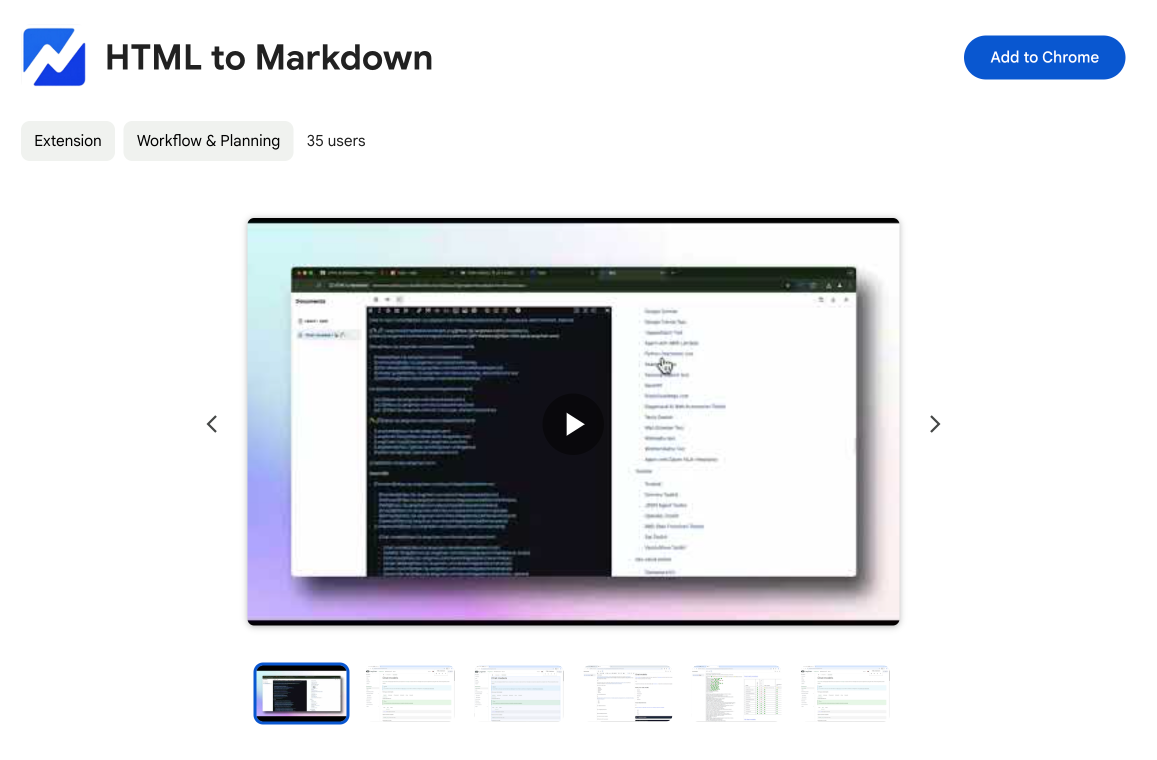
HTML to Markdown
Convert HTML to Markdown with ease, directly in your browser 📄
Dotallio
Personalized AI apps that automate research, data extraction, and content creation without code 🤖
Talk to Santa
Enjoy a magical live video chat or receive a unique AI-generated video greeting from Santa Claus 🎅
pozywka.pl
Scalable blog for food journalist, focused on performance and user experience 🌭
zagrodzki.me
Personal blog and portfolio of Bart Zagrodzki, where he shares his knowledge and work 💼
TurboStarter
Ship your startup everywhere. In minutes.
HTML to Markdown
Convert HTML to Markdown with ease, directly in your browser 📄
Dotallio
Personalized AI apps that automate research, data extraction, and content creation without code 🤖
Talk to Santa
Enjoy a magical live video chat or receive a unique AI-generated video greeting from Santa Claus 🎅
pozywka.pl
Scalable blog for food journalist, focused on performance and user experience 🌭
zagrodzki.me
Personal blog and portfolio of Bart Zagrodzki, where he shares his knowledge and work 💼
TurboStarter
Ship your startup everywhere. In minutes.
HTML to Markdown
Convert HTML to Markdown with ease, directly in your browser 📄
Dotallio
Personalized AI apps that automate research, data extraction, and content creation without code 🤖
Talk to Santa
Enjoy a magical live video chat or receive a unique AI-generated video greeting from Santa Claus 🎅
pozywka.pl
Scalable blog for food journalist, focused on performance and user experience 🌭
zagrodzki.me
Personal blog and portfolio of Bart Zagrodzki, where he shares his knowledge and work 💼
TurboStarter
Ship your startup everywhere. In minutes.
HTML to Markdown
Convert HTML to Markdown with ease, directly in your browser 📄
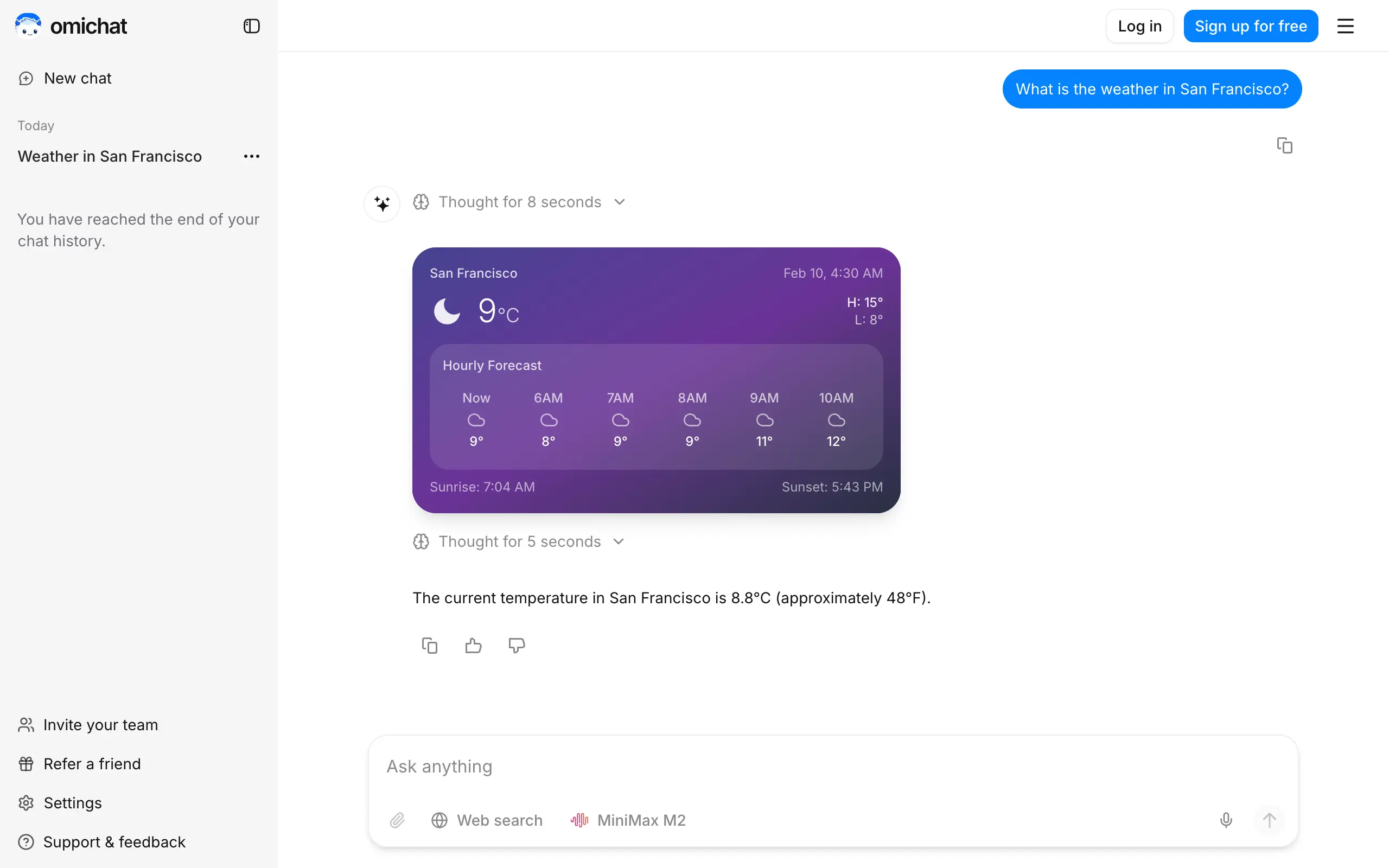
Omichat
Chat with 50+ AI models, including ChatGPT and Claude, in one place - switch models anytime without losing context 🤖
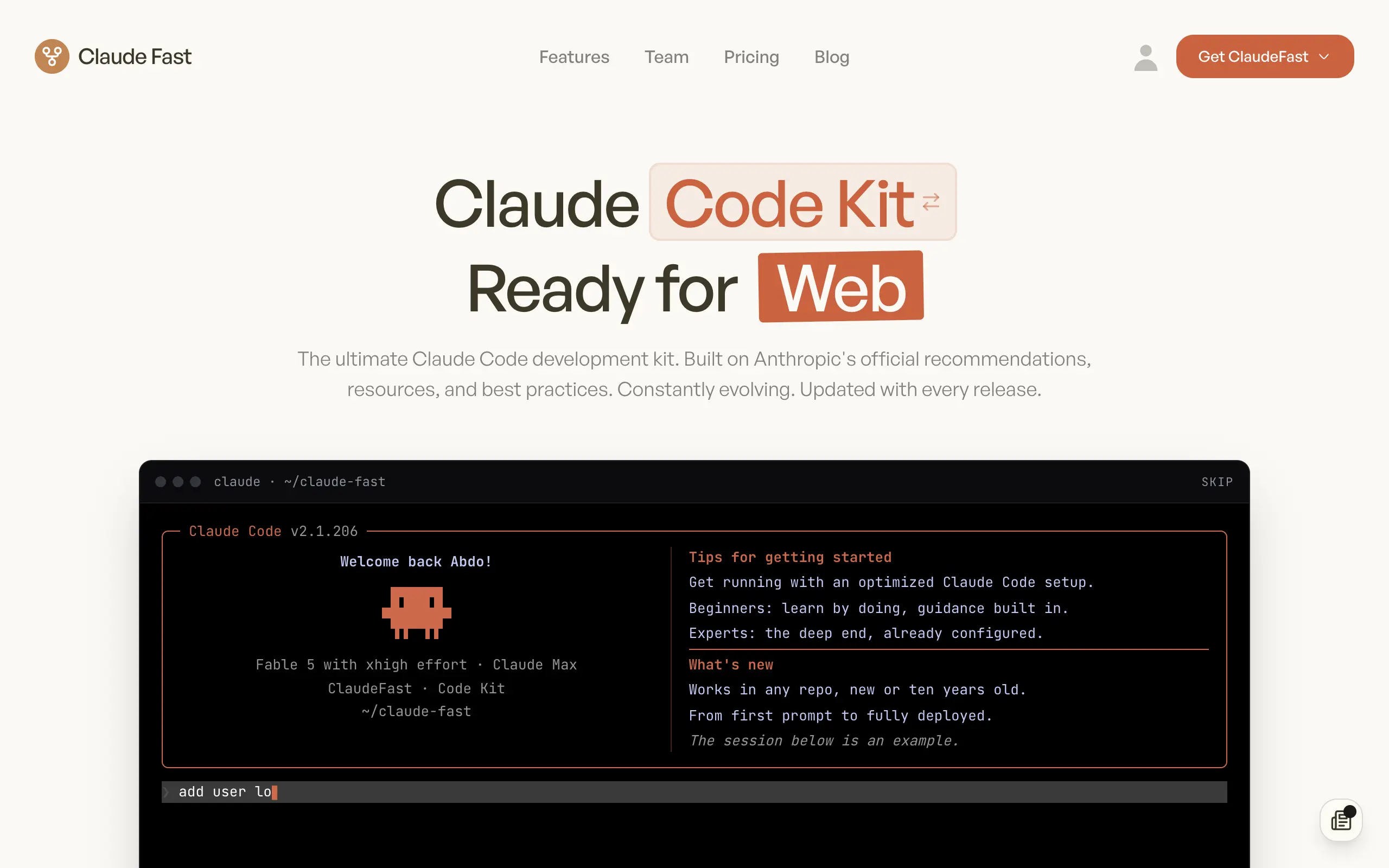
Claude Fast
Supercharge your Claude Code with 6x effective context window and specialized AI agents 🤖
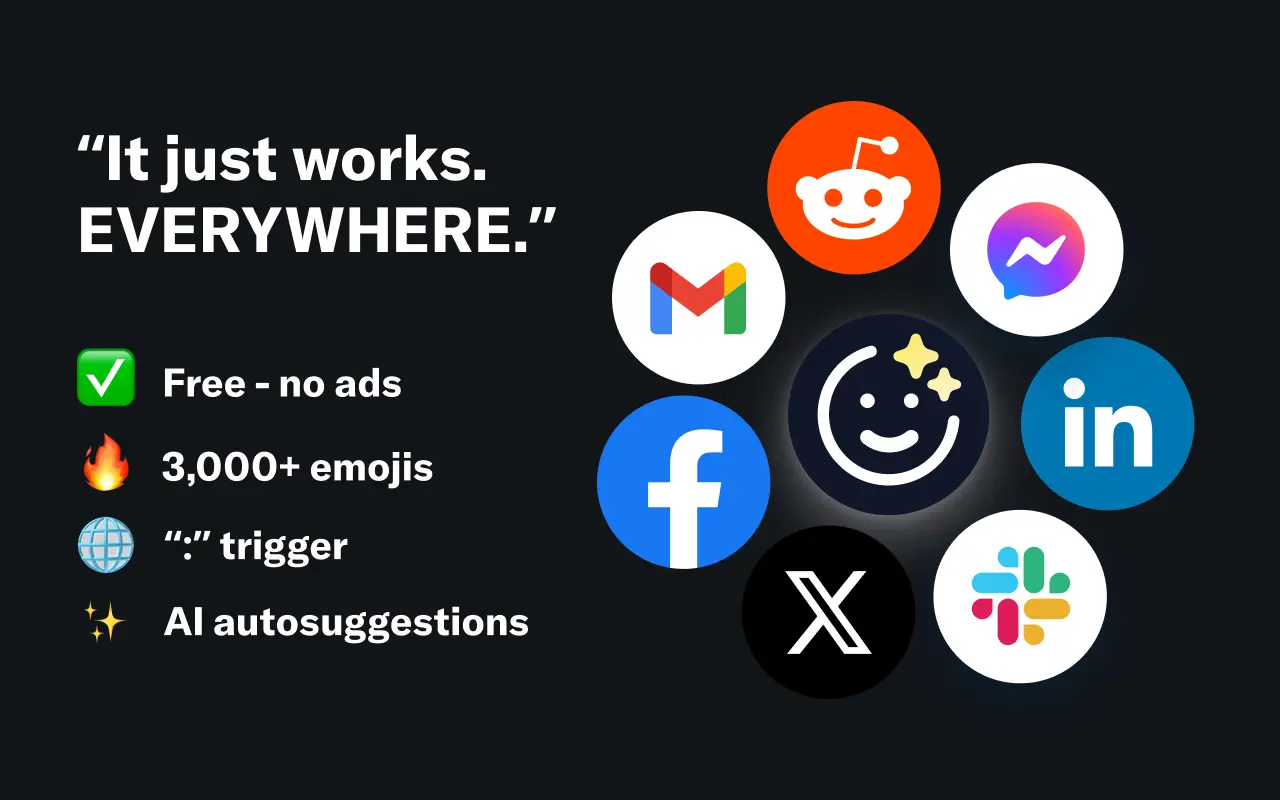
EmojAI
AI-powered emoji picker with smart, context-aware suggestions 🤖
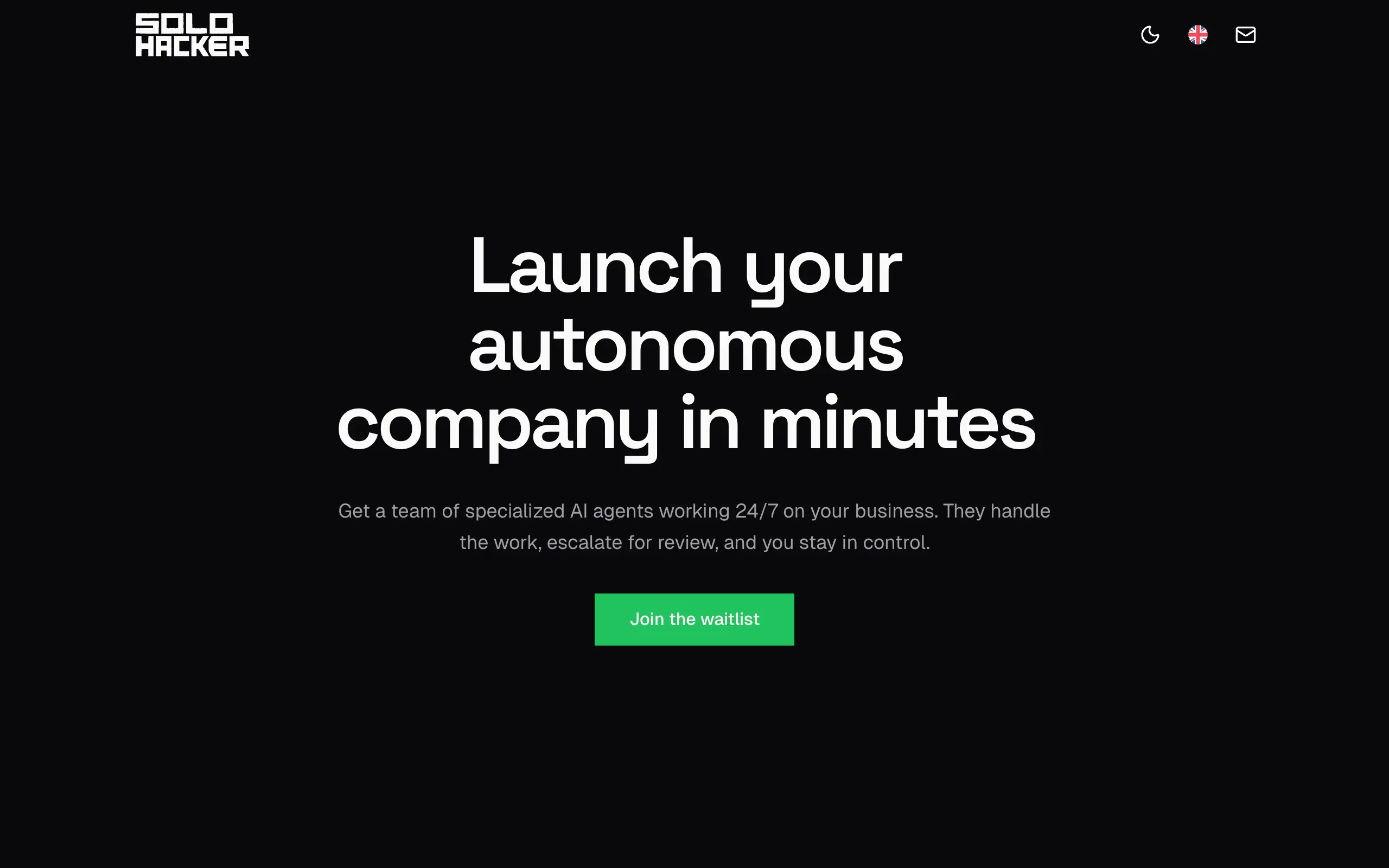
Solohacker
Autonomous company launcher - AI agents work 24/7, escalate what matters, and you stay in control 🤖
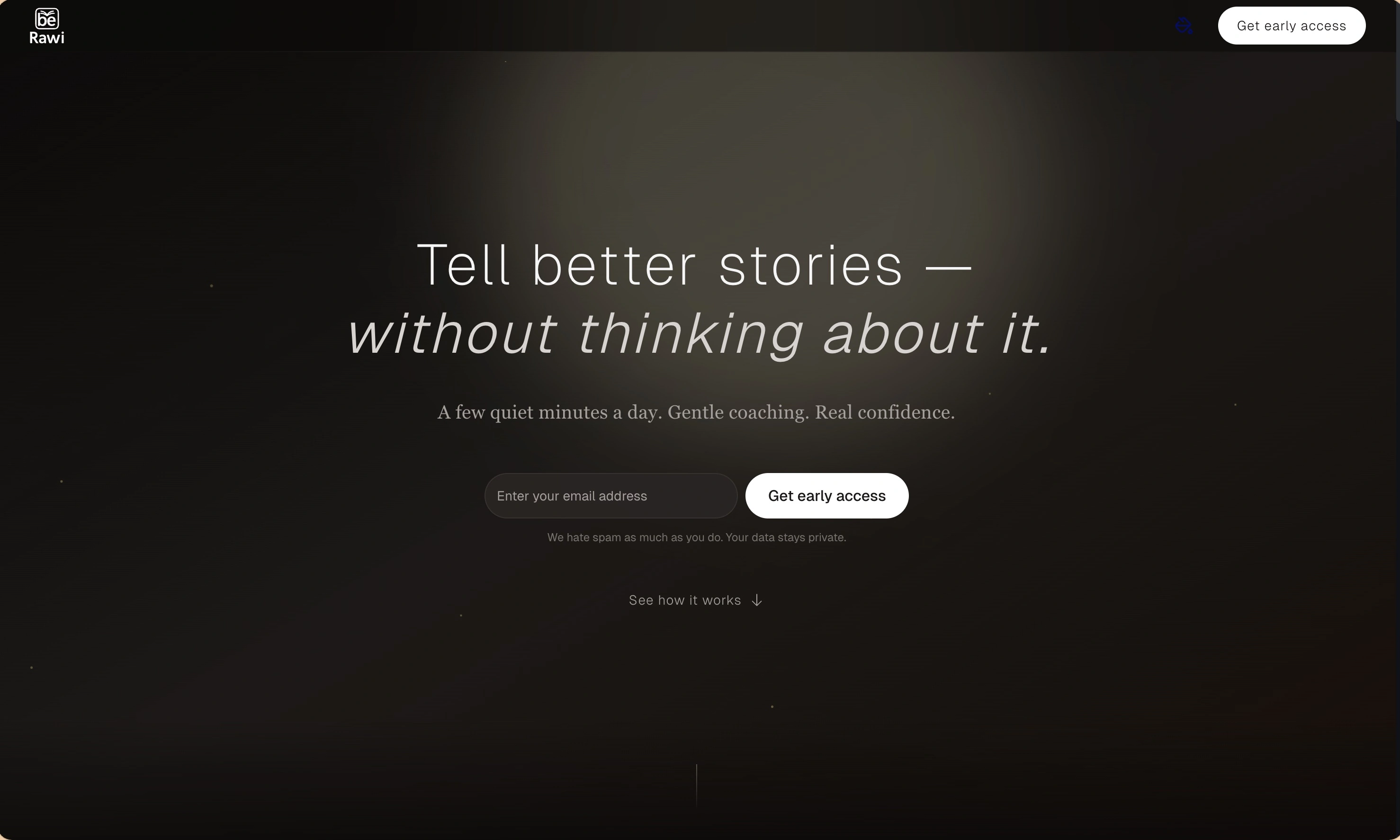
BeRawi: Storytelling Coach
Practice storytelling daily with instant feedback to sound clearer, more engaging, and confident 🎤
Omichat
Chat with 50+ AI models, including ChatGPT and Claude, in one place - switch models anytime without losing context 🤖
Claude Fast
Supercharge your Claude Code with 6x effective context window and specialized AI agents 🤖
EmojAI
AI-powered emoji picker with smart, context-aware suggestions 🤖
Solohacker
Autonomous company launcher - AI agents work 24/7, escalate what matters, and you stay in control 🤖
BeRawi: Storytelling Coach
Practice storytelling daily with instant feedback to sound clearer, more engaging, and confident 🎤
Omichat
Chat with 50+ AI models, including ChatGPT and Claude, in one place - switch models anytime without losing context 🤖
Claude Fast
Supercharge your Claude Code with 6x effective context window and specialized AI agents 🤖
EmojAI
AI-powered emoji picker with smart, context-aware suggestions 🤖
Solohacker
Autonomous company launcher - AI agents work 24/7, escalate what matters, and you stay in control 🤖
BeRawi: Storytelling Coach
Practice storytelling daily with instant feedback to sound clearer, more engaging, and confident 🎤
Omichat
Chat with 50+ AI models, including ChatGPT and Claude, in one place - switch models anytime without losing context 🤖
Claude Fast
Supercharge your Claude Code with 6x effective context window and specialized AI agents 🤖
EmojAI
AI-powered emoji picker with smart, context-aware suggestions 🤖
Solohacker
Autonomous company launcher - AI agents work 24/7, escalate what matters, and you stay in control 🤖
BeRawi: Storytelling Coach
Practice storytelling daily with instant feedback to sound clearer, more engaging, and confident 🎤

Connect with like-minded people
Join our community to get feedback, support, and grow together with 1,000+ builders on board, let's ship it!
Join usShip your startup everywhere. In minutes.
Don't burn tokens on setup and start building features on day one.