Wasla AI
Arabic voice AI for Egyptian SMEs that turns WhatsApp chats into orders, replies, invoices, and follow-ups in Egyptian dialect.
Why Egyptian SMEs need Arabic voice AI for WhatsApp commerce
For many Egyptian small and medium-sized businesses, WhatsApp is not simply a communication channel. It is the operational center of the business.
Customers use it to ask about prices, check availability, send voice notes, place orders, request delivery updates, negotiate quantities, and follow up on invoices. Yet most SMEs still manage these conversations manually. A founder, sales representative, or customer service employee spends hours reading messages, replaying voice notes, copying details into spreadsheets, and trying to remember which customer needs a follow-up.
Wasla AI is an Egyptian Arabic voice AI concept designed to turn WhatsApp chats into a more structured sales and operations workflow. It can understand Egyptian dialect, interpret voice messages, respond to common customer questions, collect order details, prepare invoice-ready records, and automate timely follow-ups.
The opportunity is especially compelling because Egyptian customers often communicate in informal Arabic, Arabic written in Latin characters, English-Arabic code-switching, abbreviations, and voice notes. Generic chatbot software may support Arabic at a basic level, but it often fails when real-world commerce conversations include phrases such as:
- “عايز اتنين من المقاس الكبير لو موجود”
- “بعتلك اللوكيشن والتفاصيل في الفويس”
- “هو السعر شامل الشحن ولا لأ؟”
- “Momken tshofly el order wasal fein?”
- “خليها بكره بعد العصر”
A useful WhatsApp automation platform for Egyptian SMEs must understand the commercial context, not merely translate individual words. It should know how to distinguish a product question from a purchase intent signal, extract delivery information from a voice note, and route high-risk requests to a human employee.
The central product insight
The strongest version of Wasla AI is not a generic Arabic chatbot. It is a WhatsApp commerce assistant built around Egyptian dialect, order capture, customer follow-up, and operational handoff.
This article examines the target market, product architecture, feature set, monetization strategy, technical stack, risks, and implementation plan for building an Arabic voice AI SaaS product like Wasla AI.
The target audience for Egyptian Arabic WhatsApp AI
Wasla AI should not initially target every business that uses WhatsApp. The best early customers are businesses with a high volume of repetitive conversations, a clear conversion event, and measurable value from faster response times.
Primary audience: Egyptian retail and social commerce SMEs
The core target segment includes small and medium-sized businesses that sell through Instagram, Facebook, TikTok, WhatsApp, or a simple online storefront.
Typical examples include:
- Fashion boutiques selling clothing, shoes, handbags, and accessories
- Beauty retailers offering cosmetics, skincare, and personal care products
- Home businesses selling food, desserts, and catering services
- Electronics and accessories merchants
- Furniture, décor, and homeware sellers
- Pharmacies and local wellness retailers where permitted workflows are carefully scoped
- B2B wholesalers managing repeat orders through WhatsApp
- Delivery-first local services, including maintenance and booking businesses
These companies tend to share the same friction points:
- High message volume outside normal working hours
- Lost leads because replies arrive too late
- Incomplete orders missing size, address, quantity, or payment preference
- Customer service staff repeatedly answering the same questions
- Voice messages that cannot be searched, categorized, or quickly processed
- Informal tracking in notebooks, spreadsheets, or personal WhatsApp accounts
- Weak follow-up after abandoned conversations or unpaid invoices
For this audience, the value proposition should be practical and revenue-oriented. Owners do not necessarily want “AI.” They want fewer missed orders, faster replies, cleaner records, and less dependence on manual chat handling.
Secondary audience: service businesses with appointment workflows
A second strong segment is appointment-driven SMEs. This includes salons, clinics, fitness studios, tutors, repair services, and professional service providers.
Their customer journeys differ from product retail, but the automation needs are similar:
- Answer availability questions
- Collect booking details
- Confirm time slots
- Send reminders
- Handle rescheduling
- Follow up with leads
- Request missing information before a visit
For this segment, Wasla AI can become an Egyptian Arabic WhatsApp booking assistant. However, it is sensible to launch this as a separate vertical workflow rather than mixing it into an initial commerce product.
Ideal customer profile for an early launch
An ideal early Wasla AI customer could have the following characteristics:
| Attribute | Early-stage fit | Why it matters | Buying signal | Product priority |
|---|---|---|---|---|
| Daily WhatsApp volume | 30 or more customer conversations | Creates enough automation value | Slow replies or unread chats | High |
| Catalog complexity | 20 to 500 products or services | Supports structured product answers | Frequent price and stock questions | High |
| Sales process | Chat-to-order workflow | Makes conversion measurable | Orders assembled manually | High |
| Team size | 2 to 25 employees | Needs shared operational visibility | Founder handles customer chats | Medium |
The market gap in Arabic WhatsApp automation
The market gap is not that WhatsApp automation does not exist. Many global platforms provide inboxes, chatbot builders, CRM connectors, and message templates. The gap is that these products often require businesses to adapt their workflows, language, and data structure to the software.
Wasla AI should reverse that dynamic. The product should adapt to how Egyptian SMEs already sell.
Generic chatbots struggle with real Egyptian customer behavior
Modern large language models have improved Arabic capabilities considerably. However, Egyptian commercial chat data remains difficult for several reasons.
Egyptian dialect varies by customer and region
Arabic is not a single uniform business language. Egyptian Arabic has vocabulary, grammar, pronunciation patterns, and informal expressions that differ from Modern Standard Arabic. A customer may use Cairo slang, Alexandrian phrasing, Arabic-English switching, or Arabizi spelling in the same conversation.
A reliable conversational AI layer needs:
- Dialect-aware transcription for voice notes
- Intent classification trained on commerce situations
- Product vocabulary customization for each merchant
- Recognition of local address conventions
- Confidence scoring for uncertain extractions
- Human escalation when intent is ambiguous
Voice notes are a major operational blind spot
Voice messages are especially important in Egypt and across many mobile-first markets. They are fast for customers but slow for businesses to process. A two-minute voice note may contain an order, delivery instructions, product substitutions, and a payment question.
The key value is not transcription alone. A transcript is helpful, but the business outcome comes from converting it into structured actions.
For example, a voice note can be transformed into:
- Customer intent such as new order, complaint, delivery request, or product question
- Line items including product, color, size, quantity, and preferences
- Delivery fields such as area, building, floor, landmark, and preferred timing
- Required next action such as send payment link, request confirmation, or escalate to agent
- CRM notes that a sales representative can review in seconds
Local SMEs need operational automation, not just conversation
An AI reply that sounds natural but fails to create an order record is not enough. The product has to close the loop between messaging and operations.
Wasla AI can differentiate by treating every conversation as a potential workflow:
- Detect intent.
- Gather missing fields.
- Verify product and inventory information.
- Create an order draft.
- Send a confirmation summary.
- Trigger invoice or payment instructions.
- Schedule delivery and post-purchase follow-up.
- Escalate exceptions to a human.
That approach makes Wasla AI a lightweight conversational commerce operating system, rather than another chatbot widget.
Wasla AI’s unique selling proposition
The clearest unique selling proposition is:
Wasla AI turns Egyptian Arabic WhatsApp conversations and voice notes into completed commercial workflows, helping SMEs capture orders, issue invoice-ready records, and follow up without manual chat management.
This positioning is stronger than “AI customer support for WhatsApp” because it ties the product directly to revenue and team productivity.
What makes the product defensible
The most meaningful competitive advantage comes from a combination of localized data, workflow depth, and merchant-specific context.
Egyptian dialect intelligence
Understand Egyptian Arabic, Arabizi, voice notes, and mixed Arabic-English customer messages in a commerce setting.
Order-first workflow design
Convert conversations into structured orders, customer records, invoices, and delivery actions instead of only generating replies.
Merchant knowledge layer
Use each business's catalog, policies, delivery zones, FAQs, and fulfillment rules to produce accurate answers.
Human-in-the-loop controls
Escalate refunds, custom pricing, ambiguous requests, and sensitive complaints before automation creates risk.
A global competitor can add Arabic language support. It is much harder to build a high-quality localized workflow layer that understands Egyptian sales conversations, merchant operations, and recurring customer behavior.
The moat is not the language model
The underlying language model will become increasingly commoditized. The defensible asset is the system around it:
- Curated anonymized intent patterns, subject to user consent and privacy controls
- Merchant-specific product and policy knowledge
- Structured conversation outcomes
- Feedback labels from human corrections
- Integrations with local delivery, payment, POS, and accounting workflows where commercially viable
- Benchmarks for response quality, order accuracy, and escalation decisions
This is why Wasla AI should capture structured feedback from day one. Every time a merchant edits an extracted order or corrects a reply, the system should record the correction as a potential evaluation signal.
Core features for an Arabic voice AI SaaS
The initial product should be narrow enough to launch quickly but complete enough to create measurable value. A good minimum viable product does not need every integration. It needs to solve one painful workflow exceptionally well.
WhatsApp shared inbox and AI copilot
The first user-facing module should be a team inbox connected to an approved WhatsApp Business workflow.
Core capabilities include:
- Unified conversations across customer service staff
- Customer profile and order history in the conversation view
- AI-generated reply suggestions in Egyptian Arabic
- Internal notes and teammate assignment
- Conversation status such as open, awaiting customer, escalated, or resolved
- Tags for order, complaint, delivery, payment, and wholesale inquiry
- Search across text, transcribed voice notes, and customer details
- Audit history showing automated actions and human edits
The inbox creates immediate value even before full autonomous automation is enabled. This makes adoption easier for teams that do not yet trust AI to send messages without review.
Egyptian Arabic voice note transcription and extraction
Voice note processing should be one of the product’s flagship features.
A robust workflow can include:
- Receive a voice message from WhatsApp.
- Store the media securely with a short retention policy.
- Generate Arabic transcription.
- Detect language mix and dialect confidence.
- Identify the customer’s intent.
- Extract products, quantities, addresses, dates, and payment signals.
- Generate a concise agent summary.
- Suggest or trigger the next workflow.
An example structured output could look like this:
{
  "intent": "new_order",
  "confidence": 0.91,
  "items": [
    {
      "product_name": "cotton pajama set",
      "variant": "large",
      "color": "black",
      "quantity": 2
    }
  ],
  "delivery_area": "Nasr City",
  "payment_preference": "cash_on_delivery",
  "missing_fields": ["full_address", "phone_confirmation"],
  "recommended_action": "ask_for_missing_delivery_details"
}
The system should never present extracted information as certain when confidence is low. Instead, it should ask a natural clarification question, such as “تمام، تحب المقاس الكبير باللون الأسود؟ ابعتلنا العنوان بالتفصيل علشان نأكد الطلب.”
Catalog-aware product answers
Product questions are among the most repetitive WhatsApp interactions. A catalog-aware assistant can answer questions about price, availability, variants, delivery terms, and promotions.
To avoid hallucinations, product responses should use retrieval from a merchant-controlled knowledge base rather than rely on model memory. The knowledge base may include:
- Product names and aliases
- Prices and promotional rules
- Sizes, colors, and variants
- Stock status
- Product descriptions and care instructions
- Delivery areas and fees
- Exchange and return policies
- Frequently asked questions
A merchant dashboard should make it easy to update product information. If a business changes the price of a popular item, the new answer must be available immediately.
Order capture and order confirmation
The highest-value workflow is converting a chat into a complete order.
A well-designed order flow should:
- Identify items and quantities
- Match free-text mentions to catalog products
- Request missing details progressively
- Validate phone number and delivery zone
- Calculate delivery fee using merchant rules
- Confirm the final order summary
- Create an order record
- Notify staff when manual fulfillment is needed
The conversation should feel conversational, not form-like. Rather than asking ten questions at once, it should ask for the next necessary piece of information.
Invoice-ready records and payment workflows
Wasla AI does not need to become a full accounting platform. It can create a clean handoff to accounting or payment tools.
The initial invoice workflow can generate:
- Customer name and contact information
- Products and quantities
- Subtotal, delivery fee, discount, and total
- Order status
- Payment method
- Invoice number or internal order reference
- Notes for fulfillment staff
For merchants using cash on delivery, the immediate value may be a confirmation message and a fulfillment-ready order sheet. For merchants using digital payments, the platform can send approved payment instructions or payment links through a connected provider.
Financial and tax requirements vary by business type and jurisdiction. Wasla AI should clearly label generated documents as order summaries or invoice drafts unless the merchant’s accounting and regulatory workflow supports formal invoice issuance.
Automated follow-ups that drive conversion
Follow-up automation is often where the revenue impact becomes visible. Many leads disappear because the business does not reply promptly or forgets to re-engage customers who showed clear buying intent.
Useful follow-up sequences include:
- Reminder after an incomplete order
- Confirmation request after a customer shares an address
- Payment reminder after an invoice or payment request
- Delivery confirmation after fulfillment
- Review request after delivery
- Reorder reminder for consumable products
- Win-back campaign for inactive repeat customers
The product should include frequency caps, quiet hours, opt-out handling, and template approval workflows where the messaging channel requires them. Automation without controls can quickly become spam and damage merchant trust.
تمام، سجلنا طلبك: 2 بيجامة قطن مقاس كبير لون أسود. ابعتلنا العنوان بالتفصيل وأقرب علامة مميزة علشان نأكد الشحن.
New order detected. Two large black cotton pajama sets. Customer selected cash on delivery. Delivery area appears to be Nasr City. Full address is still required.
A practical technical architecture for Wasla AI
The right architecture should prioritize reliability, traceability, multilingual quality, and cost control. Early-stage teams should avoid overengineering, but they must take messaging webhooks, customer data, and AI failure modes seriously.
Recommended SaaS application stack
A pragmatic stack for the web application includes:
- Next.js for the customer dashboard and server-rendered SaaS application
- React for interface components
- TypeScript for safer application logic
- Tailwind CSS for rapid, maintainable UI development
- PostgreSQL for transactional data such as users, conversations, orders, and audit events
- Supabase for managed PostgreSQL, authentication, storage, and real-time capabilities
- Redis for rate limits, short-lived state, queues, and caching
- Sentry for production error monitoring
For founders seeking a fast SaaS foundation with authentication, billing patterns, dashboards, and production-oriented conventions, TurboStarter can reduce the amount of boilerplate required before building the domain-specific WhatsApp and AI workflows.
WhatsApp integration considerations
Wasla AI needs a reliable, policy-compliant messaging integration. The product should use an approved WhatsApp Business integration path and build around webhook-driven events.
The integration layer must handle:
- Incoming message webhooks
- Media download events for voice notes and attachments
- Outbound message delivery status
- Template message workflows
- Customer opt-outs and consent signals
- Retries for temporary failures
- Idempotency so a duplicate webhook does not create duplicate orders
Do not hard-code business logic directly inside webhook handlers. A better pattern is to validate the webhook, persist the raw event, enqueue background work, and return quickly. Processing voice transcription and AI extraction synchronously can create timeout and reliability issues.
AI orchestration and retrieval
An AI pipeline should separate tasks rather than ask one model prompt to do everything.
A typical sequence looks like this:
For language model capabilities and structured output patterns, teams can review the OpenAI API documentation. The product architecture should remain provider-agnostic where possible, because model quality, price, latency, and regional hosting options can change quickly.
Retrieval augmented generation for accurate answers
Retrieval augmented generation, commonly called RAG, is essential for product accuracy. Instead of asking an AI model to guess a product price or return policy, the system retrieves the relevant merchant data and instructs the model to answer only from those sources.
A strong RAG implementation should include:
- Document chunking based on business meaning rather than arbitrary character counts
- Metadata filters by merchant, language, product category, and validity date
- Explicit source attribution in internal logs
- Inventory and price data fetched from the system of record when possible
- Fallback behavior when information is missing
- A rule that the assistant asks a human or customer rather than inventing an answer
Tech stack trade-offs
Using a managed backend accelerates launch, but it introduces platform dependency. Self-hosting gives more control but adds operational complexity. The best choice depends on the stage of the business.
| Decision | Fast-launch choice | Scale-oriented choice | Primary trade-off | Recommendation |
|---|---|---|---|---|
| Database | Managed PostgreSQL | Dedicated PostgreSQL cluster | Speed versus control | Start managed |
| AI provider | Single provider API | Multi-provider routing | Simplicity versus resilience | Abstract provider interface early |
| Workflow processing | Managed queue service | Dedicated workflow engine | Setup speed versus orchestration depth | Use queues from day one |
| Knowledge search | PostgreSQL vector extension | Specialized vector infrastructure | Lower complexity versus advanced retrieval | Begin within PostgreSQL |
Monetization strategies for Wasla AI
A sustainable pricing model should align with the merchant’s perceived value and the product’s variable AI and messaging costs.
Subscription tiers with usage limits
The most straightforward model is a monthly SaaS subscription based on conversation volume, agent seats, or automated workflows.
Possible plans include:
- Starter for solo businesses that need AI reply suggestions, transcription, and a limited message volume
- Growth for teams that need shared inboxes, order automation, follow-up sequences, and integrations
- Scale for high-volume merchants needing advanced analytics, custom workflows, priority support, and service-level commitments
- Enterprise for chains, marketplaces, or larger distributors requiring custom onboarding, data controls, and account management
Usage limits should be easy to understand. Businesses should not need to understand tokens, embeddings, or model calls. Charge against business-facing units such as processed voice minutes, AI-handled conversations, or completed orders.
Transaction-based pricing
For order-focused merchants, a small fee per completed AI-assisted order can be compelling. This directly links price to value, but it creates attribution challenges.
A merchant may object if the customer began a conversation through AI but completed the purchase offline. To reduce disputes, transaction pricing is best used as an add-on or with clearly defined event rules.
Setup and workflow configuration fees
Many SMEs need help configuring catalogs, policies, delivery rules, and response tone. This creates a legitimate services revenue stream during the early stage.
A paid onboarding package can include:
- Catalog import and cleaning
- Egyptian Arabic FAQ setup
- Delivery zone configuration
- Team training
- Automated follow-up design
- Initial quality review of AI conversations
Over time, the goal should be to productize onboarding so that services do not become a bottleneck.
Value-based pricing narrative
The best sales conversation is not about replacing employees. It is about helping existing teams handle more demand without losing customer trust.
For example, if a merchant loses several orders each week because messages go unanswered, recovering even a modest percentage of those leads can justify a subscription. Wasla AI should provide a dashboard that connects its work to outcomes such as response time, recovered carts, completed orders, and agent productivity.
Competitive advantage against chatbots, CRMs, and generic AI tools
Wasla AI will compete indirectly with several categories.
- WhatsApp inbox platforms
- Generic chatbot builders
- CRM systems with messaging integrations
- Human virtual assistants
- Social commerce management tools
- General-purpose AI assistants
The company should avoid claiming that all alternatives are poor. Instead, the positioning should clarify that the product is purpose-built for a specific job.
Where generic tools fall short
Generic chatbot tools can be effective for simple menu-driven flows. However, they often need significant setup to handle unstructured voice notes, informal Egyptian Arabic, product matching, and changing inventory.
Traditional CRMs can store leads and orders, but they often do not understand a customer’s natural language message well enough to create those records automatically.
General AI tools can draft answers, but they usually lack secure access to the merchant’s actual catalog, workflow controls, WhatsApp event data, and team approval process.
Wasla AI’s advantage is the connection between all of these layers:
- Local language understanding
- Merchant context
- Structured order extraction
- Messaging execution
- Staff collaboration
- Performance measurement
Key risks and how to mitigate them
Building an Arabic voice AI platform for commerce involves real technical, commercial, and trust risks. A credible product strategy should address them openly.
Risk: inaccurate transcription or order extraction
A wrong color, quantity, address, or delivery date can create costly customer dissatisfaction.
Mitigation measures include:
- Show extracted order fields to customers for confirmation
- Require human approval for low-confidence orders
- Use strict validation for phone numbers, delivery zones, and catalog variants
- Provide a one-click correction interface for agents
- Track extraction accuracy by field, merchant, and dialect pattern
- Add regression tests from anonymized, consented examples
Risk: AI hallucinations about price or policies
If the assistant invents a discount or incorrectly states a return policy, the merchant may have to honor it.
Mitigation measures include:
- Retrieve answers from merchant-controlled sources
- Restrict pricing responses to current catalog data
- Configure safe fallback language when data is unavailable
- Prevent autonomous replies for sensitive policy categories
- Keep a complete audit trail of generated responses
Risk: customer privacy and sensitive data
WhatsApp conversations can contain phone numbers, addresses, payment references, and personal requests. Privacy must be a product feature, not a legal afterthought.
Mitigation measures include:
- Encrypt data in transit and at rest
- Use role-based access controls for merchant teams
- Minimize stored data and define retention periods
- Separate merchants logically and enforce tenant isolation
- Allow data export and deletion workflows
- Redact sensitive information from logs where feasible
- Obtain legal guidance on Egyptian data protection obligations and cross-border processing
Risk: low merchant trust in autonomous messaging
Owners may fear that an AI assistant will sound robotic, mishandle complaints, or damage their brand voice.
Mitigation measures include:
- Start with copilot mode before full automation
- Let merchants define tone, approved phrases, and escalation rules
- Show the reasons and source data behind suggested replies internally
- Allow approval thresholds by workflow type
- Use pilot programs with weekly quality reviews
Risk: WhatsApp policy and platform dependency
Any SaaS built on a third-party messaging platform must plan for policy changes, template restrictions, rate limits, and technical updates.
Mitigation measures include:
- Build a clean provider abstraction layer
- Keep webhook processing resilient and observable
- Avoid product promises that depend on unapproved behavior
- Maintain customer communication channels outside a single platform
- Monitor official policy updates and document compliant usage internally
No. Full automation should be earned through evidence. Start with repetitive, low-risk questions such as stock checks, basic pricing, delivery zone inquiries, and order detail collection. Escalate complaints, refunds, unusual discounts, sensitive personal information, and low-confidence requests to a human.
Measure task outcomes rather than only whether a response sounds fluent. Important metrics include transcription accuracy, order field accuracy, successful handoff rate, human override rate, first-response time, completion rate, and customer satisfaction after automated interactions.
Start with one high-volume commerce niche such as fashion, beauty, or home-based food businesses. A focused niche makes it easier to build the right catalog schema, common intents, delivery questions, and demo narrative.
Metrics that prove product-market fit
Wasla AI should report metrics that matter to a merchant’s business, not just technical usage.
Important customer-facing metrics include:
- Median first response time
- Percentage of conversations answered within business-defined targets
- Number of voice notes transcribed and summarized
- Order completion rate from WhatsApp conversations
- Abandoned order recovery rate
- Average agent handling time
- Number of conversations resolved without human intervention
- Revenue associated with AI-assisted orders
- Customer satisfaction score after support interactions
Internally, the product team should also monitor:
- Intent classification accuracy
- Order extraction accuracy by field
- Hallucination and policy violation incidents
- Human escalation rate
- Prompt and model cost per completed workflow
- Webhook failure rate
- Median time from incoming message to response
- Retention by merchant cohort
Avoid relying on vanity metrics such as total messages processed. A merchant renews because the system saves time or increases conversion, not because it generated a large number of AI responses.
Actionable implementation roadmap
The fastest path to a credible product is to validate the workflow before investing heavily in broad automation.
Phase one: validate the pain with merchant interviews
Interview 20 to 30 Egyptian SMEs in a narrow vertical. Ask to observe their real WhatsApp workflow, with appropriate privacy safeguards.
Focus on questions such as:
- Which messages take the most time to answer?
- How many orders are lost because replies are delayed?
- What details are most often missing from an order?
- Which customer voice notes are hardest to process?
- How are invoices, delivery notes, and follow-ups handled today?
- Which actions would the owner trust AI to perform automatically?
- What would make the product too risky to use?
Collect examples of anonymized conversation patterns only with clear permission. These examples are more valuable than assumptions about how customers speak.
Phase two: build the narrow MVP
The MVP should focus on one core promise:
Turn Egyptian Arabic WhatsApp voice notes and chats into accurate order drafts that staff can review and confirm.
The first release can include:
- WhatsApp message ingestion
- Shared inbox
- Voice note transcription
- Intent classification
- Order extraction into a review screen
- Merchant catalog upload
- AI draft replies for missing order details
- Human approval before sending
- Basic analytics for time saved and orders captured
Avoid building complex campaign automation, advanced CRM features, or numerous integrations before proving that order extraction and response assistance work reliably.
Phase three: run concierge pilots
Recruit 5 to 10 design partners. Give them white-glove onboarding, monitor every automated output, and meet weekly to review problems.
During this stage, the team should learn:
- Which dialect patterns break transcription
- Which product names are difficult to match
- Which policies vary most across merchants
- When customers prefer voice versus text
- How often agents override the AI
- Whether time savings translate to more completed orders
Charge pilot customers something, even if it is discounted. Payment is a stronger validation signal than positive feedback alone.
Phase four: automate proven workflows
Once the team has strong accuracy and merchant trust, enable controlled automation for low-risk use cases.
Good first autonomous actions include:
- Answering catalog questions from verified data
- Asking for missing delivery details
- Sending order confirmation summaries
- Triggering approved follow-up messages
- Tagging and routing conversations
- Creating order drafts from confirmed customer details
Set confidence thresholds and provide every merchant with easy controls to pause automation immediately.
Phase five: expand integrations and vertical workflows
After a reliable core is established, expand toward:
- Inventory and POS synchronization
- Delivery provider workflows
- Payment links
- Accounting exports
- Customer segmentation
- Appointment booking for service businesses
- Voice analytics and sales coaching
- Multi-location reporting for growing merchants
Final perspective
Wasla AI has the potential to solve a highly practical problem in Egyptian commerce: the gap between how customers naturally communicate and how SMEs need to operate.
The winning product will not be the one that simply “speaks Arabic.” It will be the one that understands Egyptian customer conversations, handles voice-first behavior, respects merchant-specific rules, and reliably turns messaging activity into completed business workflows.
The most important early decision is focus. Start with one vertical, one channel, and one measurable outcome such as faster order completion. Build trust through reviewable AI actions, transparent data handling, and accuracy metrics. Then use those learnings to expand from an AI assistant into the operational layer that helps Egyptian SMEs sell more effectively on WhatsApp.
More 🤖 AI Startup SaaS ideas
Discover more innovative ai startup SaaS ideas that are trending in 2026. Each idea is AI-generated with market validation and growth potential to help you find your next profitable venture faster than competitors.
Your competitors are building with TurboStarter
Below are some of the SaaS ideas that have been generated and built with our starter kit.
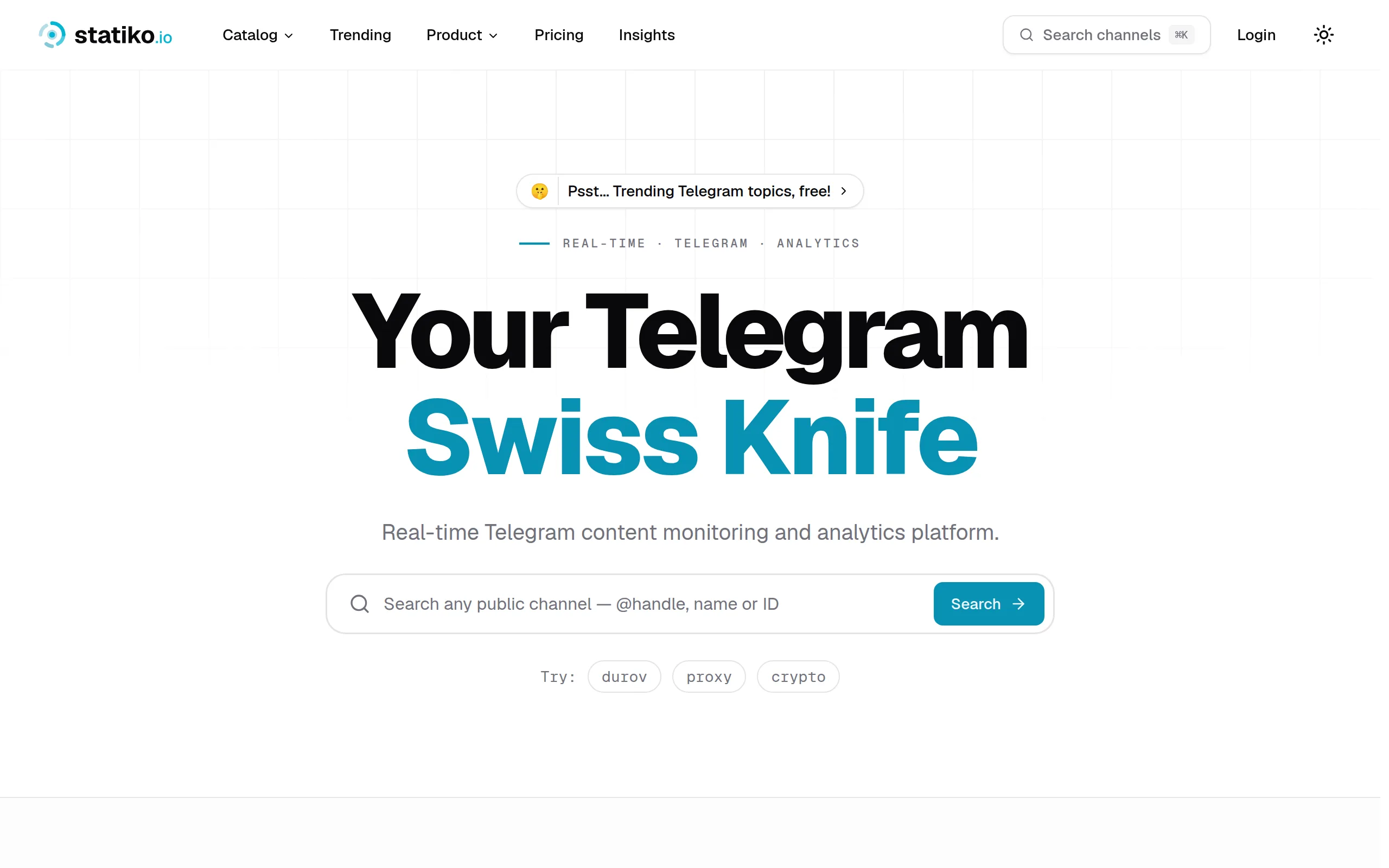
Statiko
Monitor any Telegram channel in real time - track posts, edits, deletions, and growth with AI recaps 📡

Shibui
AI website builder - describe your business, pick a niche template, edit by chatting, and publish instantly ✨

Pro Service
Find verified home service professionals, compare quotes, and pay securely through escrow - built for Brazilians across the US 🏠
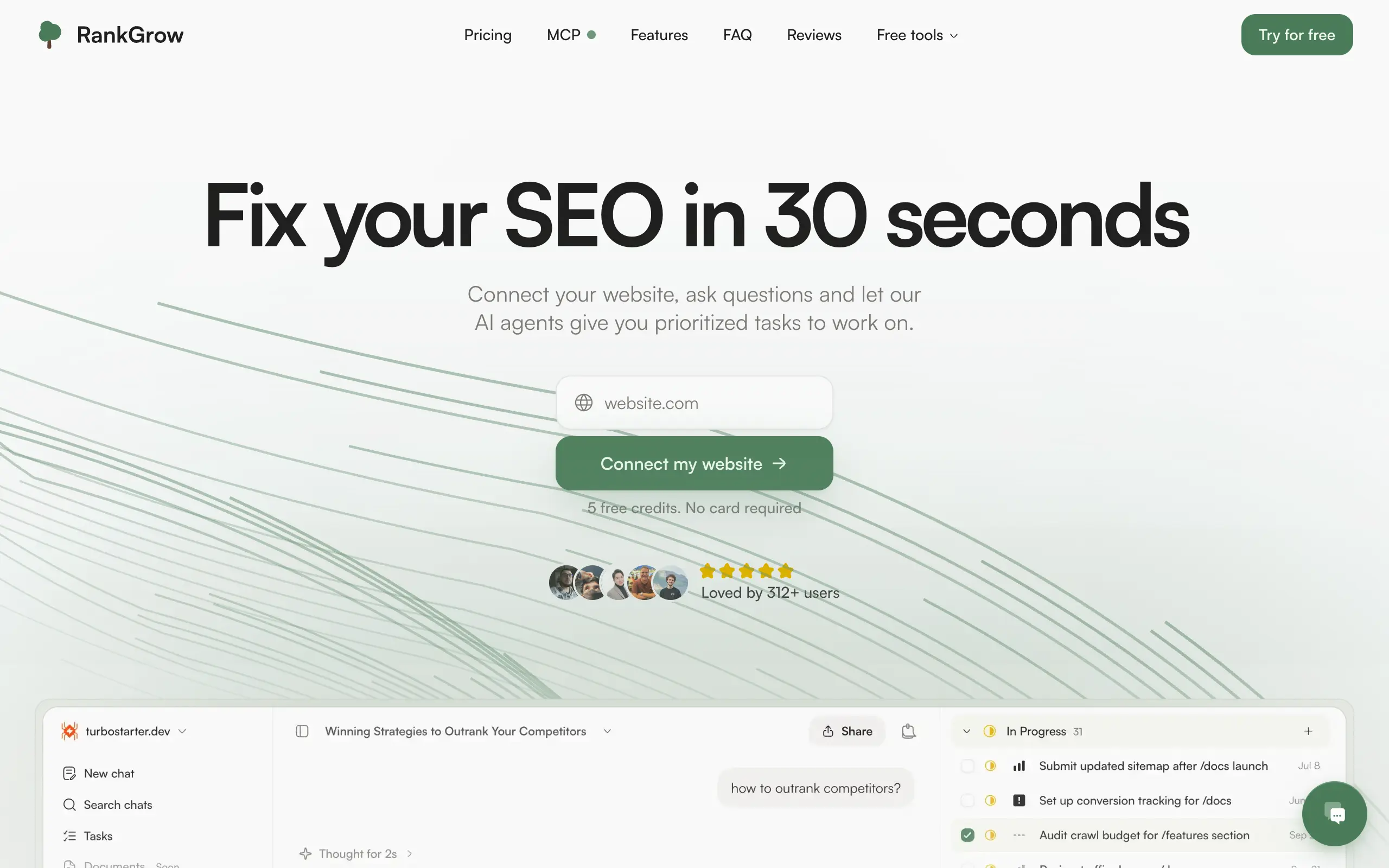
RankGrow
Fix your SEO with AI agents - connect Search Console, get prioritized tasks, and grow organic traffic 📈
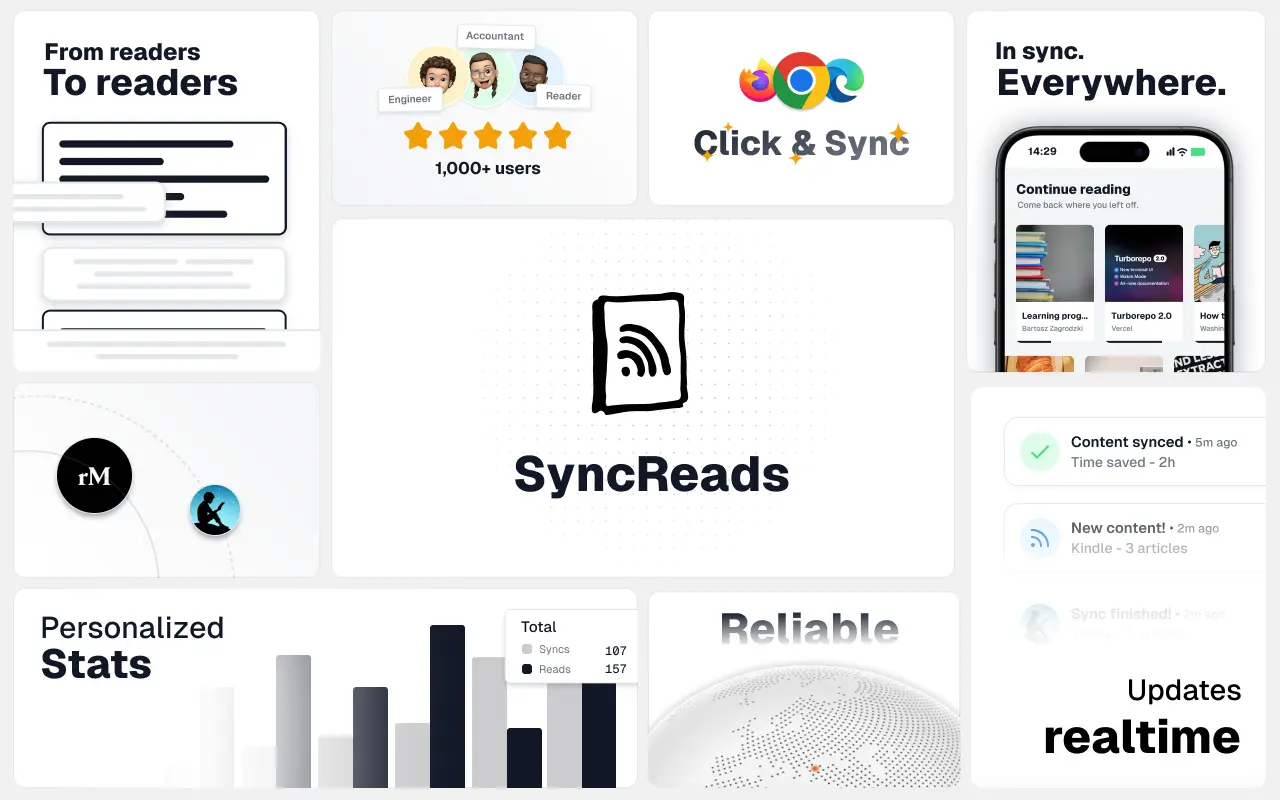
SyncReads
Sync your favorite content for distraction-free reading, save time and replace multiple apps. Anytime, anywhere 🔄
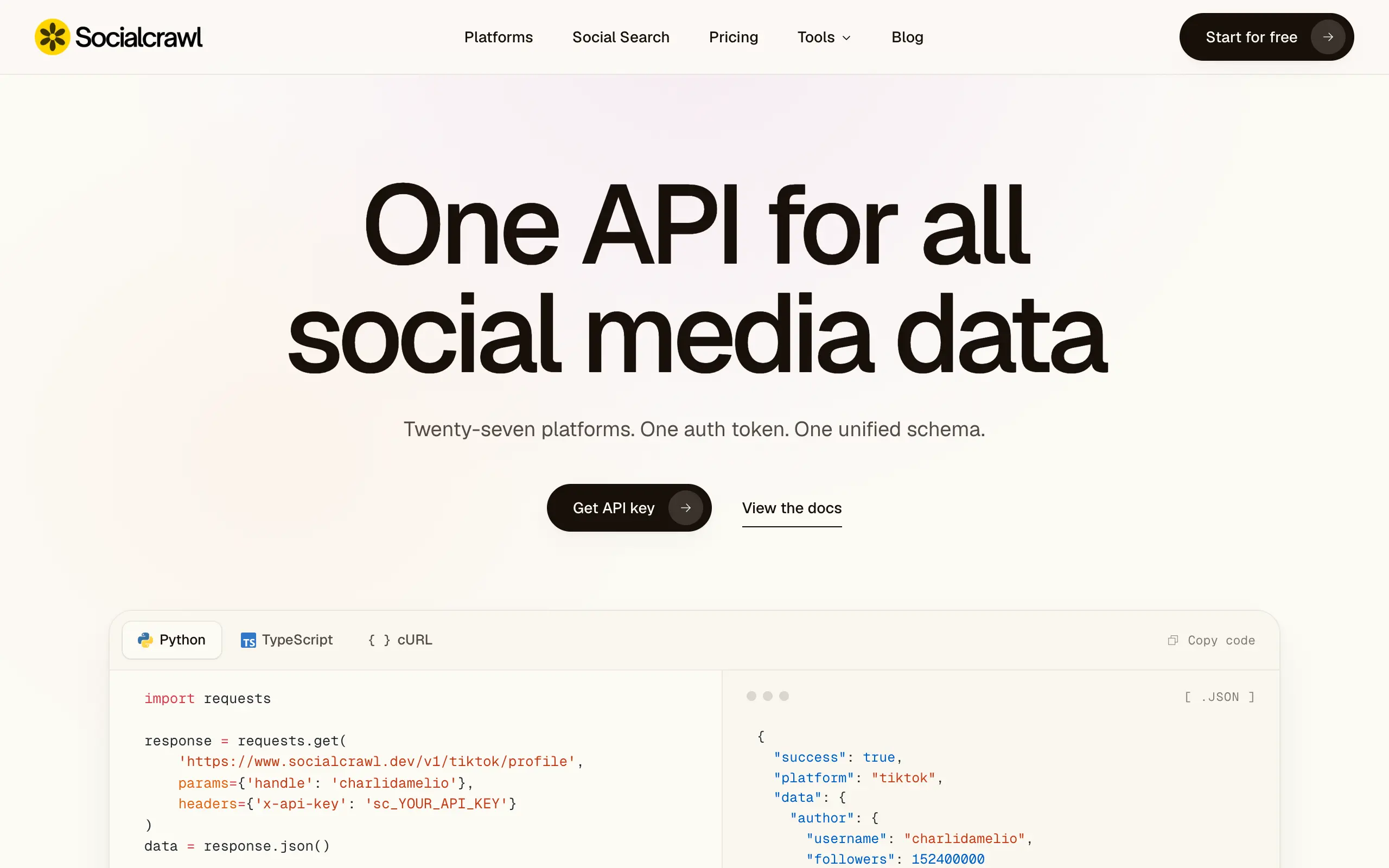
Socialcrawl
Get clean, structured data from 21 platforms like TikTok, Instagram, and YouTube with a single request 📊
Statiko
Monitor any Telegram channel in real time - track posts, edits, deletions, and growth with AI recaps 📡
Shibui
AI website builder - describe your business, pick a niche template, edit by chatting, and publish instantly ✨
Pro Service
Find verified home service professionals, compare quotes, and pay securely through escrow - built for Brazilians across the US 🏠
RankGrow
Fix your SEO with AI agents - connect Search Console, get prioritized tasks, and grow organic traffic 📈
SyncReads
Sync your favorite content for distraction-free reading, save time and replace multiple apps. Anytime, anywhere 🔄
Socialcrawl
Get clean, structured data from 21 platforms like TikTok, Instagram, and YouTube with a single request 📊
Statiko
Monitor any Telegram channel in real time - track posts, edits, deletions, and growth with AI recaps 📡
Shibui
AI website builder - describe your business, pick a niche template, edit by chatting, and publish instantly ✨
Pro Service
Find verified home service professionals, compare quotes, and pay securely through escrow - built for Brazilians across the US 🏠
RankGrow
Fix your SEO with AI agents - connect Search Console, get prioritized tasks, and grow organic traffic 📈
SyncReads
Sync your favorite content for distraction-free reading, save time and replace multiple apps. Anytime, anywhere 🔄
Socialcrawl
Get clean, structured data from 21 platforms like TikTok, Instagram, and YouTube with a single request 📊
Statiko
Monitor any Telegram channel in real time - track posts, edits, deletions, and growth with AI recaps 📡
Shibui
AI website builder - describe your business, pick a niche template, edit by chatting, and publish instantly ✨
Pro Service
Find verified home service professionals, compare quotes, and pay securely through escrow - built for Brazilians across the US 🏠
RankGrow
Fix your SEO with AI agents - connect Search Console, get prioritized tasks, and grow organic traffic 📈
SyncReads
Sync your favorite content for distraction-free reading, save time and replace multiple apps. Anytime, anywhere 🔄
Socialcrawl
Get clean, structured data from 21 platforms like TikTok, Instagram, and YouTube with a single request 📊
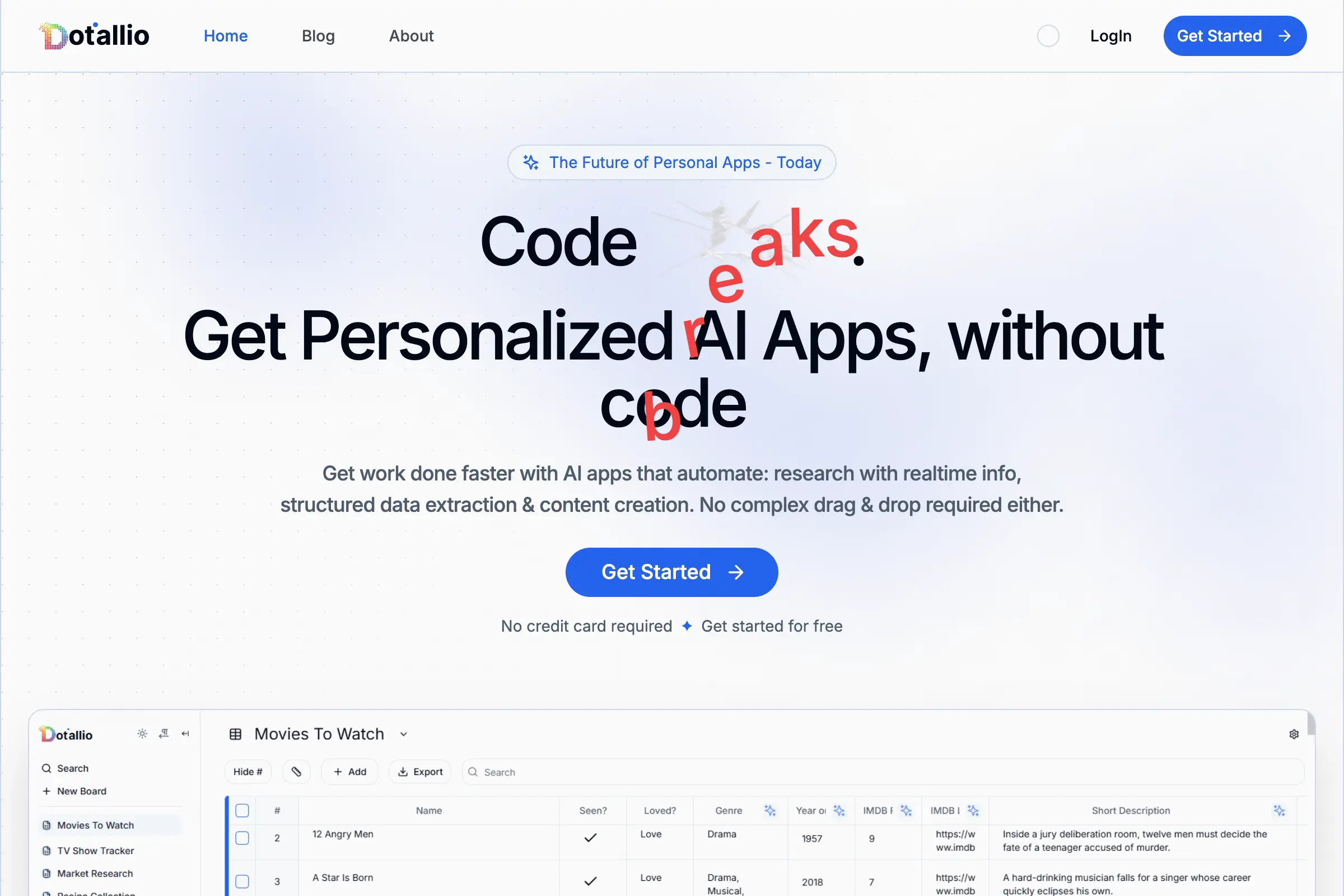
Dotallio
Personalized AI apps that automate research, data extraction, and content creation without code 🤖
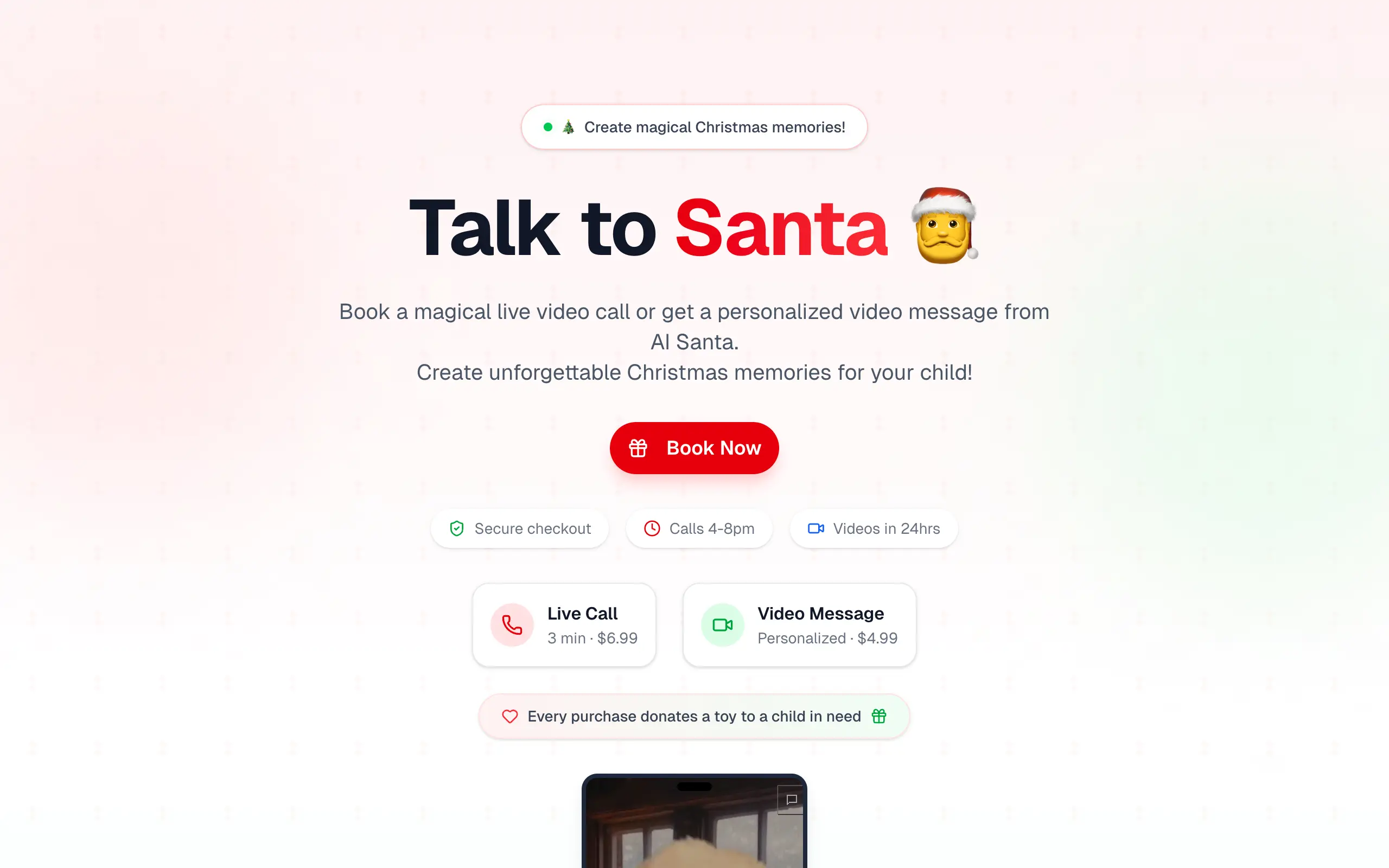
Talk to Santa
Enjoy a magical live video chat or receive a unique AI-generated video greeting from Santa Claus 🎅
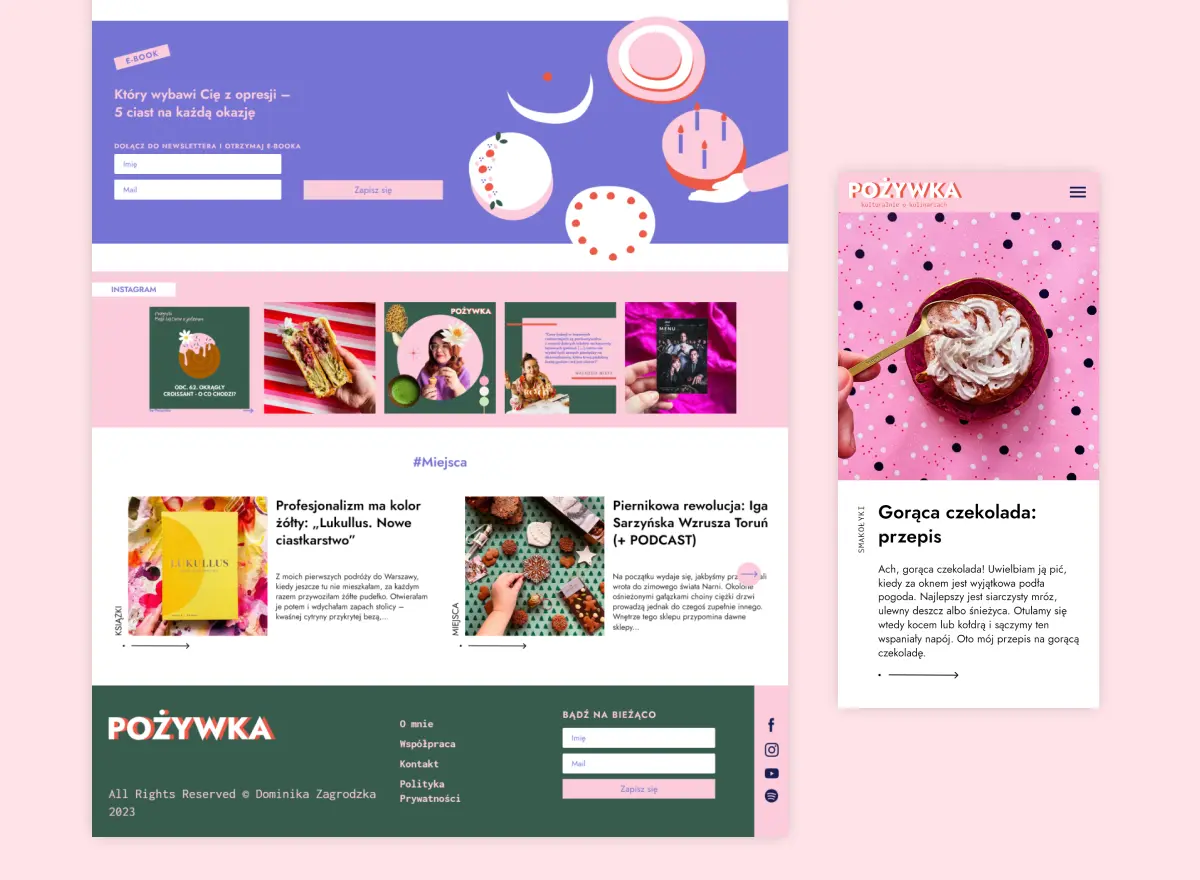
pozywka.pl
Scalable blog for food journalist, focused on performance and user experience 🌭
zagrodzki.me
Personal blog and portfolio of Bart Zagrodzki, where he shares his knowledge and work 💼
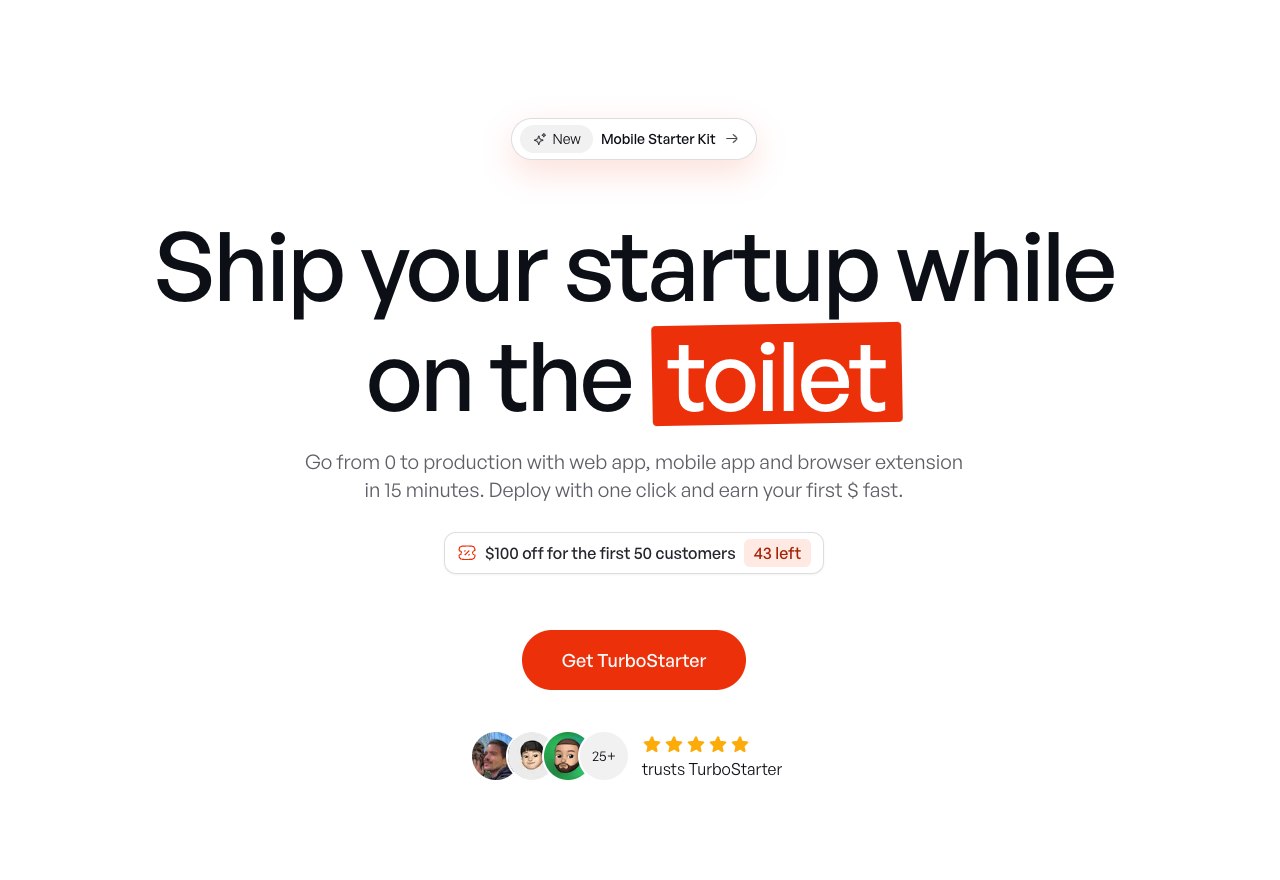
TurboStarter
Ship your startup everywhere. In minutes.
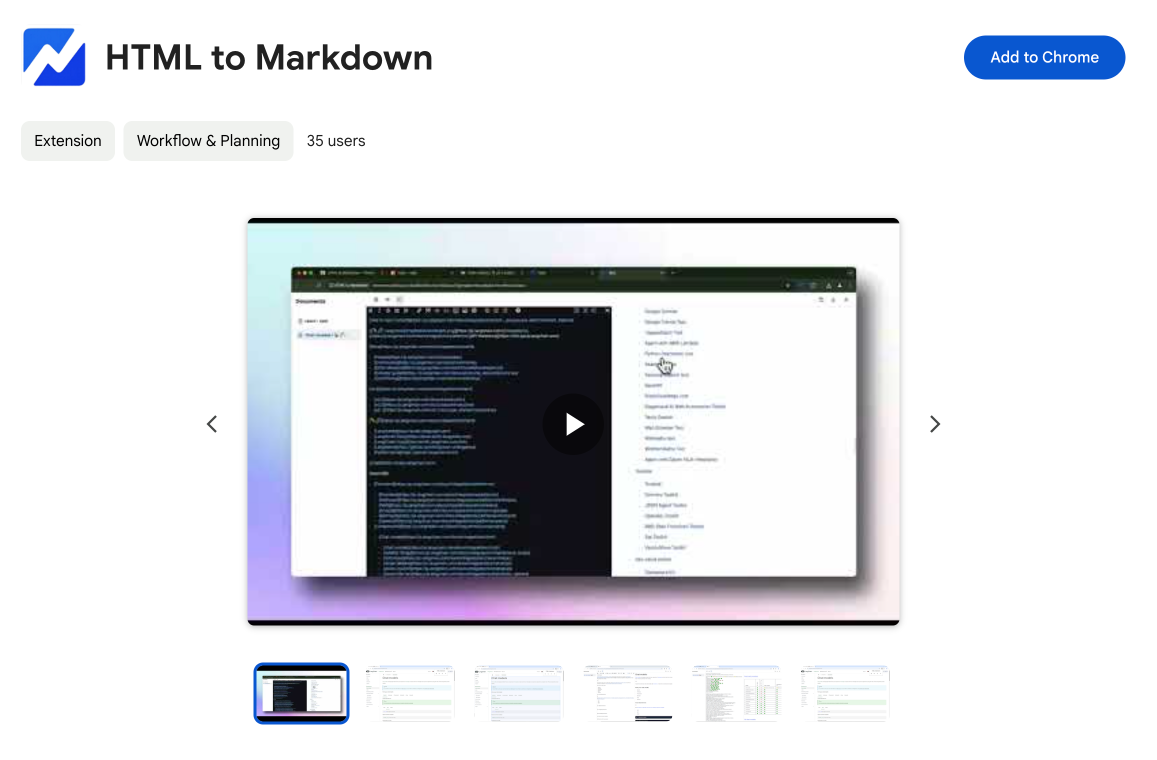
HTML to Markdown
Convert HTML to Markdown with ease, directly in your browser 📄
Dotallio
Personalized AI apps that automate research, data extraction, and content creation without code 🤖
Talk to Santa
Enjoy a magical live video chat or receive a unique AI-generated video greeting from Santa Claus 🎅
pozywka.pl
Scalable blog for food journalist, focused on performance and user experience 🌭
zagrodzki.me
Personal blog and portfolio of Bart Zagrodzki, where he shares his knowledge and work 💼
TurboStarter
Ship your startup everywhere. In minutes.
HTML to Markdown
Convert HTML to Markdown with ease, directly in your browser 📄
Dotallio
Personalized AI apps that automate research, data extraction, and content creation without code 🤖
Talk to Santa
Enjoy a magical live video chat or receive a unique AI-generated video greeting from Santa Claus 🎅
pozywka.pl
Scalable blog for food journalist, focused on performance and user experience 🌭
zagrodzki.me
Personal blog and portfolio of Bart Zagrodzki, where he shares his knowledge and work 💼
TurboStarter
Ship your startup everywhere. In minutes.
HTML to Markdown
Convert HTML to Markdown with ease, directly in your browser 📄
Dotallio
Personalized AI apps that automate research, data extraction, and content creation without code 🤖
Talk to Santa
Enjoy a magical live video chat or receive a unique AI-generated video greeting from Santa Claus 🎅
pozywka.pl
Scalable blog for food journalist, focused on performance and user experience 🌭
zagrodzki.me
Personal blog and portfolio of Bart Zagrodzki, where he shares his knowledge and work 💼
TurboStarter
Ship your startup everywhere. In minutes.
HTML to Markdown
Convert HTML to Markdown with ease, directly in your browser 📄
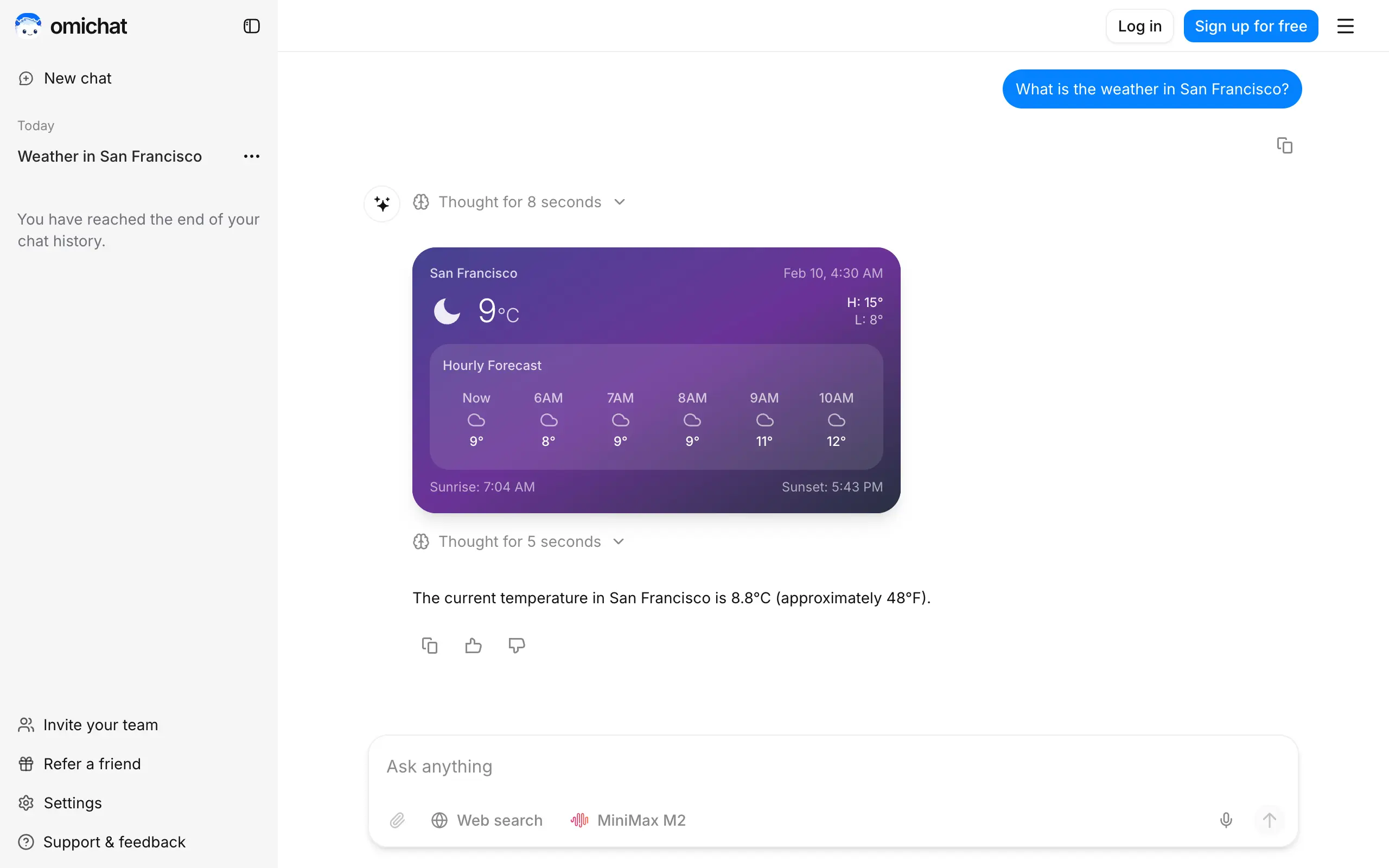
Omichat
Chat with 50+ AI models, including ChatGPT and Claude, in one place - switch models anytime without losing context 🤖
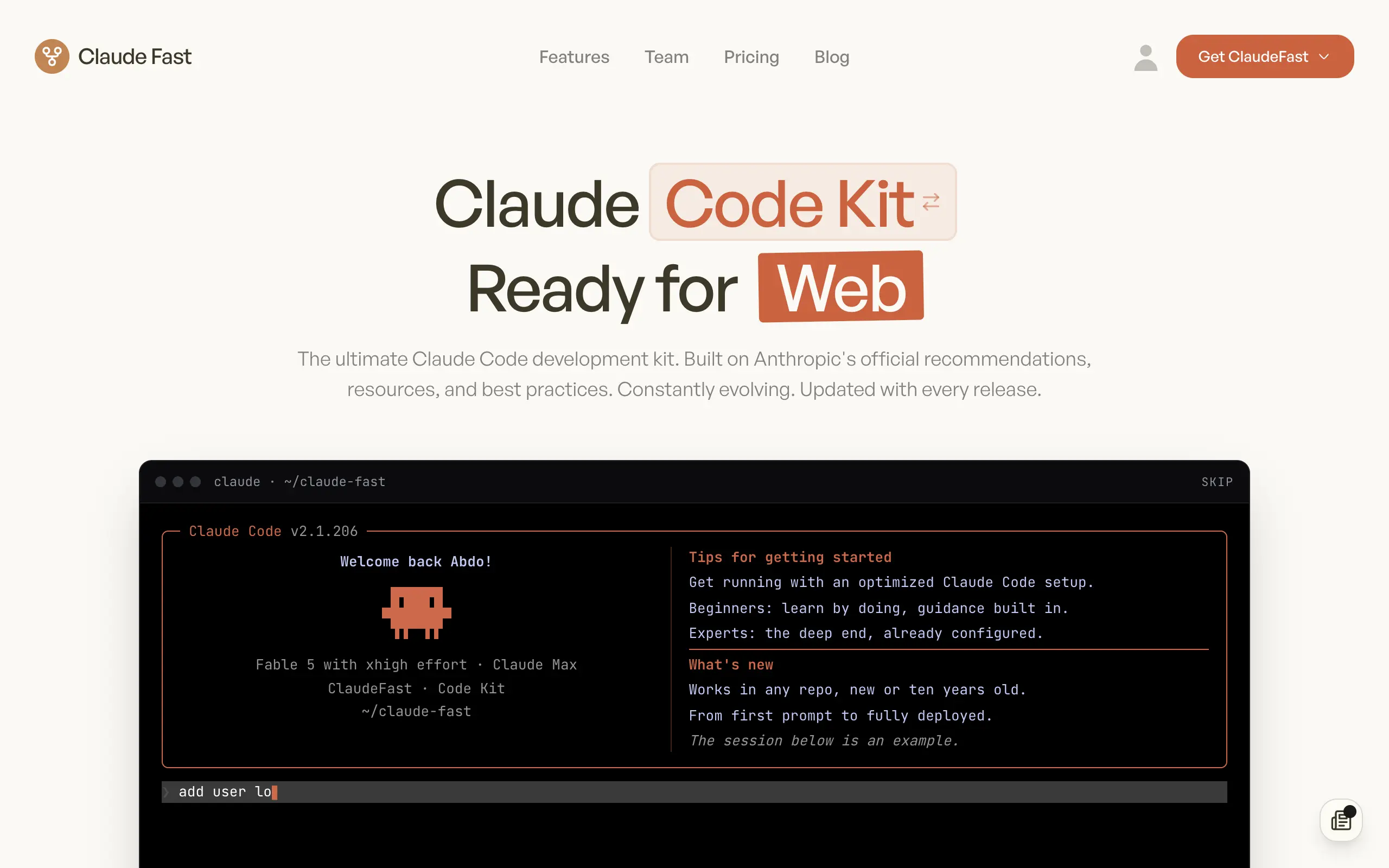
Claude Fast
Supercharge your Claude Code with 6x effective context window and specialized AI agents 🤖
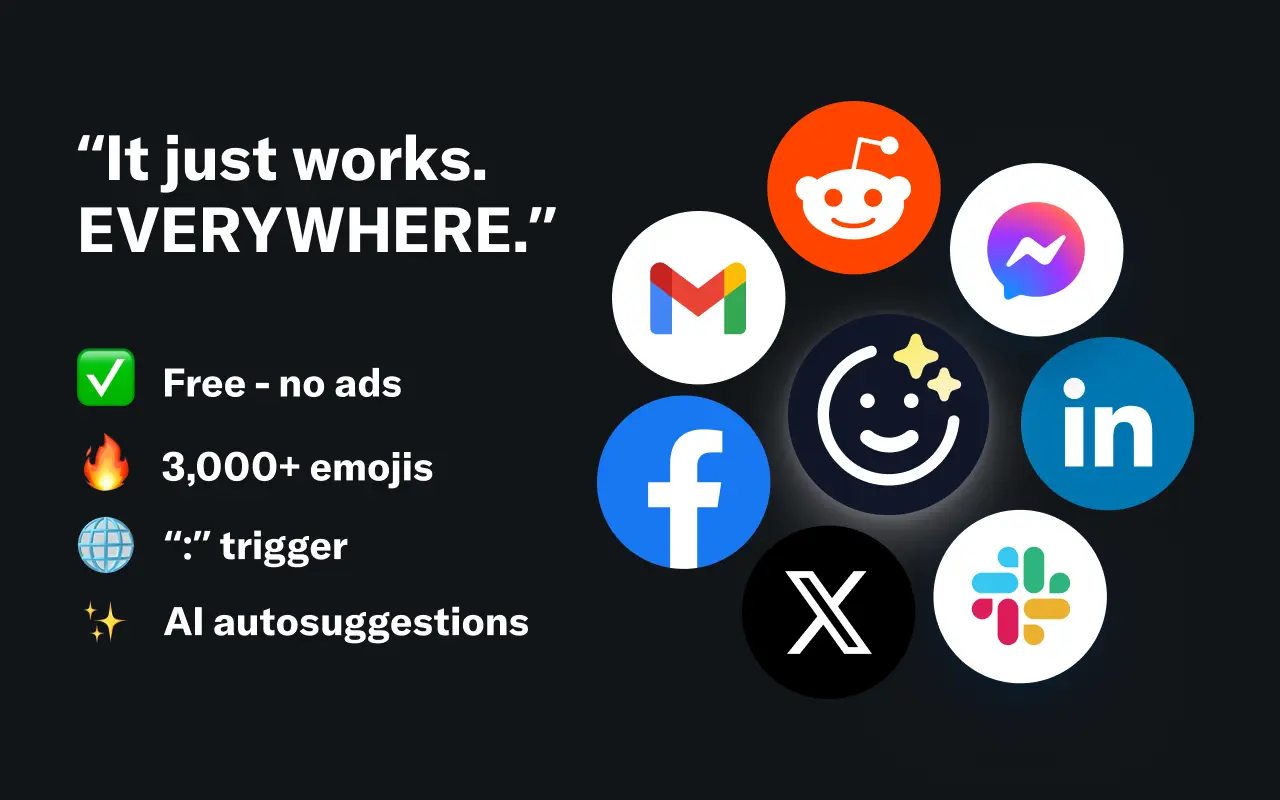
EmojAI
AI-powered emoji picker with smart, context-aware suggestions 🤖
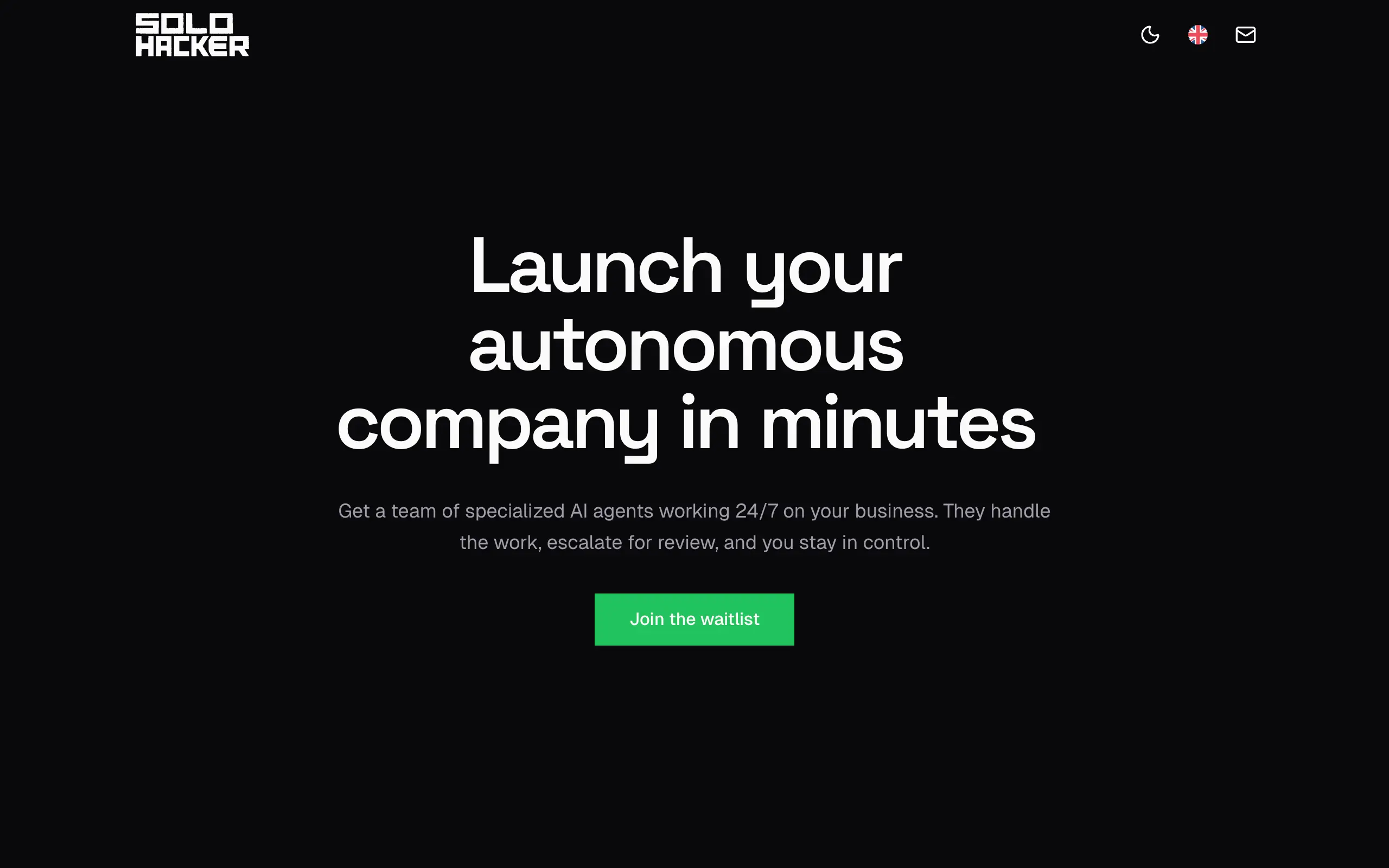
Solohacker
Autonomous company launcher - AI agents work 24/7, escalate what matters, and you stay in control 🤖
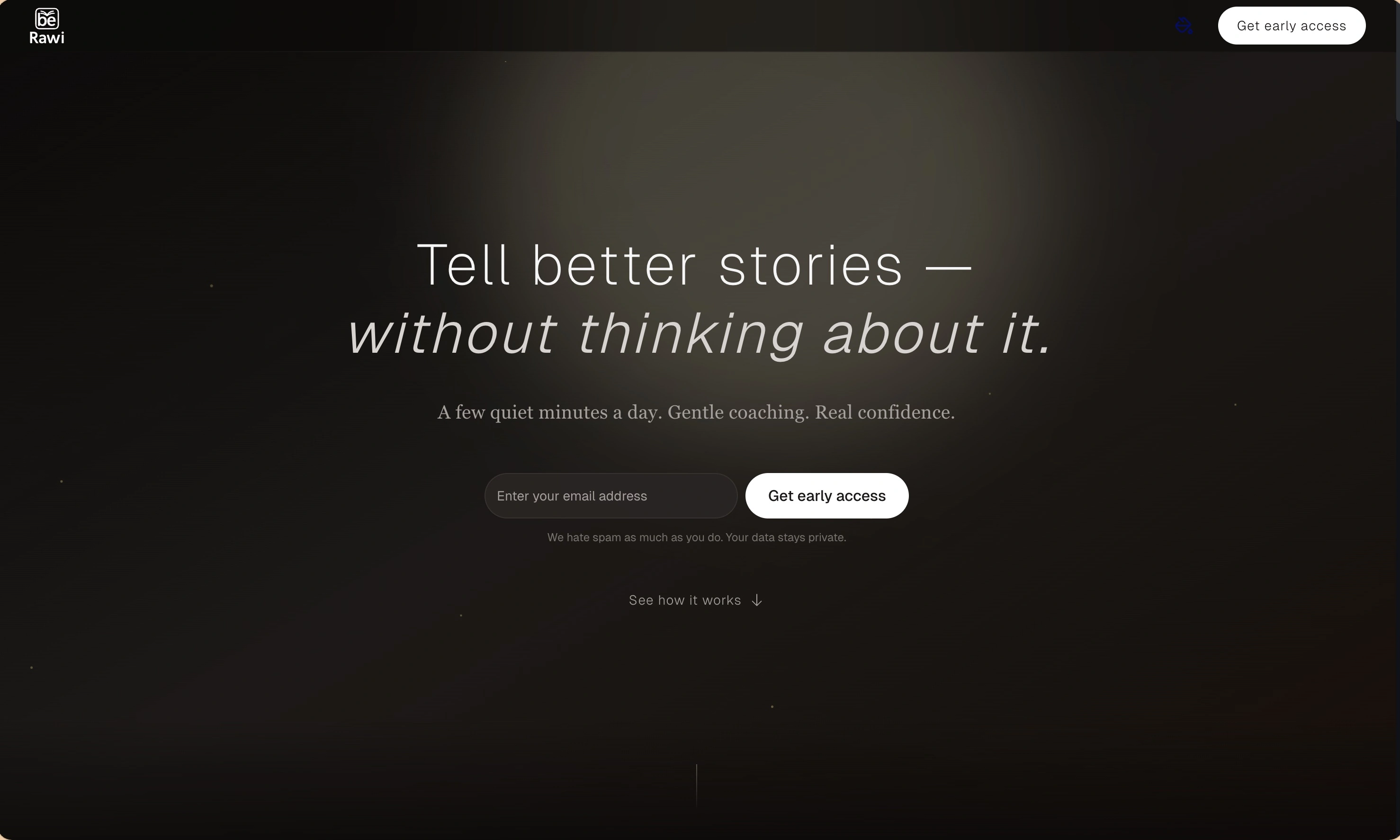
BeRawi: Storytelling Coach
Practice storytelling daily with instant feedback to sound clearer, more engaging, and confident 🎤
Omichat
Chat with 50+ AI models, including ChatGPT and Claude, in one place - switch models anytime without losing context 🤖
Claude Fast
Supercharge your Claude Code with 6x effective context window and specialized AI agents 🤖
EmojAI
AI-powered emoji picker with smart, context-aware suggestions 🤖
Solohacker
Autonomous company launcher - AI agents work 24/7, escalate what matters, and you stay in control 🤖
BeRawi: Storytelling Coach
Practice storytelling daily with instant feedback to sound clearer, more engaging, and confident 🎤
Omichat
Chat with 50+ AI models, including ChatGPT and Claude, in one place - switch models anytime without losing context 🤖
Claude Fast
Supercharge your Claude Code with 6x effective context window and specialized AI agents 🤖
EmojAI
AI-powered emoji picker with smart, context-aware suggestions 🤖
Solohacker
Autonomous company launcher - AI agents work 24/7, escalate what matters, and you stay in control 🤖
BeRawi: Storytelling Coach
Practice storytelling daily with instant feedback to sound clearer, more engaging, and confident 🎤
Omichat
Chat with 50+ AI models, including ChatGPT and Claude, in one place - switch models anytime without losing context 🤖
Claude Fast
Supercharge your Claude Code with 6x effective context window and specialized AI agents 🤖
EmojAI
AI-powered emoji picker with smart, context-aware suggestions 🤖
Solohacker
Autonomous company launcher - AI agents work 24/7, escalate what matters, and you stay in control 🤖
BeRawi: Storytelling Coach
Practice storytelling daily with instant feedback to sound clearer, more engaging, and confident 🎤

Connect with like-minded people
Join our community to get feedback, support, and grow together with 1,000+ builders on board, let's ship it!
Join usShip your startup everywhere. In minutes.
Don't burn tokens on setup and start building features on day one.