WhoAmI.AI
WhoAmI.AI uses conversational AI to guide users through self-reflection, uncovering strengths, values, and motivations for personal and professional growth.
Understanding the user intent behind WhoAmI.AI
When users search for solutions like WhoAmI.AI, their intent is typically rooted in a desire for personal or professional growth. They are looking for tools that help them:
- Reflect on their strengths and weaknesses
- Clarify their core values and motivations
- Receive actionable insights for self-improvement
- Leverage AI for personalized, unbiased guidance
This audience is not just seeking generic self-help advice—they want a conversational AI experience that feels tailored, insightful, and interactive. They may be professionals considering a career pivot, students planning their future, or individuals on a journey of self-discovery.
Target audience analysis
Understanding the target audience is crucial for building a successful AI SaaS like WhoAmI.AI. The platform appeals to several key user segments:
1. Career changers and professionals
- Motivation: Seeking clarity on strengths, transferable skills, and values to inform career decisions.
- Pain points: Overwhelm from too many options, lack of objective feedback, uncertainty about next steps.
2. Students and recent graduates
- Motivation: Identifying personal interests, values, and aptitudes to guide education and career choices.
- Pain points: Limited self-awareness, pressure to choose a path, lack of mentorship.
3. Personal development enthusiasts
- Motivation: Ongoing self-improvement, goal setting, and self-actualization.
- Pain points: Difficulty maintaining motivation, lack of structured reflection, desire for deeper insights.
4. Coaches, therapists, and HR professionals
- Motivation: Tools to facilitate client or employee self-reflection and growth.
- Pain points: Time constraints, need for scalable solutions, desire for data-driven insights.
Demographics:
- Age: 18–50+
- Tech-savvy, open to digital solutions
- Global, with a focus on English-speaking markets
Psychographics:
- Growth mindset
- Value self-awareness and personal development
- Willing to invest in tools that deliver real value
Identifying the market opportunity and gap
The self-improvement and career development market is vast and growing. According to recent industry reports, the global personal development market is projected to reach $56.66 billion by 2027 (source: suggest referencing a Statista or Grand View Research report).
Existing solutions and their limitations
- Traditional self-assessment tools: Often static, generic, and lack personalization.
- Coaching and therapy: Effective but expensive and not scalable for all.
- Generic AI chatbots: Not specialized for deep self-reflection or nuanced guidance.
The gap WhoAmI.AI fills
- Conversational AI that adapts to user responses, providing a dynamic, interactive experience.
- Personalized insights based on real-time analysis of user input.
- Actionable recommendations for both personal and professional growth.
- Accessible and scalable—no need for expensive 1:1 sessions.
Industry trend
AI-driven self-discovery tools are gaining traction as users seek more personalized, data-driven approaches to personal growth. The rise of large language models (LLMs) and advancements in natural language processing (NLP) make this the perfect time to launch a solution like WhoAmI.AI.
Core features and solution details
WhoAmI.AI stands out by combining the power of conversational AI with proven self-reflection frameworks. Here’s a breakdown of its core features:
1. Conversational self-reflection journeys
- Guided dialogues: AI leads users through structured conversations, asking probing questions to uncover strengths, values, and motivations.
- Adaptive questioning: The AI tailors follow-up questions based on previous answers, creating a personalized experience.
2. Strengths and values discovery
- Real-time analysis: Uses NLP to identify recurring themes, strengths, and values in user responses.
- Visual summaries: Presents findings in easy-to-understand charts and word clouds.
3. Motivation mapping
- Deep-dive sessions: Helps users explore what truly drives them, both personally and professionally.
- Goal alignment: Suggests ways to align daily actions with core motivations.
4. Actionable growth plans
- Personalized recommendations: Offers next steps, resources, and exercises based on user insights.
- Progress tracking: Allows users to revisit and update their self-reflection over time.
5. Privacy and data security
- User-controlled data: Users can export or delete their data at any time.
- End-to-end encryption: Ensures sensitive information remains confidential.
6. Integration and extensibility
- API access: For coaches, HR, or third-party platforms to integrate WhoAmI.AI’s insights.
- White-label options: For organizations wanting a branded experience.
Conversational AI
Dynamic, adaptive dialogues for deep self-reflection.
Personalized insights
Real-time analysis of strengths, values, and motivations.
Actionable plans
Tailored recommendations and progress tracking.
Privacy-first
User-controlled data and robust security.
Recommended tech stack for WhoAmI.AI
Choosing the right technology stack is critical for delivering a seamless, secure, and scalable AI SaaS product. Here’s a recommended stack, with trade-offs considered:
Frontend
- React: Modern, component-based UI development. Large ecosystem and community support.
- TailwindCSS: Utility-first CSS framework for rapid, consistent styling.
- TypeScript: Adds type safety, reducing bugs and improving maintainability.
Trade-off:
React offers flexibility and performance, but requires careful state management for complex conversational flows.
Backend
- Node.js: Non-blocking, event-driven architecture ideal for real-time applications.
- Express.js: Lightweight, flexible web framework for building APIs.
Trade-off:
Node.js is highly scalable, but may require additional optimization for CPU-intensive AI tasks.
AI and NLP
- OpenAI GPT-4 API: For advanced conversational AI and natural language understanding.
- spaCy or Hugging Face Transformers: For custom NLP tasks (e.g., sentiment analysis, keyword extraction).
Trade-off:
Using third-party APIs accelerates development but introduces dependency and cost considerations.
Database
- PostgreSQL: Reliable, scalable relational database for user data and insights.
- Redis: For caching and real-time session management.
Security
- OAuth 2.0 / OpenID Connect: Secure authentication and authorization.
- End-to-end encryption: Protects sensitive user data.
Deployment and DevOps
- Docker: Containerization for consistent deployment.
- Kubernetes: Orchestration for scaling and reliability.
- AWS / GCP / Azure: Cloud infrastructure for global reach and compliance.
Optional: No-code/low-code integration
- TurboStarter: Accelerate SaaS MVP development with pre-built modules and integrations.
Training a custom LLM is resource-intensive and costly. Leveraging established APIs like OpenAI ensures state-of-the-art performance and faster time-to-market.
All user data is encrypted at rest and in transit. Users have full control over their data, with options to export or delete at any time.
Monetization strategy options
A robust monetization strategy ensures sustainability and growth. Here are proven models for WhoAmI.AI:
1. Freemium model
- Free tier: Limited self-reflection journeys and basic insights.
- Premium tier: Advanced analytics, unlimited sessions, personalized growth plans.
2. B2B licensing
- Coaches, HR, and organizations: Offer white-label or API access for a monthly or annual fee.
3. Pay-per-session
- One-off deep-dive sessions: Users pay for intensive, guided self-reflection experiences.
4. Affiliate partnerships
- Curated resources: Recommend books, courses, or tools, earning a commission on referrals.
5. Data-driven insights (with consent)
- Aggregated, anonymized data: Offer industry reports or benchmarks to organizations (never individual data).
| Freemium | B2B | Pay-per-session | Affiliate | Data insights |
|---|---|---|---|---|
| ✅ | ❌ | ❌ | ✅ | ❌ |
| ✅ | ❌ | ✅ | ✅ | ❌ |
Potential risks and mitigation strategies
Launching an AI-powered self-reflection platform comes with unique challenges. Here’s how to address them:
1. Data privacy and security
- Risk: Sensitive personal data could be exposed.
- Mitigation: Implement end-to-end encryption, regular security audits, and transparent privacy policies.
2. AI bias and accuracy
- Risk: AI may misinterpret user input or reinforce biases.
- Mitigation: Regularly review and fine-tune AI models, incorporate diverse training data, and allow user feedback.
3. User trust and adoption
- Risk: Users may be skeptical of AI-driven self-reflection.
- Mitigation: Clearly communicate the science behind the approach, offer transparent explanations, and provide free trials.
4. Over-reliance on AI
- Risk: Users may substitute AI for professional help when needed.
- Mitigation: Include disclaimers, suggest professional resources, and avoid making clinical claims.
5. Platform scalability
- Risk: Rapid growth could strain infrastructure.
- Mitigation: Use scalable cloud services and container orchestration (e.g., Kubernetes).
Ethical considerations
AI-driven self-reflection tools must prioritize user well-being. Avoid making medical or psychological claims, and always encourage users to seek professional help for serious concerns.
Competitive advantage analysis
WhoAmI.AI’s unique selling proposition (USP) lies in its combination of conversational AI, deep personalization, and actionable insights. Here’s how it stands out:
1. Depth of conversation
Unlike static quizzes or generic chatbots, WhoAmI.AI uses advanced NLP to engage users in meaningful, adaptive dialogues.
2. Actionable, not just analytical
The platform doesn’t just analyze—it provides concrete next steps for growth, making insights immediately useful.
3. Privacy-first approach
User data is never sold or shared without consent, building trust and differentiating from data-hungry competitors.
4. Scalable for individuals and organizations
From solo users to enterprise clients, WhoAmI.AI offers flexible solutions, including API and white-label options.
5. Continuous learning
The AI improves over time, learning from anonymized interactions to deliver ever-better guidance.
Adaptive conversations
AI tailors each session to the user's unique journey.
Growth-focused
Every insight is paired with actionable recommendations.
Enterprise-ready
APIs and white-labeling for coaches, HR, and organizations.
Actionable implementation steps
Ready to bring WhoAmI.AI to life? Here’s a step-by-step roadmap:
Conclusion: Why WhoAmI.AI is the future of self-reflection
WhoAmI.AI is more than just another AI chatbot—it’s a transformative tool for self-discovery and growth. By combining conversational AI, deep personalization, and actionable insights, it empowers users to understand themselves better and take meaningful steps forward.
Whether you’re an individual seeking clarity, a coach looking to scale your impact, or an organization investing in employee growth, WhoAmI.AI offers a secure, scalable, and science-backed solution.
Ready to accelerate your SaaS journey? Consider leveraging TurboStarter to fast-track your MVP and bring WhoAmI.AI to market with confidence.
Key takeaways:
- The demand for AI-powered self-reflection tools is growing rapidly.
- WhoAmI.AI’s unique blend of conversational AI and actionable insights fills a critical market gap.
- Prioritizing privacy, personalization, and scalability ensures long-term success.
- A clear implementation roadmap and robust tech stack set the stage for rapid, secure development.
By focusing on user needs, ethical AI, and continuous improvement, WhoAmI.AI is poised to become a leader in the personal and professional growth space.
More 🤖 AI Startup SaaS ideas
Discover more innovative ai startup SaaS ideas that are trending in 2026. Each idea is AI-generated with market validation and growth potential to help you find your next profitable venture faster than competitors.
Your competitors are building with TurboStarter
Below are some of the SaaS ideas that have been generated and built with our starter kit.
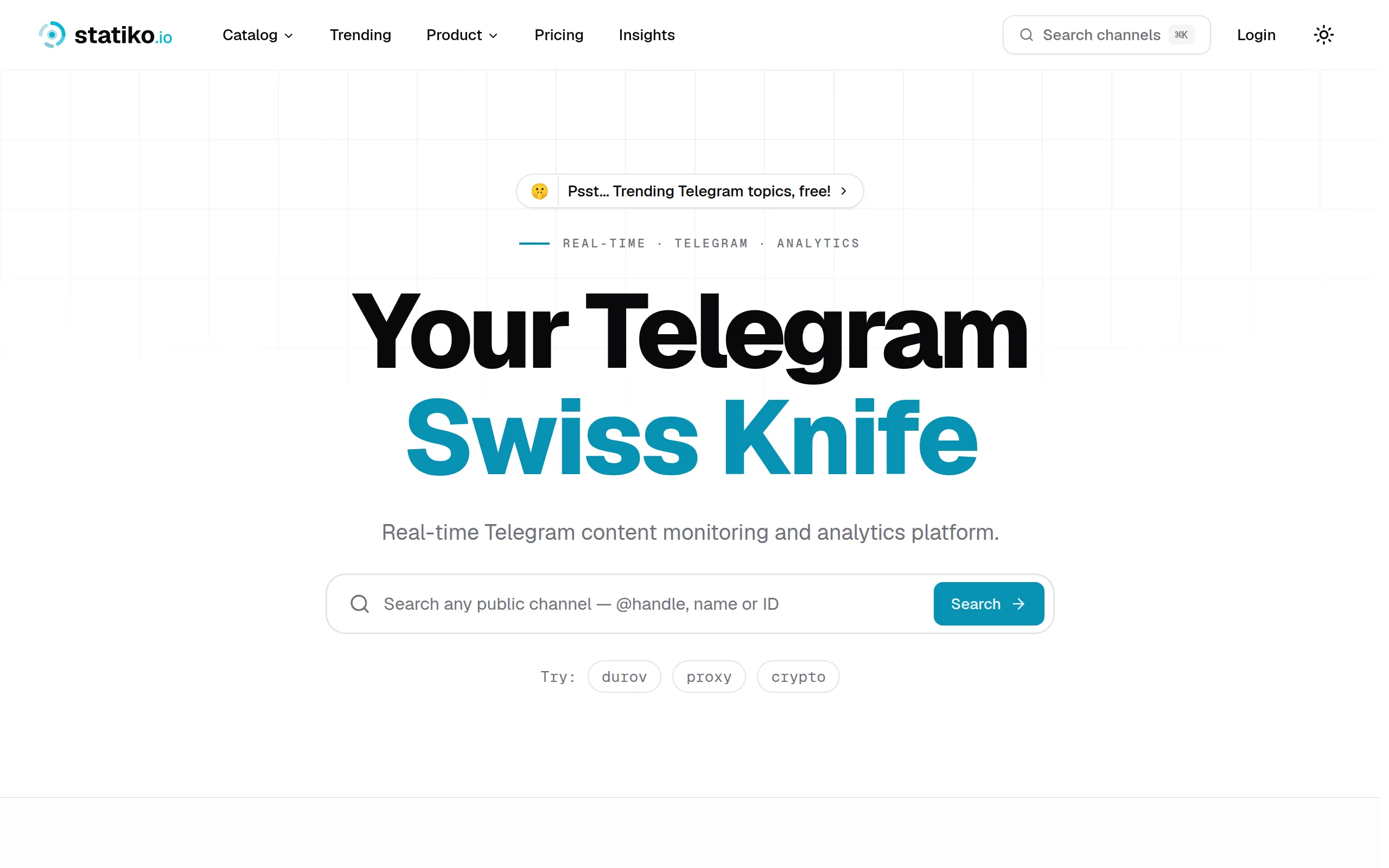
Statiko
Monitor any Telegram channel in real time - track posts, edits, deletions, and growth with AI recaps 📡

Shibui
AI website builder - describe your business, pick a niche template, edit by chatting, and publish instantly ✨

Pro Service
Find verified home service professionals, compare quotes, and pay securely through escrow - built for Brazilians across the US 🏠
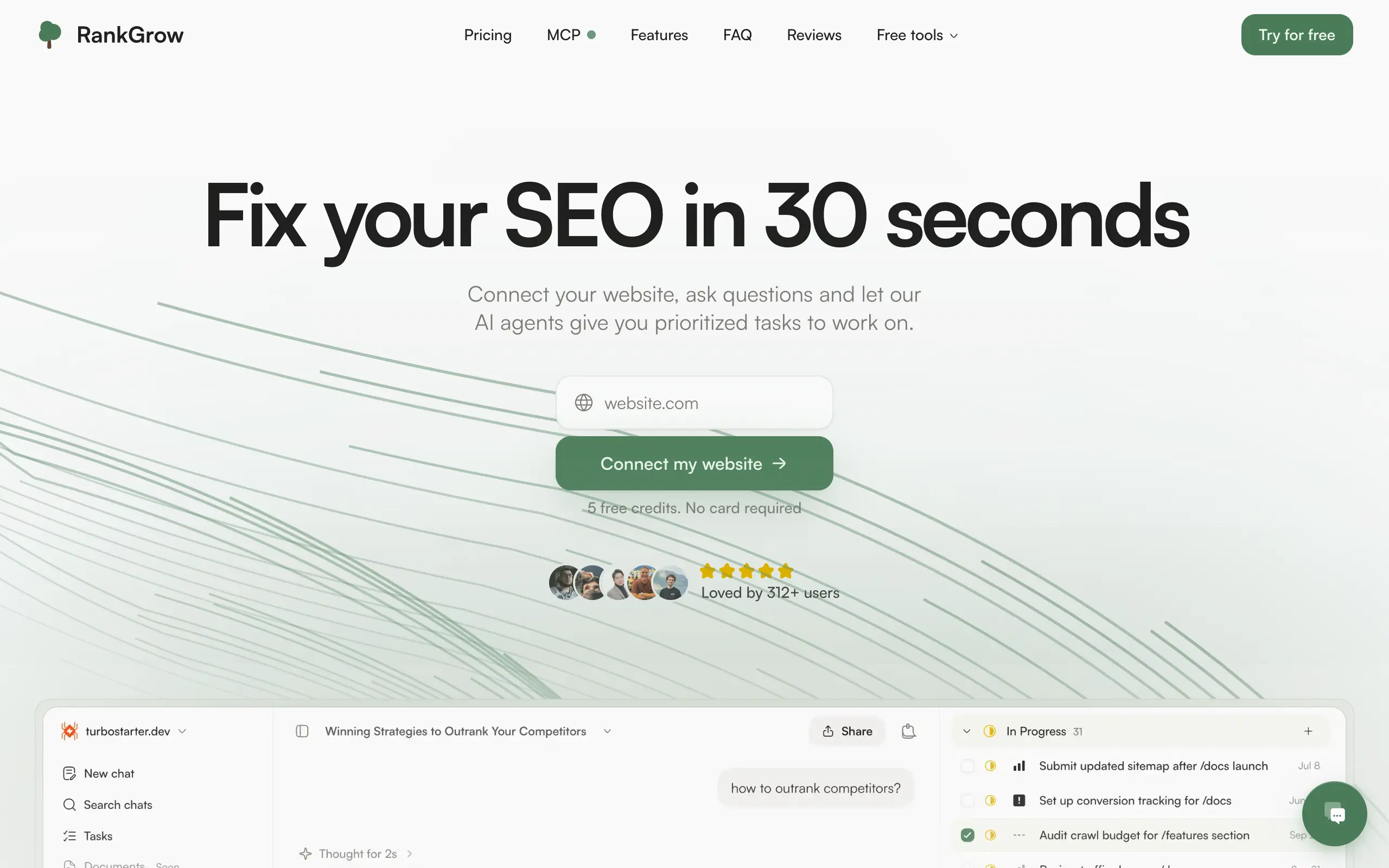
RankGrow
Fix your SEO with AI agents - connect Search Console, get prioritized tasks, and grow organic traffic 📈
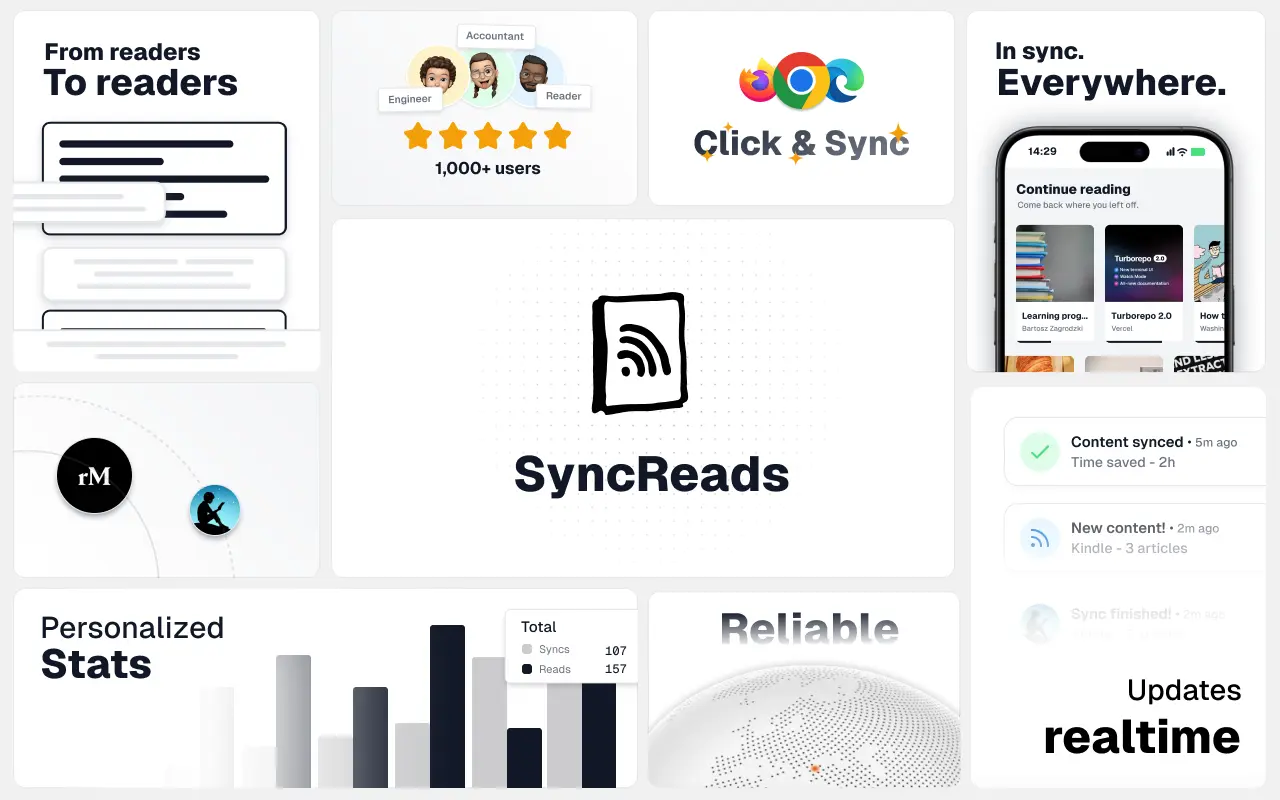
SyncReads
Sync your favorite content for distraction-free reading, save time and replace multiple apps. Anytime, anywhere 🔄
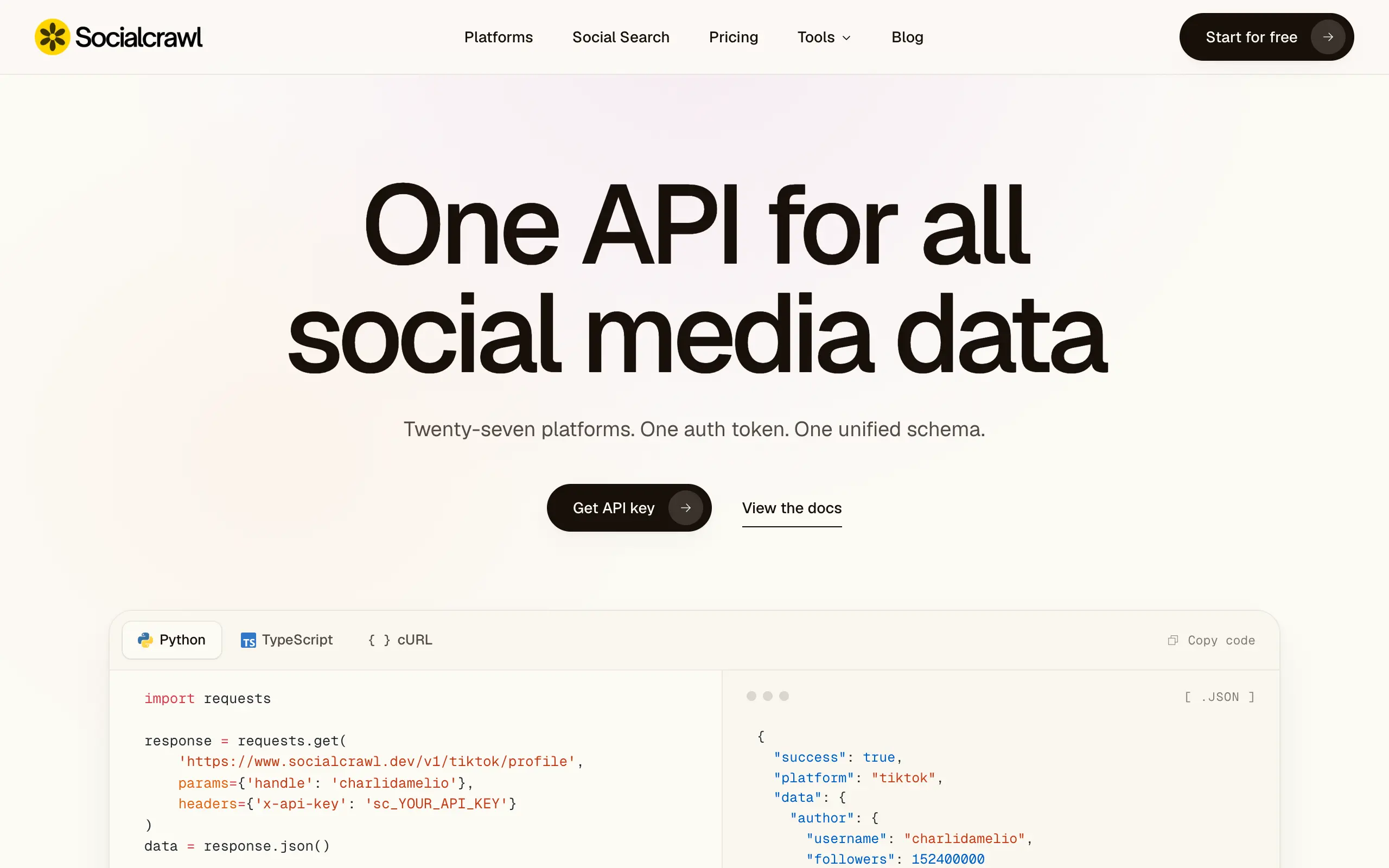
Socialcrawl
Get clean, structured data from 21 platforms like TikTok, Instagram, and YouTube with a single request 📊
Statiko
Monitor any Telegram channel in real time - track posts, edits, deletions, and growth with AI recaps 📡
Shibui
AI website builder - describe your business, pick a niche template, edit by chatting, and publish instantly ✨
Pro Service
Find verified home service professionals, compare quotes, and pay securely through escrow - built for Brazilians across the US 🏠
RankGrow
Fix your SEO with AI agents - connect Search Console, get prioritized tasks, and grow organic traffic 📈
SyncReads
Sync your favorite content for distraction-free reading, save time and replace multiple apps. Anytime, anywhere 🔄
Socialcrawl
Get clean, structured data from 21 platforms like TikTok, Instagram, and YouTube with a single request 📊
Statiko
Monitor any Telegram channel in real time - track posts, edits, deletions, and growth with AI recaps 📡
Shibui
AI website builder - describe your business, pick a niche template, edit by chatting, and publish instantly ✨
Pro Service
Find verified home service professionals, compare quotes, and pay securely through escrow - built for Brazilians across the US 🏠
RankGrow
Fix your SEO with AI agents - connect Search Console, get prioritized tasks, and grow organic traffic 📈
SyncReads
Sync your favorite content for distraction-free reading, save time and replace multiple apps. Anytime, anywhere 🔄
Socialcrawl
Get clean, structured data from 21 platforms like TikTok, Instagram, and YouTube with a single request 📊
Statiko
Monitor any Telegram channel in real time - track posts, edits, deletions, and growth with AI recaps 📡
Shibui
AI website builder - describe your business, pick a niche template, edit by chatting, and publish instantly ✨
Pro Service
Find verified home service professionals, compare quotes, and pay securely through escrow - built for Brazilians across the US 🏠
RankGrow
Fix your SEO with AI agents - connect Search Console, get prioritized tasks, and grow organic traffic 📈
SyncReads
Sync your favorite content for distraction-free reading, save time and replace multiple apps. Anytime, anywhere 🔄
Socialcrawl
Get clean, structured data from 21 platforms like TikTok, Instagram, and YouTube with a single request 📊
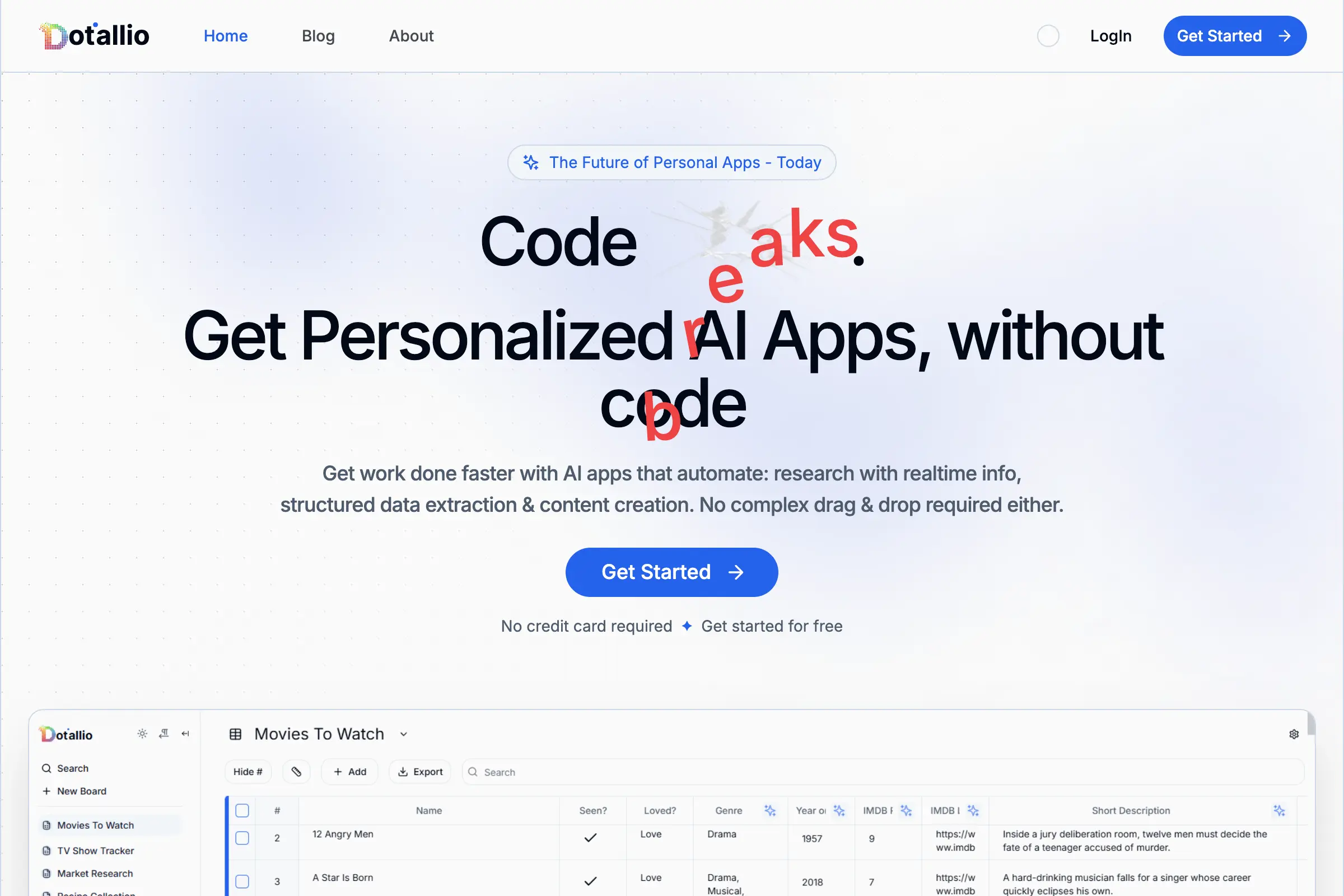
Dotallio
Personalized AI apps that automate research, data extraction, and content creation without code 🤖

Talk to Santa
Enjoy a magical live video chat or receive a unique AI-generated video greeting from Santa Claus 🎅

pozywka.pl
Scalable blog for food journalist, focused on performance and user experience 🌭
zagrodzki.me
Personal blog and portfolio of Bart Zagrodzki, where he shares his knowledge and work 💼
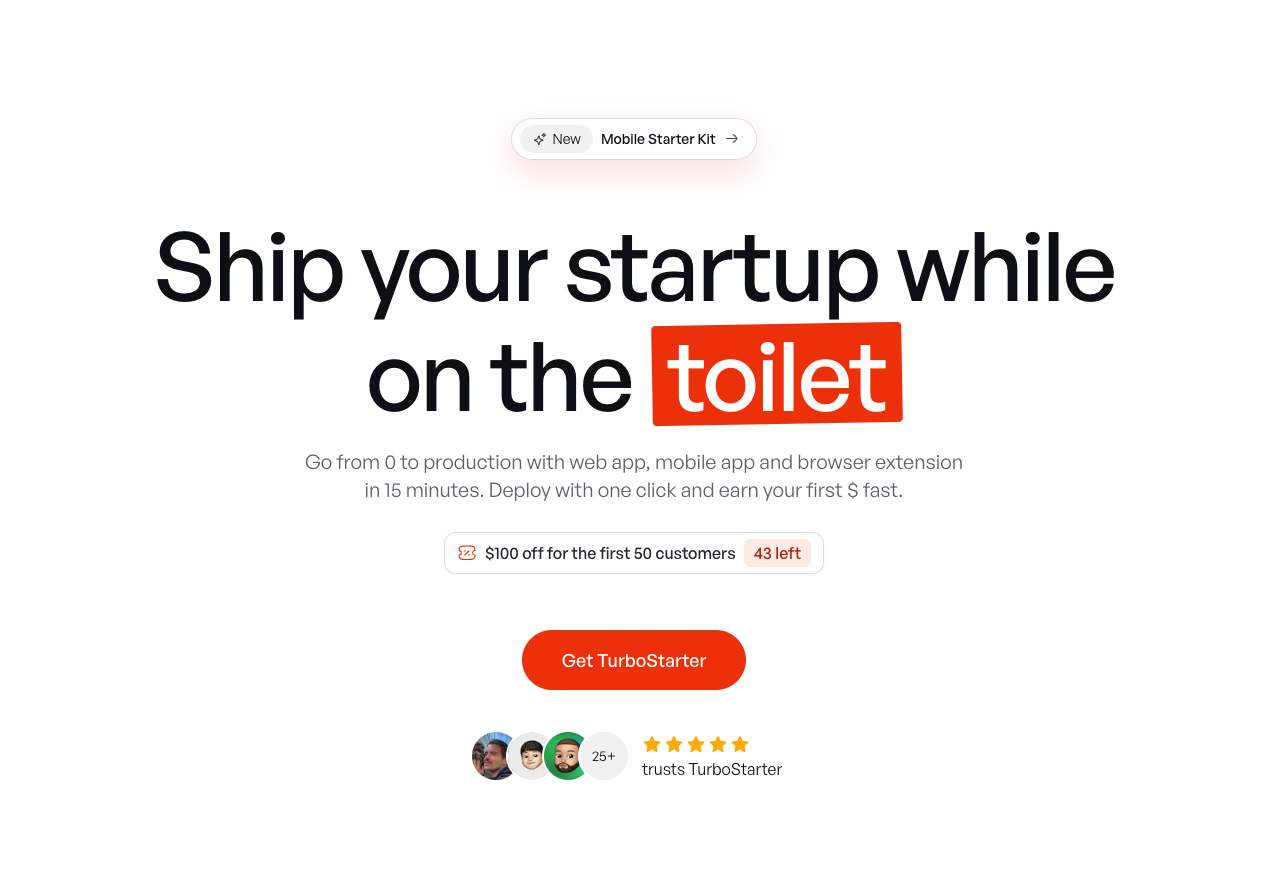
TurboStarter
Ship your startup everywhere. In minutes.
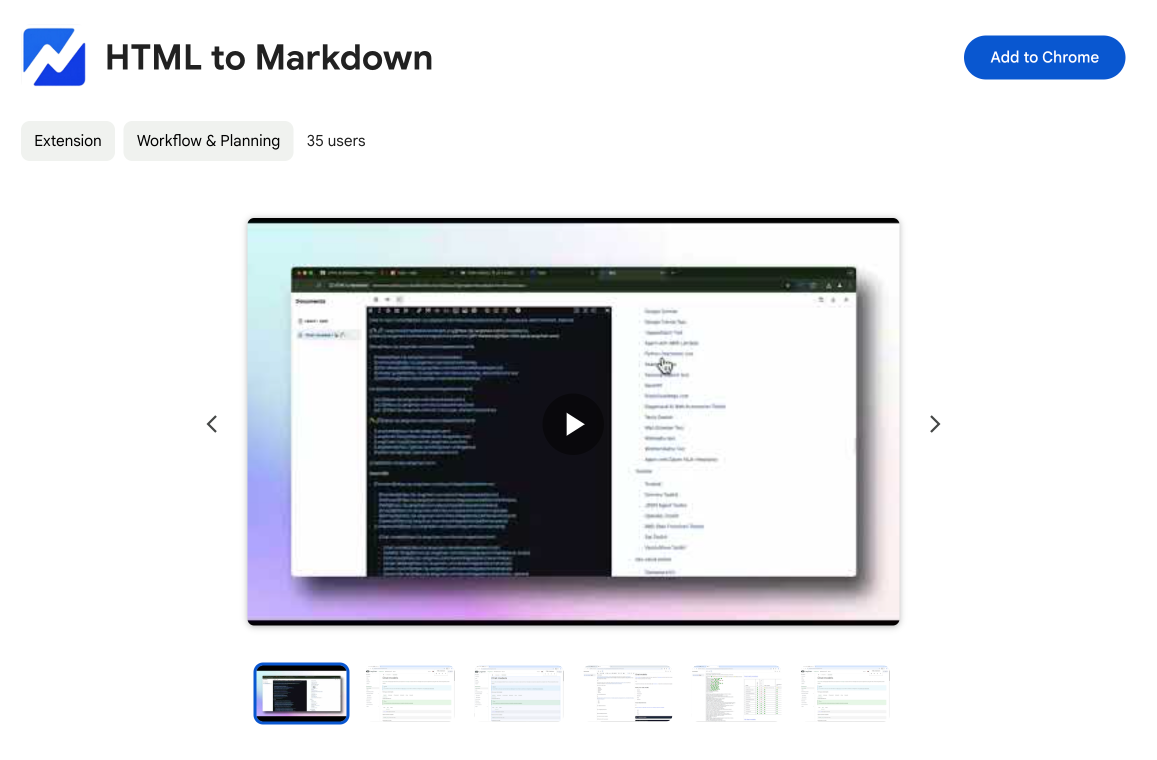
HTML to Markdown
Convert HTML to Markdown with ease, directly in your browser 📄
Dotallio
Personalized AI apps that automate research, data extraction, and content creation without code 🤖
Talk to Santa
Enjoy a magical live video chat or receive a unique AI-generated video greeting from Santa Claus 🎅
pozywka.pl
Scalable blog for food journalist, focused on performance and user experience 🌭
zagrodzki.me
Personal blog and portfolio of Bart Zagrodzki, where he shares his knowledge and work 💼
TurboStarter
Ship your startup everywhere. In minutes.
HTML to Markdown
Convert HTML to Markdown with ease, directly in your browser 📄
Dotallio
Personalized AI apps that automate research, data extraction, and content creation without code 🤖
Talk to Santa
Enjoy a magical live video chat or receive a unique AI-generated video greeting from Santa Claus 🎅
pozywka.pl
Scalable blog for food journalist, focused on performance and user experience 🌭
zagrodzki.me
Personal blog and portfolio of Bart Zagrodzki, where he shares his knowledge and work 💼
TurboStarter
Ship your startup everywhere. In minutes.
HTML to Markdown
Convert HTML to Markdown with ease, directly in your browser 📄
Dotallio
Personalized AI apps that automate research, data extraction, and content creation without code 🤖
Talk to Santa
Enjoy a magical live video chat or receive a unique AI-generated video greeting from Santa Claus 🎅
pozywka.pl
Scalable blog for food journalist, focused on performance and user experience 🌭
zagrodzki.me
Personal blog and portfolio of Bart Zagrodzki, where he shares his knowledge and work 💼
TurboStarter
Ship your startup everywhere. In minutes.
HTML to Markdown
Convert HTML to Markdown with ease, directly in your browser 📄
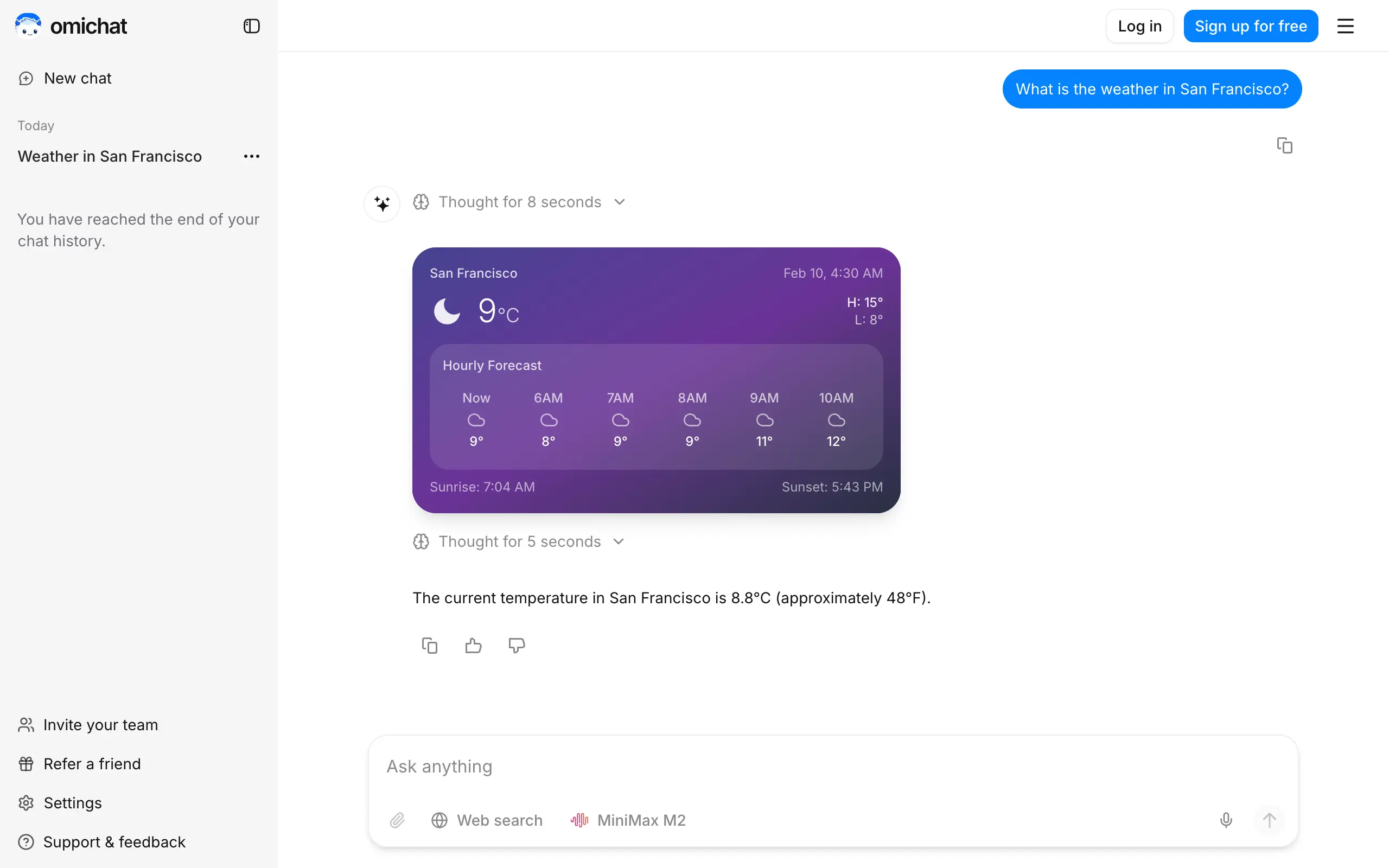
Omichat
Chat with 50+ AI models, including ChatGPT and Claude, in one place - switch models anytime without losing context 🤖
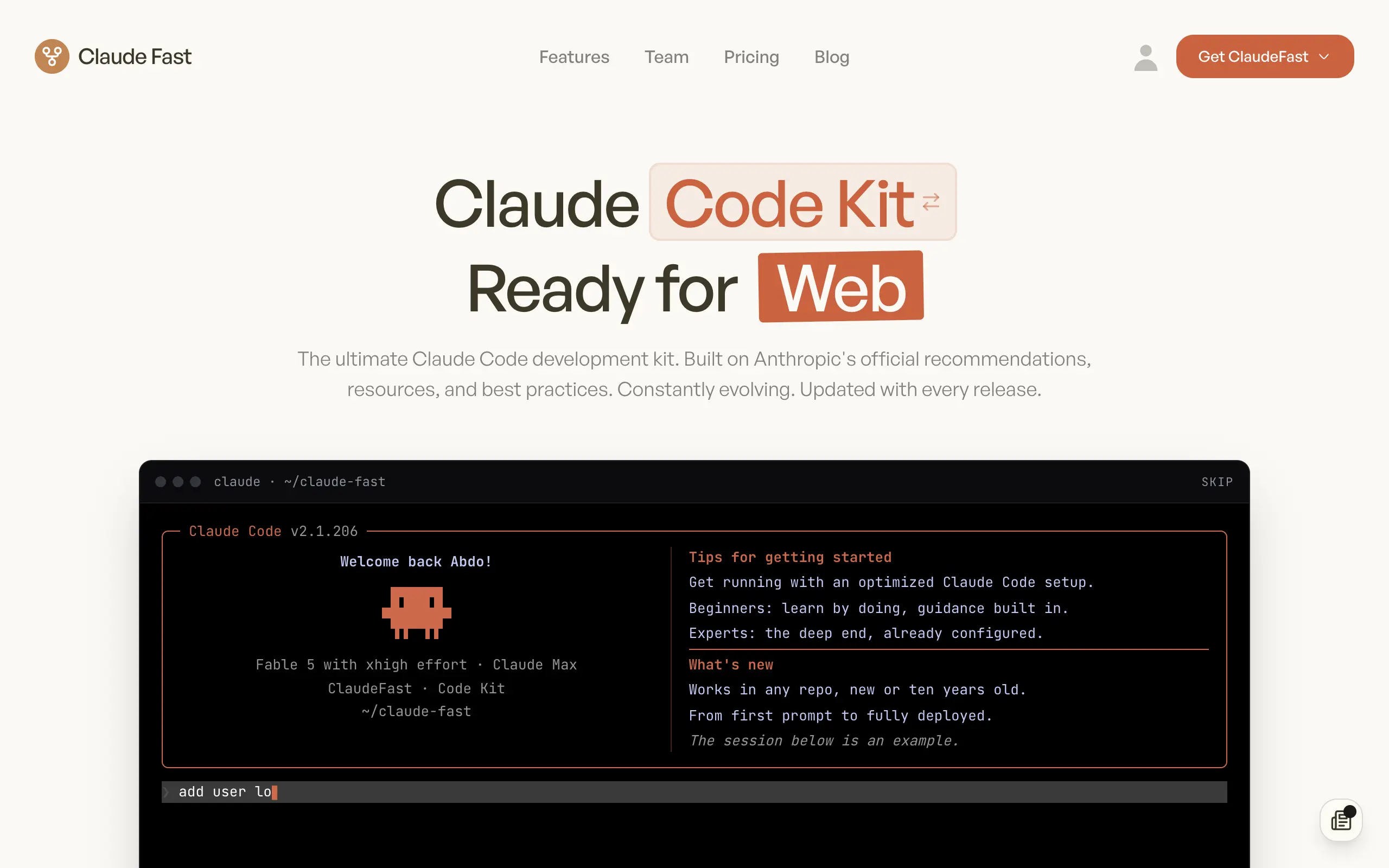
Claude Fast
Supercharge your Claude Code with 6x effective context window and specialized AI agents 🤖
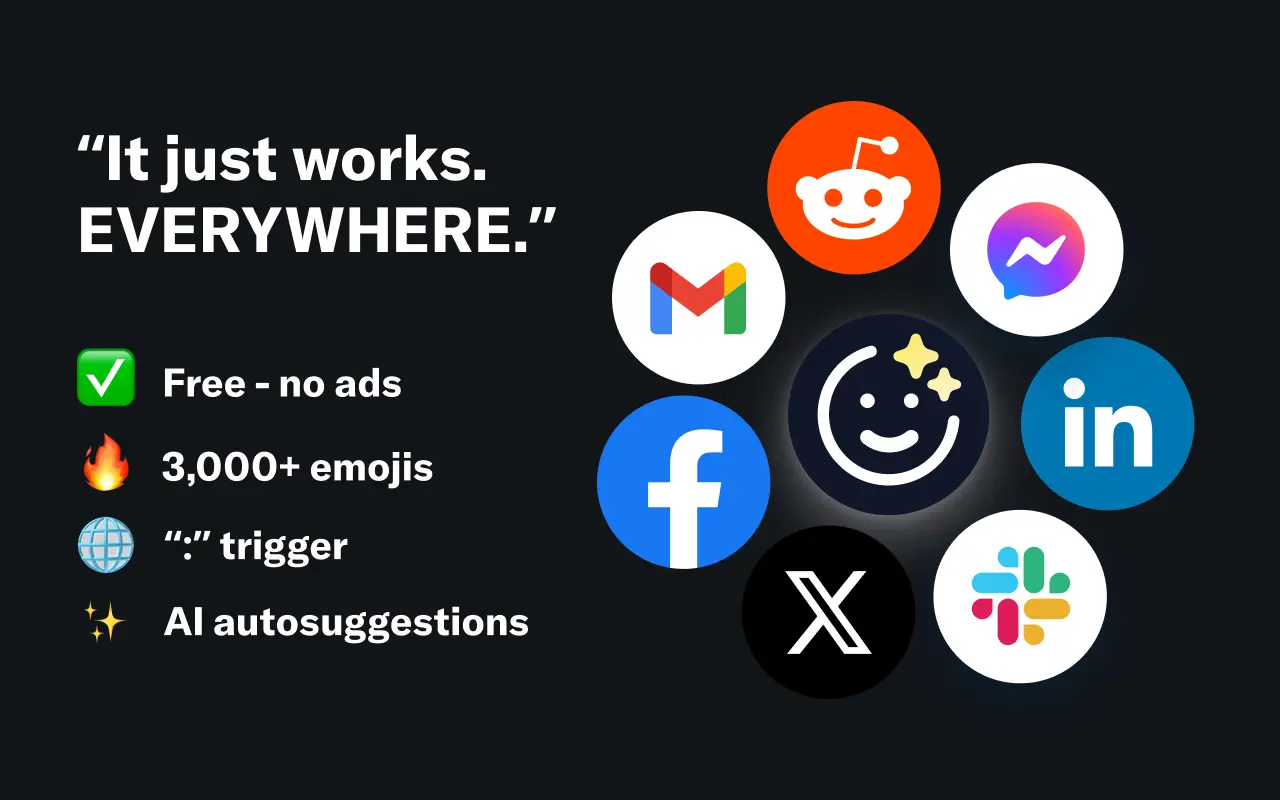
EmojAI
AI-powered emoji picker with smart, context-aware suggestions 🤖
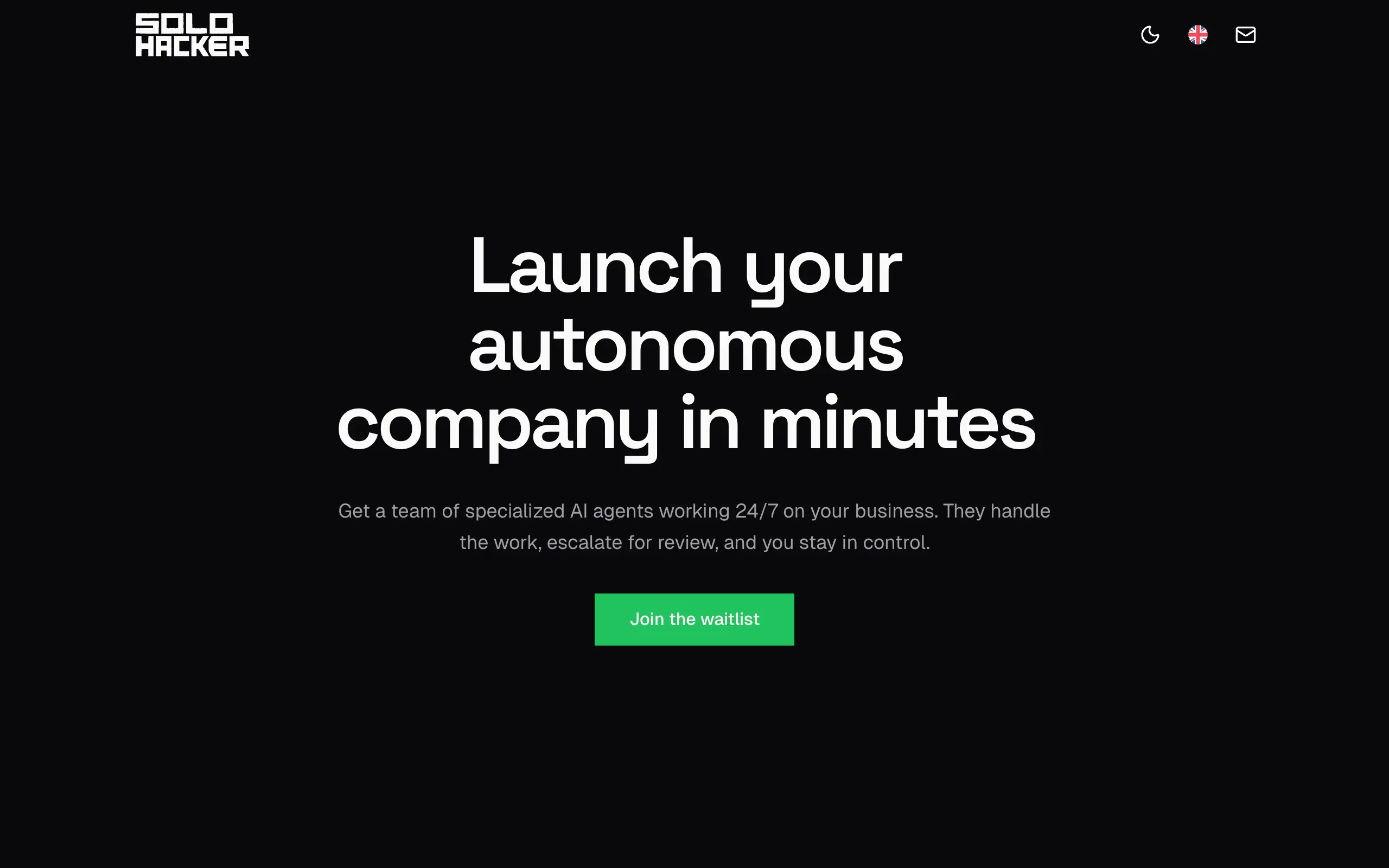
Solohacker
Autonomous company launcher - AI agents work 24/7, escalate what matters, and you stay in control 🤖
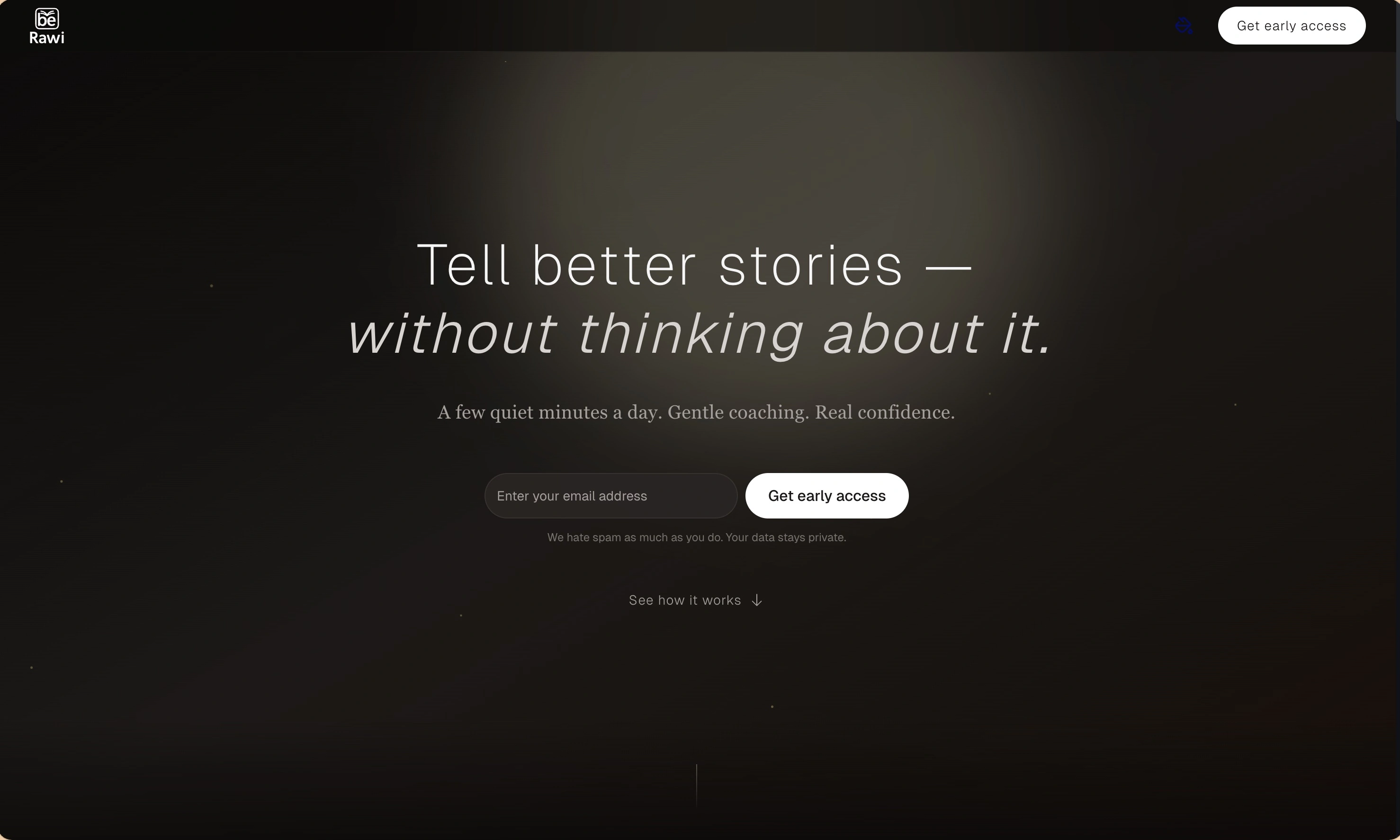
BeRawi: Storytelling Coach
Practice storytelling daily with instant feedback to sound clearer, more engaging, and confident 🎤
Omichat
Chat with 50+ AI models, including ChatGPT and Claude, in one place - switch models anytime without losing context 🤖
Claude Fast
Supercharge your Claude Code with 6x effective context window and specialized AI agents 🤖
EmojAI
AI-powered emoji picker with smart, context-aware suggestions 🤖
Solohacker
Autonomous company launcher - AI agents work 24/7, escalate what matters, and you stay in control 🤖
BeRawi: Storytelling Coach
Practice storytelling daily with instant feedback to sound clearer, more engaging, and confident 🎤
Omichat
Chat with 50+ AI models, including ChatGPT and Claude, in one place - switch models anytime without losing context 🤖
Claude Fast
Supercharge your Claude Code with 6x effective context window and specialized AI agents 🤖
EmojAI
AI-powered emoji picker with smart, context-aware suggestions 🤖
Solohacker
Autonomous company launcher - AI agents work 24/7, escalate what matters, and you stay in control 🤖
BeRawi: Storytelling Coach
Practice storytelling daily with instant feedback to sound clearer, more engaging, and confident 🎤
Omichat
Chat with 50+ AI models, including ChatGPT and Claude, in one place - switch models anytime without losing context 🤖
Claude Fast
Supercharge your Claude Code with 6x effective context window and specialized AI agents 🤖
EmojAI
AI-powered emoji picker with smart, context-aware suggestions 🤖
Solohacker
Autonomous company launcher - AI agents work 24/7, escalate what matters, and you stay in control 🤖
BeRawi: Storytelling Coach
Practice storytelling daily with instant feedback to sound clearer, more engaging, and confident 🎤

Connect with like-minded people
Join our community to get feedback, support, and grow together with 1,000+ builders on board, let's ship it!
Join usShip your startup everywhere. In minutes.
Don't burn tokens on setup and start building features on day one.