WorkEase AI
AI-driven platform for workplace stress management, providing team mood analytics, burnout prediction, and actionable wellness recommendations for HR teams.
Understanding the need for AI-driven workplace stress management
Workplace stress is a growing concern for organizations worldwide. According to recent studies, over 80% of employees report feeling stressed at work, with significant impacts on productivity, engagement, and overall well-being (see: American Institute of Stress, 2023). As remote and hybrid work models become the norm, HR teams face new challenges in monitoring team morale and preventing burnout. This is where WorkEase AI—an AI-driven platform for workplace stress management—steps in, offering advanced team mood analytics, burnout prediction, and actionable wellness recommendations.
In this comprehensive guide, we’ll explore the market opportunity for AI-powered stress management, analyze the target audience, break down the core features of WorkEase AI, and provide actionable steps for implementation. Whether you’re an HR leader, SaaS founder, or tech enthusiast, this article will help you understand how WorkEase AI can transform workplace wellness and why it stands out in a competitive landscape.
Who needs WorkEase AI? Target audience analysis
Understanding the target audience is crucial for any SaaS product, especially in the HR tech and wellness space. WorkEase AI is designed for:
- HR teams and people managers in mid-sized to large organizations
- C-suite executives seeking to improve employee retention and engagement
- Wellness coordinators and occupational health professionals
- Remote and hybrid teams where traditional observation-based management is less effective
- Startups and fast-growing companies aiming to build a healthy work culture from the ground up
Key pain points addressed
- Difficulty in detecting early signs of burnout, especially in distributed teams
- Lack of real-time, actionable insights into team mood and morale
- Overreliance on annual or infrequent employee surveys
- Inability to personalize wellness recommendations at scale
- Compliance and privacy concerns around employee well-being data
By focusing on these pain points, WorkEase AI aligns with the needs of modern HR teams who are increasingly data-driven and proactive about employee wellness.
Market opportunity and gap analysis
The global corporate wellness market is projected to reach $97.4 billion by 2027 (source: Grand View Research). However, most existing solutions focus on generic wellness programs, lacking real-time analytics and predictive capabilities. Here’s where WorkEase AI fills a critical gap:
- Traditional solutions: Rely on periodic surveys, manual check-ins, and one-size-fits-all wellness content.
- Emerging AI solutions: Offer sentiment analysis but often lack actionable recommendations or integration with HR workflows.
What makes the opportunity compelling?
- Rising burnout rates: The World Health Organization now classifies burnout as an occupational phenomenon, increasing employer responsibility.
- Shift to remote work: Managers have less visibility into team well-being, making AI-driven analytics essential.
- Demand for personalization: Employees expect tailored support, not generic advice.
- Data-driven HR: Organizations want measurable ROI from wellness investments.
Industry trend
AI-powered HR analytics is one of the fastest-growing segments in HR tech, with adoption rates expected to double by 2025.
Core features and solution details
WorkEase AI stands out by combining advanced AI with practical, user-friendly features. Let’s break down the core components:
1. Team mood analytics
- Real-time sentiment analysis: Uses natural language processing (NLP) to analyze communication channels (e.g., Slack, Teams, emails) for mood trends.
- Visual dashboards: HR teams get intuitive visualizations of team morale, stress spikes, and engagement levels.
- Anonymized data: Ensures privacy while providing actionable insights.
2. Burnout prediction
- Predictive modeling: Machine learning algorithms identify patterns linked to burnout risk, such as increased negative sentiment, reduced participation, or overtime trends.
- Early warning alerts: Notifies managers when individuals or teams show signs of potential burnout.
- Customizable thresholds: Organizations can adjust sensitivity based on their unique culture and risk tolerance.
3. Actionable wellness recommendations
- Personalized suggestions: AI generates tailored wellness tips, micro-break reminders, and resource recommendations for individuals and teams.
- Integration with wellness programs: Connects with existing EAPs (Employee Assistance Programs) and wellness platforms.
- Automated check-ins: Schedules regular, non-intrusive check-ins to gauge well-being and collect feedback.
4. HR workflow integration
- Seamless integrations: Connects with HRIS, payroll, and communication tools for a unified experience.
- Custom reporting: Exports data for compliance, leadership reporting, and ROI analysis.
5. Privacy and compliance
- GDPR and CCPA ready: Built with privacy by design, ensuring compliance with major data protection regulations.
- Employee consent management: Transparent opt-in processes and clear data usage policies.
Real-time mood analytics
Instantly visualize team sentiment and morale trends.
Burnout risk prediction
AI models flag early signs of burnout for proactive intervention.
Personalized wellness actions
Tailored recommendations and resources for every employee.
Seamless HR integration
Works with your existing HR and communication tools.
Recommended tech stack for WorkEase AI
Choosing the right technology stack is critical for scalability, security, and rapid development. Here’s a recommended stack for building WorkEase AI, with trade-offs explained:
Frontend
- React: Popular, component-based UI library with a large ecosystem.
- TailwindCSS: Utility-first CSS framework for rapid, consistent styling.
- TypeScript: Adds type safety and improves maintainability.
Trade-off: React offers flexibility and community support, but may require more setup than opinionated frameworks like Next.js.
Backend
- Node.js with Express: Fast, scalable, and well-suited for real-time APIs.
- Python (for AI/ML modules): Leverage libraries like scikit-learn, TensorFlow, or PyTorch for NLP and predictive analytics.
Trade-off: Node.js is excellent for API and real-time features, while Python excels in AI/ML. A microservices approach can combine both.
Database
- PostgreSQL: Reliable, scalable, and supports advanced analytics.
- Redis: For caching and real-time data processing.
AI/ML infrastructure
- Hugging Face: Pre-trained NLP models for sentiment analysis.
- AWS SageMaker or Google AI Platform: Managed ML model deployment.
Integrations
- Slack API, Microsoft Teams API: For communication channel analysis.
- Workday, BambooHR: HRIS integration.
Security & compliance
Pro tip
Consider using TurboStarter to accelerate your SaaS MVP development with pre-built authentication, billing, and deployment modules.
Monetization strategy options
A robust monetization strategy ensures sustainability and growth. Here are proven models for WorkEase AI:
1. Subscription-based pricing
- Per employee per month: Scales with organization size, common in HR SaaS.
- Tiered plans: Offer basic analytics in lower tiers, advanced AI and integrations in premium tiers.
2. Enterprise licensing
- Annual contracts: Custom pricing for large organizations with dedicated support and SLAs.
- White-label solutions: Allow HR consultancies to resell under their brand.
3. Add-on modules
- Premium analytics: Advanced reporting, benchmarking, or industry-specific modules.
- Integration add-ons: Charge for connecting with additional HRIS or wellness platforms.
4. Freemium model
- Free trial or limited free tier: Attracts smaller teams and drives viral adoption.
WorkEase AI leverages real-time AI analytics and predictive modeling, while traditional platforms rely on static surveys and generic content. This enables proactive intervention and measurable ROI.
Yes. The platform is built with privacy by design, uses anonymized data for analytics, and complies with GDPR and CCPA.
Potential risks and mitigation strategies
Launching an AI-driven HR platform comes with unique risks. Here’s how to address them:
1. Data privacy and compliance
- Risk: Mishandling sensitive employee data can lead to legal and reputational issues.
- Mitigation: Implement robust encryption, anonymization, and transparent consent processes. Stay updated with evolving regulations.
2. AI bias and accuracy
- Risk: Inaccurate sentiment analysis or biased predictions can erode trust.
- Mitigation: Use diverse training data, regularly audit models, and allow human oversight for critical decisions.
3. Employee resistance
- Risk: Employees may perceive monitoring as intrusive.
- Mitigation: Communicate benefits clearly, ensure opt-in participation, and focus on aggregate (not individual) analytics.
4. Integration complexity
- Risk: Difficulty integrating with existing HR systems.
- Mitigation: Offer robust APIs, pre-built connectors, and dedicated onboarding support.
Competitive advantage analysis
The HR tech and wellness SaaS market is crowded, but WorkEase AI offers distinct advantages:
| Real-time analytics | Predictive burnout alerts | Personalized wellness | HRIS integration | Privacy by design |
|---|---|---|---|---|
| ✅ | ❌ | ❌ | ✅ | ❌ |
| ✅ | ❌ | ✅ | ✅ | ❌ |
Unique selling proposition (USP)
- AI-first approach: Real-time, predictive analytics—not just static surveys.
- Actionable insights: Goes beyond reporting to deliver personalized, practical recommendations.
- Privacy-centric: Built from the ground up for compliance and employee trust.
- Seamless integration: Works with the tools HR teams already use.
Actionable implementation steps
Ready to bring WorkEase AI to life? Here’s a step-by-step roadmap:
Conclusion: Why WorkEase AI is the future of workplace wellness
WorkEase AI is more than just another HR tool—it’s a proactive, AI-driven platform that empowers organizations to detect, prevent, and address workplace stress and burnout. By combining real-time mood analytics, predictive modeling, and actionable wellness recommendations, it delivers measurable value to HR teams and employees alike.
As the future of work continues to evolve, solutions like WorkEase AI will be essential for building resilient, healthy, and high-performing teams. If you’re ready to transform your organization’s approach to employee well-being, now is the time to explore what WorkEase AI can do.
Frequently asked questions
The platform uses state-of-the-art machine learning models trained on diverse datasets. Accuracy improves over time with more data and user feedback. For critical decisions, human review is always recommended.
Yes. The platform offers robust APIs and pre-built connectors for popular HRIS and communication platforms.
All analytics are anonymized, and employees must opt in. The platform is fully compliant with GDPR and CCPA.
Further reading and resources
- React – Official documentation
- TailwindCSS – Utility-first CSS framework
- Hugging Face – NLP models and resources
- TurboStarter – SaaS MVP acceleration platform
By leveraging the latest in AI and HR tech, WorkEase AI is poised to become a leader in workplace wellness. For organizations seeking to foster a healthier, more engaged workforce, the time to act is now.
More 🤖 AI Startup SaaS ideas
Discover more innovative ai startup SaaS ideas that are trending in 2026. Each idea is AI-generated with market validation and growth potential to help you find your next profitable venture faster than competitors.
Your competitors are building with TurboStarter
Below are some of the SaaS ideas that have been generated and built with our starter kit.
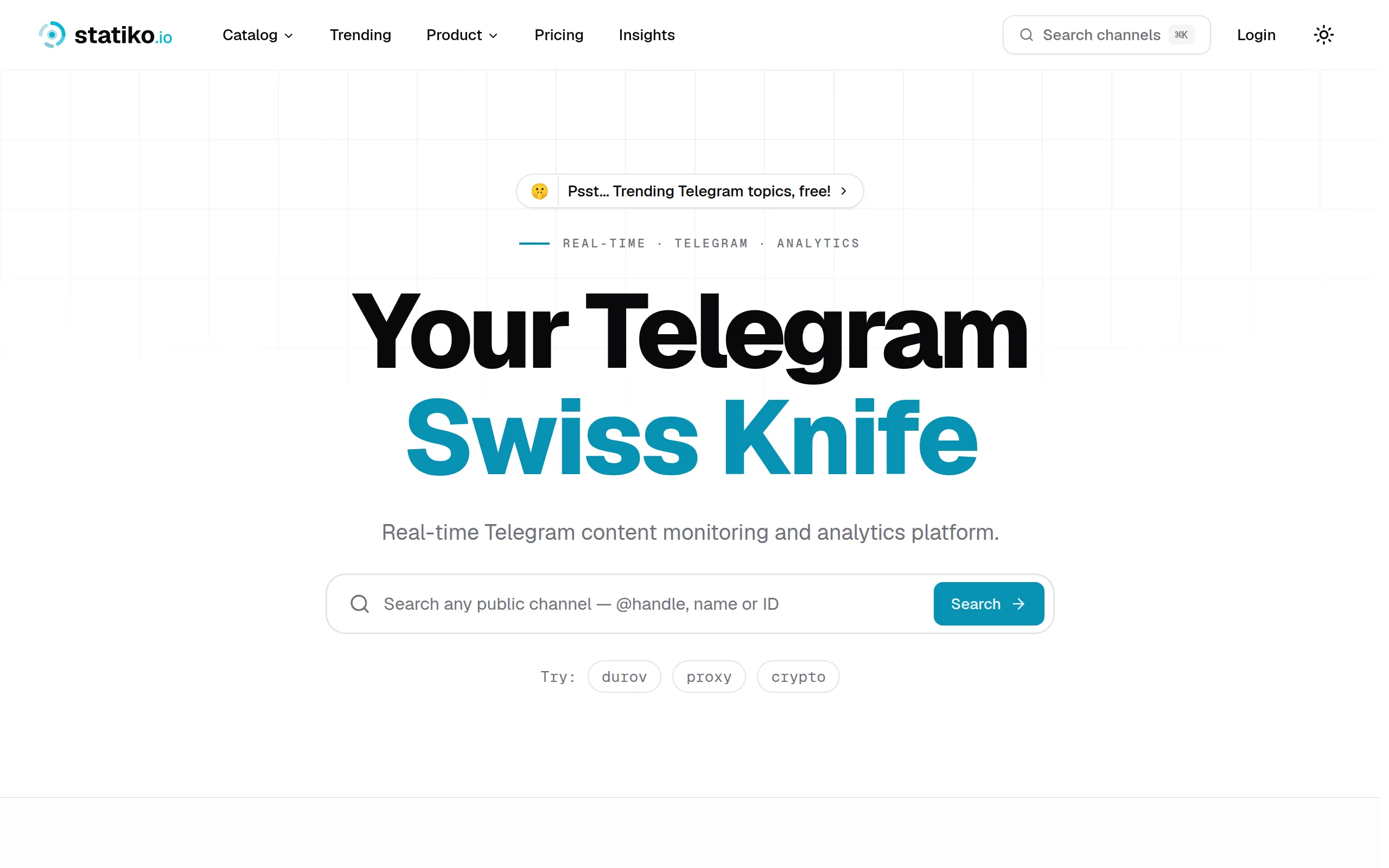
Statiko
Monitor any Telegram channel in real time - track posts, edits, deletions, and growth with AI recaps 📡

Shibui
AI website builder - describe your business, pick a niche template, edit by chatting, and publish instantly ✨

Pro Service
Find verified home service professionals, compare quotes, and pay securely through escrow - built for Brazilians across the US 🏠
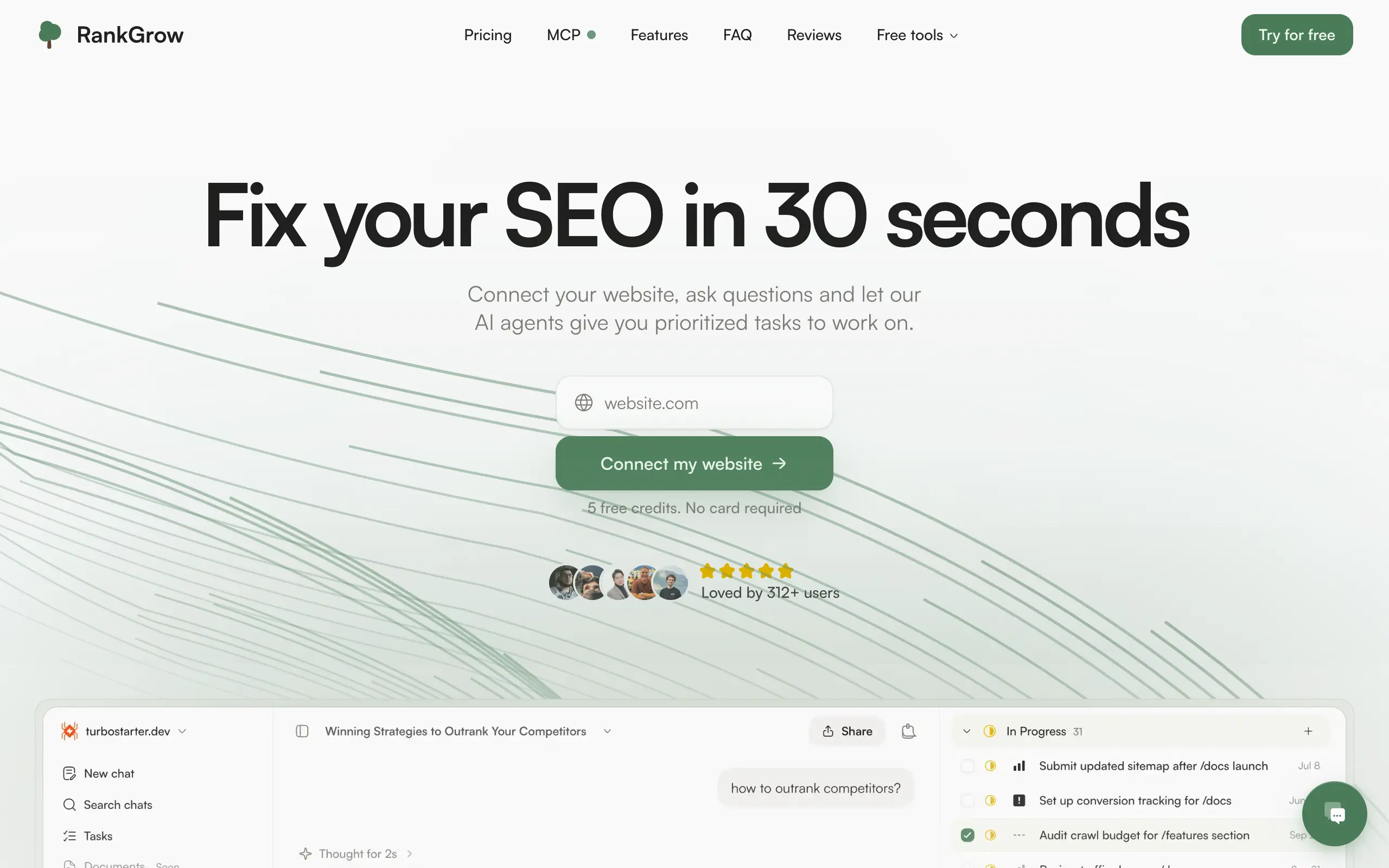
RankGrow
Fix your SEO with AI agents - connect Search Console, get prioritized tasks, and grow organic traffic 📈
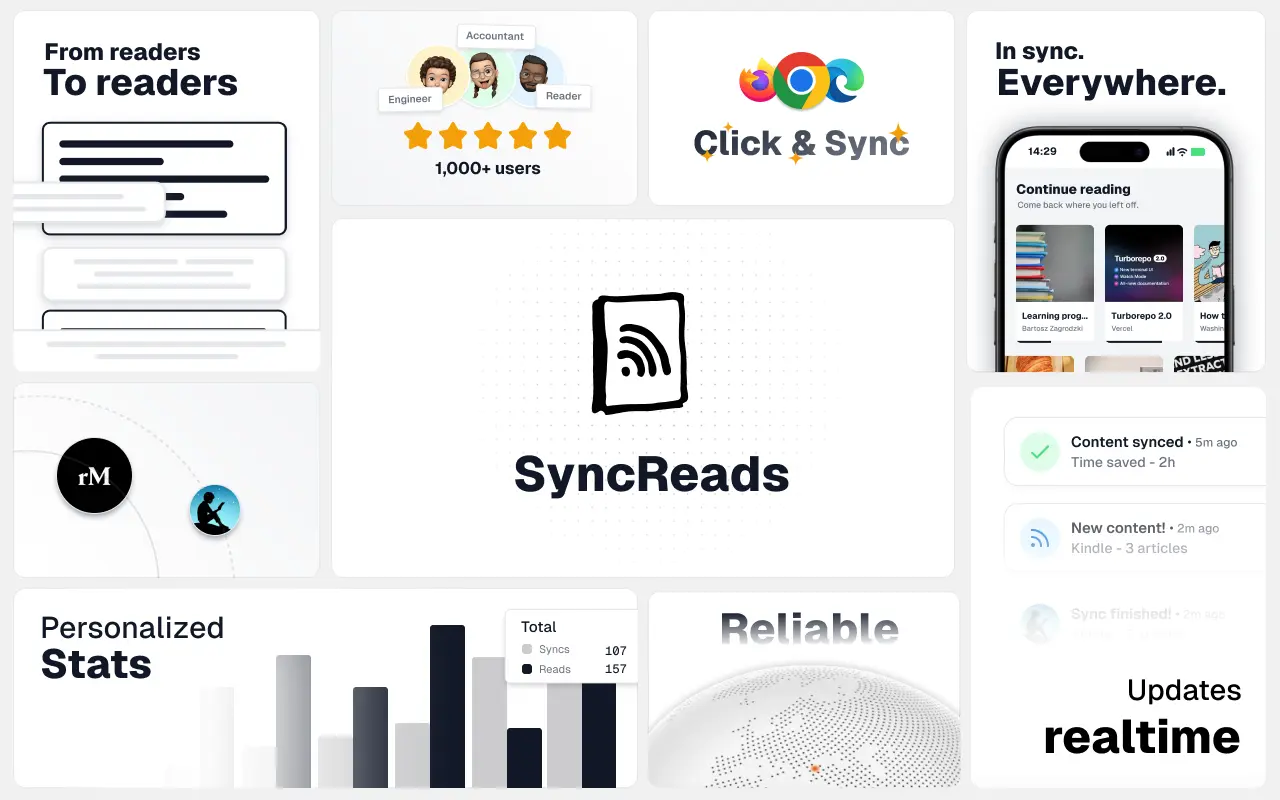
SyncReads
Sync your favorite content for distraction-free reading, save time and replace multiple apps. Anytime, anywhere 🔄
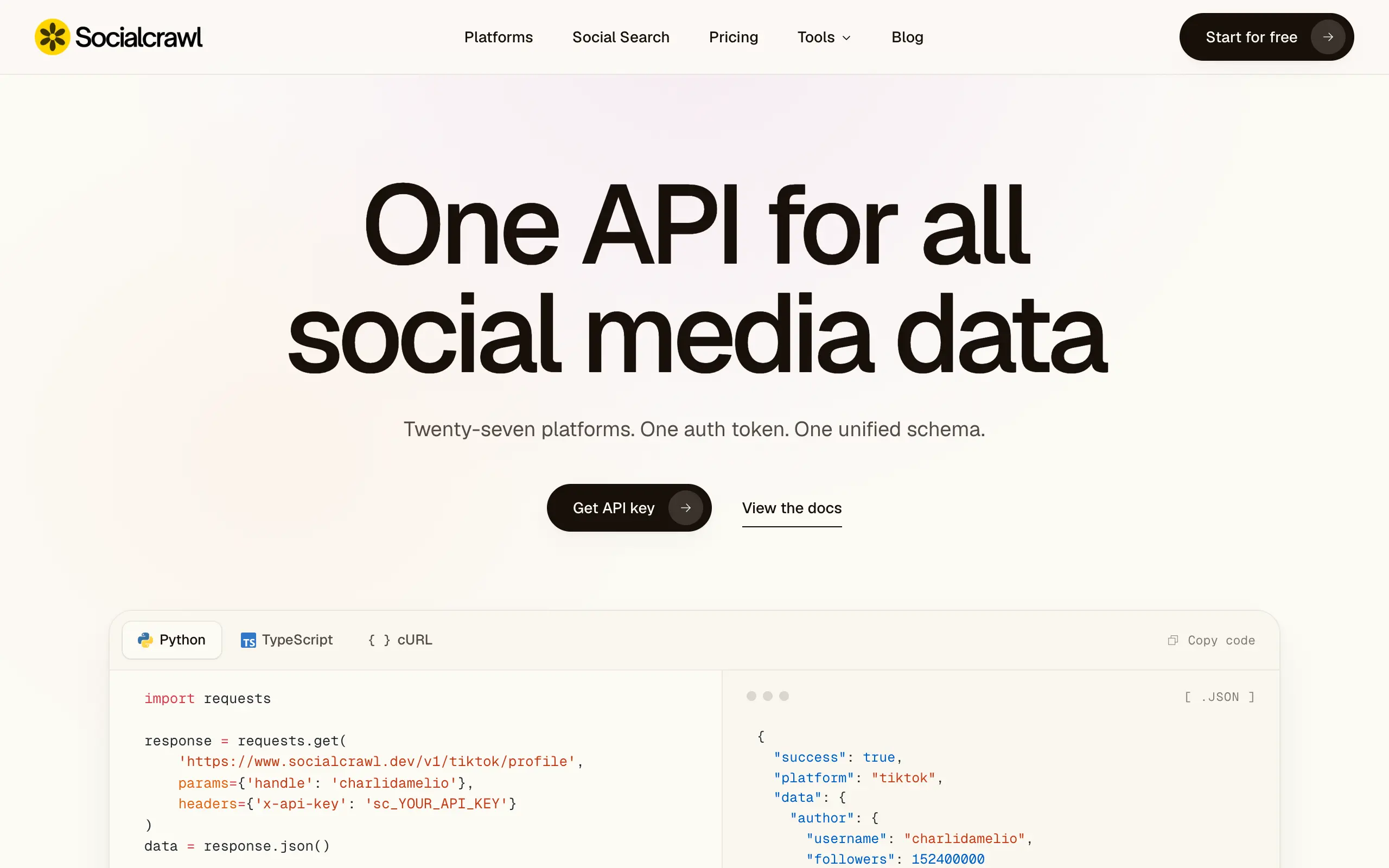
Socialcrawl
Get clean, structured data from 21 platforms like TikTok, Instagram, and YouTube with a single request 📊
Statiko
Monitor any Telegram channel in real time - track posts, edits, deletions, and growth with AI recaps 📡
Shibui
AI website builder - describe your business, pick a niche template, edit by chatting, and publish instantly ✨
Pro Service
Find verified home service professionals, compare quotes, and pay securely through escrow - built for Brazilians across the US 🏠
RankGrow
Fix your SEO with AI agents - connect Search Console, get prioritized tasks, and grow organic traffic 📈
SyncReads
Sync your favorite content for distraction-free reading, save time and replace multiple apps. Anytime, anywhere 🔄
Socialcrawl
Get clean, structured data from 21 platforms like TikTok, Instagram, and YouTube with a single request 📊
Statiko
Monitor any Telegram channel in real time - track posts, edits, deletions, and growth with AI recaps 📡
Shibui
AI website builder - describe your business, pick a niche template, edit by chatting, and publish instantly ✨
Pro Service
Find verified home service professionals, compare quotes, and pay securely through escrow - built for Brazilians across the US 🏠
RankGrow
Fix your SEO with AI agents - connect Search Console, get prioritized tasks, and grow organic traffic 📈
SyncReads
Sync your favorite content for distraction-free reading, save time and replace multiple apps. Anytime, anywhere 🔄
Socialcrawl
Get clean, structured data from 21 platforms like TikTok, Instagram, and YouTube with a single request 📊
Statiko
Monitor any Telegram channel in real time - track posts, edits, deletions, and growth with AI recaps 📡
Shibui
AI website builder - describe your business, pick a niche template, edit by chatting, and publish instantly ✨
Pro Service
Find verified home service professionals, compare quotes, and pay securely through escrow - built for Brazilians across the US 🏠
RankGrow
Fix your SEO with AI agents - connect Search Console, get prioritized tasks, and grow organic traffic 📈
SyncReads
Sync your favorite content for distraction-free reading, save time and replace multiple apps. Anytime, anywhere 🔄
Socialcrawl
Get clean, structured data from 21 platforms like TikTok, Instagram, and YouTube with a single request 📊
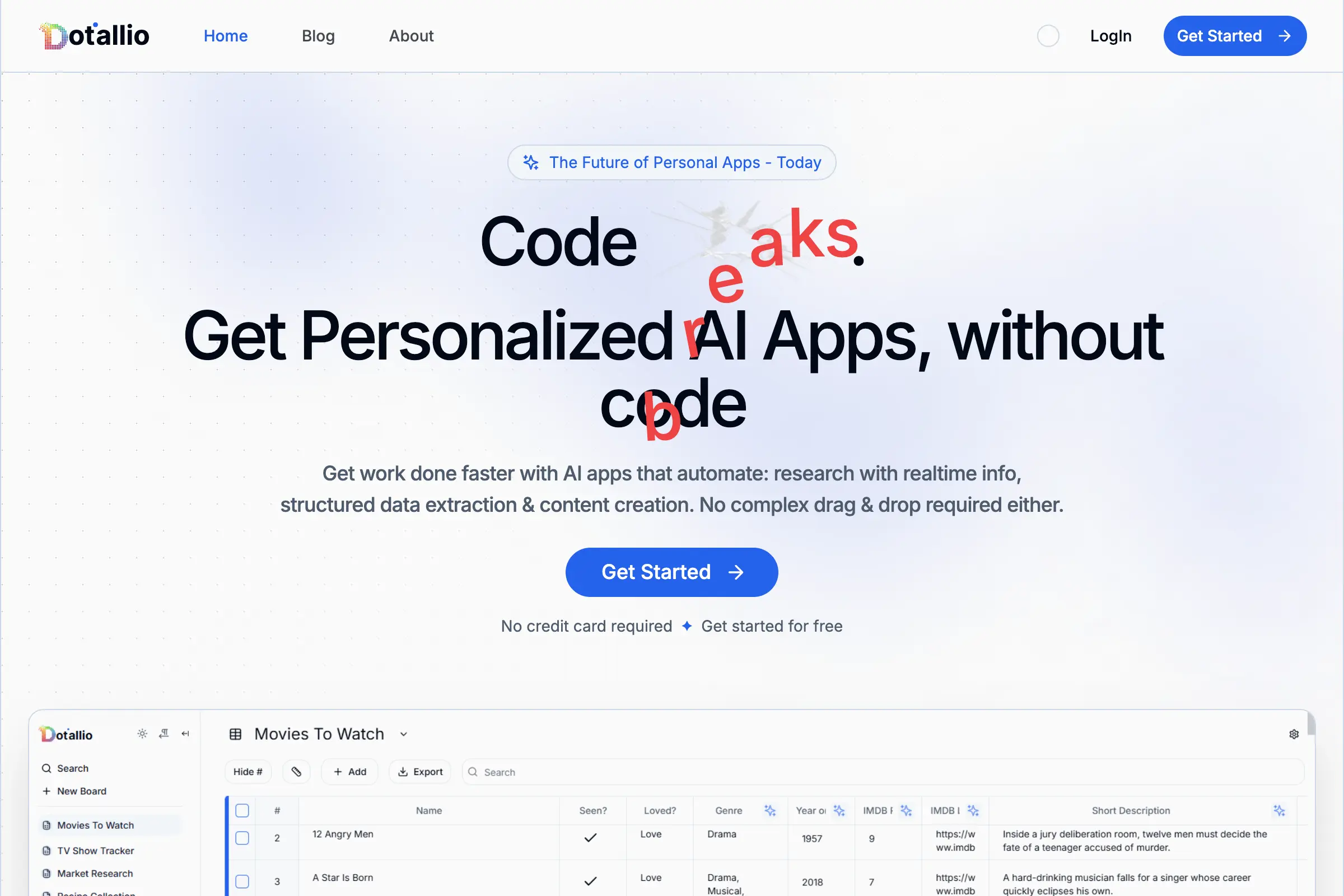
Dotallio
Personalized AI apps that automate research, data extraction, and content creation without code 🤖
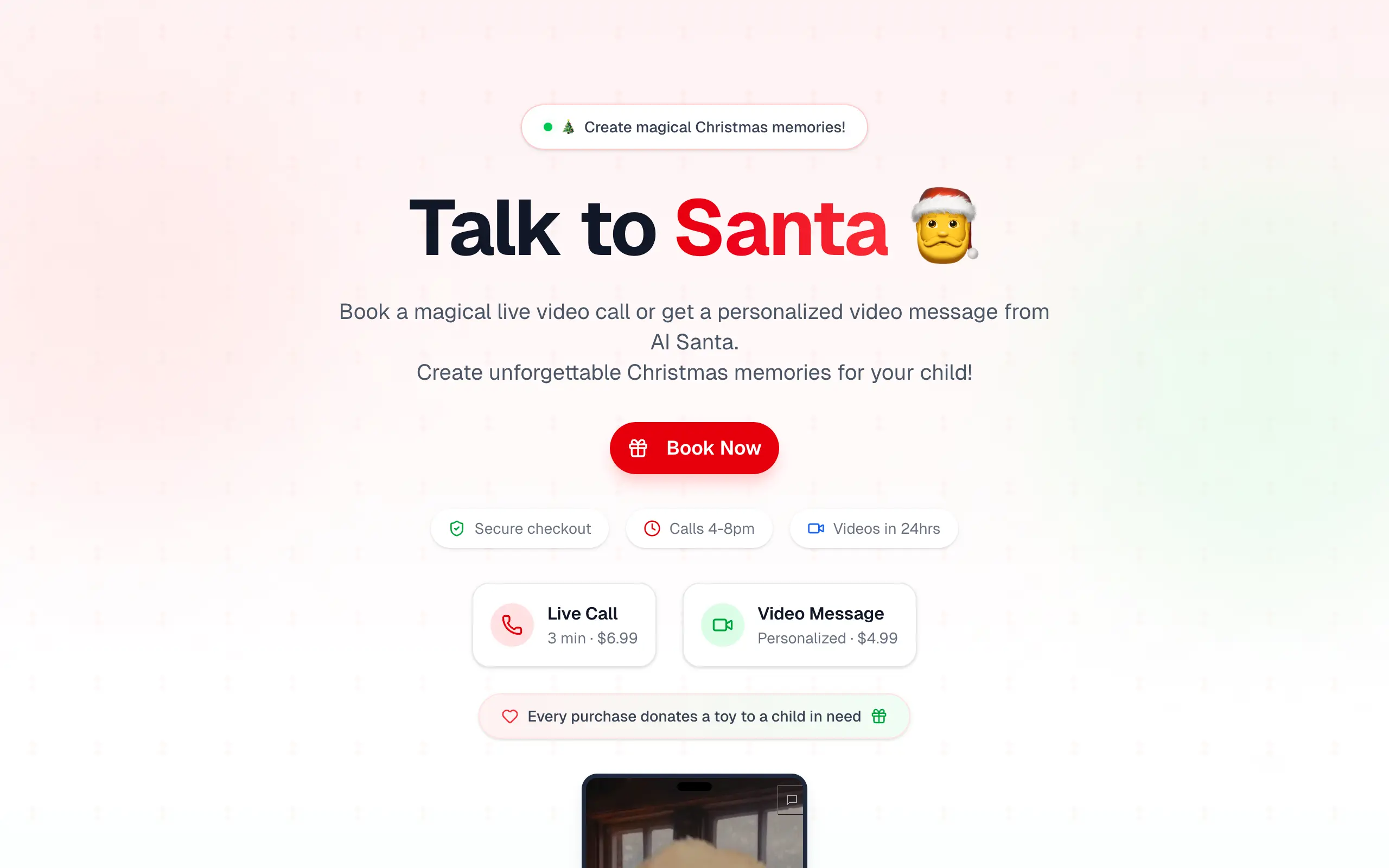
Talk to Santa
Enjoy a magical live video chat or receive a unique AI-generated video greeting from Santa Claus 🎅
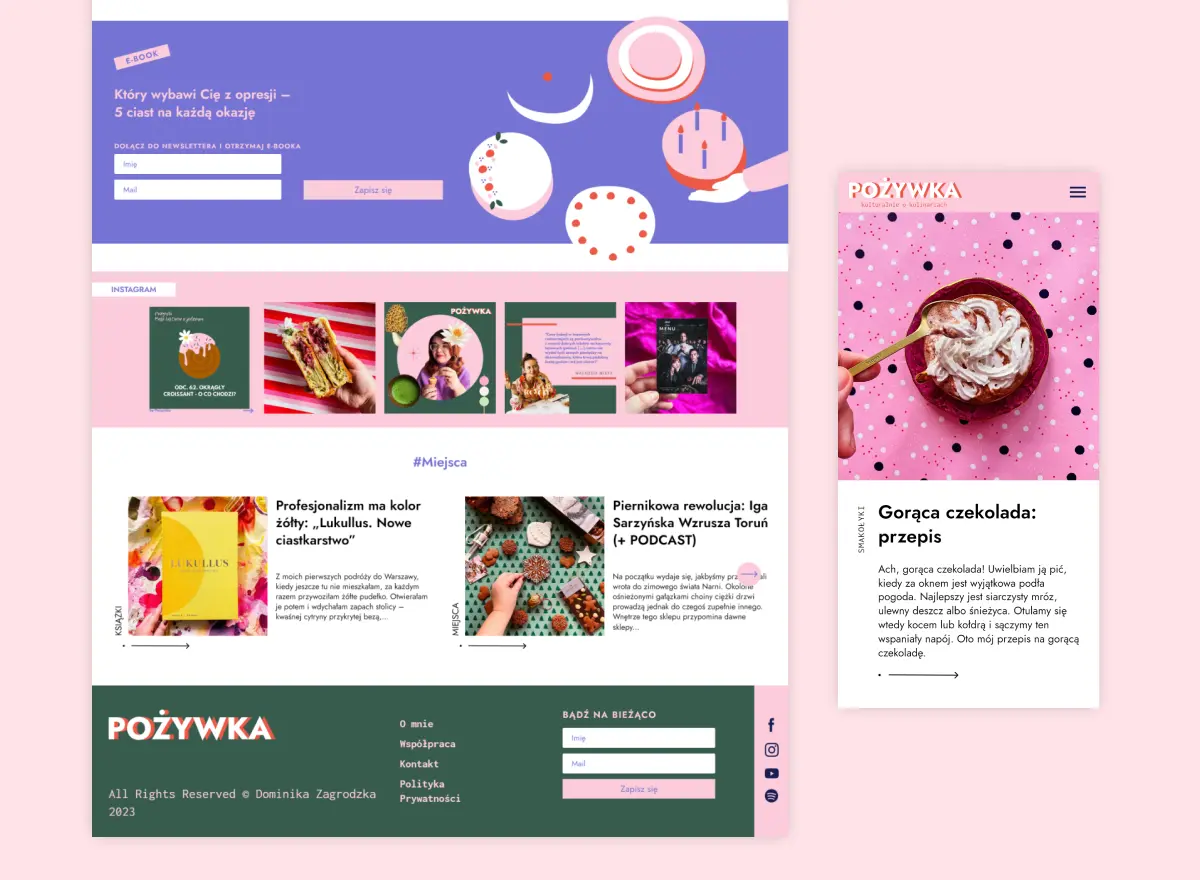
pozywka.pl
Scalable blog for food journalist, focused on performance and user experience 🌭
zagrodzki.me
Personal blog and portfolio of Bart Zagrodzki, where he shares his knowledge and work 💼
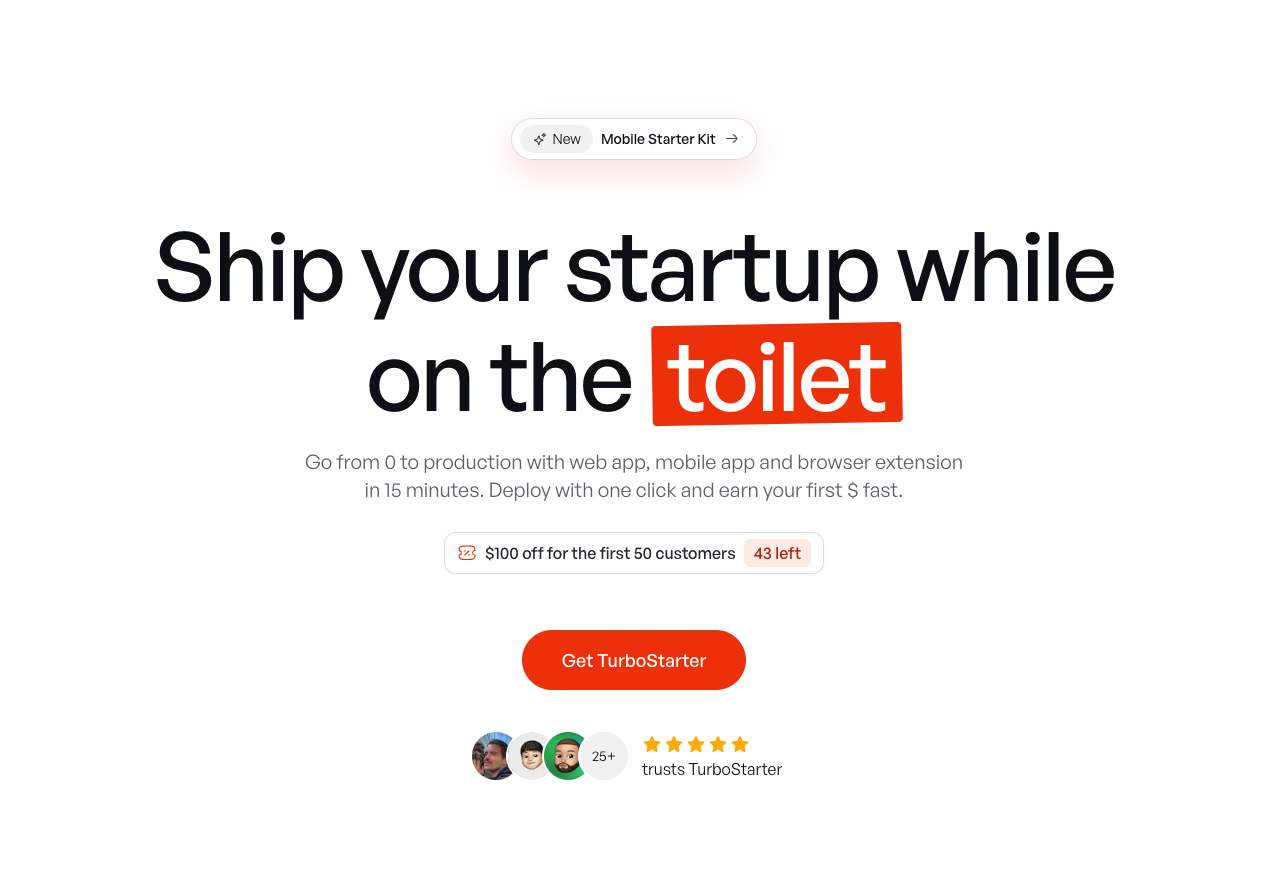
TurboStarter
Ship your startup everywhere. In minutes.
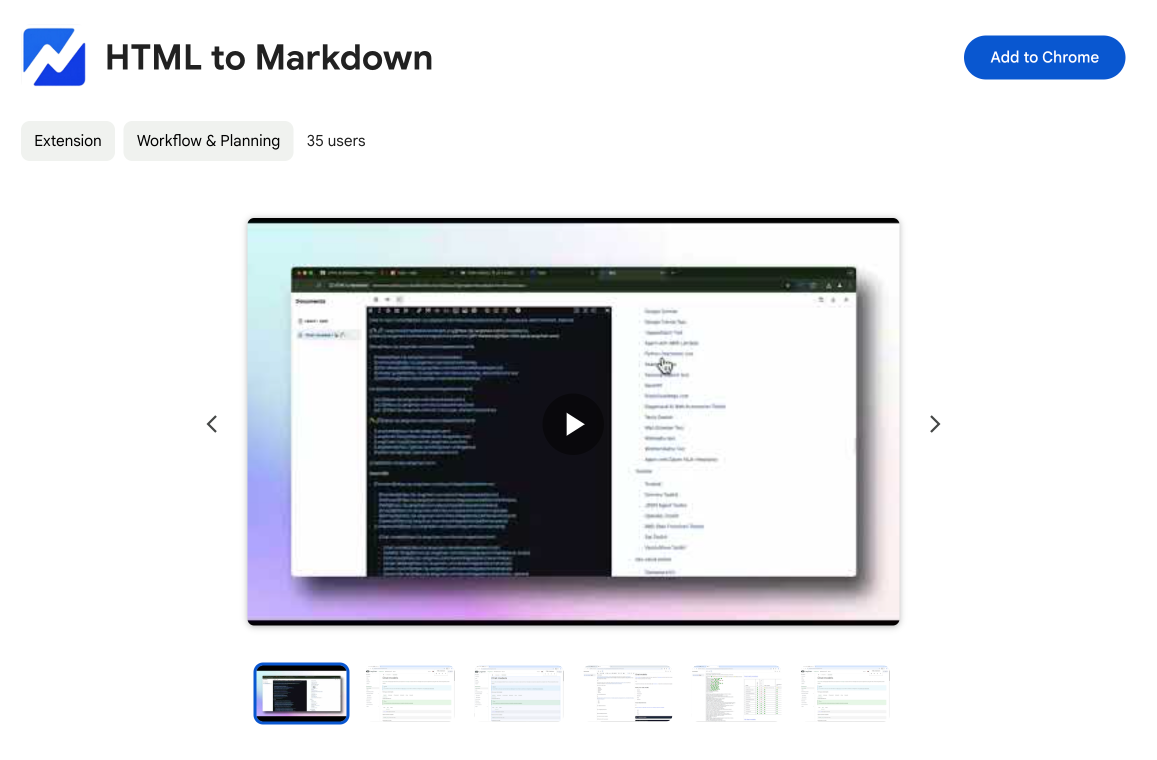
HTML to Markdown
Convert HTML to Markdown with ease, directly in your browser 📄
Dotallio
Personalized AI apps that automate research, data extraction, and content creation without code 🤖
Talk to Santa
Enjoy a magical live video chat or receive a unique AI-generated video greeting from Santa Claus 🎅
pozywka.pl
Scalable blog for food journalist, focused on performance and user experience 🌭
zagrodzki.me
Personal blog and portfolio of Bart Zagrodzki, where he shares his knowledge and work 💼
TurboStarter
Ship your startup everywhere. In minutes.
HTML to Markdown
Convert HTML to Markdown with ease, directly in your browser 📄
Dotallio
Personalized AI apps that automate research, data extraction, and content creation without code 🤖
Talk to Santa
Enjoy a magical live video chat or receive a unique AI-generated video greeting from Santa Claus 🎅
pozywka.pl
Scalable blog for food journalist, focused on performance and user experience 🌭
zagrodzki.me
Personal blog and portfolio of Bart Zagrodzki, where he shares his knowledge and work 💼
TurboStarter
Ship your startup everywhere. In minutes.
HTML to Markdown
Convert HTML to Markdown with ease, directly in your browser 📄
Dotallio
Personalized AI apps that automate research, data extraction, and content creation without code 🤖
Talk to Santa
Enjoy a magical live video chat or receive a unique AI-generated video greeting from Santa Claus 🎅
pozywka.pl
Scalable blog for food journalist, focused on performance and user experience 🌭
zagrodzki.me
Personal blog and portfolio of Bart Zagrodzki, where he shares his knowledge and work 💼
TurboStarter
Ship your startup everywhere. In minutes.
HTML to Markdown
Convert HTML to Markdown with ease, directly in your browser 📄
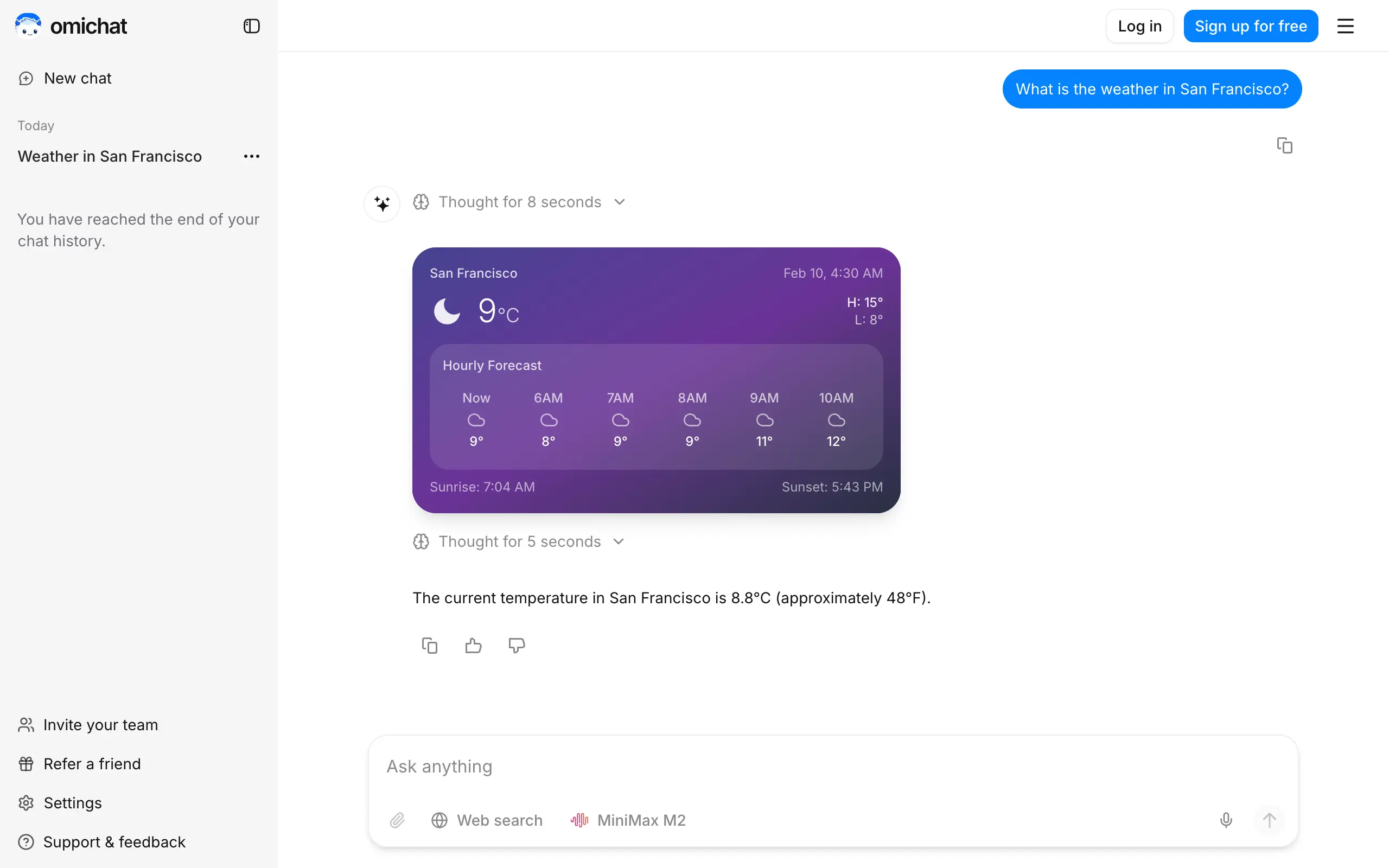
Omichat
Chat with 50+ AI models, including ChatGPT and Claude, in one place - switch models anytime without losing context 🤖
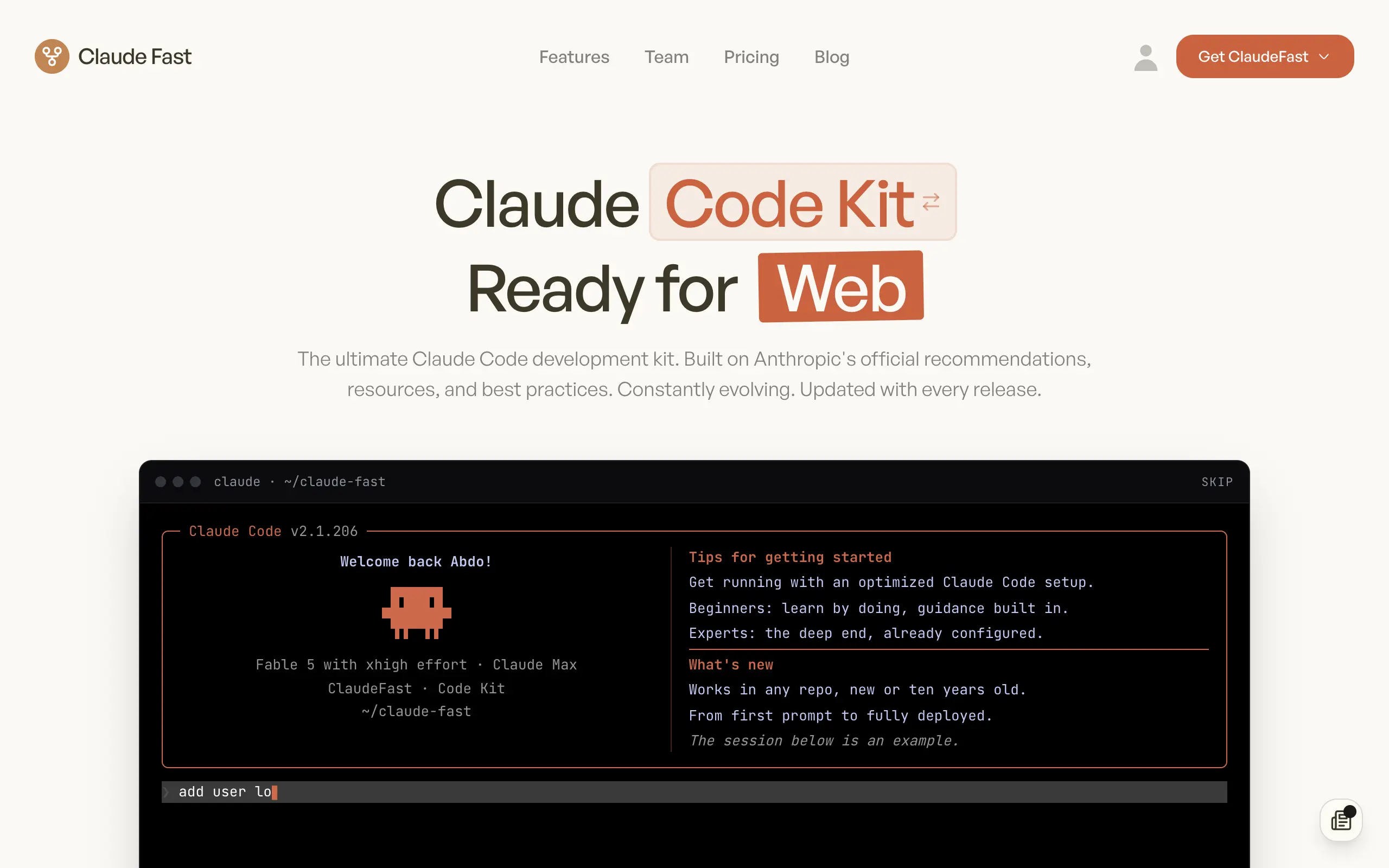
Claude Fast
Supercharge your Claude Code with 6x effective context window and specialized AI agents 🤖
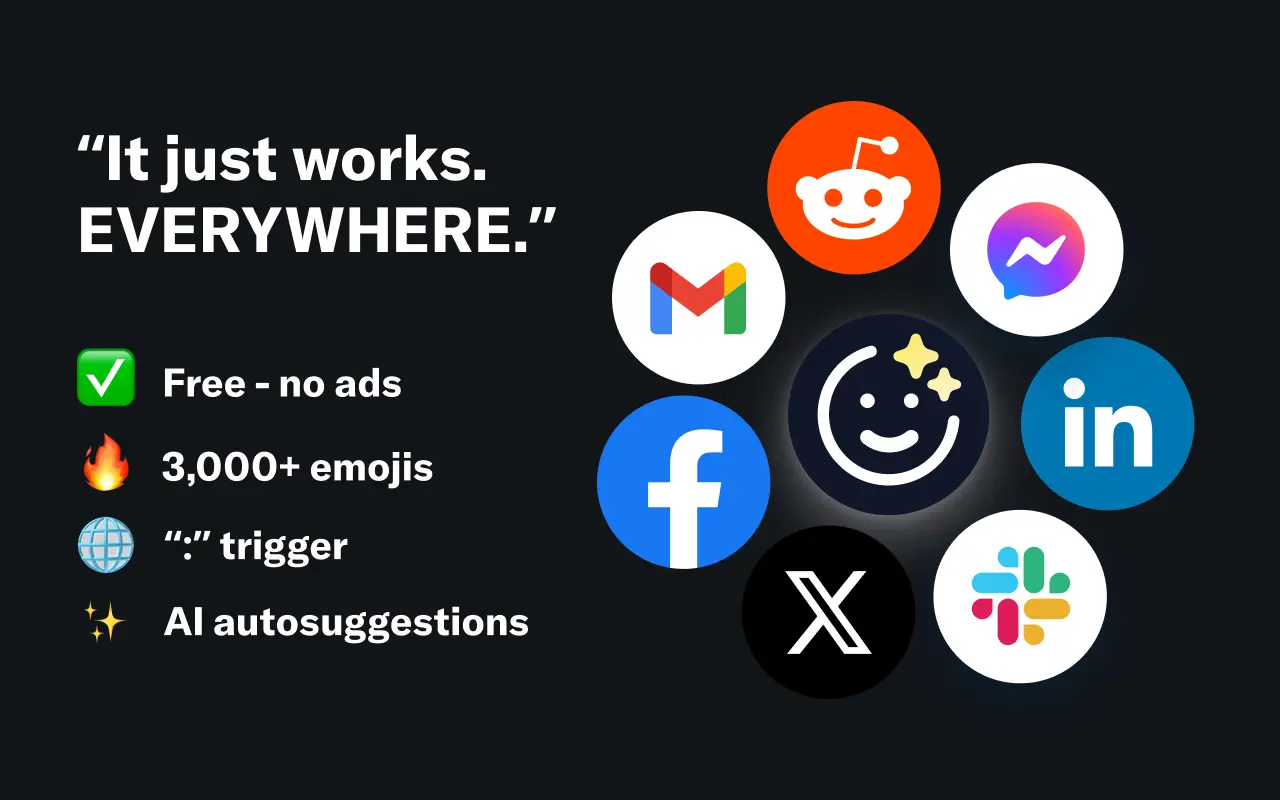
EmojAI
AI-powered emoji picker with smart, context-aware suggestions 🤖
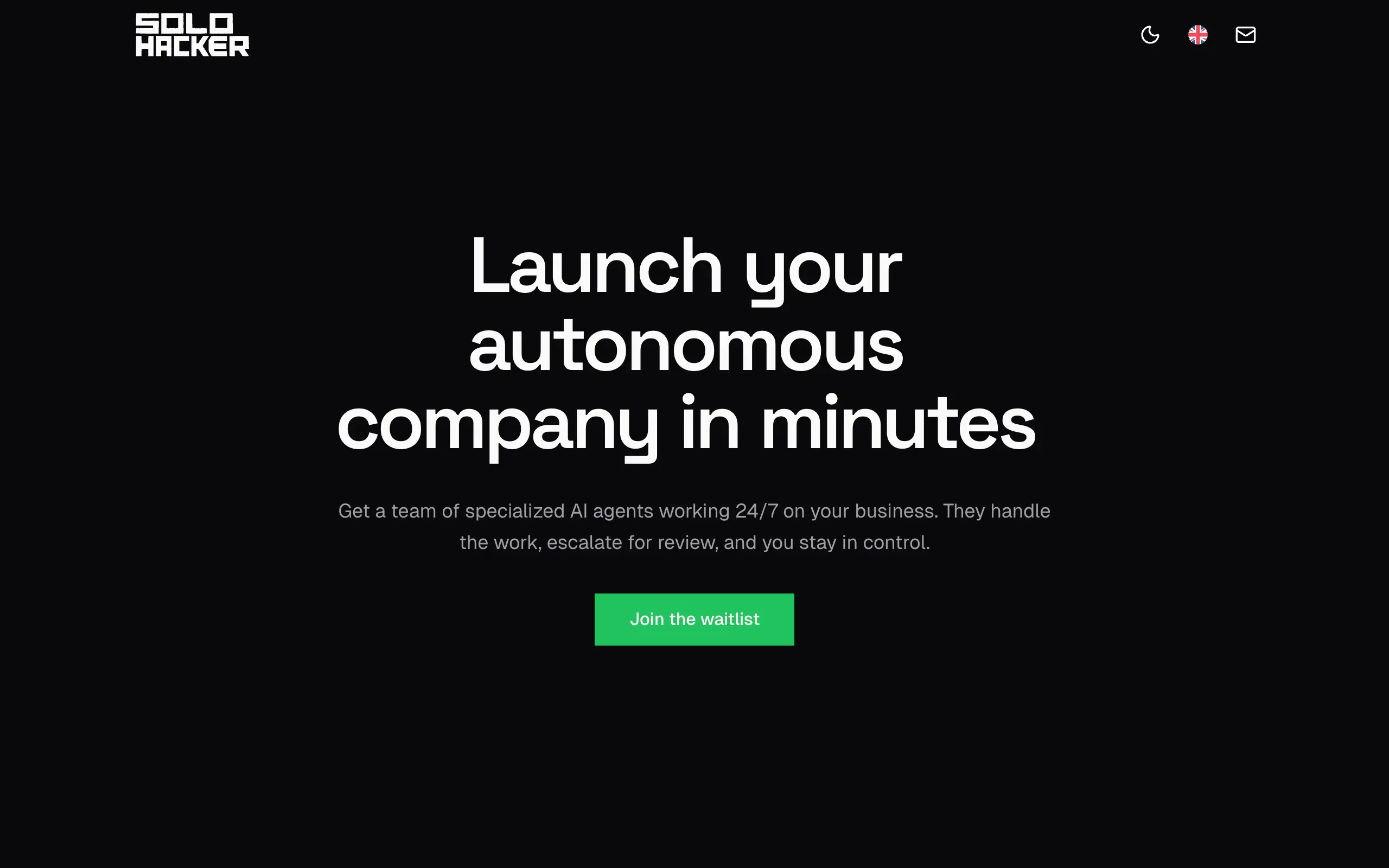
Solohacker
Autonomous company launcher - AI agents work 24/7, escalate what matters, and you stay in control 🤖
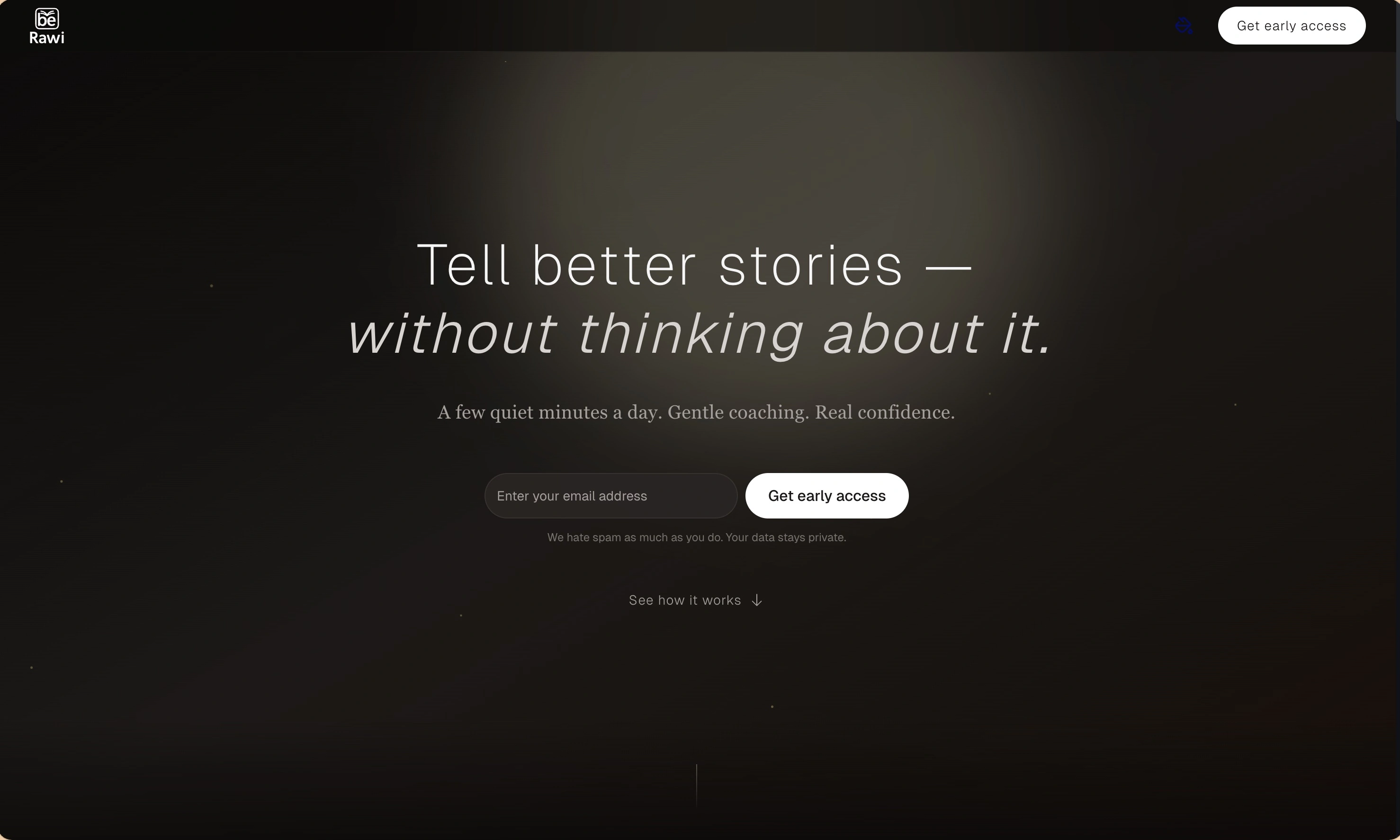
BeRawi: Storytelling Coach
Practice storytelling daily with instant feedback to sound clearer, more engaging, and confident 🎤
Omichat
Chat with 50+ AI models, including ChatGPT and Claude, in one place - switch models anytime without losing context 🤖
Claude Fast
Supercharge your Claude Code with 6x effective context window and specialized AI agents 🤖
EmojAI
AI-powered emoji picker with smart, context-aware suggestions 🤖
Solohacker
Autonomous company launcher - AI agents work 24/7, escalate what matters, and you stay in control 🤖
BeRawi: Storytelling Coach
Practice storytelling daily with instant feedback to sound clearer, more engaging, and confident 🎤
Omichat
Chat with 50+ AI models, including ChatGPT and Claude, in one place - switch models anytime without losing context 🤖
Claude Fast
Supercharge your Claude Code with 6x effective context window and specialized AI agents 🤖
EmojAI
AI-powered emoji picker with smart, context-aware suggestions 🤖
Solohacker
Autonomous company launcher - AI agents work 24/7, escalate what matters, and you stay in control 🤖
BeRawi: Storytelling Coach
Practice storytelling daily with instant feedback to sound clearer, more engaging, and confident 🎤
Omichat
Chat with 50+ AI models, including ChatGPT and Claude, in one place - switch models anytime without losing context 🤖
Claude Fast
Supercharge your Claude Code with 6x effective context window and specialized AI agents 🤖
EmojAI
AI-powered emoji picker with smart, context-aware suggestions 🤖
Solohacker
Autonomous company launcher - AI agents work 24/7, escalate what matters, and you stay in control 🤖
BeRawi: Storytelling Coach
Practice storytelling daily with instant feedback to sound clearer, more engaging, and confident 🎤

Connect with like-minded people
Join our community to get feedback, support, and grow together with 1,000+ builders on board, let's ship it!
Join usShip your startup everywhere. In minutes.
Don't burn tokens on setup and start building features on day one.