YieldMind AI
AI-powered crop planning and yield prediction built for independent farmers. Optimize planting, inputs, and harvest timing using weather, soil, and market data in one dashboard.
Why AI-powered crop planning and yield prediction matters now
Agriculture is entering a new era. Climate volatility, input cost inflation, labor shortages, and unpredictable commodity prices are making farming more complex than ever. Independent farmers—who often operate on tight margins and limited data infrastructure—are particularly exposed.
An AI-powered crop planning and yield prediction platform like YieldMind AI addresses this challenge directly. By combining weather data, soil conditions, satellite imagery, and real-time market signals into a single intelligent dashboard, farmers can:
- Optimize planting schedules
- Improve yield forecasts
- Reduce fertilizer and input waste
- Time harvests strategically
- Make data-backed decisions with confidence
The primary keyword focus for this article is AI-powered crop planning and yield prediction, supported by related terms such as:
- AI agriculture software
- Precision farming platform
- Smart farming dashboard
- Crop yield forecasting software
- Farm management AI
- Agricultural analytics tools
This guide provides a comprehensive, expert-level breakdown of the market opportunity, target audience, core features, technical architecture, monetization strategy, risks, and step-by-step implementation roadmap for building and scaling YieldMind AI.
The problem: independent farmers lack integrated intelligence
Large agribusiness corporations invest heavily in proprietary data systems and analytics. Independent farmers often rely on:
- Spreadsheet-based planning
- Local agronomist advice
- Fragmented weather apps
- Historical intuition
- Commodity price news
These tools are useful—but disconnected.
Key pain points in crop planning
-
Weather uncertainty
- Unpredictable rainfall patterns
- Extreme heat events
- Late frosts
-
Soil variability
- Nutrient deficiencies
- Inconsistent pH levels
- Poor drainage
-
Input cost volatility
- Fertilizer price spikes
- Seed cost increases
- Fuel price instability
-
Market unpredictability
- Commodity price fluctuations
- Timing risk at harvest
- Storage vs. immediate sale decisions
-
Limited forecasting tools
- Lack of machine learning-based yield prediction
- No simulation modeling
An AI-powered crop planning and yield prediction system consolidates these variables into actionable insight.
Target audience analysis
Understanding the user’s context is essential for product-market fit and SEO alignment.
Primary audience: independent and mid-sized farmers
Profile characteristics:
- 50–2,000 acres
- Mixed crop portfolios (corn, wheat, soy, specialty crops)
- Moderate digital literacy
- Limited data science expertise
- Strong practical farming experience
Their goals:
- Increase per-acre yield
- Reduce input costs
- Improve harvest timing
- Mitigate climate risk
- Improve profitability
Their concerns:
- Complexity of AI tools
- High subscription fees
- Data privacy
- Ease of onboarding
Secondary audience: agricultural advisors and cooperatives
- Agronomists
- Crop consultants
- Farming co-ops
- Agricultural lenders
They can use AI crop yield forecasting software to:
- Provide better advisory services
- Assess risk for financing
- Support large farming networks
Market opportunity and industry trends
The rise of precision agriculture
Precision agriculture has grown significantly due to:
- Increased availability of satellite data
- Affordable IoT soil sensors
- Improved weather forecasting models
- Rapid advancement in machine learning
Industry analysts (e.g., markets reports from organizations like FAO, USDA, or McKinsey) consistently highlight strong growth in ag-tech investment. When building your site, reference authoritative reports from:
- FAO (Food and Agriculture Organization)
- USDA
- McKinsey & Company
- World Bank agricultural studies
This strengthens E-E-A-T credibility.
The gap in the market
Most current agricultural software falls into one of these categories:
- Farm accounting tools
- Machinery management systems
- Basic weather tracking apps
- Enterprise-focused precision farming software
Few platforms focus specifically on:
✅ Independent farmers
✅ AI-powered predictive modeling
✅ Integrated market + soil + weather intelligence
✅ Clear ROI visibility
YieldMind AI can position itself as:
The AI crop planning assistant designed specifically for independent farmers—not agribusiness giants.
Core solution: what YieldMind AI delivers
1. AI-powered crop planning engine
This module recommends:
- Optimal crop rotation patterns
- Planting windows
- Seed density suggestions
- Fertilizer schedules
Using:
- Historical yield data
- Soil test results
- Weather forecasts
- Regional crop performance models
2. Yield prediction modeling
The heart of AI-powered crop planning and yield prediction is machine learning.
Models can incorporate:
- Time-series weather data
- Satellite NDVI imagery
- Soil moisture trends
- Historical yield records
- Input usage data
Outputs:
- Predicted yield per acre
- Revenue forecast
- Risk score
- Confidence interval
3. Market timing insights
Integrating commodity pricing APIs enables:
- Forward price comparison
- Storage vs. immediate sale simulations
- Break-even analysis
Farmers can answer:
Should I harvest early and sell now, or wait?
4. Smart input optimization
AI-driven recommendations reduce waste:
- Fertilizer optimization
- Irrigation timing
- Pest control targeting
This improves sustainability and profitability simultaneously.
5. Unified farmer dashboard
A single dashboard showing:
- Crop health status
- Weather alerts
- Yield forecast
- Market signals
- Task reminders
This avoids fragmentation across multiple apps.
Feature overview
| Feature | Independent Farmers | Agronomists | Co-ops | Lenders |
|---|---|---|---|---|
| AI crop planning | ✅ | ✅ | ✅ | ❌ |
| Yield prediction | ✅ | ✅ | ✅ | ✅ |
| Market analysis | ✅ | ✅ | ✅ | ✅ |
| Loan risk modeling | ❌ | ❌ | ✅ | ✅ |
Technical architecture for an AI agriculture SaaS
Building a scalable AI-powered crop planning and yield prediction platform requires thoughtful technical decisions.
Frontend
Benefits:
- Fast rendering
- SEO optimization
- Mobile responsiveness
- Easy dashboard UI components
Backend
- Node.js (REST or GraphQL API)
- Python microservices for ML
- PostgreSQL for relational farm data
- Time-series database (e.g., TimescaleDB)
AI/ML stack
- Python
- TensorFlow or PyTorch
- Scikit-learn for baseline models
- XGBoost for yield prediction
Example pseudo-service:
def predict_yield(weather_data, soil_data, historical_yield):
    model = load_trained_model()
    features = preprocess(weather_data, soil_data, historical_yield)
    prediction = model.predict(features)
    return prediction
External data integrations
- Weather APIs
- Satellite imagery providers
- Commodity pricing APIs
- Soil sensor IoT feeds
Hosting & infrastructure
- AWS, GCP, or Azure
- Serverless functions for scalability
- Containerization with Docker
- Kubernetes for scaling ML workloads
Monetization strategy
A smart SaaS pricing model must align with farm size and ROI.
1. Tiered subscription model
Starter Plan
- Limited acreage
- Basic yield forecast
- Standard dashboard
Pro Plan
- Advanced predictive modeling
- Market timing tools
- Multi-field optimization
Enterprise Plan
- Cooperative-level analytics
- API access
- Custom integrations
2. Per-acre pricing model
Pricing based on acreage aligns cost with farm size.
Example:
- $1–$5 per acre annually
- Minimum subscription threshold
3. Add-on services
- Custom agronomic consulting
- Advanced predictive simulations
- Carbon credit modeling
4. Data partnerships
Aggregated anonymized data insights (with strict privacy compliance) can be valuable to:
- Agricultural research institutions
- Commodity analysts
- Insurance providers
Competitive landscape
Current competitors include:
- Enterprise farm management software
- Precision agriculture platforms
- Satellite monitoring tools
However, most:
- Focus on enterprise farms
- Require complex hardware integrations
- Are expensive
- Lack user-friendly AI dashboards
Unique selling proposition (USP)
YieldMind AI stands out by:
- Focusing specifically on independent farmers
- Providing AI-driven crop planning and yield prediction in one dashboard
- Combining weather, soil, and market data
- Delivering simple, actionable insights
- Offering transparent ROI calculations
The message is clear:
Practical AI for real farmers.
Risks and mitigation strategies
1. Data accuracy risk
Mitigation:
- Partner with reputable data providers
- Provide transparency on model confidence levels
2. Adoption resistance
Mitigation:
- Simple onboarding
- Guided setup
- Demo mode
- Field-specific walkthroughs
3. Seasonal revenue fluctuations
Mitigation:
- Annual billing
- Multi-season subscriptions
- Expand into advisory markets
4. Regulatory & data privacy concerns
Mitigation:
- GDPR compliance
- Clear data ownership policy
- Transparent terms of service
Go-to-market strategy
Phase 1: Niche focus
Target:
- Corn and soybean farmers in one geographic region
Build strong local case studies.
Phase 2: Expand crop types
Add:
- Wheat
- Specialty crops
- Organic farms
Phase 3: Strategic partnerships
- Agricultural co-ops
- Seed suppliers
- Equipment manufacturers
Step-by-step implementation roadmap
Building faster with a SaaS foundation
Instead of building authentication, billing, and dashboards from scratch, founders can use a production-ready SaaS starter kit like TurboStarter.
This accelerates:
- User authentication
- Subscription billing
- Role-based access
- Admin dashboards
- Multi-tenant architecture
Reducing time-to-market is critical in seasonal industries like agriculture.
Long-term vision for YieldMind AI
The future of AI agriculture software includes:
- Carbon credit tracking
- Regenerative farming analytics
- Autonomous farm decision systems
- Integration with robotics
- Real-time drone analysis
YieldMind AI can evolve from:
AI-powered crop planning →
Full farm intelligence platform.
Final thoughts: why this SaaS idea has strong potential
AI-powered crop planning and yield prediction is not just a trend—it’s a necessity in modern agriculture.
Independent farmers need:
- Better forecasting
- Lower risk
- Smarter input allocation
- Clear financial visibility
YieldMind AI can bridge the technology gap between enterprise agribusiness and independent farms.
With a focused niche, strong UX, transparent AI models, and practical ROI demonstration, this platform has the potential to become an essential tool in precision agriculture.
Ready to build?
If you're serious about launching an AI agriculture SaaS like YieldMind AI, start lean:
- Validate demand
- Build MVP fast
- Focus on one crop
- Deliver measurable ROI
Then scale.
The opportunity is real. The technology is ready. Farmers are waiting for practical AI that works in the field—not just in theory.
More 🤖 AI Startup SaaS ideas
Discover more innovative ai startup SaaS ideas that are trending in 2026. Each idea is AI-generated with market validation and growth potential to help you find your next profitable venture faster than competitors.
Your competitors are building with TurboStarter
Below are some of the SaaS ideas that have been generated and built with our starter kit.

Statiko
Monitor any Telegram channel in real time - track posts, edits, deletions, and growth with AI recaps 📡

Shibui
AI website builder - describe your business, pick a niche template, edit by chatting, and publish instantly ✨

Pro Service
Find verified home service professionals, compare quotes, and pay securely through escrow - built for Brazilians across the US 🏠
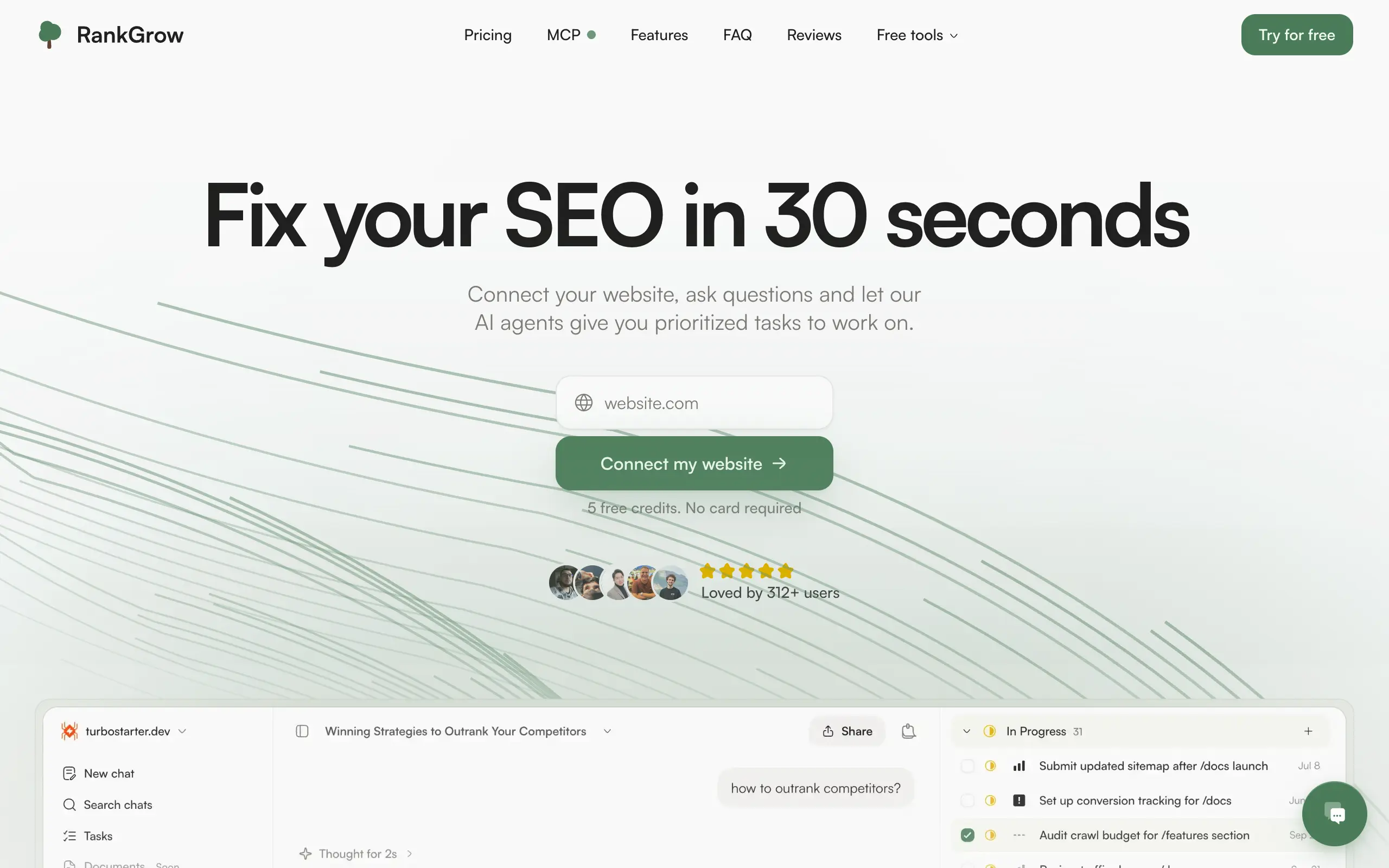
RankGrow
Fix your SEO with AI agents - connect Search Console, get prioritized tasks, and grow organic traffic 📈
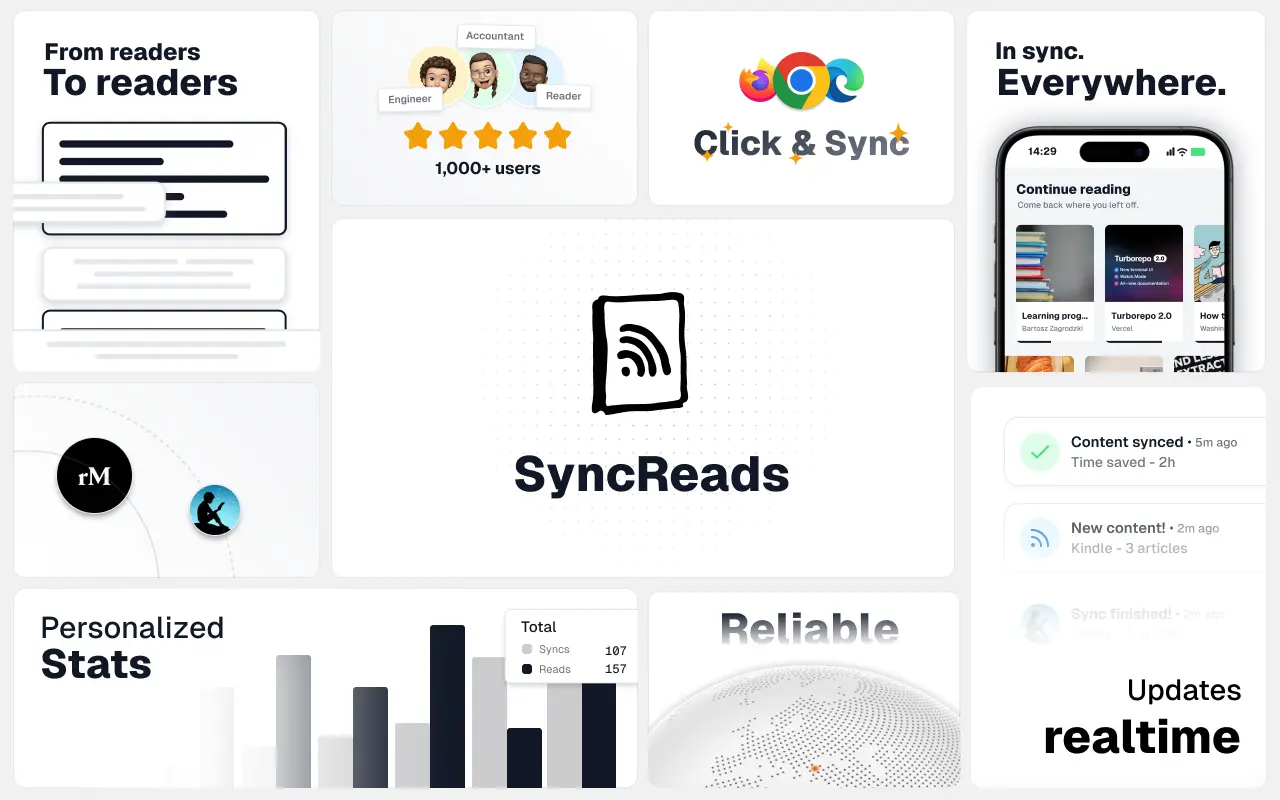
SyncReads
Sync your favorite content for distraction-free reading, save time and replace multiple apps. Anytime, anywhere 🔄
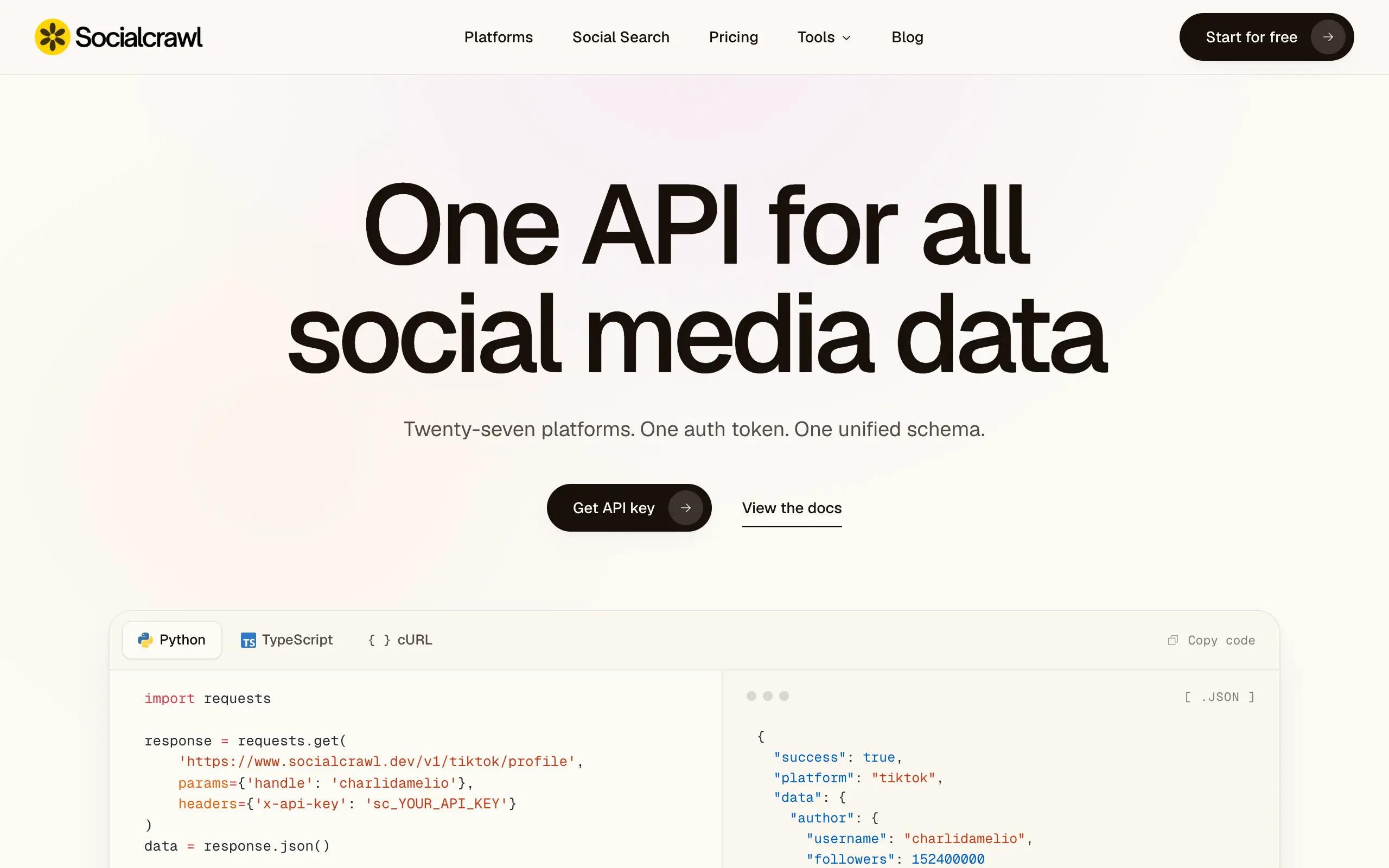
Socialcrawl
Get clean, structured data from 21 platforms like TikTok, Instagram, and YouTube with a single request 📊
Statiko
Monitor any Telegram channel in real time - track posts, edits, deletions, and growth with AI recaps 📡
Shibui
AI website builder - describe your business, pick a niche template, edit by chatting, and publish instantly ✨
Pro Service
Find verified home service professionals, compare quotes, and pay securely through escrow - built for Brazilians across the US 🏠
RankGrow
Fix your SEO with AI agents - connect Search Console, get prioritized tasks, and grow organic traffic 📈
SyncReads
Sync your favorite content for distraction-free reading, save time and replace multiple apps. Anytime, anywhere 🔄
Socialcrawl
Get clean, structured data from 21 platforms like TikTok, Instagram, and YouTube with a single request 📊
Statiko
Monitor any Telegram channel in real time - track posts, edits, deletions, and growth with AI recaps 📡
Shibui
AI website builder - describe your business, pick a niche template, edit by chatting, and publish instantly ✨
Pro Service
Find verified home service professionals, compare quotes, and pay securely through escrow - built for Brazilians across the US 🏠
RankGrow
Fix your SEO with AI agents - connect Search Console, get prioritized tasks, and grow organic traffic 📈
SyncReads
Sync your favorite content for distraction-free reading, save time and replace multiple apps. Anytime, anywhere 🔄
Socialcrawl
Get clean, structured data from 21 platforms like TikTok, Instagram, and YouTube with a single request 📊
Statiko
Monitor any Telegram channel in real time - track posts, edits, deletions, and growth with AI recaps 📡
Shibui
AI website builder - describe your business, pick a niche template, edit by chatting, and publish instantly ✨
Pro Service
Find verified home service professionals, compare quotes, and pay securely through escrow - built for Brazilians across the US 🏠
RankGrow
Fix your SEO with AI agents - connect Search Console, get prioritized tasks, and grow organic traffic 📈
SyncReads
Sync your favorite content for distraction-free reading, save time and replace multiple apps. Anytime, anywhere 🔄
Socialcrawl
Get clean, structured data from 21 platforms like TikTok, Instagram, and YouTube with a single request 📊
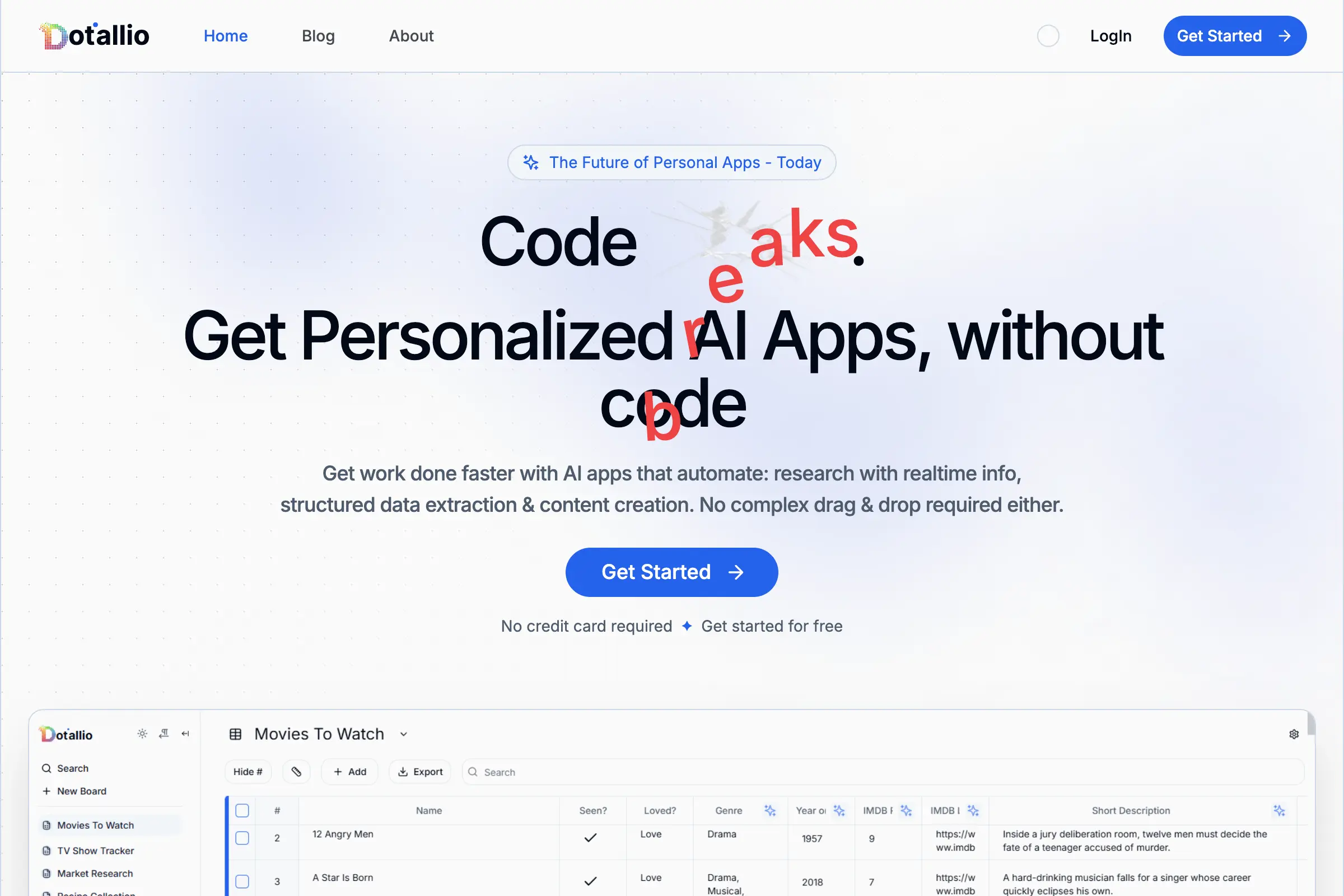
Dotallio
Personalized AI apps that automate research, data extraction, and content creation without code 🤖

Talk to Santa
Enjoy a magical live video chat or receive a unique AI-generated video greeting from Santa Claus 🎅

pozywka.pl
Scalable blog for food journalist, focused on performance and user experience 🌭
zagrodzki.me
Personal blog and portfolio of Bart Zagrodzki, where he shares his knowledge and work 💼
TurboStarter
Ship your startup everywhere. In minutes.
HTML to Markdown
Convert HTML to Markdown with ease, directly in your browser 📄
Dotallio
Personalized AI apps that automate research, data extraction, and content creation without code 🤖
Talk to Santa
Enjoy a magical live video chat or receive a unique AI-generated video greeting from Santa Claus 🎅
pozywka.pl
Scalable blog for food journalist, focused on performance and user experience 🌭
zagrodzki.me
Personal blog and portfolio of Bart Zagrodzki, where he shares his knowledge and work 💼
TurboStarter
Ship your startup everywhere. In minutes.
HTML to Markdown
Convert HTML to Markdown with ease, directly in your browser 📄
Dotallio
Personalized AI apps that automate research, data extraction, and content creation without code 🤖
Talk to Santa
Enjoy a magical live video chat or receive a unique AI-generated video greeting from Santa Claus 🎅
pozywka.pl
Scalable blog for food journalist, focused on performance and user experience 🌭
zagrodzki.me
Personal blog and portfolio of Bart Zagrodzki, where he shares his knowledge and work 💼
TurboStarter
Ship your startup everywhere. In minutes.
HTML to Markdown
Convert HTML to Markdown with ease, directly in your browser 📄
Dotallio
Personalized AI apps that automate research, data extraction, and content creation without code 🤖
Talk to Santa
Enjoy a magical live video chat or receive a unique AI-generated video greeting from Santa Claus 🎅
pozywka.pl
Scalable blog for food journalist, focused on performance and user experience 🌭
zagrodzki.me
Personal blog and portfolio of Bart Zagrodzki, where he shares his knowledge and work 💼
TurboStarter
Ship your startup everywhere. In minutes.
HTML to Markdown
Convert HTML to Markdown with ease, directly in your browser 📄
Omichat
Chat with 50+ AI models, including ChatGPT and Claude, in one place - switch models anytime without losing context 🤖
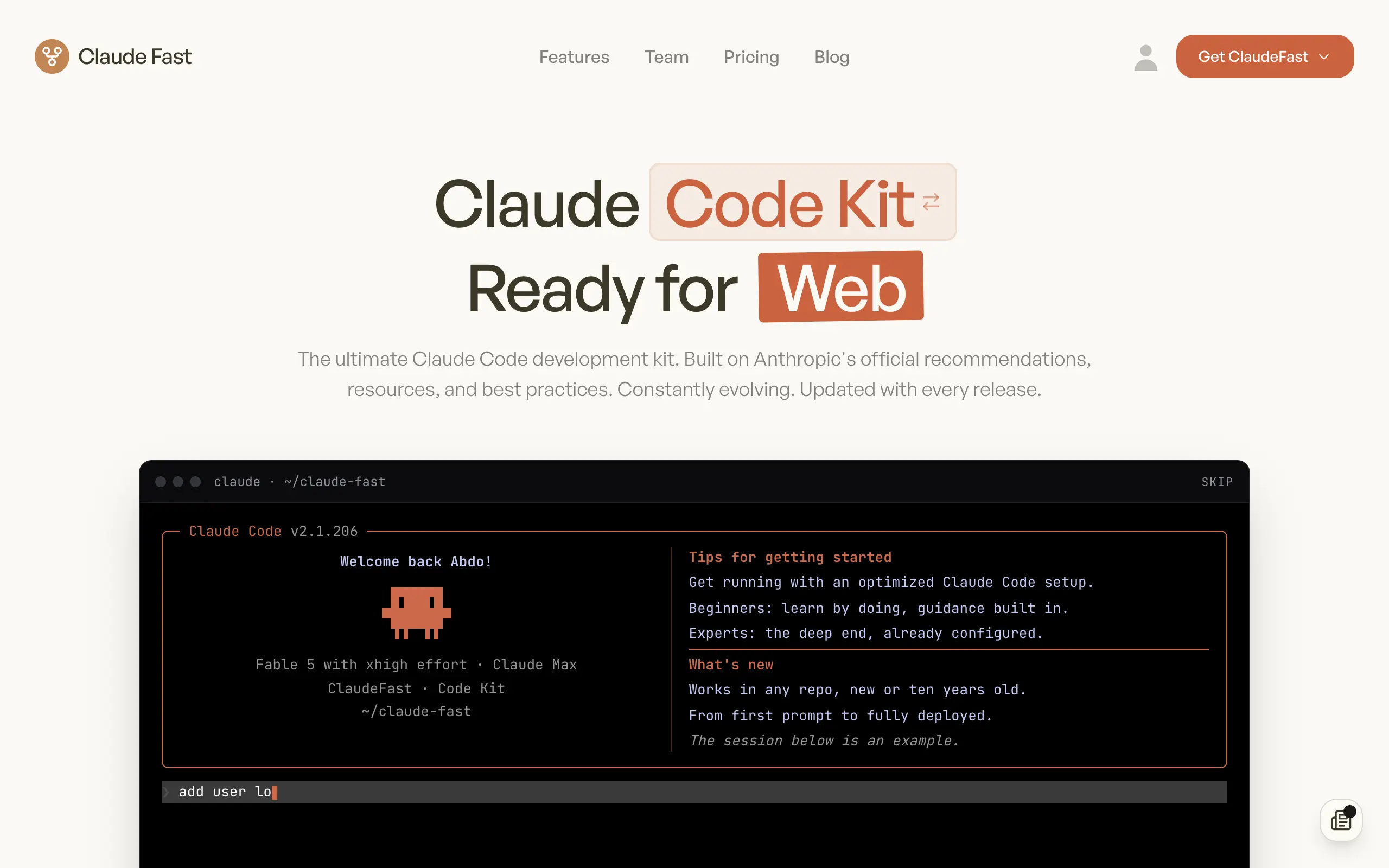
Claude Fast
Supercharge your Claude Code with 6x effective context window and specialized AI agents 🤖
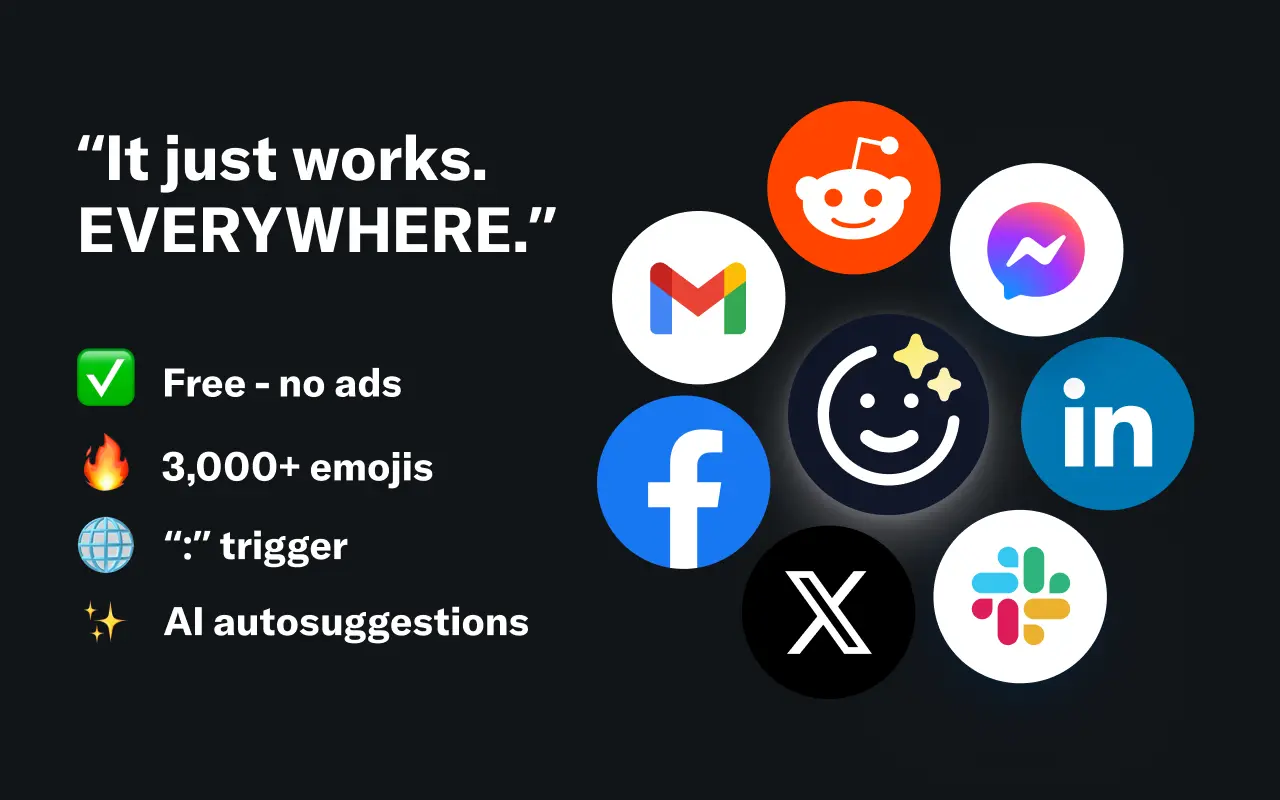
EmojAI
AI-powered emoji picker with smart, context-aware suggestions 🤖
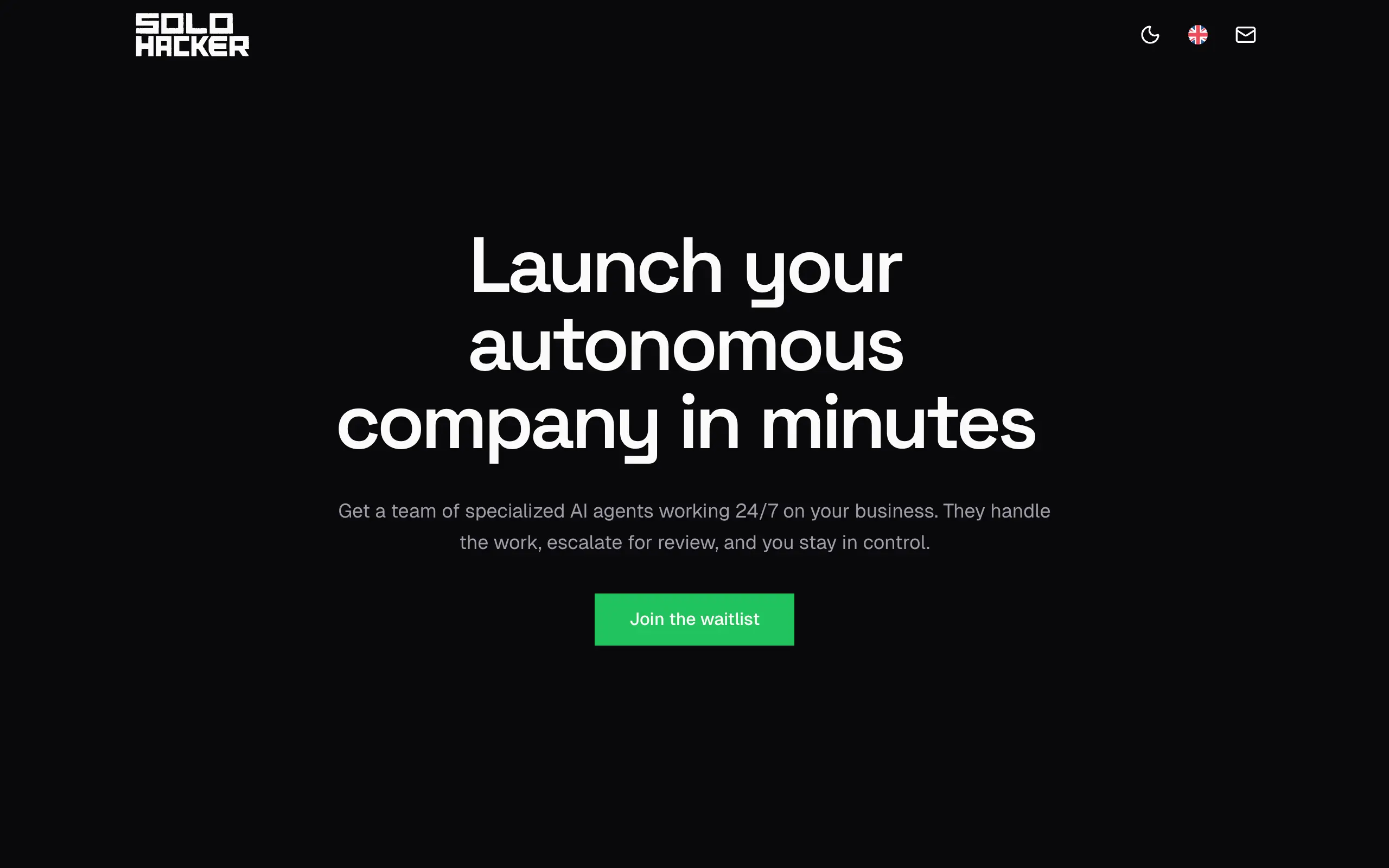
Solohacker
Autonomous company launcher - AI agents work 24/7, escalate what matters, and you stay in control 🤖
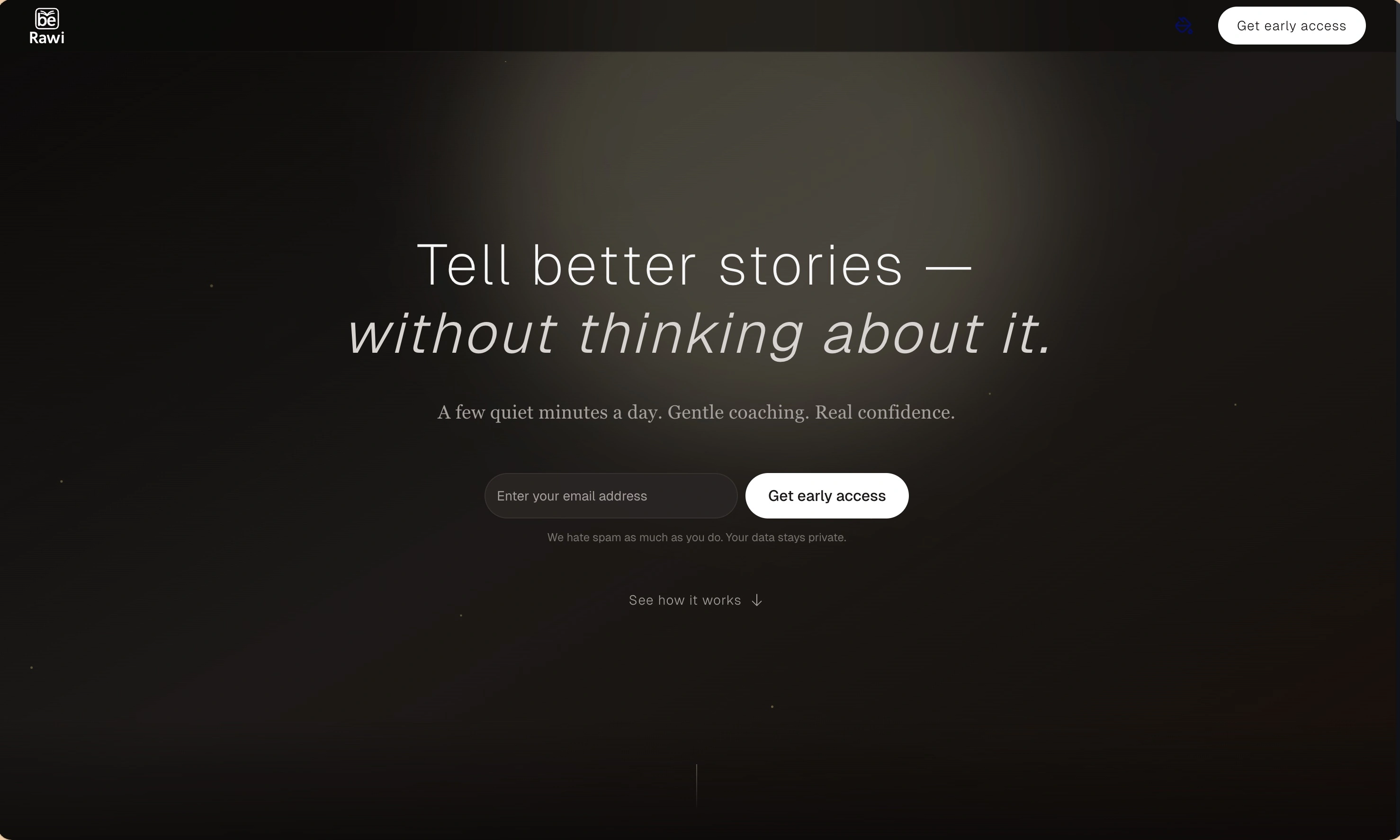
BeRawi: Storytelling Coach
Practice storytelling daily with instant feedback to sound clearer, more engaging, and confident 🎤
Omichat
Chat with 50+ AI models, including ChatGPT and Claude, in one place - switch models anytime without losing context 🤖
Claude Fast
Supercharge your Claude Code with 6x effective context window and specialized AI agents 🤖
EmojAI
AI-powered emoji picker with smart, context-aware suggestions 🤖
Solohacker
Autonomous company launcher - AI agents work 24/7, escalate what matters, and you stay in control 🤖
BeRawi: Storytelling Coach
Practice storytelling daily with instant feedback to sound clearer, more engaging, and confident 🎤
Omichat
Chat with 50+ AI models, including ChatGPT and Claude, in one place - switch models anytime without losing context 🤖
Claude Fast
Supercharge your Claude Code with 6x effective context window and specialized AI agents 🤖
EmojAI
AI-powered emoji picker with smart, context-aware suggestions 🤖
Solohacker
Autonomous company launcher - AI agents work 24/7, escalate what matters, and you stay in control 🤖
BeRawi: Storytelling Coach
Practice storytelling daily with instant feedback to sound clearer, more engaging, and confident 🎤
Omichat
Chat with 50+ AI models, including ChatGPT and Claude, in one place - switch models anytime without losing context 🤖
Claude Fast
Supercharge your Claude Code with 6x effective context window and specialized AI agents 🤖
EmojAI
AI-powered emoji picker with smart, context-aware suggestions 🤖
Solohacker
Autonomous company launcher - AI agents work 24/7, escalate what matters, and you stay in control 🤖
BeRawi: Storytelling Coach
Practice storytelling daily with instant feedback to sound clearer, more engaging, and confident 🎤

Connect with like-minded people
Join our community to get feedback, support, and grow together with 1,000+ builders on board, let's ship it!
Join usShip your startup everywhere. In minutes.
Don't burn tokens on setup and start building features on day one.