AccessAudit AI
AI-driven tool that audits employee permissions across SaaS stacks, reduces overexposure risk, and enforces least-privilege policies automatically.
Why access audit automation is becoming mission-critical
Modern companies run on SaaS. From project management tools to CRMs, analytics dashboards, and internal admin panels, the average organization now operates with dozens—often hundreds—of connected applications. Each of these tools introduces user roles, permissions, and access layers that evolve rapidly as teams scale.
The problem? Access control rarely keeps up.
AccessAudit AI is positioned directly at this pain point: an AI-driven SaaS platform that continuously audits employee permissions, detects overexposure risks, and enforces least-privilege policies automatically.
This isn’t just a convenience tool—it addresses a growing security, compliance, and operational risk that organizations are actively searching to solve.
The growing problem of SaaS permission sprawl
What is permission sprawl?
Permission sprawl occurs when employees accumulate access rights over time—often far beyond what they actually need.
This happens because:
- Employees change roles internally
- Temporary access is never revoked
- Managers over-grant permissions “just in case”
- Offboarding processes miss edge cases
- SaaS tools operate in silos
The result is a massive hidden attack surface.
Why traditional solutions fail
Legacy identity and access management (IAM) tools like Okta or Azure AD focus on authentication and basic provisioning. They do not:
- Continuously audit actual usage vs granted access
- Provide intelligent recommendations
- Detect risky permission combinations
- Automate remediation across fragmented SaaS ecosystems
That gap is exactly where AccessAudit AI thrives.
Target audience: who needs access audit AI the most?
Primary audience segments
AccessAudit AI targets mid-market and enterprise organizations with complex SaaS ecosystems.
1. Security and compliance teams
- CISOs and security engineers
- Concerned with SOC 2, ISO 27001, GDPR
- Need audit trails and least-privilege enforcement
2. IT and identity management teams
- Responsible for provisioning and deprovisioning
- Overwhelmed by manual audits
- Need centralized visibility across tools
3. SaaS-heavy startups (Series B+)
- Rapid growth leads to chaotic access structures
- Preparing for compliance certifications
- Lack mature IAM processes
4. Regulated industries
- Fintech
- Healthcare
- Legal tech
- Require strict access governance
Market opportunity and timing
A perfect storm of trends
Several macro trends make this SaaS idea especially powerful:
- Explosion of SaaS tools per company (often 100+)
- Increasing regulatory pressure (SOC 2, HIPAA, GDPR)
- Rise in insider threats and credential misuse
- Shift toward zero-trust security models
- Growth of AI-driven automation platforms
According to industry reports (e.g., Gartner or IBM security studies), overprivileged accounts are one of the top causes of data breaches.
Yet, most companies still rely on:
- Manual spreadsheets
- Periodic audits
- Static IAM configurations
This creates a clear and urgent market gap.
Core product vision: what AccessAudit AI actually does
At its core, AccessAudit AI is a continuous permission intelligence platform.
Key capabilities
Automated access audits
Continuously scan all connected SaaS tools for permission anomalies and risks.
AI-driven recommendations
Suggest least-privilege adjustments based on behavior and usage patterns.
Risk scoring engine
Assign risk levels to users, roles, and permission combinations.
Auto-remediation workflows
Automatically revoke or adjust permissions based on policies.
Deep dive into core features
1. Unified SaaS permission visibility
AccessAudit AI integrates with tools like:
- Google Workspace
- Slack
- GitHub
- Notion
- Salesforce
- AWS / GCP / Azure
It builds a centralized graph of who has access to what.
Why this matters:
Most companies lack a single source of truth for access control.
2. AI-based anomaly detection
Instead of static rules, the system uses AI to detect:
- Unused permissions
- Overprivileged roles
- Suspicious access combinations
- Deviations from peer groups
Example: If a marketing employee suddenly has admin access to infrastructure tools, it flags immediately.
3. Least-privilege enforcement engine
The platform automatically suggests:
- Permissions to revoke
- Roles to downgrade
- Access that should expire
It can optionally:
- Apply changes automatically
- Require manager approval
4. Behavioral access modeling
AccessAudit AI analyzes:
- Login frequency
- Feature usage
- Resource access patterns
This enables:
- Context-aware permissions
- Dynamic access adjustments
5. Compliance-ready reporting
The tool generates:
- Audit logs
- Access reports
- Risk summaries
Designed for:
- SOC 2 audits
- ISO certifications
- Internal reviews
6. Smart onboarding and offboarding
Integrates with HR systems to:
- Automatically assign roles on hire
- Remove access on exit
- Adjust permissions on role changes
How AccessAudit AI compares to existing solutions
| Feature | AccessAudit AI | Traditional IAM | Manual Audits | Security Tools | SaaS Native Controls |
|---|---|---|---|---|---|
| Continuous auditing | ✅ | ❌ | ❌ | ✅ | ❌ |
| AI recommendations | ✅ | ❌ | ❌ | ✅ | ❌ |
Unique selling proposition (USP)
What makes AccessAudit AI stand out:
1. AI-first, not rule-based
Most tools rely on static rules. This platform adapts dynamically.
2. Cross-SaaS intelligence layer
It connects insights across tools, not just within them.
3. Automation-first approach
Not just alerts—actual remediation.
4. Built for modern SaaS stacks
Designed for distributed, API-first environments.
Recommended tech stack
Frontend
- React
- TailwindCSS
- TypeScript
Backend
- Node.js (or Go for performance-critical systems)
- GraphQL API layer
AI/ML layer
- Python (FastAPI)
- TensorFlow or PyTorch
- Embedding models for behavior clustering
Data layer
- PostgreSQL (structured data)
- Neo4j (permission graph modeling)
- Redis (caching)
Integrations
- OAuth 2.0
- SaaS APIs (Google, Slack, etc.)
Example: permission anomaly detection logic
function detectAnomaly(userPermissions, peerGroupPermissions) {
  const anomalies = []

  userPermissions.forEach(permission => {
    if (!peerGroupPermissions.includes(permission)) {
      anomalies.push({
        permission,
        risk: "high",
      })
    }
  })

  return anomalies
}
Monetization strategy
Pricing tiers
-
Starter
- Limited integrations
- Basic audits
- Small teams
-
Growth
- Full SaaS coverage
- AI recommendations
- Compliance reports
-
Enterprise
- Custom policies
- Auto-remediation
- Dedicated support
Pricing model
- Per user per month (e.g., $5–$15/user)
- Or per connected app
- Enterprise contracts with volume discounts
Key risks and mitigation strategies
Risk 1: Integration complexity
Challenge: SaaS APIs vary widely
Solution:
- Start with top 10 integrations
- Build a standardized connector framework
Risk 2: False positives in AI
Challenge: Over-alerting reduces trust
Solution:
- Feedback loops
- Confidence scoring
- Human-in-the-loop validation
Risk 3: Security concerns
Challenge: Handling sensitive access data
Solution:
- End-to-end encryption
- Zero-trust architecture
- SOC 2 compliance early
Risk 4: Adoption friction
Challenge: Companies resist changing access policies
Solution:
- Start with read-only audits
- Gradually introduce automation
Competitive landscape
Direct competitors
- Vanta (compliance-focused)
- Drata (audit automation)
- Lumos (access management)
Indirect competitors
- Okta
- Azure AD
- Custom internal tools
Competitive advantage summary
Faster insights
AI-driven analysis instead of manual audits.
Higher accuracy
Behavior-based recommendations reduce guesswork.
Lower operational overhead
Automation replaces repetitive tasks.
Implementation roadmap
Phase 1: MVP
Phase 2: Intelligence layer
Phase 3: Automation
Phase 4: Enterprise scaling
Go-to-market strategy
1. Target compliance-driven buyers
Focus messaging on:
- SOC 2 readiness
- Risk reduction
- Audit simplification
2. Content-led SEO strategy
Target keywords like:
- "SaaS access audit tool"
- "least privilege automation"
- "permission management SaaS"
- "access control audit software"
3. Product-led growth
- Free audit scan
- Instant risk report
- Upsell to automation features
4. Partnerships
- Compliance consultants
- MSPs and IT service providers
- Security vendors
Future opportunities
AI copilots for security teams
Real-time assistants that suggest actions.
Predictive risk modeling
Forecast potential breaches before they happen.
Identity graph expansion
Mapping relationships between users, apps, and data.
Frequently asked questions
No. It complements IAM by adding intelligence and automation on top of existing systems.
Compliance tools focus on checklists. AccessAudit AI focuses on real-time permission risk reduction.
No. Most integrations use OAuth and can be connected in minutes.
Why this SaaS idea has breakout potential
AccessAudit AI sits at the intersection of:
- Security
- AI
- SaaS operations
- Compliance
That combination makes it:
- Highly relevant
- Hard to commoditize
- Increasingly necessary
As companies scale their SaaS usage, manual access control simply doesn’t scale.
Actionable next steps to build AccessAudit AI
- Validate demand with 10–20 target companies
- Build MVP with 2–3 core integrations
- Launch a free audit tool
- Iterate based on real usage data
- Expand AI capabilities gradually
Build faster with the right foundation
Instead of building everything from scratch, using a production-ready SaaS starter kit can dramatically reduce time to market.
TurboStarter provides a strong foundation for authentication, billing, and scalable architecture—letting you focus on your core differentiator: AI-driven access intelligence.
Final thoughts
AccessAudit AI is more than a SaaS idea—it’s a response to a systemic problem in modern organizations.
The shift toward:
- Distributed teams
- SaaS-first infrastructure
- Zero-trust security
…means access control is no longer optional—it’s foundational.
A tool that makes access visible, intelligent, and automated has a clear path to becoming essential infrastructure.
And right now, the market is still wide open.
More 🏢 B2B Application SaaS ideas
Discover more innovative b2b application SaaS ideas that are trending in 2026. Each idea is AI-generated with market validation and growth potential to help you find your next profitable venture faster than competitors.
Your competitors are building with TurboStarter
Below are some of the SaaS ideas that have been generated and built with our starter kit.
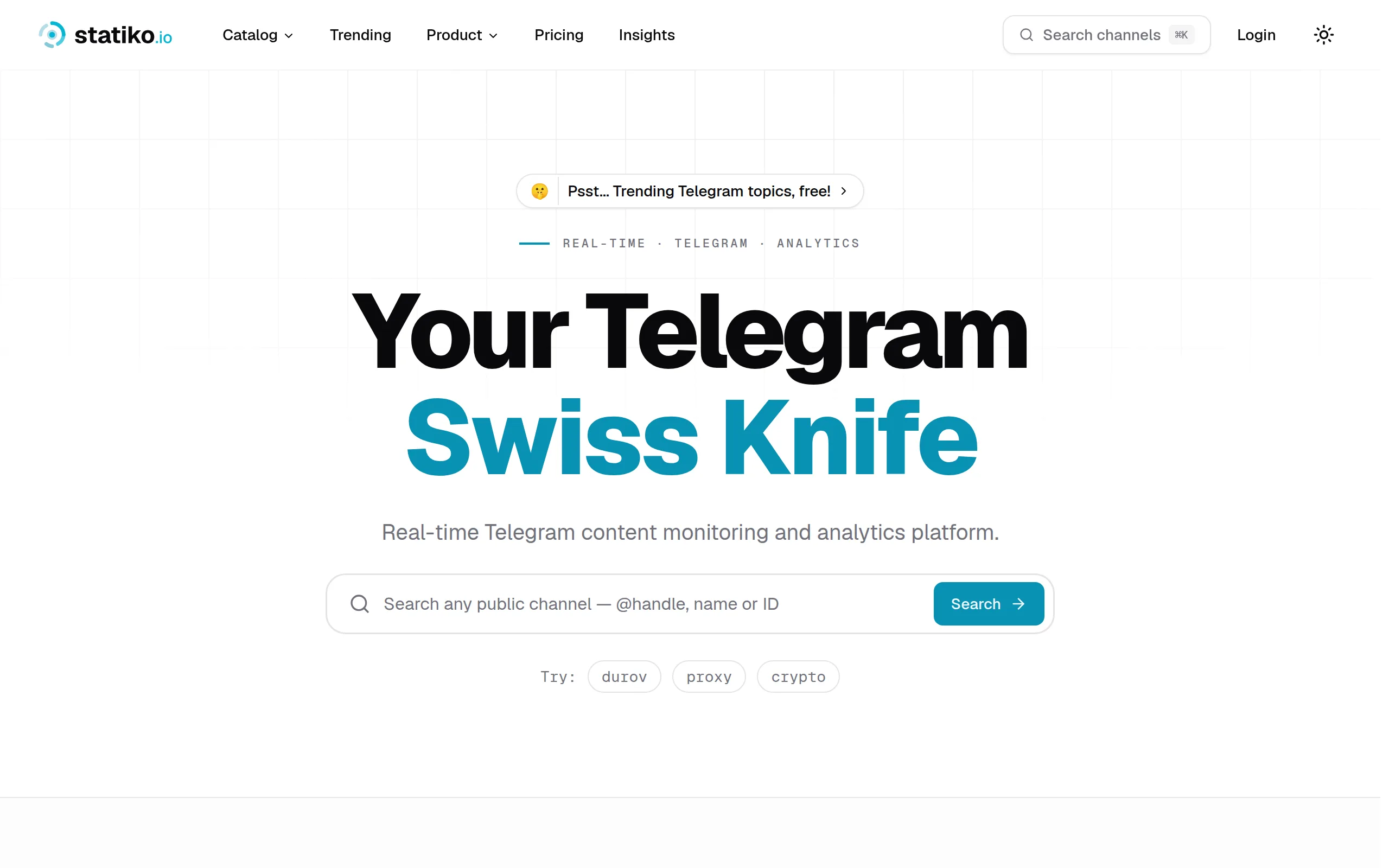
Statiko
Monitor any Telegram channel in real time - track posts, edits, deletions, and growth with AI recaps 📡

Shibui
AI website builder - describe your business, pick a niche template, edit by chatting, and publish instantly ✨

Pro Service
Find verified home service professionals, compare quotes, and pay securely through escrow - built for Brazilians across the US 🏠
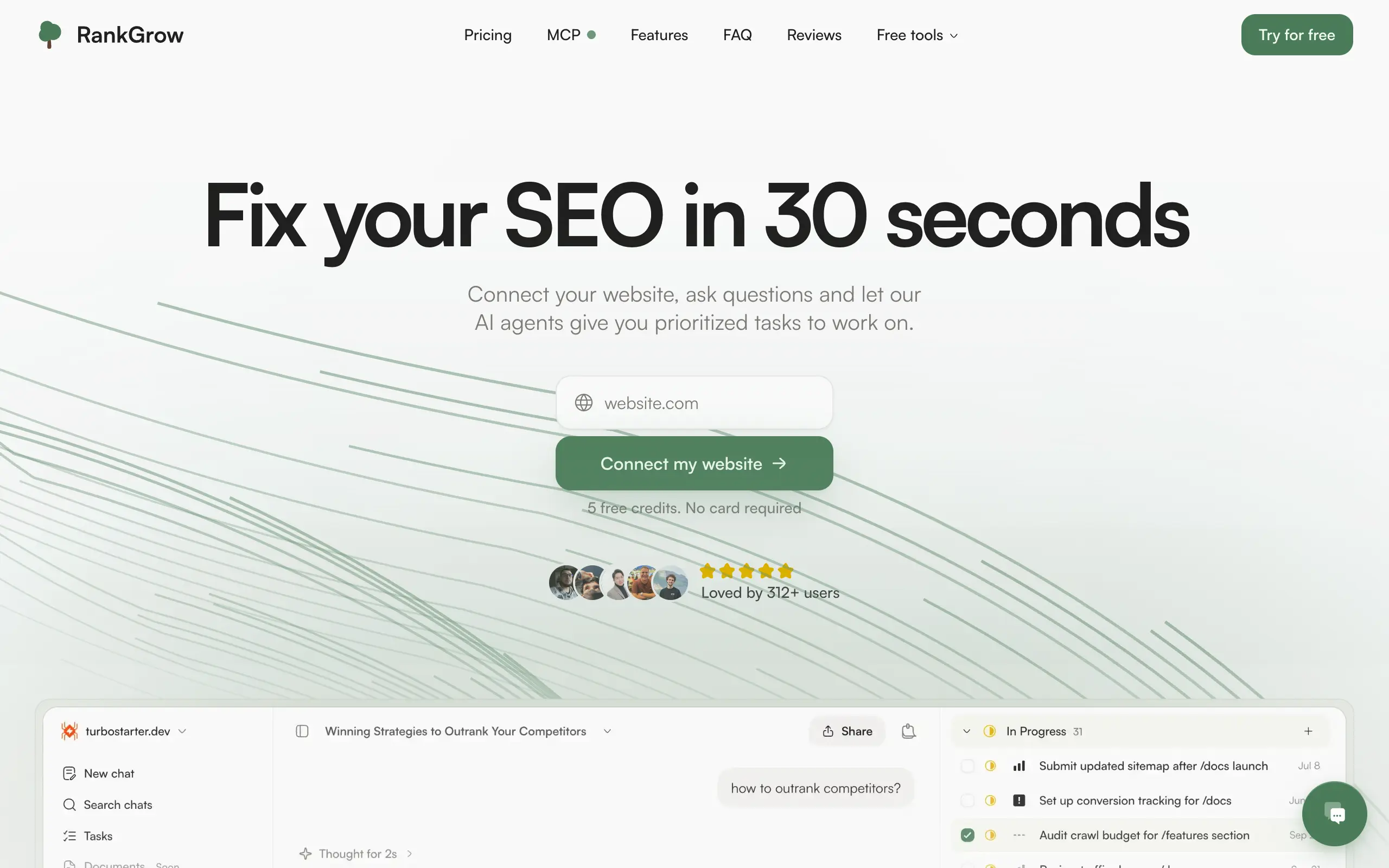
RankGrow
Fix your SEO with AI agents - connect Search Console, get prioritized tasks, and grow organic traffic 📈
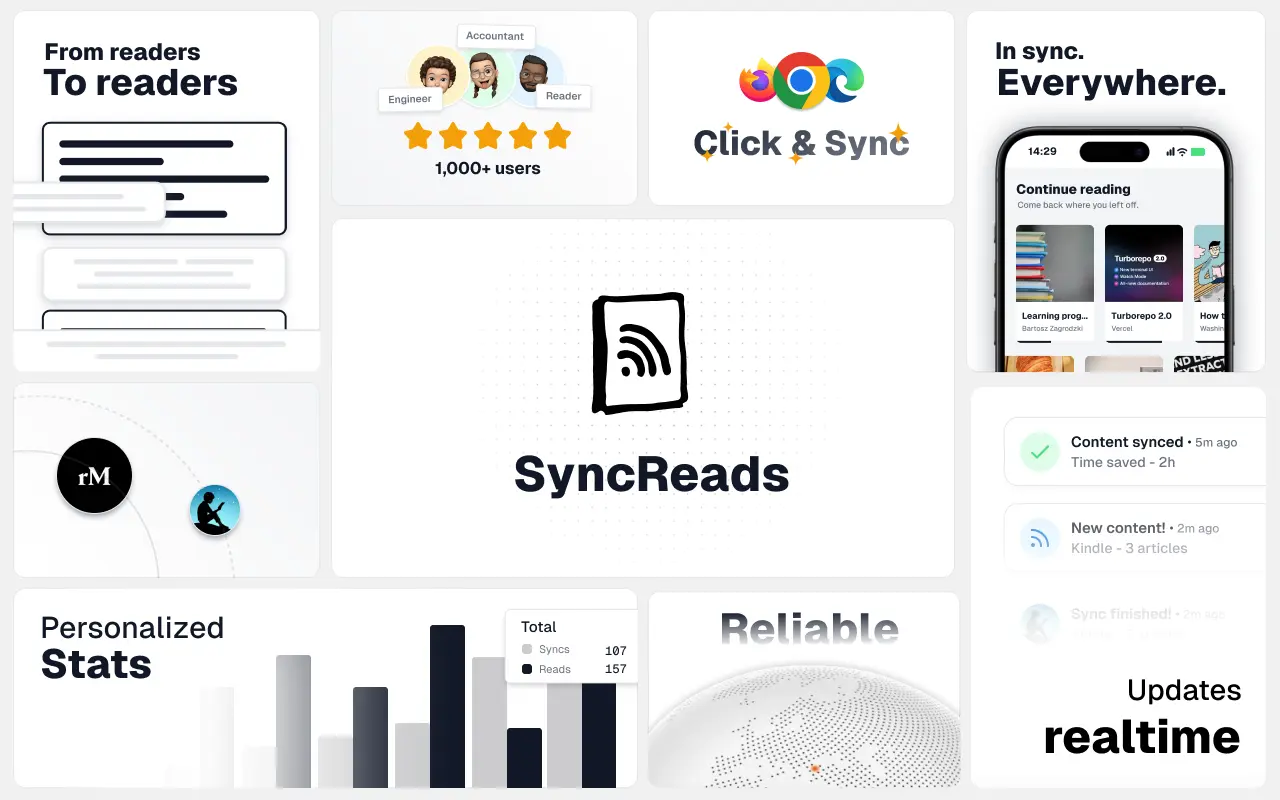
SyncReads
Sync your favorite content for distraction-free reading, save time and replace multiple apps. Anytime, anywhere 🔄
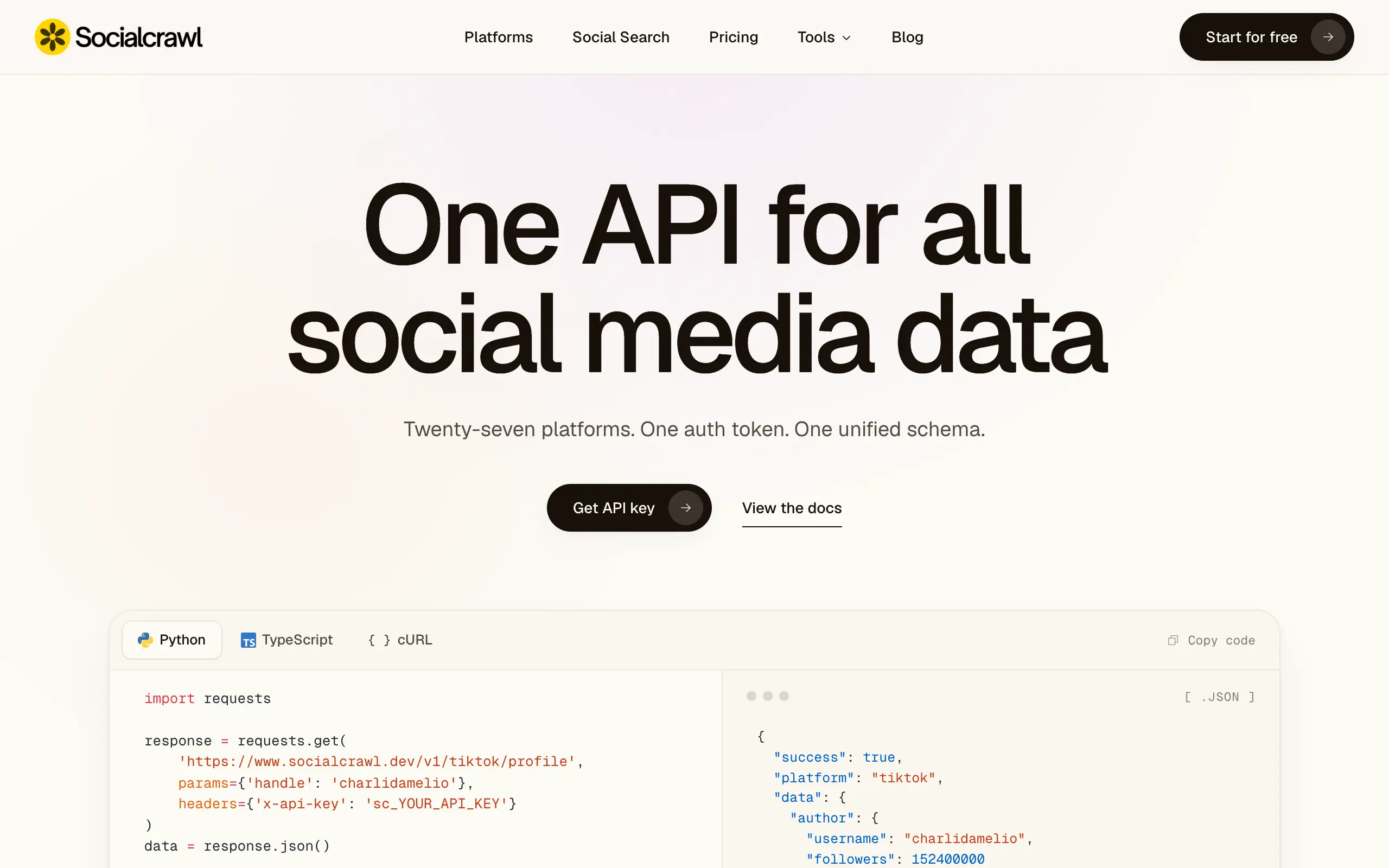
Socialcrawl
Get clean, structured data from 21 platforms like TikTok, Instagram, and YouTube with a single request 📊
Statiko
Monitor any Telegram channel in real time - track posts, edits, deletions, and growth with AI recaps 📡
Shibui
AI website builder - describe your business, pick a niche template, edit by chatting, and publish instantly ✨
Pro Service
Find verified home service professionals, compare quotes, and pay securely through escrow - built for Brazilians across the US 🏠
RankGrow
Fix your SEO with AI agents - connect Search Console, get prioritized tasks, and grow organic traffic 📈
SyncReads
Sync your favorite content for distraction-free reading, save time and replace multiple apps. Anytime, anywhere 🔄
Socialcrawl
Get clean, structured data from 21 platforms like TikTok, Instagram, and YouTube with a single request 📊
Statiko
Monitor any Telegram channel in real time - track posts, edits, deletions, and growth with AI recaps 📡
Shibui
AI website builder - describe your business, pick a niche template, edit by chatting, and publish instantly ✨
Pro Service
Find verified home service professionals, compare quotes, and pay securely through escrow - built for Brazilians across the US 🏠
RankGrow
Fix your SEO with AI agents - connect Search Console, get prioritized tasks, and grow organic traffic 📈
SyncReads
Sync your favorite content for distraction-free reading, save time and replace multiple apps. Anytime, anywhere 🔄
Socialcrawl
Get clean, structured data from 21 platforms like TikTok, Instagram, and YouTube with a single request 📊
Statiko
Monitor any Telegram channel in real time - track posts, edits, deletions, and growth with AI recaps 📡
Shibui
AI website builder - describe your business, pick a niche template, edit by chatting, and publish instantly ✨
Pro Service
Find verified home service professionals, compare quotes, and pay securely through escrow - built for Brazilians across the US 🏠
RankGrow
Fix your SEO with AI agents - connect Search Console, get prioritized tasks, and grow organic traffic 📈
SyncReads
Sync your favorite content for distraction-free reading, save time and replace multiple apps. Anytime, anywhere 🔄
Socialcrawl
Get clean, structured data from 21 platforms like TikTok, Instagram, and YouTube with a single request 📊
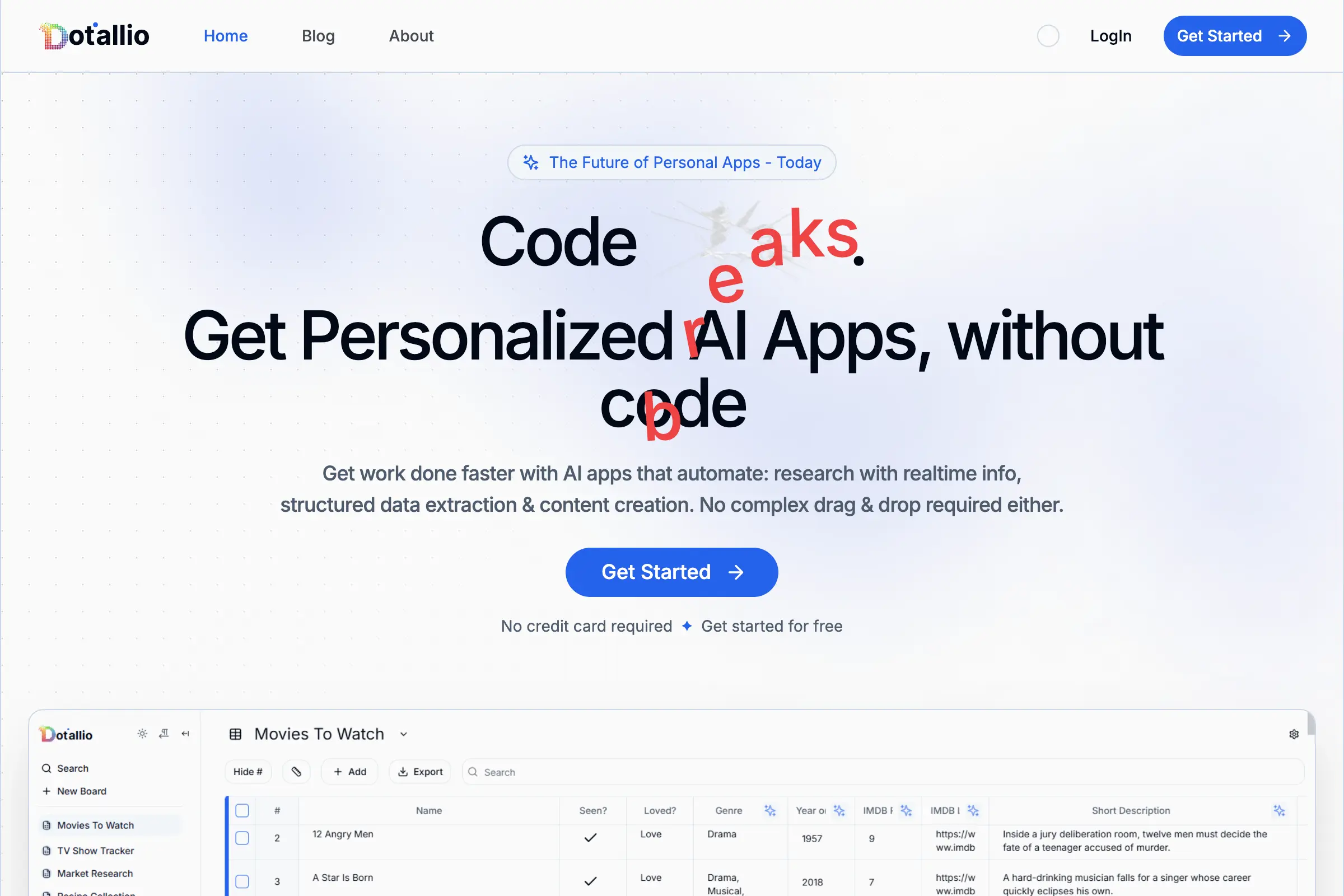
Dotallio
Personalized AI apps that automate research, data extraction, and content creation without code 🤖

Talk to Santa
Enjoy a magical live video chat or receive a unique AI-generated video greeting from Santa Claus 🎅

pozywka.pl
Scalable blog for food journalist, focused on performance and user experience 🌭
zagrodzki.me
Personal blog and portfolio of Bart Zagrodzki, where he shares his knowledge and work 💼
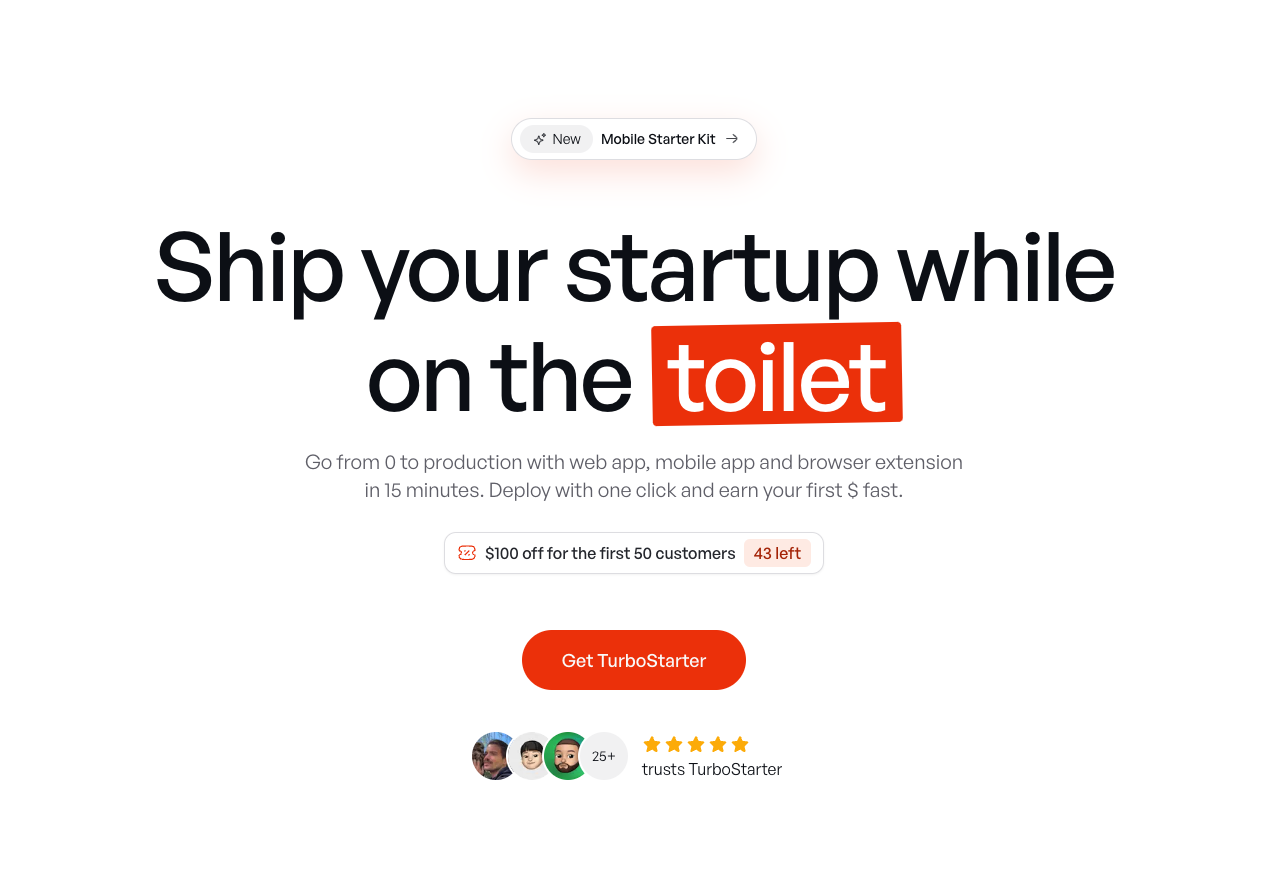
TurboStarter
Ship your startup everywhere. In minutes.
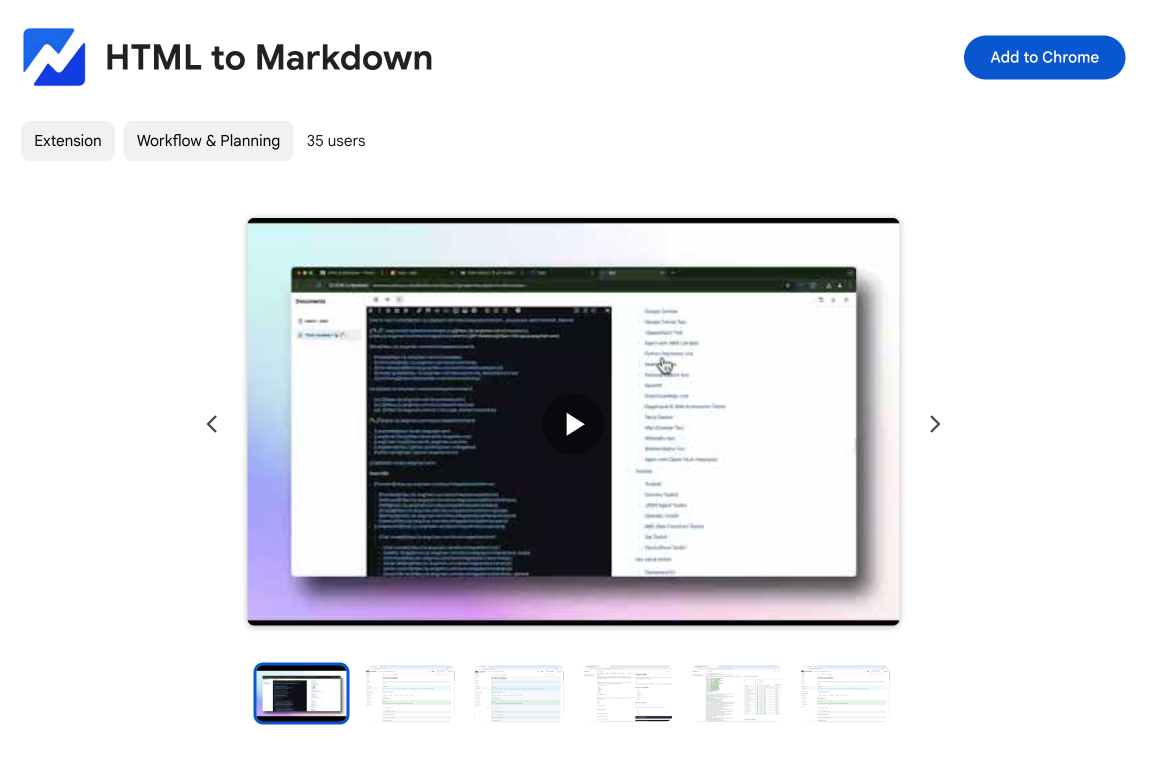
HTML to Markdown
Convert HTML to Markdown with ease, directly in your browser 📄
Dotallio
Personalized AI apps that automate research, data extraction, and content creation without code 🤖
Talk to Santa
Enjoy a magical live video chat or receive a unique AI-generated video greeting from Santa Claus 🎅
pozywka.pl
Scalable blog for food journalist, focused on performance and user experience 🌭
zagrodzki.me
Personal blog and portfolio of Bart Zagrodzki, where he shares his knowledge and work 💼
TurboStarter
Ship your startup everywhere. In minutes.
HTML to Markdown
Convert HTML to Markdown with ease, directly in your browser 📄
Dotallio
Personalized AI apps that automate research, data extraction, and content creation without code 🤖
Talk to Santa
Enjoy a magical live video chat or receive a unique AI-generated video greeting from Santa Claus 🎅
pozywka.pl
Scalable blog for food journalist, focused on performance and user experience 🌭
zagrodzki.me
Personal blog and portfolio of Bart Zagrodzki, where he shares his knowledge and work 💼
TurboStarter
Ship your startup everywhere. In minutes.
HTML to Markdown
Convert HTML to Markdown with ease, directly in your browser 📄
Dotallio
Personalized AI apps that automate research, data extraction, and content creation without code 🤖
Talk to Santa
Enjoy a magical live video chat or receive a unique AI-generated video greeting from Santa Claus 🎅
pozywka.pl
Scalable blog for food journalist, focused on performance and user experience 🌭
zagrodzki.me
Personal blog and portfolio of Bart Zagrodzki, where he shares his knowledge and work 💼
TurboStarter
Ship your startup everywhere. In minutes.
HTML to Markdown
Convert HTML to Markdown with ease, directly in your browser 📄
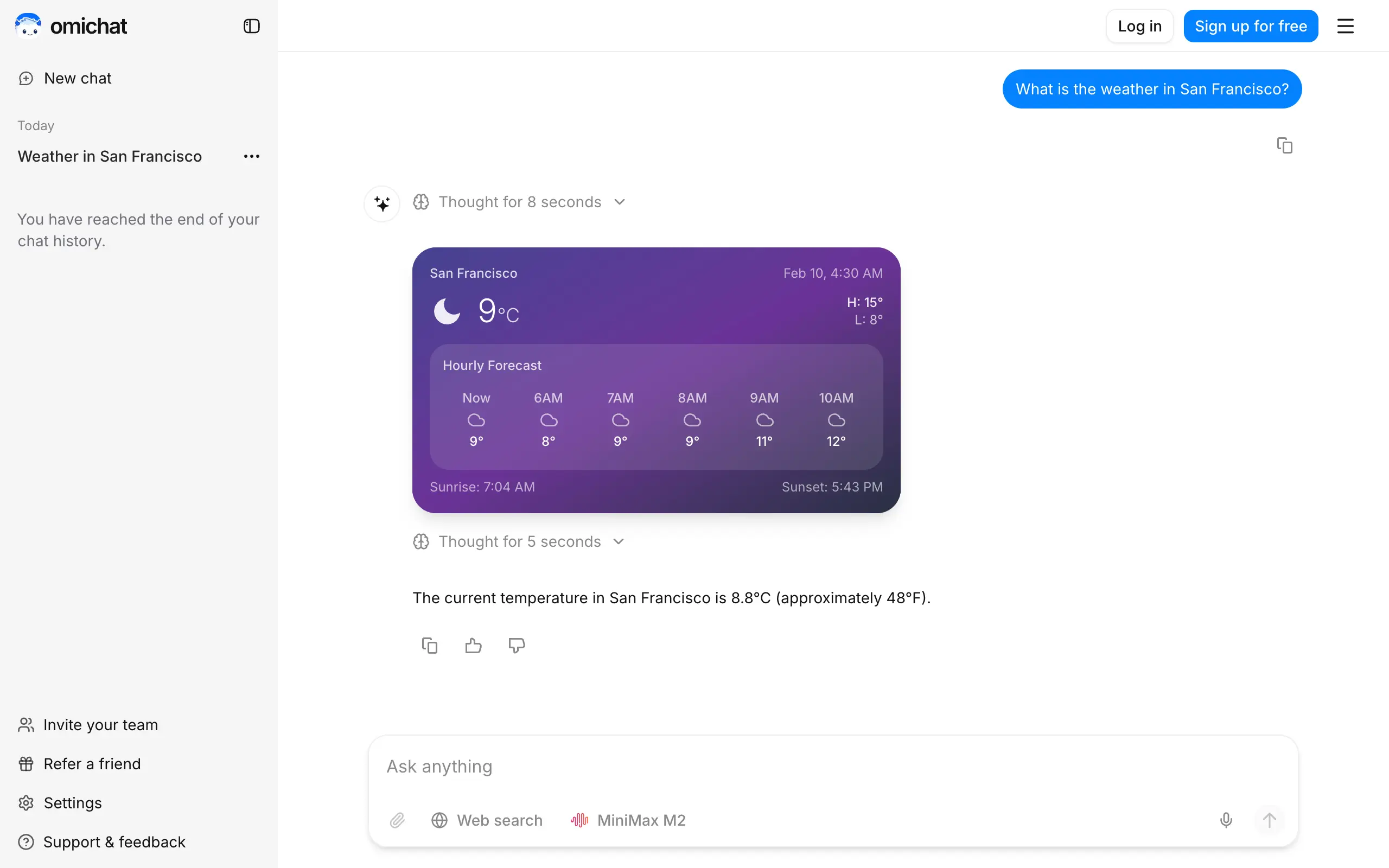
Omichat
Chat with 50+ AI models, including ChatGPT and Claude, in one place - switch models anytime without losing context 🤖
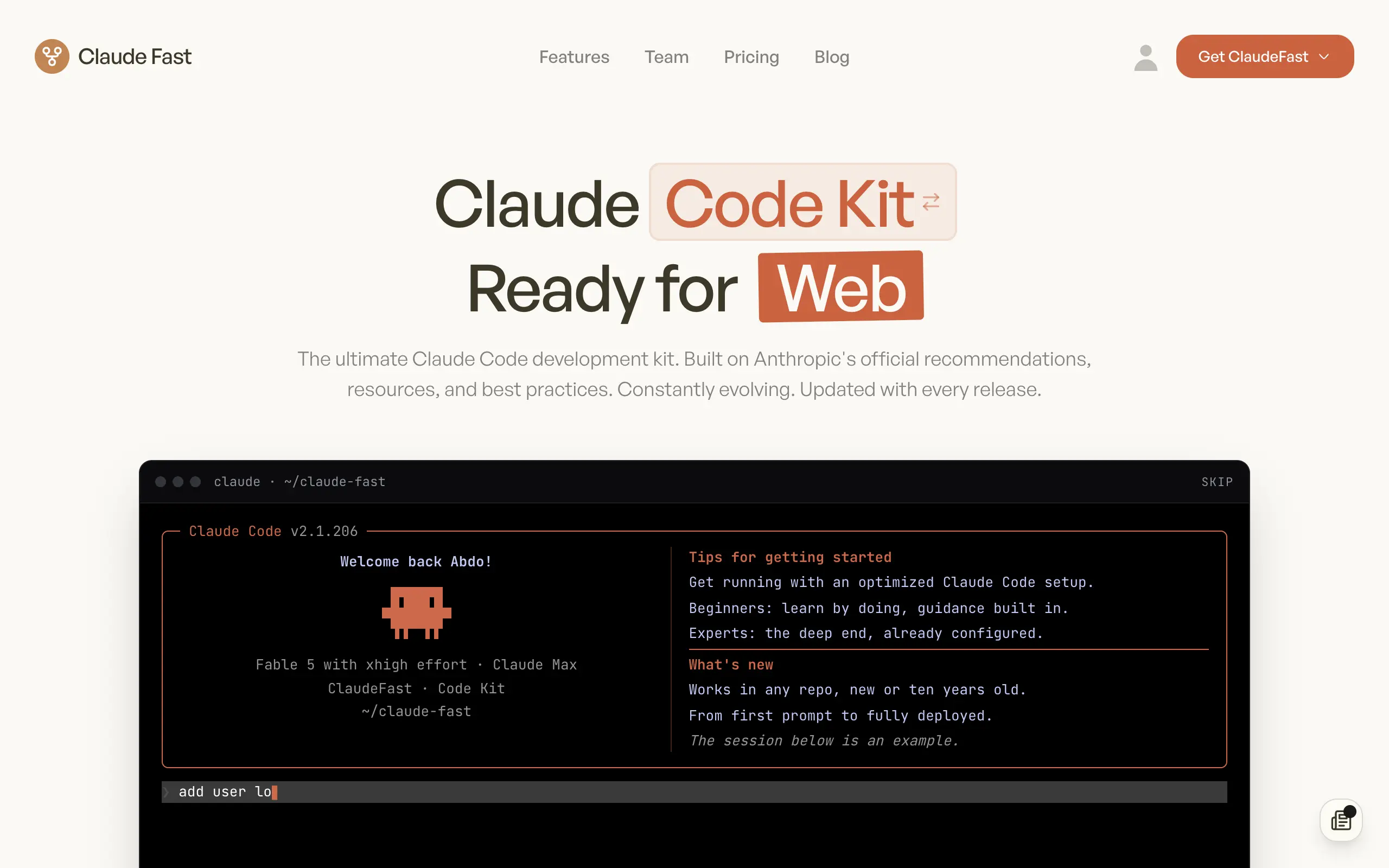
Claude Fast
Supercharge your Claude Code with 6x effective context window and specialized AI agents 🤖
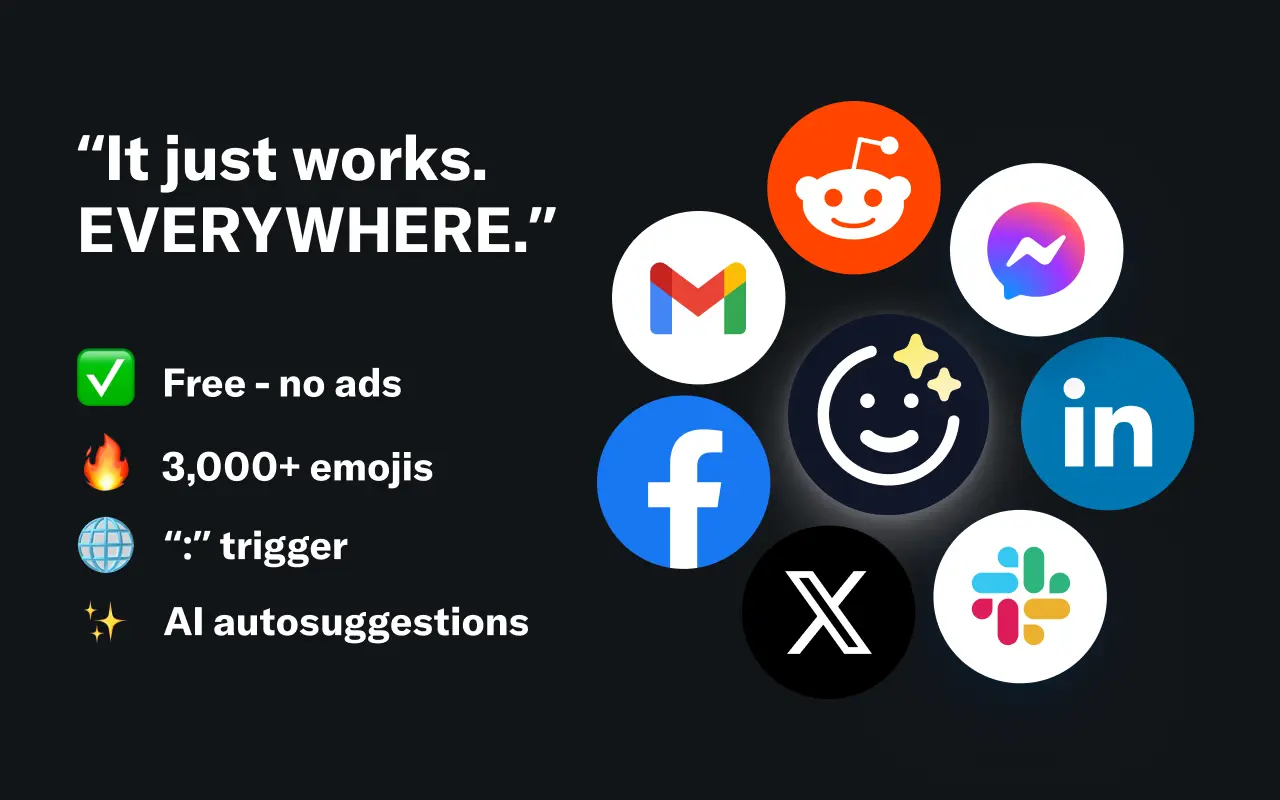
EmojAI
AI-powered emoji picker with smart, context-aware suggestions 🤖
Solohacker
Autonomous company launcher - AI agents work 24/7, escalate what matters, and you stay in control 🤖

BeRawi: Storytelling Coach
Practice storytelling daily with instant feedback to sound clearer, more engaging, and confident 🎤
Omichat
Chat with 50+ AI models, including ChatGPT and Claude, in one place - switch models anytime without losing context 🤖
Claude Fast
Supercharge your Claude Code with 6x effective context window and specialized AI agents 🤖
EmojAI
AI-powered emoji picker with smart, context-aware suggestions 🤖
Solohacker
Autonomous company launcher - AI agents work 24/7, escalate what matters, and you stay in control 🤖
BeRawi: Storytelling Coach
Practice storytelling daily with instant feedback to sound clearer, more engaging, and confident 🎤
Omichat
Chat with 50+ AI models, including ChatGPT and Claude, in one place - switch models anytime without losing context 🤖
Claude Fast
Supercharge your Claude Code with 6x effective context window and specialized AI agents 🤖
EmojAI
AI-powered emoji picker with smart, context-aware suggestions 🤖
Solohacker
Autonomous company launcher - AI agents work 24/7, escalate what matters, and you stay in control 🤖
BeRawi: Storytelling Coach
Practice storytelling daily with instant feedback to sound clearer, more engaging, and confident 🎤
Omichat
Chat with 50+ AI models, including ChatGPT and Claude, in one place - switch models anytime without losing context 🤖
Claude Fast
Supercharge your Claude Code with 6x effective context window and specialized AI agents 🤖
EmojAI
AI-powered emoji picker with smart, context-aware suggestions 🤖
Solohacker
Autonomous company launcher - AI agents work 24/7, escalate what matters, and you stay in control 🤖
BeRawi: Storytelling Coach
Practice storytelling daily with instant feedback to sound clearer, more engaging, and confident 🎤

Connect with like-minded people
Join our community to get feedback, support, and grow together with 1,000+ builders on board, let's ship it!
Join usShip your startup everywhere. In minutes.
Don't burn tokens on setup and start building features on day one.