AccessGraph
Maps and monitors effective permissions across cloud, SaaS, and on-prem to detect toxic combinations and lateral movement risks in real time.
what is accessgraph and why it matters now
Identity is the new perimeter—and it’s also the most chaotic one. Modern organizations operate across cloud providers, SaaS platforms, and legacy on-prem systems, each with its own permission model. The result? A tangled web of entitlements that no human can reliably track.
AccessGraph is a B2B SaaS platform designed to map, analyze, and continuously monitor effective permissions across environments. It detects toxic permission combinations, privilege escalation paths, and lateral movement risks in real time.
This isn’t just another IAM dashboard. It’s a graph-based security intelligence system that answers a critical question:
“Who can actually do what—across everything?”
That distinction—between assigned permissions and effective access—is where most security tools fall short and where AccessGraph creates real value.
the growing identity security gap
the problem with traditional IAM tools
Most identity and access management (IAM) tools focus on:
- Static role definitions
- Policy enforcement
- Authentication workflows
But attackers don’t think in roles—they think in paths.
For example:
- A user may not have admin rights directly
- But they may:
- Assume a role
- Access a misconfigured service account
- Pivot into another system
This creates hidden privilege escalation chains that traditional tools miss.
why this problem is accelerating
Several trends are making this worse:
- Explosion of SaaS apps (average org uses 100+ tools)
- Multi-cloud adoption (AWS, Azure, GCP)
- Machine identities outnumbering human users
- Infrastructure as Code (IaC) introducing dynamic permissions
According to widely cited industry reports (e.g., Verizon DBIR or IBM Security reports), credential misuse and privilege escalation remain top breach vectors.
AccessGraph directly targets this gap by modeling permissions as a graph, not a list.
target audience and ideal customer profile
AccessGraph is not a general-purpose tool. It targets organizations with complex identity ecosystems and high security stakes.
primary audiences
1. security teams (SOC, cloud security, IAM)
- Need visibility into real access paths
- Responsible for reducing attack surface
- Struggle with alert fatigue and fragmented tools
2. DevSecOps teams
- Managing CI/CD pipelines and cloud infrastructure
- Need to validate permissions in real-time
- Want automation-friendly insights
3. compliance and risk officers
- Need evidence for audits (SOC 2, ISO 27001, HIPAA)
- Must prove least privilege enforcement
- Require continuous monitoring
4. enterprise IT leadership
- Concerned with breach risk and governance
- Interested in consolidating security tooling
- Want measurable risk reduction
market opportunity and competitive gap
current solutions fall into three categories
| Category | Strength | Weakness | Examples | Opportunity |
|---|---|---|---|---|
| IAM tools | Policy control | No graph visibility | AWS IAM, Okta | ✅ |
| CIEM tools | Cloud insights | Limited SaaS/on-prem | Wiz, Orca | ✅ |
| IGA platforms | Governance workflows | Static analysis | SailPoint | ✅ |
where accessgraph wins
AccessGraph’s differentiation lies in:
- Cross-environment graph modeling
- Real-time permission analysis
- Path-based risk detection (not rule-based)
- Focus on effective permissions, not assigned roles
This positions it at the intersection of:
- CIEM (Cloud Infrastructure Entitlement Management)
- Identity Threat Detection & Response (ITDR)
- Graph-based security analytics
how accessgraph works (core concept)
At its core, AccessGraph builds a permission graph:
- Nodes:
- Users
- Roles
- Services
- Resources
- Edges:
- Relationships (can assume, can access, can modify)
This graph enables:
- Traversal of access paths
- Detection of indirect privileges
- Simulation of attack scenarios
example scenario
A user:
- Can assume Role A
- Role A can access Service B
- Service B can modify IAM policies
Result: The user effectively has admin capabilities—even if not explicitly granted.
Traditional tools miss this. AccessGraph surfaces it instantly.
key features and capabilities
permission graph engine
Builds a unified graph of identities and permissions across cloud, SaaS, and on-prem systems.
toxic combination detection
Identifies risky permission combinations that enable privilege escalation or data exfiltration.
lateral movement mapping
Visualizes how attackers could move across systems using existing access paths.
real-time monitoring
Continuously analyzes changes and alerts on new risks as they emerge.
advanced capabilities
1. effective permission calculation
- Combines:
- Direct permissions
- Inherited roles
- Trust relationships
- Outputs a true access profile
2. attack path simulation
- Simulates potential attacker behavior
- Prioritizes high-risk paths
- Helps teams focus remediation
3. risk scoring
- Assigns severity based on:
- Resource sensitivity
- Privilege level
- Exploitability
4. integrations
- Cloud: AWS, Azure, GCP
- SaaS: Google Workspace, Slack, GitHub
- On-prem: Active Directory
technical architecture and recommended stack
Building AccessGraph requires handling large-scale graph data efficiently.
core architecture
data ingestion layer
- APIs and connectors
- Event streams (e.g., CloudTrail)
graph processing engine
- Builds and updates permission graph
- Runs traversal algorithms
analytics layer
- Risk detection
- Alerting engine
frontend dashboard
- Visualization of graph and risks
recommended tech stack
backend
- Node.js or Go for performance
- Graph database:
- Neo4j (strong ecosystem)
- Or Amazon Neptune for AWS-native setups
frontend
data processing
- Kafka for streaming
- Apache Flink or Spark for analysis
cloud infrastructure
- AWS:
- Lambda for serverless processing
- S3 for storage
- DynamoDB for metadata
example: graph traversal query
MATCH path = (u:User)-[*..5]->(r:Resource)
WHERE r.sensitivity = "high"
RETURN path
This identifies all paths (up to 5 hops) from users to sensitive resources.
monetization strategy
AccessGraph fits a high-value enterprise SaaS pricing model.
pricing tiers
1. usage-based
- Based on:
- Number of identities
- Number of resources
- Data ingestion volume
2. tiered plans
- Starter (SMBs)
- Growth (mid-market)
- Enterprise (custom pricing)
3. add-ons
- Advanced analytics
- Compliance reporting
- API access
expected pricing range
- SMB: $500–$2,000/month
- Mid-market: $2,000–$10,000/month
- Enterprise: $25,000+/year
competitive advantage (why accessgraph stands out)
1. graph-first approach
Most tools use relational models. AccessGraph uses graph-native architecture, enabling:
- Faster path discovery
- Better risk insights
- More accurate modeling
2. cross-environment visibility
Unlike CIEM tools limited to cloud:
- Covers SaaS and on-prem
- Provides unified view
3. real-time analysis
- Detects risks as they emerge
- Not just periodic scans
4. actionable insights
- Prioritized risks
- Clear remediation steps
risks and challenges (and how to mitigate them)
1. data complexity
Challenge: Integrating multiple systems is difficult
Mitigation:
- Start with AWS + one SaaS
- Build modular connectors
2. performance at scale
Challenge: Graph queries can be expensive
Mitigation:
- Use indexing and caching
- Limit traversal depth intelligently
3. enterprise sales cycles
Challenge: Long buying cycles
Mitigation:
- Offer:
- Free risk assessment
- Proof-of-concept deployments
4. competition from incumbents
Challenge: Large vendors may expand
Mitigation:
- Focus on:
- Speed
- UX
- niche expertise
go-to-market strategy
initial wedge
Start with:
- AWS-focused identity risk detection
- Target:
- Cloud-native startups
- DevSecOps teams
expansion
- Add SaaS integrations
- Expand to enterprise compliance use cases
acquisition channels
- Content marketing (SEO-driven)
- Security communities (Reddit, Hacker News)
- Partnerships with cloud consultancies
SEO strategy for accessgraph
primary keyword
- access graph security platform
secondary keywords
- identity security graph
- permission mapping tool
- cloud entitlement management
- lateral movement detection
- toxic permission combinations
content ideas
- “How to detect privilege escalation in AWS”
- “What is effective permission analysis?”
- “Graph-based security explained”
implementation roadmap
real-world use cases
use case 1: preventing privilege escalation
- Detect users who can:
- Modify IAM roles
- Assume higher privileges
use case 2: audit readiness
- Provide evidence of:
- Least privilege enforcement
- Access reviews
use case 3: incident response
- Quickly map:
- What an attacker could access
- Potential lateral movement paths
future trends and why timing is perfect
identity is becoming the control plane
Security is shifting from:
- Network-based → Identity-based
rise of machine identities
- APIs, bots, and services dominate
- Harder to track than humans
graph-based security is emerging
- More vendors adopting graph models
- Still early → strong opportunity
key insight
The biggest opportunity is not just detecting risk—but explaining it clearly. Most tools overwhelm users. AccessGraph can win by making complex permission paths intuitive and actionable.
building faster with the right foundation
Launching a SaaS like AccessGraph involves:
- Auth systems
- Billing
- Multi-tenancy
- API infrastructure
Instead of building everything from scratch, you can accelerate development using a proven starter kit.
TurboStarter provides a solid SaaS foundation so you can focus on your core differentiator: the graph engine and security insights.
final thoughts and next steps
AccessGraph is not just another security tool—it’s a shift in how organizations understand access.
The opportunity is clear:
- Identity complexity is growing
- Existing tools are insufficient
- Graph-based analysis is the future
what to do next
- Validate with security teams
- Build a focused MVP (AWS first)
- Prioritize clarity over complexity
- Iterate based on real-world usage
If executed well, AccessGraph can become a category-defining platform in identity security—turning invisible risks into actionable intelligence.
More 🏢 B2B Application SaaS ideas
Discover more innovative b2b application SaaS ideas that are trending in 2026. Each idea is AI-generated with market validation and growth potential to help you find your next profitable venture faster than competitors.
Your competitors are building with TurboStarter
Below are some of the SaaS ideas that have been generated and built with our starter kit.
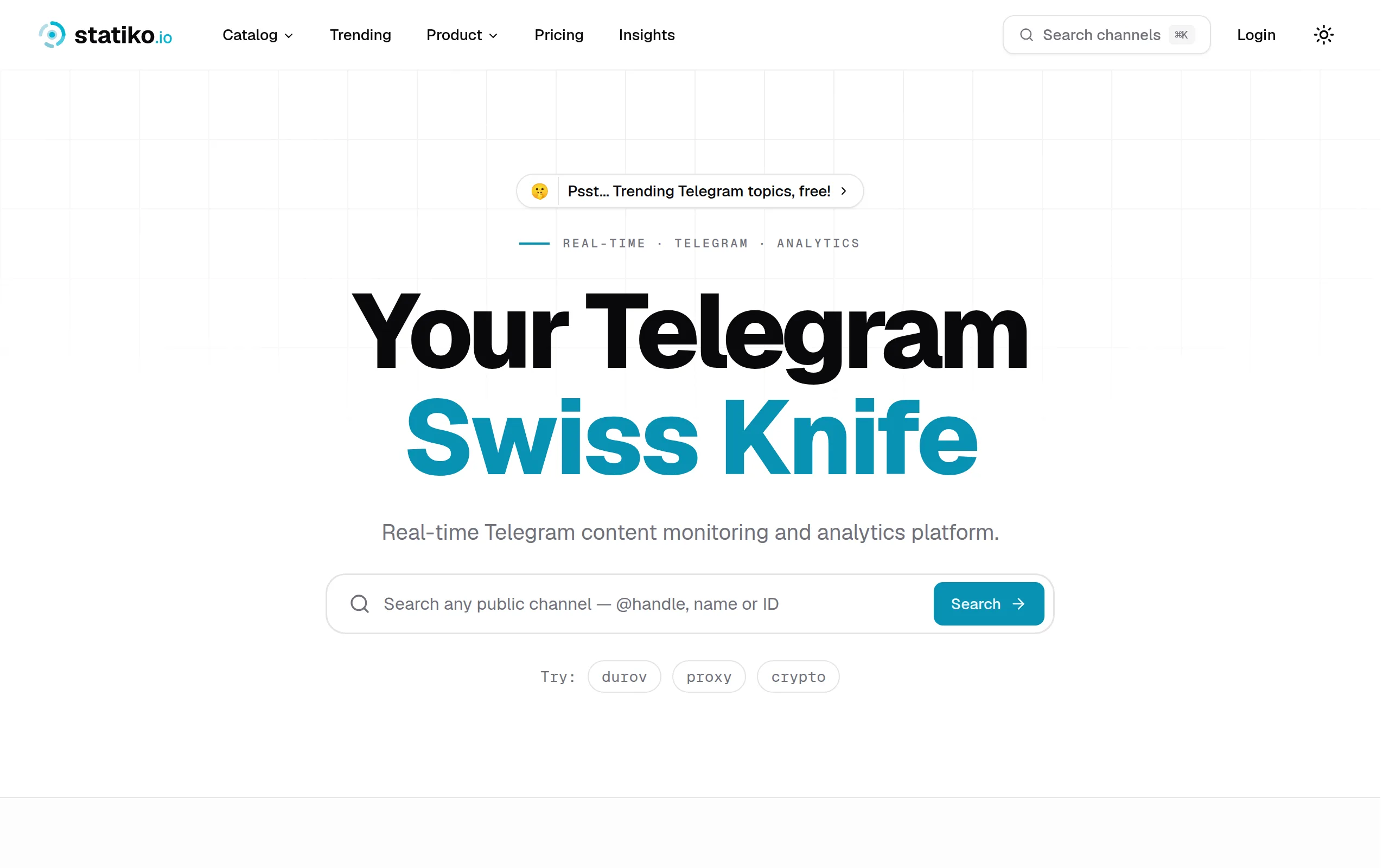
Statiko
Monitor any Telegram channel in real time - track posts, edits, deletions, and growth with AI recaps 📡

Shibui
AI website builder - describe your business, pick a niche template, edit by chatting, and publish instantly ✨

Pro Service
Find verified home service professionals, compare quotes, and pay securely through escrow - built for Brazilians across the US 🏠
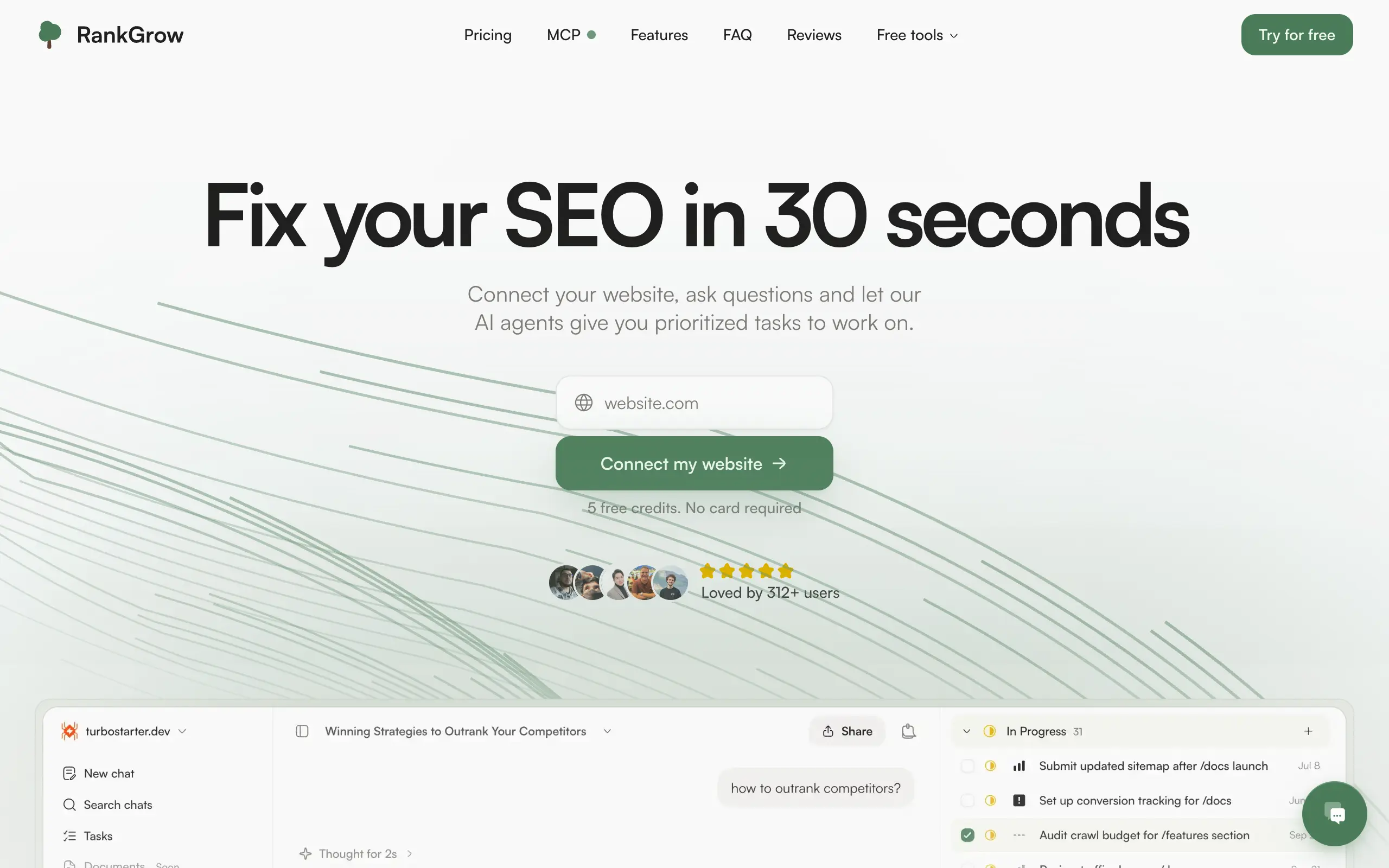
RankGrow
Fix your SEO with AI agents - connect Search Console, get prioritized tasks, and grow organic traffic 📈
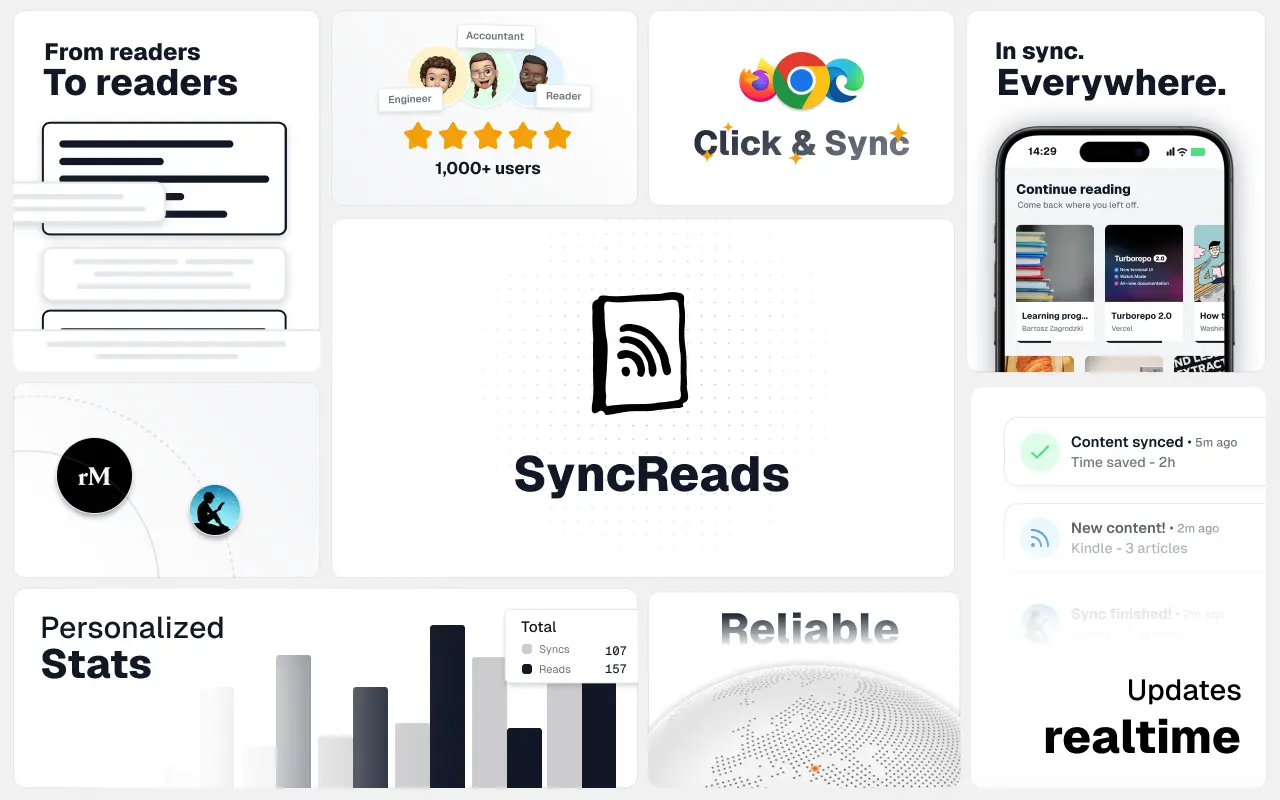
SyncReads
Sync your favorite content for distraction-free reading, save time and replace multiple apps. Anytime, anywhere 🔄
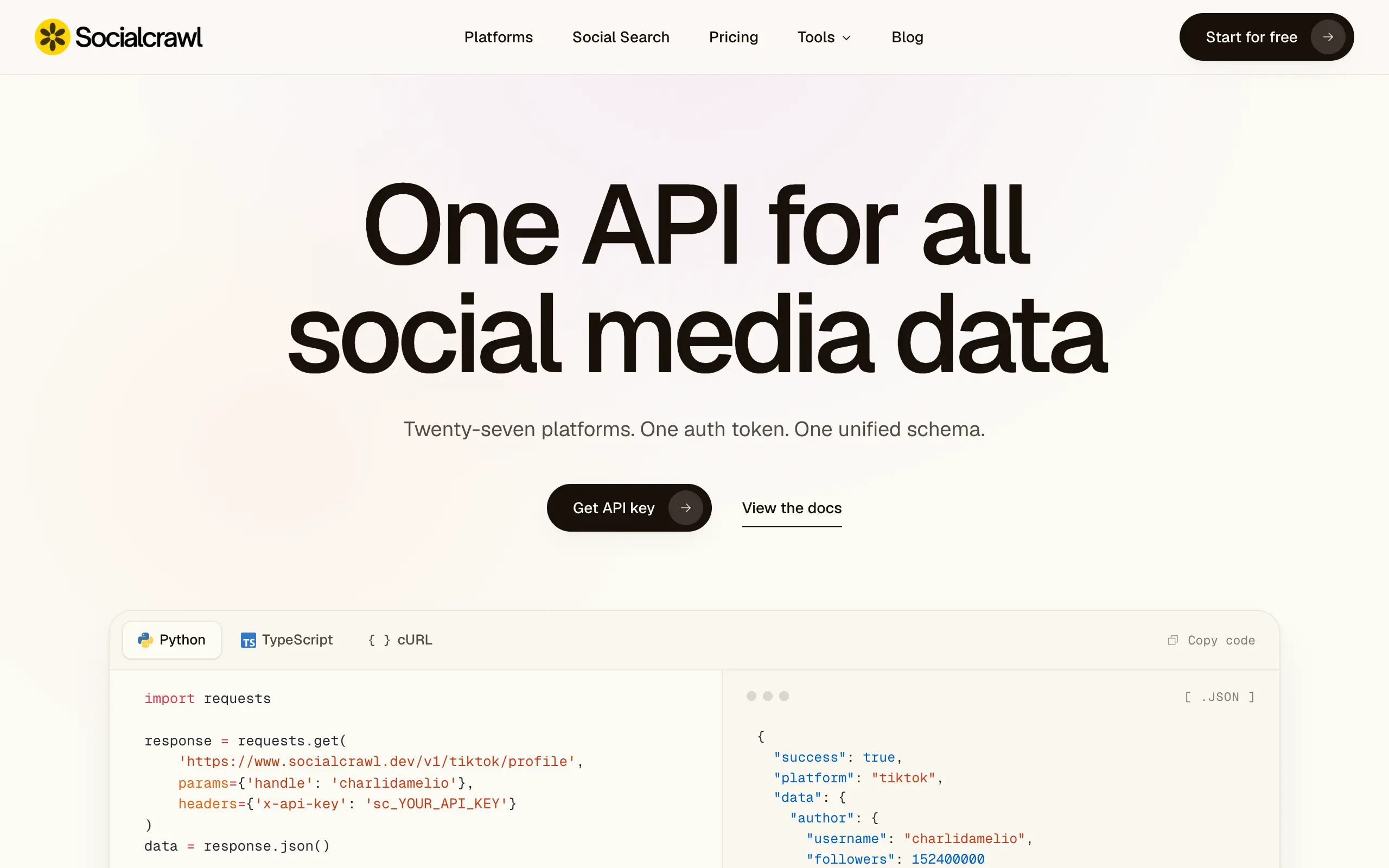
Socialcrawl
Get clean, structured data from 21 platforms like TikTok, Instagram, and YouTube with a single request 📊
Statiko
Monitor any Telegram channel in real time - track posts, edits, deletions, and growth with AI recaps 📡
Shibui
AI website builder - describe your business, pick a niche template, edit by chatting, and publish instantly ✨
Pro Service
Find verified home service professionals, compare quotes, and pay securely through escrow - built for Brazilians across the US 🏠
RankGrow
Fix your SEO with AI agents - connect Search Console, get prioritized tasks, and grow organic traffic 📈
SyncReads
Sync your favorite content for distraction-free reading, save time and replace multiple apps. Anytime, anywhere 🔄
Socialcrawl
Get clean, structured data from 21 platforms like TikTok, Instagram, and YouTube with a single request 📊
Statiko
Monitor any Telegram channel in real time - track posts, edits, deletions, and growth with AI recaps 📡
Shibui
AI website builder - describe your business, pick a niche template, edit by chatting, and publish instantly ✨
Pro Service
Find verified home service professionals, compare quotes, and pay securely through escrow - built for Brazilians across the US 🏠
RankGrow
Fix your SEO with AI agents - connect Search Console, get prioritized tasks, and grow organic traffic 📈
SyncReads
Sync your favorite content for distraction-free reading, save time and replace multiple apps. Anytime, anywhere 🔄
Socialcrawl
Get clean, structured data from 21 platforms like TikTok, Instagram, and YouTube with a single request 📊
Statiko
Monitor any Telegram channel in real time - track posts, edits, deletions, and growth with AI recaps 📡
Shibui
AI website builder - describe your business, pick a niche template, edit by chatting, and publish instantly ✨
Pro Service
Find verified home service professionals, compare quotes, and pay securely through escrow - built for Brazilians across the US 🏠
RankGrow
Fix your SEO with AI agents - connect Search Console, get prioritized tasks, and grow organic traffic 📈
SyncReads
Sync your favorite content for distraction-free reading, save time and replace multiple apps. Anytime, anywhere 🔄
Socialcrawl
Get clean, structured data from 21 platforms like TikTok, Instagram, and YouTube with a single request 📊
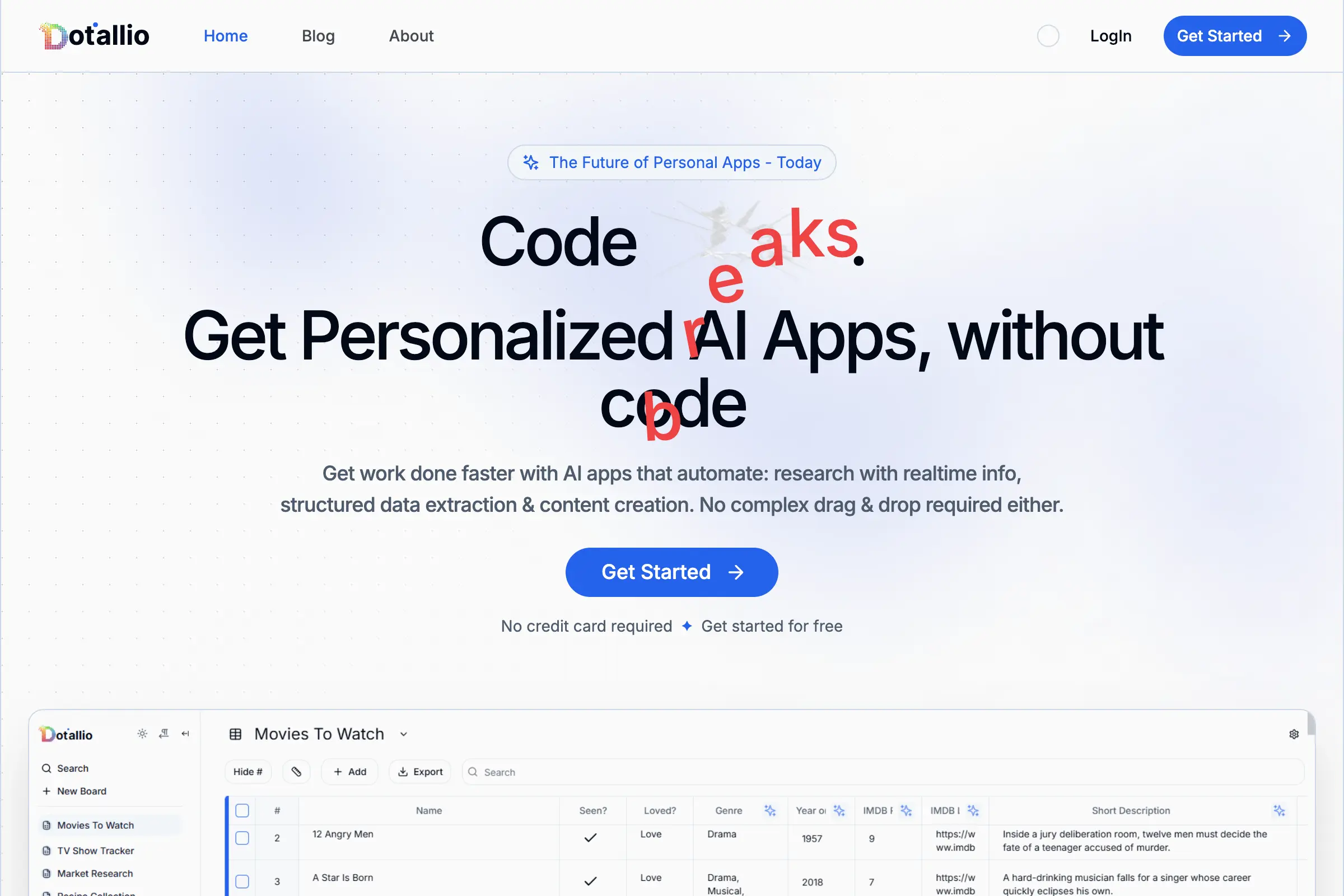
Dotallio
Personalized AI apps that automate research, data extraction, and content creation without code 🤖

Talk to Santa
Enjoy a magical live video chat or receive a unique AI-generated video greeting from Santa Claus 🎅

pozywka.pl
Scalable blog for food journalist, focused on performance and user experience 🌭
zagrodzki.me
Personal blog and portfolio of Bart Zagrodzki, where he shares his knowledge and work 💼
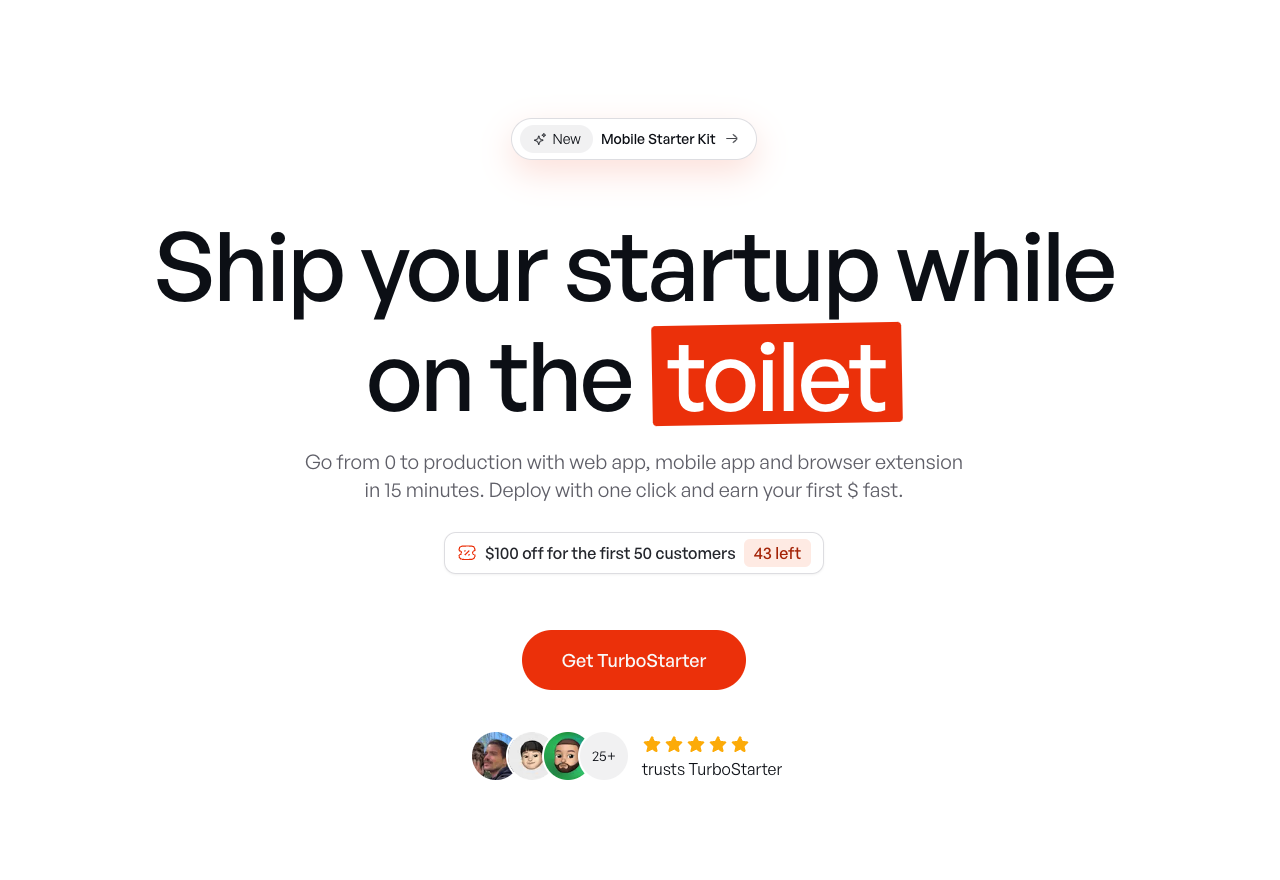
TurboStarter
Ship your startup everywhere. In minutes.
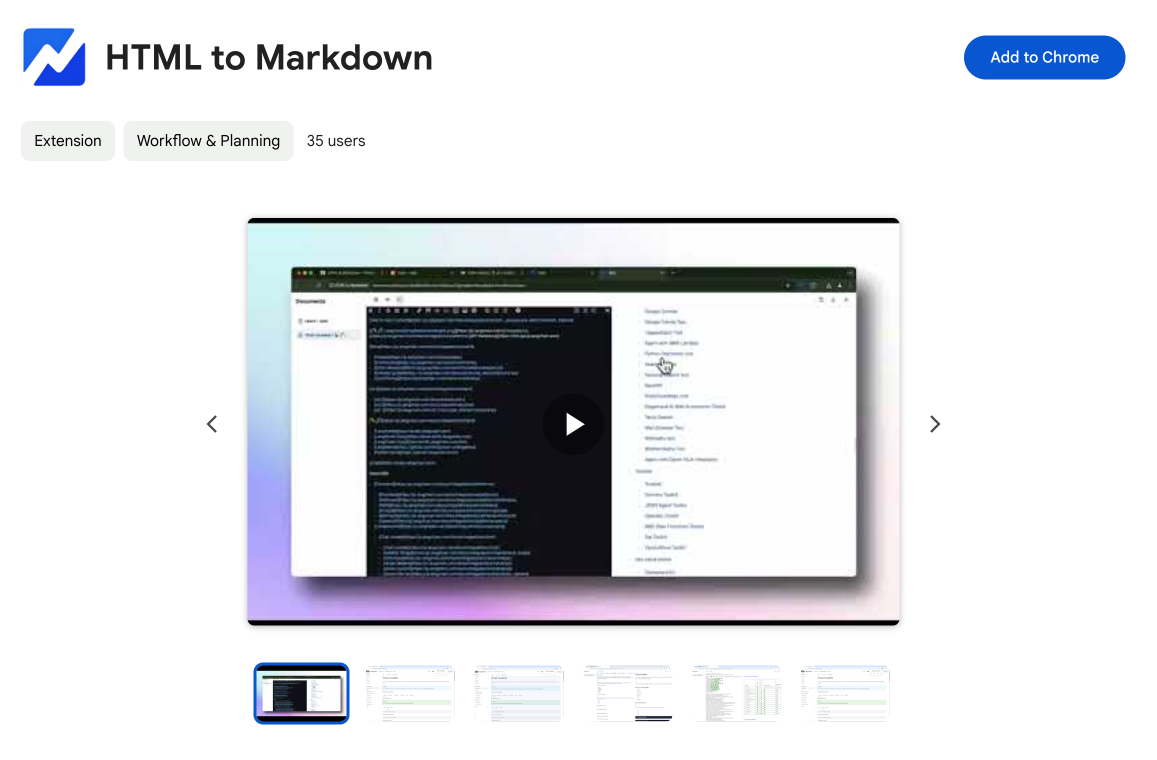
HTML to Markdown
Convert HTML to Markdown with ease, directly in your browser 📄
Dotallio
Personalized AI apps that automate research, data extraction, and content creation without code 🤖
Talk to Santa
Enjoy a magical live video chat or receive a unique AI-generated video greeting from Santa Claus 🎅
pozywka.pl
Scalable blog for food journalist, focused on performance and user experience 🌭
zagrodzki.me
Personal blog and portfolio of Bart Zagrodzki, where he shares his knowledge and work 💼
TurboStarter
Ship your startup everywhere. In minutes.
HTML to Markdown
Convert HTML to Markdown with ease, directly in your browser 📄
Dotallio
Personalized AI apps that automate research, data extraction, and content creation without code 🤖
Talk to Santa
Enjoy a magical live video chat or receive a unique AI-generated video greeting from Santa Claus 🎅
pozywka.pl
Scalable blog for food journalist, focused on performance and user experience 🌭
zagrodzki.me
Personal blog and portfolio of Bart Zagrodzki, where he shares his knowledge and work 💼
TurboStarter
Ship your startup everywhere. In minutes.
HTML to Markdown
Convert HTML to Markdown with ease, directly in your browser 📄
Dotallio
Personalized AI apps that automate research, data extraction, and content creation without code 🤖
Talk to Santa
Enjoy a magical live video chat or receive a unique AI-generated video greeting from Santa Claus 🎅
pozywka.pl
Scalable blog for food journalist, focused on performance and user experience 🌭
zagrodzki.me
Personal blog and portfolio of Bart Zagrodzki, where he shares his knowledge and work 💼
TurboStarter
Ship your startup everywhere. In minutes.
HTML to Markdown
Convert HTML to Markdown with ease, directly in your browser 📄
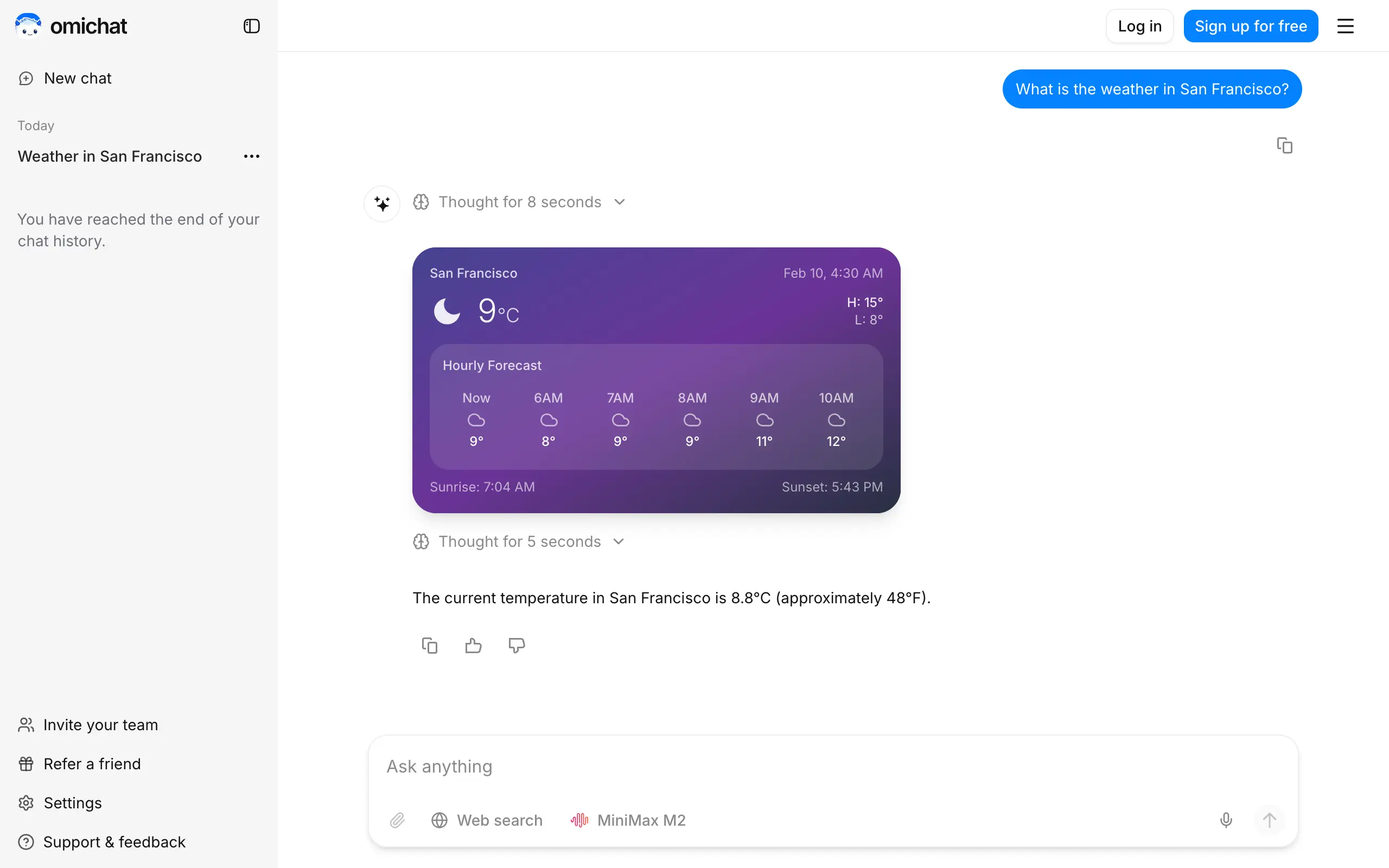
Omichat
Chat with 50+ AI models, including ChatGPT and Claude, in one place - switch models anytime without losing context 🤖
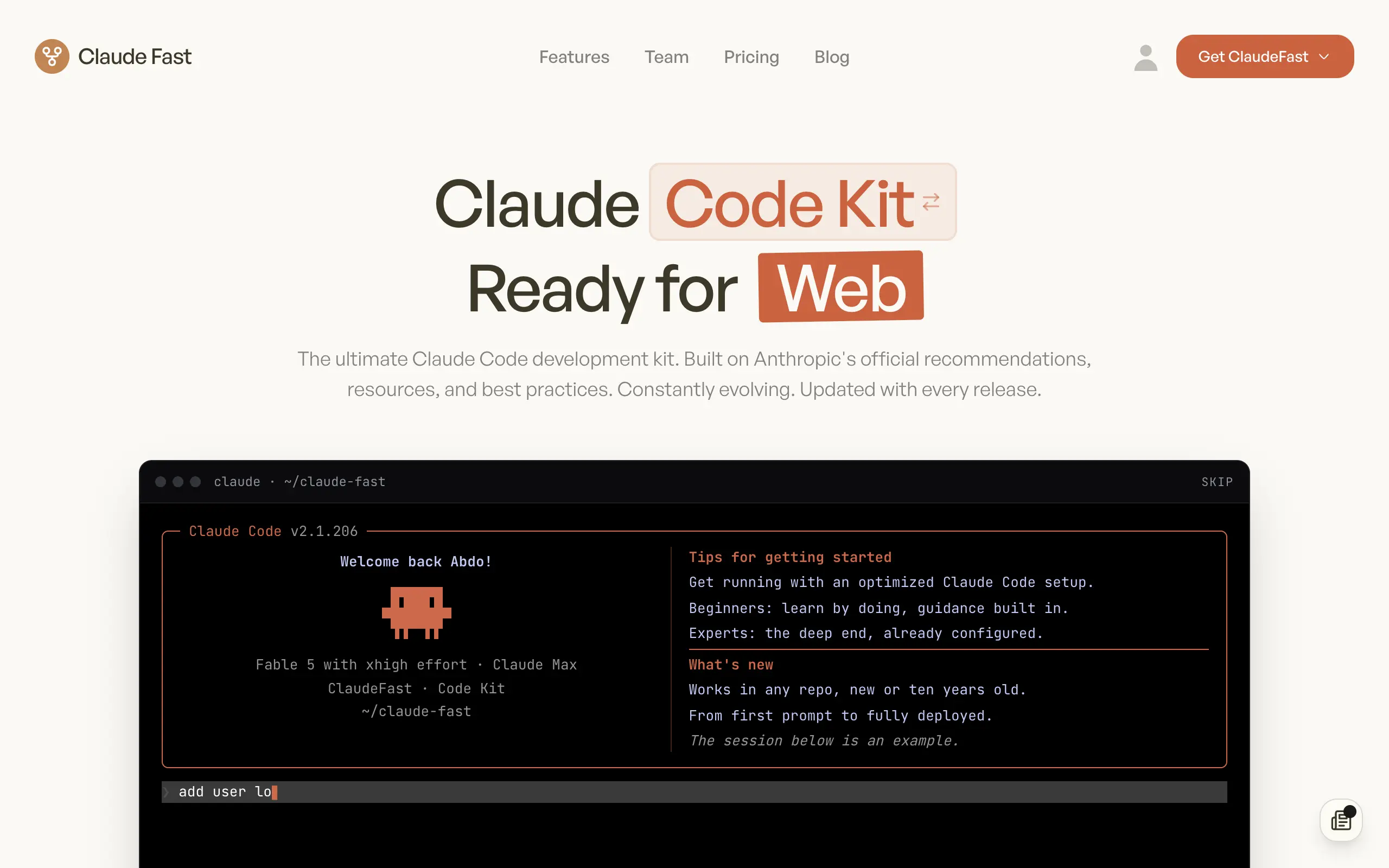
Claude Fast
Supercharge your Claude Code with 6x effective context window and specialized AI agents 🤖

EmojAI
AI-powered emoji picker with smart, context-aware suggestions 🤖
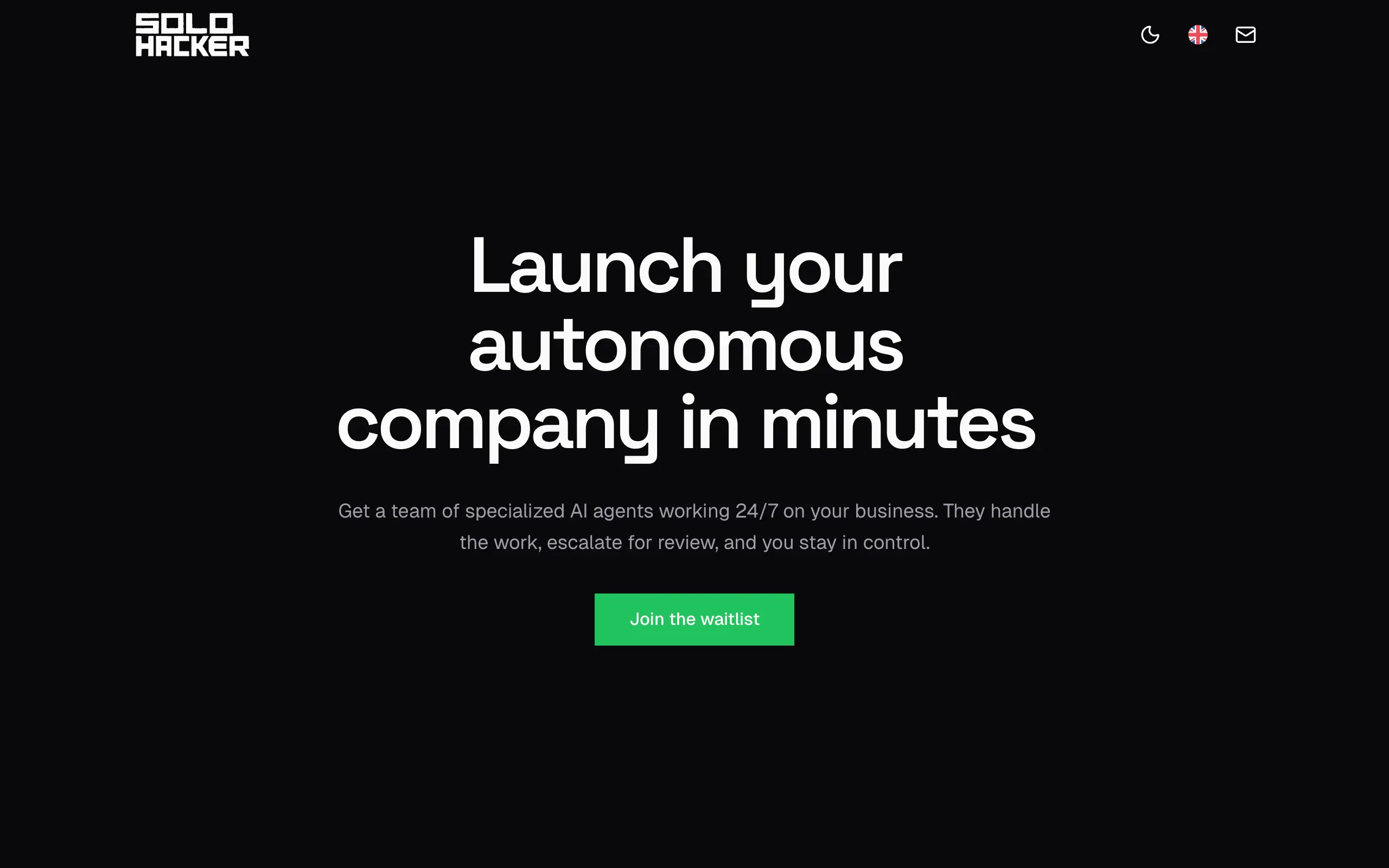
Solohacker
Autonomous company launcher - AI agents work 24/7, escalate what matters, and you stay in control 🤖

BeRawi: Storytelling Coach
Practice storytelling daily with instant feedback to sound clearer, more engaging, and confident 🎤
Omichat
Chat with 50+ AI models, including ChatGPT and Claude, in one place - switch models anytime without losing context 🤖
Claude Fast
Supercharge your Claude Code with 6x effective context window and specialized AI agents 🤖
EmojAI
AI-powered emoji picker with smart, context-aware suggestions 🤖
Solohacker
Autonomous company launcher - AI agents work 24/7, escalate what matters, and you stay in control 🤖
BeRawi: Storytelling Coach
Practice storytelling daily with instant feedback to sound clearer, more engaging, and confident 🎤
Omichat
Chat with 50+ AI models, including ChatGPT and Claude, in one place - switch models anytime without losing context 🤖
Claude Fast
Supercharge your Claude Code with 6x effective context window and specialized AI agents 🤖
EmojAI
AI-powered emoji picker with smart, context-aware suggestions 🤖
Solohacker
Autonomous company launcher - AI agents work 24/7, escalate what matters, and you stay in control 🤖
BeRawi: Storytelling Coach
Practice storytelling daily with instant feedback to sound clearer, more engaging, and confident 🎤
Omichat
Chat with 50+ AI models, including ChatGPT and Claude, in one place - switch models anytime without losing context 🤖
Claude Fast
Supercharge your Claude Code with 6x effective context window and specialized AI agents 🤖
EmojAI
AI-powered emoji picker with smart, context-aware suggestions 🤖
Solohacker
Autonomous company launcher - AI agents work 24/7, escalate what matters, and you stay in control 🤖
BeRawi: Storytelling Coach
Practice storytelling daily with instant feedback to sound clearer, more engaging, and confident 🎤

Connect with like-minded people
Join our community to get feedback, support, and grow together with 1,000+ builders on board, let's ship it!
Join usShip your startup everywhere. In minutes.
Don't burn tokens on setup and start building features on day one.